tinyGS
· TinyGS Community · 7 min read
Weekly Newsletter - March 2, 2025
Welcome to the TinyGS community newsletter. Stay up-to-date with the latest discussions, insights, and developments from the TinyGS community.
Highlights
General
- GopVed thanked Stefan for his point on overlapping footprints and suggested that more new satellites could lead to a more advanced auto-tuning algorithm. 🔗
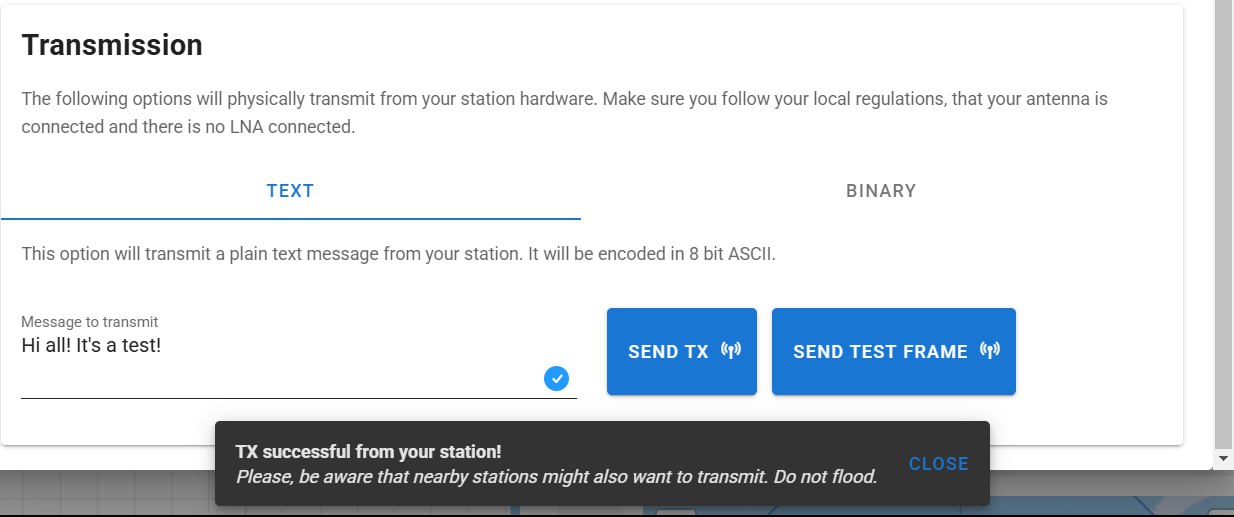
- papercom asked how to ensure a test message was successfully transmitted and received, and how to find out who received it. 🔗
- G4lile0 clarified that Starlink V2 satellites include a LoRa beacon for early orbit telemetry, tracking, and emergency commands. 🔗
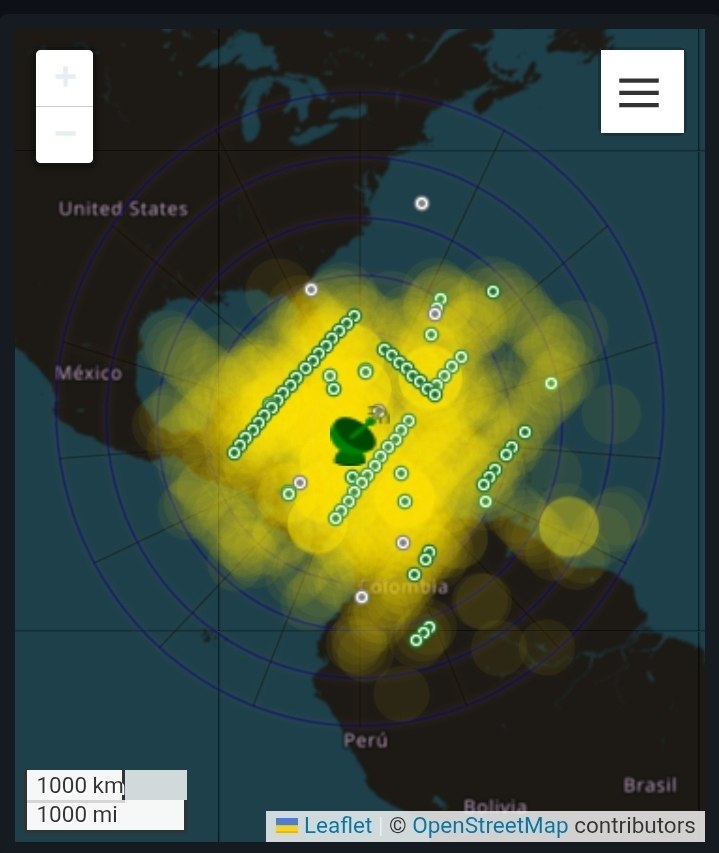
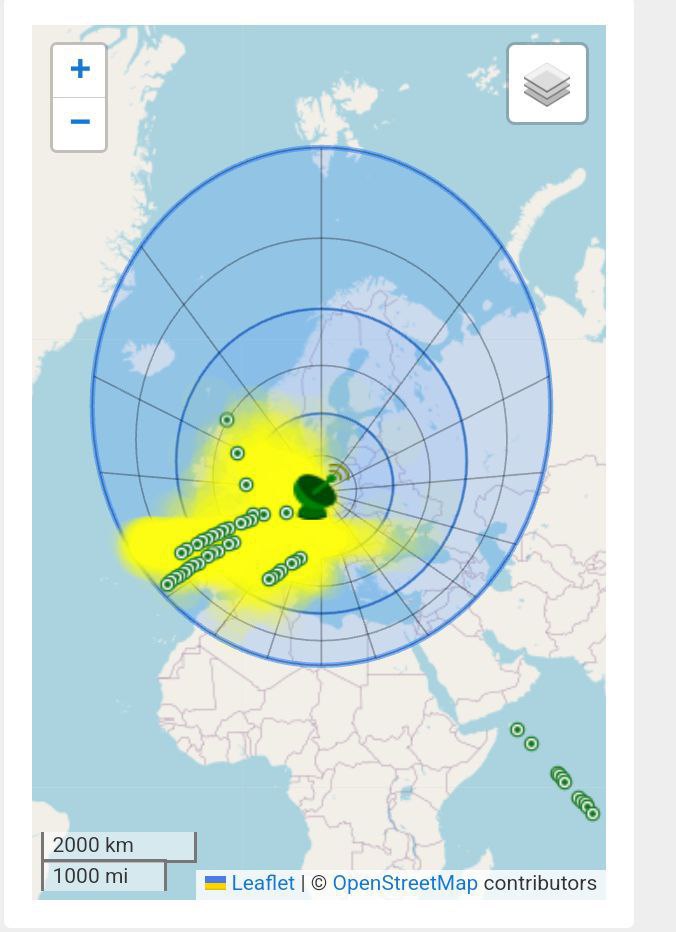
- Maksym shared a photo and asked if receiving packets over 8000km was due to luck or common, and shared another picture. 🔗
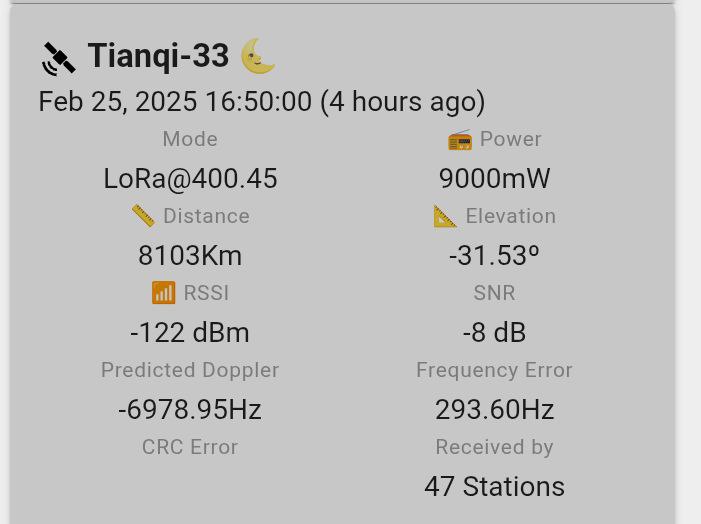
- G4lile0 mentioned that old TLEs sometimes take days or weeks to update for some Tianqi satellites. 🔗
- megazaic shared a noise floor chart and considers it ultimately useless despite its appealing appearance. 🔗
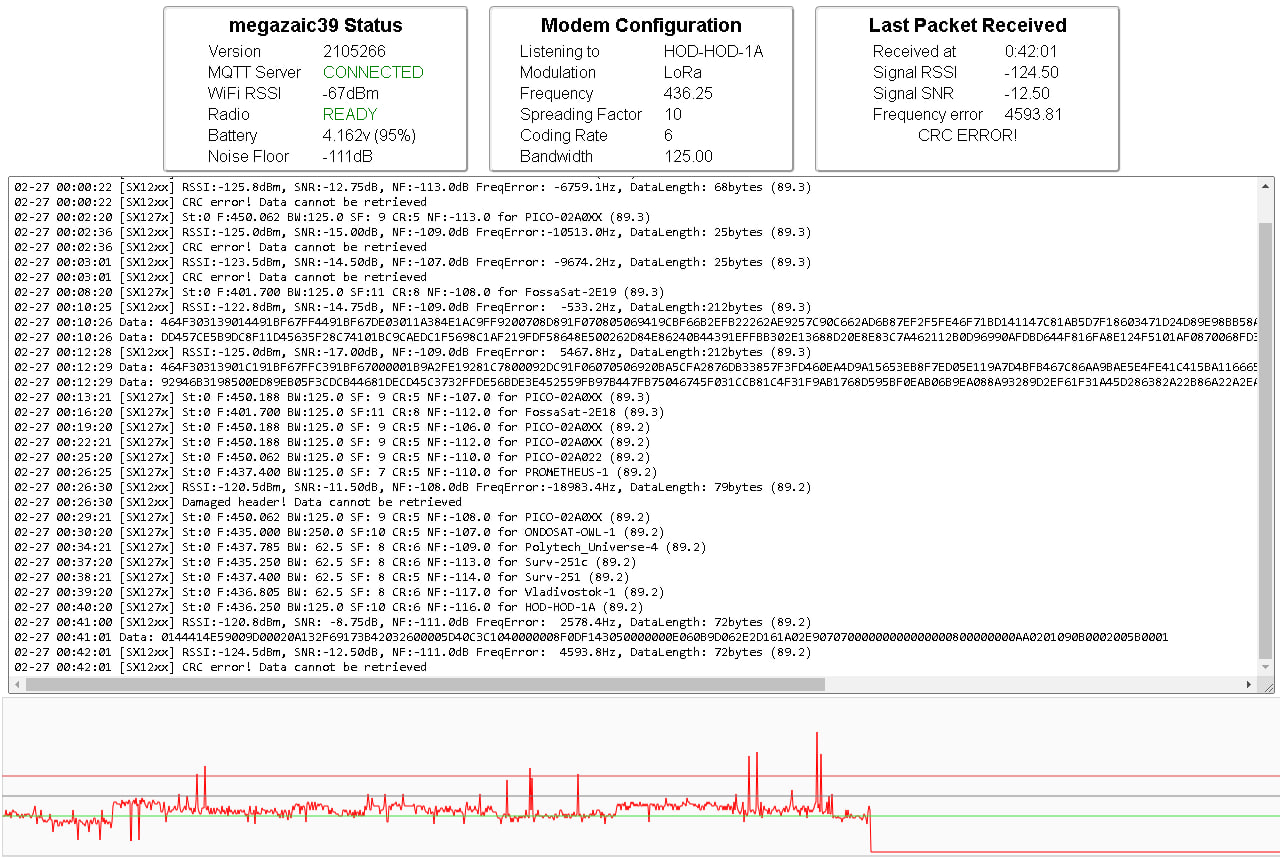
- Notsure7 expressed enthusiasm for completing a 1.25m prime focus dish with gearboxes for the positioner and inquired about obtaining a specific version, having VScode setup, mentioning not being a software expert. Also stated that RSSI must be interpreted, noting 91dB of noise but with almost 50dB of gain before filters and confirmed that it will be used as a temporary tool to quickly check what works and what doesn’t. He said that initial plan was DSN (too small) and then starlink telemetry on 2.4ghz during the launch phase, but they encrypted it, added that the dish is a commercial KU dish and its size limits it a bit but he has a lathe to modify LNBs and designing the mounts with 1.8m future dish upgrade in mind. 🔗
- Hernedy introduced himself from Venezuela and asked about the procedure to obtain credentials and activate a station. 🔗
- Mitkah used the bot command ‘/mqtt’. 🔗
Technical Problems
- ericfrol reported issues flashing an ESP32 board using the web installer, where the LEDs turned on but the screen remained black. Later, the user mentioned solving the issue by modifying .bin file Hex values according to an article about common issues in lilygo boards and that it was a flashing error related to chrome esp web flasher, a com port problem. Finally, confirmed that the screen remains black. 🔗
- Phil reported an issue after flashing where the board is accessible on 192.168.4.1 for configuration but not on 192.168.1.41 afterwards. 🔗
- aspi3d inquired about using two LoRa modules with different frequencies (434MHz and 868MHz) on a single ESP32, noting that most Spanish stations use 434MHz despite 868MHz being the ‘official’ European frequency. He also asked whether frequencies are not being respected. Later, he asked about using the E80-400M2213S and finally asked about using RFM96 and RA-02 modules. 🔗
- Notsure7 stated that there aren’t packets on 868 over mainland Europe, except Turkey. He clarified that Antonio might be assuming that Lora is used terrestrially mainly on 868 in Europe. Later, he said that all frequencies should be used, suggesting one set of esp32/sx12**/lna/filter/antenna for each band, but he said that 433 has the most bang for buck and mentioned the problem with 433 is that it starts on 400mhz and stops around 450, using a cheap saw filter will only allow a subset, and with phase errors. He shared a link to his station and said that he did some surgery on his, took the switch out, rx only, not much difference. 🔗
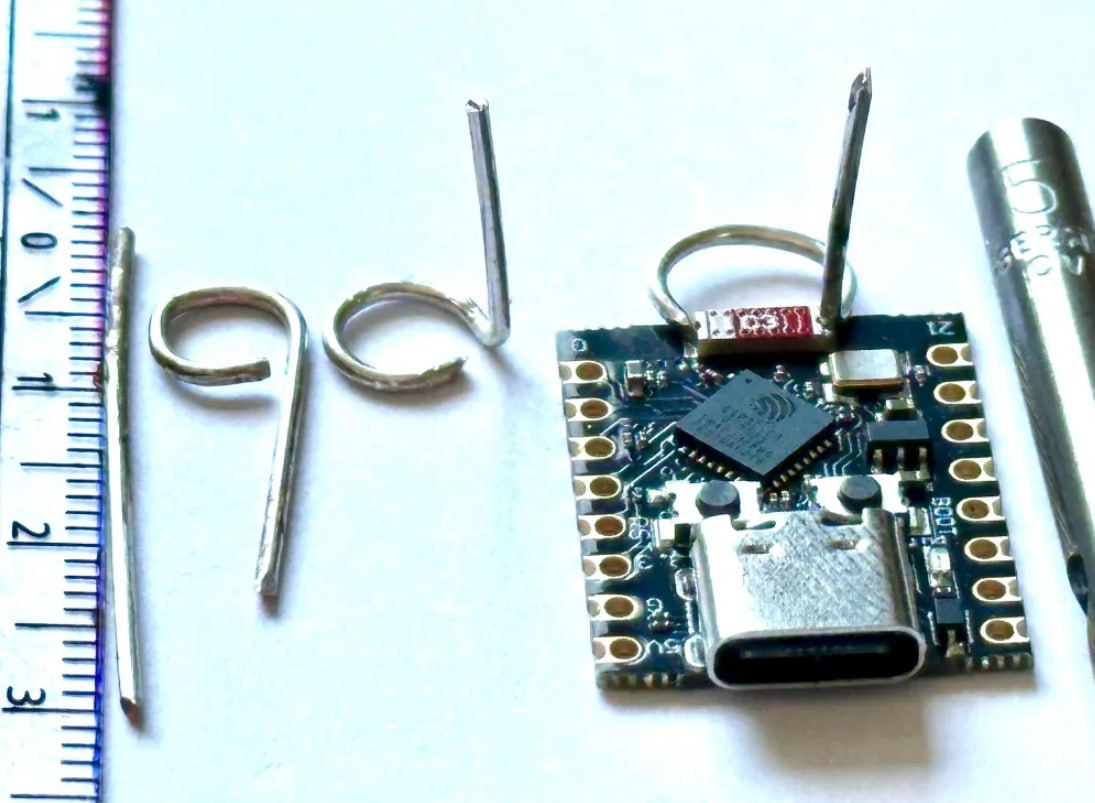
- Prediktor reported building a TinyGS station that has been running for two days without receiving any packets, despite nearby stations receiving several. He is using the default spiral antenna of the SX1278 and asked if there is something missing or wrong. 🔗
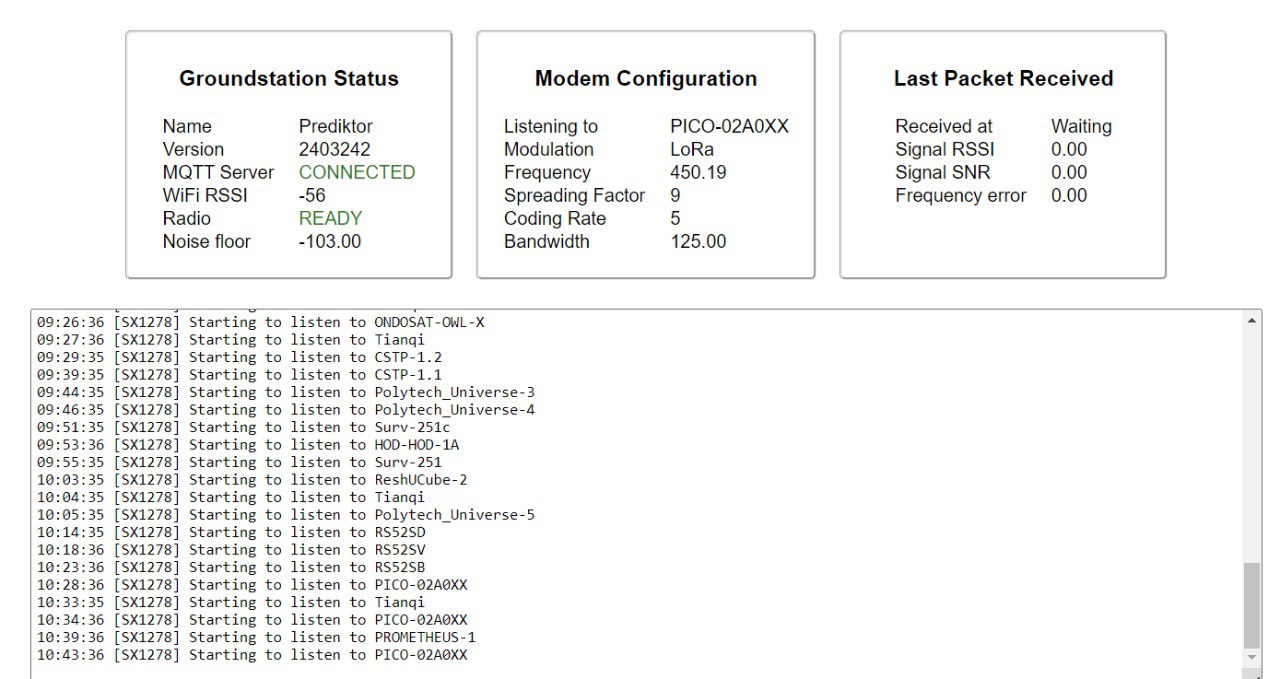
- Nick asked about the possibility of creating a custom satellite list or disabling specific subbands to avoid interference from LTE450 when using the automatic band 433 selection, particularly affecting PICO satellite reception. Later, user thanked for the information. 🔗
- G4lile0 responded that the feature to create custom satellite list or disable subbands is planned for future implementation. 🔗
Antenna Building
- Bob mentioned that insulation usually lowers the frequency. 🔗
- Paul asked for recommendations for a decent and affordable antenna, not looking to build anything. 🔗
- David mentioned that a QFH antenna can be tuned slightly by adjusting the spacing of the feed coax or using a counterpoise, although this might compromise other parameters. 🔗
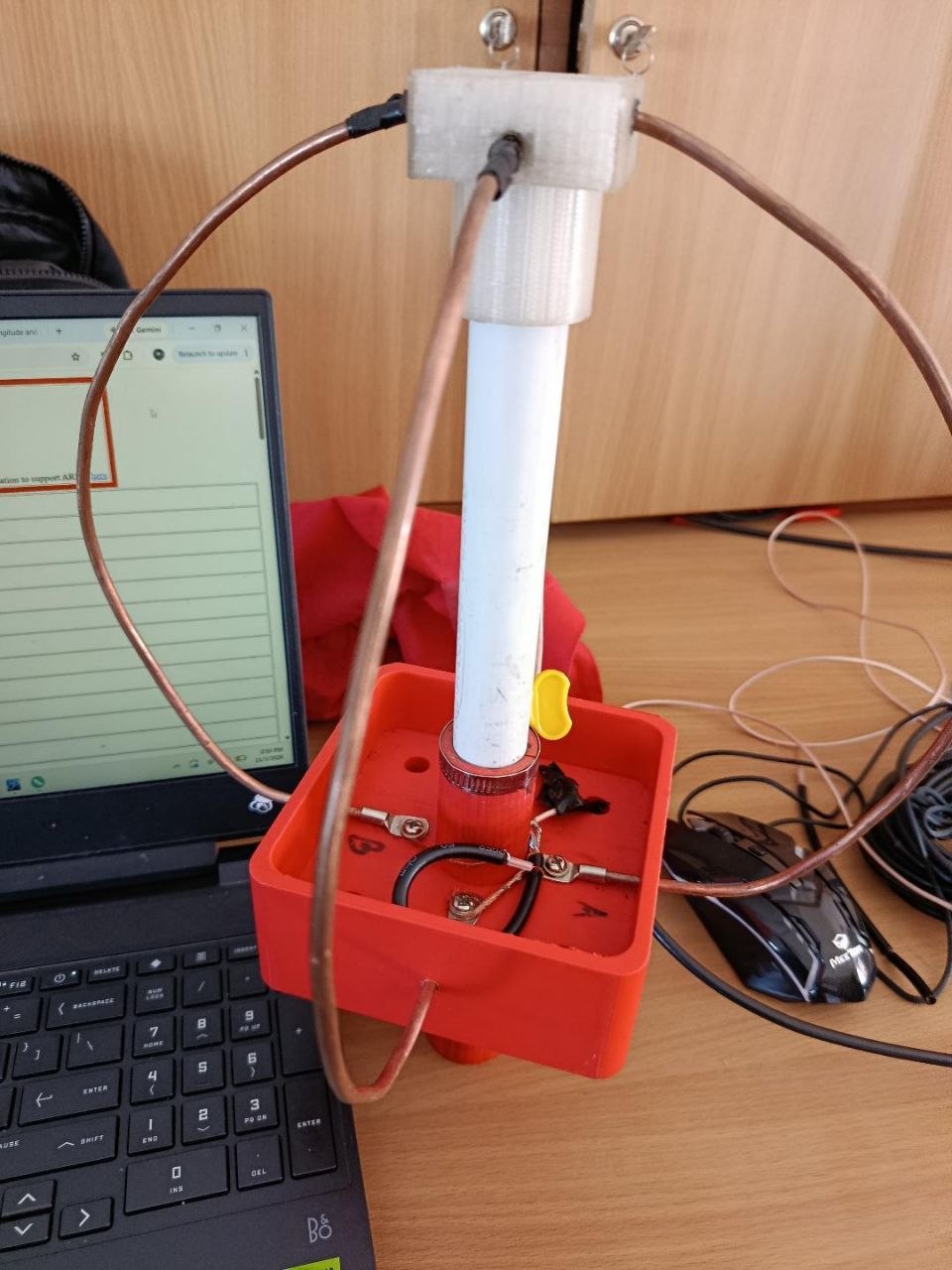
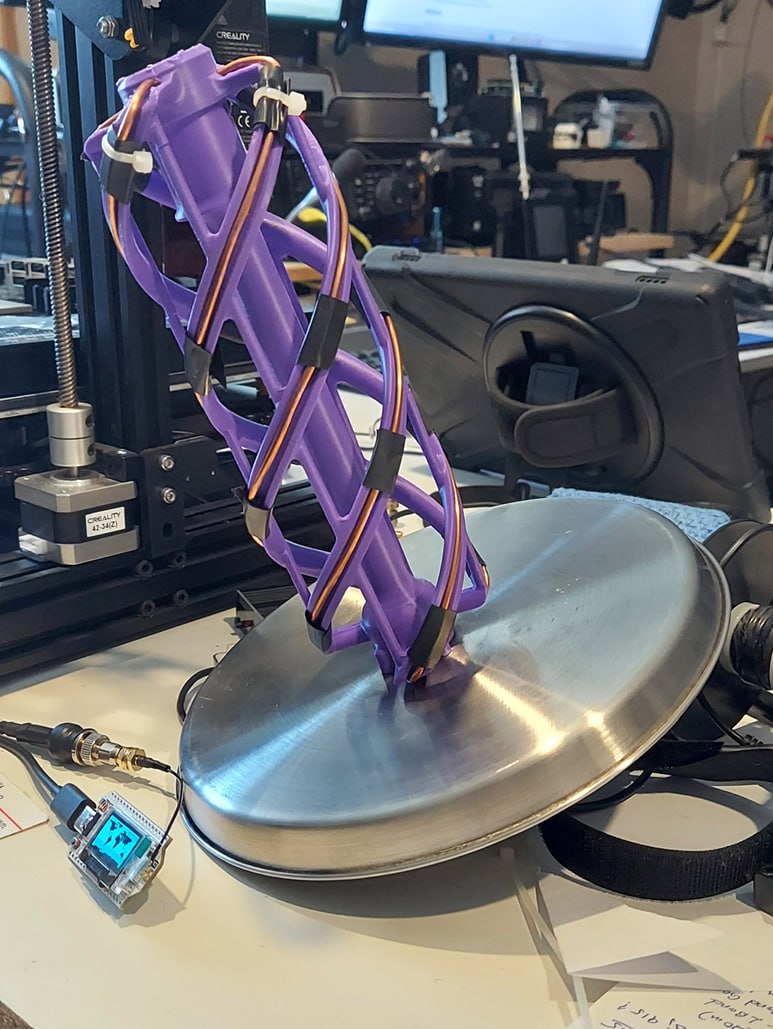
- Notsure7 printed an antenna out of PETG, and VNA indicates it works on 750MHz. However, it’s completely deaf compared to a simple GP antenna. He suspects this might be due to the different dielectric properties of PETG compared to PLA, or possibly due to his construction. He also shared a link to https://www.qrz.com/db/OE6ISP as a good resource and suggested that a gamma fed GP has wider bandwidth and protects an LNA. 🔗
- lua86 asked what kind of antenna is recommended for maximum spotting on a fixed angle and suggested an inverted-V dipole. 🔗
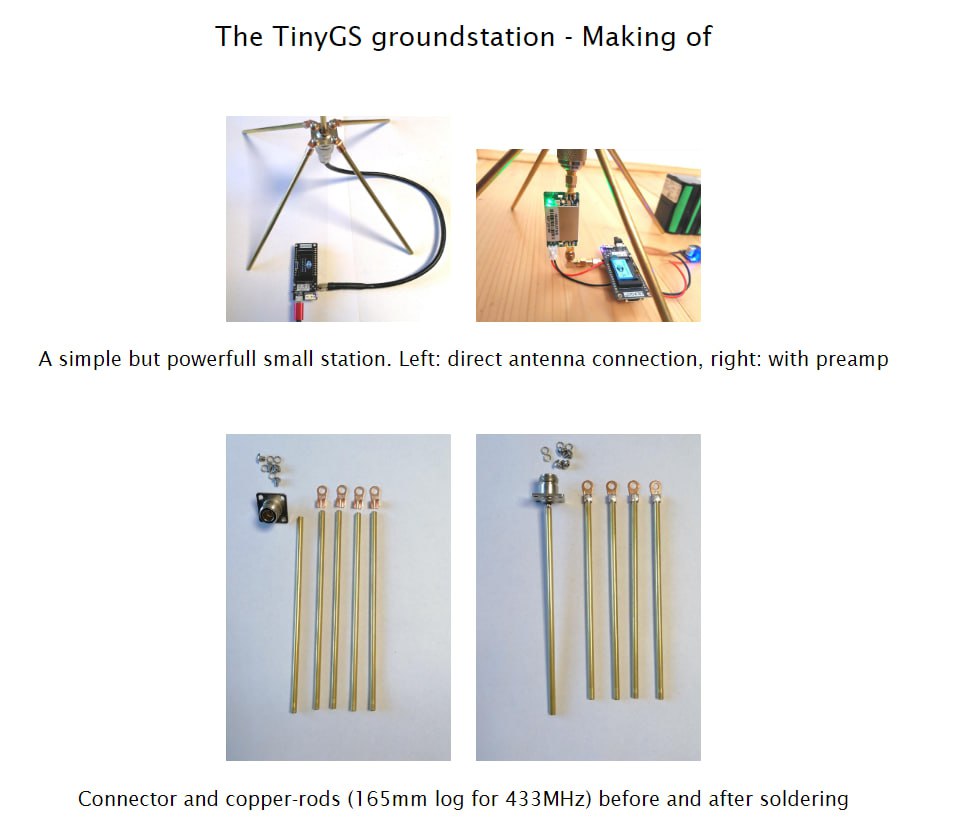
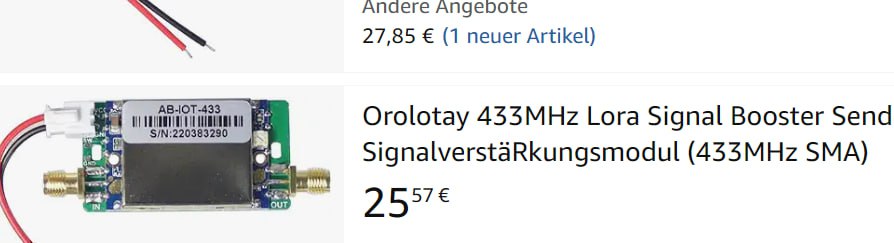
- Stefan/OE6ISP asked if the fixed angle referred to vertical or horizontal orientation. Later, in response to the user’s specific situation, he suggested that a simple, self-made ground plane is a good starting point, even with limited visibility in one direction. He noted that a V-dipole can add some directivity, and a short Yagi antenna (3-element) can optimize reception in a specific direction (30-degree elevation). He also mentioned the importance of considering reflections from nearby buildings, which can make even an omnidirectional antenna effective. Furthermore, he shared photos of his latest build, emphasizing its simplicity yet powerful performance, catching up to 600 packets a day from a remote location. 🔗
Share your setup
- ra3tox shared that they had a Moxon antenna working on one of their receivers for a few months but then gave it up. 🔗
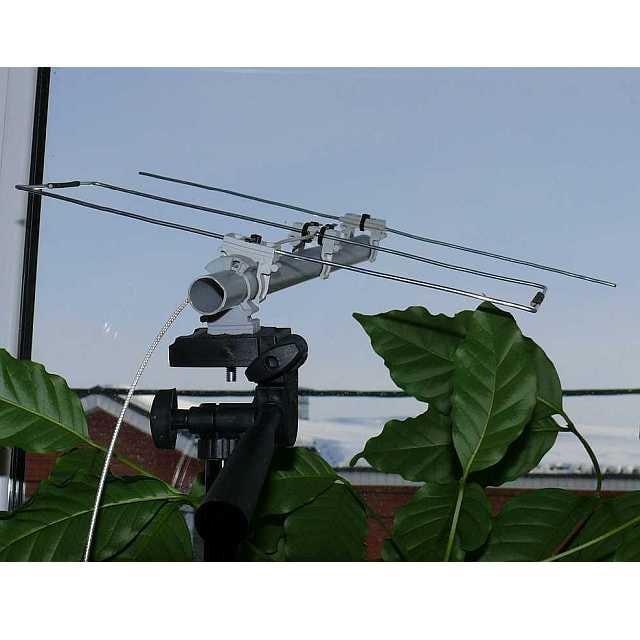
- PE1MWL shared a message about TinyGS and MeshCom on the roof. 🔗
Learning Resources
- gmag11 shared a 5-minute video from Keysight Labs that offers a clear and concise introduction to Smith charts, essential for visualizing circuit impedance. [https://www.youtube.com/watch?v=lUkPjqOoJQU\](https://www.youtube.com/watch?v=lUkPjqOoJQU) 🔗
- gmag11 shared a video explaining S Parameters, including basics, key concepts like reflection and transmission coefficients (S11, S21, S12, S22), practical applications in RF circuit design, measurement techniques using VNAs, and advanced topics like impedance matching. 🔗
Beta Firmware Testing
- Helmi advised against asking for credentials in the group and suggested using @tinygs_personal_bot as described in the wiki. [https://t.me/c/1448773154/78484/156298\](https://t.me/c/1448773154/78484/156298) 🔗
- G4lile0 announced that TinyGS is evolving and to prepare for major updates to take the community to the next level. 🔗
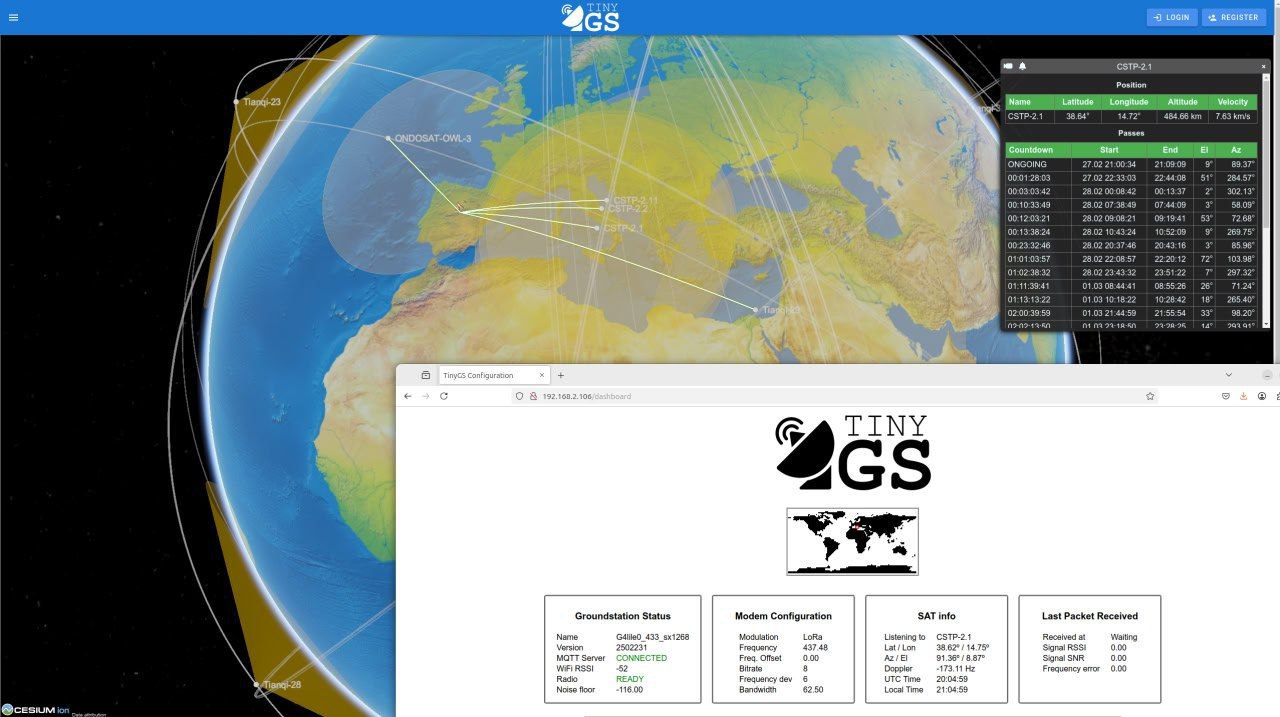
- Nick asked if TinyGS firmware supports the LR1121 chip. He later said he’ll try it in meshtastic and mentioned that the delivery includes an additional 2.4 GHz antenna, and the chip supports Lora communication in this band. He also mentioned articles describing the combined use of 868/915 MHz for heartbeat messages and 2.4GHz for real-time data, noting that 868/915 MHz excels in indoor coverage while 2.4Ghz doesn’t have a limited duty. 🔗
Events
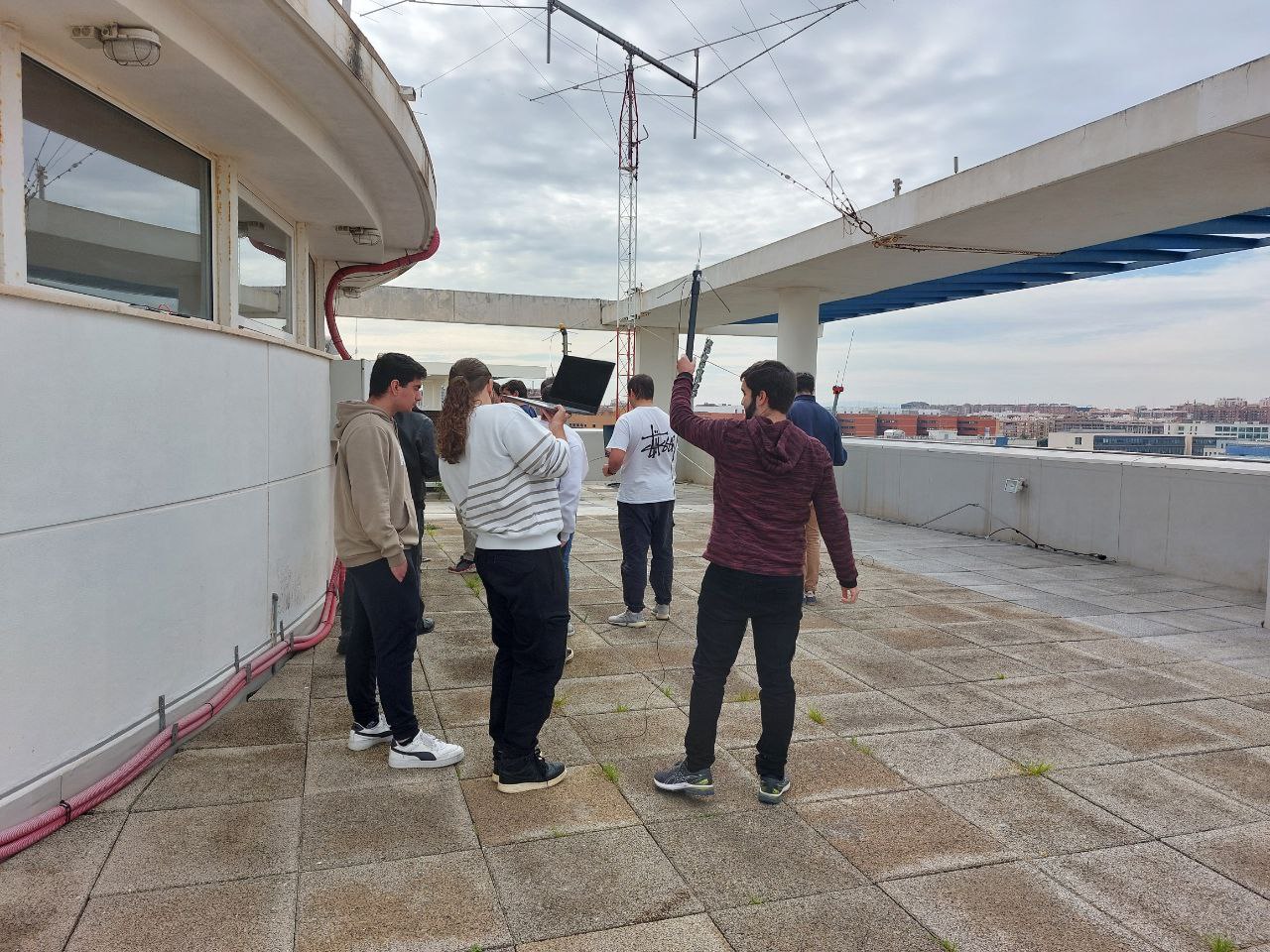
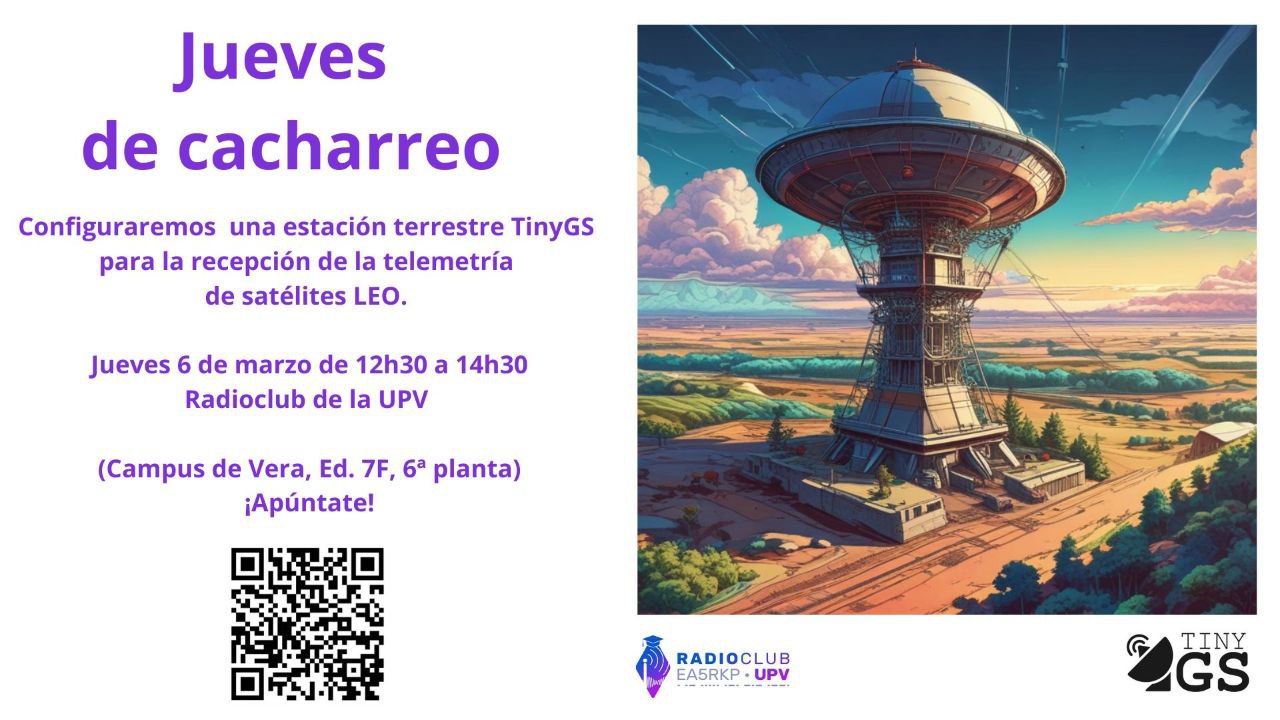
- Juan Pablo announced a repeat of a successful workshop on March 6th, free admission, in Spanish. 🔗
Featured Conversations
- The community discussed the impact of new satellites on auto-tuning algorithms, the use of Starlink V2 satellites with LoRa beacons for telemetry and tracking and considerations around long-distance packet reception and TLE data accuracy.
- Users shared insights on troubleshooting flashing issues with ESP32 boards, antenna construction, and noise floor measurement in TinyGS, including practical advice on connectors, modifications, and potential issues with LNA setups.
- There were comprehensive video resources shared, like S parameters and Smith charts, detailing their importance in RF network characterization, practical applications, and measurement techniques, benefiting students, engineers, and hobbyists alike.
- Community members discussed antenna options, with recommendations for affordable and effective models, along with practical advice on connectors and modifications for optimal performance in various setups. The use of different materials for 3D-printed antennas was also debated.
- Excitement builds as TinyGS prepares for significant updates, promising to elevate the community and project to new heights, with members encouraged to stay tuned for forthcoming announcements. Also was planned the implementation of creating a personalized satellite list and disabling sub-bands on their devices to mitigate signal interferences.
What’s next
Join the TinyGS community to share your insights, ask questions, and contribute to the growth of the project. Your knowledge and ideas are invaluable!
Share: