tinyGS
· TinyGS Community · 18 min read
Weekly Newsletter - November 15, 2026
This week the community went deep on noise — how to measure it, how to beat it, and why a homemade quarter-wave antenna with an unshielded feedline hears almost nothing until the counterpoise, cabling and enclosure are sorted out. Alongside a long ESP32-C3 debugging saga and a hunt through RadioLib error codes and satellite configurations, operators weighed the quieting 868 MHz band against busier FSK and 400 MHz targets, and shared first steps into satellite uplinks. Two fresh catches rounded off the week: a rare CATSAT reception and a homebrew telemetry decoder for a Dutch satellite.
Highlights
Technical Problems
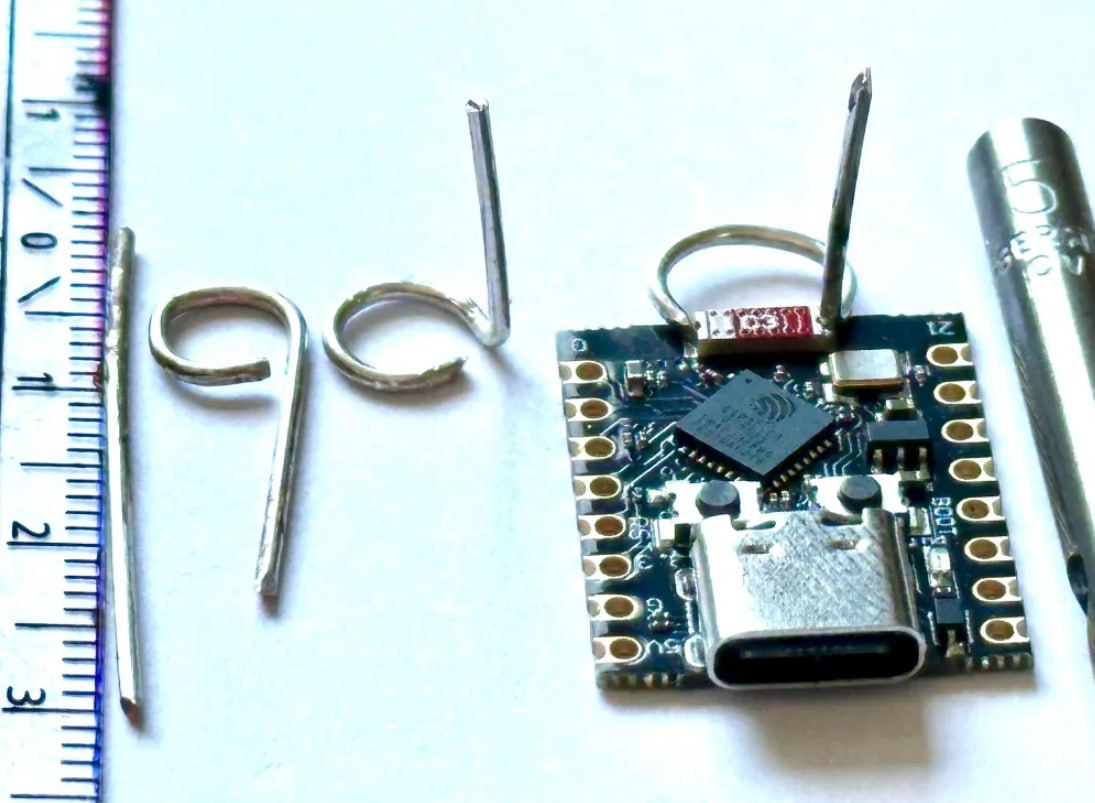
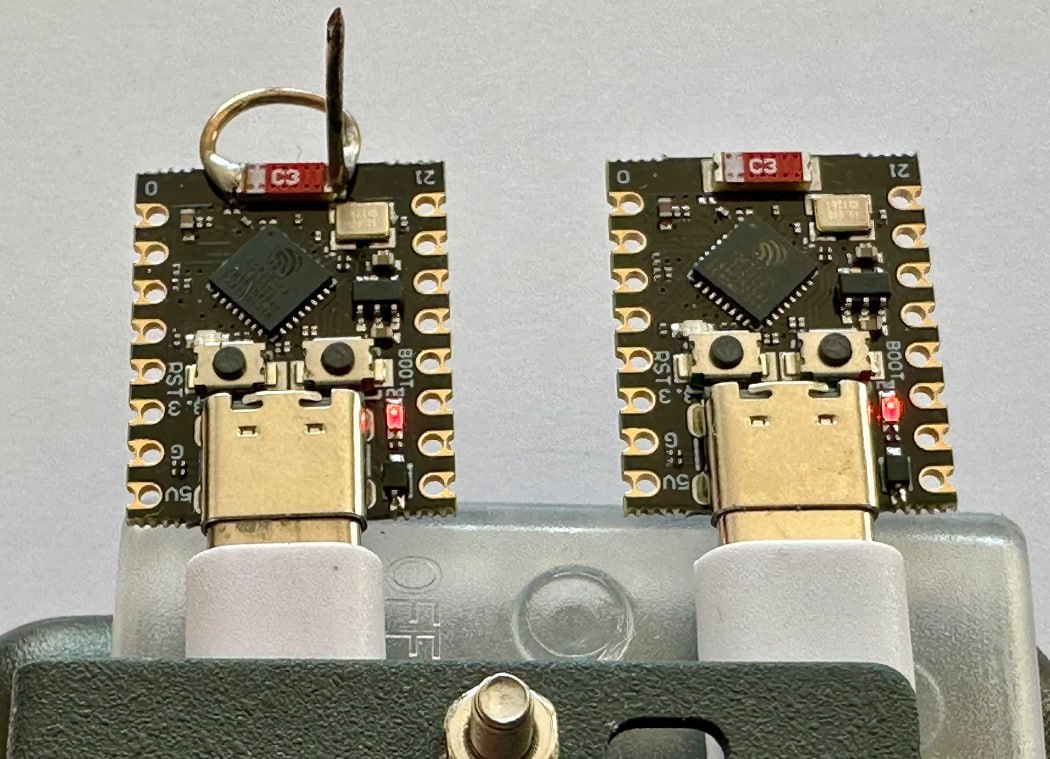
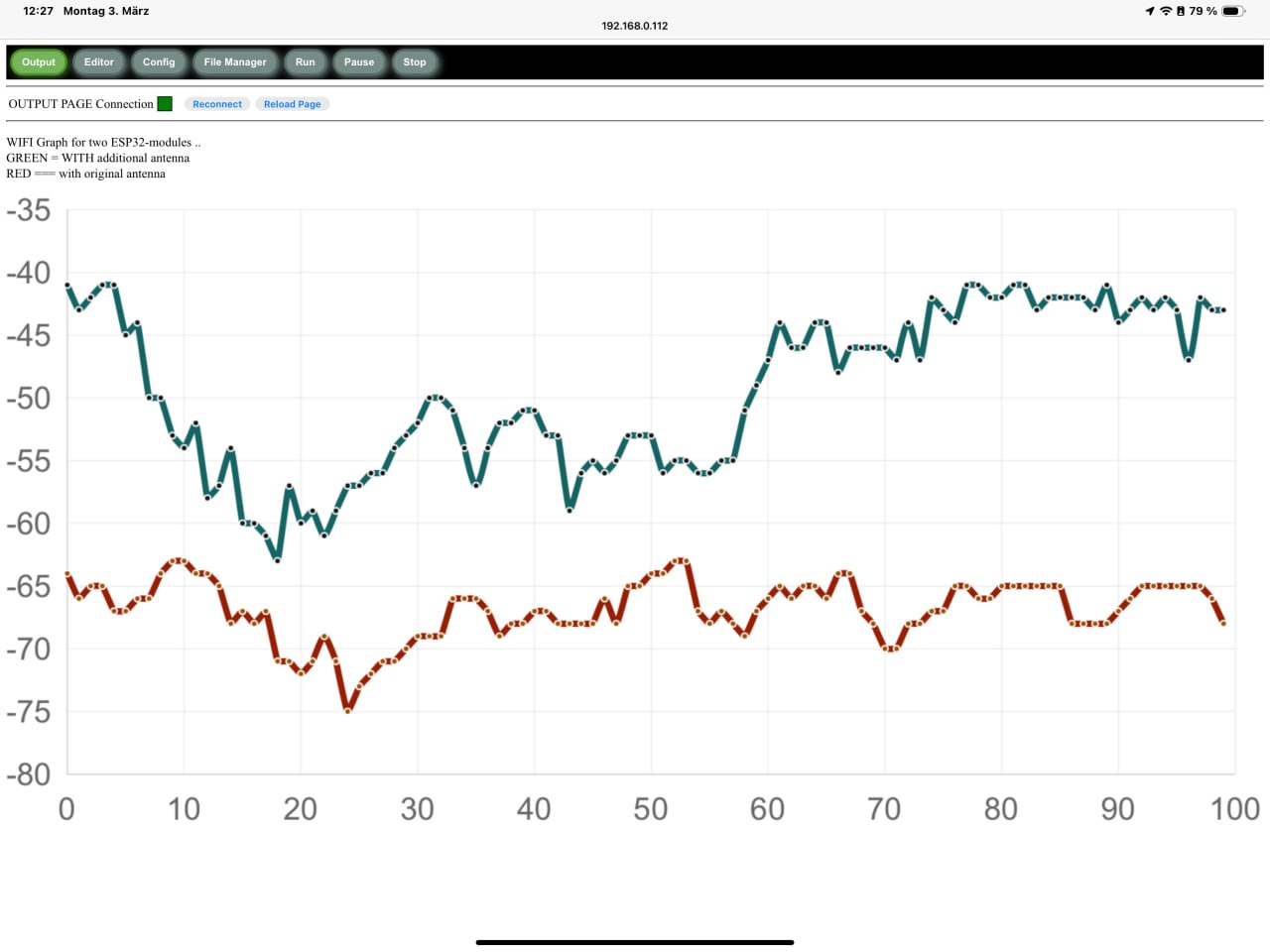
- Ignacio reported a frustrating cycle of instability on an ESP32-C3 SuperMini paired with an external SX1278 module at 433 MHz: TinyGS worked perfectly on the first flash, but after a settings change the board began connecting and disconnecting from USB, sometimes failed to start after a successful flash, occasionally joined Wi-Fi without serving its web dashboard and now and then failed to raise the configuration hotspot, with the serial console showing RTC_SW_SYS_RST and SPI_FAST_FLASH_BOOT messages. Helmi offered a working recipe — newest ESP32 core, USB CDC on boot, DIO flash mode and erase-all-flash before upload — and recommended moving away from the C3 for TinyGS altogether, since it relies on an emulated on-chip USB controller rather than the dedicated one found on a standard ESP32, while Notsure7 stressed that a full flash erase is essential on first install and that most C3 modules ship with an antenna closer to a dummy load than a real one, the chip heating up merely from associating with a nearby access point. Replacing that antenna cleared the connection problems, and the matching circuit was then examined in detail, with a shunt inductor favoured over the series capacitor fitted on the board and the simplest fix being to remove the matching components and connect a decent antenna directly. 🔗
- Csongor asked whether a station that had been offline for two years could come back online with its old firmware, and later clarified that the apparent failure was caused by setting the test power supply’s current limit too low — a useful reminder that a simple supply limit can mimic a hardware fault. In the same thread Notsure7 mentioned that custom PCBs were almost ready to share, while noting that current import restrictions were making DIY hardware work more difficult. 🔗
- Fabio IZ0IBA reported testing a custom firmware that lets SX1278-based boards receive FSK packets larger than 64 bytes, already validated locally with a HackRF, but found that autotune assumes SX1278 boards cannot properly receive FSK satellites, so no FSK passes are scheduled for his station and he must tune manually for hours at a time. He asked whether an MQTT team contact could enable FSK reception for his station, or whether a workaround such as reporting an SX1262 board would be needed until he has his own MQTT scheduler. 🔗
- Don reported a Radio Status Error −102 (RadioLib invalid frequency deviation) on his Heltec V3 station with an SX1262 when tuned to UND-ROADS-1, ERMIS-3 and SM-3.1, while older satellites such as Mule-4 and ERMIS-2 continued to be received normally with AutoTune. Stefan identified the cause as a wrong deviation value of 0.5 submitted for ION-SCV-006, which has since been corrected, and noted that the warning can take some time to disappear after the fix; a complete reference of RadioLib status codes had also been shared earlier in the week so operators could decode such faults themselves. 🔗
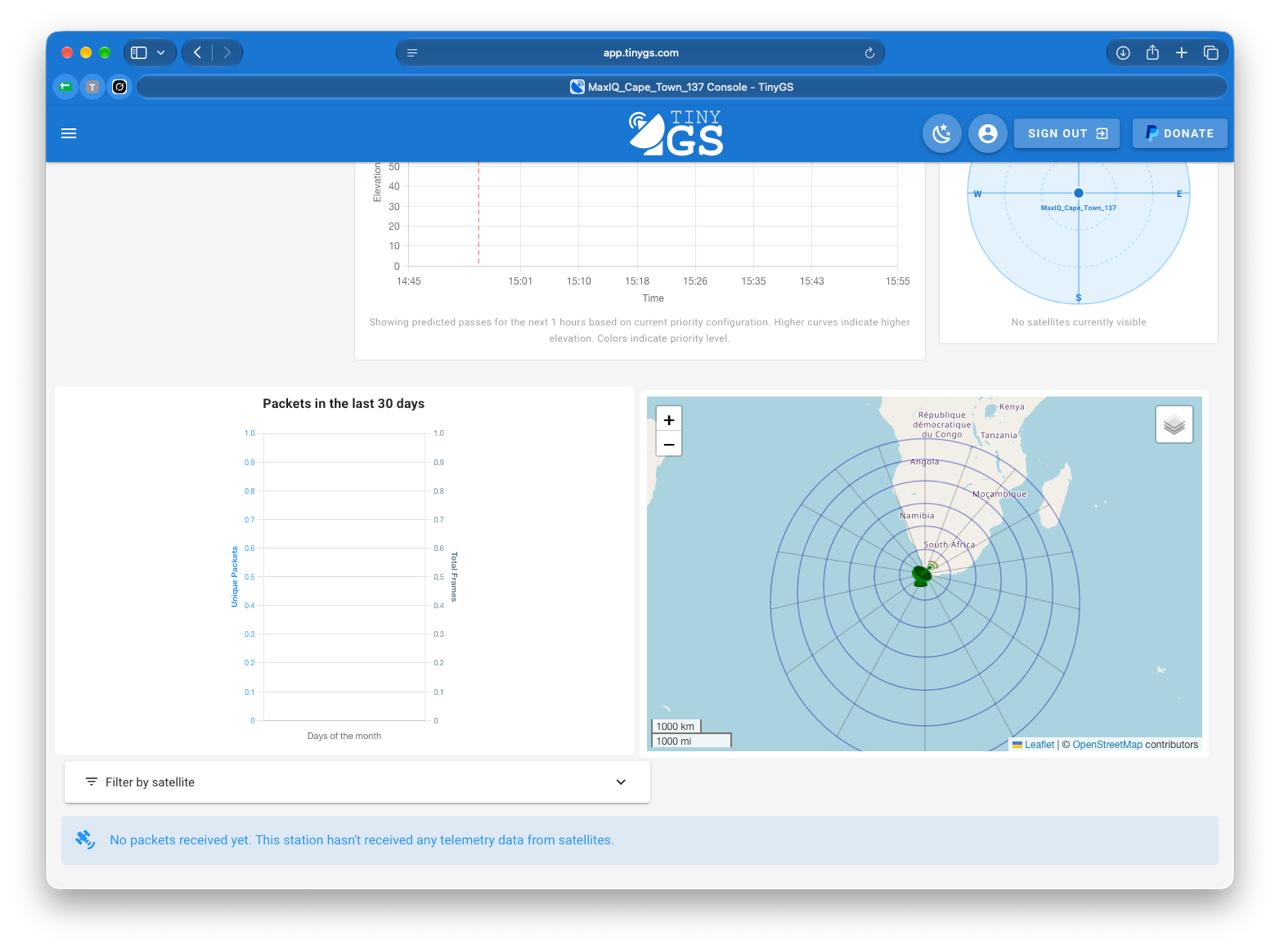
https://jgromes.github.io/RadioLib/group__status__codes.html - Gotfredsen reported that his 137 MHz setup was not updating on the website, including the next-satellite-to-listen suggestion, and shared dashboard screenshots to illustrate the problem. The explanation given was that on 2 m only the predictions for Wisdom, Mauve and Wren-1 Owl are shown, with the advice to switch the timeline preview to 12H and slide along it to see when satellites pass over a given region; it was further clarified that surveillance entries cover unknown satellites that cannot be predicted, and that Starlink passes cannot be scheduled either since each satellite carries its own TLE. 🔗
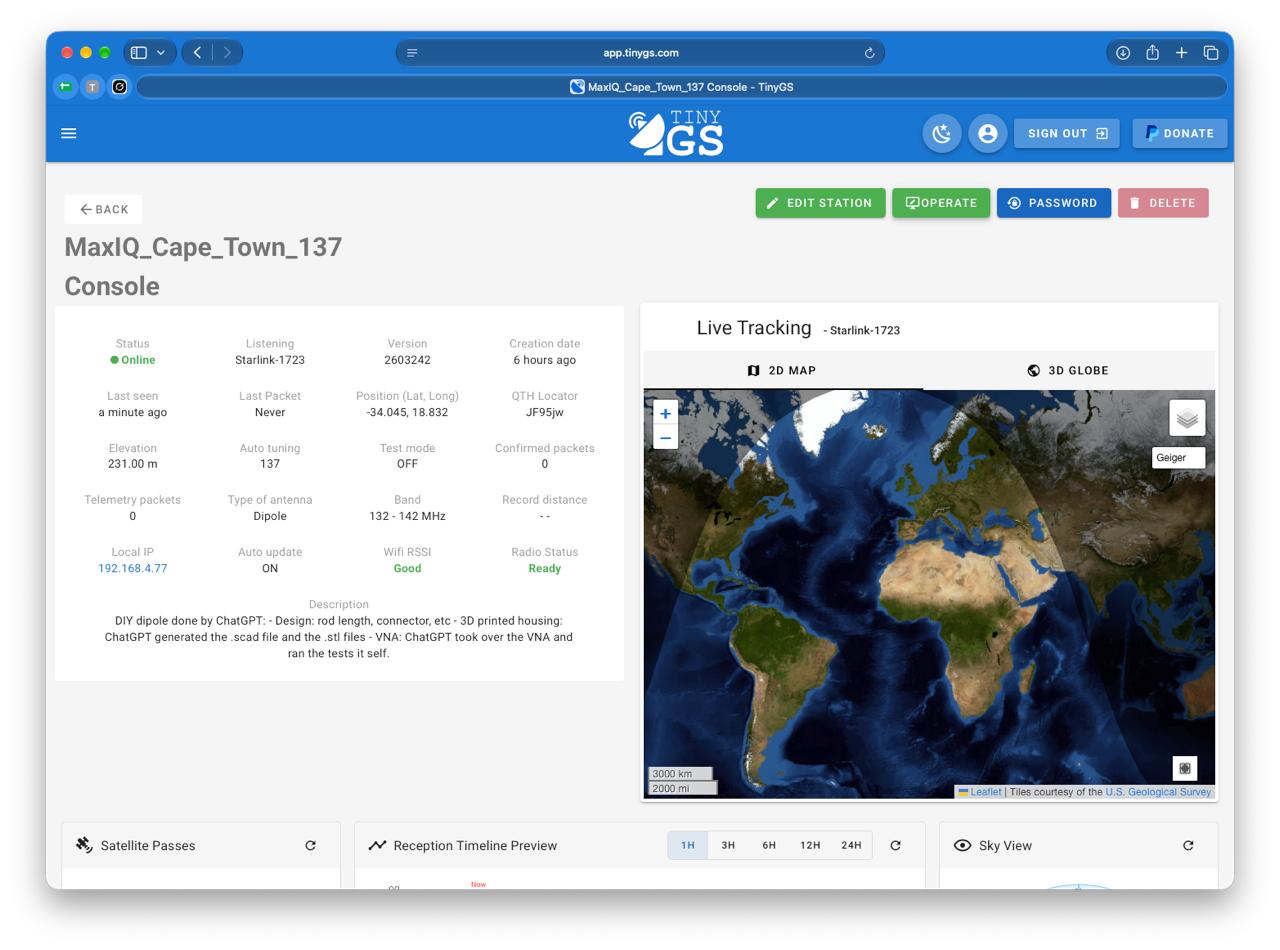
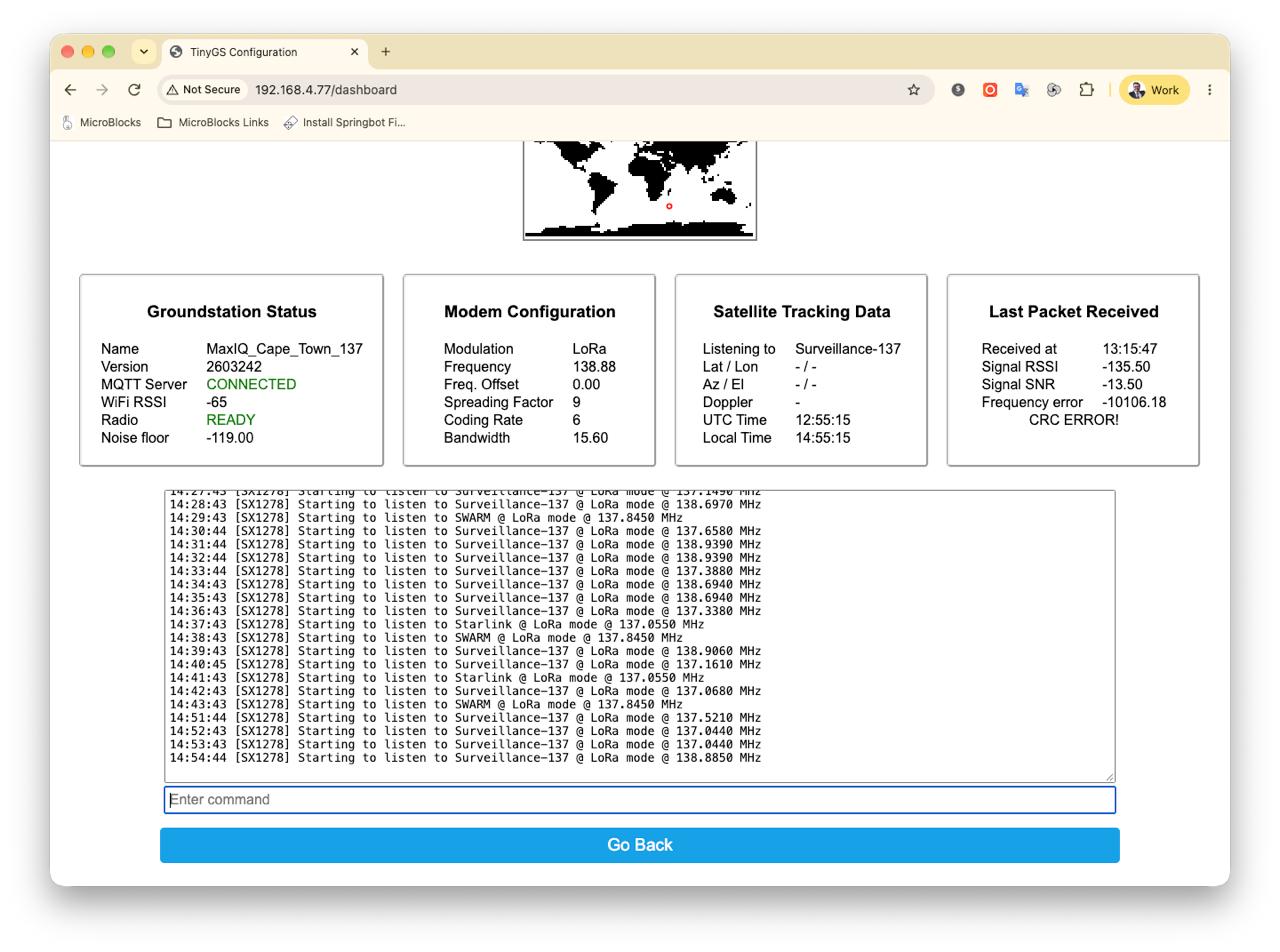
- OK2JIQ Jiri set up a LilyGo LoRa32 T3 V1.6.1 through the web installer and configured MQTT credentials and location, but the station reported an MQTT authentication failure. The community spotted that Prague’s longitude should be positive 15.7 rather than negative and advised checking the credentials for typos or extra characters; after correcting the longitude and restarting, the station connected to MQTT and appeared online as Jibotiny. 🔗
Antenna Building
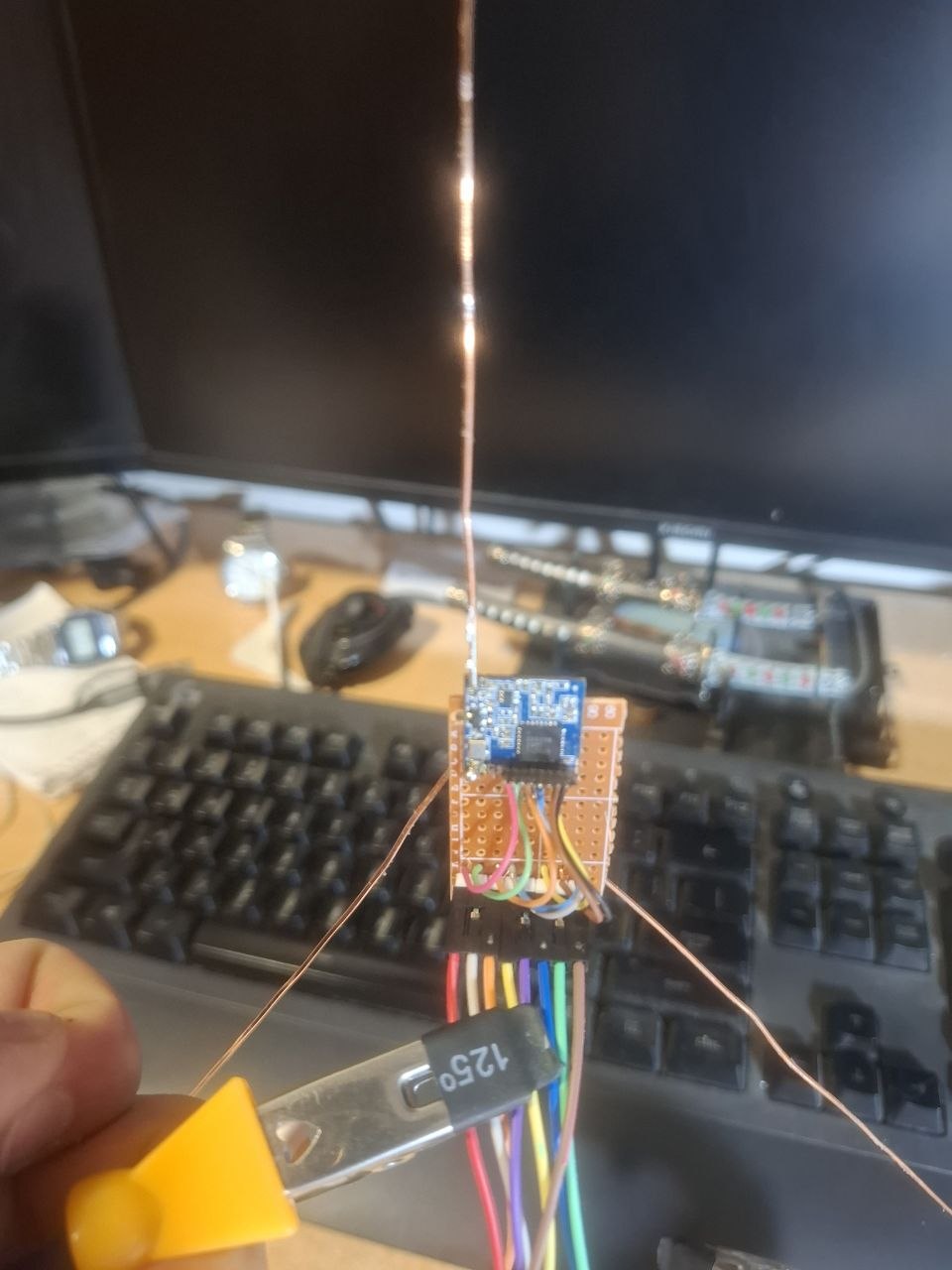
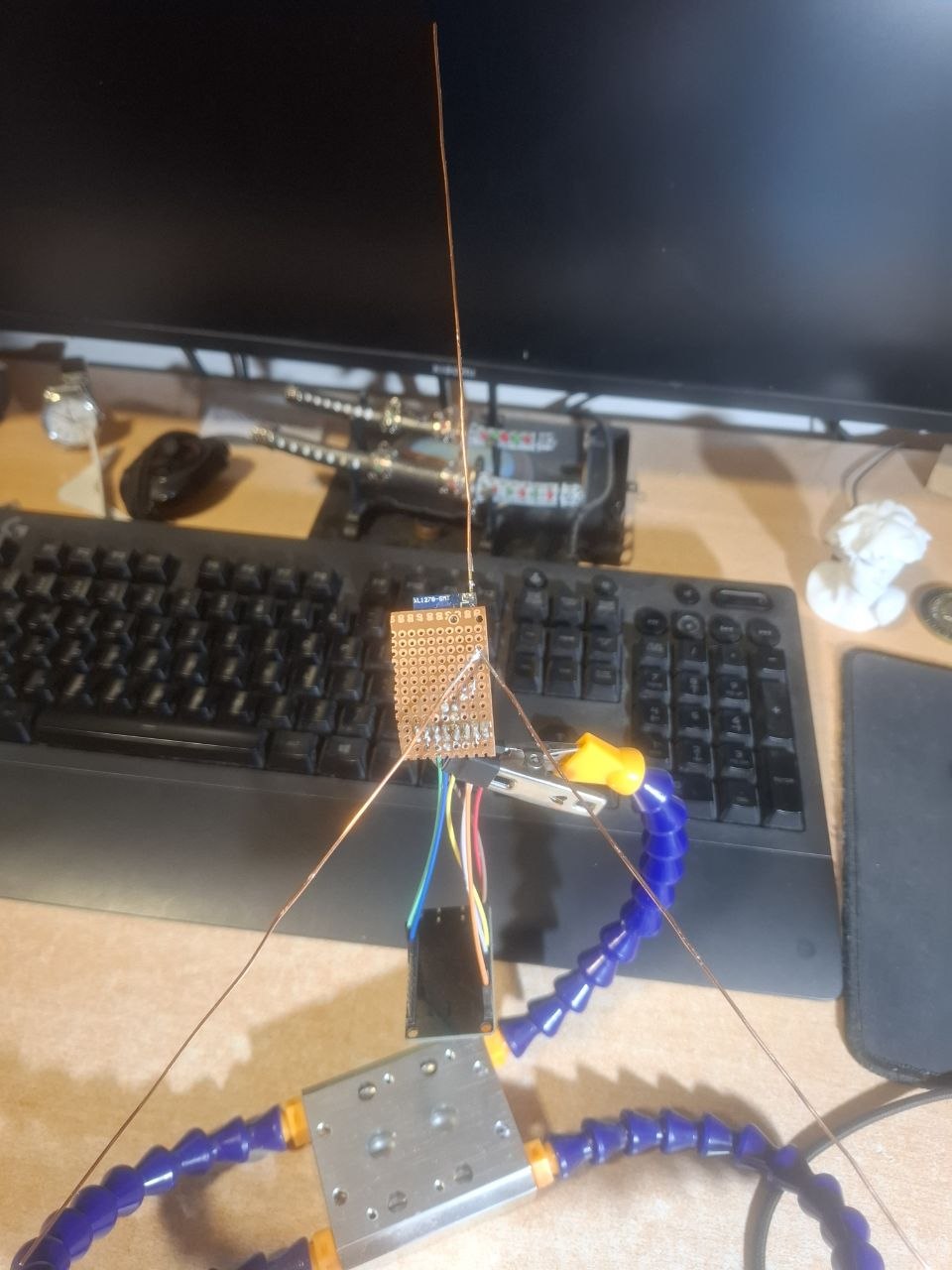
- Ignacio asked whether a 17.3 cm quarter-wave monopole without grounded radials could pull in any packets between 400 and 433 MHz with an SX1278 and an ESP32, sharing a photo of this first antenna-building attempt and wondering whether an SMA connector was required or whether ground wires could simply be attached to the GND pin. Helmi explained that any quarter-wave antenna needs a second pole or an adequate ground plane, effectively forming a full-sized Hertzian dipole, because without a counterpole the RF uses the shield of the feeding coax and produces an unknown radiation diagram — something will be received, but never the maximum. He added that the element can be made about 10 mm longer to reach 400 MHz, that two wires to the RF and GND pins will work, and that keeping the antenna pointed at the sky makes protecting the board from water rather difficult. 🔗
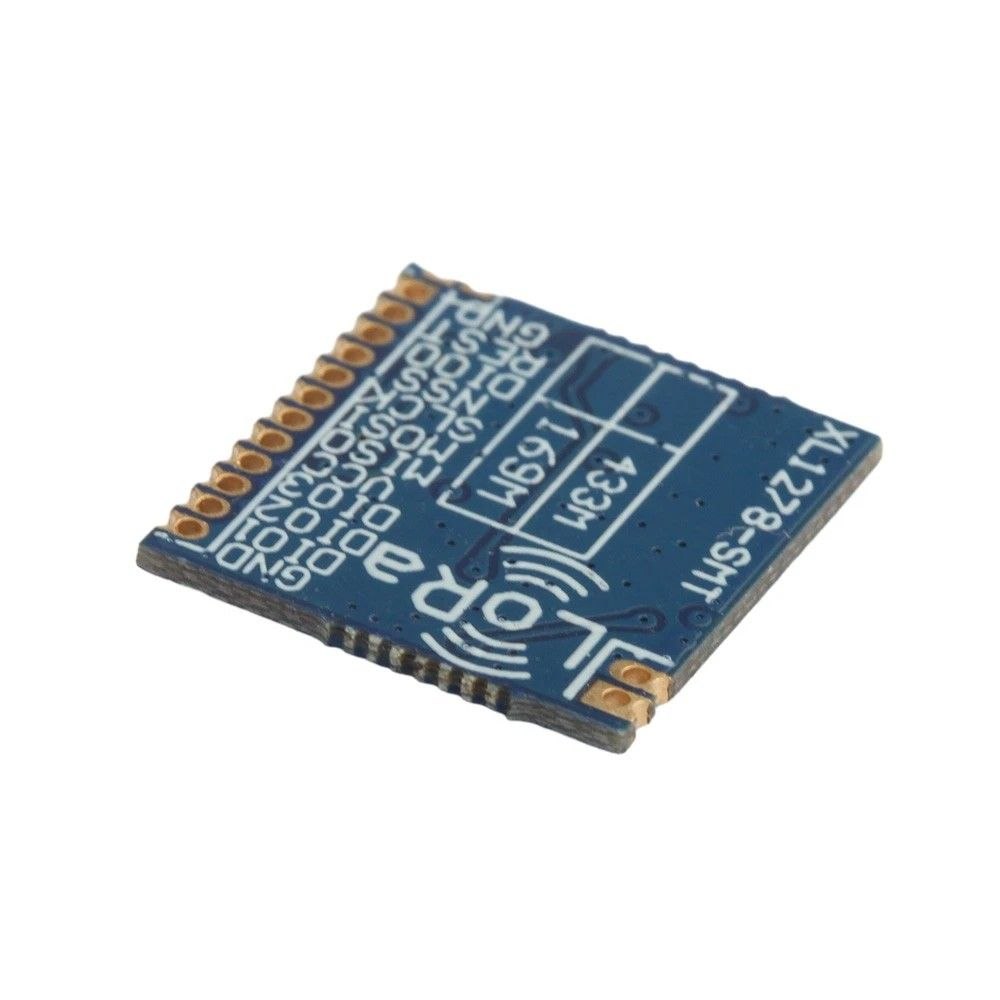
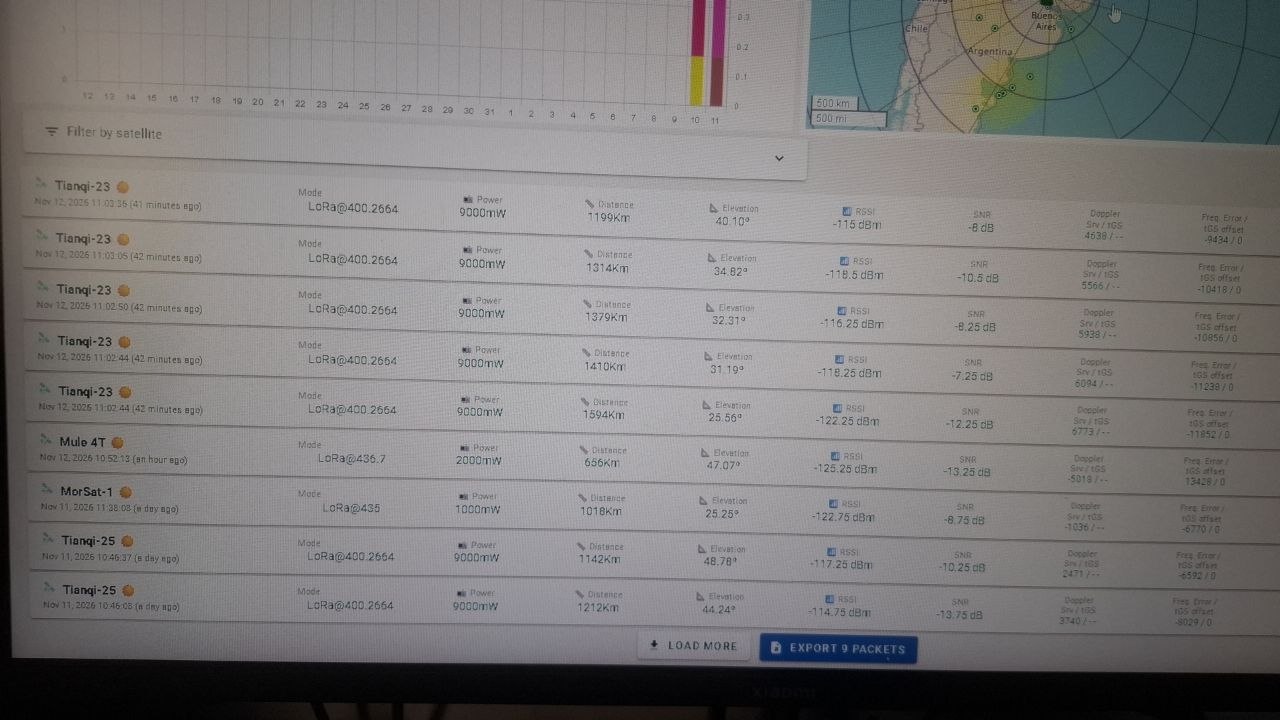
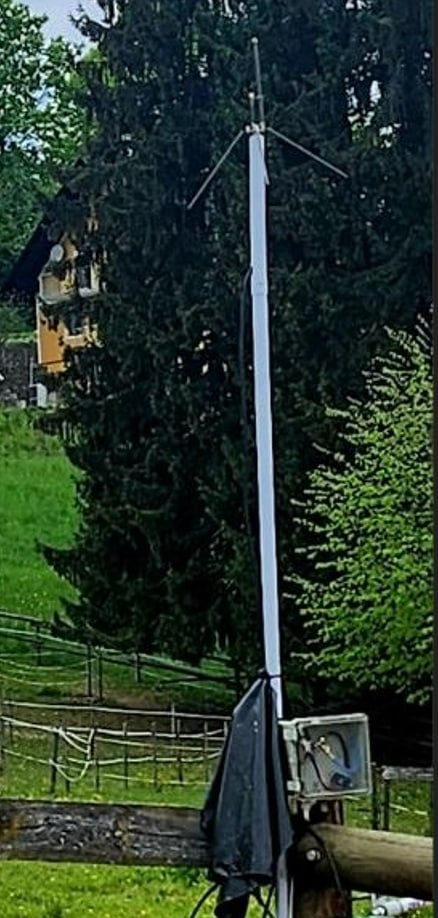
- Ignacio followed up with photos of the antenna mounted outdoors and reported capturing almost nothing — only two packets in about four hours, one without a valid CRC and another with a frequency error — with a noise floor around -105 dB, asking whether wrapping the cables in aluminium might clean up some interference. Stefan/OE6ISP judged the antenna itself fine but flagged processor noise and the unshielded bus cables as a serious problem, recommending outdoor placement far from PCs, a target noise floor of -115 dB or lower without a preamp, a ferrite bead on the DC power input, double-shielded Cat8 Ethernet cable for the SPI lines, and noting that a homemade ground plane can still deliver 2500+ packets a day under good conditions. Anthony1876 shared benchmarks between -109 and -118 dB at 400 MHz with packets from over 3000 km away at almost one degree elevation, advised checking the antenna with a NanoVNA and adding ferrite beads on the DC cable rather than the feedline, and posted a video of his solar-powered receiver averaging 200 to 300 packets a day with a partly obstructed sky view, while Alex_Cucu suggested housing the MCU and radio in a metal case acting as a Faraday cage with the antenna outside and the coax soldered directly to the PCB. A day later the aluminium shielding had brought the noise floor down to roughly -113 dBm, and the advice moved on to using up to a metre of good coax to separate the antenna from the electronics and a waterproof plastic or metal enclosure so the station could run around the clock. 🔗
General
- Nick shared station screenshots and asked whether the reported distance was correct or based on wrong data, prompting an explanation that the data had been assigned to the wrong satellite, since distances over 3,500 km are not physically possible. Another member reported similar implausible readings appearing near Australia and India despite being in the Caribbean with negative elevation, reinforcing the value of sanity-checking telemetry and pass geometry before drawing conclusions. 🔗
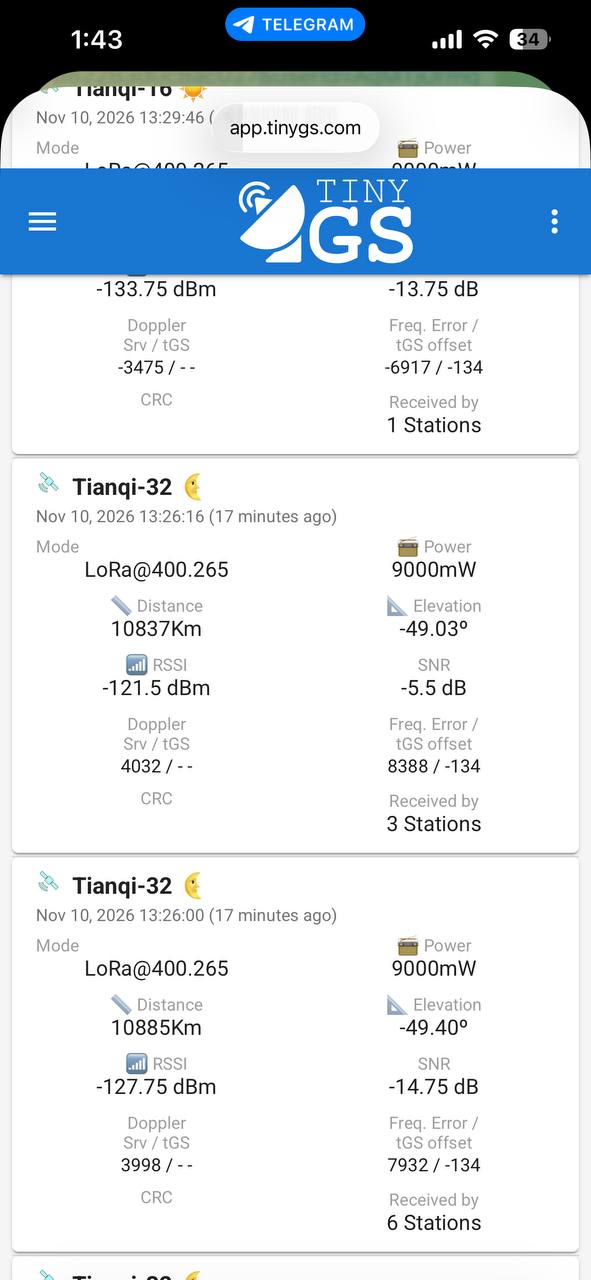
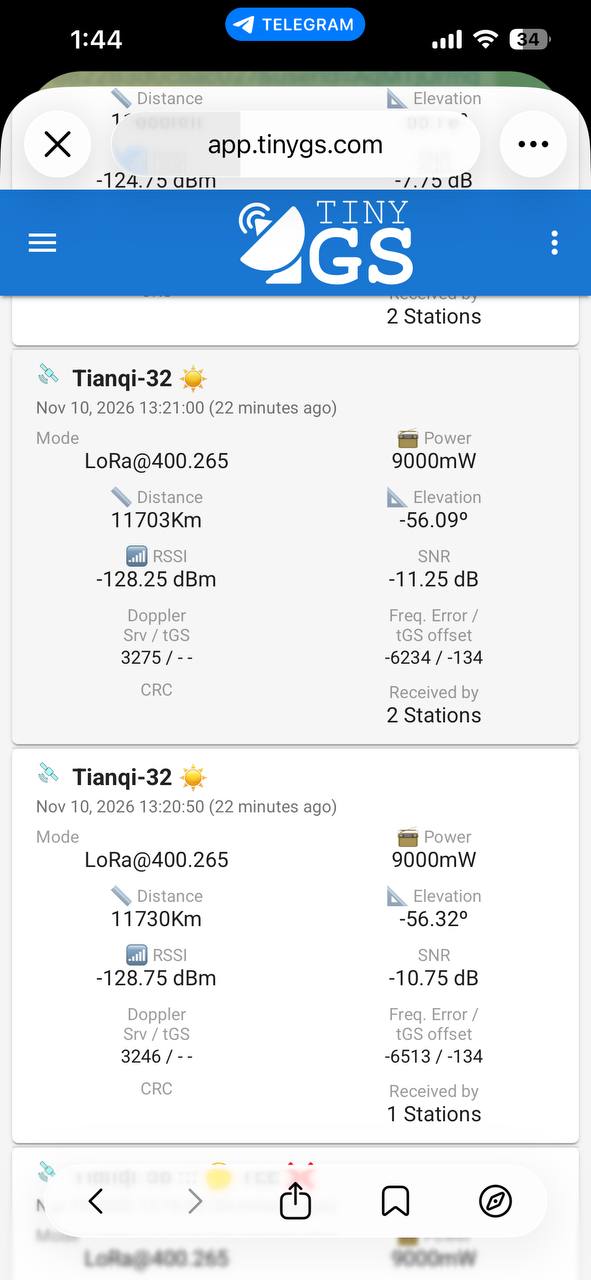
- Helmi pointed out that a satellite pass showing a negative elevation is physically implausible, since radio waves travel almost in a straight line and only slightly negative elevations can occur through special atmospheric bending, with an incorrect TLE for the Chinese satellite in question the most likely explanation — a reminder to question orbital data when signals and geometry do not add up. 🔗
- F21467 asked whether there was any news about satellites in the 868 MHz band, noting that activity had become rather quiet and disappointing lately. Stefan/OE6ISP responded that several new FSK satellites had appeared on the network and shared the dedicated FSK satellite list for anyone wanting to try their luck, noting that this route rewards stations with SX126x-based radios rather than the more common LoRa-only modules. 🔗
https://app.tinygs.com/satellitesFSK - DA6GA introduced himself as a new member from Germany with two freshly built systems running well and asked whether any satellites support TX/uplink communication, whether a guide exists for getting started and whether a QSO via satellite is realistically possible. Sugar pushed back on the idea that no satellites are listening, pointing to active LEO FM and linear satellites such as SO-50, AO-91 and PO-101 that act as orbiting repeaters and noting that a handheld dual-band transceiver with a manually aimed Yagi is enough to work them, while urging the community to give newcomers accurate guidance rather than closing doors. Stefan/OE6ISP clarified the LoRa-specific side, explaining that no LoRa satellite currently offers public uplink capability because the bandwidth needed (up to 500 kHz) exceeds what standard ham transceivers and amplifiers can transmit, described the wideband power amplifier and direction switching required, mentioned his own 10 W LoRa uplink station and recommended AMSAT voice and APRS satellites plus the AMSAT status page for anyone interested in bidirectional satcom. 🔗
https://status.amsat.org/
https://www.qrz.com/db/OE6ISP - gmag11 shared an alternate DNS service for Spanish users that redirects Cloudflare endpoints to IP ranges in other countries, sidestepping the blocking that can affect access during football broadcasts, and recommended the normal DNS variant over the adblock one along with a screenshot of the setup, presenting it as a community workaround for local connectivity trouble. 🔗
https://xdp.es/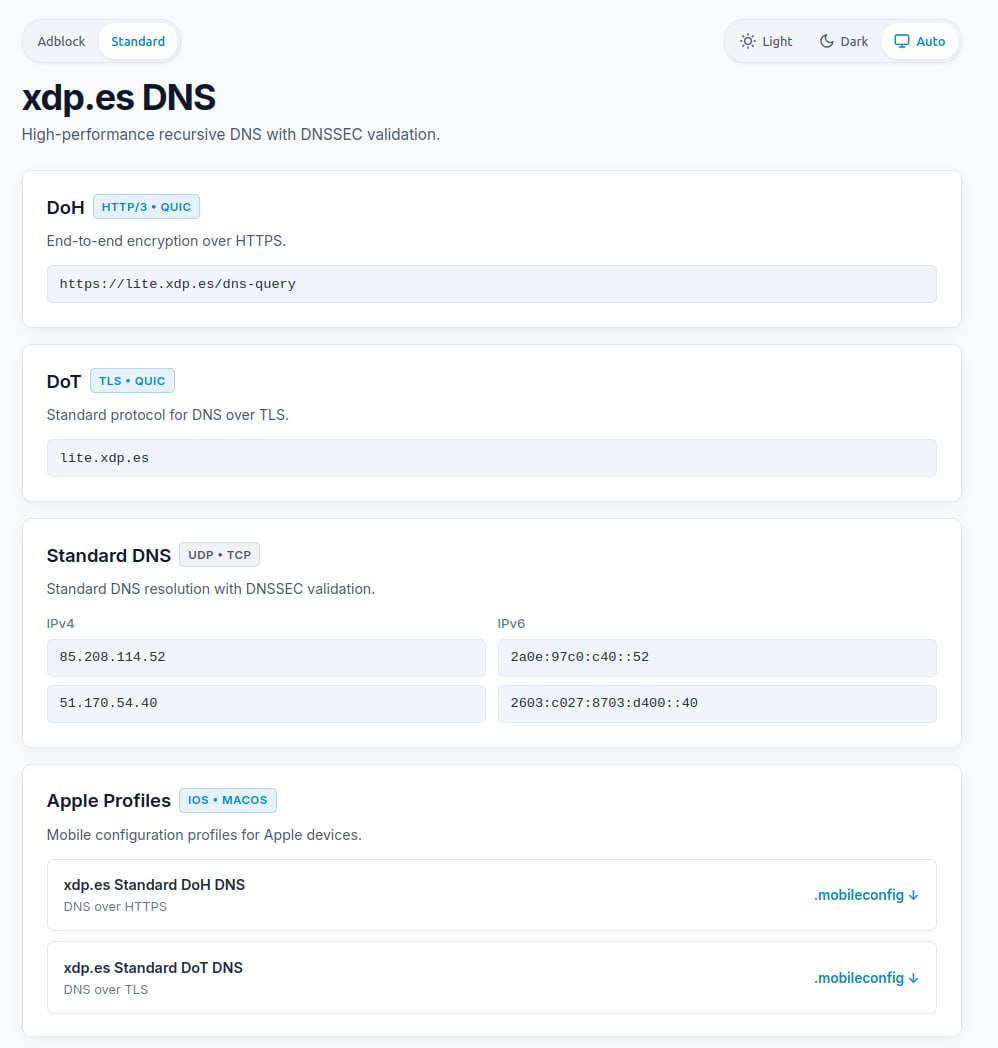
New Satellites
- Helmi celebrated a very rare catch, receiving CATSAT for the first time thanks to Stefan’s fork of the TinyGS firmware for AX.100; four packets came in, two of them decoded and two carrying considerably more data, with the packet shared on the TinyGS app. 🔗
https://app.tinygs.com/packet/01a1d3ba-75cd-7123-b91f-a85a2d0467a7 - PE2BZ described running a batch of packets from the Dutch GRITSS (69931) satellite through Claude, combined with information from the isispace datasheet, to build a partly working decoder for voltage, current and likely solar current or wattage from the onboard IMEPS2 module. He asked whether anyone knows of another satellite with an existing dashboard that also carries the IMEPS2 module, to help complete the work, and linked the results thread on the Libre Space community. 🔗
https://community.libre.space/t/gritss-69931-dutch-satellite-and-its-telemetry/15623
Share your setup
- Sugar introduced themselves from Paraguay and asked whether anyone knew of an open project for building a ground station from scratch; Notsure7 replied that a station can be built by following the connections between an ESP32 and a LoRa chip, though using a ready-made ESP32-LoRa module is considerably easier, and asked which modules were already on hand to narrow down the advice. 🔗
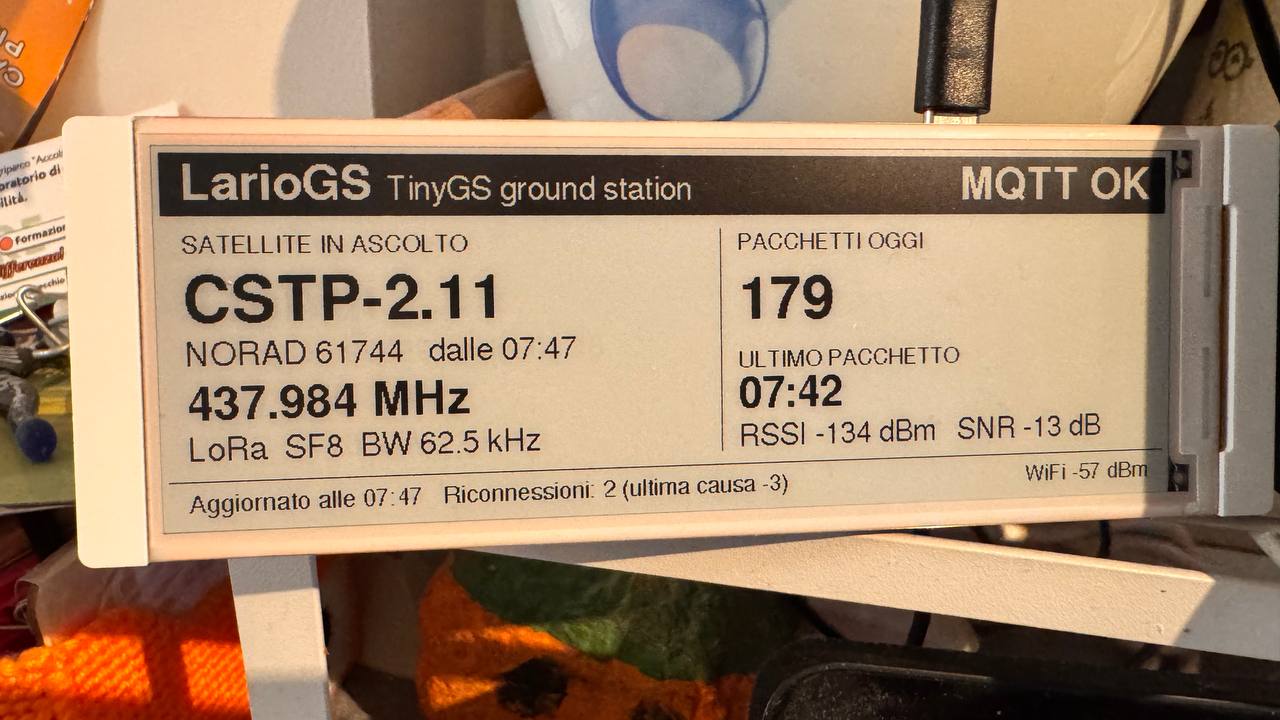
- Mauro shared a photo of his station setup with the community. 🔗
Where to buy
- DO9STB_Stephan asked whether a LilyGo T3 LoRa32 V1.6.1 433 MHz board and a small 433 MHz ground-plane antenna from AliExpress would work as a TinyGS hardware base. The advice was that the ground plane is suitable but the supplied RG58 cable is too lossy for satellite reception and should be replaced with a better one, and when he asked whether an eggbeater would be the better choice the reply was that the antenna itself is fine and the feedline is the weak point. He planned to mount it outside on a mast, noting that local restrictions allow only a 2 m/70 cm vertical and no end-fed, dipole or directional antennas. 🔗
https://de.aliexpress.com/item/1005006589533542.html
Featured Conversations
- A homemade quarter-wave antenna with no ground plane sparked one of the week’s deepest technical threads. The community explained that a counterpoise is essential, otherwise the coax shield becomes part of the radiator and the radiation pattern becomes unpredictable. A noise floor around -105 dB was diagnosed as too high for reliable reception, with -115 dB or lower suggested as the target without a preamp. Practical fixes included ferrite beads on the DC input, double-shielded Cat8 cable for the SPI bus, a metal enclosure acting as a Faraday cage and a short coax run to move the antenna away from the electronics. Follow-up shielding with aluminium brought one improvised setup down to roughly -113 dBm despite a heavily obstructed horizon.
- A station built around an ESP32-C3 SuperMini and an external SX1278 module suffered intermittent USB disconnects, unreliable boots and a dashboard that refused to load. Suggested remedies included the newest ESP32 core, USB CDC on boot, DIO flash mode and a full erase before upload. The stronger recommendation was to prefer a standard ESP32 for TinyGS, since the C3 relies on an emulated USB controller rather than a dedicated one. It also emerged that many C3 modules ship with antennas barely better than a dummy load, and that replacing the matching network with a proper antenna clears the connectivity trouble.
- Several stations ran into configuration-level errors rather than hardware faults. A Radio Status error reporting an invalid frequency deviation traced back to a wrong deviation value submitted for a newly added satellite, since corrected, though the warning can linger before clearing. A dashboard that appeared frozen on 137 MHz was simply a matter of band predictions: only a handful of satellites are predicted on 2 m, and the timeline needs a 12-hour window to show upcoming passes. Unknown objects grouped under surveillance and Starlink constellations cannot be scheduled at all because they lack usable individual predictions, which makes checking configuration before suspecting hardware worthwhile.
- Operators compared notes on the fading 868 MHz band and weighed alternatives, with the 400 MHz range and FSK satellites proposed as busier hunting grounds. New FSK satellites appeared on the network along with a dedicated list to help stations try their luck, while custom firmware work pushed SX1278 boards to receive FSK packets larger than 64 bytes, revealing that autotune currently assumes those boards cannot handle FSK at all. A separate thread on uplink clarified that no LoRa satellite offers public transmit capability, largely because the bandwidth required exceeds standard amateur equipment, and pointed newcomers toward FM and linear satellites workable with a handheld and a hand-aimed Yagi.
- Firmware experimentation paid off with a rare CATSAT reception using a fork supporting the AX.100 modulation, decoding two packets fully and capturing two more with additional data. Work also advanced on a telemetry dashboard for the Dutch GRITSS satellite, combining packet data with manufacturer datasheets to derive voltage, current and solar power from the onboard power module. The developer is looking for other satellites carrying the same module to validate and complete the decoder, a good example of how shared packet data turns into usable telemetry for the whole network.
Latest Cubesats News

NSL’s TROOP-F3 Cubesat Sheds 6 km of Semi-Major Axis in 88 Days - KeepTrack
TROOP-F3 is a 10 kg 6U cubesat built and owned by NSL, cataloged as NORAD 68429, launched March 30, 2026 on a Falcon 9 from Vandenberg. It operates in a near-circular 496 by 512 km sun-synchronous orbit at 97.47° inclination, with a period of about 94.6 minutes. Over 88.2 days and 162 element sets, its semi-major axis fell about 6 km—roughly 68 m per day—consistent with ordinary atmospheric drag for its altitude and area-to-mass ratio. No maneuvers, propulsion, transmitter frequencies, attitude-control details, or payload purpose are listed; the catalog marks the spacecraft operational.

Brawijaya University develops CubeSat toolkit under Globalizing UB program - Antara News jatim
Brawijaya University developed the UB-CubeSat Foundation Toolkit v.1 and the Jelajah Satelit learning platform under its Globalizing UB program. The project involves UB lecturers and BRIN PRTS researchers and uses software-defined radio to emulate satellite-to-ground-station communications in the lab. The team also created AI algorithms for satellite mechanical systems and a game-based platform centered on the UB-1U CubeSat for students from elementary school to university. BRIN researchers gave guest lectures to UB electrical engineering students, and the research supports UN SDG 9 on industry, innovation, and infrastructure.

10 CubeSats That Delivered Major Science Results - KeepTrack
KeepTrack ranks ten CubeSats whose focused instruments produced documented science results, from CSSWE’s CRAND electron detection to CIRBE’s temporary post-storm belts. The editorial ranking weighs clarity of documentation, directness of the scientific answer, and reach beyond the mission, while noting each result’s limits. Entries include HaloSat’s Milky Way X-ray variations, ELFIN’s electron precipitation link, MinXSS flare observations, CUTE’s WASP-189b ultraviolet transit, PolarLight’s Crab polarization, GRBAlpha’s bright burst, ASTERIA’s marginal transit, and IceCube’s atmospheric ice map. Only CSSWE remains in orbit; the catalog lists the other nine as decayed, and the article excludes cost comparisons and RainCube because its team emphasized miniaturization over a science result.

LIDE completes 5G test between CubeSat and ground terminals - Sbircia la Notizia Magazine
LIDE demonstrated a 5G link between its experimental CubeSat and dedicated ground gateway/user terminals, using Ka-band uplink and K-band downlink during short orbital passes. The campaign measured throughput and SNR; latency was included in the test plan, but numerical values were not published. Celeste Technologies’ SmartgNB base-station software completed an end-to-end 5G session with another manufacturer’s terminal through the LIDE payload at ESA’s ESTEC 5G/6G Lab. Continuous commercial service would require a constellation, distributed gateways, spectrum rights and certified devices; TIDE feasibility ends in 2026 and in-orbit experiments start in 2027 with Ka-band TDD.

How Much Does It Cost to Put Your Own Satellite into Low Earth Orbit in 2026?
As of October 2026, the number of satellites in low Earth orbit continues to grow, with SpaceX alone operating about 11,000 units. Launch costs depend on size and mass: large objects can cost up to $400 million, while launching a 258.5 kg satellite costs from $10 million, excluding design and manufacturing. Operations add about $1.5 million per year in communications capacity, bringing first-year total costs to at least $11.5 million; United Spaceports offers small satellite launches for a fixed $5.5 million. CubeSat kits cost $7,000–$8,000 plus at least $40,000 for logistics, while low-cost options such as AmbaSat cost $300–$600 but are limited; satellites without propulsion can remain in orbit for only weeks or months, and debris and atmospheric burn-up pose environmental concerns.
UTN Haedo develops the Argentine nanosatellite HAEDO-SAT | Radio Buenos Aires AM 1350
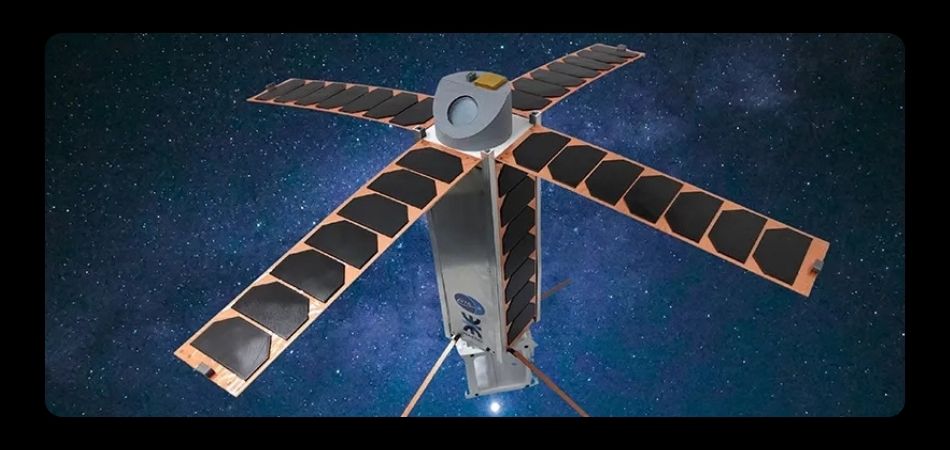
The Aerospace Technology Group at UTN’s Haedo Regional Faculty is developing HAEDO-SAT, a CubeSat 3U nanosatellite for Earth observation. The spacecraft will use a black-and-white panchromatic camera with 4.7-meter resolution to take images over the Haedo area. The team includes 14 researchers, scholarship holders, and graduates, and the satellite has deployable solar panels generating 22 W orbital average plus a high-precision attitude control system. The project is in detailed design, with construction planned for 2028 and launch scheduled for 2029 after three years of work.
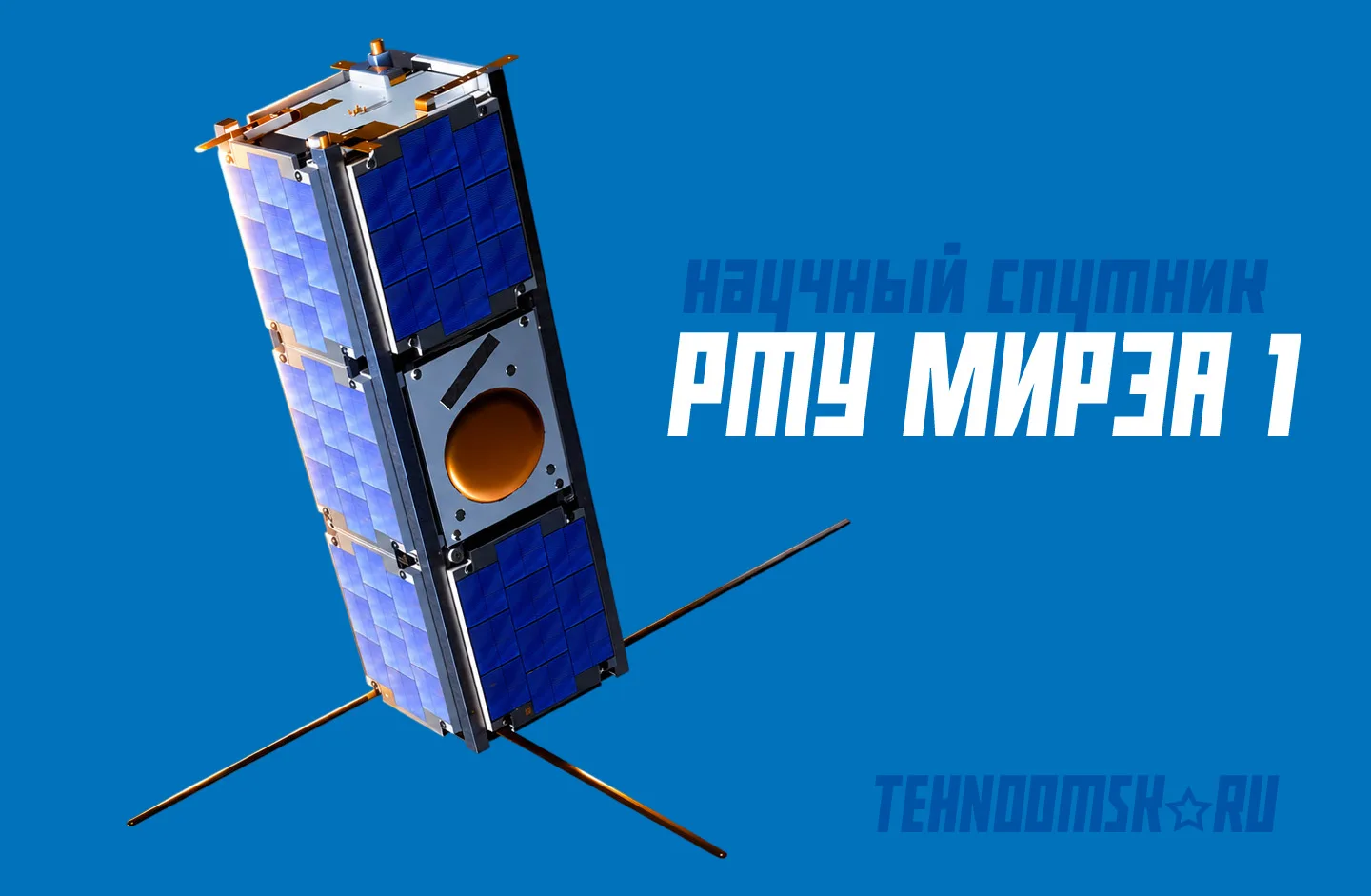
10,700 Orbits and 2,000,000 Frames: How the Russian Student Satellite Works and What …
RTU MIREA1, a CubeSat 3U built by Russian Technological University MIREA with Geoscan, has operated in orbit for two years after launching on Soyuz-2.1b from Vostochny on November 5, 2024. It was designed to test a visible-range optical camera, GLONASS/GPS signal reception, and inter-satellite communications. Two new spacecraft are in development: RTU MIREA RADAR for high-precision attitude determination and control, and the larger RTU MIREA MONITOR for optical/laser communications experiments. Launch dates for the new satellites have not been announced.

Russia to launch a dual-use satellite cluster - RussianSpaceWeb.com
A Soyuz-2-1b/Fregat rocket launched from Vostochny on November 14, 2026, carrying the roughly 500-kilogram KOEN imaging satellite and the 300-kilogram Kinosputnik imager as primary payloads. The mission also carried cubesat-class satellites for NPO Kaisant, whose modems were described as supporting secure communications with drones used in Russia’s invasion of Ukraine, plus at least six small satellites booked by the STTs center. The launch occurred amid increased secrecy around Russian space activities, after delays from an expected September 2026 date and with travel restrictions imposed near drop zones in the Russian Far East. Roskosmos said the Soyuz-2-1b performed nominally, the Fregat upper stage separated as planned, and the spacecraft were delivered to their assigned orbits.

Upcoming Space Launches: Long March, Soyuz and Falcon 9 - Pieria24
Long March 12 is scheduled for November 24, 2026, at 09:00 Greek time from Wenchang to launch nine SatNet LEO communications satellites for China’s state-owned constellation, planned to reach 13,000 satellites. Soyuz 2.1b/Fregat-M is set for November 14, 2026, at 02:50 Greek time from Vostochny to launch multiple satellites, including dual-use optical Earth-observation satellites and drone-guidance satellites. Long March 2D is scheduled for November 19, 2026, at 00:50 Greek time from Taiyuan with an unknown payload and details to be determined. Falcon 9 Block 5 is planned for November 21, 2026, at 14:30 Greek time from Vandenberg SFB to launch NROL-136, the 15th batch of NRO reconnaissance satellites built by SpaceX and Northrop Grumman.

Ukraine is deploying the national satellite communications system OBRIA NANO
Ukraine is deploying the OBRIA NANO national satellite communications system, initiated by HIMERA and Denmark’s GOMSPACE. The first test satellite launched on October 1, 2026, via a SpaceX mission to provide secure communications for the Ministry of Defense and critical infrastructure. The network is planned to include at least 100 satellites in low Earth orbit at about 500 km, fully controlled by Ukraine with no external interference. Funding currently comes from private investment, with possible European funds; total cost may reach hundreds of millions of euros, and deployment is targeted for 2–3 years despite technological challenges.
What’s next
Join the TinyGS Telegram channel to take part in these discussions and share your own experience — whether it is a first antenna, a stubborn board, a hard-won noise figure or a rare satellite catch. Every measurement, question and fix you post helps another station get on the air, and the next discovery in the network often starts with someone asking a simple question.