tinyGS
· TinyGS Community · 17 min read
Weekly Newsletter - October 4, 2026
This week the community helped a newly ejected PocketQube find its voice, chasing UTNH’s CW beacon across Europe while untangling sync-word choices for Pixelsat 1 and a possible S-band LoRa decode from ATHENE-1. Antenna builders shared a no-solder stock upgrade and practical moisture-proofing tricks, and a deep dive into SX1262 FSK quirks clarified why SNR readings look identical across stations. A new web release and a fresh learning resource rounded out a week of hands-on collaboration.

Highlights
General
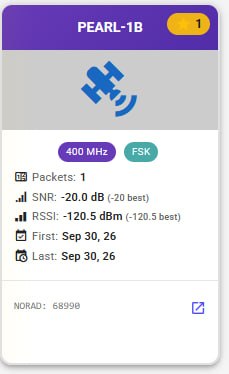
- Don asked what a ‘shiny’ is in SATDEX and later reported capturing Pearl 1B as a shiny with a clean signal at SNR -20 dB and RSSI -120.5, noting a NORAD number mismatch where 68990 showed Pearl 1A while the packet came in as Pearl 1B; Stefan/OE6ISP shared a photo clarifying the shiny concept. 🔗
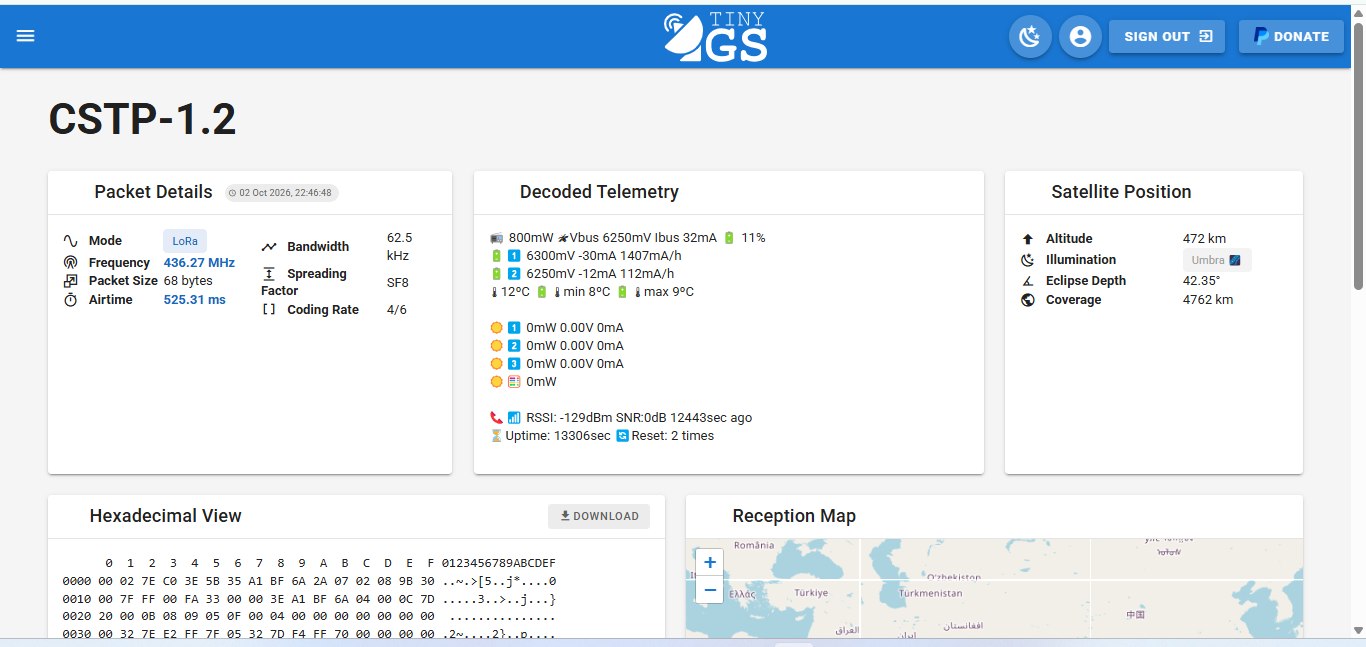
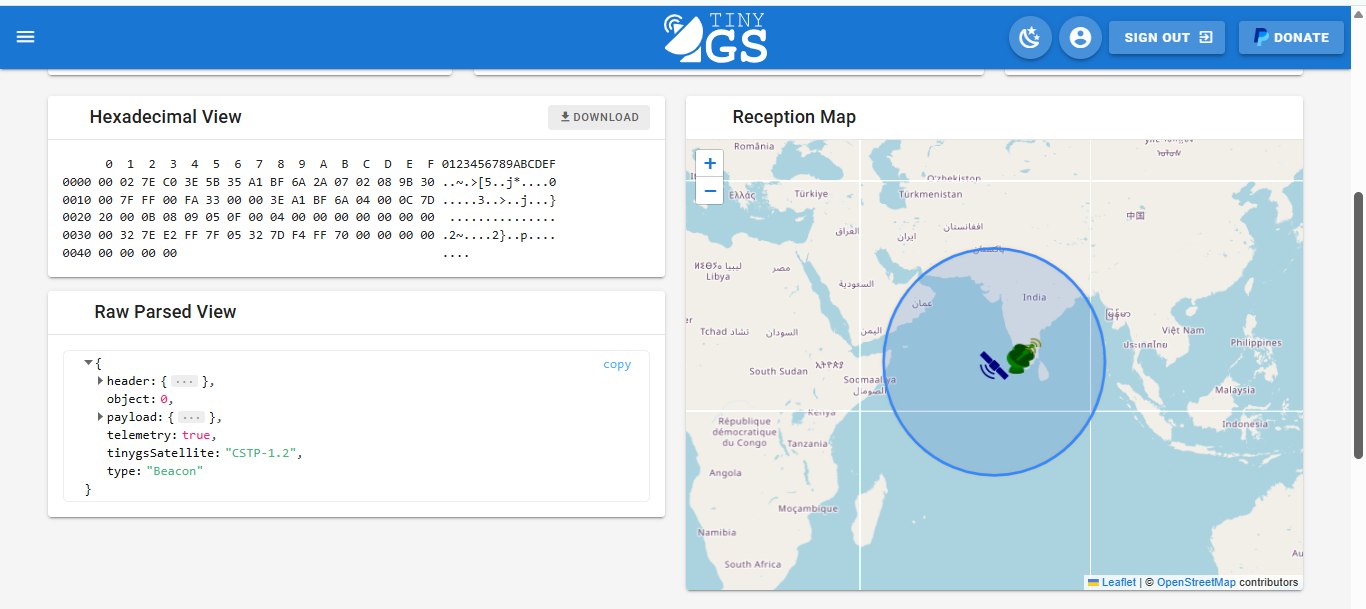
- Athish_Scientist shared data from CSTP 1.2 satellite indicating its battery was too low at only 11%, and Helmi later noted a satellite’s battery level had dropped to 18%, suggesting the difference might be explained by the satellite being in darkness relative to the Sun. 🔗
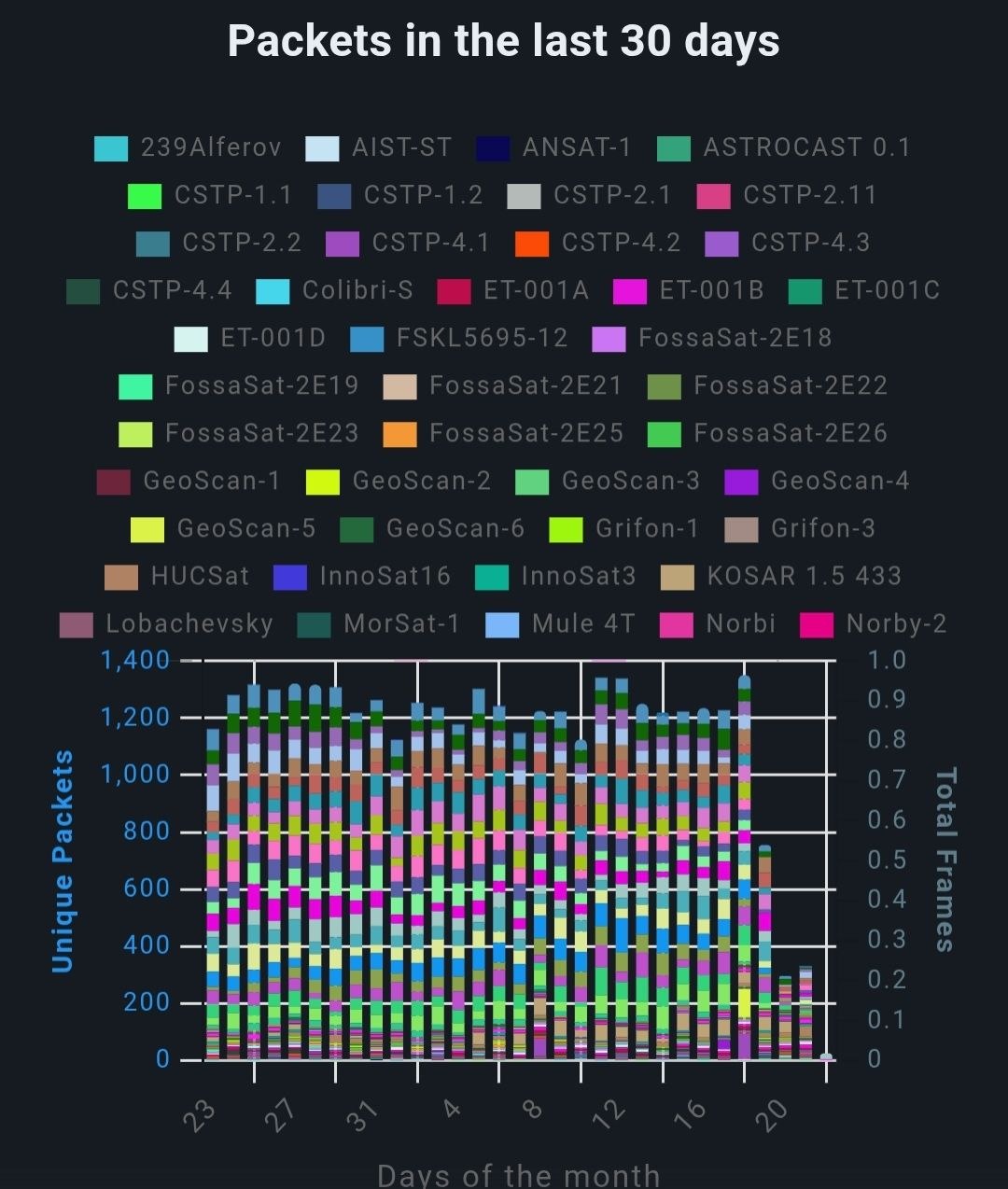
- Don shared first-week stats from their station, reporting 2827 confirmed packets, 1101 telemetry packets, 71 different satellites, and 6 shinies on 433 MHz with a 1/4 wave antenna in the loft, asking whether those numbers were reasonable given the modest antenna but noting they were having fun. 🔗
- dbrunod asked about linking a second email to the same station so they could view stats and download packages; gmag11 clarified that inviting someone by email gives them their own stations, not access to the original station. Dutracgi also asked whether a satellite marked as future would be demodulated if it passed over TinyGS stations, and K4KDR thought only ‘Active’ satellites are included in the auto-tune rotation. 🔗
Technical Problems
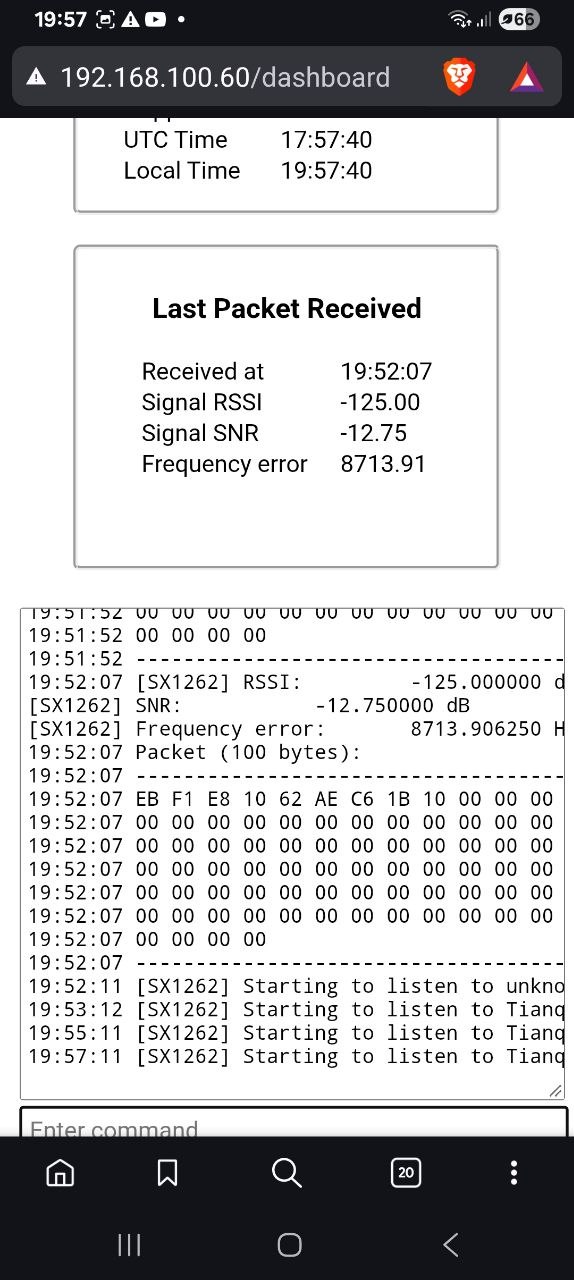
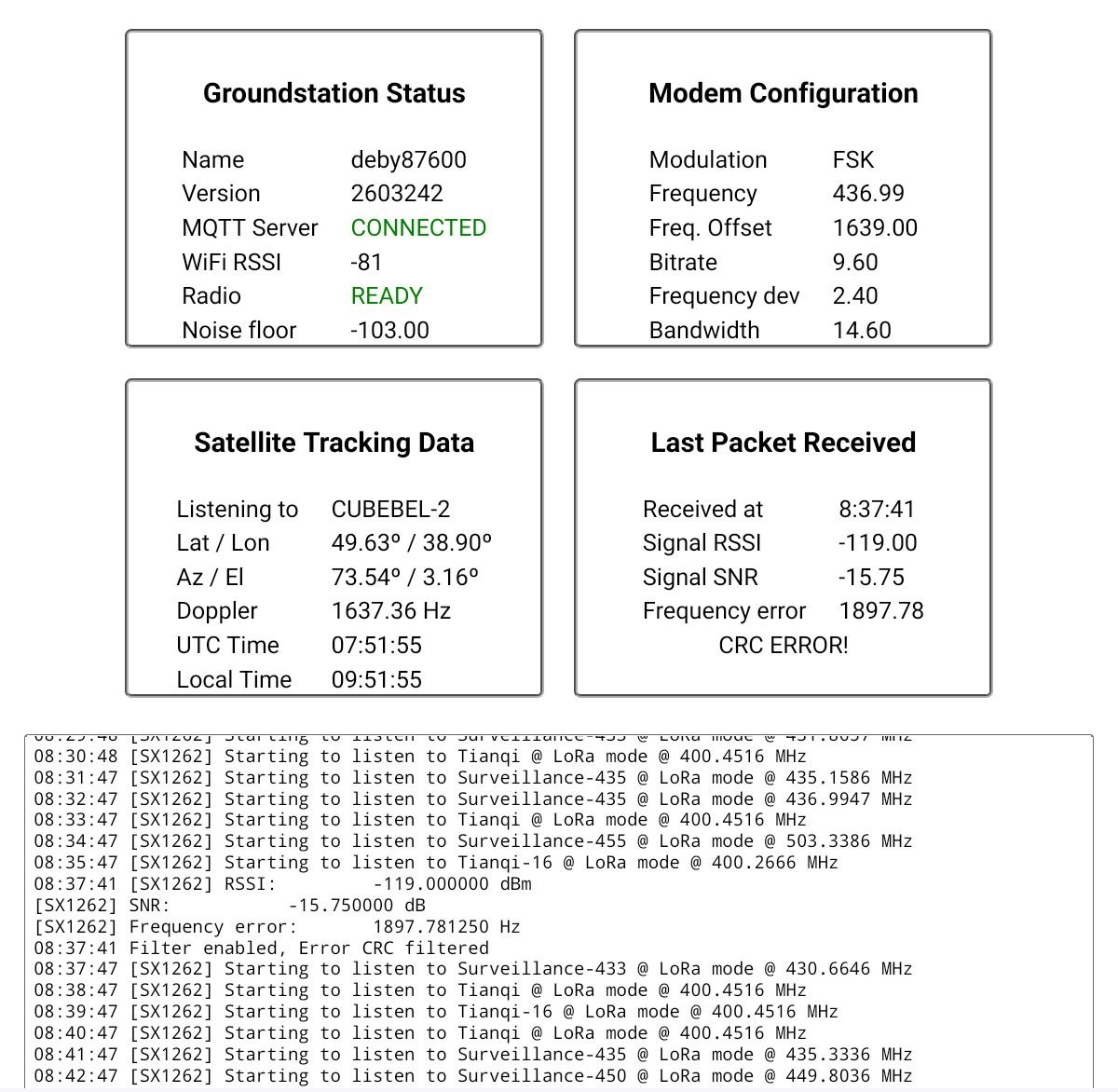
- Alan reported low packet counts—10 confirmed packets and zero telemetry—and later encountered CRC errors on received packets; the community suggested an insufficient antenna or poor location with limited sky view, advised waiting at least 24 hours for satellite passes, mentioned a preamp might help depending on noise sources, and asked for more details on the setup and reception conditions. In a related exchange, anas_z15 asked why a new station in test mode was receiving packets locally but not publishing to the TinyGS website, and Stefan/OE6ISP clarified that occasional CRC errors are normal and that the station was indeed receiving packets. 🔗
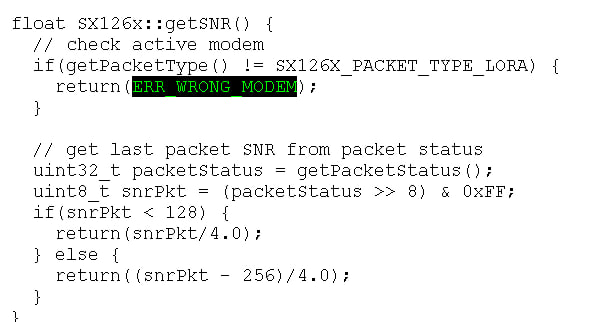
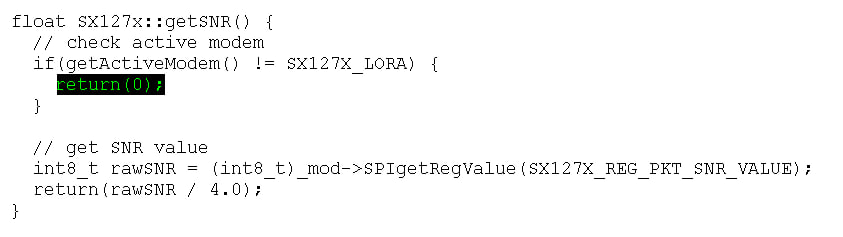
- Fabio IZ0IBA asked why every station receiving FSK packets shows SNR -20 dB while LoRa mode shows normal SNR readings; Stefan/OE6ISP explained that SNR is not available from the SX1262 and can only be estimated from noise floor and RSSI, and megazaic added that reading SNR while receiving an FSK data packet returns an error, with only RSSI meaningful and 127x chips returning zero. The discussion clarified that this is a modem limitation rather than a firmware bug. 🔗

- Notsure7 created a new station with the same name as an existing one and saw CR7BTM_137MHz, CR7BTM_137MHz_1 and CR7BTM_137MHz_2 change names and online/offline status; Helmi explained that duplicate names cause old stations to be renamed with _1 or _2 suffixes and suggested reconfiguring via the local IP ‘configure parameters’ page, while gmag11 noted that the only current way to reset the board password is to flash firmware with erase enabled, with a reset button planned for the web console. 🔗
- Fabio IZ0IBA asked whether API commands or MQTT subscription could retrieve received packets for a specific satellite in a time range or packets received by the TinyGS network; Helmi clarified that one can subscribe to the MQTT server to get their own received packets but not packets from other stations. Fabio also asked how to assemble full Geoscan images when a single station cannot collect all image packets in one pass, and Stefan/OE6ISP explained that Geoscan image reception is technically not possible with the SX1262 modem because FSK mode is bit-stream oriented and the board struggles with fast packet sequences, recommending an SDR stick and the Geoscan decoder instead. 🔗
Antenna Building
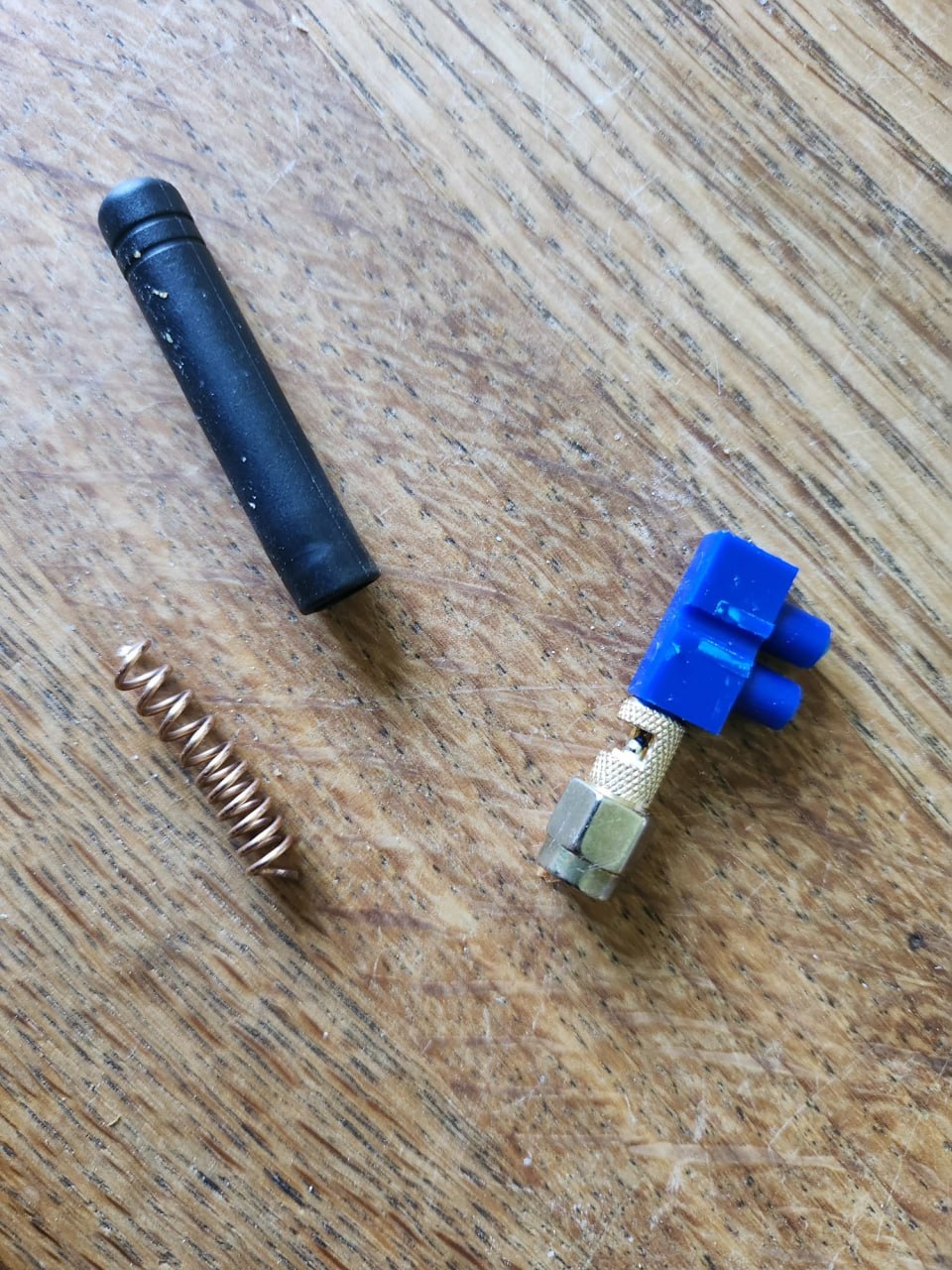
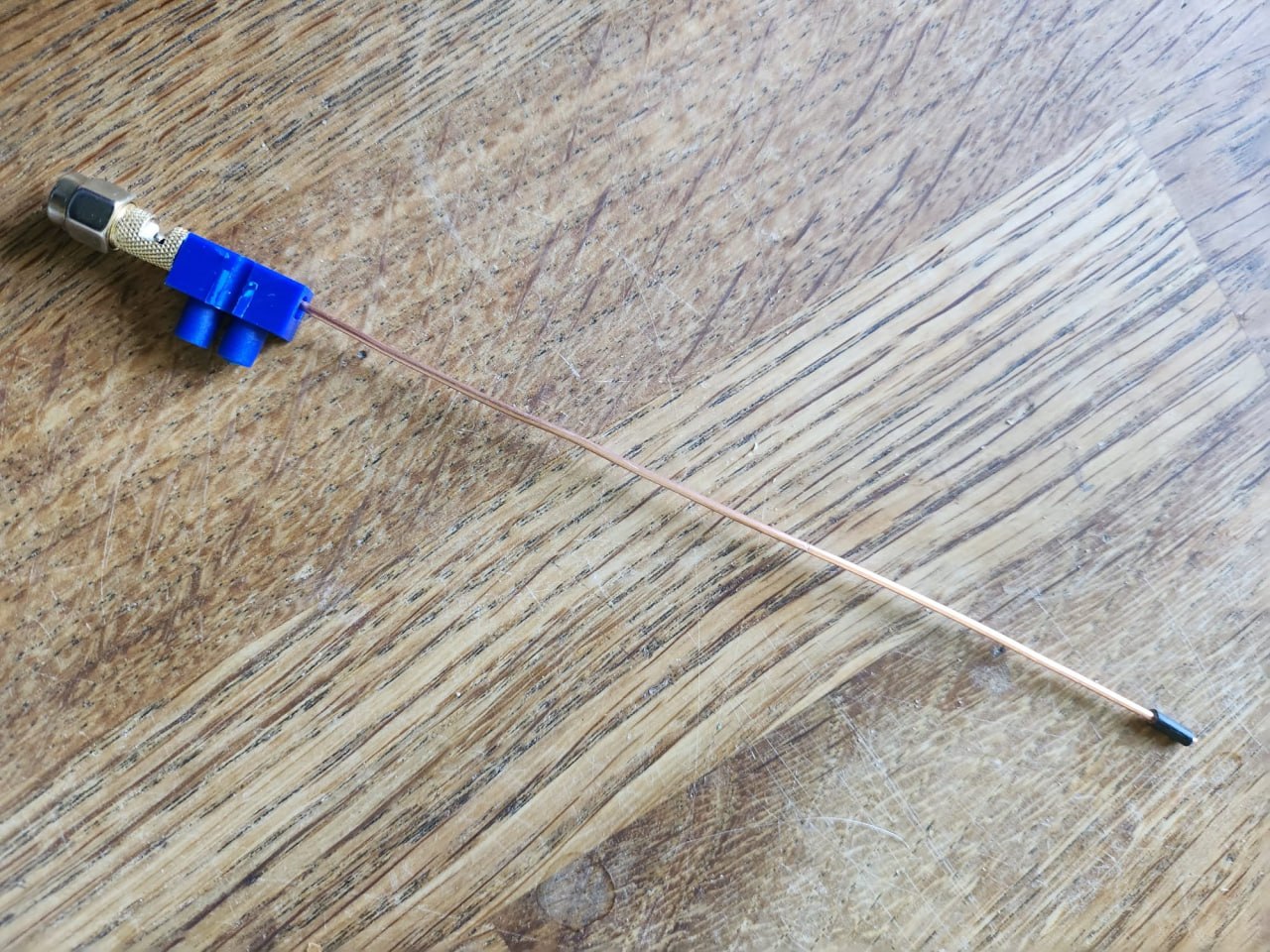
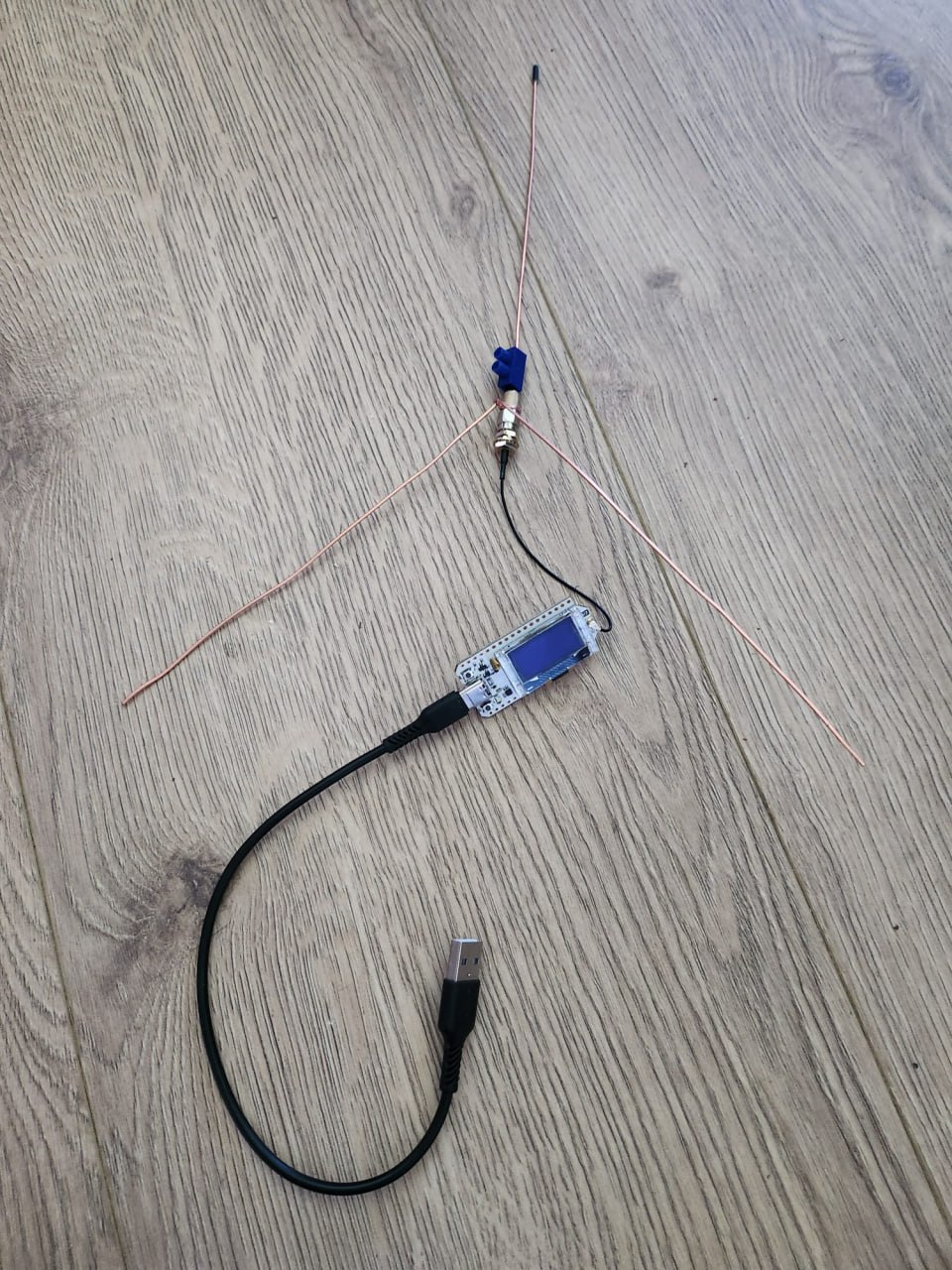
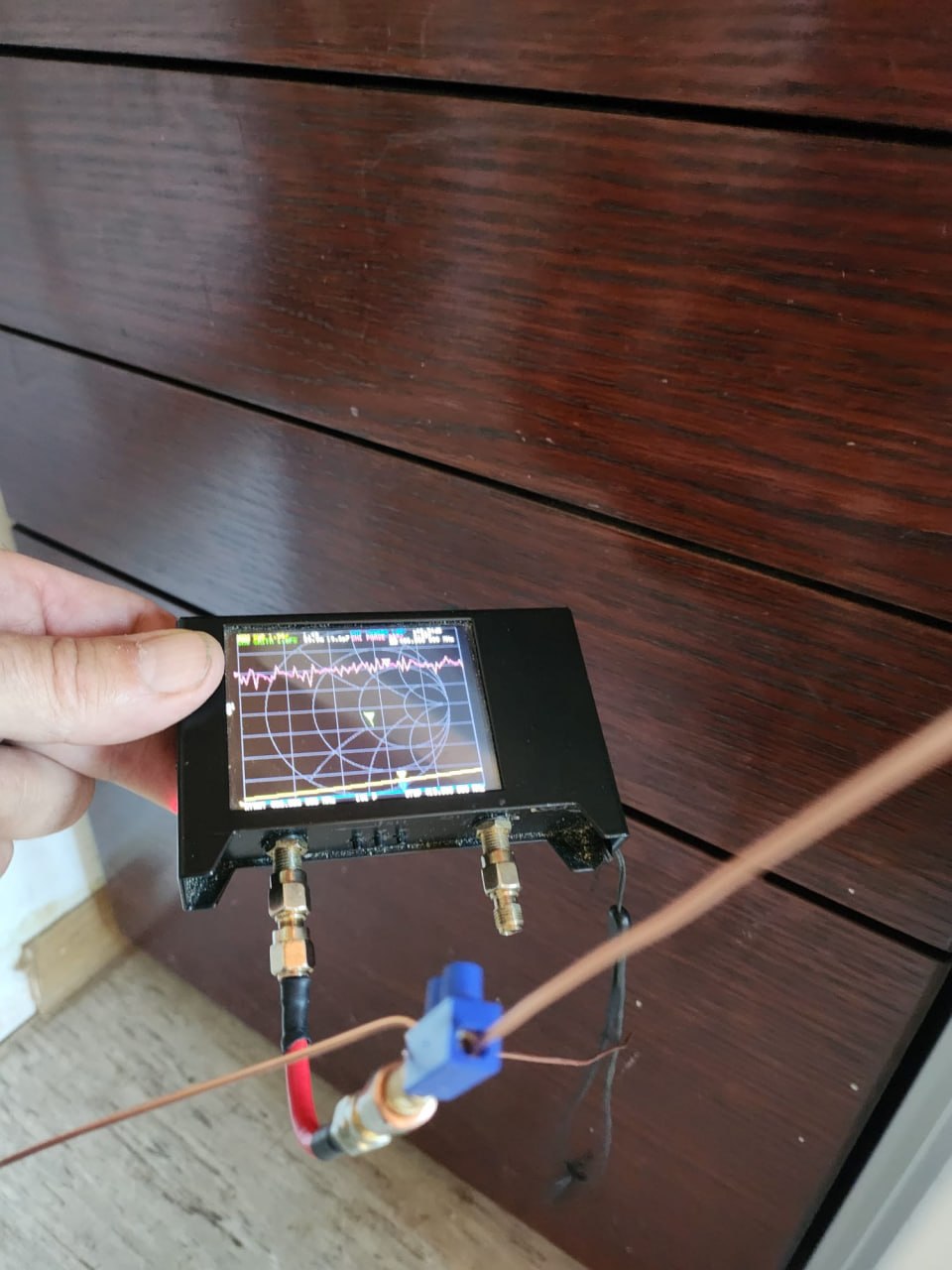
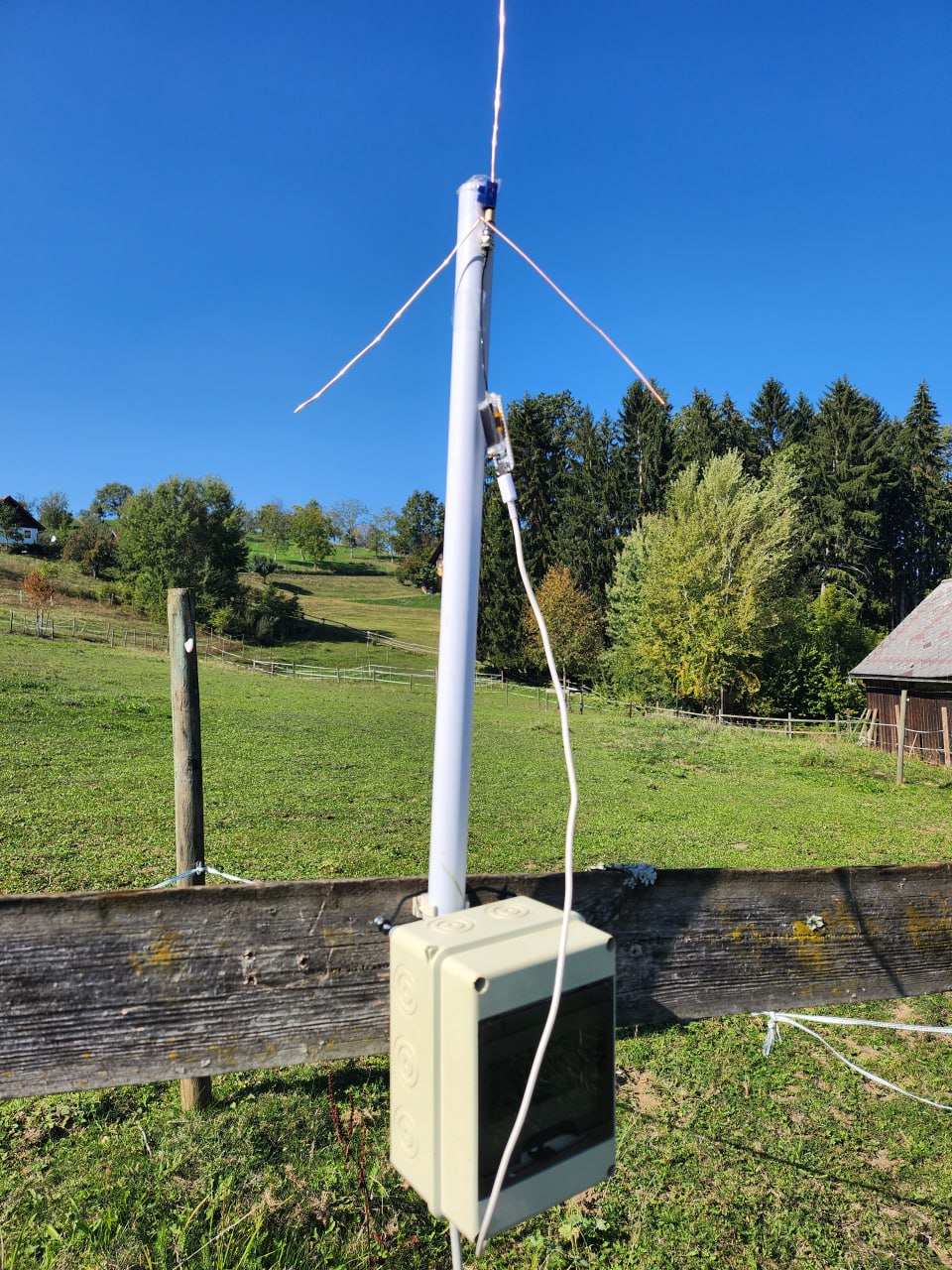
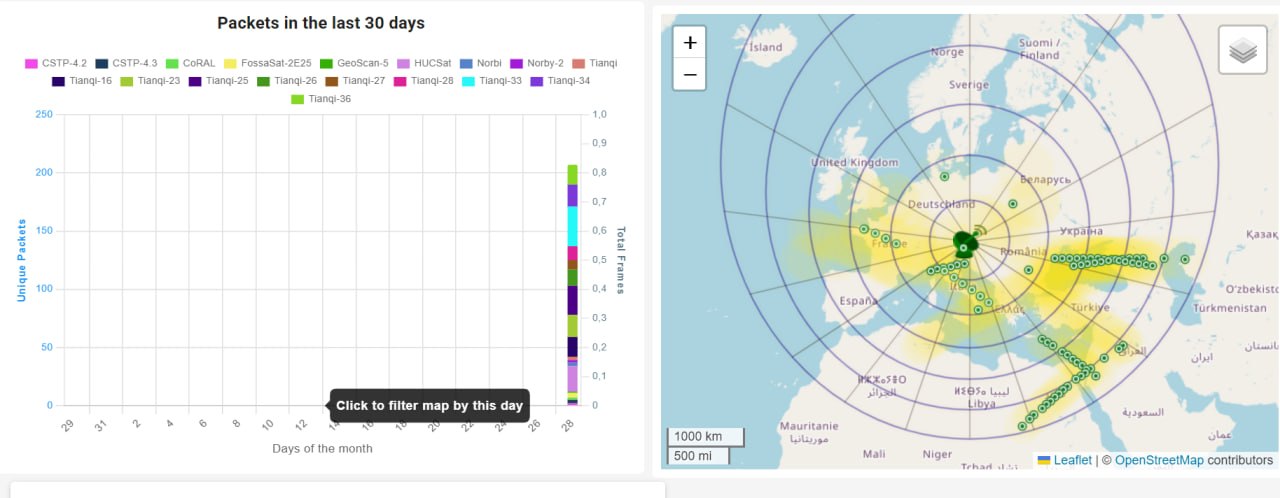
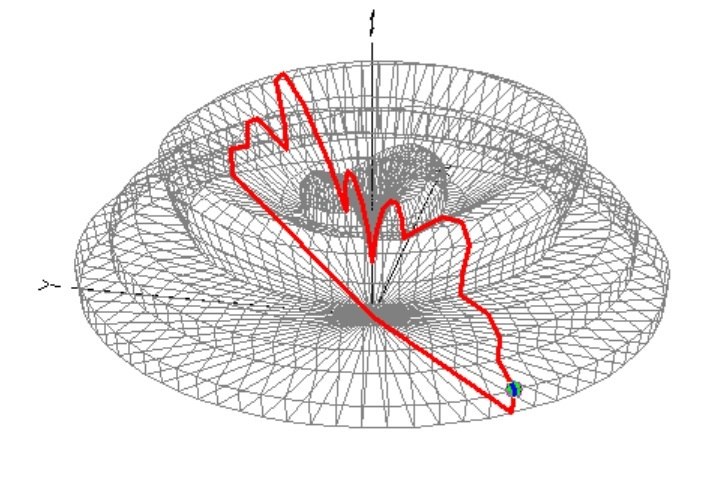
- Stefan/OE6ISP shared a step-by-step guide to building a simple, no-solder antenna by modifying a stock antenna: replacing the spiral with a screw terminal, adding a 160 mm wire radiator and 36 cm ground radials wound around the connector shaft, achieving an SWR better than 1.5 and a radiation pattern similar to a groundplane. The upgraded station received 200 packets in 12 hours over a 3200 km range, including rare satellites, and he provided photos and a live station link. 🔗
https://app.tinygs.com/station/OE6ISP_433_REF@1760298214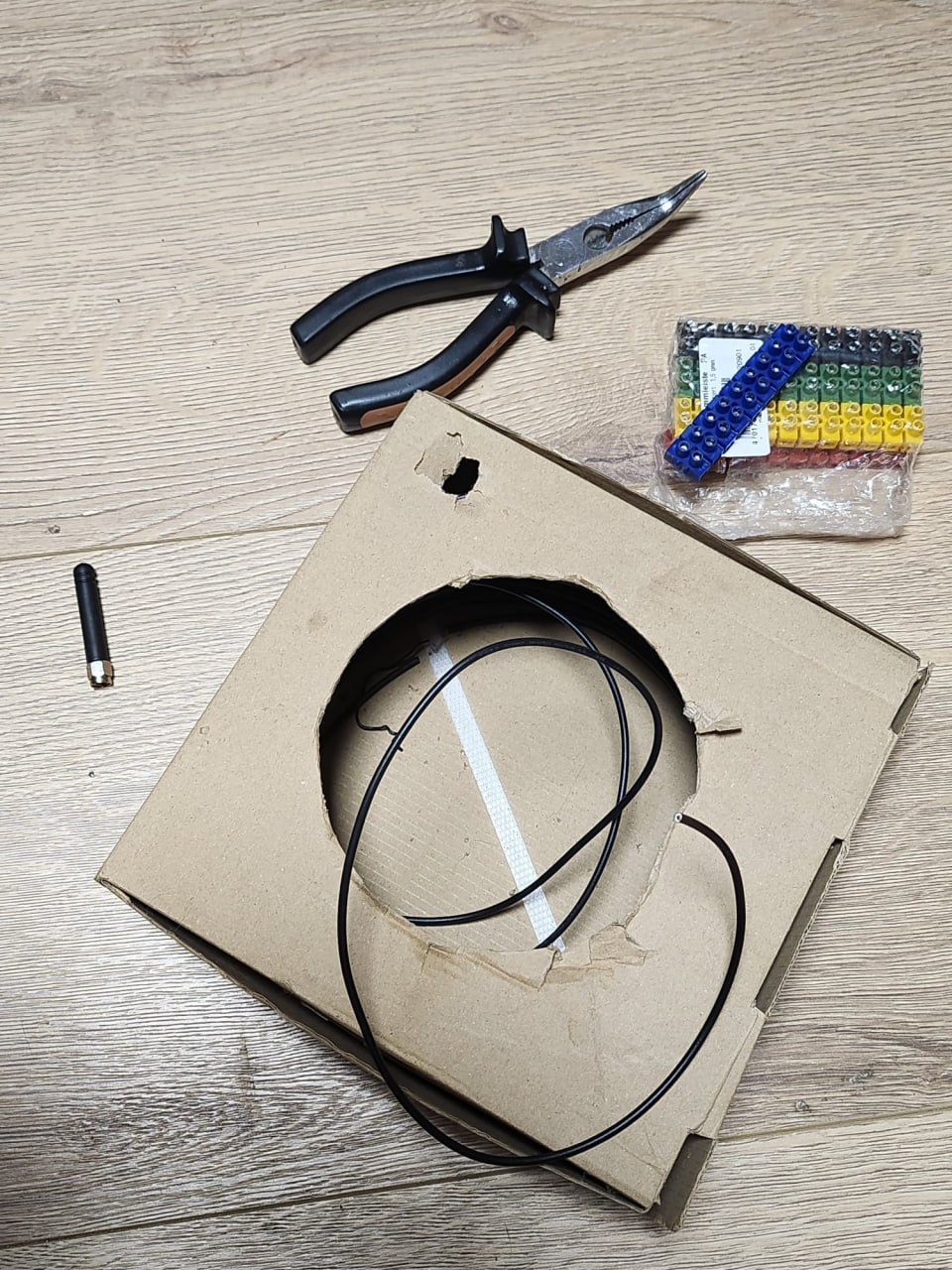
- Stefan/OE6ISP suggested using hot glue for water protection and noted that condensation inside a case is the most difficult part; he later shared links to power gel and a pressure equalization element as possible moisture-management solutions, while Notsure7 added that commercial one-way valves let air out but not in so humidity drops after hot/cool cycles, and also mentioned conformal coating as a moisture-protection option. 🔗
https://www.cellpack.com/product-catalog/components/gel-casting-compounds/gel-bottles/power-gel/
https://www.obo.at/de-at/produkte/druckausgleichselement-m20-x-1-5-2034680.html - Don shared a station update after pruning a 1/4 wave antenna to the correct size and raising it higher under the roof, which improved signal levels; he caught 28 packets from Proves electra, used manual mode to avoid Tianqi swamping weaker signals, and reported 1072 confirmed and 372 telemetry after three days, though FSK still gave CRC errors. Stefan/OE6ISP replied that station setup is an ongoing evolution, explained FSK requires positive SNR, suggested setting FSK priorities to low and LoRa to high for autotune, and noted that the higher frequency of Proves may suit the adjusted antenna. 🔗
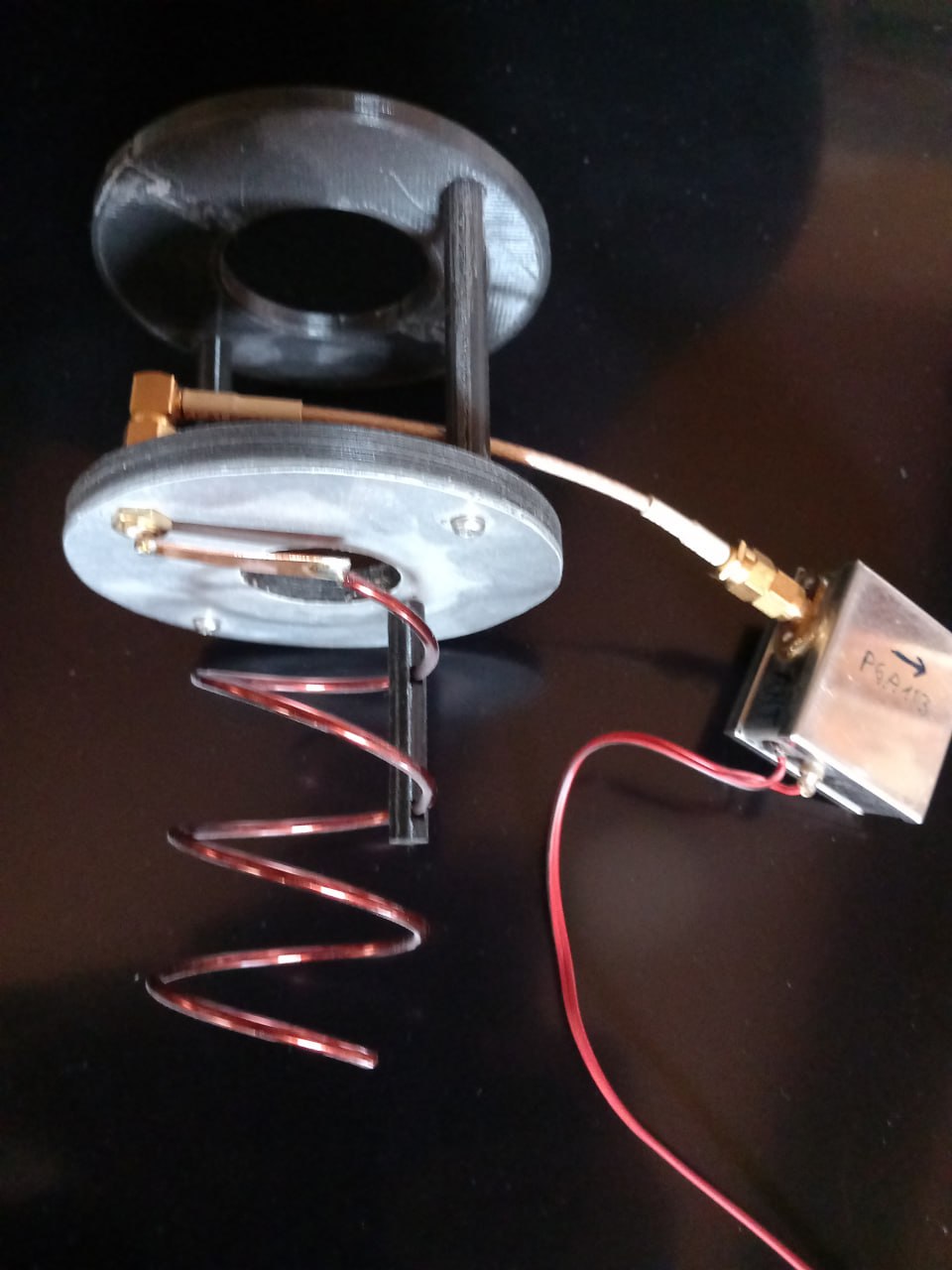
- Helmi shared a test setup for QO-100 using a helix and an LNA with PGA103+, seeking feedback; K4KDR noted that the LHCP dish feed would become RHCP after reflection and suggested a 2.5-turn omni might work better, while Helmi reasoned that since the satellite sends linearly polarized signals and tumbles, polarization may not matter, and decided to try the setup anyway. 🔗
New Satellites
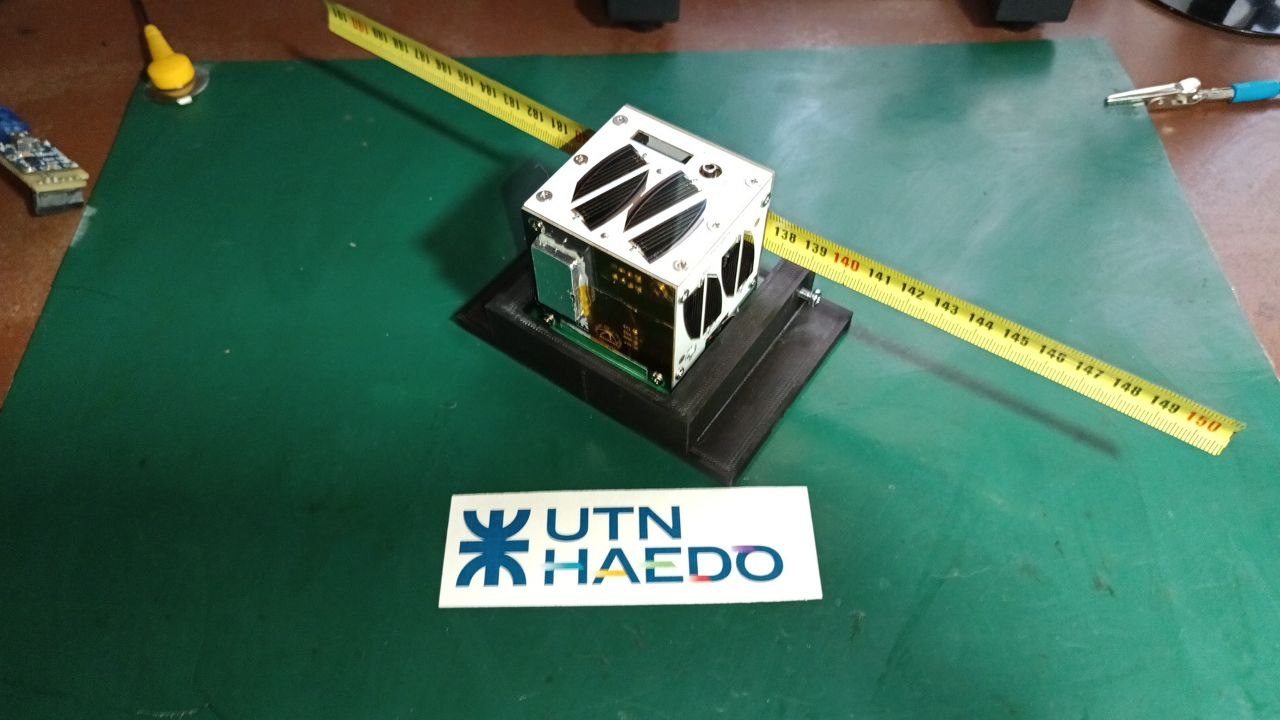
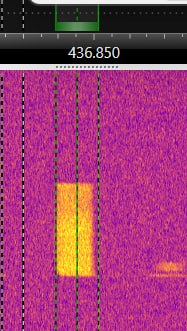
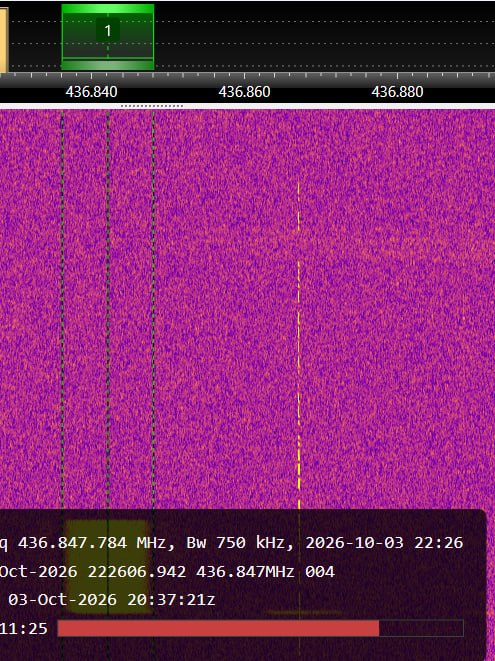
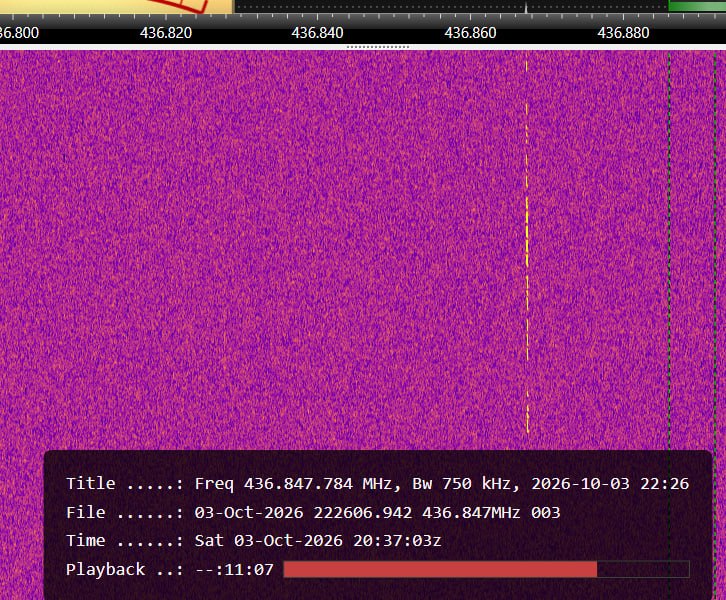
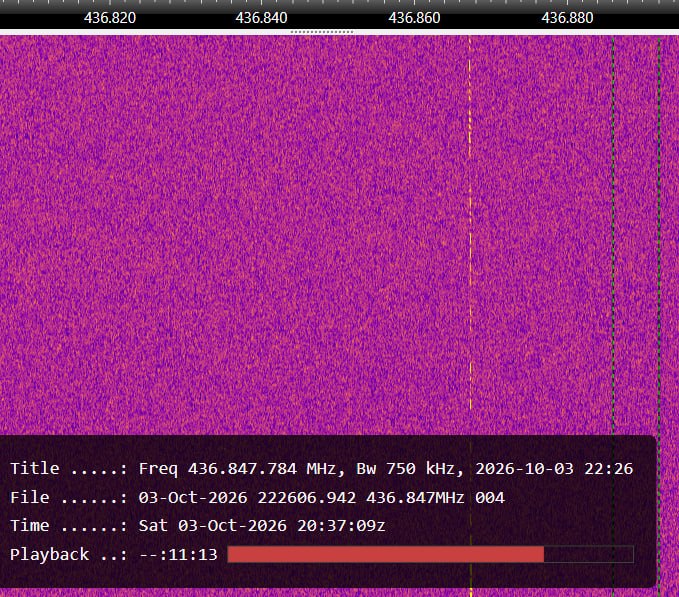
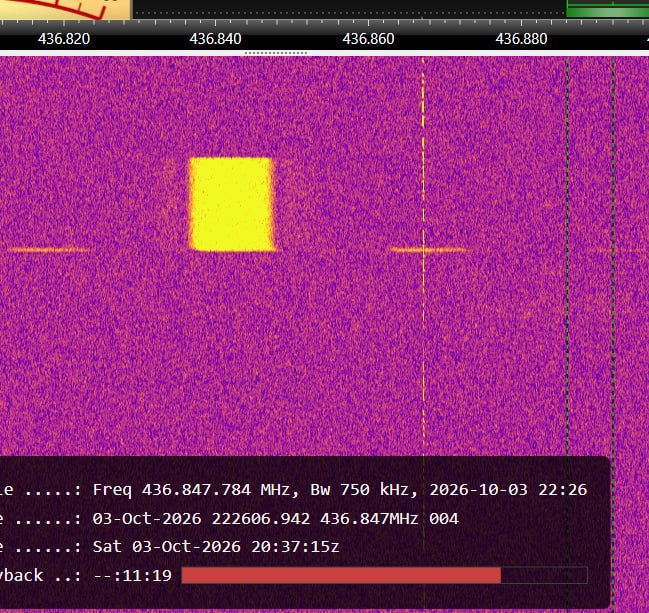
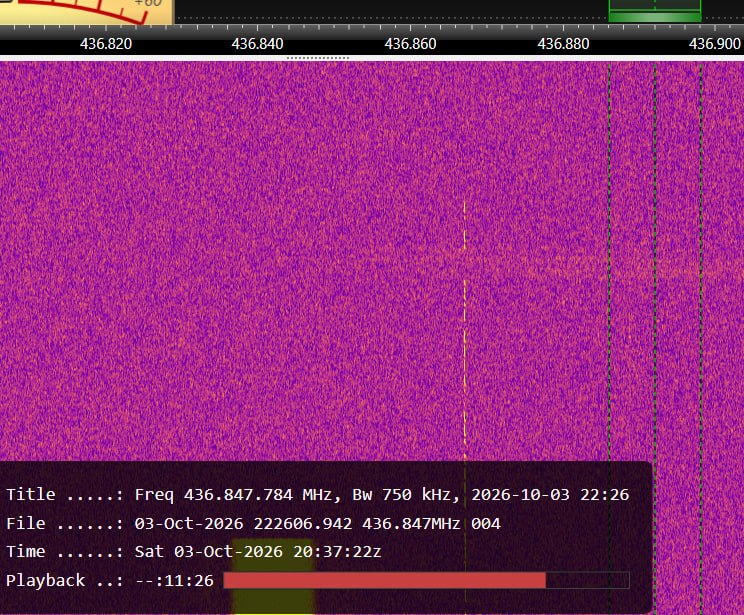
- gcarpi requested help tracking UTNH PocketQube, an educational PocketQube from UTN Haedo in Argentina scheduled to launch on SpaceX Transporter-18 and deploy about seven days later, providing LoRa configuration details (436.850 MHz, 125 kHz bandwidth, SF10, coding rate 4/5, sync word 0x18, 8-symbol preamble) and asking for reception reports. The satellite was later added to TinyGS with autotune activated prior to deployment, and on October 3 it was successfully ejected from the OSSIE orbital transfer vehicle and began free-flying. The community was asked to monitor 436.850 MHz for a CW beacon and LoRa signals, using the OSSIE-D TLE as a provisional reference until a dedicated object was catalogued. Stefan/OE6ISP reported a 10 kHz wide signal matching the AOS-LOS window and Doppler shift plus a CW signal slightly high in the passband, shared screenshots, and prepared I/Q recordings; K4KDR confirmed no LoRa decodes on a direct overhead pass but continued monitoring. gcarpi identified the CW signal as likely from UTNH, noted the satellite was tumbling with a 30-second beacon period causing intermittent dropouts, and reported that some characters matching the UTNH call sign were decoded. He provided detailed PING experiment instructions (ASCII payload CALLSIGN>DIYSAT,PING, 436.850 MHz, SF10, BW 125 kHz, CR 4/5, sync word 0x18, 8-symbol preamble, CRC enabled) and offered QSL cards and mission patches for confirmed telemetry reception. 🔗
- Aadish asked for an update on a satellite submission email sent to missioncontrol@tinygs.com for Pixelsat 1, following the official tutorial on adding new satellites, since no response had arrived; community members asked for the satellite’s LoRa parameters and offered to help get reception set up while official integration was pending. gcarpi clarified that Pixelsat 1’s Sync Word, written as 0x18 decimal, corresponds to 12 in hex just like other satellites, and confirmed the deployment timeline: the satellite will deploy seven days after launch and immediately begin transmitting in CW and LoRa every 30 seconds. After G4lile0 added Pixelsat1 to TinyGS, a discussion about LoRa sync words followed. Aadish explained they initially used a custom 0x54 sync word with an Ebyte E22 UART transceiver but were shifting to an SX1262 SPI transceiver, and after input from anas_z15, Notsure7, and Stefan/OE6ISP about compatibility between SX127x and SX126x chips, they decided to stick with the default 0x1424. Planned LoRa parameters are 125 kHz SF11 with CR 4/7, launching NET May 2027. 🔗
https://tinygs.com/tutorials/how-to-add-new-satellite/
https://app.tinygs.com/satellite/Pixelsat1 - K4KDR flagged a possible new LoRa satellite, ATHENE-1, on the Transporter-18 launch, noting that its SatNOGS listing includes S-band frequencies and asking anyone with S-band LoRa modules or SDR captures to share I/Q or audio recordings so the parameters could be reverse-engineered. Helmi asked which simple antenna would suit S-band reception, noting existing rotator antennas only cover 145, 435 and 1250 MHz and that a 2.5-turn helix was being considered, then described plans to pair it with a low-noise amplifier and a short run of RG142 coax. K4KDR later shared a possible S-band LoRa decode from ATHENE-1, noting there was almost no information beyond a possible downlink frequency and that the LoRa parameters were based on proposed S-band standard values not yet formalized, and planned to continue monitoring for repeats. 🔗
https://db.satnogs.org/satellite/ZBHR-7198-1794-8728-0872#transmitters - David reported that PROVES-Electra’s TLE had not been updated for over a month, with TinyGS still looking for object YK while Celestrak had updated to object YL; the satellite was temporarily set to beacon every 15 seconds as a stopgap but was drifting, and he requested an update to the latest NORAD ID 69795. G4lile0 later mentioned that several satellites had outdated TLE data but it had been fixed, and added satellite UTNH with autotune to be activated prior to deployment. G4lile0 also announced running surveillance mode over Transporter-18 to detect LoRa signals around 400 MHz and 435 MHz. In a related launch update, Dutracgi shared that the Orbital Temple satellite was launched again on Transporter-18 with the same parameters and asked anyone monitoring 468.5 MHz to help locate it, noting it was deployed alongside HADES and other satellites. 🔗
https://app.tinygs.com/satellite/Orbital%20Temple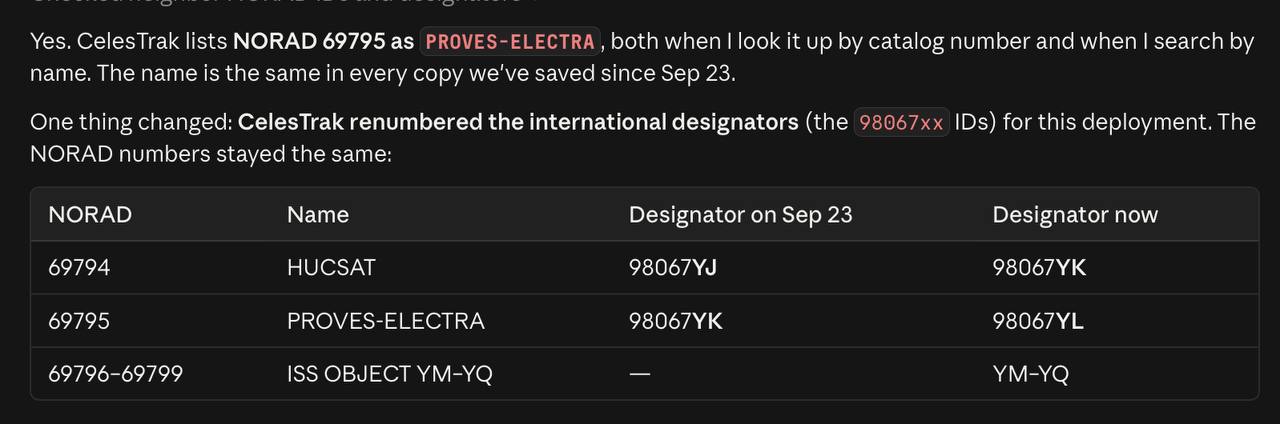
Announcements
- gmag11 announced a new web release, v20261001, with a handful of fixes: users now get a notice when their token expires so changes are not silently lost, the inactive satellite list loads in under a second after optimization, and login token generation has been redesigned. Members were invited to report any bugs they encounter. 🔗
Learning Resources
- gmag11 shared a learning resource on radio basics for hackers covering how antennas work and which types are most effective. 🔗
https://hackers-arise.com/radio-basics-for-hackers-part-4-how-antennas-work-and-which-are-most-effective/
Featured Conversations
- The week’s biggest satellite hunt centred on UTNH, an educational PocketQube that was added to TinyGS, ejected from the OSSIE orbital transfer vehicle, and began free-flying. The community coordinated monitoring on 436.850 MHz for a CW beacon and LoRa signals, using a provisional OSSIE-D TLE until a dedicated object was catalogued. Operators reported Doppler-matched signals and intermittent CW characters, with the satellite tumbling on a 30-second beacon period. Detailed PING experiment instructions were shared, and QSL cards and mission patches were offered for confirmed telemetry. The effort showed how quickly the network can mobilise around a new launch.
- A new satellite submission, Pixelsat 1, prompted a practical discussion about LoRa sync words and chip compatibility. The team clarified deployment timing and confirmed the satellite would transmit in CW and LoRa every 30 seconds after deployment. After considering a custom 0x54 sync word, the team decided to adopt the default 0x1424 to maximise compatibility across SX127x and SX126x ground stations. Planned parameters are 125 kHz SF11 with CR 4/7, launching NET May 2027. The exchange highlighted how early coordination on radio settings can smooth reception for the whole network.
- Attention turned to ATHENE-1, a possible LoRa satellite on Transporter-18 whose SatNOGS listing includes S-band frequencies. Members discussed antenna options for S-band reception, including omnidirectional setups with low-noise amplifiers and a compact 2.5-turn helix for those without rotators. A preliminary S-band LoRa decode was reported using proposed standard parameters, though repeat observations are still needed. The community encouraged sharing I/Q or audio recordings so parameters can be reverse-engineered if operators do not publish them. This could open a new frontier for TinyGS beyond the usual UHF bands.
- A deep dive into SX1262 FSK behaviour clarified why many stations report an SNR of -20 dB for FSK packets while LoRa shows normal readings. SNR is not available from the SX1262 in FSK mode; only RSSI is meaningful, and the value can be estimated from the noise floor. The same discussion explained why Geoscan image reception is impractical on TinyGS hardware, as FSK bit-stream reception struggles with fast packet sequences; an SDR stick with a dedicated decoder was recommended. Station-naming mix-ups and password resets were also addressed, with advice to reconfigure via the local configure page and a web-console reset button planned.
- Antenna builders shared a no-solder upgrade that turned a stock antenna into a half-groundplane with a 160 mm radiator and 36 cm ground radials, achieving SWR better than 1.5, 200 packets in 12 hours, and a 3200 km range. Moisture management for outdoor enclosures drew practical suggestions including hot glue, conformal coating, one-way pressure valves, power gel, and pressure equalisation elements. A station operator reported improved reception after pruning and raising a 1/4 wave antenna, along with advice to prioritise LoRa over FSK for autotune. A QO-100 helix and LNA experiment sparked a useful debate about polarisation. A new web release and a radio-basics learning resource rounded out the week’s support for newcomers and veterans alike.
Latest Cubesats News
NASA SmallSats Launch to Advance Science, Technology, Orbital Operations
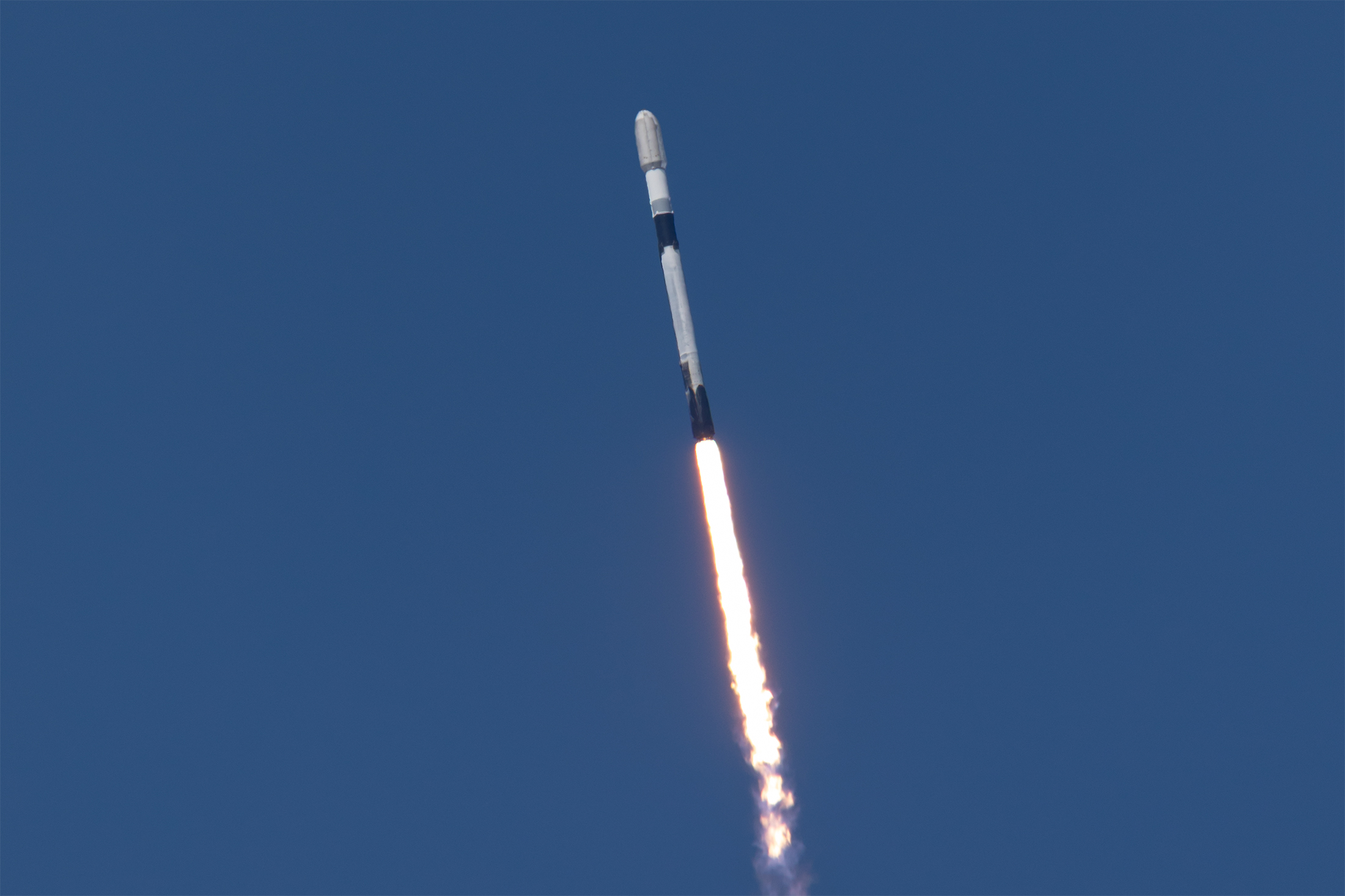
Three NASA-supported small spacecraft launched aboard a SpaceX Falcon 9 from Vandenberg Space Force Base on the Transporter-18 rideshare mission. ASCENT Propulsion Dual Mode CubeSat will demonstrate chemical and electrospray propulsion using a shared low-toxicity ASCENT propellant with higher specific impulse density than hydrazine. SPRITE, NASA’s first astrophysics CubeSat to detect a specific ultraviolet range, will study how gas, dust, and high-energy radiation move through galaxies and shaped cosmic reionization. SSPICY’s Starfish Space Otter 24C will inspect up to four inactive U.S. satellites in low Earth orbit, testing propulsion, autonomous navigation, a robotic boom, and computer vision, with inspections beginning in 2027.
What ADDIPOD is like, the UNCo development aiming to send nanosatellites into space
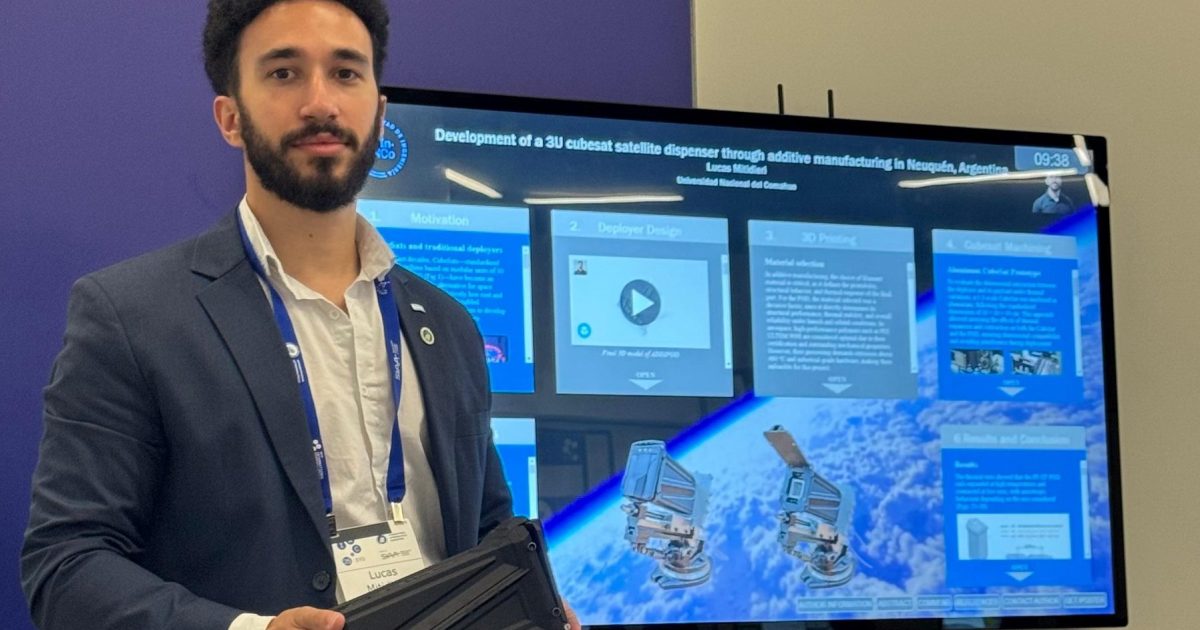
Lucas Mitidieri, an engineering student at Universidad Nacional del Comahue (UNCo), developed ADDIPOD, a CubeSat dispenser designed for additive manufacturing with carbon-fiber-reinforced polymers. A functional 1:2 prototype uses a custom-built 3D printer and a simplified opening/ejection mechanism, cutting weight by about 65% versus traditional dispensers. ADDIPOD was presented at the 2025 International Astronautical Congress in Sydney and selected among the world’s 15 best works; Mitidieri was also chosen among 250 young people for the Space Generation Congress 2026 in Antalya, Turkey. The next challenge is a full-scale prototype and vibration tests, for which Mitidieri is seeking contacts and resources in Turkey; the final goal is for ADDIPOD to reach space.

NASA tests a dual, non-toxic CubeSat propulsion system that will make spaceflight safer
NASA and Marshall Space Flight Center have completed ground testing of the ASCENT CubeSat, which combines a high-thrust chemical engine and low-thrust electrospray thrusters using one non-toxic propellant tank. The shoebox-sized satellite passed leak, thermal-vacuum, and spin-balance tests and is scheduled to launch no earlier than October 1 on a SpaceX Falcon 9 from Vandenberg Space Force Base. Once deployed to about 523 km, it will conduct a nine-month mission alternating chemical and electric maneuvers to validate the dual-propulsion architecture. Success could free mass and volume for smallsat payloads and lower hazardous-propellant handling costs, but the integrated design also concentrates risk until flight performance is proven.

India’s TakeMe2Space to Launch Orbital Computing Satellite MOI-1A on SpaceX Rideshare
TakeMe2Space will launch MOI-1A, described as India’s first orbital computing satellite under 50 kg, on SpaceX’s Transporter-18 rideshare on October 1. MOI-1A lets customers upload AI models, runs inference over target areas, and transmits analysis instead of raw data; 23 customers have signed on. The mission follows the loss of MOI-1 when a launch vehicle’s third stage failed, after a late-2024 demo proved in-orbit app upload, AI inference, and result download. The startup also plans orbital cold storage and larger satellites from 2027, competing in a crowded field with Starcloud and Nvidia-backed space computing efforts.
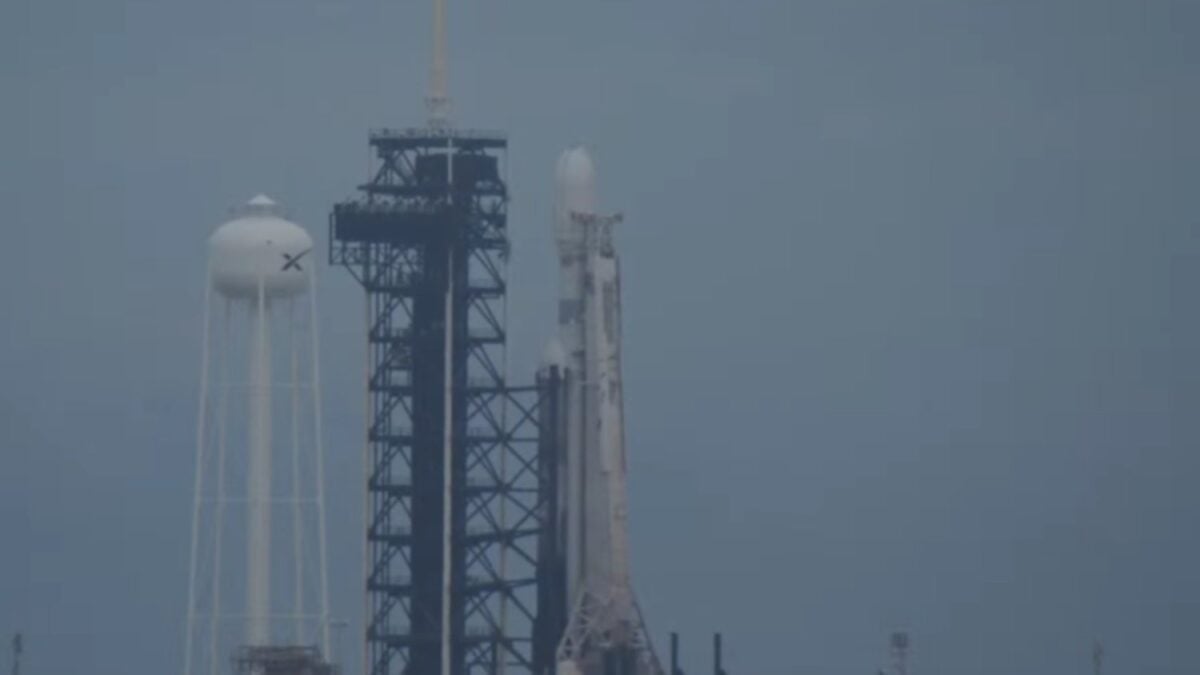
Argentina takes six small satellites to space on a single SpaceX mission
Argentina will send six small satellites on SpaceX’s Transporter-18 rideshare, launching October 1 from Vandenberg Space Force Base with 130 payloads. Four are Satellogic spacecraft: Merlin.01, two NewSat Mark VI and one NewSat Mark V, supporting Earth observation and inter-satellite links. The other two are the UNLP-built USAT-1 CubeSat for technology and GNSS science and the Argentine Army/CITEDEF ETNS nanosatellite for defense technology demonstration. The mission highlights commercial, university and defense projects sharing one Falcon 9, reflecting lower-cost access to orbit through SpaceX’s rideshare program.
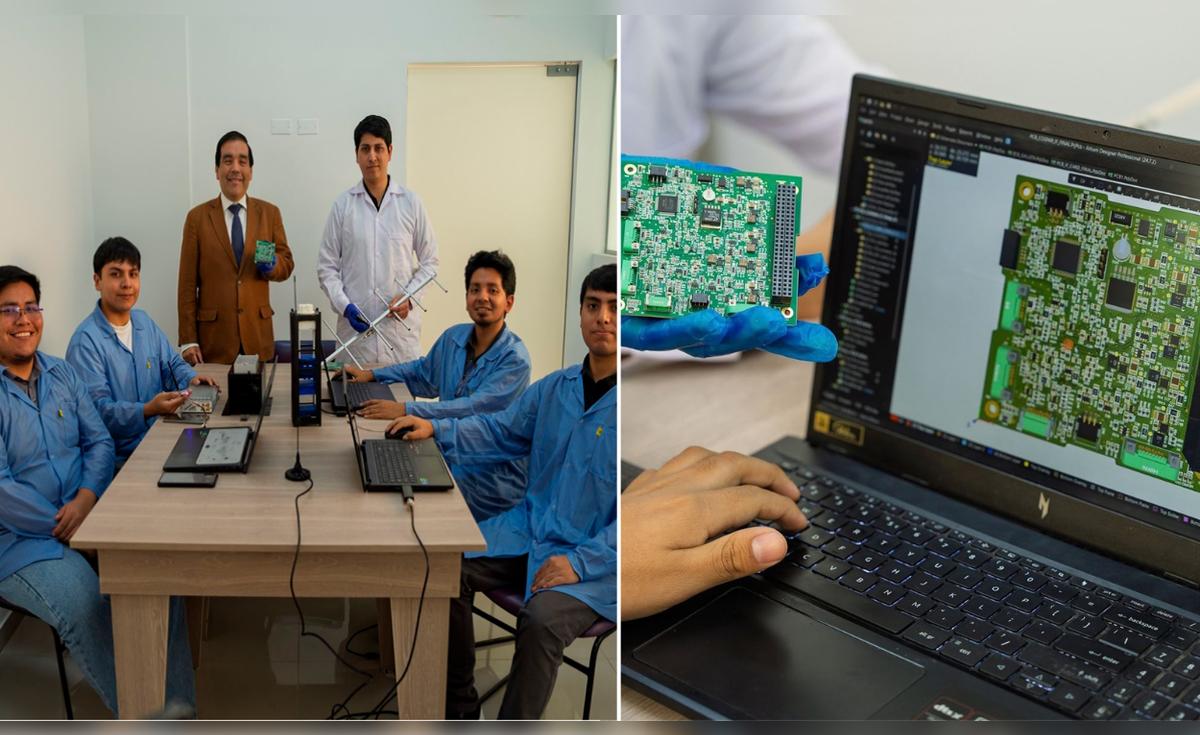
UNI students arrive in India for final stage of Peruvian satellite COSPAR-1
UNI students and graduates will travel to India between October and December 2026 to complete assembly, integration, and validation of the COSPAR-1 CubeSat with aerospace company HEX20. The 3U CubeSat is scheduled for launch in mid-2027 and will operate for two years as an orbital laboratory studying low Earth orbit radiation, solar irradiance, and ionizing radiation. Its three payloads, developed by institutions in the United States, France, and Taiwan, will also assess effects on electronic components and support space weather research. The project began for UNI in 2023 under the COSPAR Multinational Satellite Project, is led by Germán Yuri Comina Bellido and Salvador Romero de la Roca, and requires national and private backing to continue.
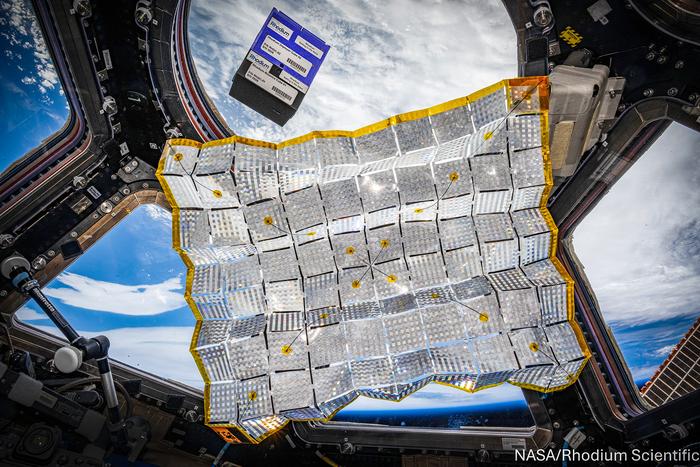
Cornell Lightsail Experiment Paves the Way for Interstellar Missions - Universe Today
Cornell’s Space System Design Studio successfully deployed two lightsail experiments, Alpha CubeSat and Sailing to the Stars, from the ISS in late 2025. The NASA-funded CubeSats, developed for the Museum of Science Fiction’s 2016 competition, tested origami-style sails, ChipSat avionics, and TinyGS communications. AlphaCube confirmed deployment and demonstrated a magnetorquer-only spin-stabilization algorithm, a RockBLOCK Iridium modem, a fully 3D-printed chassis, and holographic message plaques. Sailing to the Stars captured sail-deployment video and IMU data, tested two 3D-printed deployers, and became the first spacecraft of its size to send complete data packets from orbit, informing future lightsail and interstellar propulsion work.
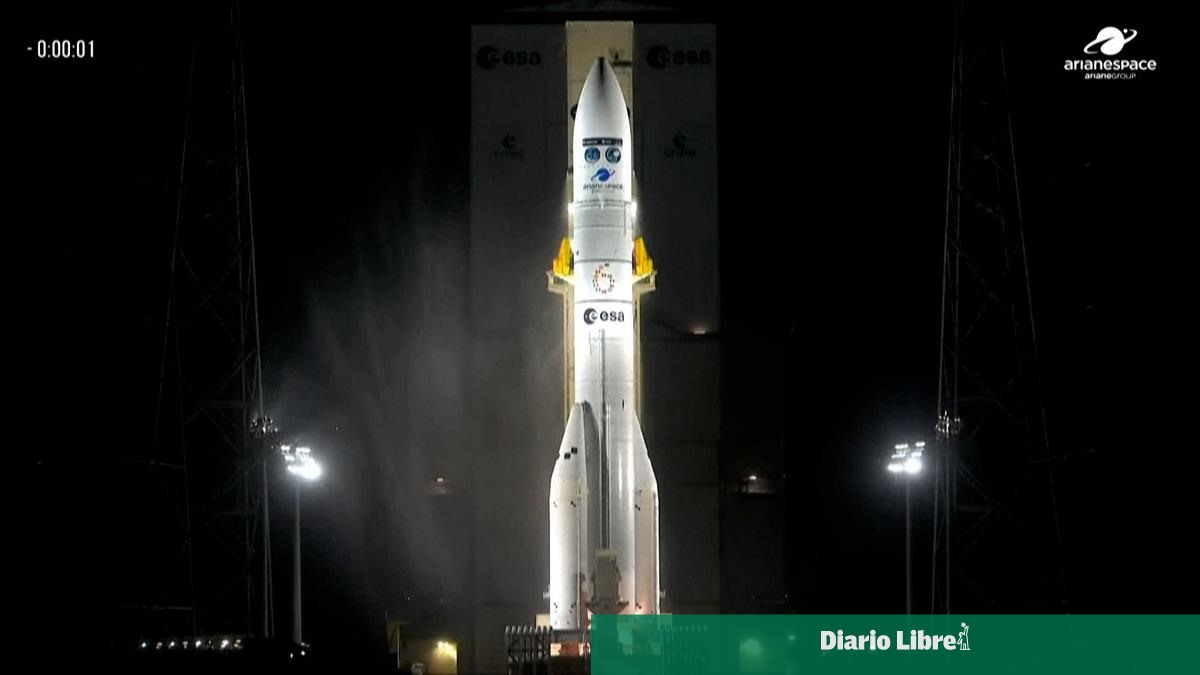
Paraguay puts its second satellite into orbit, the first built in the country - Diario Libre
Paraguay launched GuaraníSat-2, its second satellite and the first designed and assembled in the country, from Vandenberg Space Force Base in California. The 3.94-kilogram CubeSat 3U was developed entirely by Paraguayan personnel and involved 14 institutions from Paraguay, Japan, the United States, Mexico, and Italy since May 2023. It will operate as a small Earth-orbiting communications station for radio signals, carry out educational missions, study the South Atlantic Anomaly, and test a Mars rover-like coprocessor for processing orbital images. The launch follows GuaraníSat-1, sent in February 2021 with Japanese cooperation, and lays the foundation for a third Paraguayan satellite for Earth observation.
India’s first commercial thermal CubeSat mission TAPAS-1 in discussion - GKToday
SatLeo Labs, an Ahmedabad-based space-tech startup, will launch TAPAS-1 on 1 October 2026 as India’s first dedicated commercial CubeSat-class thermal-imaging satellite. The 3 kg payload will fly on SpaceX Falcon 9’s Transporter-18 mission from Vandenberg Space Force Base via Dhruva Space’s LEAP-2 platform into a ~500 km sun-synchronous orbit. Its long-wave infrared sensor will record thermal data for climate monitoring, agriculture, urban heat mapping, water-stress tracking, industrial monitoring, disaster management, and forest-fire detection. SatLeo Labs, founded in 2023, plans eight more satellites by 2029 for a 10–15 satellite constellation; TAPAS-2 is under construction for mid-2027, with ₹60 crore raised and about $52 million in letters of intent.
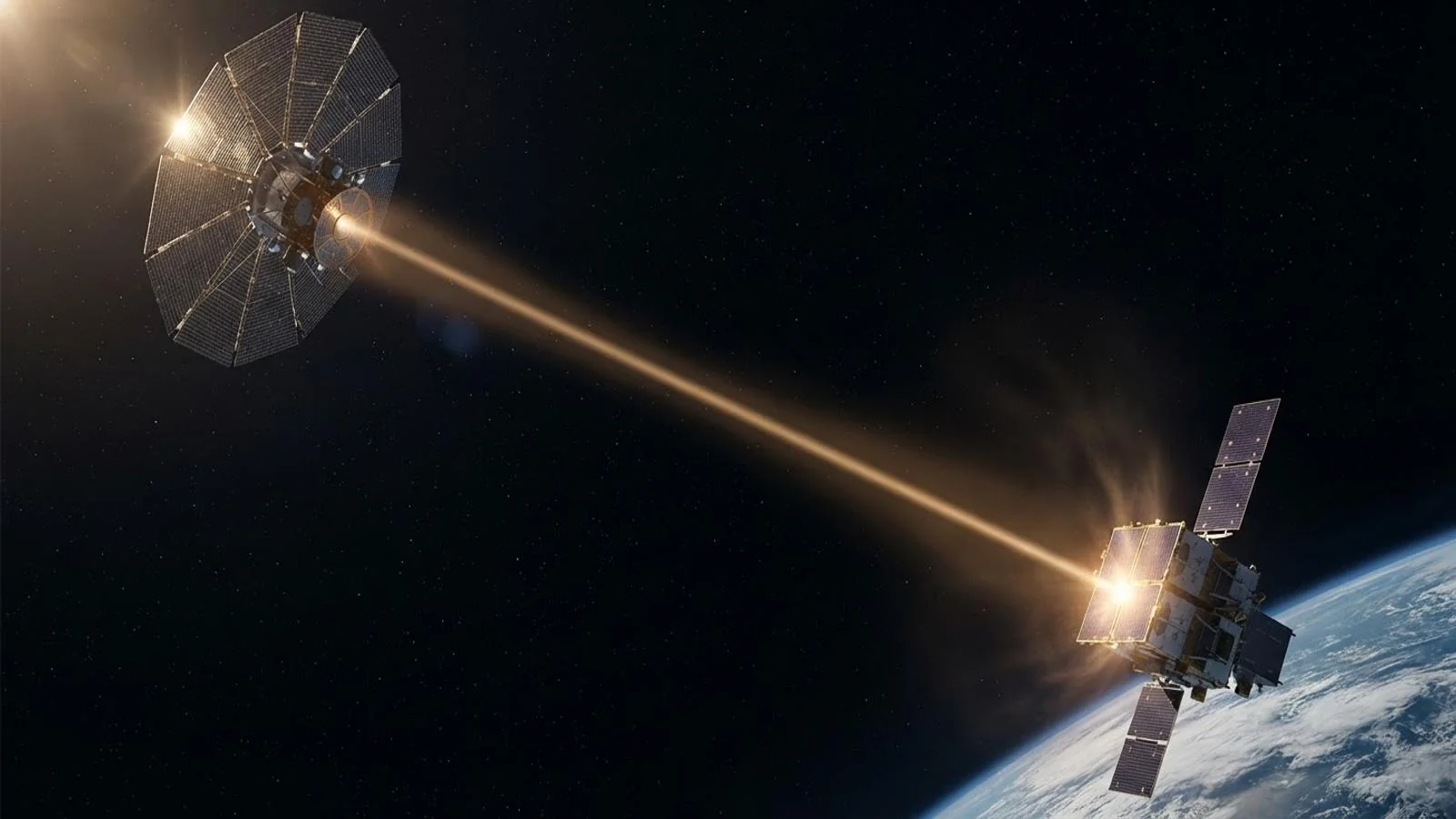
Wireless charging in space: Star Catcher to conduct a unique test in orbit
Star Catcher Industries will test wireless power transfer between two autonomous spacecraft in orbit. Its experimental Protostar satellite is scheduled to launch in October 2026 from Vandenberg on SpaceX Transporter-18. Once in orbit, Protostar will deploy a CubeSat, autonomously track it, and aim an optical energy beam at its solar cells while engineers measure transfer efficiency. The company aims to build an orbital energy network, has signed 10 power-purchase contracts and over 40 letters of intent, and has raised $88 million in venture capital plus a $60 million US Space Force STRATFI contract.
What’s next
Join the TinyGS Telegram channel to follow these satellite hunts, share your own observations, and help others troubleshoot their stations. Whether you are decoding a new beacon, refining an antenna, or building your first setup, your experiences and insights can help the whole community improve.