tinyGS
· TinyGS Community · 7 min read
Weekly Newsletter - April 13, 2025
Welcome to the TinyGS community newsletter. Here are the highlights of the week, capturing the most engaging discussions and developments within the TinyGS community:
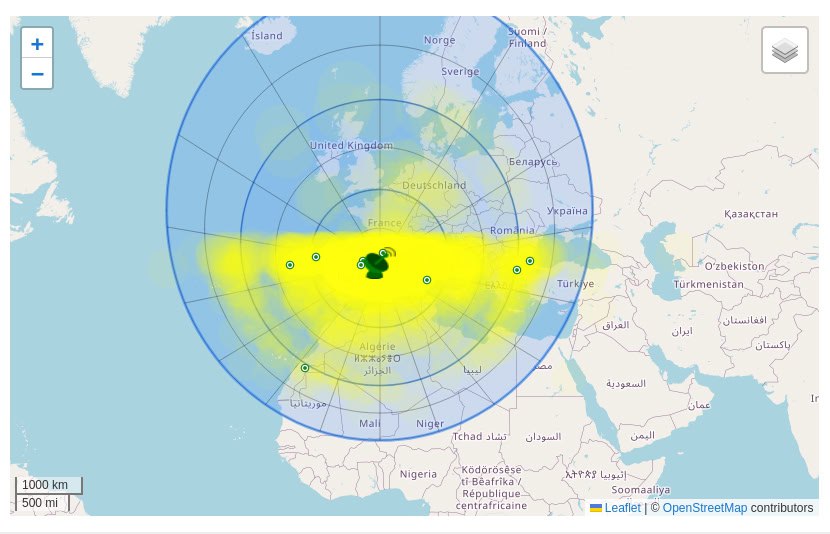
Highlights
General
- Pauly P asked whether the data received from satellites can be decoded. 🔗
- Notsure7 explained that public satellite data can be decoded and displayed with voltages and temperatures, while others like Tianqius and Starlinks remain private. Notsure7 also mentioned that “Surveilance 900” is a general placeholder for stations accepting anything on the 900 band, and a 138kHz frequency deviation likely indicates ground noise. 🔗
- Guillem asked @G4lile0 about how to determine which Starlink ID has which TLE, as they don’t match in Celestrak, and inquired about the source of the TLE data. 🔗
- PE2BZ noted that 923.3 MHz is a regular LoRaWAN frequency in the US. 🔗
- F8GHEChristian asked about the best solution to drive an antenna rotor in AZ/EL from TinyGS, noting the difficulty in finding an automatic solution to drive PstRotator or Hamlib (rotctl) with the API and mentioning considering using a Skywatcher AZ-GTI. 🔗
- Notsure7 suggested something like the SatNOGS positioner. 🔗
- Helmi mentioned Orbitron or PstRotator and a Yaesu rotor, noting the need for a lot of manual control. 🔗
- Guillem asked why many stations show a ceiling of receptions at 137 MHz. 🔗
- Stefan/OE6ISP explained that most of the satellites causing the ceiling effect are on low inclination orbits. Stefan/OE6ISP also mentioned that using TinyGS is not necessary for most satellites and that when needing to use a Yagi for RX of weak signals, tracking is done with SatPC32 or SatTrack. Furthermore, Stefan/OE6ISP clarified that the “type of antenna” and “band” can be configured on the website with the edit button when logged in. 🔗
- Mike asked where to configure the text for “type of antenna” and “band”. 🔗
- K5MPH1 mentioned also 915mhz for LoRa. 🔗
- DJBR71 reported that the “Edit Station Parameters” in the Web Console indicates a maximum storage size of 12 pictures and they are unable to delete old pictures to upload new ones because the old pictures are not displayed. 🔗
- G4lile0 mentioned to check if the issue is solved, ensuring that new pictures can be uploaded without problems. 🔗
- DerMister asked why their station is only receiving Tianqi satellites, while nearby ground stations can receive Norby as well. 🔗
- Xaviprvt introduced himself as new to TinyGS, mentioning he just installed and is configuring the setup and that the configuration process directed him to the telegram group for MQTT configuration, requesting assistance with this setup. 🔗
Technical Problems
- Brian asked how to configure his board using the USB port to reset the wifi parameters, as he can no longer access the board over wifi. Later, Notsure7 asked what board he was referring to and suggested that pressing the button for 8 seconds would put the board into default mode. 🔗
- Notsure7 asked what board was being used and suggested pressing the change screen button for 8 seconds to enter recovery mode. 🔗
- vtopolet reported that after 3 years of operation, their TinyGS on Lilygo can’t connect to WiFi. They forgot the password and attempted to reflash the device, but both the web installer and PlatformIO are unable to flash the board (ESP32, not C3 version). 🔗
- G4lile0 suggested that vtopolet might be using a cable with only power lines and not data lines, and pointed out that the password can be reset without installing new firmware, with a link to the FAQ. G4lile0 added that even with no display, the firmware might be uploaded correctly, suggesting to check if the Wi-Fi access point created from the board is visible and to check the logs by clicking on Logs and Console. 🔗
https://github.com/G4lile0/tinyGS/wiki/FAQ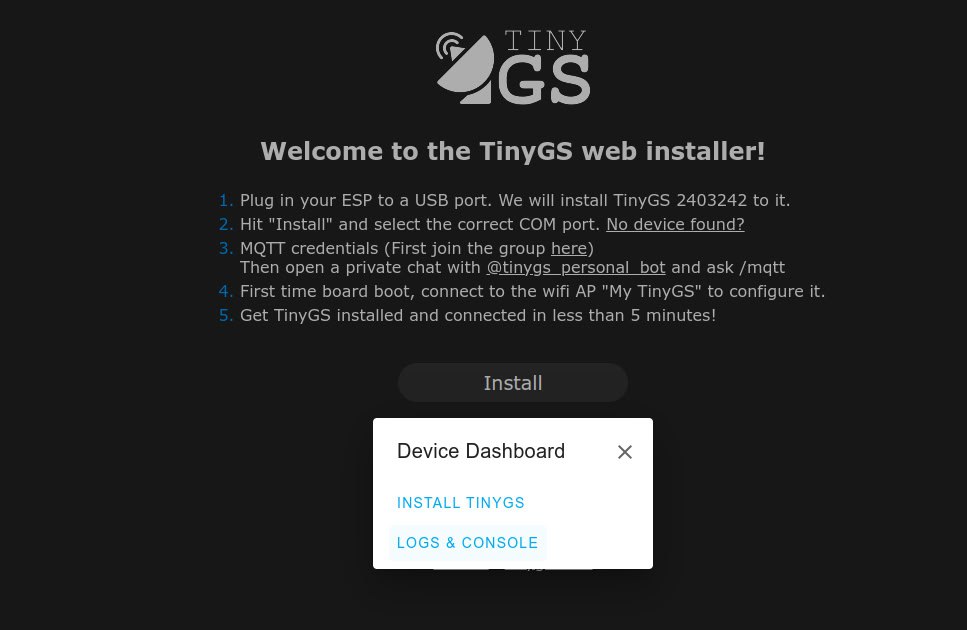
- vtopolet responded to G4lile0 that they are flashing the board with no error messages via the web installer, but nothing shows on the display. They also tried flashing with PlatformIO, but PlatformIO can’t find esp32c3. The cable has data lines and works with other modules and a USB-COM converter. 🔗
Statistics
Antenna Building
- K5MPH1 stated that an antenna is good for Sat Rx if it is cut for 433mhz and also works good for US weather Sat Rx. 🔗
- Shiva asked if anyone has built a turnstile antenna. 🔗
- Uknown4real is looking for the best Sub Ghz Antennas for LoRa module and asked for recommendations. 🔗
- Helmi provided links to previous discussions about Sub Ghz Antennas for LoRa module: https://t.me/c/1448773154/78473/161412, https://t.me/c/1448773154/78473/162341. 🔗
https://t.me/c/1448773154/78473/161412
https://t.me/c/1448773154/78473/162341
Share your setup
- Stefan/OE6ISP shared a photo of low noise equipment intended for moon experiments, and speculated about its performance with LoRa. Stefan/OE6ISP mentioned that the QPL9547 goes down to 0.16 at lower frequencies, but the input filter in the user’s setup results in 0.23dB and added that is fun to solder. 🔗
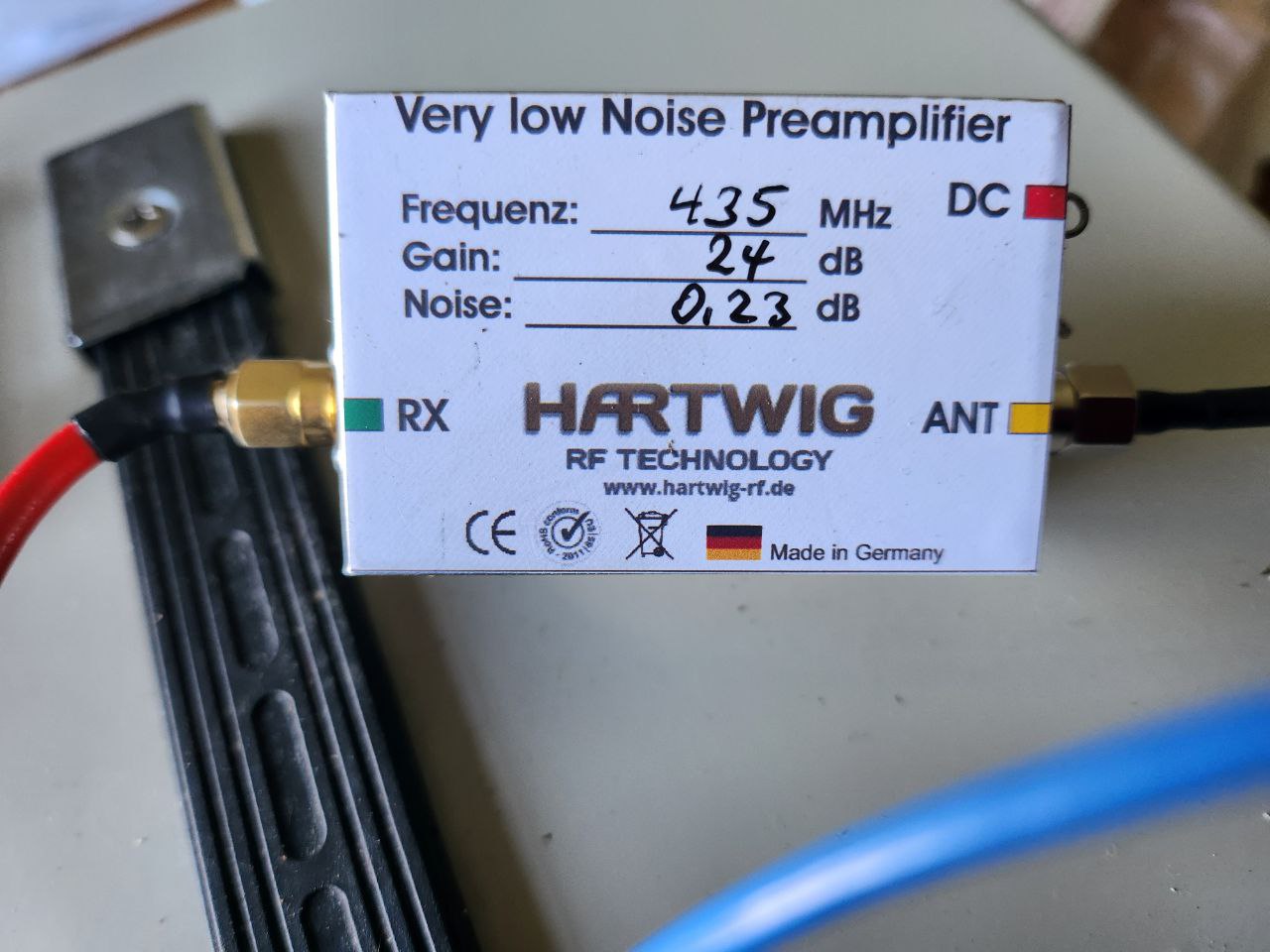
- Notsure7 asked what’s inside the setup and guessed it is a pga 103+. 🔗
- Pauly P asked about running continuous power to their setup and what others use. 🔗
- Notsure7 suggested that without an LNA, the setup consumes less than a watt, allowing for powering via an Ethernet cable or a solar setup. 🔗
Events
New Satellites
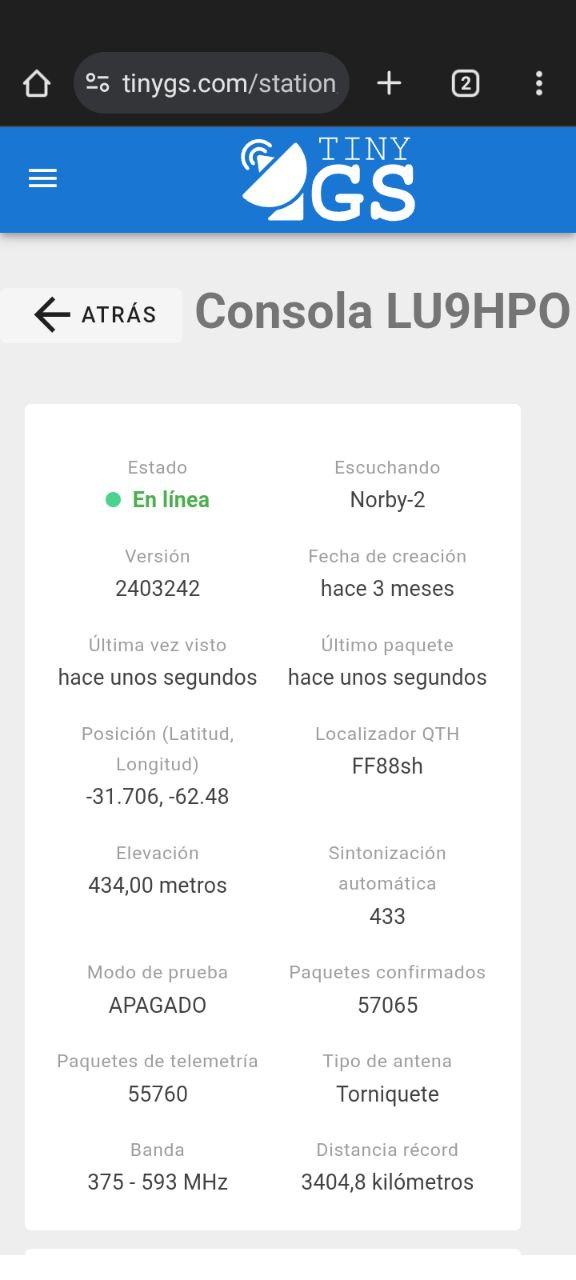
- LU9HPO shared a screenshot. 🔗
- Estbhan reported that HADES-R and HADES-ICM are transmitting at 200bps, which is difficult to catch due to the minimum FSK rate of 600 bps on the SX1268 board. They mentioned challenges in triggering the board with the right synch word and potential issues with frequency deviation, expressing a need for more dedicated time for experimentation. 🔗
- Estbhan shared their experimentation with Stratosat TK-1 and getting first packets and looking for more info to know how to de-scramble de bit stream. Also noted the possibility of receiving images from this satellite. 🔗
Learning Resources
Beta Firmware Testing
- Estbhan shared a packet view from TinyGS and noted simultaneous FSK packet reception from ASTROCAST 0.1. 🔗
https://app.tinygs.com/packet/8353bffc-4ab4-42b8-8cec-8f6d0eff2bb1 - Estbhan reported first detections from Stratosat TK-1, noting the configuration chain uses FSK and ook=2 (BT=0.5), which could be the first detection in GFSK. 🔗
Balloons
Space situational awareness
Where to buy
- megazaic shared a link to an Aliexpress item, noting the potential usefulness of the 150 or 315 MHz options, and suspected that the 150 MHz version would perform better than the 433 MHz version at 137 MHz. megazaic also mentioned that previously only 433/868/915 versions appeared in search results, and the ‘150’ version is not yet in their documentation, and acknowledged that the difference is in the filter components and that a few dB difference between 150 and 433 can be decisive. 🔗
https://aliexpress.com/item/1005006053642110.html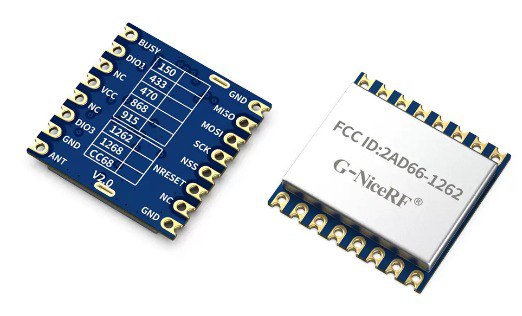
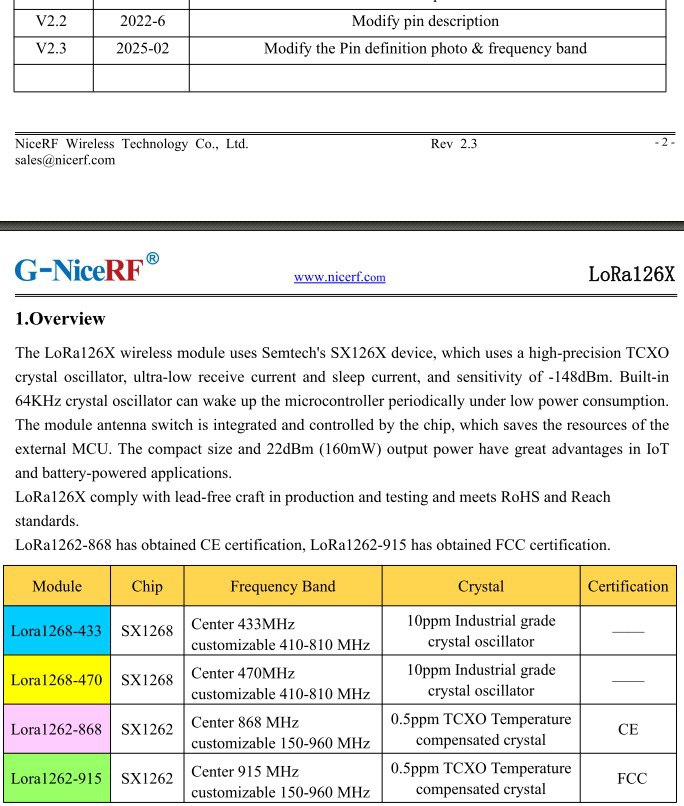
- Stefan/OE6ISP mentioned that the band is allowed for medical applications in parts of the EU and agreed that the 150Mhz version needs to be tested. 🔗
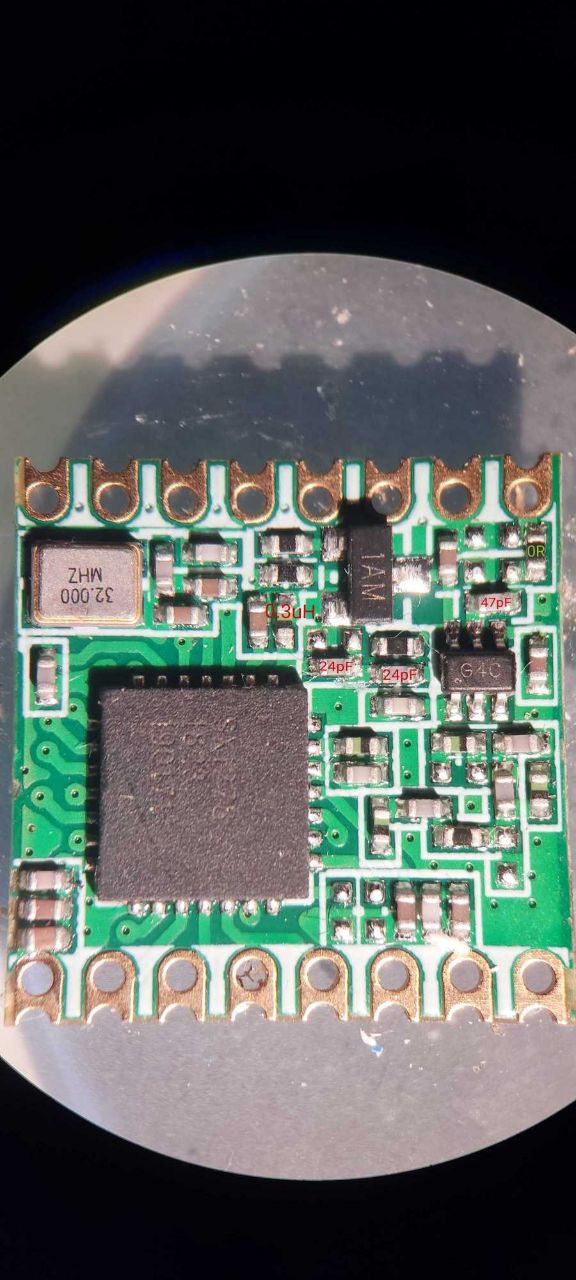
- Notsure7 explained that the filters on disassembled modules appear to be simple high/low pass filters, with pads for higher-order filters, but cost-cutting measures are in place. Notsure7 added that after the antenna, the black component that should be a capacitor is just a 0-ohm link, followed by the switch, pin1 for Rx, three capacitors in series (where a bandpass filter should be), an inductor to ground, and potentially another capacitor, making it a simple LC highpass. Mentioned this was measured on a ra02 module, sx1278 🔗
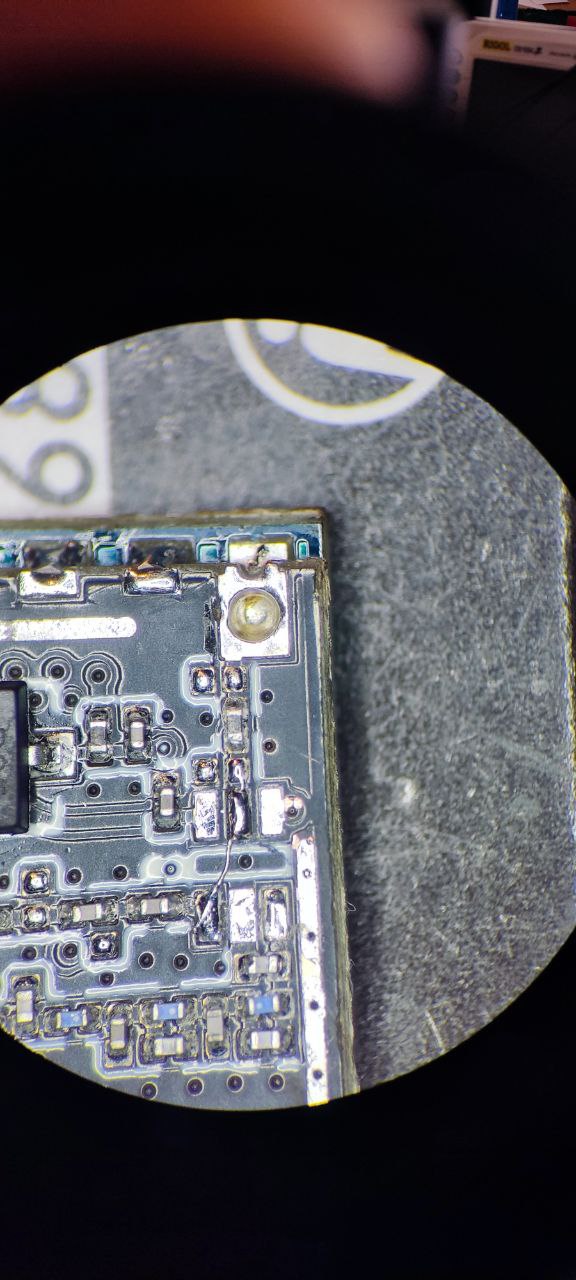
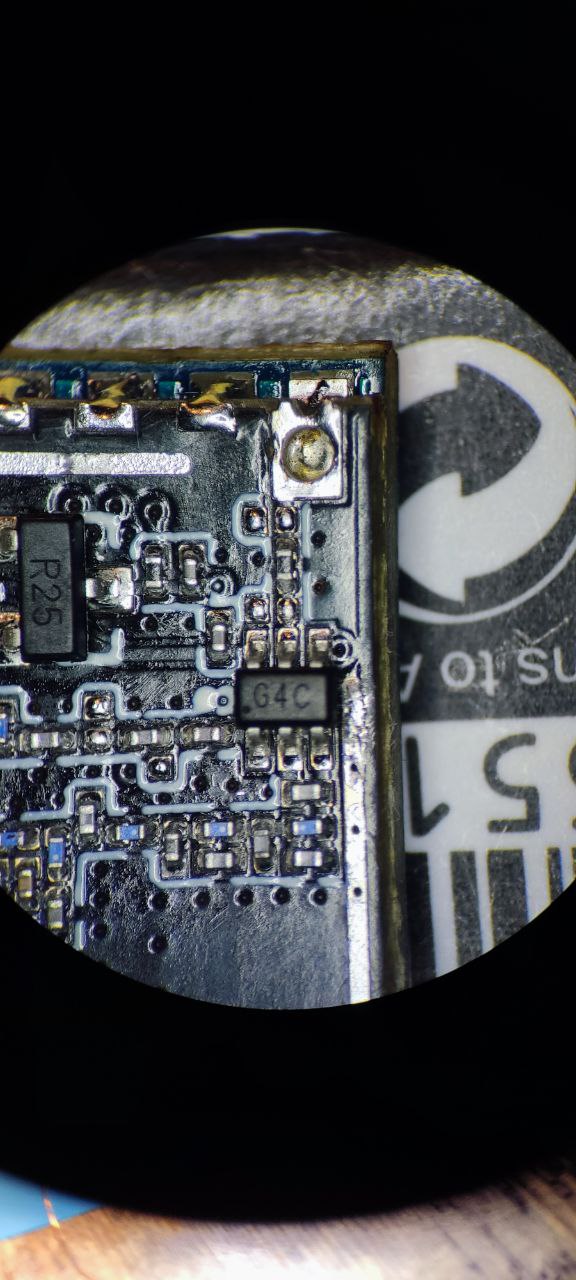
- Notsure7 mentioned “0.3uH in my notes” and stated he would try to measure them all again, suggesting it would mean a +-50mhz high pass LC filter. 🔗
- Notsure7 shared a photo of a module and mentioned it’s a different module with the same components, noting that values measured in circuit might be off. The module seems designed to cut down the FM band while protecting the front end, and for 137 MHz, there might be potential to squeeze some dB more by modifying the filter. Notsure7 also inquired about attaching a VNA to it, suggesting an SMA connector on the SX side. 🔗
Announcements
Featured Conversations
- The community discussed the possibility of decoding data received from satellites, with some data being publicly available while others remain private.
- Members explored the potential of using different frequency options (150/315 MHz) and shared insights on module filters and their impact on performance.
- There was an active exchange of information and experiences related to station setups, including antenna configurations, noise levels, and component analysis, fostering a collaborative learning environment.
- Estbhan is actively experimenting with new satellites like Stratosat TK-1 and HADES-R/ICM, facing challenges with decoding and synchronization, but making progress in detecting initial packets. This highlights the community’s engagement with cutting-edge satellite technology.
- The community is troubleshooting technical issues, as seen in the discussion between vtopolet and G4lile0 regarding WiFi connectivity and flashing problems with a Lilygo board. G4lile0 provided valuable suggestions, reflecting the collaborative support within TinyGS.
What’s next
Join the TinyGS community to share your knowledge, explore new possibilities, and contribute to the advancement of satellite tracking!
Share: