tinyGS
· TinyGS Community · 7 min read
Weekly Newsletter - June 21, 2026
This week, the TinyGS community celebrated a published paper crediting a member's LoRa uplink work with the MicroOrbiter-1 team, while technical discussions tackled persistent decoding errors, antenna optimization strategies, and the challenges of building stations for the 800 MHz band. A newcomer's exploration of dashboard setups and a debate on multi-band configurations rounded out a week rich with collaborative learning and practical insights.
Highlights
General
- K4KDR shared a notable achievement: a paper published by the MicroOrbiter-1 team (Japan) that credits their contribution to LoRa uplink opportunities using 920 MHz, highlighting the impact of amateur radio operators in satellite missions. 🔗
https://x.com/scott23192/status/2067478172640121001
https://www.jstage.jst.go.jp/article/jesa/4/0/4_283/_article/-char/en - Carbexalide commented that the satellite Kosar is very talkative, indicating active transmissions. 🔗
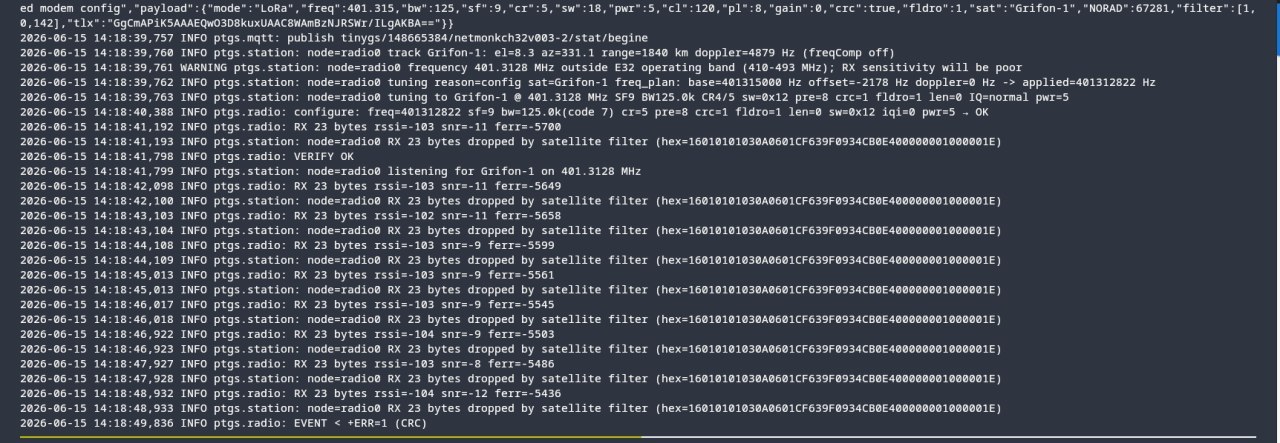
- Carbexalide asked why Grifon packets are being rejected, sharing a screenshot. He noted that the satellite filter expects packets to start with 0x8E, but the received packets begin with 0x16, explaining the rejection. 🔗
- Carbexalide validated a new AT-OS3 station on an E22-900M30S module and is now ready to listen to 868/915 MHz satellites. Later asked whether a single station can listen on multiple bands, explaining they already run a 433 MHz station with diversity and want to add a separate 868/915 MHz modem using custom firmware, but noted the MQTT backend seems to not support this configuration. Helmi explained that to listen on multiple bands, a second station must be created using the ‘+NEW STATION’ button, and separate hardware is required since the RF circuit differs per band. 🔗
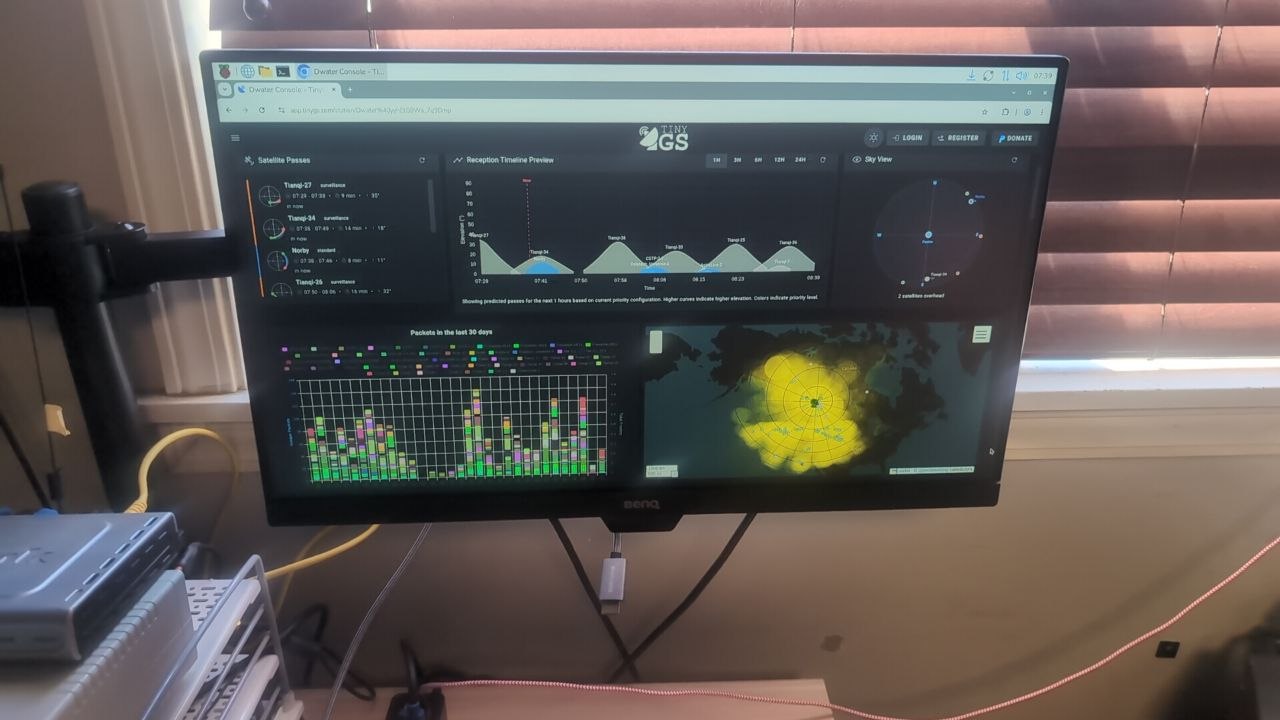
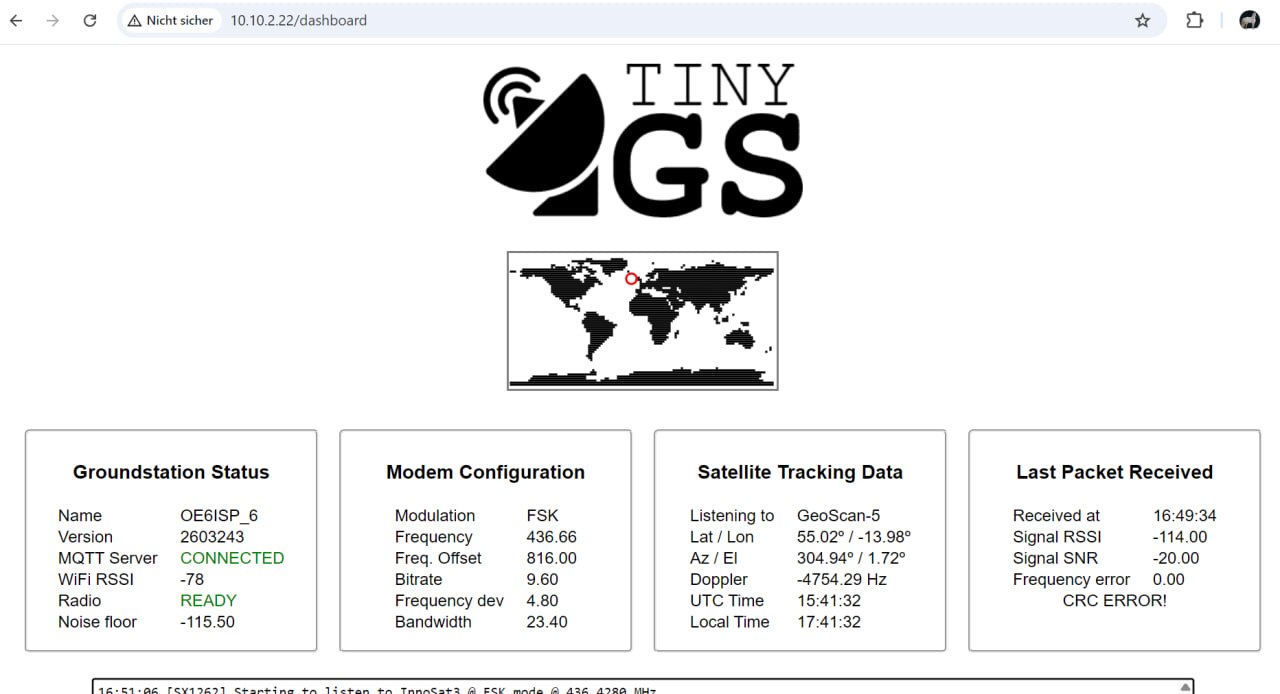
- Stuart shared a graphical dashboard setup for their ground station using an old monitor and Raspberry Pi, noting they had to log in almost every day before finding a more convenient way to display station data without logging in. Stefan/OE6ISP responded to the dashboard query by sharing a photo illustrating options like the local dashboard or USB-serial port monitoring. 🔗
- anas_z15 asked about any open source FLRC decoder available. K4KDR responded by pointing to the fpv-sdr project on GitHub as a potential resource for FLRC decoding. 🔗
https://github.com/lukeswitz/fpv-sdr
Technical Problems
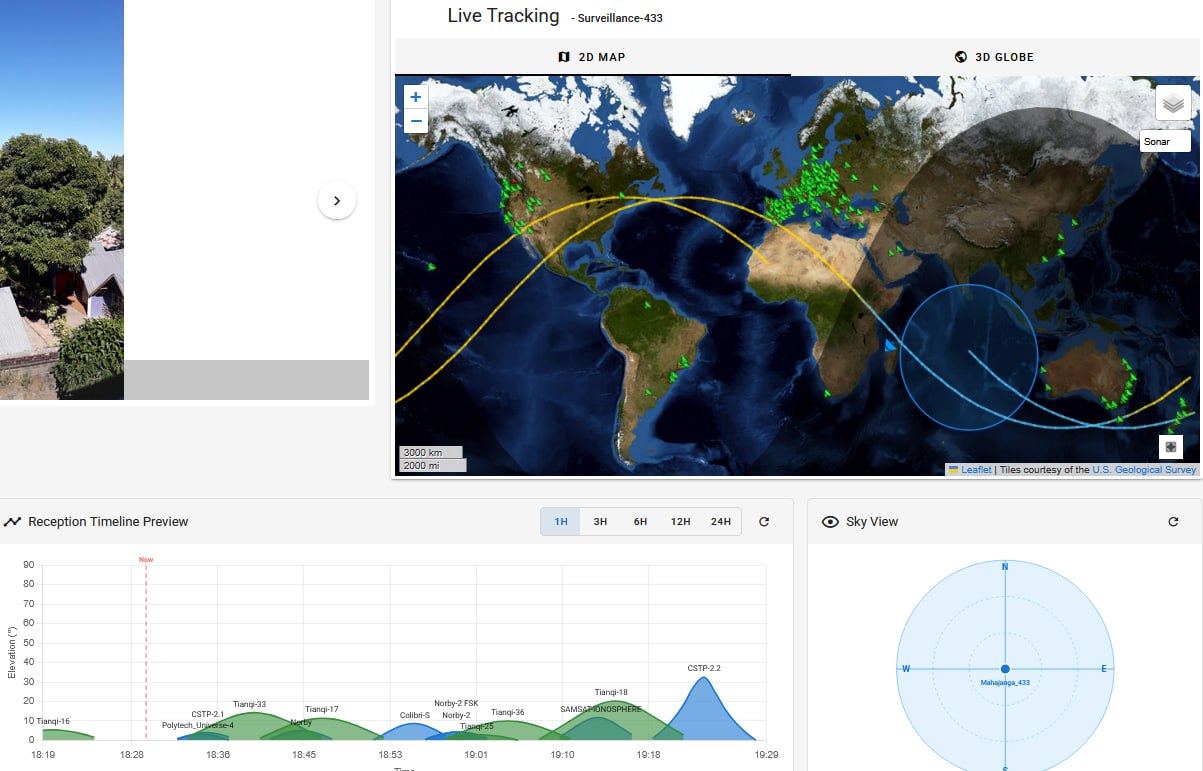
- Eric reported an issue in Surveillance-433 where the system continued displaying the last tracked Tianqi satellite even after it went out of line of sight. He noted that an hour earlier, the system switched to a generic Tianqi tracking after the last one disappeared, then later switched to another specific Tianqi that was very close to the horizon and mostly tangent to his circle of sight. 🔗
- Richard asked whether the LoRaWAN Alliance satellites he receives on his 800 MHz receiver are the reason he gets no decodable data from them. Helmi confirmed that all ConnectaIoTs are LoRaWAN satellites with encrypted data, so raw data is still received but not decodable. Richard acknowledged this and Stefan/OE6ISP clarified that the raw data is still captured anyway. 🔗
- snKine reported a possible fix for a persistent -8 error by adjusting band settings to 398–478 MHz, with the error not appearing for a couple of days. also inquired about remotely monitoring the receiver’s power supply status. 🔗
Where to buy
- Joydipta asked which frequency band (433 MHz or 915 MHz) would be more suitable for satellite tracking in India, and was advised by Stefan/OE6ISP that only 433 MHz is viable, as there are no satellites on 915 MHz and 868 MHz is only used over Europe. 🔗
- tonnoz asked if anyone in the EU is transmitting and what equipment they use for that purpose. 🔗
Antenna Building
- Esraa asked how to connect an ESP8266 to a 1/4 wave DIY ground plane antenna for satellite tracking. Helmi responded that the ESP8266 alone is not suitable for handling LoRa signals and that a transceiver module like the SX series is needed to transmit. 🔗
Share your setup
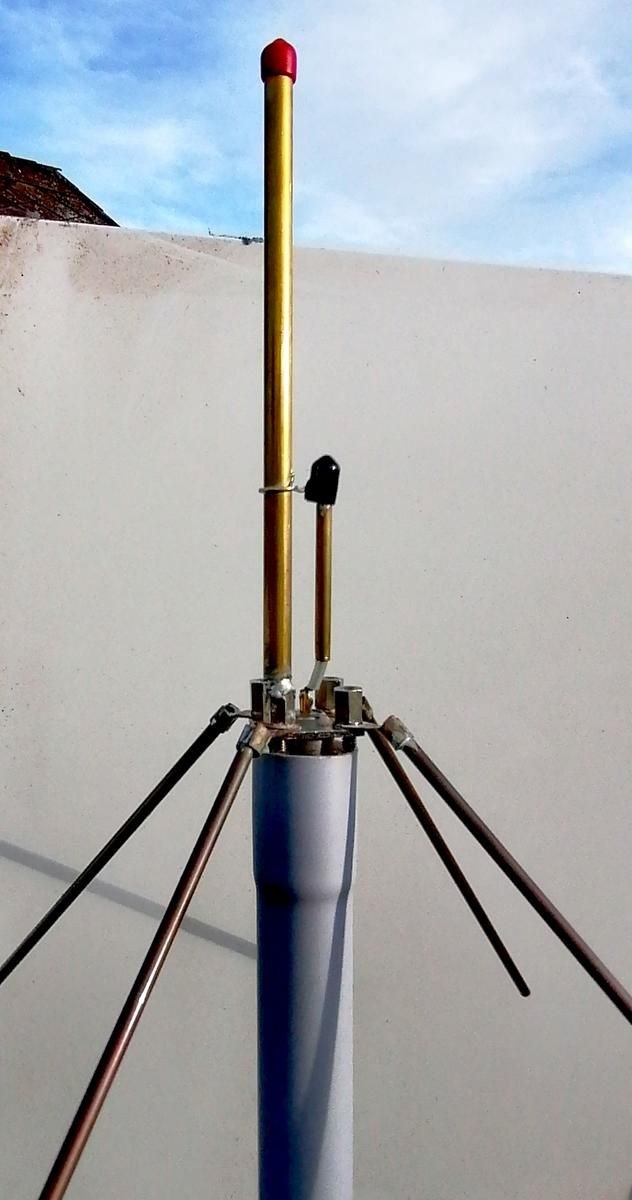
- arbitraryuser shared that their DIY quarter-wave ground plane antenna at 4m height in a quiet location reliably receives 1,800 packets daily, and wondered if a commercial antenna like the Comet X50 could improve reception. Helmi responded that the X50’s collinear design offers more gain at low elevations but loses higher tracks, so testing is needed. Helmi also noted that a quiet location is a key advantage, citing Stefan/OE6ISP’s similar success. Stefan/OE6ISP then praised the station’s performance, suggesting it may have already reached the limit for its northern location, and explained that antenna tuning is complex—mismatched impedance can still work well if it matches the system, while avoiding odd multiples of lambda/4 cable lengths is crucial. arbitraryuser considered buying a second Heltec to experiment with better antennas, and Stefan/OE6ISP recommended keeping at least two stations for comparison, noting that lowering the antenna (to 80–220 cm) can reduce noise from terrestrial interference like Tetra and Argonet, and that height and cable length are critical at these wavelengths. 🔗
https://app.tinygs.com/station/Oasis@WYiyDMWEbCrbgt_C - Stefan/OE6ISP reported that after improving their setup, they could omit the LNA and filter and achieve the same performance with just the board and antenna. Later clarified that they did not have to pay customs or VAT for their order, as CN products are shipped from within the EU (usually Hungary). Helmi asked Stefan/OE6ISP about customs fees, and later noted that since July 1st, a €3 tax fee applies to every group of goods below €150, even when delivered via Hungary, Belgium, or the Netherlands, and that Lilygo added an extra tax to their order. 🔗
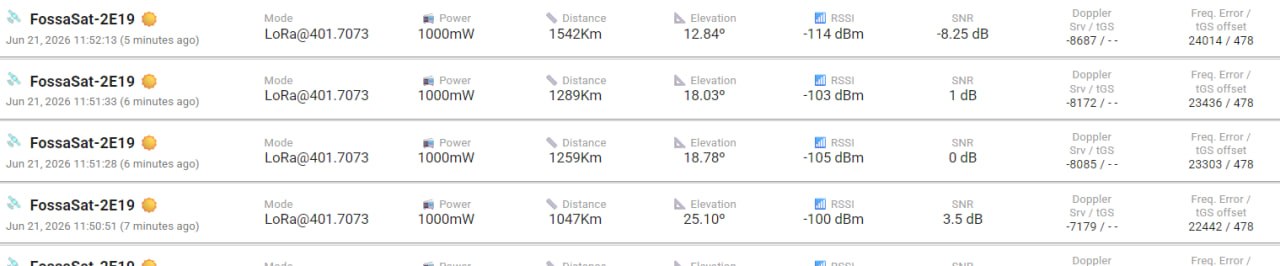
- Stefan/OE6ISP raised a question about why many Fossa satellites have their defined frequency above the nominal 401.700 MHz, noting that this results in very high frequency errors at line-of-sight. An image was shared with the query. G4lile0 acknowledged the query with a brief thanks and update. 🔗
Events
- theivam_koodeyindu asked for suggestions on a simple controller and source code for using LoRa in an agriculture monitoring system. Helmi redirected them to a LoRaWAN forum, as this channel focuses on satellite reception. 🔗
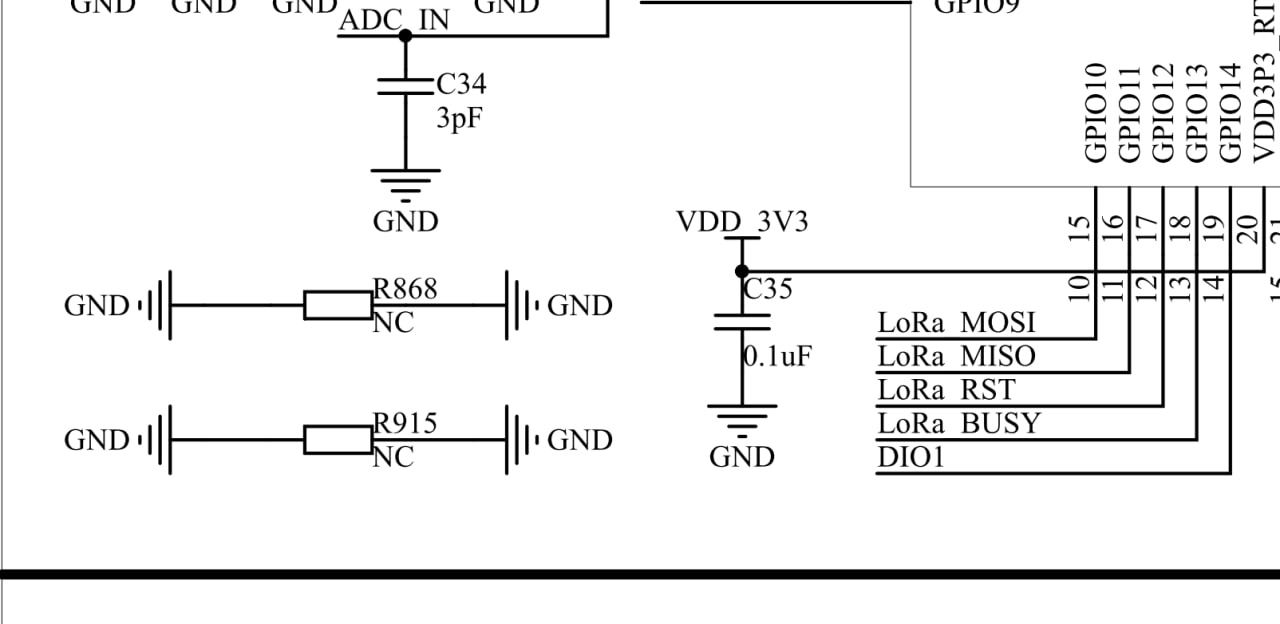
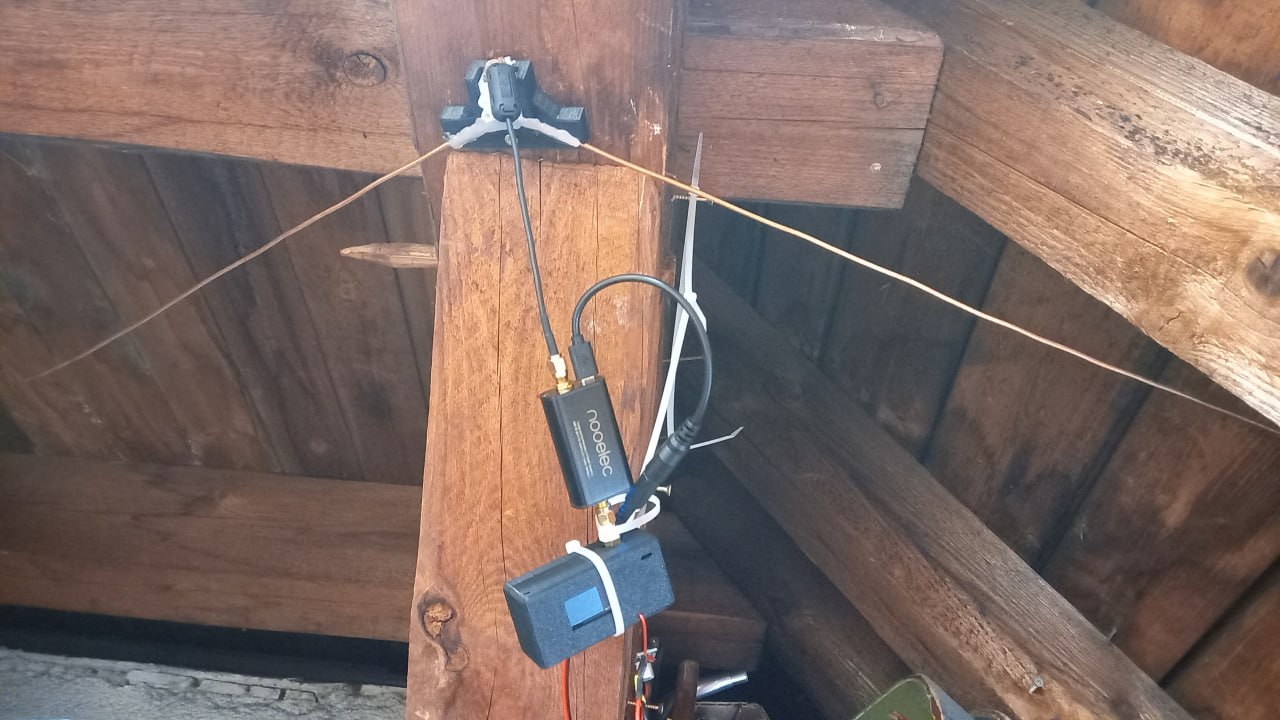
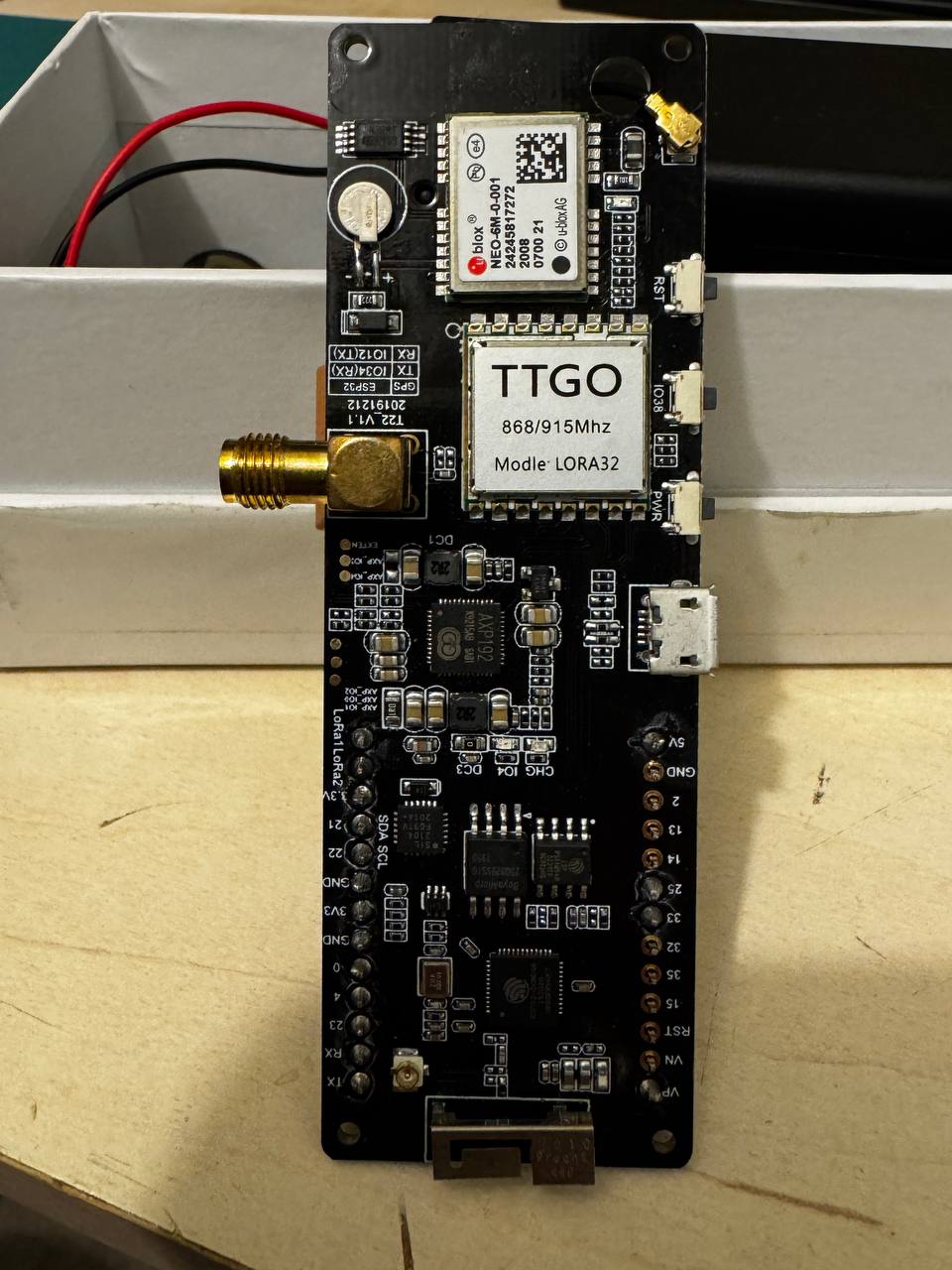
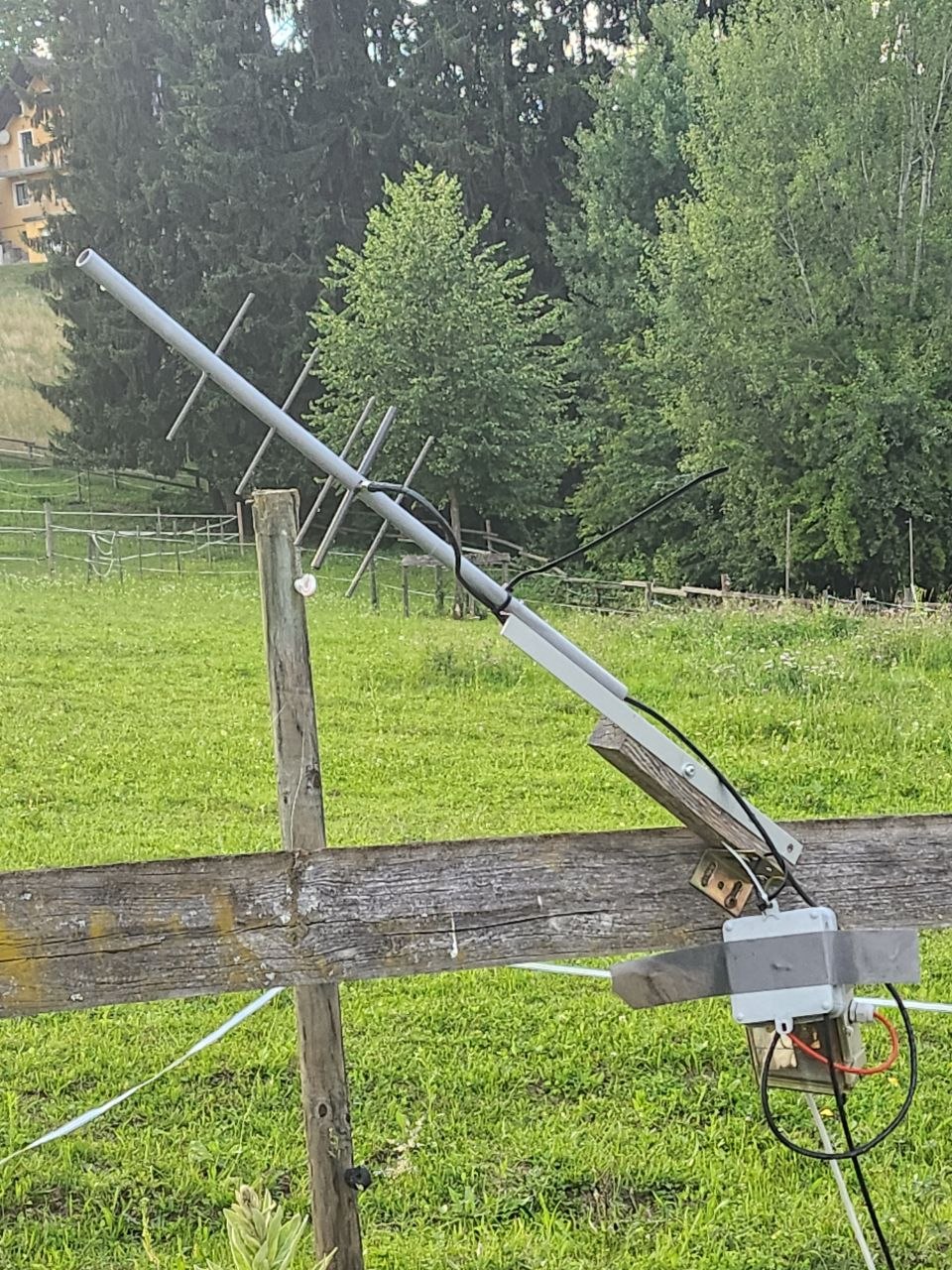
- m0roj shared a photo of an old board found in their ‘bitzy’ boxes and asked if it could work as a TinyGS station for 868 MHz in the UK, along with setup instructions. Stefan/OE6ISP explained that while it could work, the 800 MHz band is challenging and would yield only 5–10 packets daily with a good setup, recommending starting with a Heltec V3 433 MHz board instead. m0roj clarified they already have a running station (M0ROJ) for over three years and are looking for a more challenging project. Stefan/OE6ISP detailed the difficulties of the 800 MHz band: groundplane+LNA setups are location-dependent, a fixed 5-element yagi gets about 5 packets a day, and satellites may use beamforming causing extreme signal variations, plus terrestrial LoRaWAN interference. He shared a photo of his fixed 5-element yagi on oe6isp_865_2 and pointed to his QRZ page for more ideas. m0roj noted they use a turnstile for 433 MHz and a QFH for 137 MHz, and after considering the overhead, decided to skip the 800 MHz band. Stefan/OE6ISP concluded that the only return from 800 MHz is the proof of capability for future satellites, like the PY4. 🔗
Featured Conversations
- A community member’s contribution to a Japanese satellite mission’s LoRa uplink work was recognized in a published paper, showcasing the real-world impact of amateur radio operators in space projects.
- The community discussed the performance of DIY quarter-wave ground plane antennas for 433 MHz satellite reception, with one member reporting 1,800 packets daily from a simple setup in a quiet location. Experienced operators emphasized that a low noise floor and proper cable lengths can be more important than antenna height or perfect impedance matching, and suggested that lowering antennas to 80–220 cm can reduce terrestrial interference.
- A member explored building a station for the challenging 800 MHz band, learning that even with a fixed 5-element yagi, daily packet counts are typically only 5–10 due to satellite beamforming, terrestrial LoRaWAN interference, and location dependency. The consensus was that while the band is difficult, maintaining a station there provides readiness for future satellite launches on that frequency.
- A user shared a potential solution for a recurring -8 decoding error by adjusting band settings, and also raised the question of remotely monitoring receiver power supply status.
- A discussion emerged about frequency offsets in Fossa satellites, with a user noting that many are defined above the nominal 401.700 MHz, causing significant frequency errors at line-of-sight.
Latest Cubesats News
What’s next
Join the TinyGS Telegram channel to participate in these discussions and contribute to the project. Your experiences and insights can help others build and improve their stations!
Share: