tinyGS
· TinyGS Community · 13 min read
Weekly Newsletter - June 14, 2026
This week, the TinyGS community saw a flurry of activity around antenna optimization, with members sharing detailed comparisons of QFH versus linear setups and exploring the critical impact of cable lengths on 800 MHz reception. An experimental station architecture called PTGS was unveiled and open-sourced, while the first station in Madagascar went live, and a satellite builder reached out to properly onboard the HUNITY PocketQube mission.
Highlights
General
- yambo1101 asked about the orbit range for satellites compatible with the TinyGS network and where to find this information. 🔗
- G4lile0 explained that operational satellites are generally in LEO orbits from 150 km to 900 km, but there are no hard software limitations—hardware constraints like antenna quality and LNAs determine what can be tracked at higher altitudes. 🔗
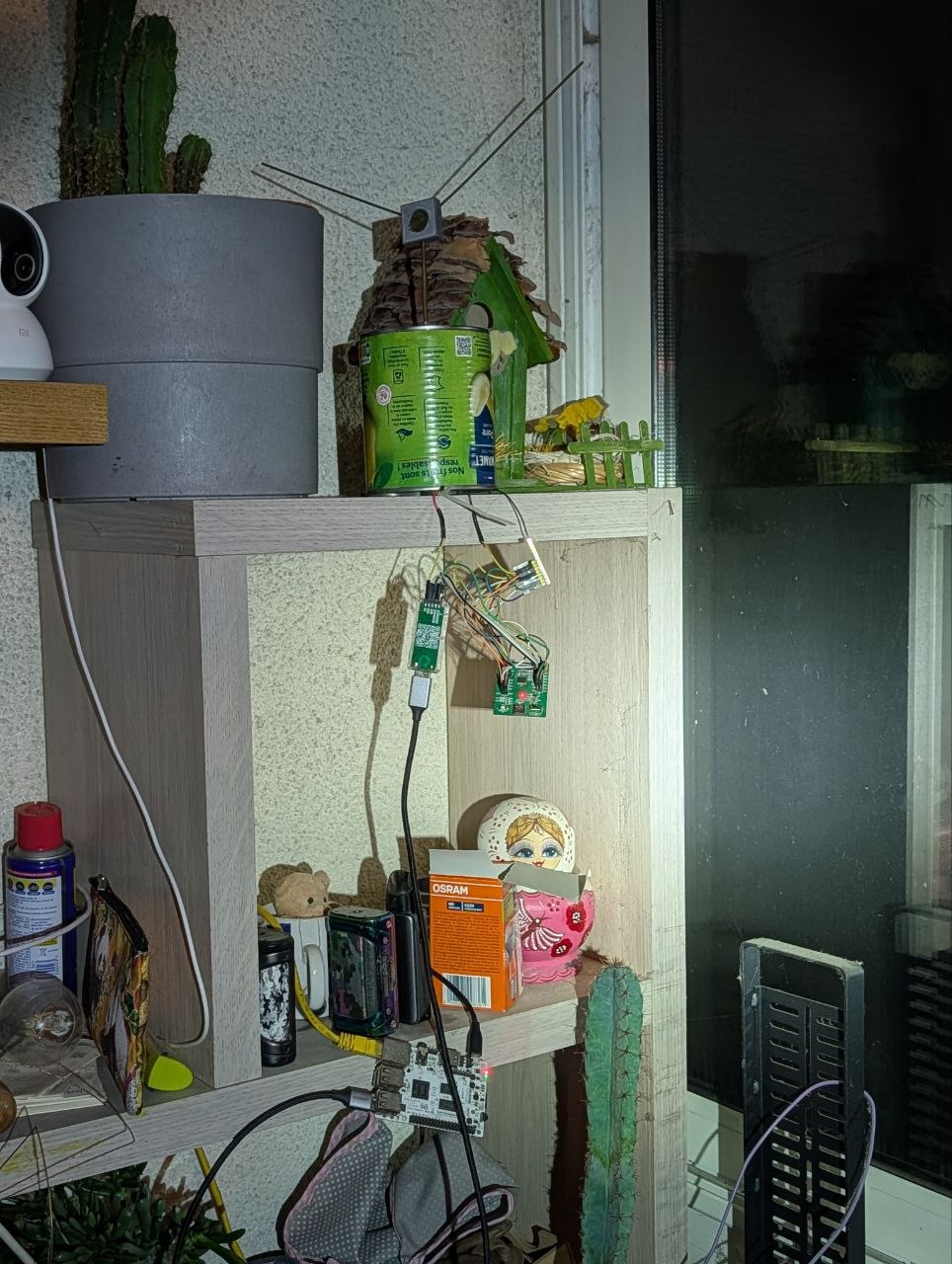
- Carbexalide introduced an experimental TinyGS station architecture called PTGS, which splits the system into a small CH32V003 MCU driving the LoRa radio over SPI and a Linux board running the application logic in Python. The radio firmware exposes an AT/UART modem interface, while the Python backend handles MQTT, TLS, and command parsing. The project is still WIP but aims to be open-sourced once it reaches MVP. 🔗
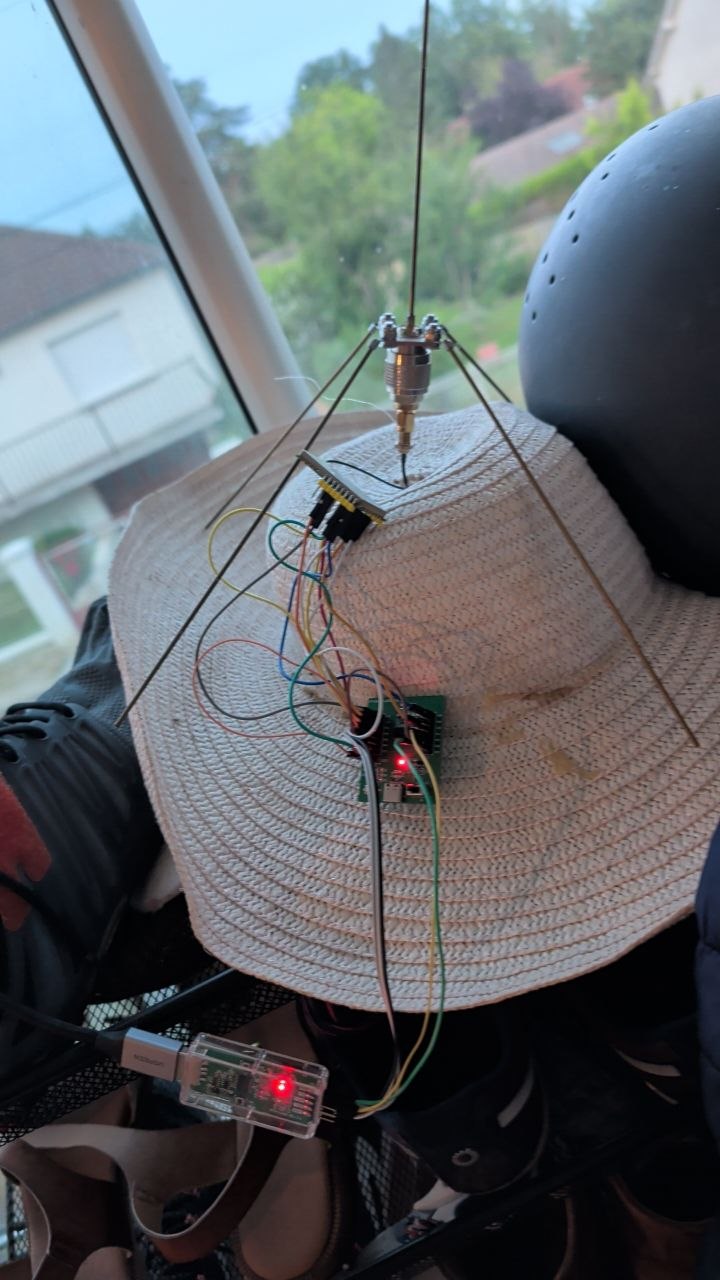
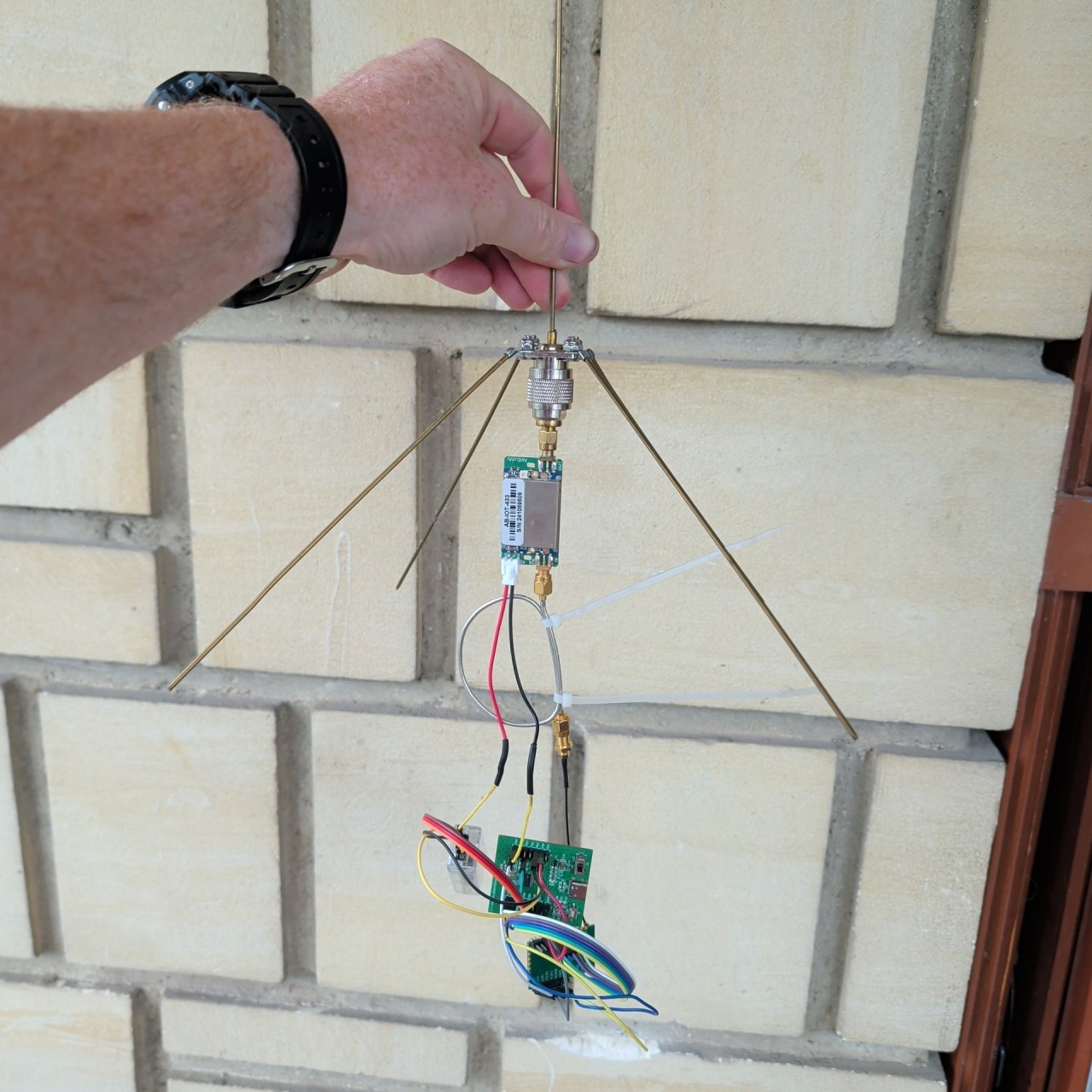
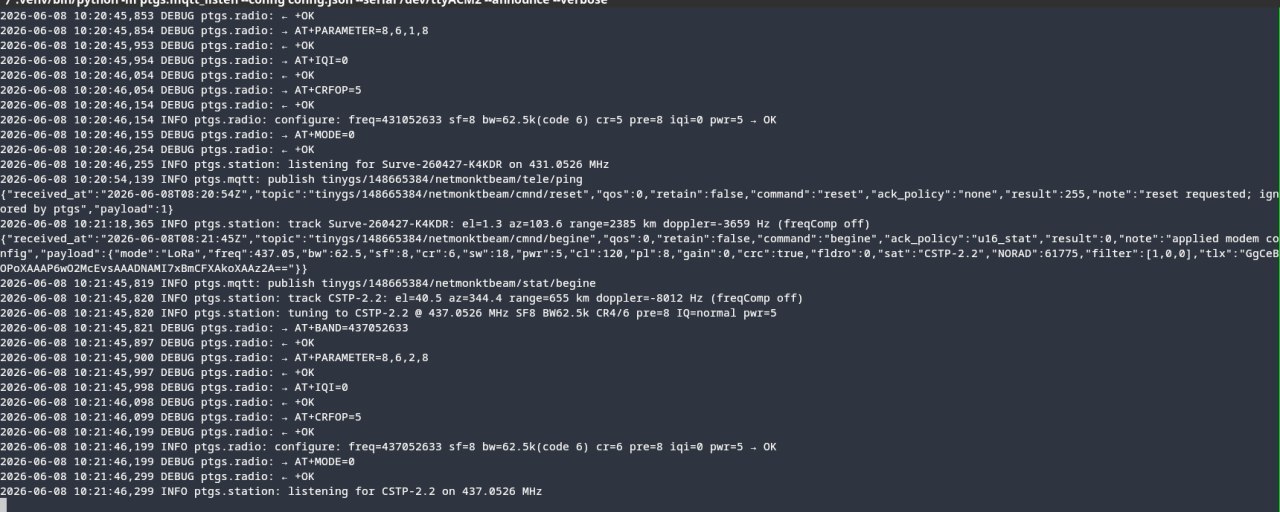

- Carbexalide announced the release of open-source firmware that turns a CH32V003 and eByte SX1278 module into a LoRa modem managed by AT commands, used with Python on Linux for satellite reception. They also shared the Python code for their ptgs tool and demonstrated dual LoRa node reception, noting that after fixing a bug that applied Doppler correction twice, packets are now flowing smoothly. 🔗
https://github.com/netmonk/at-os3
https://github.com/netmonk/ptgs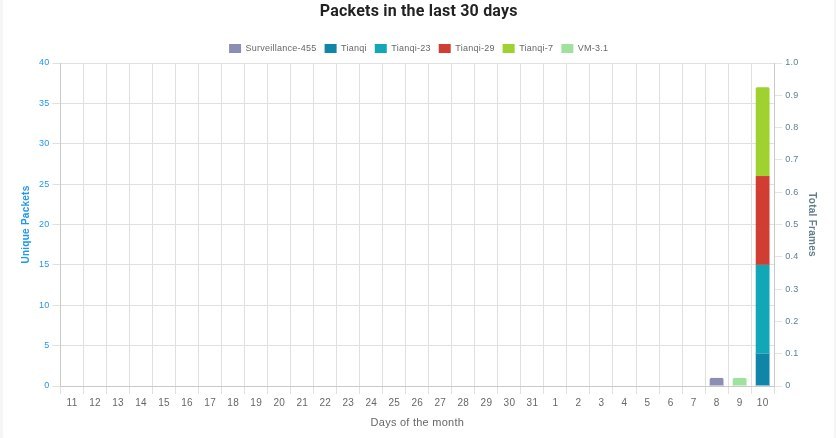
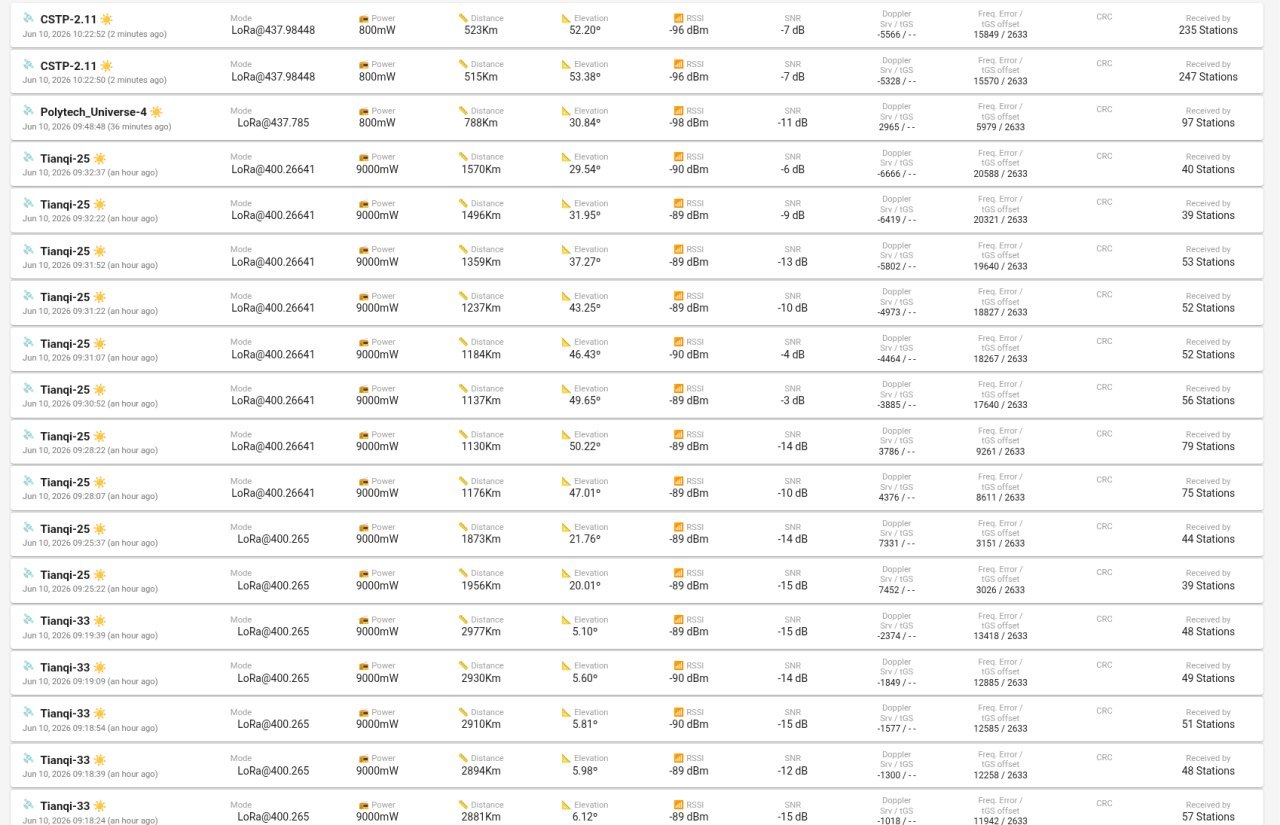
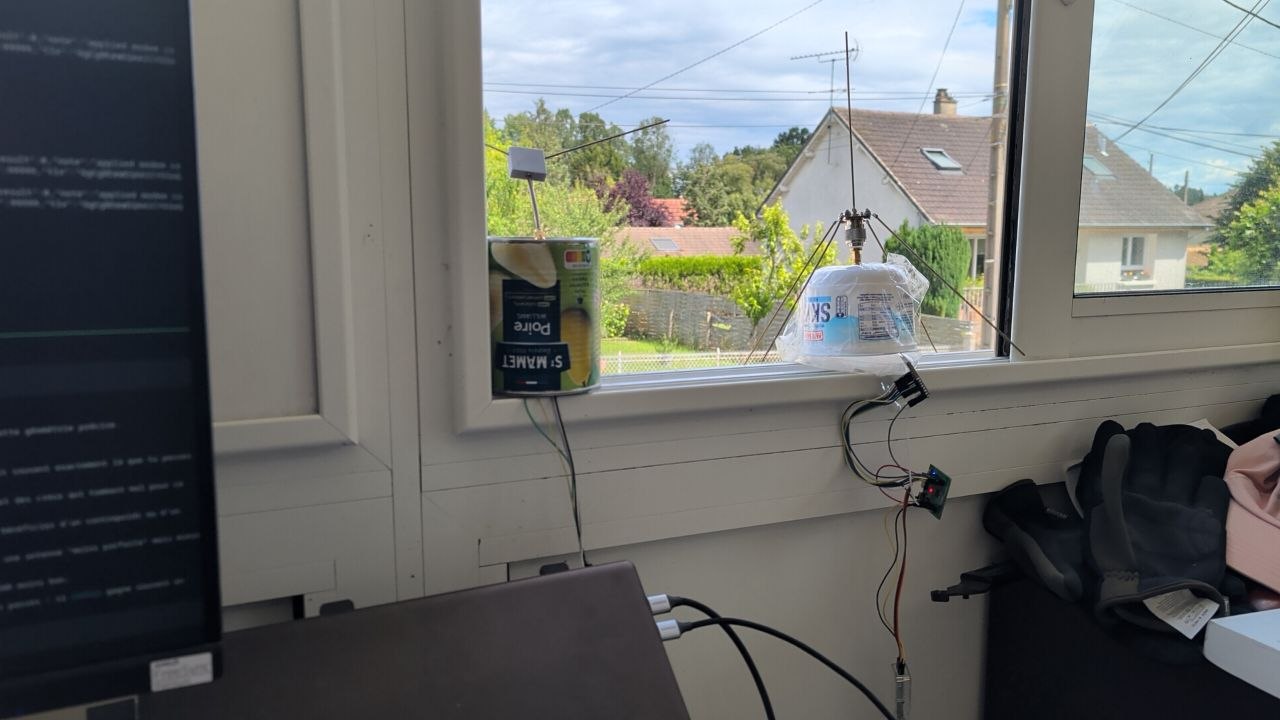
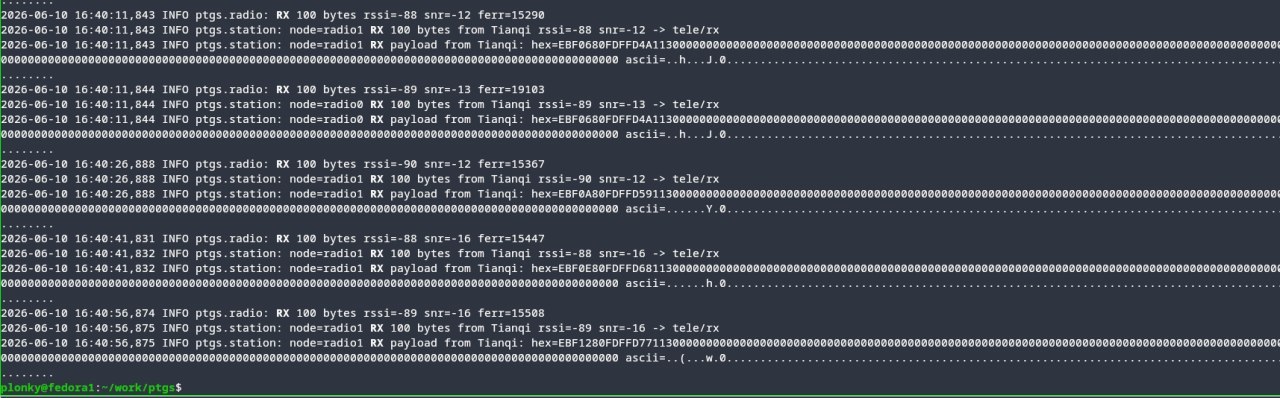
- Eric celebrated their station running for 30 days—the first TinyGS station in Madagascar. They described starting with a balcony installation, then moving the antenna to the roof, though it still has some obstructions. The antenna is homemade with quick VNA optimization, and they aim to help nanosats carrying scientific experiments, especially IoT data collection in remote areas. 🔗
https://app.tinygs.com/station/Mahajanga_433%401553916634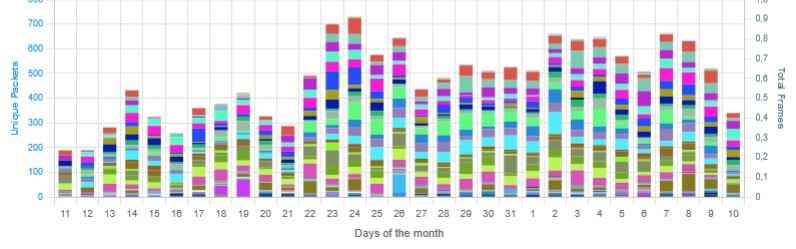
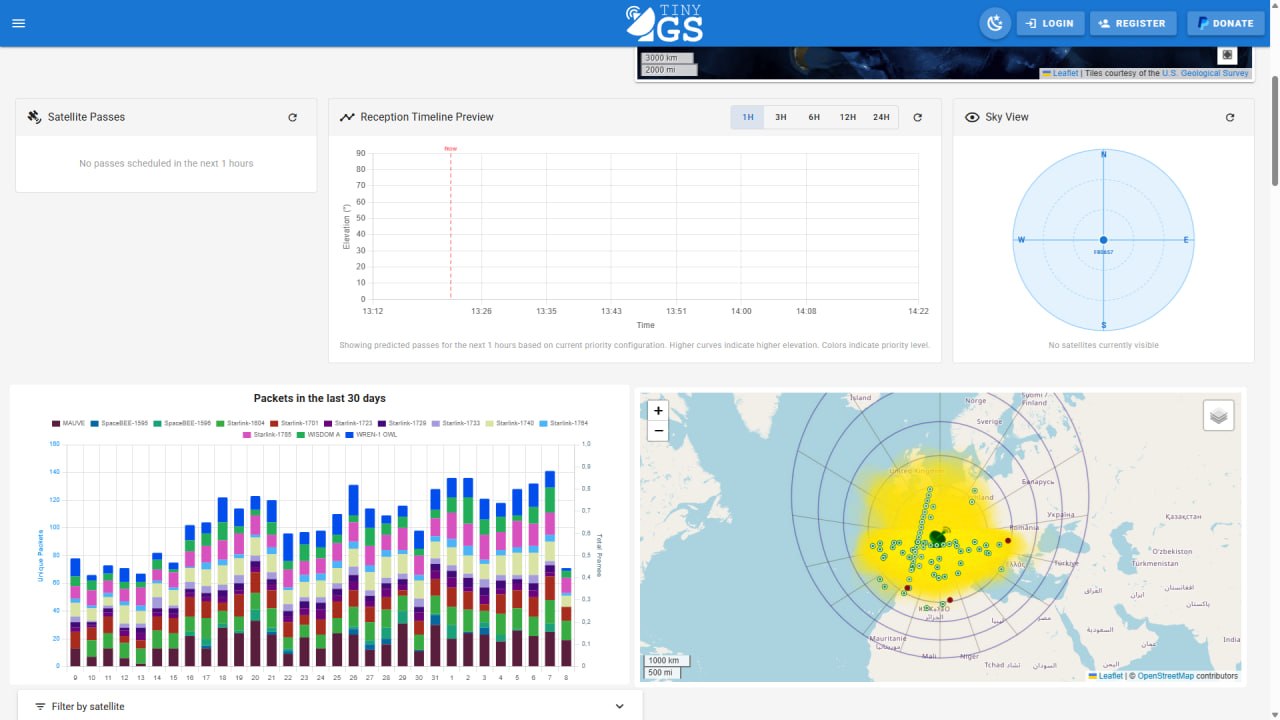
- F21467 shared that after his weather satellite tracking station failed and NOAA satellites stopped transmitting, he salvaged a 137MHz QFH antenna for his TinyGS station, replacing a dipole. He posted a photo showing improved results. 🔗
- Stefan/OE6ISP provided a detailed analysis explaining that QFH antennas have a permanent 3dB loss due to circular polarization, and that linear antennas like dipoles can suffer from noise issues caused by coax radiation. He shared his experience building a J-pole for 433MHz that improved from -49dB noise floor to below -110dB after proper choking. 🔗
- Helmi countered Stefan’s points, arguing that the 3dB loss only applies when comparing linear to linear signals, and that satellite signals are not purely linear due to tumbling and Faraday rotation, especially at 868MHz and higher. He emphasized that a QFH can outperform a groundplane in many real-world scenarios. 🔗
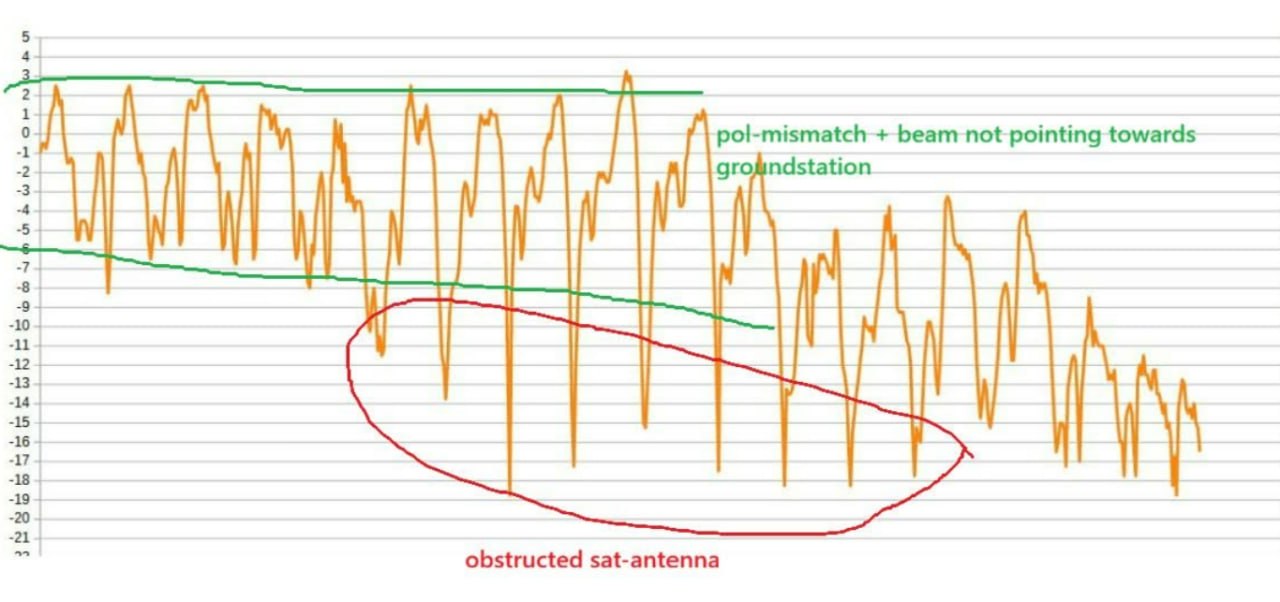
- Stefan/OE6ISP responded with practical test data from the RSP-03 mission, showing that linear polarization often performs better at low elevations due to ground reflections causing signal cancellation with circular antennas. He shared a chart from a PY4 downlink demonstrating that the main signal degradation comes from spacecraft obstruction rather than polarization mismatch, and noted that his stations #1 and #2 use groundplanes and J-poles with approximately 30% better performance than QFHs in his tests. 🔗
- Carbexalide shared an article detailing their recent work on an AT-OS3 PTGS TinyGS LoRa modem, inviting interested community members to read about it 🔗
https://netmonk.org/works/at-os3-ptgs-tinygs-lora-modem/ - Carbexalide also released a simple firmware for TTGO ESP32 LoRa devices that supports AT commands, allowing users to try PTGS without needing a ch32v003 LoRa frontend 🔗
https://github.com/netmonk/esp-at-lora/ - Cozmo shared that he couldn’t find a filter that goes down to 400 MHz and also includes 430–440 MHz, but his antenna centered at 435 MHz performed amazingly, achieving over 600 packets in a day, and even after filtering out KOSAR, it was still almost 350 packets. 🔗
- JosephCo asked about the discrepancy between their station receiving 700–800 packets daily but only seeing ~250 telemetry packets per day, with only 6% CRC success. Stefan/OE6ISP explained that Tianqi satellites don’t count toward telemetry, and G4lile0 confirmed they also don’t affect the global territory leaderboard. JosephCo then adjusted Tianqi priority in the dashboard. 🔗
https://app.tinygs.com/global-territory - Joydipta asked which frequency band (433 MHz or 915 MHz) would be more suitable for satellite tracking in India, and was advised by Stefan/OE6ISP that only 433 MHz is viable, as there are no satellites on 915 MHz and 868 MHz is only used over Europe. 🔗
Antenna Building
- Cozmo reported that one satellite went ‘crazy’ yesterday, sending 1 packet per second for a while, which destroyed his previous record of about 160 packets in a day by achieving over 200 packets—specifically from KOSAR 1.5, with about 235 packets decoded all the way down to 2.6 degrees elevation. Even after filtering out the burst, it was still his highest packet day. 🔗
- Cozmo reported a significant jump in packet count after swapping to an eggbeater antenna, noting over 300 packets in a day with time to spare, and attributed much of the increase to fast transmissions from Vladivostok-2. 🔗
- Norbert DB4MV shared his experience building a Moxon antenna with a 3D-printed frame, advising to use minimal glue on copper wires to avoid out-of-band resonance, and recommended PETG over PLA for outdoor use due to its water and temperature resistance. 🔗
Technical Problems
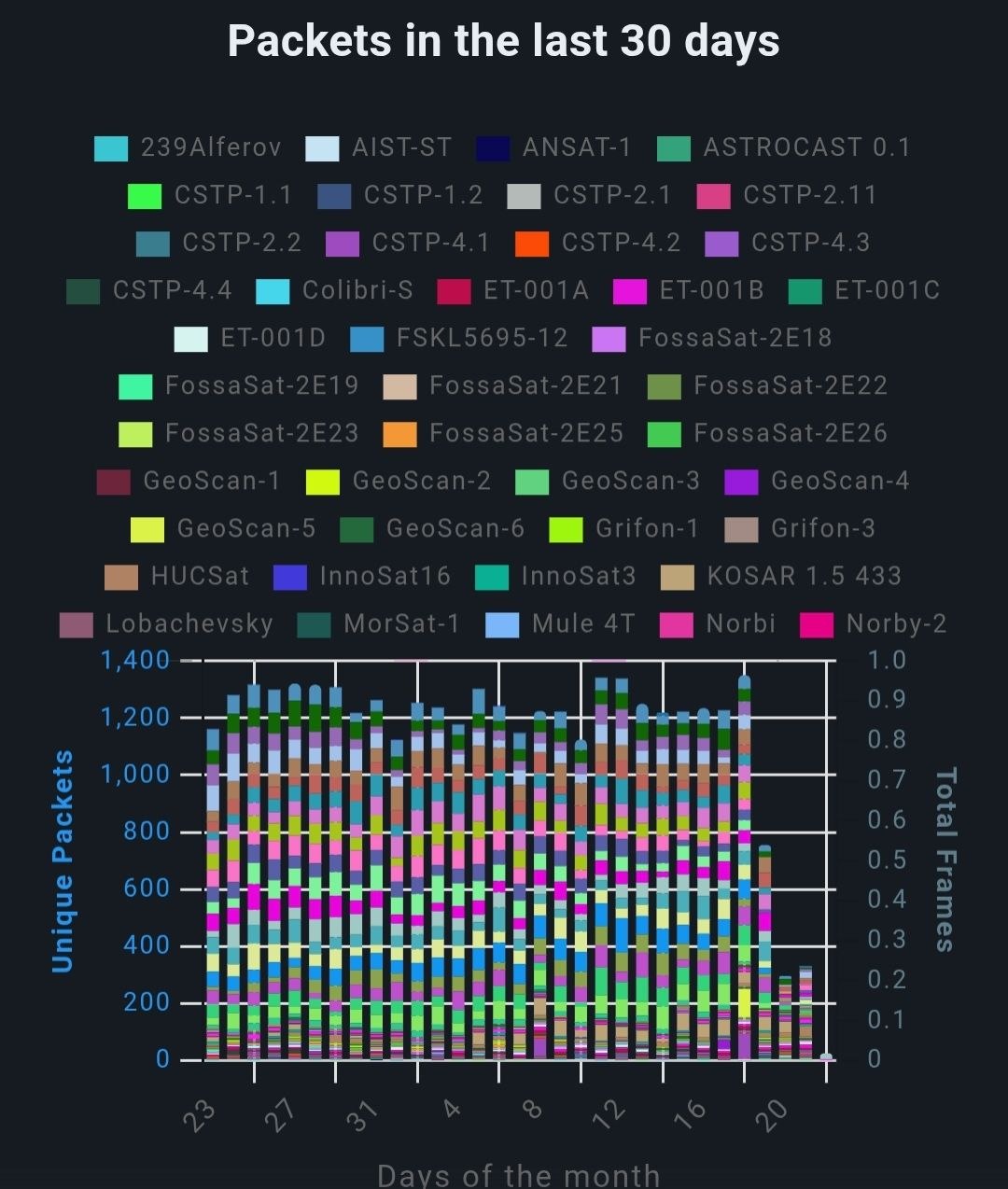
- Helmi reported a problem with the ‘Packets in the last 30 days’ diagram: when pointing to a specific day, only the first 23 satellites are displayed, not all received during the day, and mentioned that June 5th didn’t show VM-3.1 and Vladivostok-2. 🔗
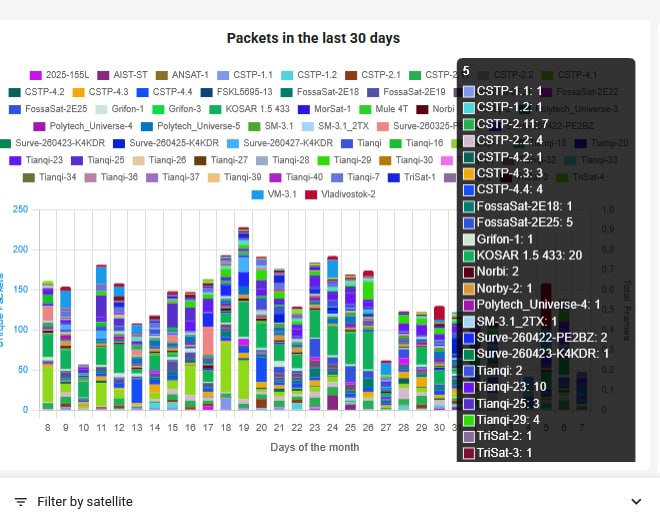
- G4lile0 acknowledged the issue as a known UI limitation and confirmed it is on the to-do list for the next web release. 🔗
- Carbexalide investigated persistent reset requests from the MQTT backend, suspecting a degraded communication state. After troubleshooting with G4lile0, discovered the failsafe reset was triggered by null memory reporting. Fixed the memory state and stopped the node from responding to reset requests, successfully eliminating the error flood. 🔗
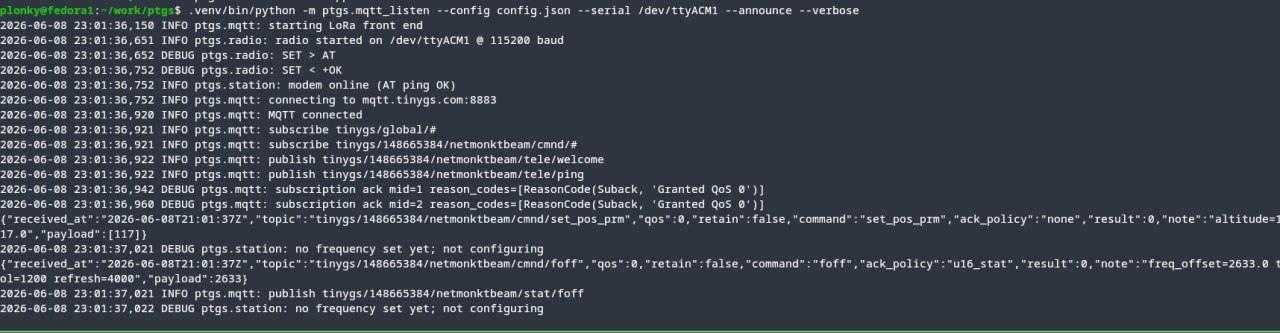

- Carbexalide shared a custom station setup using a CH32V003 microcontroller with custom firmware to manage an ebyte/semtech LoRa device via SPI, communicating with a Linux SBC (Le Potato) that mimics TinyGS through MQTT. The setup aims to support multiple LoRa devices for diversity reception or multi-frequency coverage (433/868-900/2.4GHz), and plans to add local storage, analysis, and Prometheus metrics. 🔗

- Carbexalide raised concerns about the autotune scheduler frequently assigning listening requests for satellites that never reach above 10° elevation, with 34% starting at negative elevation. G4lile0 explained the algorithm prioritizes global packet maximization across 2000+ stations and 100+ satellites, and mentioned a future feature for custom sky zone masks to block low elevations or obstacles. 🔗
- Stefan/OE6ISP shared a link to a Chebyshev high-pass filter calculator for building a homebrew diplexer at 380MHz, noting the component values (5pF, 3pF, 5pF, 18uH) match the Diamond diplexer but at a fraction of the cost (€10 vs €70). Helmi requested the link, and Stefan provided it. 🔗
https://www.changpuak.ch/electronics/chebyshev_highpass.php - Richard reported that his 800 MHz TinyGS station has been running for 10 days, noting several satellites but receiving no packets, while his 400 MHz setup works well. 🔗
- Stefan/OE6ISP explained that 800 MHz satellites only transmit over Europe and that signals are weak with high losses, suggesting an omnidirectional antenna without an LNA doesn’t provide enough gain. He noted that even with a 5-element yagi and LNA, he only gets about 5-8 packets a day. 🔗
https://app.tinygs.com/station/OE6ISP_868_2@1760298214 - Stefan/OE6ISP delved into the critical issue of cable length, explaining that when the cable is an even multiple of lambda/4 (after applying velocity factor), it can cause impedance transformation that kills reception. He generated a table of critical lengths for 865 MHz with a velocity factor of 0.7, showing lengths like 6 cm, 12 cm, 18 cm, 24 cm, and 30 cm as problematic. He also noted that odd multiples are safe, and that even a short 4-inch cable can be problematic if it falls on a critical length. 🔗
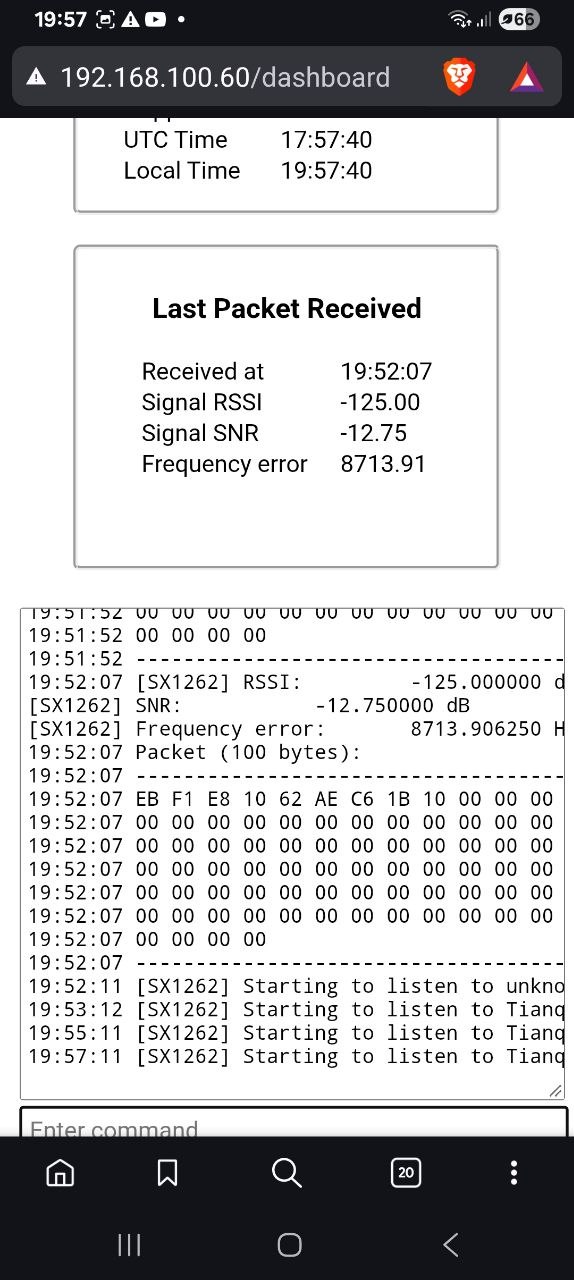
- snKine reported that both of their stations in Italy started showing a ‘Radio Status Error: -8’ and asked for help diagnosing the issue 🔗
- Helmi identified the error as a RadioLib error indicating an invalid bandwidth value, and noted they were seeing the same issue on all their stations 🔗
- Stefan/OE6ISP reassured that the error appeared to be minor, as the web page showed it but the local console indicated everything was fine and the stations were working perfectly 🔗
- Nick reported experiencing a ‘Radio failed, code -8’ error on both SX1278 and SX1262 modules with firmware 2603242, and noted that the auto-search mode switches to ‘surve’ even when high-priority satellites are available. 🔗
- G4lile0 explained that the removal of the 450 MHz band option is by design, as the system dynamically displays only bands for currently active satellites. He also clarified that scanning LTE450 in survey mode is part of a backend trick to hunt for new objects, and acknowledged the need to allow stations to restrict surveillance bands based on local interference. 🔗
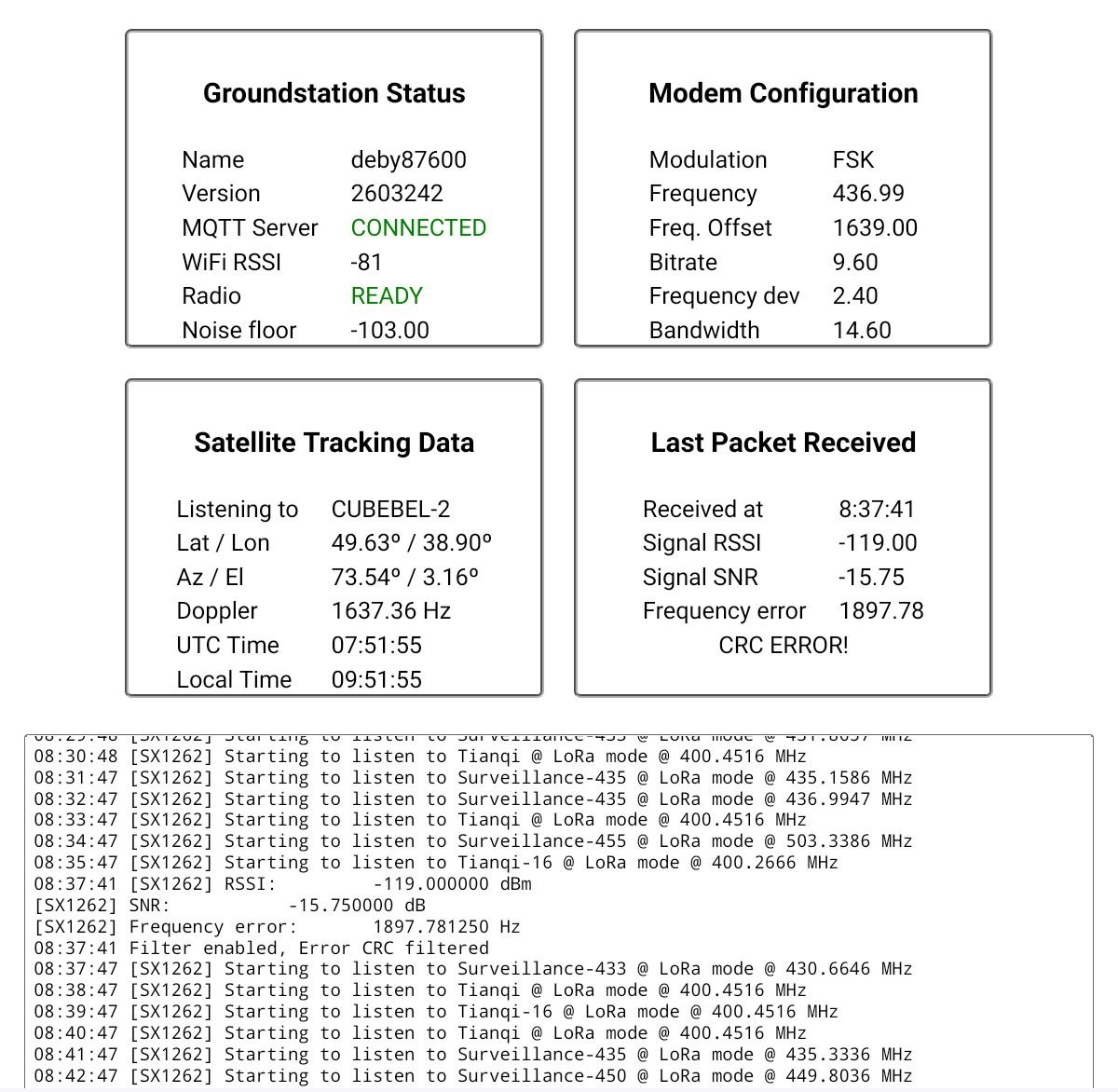
- Eric shared a screenshot showing Surveillance-435 still displaying the last tracked satellite, and later asked if Surveillance-435 uses Doppler parameters compatible with the last tracked satellite to catch unknown ones with similar trajectories. 🔗
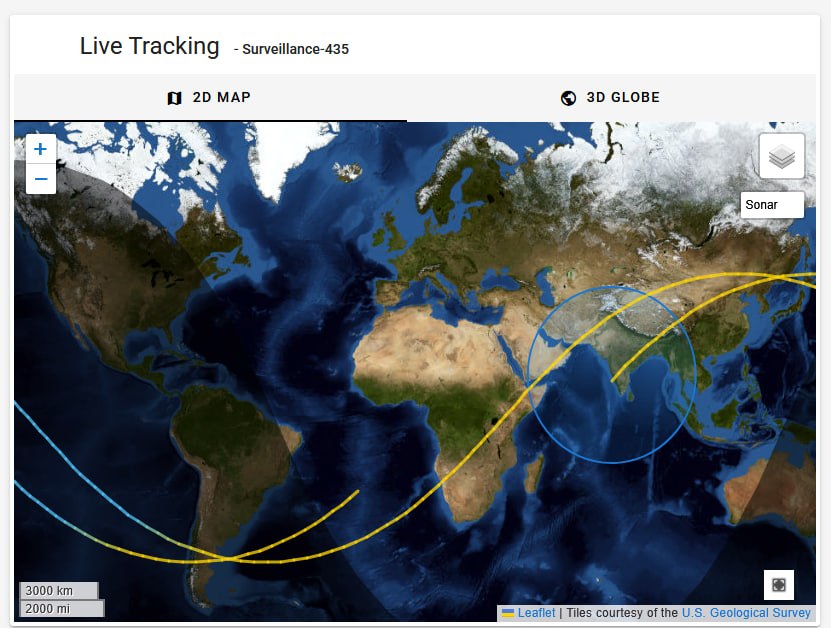
- G4lile0 responded that this behavior is actually a feature, not a bug, explaining that a TLE is temporarily assigned to the surveillance profile to activate the autotune scheduler and help map new objects without being blocked by active satellites. 🔗
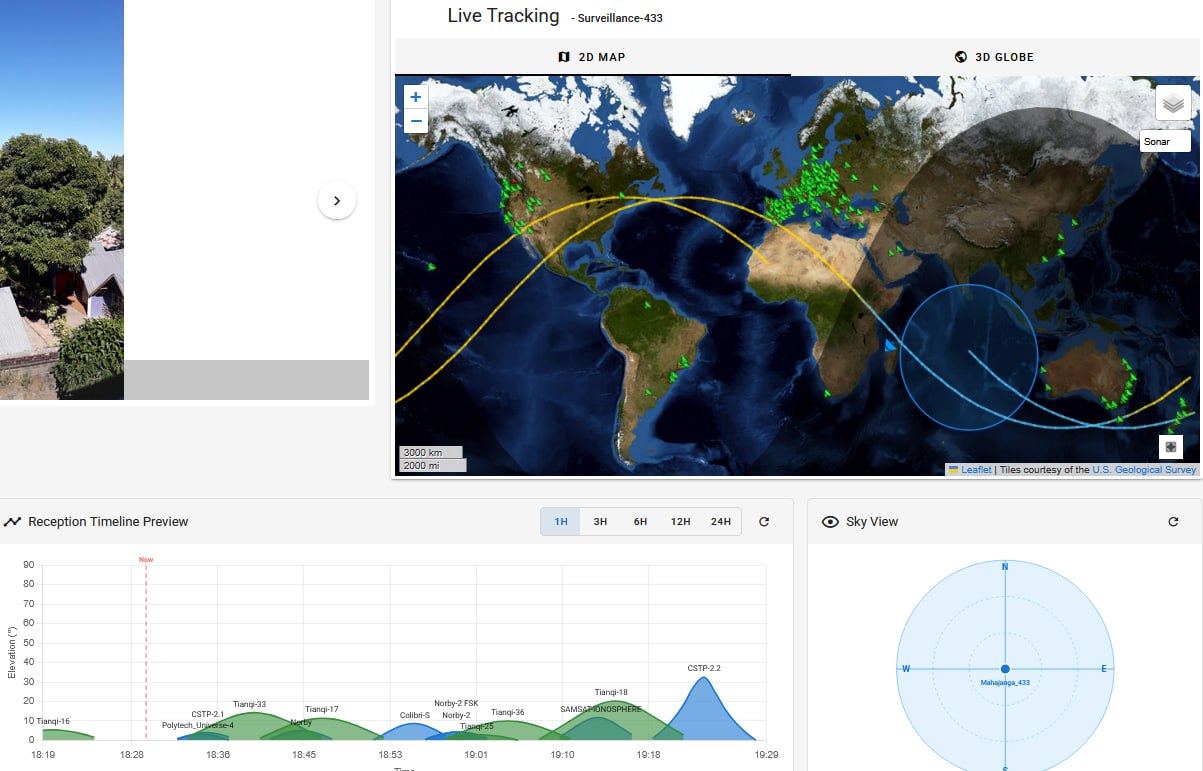
- Eric reported an issue in Surveillance-433 where the system continued displaying the last tracked Tianqi satellite even after it went out of line of sight. He noted that an hour earlier, the system switched to a generic Tianqi tracking after the last one disappeared, then later switched to another specific Tianqi that was very close to the horizon and mostly tangent to his circle of sight. 🔗
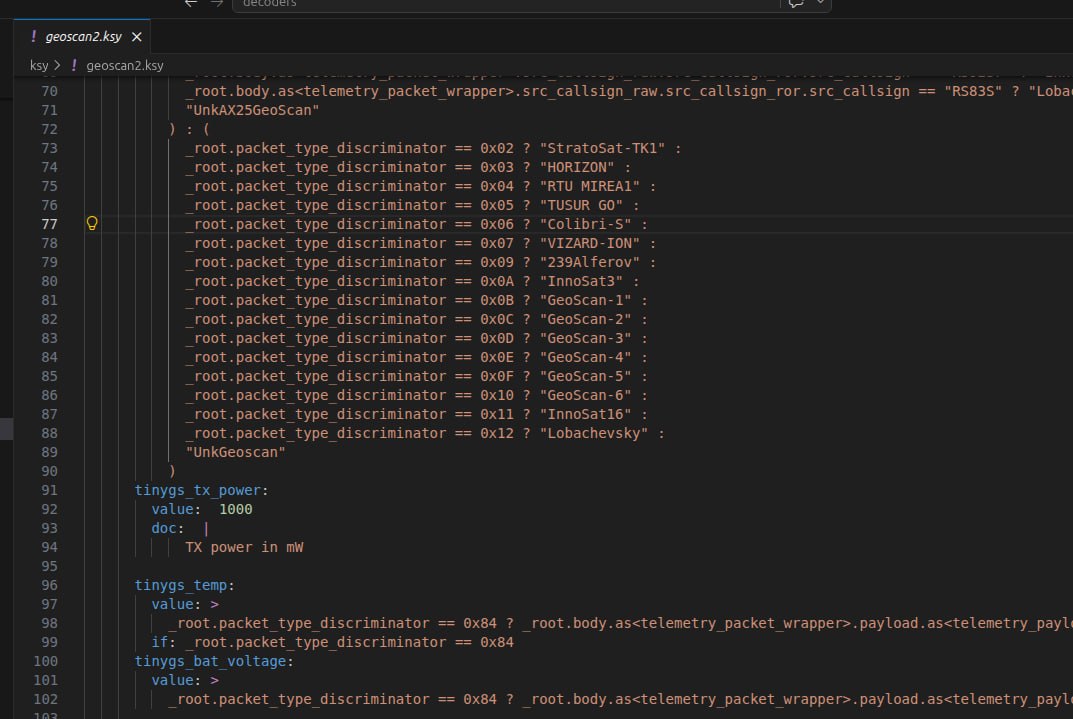
- G4lile0 explained that Colibri-S and RTU-MIREA are part of the GEOSCAN family and share the same Kaitai parser profile. Moving the GEOSCAN tag to high priority automatically elevates all satellites tied to that parser, which is a completely logical backend behavior. 🔗
New Satellites
- therman89 introduced themselves as a builder of HUNITY, a 3P PocketQube satellite, and asked about the proper procedure to add their satellite to TinyGS since an existing entity was created by another team. Helmi directed them to G4lile0, who explained that they can take over the existing entity and provided a link to the tutorial on how to add a new satellite. 🔗
https://app.tinygs.com/satellite/Hunity
https://tinygs.com/tutorials/how-to-add-new-satellite/
Share your setup
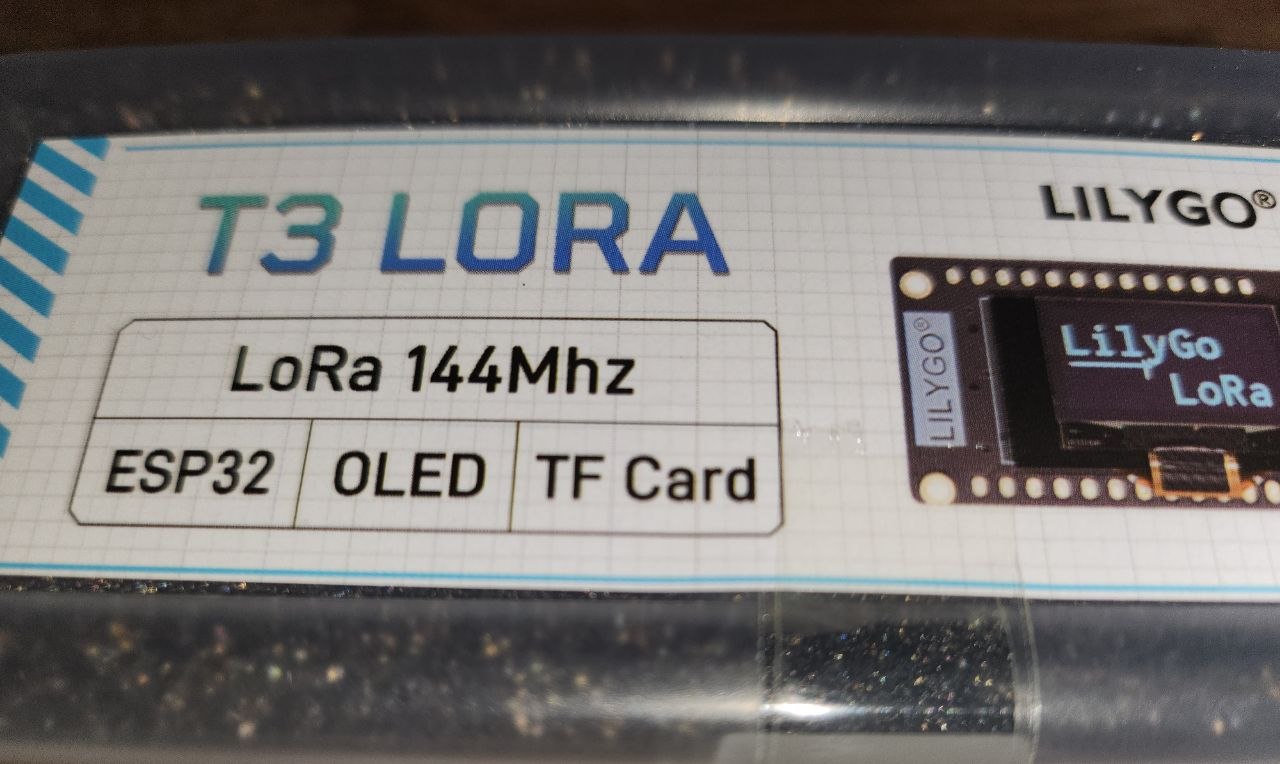
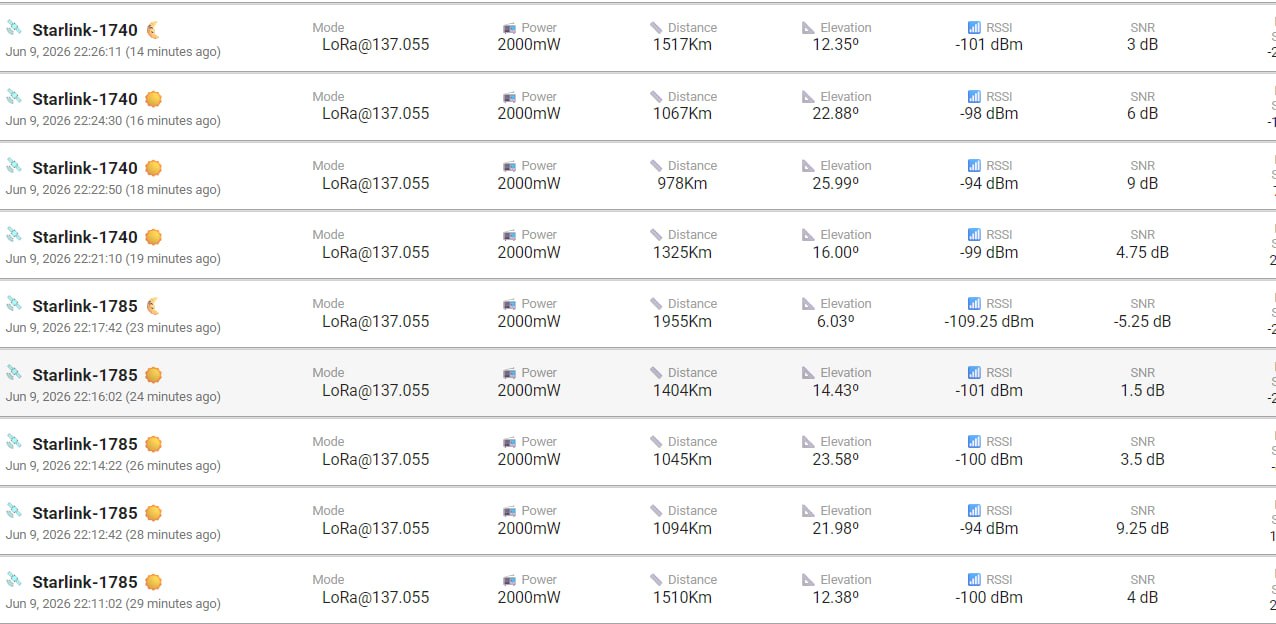
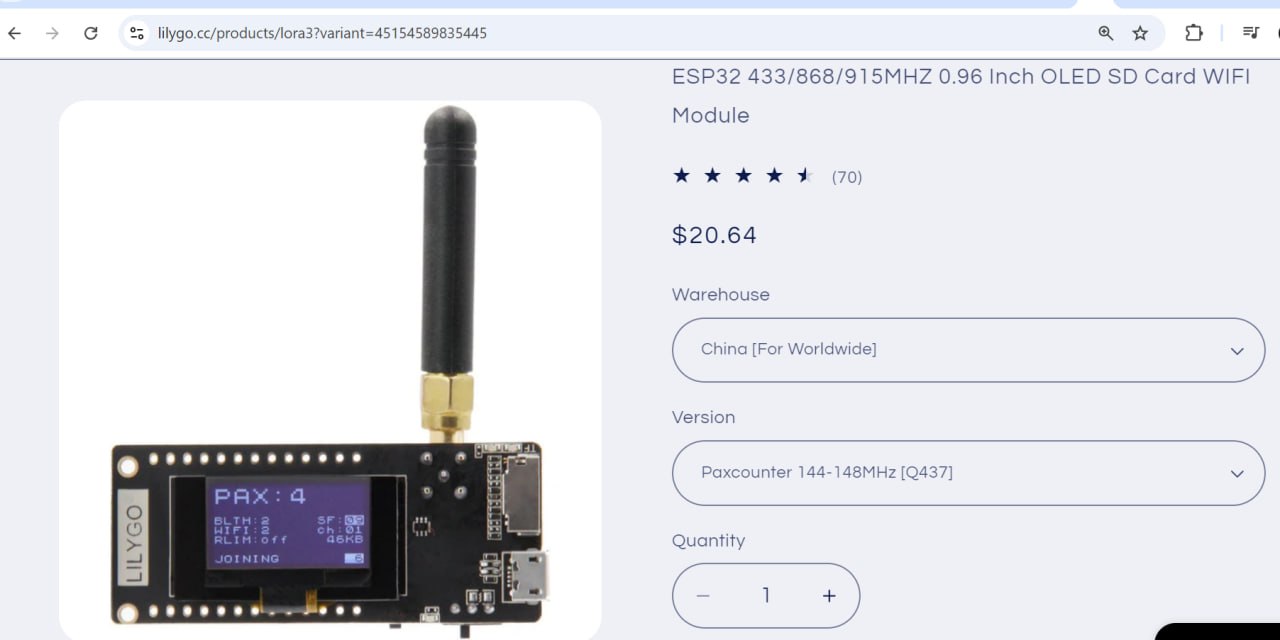
- Stefan/OE6ISP shared that a new 144MHz LoRa module is now available from the LilyGO store, noting its outstanding performance compared to the down-tuned 433MHz version. K4KDR asked for a URL, and Stefan confirmed it’s only available from the CN store for worldwide shipping. 🔗
Featured Conversations
- The community engaged in a deep technical debate comparing QFH circular antennas versus linear polarization setups for satellite tracking. Experienced members shared practical test data showing that linear antennas often outperform QFHs at low elevations due to ground reflection effects, while others argued that QFHs can be superior in real-world scenarios due to satellite tumbling and Faraday rotation.
- An experimental station architecture called PTGS was unveiled and open-sourced, splitting the system into a low-cost CH32V003 MCU for radio control and a Linux board for application logic. The developer released both the firmware and Python tools on GitHub, and later provided a TTGO ESP32 version to let more users experiment without dedicated hardware.
- A detailed discussion on 800 MHz satellite reception highlighted the critical role of cable length in impedance matching. Experienced operators explained that even short cables can cause complete reception failure if they fall on odd multiples of a quarter wavelength, and shared practical solutions like using longer cables or adding attenuators to improve performance.
- The first TinyGS station in Madagascar went live, with the operator sharing their journey from a balcony setup to a roof-mounted homemade antenna, aiming to support nanosats carrying scientific experiments in remote areas.
- A builder of the HUNITY PocketQube satellite reached out to properly onboard their mission to TinyGS, and the project maintainer provided guidance on taking over the existing satellite entity, ensuring the satellite’s telemetry can be properly integrated into the network.
Latest Cubesats News

Space project Rakiraki CubeSat gets funding | Herald NOW Business
A University of Auckland space project has secured funding from the New Zealand Space Agency, a business unit within MBIE. The project involves the Rakiraki CubeSat. The funding was announced by Herald NOW Business.

Asteroid CubeSat Swarm Fixes Planetary Defense Blind Spot: Six Craft at 5% of OSIRIS-REx Cost
British scientists propose REMORA, a €50 million mission using six autonomous CubeSats to study six near-Earth asteroids simultaneously, costing about 5% of a single flagship mission like OSIRIS-REx. The spacecraft would use onboard AI software to navigate and characterize asteroid gravity fields in real time, eliminating the need for constant ground control. This swarm architecture aims to fill a critical planetary defense gap by rapidly assessing the physical properties of potentially hazardous objects, especially those approaching from the sunward blind spot. The proposal, submitted to the UK Space Agency’s 2035 Space Frontiers program, leverages UK assets like the Zero-G Astrolab and Surrey Satellite Technology Ltd. to reduce costs and build flight heritage.

Thousands of Nanosatellites Are Now Orbiting Earth and This Is Just Getting Started
Over 3,200 nanosatellites, mostly CubeSats, have been launched by 2026, democratizing space access for universities, startups, and smaller countries. These small, cheap satellites now perform tasks like Earth monitoring and technology testing, enabled by miniaturization and reusable rockets. However, the growing swarm is creating orbital congestion and space debris concerns, as most nanosatellites have short lifespans. The next challenge is to ensure sustainable launch and operation practices to prevent orbit pollution.
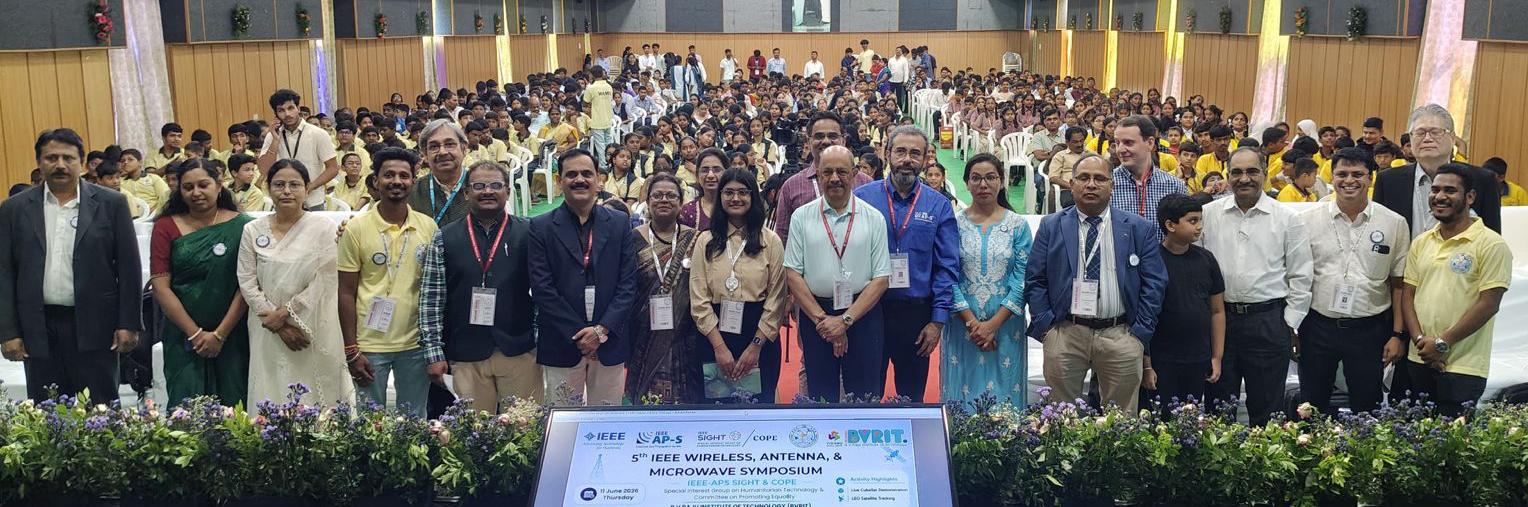
CubeSat Demo, Space Tech Outreach Draw Students at IEEE WAMS-2026 in Narsapur
A live CubeSat tracking demonstration and outreach sessions on space technology, healthcare, and defense applications engaged school students at the 5th IEEE WAMS-2026 in Narsapur. The event, supported by Dhruva Space and led by IEEE SIGHT and COPE, introduced students to satellite communication and space technology basics. The program aimed to foster scientific curiosity and interest in engineering among school students. The symposium also featured technical sessions on 5G/6G, intelligent reflecting surfaces, and aerospace technologies, along with student contests and networking events.

UNOOSA and JAXA select teams from El Salvador and Thailand for satellite deployment …
UNOOSA and JAXA selected teams from El Salvador’s Key Institute and Thailand’s Chulalongkorn University as winners of the 9th KiboCUBE round. El Salvador will develop its first university CubeSat, “CAREY”, to study geomagnetic fields, while Thailand’s “CUSAT-1” will monitor water distribution and farmland. The program enables developing countries to deploy satellites from the ISS, building space capabilities and supporting sustainable development. Since 2015, KiboCUBE has helped six countries become spacefaring nations, often catalyzing national space agencies and economies.

Global CubeSat Propulsion Systems Market 2026-2032: Market Size (Solid, Liquid, Electric, Hybrid, and Others)
The global CubeSat propulsion systems market is projected to grow from $787 million in 2025 to $2.222 billion by 2032, at a CAGR of 16.3%. Demand is driven by advanced missions requiring orbit changes, extended station-keeping, and formation flying. Key players include Aerojet Rocketdyne, Moog, CASC, SpaceX, and Accion Systems. The report segments the market by type (solid, liquid, electric, hybrid) and application (satellite operators, launch providers, space agencies, defense departments).

MIT engineers just collapsed the oldest tradeoff in satellite propulsion — one tank, two …
MIT engineers have demonstrated that a single propellant, ASCENT, can power both chemical and electric thrusters on a cubesat, eliminating the need for separate fuel systems. This dual-mode propulsion allows small satellites to perform fast maneuvers and precise orbital adjustments from one shared tank. An in-space test is scheduled for November 2024 aboard NASA’s Green Propulsion Dual Mode (GPDM) cubesat. If successful, it will enable more complex missions on smaller, cost-effective satellite platforms.
What’s next
Join the TinyGS Telegram channel to participate in these discussions and contribute to the project. Your experiences and insights can help others build and improve their stations!