tinyGS
· TinyGS Community · 11 min read
Weekly Newsletter - July 5, 2026
This week saw a collaborative decoding effort that identified a mysterious signal as the newly activated PROVES-Electra satellite, while the community also tackled antenna design challenges and a critical firmware bug affecting FSK satellite tracking. From eggbeater construction debates to impressive station performance upgrades, the channel buzzed with technical problem-solving and shared discoveries.
Highlights
New Satellites
- David announced the deployment of three PROVES satellites (Atlas, Alcyone, and Electra) from the ISS, all transmitting on 437.4 MHz with LoRa parameters including 125 kHz bandwidth, 4/5 coding rate, and spreading factor 8. He noted potential frequency congestion with HUCSat and Coconut, and shared preliminary TLEs while coordinating on a modem configuration file for TinyGS. 🔗
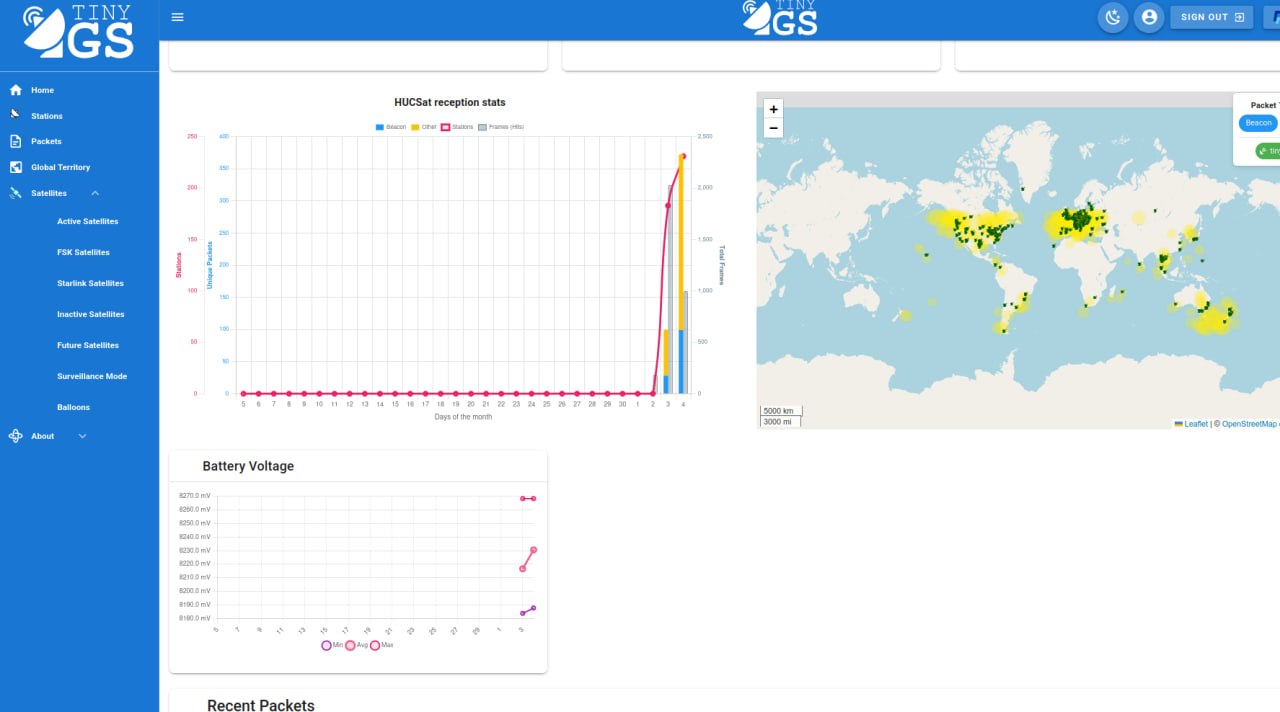
- G4lile0 reported that HUCSat has been received but no signals from Coconut or the three PROVES satellites were initially heard, sharing links to their TinyGS satellite pages and noting the modem config for PROVES was still unknown. Later, he provided a quick update that the HUCSat telemetry decoder is fully operational, successfully parsing raw beacon data and tracking metrics like battery voltage. 🔗
https://app.tinygs.com/satellite/HUCSat
https://app.tinygs.com/satellite/Coconut
https://app.tinygs.com/satellite/Surv-PROVES - Stefan/OE6ISP initially reported no decodes from TinyGS stations for FrontierSat while successfully receiving 25 records with a LimeSDR. After investigating, he identified a syncword mismatch and bit-swapping issue, adjusted deviation and data-shaping settings, and successfully received raw packets requiring AX.100 deframing, noting the transmitter appears approximately 2 kHz low. He also reported detecting signals from Coconut but unable to decode them due to incorrect LoRa parameters, sharing an I/Q recording with K4KDR for analysis. 🔗
https://app.tinygs.com/station/OE6ISP_6@1760298214
https://app.tinygs.com/station/OE6ISP_8@1760298214
https://network.satnogs.org/observations/14416093/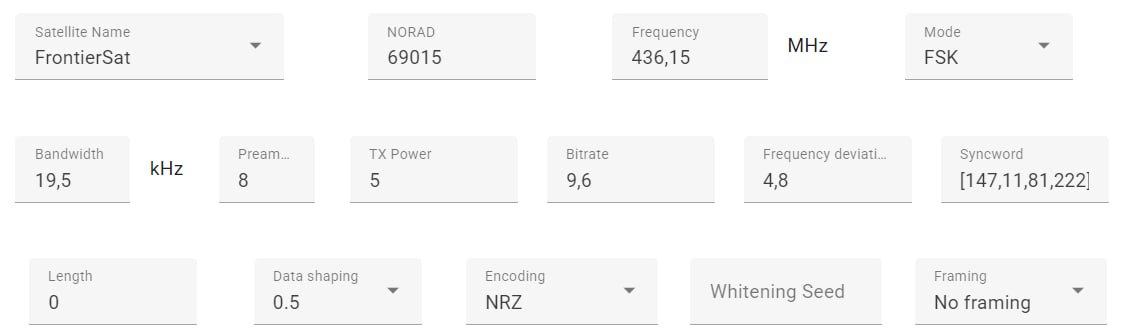
- K4KDR asked for the LoRa preamble symbols and sync word for the PROVES satellites, receiving confirmation of 8 preamble symbols and sync word 0x12, and expressed intent to listen over the Eastern U.S. He also sought the group’s help to identify unknown packets received on 437.485 MHz with 130-byte size and ASCII payload ‘P1P’ that did not match any known LoRa satellites. After analysis, he identified that a signal initially thought to be from Coconut was actually from HUCSat, and later clarified that the 62.5k signals were distinct from the 125k packets discussed, asking for continued help identifying the source. 🔗
- Dumbledore712 forwarded the findings about the unknown 437.485 MHz packets to the PROVES team, who confirmed it is likely one of their satellites. 🔗
- David confirmed the unknown packets are from PROVES-Electra, which was commanded to activate after a timing/filesystem issue. The satellite is now beaconing a positive state of health, while the other two PROVES satellites remain inactive under investigation. 🔗
- Elbostan1 asked if anyone had captured a signal from the UWE-4 cubesat, and PE2BZ responded by sharing a photo and a link to the UWE-4 satellite page on TinyGS. 🔗
https://app.tinygs.com/satellite/UWE-4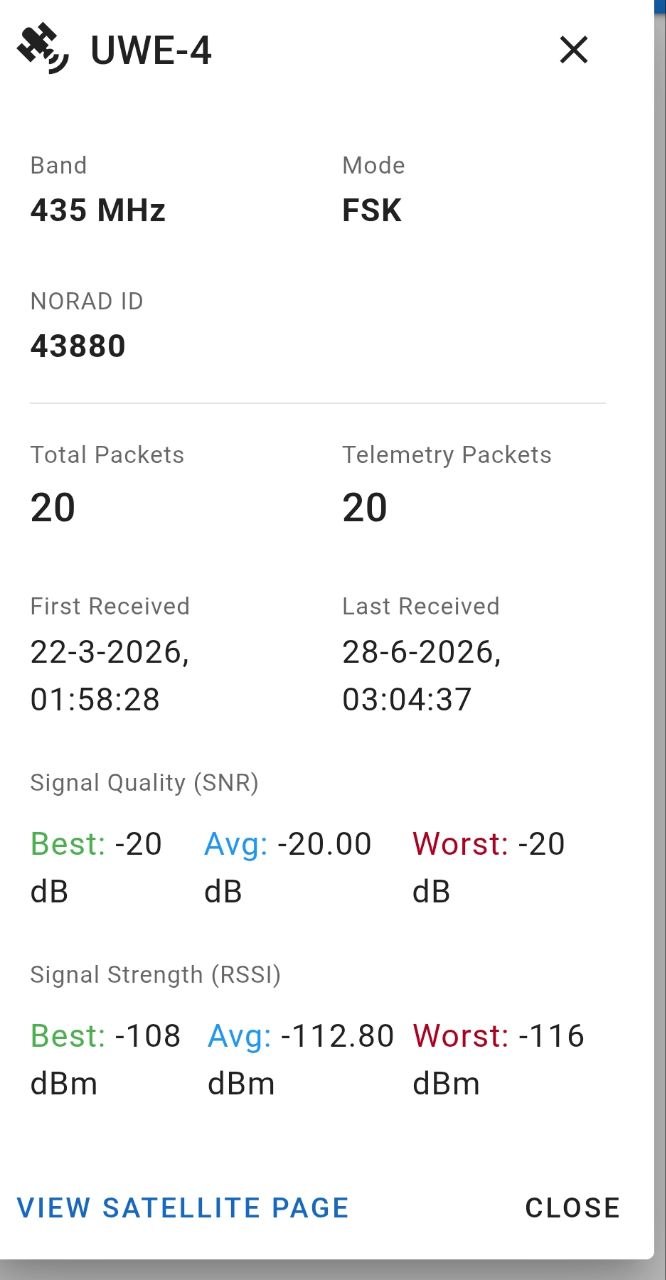
Antenna Building
- Toka Yasser asked for help designing a 433 MHz Eggbeater antenna in SolidWorks for a university graduation project, explaining that their initial build didn’t work as expected. They shared images of their construction and discussed issues with the phasing line and impedance matching. 🔗
- Helmi questioned the need for SolidWorks for antenna design, suggesting antenna-specific software like miniNEC instead, and provided a link to a detailed article on Eggbeater antennas. He also pointed out a potential issue with the length of the phase line in the user’s build, and warned against using PLA for outdoor 3D printing due to heat damage, recommending PETG as a better alternative. 🔗
https://qsl.net/k/kd7tww/Antennas/Antenne%20Eggbeater-Engl-Part1-Full.pdf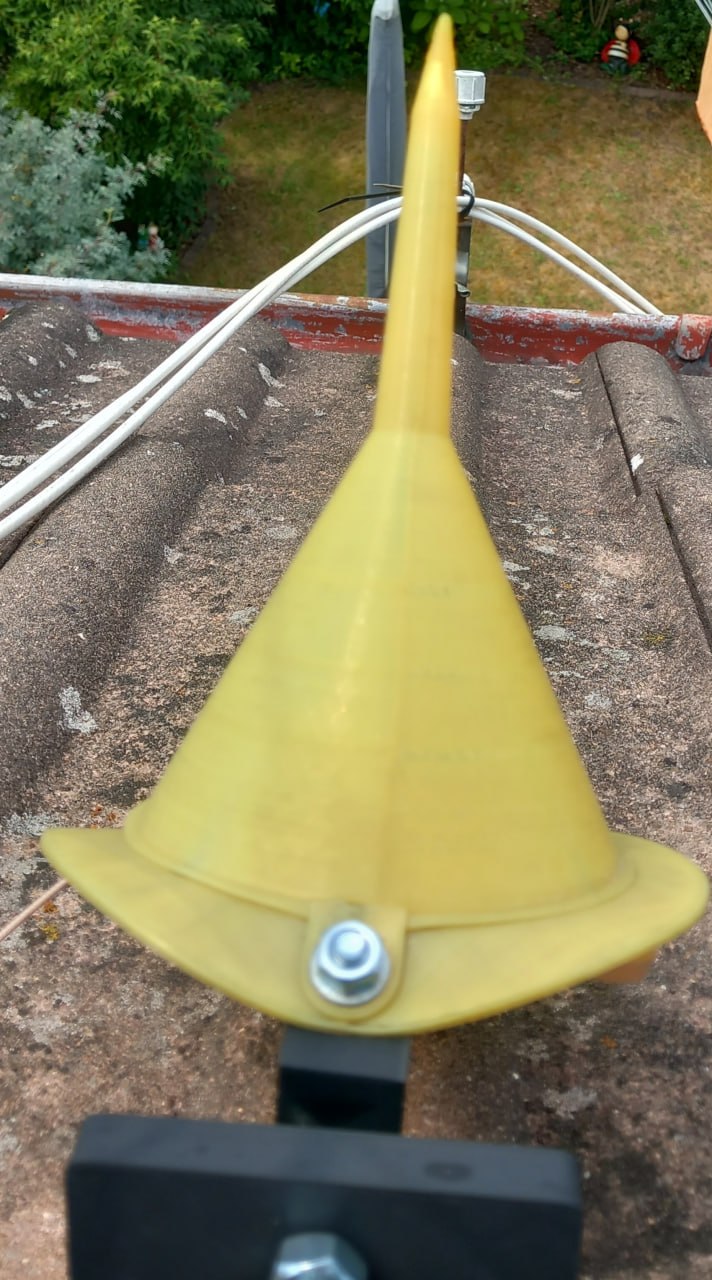
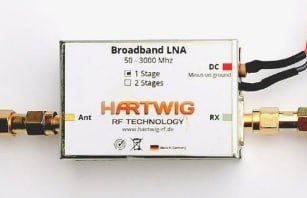
- Stefan/OE6ISP shared his experience building a working Eggbeater antenna, explaining that he calculated the loops and matching lines by hand rather than using CAD software. He provided detailed technical advice on the phasing line construction using RG402 cable, including the importance of the velocity factor and proper length measurement, and shared multiple images of his successful build. He also engaged in a detailed technical discussion covering matching/phasing methods, cable types (RG58 vs. low-loss), and the critical nature of dimensions, providing formulas for calculating phasing line lengths and recommending using a VNA for tuning. 🔗
https://rz01.org/files/Eggbeater-Ant-Revisited-English.pdf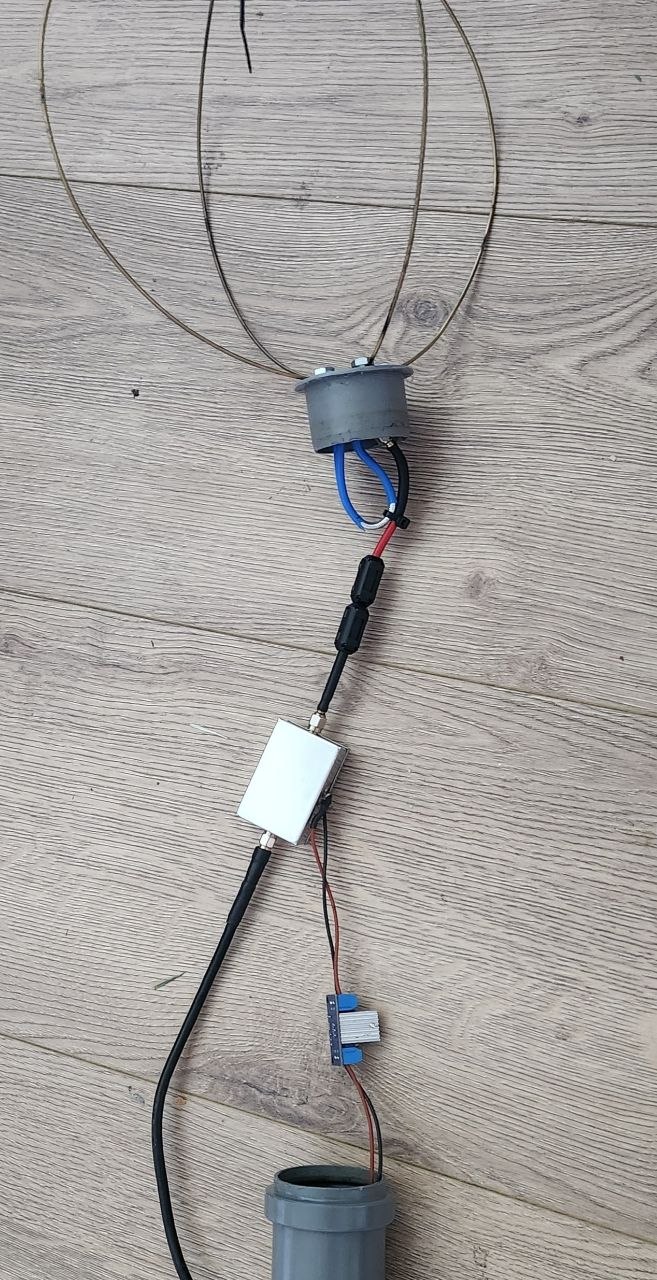
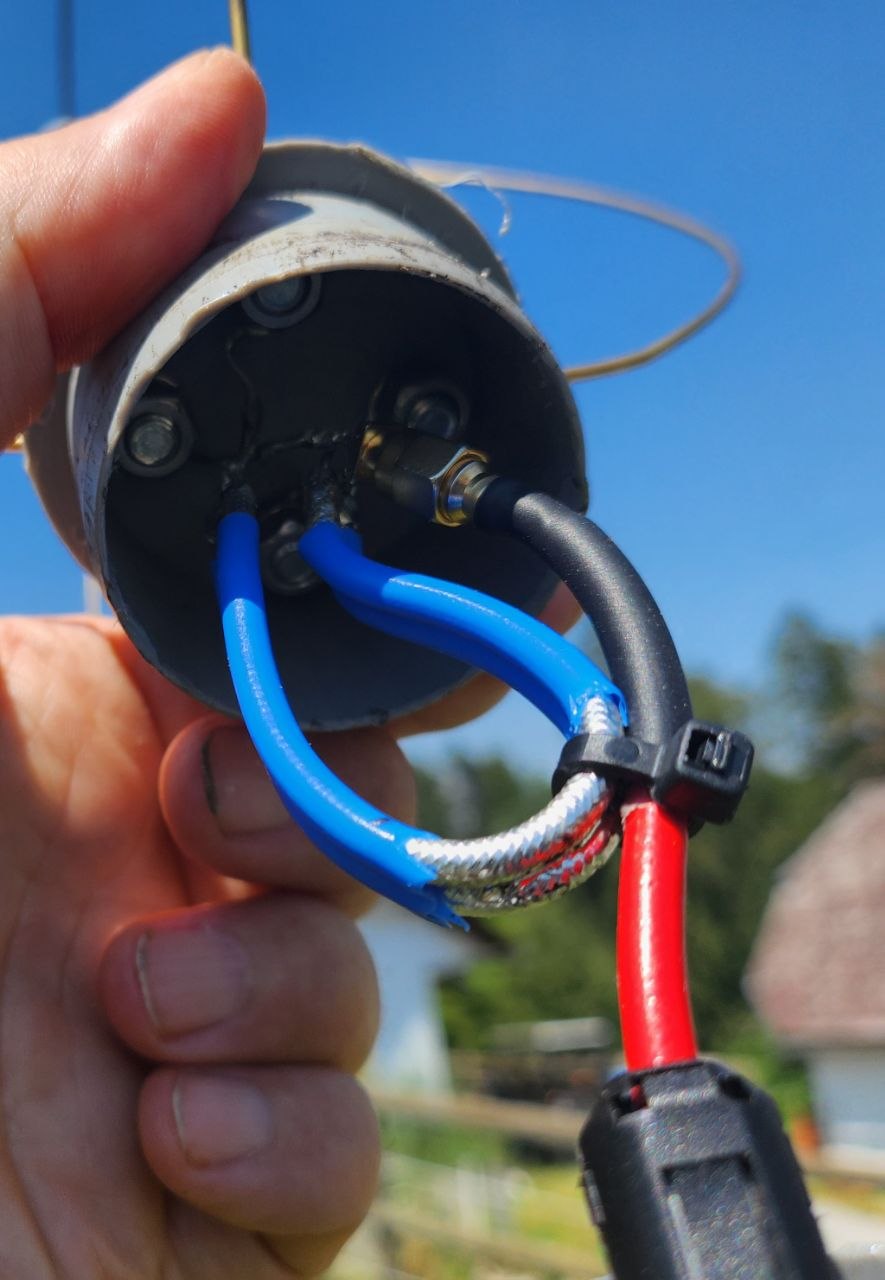
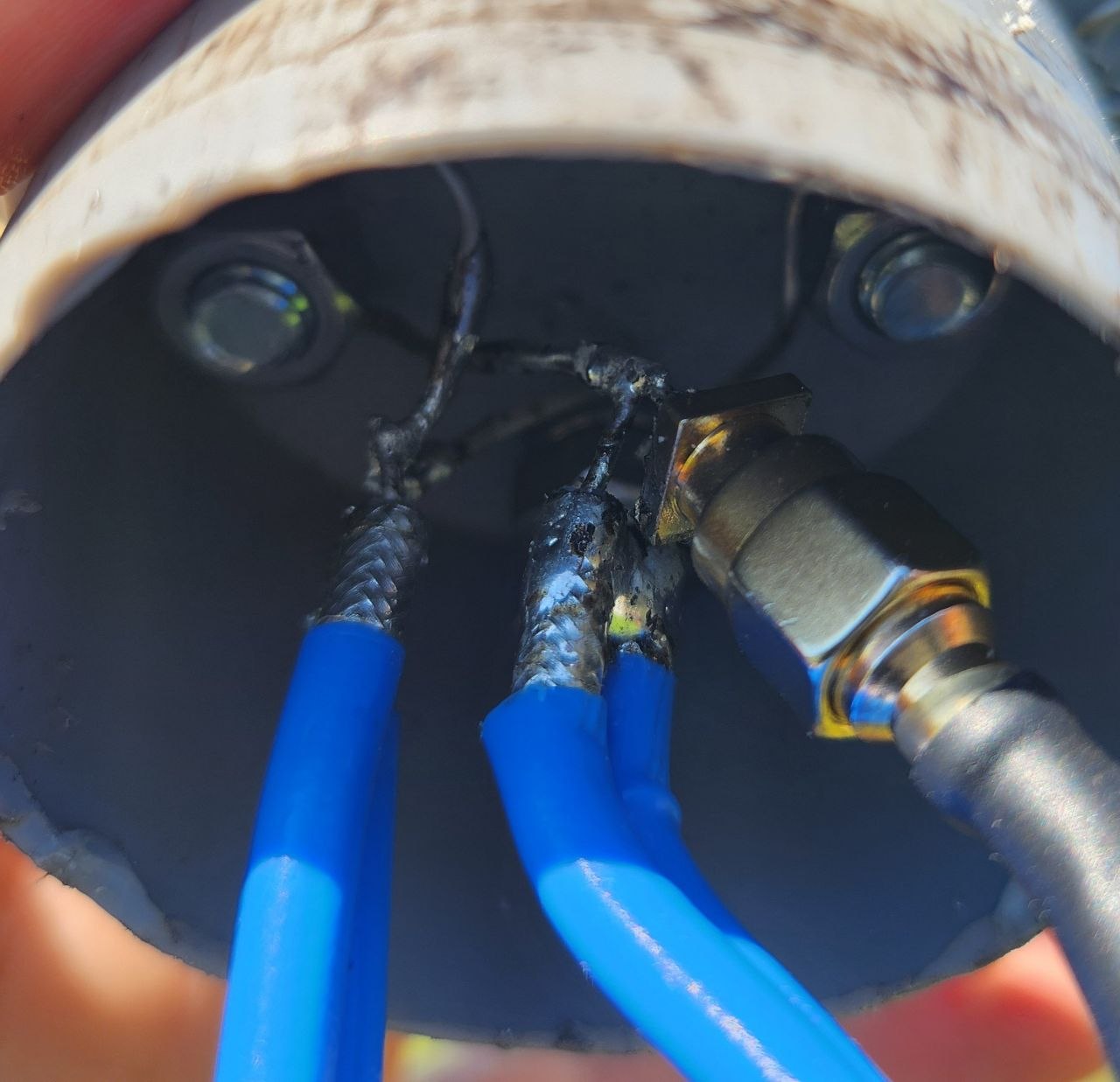
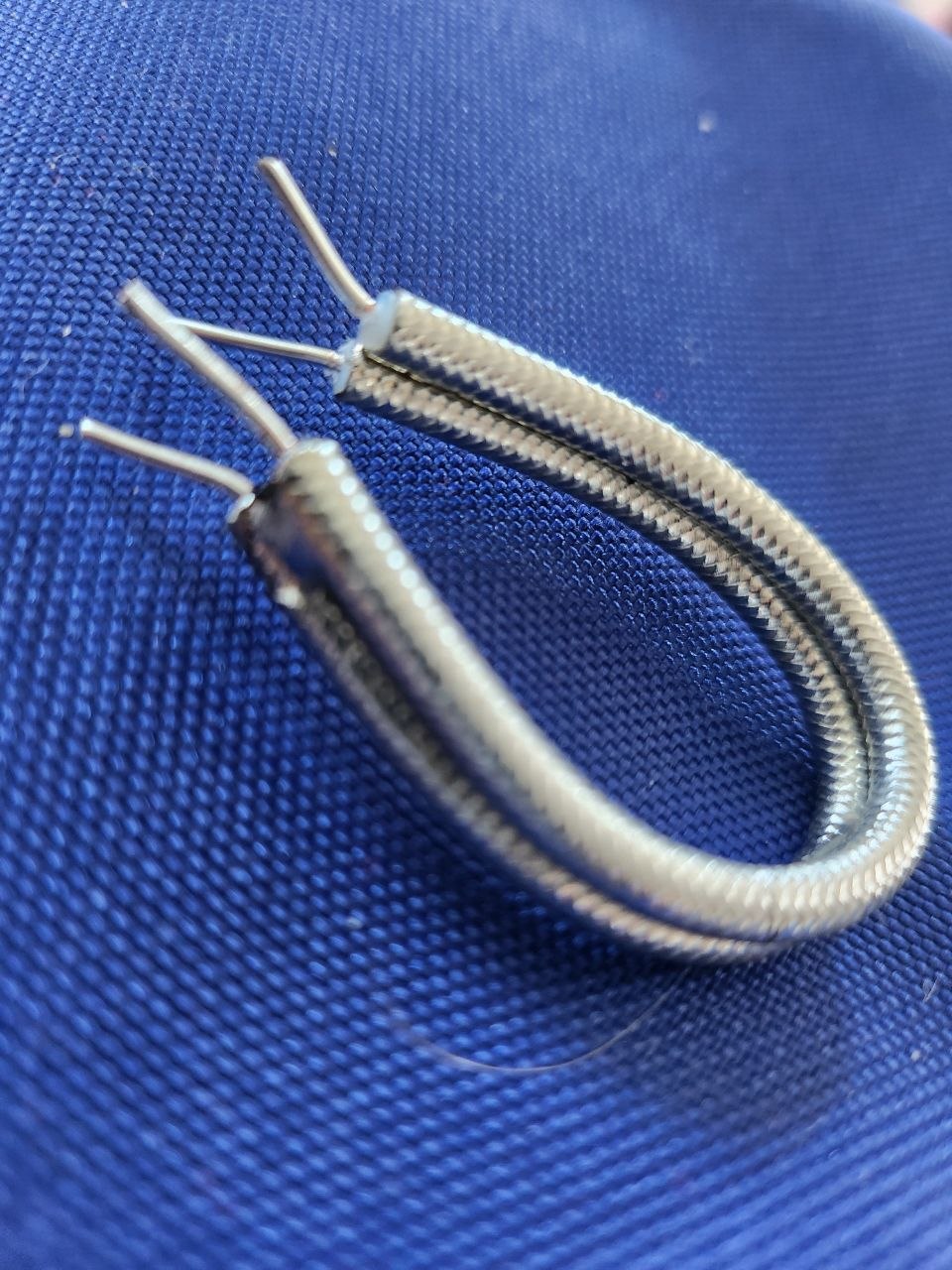
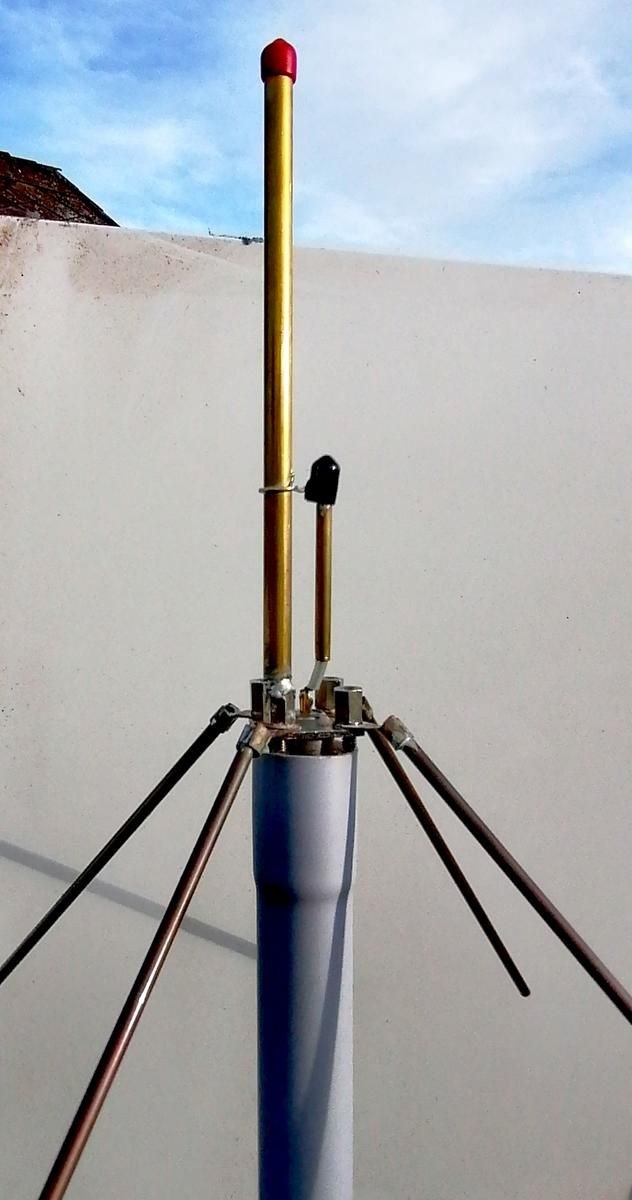
- Moonlight0551 shared his experience building an eggbeater antenna based on a referenced design, using aluminium flat bar and PVC pipe, achieving around 700-800 packets per day in a suburban backyard, and linked to his station for reference. 🔗
https://app.tinygs.com/station/Gladesville_AU_Tiny_GS_2@1799037857 - HJ4CL asked whether a horizontal dipole antenna tuned to 435 MHz would work well with TinyGS. After receiving recommendations for a ground plane antenna instead, and detailed advice on using a UHF antenna with a ground plane including using a 34 cm diameter circle of aluminum foil, he experimented by attaching a pliers as a makeshift ground plane and planned to build a vertical antenna with a PL-259 connector. 🔗
Technical Problems
- Stefan/OE6ISP asked about capturing GMSK9600 raw packets from FrontierSat. He put his station in test mode and entered the configuration manually, but frequency tracking was not working—the tracking info was always empty and the RX stayed on the center frequency. G4lile0 identified this as a critical bug related to a maximum length constraint in the flash memory sector storing the modem configuration, where for FSK satellites with large configurations, the TLE information exceeds this limit and is automatically deleted. The issue will be resolved in an upcoming firmware update with an alternative data storage method, with a temporary workaround of renaming the satellite using a single letter to save space. 🔗
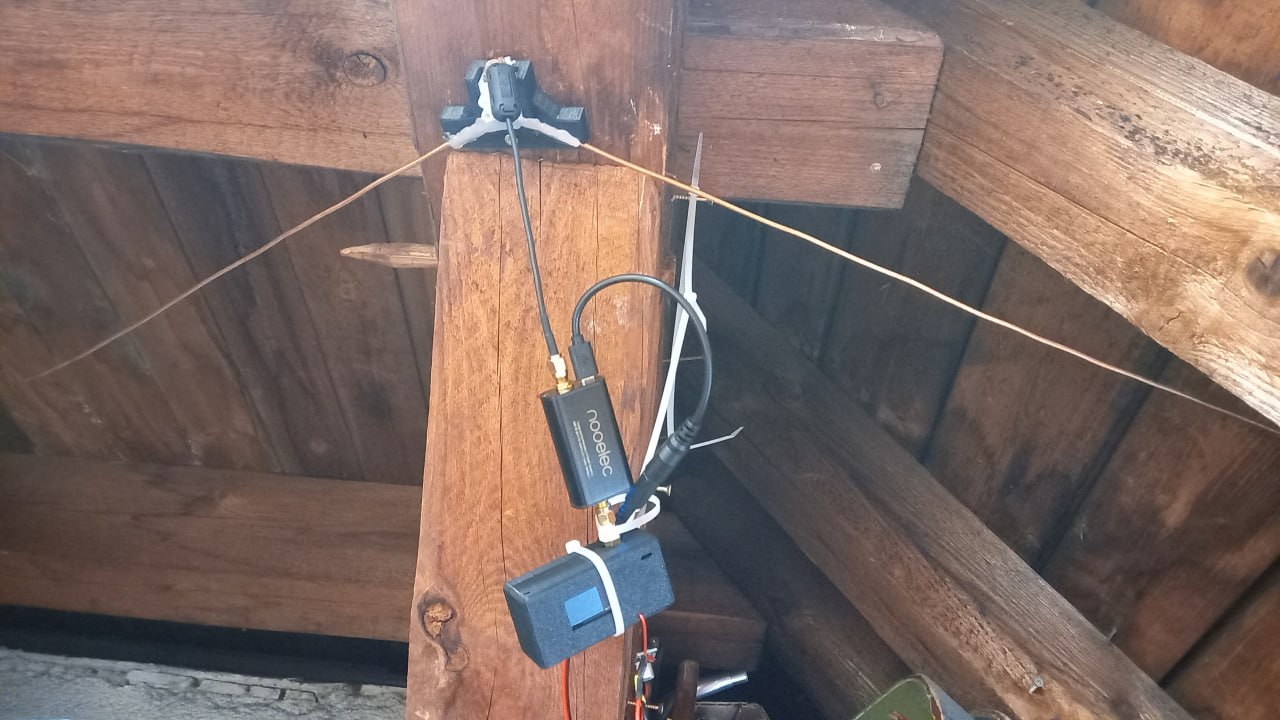
- Federico shared photos of their station configuration using an ESP32 DevKit and an RA-02 module. 🔗
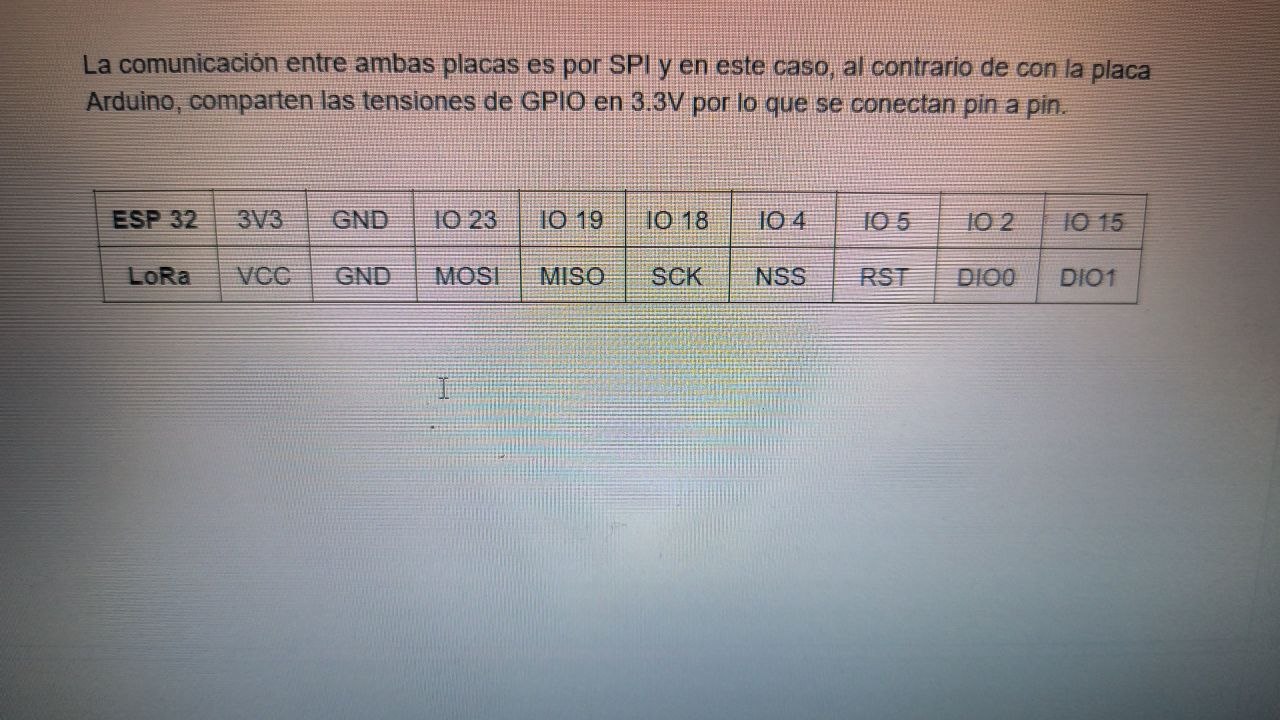
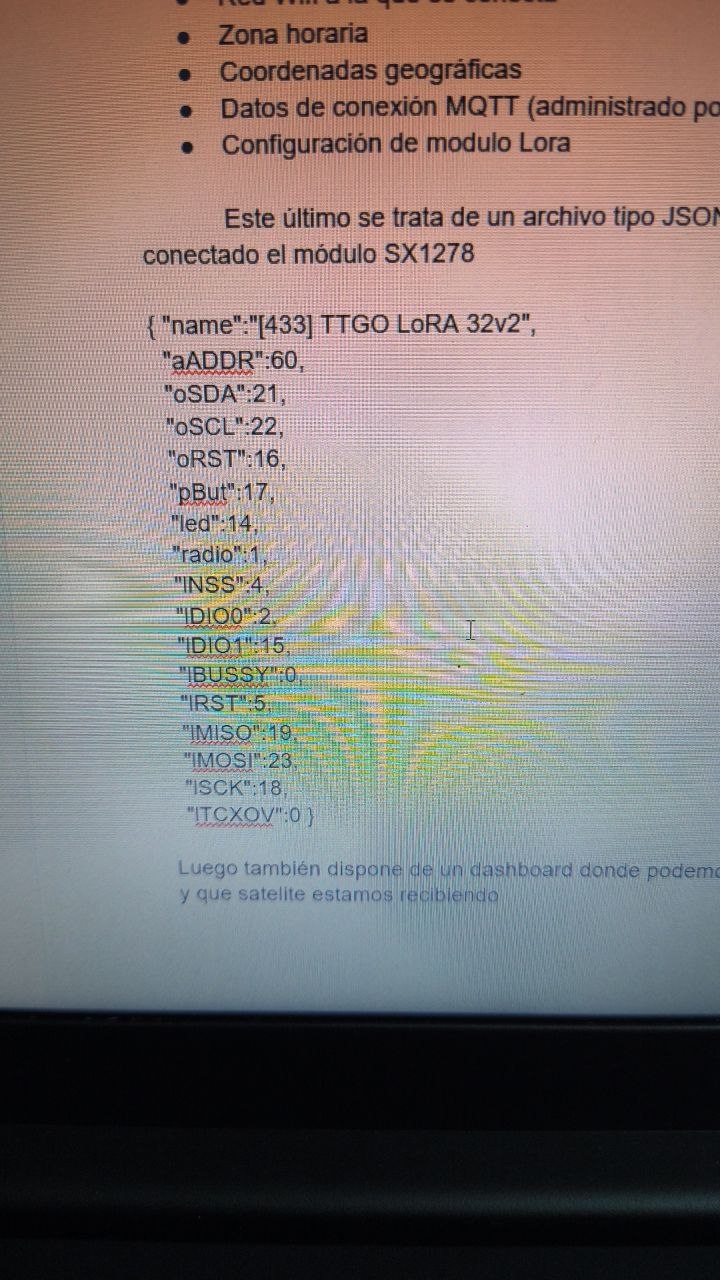
- HJ4CL reported that after restarting their Tiny T-Beam v1.2, the screen does not turn on. Stefan/OE6ISP suggested they might have the wrong configuration and recommended using the TTGO Lora32 V2 board profile. 🔗
Share your setup
- Helmi shared that after one day using a Lilygo T3 LoRa 144MHz version, they received 21 packets compared to one or two a week with the old 435MHz version, using the same Rabbit Ear antenna. Stefan/OE6ISP commented that the better matching network likely provides some additional dB. 🔗
- K4KDR shared that they were surprised by the improved performance of their new setup, receiving many more decodes compared to their previous 433 MHz board which maxed out at 137 MHz. 🔗
- Notsure7 reported getting 180 decodes on the first day with a new outdoor setup, compared to a maximum of 120-130 with their old indoor setup. They noted that their previous station was already heavily modified with a TCXO and removal of a highpass filter, and mentioned that lower latitudes should get more packets from Starlink, so decodes per day are only comparable for stations in the same vicinity. 🔗
General
- Josef asked whether a LoRa32 board advertised for 144-148 MHz could be used to receive 137 MHz signals, and if simply configuring the standard 433 MHz firmware for 137 MHz would work. Stefan/OE6ISP explained that SX1278-based boards are configured for 433 MHz but autotune can select 137 MHz, recommending a 140 MHz-optimized board from the CN LilyGo store for better performance without needing an LNA or filter. 🔗
https://www.amazon.de/V2-1_1-6-SD-Karte-Bluetooth-WLAN-Funkmodul-144-148MHz/dp/B0G5K6VBGX/ref=sr_1_10?__mk_de_DE=ÅMÅŽÕÑ&crid=355ATTI4OCWHS&dib=eyJ2IjoiMSJ9.O5PbEz86q-BLFiwG1w0WCXycE0tElXGAQS2c83cMci319MTNqIKIj73Nzqtx37Jip19isIyNrOpBZllrOKntokkn6_kAsKdw7PQV7sM9PbEhVJItm6161BB8AoBwiEqgzGzXoHHBdQ61PQg1Jlu1q3u9lHk6ivJrmmjegWnyAFfTR8VP6mZx5rb59YXaUdt-hx5xwVShmy2ehEHYuY9VS1u4xgS8jMEWW-Acvwxw27I.DR2VuUaR38ZwnSI6Wdb4CvVSCHnty5xf5xm-rXgRqBo&dib_tag=se&keywords=lora32%2B144%2BMHz&qid=1782755162&sprefix=lora32%2B144%2Bmhz%2Caps%2C147&sr=8-10&th=1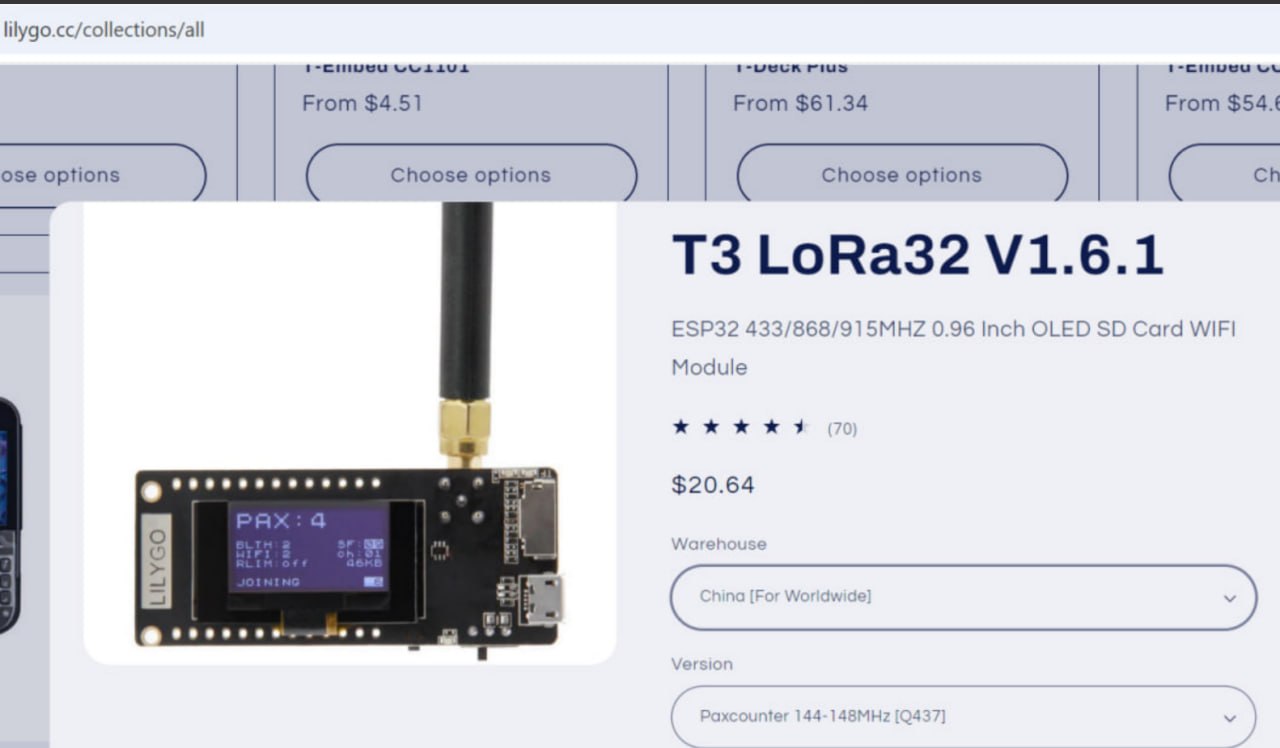
- Rabu asked if there is a recommended or official way to automatically download and collect received packets along with all their data, such as RSSI and SNR. 🔗
- Parker asked if anyone knows how to update the TinyGS GitHub wiki, as there are a few out-of-date bits they would love to help correct. G4lile0 responded that the GitHub wiki will be closed soon and content moved to the new landing page, encouraging contributions as tutorials on the new site at tinygs.com/write-tutorial. 🔗
https://tinygs.com/write-tutorial/ - anas_z15 asked if TinyGS can handle the maximum LoRa packet size of 255 bytes without issues. Stefan/OE6ISP explained that while 255 bytes is possible, the practical limit is air-time, as high air-time increases error rates, recommending studying parameters from previous missions for best practices. 🔗
Where to buy
- mark_wiz shared a link to an upcoming soldering product that caught his interest, sparking lighthearted conversation about improving soldering skills among station builders. 🔗
https://www.instagram.com/reel/DY7ei2WoQKU/?igsh=MXJ6MW5iM2l6bm1kZA==
Featured Conversations
- The community collaborated to identify unknown signals on 437.485 MHz, which were eventually traced to the PROVES-Electra satellite after its recent activation following a timing/filesystem issue. PROVES-Electra is now beaconing a positive state of health, while the other two PROVES satellites remain inactive under investigation.
- A critical firmware bug was identified where the flash memory sector storing modem configuration has a maximum length constraint that causes TLE information for FSK satellites to be automatically deleted. The project lead confirmed a fix is coming in an upcoming update, with a temporary workaround of shortening satellite names.
- Members shared impressive performance gains after switching to 144 MHz-optimized boards and moving stations outdoors, with one user reporting 21 packets in one day compared to one or two per week with the older 435 MHz version, and another getting 180 decodes on the first day with an outdoor setup.
- A detailed antenna building discussion covered eggbeater construction techniques, including phasing line calculations using velocity factor, material recommendations (aluminium flat bar and PVC pipe), and the importance of proper impedance matching for optimal satellite reception.
Latest Cubesats News

University of Aveiro launches cork CubeSat and new laboratory to test satellites and drones
The University of Aveiro has launched a new aerospace experimentation laboratory and a CubeSat satellite made from cork, funded by Portugal’s Recovery and Resilience Plan (PRR). The lab, primarily for student teaching, features a Helmholtz cage and air bearing for testing CubeSats and drones, and is also available for use by Portuguese aerospace companies. The cork satellite aims to be more environmentally friendly and lighter for launch, with sensors to monitor cork degradation and Starlink frequency emissions in space. The university has approved new projects with national companies for satellite construction, reinforcing its commitment to the growing space sector.

UVic satellite to probe climate, open-source radio
A shoebox-sized satellite built by University of Victoria students and researchers, MARMOTSat, will launch in July aboard a SpaceX Falcon 9 to study the ionosphere’s response to climate change. It also carries an open-source radio system, allowing amateur operators and teams worldwide to build their own satellite communications hardware. The mission is part of UVic’s growing space program, with a third satellite, PolarLink, planned for 2027 to improve Arctic connectivity. The project has received $5.4 million in federal funding to establish a Western Canada space industry cluster.
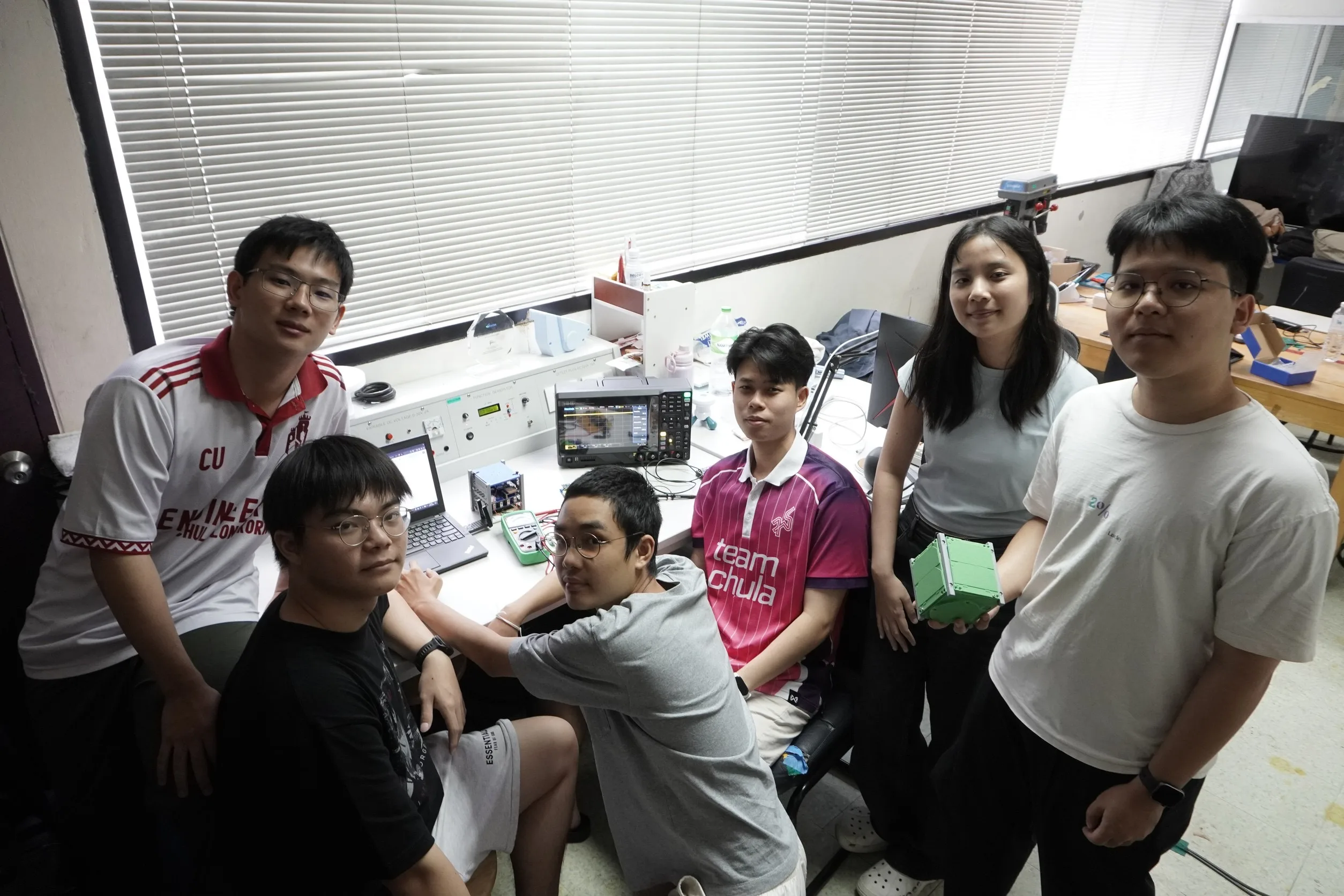
Chulalongkorn University Students Win 1st Place in Global CubeSat Competition
Students from Chulalongkorn University’s Satellite and Space Technology Club (CUSAT) won first place in the 9th round of the KiboCUBE Programme. The Thai youth team earned the right to develop and launch their satellite, named “CUSAT-1,” into space by 2028. The program is a strategic partnership between UNOOSA and JAXA, providing developing countries access to space technology. The satellite will be deployed from the International Space Station via Japan’s Kibo module.
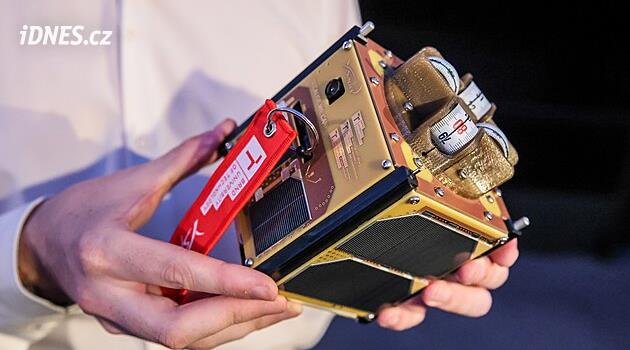
Czech Students to Send Their Own Satellite into Space on Tuesday
Czech students are launching their own satellite into space on Tuesday. The satellite was developed by a team from the Czech Technical University. It will be deployed from the International Space Station. The mission aims to test new technologies and inspire young people in science.
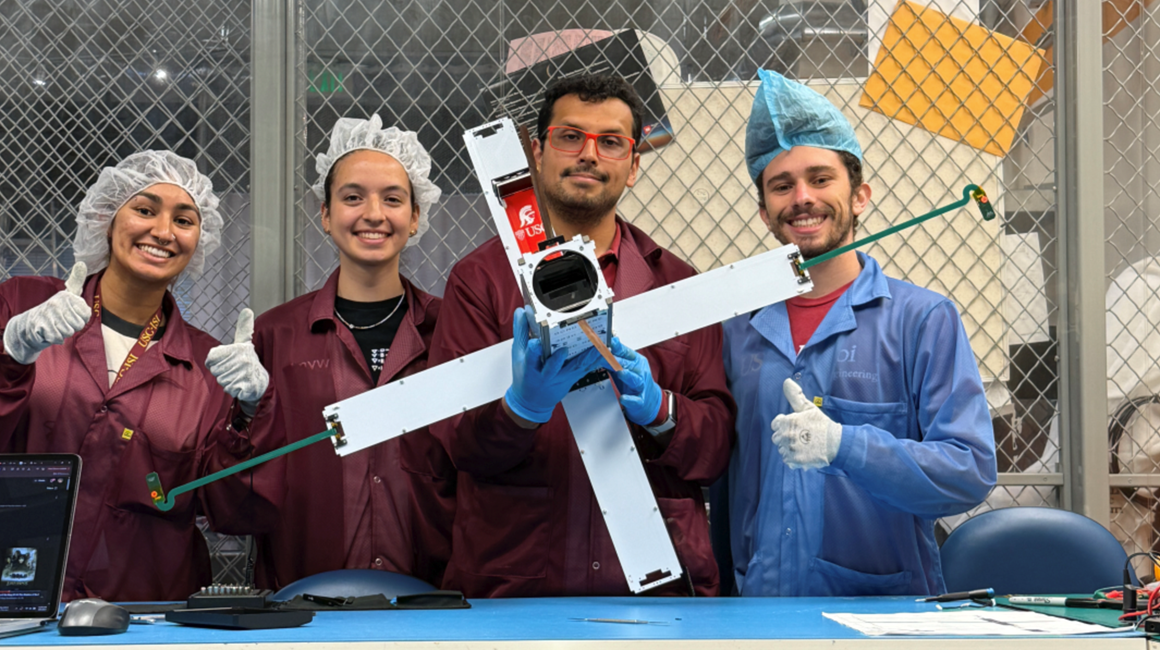
USC Student Satellite to Test Artificial Intelligence in Orbit
A satellite built almost entirely by University of Southern California students, named MAVERIC, will launch in July on a SpaceX Falcon 9 mission. The 3U CubeSat will test 2D and 3D imaging for close-proximity maneuvers, low-cost magnetic sensors, and AI-assisted navigation. Over 60 students and faculty contributed to the project, which aims to enhance autonomous spacecraft operations and reduce data transmission needs. The mission also includes software from Planetary Systems AI to train machine learning models directly in orbit.
Asteroid Apophis: CubeSat to Conduct On-surface Science
The European Space Agency has contracted the first CubeSat designed to operate on an asteroid’s surface. Spanish company EMXYS is providing the Don Quijote CubeSat, which will be deployed onto the Apophis asteroid by ESA’s Ramses mission before its 2029 Earth flyby. The shoebox-sized spacecraft will carry three instruments and is designed to operate from any orientation due to Apophis’s ultra-low gravity. There is a possibility the CubeSat may bounce along the surface or even sink into the ground.
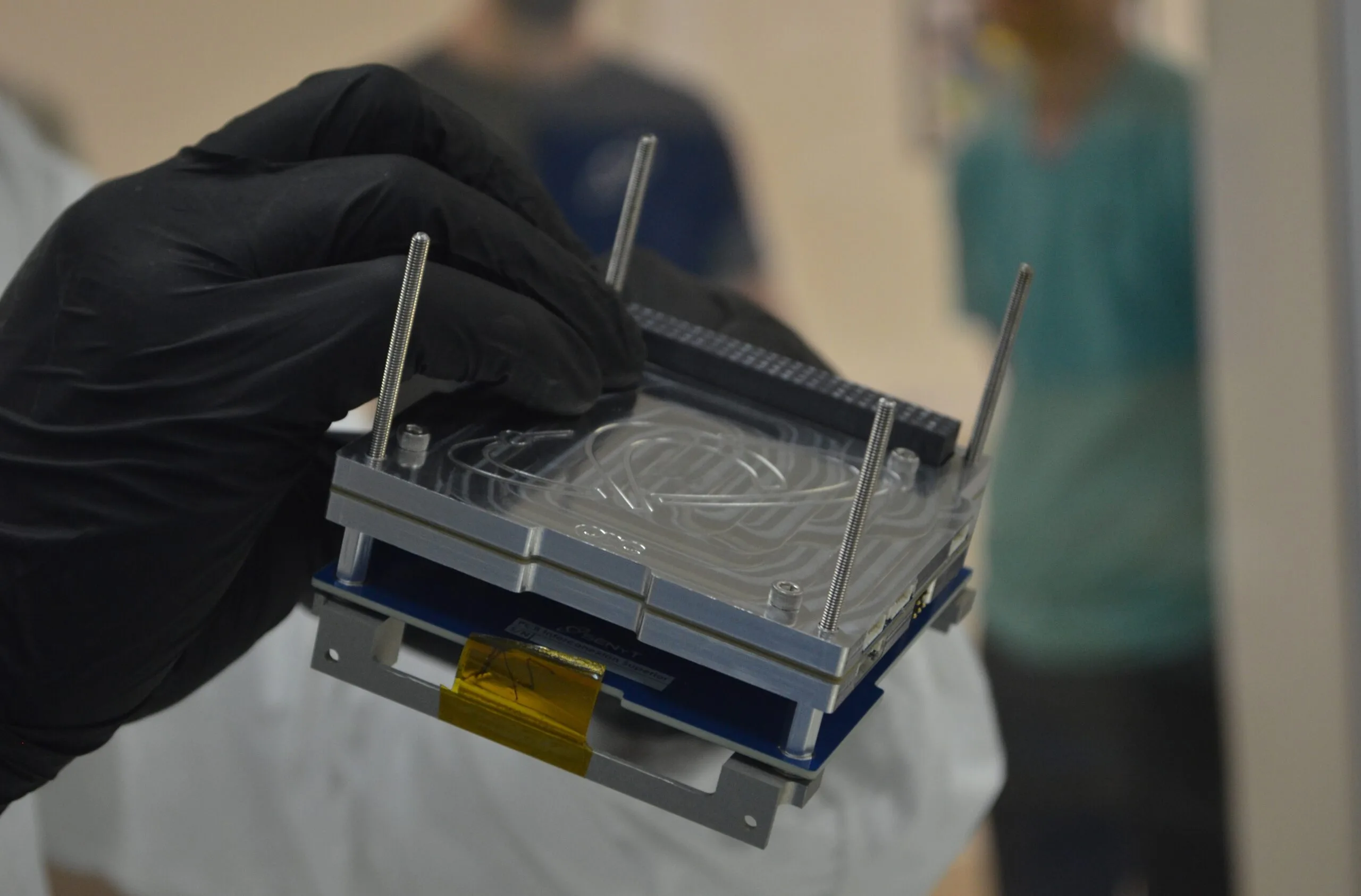
After the Success of ATENEA, UNLP Will Develop a Satellite Called “USAT-2”
The National University of La Plata (UNLP) is moving forward with USAT-2, the next satellite in its University Satellite Program. The project is in an initial technical definition phase and is seeking payload proposals from research groups until August 14, 2026. USAT-2 aims to sustain an in-house satellite development line, building on the experience from the USAT-1 and the ATENEA mission. The initiative focuses on the process of building the satellite to train teams and develop local technological capabilities.

This Home-Built CubeSat Is Launching an LLM Into Orbit - Hackster.io
Ken Chan’s KENSAT, a 2U CubeSat built in his home lab, is scheduled to orbit Earth this fall. It uses an NVIDIA Jetson Orin Nano running a quantized TinyLlama LLM to perform AI inference in space. The satellite conserves power by keeping the Jetson off until needed, and transmits unencrypted results via a custom UHF radio link. The entire project is open-source, with schematics, software, and documentation available on GitHub.
What’s next
Join the TinyGS Telegram channel to participate in these discussions and contribute to the project. Your experiences and insights can help others build and improve their stations!