tinyGS
· TinyGS Community · 12 min read
Weekly Newsletter - June 7, 2026
This week, the TinyGS community celebrated a remarkable packet surge from KOSAR 1.5 after its team regained satellite control, while antenna builders exchanged deep technical insights on QFH, J-pole, and filtering strategies. A new tutorial hub was launched, and discussions ranged from software-based LoRa decoding to the upcoming Ten-Koh 3 satellite with planned uplink capabilities.
Highlights
General
- G4lile0 announced the launch of a dedicated Tutorials Section on the TinyGS website, inviting the community to contribute guides on antenna builds, MQTT configuration, troubleshooting, and more. A sample markdown guide for the station BOM was shared, and users can write tutorials via a simple built-in editor at tinygs.com/write-tutorial. 🔗
https://tinygs.com/write-tutorial/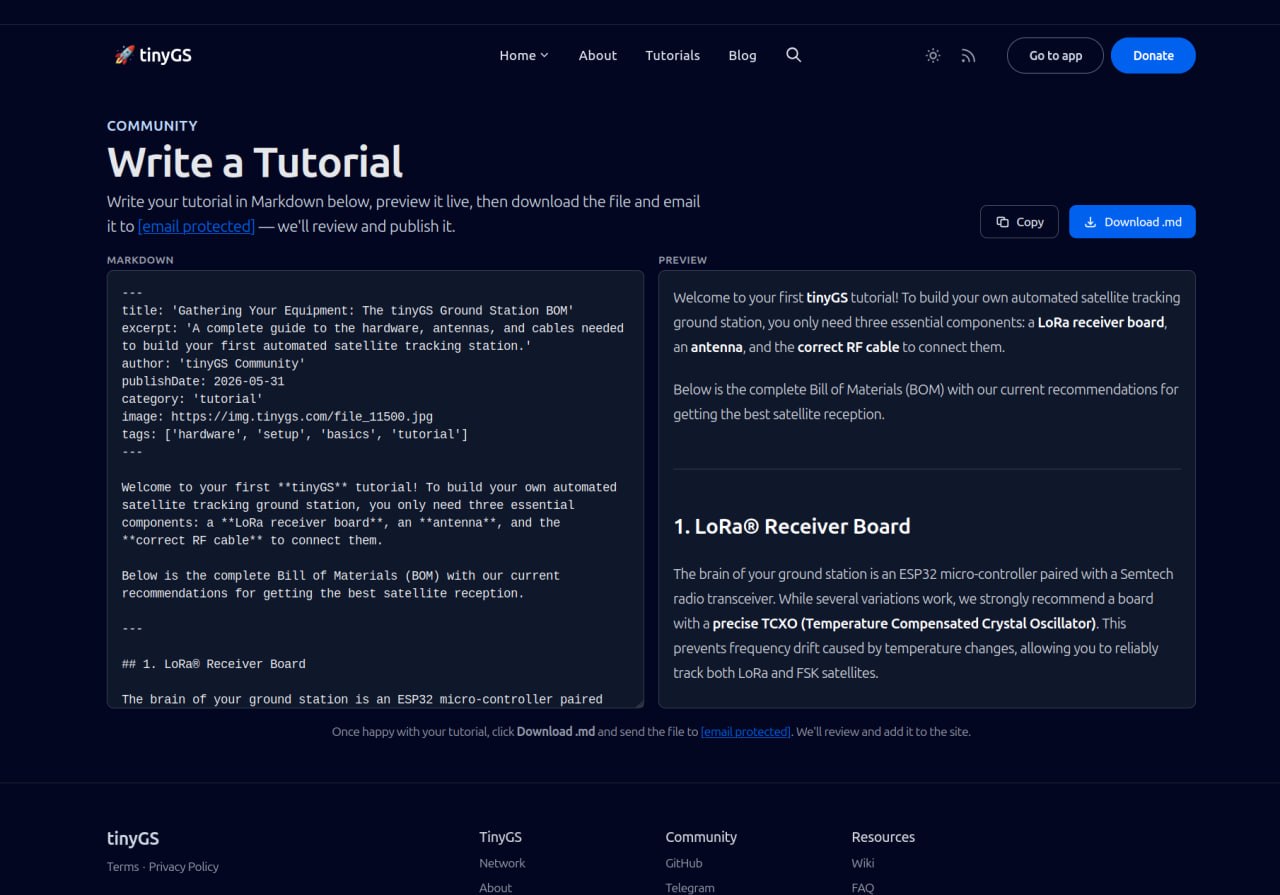
- estima5633 started testing TinyGS from Japan with a Heltec LoRa32 V3 433 MHz board and a 435 MHz QFH antenna. Their station “estima5633” is online and received its first packets from Tianqi-29, with plans to keep observing to evaluate the QFH antenna’s performance. Stefan/OE6ISP welcomed the new station and noted that starting with 900 packets on day one is very unusual, congratulating the operator on the achievement. 🔗
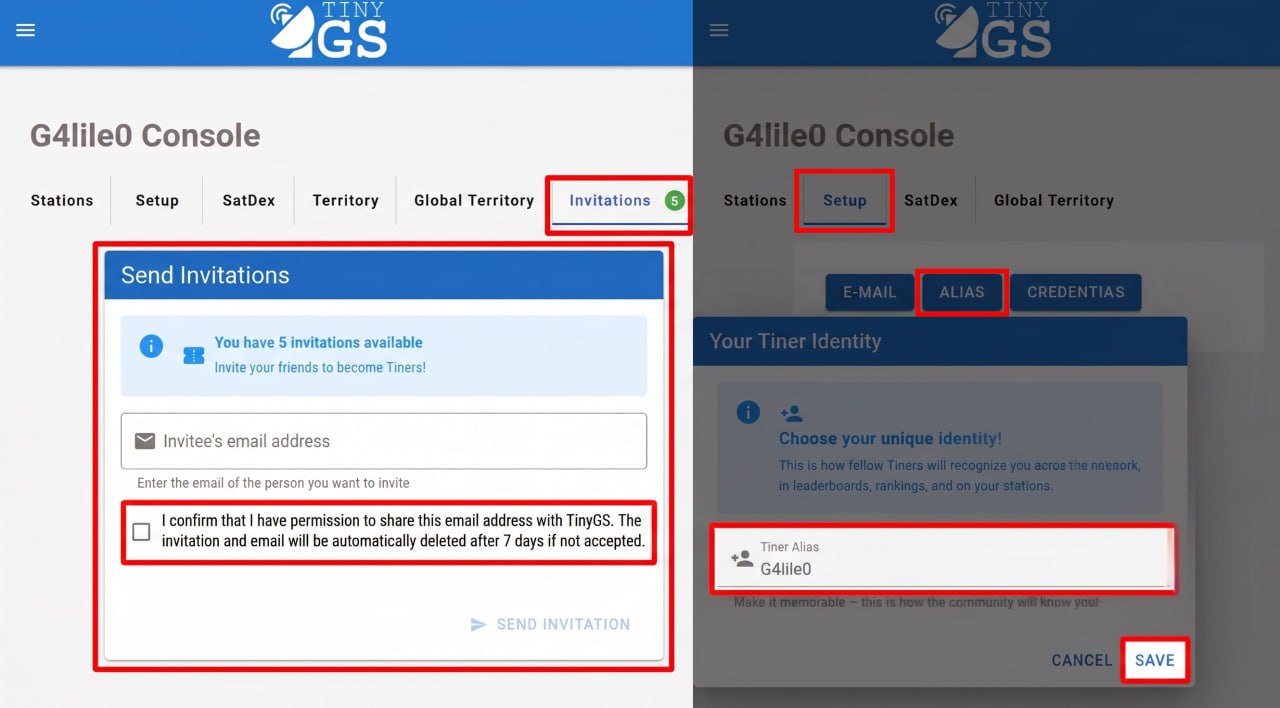
- G4lile0 announced a new feature: users can now invite friends to TinyGS directly via email from the console, without needing Telegram. They reminded everyone to set an Alias first in the Setup menu so invitations are recognizable, and noted that invite counts reset monthly, with extra invites available for workshops or educational events upon request. 🔗
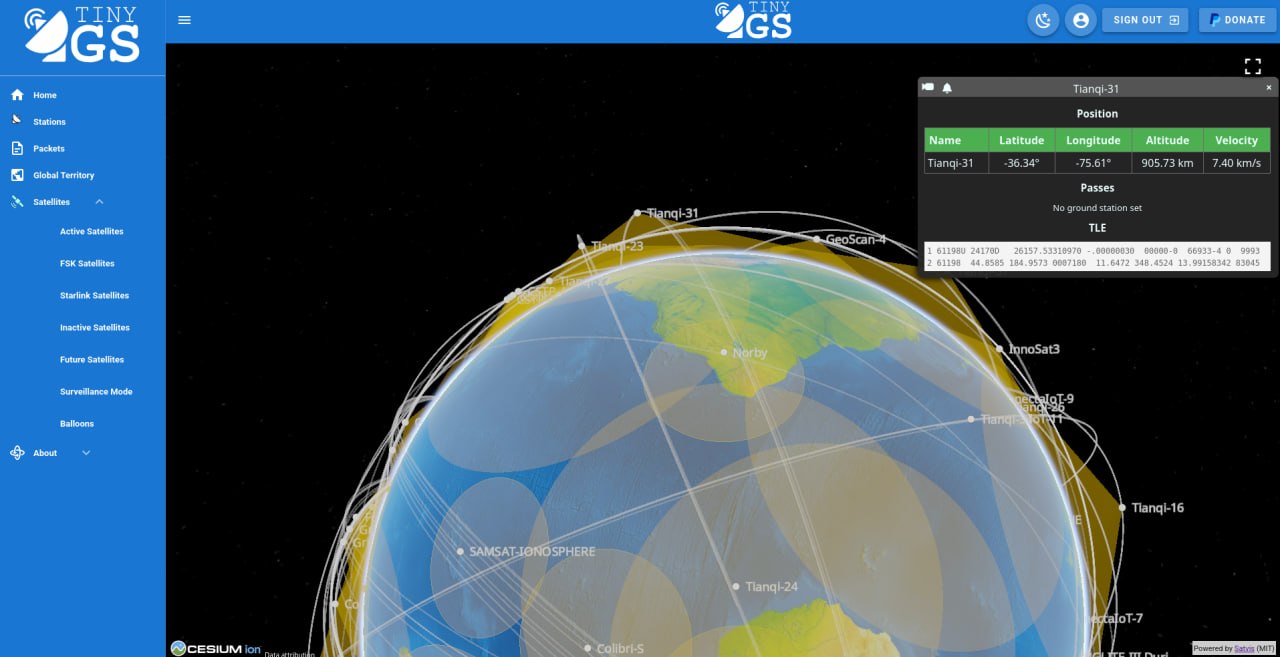
- K4KDR shared context on the sudden increase in downlink packets from KOSAR 1.5 433, noting that the team in Iran has regained internet access and is working with the satellite again after months of difficulties, including putting reaction wheels in motion to regain attitude control. This led to a record-breaking day for one community member who decoded over 200 packets from KOSAR 1.5, with packets decoded down to just 2.6 degrees elevation. 🔗
- yambo1101 asked about the orbit range for satellites compatible with the TinyGS network. G4lile0 explained that operational satellites are generally in LEO orbits from 150 km to 900 km, but there are no hard software limitations—hardware constraints like antenna quality and LNAs determine what can be tracked at higher altitudes. 🔗
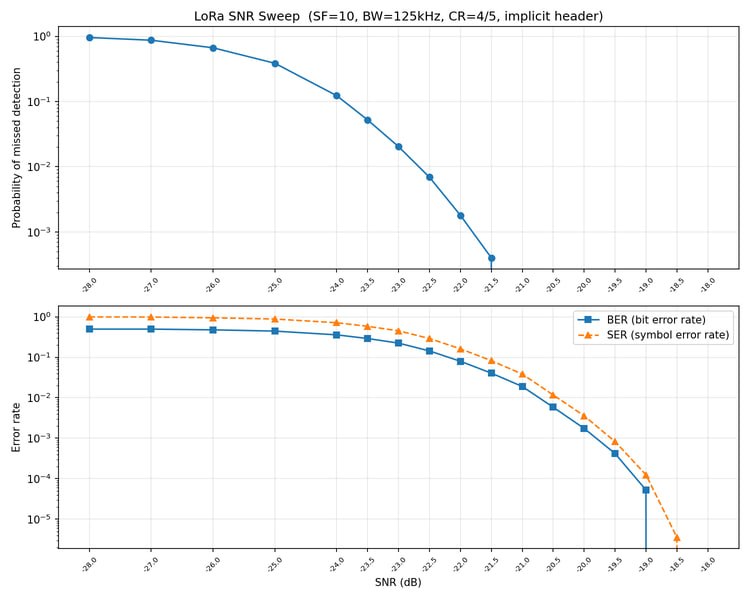
- Hamzah04 asked for IQ recordings of passing LoRa satellites to validate a Python-based LoRa decoder they are developing, which implements a synchronization algorithm from a referenced academic paper. They achieved detection down to -22 dB in simulation for SF=10 and shared their code repository. G4lile0 cautioned that moving from simulation to real-world SDR recordings introduces challenges due to receiver noise figure and clock stability, noting that hobbyist SDRs typically cannot match the sensitivity of native Semtech transceivers at extreme sub-noise levels without professional-grade hardware or external LNAs. Stefan/OE6ISP confirmed the difficulty of software-based decoding and mentioned achieving close to -20 dB with LimeSDR and SDRAngel, offering to record a strong satellite like Tianqi for testing. 🔗
https://arxiv.org/abs/1912.11344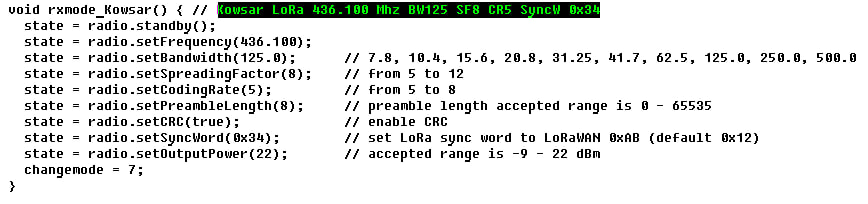
- JeyJey asked if a TinyGS account gets deleted after a long period of inactivity. G4lile0 clarified that accounts are not deleted due to inactivity, but losing access to the associated Telegram account is a common issue. Detailed instructions were provided on how to regain access via the station’s local dashboard using the !w command, and recommended adding an email as a backup recovery option. 🔗
Technical Problems
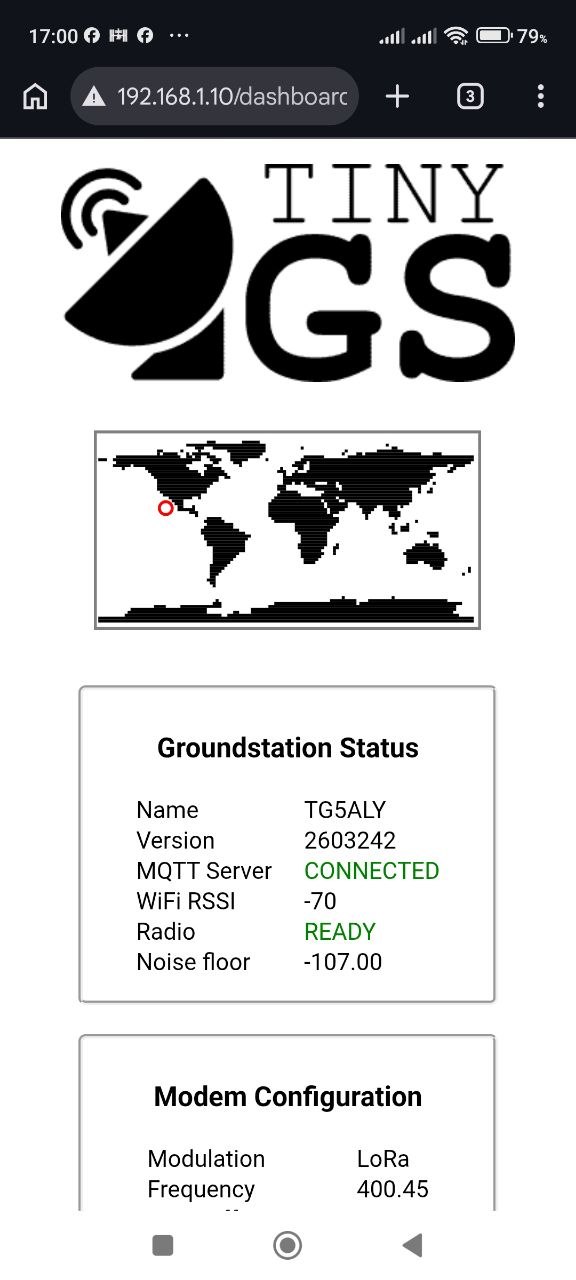
- TG5ALY sought help with persistent login issues on the TinyGS website, sharing screenshots of the problem. Community members suggested trying the new domain, clearing browser cookies, and checking for an IP block. After following advice, the issue was resolved, and the user expressed gratitude, also inquiring about the possibility of adding an APRS Dish antenna icon to TinyGS in the future. 🔗

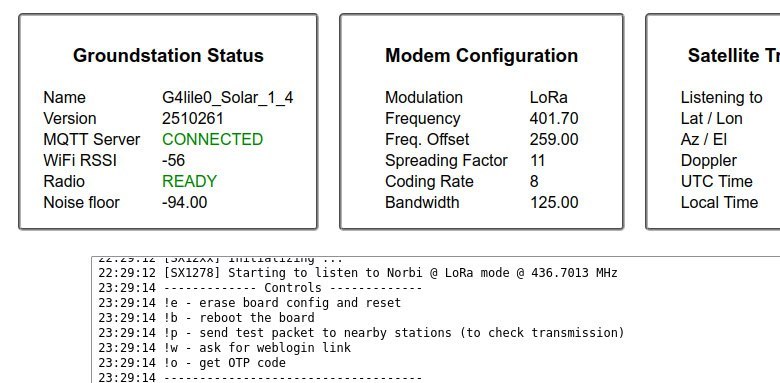
- gcarpi reported receiving LoRa packets from MULE-4T on 436.700 MHz using an SX1278 and RadioLib, but the payload was consistently only 11 bytes, while references suggest packets around 140 bytes with ASCII text. The user asked whether MULE-4T transmits multiple packet formats or if their configuration (implicit/explicit header, payload length, whitening, FEC) might be causing truncated reception, seeking confirmation of the expected payload length from anyone who has successfully decoded the telemetry. 🔗
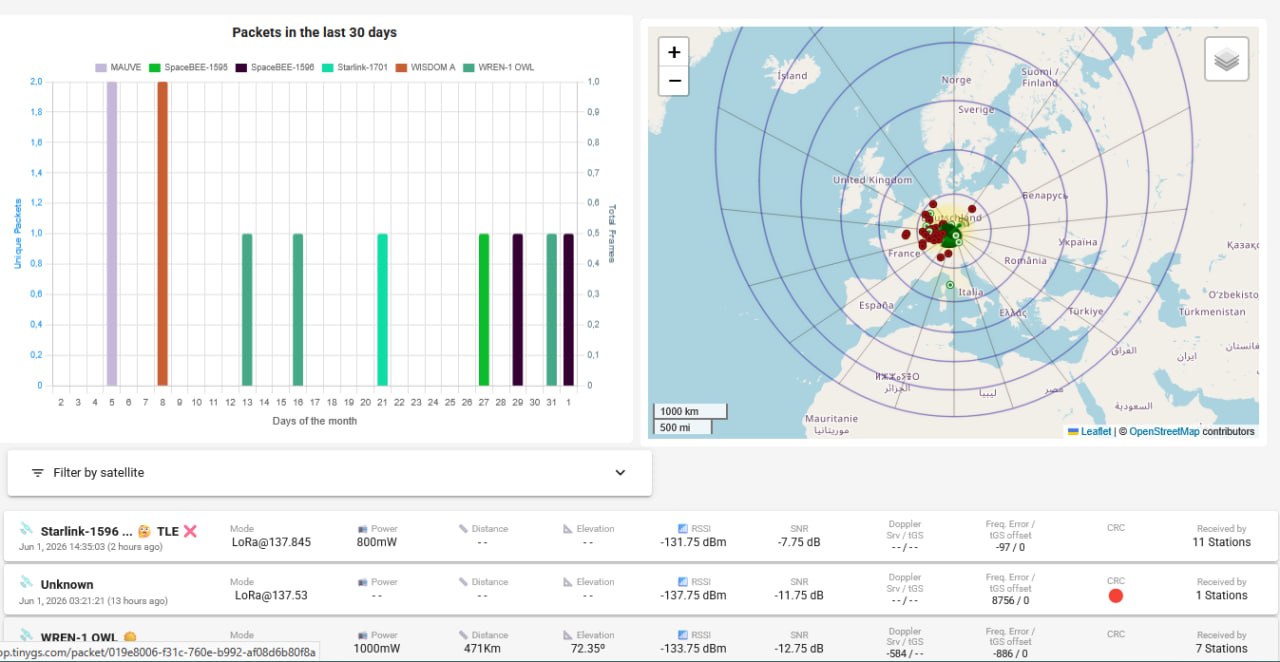
- Helmi reported receiving a satellite that appears as “SpaceBEE-1596” in the packet overview but as “Starlink-1596” in the received list, sharing a screenshot of the discrepancy. G4lile0 explained that this is expected behavior: some Starlink satellites use the same frequency and data frame structure as the SpaceBEE constellation, so the automated parser identifies them as SpaceBEE. On the frontend, they are manually mapped to their true identities—SpaceBEE-1596 corresponds to STARLINK-4091, and SpaceBEE-1595 is likely STARLINK-4089, though five other candidates are still being analyzed for confirmation. K4KDR added context that some years ago, SpaceX acquired SWARM Tech., the original company behind the SpaceBEE satellites, which is how SpaceX entered the 137 MHz business. 🔗
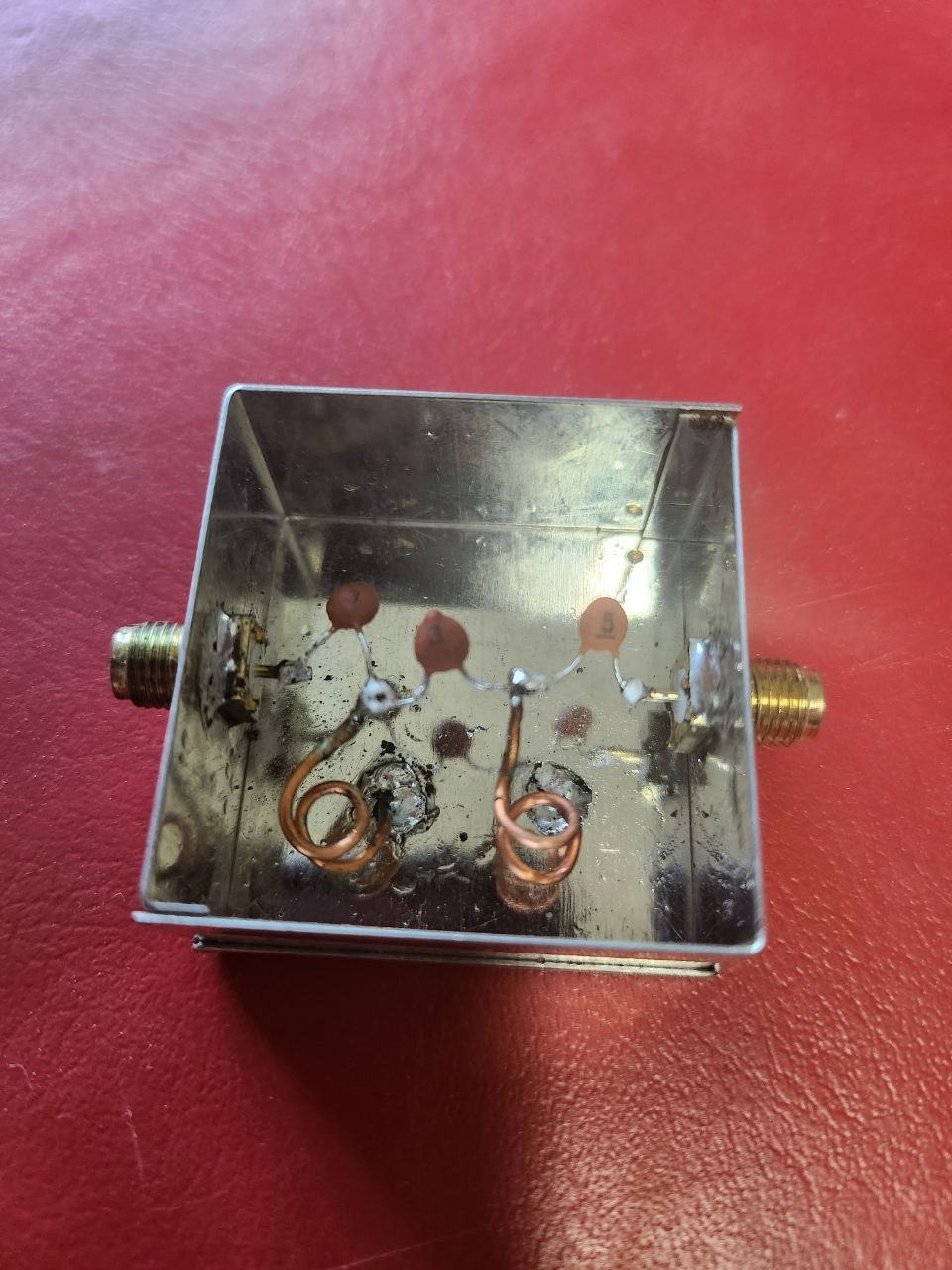
- Cozmo asked about expected packet counts for a fixed antenna, sharing a photo of their roof-mounted homemade QFH with a filtered LNA and Heltec V3 on 433 MHz. Stefan/OE6ISP responded that the QFH provides stable high-elevation reception but misses low passes, so packet counts are lower than with a groundplane. They noted that their station gets up to 2000 packets with Tianqi included, and advised blocking out-of-band satellites in autotune to increase counts, especially if a narrowband SAW filter in the LNA cuts off lower and higher frequencies. Later clarified that the Uputronics preamp has a narrow SAW filter, so blocking satellites outside its passband in autotune can significantly improve packet counts. Cozmo confirmed their passband starts around 425 MHz and that they already have 400 MHz blocked, but wished the filter covered 400–450 MHz. They suggested chaining a low-pass and high-pass filter to achieve that range. Stefan/OE6ISP agreed that a high-pass plus low-pass combination works well, sharing that a diamond diplexer serves as an effective high-pass filter on their station, cutting off around 380 MHz to mitigate local Tetra interference on 395 MHz. They also shared a photo of a simple 5th-order Chebyshev high-pass filter design with less than 1 dB insertion loss. 🔗
https://app.tinygs.com/station/OE6ISP_1@1760298214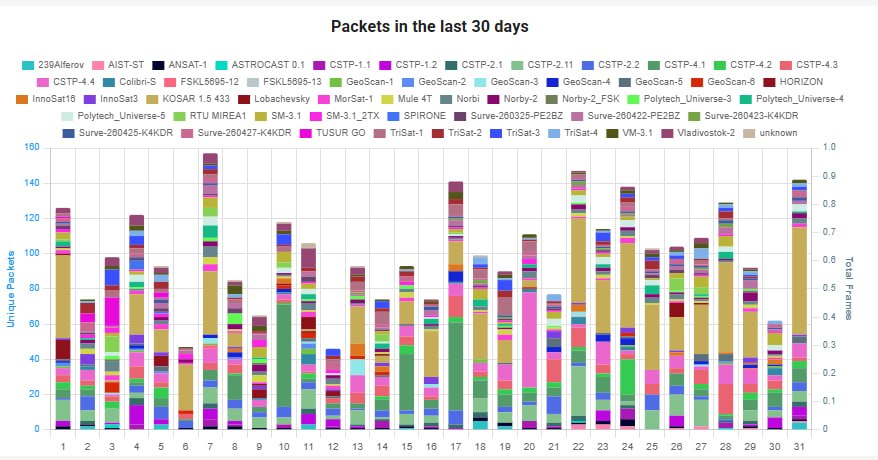
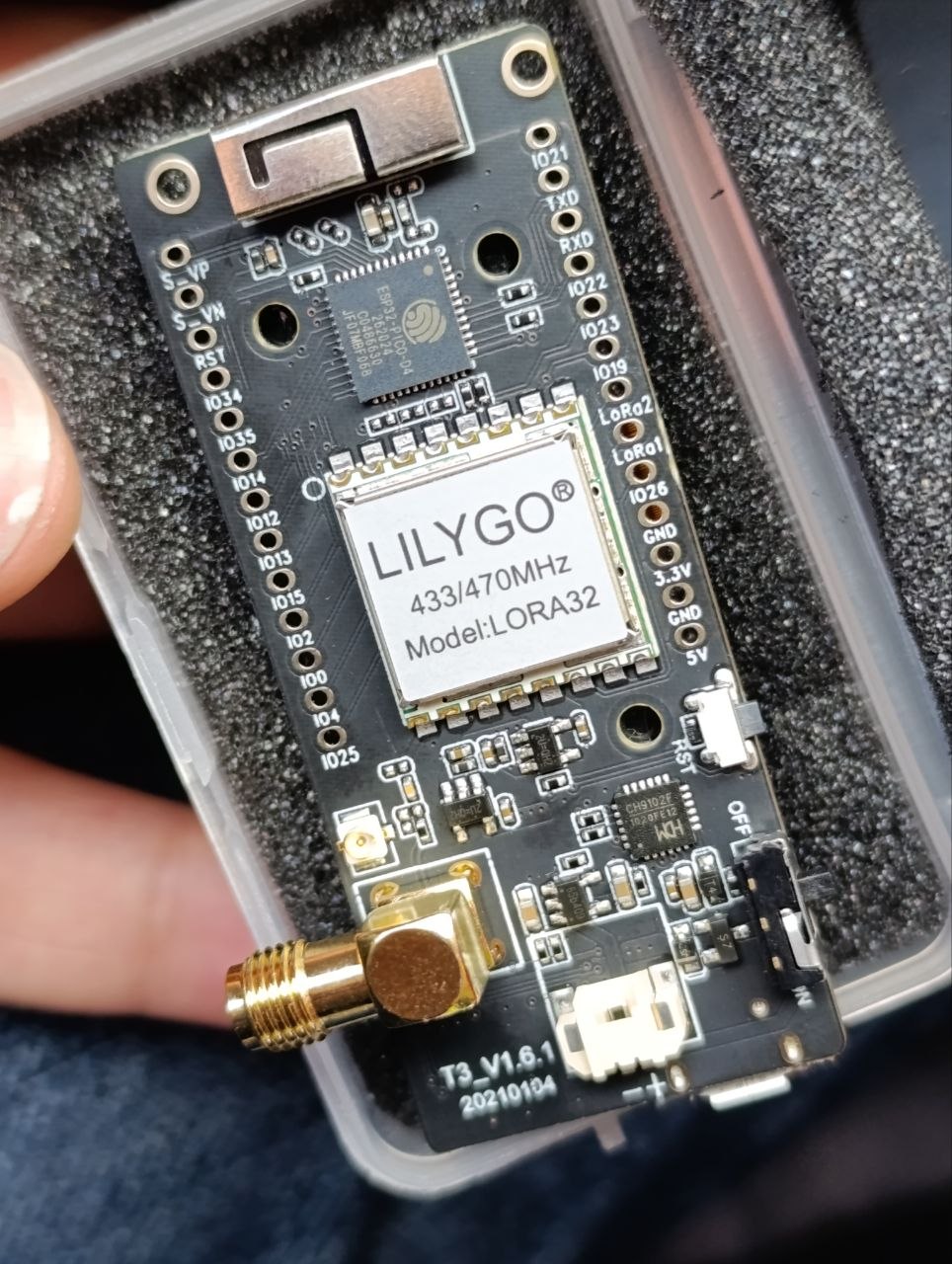
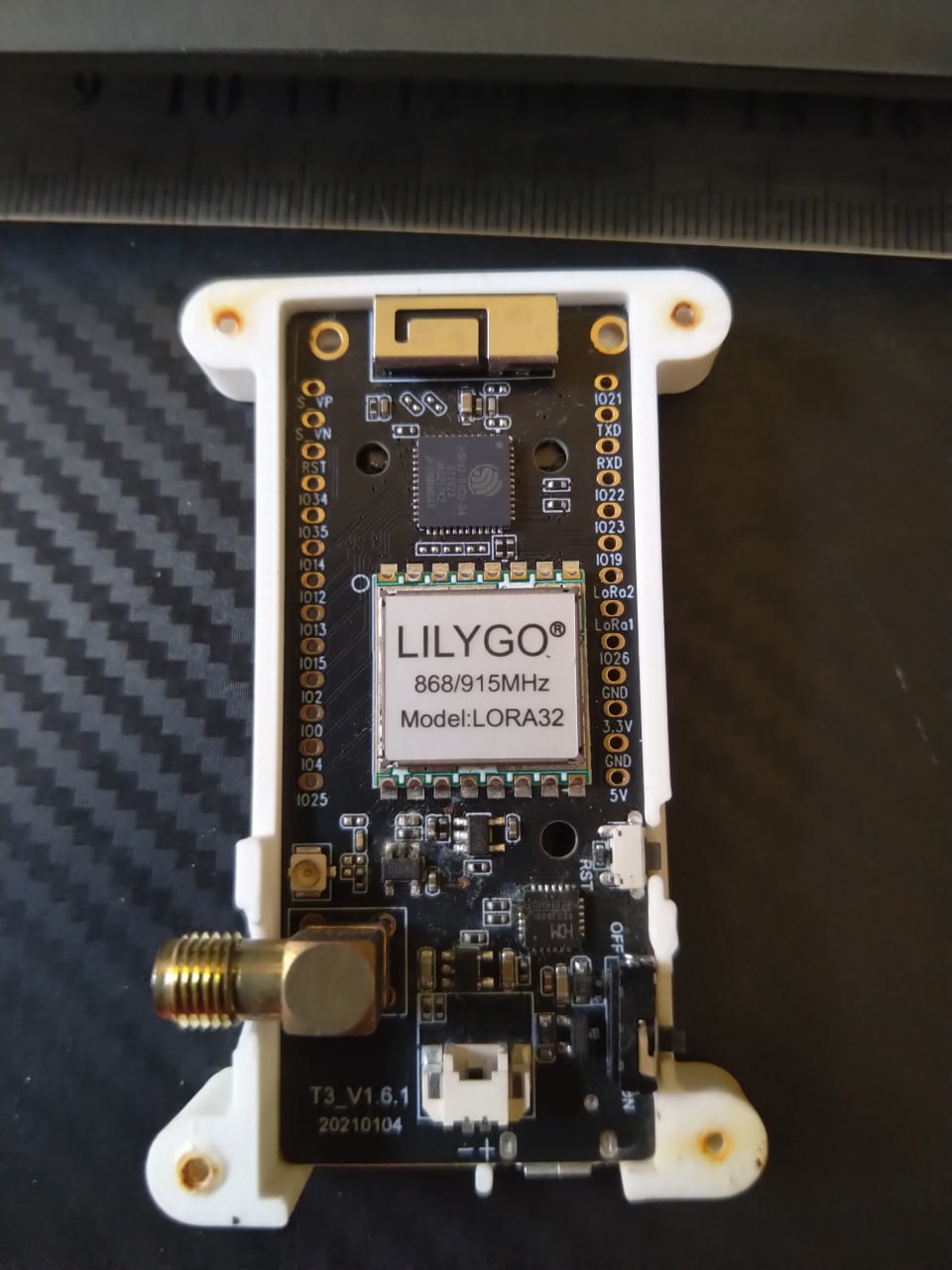
- W245567 reported difficulty receiving satellite packets with a homemade 1/4 wave ground plane antenna at 915 MHz, noting that the 400 MHz antenna from their Lora3 device did pick up some packets. They shared photos of their board and mentioned the chip is rated for 137 to 1020 MHz. Peter explained that Lilygo boards have built-in filters specific to their design frequency, which can be found on a sticker on the back of the board. He noted that while the chip supports a wide range, the board’s filters may limit operation to lower frequencies, and a different board version is needed for the upper 915 MHz range. Stefan/OE6ISP explained that 800 MHz satellites only transmit over Europe with weak signals, so without a preamp, reception is limited to 1-2 packets a few days a week under good conditions. He also noted that the stock antenna picks up terrestrial LoRaWAN traffic, not satellites. Peter later clarified that W245567’s board is the 433 MHz version, which will not work for 915 MHz reception. Stefan/OE6ISP confirmed that with the 433 MHz board, 915 MHz reception won’t work at all, and mentioned acquiring a rare 140 MHz board from Lilygo’s shop, curious how it will perform compared to the 433 MHz version. 🔗
https://lilygo.cc/en-us/products/lora3?srsltid=AfmBOoq_QZHfaKQ7Qw6oaDHMyPFN7pg5hoEFFJ8BVxYlE9rsBtt4nVRo
https://app.tinygs.com/station/OE6ISP_868_2@1760298214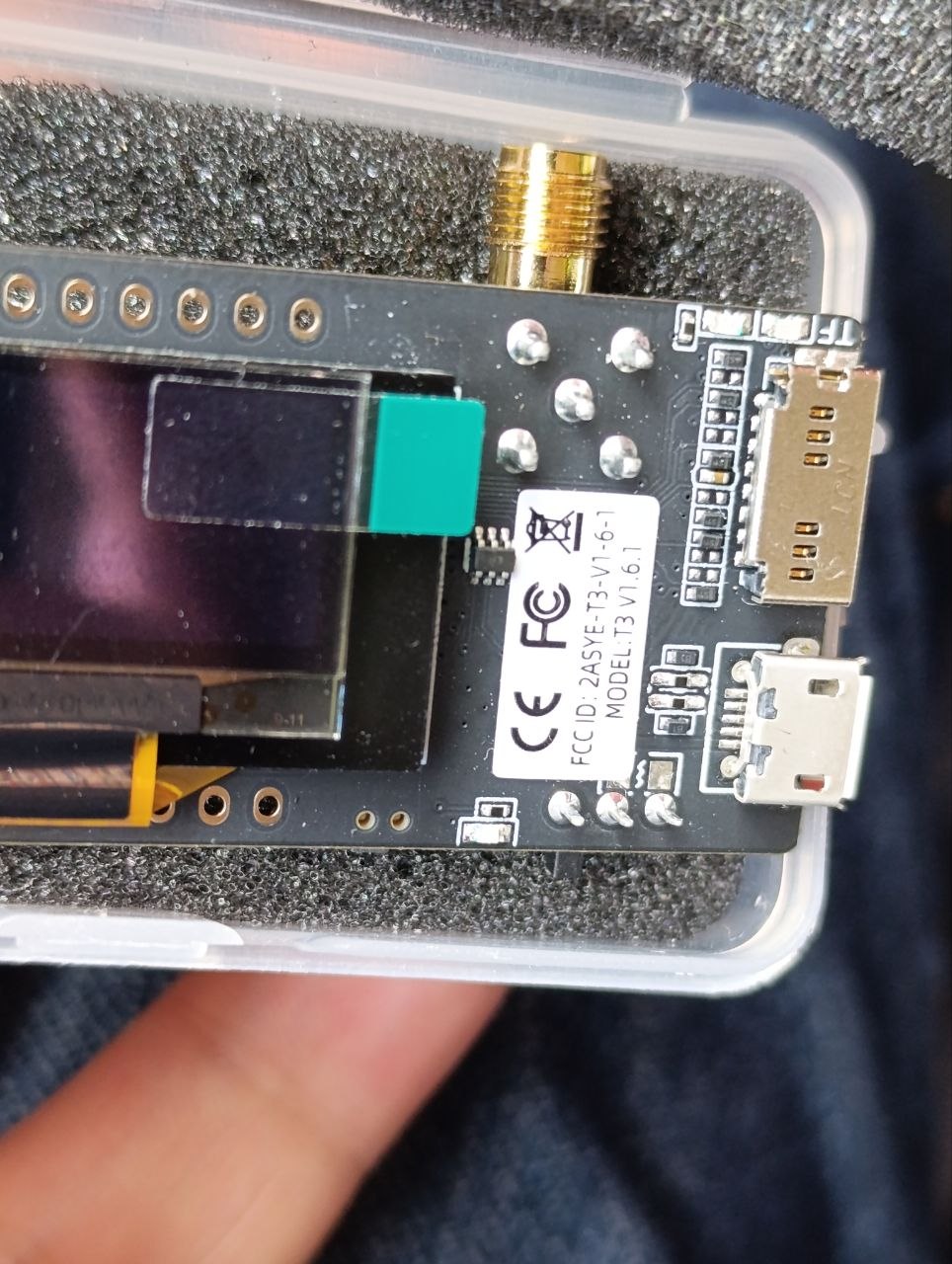
- holysmoke_pdx thanked Helmi for guidance and shared progress on defining a Node-Red flow that uses MQTT to pull TinyGS packets, parses the NORAD ID to look up position data from n2yo.com, and writes it to a local database for reporting and tracking. 🔗
- raffaello reported being unable to connect to their station after a few days offline, receiving a 404 error. G4lile0 explained that system architecture updates had changed the web URL format to app.tinygs.com/station/… and provided a corrected link for the affected station. The user confirmed the fix worked. 🔗
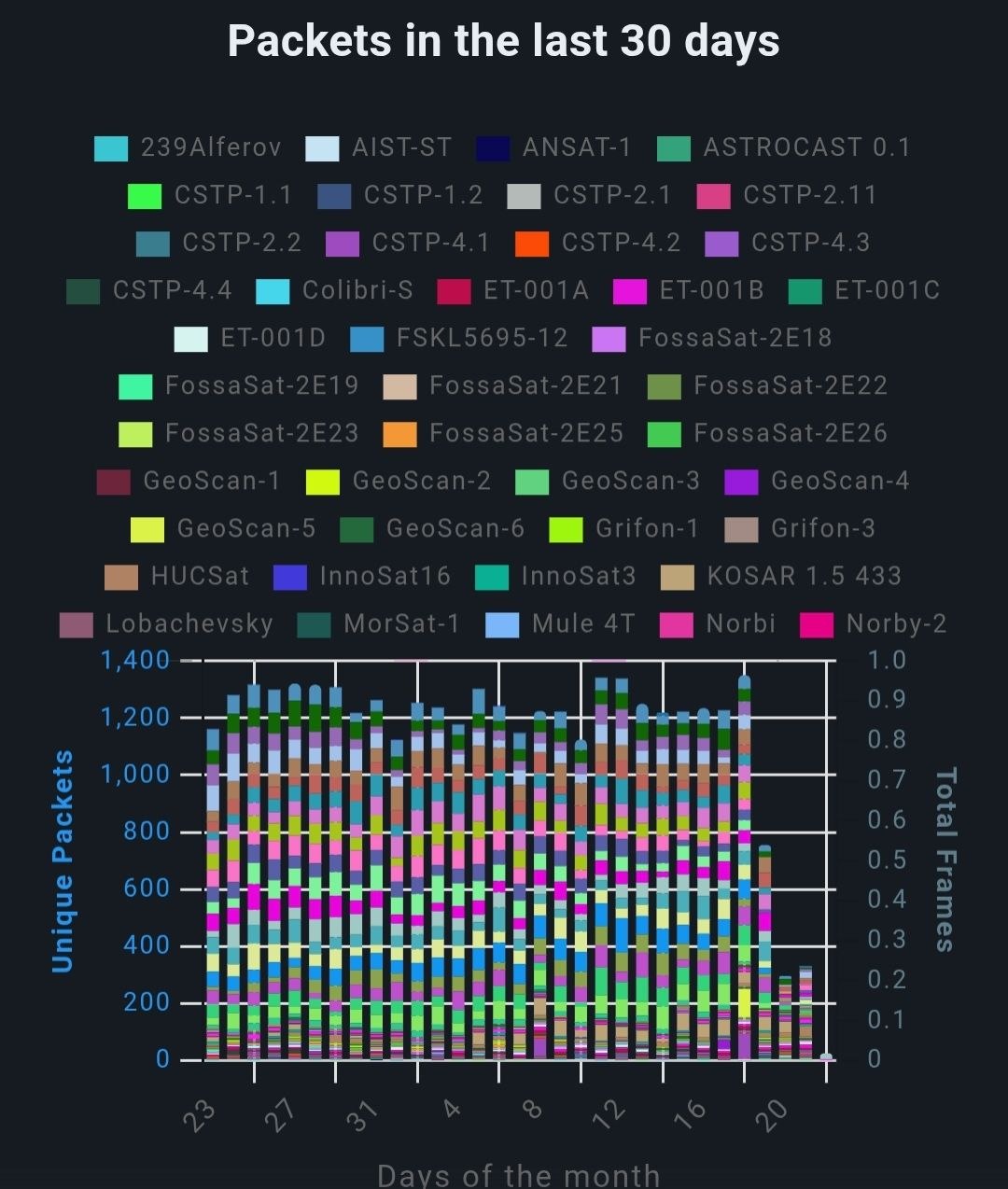
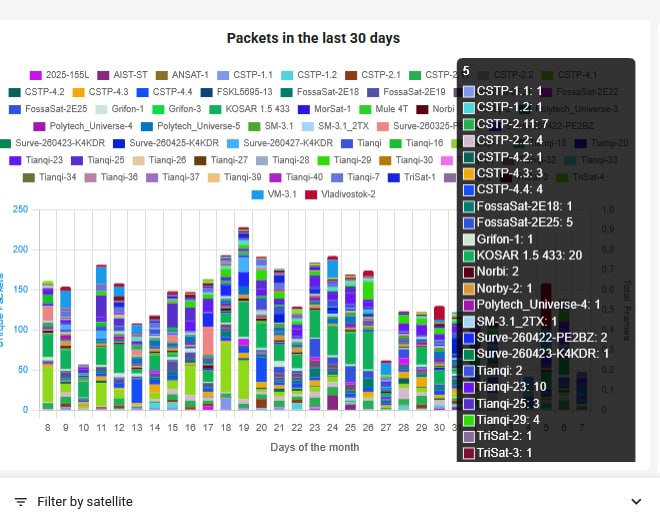
- Helmi reported a problem with the ‘Packets in the last 30 days’ diagram: when pointing to a specific day, only the first 23 satellites are displayed, not all received during the day, and mentioned that June 5th didn’t show VM-3.1 and Vladivostok-2. G4lile0 acknowledged the issue as a known UI limitation and confirmed it is on the to-do list for the next web release. 🔗
Antenna Building
- Cozmo asked for insights on what effect adding a reflector under a QFH antenna might have, while also mentioning they are building an eggbeater antenna but are waiting for parts to finish it—though the reflector for that build is already completed. Later shared a photo of their QFH antenna setup and discussed performance improvements after changing satellite type priorities to favor LoRa over FSK, achieving a personal record of over 160 packets. They debated the effectiveness of reflectors on QFH antennas and explored noise floor issues related to nearby solar panel installations. Stefan/OE6ISP explained that top-fed backfire resonant QFH antennas inherently radiate upward, making reflectors ineffective, and suggested that mounting the antenna closer to ground could reduce noise from surrounding stations. He recommended using a short vertically mounted 3-5 element Yagi as an alternative in noisy environments to overcome polarization mismatch losses. Cozmo expressed surprise at fixed Yagi setups but acknowledged their effectiveness when conditions align, discussing plans to minimize coax runs by using one fixed antenna for general monitoring and a rotator-mounted cubical quad for transmission. Stefan/OE6ISP shared their solution of placing multiple outdoor stations with WiFi connections and using diplexers to reduce cable runs. 🔗
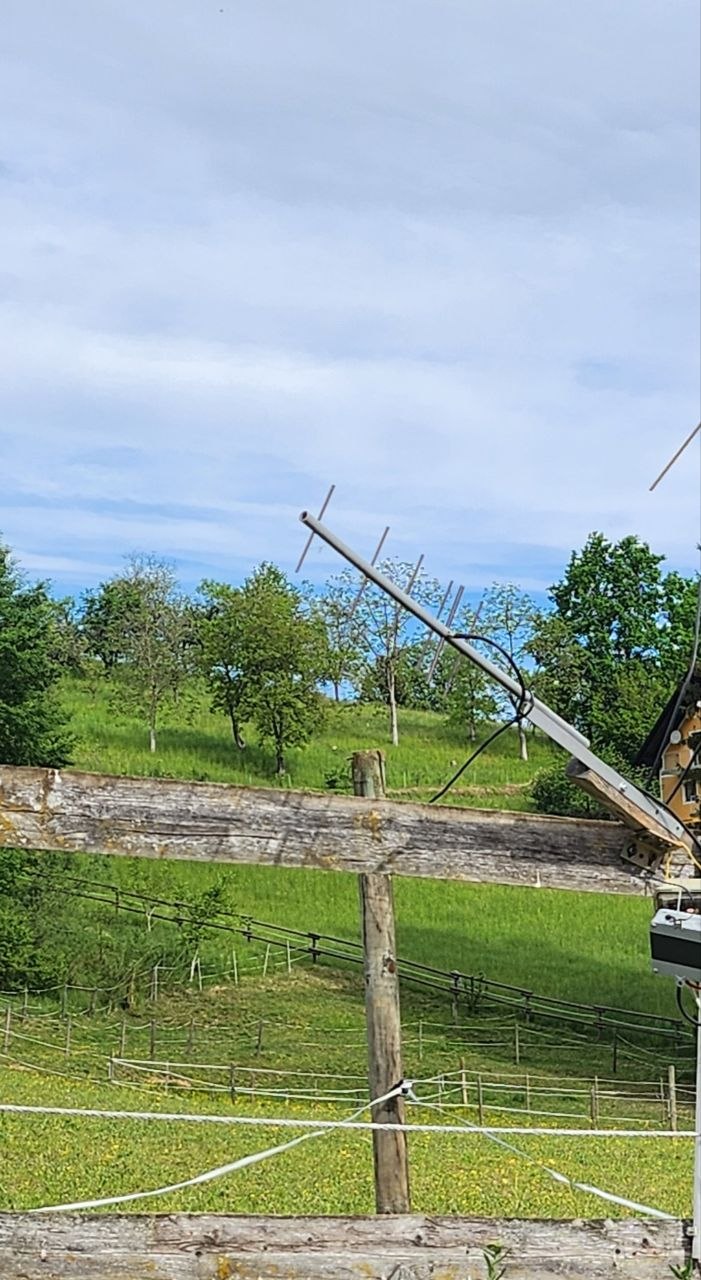
- Stefan/OE6ISP shared details on a recent J-pole antenna build for station #2, noting slightly better performance than a gamma-fed groundplane but significant tuning difficulties due to feed-line decoupling issues. After experimenting with chokes and cable length, a clean resonance at 423 MHz was achieved. The J-pole’s DC-shorted LNA input was highlighted as a benefit for reducing noise and static discharge risk. Cozmo asked whether an LNA is necessary if the antenna is placed right next to the radio. Stefan/OE6ISP responded that for maximum sensitivity with an omnidirectional antenna, an LNA is beneficial as it brings signals below the modem’s dynamic range to a decodable level, though this only works in low-noise environments. He noted that 500-1000 packets a day are possible without an LNA in a quiet setting. 🔗
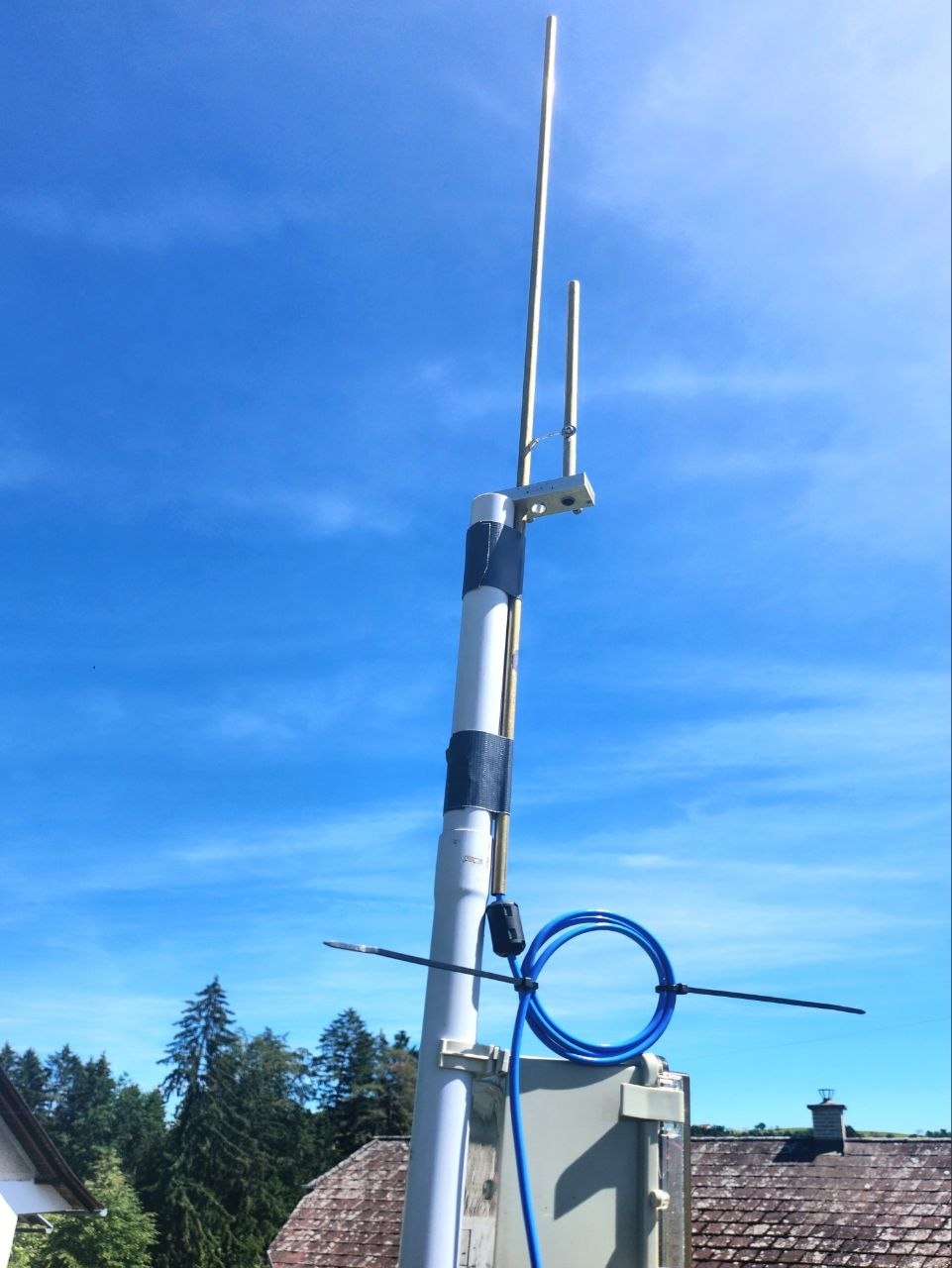
- W245567 asked for help building a 1/4 wave ground plane antenna for 915 MHz, as they were not receiving satellite packets with it. G4lile0 shared a link to the TinyGS BOM page where antenna cables can be found. 🔗
https://tinygs.com/tutorials/tinygs_bom/
New Satellites
- K4KDR alerted the community to watch for news and launch announcements about the upcoming ‘Tenkou 3’ satellite, currently being developed by Okuyama Lab. The ultra-compact satellite is planned to carry multiple missions, including the study of advanced space material degradation and amateur radio services using LoRa. Later announced that Ten-Koh 3 has received IARU coordination, noting its planned digipeater system using LoRa modulation on the downlink at 430 MHz with standard 1k2 AFSK packet uplink at 145 MHz. The satellite is expected to operate two days continuously every week starting one month after launch, potentially offering new uplink opportunities for the community. 🔗
https://iaru.amsat-uk.org/finished_detail.php?serialnum=992
Events
- Richard asked about available modules for the 137 MHz band, mentioning their 800–928 MHz unit would soon be deployed outdoors. Stefan/OE6ISP replied that TTGO boards for 140 MHz are available again from the LILYGO shop. 🔗
Featured Conversations
- A community member achieved a personal record of over 200 packets in a single day from KOSAR 1.5, after the satellite’s team in Iran regained control following months of disruption, reactivating reaction wheels and restoring attitude control.
- The community launched a new Tutorials Hub on the TinyGS website, inviting members to submit guides on antenna builds, configuration tricks, and troubleshooting fixes using a simple online editor.
- Antenna builders explored the effectiveness of reflectors on QFH antennas, with experienced operators explaining that top-fed backfire resonant designs inherently radiate upward, making reflectors ineffective, and recommending alternatives like vertically mounted Yagis in noisy environments.
- A developer is building a Python-based LoRa decoder capable of detecting signals down to -22 dB in simulation, prompting technical exchanges about the challenges of matching Semtech transceiver performance using standard SDR hardware.
- The upcoming Ten-Koh 3 satellite received IARU coordination, featuring a planned digipeater system with LoRa downlink at 430 MHz and standard packet uplink at 145 MHz, potentially opening new communication opportunities for the TinyGS network.
Latest Cubesats News

1 CubeSat will be deployed from “Kibo” Japanese Experiment Module on Friday, June 19th, 2026.
A CubeSat will be deployed from the Kibo module on the ISS on June 19, 2026, under the J-CUBE program. This program is a collaboration between JAXA and the University Space Engineering Consortium (UNISEC). The deployment will be broadcast live on the JAXA YouTube channel. The date and time are subject to change based on ISS schedule modifications.
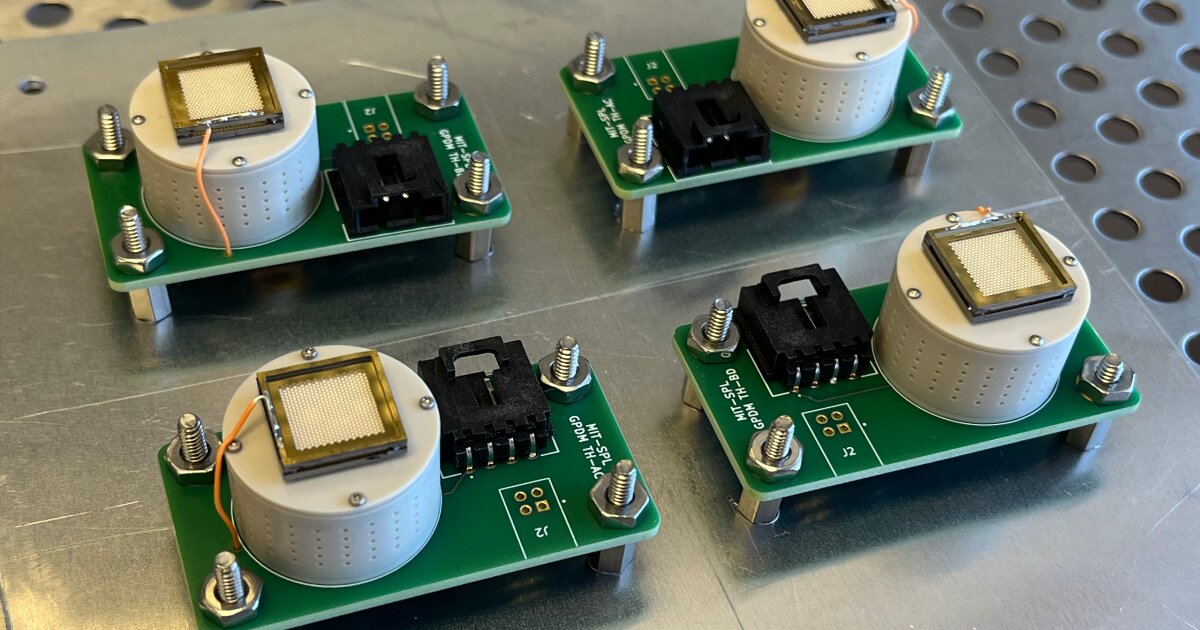
Thumbnail-sized thrusters could take CubeSats to Mars - New Atlas
MIT engineers have tested a hybrid propulsion system for CubeSats that uses a single fuel, ASCENT, for both chemical and electric thrusters. The system combines the rapid thrust of chemical rockets with the efficiency of electrospray thrusters. A CubeSat with this dual-mode propulsion could perform quick orbital maneuvers and long, gradual interplanetary voyages. NASA and MIT plan to launch a demonstration mission later this year, with potential applications including Mars exploration.
Sarawak Targets Aerospace Expertise by 2030 - Berita Harian
Sarawak aims to launch a CubeSat-based nano satellite by 2030 to support real-time geolocation, forest monitoring, maritime surveillance, and disaster management. Premier Abang Johari emphasized developing local expertise in aerospace, satellite engineering, and AI to prepare for a future innovation-driven economy. The state is building the Kuching AI Data Campus on 405 hectares to strengthen its digital ecosystem and attract global investment. Sarawak targets a GDP of RM282 billion by 2030 under its Post-COVID-19 Development Strategy, shifting from resource-based to knowledge-based economy.
What’s next
Join the TinyGS Telegram channel to participate in these discussions and contribute to the project. Your experiences and insights can help others build and improve their stations!