tinyGS
· TinyGS Community · 12 min read
Weekly Newsletter - July 19, 2026
This week, the TinyGS community celebrated a workshop at EMF Camp that brought 22 new members into the network, while technical discussions dug deep into board performance comparisons between Lilygo and Heltec V3, antenna optimization for different bands, and the nuances of decoding GMSK beacons from SX1262-based satellites. A detailed solar-powered station build also sparked practical advice on making remote setups fully self-sustaining.
Highlights
Events
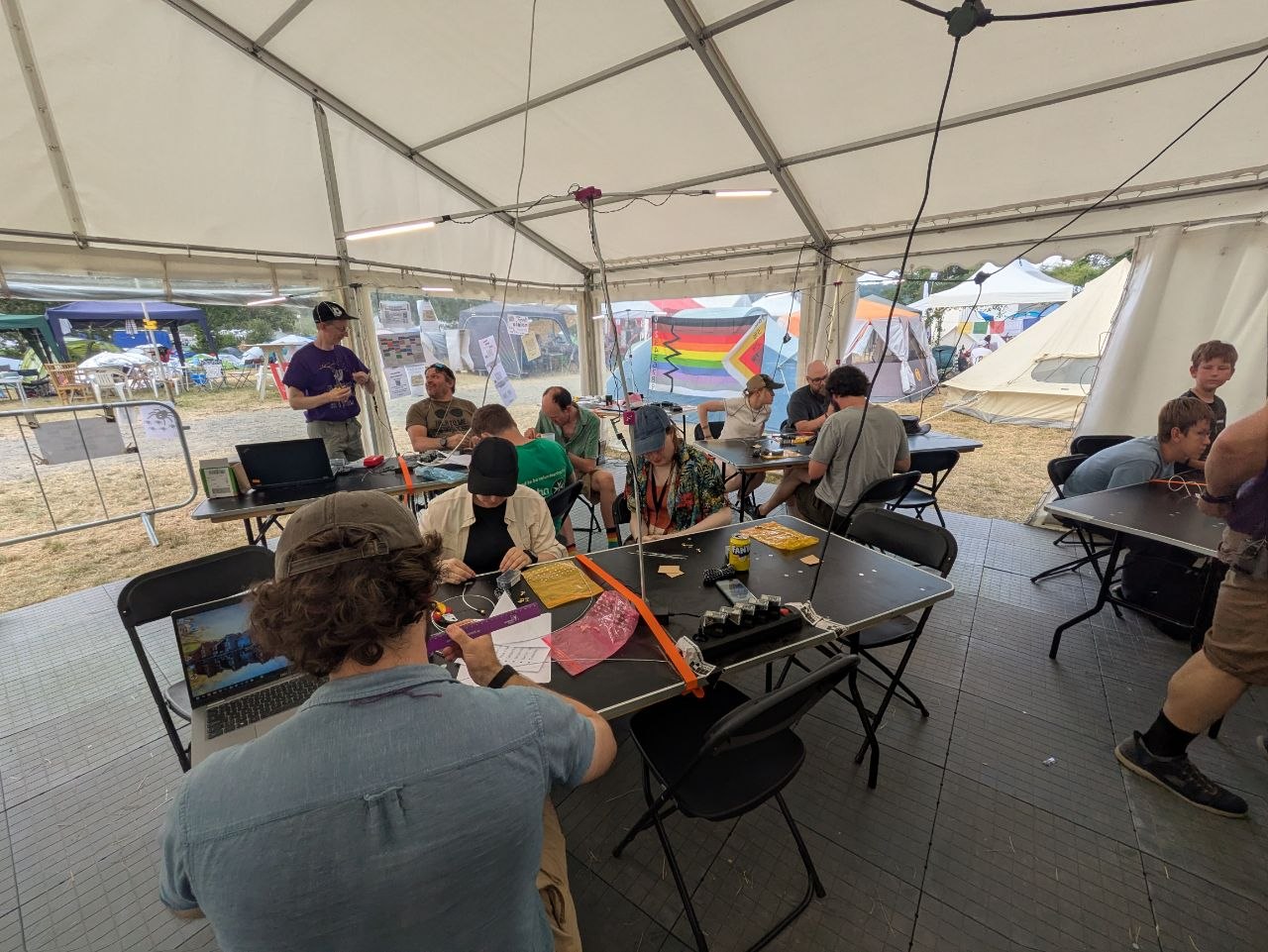
- tdr112 shared photos from a workshop at EMF Camp where 22 people joined the TinyGS network, marking a significant community outreach success. 🔗
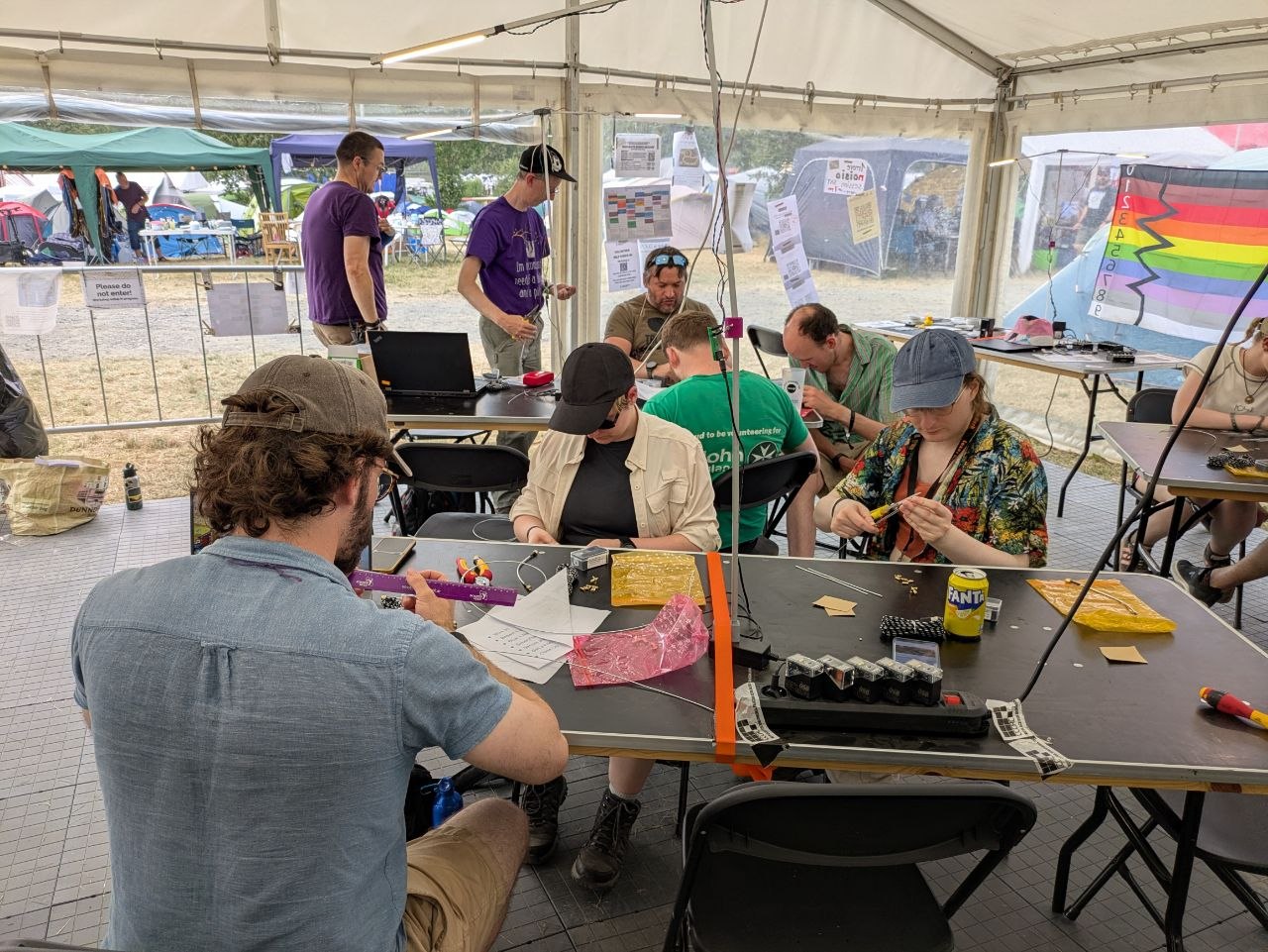
Antenna Building
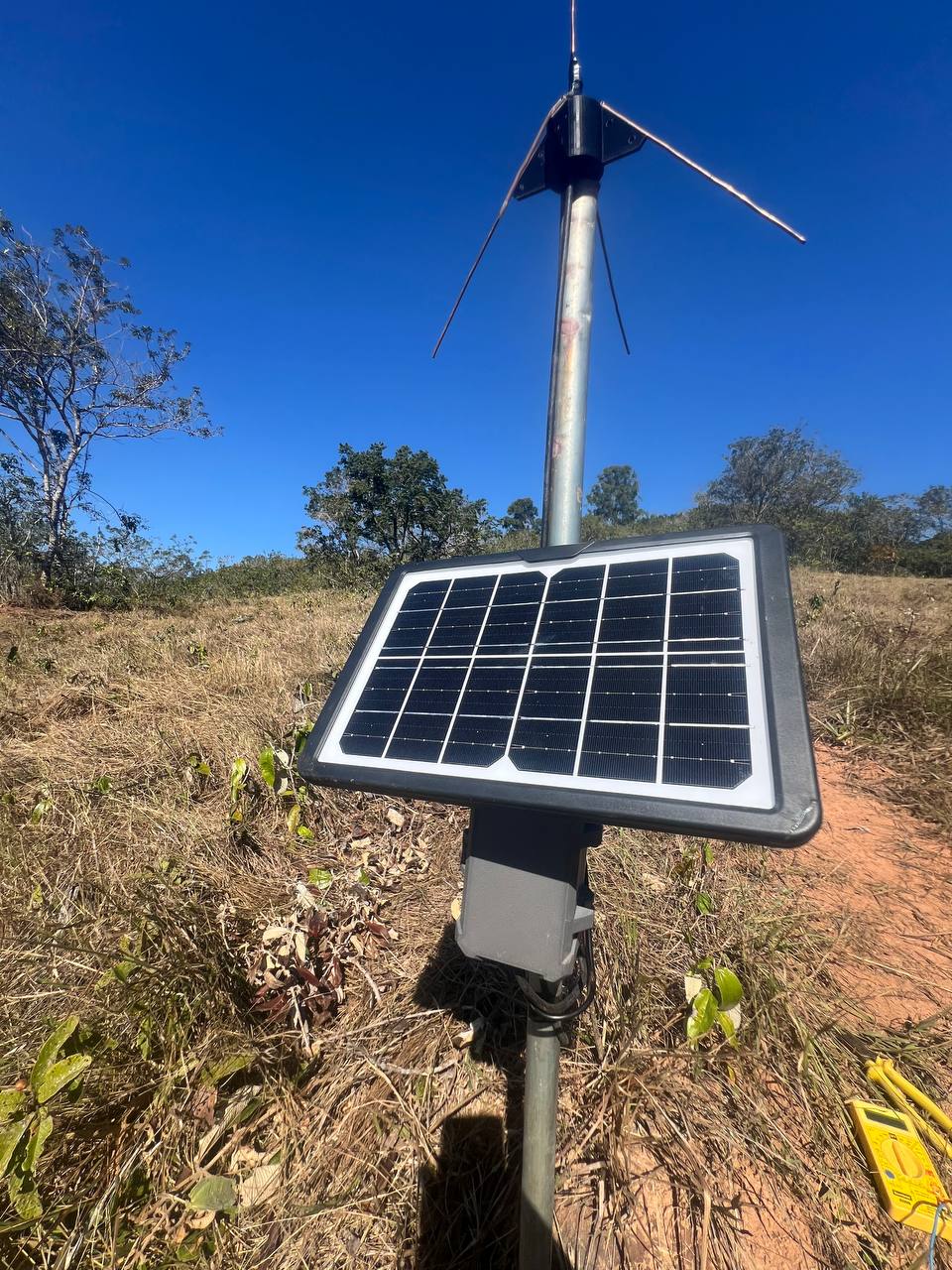
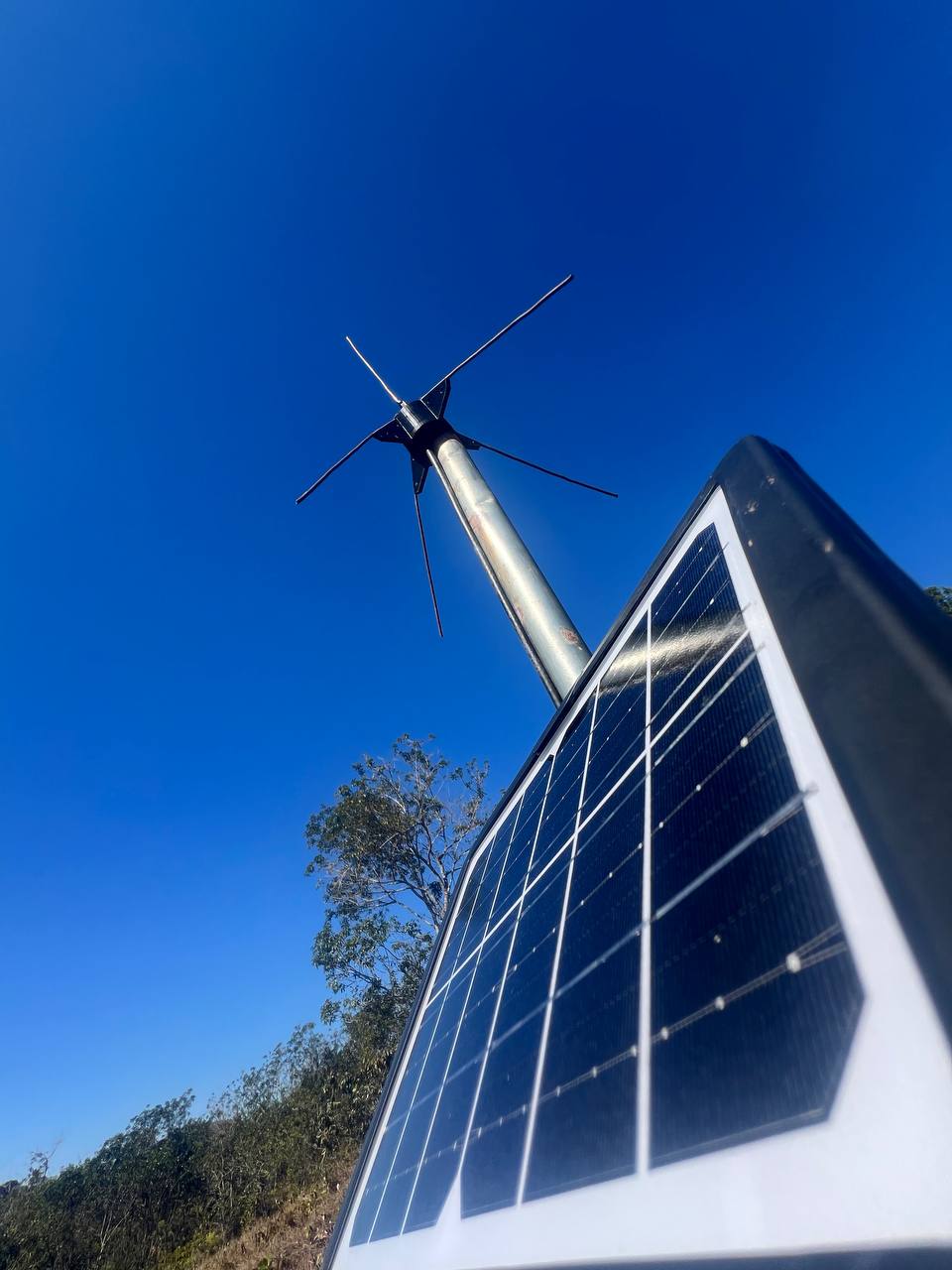
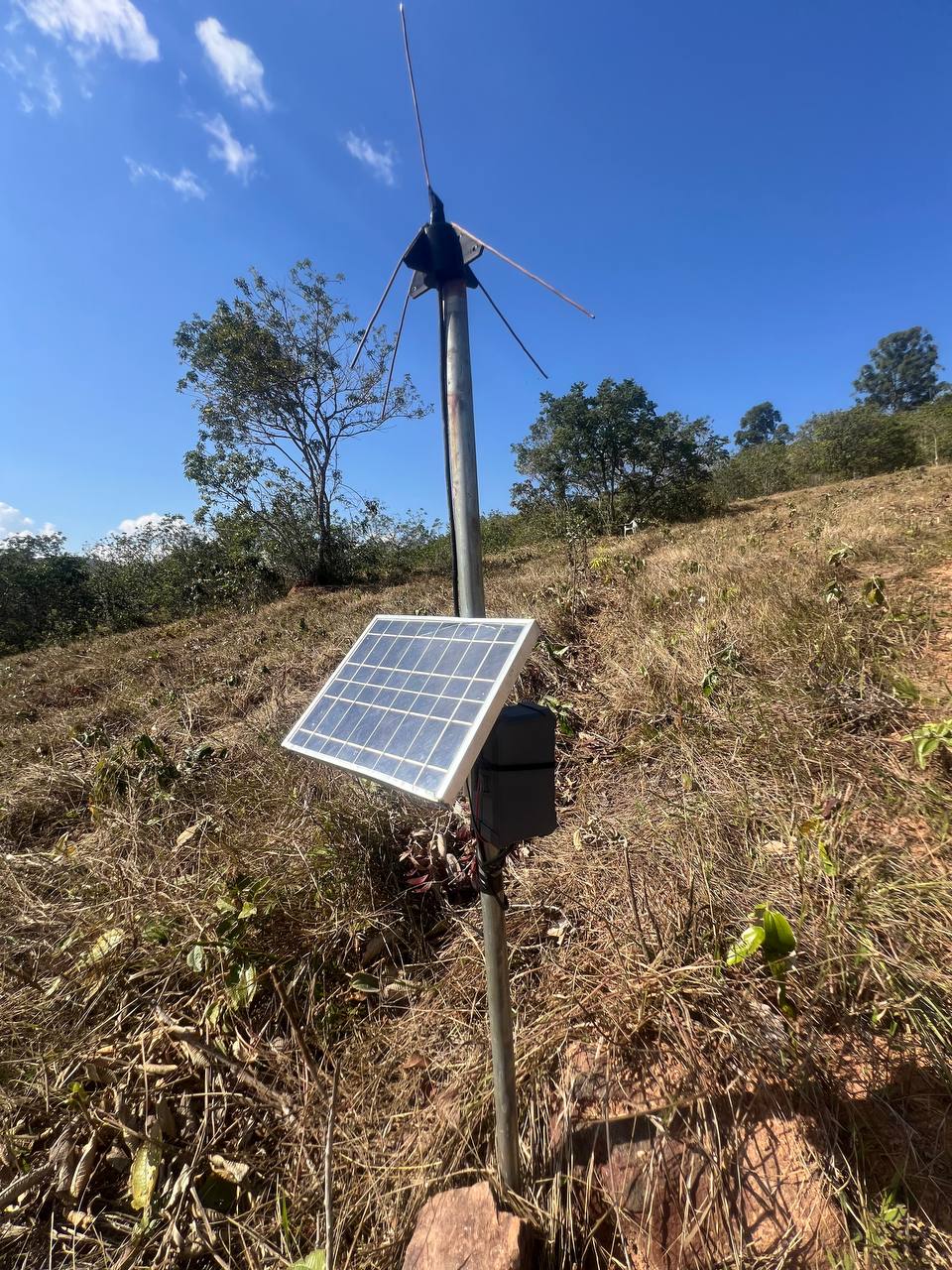
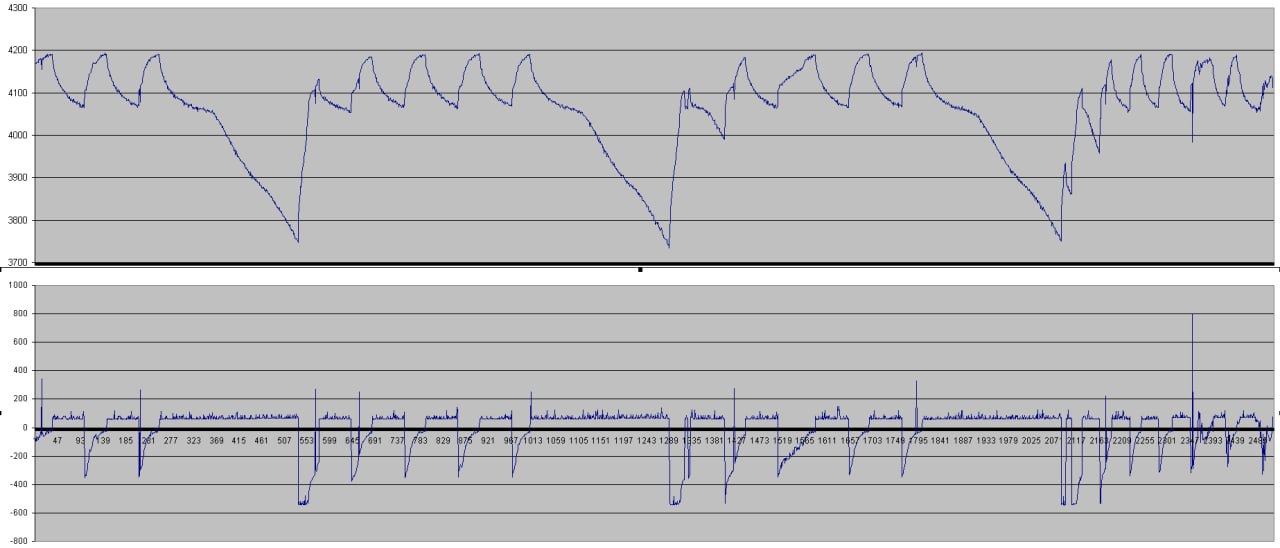
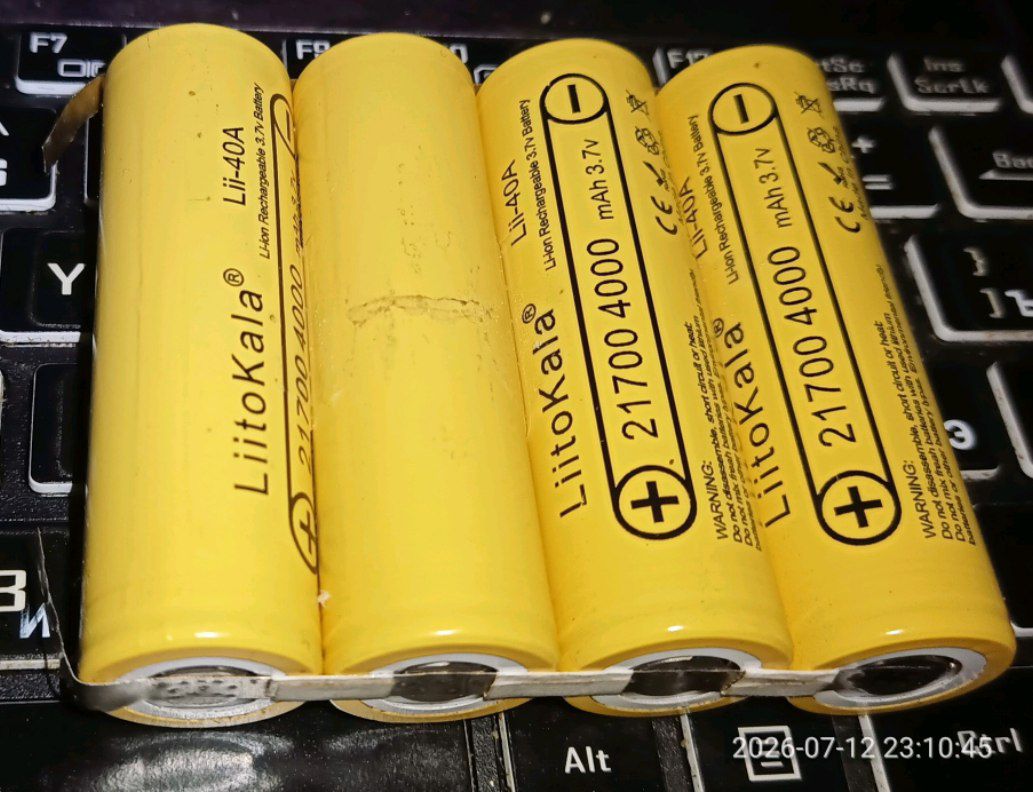
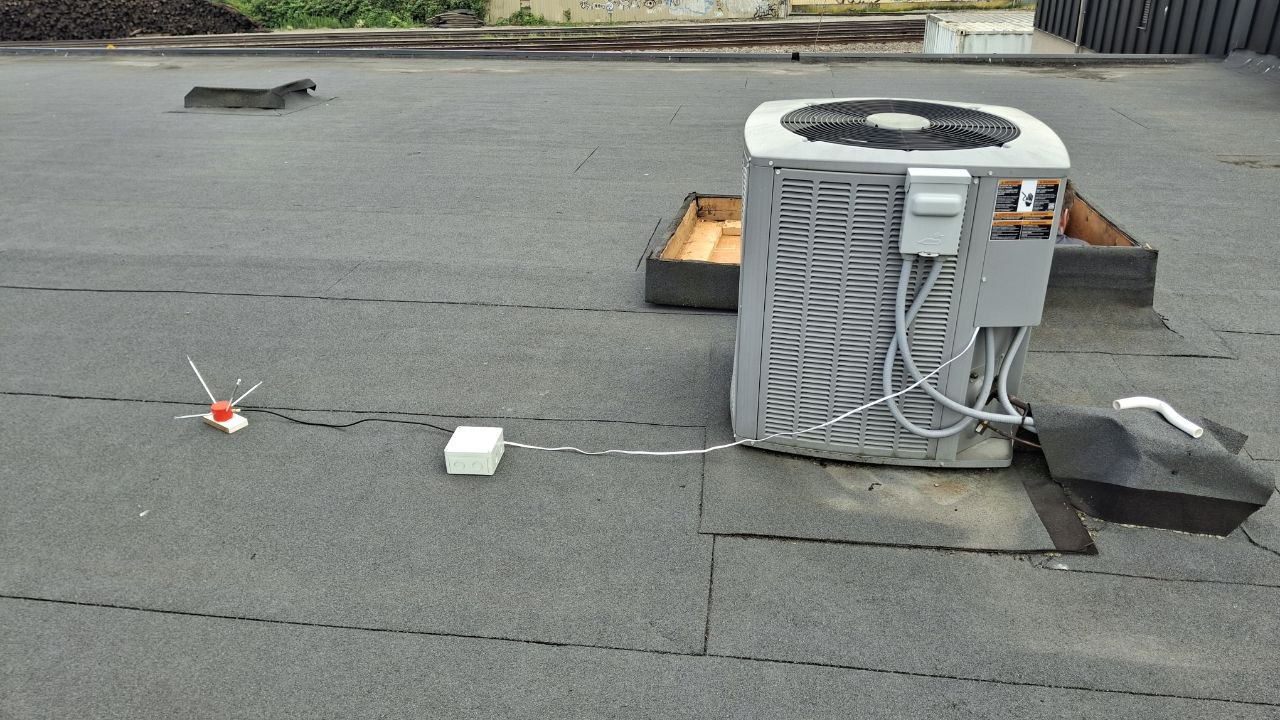
- KH1RU shared their solar-powered TinyGS station, YRISS1, featuring a remote Wi-Fi system, a 5W solar panel, a LoRa Ra-02 module, and a 6,000 mAh lithium battery. They explained the system consumes 70mA, giving 3.5 days of autonomy without sunlight, and that the 5W panel keeps it fully self-sustaining. After upgrading from a 1.2W panel that failed on cloudy days, the new setup now fully charges to 4.25V before noon, yielding 1,000 mAh on sunny days and 300 mAh during stormy weeks, leaving a surplus for the battery. 🔗
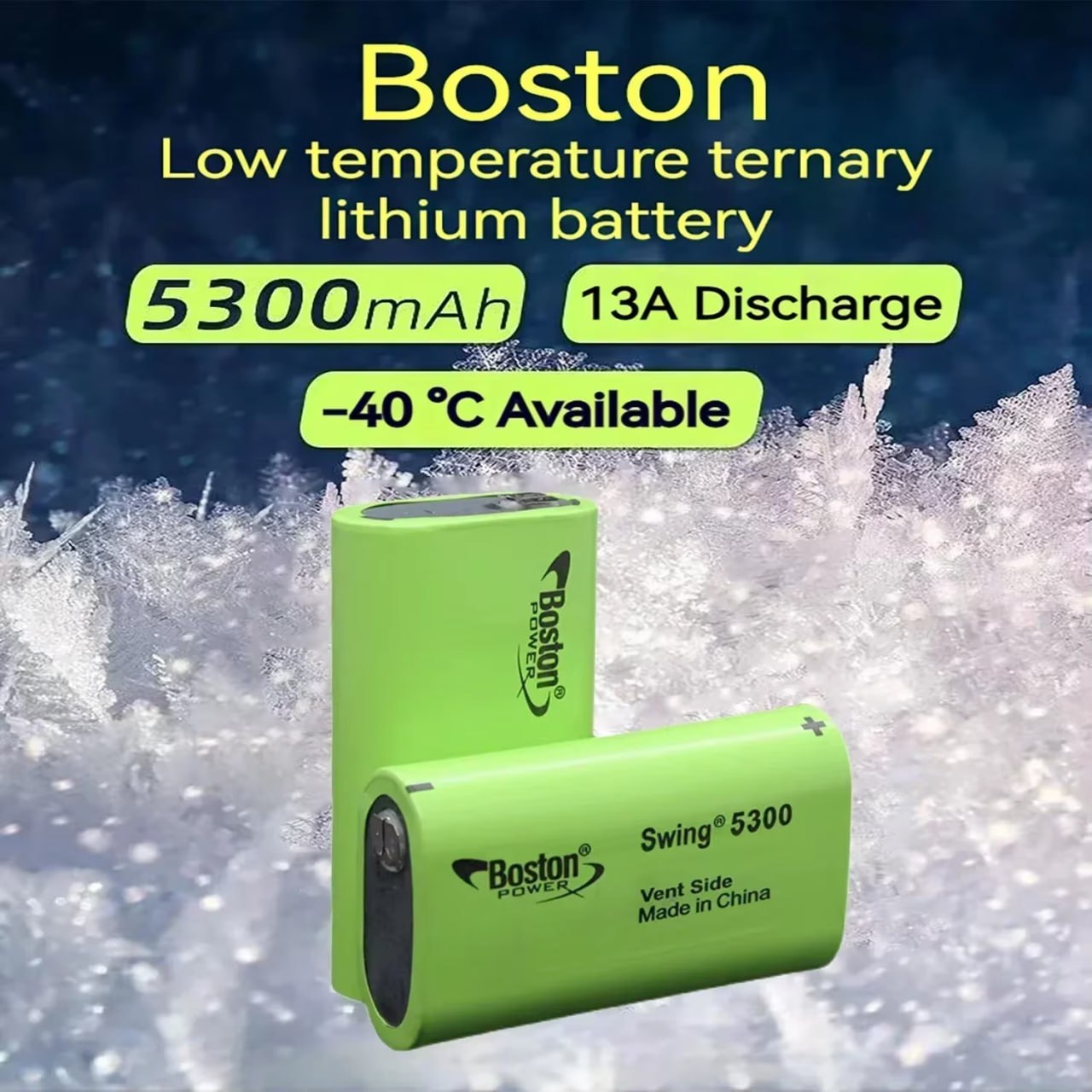
- megazaic questioned the long-term viability of the solar setup, asking how long it had been running and whether the panel was sufficient after several cloudy days. They noted that in colder, polar regions, more powerful panels and frost-resistant batteries are necessary, and shared their own preference for larger battery reserves. 🔗
Technical Problems
- anas_z15 asked if anyone is aware of SX1262 GMSK beacons being decoded by SatNOGS and mentioned trying to use GNU Radio for SDR-based decoding without success yet. Stefan/OE6ISP provided a comprehensive response explaining that decoding is possible with both SDR and SX1262, noting that he adapted an AX.100 decoder for SX1262 (available in beta 074). He detailed the key difference: SDRs work stream-oriented while SX1262 is byte-oriented, requiring fake sync words and fixed message lengths. He also mentioned writing a GMSK decoder in GNU Radio for SILVERSAT and offered to share his decoder if needed. Later, Stefan shared a video tutorial by Daniel Estevez on building a GMSK decoder with GNU Radio, recommending it as a good starting point. anas_z15 thanked Stefan and explained they had some success detecting the 16-bit preamble with the SX1262 but struggled to sync and extract the PDU correctly, asking for a reference flowgraph. 🔗
https://youtu.be/NWSYwvzEqM0?si=6B3PX6cuRrNAToPV - Matze asked about a Heltec V3.2 868 MHz board that was showing a high noise floor of -108 dBm with no reception, while a LilyGo T3 1.6.1 at the same location achieved -125 dBm and received 1-3 packets. The setup used turnstile antennas without filters or LNA. Stefan/OE6ISP responded that the 400/800 MHz setting is important for LilyGo to switch between SX128 and SX1276 chips, but for the Heltec it should be irrelevant as it always uses an SX1262. He noted that 800 MHz reception has higher inherent losses and suggested that impedance mismatches or cable lengths could be causing issues. He recommended using cable lengths that are multiples of lambda/4 and adding a 3 or 6 dB attenuator at the board input to reduce reflections and improve reproducibility. Later, Matze observed that on 434 MHz, a Lilygo board receives significantly more LoRa frames than a Heltec V3.2, though the Heltec can decode FSK signals which the Lilygo cannot. Stefan/OE6ISP theorized that the SX1262’s automatic tuning to both LoRa and FSK might miss weaker LoRa packets while attempting FSK decoding, which requires stronger signals. He suggested blocking FSK satellites in priority settings for a fair comparison and emphasized the importance of using even multiples of λ/4 for antenna feed lines, accounting for the cable’s velocity factor. 🔗
- Flynn reported trouble logging into the TinyGS app, experiencing an endless loading wheel, and later shared a workaround by directly navigating to the station page URL. Paul confirmed the login issue and mentioned it had been ongoing for over an hour. Stefan/OE6ISP noted the problem was related to the login page, as stations could be accessed via the left menu but not through the profile, and later confirmed access was restored. gmag11 advised opening the home page first before the app URL as a potential fix. 🔗
https://app.tinygs.com/station/@
- IU1VDD_Tony asked about discrepancies in the reception timeline preview, noting that sometimes no satellites appear for hours but telemetry packets are still received and confirmed. Helmi explained that Starlink and Spacebee satellites are not shown in the timeline preview—only Mauve, Wisdom, and Wren are listed. If those aren’t in the reception window, TinyGS automatically looks for additional satellites like the Starlinks. Helmi also provided the list of available commands accessible from the dashboard after a firmware restart. 🔗
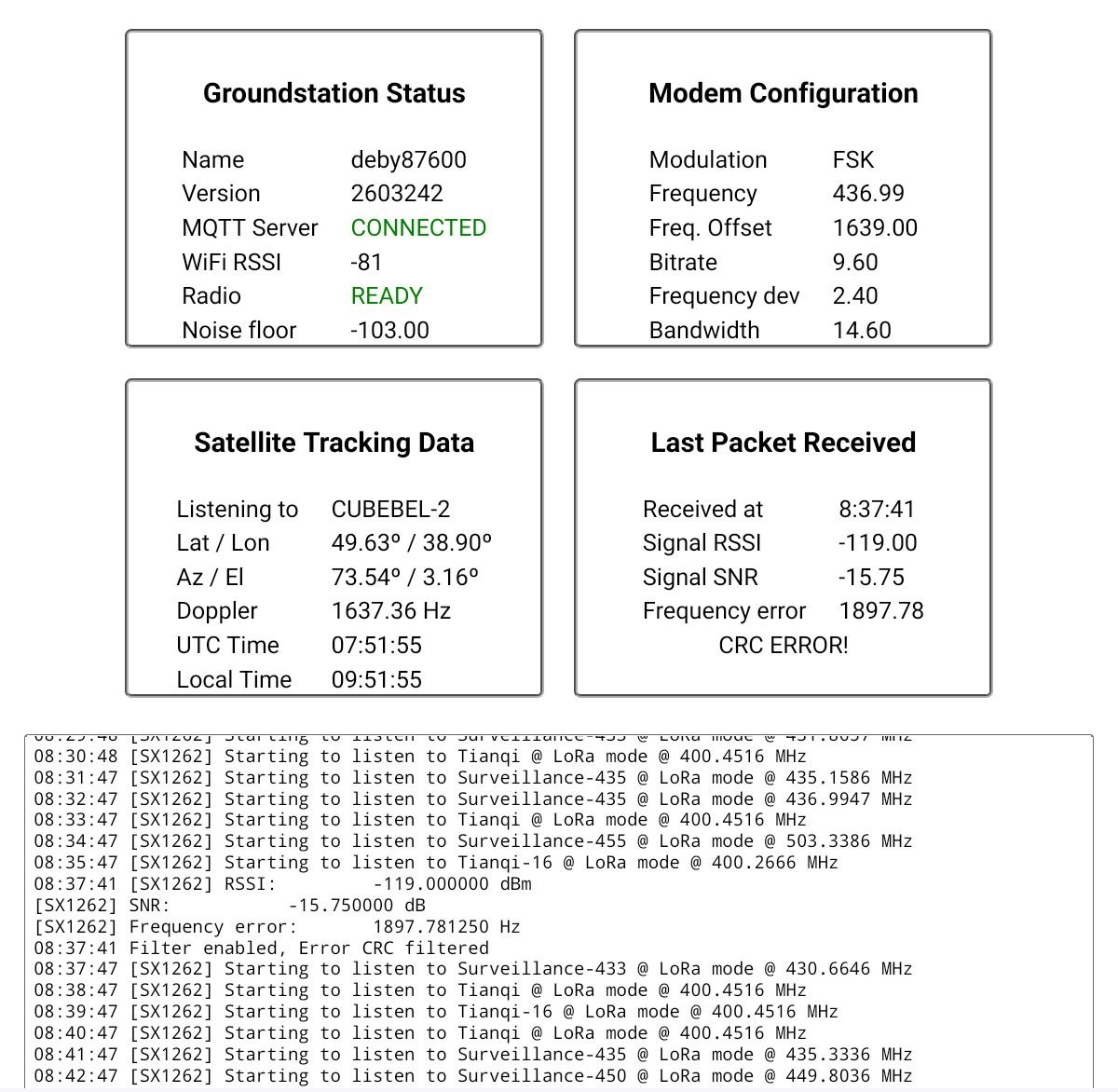
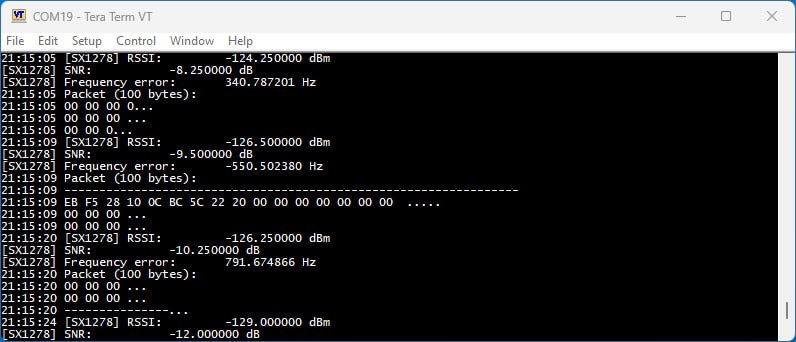
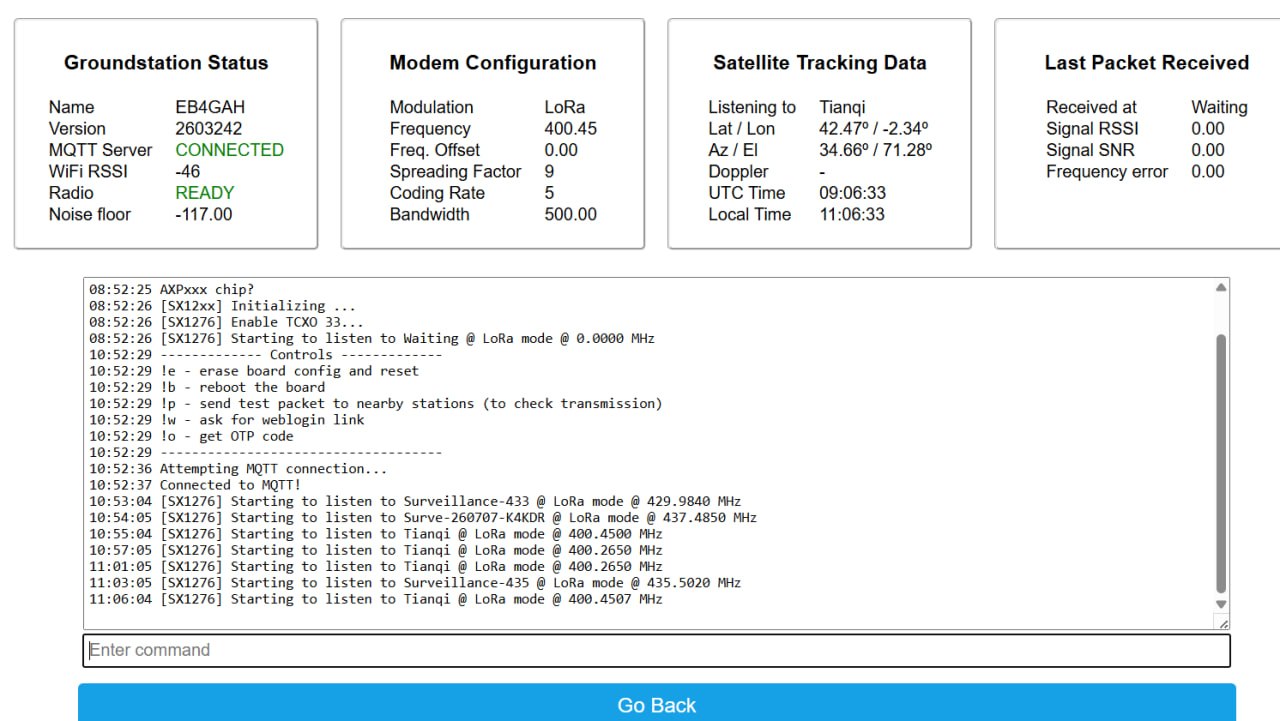
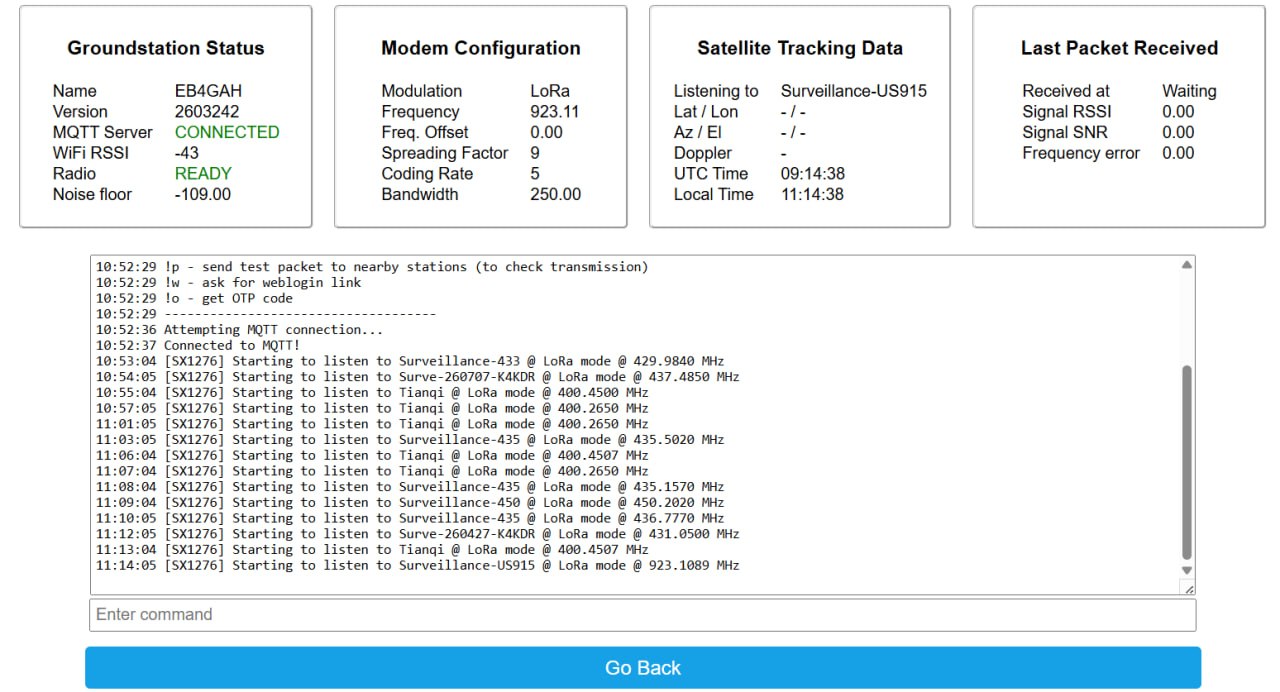
- XE3JCL reported a station experiencing a one-hour gap with no packets, followed by sporadic reception with long intervals between captures. They shared a log showing the station cycling through listening frequencies for Tianqi and Grifon-3, with a high frequency error and CRC filtering enabled. 🔗
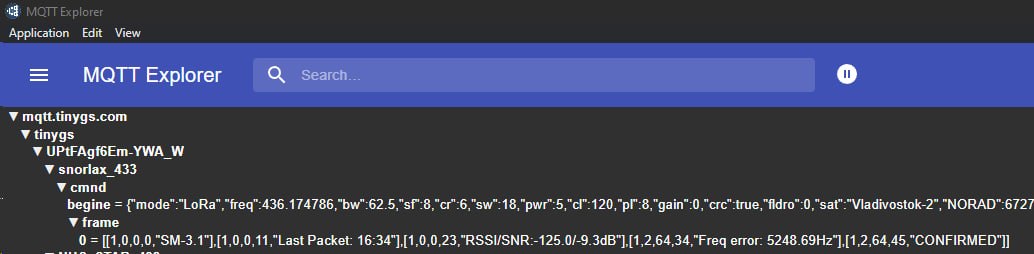
- anas_z15 noticed that the hardware serial interface does not print full packet contents, unlike the web serial. Helmi initially suggested using the MQTT server for full data, but later clarified that the standard MQTT topics do not contain raw data either. Stefan/OE6ISP proposed logging data via the USB port using Log::Debug() as an effective method, pointing to a specific point in Radio.cpp where data is written to MQTT for extraction before or after descrambling. The conversation ended with a suggestion that this could be a feature for the next major version. 🔗
Share your setup
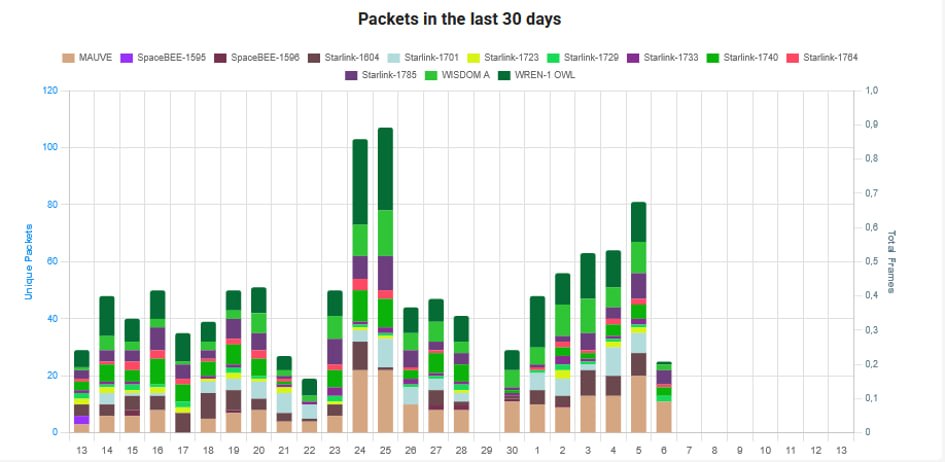
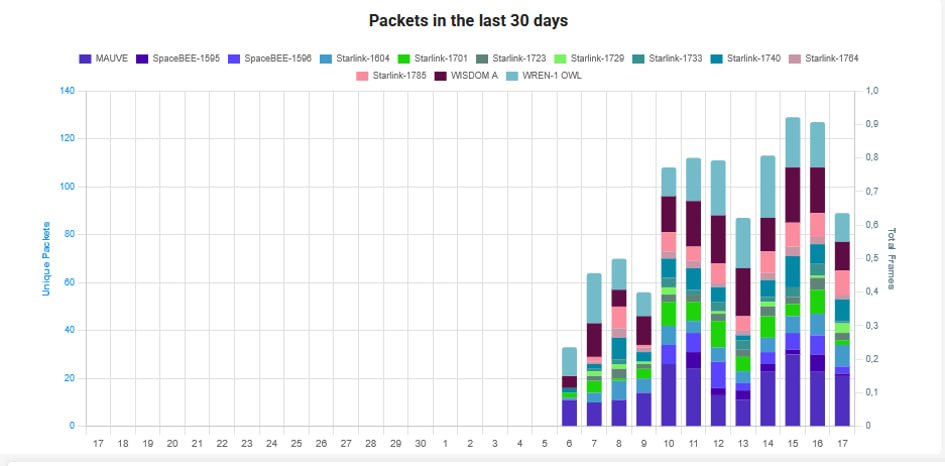
- Matze shared their station setup, inspired by Stefan/OE6ISP. They ordered a 144 MHz board from China and showed the reception statistics. With a 434 MHz board and a NOAA LNA, they achieved good results, and after adding the new 144 MHz board, the statistics improved further. Their stations run under the name Terra_Orion and are receive-only, as they are not a licensed radio amateur. The setup is located under a roof with limited eastern visibility. 🔗
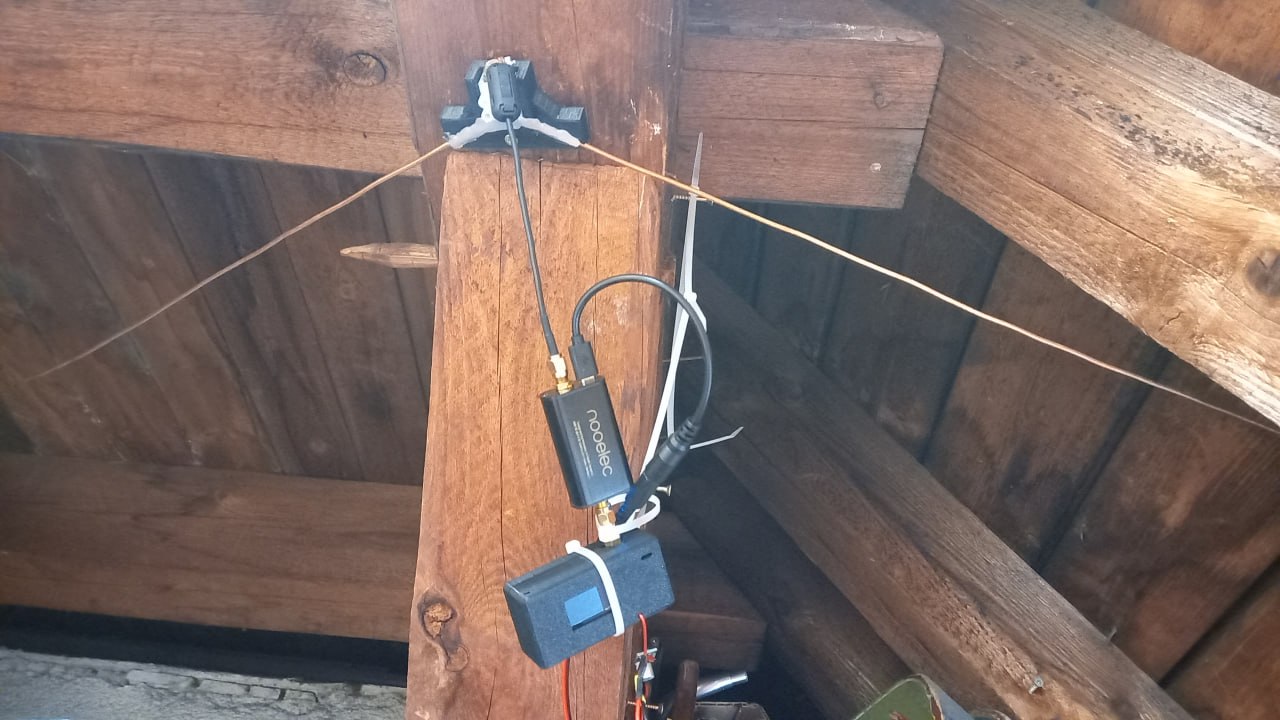
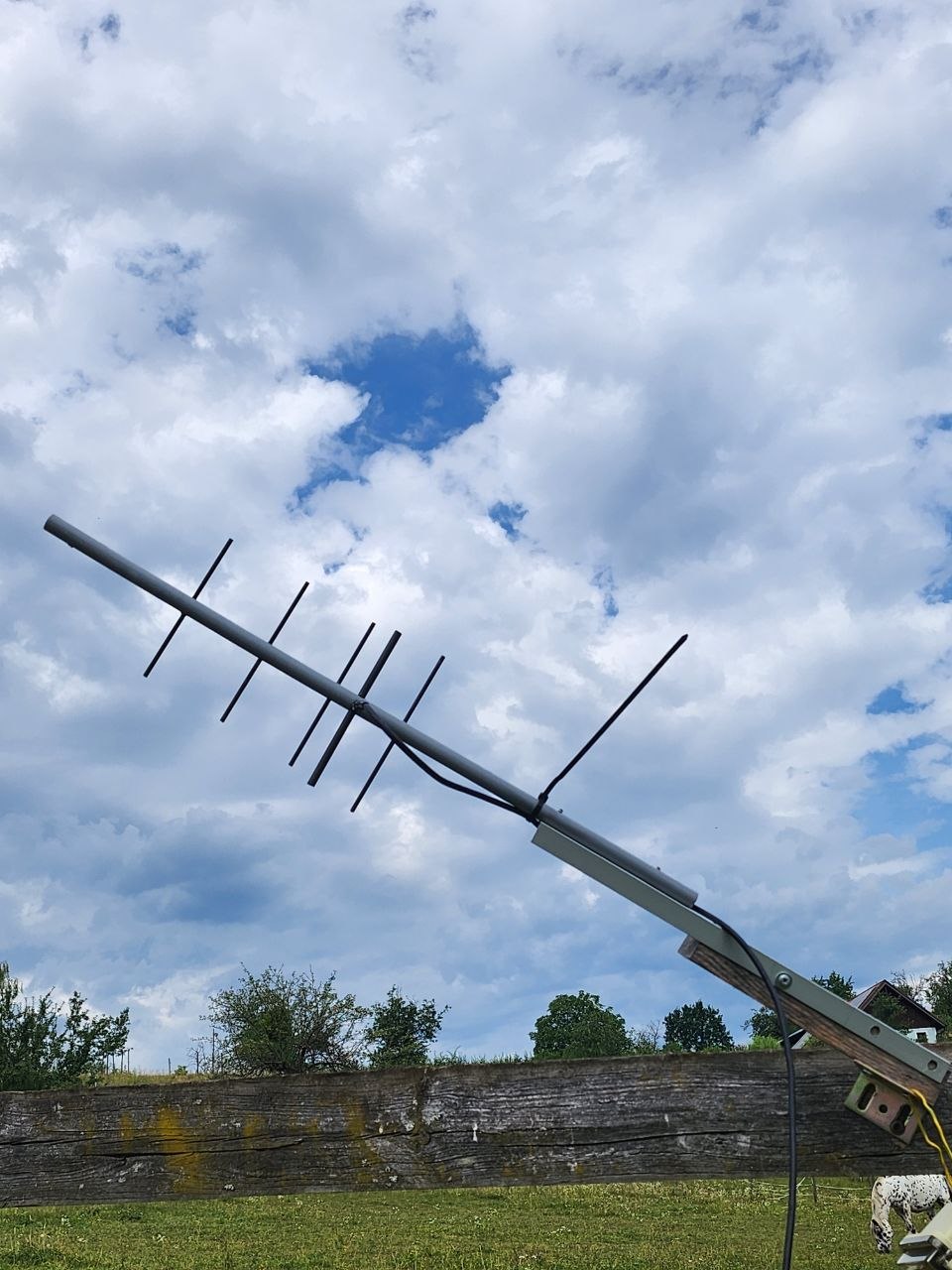
- Crispywaffle42 shared a photo of their UHF station named ESPSTATION_433. 🔗
General
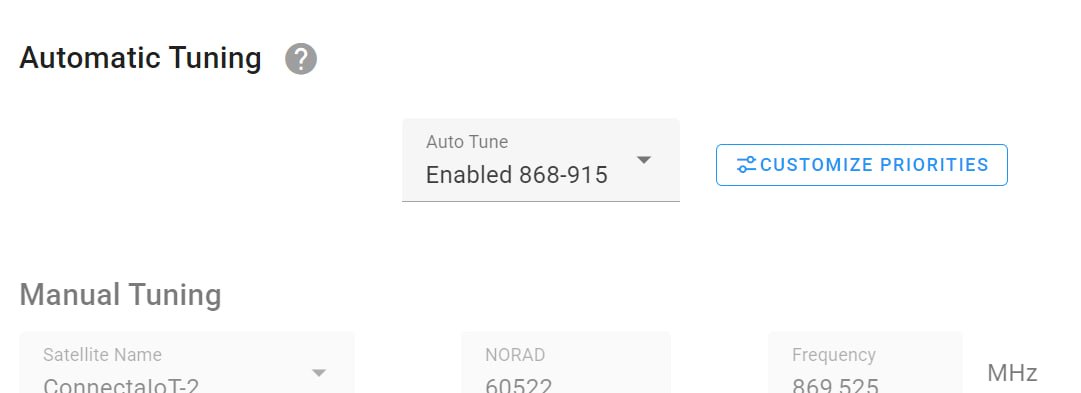
- El_2t0r shared their experience setting up a Lilygo T3 V1.6.1 board for the first time. After flashing the firmware, the display remained black and the board initially showed a 433 MHz frequency instead of the expected 868 MHz. With guidance from Stefan/OE6ISP, they selected the correct board in the local console configuration menu, which solved the display issue. They then adjusted the frequency settings via the TinyGS web interface and enabled autotune for the 800/900 MHz band. The conversation also covered antenna expectations for receiving ConnectIoT satellites in Spain, noting that omnidirectional antennas typically catch fewer than 10 packets per week, while a directional antenna with an LNA can yield around 5 packets per day. 🔗
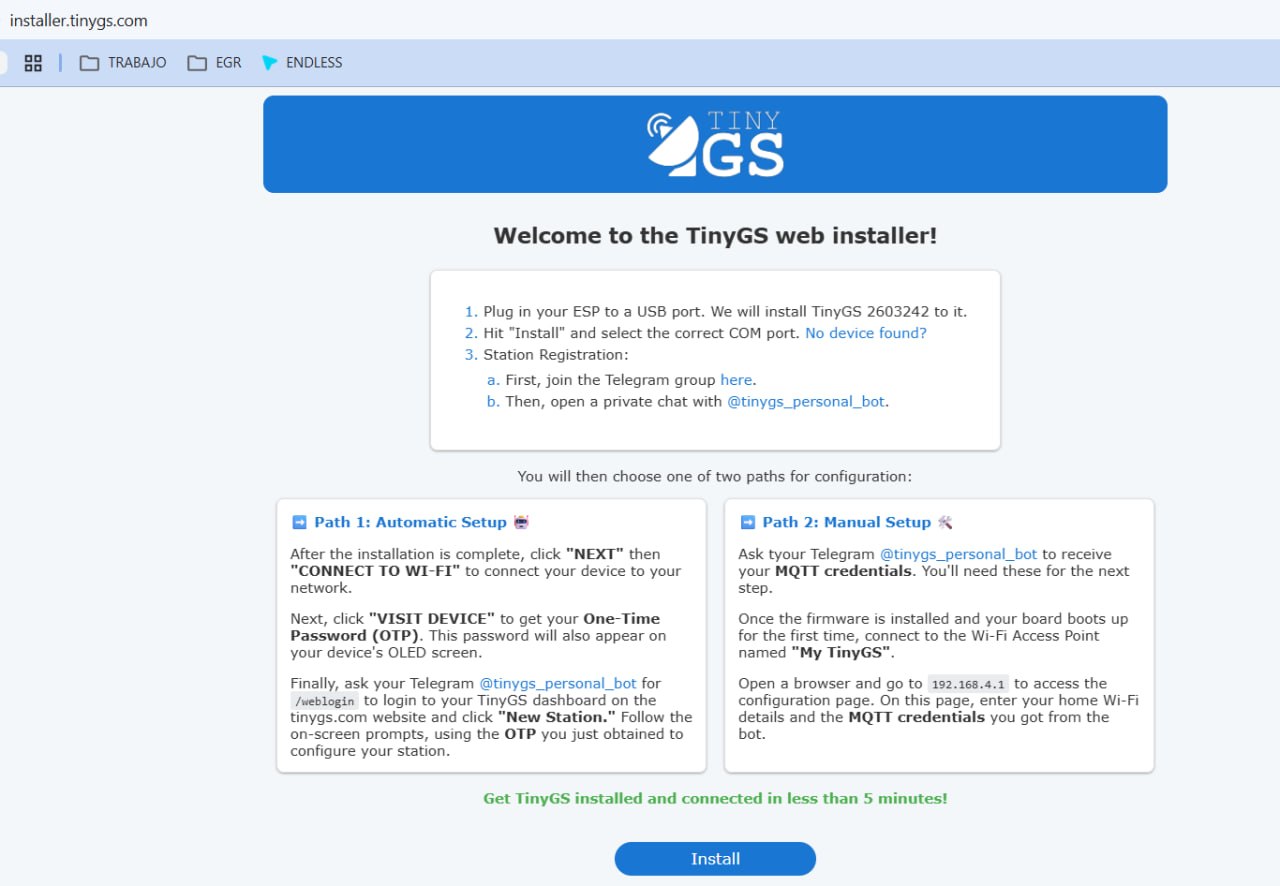
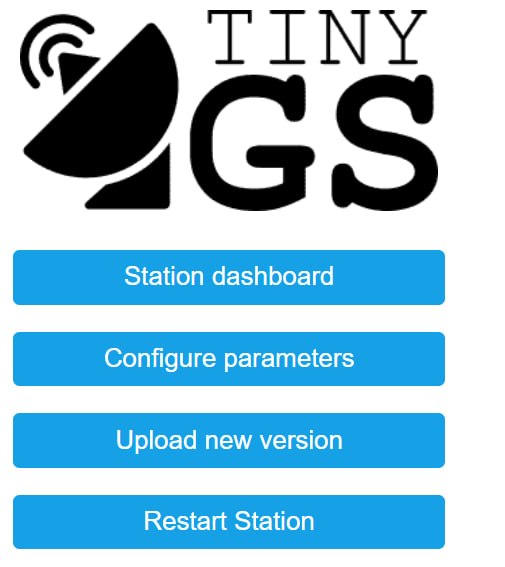
- Ian asked for help resetting a forgotten password for the TinyGS web interface. Community members suggested trying the default password ‘12345678’ and, when that didn’t work, recommended pressing the reset button for a longer time, which would require reconfiguring the station. 🔗
- Notsure7 asked how to identify which stations correspond to a user in the game section. Stefan/OE6ISP explained that this is only possible when the generated alias has been changed to a user-related name. 🔗
- kallisti5 inquired if anyone had experimented with the Semtech LR1121 chip, mentioning that they had added support for it to their Rust Reticulum router and were interested in exploring Reticulum uplinks over LoRa to space. 🔗
- Gary asked if a Heltec v4 expansion kit can be used for TinyGS and how to flash it. megazaic gave a quick answer that it is not compatible. 🔗
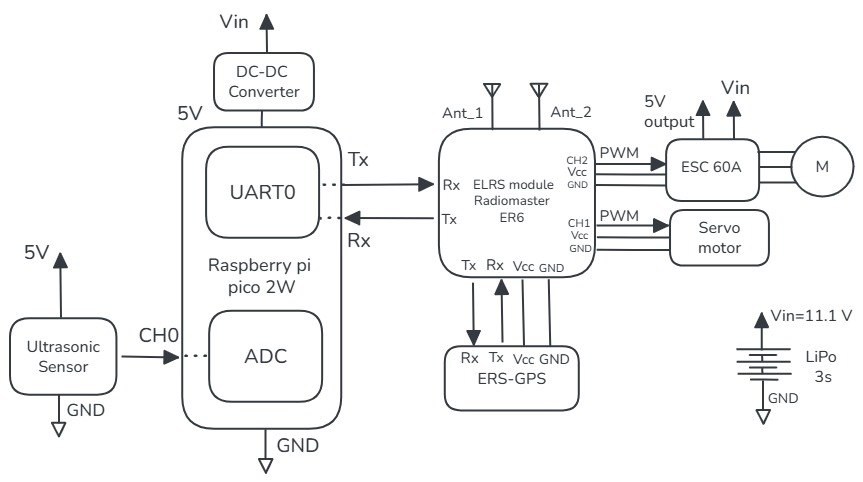
- jrugelesuribe shared a photo of a Node-RED setup. 🔗
New Satellites
- K4KDR congratulated David on getting at least one of his satellites operational, expressing hope that more would follow. Dumbledore712 questioned the NORAD ID of a satellite, suggesting it should be 69799, which David later acknowledged as correct. 🔗
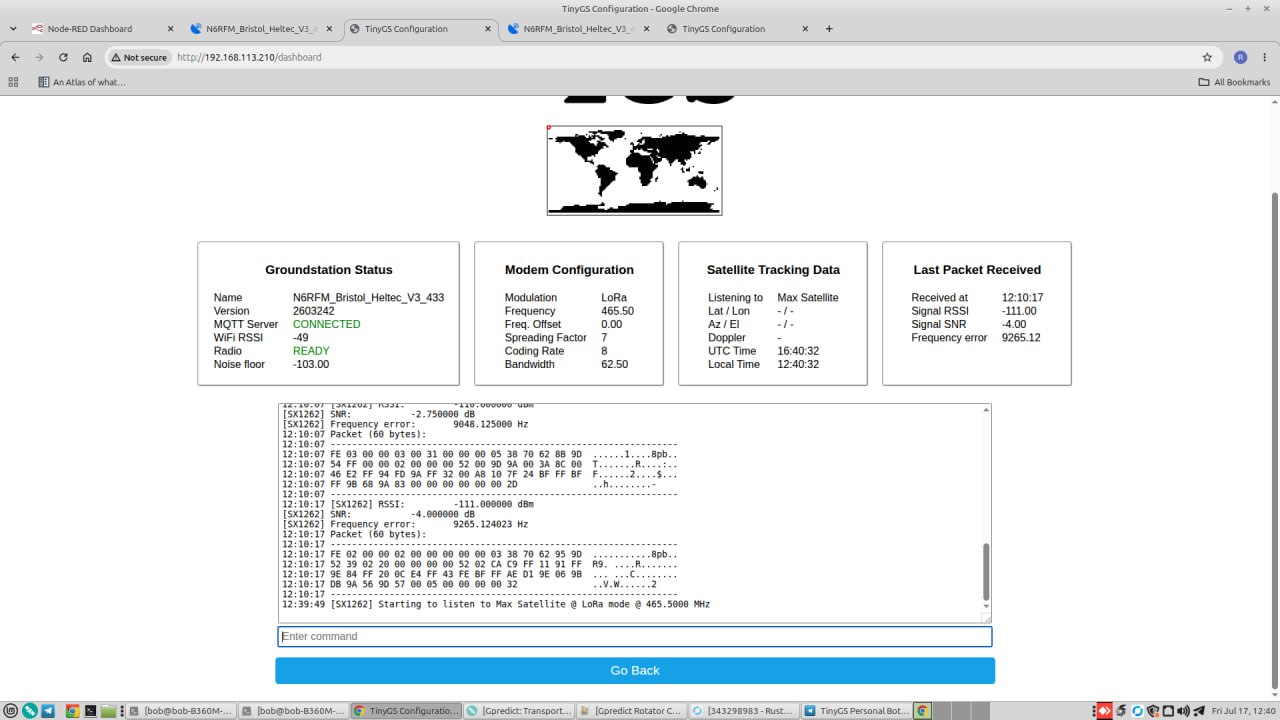
- N6RFM reported tracking new LoRa satellites (ET-00 sats) but noticed that frames stopped appearing on the dashboard in the last few days, though they still show in the console. They asked for ideas on what might be causing this. 🔗
Learning Resources
- gmag11 shared a Veritasium video explaining the Smith Chart, describing it as an incredible resource that demystifies the chart’s history, the physics of AC and reflections, and how it was independently developed by three scientists to ‘trap infinity inside a finite circle’. 🔗
https://youtu.be/GK2pZ_oVU1o
Featured Conversations
- A workshop at EMF Camp successfully onboarded 22 new participants into the TinyGS network, demonstrating the community’s active outreach and growth at in-person events.
- The community compared the performance of Lilygo and Heltec V3 boards on 434 MHz, noting that the Lilygo captures more LoRa frames while the Heltec can decode FSK signals, leading to a discussion on the benefits of running multiple stations. A key technical insight emerged regarding the SX1262 chip’s automatic tuning behavior: it may miss weaker LoRa packets while attempting to decode FSK signals, which require stronger signals.
- A detailed solar-powered TinyGS station build was shared, including power consumption, battery capacity, and solar panel performance. The discussion explored how the system handles cloudy days and the importance of proper panel sizing for different climates.
- Technical discussions focused on extracting full packet data from TinyGS stations, with suggestions ranging from MQTT to USB logging via Log::Debug() for raw data capture. A community member also shared a detailed explanation of the differences between SDR and SX1262 chip-based decoding for GMSK beacons.
- A new TinyGS user successfully set up their first station with a Lilygo T3 V1.6.1 board after receiving guidance on selecting the correct board configuration and adjusting frequency settings via the web interface. The community also discussed antenna expectations for receiving ConnectIoT satellites in Spain.
Latest Cubesats News
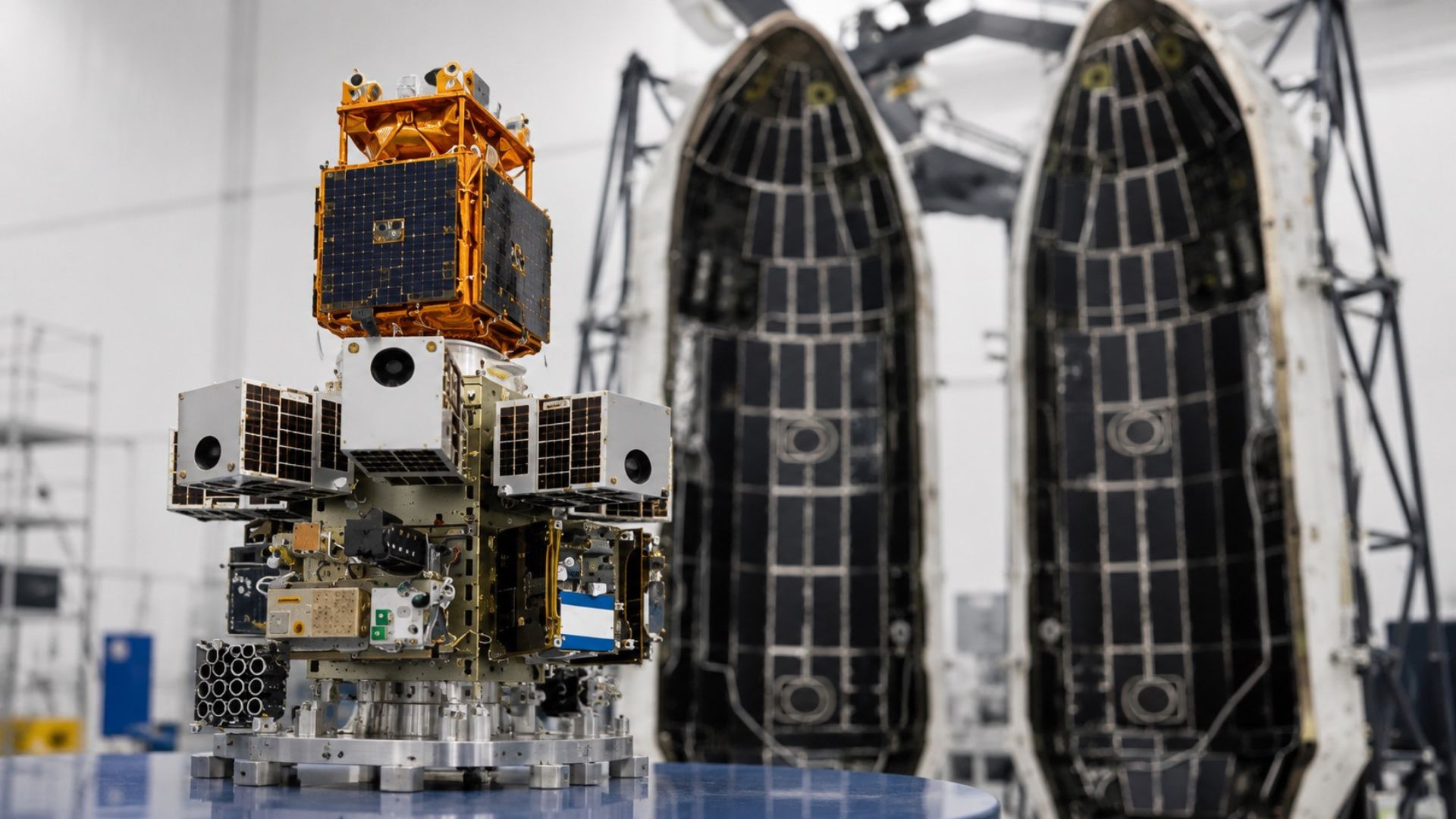
NASA’s R5-S9 CubeSat Transforms Space into a Laboratory
NASA’s R5-S9 CubeSat launched on July 7 via a SpaceX Falcon 9 rocket. Its mission is to rapidly test new technologies in space, bypassing the lengthy development cycles typical of traditional space missions. The satellite uses affordable, off-the-shelf components to enable faster experimentation. This approach aims to reduce costs and accelerate the validation of space technologies.

ESA Selects Ariane 6 to Launch Deep Space CubeSat
ESA awarded a contract to launch the Henon CubeSat on an Ariane 6 rocket in early 2027 as a secondary payload with the PLATO telescope. The feasibility study confirmed up to four 16U CubeSats can be accommodated on Ariane 6. Henon will use electric propulsion to enter a distant retrograde solar orbit to monitor solar storms. The claim of being the first independent deep space CubeSat is debatable, as NASA’s MarCO twins achieved similar feats in 2018.

How a tiny nuclear CubeSat could change the future of space exploration
City Labs’ BOHR satellite, the world’s first commercial nuclear-powered satellite and first nuclear CubeSat, launched to low Earth orbit on July 7 via a SpaceX Falcon 9 rocket. It was part of SpaceX’s Transporter-17 rideshare mission carrying 81 payloads. The satellite uses betavoltaic technology for power. This milestone could enable longer-duration and more capable space missions.
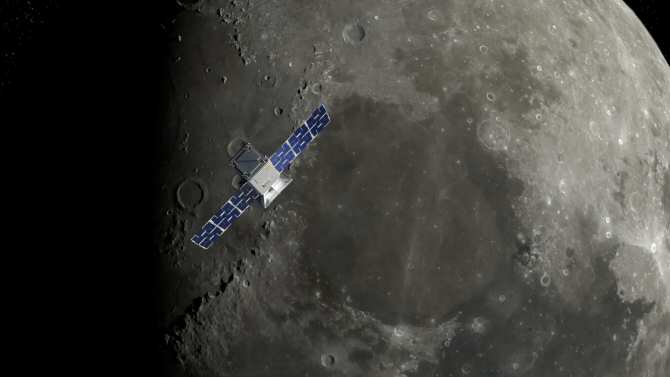
The Amazing Longevity of the CAPSTONE CubeSat in Lunar Orbit
NASA’s CAPSTONE CubeSat, launched in June 2022, has far exceeded its primary mission, operating for nearly four years in a unique lunar orbit. It successfully demonstrated autonomous navigation and delay-tolerant networking technologies crucial for future Artemis missions and the Gateway space station. The spacecraft, owned by Advanced Space, continues to serve as a testbed for new space technologies after NASA’s involvement concluded. Its fuel-efficient trajectory and extended operations showcase the potential of small satellites for deep space exploration.
“Journey into Space” for a Group of Young Scientists from Bulgaria Building…
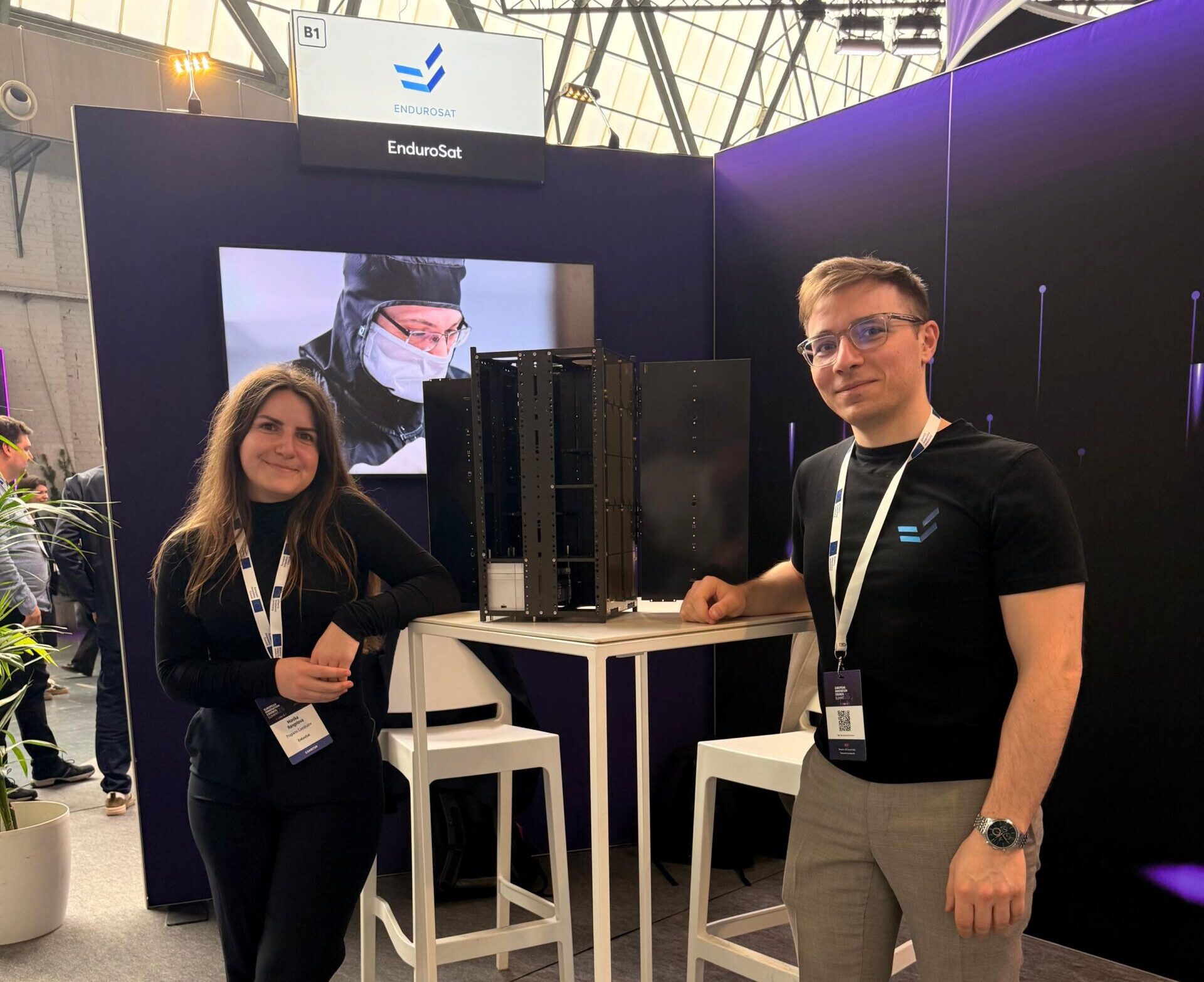
Bulgarian company EnduroSat has built and launched over 90 CubeSat satellites into orbit. The company designs and manufactures all subsystems in-house in Sofia, controlling quality and production speed. EnduroSat is scaling up to produce larger satellites weighing 100-500 kg, with a goal of two per day. Their first commercial mission with the new EnduroSat Frame S is scheduled for October, with SAR and edge computing missions planned for 2027-2028.
Parabilis DOTS: More Agile Propulsion for CubeSats
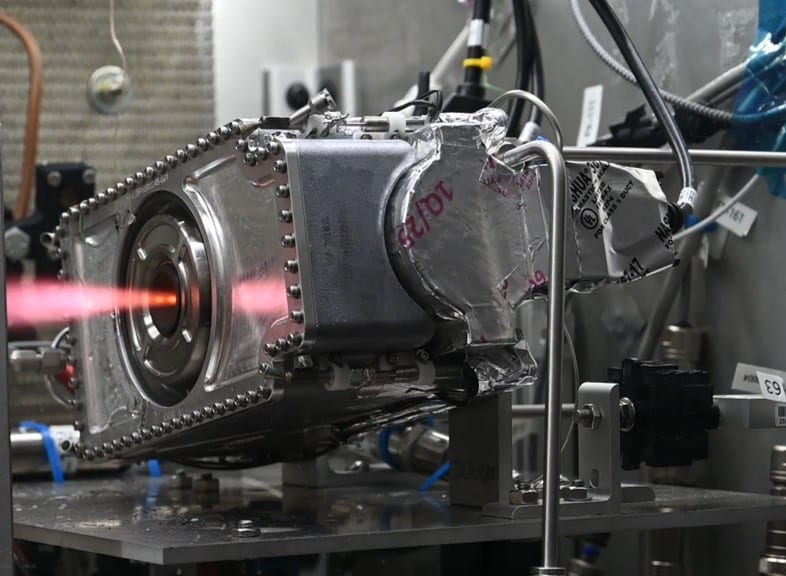
Parabilis Space Technologies has completed hot-fire tests of DOTS, a hybrid propulsion system for CubeSats. The 2U module combines solid fuel with liquid oxidizer to provide rapid maneuvering capabilities, including orbit correction and debris avoidance. Supported by the U.S. Space Force, DOTS aims to enable small satellites to perform quick orbital changes, with a planned orbital demonstration within a year. The system’s success hinges on proving its performance in space and balancing propulsion benefits against the limited space and mass available on CubeSats.

Serbia to Space: Why Was the Agreement with NASA Signed? - Vreme
Ten days after a four-year-old girl was injured in Sremska Mitrovica, the director of the “Pinki” Sports Center resigned. The incident was only publicly discussed after media inquiries.
Sarawak Satellite 2030: Steps to Control Own Data
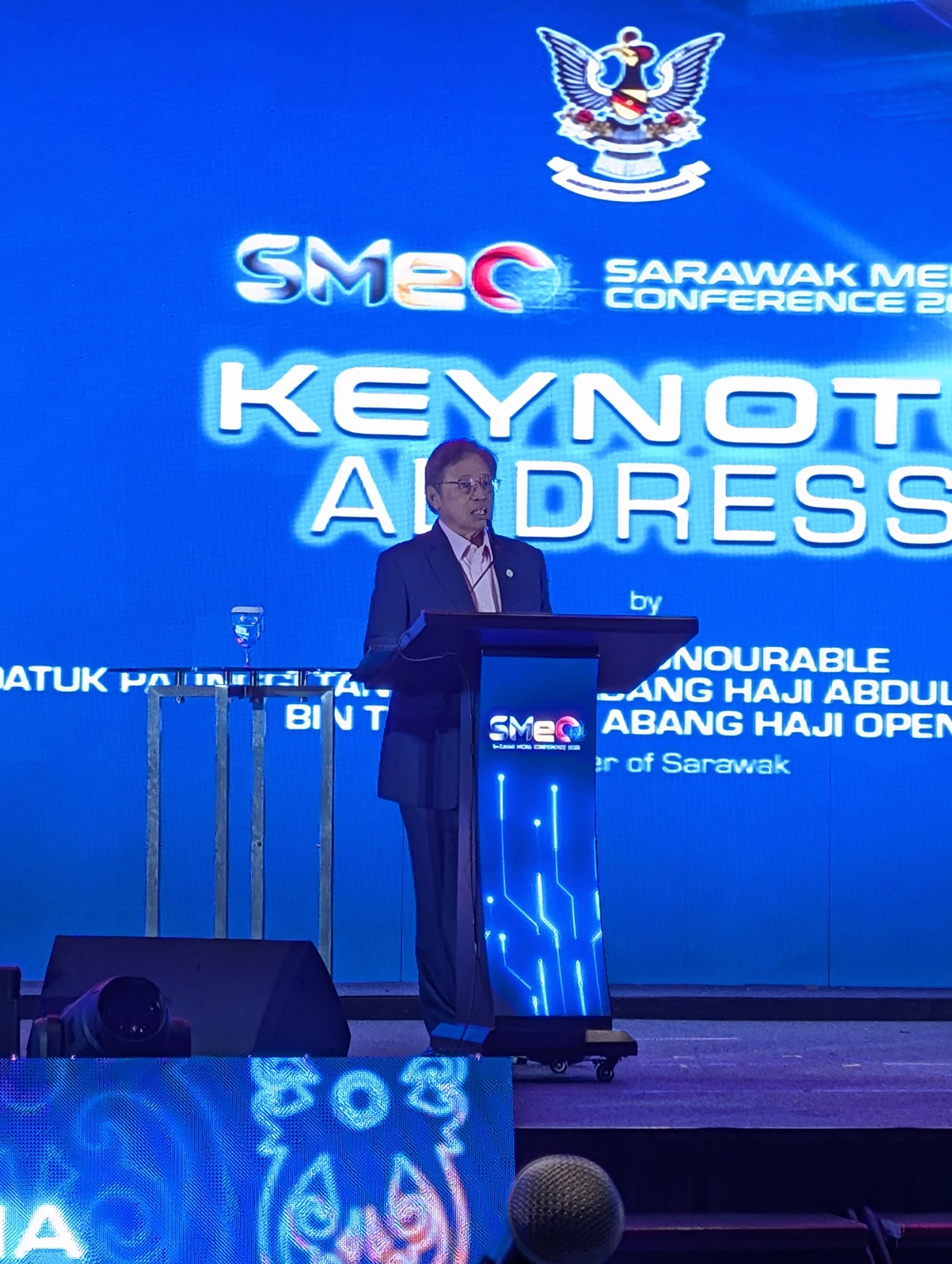
Industries in Sarawak are urged to play an active role in shaping the state’s artificial intelligence (AI) future through close collaboration. The initiative, named Satelit Sarawak 2030, focuses on gaining data sovereignty. This effort aims to empower local control over data resources. The call emphasizes partnership between sectors to drive AI development.

Dhruva Space, MAHE partner to set up ASCENT space technology centre - Telangana Today
Dhruva Space and Manipal Academy of Higher Education (MAHE) have partnered to establish the ASCENT Centre for space technology research. The collaboration aims to develop and operate at least three CubeSat missions by 2028, deploy a femto satellite swarm, and establish a Space Situational Awareness Centre by 2030. A long-term goal includes an interplanetary technology demonstration mission by 2035. The centre will provide students hands-on experience with real satellite missions and industry-grade infrastructure.

India Reaches New Milestone: Private Company Skyroot Aerospace Launches a…
India’s private company Skyroot Aerospace successfully launched the Vikram-1 light rocket, placing two CubeSats into low Earth orbit. The launch occurred at 8:35 AM Italian time from the Satish Dhawan Space Centre. The Vikram-1 is a lightweight, four-stage rocket made of composite materials, capable of carrying up to 350 kg to LEO. This marks India’s first successful orbital mission by a private company, following a suborbital test in 2022.
What’s next
Join the TinyGS Telegram channel to participate in these discussions and contribute to the project. Whether you’re troubleshooting a board, sharing your station, or attending community events, your experiences and insights can help others build and improve their stations!