tinyGS
· TinyGS Community · 11 min read
Weekly Newsletter - June 28, 2026
This week, the TinyGS community tackled a wide range of technical challenges, from configuring new boards and troubleshooting silent stations to exploring the limits of FSK bitrate reception and the impact of atmospheric conditions on signal quality. A deep dive into a failed notch filter experiment, the identification of new LoRa signals from weather balloon radiosondes, and a detailed eggbeater antenna build log made for a particularly rich and instructive edition.
Highlights
General
- anas_z15 asked about any open source FLRC decoder available, and K4KDR responded by pointing to the fpv-sdr project on GitHub as a potential resource. 🔗
https://github.com/lukeswitz/fpv-sdr - anas_z15 asked about the fastest FSK bitrate TinyGS has successfully received, as they are working on a LoRa payload and wondered if reliable decoding is limited to 1200–9600 baud. Stefan/OE6ISP explained that the SX1262 also supports 19200 baud, but 9600 is the most common data rate, emphasizing the direct relationship between link budget (SNR) and achievable data rate. 🔗
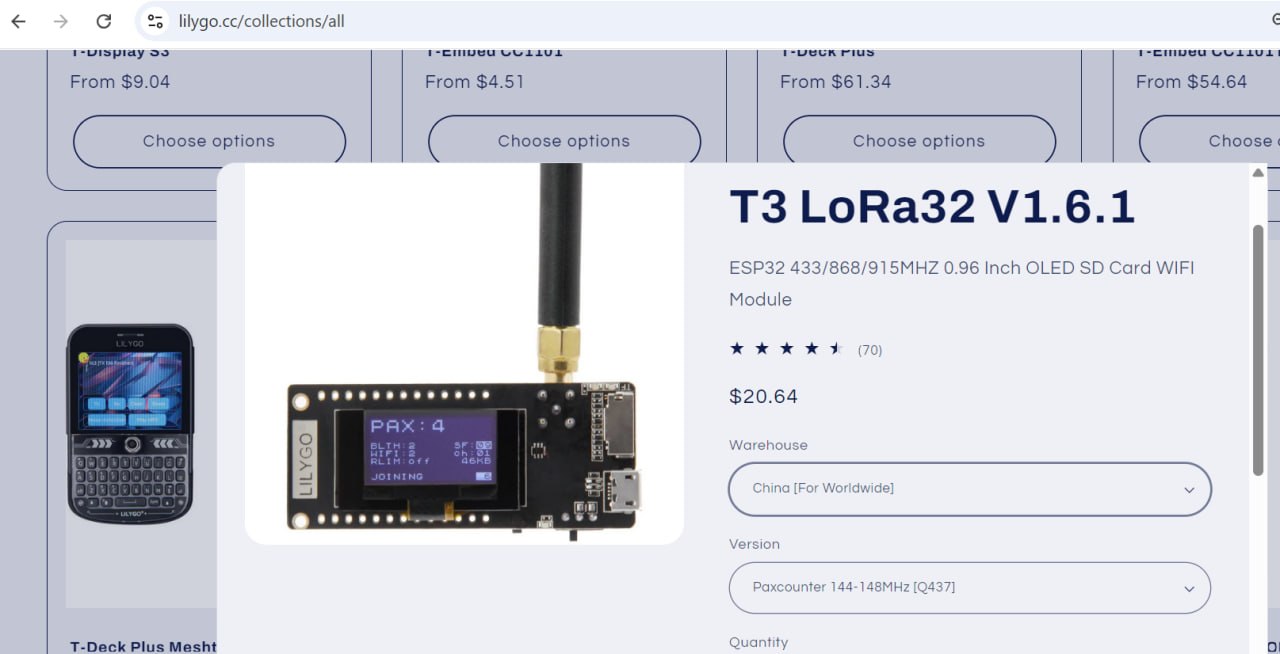
- Richard asked for help configuring a LilyGo T3 V3 (144 MHz version) to receive packets on 137 MHz, suspecting a board variant mismatch. Stefan/OE6ISP advised using the 433 MHz config with autotune set to 137 MHz, which Richard acknowledged as a possible solution. 🔗
- ieddev asked whether ionic conditions significantly influence packet reception and the effective distance between a ground station and satellites, noting that while sporadic E affects 2m, it doesn’t apply to 70cm. They observed a large number of packets during a long sporadic E event on 2m from PA to YO, and a similar increase earlier in the week during propagation from PA to I and EA. Stefan/OE6ISP responded that at high elevations, reflection is unlikely, and the Faraday effect changing polarization is more relevant. They shared that humidity, rain, and clouds caused the most attenuation (up to several dB) in their projects, and noted that proton fluxes from CMEs can kill satellites. They also added that propagation likely doesn’t have a huge influence on packet rate, pointing to variable downlink activity (e.g., Geoscan image downloads), server outages, and sun noise as other contributing factors. 🔗
- IU1VDD_Tony asked about using a LILYGO T-Beam LORA32 433 MHz board to receive TinyGS satellites at 137 MHz with an existing NOAA antenna. Stefan/OE6ISP recommended the newer T3 board for 140 MHz, which is available again in the Lilygo shop, noting it performs well without needing a preamp or filter. Tony later confirmed he purchased the recommended board. 🔗
Technical Problems
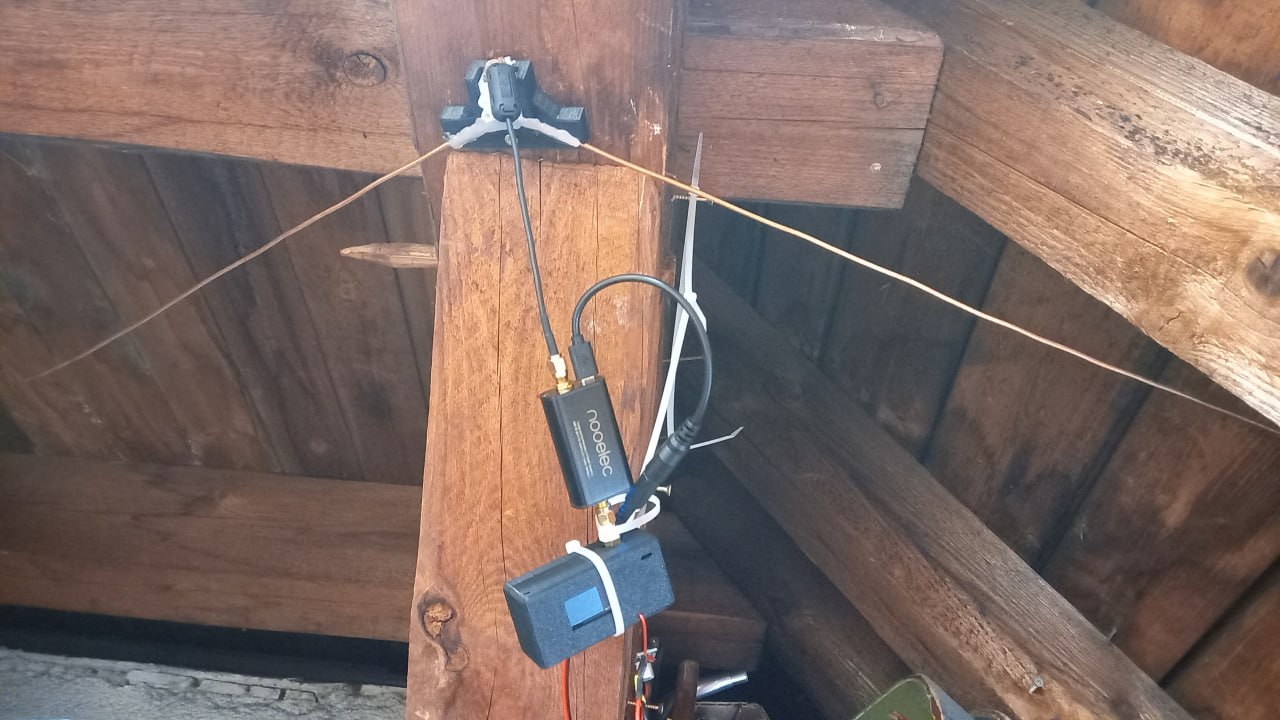
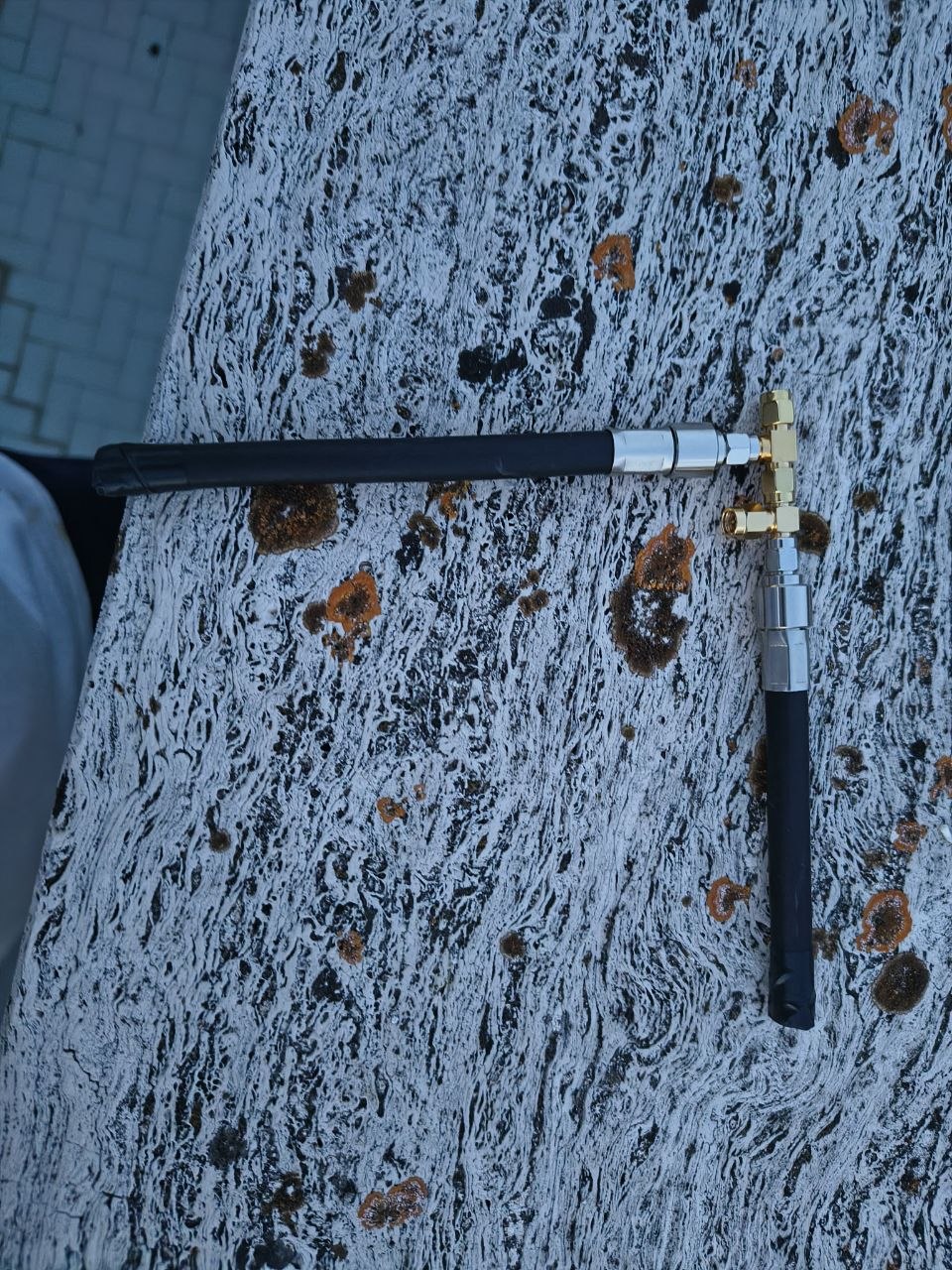
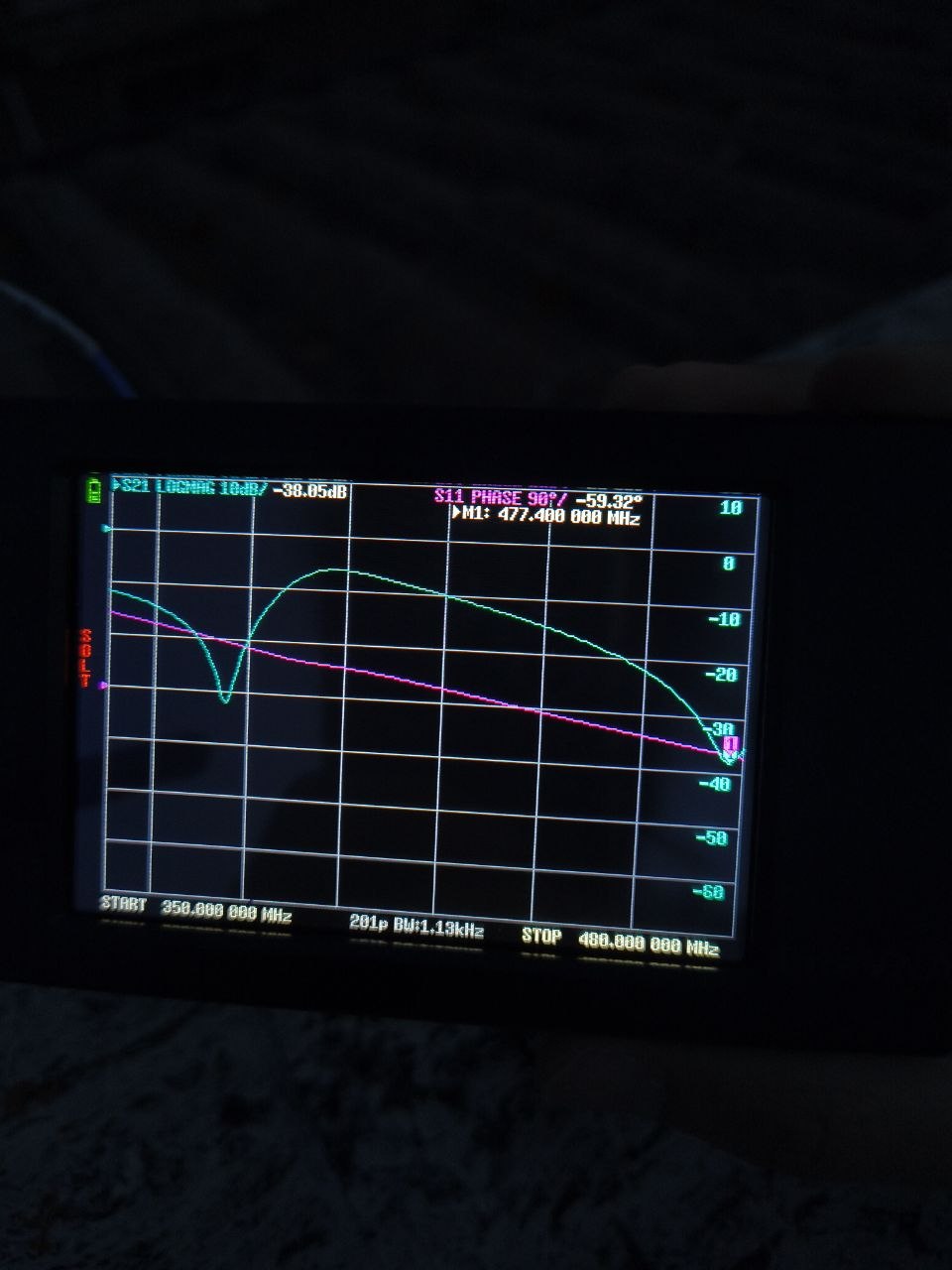
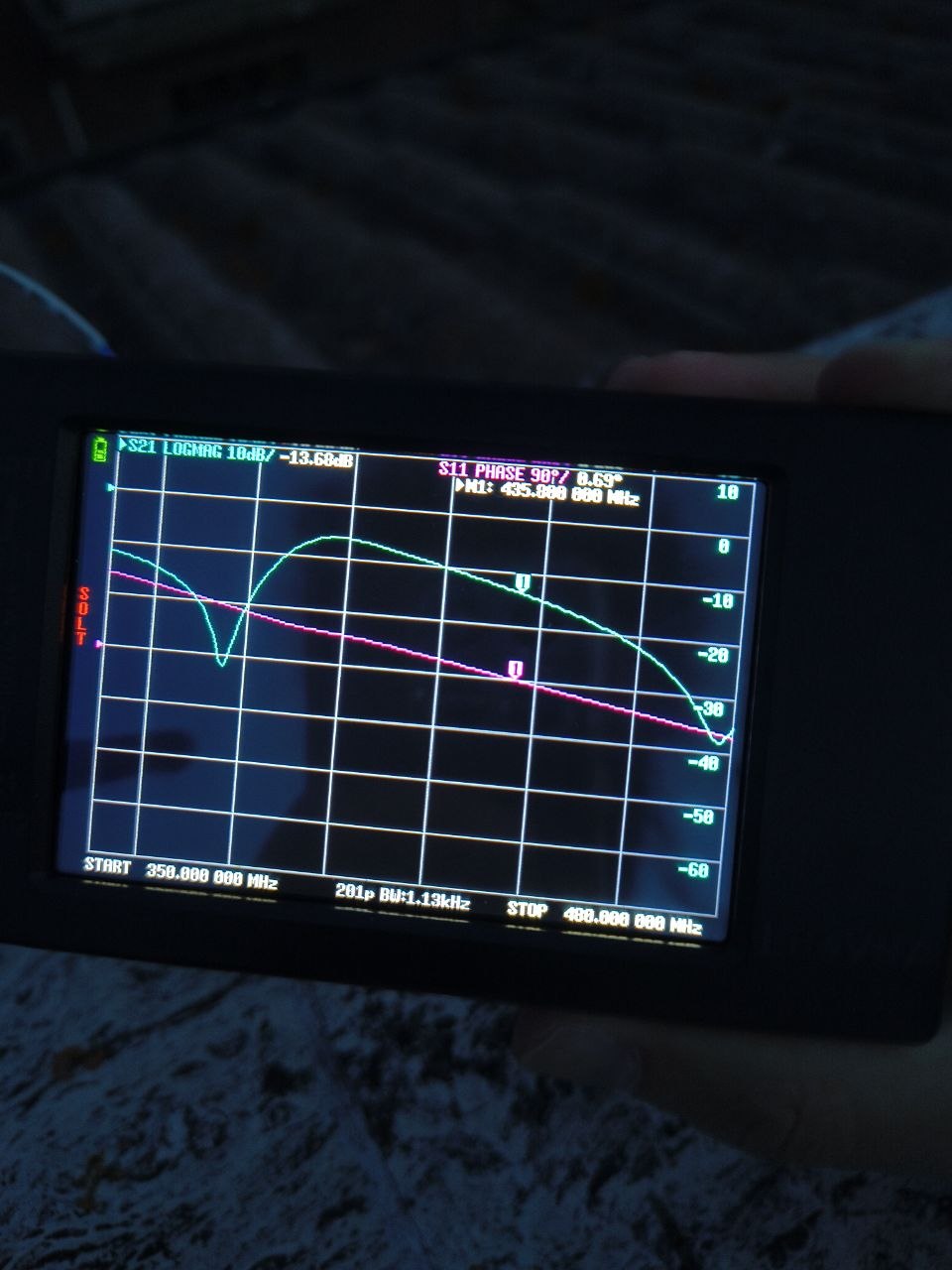
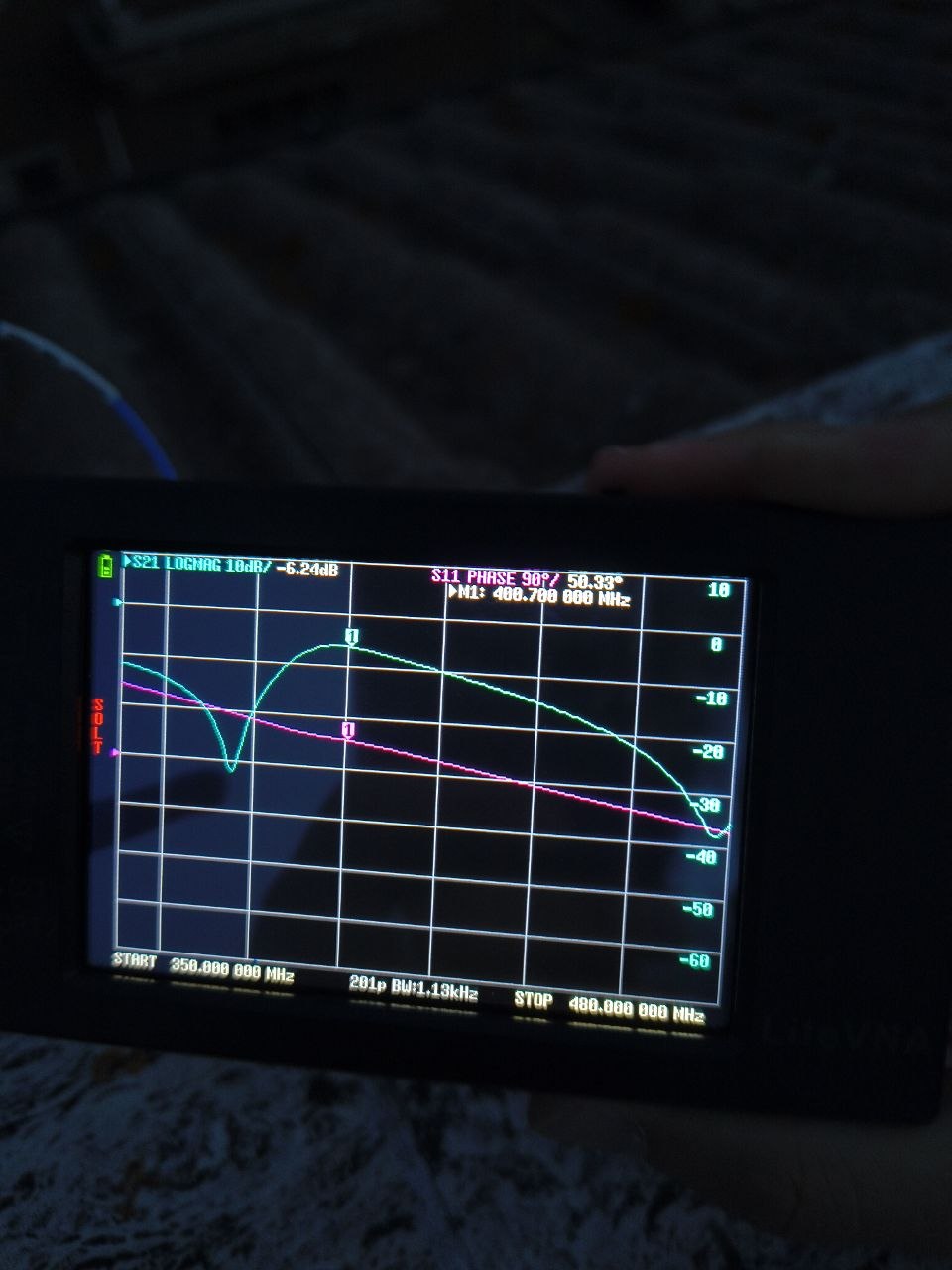
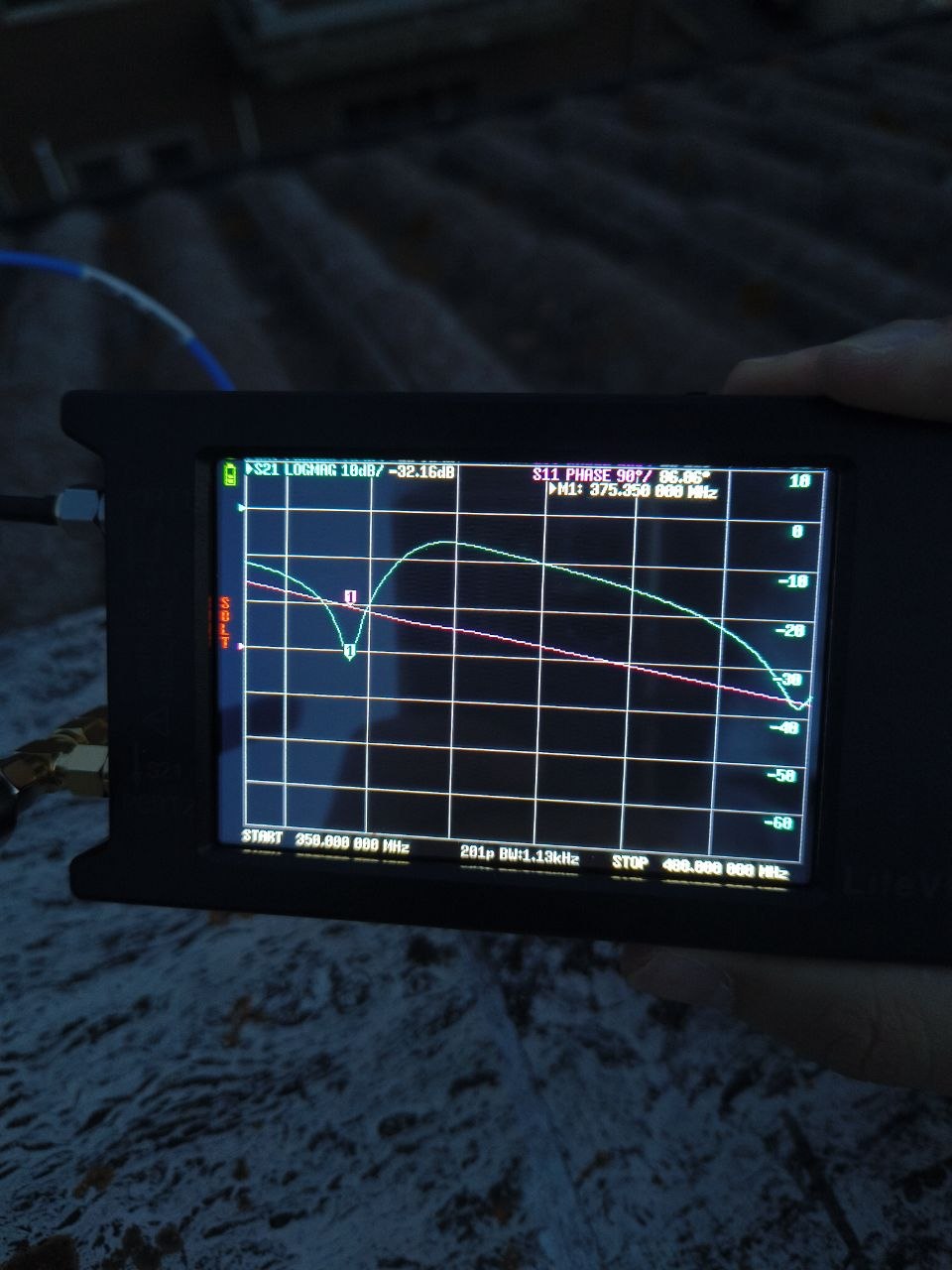
- SandroSartoni returned with observations about a filtering experiment that went wrong. introduced two quarter-wave open stub notches at around 380 MHz and 450 MHz, and while the S21 measurements looked consistent with expectations (a -10 to -15 dB loss in the 400-440 MHz range), the station received nothing for over six hours. removing the stubs restored reception. also wondered if hardware changes take a few days to ‘kick in,’ noting that packet counts improved gradually from a few hundred to over 500 per day after initial setup. Stefan/OE6ISP suggested checking the cable length, noting that odd multiples of electrical quarter-wavelength can cause problems, but agreed that the silence period was puzzling and recommended several days of observation to confirm stability. SandroSartoni replied that cable length was unlikely the issue, as the antenna-to-amplifier and amplifier-to-board cables were both approximately half-wavelength, and impedance should remain near 50 ohms. 🔗
- martinianmonk asked for help configuring an ESP32 DevKit V1 with an RA-02 (SX1278) module for TinyGS. confirmed the radio works with a RadioLib test sketch, but the TinyGS firmware always reports ‘Radio Status: Error -2.’ noted that the wiki lists ‘ESP32 dev board + SX127X’ as supported, but no matching option appears in the Board Type dropdown. shared current wiring and requested guidance on Board Type, Board Template, and pin mapping. Helmi shared two example custom board templates for reference, one for a Pico-Kit E22-400 and another for a TTGO LORA32 T3 V1.6, to help with the configuration. 🔗
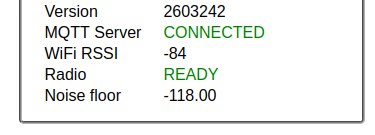
- Rabu reported receiving only weak packets with RSSI at -127 and SNR between -14 and -9, and asked for advice on how to receive consistently from other satellites. After troubleshooting with the community, it was determined that the 3m RG58 coax cable was likely a poor choice, and a 5dB difference in noise floor was noted between the antenna connected and disconnected. Despite the cable being suboptimal, the antenna itself seemed good. The user was advised to use a nanoVNA to measure the cable and antenna, or at least an ohmmeter to check for continuity and water ingress. The conversation concluded that without additional test equipment, diagnosing the issue remotely is very difficult. 🔗
https://t.me/tinyGScom/1/62525
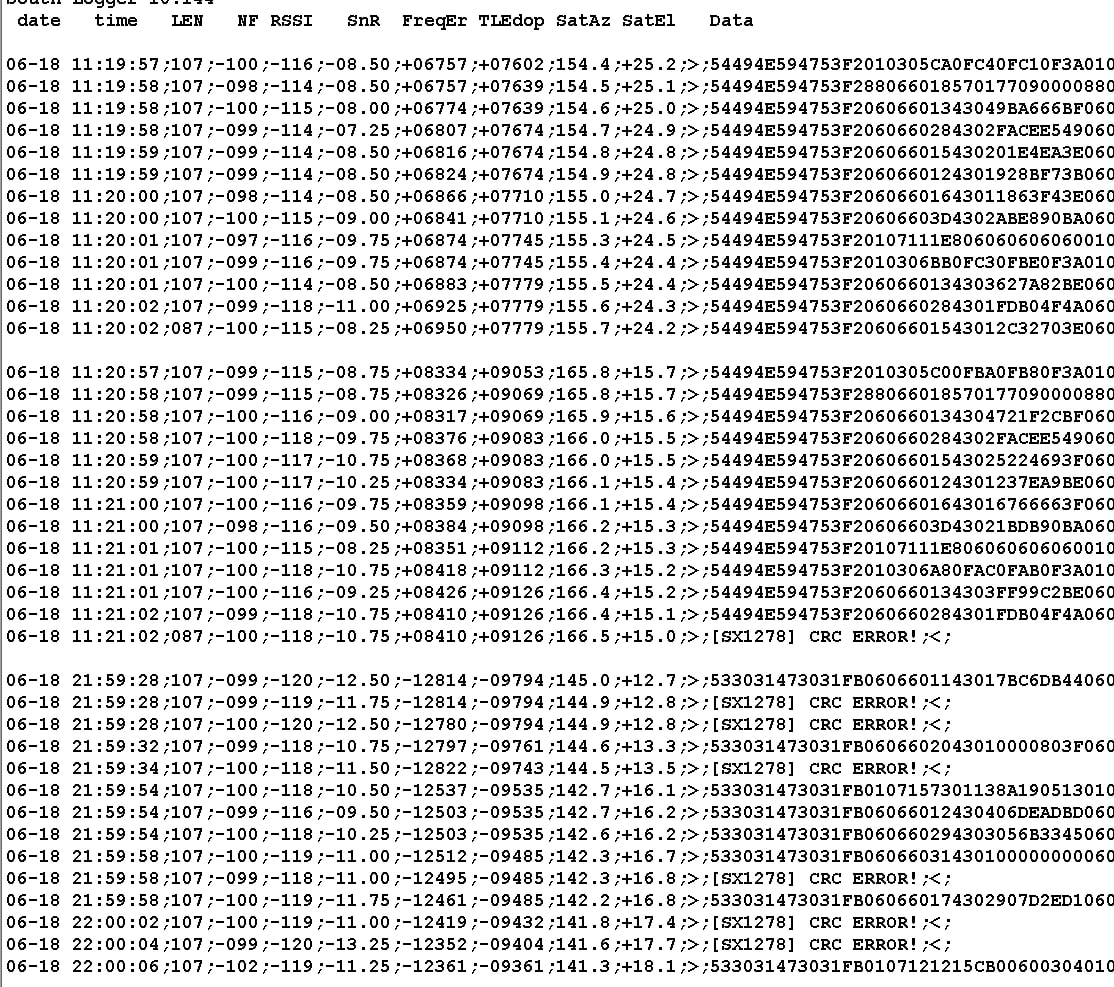
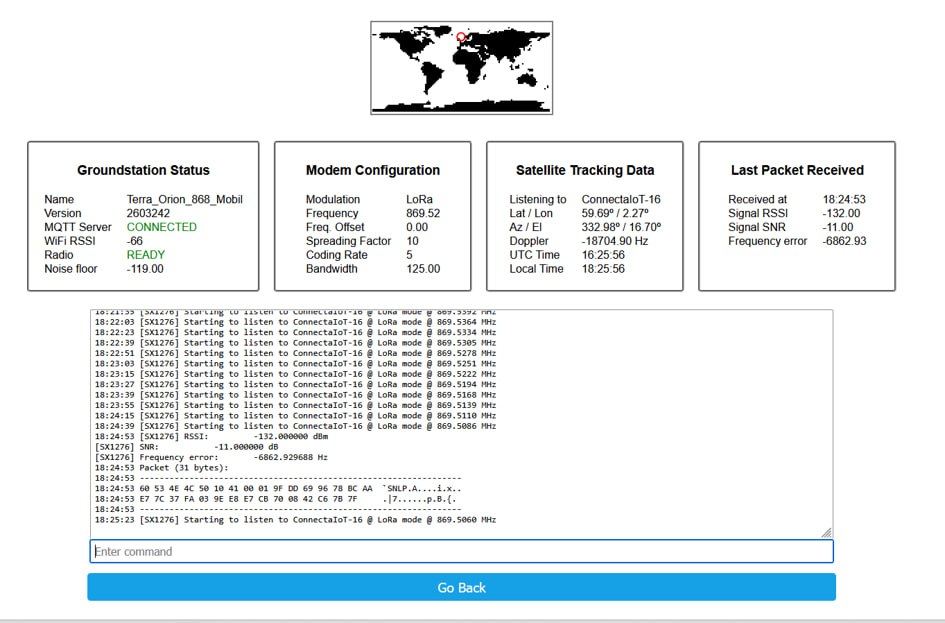
https://t.me/tinyGScom/1/62503 - Radek described receiving very few packets, mostly from KOSAR 1.5, with many CRC errors, using a Heltec v3.2 board and HYS 433 MHz 3dBi Omni antenna. Despite trying an LNA and bandstop filter, the issue persisted. megazaic suggested checking for a disconnected antenna or cable problem, and Helmi raised the possibility of mixed SMA and RP-SMA connectors. After checking, Radek confirmed all connectors were SMA. megazaic then shared comparative logs showing RSSI and SNR differences between the HYS antenna and another antenna, noting a +6 dB improvement with the latter. 🔗
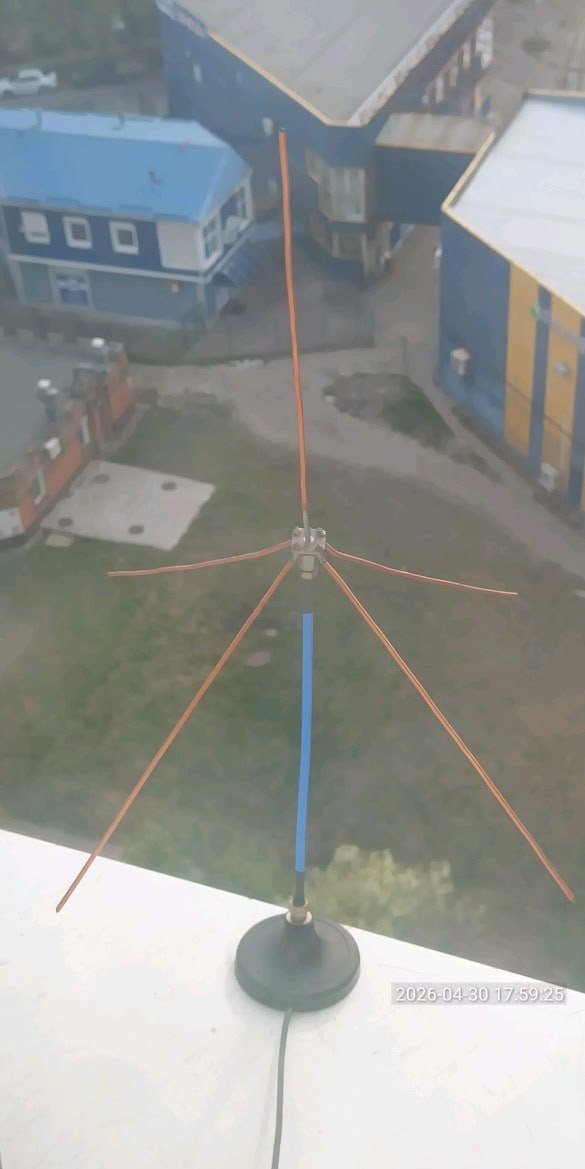
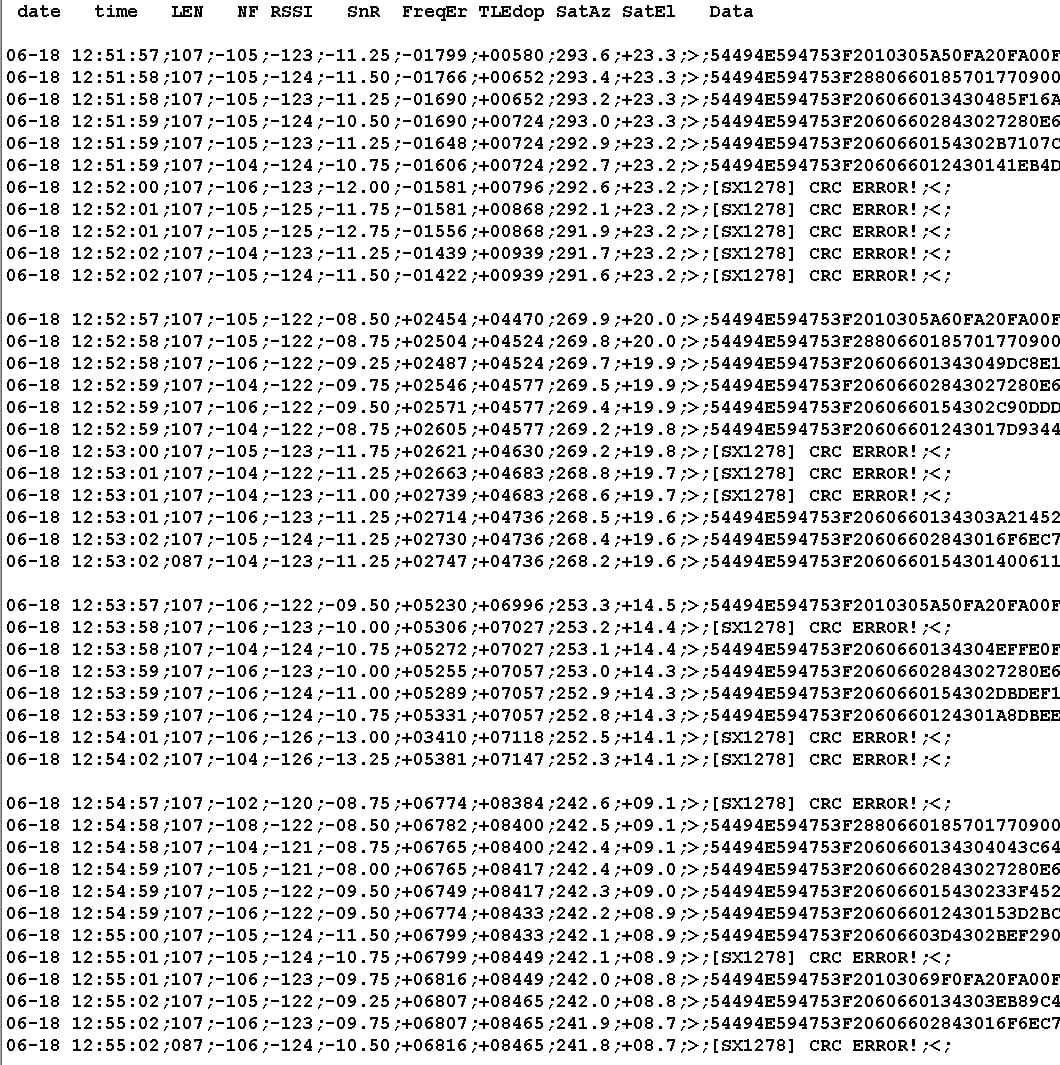
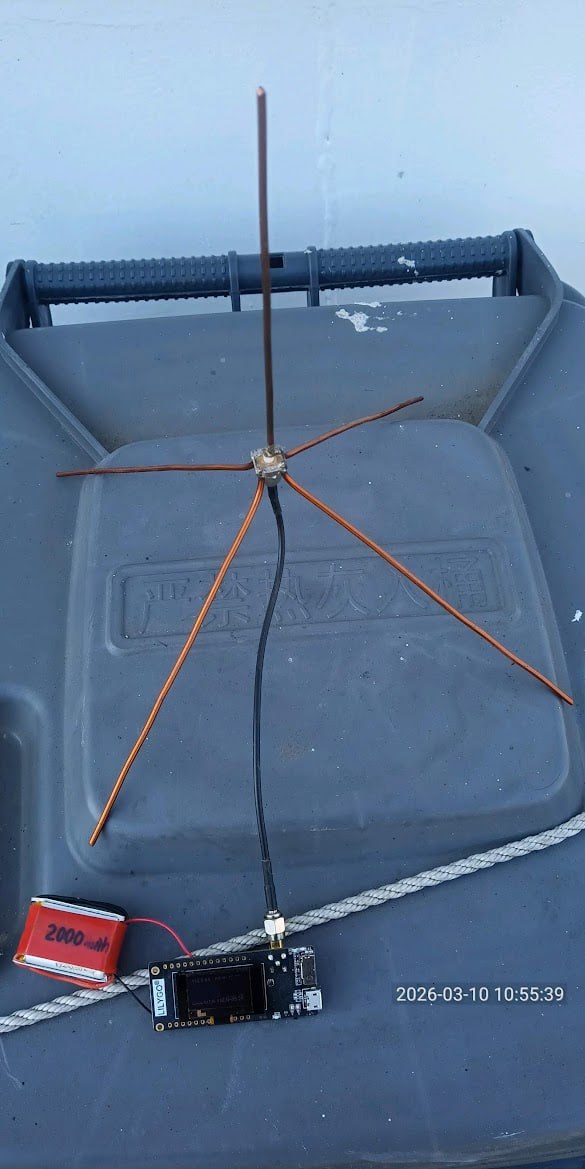
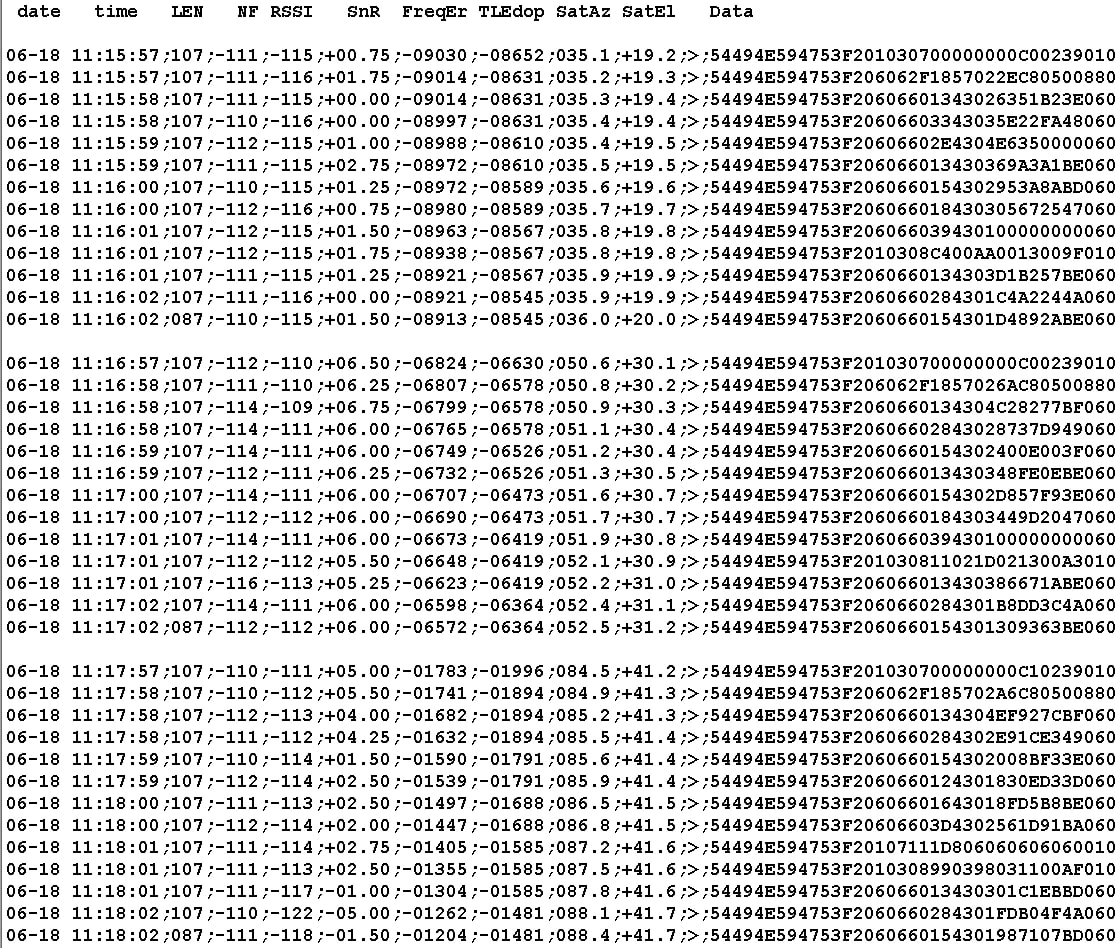
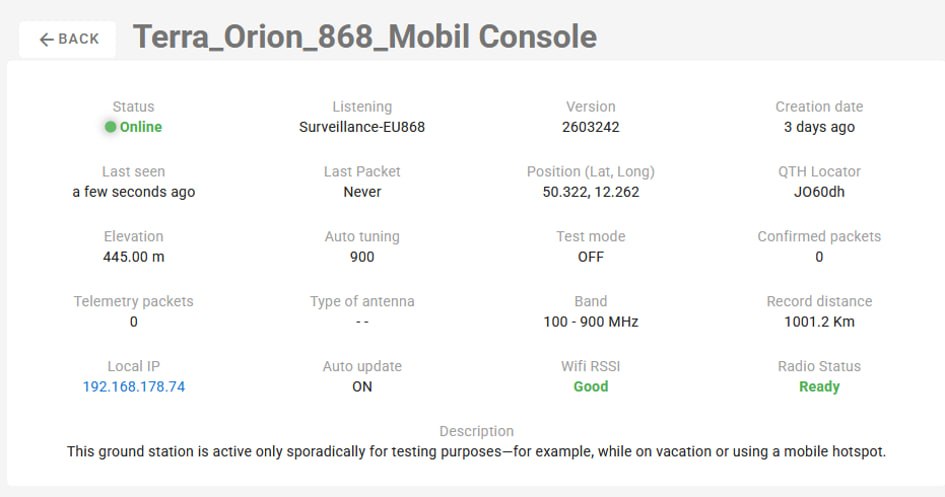
- Matze asked in German why a successfully received frame did not appear in the statistics, despite test mode being off. Stefan/OE6ISP explained that this occasionally happens and the packet is genuine, though it may be lost on the way to the server. Helmi added that packets are not lost, just the statistics display is incorrect, noting it happens on 2m and 35cm bands but not on 70cm. Matze also asked if running two stations in parallel on 869 MHz with different names could confuse the server, and was told it would not. 🔗
Antenna Building
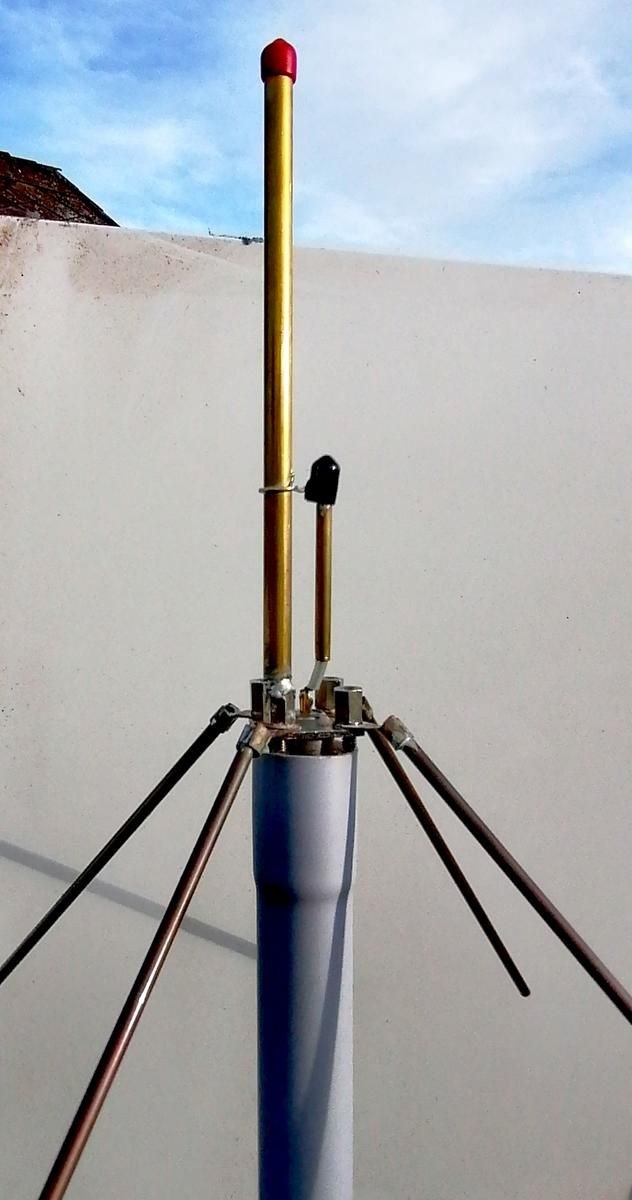
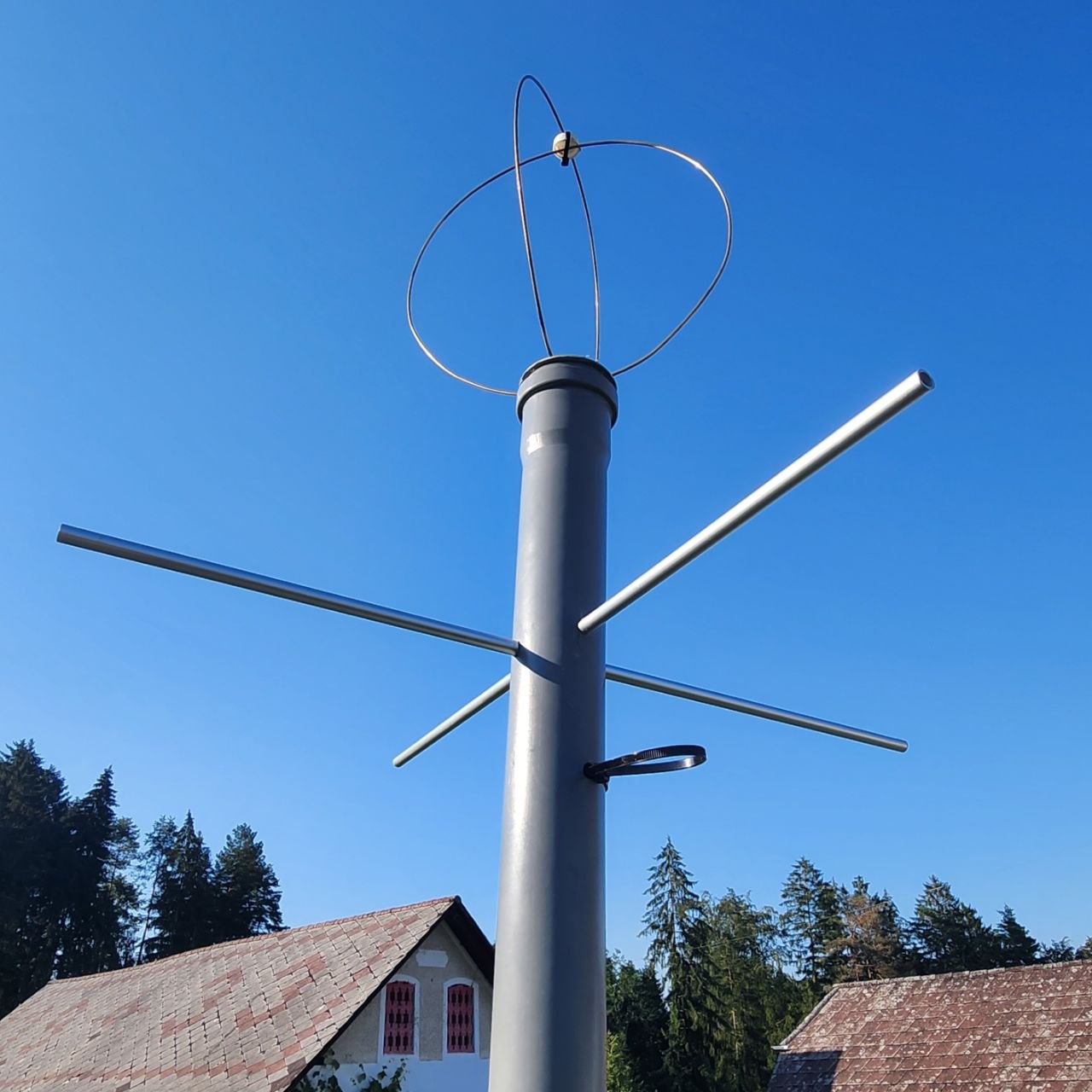
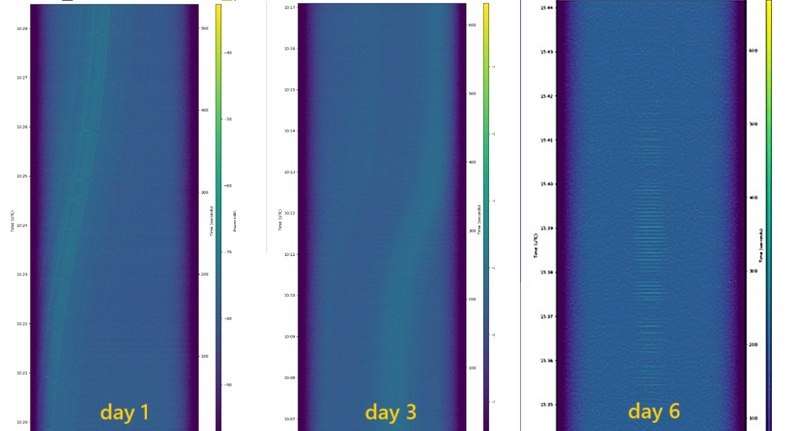
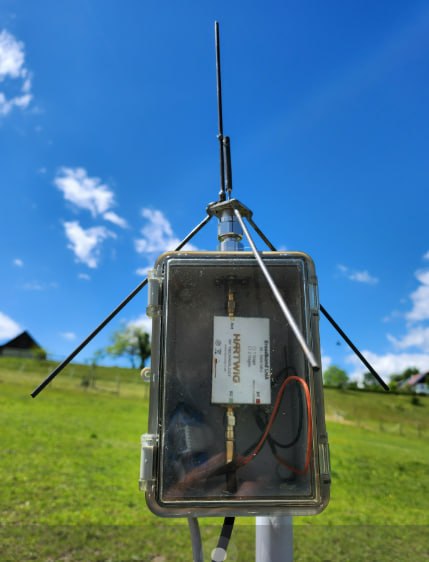
- Stefan/OE6ISP shared their experience building an eggbeater antenna, noting how performance can vary greatly even with similar hardware. During setup, the antenna initially produced more noise than signal, but after moving the antenna a few meters and rerouting the cable, the signal became perfectly clean by day 6—with the same hardware. They detailed the components in the tube: phasing and matching network, ferrite choke, Hartwig LNA with analog power supply, filter, and attenuator, all as close to the antenna as possible. They concluded that an eggbeater is much easier to build and tune than a QFH, and when loop lengths and matching lines are correct, the SWR is better than 1.2 over a wide frequency range with no further tuning needed. 🔗
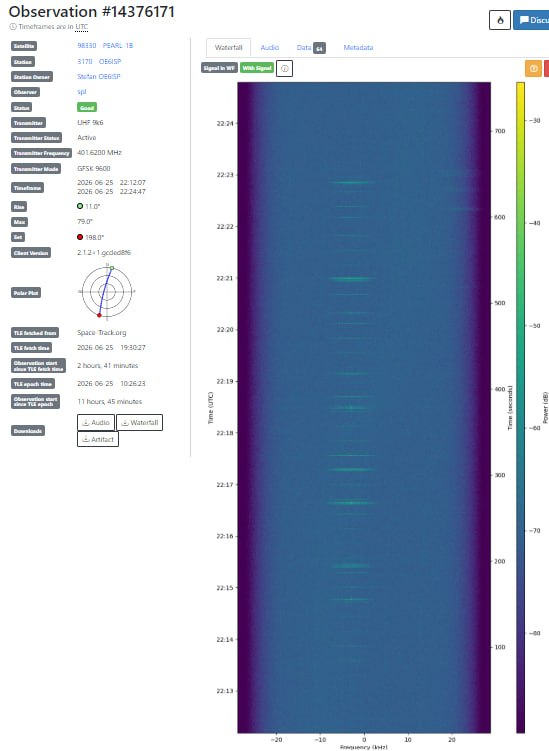
- Stefan/OE6ISP shared an observation showing the signal of a high-passing FSK satellite captured by a homemade groundplane antenna, noting how the lower antenna gain at high elevation is compensated by lower free space loss, resulting in a constant signal gain throughout the pass. 🔗
New Satellites
- K4KDR announced that Ben_Z (PE2BZ) identified new LoRa signals on 403 MHz, traced to the Windsond S2 family of weather balloon radiosondes. The LoRa parameters were determined as 403.000 MHz, BW=125.0, SF=11, CR=4/5, with inverted IQ and CRC off, suggesting a LoRaWAN gateway downlink but not conforming to standard frame types. The lack of significant doppler makes an orbital source unlikely, but a slow-moving balloon remains a candidate. 🔗
Balloons
- The_Ben_Benson asked if it is acceptable to use TinyGS to track a picoballoon flight that they hope will circle the globe. PE2BZ responded that their own TinyGS station can track whatever they set it up for, but to get the network to support the pico balloon they should contact @G4lile0 to see if it is still possible, noting that there may not be much free observation space left with so many satellites. They also suggested flashing a TTGO with tbtracker Rx to track other pico balloons as well. Helmi added that if the balloon is transmitting LoRa, it should be no problem, and advised asking @G4lile0 for administration. The_Ben_Benson thanked the community and said they would get in touch with @G4lile0. 🔗
Featured Conversations
- A community member experimented with adding quarter-wave open stub notch filters at 380 MHz and 450 MHz to improve selectivity, but the station went completely deaf for over six hours. Despite good S21 measurements, removing the filters restored reception, sparking a discussion about the interaction between notch filters and LNA gain.
- New LoRa signals were identified on 403 MHz, traced to Windsond S2 weather balloon radiosondes. The parameters (BW=125, SF=11, CR=4/5, inverted IQ, CRC off) suggest a LoRaWAN-like downlink, but the frames don’t match standard formats. The lack of doppler shift points to a balloon rather than an orbital source.
- An antenna builder documented the process of constructing and tuning an eggbeater antenna, demonstrating that with careful placement and cable routing, the same hardware can go from noisy to perfectly clean. They highlighted the eggbeater’s ease of construction and tuning compared to a QFH, achieving an SWR better than 1.2 over a wide frequency range.
- A community member explored how atmospheric and ionospheric conditions, such as sporadic E events and the Faraday effect, might affect satellite packet reception, while another experienced operator explained that factors like humidity, rain, sun noise, and variable satellite downlink activity often have a more significant impact than propagation alone.
- A user struggling with poor reception and many CRC errors on a Heltec v3.2 with a HYS 433 MHz antenna received troubleshooting advice, including checking for antenna or cable issues and comparing RSSI/SNR against a different antenna, which showed a +6 dB improvement.
Latest Cubesats News

Planetary Systems AI Announces First Orbital CONOPs Mission Aboard USC’s MAVERIC CubeSat
Planetary Systems AI (PSAI) will conduct its first in-orbit tests of data fusion software for training and operations aboard USC’s MAVERIC CubeSat. The mission marks the first orbital CONOPs (Concept of Operations) for the company’s technology. PSAI’s software aims to demonstrate autonomous operations and data processing in space. The test will validate key capabilities for future satellite missions.

Russia Could Create the First Constellation of CubeSat-Type Radar Satellites
Russia plans to create the first orbital constellation of small radar satellites following the successful performance evaluation of the Aist-ST satellite. The constellation would reduce surveillance frequency of an area from several days to just a few hours. Aist-ST, the world’s smallest radar remote sensing satellite, was launched on December 28, 2025, from Vostochny Cosmodrome. Weighing about 30 kg, it uses X-band radio waves for observations through thick cloud cover and has an estimated operational life of at least one year.

One CubeSat Successfully Deployed from “Kibo”!
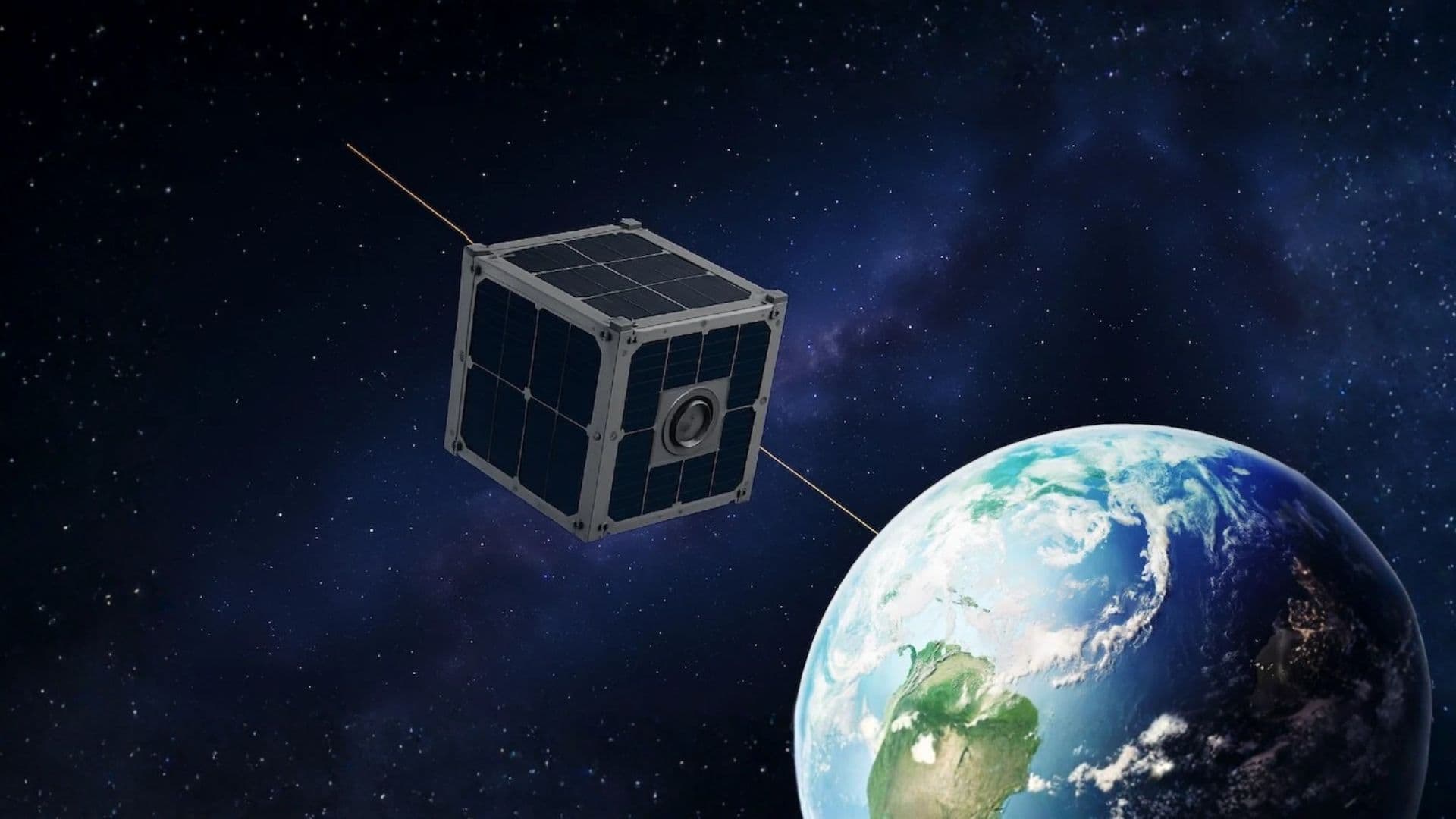
A CubeSat named HOKUSHIN-1 was successfully deployed from the “Kibo” module on the International Space Station. This deployment occurred under the J-CUBE program, a collaboration between JAXA and the University Space Engineering Consortium (UNISEC). The deployment was part of the J-SSOD#37 mission. The image was provided by JAXA and NASA.
CubeSat Statistics And Their Impact on Industry (2026) - Sci-Tech Today
CubeSats have transformed the space industry by making satellite building cheaper and more accessible, with over 2,505 launched by 2024 and a 95% success rate. Earth observation dominates the market, while space-based IoT is the fastest-growing application. The CubeSat market is projected to reach USD 1.65 billion by 2033, growing at a 15.6% CAGR. 88 countries now participate, with deployments accelerating across commercial, government, and defense sectors.

University of Liverpool Develops Fleet of Mini Satellites to Track Dangerous Asteroids
Scientists at the University of Liverpool are developing the REMORA project, a fleet of six CubeSat mini satellites to track and study near-Earth asteroids. The system, with a budget of around 50 million euros, will autonomously approach, orbit, and land on asteroids to gather detailed data. The project aims to detect potentially hazardous asteroids and assess their resource value, including water and rare metals. The mission is expected to launch between 2029 and 2035, offering a faster and more cost-effective approach than conventional asteroid missions.
Boeing Middle East | Qatar CubeSat Challenge
Over 180 students at Qatar Academy Doha participated in the Boeing CubeSat Explorer Challenge, designing, building, and testing miniature satellite prototypes. The program highlighted how satellites monitor air quality, support climate research, and enable global connectivity. Boeing partnered with Qatar Foundation, INJAZ Qatar, and Pure Minds Academy to inspire students. The initiative aims to support Qatar’s growing space ambitions by developing future talent.
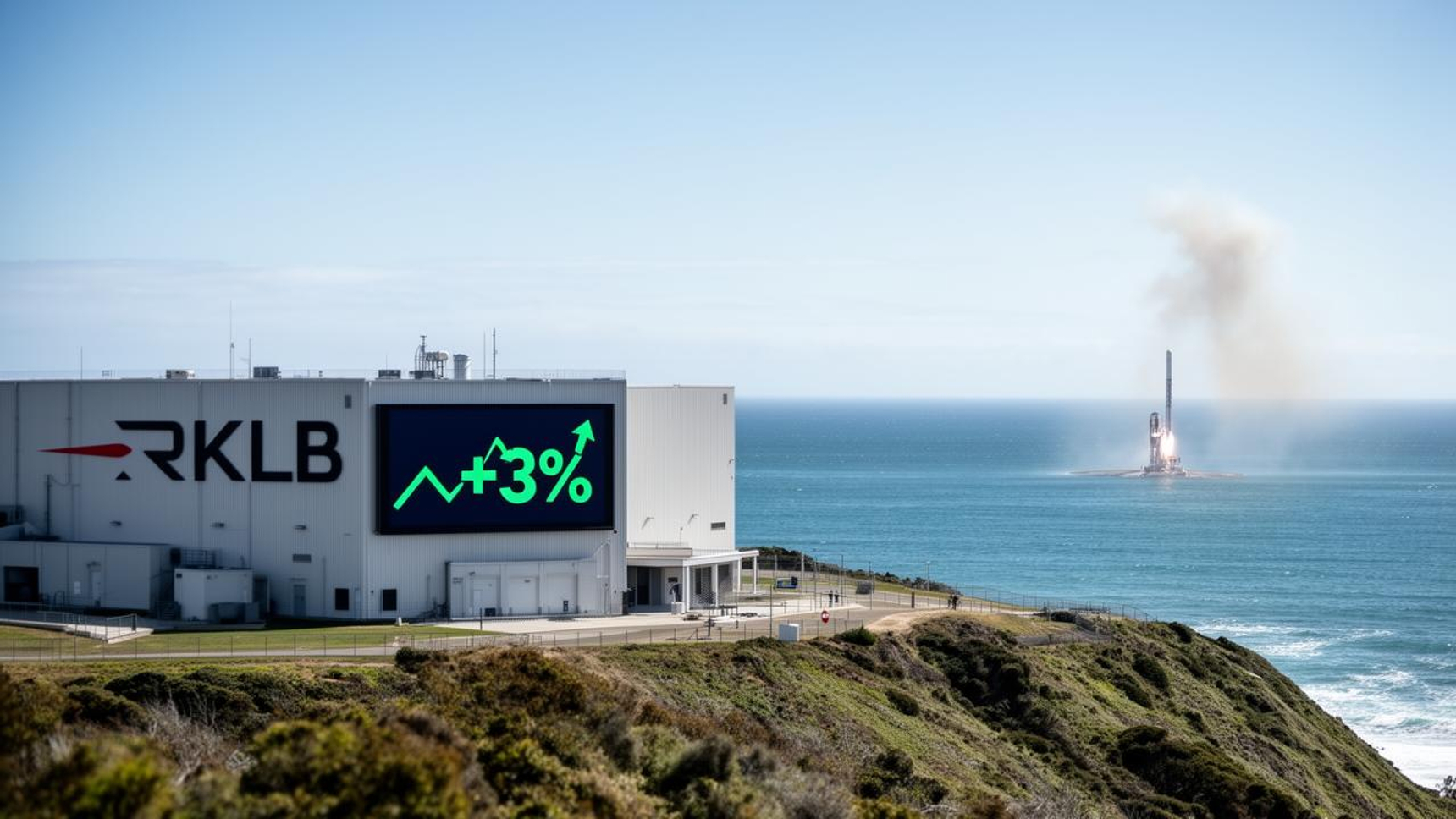
Rocket Lab Rises 3% as NASA Selects Electron Rocket for Three New Science Missions
Rocket Lab USA (RKLB) shares rose over 3% after NASA selected its Electron rocket for three dedicated science missions under the VADR contract. The missions include the PolSIR ice cloud study and TSIS-2 solar irradiance measurement, launching from New Zealand between 2025 and 2027. CEO Peter Beck highlighted Electron’s reliability and on-demand launch capability, which has supported nearly 90 missions and over 260 satellites. Retail investor sentiment on Stocktwits turned bullish, with 15 of 19 analysts rating the stock a “buy” and a 12-month average price target of $106.92.

ESA technology development survey opens procurement pipeline for Canadian space innovators
The Canadian Space Agency is surveying domestic organizations for participation in the European Space Agency’s General Support Technology Program (GSTP) for 2026-2028. The program funds early-stage space technology maturation, including a specific cybersecurity initiative for space systems protection. Canadian entities can bid on activities in areas like onboard data systems, RF payloads, and quantum-resistant cryptography, with 100% funding for selected projects. The deadline to submit expressions of interest is July 1, 2026.
What’s next
Join the TinyGS Telegram channel to participate in these discussions and contribute to the project. Your experiences and insights can help others build and improve their stations!