tinyGS
· TinyGS Community · 13 min read
Weekly Newsletter - May 31, 2026
This week, the TinyGS community tackled everything from coax impedance mysteries to the launch of a brand-new tutorial hub, while a detailed debate on SDR vs. hardware LoRa decoding and a successful cross-band Starlink capture kept the technical conversations flowing. A new landing page and login system rolled out, bringing both fresh features and a few hiccups that the group quickly resolved together.
Highlights
General
- Aadish asked whether TinyGS expects all packets to use a standard protocol like AX.25 or HDLC, or if custom framing is acceptable as long as decoding documentation is published, referencing the docs’ note about obscured payloads being dropped. 🔗
- Andreas inquired about how the PY4 mission collected its data, looking for an API to retrieve data via Python script. Stefan/OE6ISP pointed to the mission’s Python software on GitHub and explained that there were multiple redundant paths: TinyGS and Satnogs for telemetry, plus custom Python scripts on Raspberry Pi for uplink/downlink of payload data. 🔗
https://github.com/maholli/PY4_gs - Stefan/OE6ISP shared an interesting video from Scott Manley about small satellite technologies. 🔗
https://www.youtube.com/watch?v=Ua_8XgmOMF4 - Clinton asked whether the wiki’s hardware page is up-to-date and expressed concern about support for newer boards like the Heltec V4. Stefan/OE6ISP responded that the V4 is rarely used and recommended the V3 instead, which is cheaper, works out of the box, and uses the same SX1262 chip. He later clarified that the V3 is fully supported by flashing the ESP32-S3 firmware and is the most commonly used board, performing well for both LoRa and FSK. He also noted that for 137 MHz and 800/900 MHz, the TTGO boards remain the best choice due to the SX1278’s frequency range and proven performance. Clinton acknowledged the clarification and suggested the wiki should be updated to reflect current support, as the listed supported hardware only showed old devices. He also expressed surprise upon learning about the 137 MHz option. Stefan/OE6ISP explained that documentation can lag behind rapid development and that volunteers are welcome to help update the wiki. He shared a link to his 137 MHz station, noting that while no boards are specifically designed for that frequency, using a 433 MHz TTGO with an LNA is a common compromise. 🔗
https://github.com/tinygs/tinyGS/wiki
https://app.tinygs.com/station/OE6ISP_5@1760298214 - brianmwaters asked about the community’s experience using SDRs like gr-lora for LoRa satellite reception, sharing a dream setup of a wideband antenna feeding a receiver like the RX-888. Stefan/OE6ISP responded that software decoders have not matched the performance of dedicated SX-chips, noting that LoRa is designed for hardware and that even a 3dB loss in software can mean losing many packets at the edge of physical limits. brianmwaters acknowledged the thin link margins and wondered if a higher dynamic range SDR with better IF filtering might help. Stefan/OE6ISP explained that wideband setups are challenging due to poorly filtered SDRs being sensitive to distant interfering signals, and emphasized that success depends more on suppressing noise and interference than on antenna gain, using RF filters between the LNA and receiver input. brianmwaters also noted having LoRa hardware for 915 MHz. 🔗
- Juan Pablo offered to share a presentation and workshop on TinyGS that he delivers annually at the Radio Club of the Universitat Politècnica de València (EA5RKP), noting it has been very well received. mojaverocketman1001 expressed interest in the workshop presentation, as they are based in València. Juan Pablo also shared that the LilyGO LoRa ESP32 T3 1.6.1 433 MHz board has been proven to work without problems on 144 MHz, and that they have received Starlink signals using it. Stefan/OE6ISP mentioned ordering a similar board from China and is curious to compare its performance with the 433 MHz version. 🔗
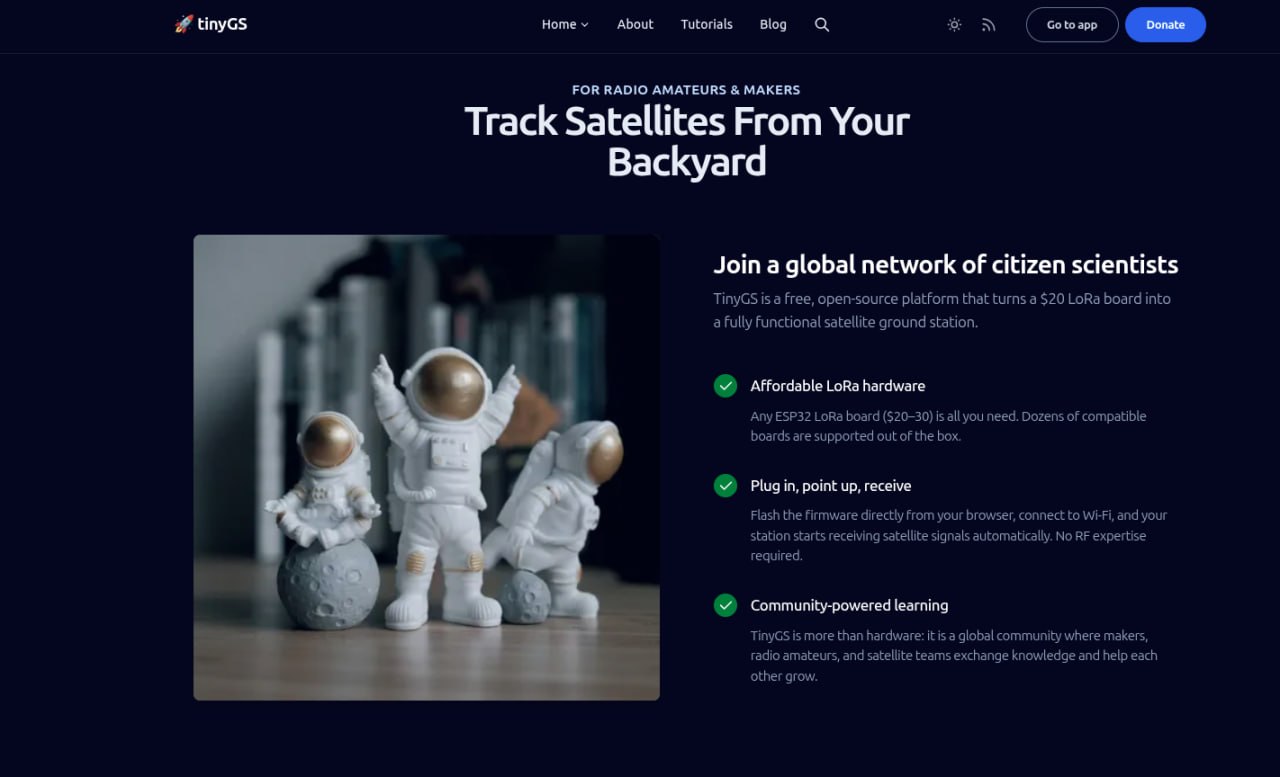
- G4lile0 announced the launch of a dedicated Tutorials Section on the TinyGS website, inviting the community to contribute guides on antenna builds, MQTT configuration, troubleshooting, and more. A sample markdown guide for the station BOM was shared, and users can write tutorials via a simple built-in editor at tinygs.com/write-tutorial. 🔗
https://tinygs.com/write-tutorial/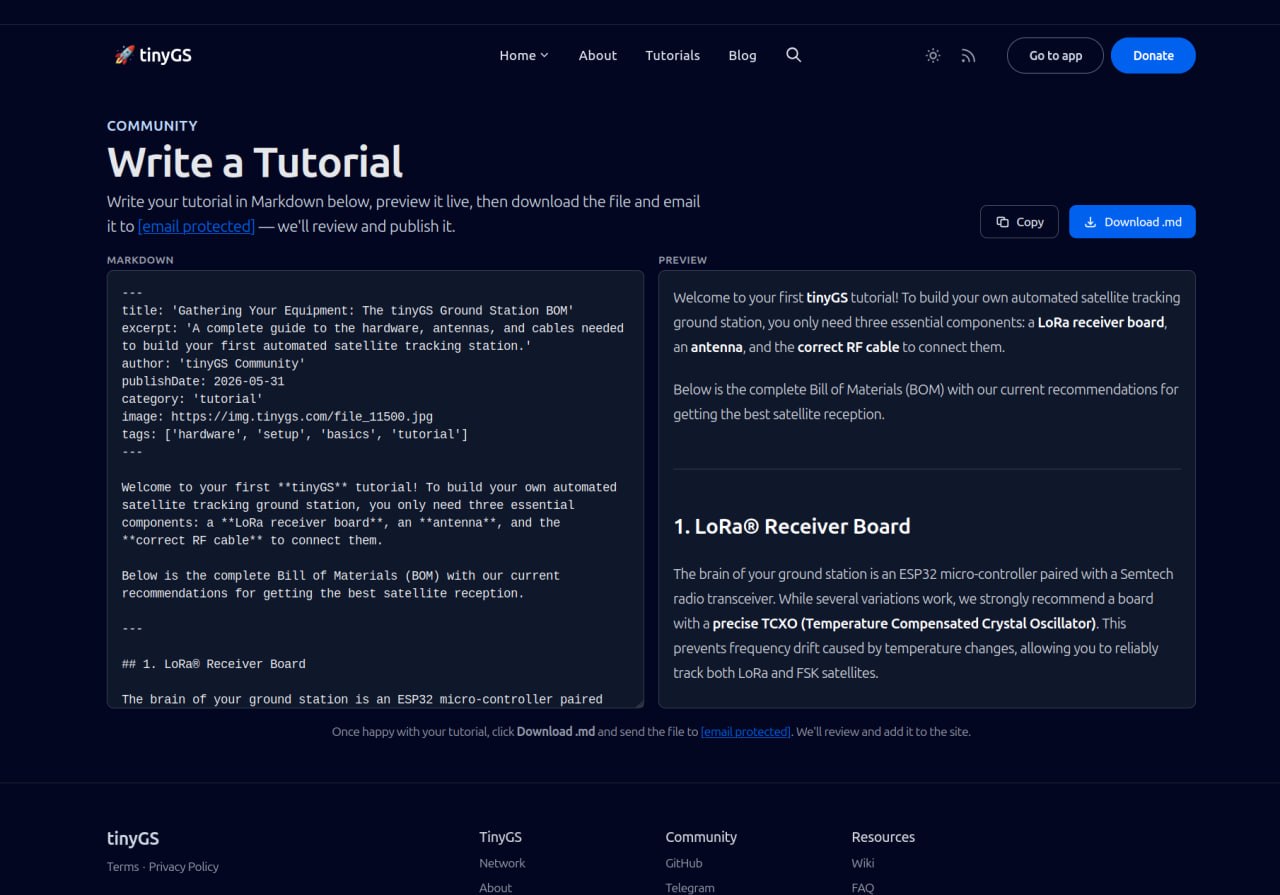
- Hamzah04 asked if anyone has IQ recordings of LEO LoRa signals. Stefan/OE6ISP responded that they make such recordings regularly but don’t keep them, asking for which satellite or purpose the recordings are needed. 🔗
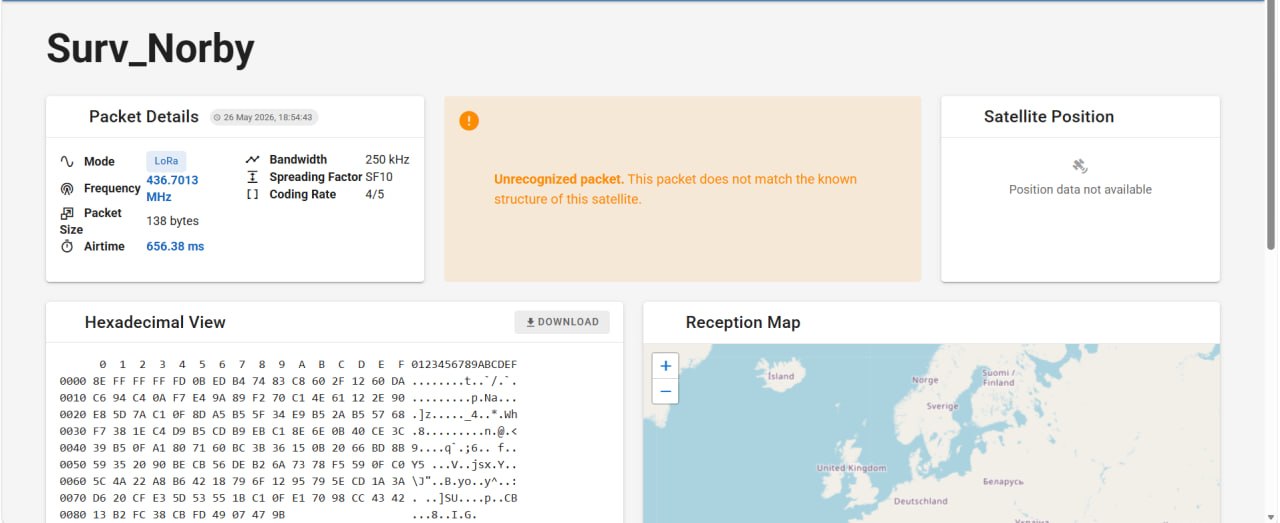
- SandroSartoni posted a photo of an unknown satellite and asked the community for identification. 🔗
- Nick shared a photo of a rare board that Stefan/OE6ISP recognized as one that appears in shops but is out of stock and likely no longer produced. 🔗
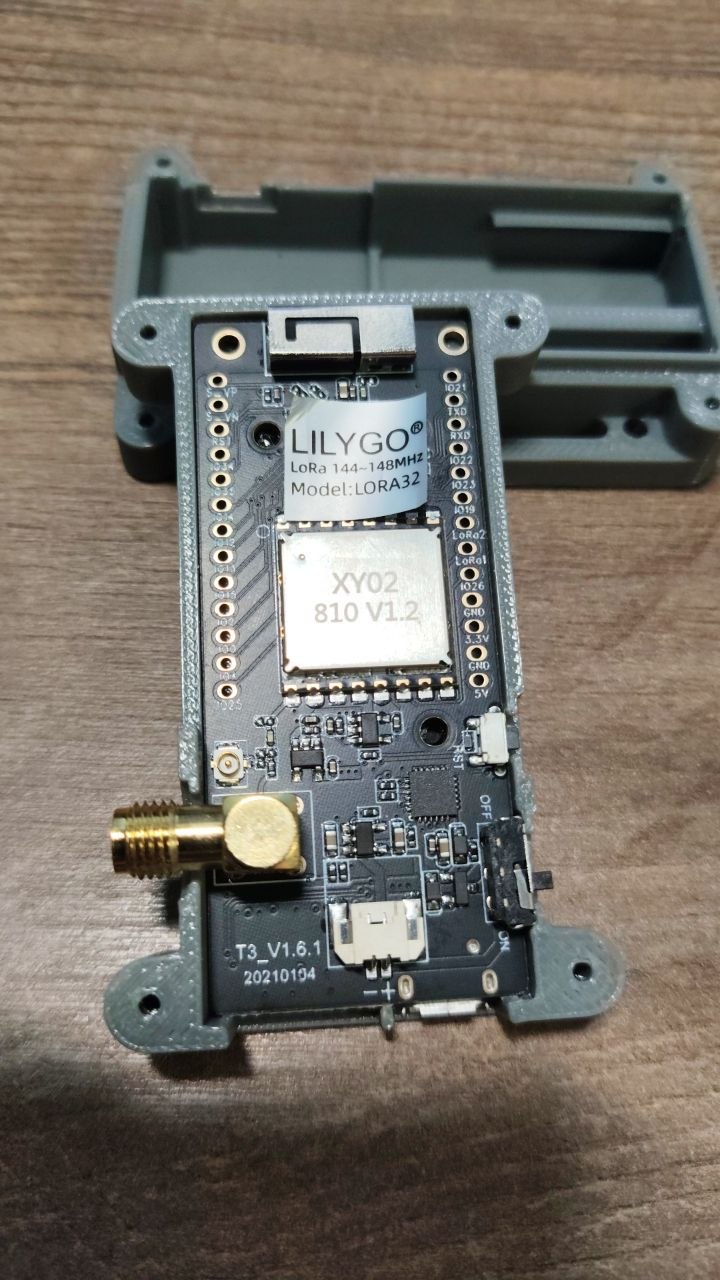
- Bruce announced that the T3 LoRa32 V1.6.1 paxcounter for 144 MHz is back in stock on lilygo.cc, mentioning plans for a better antenna. Stefan/OE6ISP asked which antenna he uses. 🔗
- Helmi flagged a suspicious message in the general chat as possible spam, which was a promotional post for gold sales. 🔗
Technical Problems
- Stuart reported issues getting Ebyte LR1121 boards to work with the web installer’s Ebyte hardware profile, noting that DIO0/DIO1 aren’t exposed to the ESP32 and DIO9 is used instead, but the switch state map in TinyGS code doesn’t match the Ebyte documentation. G4lile0 confirmed they are working on it and mentioned the beta or refactor/connection-layer branch already supports LR1121. Stuart clarified he was using the main branch, and G4lile0 later noted that the latest version of radiolib on the refactor/connection-layer branch isn’t working and requires debugging. 🔗
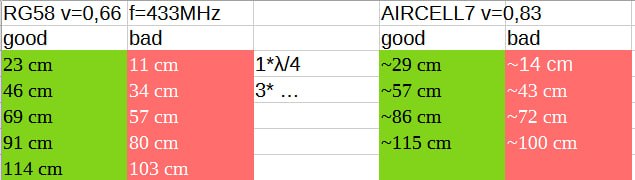
- Stefan/OE6ISP investigated why two identical stations show different performance and found that coax cable length is a critical factor. He explained that odd multiples of lambda/4 can cause impedance transformation, leading to significant mismatch and losses when the receiver input impedance is around 25 Ohms. He noted that a 35 Ohm cable would ideally transform 25 Ohms to 50 Ohms, and that simply adding 10 cm of coax can break the transformation effect. He shared calculated tables of good and bad cable lengths for RG58 and AIRCELL7. 🔗
- Helmi reported that the ‘Last packet’ timestamp issue persisted on their stations (DC3YC_915 and DC3YC_TinyGS), showing ‘2 days ago’ despite recent packet reception. This was followed by a user, Nick, reporting that direct links were not working. Stezz_mann shared that they resolved a similar issue by requesting a new web login via the bot, and Helmi clarified that the new URL is app.tinygs.com. 🔗
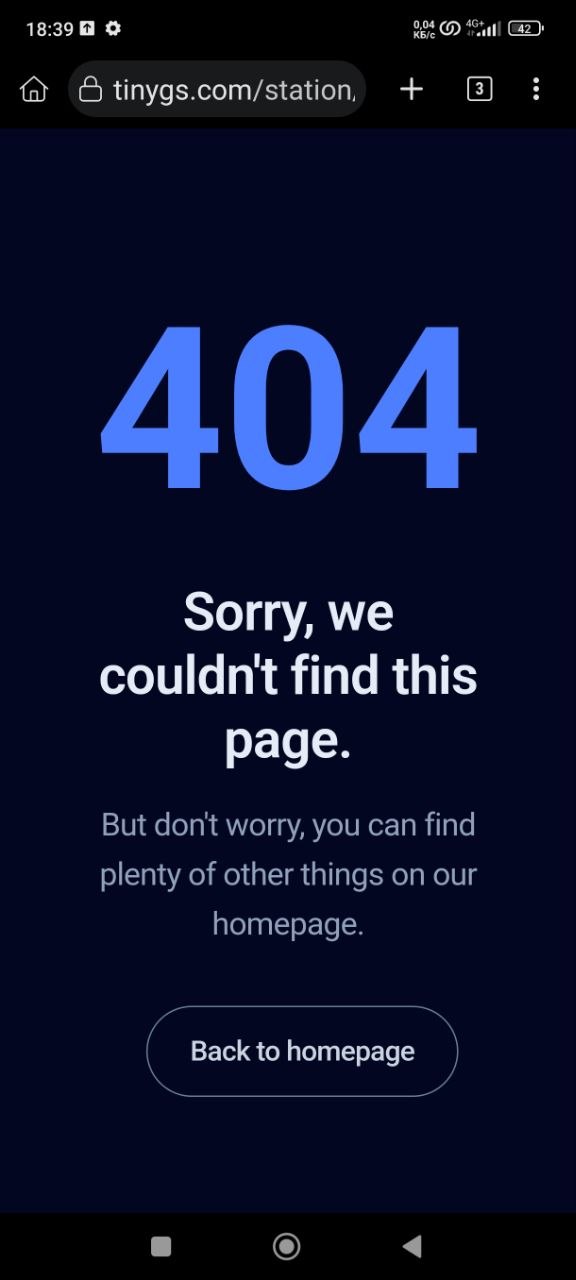
- TG5ALY sought help with persistent login issues on the TinyGS website, sharing screenshots of the problem. Community members suggested trying the new domain, clearing browser cookies, and checking for an IP block. After following advice, the issue was resolved, and the user expressed gratitude, also inquiring about the possibility of adding an APRS Dish antenna icon to TinyGS in the future. 🔗

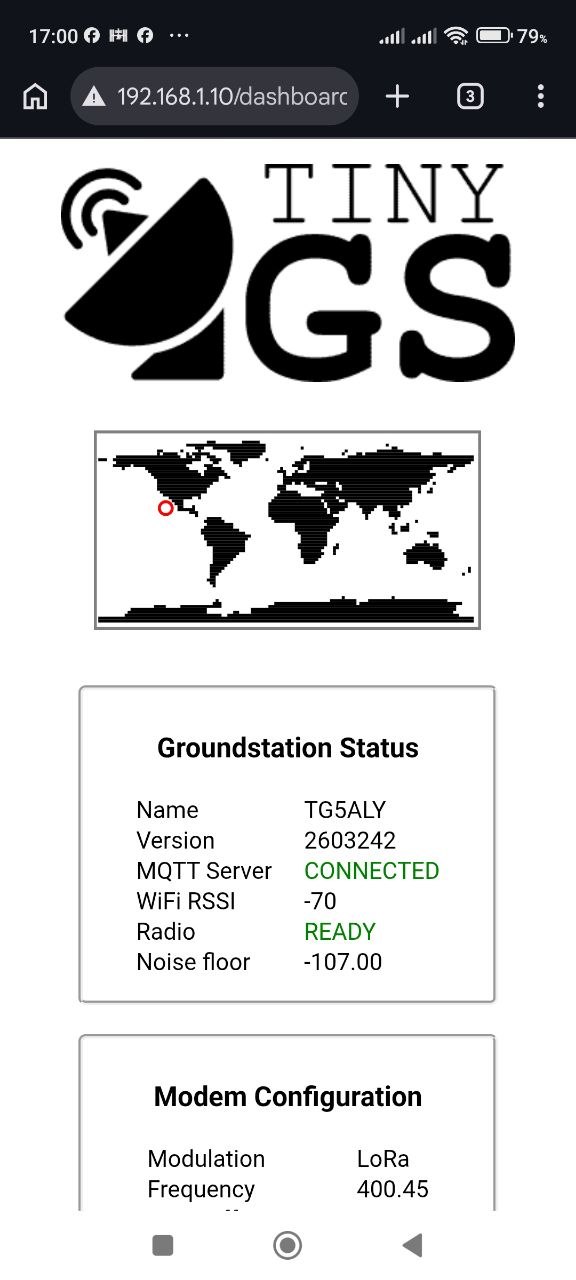
- gcarpi reported receiving LoRa packets from MULE-4T on 436.700 MHz using an SX1278 and RadioLib, but the payload was consistently only 11 bytes, while references suggest packets around 140 bytes with ASCII text. The user asked whether MULE-4T transmits multiple packet formats or if their configuration (implicit/explicit header, payload length, whitening, FEC) might be causing truncated reception, seeking confirmation of the expected payload length from anyone who has successfully decoded the telemetry. 🔗
Share your setup
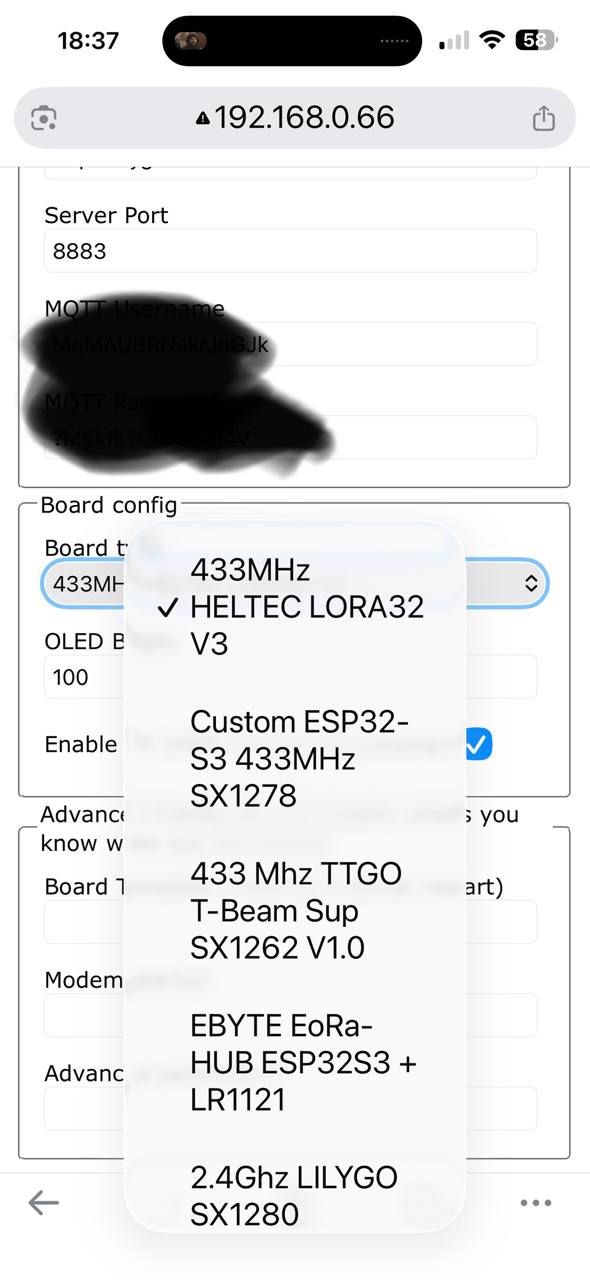
- Noel shared a photo of a Heltec 868MHz V3 board and asked why the firmware options didn’t match what they saw online, specifically missing the 868MHz selection. Stefan/OE6ISP explained that the available options depend on the board type (ESP32 vs. ESP32-S3) and firmware version, noting that for the S3, selecting the 433MHz config with autotune for 800MHz should work. megazaic confirmed the list is for ESP32, not the S3. Noel then mentioned using a discone antenna without picking up any packets. Helmi asked about their location, noting ConnectaIoTs only transmit over Europe, and Noel replied they are in the UK. Stefan/OE6ISP shared their experience, stating that even with a 5-element yagi and LNA, they only get a few packets a day on 800MHz, and a discone would likely be even more challenging. Noel wondered if an LNA might help, and Stefan advised that only a good LNA (noise figure <1dB) is useful, and primarily in quiet areas, pointing to their QRZ page for more info. 🔗
https://app.tinygs.com/station/OE6ISP_868_2@1760298214
https://www.qrz.com/db/OE6ISP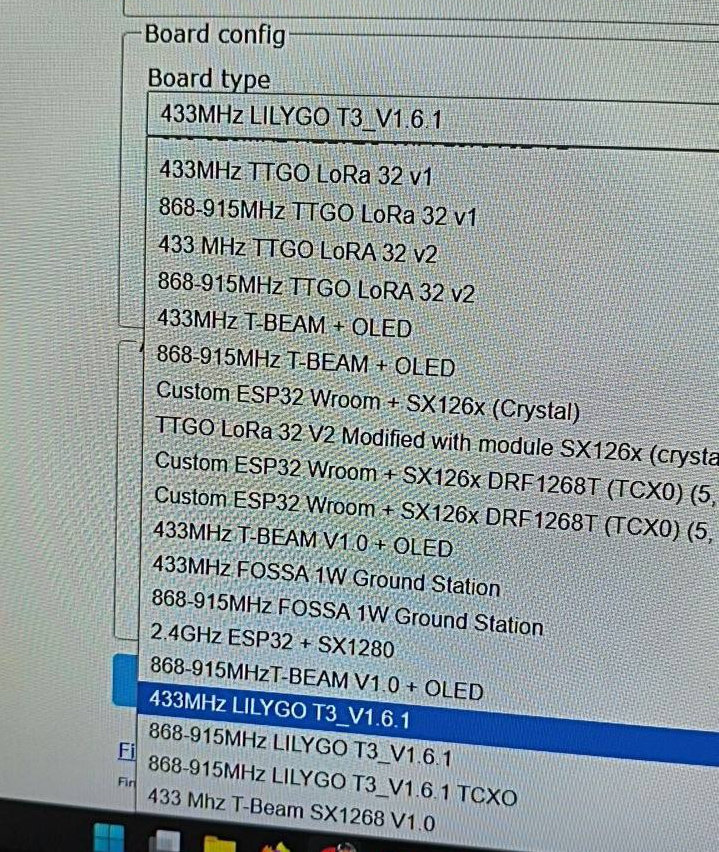
- Stefan/OE6ISP shared a detailed comparison of power supply regulators, measuring ripple and efficiency of cheap CN step-down converters versus high-quality Pololu PO4892 modules. The Pololu showed significantly lower ripple (20 mVpp vs 280 mVpp at output) and higher efficiency (up to 97%), though he noted the higher switching frequency could potentially cause interference. His station OE6ISP_2 is the first running on Pololu power. 🔗
https://app.tinygs.com/station/OE6ISP_2@1760298214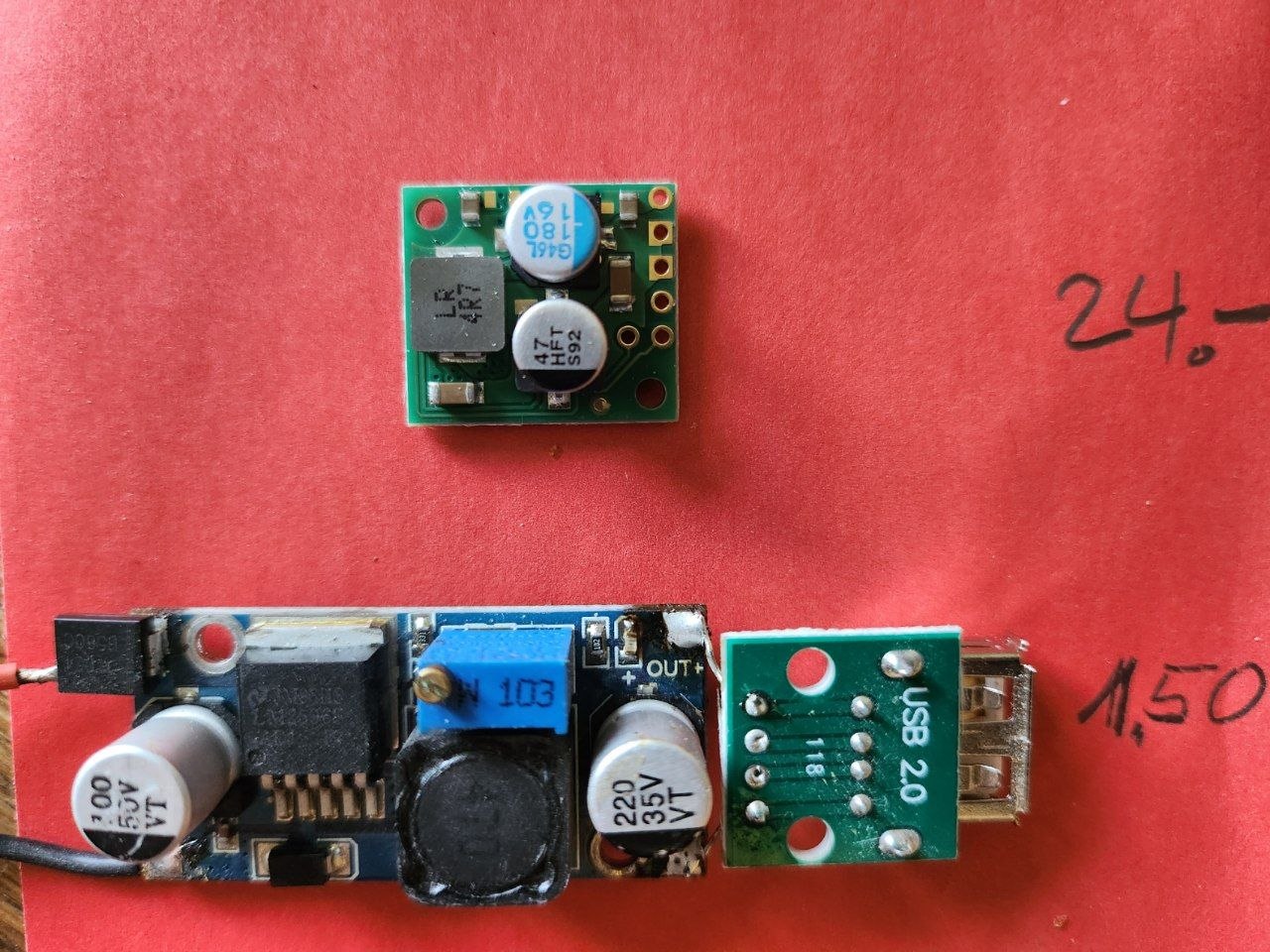
Announcements
- G4lile0 announced the completion of website maintenance and the launch of the new TinyGS landing page. The page now features newsletters, tutorials, and community-created content, with the ability for users to publish their own tutorials. A new web login is required to access the web app. 🔗
https://x.com/i/status/2060691938731249741
Featured Conversations
- The community explored whether TinyGS supports custom packet framing, asking if publishing decoding documentation is sufficient when using non-standard protocols, which sparked a discussion about the platform’s data handling policies.
- Troubleshooting efforts for Ebyte LR1121 board support highlighted a mismatch between TinyGS code and hardware documentation, with developers pointing to a beta branch that already includes LR1121 support, though further debugging is needed.
- A detailed comparison of voltage regulators revealed that high-quality Pololu step-down converters offer dramatically lower ripple (20 mVpp vs 280 mVpp) and higher efficiency (up to 97%) compared to generic CN modules, though the higher switching frequency warrants monitoring for potential interference.
- The community engaged in a technical debate about the feasibility of using software-defined radios for LoRa satellite decoding, with experienced members noting that hardware-based SX-chips still outperform software decoders, especially at the low signal-to-noise ratios typical of satellite links.
- The TinyGS project launched a new landing page and a dedicated Tutorials Hub, centralizing newsletters, tutorials, and community content, while users navigated initial login issues with help from the community.
Latest Cubesats News

Artemis II and Athena: The Day Argentina Shone at 70,000 km from Earth with Its Own Satellite
In early April 2026, Argentina’s ATENEA microsatellite was deployed from NASA’s Artemis II mission, reaching 70,000 km from Earth—the farthest an Argentine device has ever operated. The 12U CubeSat, developed by CONAE and national universities, tested long-range communications, GPS data collection, and radiation measurement in deep space. It transmitted scientific telemetry for 20-25 hours before a controlled re-entry and disintegration. The mission also assisted a Saudi Arabian satellite in re-establishing contact, solidifying Argentina’s role in deep space exploration.
Astrolight deploys optical ground station for ESA-backed CubeSat missions | Military Aerospace
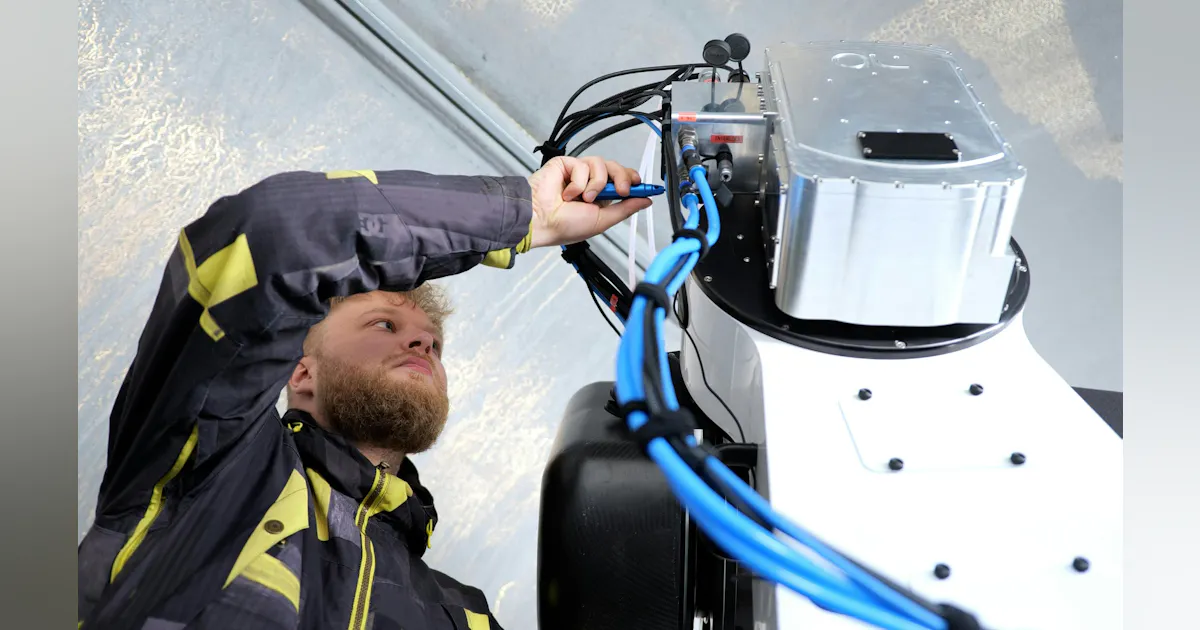
Astrolight completed commissioning of the Holomondas Optical Ground Station in Greece to support CubeSat missions. The station will enable high-speed optical data links for the PeakSat and ERMIS-3 satellites launched via an ESA-backed campaign. The system uses laser communications to achieve speeds up to 2.5 Gbps, reducing interference and spectrum congestion. Astrolight developed both the satellite terminals and ground optics, with calibration technology to maintain alignment under atmospheric and thermal challenges.
SLS Rocket To Accommodate 6U And 12U CubeSats On Future Artemis Flights
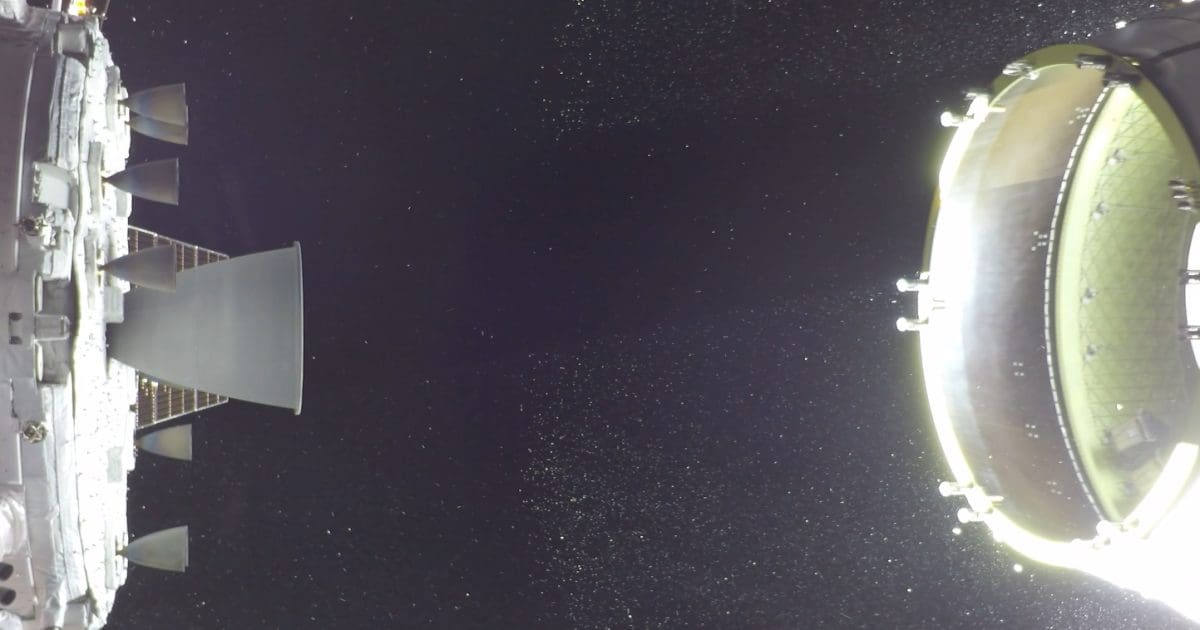
NASA is soliciting proposals for 6U and 12U CubeSats to fly on Artemis III, IV, and V missions, with a June 1 deadline. This expands secondary payload capacity beyond the 10 CubeSats on Artemis I and four on Artemis II. The larger nanosatellites will deploy into Earth orbit or on heliocentric trajectories after Orion separation. NASA provides integration and engineering support to researchers, advancing goals for lunar presence and Mars exploration.
Turkey’s Space Homeland Strategy Reaches New Dimension with OTS Members! Joint Satellite CubeSat…
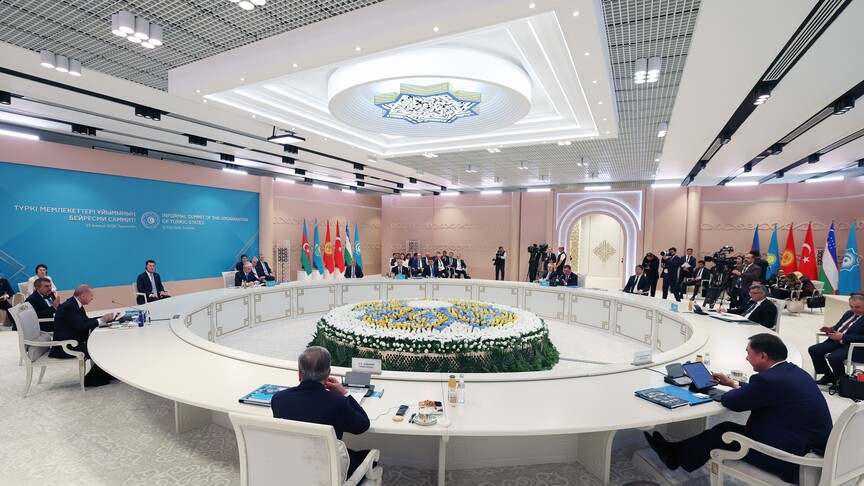
The Organization of Turkic States (OTS) agreed at the May 15 informal summit in Turkistan, Kazakhstan, to build a joint legal framework for space activities and AI. The first concrete hardware step is the CubeSat-12U nano-satellite, designed collectively and set for launch this year under the OTS flag. The strategy includes joint technology festivals, engineering exchanges, and digital literacy camps targeting youth and women in STEM fields. This initiative aims to reduce technological dependence and reverse brain drain across member states.

Vacuoles in a Vacuum: The Silent Failure of a CubeSat Chassis
A CubeSat suffered catastrophic structural failure minutes after reaching orbit due to outgassing from a non-certified commercial adhesive. 3D forensic analysis using Siemens NX and Volume Graphics revealed gas bubbles (vacuoles) in the adhesive expanded in vacuum, generating internal pressures up to 1.2 MPa. This hydraulic wedge effect fractured the carbon fiber joints from within, disintegrating the structure in seconds. The failure highlights that non-aerospace components can compromise decades of structural design, while certified vacuum adhesives with volatile content below 0.1% eliminate such risks.

Talk “Engineering Challenges and Research Opportunities of Space Exploration with Nanosatellites Made in Chile”
The Department of Electrical Engineering at the University of Chile is hosting a talk on nanosatellite development in Chilean universities. Engineer Carlos González Cortés will discuss CubeSat standard challenges and opportunities for science and technology. González has experience developing nanosatellites like SUCHAI and PlantSat at the Space and Planetary Exploration Laboratory. The event takes place on Wednesday, June 3, 2026, at 12:00 PM in the DIE Seminar Room.

Top News - China Sends Serbia into Space / Helps Belgrade in Satellite Development
China is assisting Serbia in developing its first satellite, marking a significant step for the country’s scientific and technological ambitions. The project, known as MOSAIC, is based on CubeSat technology - miniature satellites. Serbian researchers say this could lead to the establishment of a national space program in the future.
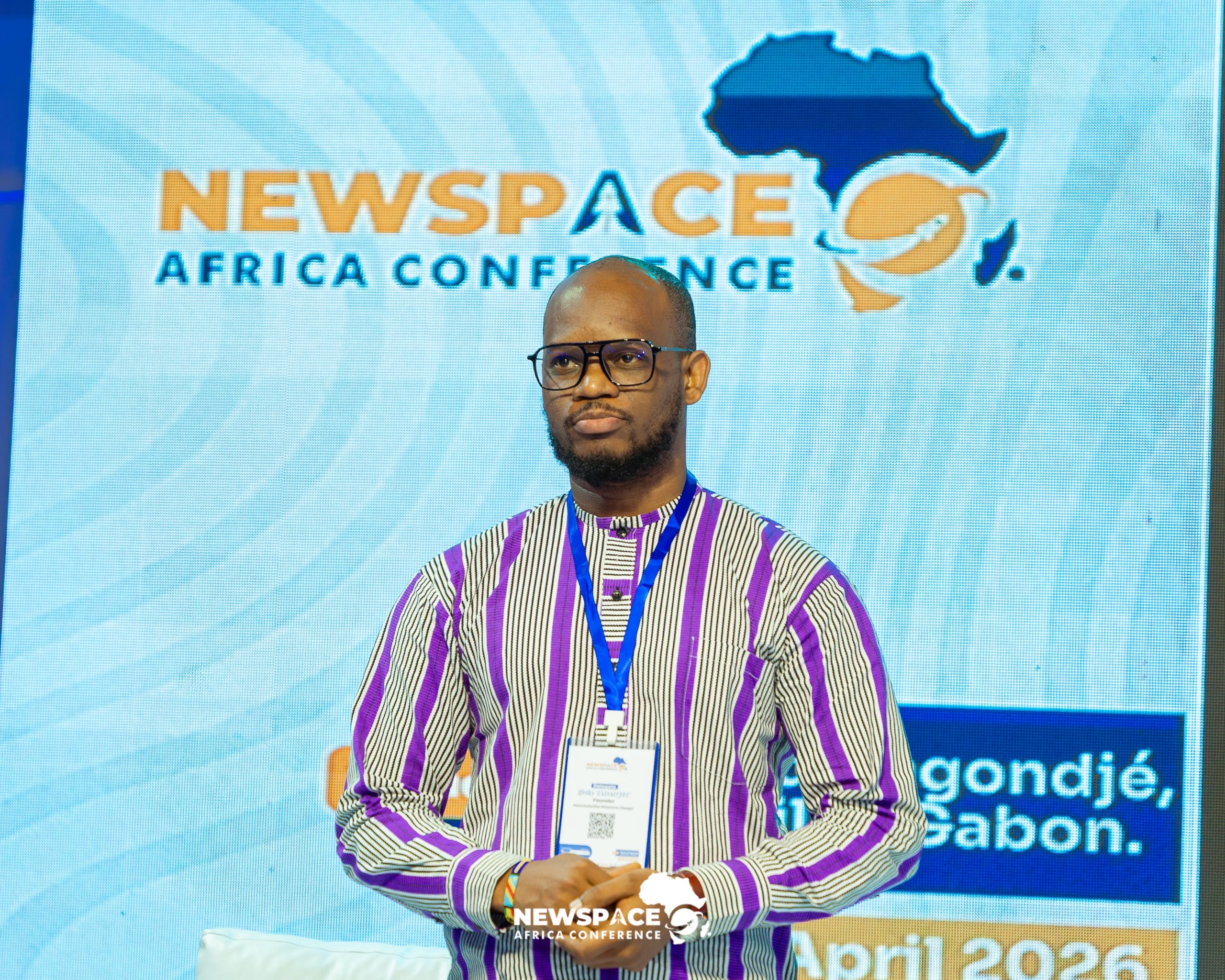
NMD Is Building Africa’s Space Workforce, One Picosat at a Time
Nanosatellite Missions Design (NMD), a Cameroon-based company, won the NSAC 2026 Startup Pitch Competition for its Mission 237 constellation, which trains engineers using real picosatellites. The first picosat launch is scheduled for this quarter, with 70% of constellation access reserved for African participants. NMD has trained over 200 African professionals and is raising EUR 2 million to scale its facility into a regional hub for Central Africa. Dr. Ifriky Tadadjeu argues that building sovereign human capacity is essential for long-term African space industry growth.

Exolaunch Signs Contract with SpaceX for Two Falcon 9 Launches | CoNowego.pl
Exolaunch has signed contracts with SpaceX for two Falcon 9 missions, Exo-1 and Exo-2, scheduled for late 2027 and 2028. These dedicated launches will deploy satellite constellations, support government programs, and enable large-scale campaigns using Exolaunch’s flight-proven EXOtube technology. The modular EXOtube architecture accommodates satellites from 20 kg to over 1400 kg, including CubeSats. This marks Exolaunch’s first dedicated SpaceX launches, offering clients predictable and reliable rideshare opportunities.
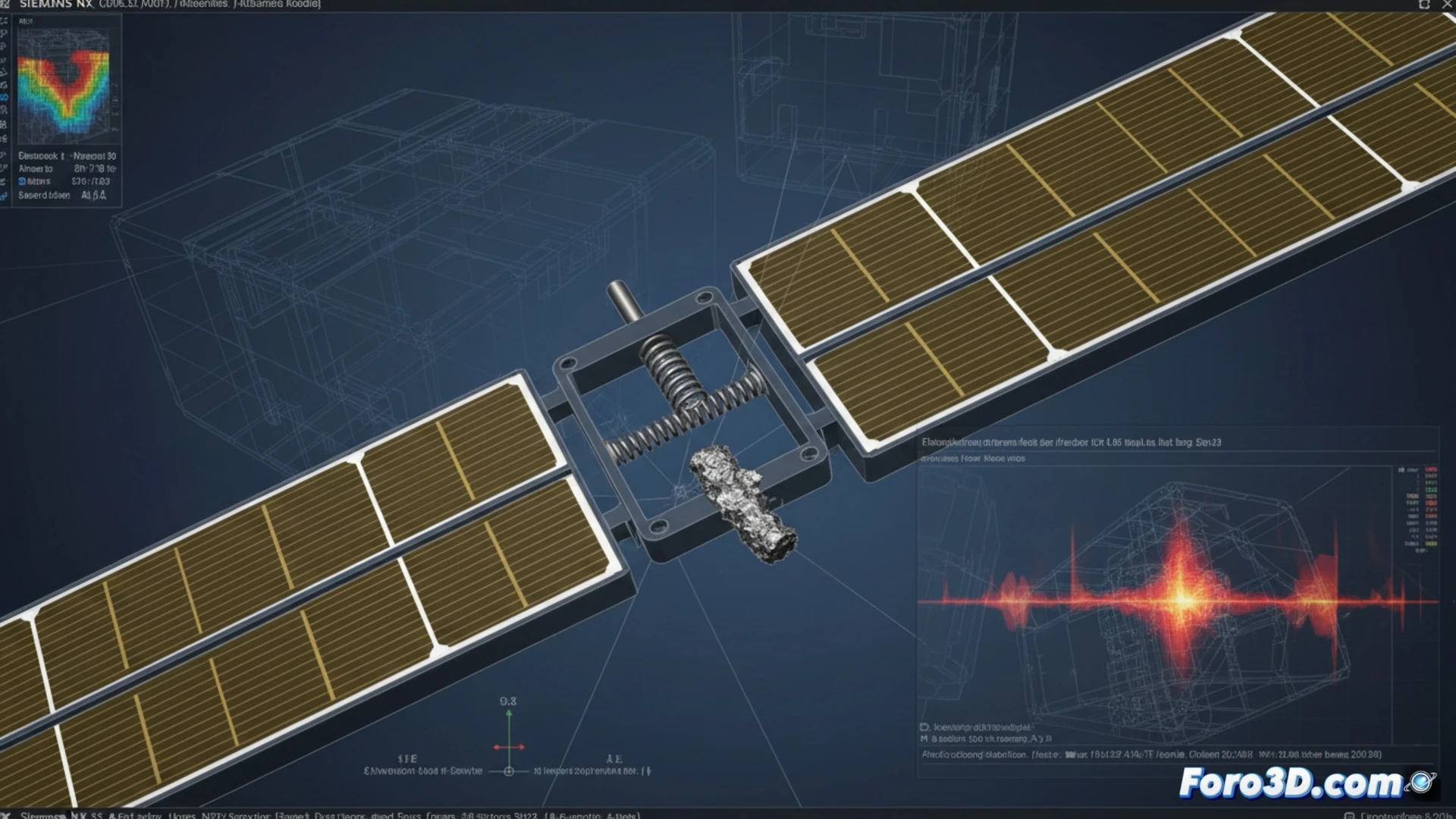
3D Printed Hinge Burr Locks CubeSat Solar Panels - Foro3D
A microscopic burr on a 3D-printed hinge blocked a torsion spring, preventing a research CubeSat’s solar panels from deploying and causing total mission failure. The engineering team used a 3D pipeline (Siemens NX, Maya, Ansys) to analyze onboard camera footage and manufacturing plans. Ansys fatigue simulation revealed the burr, a common 3D printing defect, acted as a physical stop, increasing friction until the spring locked. The failure highlights the need for early-stage fatigue simulation in 3D design to predict such defects, with proposed fixes including an internal chamfer and solid lubricant coating.
What’s next
Join the TinyGS Telegram channel to participate in these discussions and contribute to the project. Your experiences and insights can help others build and improve their stations!