tinyGS
· TinyGS Community · 5 min read
Weekly Newsletter - June 1, 2025
Welcome to the TinyGS community newsletter. Stay updated with the latest discussions and developments within the TinyGS project.
Highlights
General
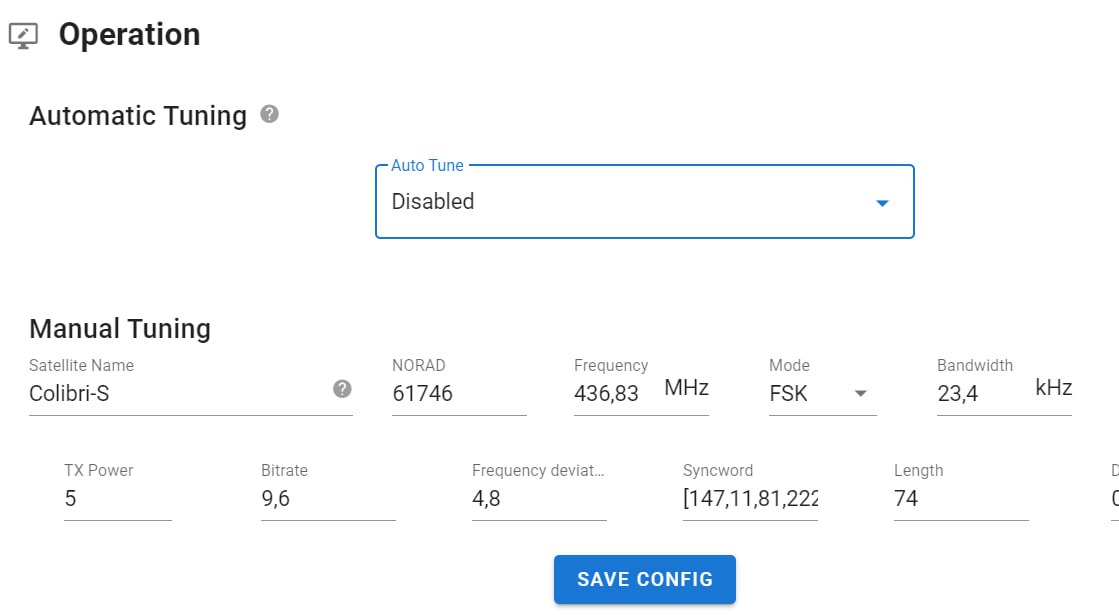
- Guillem asked if the center frequency can be tuned with tinyGS. After Stefan/OE6ISP indicated that can tune manually on the Operation-page, Guillem mentioned he’ll try some frequencies to see what happens. 🔗
- Andreas asked how to get MQTT access. 🔗
- n3v1l explained that users need to activate it through the @tinygs_personal_bot by using /start and then /mqtt commands. 🔗
- Alz introduced themself as a new member, an electronic engineer and programmer from Brazil, and asked if there are any tutorials for a novice to start their own TinyGS project. 🔗
- K4KDR welcomed Alz and shared a link to the TinyGS GitHub repository. 🔗
- Luc asked about how to register as a new TinyGS user. 🔗
- Stefan/OE6ISP explained the registration process using the @tinygs_personal_bot, including the /mqtt command for credentials and //weblogin for accessing the web console. 🔗
- Alan reported that tiny gs keeps saying connecting for 2 days nearly but will not connect to hotspot, and asked for help to solve it. 🔗
- Alan said he has programmed a new device and thinks he needs new credentials and thanked Helmi for the support. 🔗
- Helmi mentioned to use the same credentials, only a different station name is required. 🔗
Technical Problems
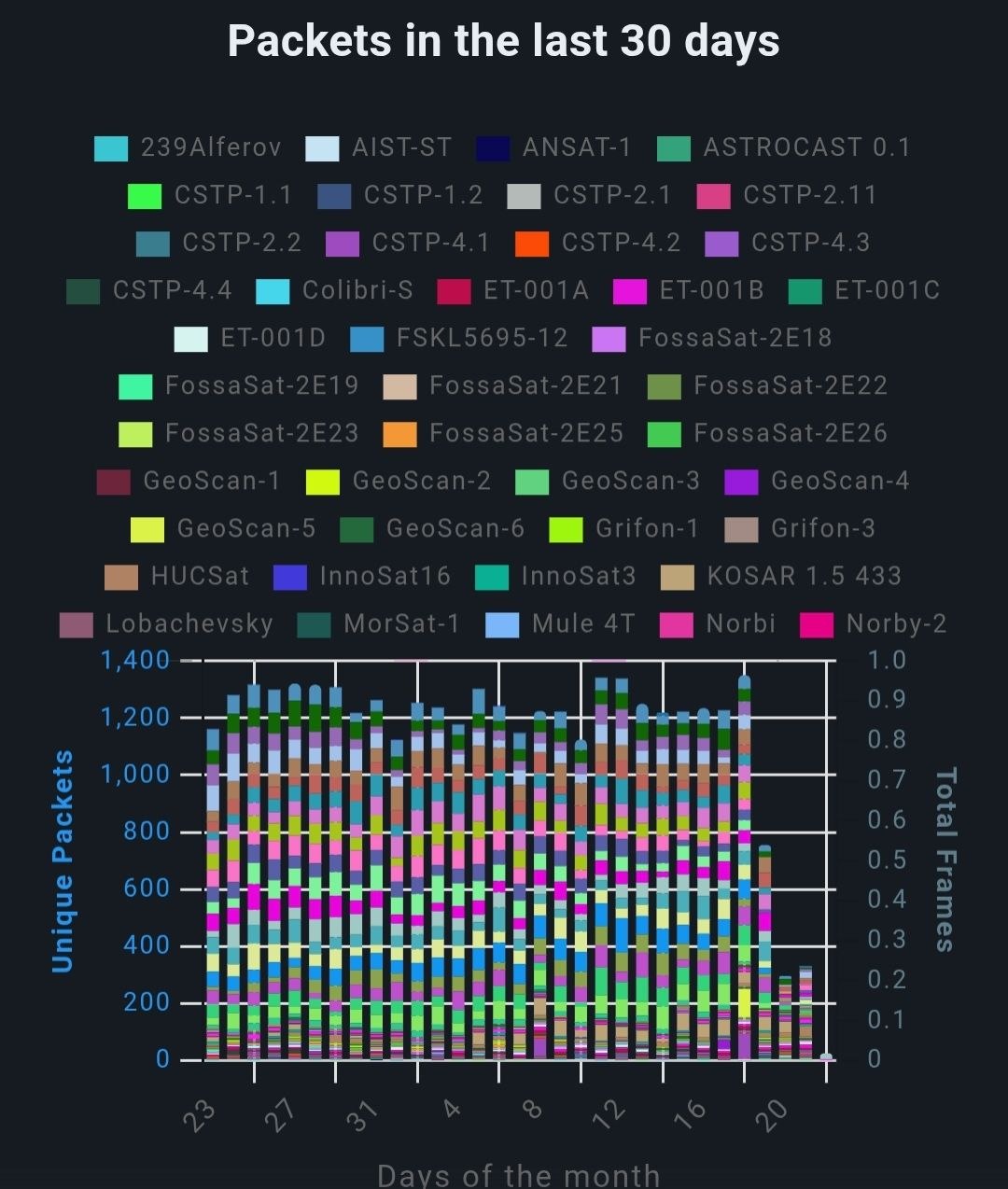
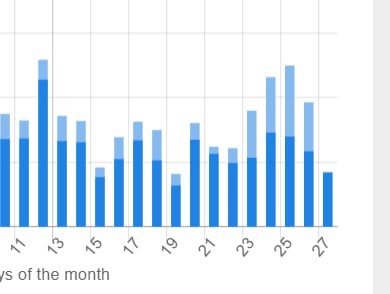
- Chris_DL7AG reported not noticing major changes after changing the cable and replacing the antennas, and observed that almost all stations had a significantly higher reception rate at the end of last month and the beginning of this month, before dropping, assuming it’s not due to their station. Shared multiple images showing the problem with some stations. 🔗
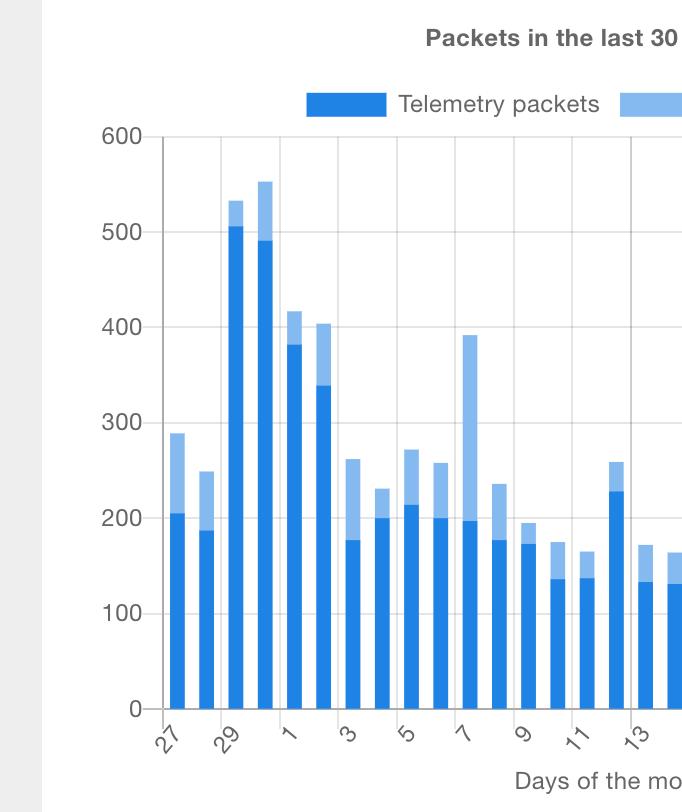
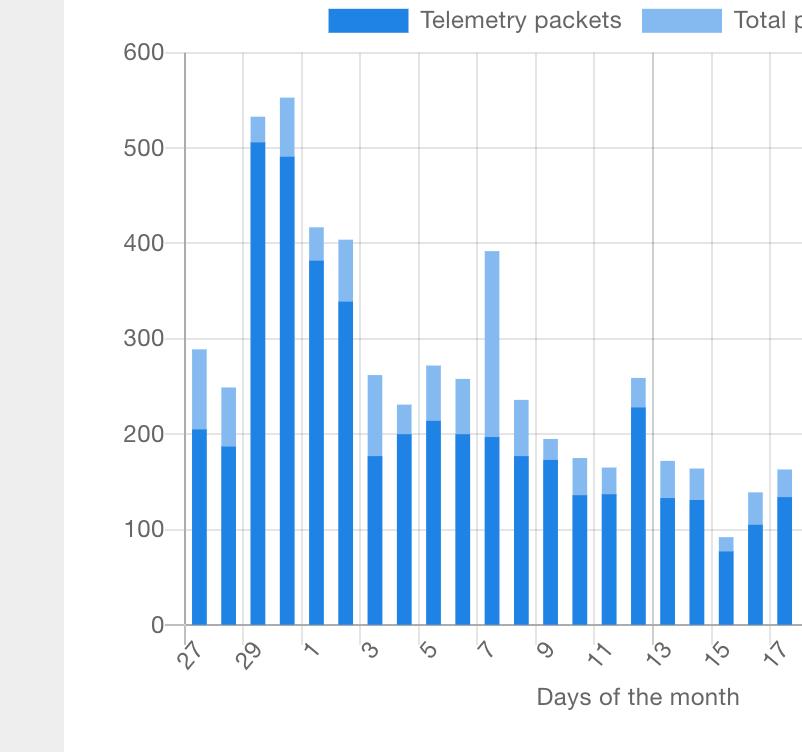
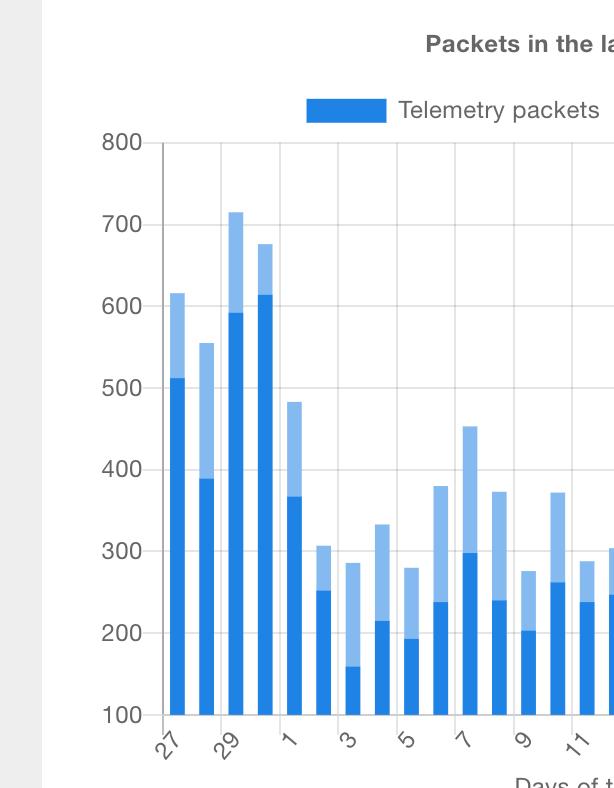
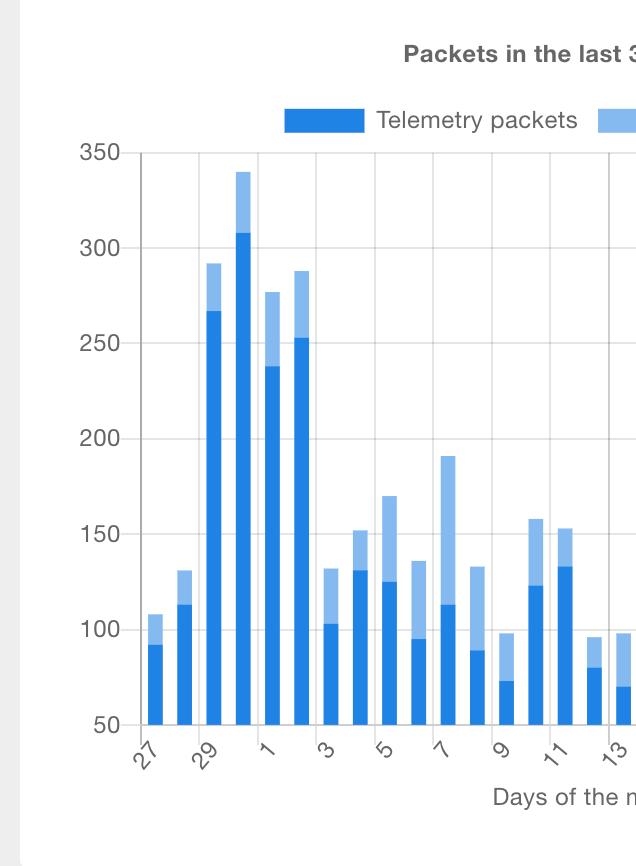
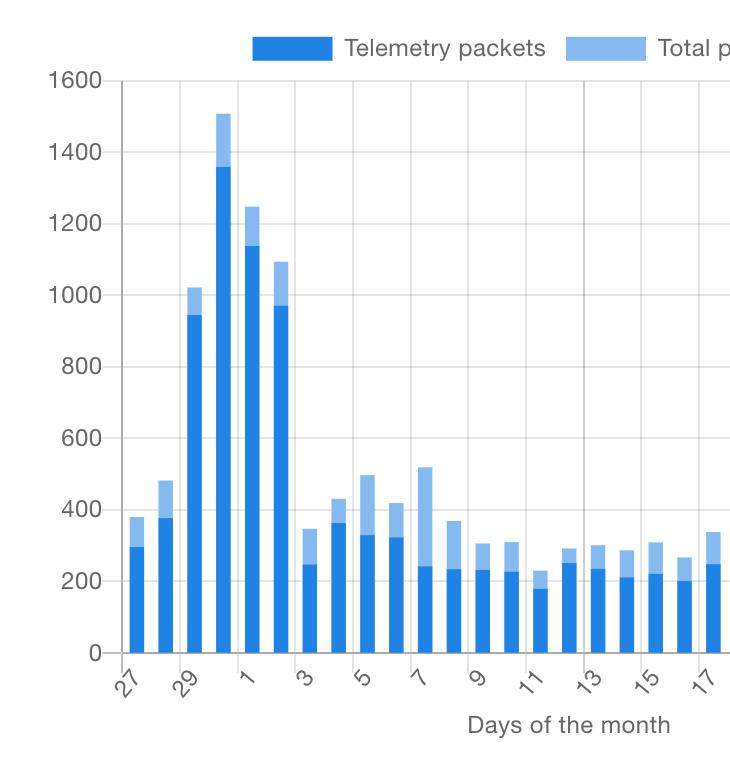
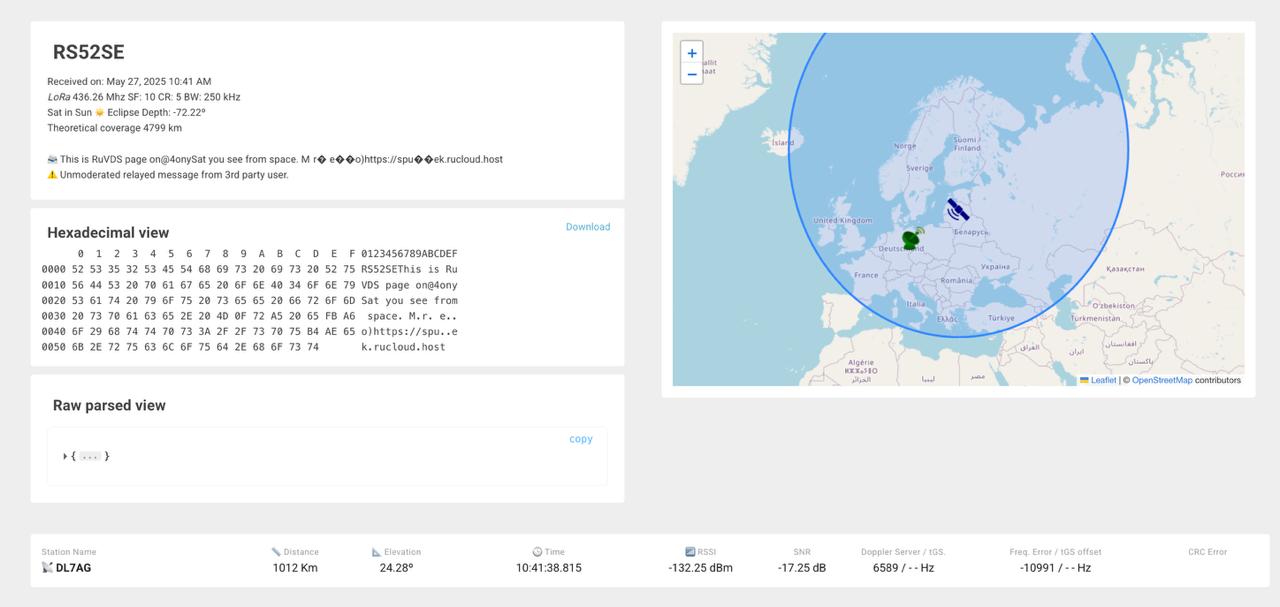
- Stefan/OE6ISP commented on Chris_DL7AG’s issue, suggesting not to focus on stress test peaks, noting a drop in packet count around the 21st but a doubling from the 24th reaching April levels, speculating improved station performance with more non-telemetry packets. They also stated that it’s difficult to compare different stations due to varying characteristics and satellite group dependencies. 🔗

- omuoto asked about the new ‘tle’ inclusion in ‘begine’, questioning its format and usage. Specifically, enquired about the TLE field being Base64 encoded binary data rather than standard text. Further, requested a link to the compression routine and asked if it is in the latest release. 🔗
https://x.com/G4lile0/status/1891151191091957884?t=tCBJuRjuczQU3oWeHNVqCg&s=19 - Solpiplog reported that the MQTT begin message for FossaSat-2E19 is sending NORAD ID 99991 instead of 62676. 🔗
- omuoto noted that MXFN_26_LITE is continuously receiving a ‘reset’ command and, along with G4lile0, discussed potential causes, such as custom firmware consuming too much memory. 🔗
- ciego240 reported issues with reconnecting a station after deleting it and reflashing the firmware, despite using the same MQTT user and password. 🔗
- A asked if there is a way to regain access to his account after accidentally wiping his phone and losing his previous Telegram account. 🔗
Antenna Building
- K4KDR shared an antenna calculator for measurements and tips: —> [https://www.steeman.org/Antenna/Yagi-Antenna-Calculator\](https://www.steeman.org/Antenna/Yagi-Antenna-Calculator) 🔗
https://www.steeman.org/Antenna/Yagi-Antenna-Calculator - Network_ne is looking for a complete antenna chain for a user terminal to track LEO satellites and automize it by custom tracker(gimbl/rotor) to achieve better transceiver. Helmi suggested that Network_ne look into the Beta firmware test section, specifically Stefan/OE6ISP’s post from May 21st about changing the TinyGS firmware to get a rotor interface. 🔗
- Helmi asked if “track” means using an AzEl rotor or only receiving many sats, and added that for a rotor, a directional antenna is needed, while in the other case, an omnidirectional will receive a lot of different signals. 🔗
- Moonlight0551 shared a link to a home-built az/el antenna tracker. 🔗
https://www.sarcnet.org/rotator-mk1.html - Chris_DL7AG shared progress on building small turnstile antennas, mentioning a change of plans due to rain. [https://tinyurl.com/bdfx3h9u\](https://tinyurl.com/bdfx3h9u) 🔗
Share your setup
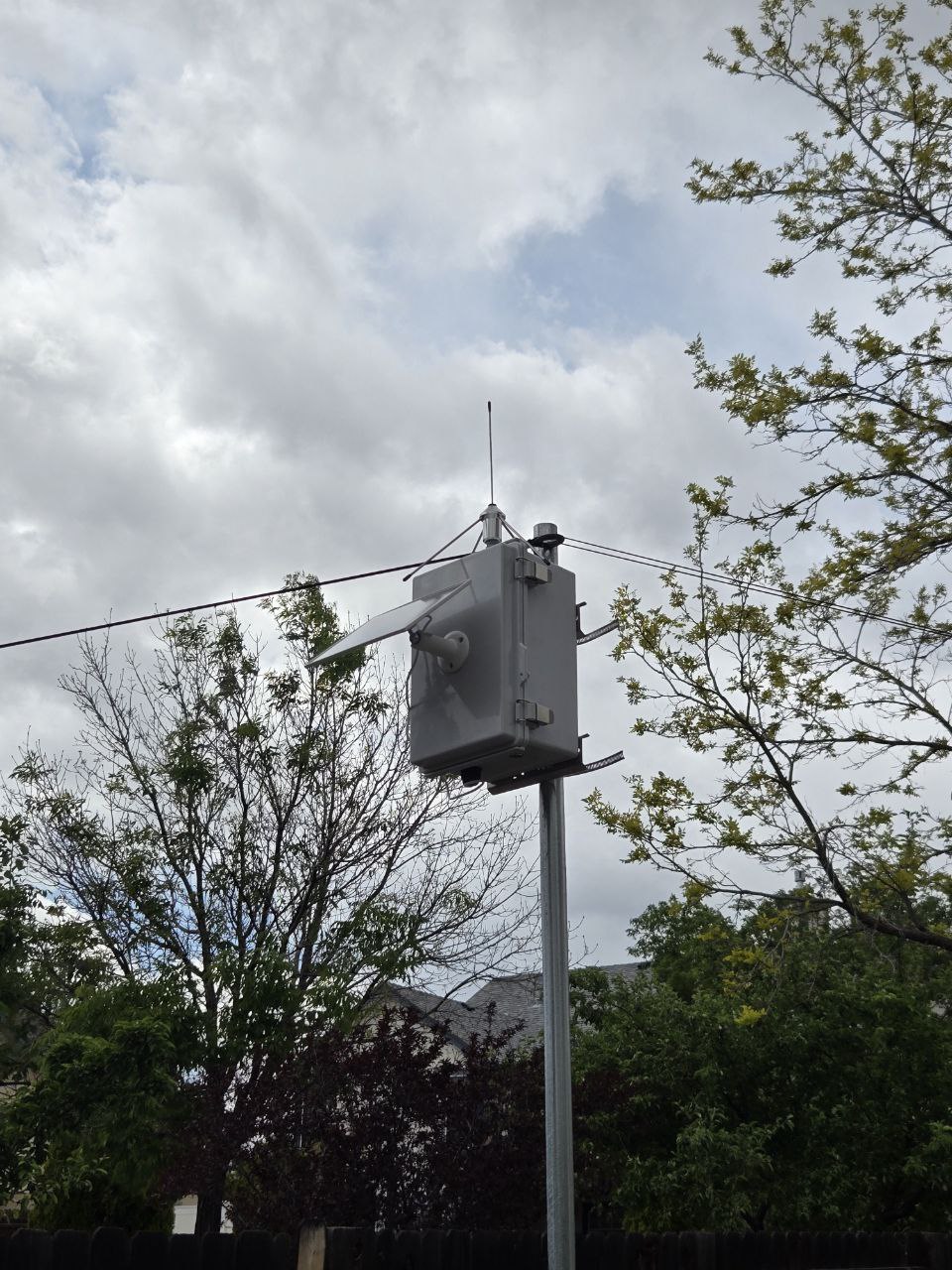
- Sard moved the station to a pole used for a shade cloth and removed the bpf filter. 🔗
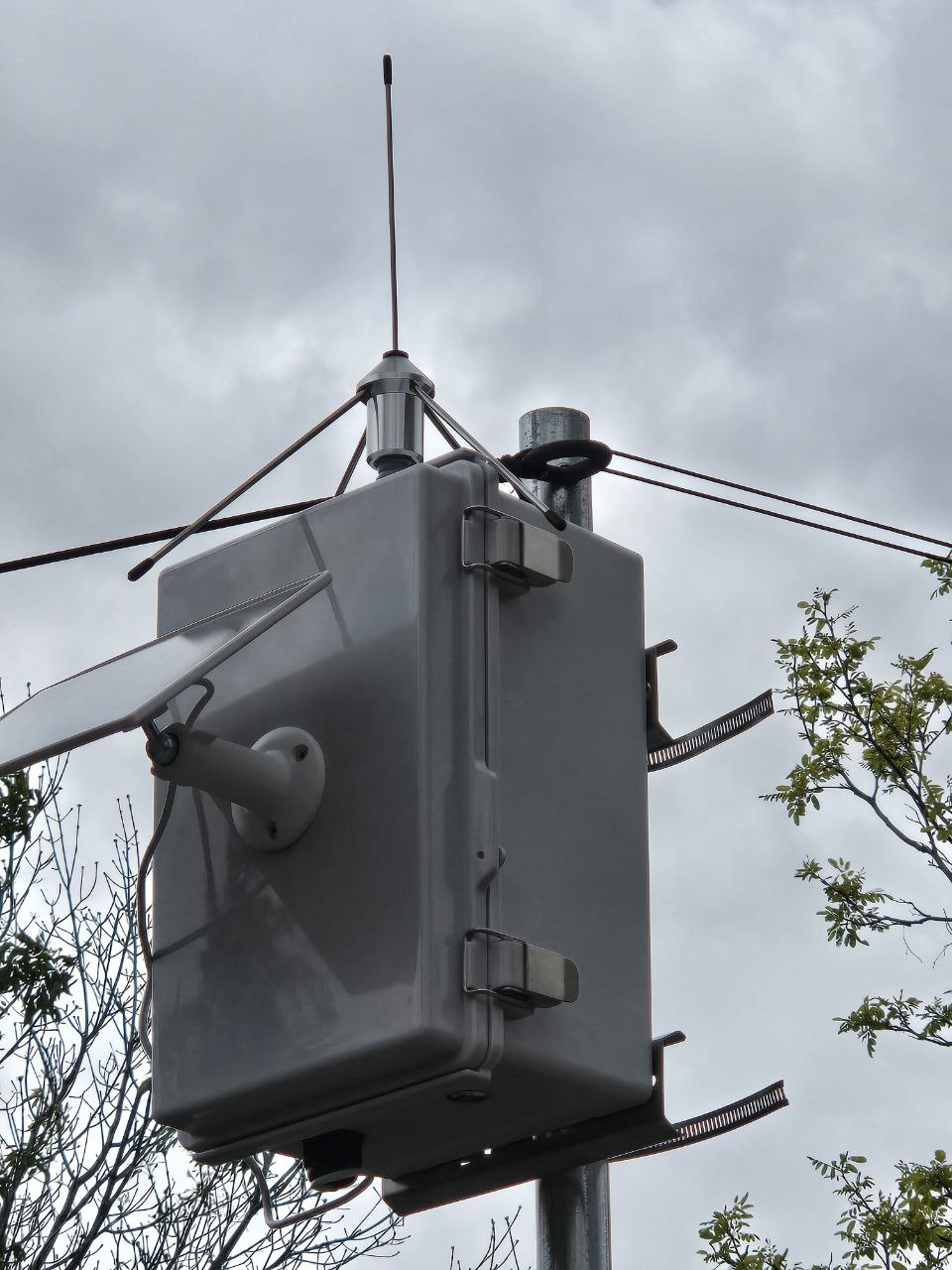
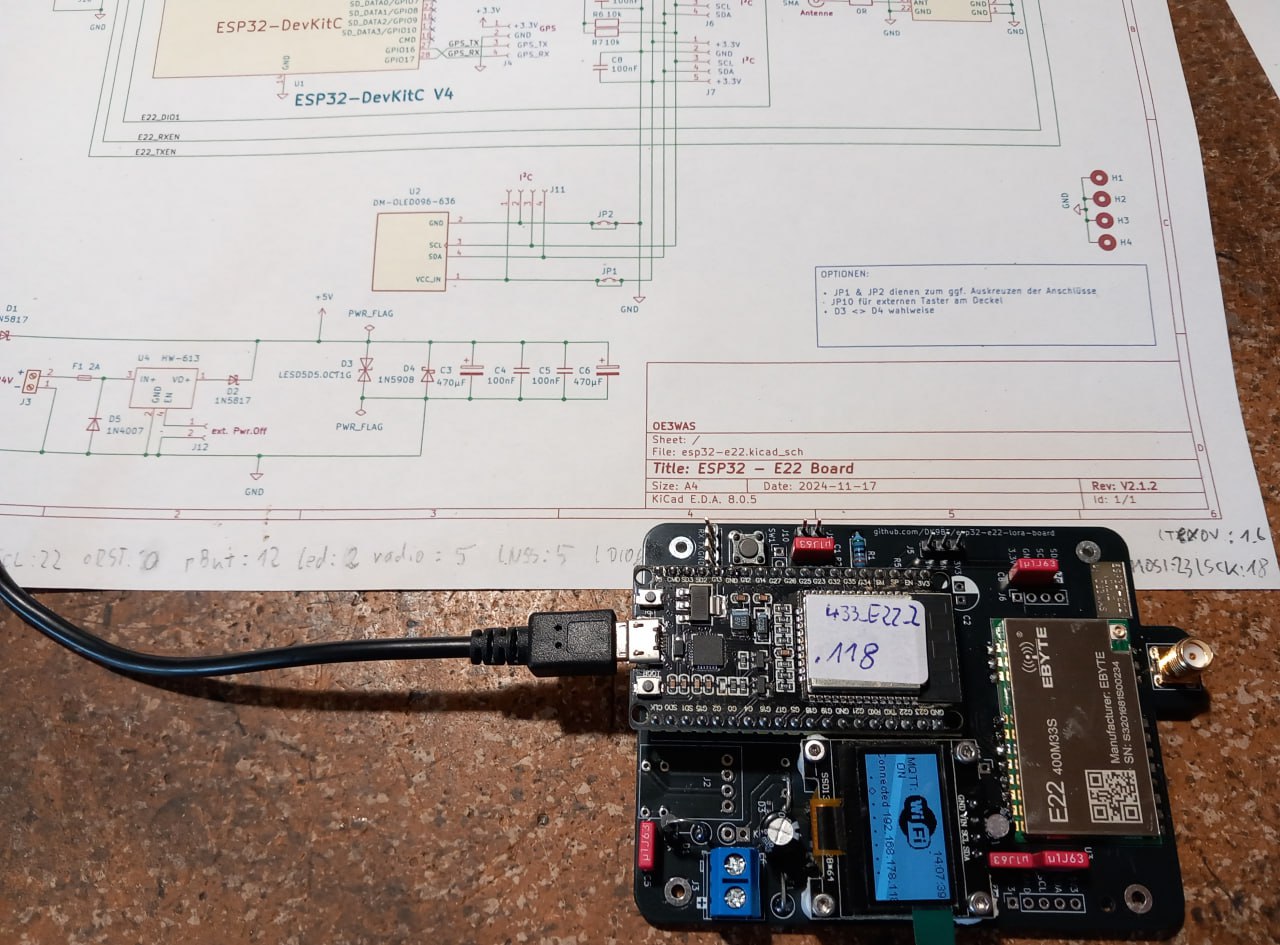
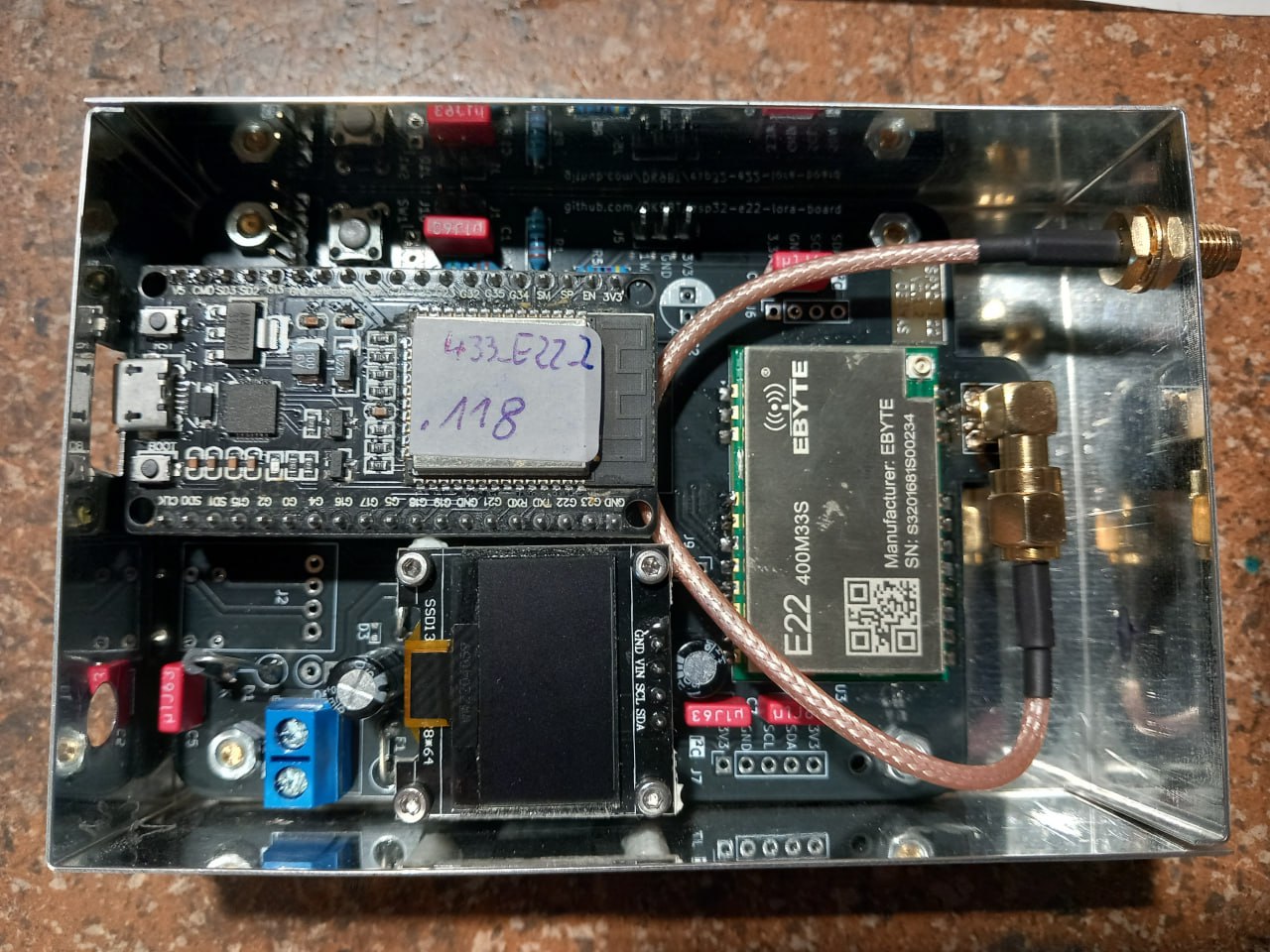
- Helmi shared information about a new E22-400 board adapted from an Austrian-German Meshcom group’s design for Ham Radio communications and after boxing the pcb, will make first tests. Later, Helmi added a picture of the board in the box, mentioning the need for another antenna. 🔗
Beta Firmware Testing
- F21467 asked why the version 2504272 that they installed manually is systematically replaced by 2505255 by the system. Later, confirmed that with auto-update it changes and tried to remove it but the same thing happens. 🔗
- Notsure7 asked if auto-update is on. 🔗
- G4lile0 informed F21467 that their station’s auto-update was turned on and has been changed to off, so it will not receive the OTA update. 🔗
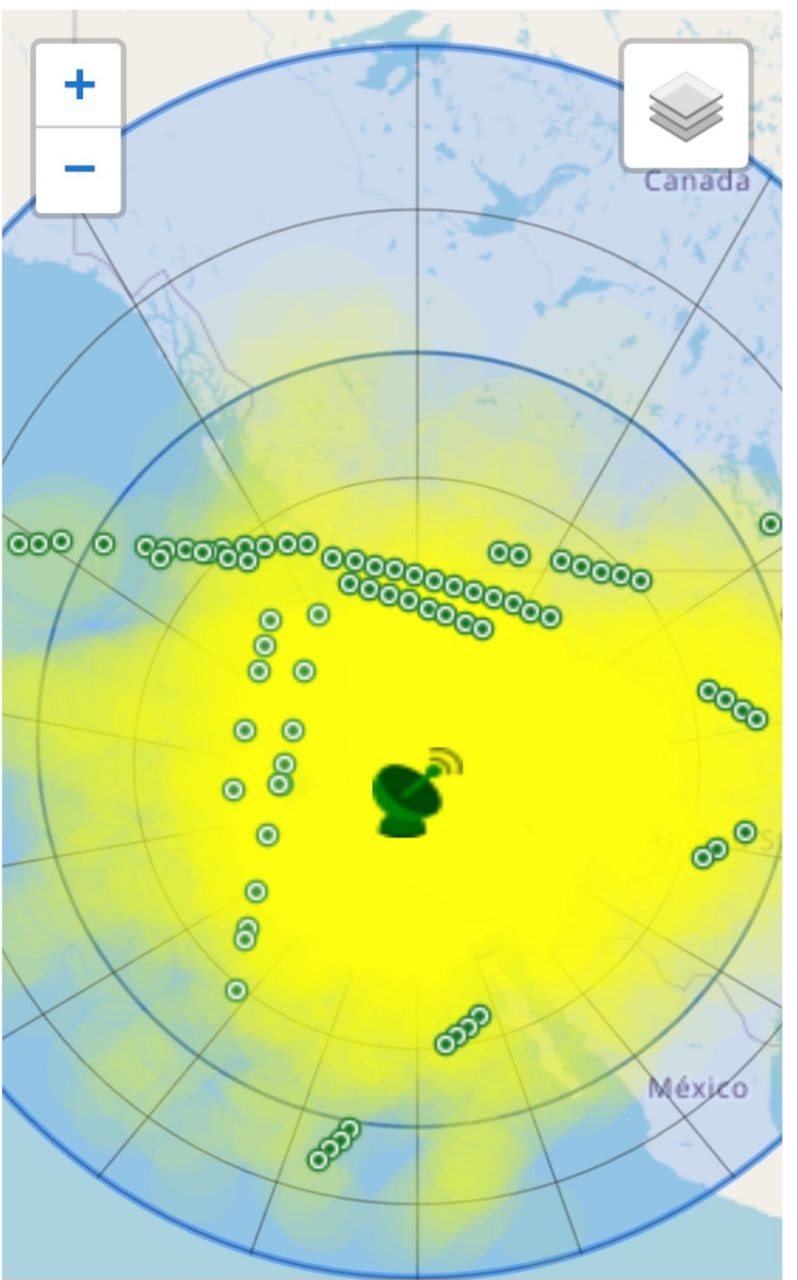
- Stefan/OE6ISP shared that after unsuccessful testing of FSK-satellites with SX1278, setting up a station with SX1262 yielded amazing performance, receiving about 200 packets in 2 hours. He has set up an autotuned station that only accepts tuning to FSK to maximize pass reception and asked @G4lile0 if there is a specific reason, why AFC is not turned on for FSK, mentioning that the high inter-message-dopplershift near TCA seems to be a problem for the modem and causes many dropouts up to complete blackout at high elevations for narrow FSK-bandwidths, suggesting that turning on AFC might avoid this. 🔗
https://app.tinygs.com/station/OE6ISP_8@1760298214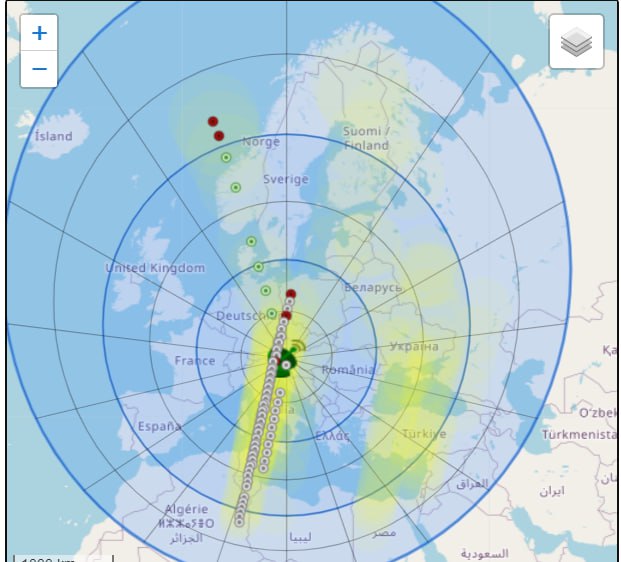
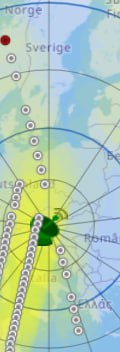
- G4lile0 replied to Stefan/OE6ISP, noting that testing AFC is on the to-do list and that he needs to experiment with it. He believes AFC is only available for direct mode, which means using pin DIO2, which poses a small problem. 🔗
Featured Conversations
- The community welcomed a new member from Brazil, an electronic engineer and programmer, and offered guidance on starting a TinyGS project.
- Stefan/OE6ISP reported significant improvements using SX1262 for FSK satellite reception, achieving a high packet reception rate.
- Technical discussions are focusing on the inclusion of TLE data in the ‘begine’ command, with community members exploring its format and potential usage.
- Users discussed troubleshooting techniques for improving station performance, including antenna adjustments and hardware upgrades.
- Helmi shared a new E22-400 board setup for Ham Radio communications, generating interest and discussion within the community.
What’s next
Join the TinyGS community today! Share your knowledge, ask questions, and help us expand the network of LoRa satellite ground stations. Your contributions make a difference!
Share: