tinyGS
· TinyGS Community · 8 min read
Weekly Newsletter - June 22, 2025
Stay up-to-date with the latest discussions, developments, and insights from the TinyGS community.
Highlights
General
- Juan Pablo asked if there are plans to receive the WISeSat satellite being launched today with Tinygs. 🔗
- G4lile0 answered to Juan Pablo’s question about WISeSat satellite, pointing to a previous message. 🔗
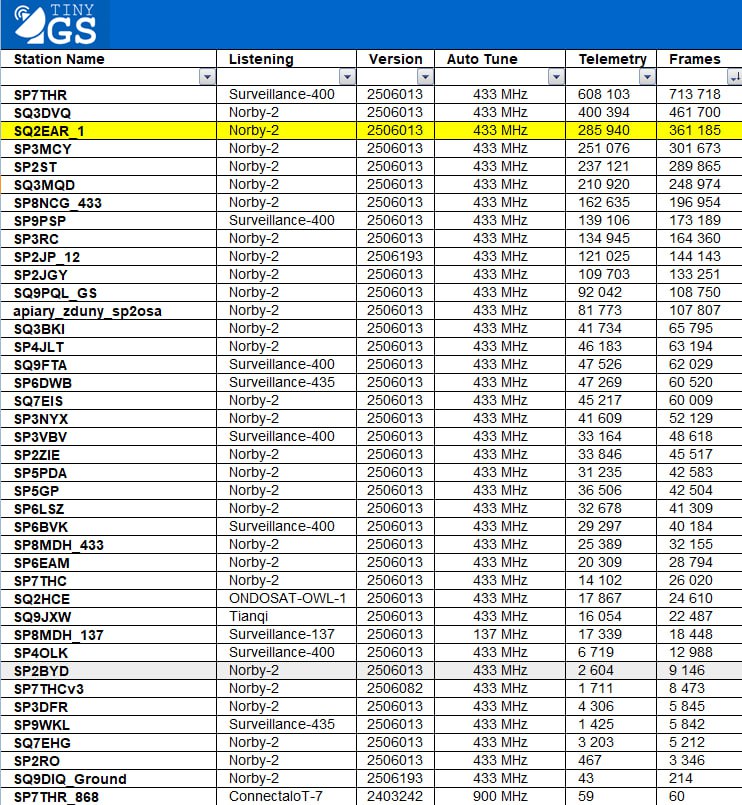
https://t.me/c/1448773154/78478/172472 - SQ2EAR shared polish statistics. 🔗
- Piotr commented that the statistics are quite incomplete because not all stations have a call sign as a name. 🔗
- Helmi commented that the statistic is polished. 🔗
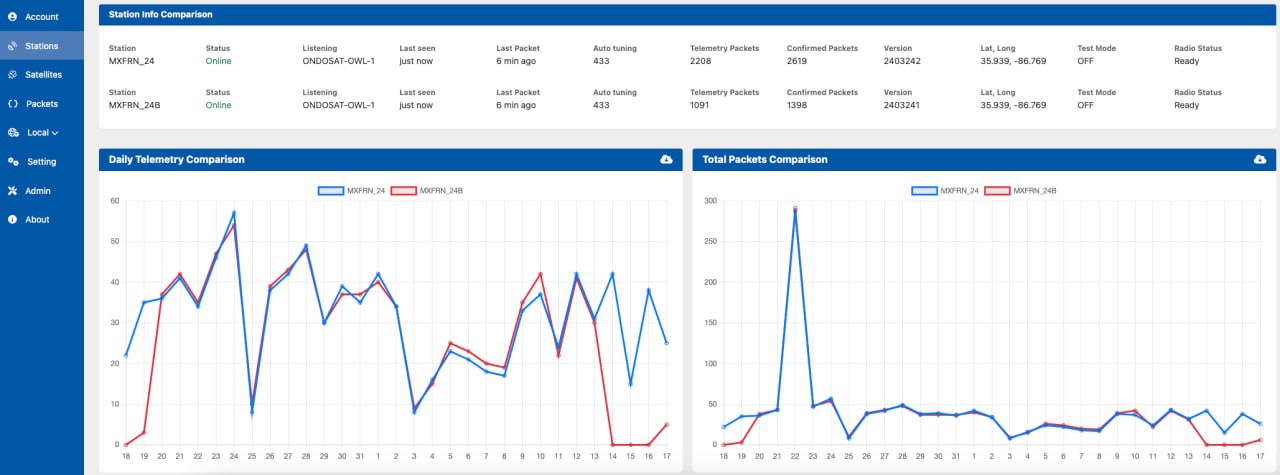
- omuoto shared a tip on using the TinyGS API to get satellite lists and TLEs, and using satellite.js with Node.js or JavaScript to predict satellite trajectories, check overhead passes, and map real-time locations. He is using his setup to compare two ground stations with different hardware/settings. 🔗
Share your setup
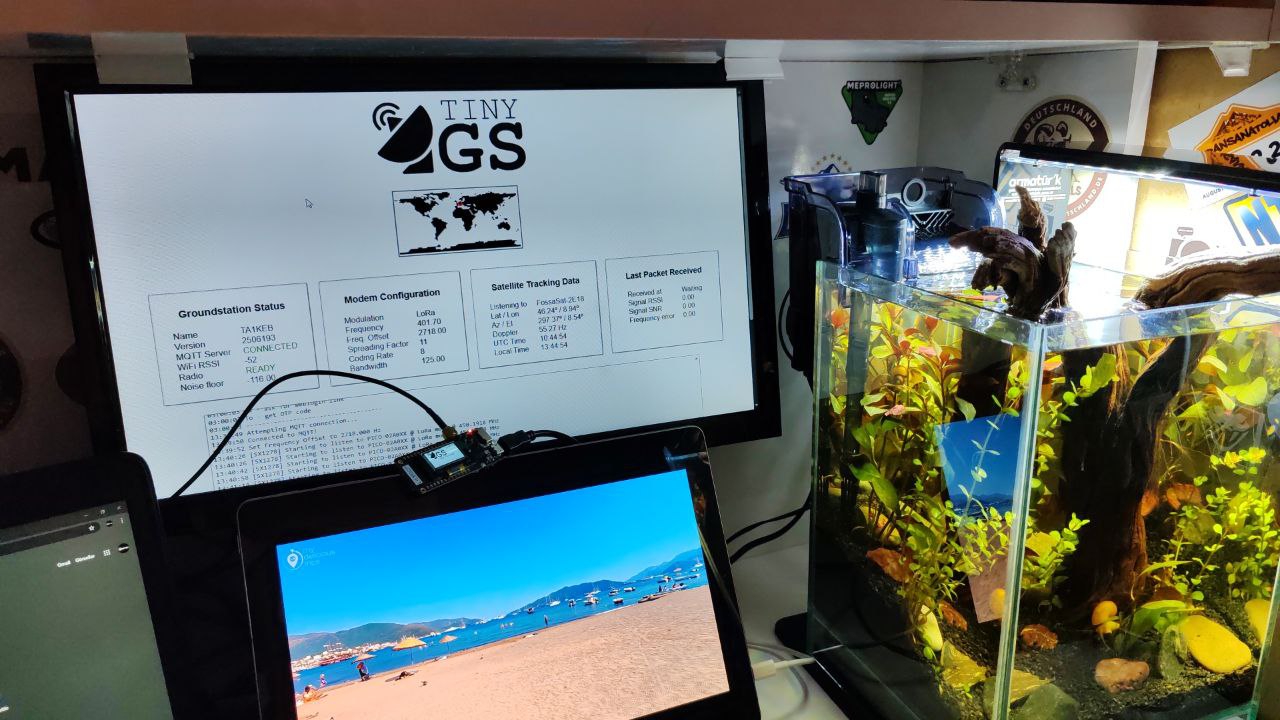
- Linux34 shared a photo of their setup. 🔗
- rj45jack mentioned that his 915 NA node is getting 0 packets and is switching to 433, thanking for the info. 🔗
- Helmi mentioned that there are no satellites sending LoRa @868/915MHz in the US, but the ConnectaIoTs in Europe @869.525MHz transmit only if they can reach Turkey, and reported the last reception was ConnectaIoT-6 two hours ago. 🔗
Events
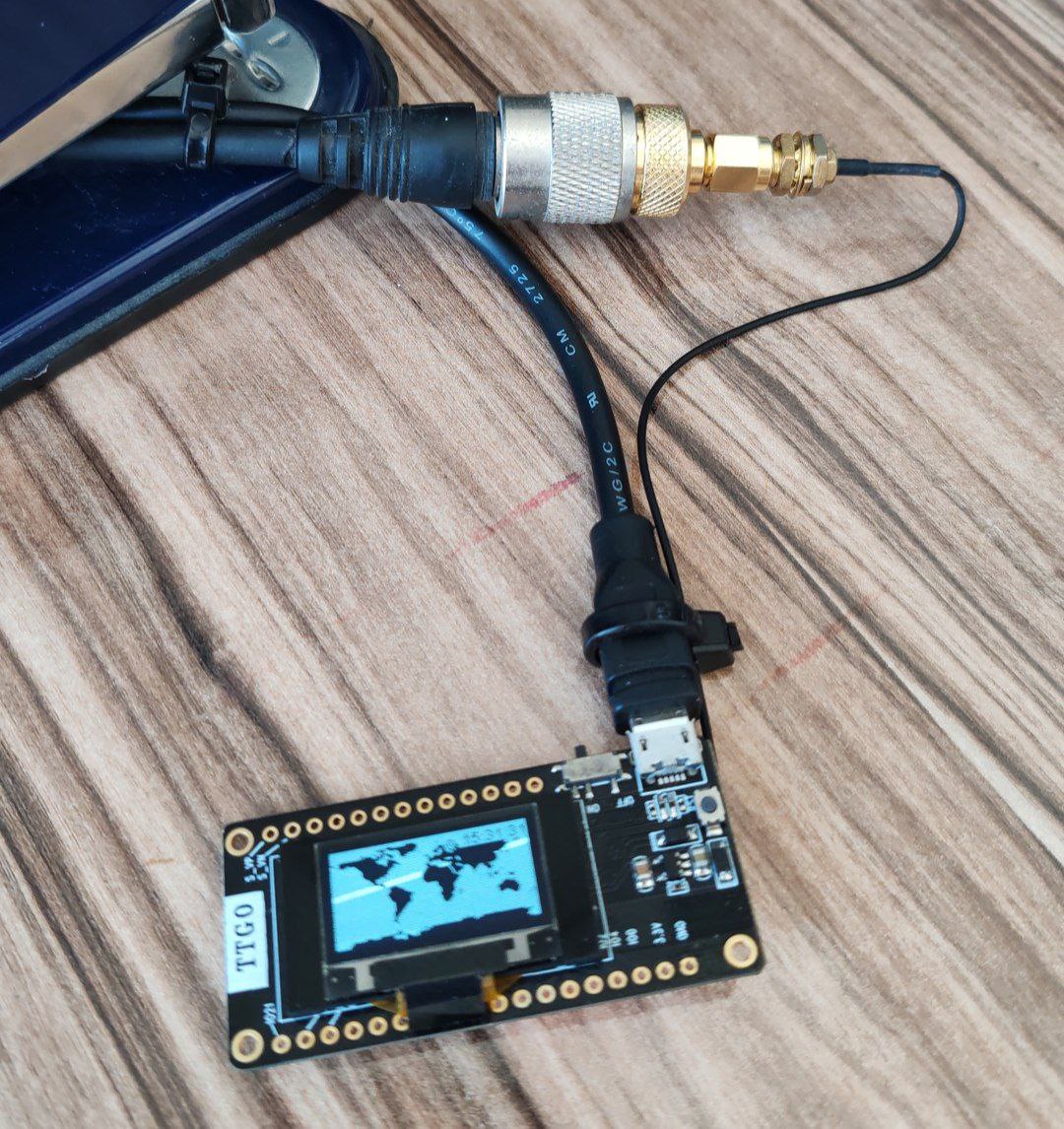
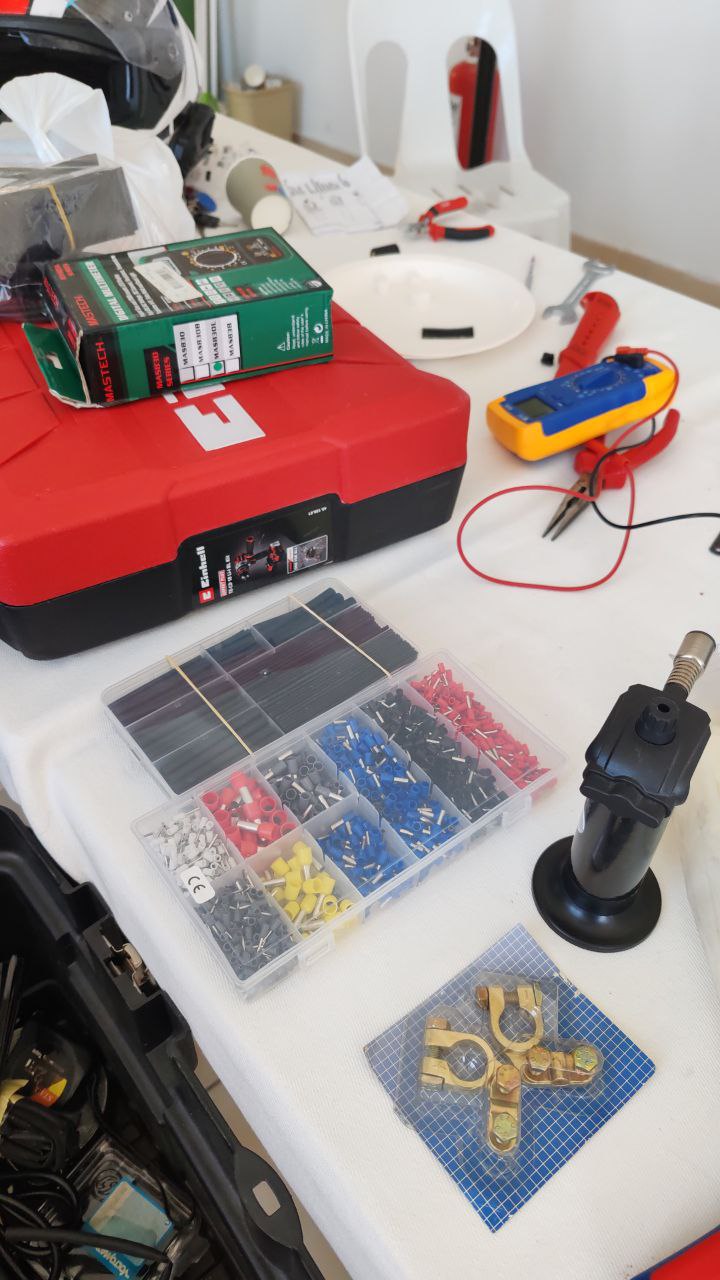
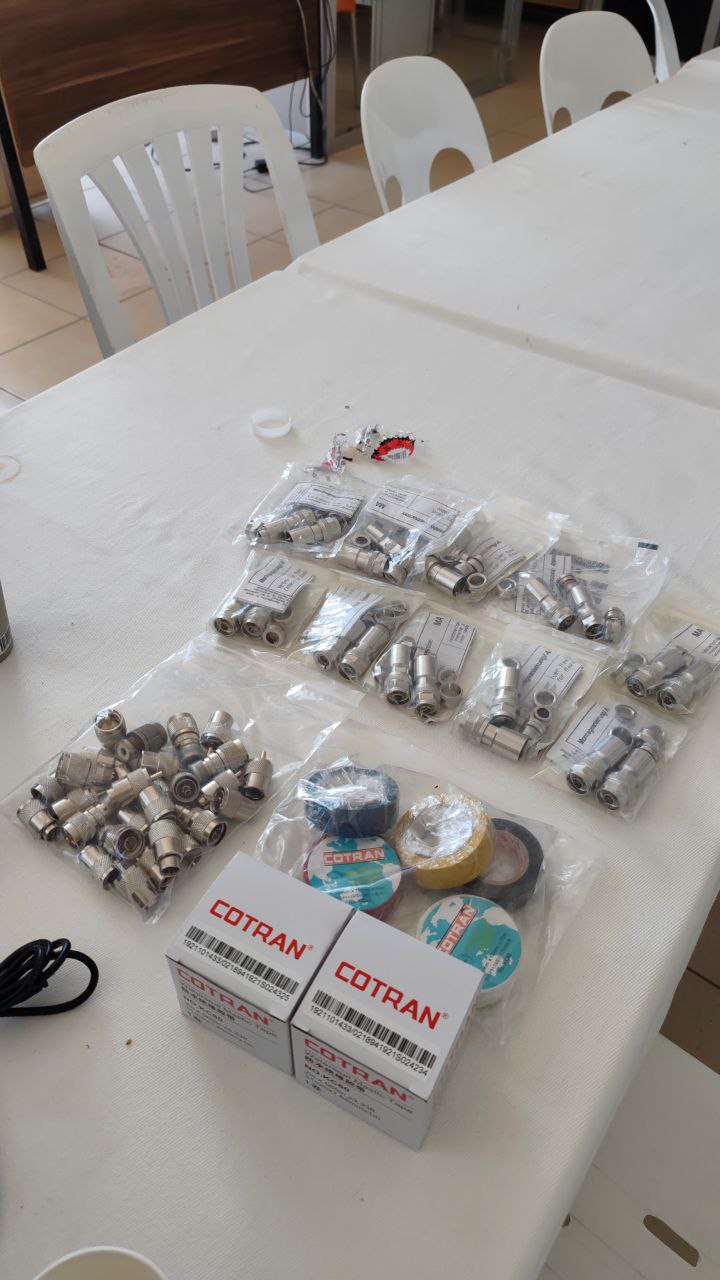
- Linux34 shared multiple photos related to events and thanked everyone. 🔗
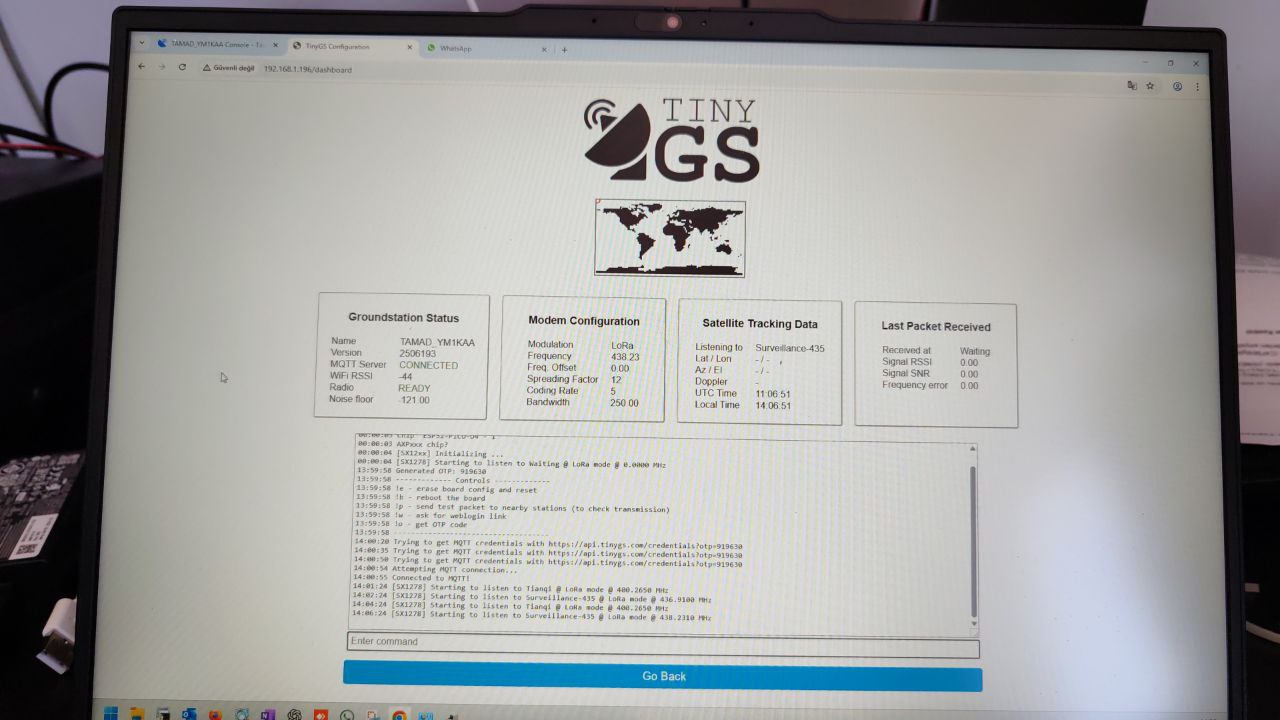
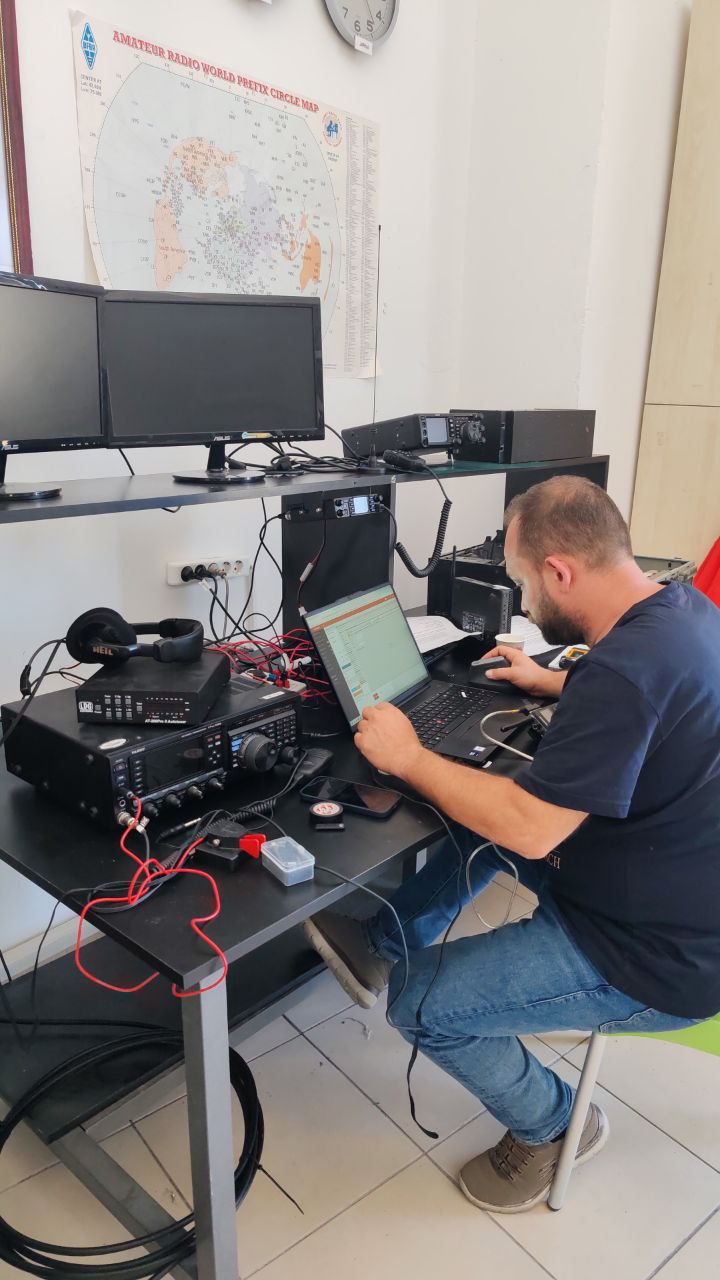
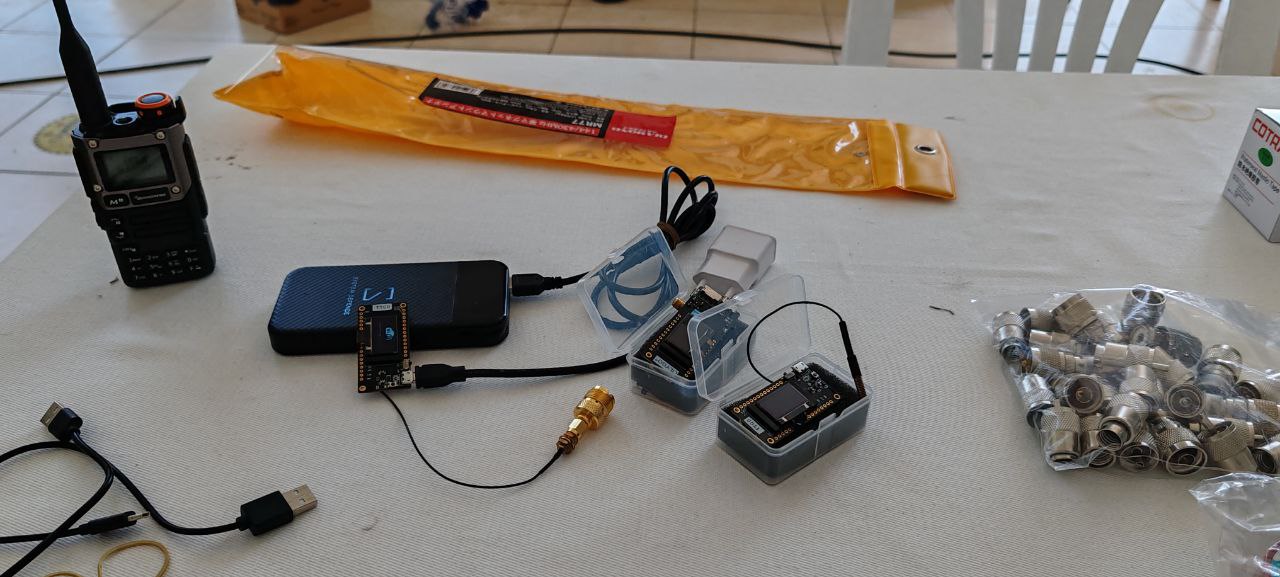
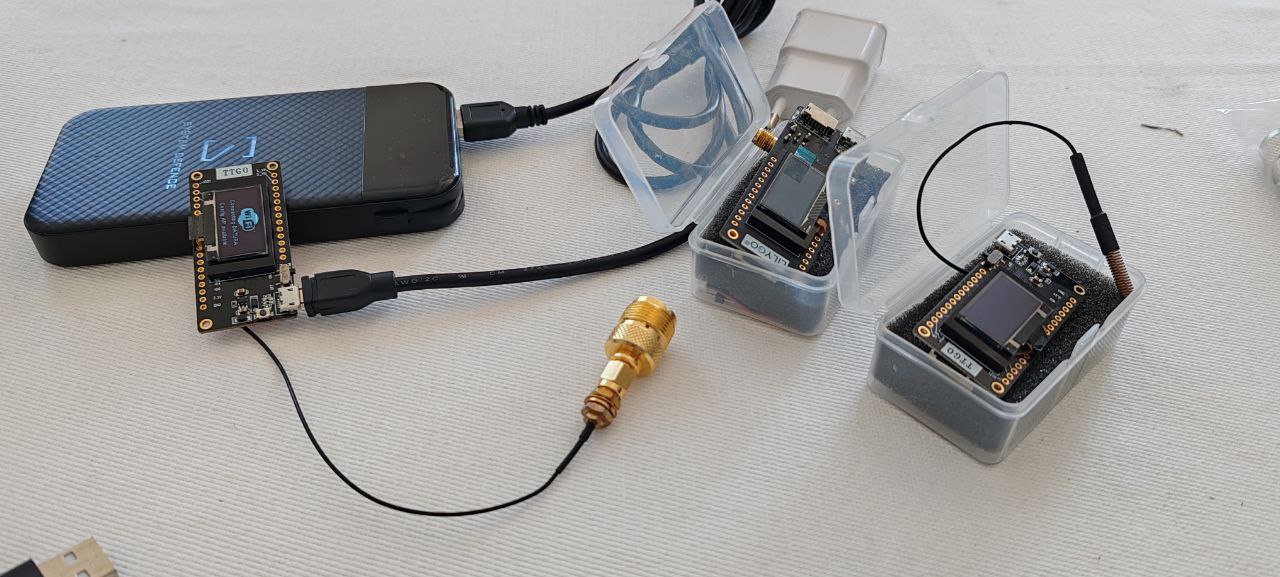
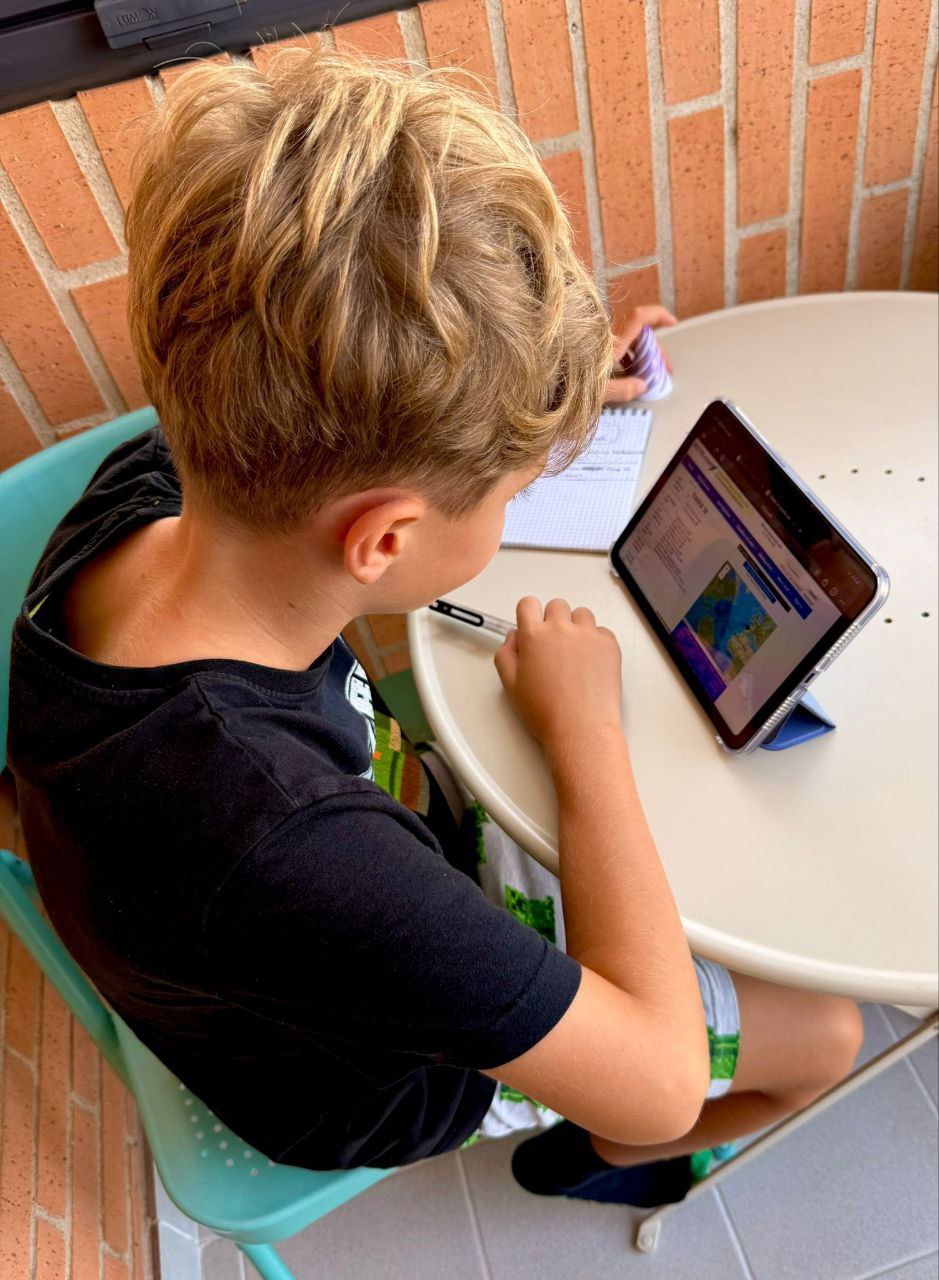
- Juan Pablo shared a photo of summer activities of his grandson learning to fish satellites with TinyGs. 🔗
New Satellites
- Estbhan shared a link from X about a new satellite launch. 🔗
https://x.com/SpaceX/status/1936223019200135544?t=z1fugv0CxQ8rb5R9RIRlzg&s=35
Beta Firmware Testing
- bertriksikken reported that the OTA update stopped working and he programmed it over a cable again. 🔗
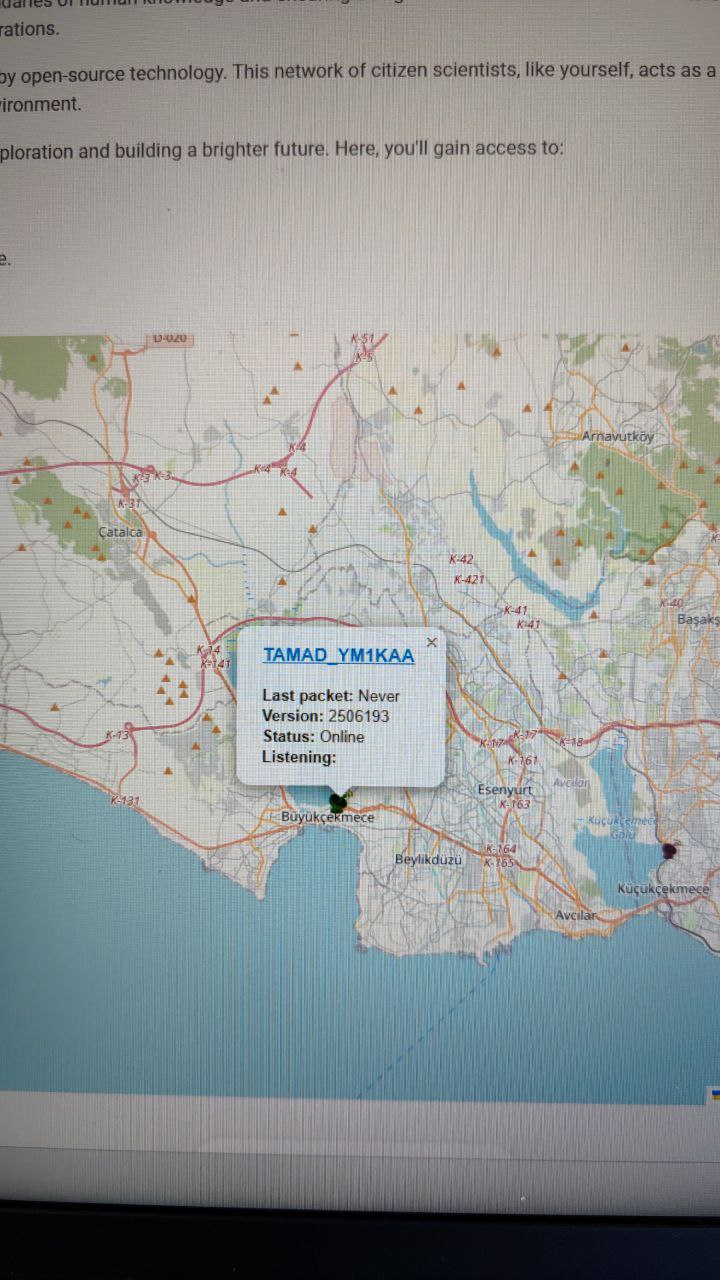
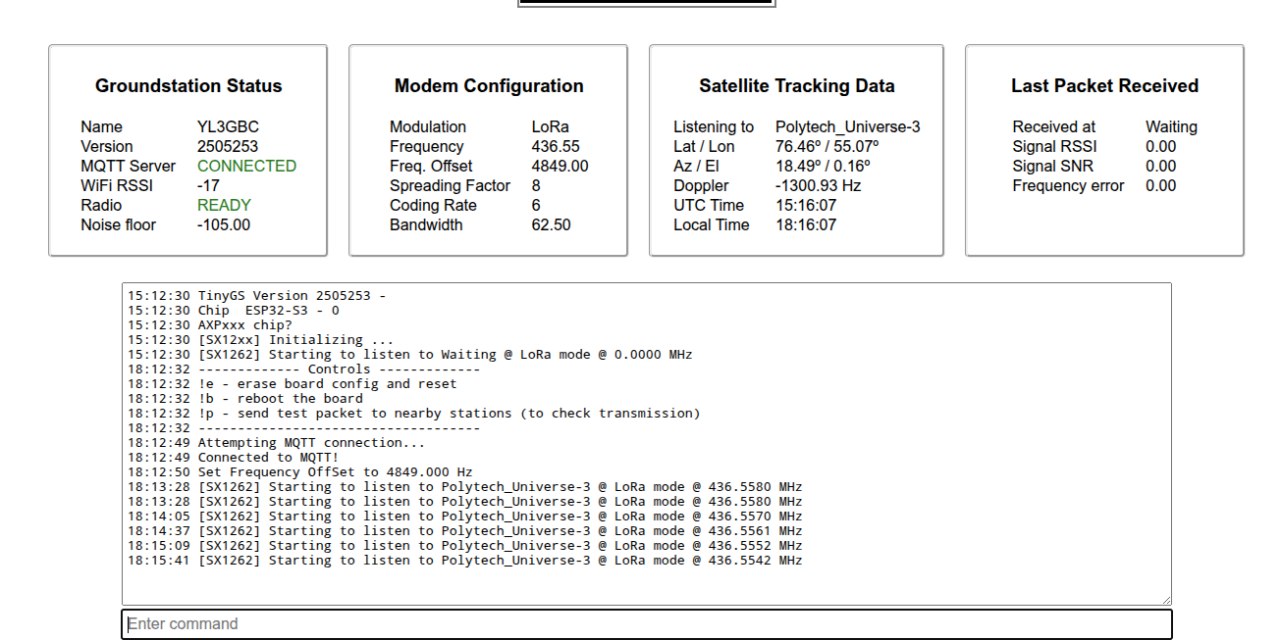
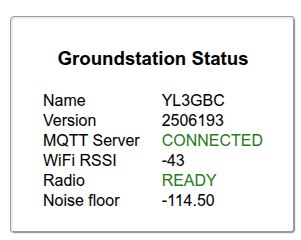
- G4lile0 explained to bertriksikken that OTA is not being pushed for version 2506193 and suggested manually growing the partition or programming it over cable. Also asked what the new frequency for Norby should be, suggesting to adjust the Norby frequency instead of applying a ‘sat_offset’. Later expressed looking forward to a pull request with the improved algorithm. 🔗
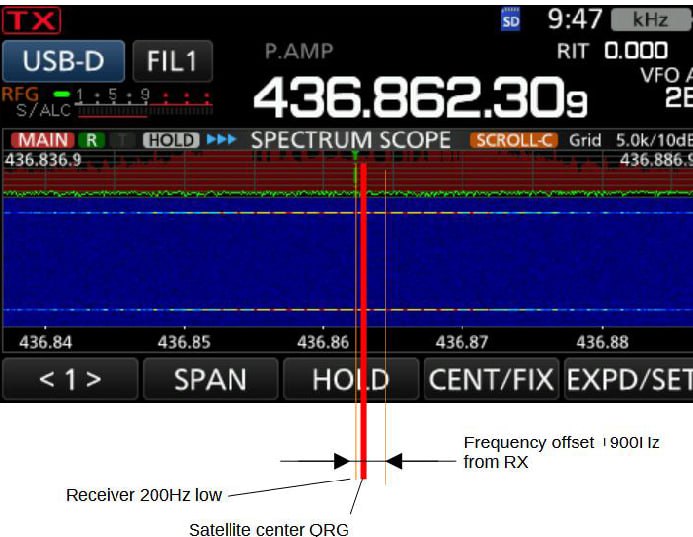
- Stefan/OE6ISP shared testing results on two sx1262-stations, OE6ISP_8 (autotuned, FSK-only) and OE6ISP_6 (autotuned 433 FSK+LoRa-mode), and provided facts about frequency corrections for Norby, mentioning the server wants to apply an offset of approximately +900Hz. He added that the frequency-offset is disabled on his test-stations and they are kept within +-200Hz by manual calibration. He explained that the tracking-algorithm doesn’t work symmetrically, causing the tuned frequency to always appear too high and the satellite too low, and proposed a change to the algorithm. He also optimized the number of tuning events by setting the max deviation to 2000Hz. Finally, according to his station #6, the definition for NORBY is 700Hz too high, because the server wants to tune up his calibrated receiver by 700Hz. He added that it might take some time to create the pull request because his github-skills are not good, and shared the lines to change and that it’s necessary to adapt the algorithm on the server-side as well. 🔗
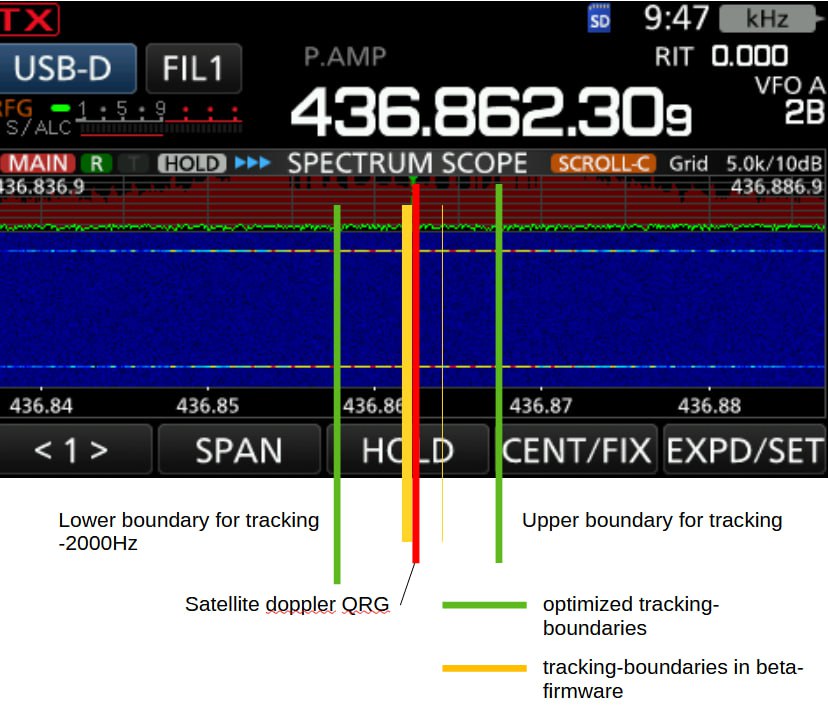



- YL3GBC shared photos related to beta firmware testing. 🔗
Where to buy
- Stefan/OE6ISP commented that with 137MHz you need the 1278. 🔗
- Notsure7 mentioned at least with radiolib. 🔗
Balloons
- Nico announced that ASCNET will be released Tuesday June 24th at 7:00 AM UTC. 🔗
- G4lile0 explained to Nico that to add a satellite/balloon, a description and photos are needed, using the Norby page as an example, and detailed communication requirements like frequency, timings, payload types, and uploads. Also told him that he can manually configure tinyGS station for 🛰 or 🎈 to test it. Indicated that to decode downlinks, a kaitai decoder valid for every type of payload is required, referencing the Norby example. 🔗
- Nico provided the description of a balloon mission designed by a team of twelve students from the University of Toulouse, planned for 4 hours with a maximum altitude of 30 km. The 2 kg payload will be recovered after descending under a parachute. The launch site is located in Aire-sur-l’Adour, in the southwest of France (43.708, -0.247). The beacon will transmit every two minutes on the frequency 433.090 MHz using LORA modulation (SF 8, Bw 62.5k, Coding Rate 8, SyncWord 18, Preamble 8, CRC Enabled). The callsign will be F4KLD-8. 🔗
Technical Problems
- Helmi reported missing receptions of FSK satellites and noted the prevalence of Surveillance modes. The user uses a DC3YC_433_E22 station with SX1268 and 2506013 FW version, which should be FSK ready. 🔗
- G4lile0 explained that the FSK autotune was removed for boards with SX127x, and the current algorithm might not properly detect SX126x if a custom template is used. A workaround is to select a board with SX1268 while keeping the custom template. 🔗
- Helmi confirmed that after changing the config to a board with SX126x, FSK reception is working, and the user received the first packet from Astrocast 0.1 with a GPRMC telegram. User thanked for the hint. 🔗
- Carbexalide asked about the best way to use an amplifier bought, and asked if the amplifier needs a power supply for Rx. Added that they always have to mess with sma ????. Informed that 3years of service, bye bye antenna 🔗
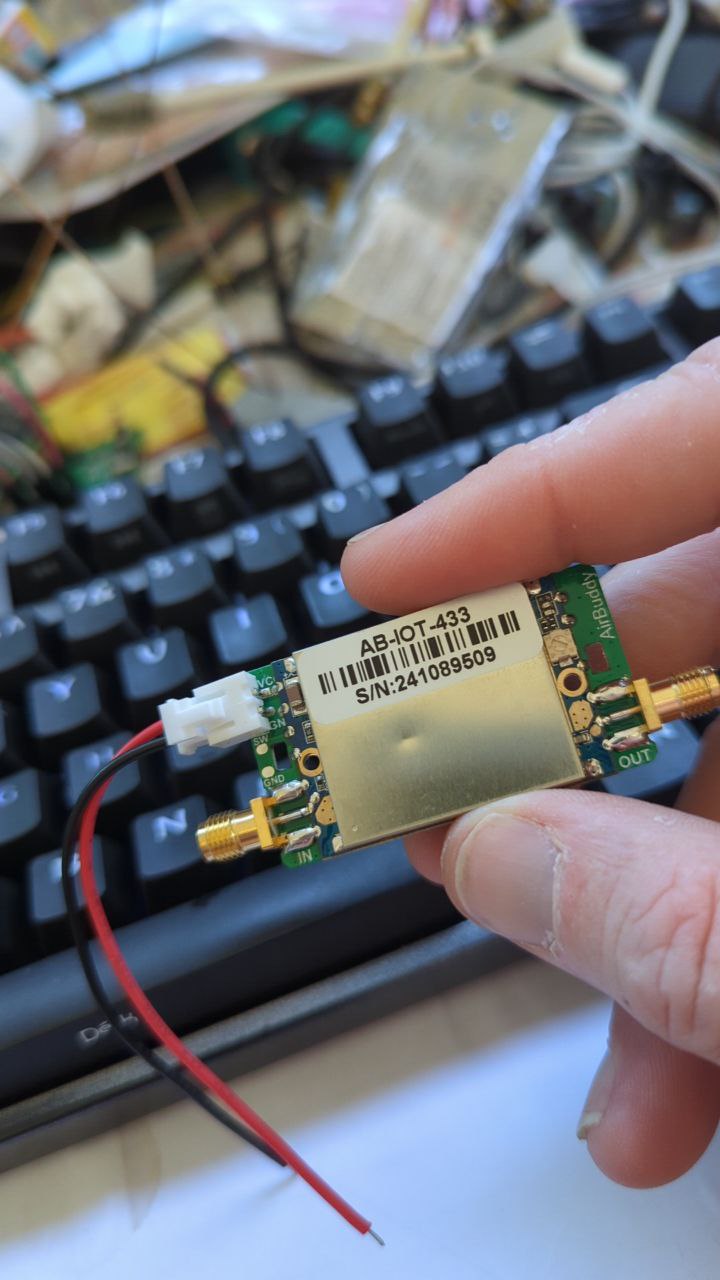
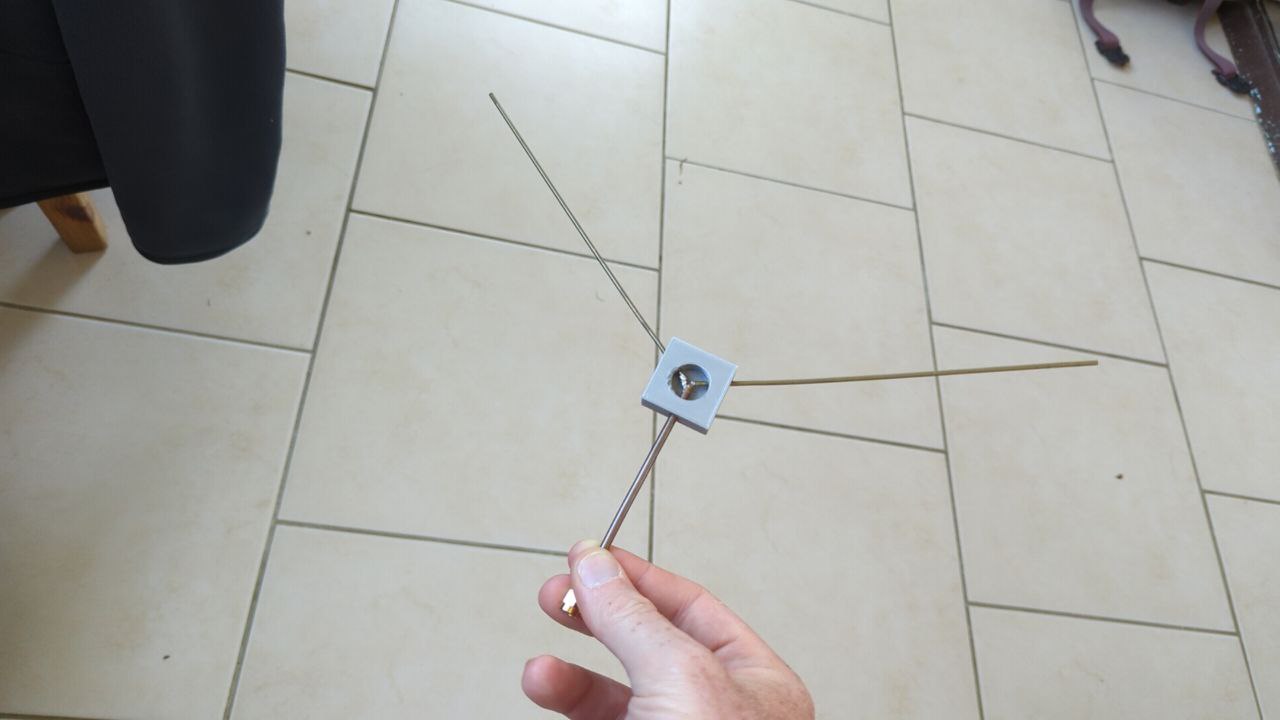
- Stefan/OE6ISP advised Carbexalide to connect the LoRa-board on the left side and the antenna on the right, mentioning it provides 12dB gain and includes a high-pass filter and that when in an area with low RF noise, it can increase packet-rate up to 30%, but can ruin everything in urban environments, adding that they are not very durable. Advised to connect it to the board’s 5V, as it doesn’t need much current when not using the TX-boost. Then told him that now he has kinda RP-SMA 🤣 - but not 100% and these kind of issues already let him troubleshoot for weeks … 🔗
- adam m asked about the antenna type in a previous post, inquiring about its DIY feasibility. 🔗
- Carbexalide inquired about “cable ends m4” for the boom, looking on Amazon. Notsure7 suggested searching for “crimp blue m4” or “Insulated crimp ring terminal”. 🔗
- Carbexalide shared images of repairing and enhancing the rig, then asked whether there should be any indicator change when receiving a packet with the amplifier, in terms of RSSI or SNR. Stefan/OE6ISP answered to see higher noise-floor, higher RSSI and - hopefully 😊 - better SNR. A good noise floor would be around -100dBm, more than -90dBm is not very promising. Stefan/OE6ISP asked for the station ID. 🔗
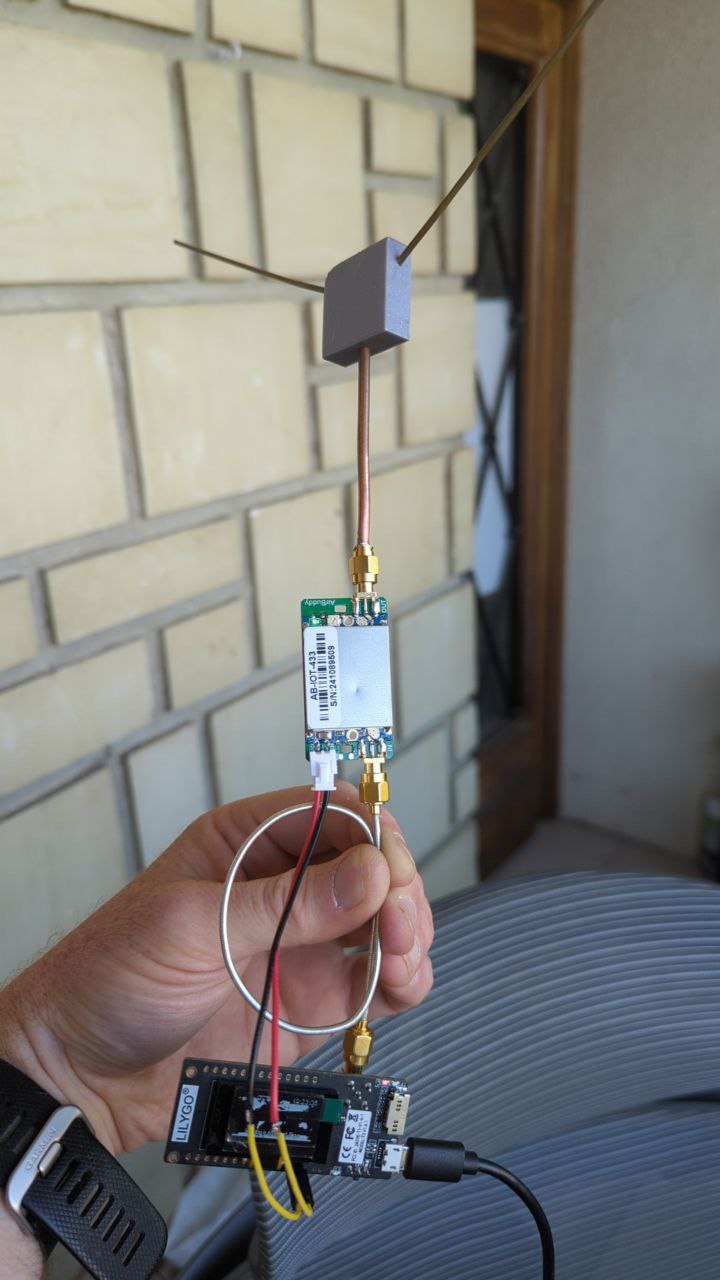
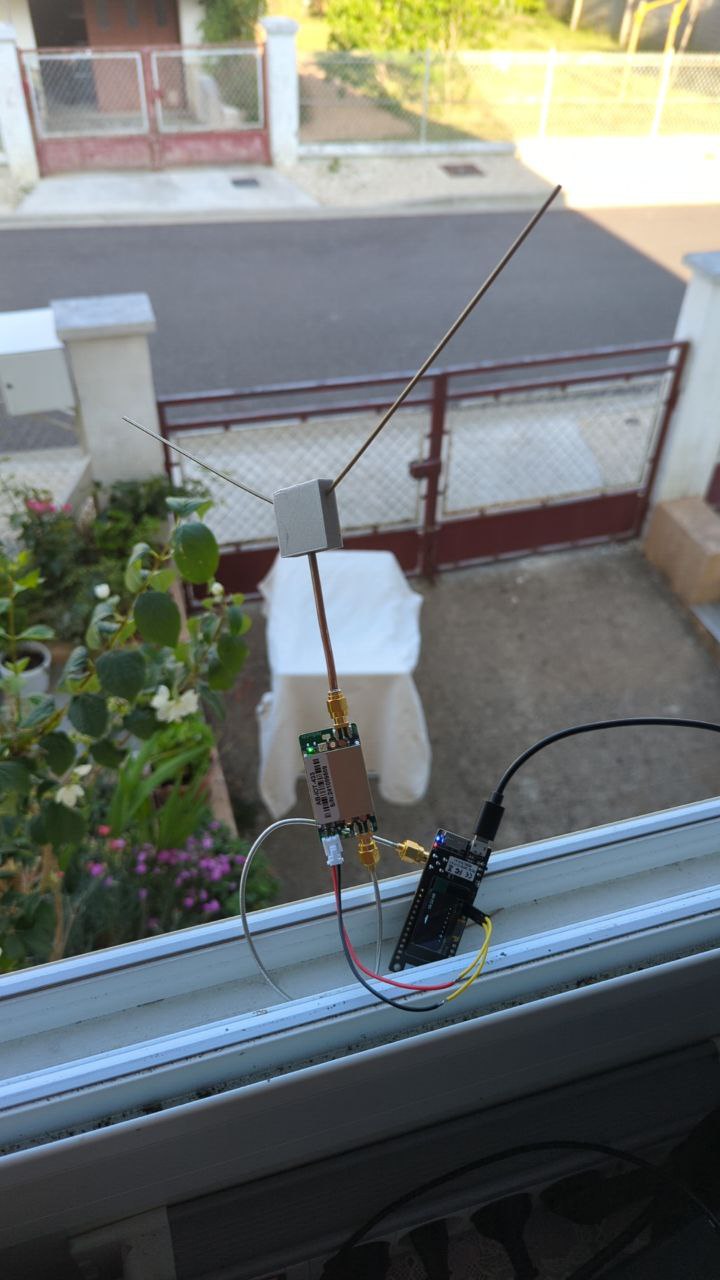
- Stefan/OE6ISP warned about using circular polarized antennas, noting that Tianqi telemetry is LHCP, so using a RHCP antenna could result in significant loss. He mentioned that while most satellites use linear polarization, he has measured the Tianqi’s polarization. 🔗
Statistics
- Carbexalide reported a new distance record of 3295km. 🔗
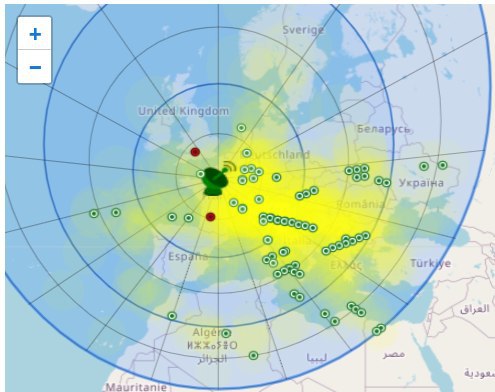
- Stefan/OE6ISP commented on Carbexalide’s good conditions to the southeast and speculated on how well the station would perform with free sight in all directions. Also, he noted that the northern hemisphere can improve reception with an antenna that has more gain to the south because all the sats on low- and mid-inclination orbits pass in the south. 🔗
- Carbexalide reported strange reception from the north east and added, device auto-tuned listening for resistance 400 while this satellite doesn’t appear on the animated graphic, and in the same time there were rtu-mirea1 passing above, but not listening to it. Later added that colibri-s is right on top but is listening to tianqui which is out of reach. 🔗
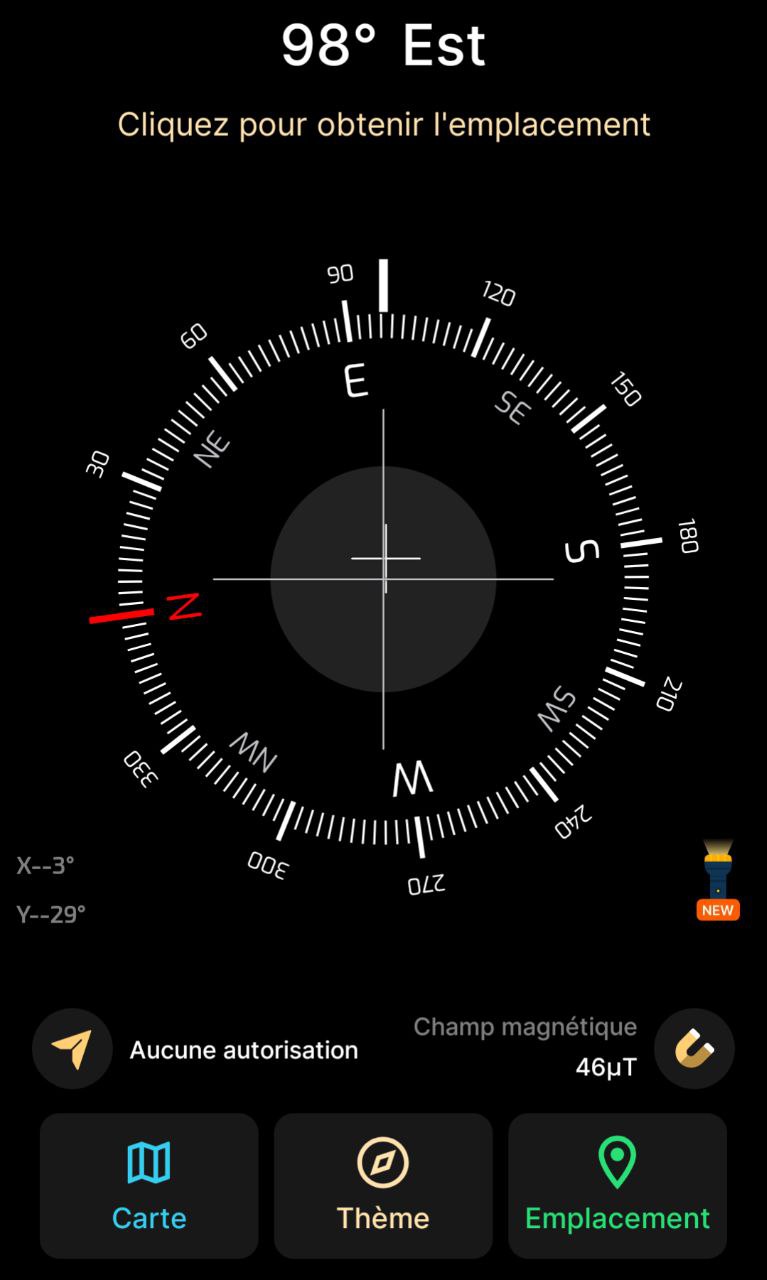
- Stefan/OE6ISP responded that reflexions and interferences may be contributing to antenna gain, adding that the reason there are not so many satellites passing in the north and adding that because Carbexalide has a SX1278, he cannot receive the RTU-MIREA. 🔗
- Carbexalide posted photos of a setup with no tuning needed. 🔗
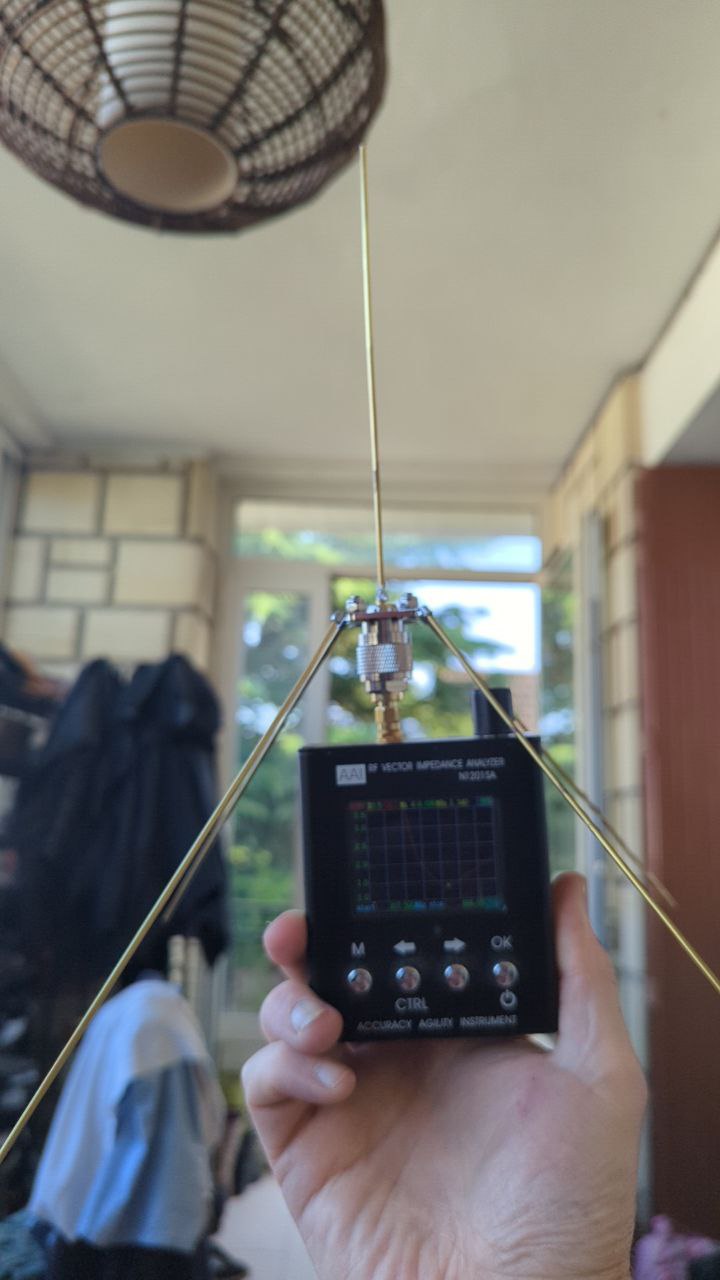
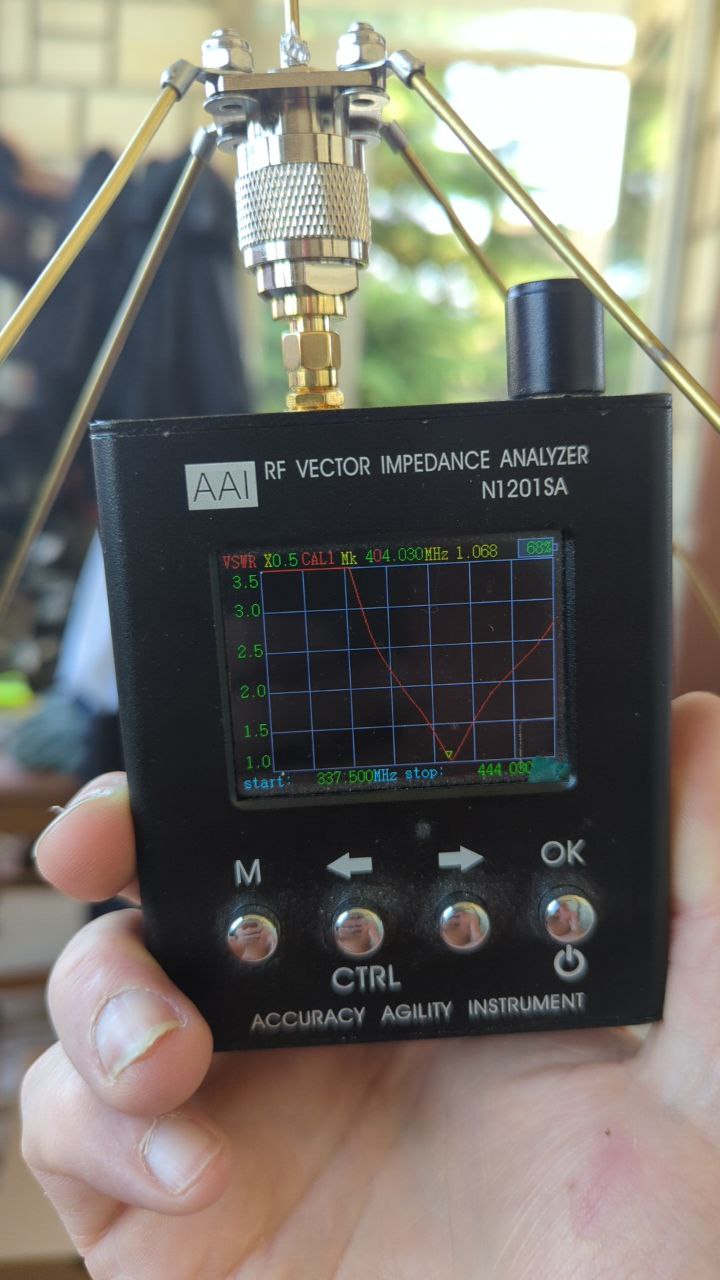
- Stefan/OE6ISP commented that no tuning is necessary when the dimensions are correct. 🔗
Antenna Building
- cluster37 asked for suggestions for a good and efficient 433Mhz amplifier around 5 Watts. 🔗
- Stefan/OE6ISP suggested a specific amplifier from AliExpress, noting it provides about 30dB gain and has a measured output power of 38dBm. 🔗
https://de.aliexpress.com/item/1005003843430636.html?spm=a2g0o.order_list.order_list_main.50.63665c5f1T298m&gatewayAdapt=glo2deu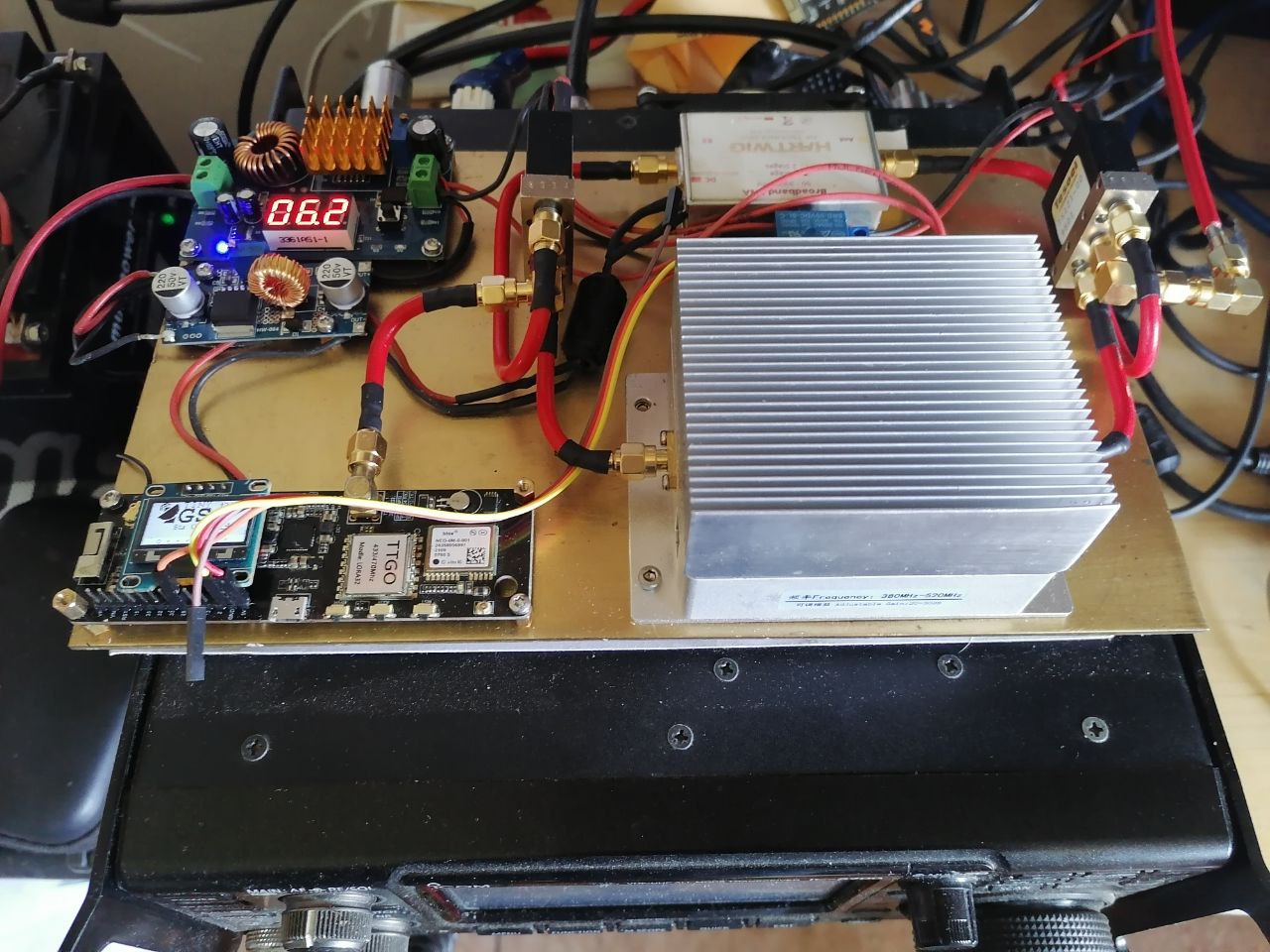
- Ghio2010_13183 asked what center frequency is best optimized for a 1/4” ground plane antenna. 🔗
- Helmi responded that it depends on the bandwidth of the antenna design and the desired reception range, requesting a more precise question. 🔗
Announcements
- G4lile0 announced significant progress, including remote partition resizing via OTA updates, a new user & login system moving away from Telegram authentication (encouraging users to register their email), web migration to Vue 3 for a faster experience, and a simplified onboarding process. 🔗
Featured Conversations
- Stefan/OE6ISP shared insights on frequency correction and algorithm improvements for Norby satellite tracking, detailing the challenges with the current tracking algorithm and proposing modifications to achieve symmetrical deviations from the center frequency. He also addressed the need for server-side adaptation of the algorithm for better performance.
- G4lile0 and Stefan/OE6ISP discussed adjustments to the Norby frequency to improve satellite tracking accuracy, including considerations for the tracking algorithm and potential ‘sat_offset’ adjustments. Stefan/OE6ISP shared his testing results on two sx1262-stations.
- Linux34 shared photos from various events, while bertriksikken reported issues with OTA updates, prompting advice from G4lile0 on manual programming. The discussions also touched on the availability of specific components for different frequency ranges and the upcoming release of ASCNET.
- Xinatra is seeking testers for the T-Deck Plus (ESP32-S3 + SX1262) integration, emphasizing its preconfigured setup and web interface access, even without immediate screen functionality. This initiative promises to simplify ground station deployment for new users.
- The TinyGS community is supporting a balloon mission by students from the University of Toulouse. The mission, planned for late June, aims to collect atmospheric data, test attitude control, and evaluate balloon tracking via the TinyGS network, broadcasting on 433.090 MHz under the callsign F4KLD-8.
What’s next
Stay tuned for more updates and discussions. Join the TinyGS community to share your experiences and contribute to the project’s growth! Check the newest supported satellites in our web page.
Share: