tinyGS
· TinyGS Community · 6 min read
Weekly Newsletter - July 6, 2025
Welcome to the TinyGS community newsletter. Here are the highlights of the latest discussions and updates from the TinyGS community:
Highlights
General
- Marco confirmed that the antenna was working well after successfully capturing satellite signals. 🔗
- DK6OC shared their preference for Hyperflex 7 cables in TinyGS projects, typically using an N-connector on the antenna side and an SMA connector on the ESP side. They recommended ordering individual components from Kabel Kusch (https://kabel-kusch.de) and assembling the cables personally, noting the ease and speed of the process. DK6OC also mentioned conducting a workshop where they made all the cables for the participants. 🔗
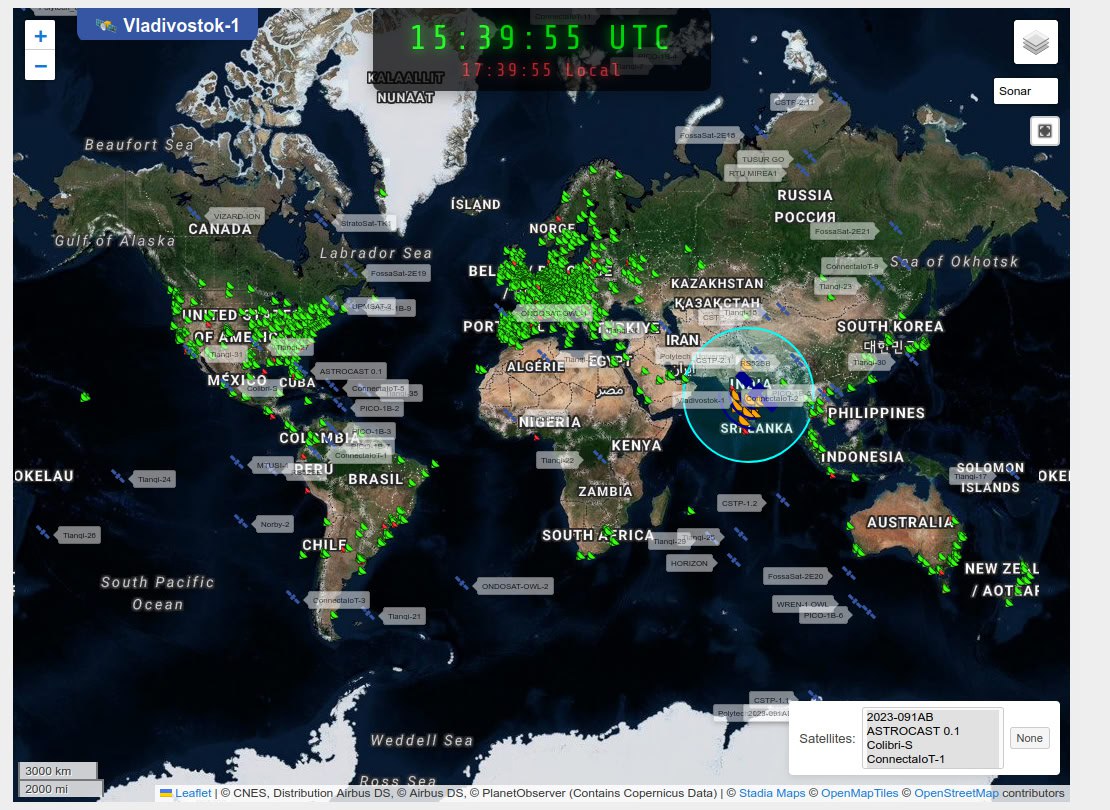
https://kabel-kusch.de - G4lile0 announced that a new dynamic map is in development for TinyGS. 🔗
- Mike reported working on the radio module of the SZESAT-1 satellite and initially encountering an issue where the TinyGS website only displayed 64 bytes in the hex viewer, despite the satellite sending 255 bytes. Mentioned that the problem resolved itself later. Further discussed transmission time in relation to the satellite’s spin rate. 🔗
- Stefan/OE6ISP suggested that the 64-byte limit might be due to using SX1278 for FSK, noting that SX1262 can handle up to 255 bytes and suggested testing without TinyGS routing. Also cautioned that transmitting all 255 bytes can cause very long air-time. Further elaborated on the transmission-time of a single message in relation to the satellites spin-rate. 🔗
- Michel aka Chelmi inquired about the Surveillance-450 and Surveillance-435 modes, seeking information on the satellites’ type and uses. 🔗
- Stefan/OE6ISP clarified that the surveillance settings are for checking signals using different frequencies and modes, and are not real satellites. 🔗
- DavidErrece asked if FSK signals can be decoded with a TTGO board and if the TBeam board used in Lora-APRS is compatible. 🔗
- Stefan/OE6ISP responded to DavidErrece confirming that FSK signals can be decoded with TTGO boards using sx126x chips, and affirmed that the TBeam board should be compatible. He mentioned his FSK station. 🔗
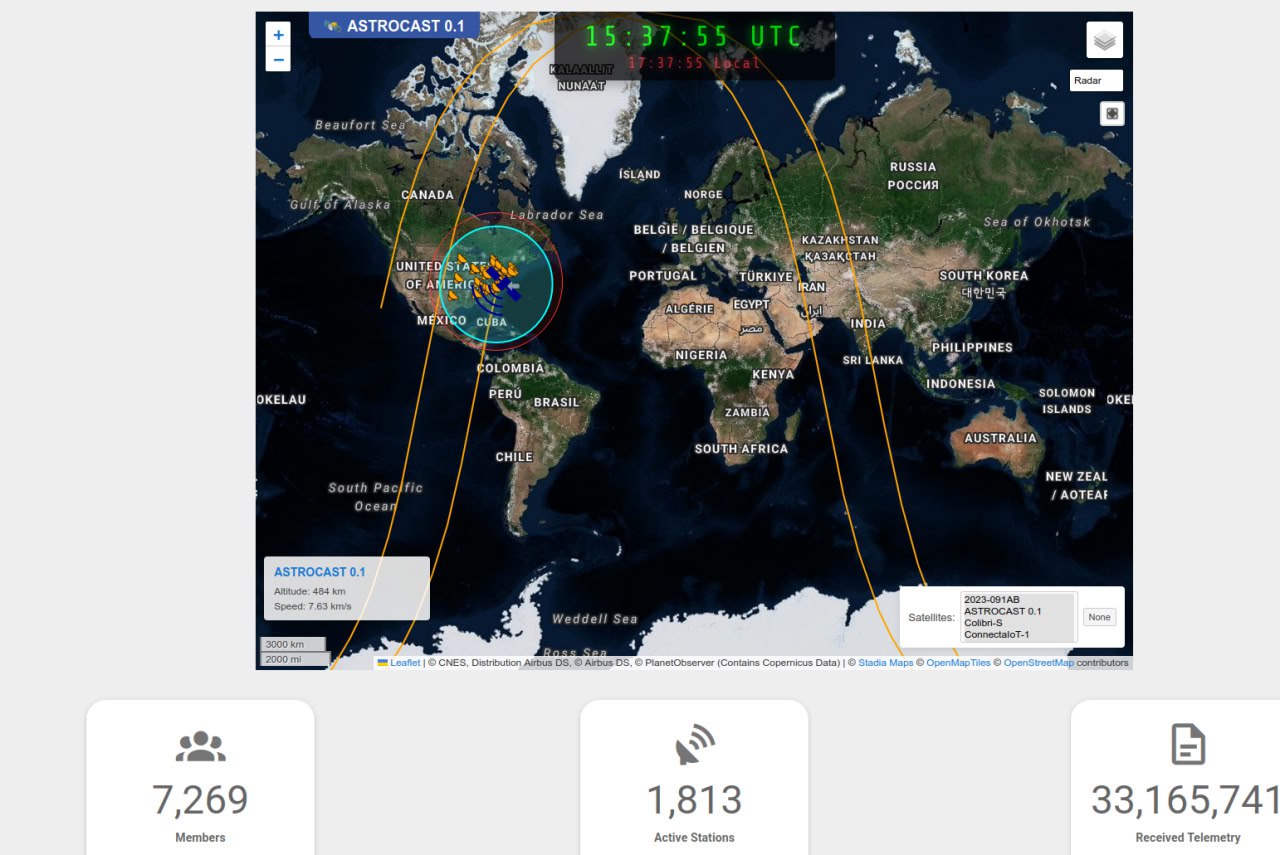
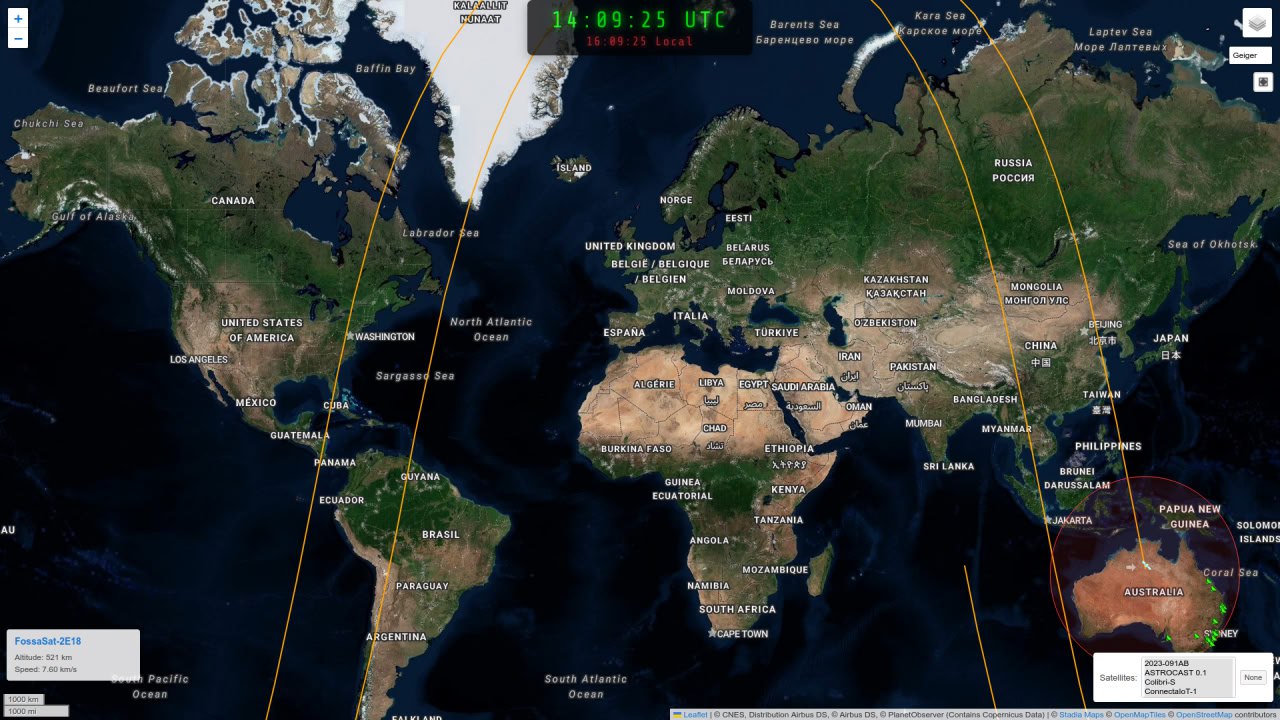
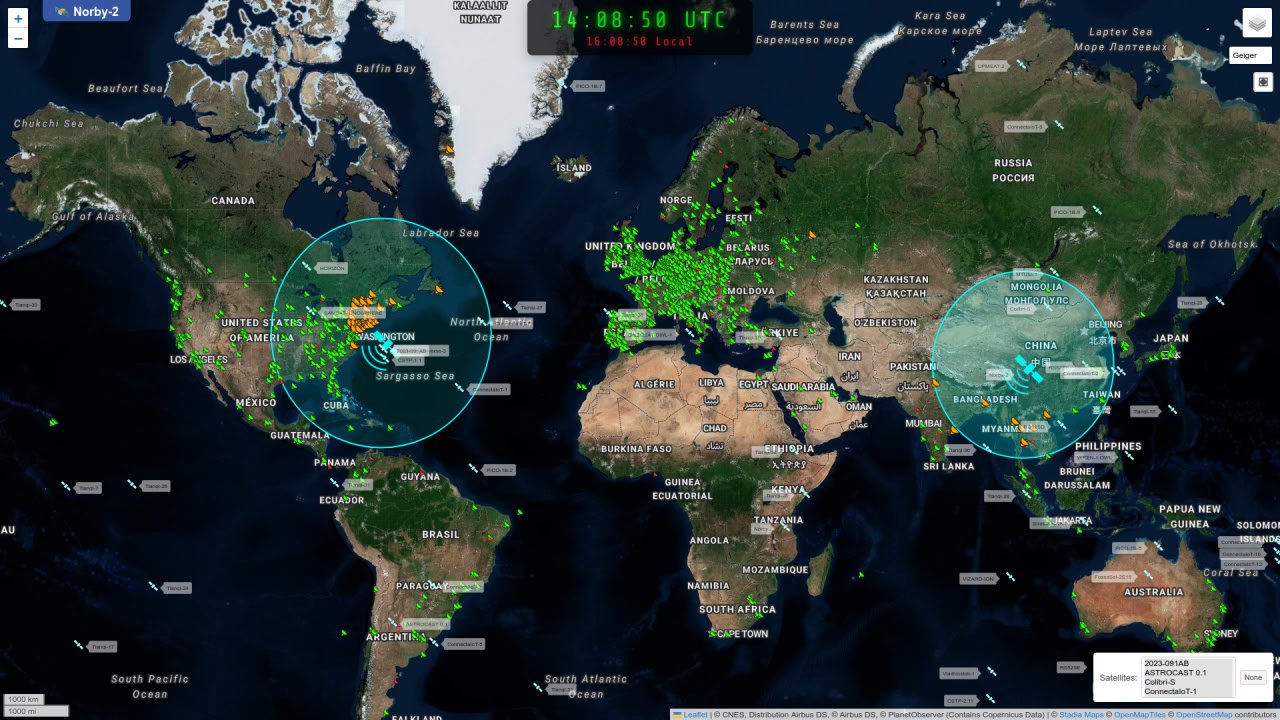
- G4lile0 announced the new dynamic satellite map at tinygs.com, highlighting its real-time telemetry data, interactive satellite selection, enhanced sound experience, and full-screen mode. 🔗
Technical Problems
- Nico initially reported an “Invalid frequency” error with an RFM95W module during initialization, but later found that the issue was due to an incorrect radio type setting (SX1278 instead of SX1276). They resolved the problem by forcing “radio”:2 in the Board Template. 🔗
- Stefan/OE6ISP asked why only Surveillance-configurations are obtained when autotuning for 800/900. Then clarified that there are some sats on the band but not very talkative and is just checking the band from time to time. 🔗
- G4lile0 responded to Stefan/OE6ISP explaining that there are few satellites on that band, and if changing from manual to autotune, it may be necessary to wait one hour to onboard within the autotune calculations. 🔗
- Stefan/OE6ISP reported that some Connectas are missing from the supported list, noting packets received from #8 which wasn’t listed. 🔗
- G4lile0 explained that Connecta #8 wasn’t appearing because it wasn’t shown on the map and clarified that autotune and packet consolidation were functioning correctly, despite not being displayed on the map. 🔗
Antenna Building
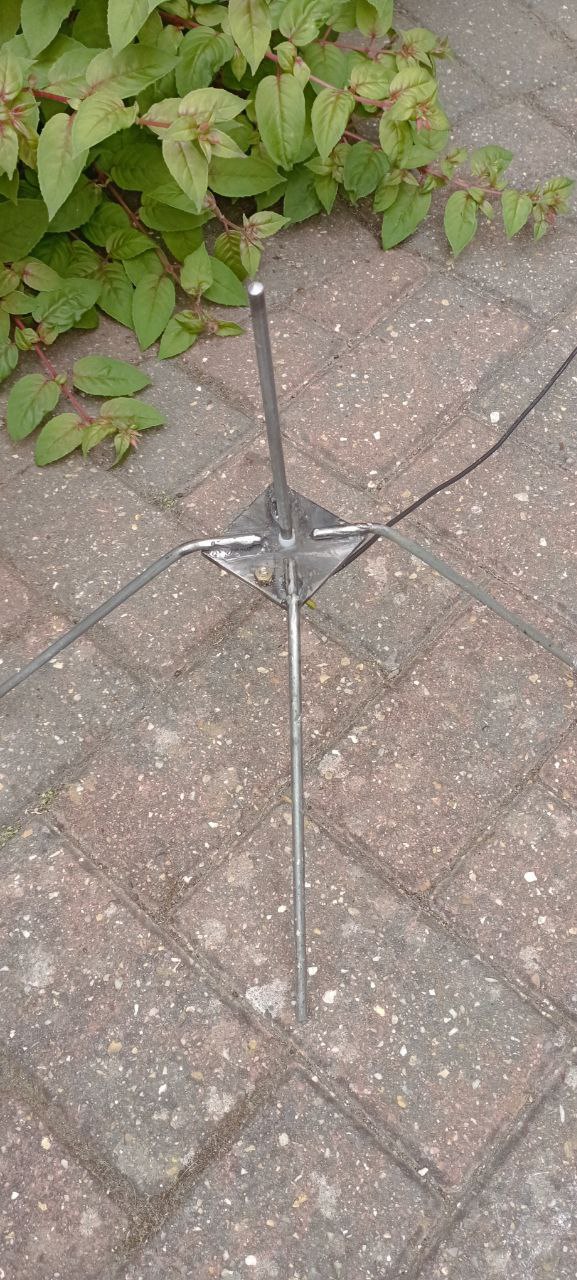
- Dennis shared a photo of his antenna, noting that although his welding isn’t pretty, the antenna is working really well. He explained that it uses a short piece of copper wire soldered to the monopole with the coax soldered to that. He secured the shield with a nut and bolt and used a cut down wall plug for insulation. The monopole and radials are made from old paint roller parts. 🔗
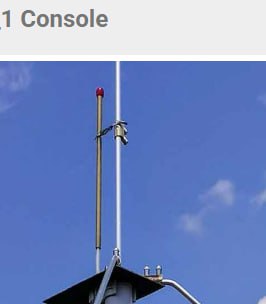
- Stefan/OE6ISP commented on Dennis’s antenna build, praising its robustness and suggesting the use of a gamma-feed in future builds to weld the radiator to the ground and avoid damage from static charge. He shared a photo related to his comment. 🔗
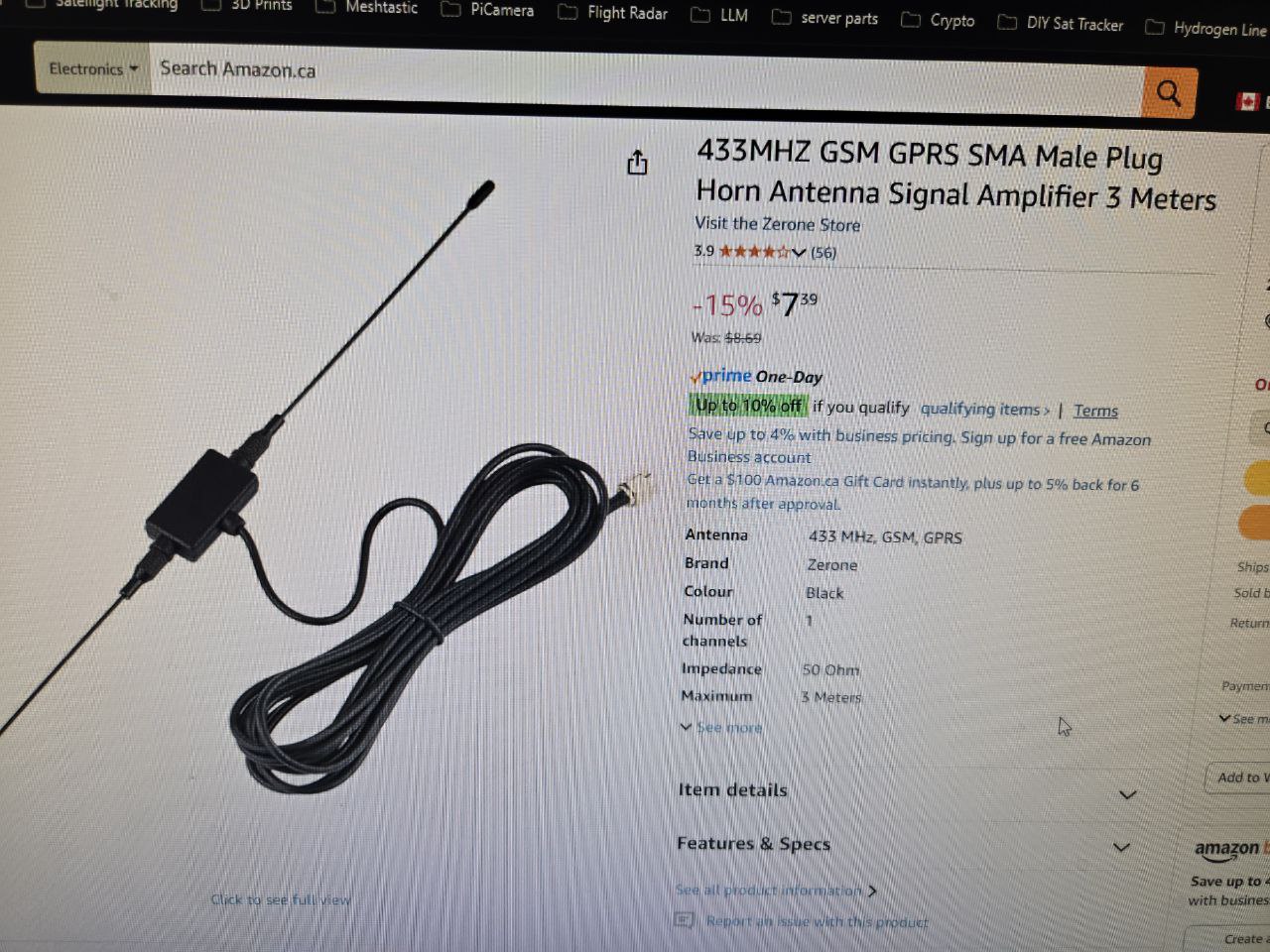
- Kim used an antenna that seems to work. It is currently in a basement window but will be moved to a more permanent location on the roof this weekend. 🔗
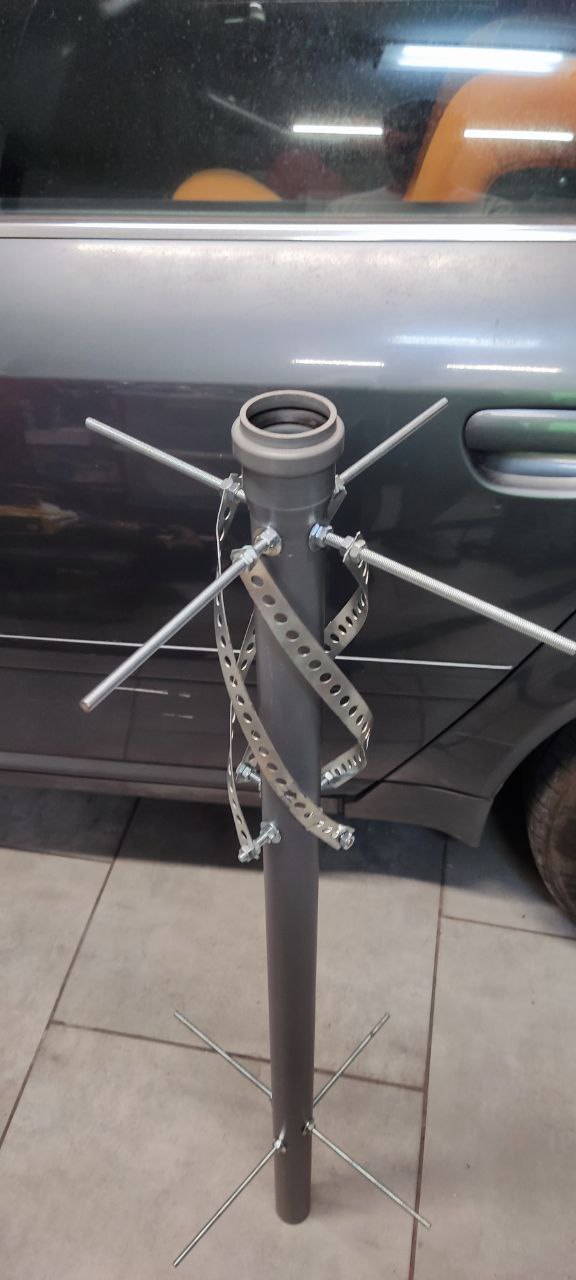
- Notsure7 shared a photo of a dual-band QFH antenna, noting it’s almost done and easily modified back into 137/144 only. 🔗
Share your setup
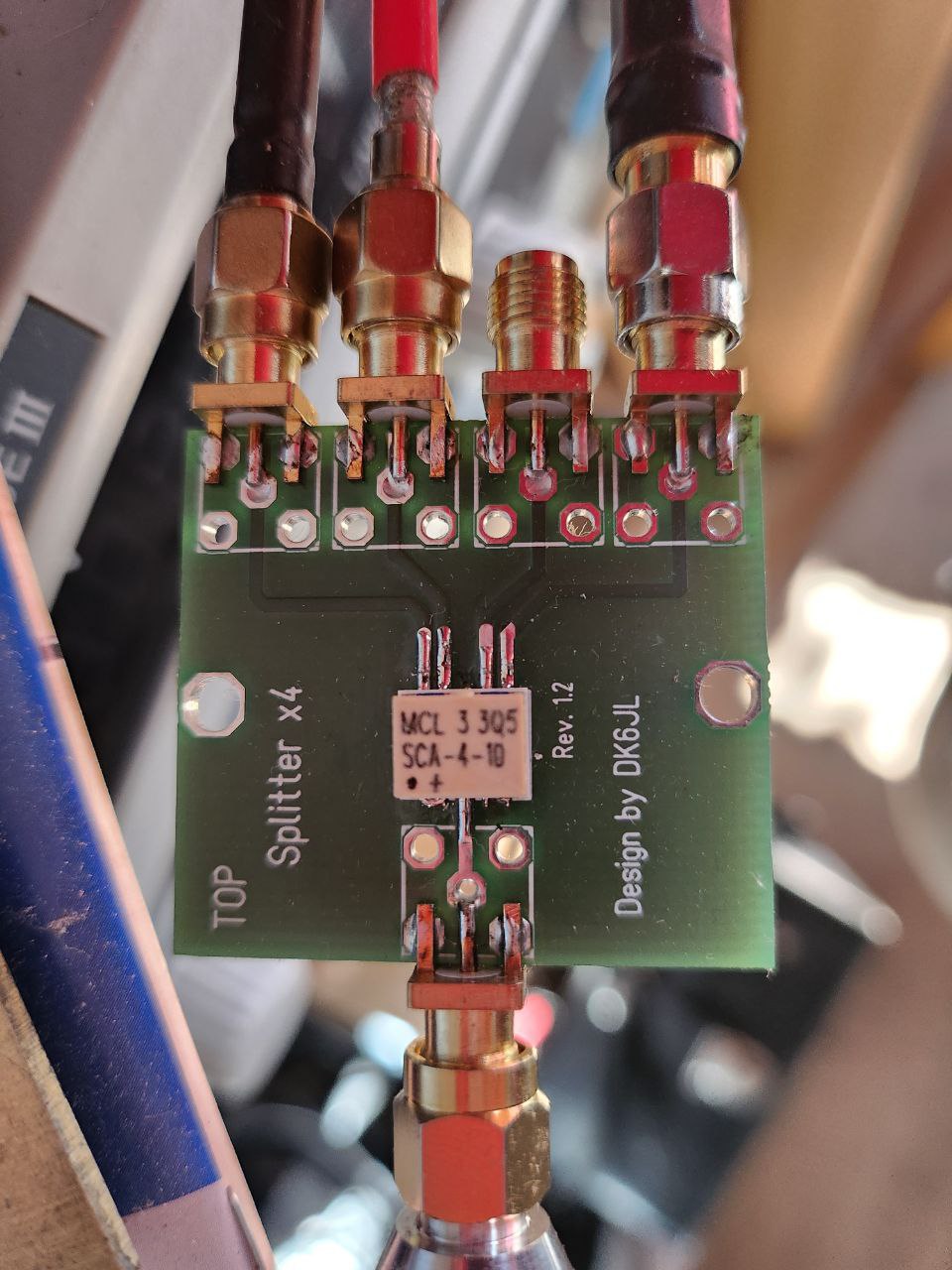
- Stefan/OE6ISP shared a photo of his custom-made prototype of a reactive low-loss wide-band signal splitter, which allows connecting up to 4 receivers to the antenna tower with minimum losses, using a transformer component from minicircuits.com. 🔗
- Stefan/OE6ISP confirmed that Heltec V3 devices work well for 433 MHz, providing links to their stations using these devices. 🔗
https://app.tinygs.com/station/OE6ISP_2@1760298214
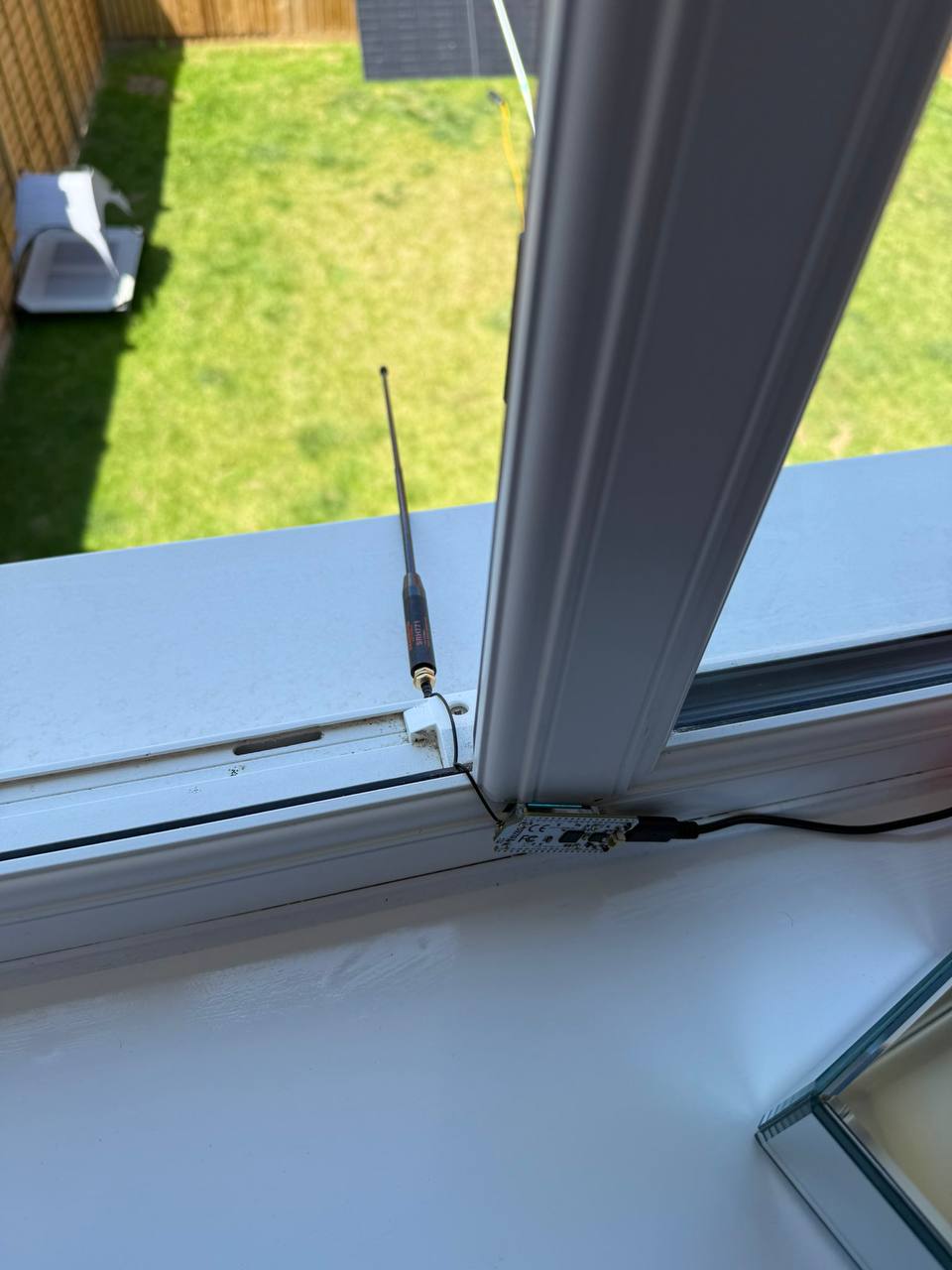
https://app.tinygs.com/station/OE6ISP_8@1760298214 - Pete shared a bodged setup that works well. 🔗
- baihqap asked about the operational costs, specifically concerning satellite communication subscriptions for the Norbi satellite for their final project, seeking estimated costs for a satellite communication subscription. 🔗
- Helmi explained that TinyGS project only supports receiving telemetry from satellites, with no current capability to send data to them. 🔗
- salvacybersec asked for documentation or instructions to help set up an environment in Turkey and mentioned difficulty finding necessary equipment. 🔗
New Satellites
- Uzzzio got news about Vladivostok/Russia Fear Eastern Federal University (FEFU) satellite team work - there is a work in progress and new satellite will hit the orbit sometime soon (maybe the end of this year?). The expectation is to develop and launch 30 satellites in total for FEFU. 🔗
Beta Firmware Testing
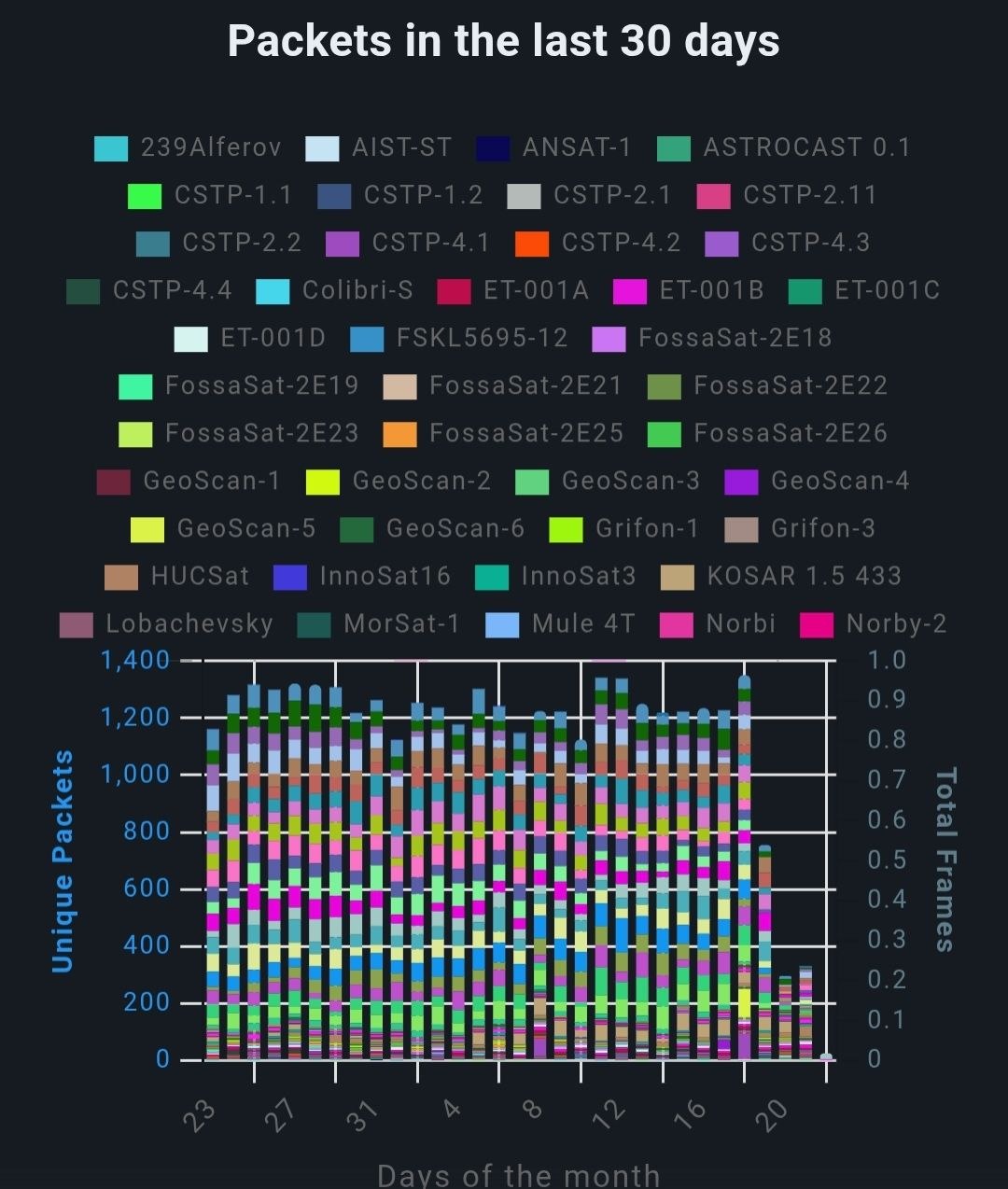
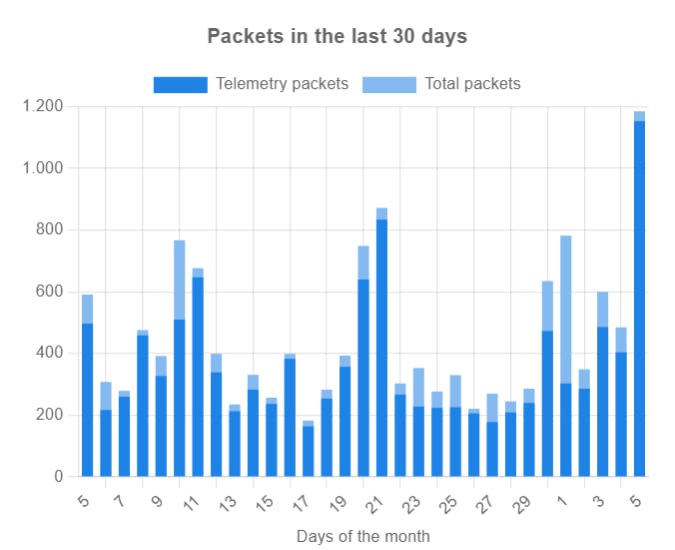
- Stefan/OE6ISP reported amazing FSK conditions with over 1200 packets received on his FSK-only station using beta-firmware. 🔗
- Notsure7 explained that a .bin file wouldn’t be useful because the firmware is customized manually for the offset and suggested building from source to modify and contribute back. Later mentioned having to revert some changes to get it working on the C3. 🔗
- Stefan/OE6ISP clarified that the latest builds now use synchronization to NORBY-frequency, eliminating the need for hardware-specific calibration and incorporating an improved tracking algorithm. 🔗
- Notsure7 expressed gratitude for the clarification about synchronization to NORBY-frequency and indicated intention to rebuild. 🔗
Where to buy
- salvacybersec asked for documentation or instructions to help set up an environment in Turkey and mentioned difficulty finding necessary equipment. 🔗
- Helmi suggested looking for a Heltec Lora32 V3 433MHz board on eBay, Amazon, or Ali, and recommended DIY antennas, specifically ground plane antennas, along with a good RF cable. 🔗
Announcements
- G4lile0 announced the new dynamic satellite map at tinygs.com, highlighting its real-time telemetry data, interactive satellite selection, enhanced sound experience, and full-screen mode. 🔗
Featured Conversations
- The TinyGS community is excited about the new dynamic satellite map at tinygs.com, which offers real-time telemetry data, interactive satellite selection, and an enhanced user experience. Users are encouraged to try it out and provide feedback as the team continues to improve it. The new map provides a dynamic experience with live telemetry streaming and interactive satellite selection.
- Stefan/OE6ISP reported exceptional FSK conditions using beta firmware, receiving over 1200 packets. He clarified that the latest builds synchronize to NORBY-frequency, simplifying calibration. This update has prompted users like Notsure7 to consider rebuilding their setups for optimal performance. This eliminates the need for hardware-specific calibration.
- There was a discussion around setting up TinyGS environments in Turkey. Salvacybersec inquired about documentation and equipment sourcing, to which Helmi recommended specific hardware like the Heltec Lora32 V3 433MHz board and DIY ground plane antennas. These suggestions aim to assist new users in building their own ground stations more easily.
What’s next
Explore the new dynamic satellite map at tinygs.com and share your feedback! Join the TinyGS community to contribute your knowledge and help expand the project.
Share: