tinyGS
· TinyGS Community · 6 min read
Weekly Newsletter - July 27, 2025
Welcome to the TinyGS community newsletter. Stay informed about the latest discussions and developments within the TinyGS community.
Highlights
New Satellites
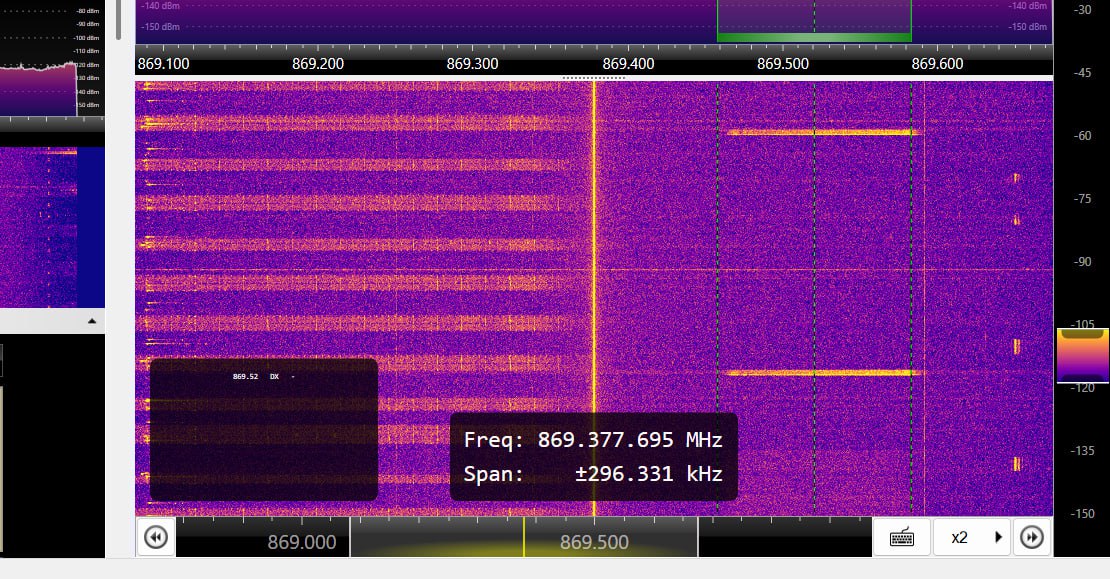
- Stefan/OE6ISP observed a lot of radio traffic on 800MHz and is waiting for the next satellites to pass. Then, after a suggestion from Helmi, clarified these are terrestrial transmissions and that he is waiting for the connectas satellites to catch a signal, which he plans to record for Scott to analyze due to CRC errors, and added that they are LoRa and decodable with inverted IQ settings. Also mentioned SDR-console in 32-bit mode will be used for recording the sat-signals, but GQRX doesn’t work with the LimeSDR. 🔗
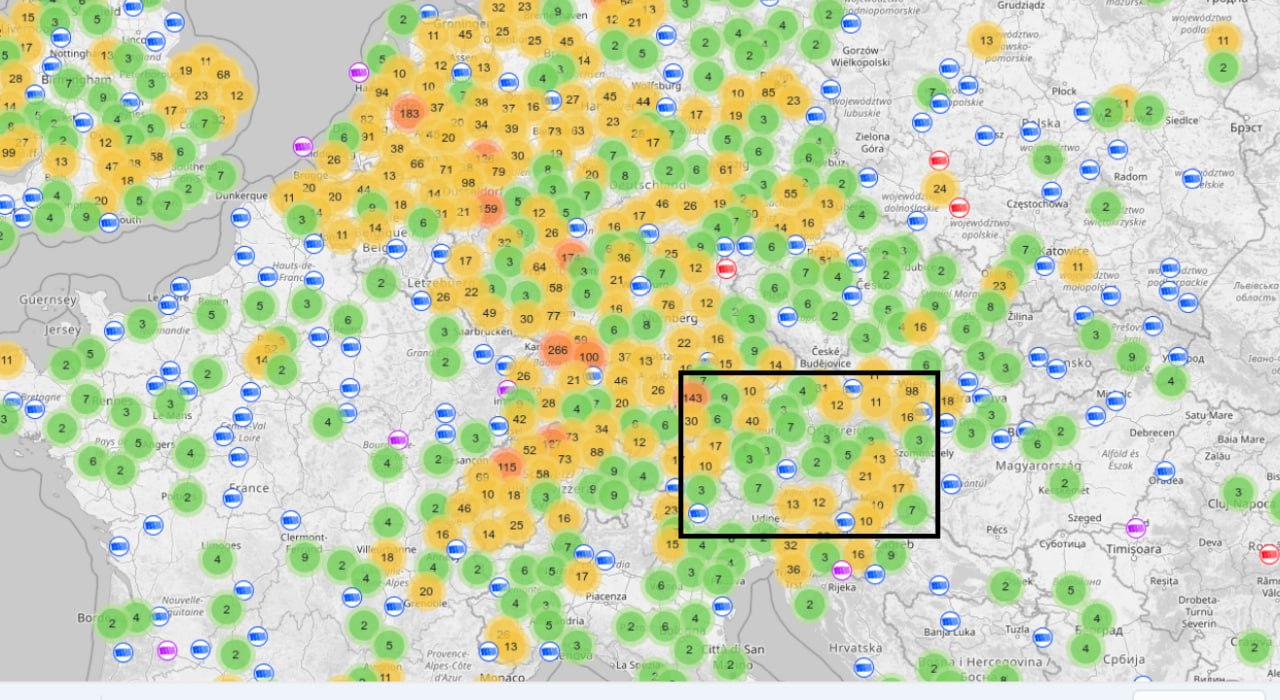
- K4KDR shared an analysis of ConnectaIoT satellite downlinks around 869.525 MHz, noting they use 125k LoRa with SF=10. He found that some packets from new ConnectaIoT sats (9, 10, 11, & 12) have -12- preamble bits and produce CRC errors with SyncWord=0x34, speculating that IoT-10 and IoT-11 might be misconfigured. 🔗
- Harrish mentioned plans to launch a CubeSat from India and requested guidance on adding it to the TinyGS network. 🔗
- Piotr announced a new batch of CTP-4.x satellites in orbit. 🔗
https://community.libre.space/t/soyuz-2-1b-fregat-ionosfera-m-3-4-vostochny-25-july-2025-05-54-utc/13457/34 - PE2BZ is tracking “FSKL5695-12” but cannot find it in the satellite list and is checking if anyone has received it and its location. 🔗
- G4lile0 announced new satellites from the “Soyuz-2.1b/Fregat - Ionosfera-M 3&4 - Vostochny - 25 July 2025 (05:54 UTC)” launch. 🔗
- G4lile0 mentioned that to receive the 8x new LoRa satellites from the 25th Soyuz launch, which are in close proximity, the project is employing surveillance mode. Consequently, the total packet count for stations will decrease, specifically affecting the number of Tianqi packets received. 🔗
Technical Problems
- rj45jack reported that their TinyGS stopped collecting packets, even after a device restart. The console in the webgui didn’t show much outside of auto-tuning. They confirmed MQTT was working and the WiFi signal was strong, also mentioned that the noise floor was around -95 and they usually had weak signals around -120. They suspected a configuration issue, noting they were using a Heltec Wireless Stick Lite set as a Heltec Lora32 v3. After checking for water entry in the antenna, the system started working again without any changes. 🔗
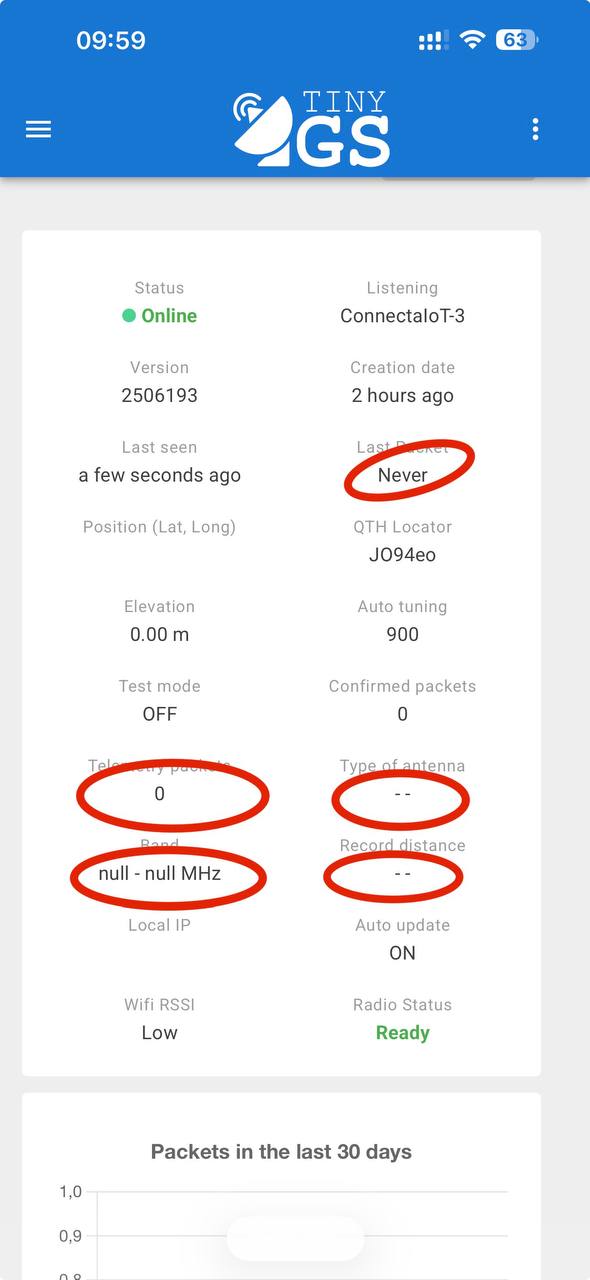
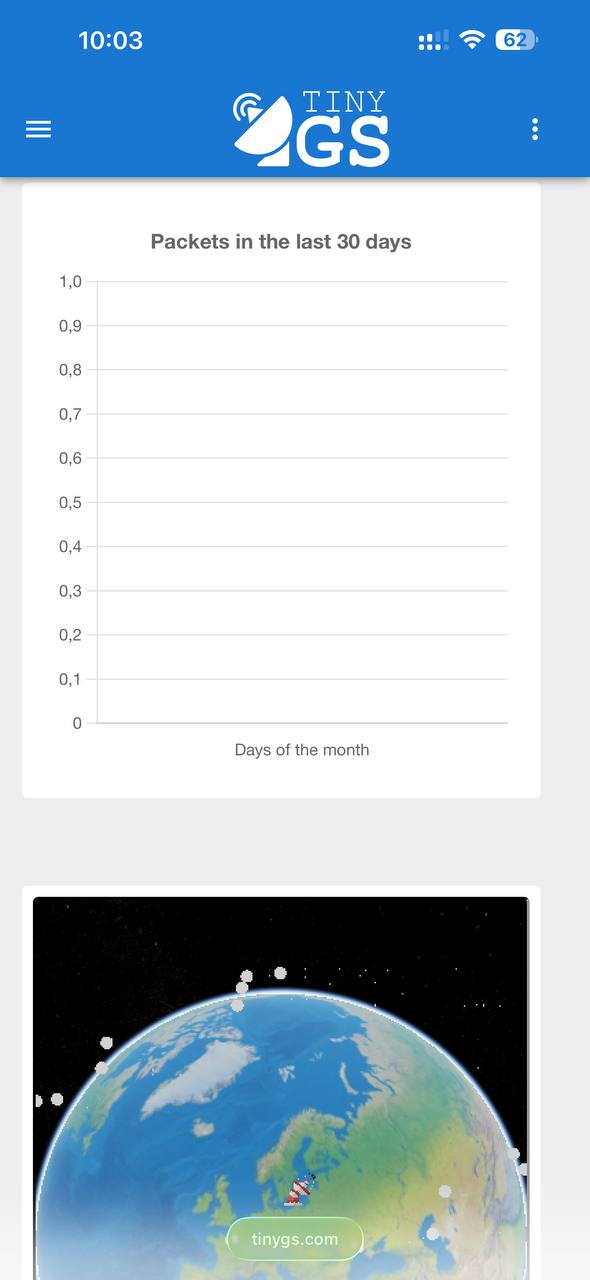
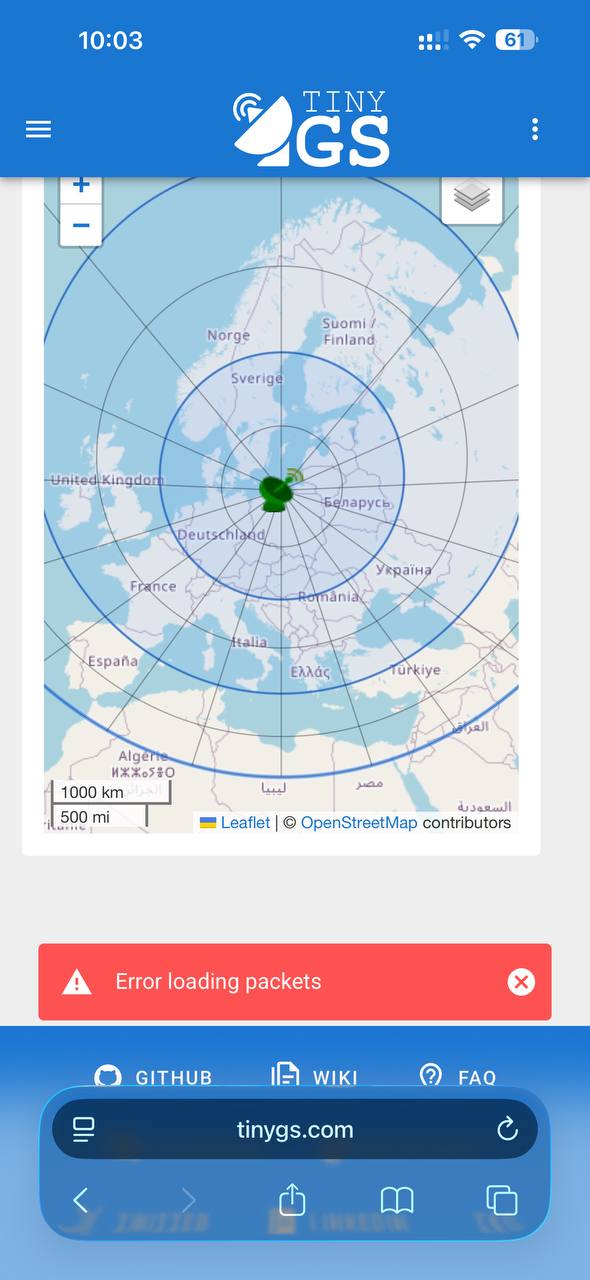
- jeromelampron reported ‘Error loading statistics’ after reconnecting and declaring a probe. Later, the error changed to ‘Error loading packets’ for station GS004_85FR and after some time received one packet. He also mentioned that his sensor is located not far from another one that receives packets, and asked if should wait. 🔗
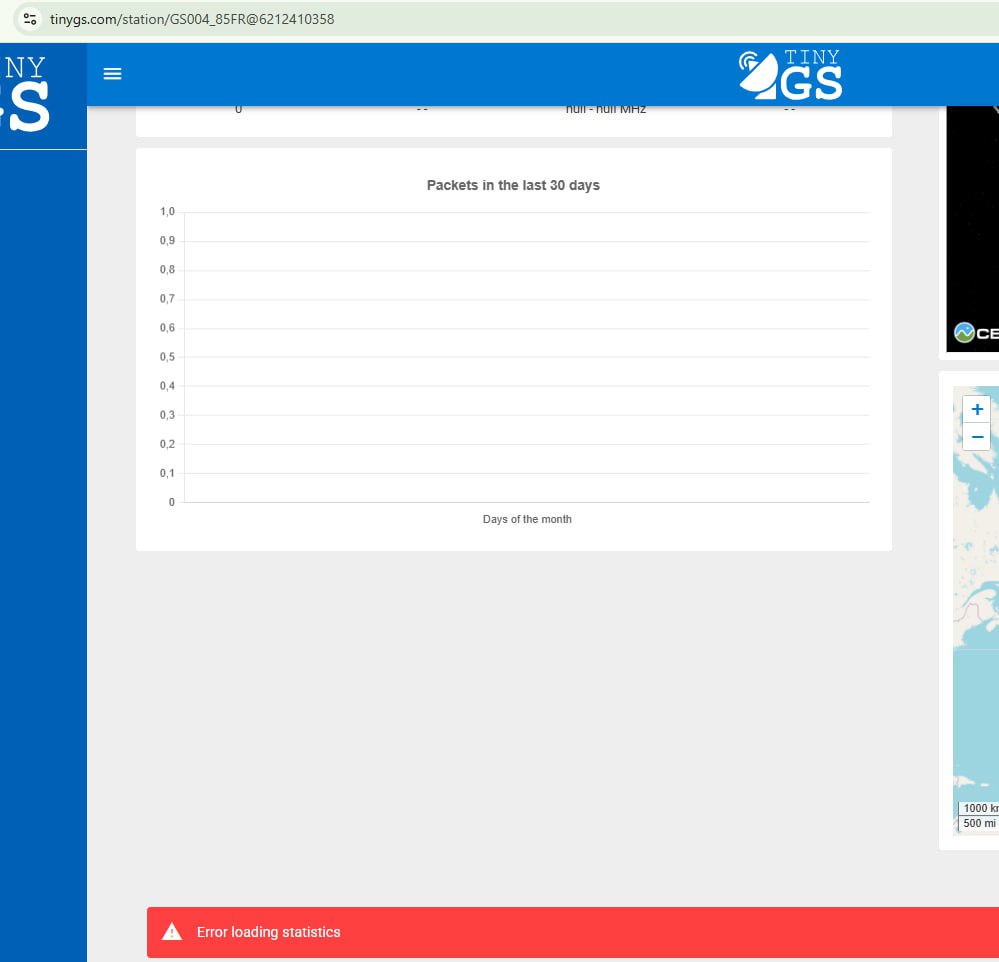
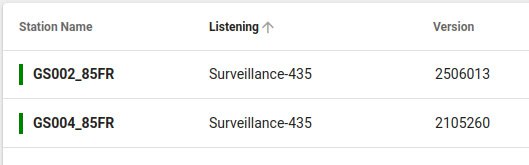
- G4lile0 responded to jeromelampron stating the error message appears because no packets have been received yet and will be modified in the next web release. Suggested checking the antenna connection and noted the firmware is 4 years old and added a photo. 🔗

- Paweł asked if Heltec v3 and Heltec Wireless Tracker devices running on 868Mhz will work with TinyGS, or if it is better to buy the 433Mhz version. Also inquired about the configuration in the “Operate” section for 868Mhz. Finally, he asked if the project is still alive, given the age of recent entries on the project’s Wiki and GitHub page. 🔗
- G4lile0 responded that currently on 868MHz there is only the ConnectaIoT satellite, which transmits over Turkey and is received in part of the EU, directing to check the beta branch on GitHub for the version installed. Later he stated that station is listening for ConnectaIoT-3, so looks good, but that satellite is quite difficult to catch, and that 433Mhz is much better. 🔗
https://github.com/G4lile0/tinyGS/tree/beta - Paweł shared images of his setup and asked for confirmation if the data is correct or if something needs to be changed. 🔗
Beta Firmware Testing
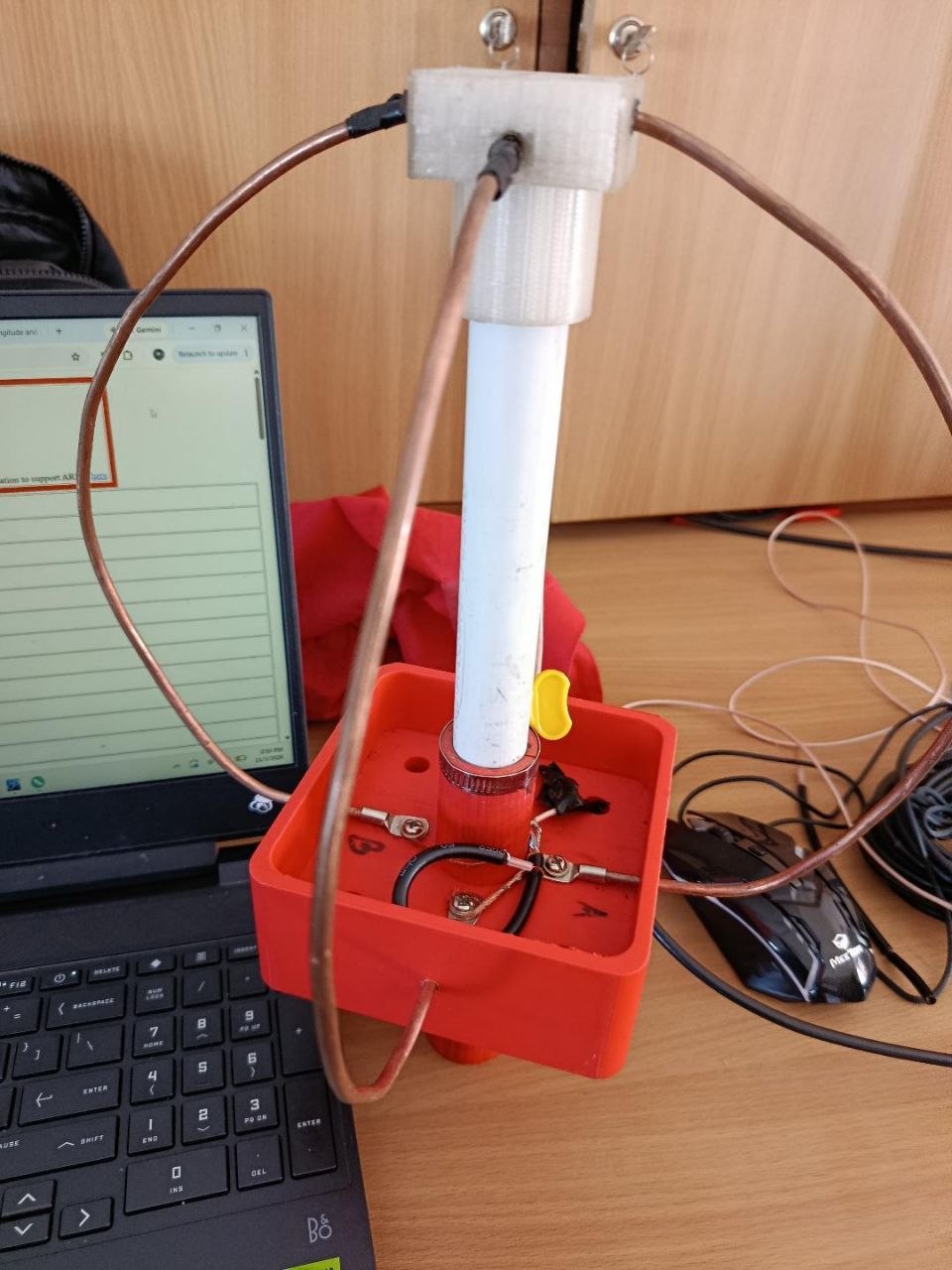
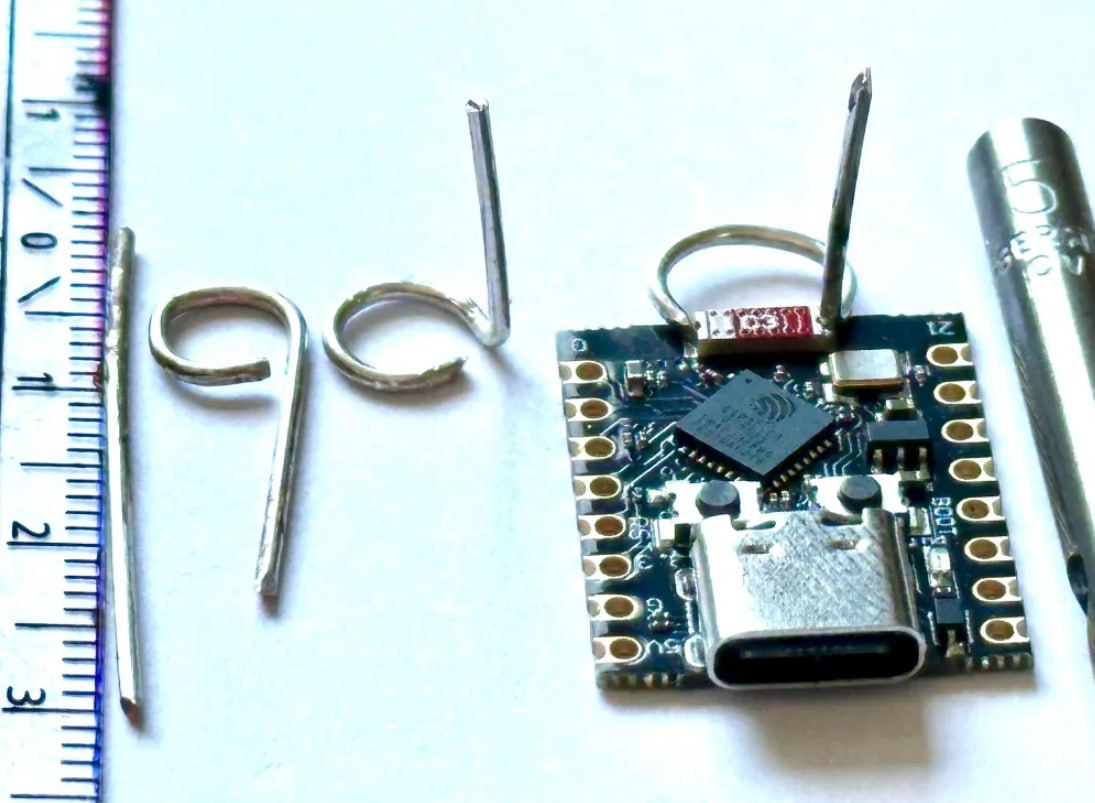
- schemish reported success with v.2506291 using a Heltec V3 (3.1) and a Slim-Jim antenna, receiving several FSK packets, some of which decoded successfully. mentioned exploring options to improve WiFi range, including soldering a coax with SMA, installing a WiFi range extender, or using a basic ESP32 S3 board with WiFi connector + Waveshare Core1262-LF module. noted Helmi or Stefan had a similar setup with a Heltec board in a metal enclosure and hand-soldered coax. 🔗
https://app.tinygs.com/packet/01983303-e079-701e-932f-4cd2e421d1ef
https://www.amazon.com/dp/B07FYWFH4C - Notsure7 commented that many boards have very poor antennas, citing the cheap c3 mini as a shockingly useless example. 🔗
- Stefan/OE6ISP mentioned soldering a coax to the heltec after removing the coil, but the result is only acceptable and needs further testing. 🔗
- Notsure7 reported using C3 to make the connection usable, but still not good enough, and without this, had trouble connecting right next to the AP, mentioning signal issues a meter away and the “same SSID, several AP” problem. 🔗
- schemish asked if anyone has tried the Heltec device, noting it has better options for WiFi antenna. Suggested that the module is even more attractive if a USB-C pigtail can be used for initial programming. 🔗
https://heltec.org/project/wireless-stick-lite-v2/
https://heltec.org/project/wireless-shell-v3/
Antenna Building
- Raik shared a photo and asked Stefan about the long 70cm antenna, specifically if it’s the 411MHz from WIMO and if it’s designed as a KreuzYagi. 🔗
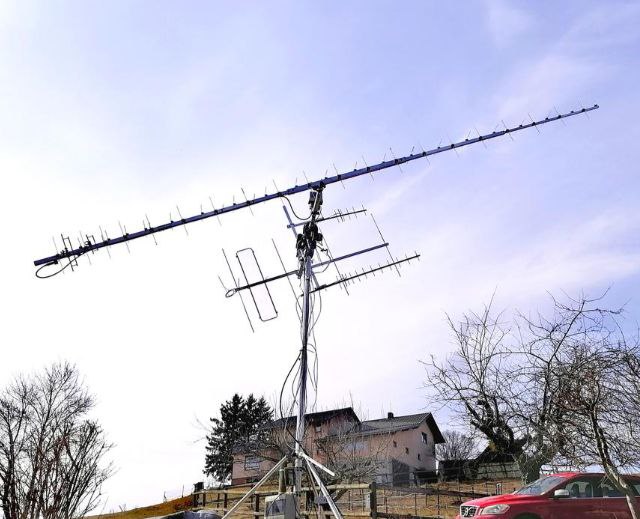
- Stefan/OE6ISP stated that antenna is the 432 AntennasAmplifiers, strictly intended and optimized for EME and shared a link to it, das müsste die sein 🔗
https://antennas-amplifiers.com/70cm-42elements-cross-dx-eme-antenna-70cmcross42dx/ - Raik asked if Stefan has experience if this is also usable at 400MHz, so in relation to price/result. Then, Raik added that he will ask there and report. 🔗
General
- Arnau asked for help with creating their first ground station, aiming for a solar-powered setup with WiFi connectivity using a Heltec WiFi LoRa 32 V3, a DFRobot 5V solar power manager, 5V 1W solar panels, and a lithium battery. They asked about the best antenna choice, the necessity of a band stop/pass filter or LNA, calculating the required number of solar panels and battery capacity, and concerns about overheating in Spain. 🔗
- gavarres advised Arnau that Wi-Fi is the most power-hungry component, estimating an average draw of 150 mA. Suggested a battery with a 3-day reserve and a solar panel capable of charging it in 8-10 hours, recommended a ground plane antenna, and suggested testing without an LNA or filter initially. He also mentioned that temperature isn’t a problem, citing ground stations inside small plastic boxes enduring temperatures of 39°C. 🔗
Featured Conversations
- The TinyGS community actively tracked new satellite launches, including those from the Soyuz-2.1b/Fregat mission, and discussed the impact of ‘surveillance mode’ on packet reception.
- Community members shared their experiences with different hardware configurations, particularly Heltec devices, focusing on WiFi antenna improvements and troubleshooting connectivity issues. They also provided guidance on selecting the right frequency (433MHz vs. 868MHz) for optimal performance.
- Users collaborated to troubleshoot technical challenges, such as packet loading errors and connectivity problems, with experienced members offering valuable advice and solutions. They also explored various antenna options to enhance signal reception.
- Enthusiasts sought guidance on setting up solar-powered ground stations, receiving detailed recommendations on power management, antenna selection, and thermal considerations.
- K4KDR provided a detailed analysis of ConnectaIoT satellite downlinks, noting discrepancies in preamble bits and potential misconfigurations in certain satellites, opening avenues for further investigation and refinement of satellite configurations.
What’s next
Explore the TinyGS project and join our Telegram group to discuss satellite tracking and contribute to our community!
Share: