tinyGS
· TinyGS Community · 11 min read
Weekly Newsletter - August 24, 2025
Welcome to the TinyGS community weekly newsletter! Stay informed with the latest discussions, developments, and collaborative efforts within the TinyGS project.
Highlights
General
- EA5FZJ sent greetings from IM98WW and asked about resources to get started with TinyGS, specifically inquiring about recommended bands for beginners and those with more activity. Subsequently, Stefan/OE6ISP suggested starting with the 400MHz band and recommended the SX1262 chip for catching both LoRa and FSK satellites, while noting that an SX1278 is sufficient for LoRa only. 🔗
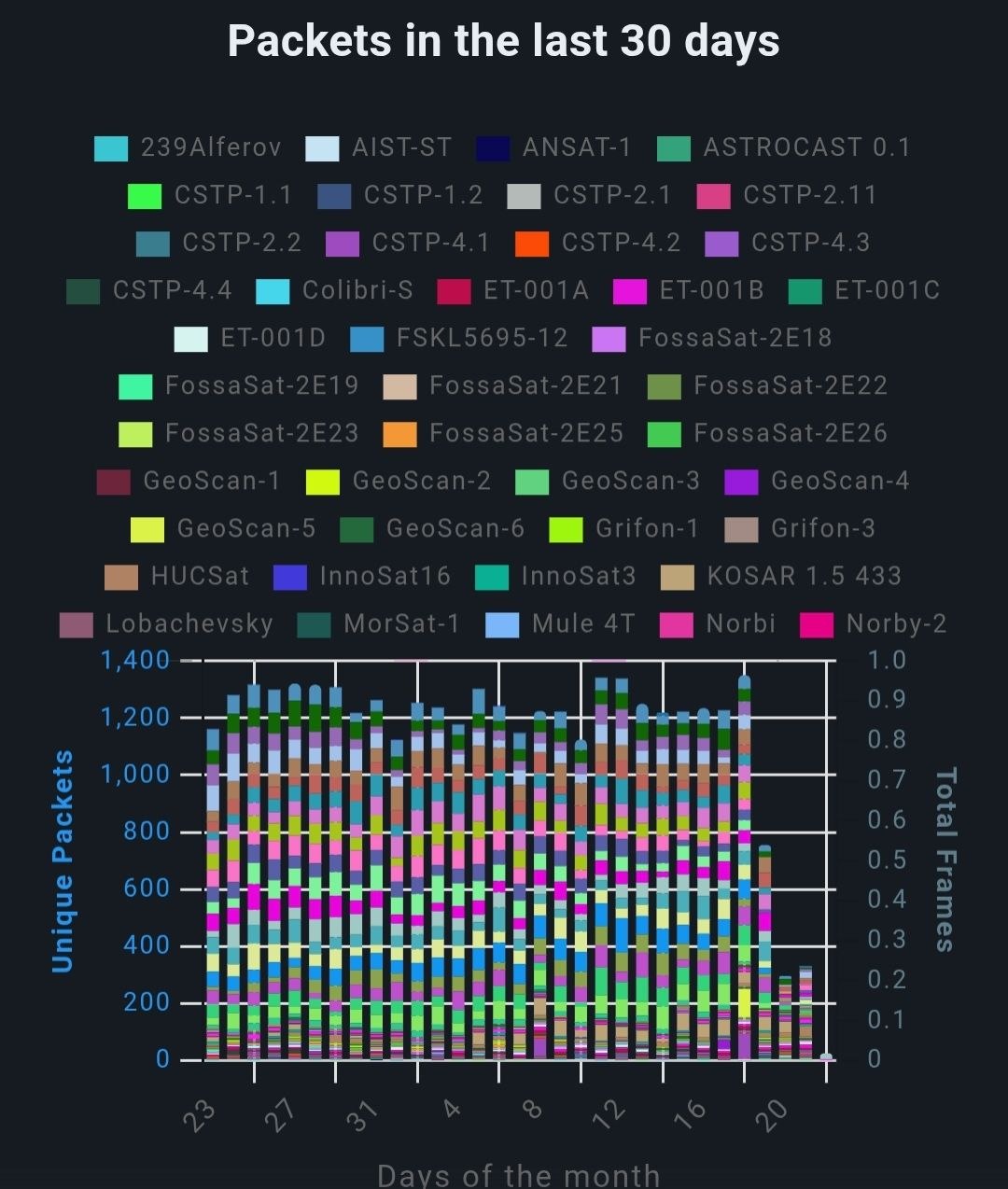
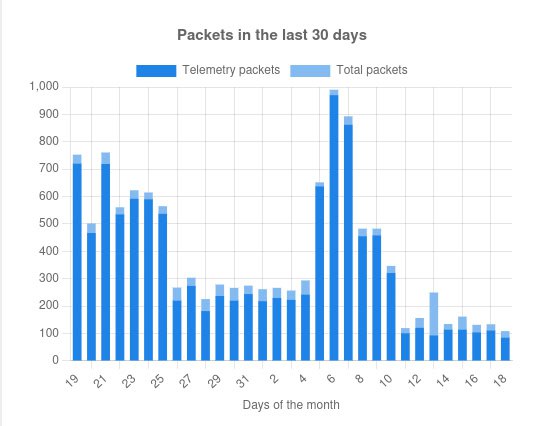
- zp4kfx inquired about a significant drop in received packets, noting it was affecting other stations nearby, and shared an image related to the issue. 🔗
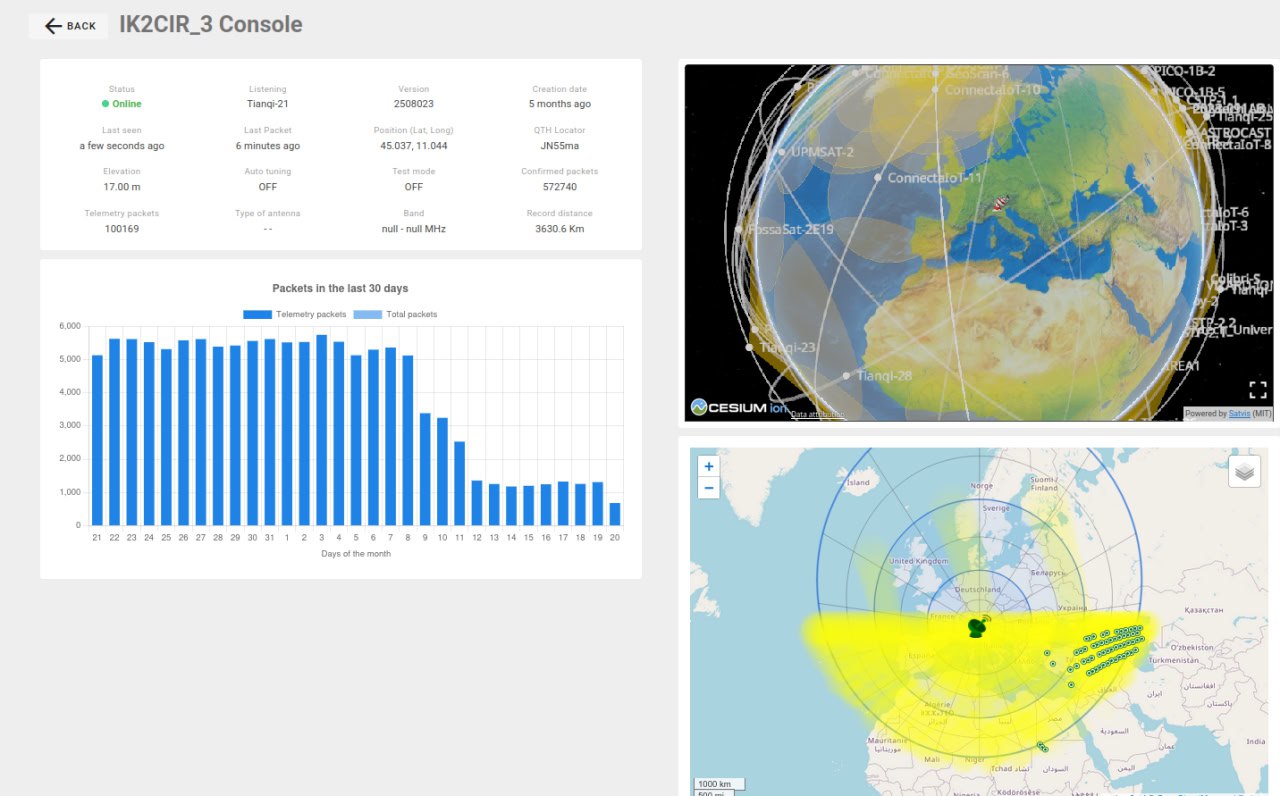
- Stefan/OE6ISP explained that the packet drop is due to the autotune algorithm being reconfigured, which reduces activation for Tianqi satellites. Stations heavily reliant on Tianqi’s high power may experience a drop in packet count when Tianqi tunings are reduced. Optimizing for low-power satellites can mitigate these drops. 🔗
- G4lile0 clarified that Tianqi satellites are assigned the lowest priority in the autotune algorithm and are only tuned when no other supported satellite is in view. They mentioned plans to enhance the system to allow users to select or deselect specific satellites, but this requires careful implementation. They also noted that the volume of packets from Tianqi satellites significantly affects the statistics of tinyGS stations and that they are actively looking to improve this, and shared an image. 🔗
- Heinz reported issues with the admin login after configuring the board, even after multiple installations and careful password selection. Heinz later found a solution, noting that flashing must be done with Chrome, but configuration works with Firefox, suggesting a browser-specific issue. 🔗
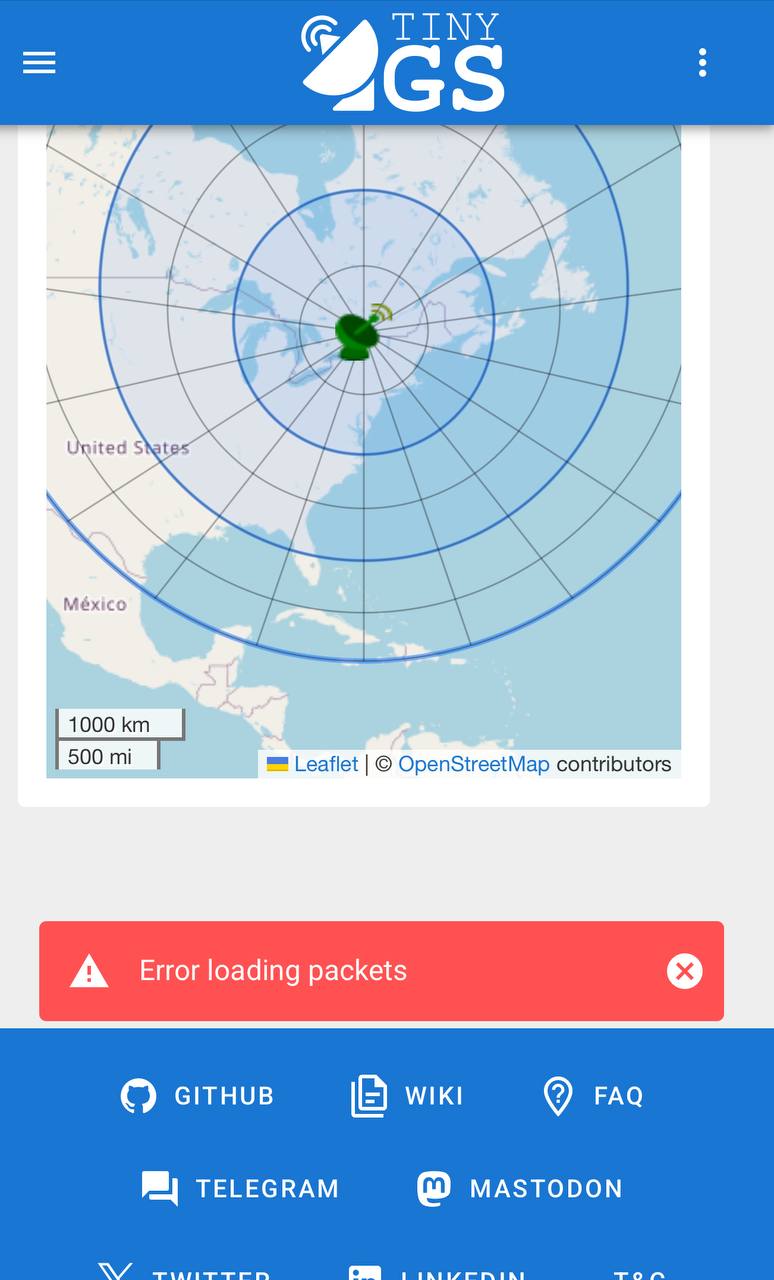
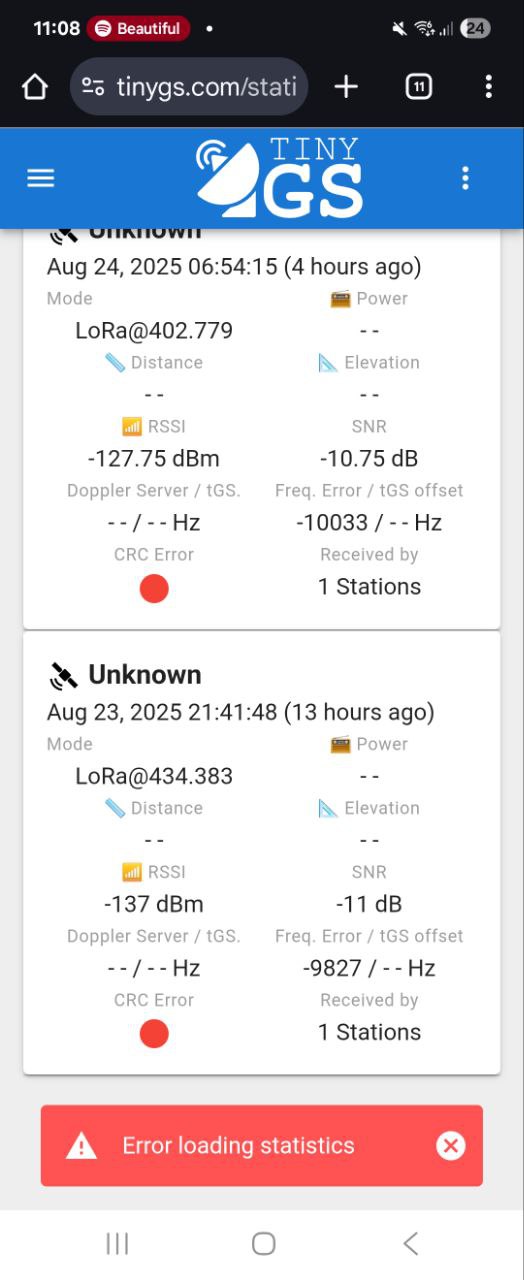
- aziz a new user, reported that their ground station was displaying “Starting to listen” without receiving packets and showing an “Error loading packets” message. Stefan/OE6ISP explained that the error occurs when there are no packets and that the station needs time to calculate passes in autotune mode. Aziz asked about the suitability of the LILYGO TTGO Meshtastic T-beam with its original antenna, and Stefan/OE6ISP recommended building a simple groundplane antenna, providing a link to their QRZ.com page for reference. 🔗
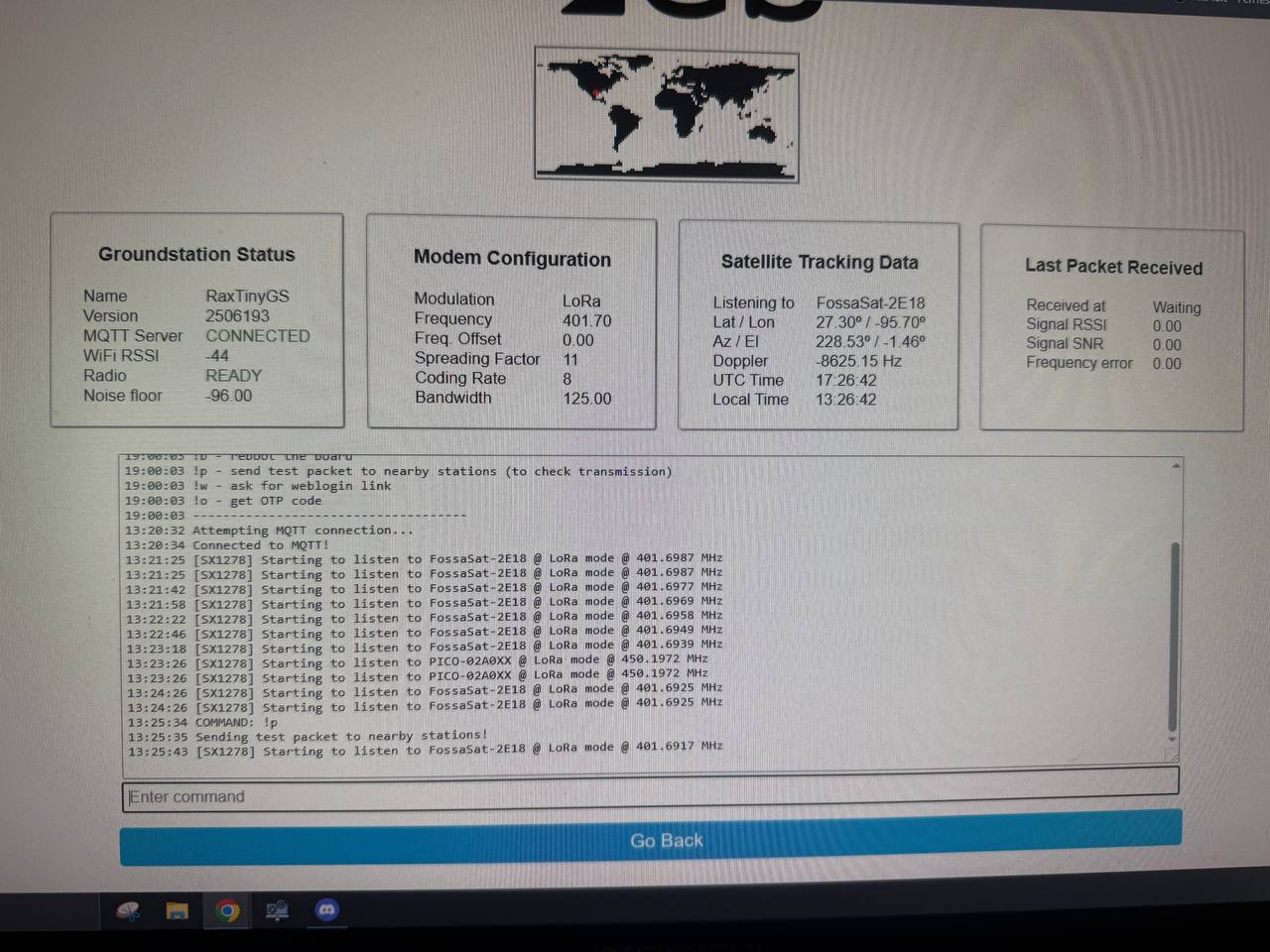
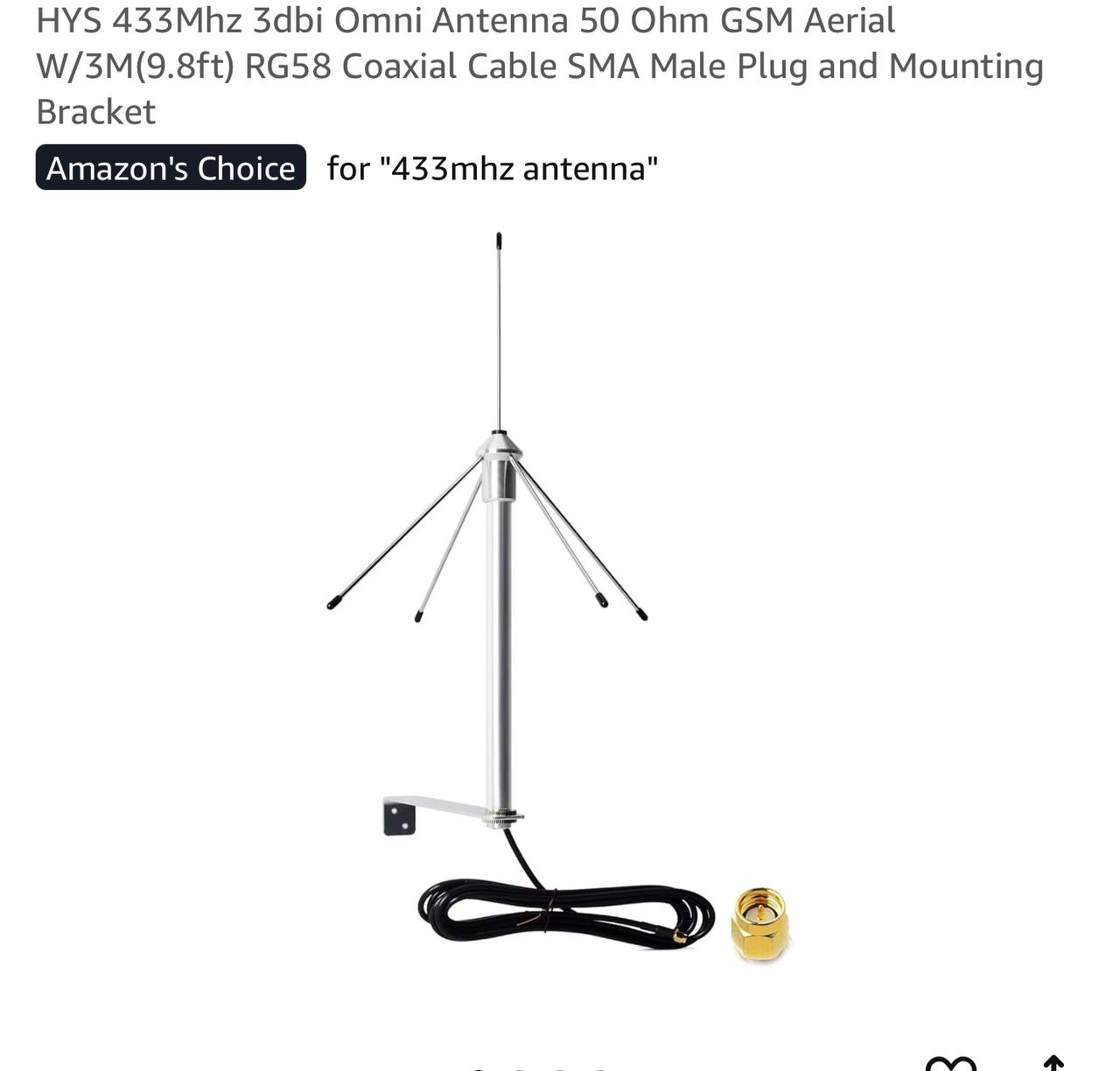
https://www.qrz.com/db/OE6ISP - KernelCorrupt shared a photo of their setup and noted it seemed to be working correctly but hadn’t received any packets yet. They mentioned it was listening to pico 02A0XX. Stefan/OE6ISP responded that the environment was noisy at 96dB and the 44dBi WiFi signal was very strong, suggesting the station was indoors. KernelCorrupt acknowledged this and mentioned purchasing a 433 MHz antenna for outdoor use. Stefan/OE6ISP stated that stations work on the window to a certain degree, but reducing noise is necessary, and strong WiFi signals can disturb reception. KernelCorrupt reported an improvement to 105dB but still hadn’t received any packets after 30 minutes. They inquired if results would improve at night. Stefan/OE6ISP suggested waiting at least 12 hours and noted that a whip antenna doesn’t perform well indoors and recommended a directional antenna. KernelCorrupt then shared an image of an antenna they planned to purchase, and Stefan/OE6ISP advised replacing the cable with a low-loss cable or shortening it. 🔗
- OA4BUO introduced himself as Antonio from Perú, South América, with the callsign OA4BUO, and received a welcome message from G4lile0. 🔗
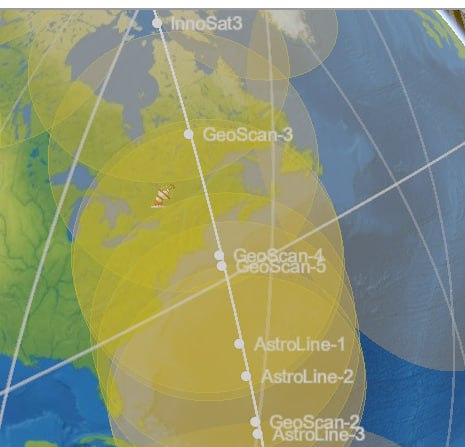
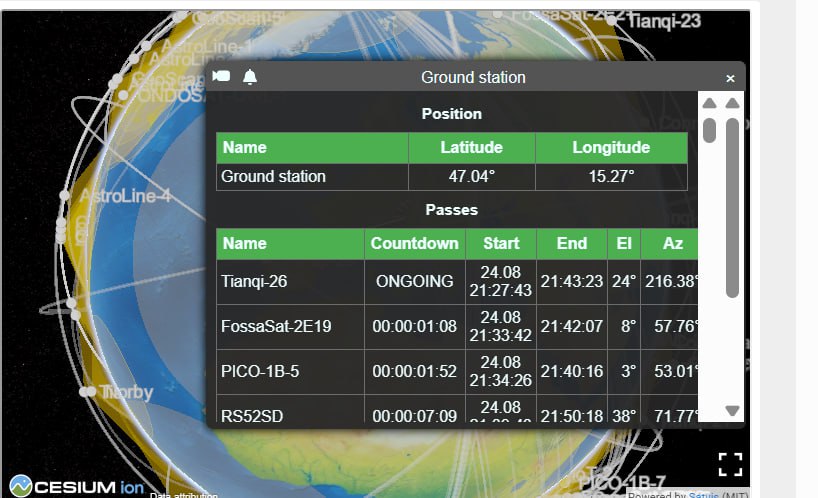
- KernelCorrupt reported having no packet reception after 8 hours of being online and sought assistance. He initially had the setup indoors but moved it outside, trying different 433MHz whip antennas and even an RTL-SDR dongle with a dipole antenna, but still had no luck. He shared photos of the setup. He later mentioned setting the latitude and other parameters correctly and referenced a previous message from G4lile0. He then reported that after reflashing the device, the satellite tracking area was missing, and shared screenshots. Stefan/OE6ISP suggested that the geoscan and astrocast satellites are FSK and not suitable for the T-Beam. KernelCorrupt acknowledged this, noting that it usually scans surveillance and taquri. Stefan/OE6ISP advised that nothing would likely be caught at 5 degrees elevation. Stefan/OE6ISP also mentioned that when logged in and clicking on the GS on the map, a list of upcoming passes is displayed. He also suggested that there can be several hours without any satellites passing. 🔗
https://t.me/c/1448773154/78482/175598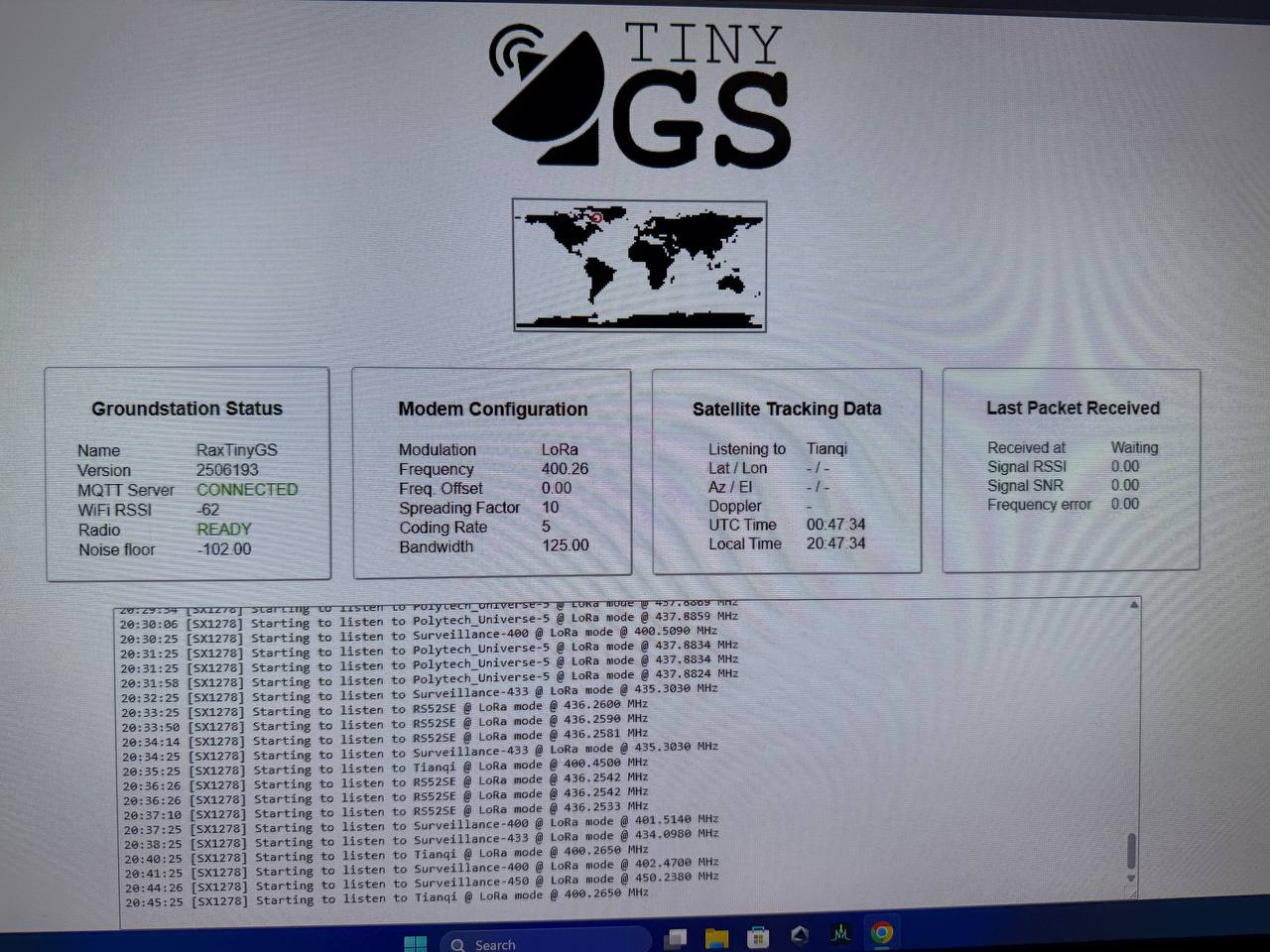
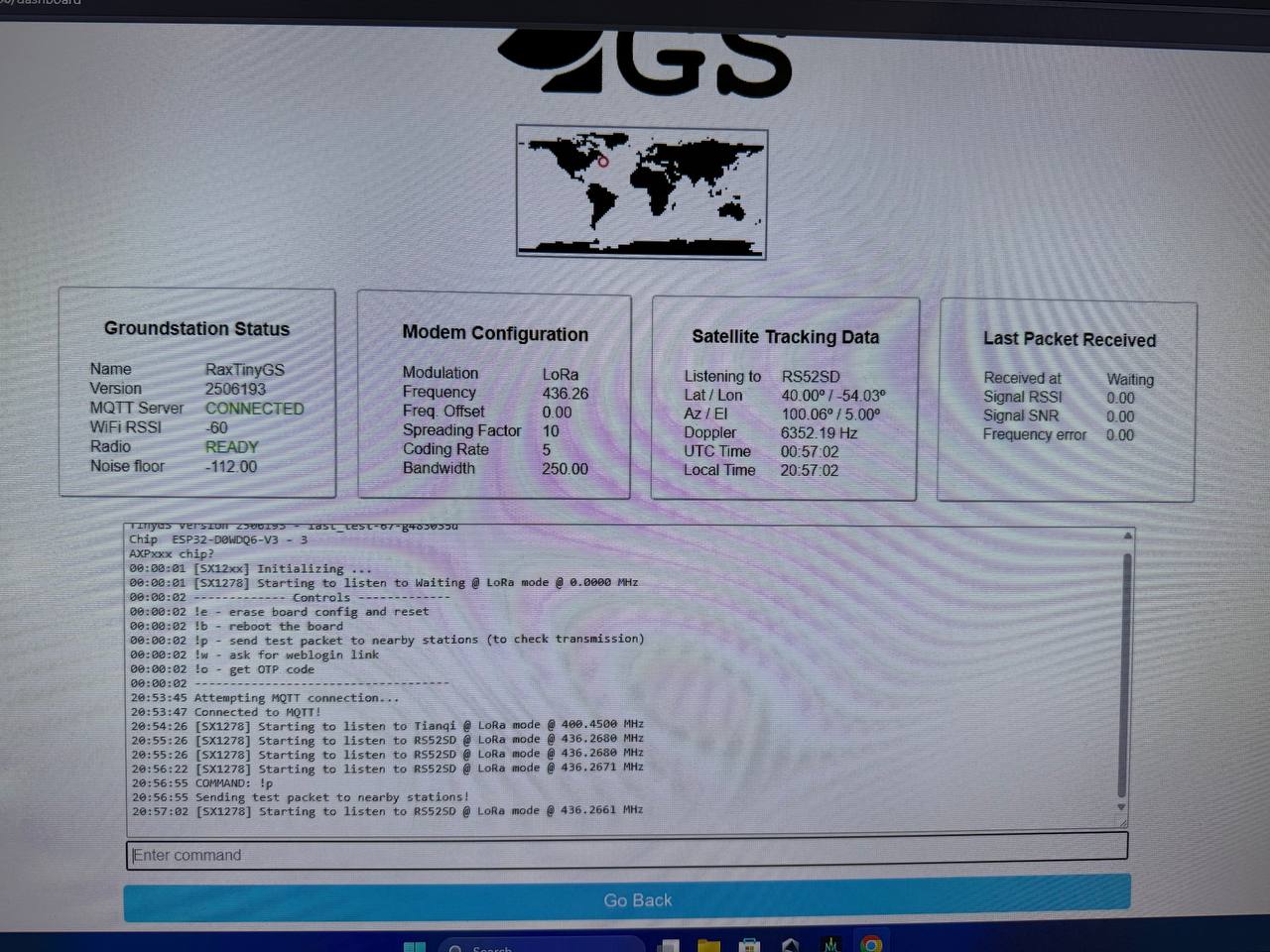
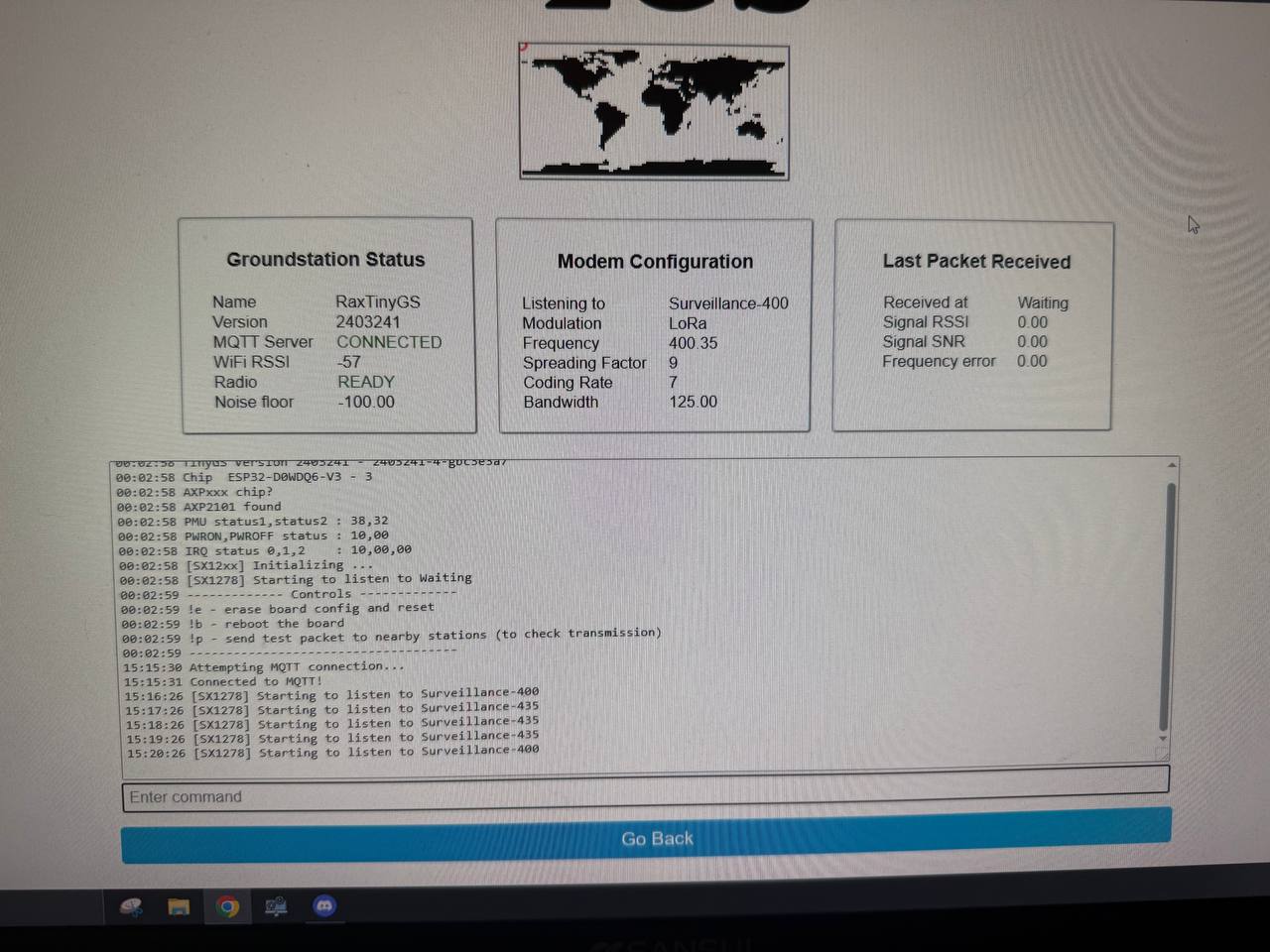
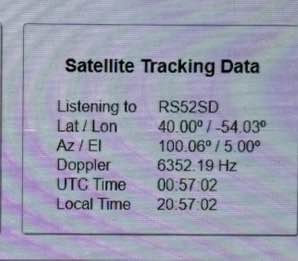
- G4lile0 advised KernelCorrupt to select the correct board type for his T-Beam, providing a list of options. He noted that the TTGO LoRa 32 v2 seems to work on T-BEAM versions. Later, KernelCorrupt mentioned the settings kept reverting to 433 heltec wifi Lora 32 v1. Stefan/OE6ISP suggested completely erasing the flash before reflashing the firmware, and KernelCorrupt mentioned using the easy web installer. Stefan/OE6ISP suggested using Visual C to erase everything, and also suggested installing something different like MESTATIC. 🔗
Technical Problems
- D reported using a RHCP yagi for LEO ham sats with negative results on TinyGS without an LNA. D mentioned that linear polarization works fine for RX and asked for thoughts. Later, D clarified that the same antenna works for many satellites on linear polarization but not RHCP, and that it works well on linear polarization. D also mentioned picking up LASAR, KOSEN, and SNIPE-D on satroof. 🔗
- Helmi advised against using a certain wire as an antenna, suggesting beginners build a groundplane antenna instead, referencing a guide by Stefan/OE6ISP. hari21204 acknowledged the advice and mentioned learning about space technology. Helmi added that the materials for the antenna should be available in hardware stores, except for the connector, and to keep the cable short. hari21204 confirmed understanding and expressed gratitude. 🔗
https://t.me/c/1448773154/78473/161412 - Botiburro reported having correct MQTT credentials but encountering a ‘no active station’ message when using the /stations command in the bot, along with email validation errors. G4lile0 responded that it was a bug and should now be fixed. 🔗
- Ryan a new user, had questions about changing settings for an established station, specifically the WiFi network, and whether the station’s position in TinyGS mattered while using it remotely. Helmi explained how to change the WiFi SSID, password, latitude, and longitude via the local IP configuration page, emphasizing the importance of correct location data for satellite selection. Ryan confirmed that it now works. 🔗
- Crapulard reported issues with a LILYGO ® TTGO LoRa32 V2.1_1.6 installation, including a “no access” error when launching the dashboard page and a “waiting for station” status on the website. He also mentioned a black screen issue after the device went to sleep. Stefan/OE6ISP suggested ensuring the computer and board were on the same subnet. Crapulard later resolved the issue, explaining it was due to being connected to a guest WiFi network without access to the private network. He then inquired about the autotuning on 433MHz for an 868-915MHz Lilygo board bought on Aliexpress. Notsure7 explained that the difference between 868 and 433 is just filters and that 433 should also receive perfectly on 858/915. Crapulard later disconnected the Lilygo from USB to try a dipole antenna and then reconnected it, experiencing a black screen again and the station going offline. He found that the issue was related to using a USB extension cable, which also erased the configuration. G4lile0 confirmed that the station was online with the correct position after Crapulard re-edited the settings. Crapulard asked about turning off the device before unplugging the USB, and G4lile0 replied that it was not necessary as the configuration should be saved. 🔗
- Fer_Olmo posted photos and inquired about a possible error, asking what could be causing it. Stefan/OE6ISP responded that it was likely due to no valid packets being received, resulting in no statistics. 🔗
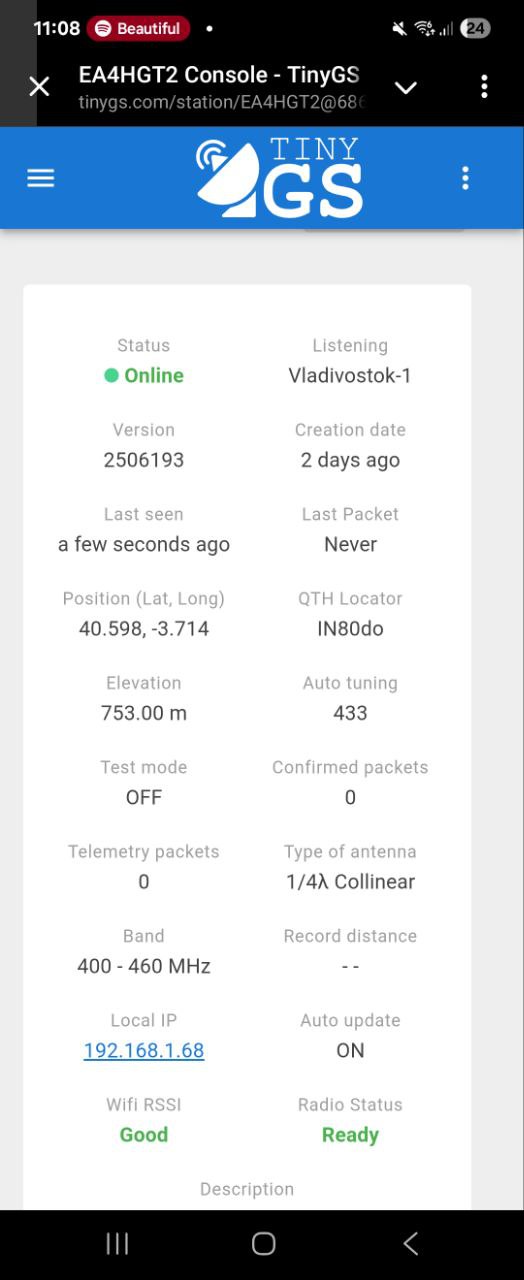
- KernelCorrupt reported issues with a Tbeam oled 443 that doesn’t boot after being powered off and moved. Further investigation revealed that unplugging and plugging the device back in caused the OLED to fail. Stefan/OE6ISP suggested that the T-Beam is sensitive to voltage and requires a clean and accurate 5V power supply, advising against using USB chargers. KernelCorrupt then inquired about Heltec V3 compatibility and noted that the OLED was off, but the device seemed to be on per the dashboard. Stefan/OE6ISP clarified that Heltec V3 works perfectly but is a different board than the T-Beam. KernelCorrupt also asked about viewing the battery percentage. 🔗
New Satellites
- G4lile0 reported that the mystery signal is originating from 2024-199S (Vladivostok-1), which also transmits on LoRa 436.804 MHz SF: 8 CR: 6 BW: 62.5 kHz. 🔗
- K4KDR asked if full LoRa parameter listings for the ‘Surve-***’ objects are available online and requested the remaining settings for the recent 250817 mystery transmitter, including SyncWord, Preamble Len, CRC on/off, LDRO on/off, and Inverted yes/no. G4lile0 responded that as these objects are meant to be temporary, they were not added to the operate page, but a solution will be considered for the next web release. 🔗
- G4lile0 removed an object from surveillance, as a mystery signal it appears from 2024-199S (Vladivostok-1 and created it as Vladivostok-1b in active satellites, providing its configuration. 🔗
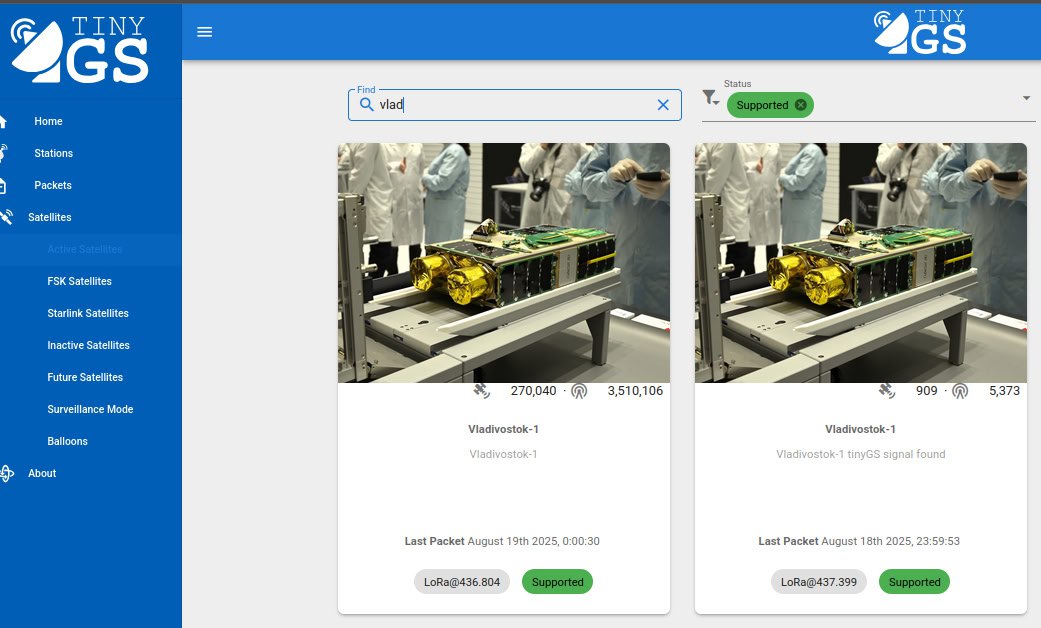
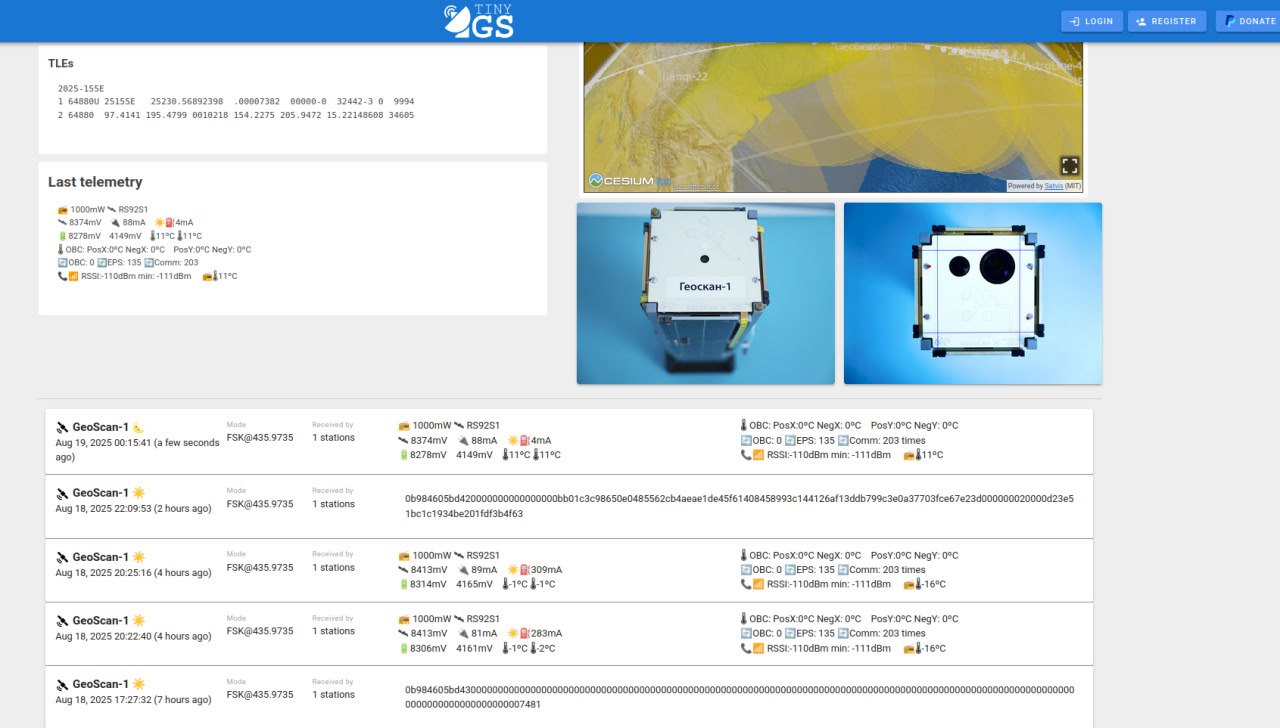
- G4lile0 mentioned full telemetry is available on AX.25 Geoscan 2 satellites and thanked Scott for the suggestion, amending the configuration. 🔗
Beta Firmware Testing
- PE2BZ asked which firmware supports the FSK satellites, and Stefan/OE6ISP responded with a link to the latest beta from GitHub or binaries. 🔗
- PE2BZ asked if it’s possible to limit reception to the UHF range when using filtered antenna setups, as stations might be listening to satellites outside the bandpass filter range. 🔗
- Notsure7 mentioned that you can select 137/400/868. Also, mentioned that autotuning sometimes switches from 400 to 137 when there aren’t any other 400 birds around and would like to further limit to 400/433/450, which is being considered. 🔗
Antenna Building
- cluster37 requested recommendations for good/best PDFs on antenna theory. 🔗
- Sergey shared testing results of a new 6-turn helical antenna for 70cm, mentioning it’s different from the main station with Slim Jim. ra3tox questioned the coil diameter, and Sergey confirmed it’s about 21cm, allowing for adjustments. Sergey also mentioned the reflector is a leftover from another experiment and might be replaced. 🔗
https://app.tinygs.com/station/nm6s_tgs5@5580935440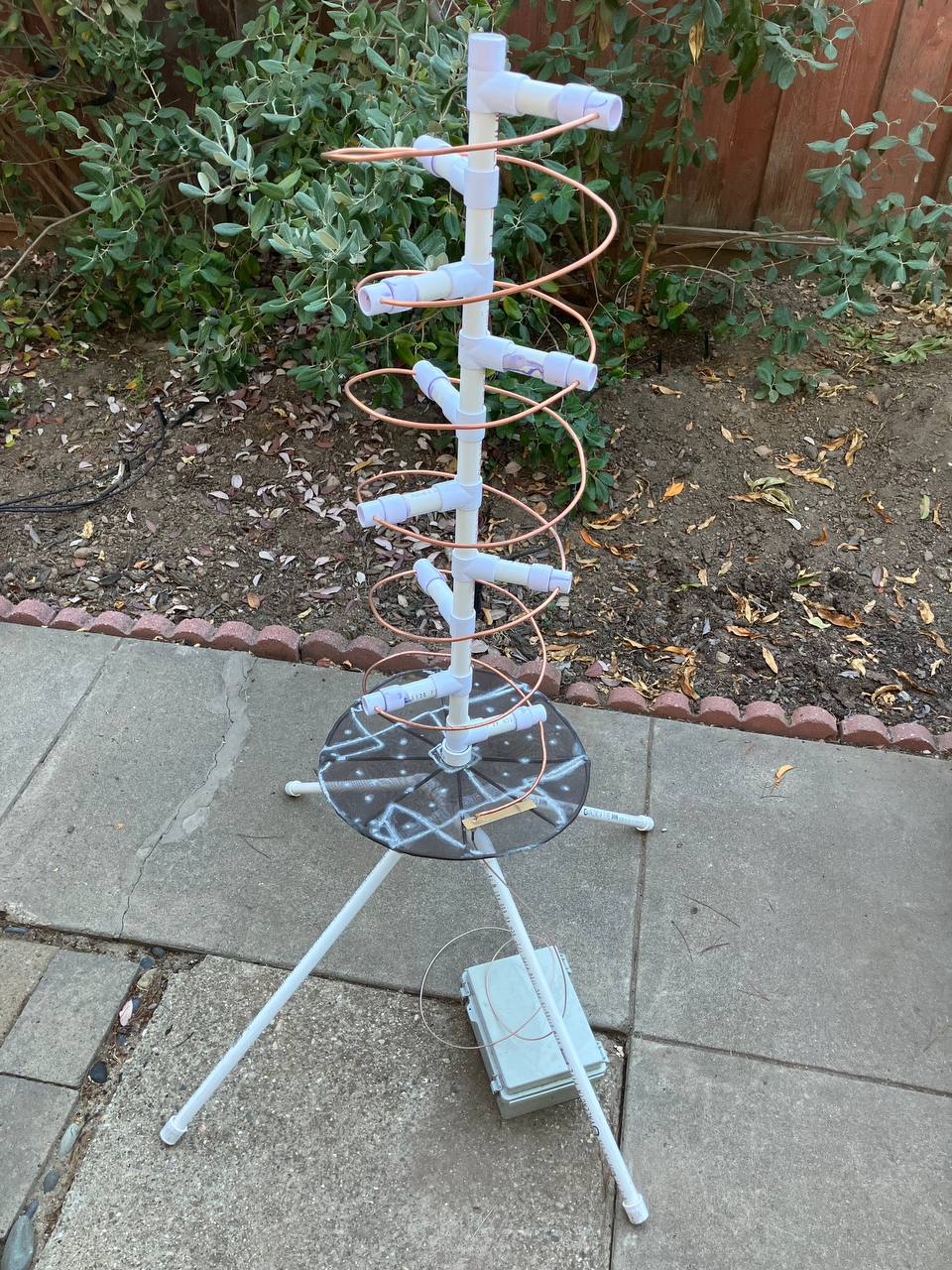
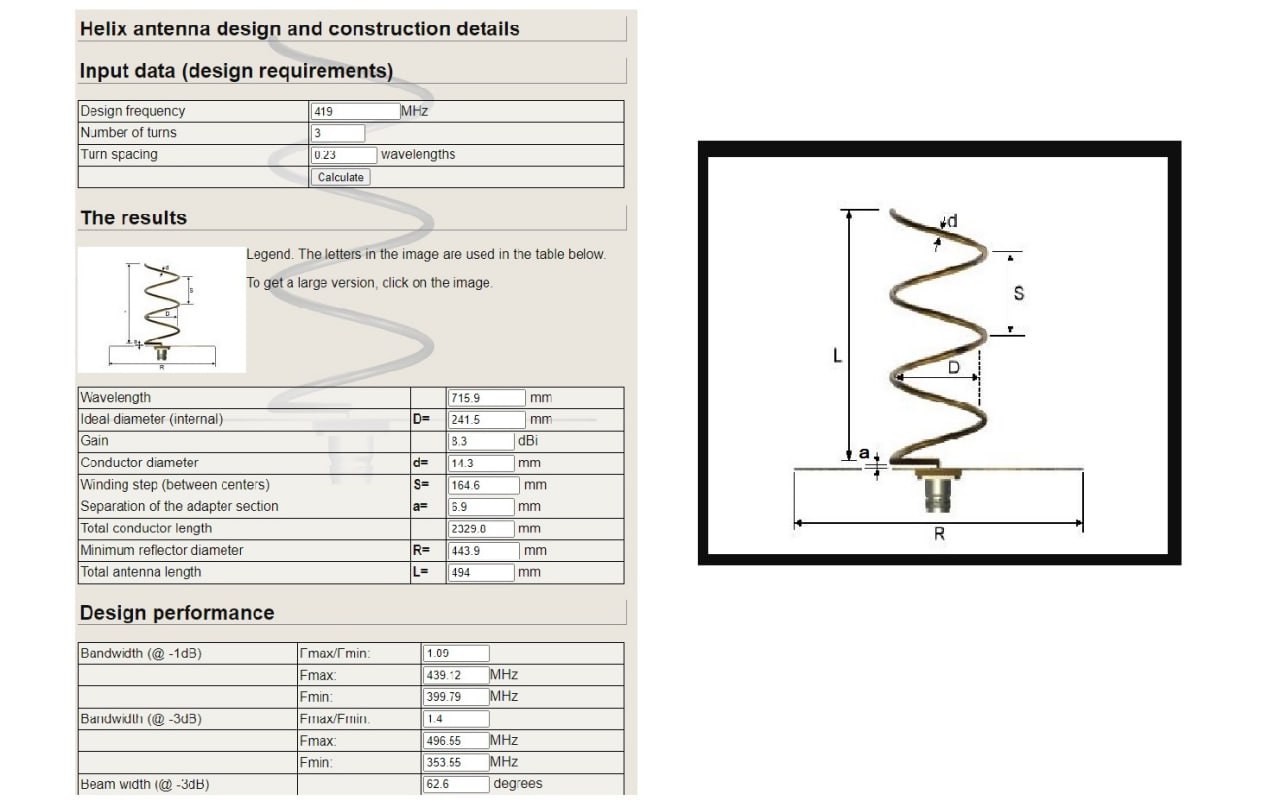
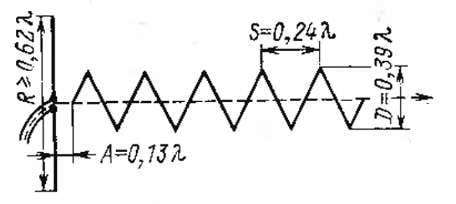
- JosephCo initiated a discussion about choosing between a 3-turn helical or a flat bi-quad antenna for a new SX1262-based station. Stefan/OE6ISP suggested a ground plane and later advised against upward-radiating antennas for improving sky coverage, recommending comparison tests. JosephCo considered using an amplifier and Stefan/OE6ISP suggested an LNA would help. 🔗
https://app.tinygs.com/station/OE6ISP_2@1760298214
https://app.tinygs.com/station/OE6ISP_868_1@1760298214 - Stefan/OE6ISP commented on an antenna design, suggesting it might not compete with a slim-jim due to missing low passes. They inquired about mounting it at a 45-degree elevation to the south. Sergey replied that he wants it only for close range, angles of 45 degrees or higher and it seems to work better for FSK observations. He added that it is just an experiment, wanting something directional, easy to build, less susceptible to terrestrial noise, and as a reference point while he is sorting out that weird noise source. 🔗
Share your setup
- Sergey attempted to reduce RF noise by housing the LNA and Heltec board in an aluminum case but didn’t notice much difference, suggesting a need to distance it from the solar panel and charge controller. Notsure7 inquired about the noise floor before and after, and suggested filtering the power with an LC filter, especially on the sx12xx modem. Stefan/OE6ISP added that cable shielding could significantly impact noise levels. 🔗
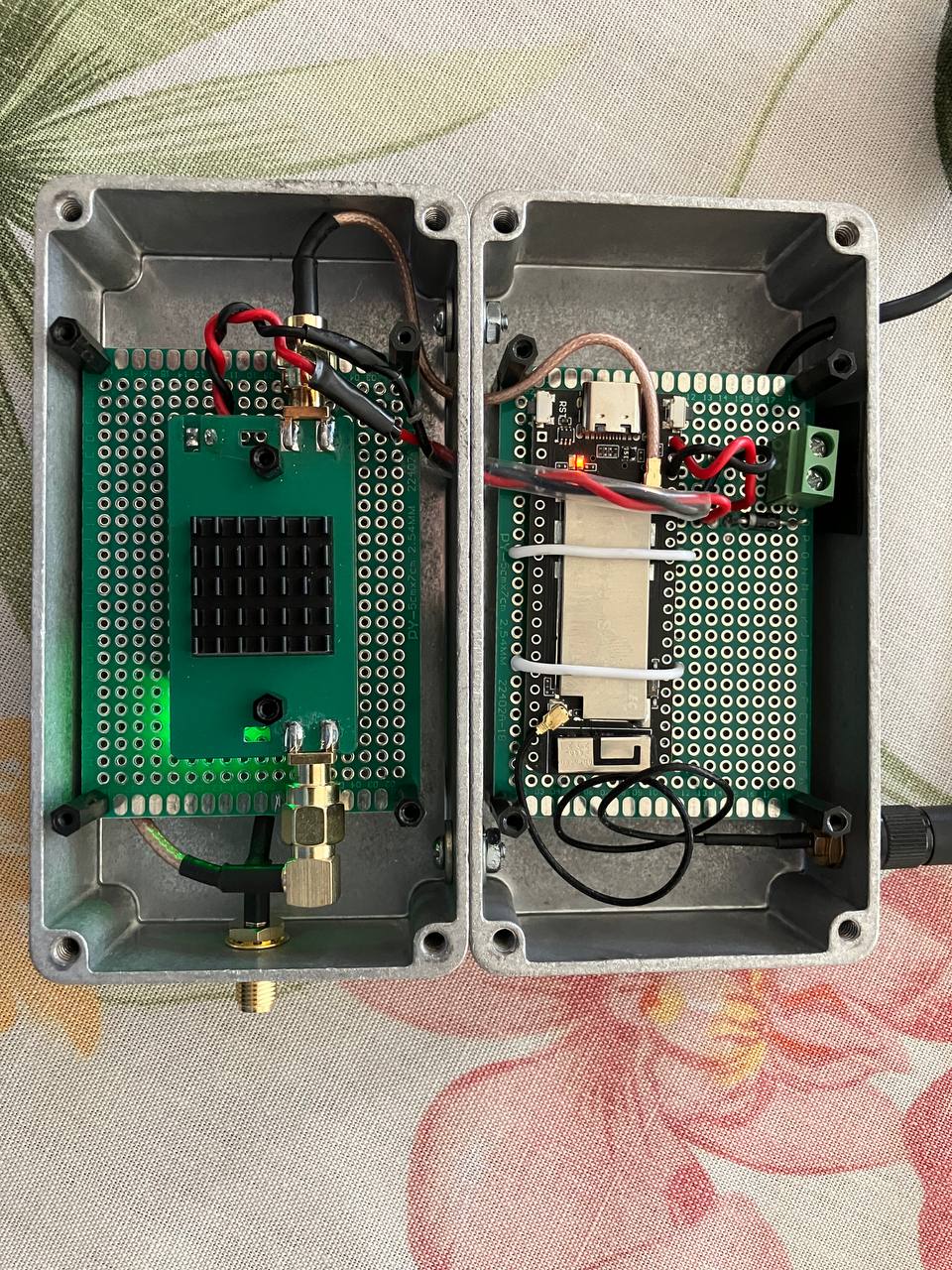
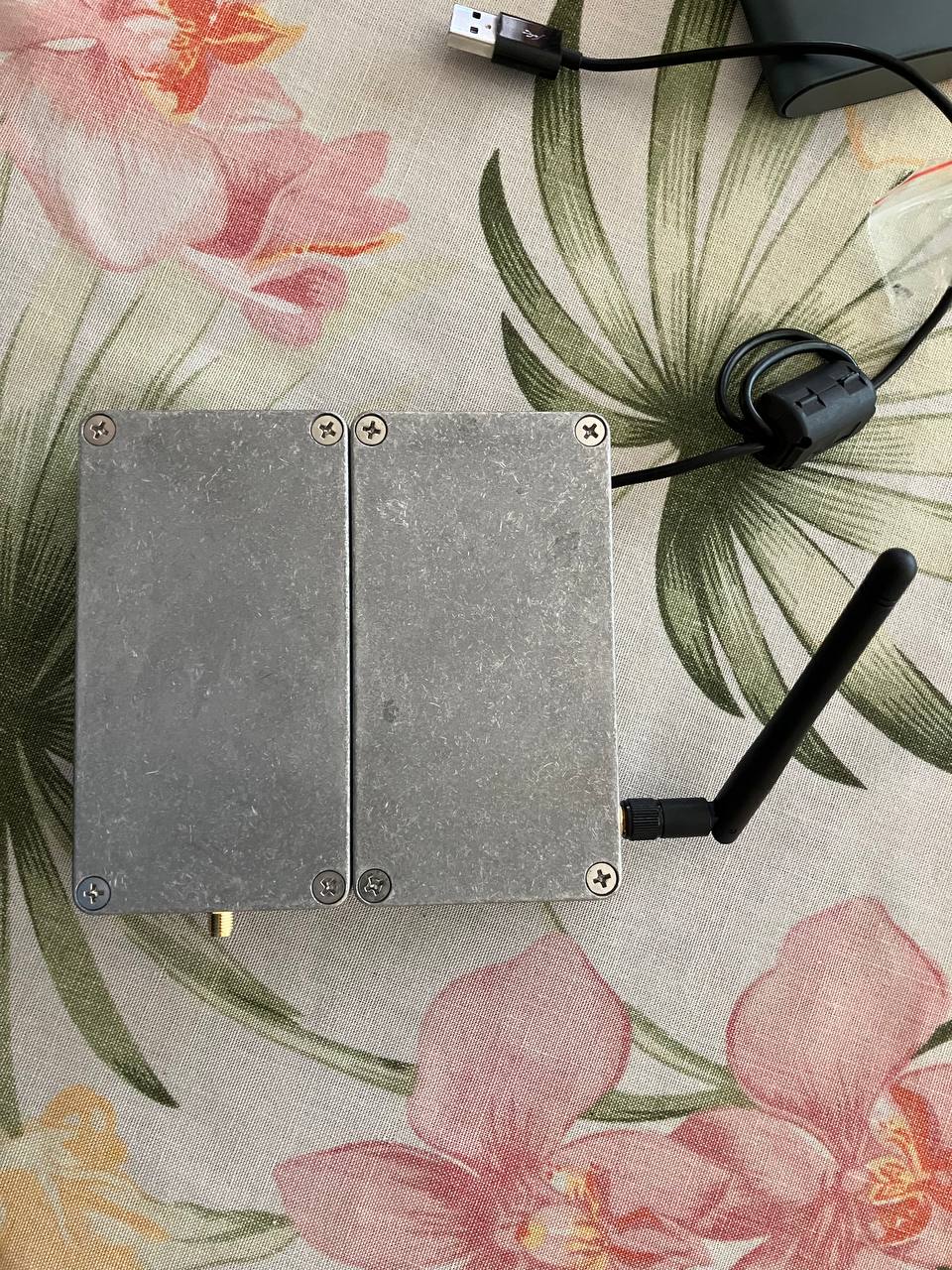
- Sergey in response to a previous question, asked about the use of an off-the-shelf LC filter or a custom-made one with a ferrite toroid, mentioning a switch to an SX1262-based board that worsened things. He also shared noise floor readings, noting variations at different frequencies and a slight improvement after removing a plastic case. He mentioned replacing a 2m RG58 cable with RG400. Later, he noted wild swings in the noise floor and considered terrestrial noise as a potential cause, planning to plot noise level numbers over time and do spectrum observations. Stefan/OE6ISP suggested checking with a simple SDR stick. 🔗
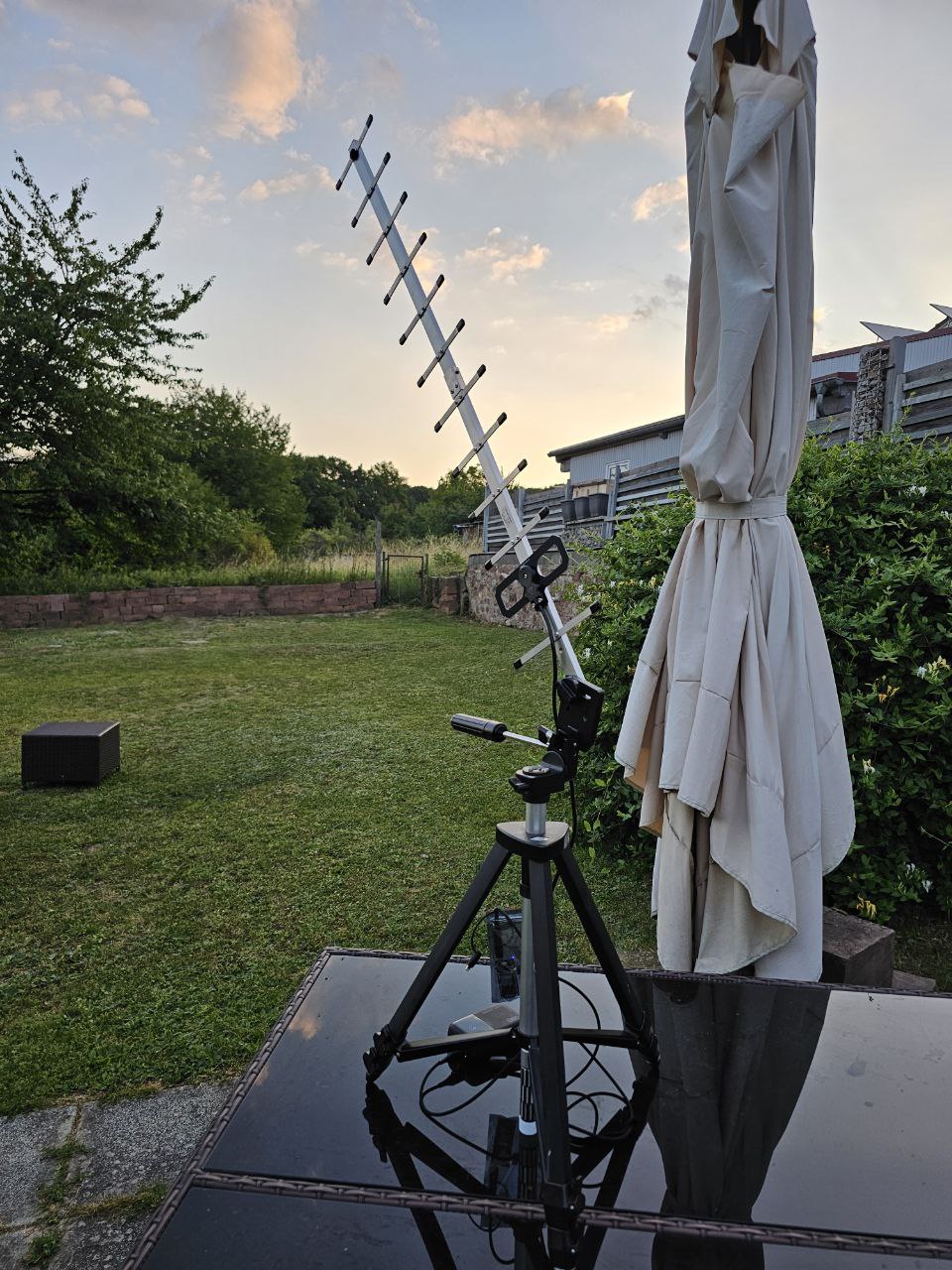
- DE1CTL shared a photo of a Baumhaus 868MHz 13dBi yagi antenna. 🔗
Featured Conversations
- The community discussed the observed drop in received packets, attributing it to the autotune algorithm’s reconfiguration affecting Tianqi satellite reception.
- Solutions were shared for excluding Tianqi satellites at the local station level to optimize performance for other satellites.
- It was noted that Tianqi satellites might have reduced power and limited transmission range over Europe, impacting station statistics.
- Users shared insights on antenna construction, with a recommendation for beginners to build a groundplane antenna using readily available materials.
- The TinyGS team is planning enhancements to allow users more control over satellite selection for tracking, aiming to improve network performance and scalability.
What’s next
Join the TinyGS Telegram channel to participate in these discussions and contribute to the project. Your experiences and insights can help others build and improve their stations!
Share: