tinyGS
· TinyGS Community · 8 min read
Weekly Newsletter - September 7, 2025
Welcome to the TinyGS weekly community newsletter. Stay up-to-date with the latest discussions and developments within our collaborative network.
Highlights
General
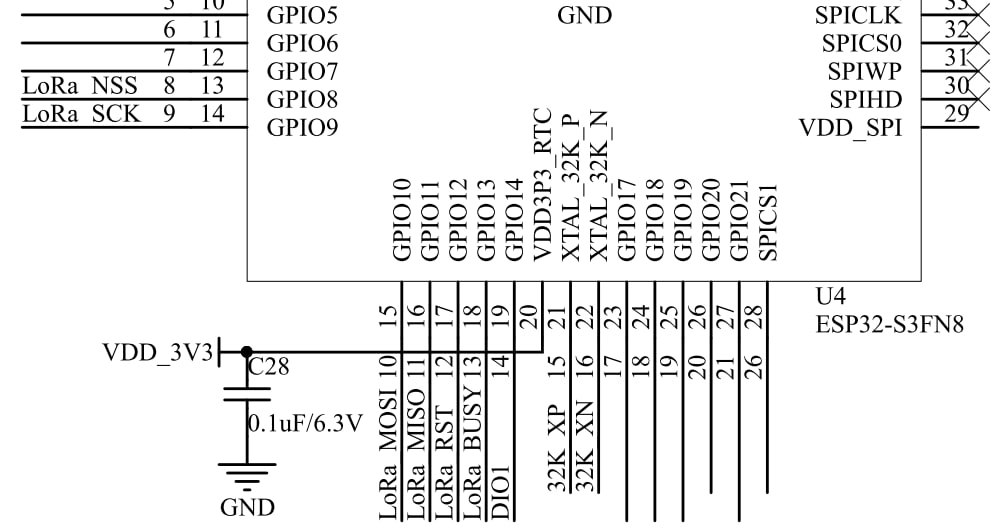
- JohnWave shared that he was expecting two Lite Stick V3 SDRs to arrive. Stefan/OE6ISP responded, noting it was a bit different from his own but appeared similar, mentioning it had been discussed in the forum before. megazaic then shared photos showing that the device didn’t need configuration and was already in the base configurations, adding the tags #base #config. 🔗
https://a.co/d/0p9ijGI
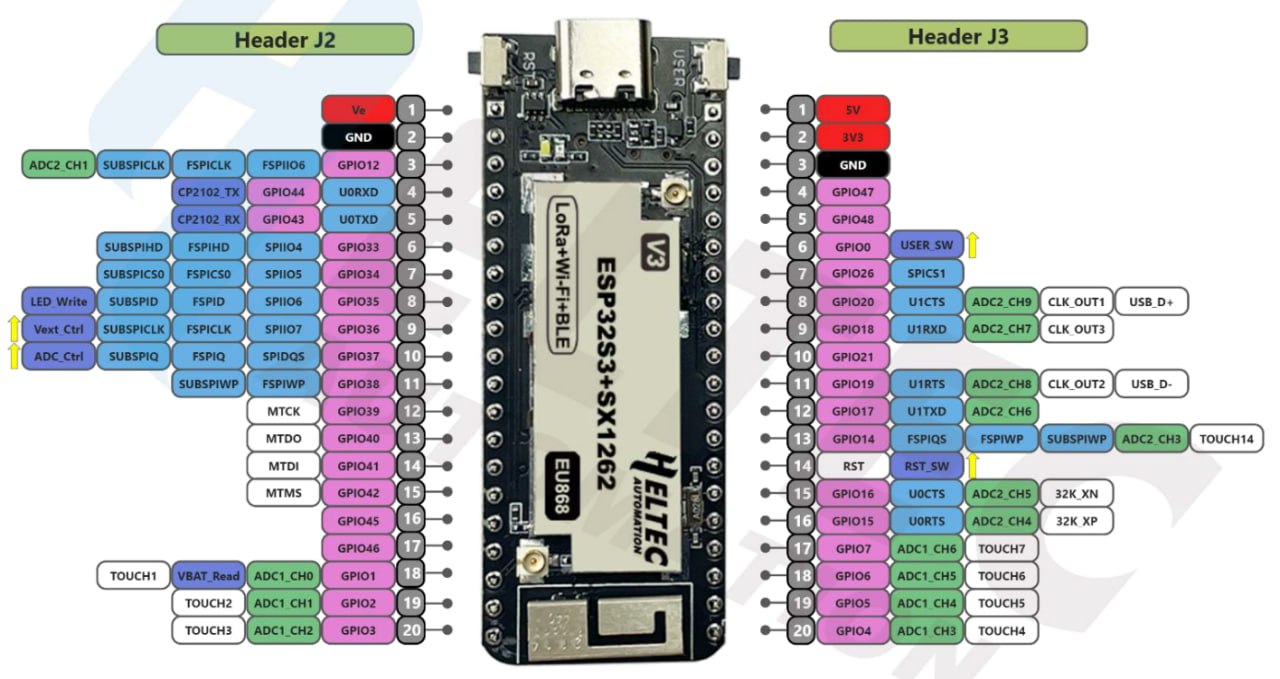
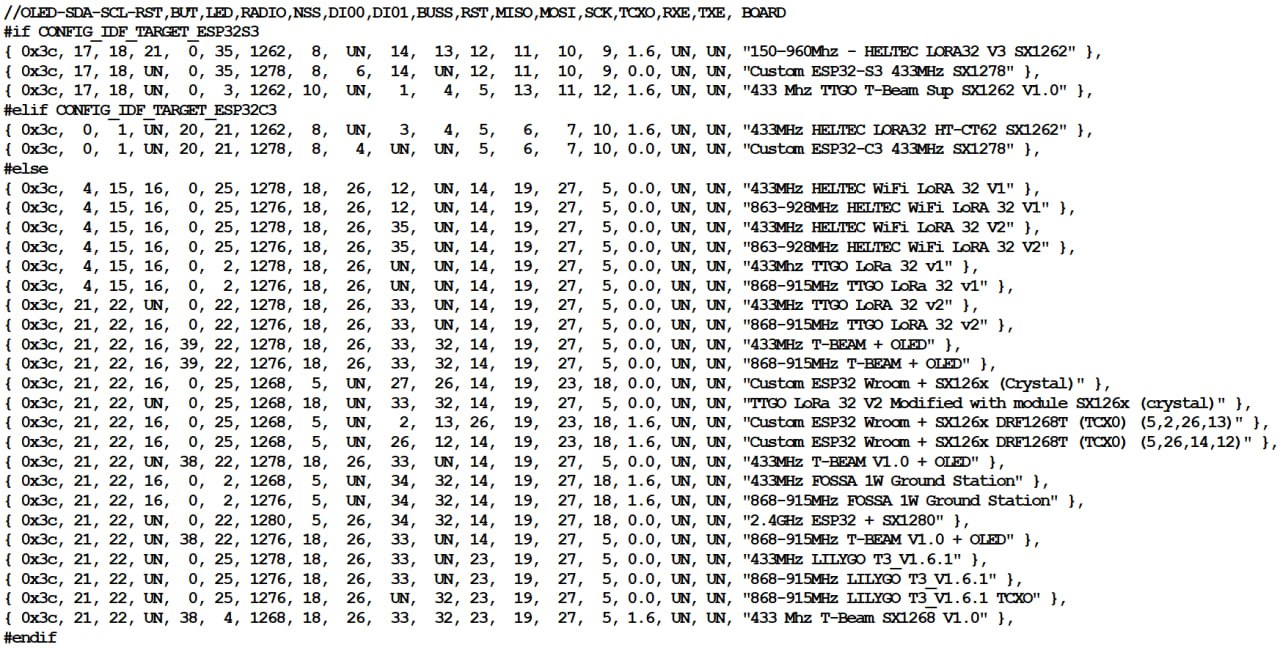
- Sergey shared his station setup using the Lite Stick V3, mentioning it’s a work in progress and the WiFi performance is just okay, even with an external antenna. He suggested disconnecting the on-board chip antenna might be necessary and expressed his preference for ifdefing out everything related to the OLED display when it’s not needed, suggesting a config param to bypass the OLED completely would be better than setting the brightness to 0 or patching the code. 🔗
https://app.tinygs.com/station/nm6s_tgs1@5580935440 - Notsure7 countered sergey’s suggestion about OLED display optimization, arguing that the CPU is mostly idle anyway. Sergey responded that it would be idling even more. 🔗
- G4lile0 explained that setting the OLED brightness to 0 skips all the OLED and animation code and clarified that keeping the OLED on for a few seconds, even when the brightness is set to 0, is by design as a visual confirmation of successful board connection. He also mentioned it’s a good suggestion to skip the OLED initialization and animations entirely if the display address isn’t defined. 🔗
- Crapulard was seeking advice on antenna placement, considering a 20m elevation near the beach versus staying at ground level surrounded by trees. The main concern was the impact of trees and forest on signal reception. 🔗
- Stefan/OE6ISP suggested that it’s difficult to say without testing, as trees might provide beneficial reflections. He recommended a portable groundplane solution around 1.5m high, moving it in 1m steps to find the best reception spot due to noise and interference variations. 🔗
- Denis inquired about the best, cheapest, and most reliable hardware option currently available, noting good results with an old TTGO Lora32 v2.1_1.6.1. 🔗
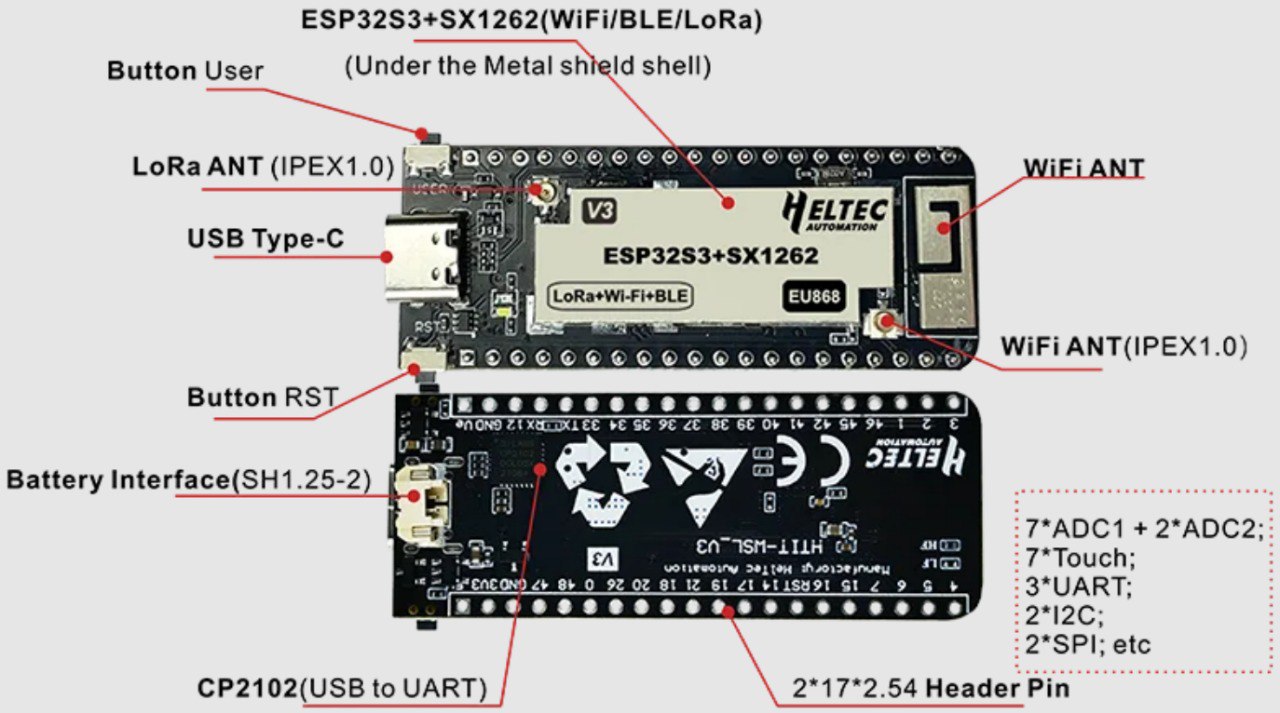
- megazaic suggested the Heltec Wireless Stick Lite with an optional LCD, highlighting its newer S3 processor and shielded SX1262 radio. 🔗
- Crapulard was happy with their 433 GS, reporting 74 packets since the morning and a farthest distance of 3195 km with their ground plane antenna. They mentioned needing to create a more protected box for the rain and moisture and Helmi advised to make a small, water-protected hole in the box or use a Teflon diaphragm to allow humidity to escape. Crapulard thanked for the advice, noting their location near the beach and streams. 🔗
Technical Problems
- Cherrythomato reported potentially exceeding G4lile0’s roll rate during experiments and being unable to access the webpage, later asking if there was a way to lift the restriction. 🔗
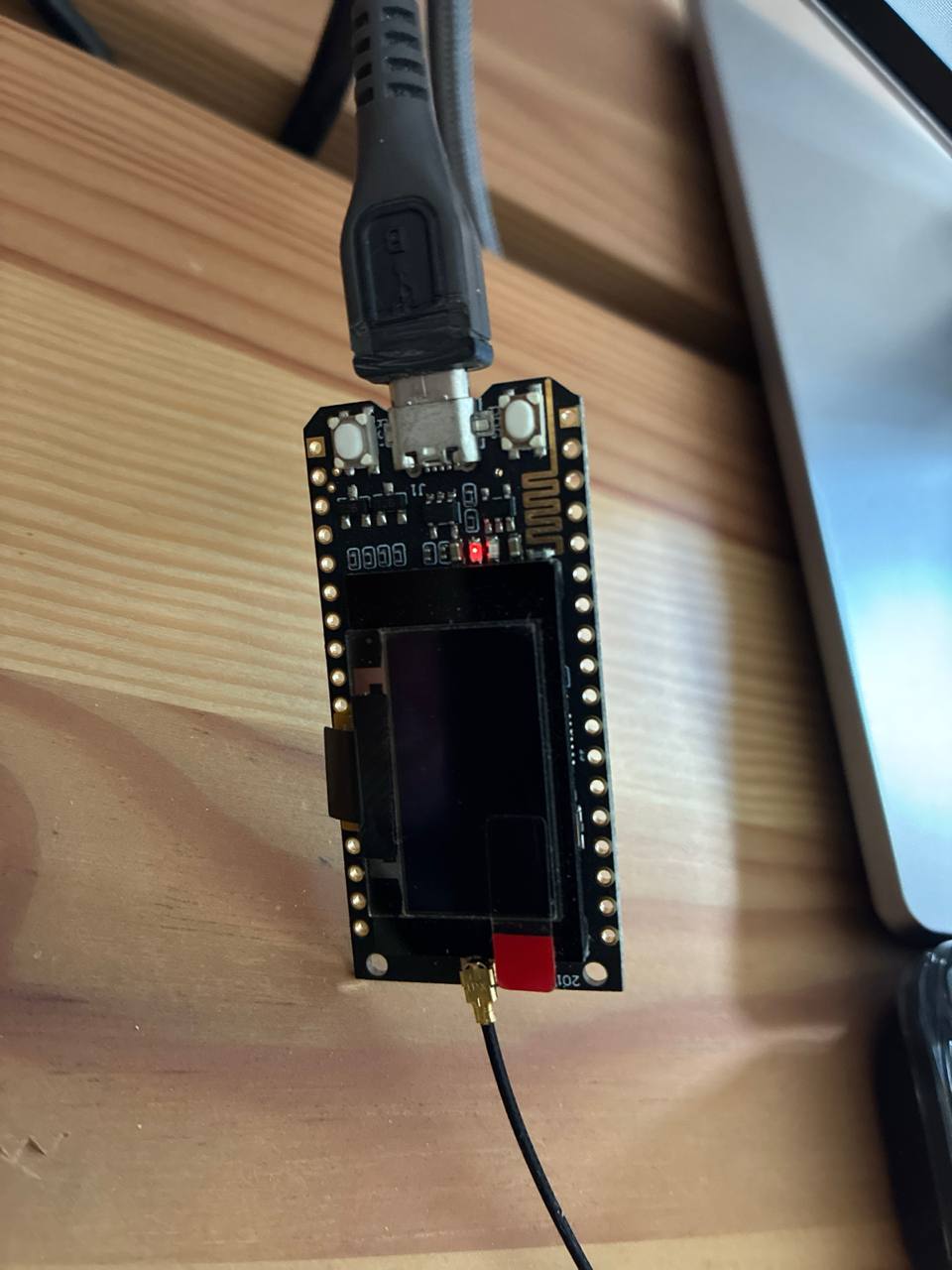
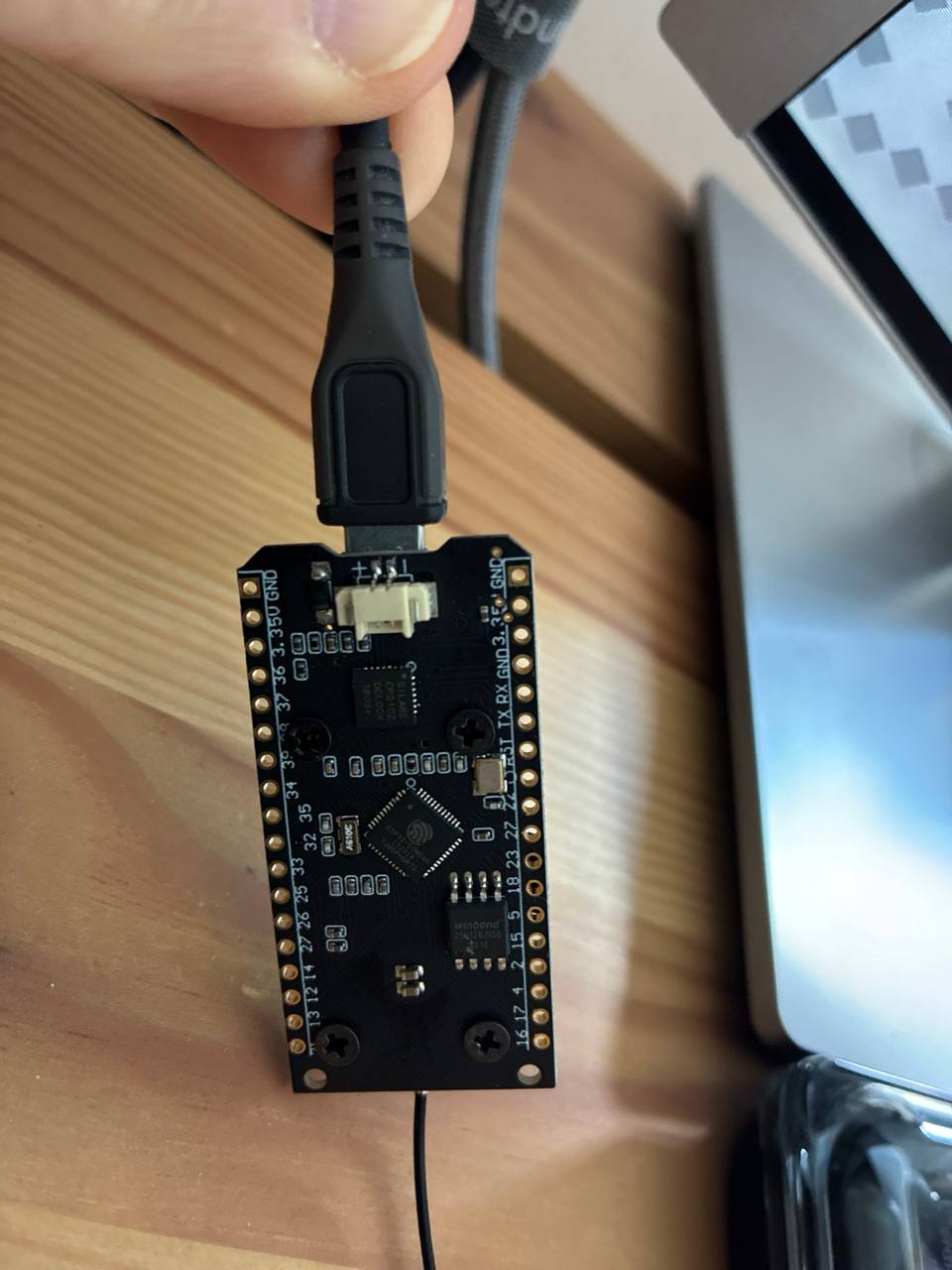
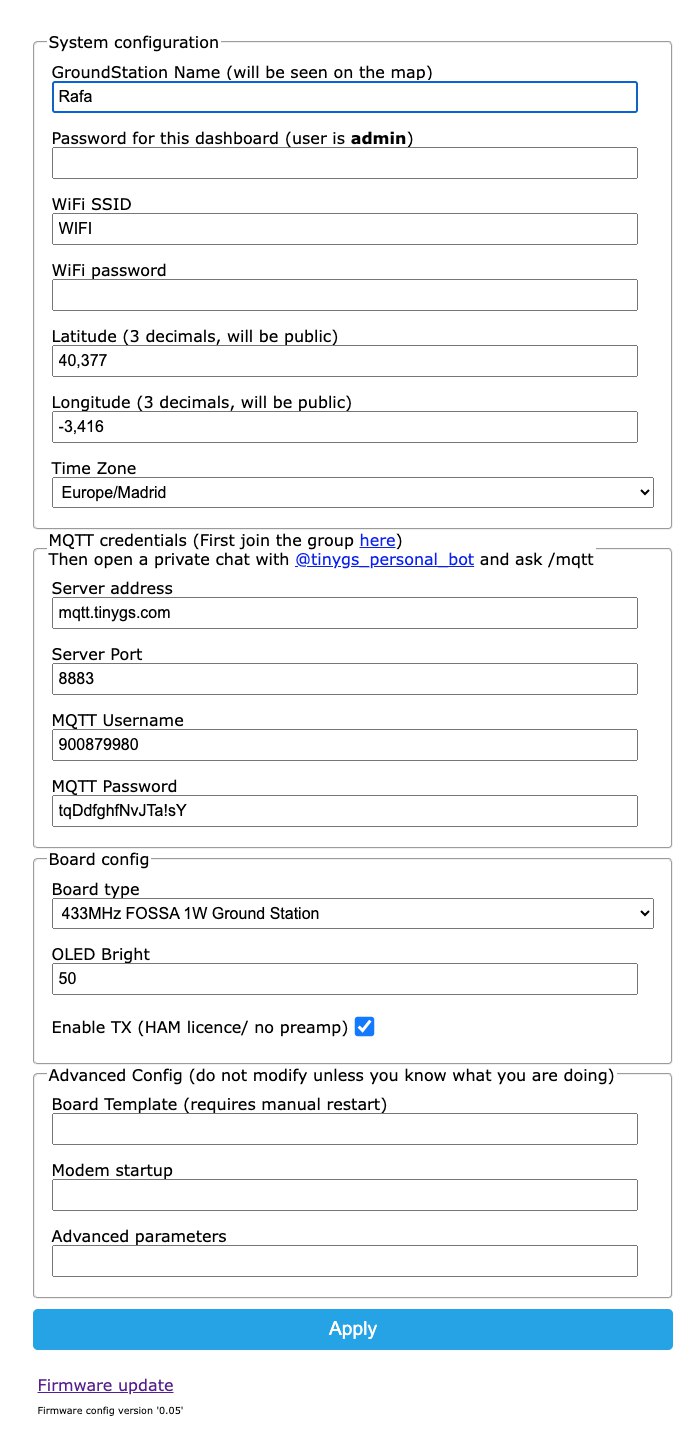
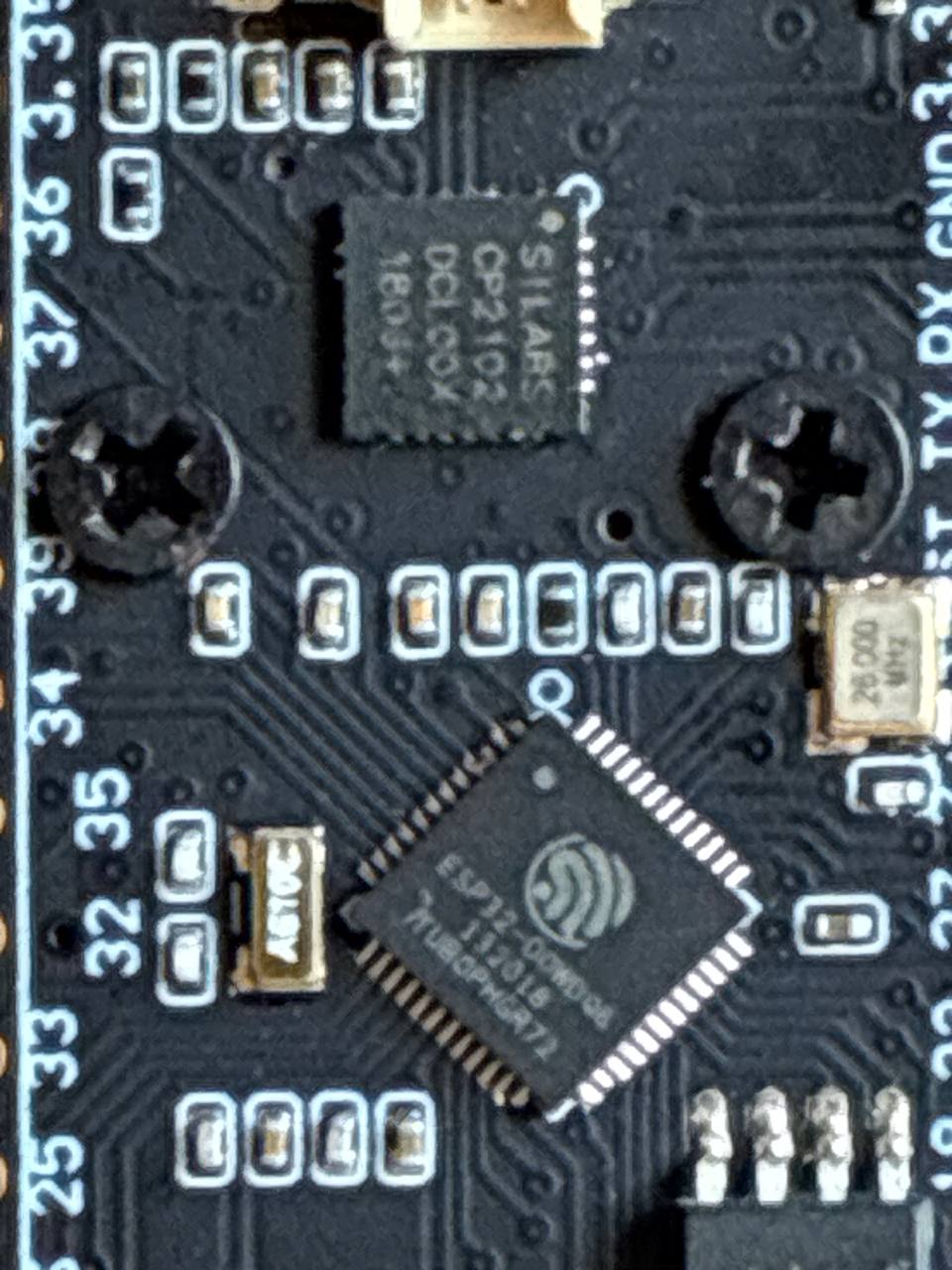
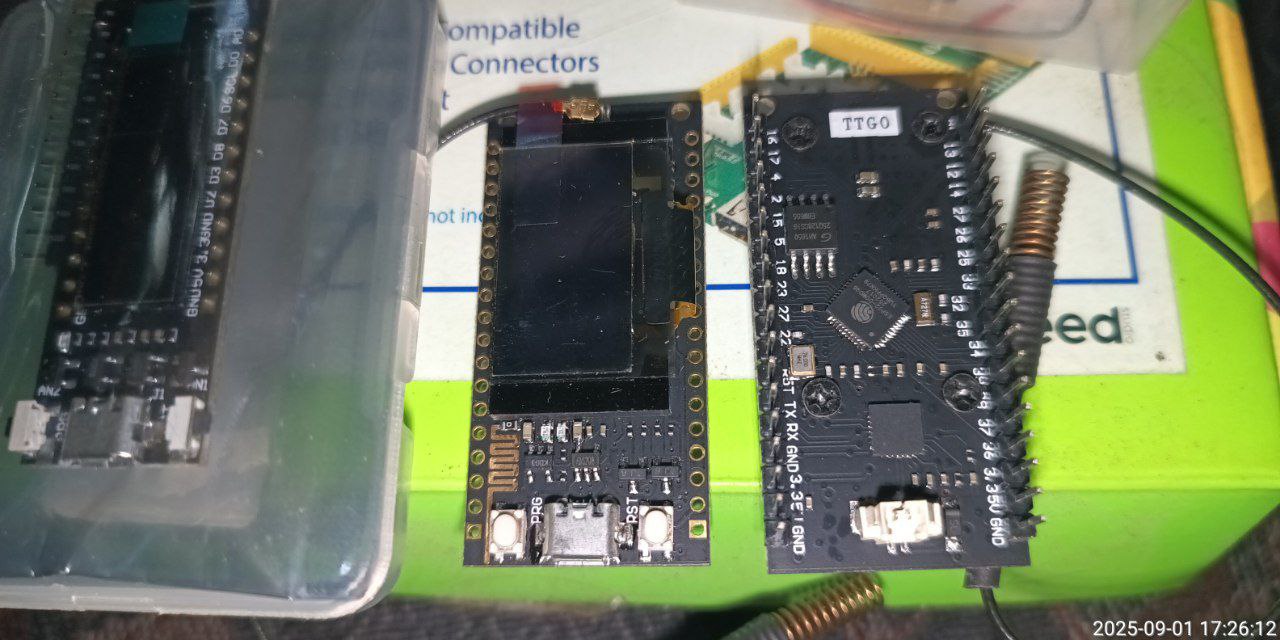
- Rafa reported an issue with his original FossaSat board, showing an error related to radio initialization failure. He shared images of his board and its configuration, after megazaic requested it for troubleshooting. He confirmed that the board was working again after some adjustments, identifying the correct model as 433MHz TTGO LoRa 32 v1. He also mentioned that it only works for tinyGS. 🔗
- KernelCorrupt shared an update on their TinyGS station, noting that after moving the 433MHz antenna indoors, packet reception improved significantly, despite previously experiencing issues outdoors, possibly due to signal interference in their busy suburban location. They also inquired about adding an LNA/filter for 433MHz to their T-Beam and considered getting a Heltec V3 433MHz, seeking recommendations on a budget. 🔗
https://app.tinygs.com/station/Arasaka_TinyGS@8mmk7z9kmyw_6wrb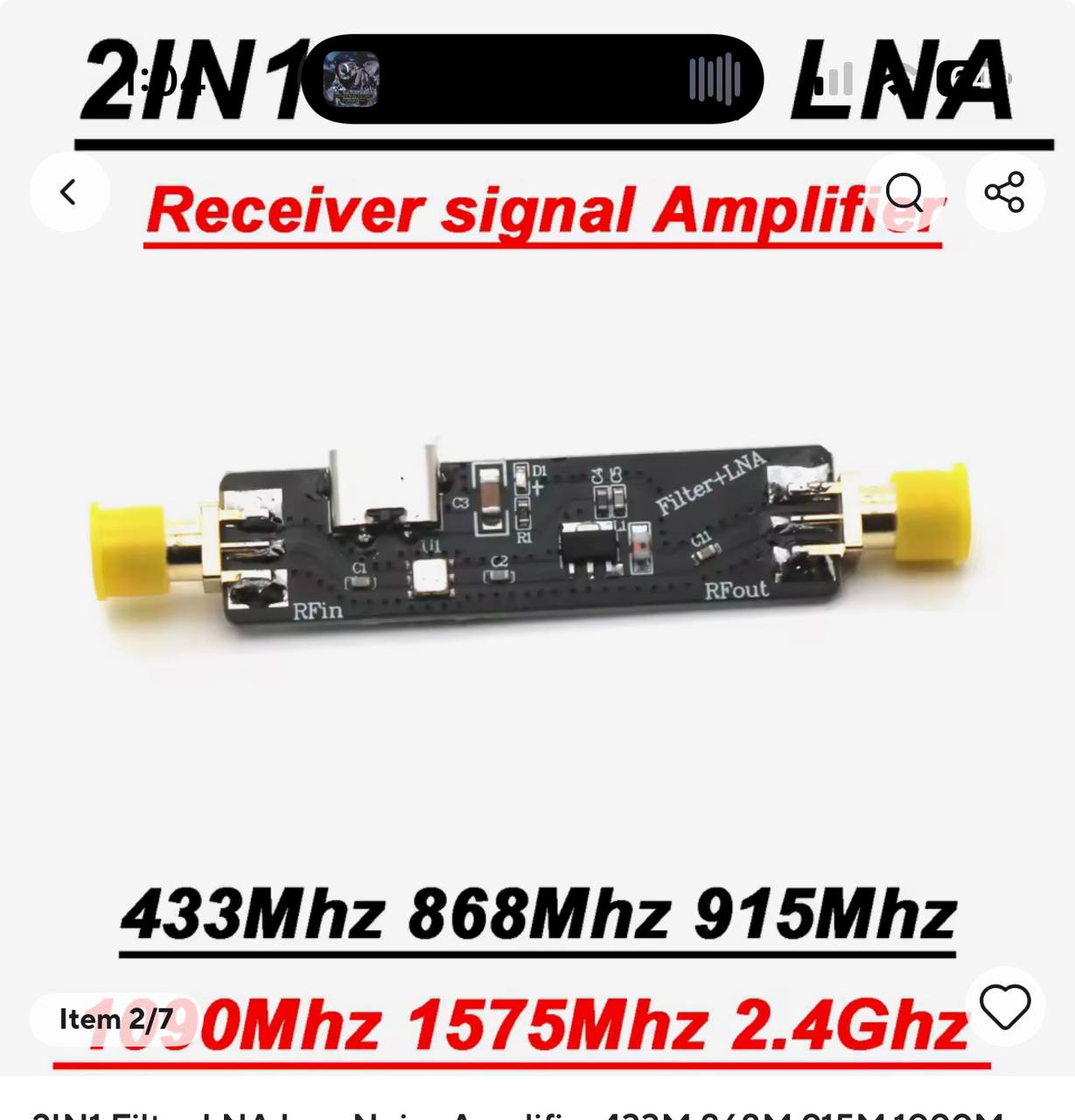
- Stefan/OE6ISP responded to KernelCorrupt’s inquiry, advising against using an LNA at the moment due to low packet count and SNR. They suggested optimizing the location, antenna, and connections first to achieve at least 100-200 packets a day before considering a high-quality LNA with a noise figure less than 1dB and a suitable filter. They cautioned that the cheap LNA/filter mentioned would likely worsen the situation, and that the wide frequency range from 400MHz to 460MHz is hard to filter. 🔗
- Helmi disagreed with a previous statement, asserting that SAW filters have poor group delay, unlike LC filters, which have a linear group delay suitable for chirp modulation, and expressed a preference for cavity filters. 🔗
- Stefan/OE6ISP countered that SAW filters have a poor phase response and narrow bandwidth. He mentioned testing many SAWs, finding only the 860 one to work well despite high insertion delay. He uses a narrow triple helical for 137MHz with 0.2dB insertion loss and shared photos of SAW and dual helical filters, agreeing that the qpl9547 and Lc hp are a good combination. 🔗
- Miguel reported successfully accessing the AP and changing configuration parameters after uploading the TinyGS code using PlatformIO and inquired about obtaining the OTP code to register the station online. 🔗
- JohnWave reported encountering a SHA-256 comparison failure while flashing an ESP32-S3 board, using both the web loader and esptool.py with a downloaded bin file. 🔗
- Mal reported that their TinyGS console showed as offline for five days and was seeking assistance to restore the connection. 🔗
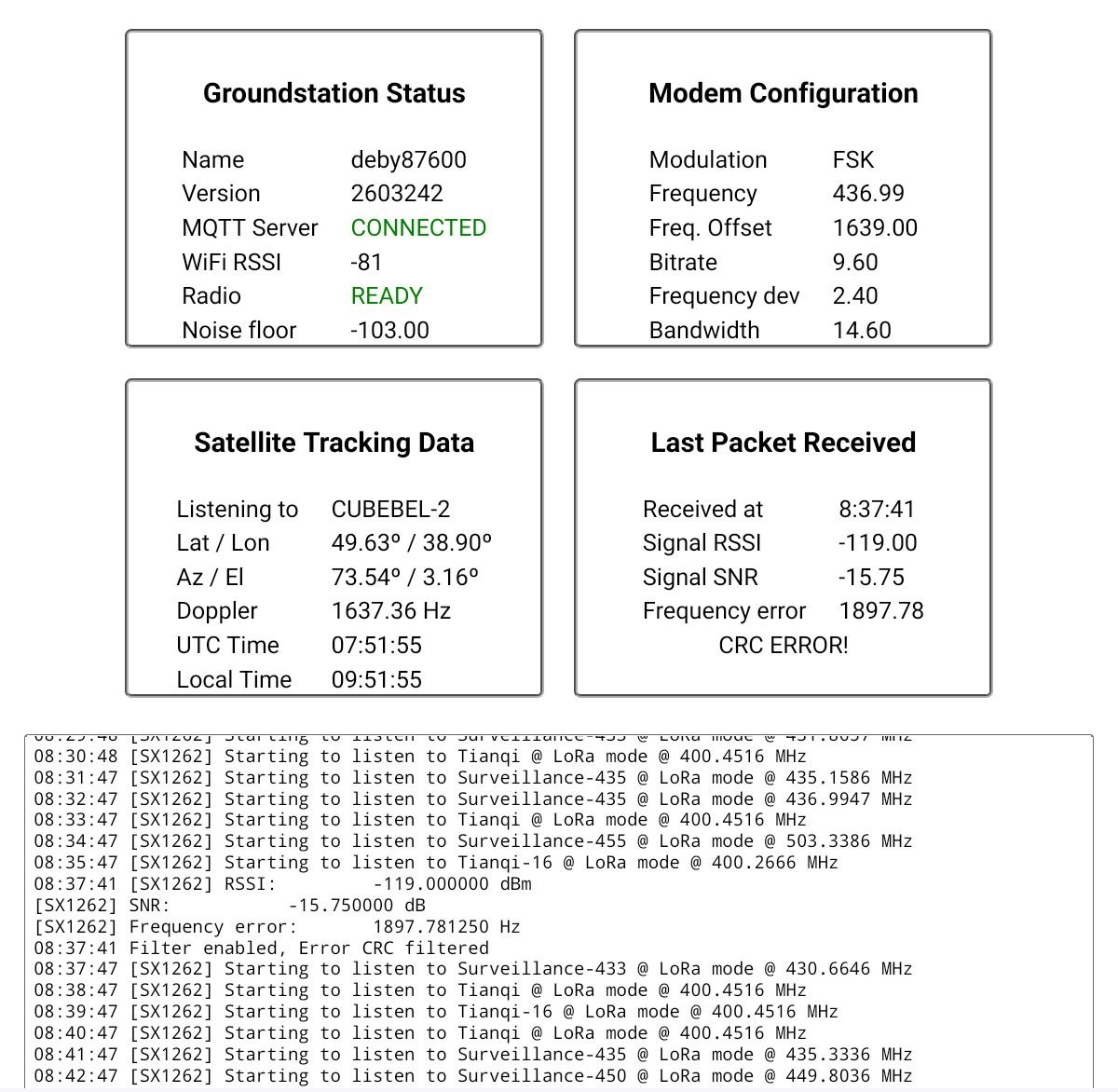
- Helmi asked about the Groundstation Status in the Dashboard and whether the MQTT server was connected, suggesting to connect to the local IP and check the station dashboard. Helmi later pointed out that the TinyGS wasn’t connected to the router, meaning it wasn’t connected to the MQTT server, and suggested power cycling the TinyGS and checking if it gets an IP from the router. 🔗
- PE2BZ reported that setting a TinyGS to manually 62,5 kHz, SF8, CR6 caused the TTgo v3 1.6 to become unresponsive, freezing the screen until reflashing. They also shared a photo showing the state after flashing, where setting a fixed frequency after configuring Wifi, station name, and MQTT causes freezing. 🔗
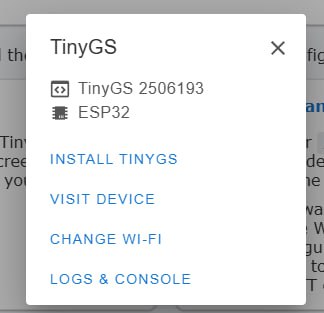
- Crapulard inquired whether a low WiFi RSSI could cause their station to go offline and then back online, or if there might be another cause. 🔗
- KernelCorrupt reported seeing a ‘Filter enabled, Error CRC filtered’ message for the first time and asked what it meant. 🔗
- G4lile0 explained that the ‘Filter enabled, Error CRC filtered’ message indicates that the ground station is intentionally ignoring a specific type of error, which is common for satellite constellations with high traffic or duty cycle. KernelCorrupt thanked for the explanation. 🔗
- Phil reported that, without any changes to their cable or receiver, they are now only receiving Norby, whereas previously they received many satellites. 🔗
Antenna Building
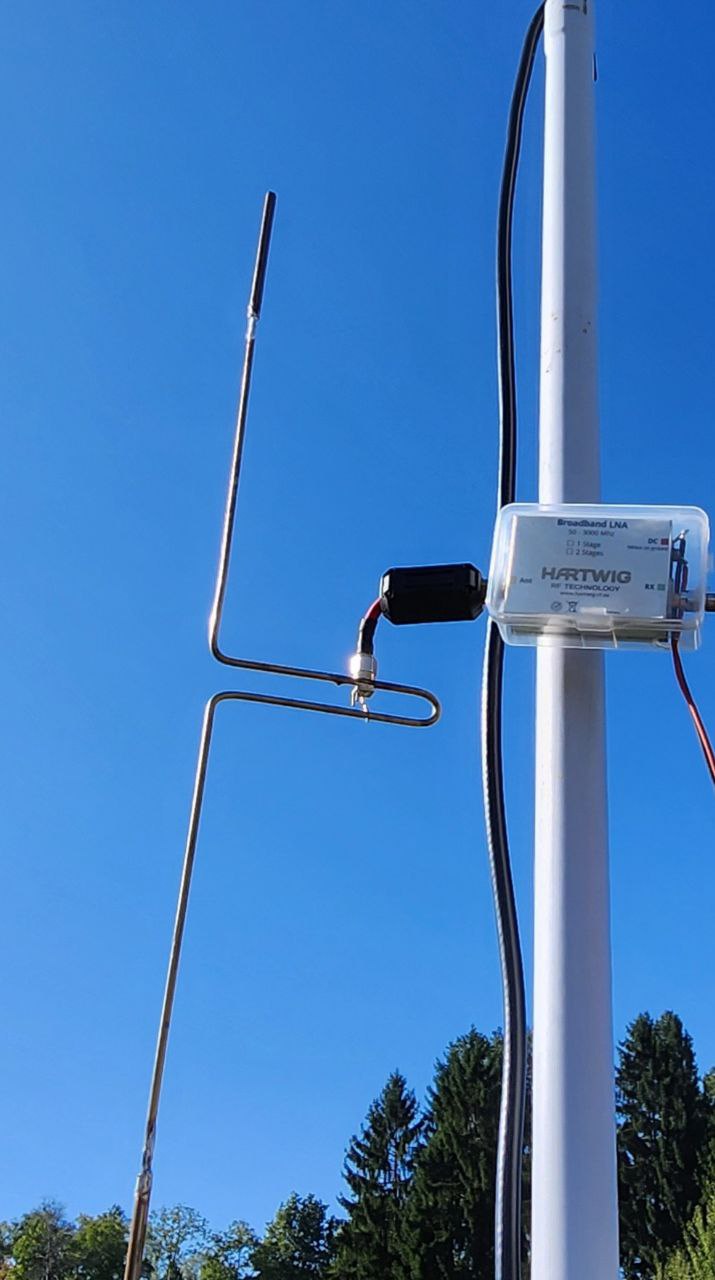
- Stefan/OE6ISP attempted to simplify the 860MHz setup with a 2x5/8 collinear antenna, which is easy to build and DC-shorted. Although it offered about 4dB more gain than a groundplane, it didn’t improve the packet count, as the groundplane already captured all available packets but gave a better SNR. 🔗
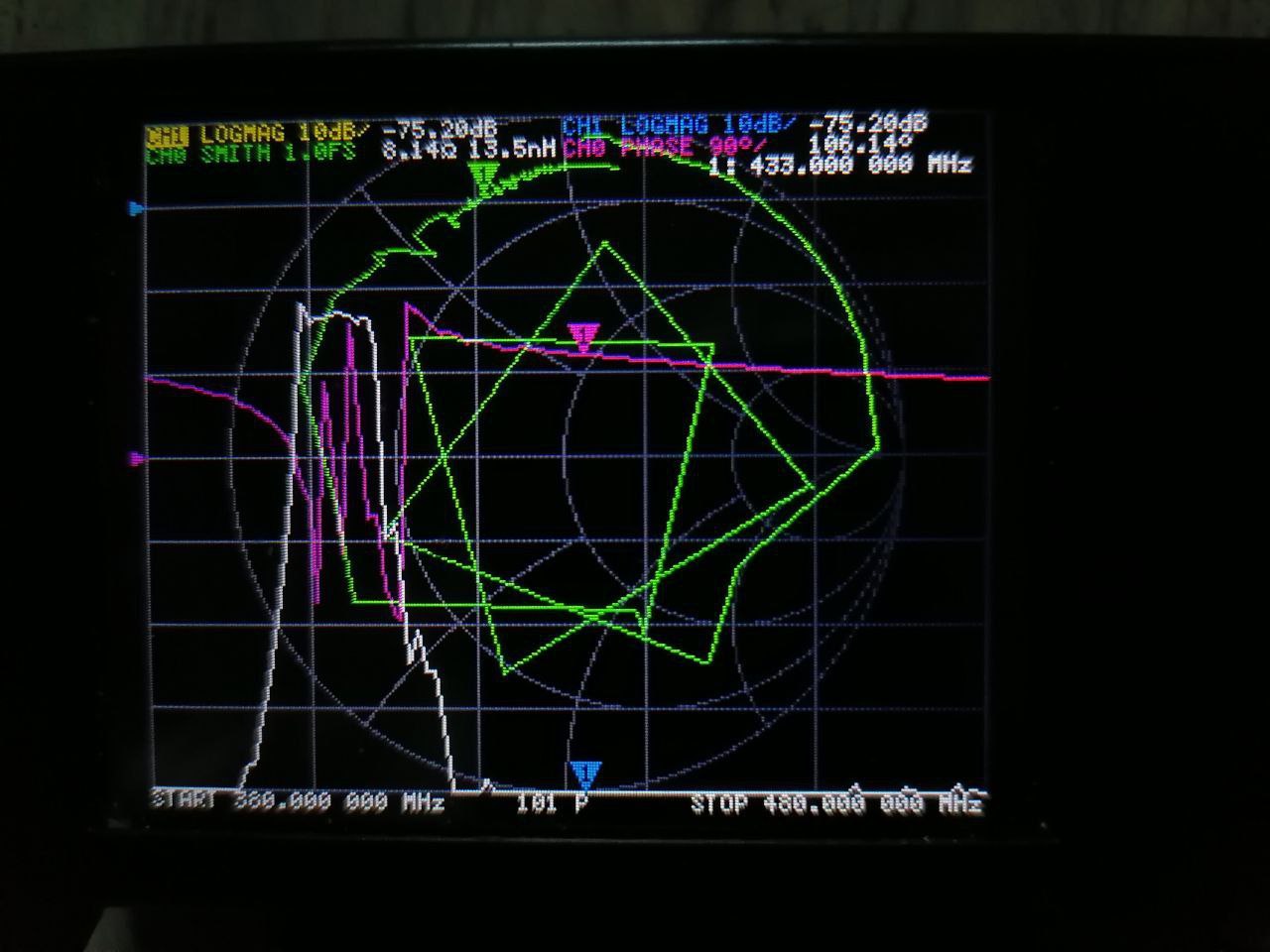
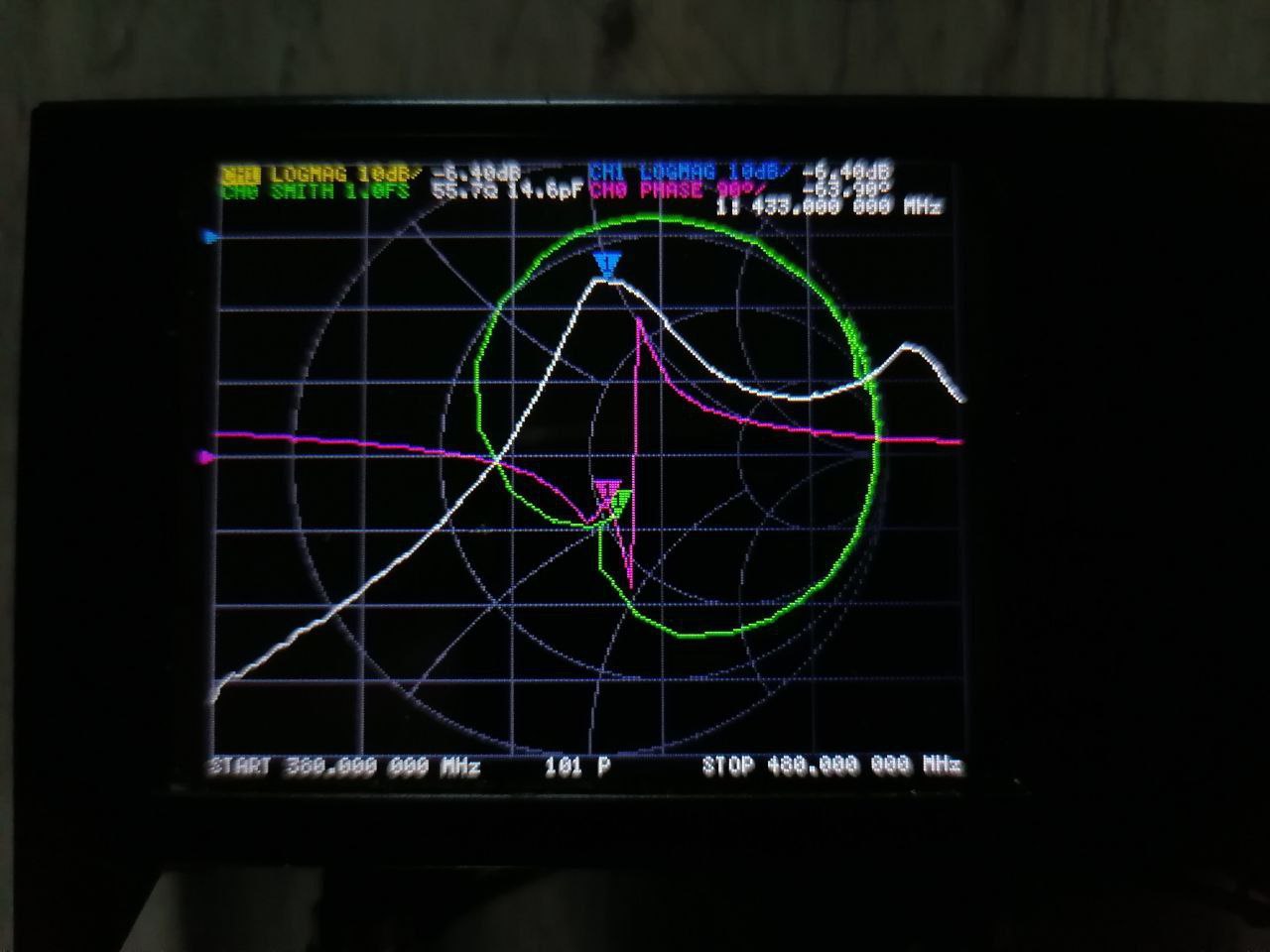
- Crapulard shared their temporary 433MHz ground plane setup, mentioning they calculated the 1/4 ground plane antenna. Notsure7 asked if they used a VNA to measure it and cautioned that plastic loads the antenna, which might require cutting it shorter to resonate at 425 MHz. Notsure7 later advised that removing the plastic is better and tuning for 425 MHz is beneficial because of satellites on 400, 433, and 450 MHz. They also suggested using an 8mm tube instead of fine wire to increase bandwidth. Crapulard, a beginner in radio, mentioned using a NanoVNA and checking their homemade Yagi tape antenna. They confirmed 74 packets with a 3195km range and asked if they should leave the plastic on the wire and measure for 425 MHz. Notsure7 recommended starting with a 100MHz+ span on the VNA and calibrating whenever the frequency changes or there’s a temperature change. 🔗
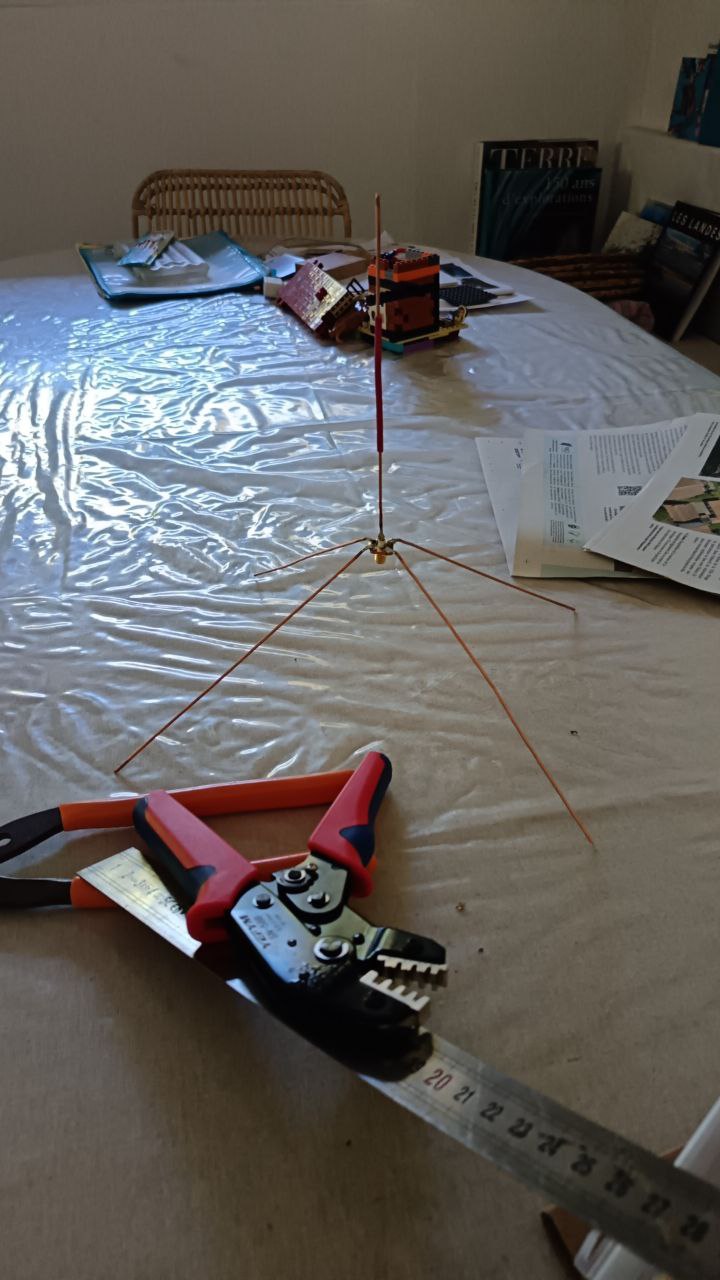
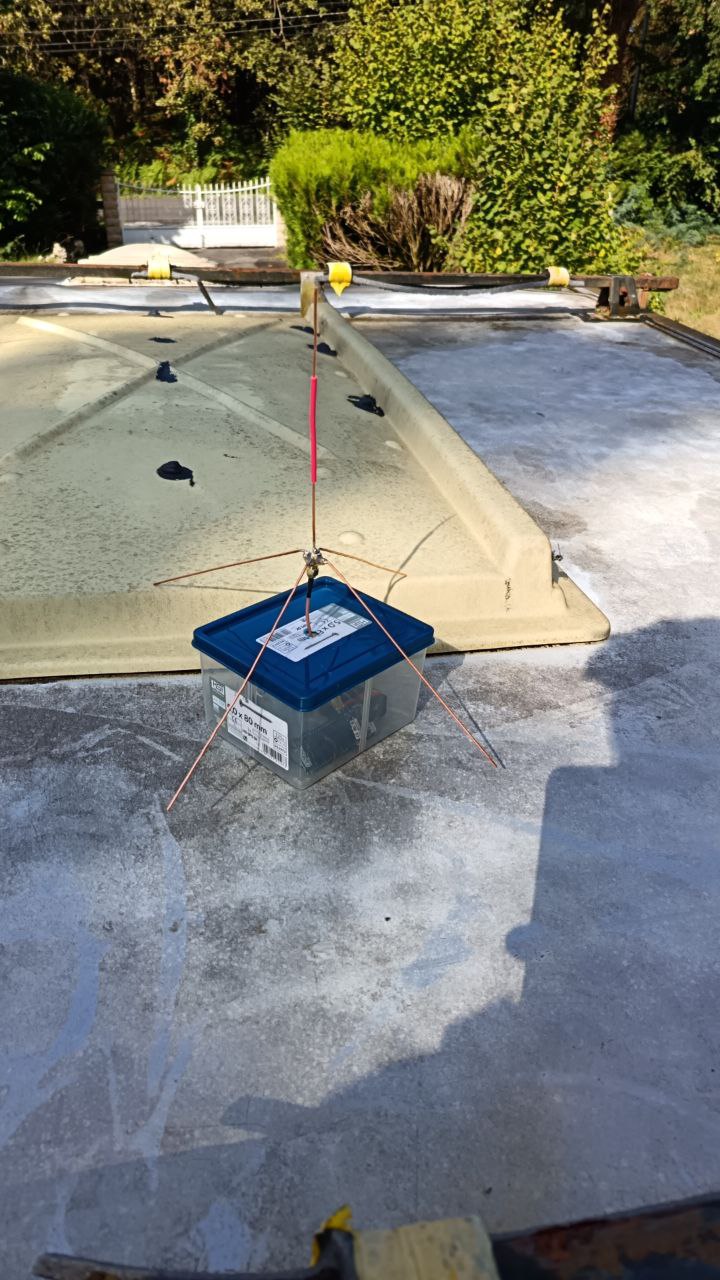
- Notsure7 described the beauty in building and the ‘aha!’ moments, followed by more learning and tinkering. 🔗
Share your setup
- S54LD shared a photo of their setup. 🔗
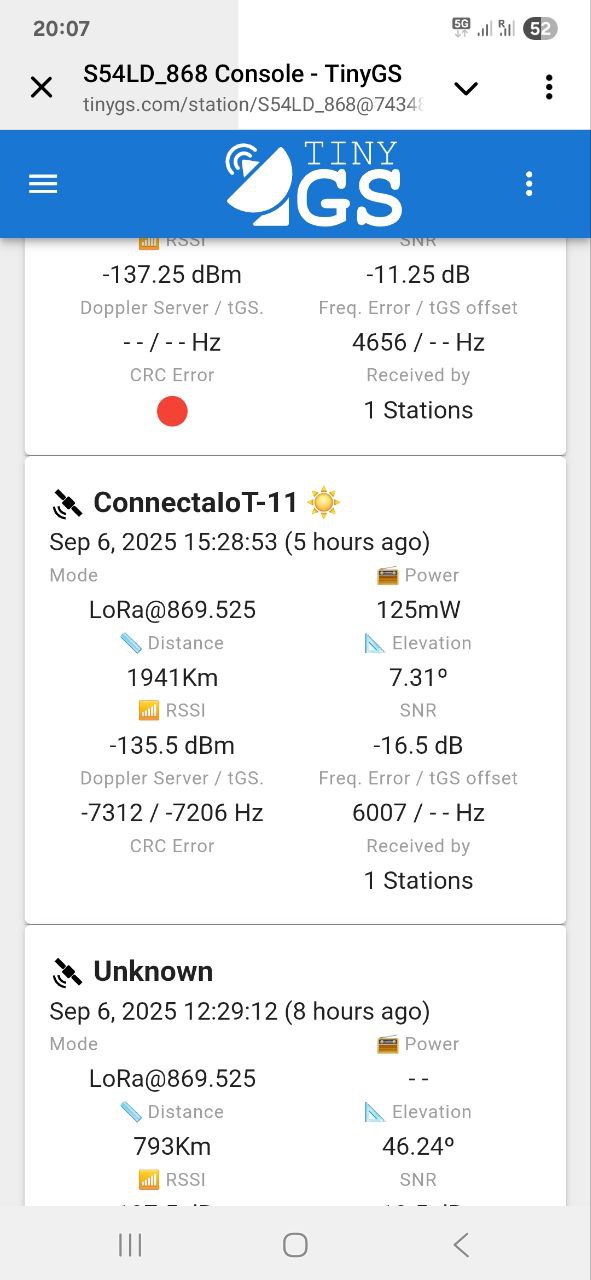
- S54LD asked about the power output of Surveillance-US915 and Surveillance-EU868. 🔗
- Helmi responded that ‘Surveillance’ is a search mode for unknown signals, so the question about power output cannot be answered. 🔗
Balloons
- Crapulard asked if a particular flight was documented on YouTube by the channel Leblob. 🔗
Beta Firmware Testing
- Denis shared a photo related to beta firmware testing. 🔗
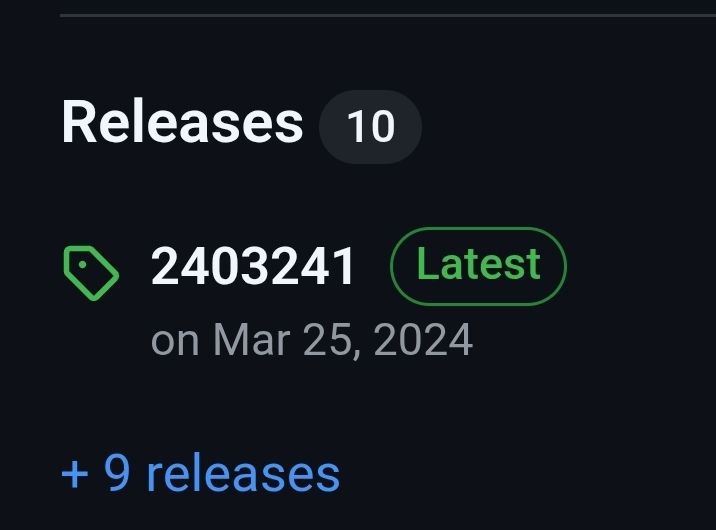
- G4lile0 advised accessing the commit from a specific date but recommended using the latest version due to significant changes and shared a photo related to the discussion. 🔗

Featured Conversations
- The community discussed the Lite Stick V3 SDR, sharing information about its configuration, performance, and availability.
- Users explored optimizing OLED display usage in TinyGS stations to conserve CPU resources, especially in inaccessible installations.
- Troubleshooting discussions helped users resolve issues with FossaSat boards, including identifying the correct model and configuration.
- The impact of antenna placement on signal quality was highlighted, with users sharing experiences of improved reception after moving antennas indoors.
- The community shared insights on antenna tuning, including the importance of using a VNA and calibrating for temperature changes.
What’s next
Join the TinyGS Telegram channel to participate in these discussions and contribute to the project. Your experiences and insights can help others build and improve their stations!
Share: