tinyGS
· TinyGS Community · 9 min read
Weekly Newsletter - September 14, 2025
Welcome to the TinyGS weekly community newsletter. Stay informed about the latest discussions and developments within our collaborative network.
Highlights
Antenna Building
- Notsure7 described the beauty in building and the ‘aha!’ moments, followed by more learning and tinkering. 🔗
Share your setup
- S54LD asked about the power output of Surveillance-US915 and Surveillance-EU868. 🔗
- Helmi responded that ‘Surveillance’ is a search mode for unknown signals, so the question about power output cannot be answered. 🔗
- Moonlight0551 joked that while one might not catch fish, they might catch some satellite packets. 🔗
- Ryan was seeking guidance on identifying telemetry packets among a large number of confirmed packets and accessing the telemetry data. 🔗
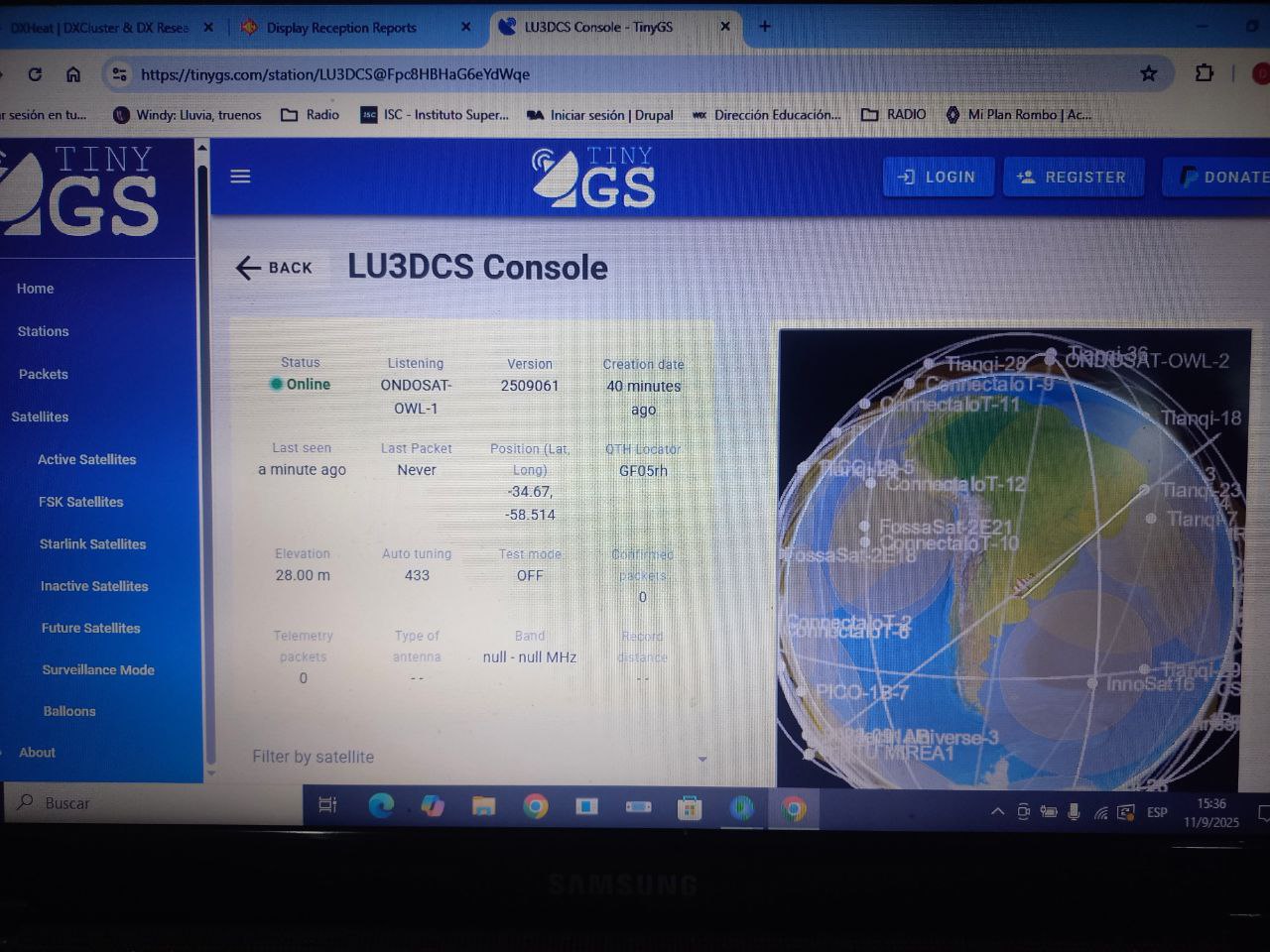
- Daniel shared their new station LU3DCS. 🔗
- C shared their Diamond X30 setup for GS and amateur radio, which includes a 3dB divider on the Rx end and a limiter for node GS protection during amateur radio transmissions. 🔗
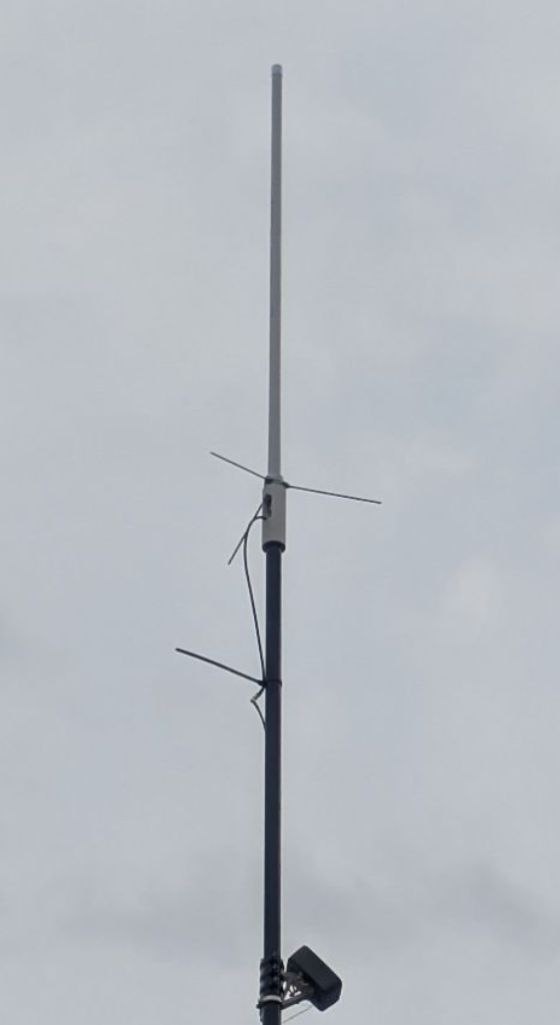
- Stefan/OE6ISP commented on C’s setup, mentioning high sidelobes and described their own approach with a VOX-switched preamp on the tower and a manual switch in the shack. They also referred to documentation on their QRZ. 🔗
- Helmi suggested that X30 or X50 antennas might be suitable for satellite reception, but their X7000 performed worse than a simple dipole for satellite reception. They noted the importance of antenna characteristics and the negative impact of terrestrial noise on low-radiating antennas. 🔗
- Cain described their limited-space setup with a spiderbeam mast, meshtastic node, and 20m dipole, linking to their TinyGS station. 🔗
https://app.tinygs.com/station/M0SUC@M-7FGU6Frw-AkPwU - Stefan/OE6ISP mentioned seeing good results with X-5000 antennas, but emphasized the dependency on antenna characteristics and terrestrial noise. They recalled a station using a 5m Comet GP-9 with excellent performance, highlighting the difficulty in predicting antenna performance in specific environments. 🔗
- S54LD shared photos of their setup. 🔗
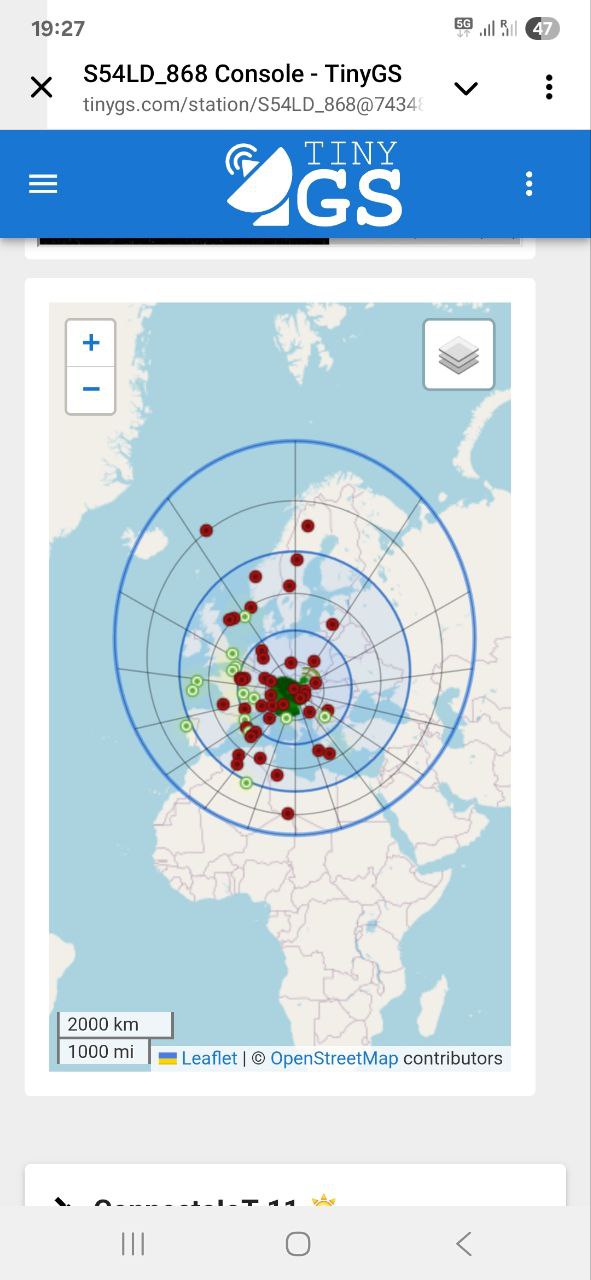
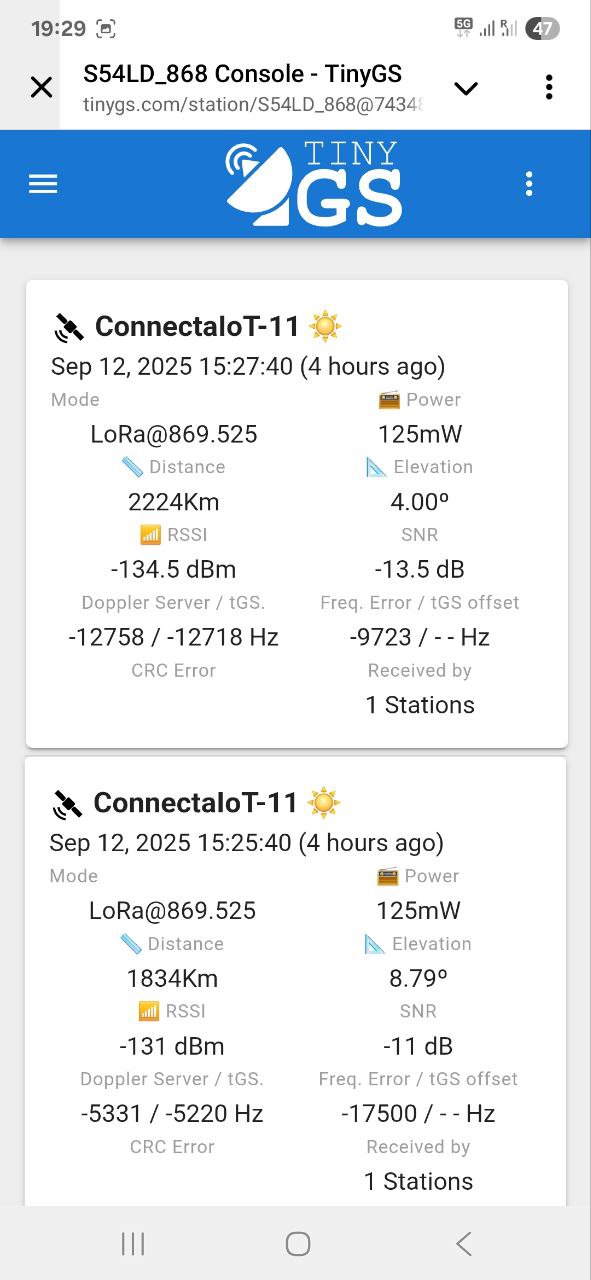
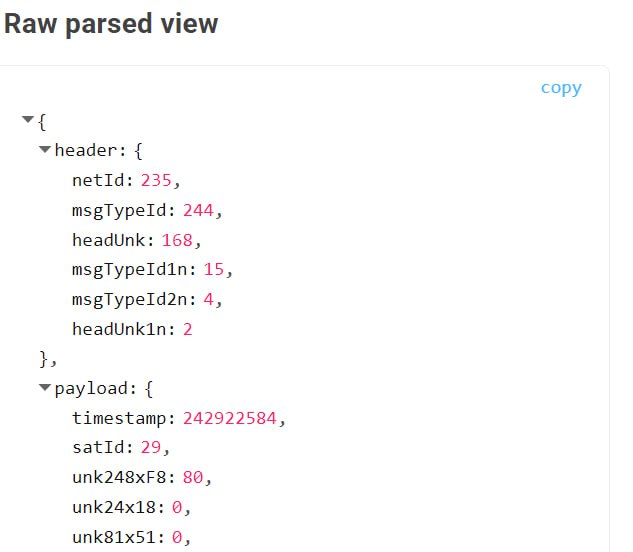
- Stefan/OE6ISP analyzed Ryan’s station’s data, noting the reception of high-powered birds around 400MHz and suggesting a narrowband filter or low station sensitivity. They explained that the lack of decodeable telemetry from Fossasats and the categorization of Tianqui telemetry as “spam” were contributing factors. 🔗
Technical Problems
- JohnWave asked what would happen if a reboot command was sent. 🔗
- Phil reported that, without any changes to their cable or receiver, they are now only receiving Norby, whereas previously they received many satellites. 🔗
- Crapulard reported that nothing had changed regarding a technical issue, suggesting the batteries might be low and indicating plans to check them. 🔗
- jeromelampron reported issues connecting a newly installed firmware to the MQTT server, despite confirming MQTT access. Stefan/OE6ISP inquired whether any station was able to connect to MQTT, suggesting a potential port blockage. G4lile0 later indicated that Jerome was able to register the station. 🔗
- Stefan/OE6ISP inquired whether any station was able to connect to MQTT, suggesting a potential port blockage. 🔗
- G4lile0 indicated that Jerome was able to register the station. 🔗
- Stefan/OE6ISP requested assistance from @G4lile0 to unlock their OE6ISP_6 board after it stopped accepting the board following a power down. 🔗
- G4lile0 confirmed that they had unlocked Stefan/OE6ISP’s board. 🔗
- Stefan/OE6ISP reported that station OE6ISP_8 disappeared and reappeared as OE6ISP_9 around 03:00 UTC. 🔗
- Crapulard reported an issue where their station went offline and wouldn’t power back on, even after replacing the batteries. They observed LEDs on the computer but no screen activity and tried different batteries and cables without success. They also mentioned trying to flash the station but failing to initialize and were seeking tips. 🔗
- Notsure7 initiated a discussion by asking if 3.3v was present on a board. 🔗
- G4lile0 mentioned removing the allocation on two GS, prompting a question from Crapulard. Stefan/OE6ISP thanked G4lile0. 🔗
- Crapulard reported issues with a new board, stating it was not working after a few days. Initially, they checked the battery voltage (3.7v) after Notsure7’s question, but gavarres clarified the need to check for 3.3v on the board itself. Crapulard then asked where to put the multimeter, and gavarres explained how to check the voltage and look for LEDs indicating power. Crapulard then described the LED behavior when connected to USB (blue and red LEDs on, black screen, failed initialization) and the lack of response with 3.7v power. gavarres suggested the board might be dead. Helmi suggested the power control/charger chip might be the issue and recommended boards with external power supplies. Crapulard asked about reviving the board and preventing future issues. Helmi requested more information about the board, suggesting delivering 5V externally might help. Crapulard shared an AliExpress link for the board. Helmi confirmed 5V could be delivered via USB or direct pins. Crapulard reiterated the board’s failure with both battery and USB, and the inability to re-flash it. Helmi suggested measuring 3.3V at the pins. 🔗
https://fr.aliexpress.com/item/32872078587.html?spm=a2g0o.order_list.order_list_main.31.30a05e5bOp3DqN&gatewayAdapt=glo2fra - Crapulard shared that they were experiencing issues with their LoRa module after connecting two 3.7V batteries in series, resulting in a voltage of 7.4V. The module was getting hot, and they were unable to flash it via USB. Other users suggested that the overvoltage likely damaged the module’s battery management chip and possibly the 3.3V regulator, recommending the use of only a single 3.7V battery and potentially needing to replace the board. Later, they confirmed that they will buy a new 433 module. 🔗
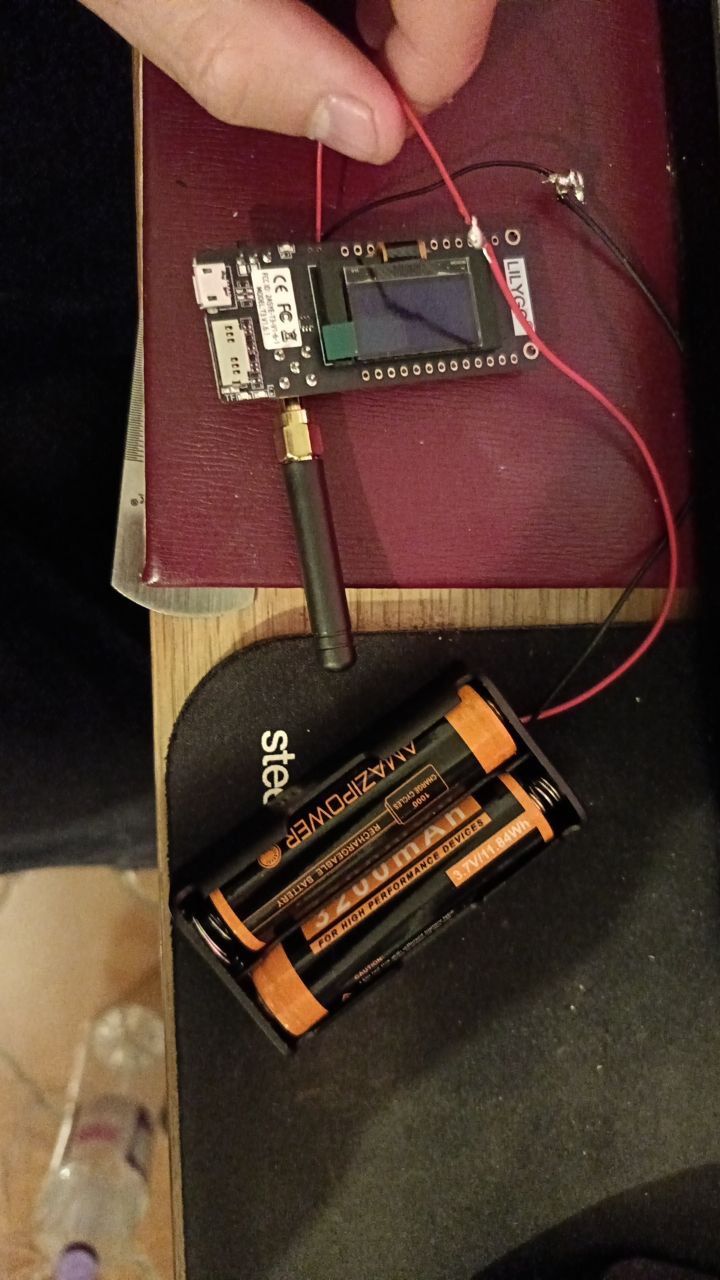
- Cencinoit reported a black display after flashing firmware on their Lilygo board and installing it on the TinyGS web, seeking assistance. Stefan/OE6ISP asked if they selected the correct config. 🔗
- Cencinoit was having trouble seeing satellites after configuration and was also not receiving the web login email after requesting it. Stefan/OE6ISP suggested using the /weblogin command in the personal bot to get the link. 🔗
- HZ1MW asked if replacing the LilyGO piece would cause data loss. Stefan/OE6ISP clarified that using the same name requires the previous hardware to be offline for 24 hours, or admin unlocking. 🔗
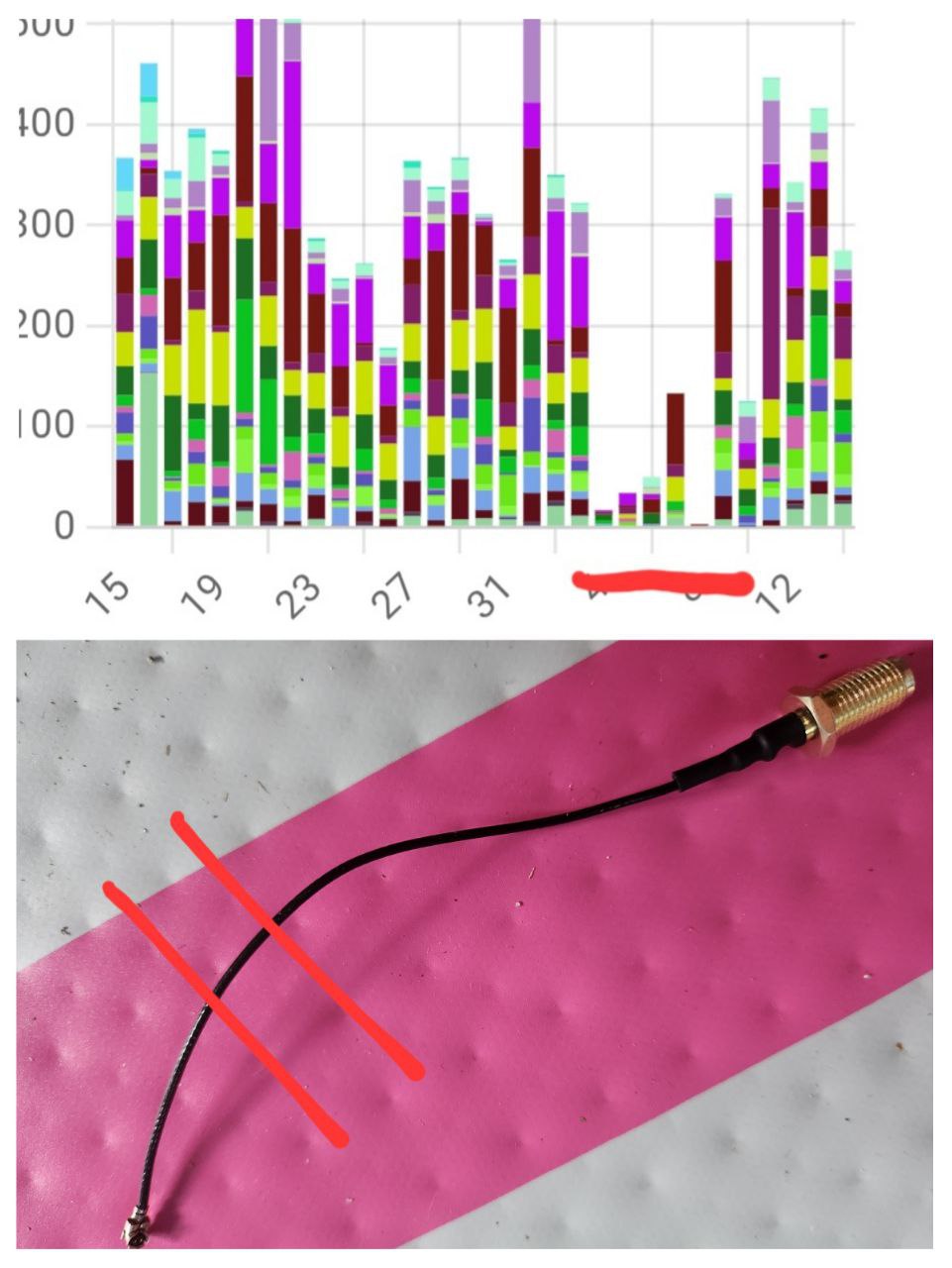
- gavarres reported receiving only bad CRC packets when trying to receive Connectaiot sats with a Heltec Lora v2 and a Yagi antenna. Stefan/OE6ISP suggested that the location might be too westerly and advised to watch to the east. Stefan/OE6ISP shared a photo of his antenna from Aliexpress, and gavarres shared a photo of his antenna. Stefan/OE6ISP suggested turning off the servos and controllers due to noise, and mentioned removing controllers improved sensitivity. Stefan/OE6ISP later emphasized the importance of checking cables for issues, sharing a photo of a broken pigtail cable as an example. 🔗
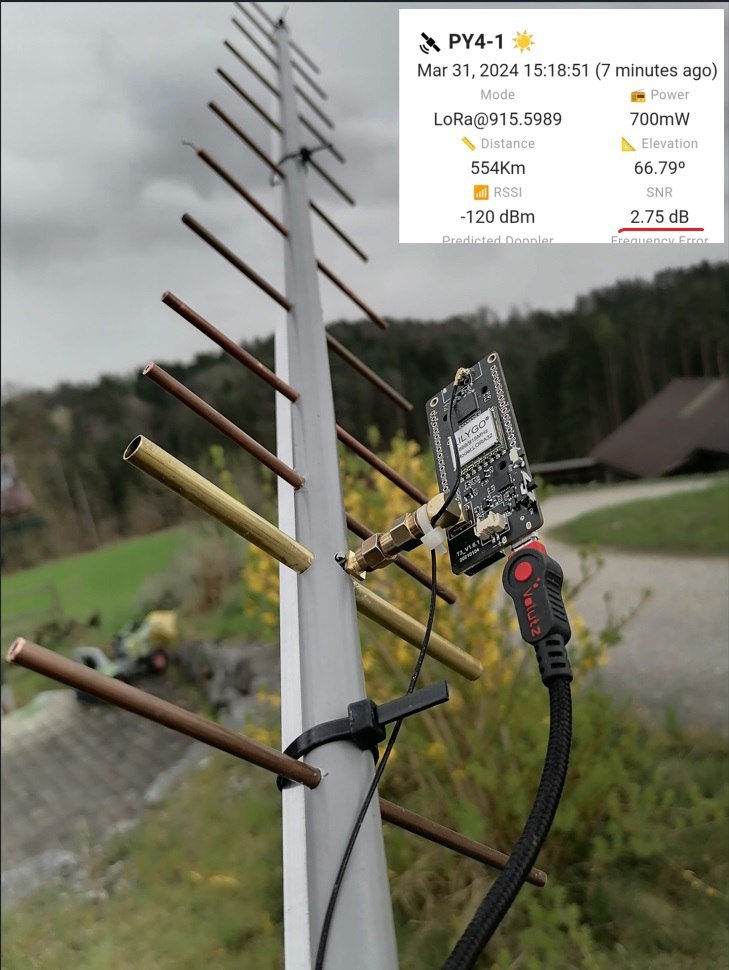
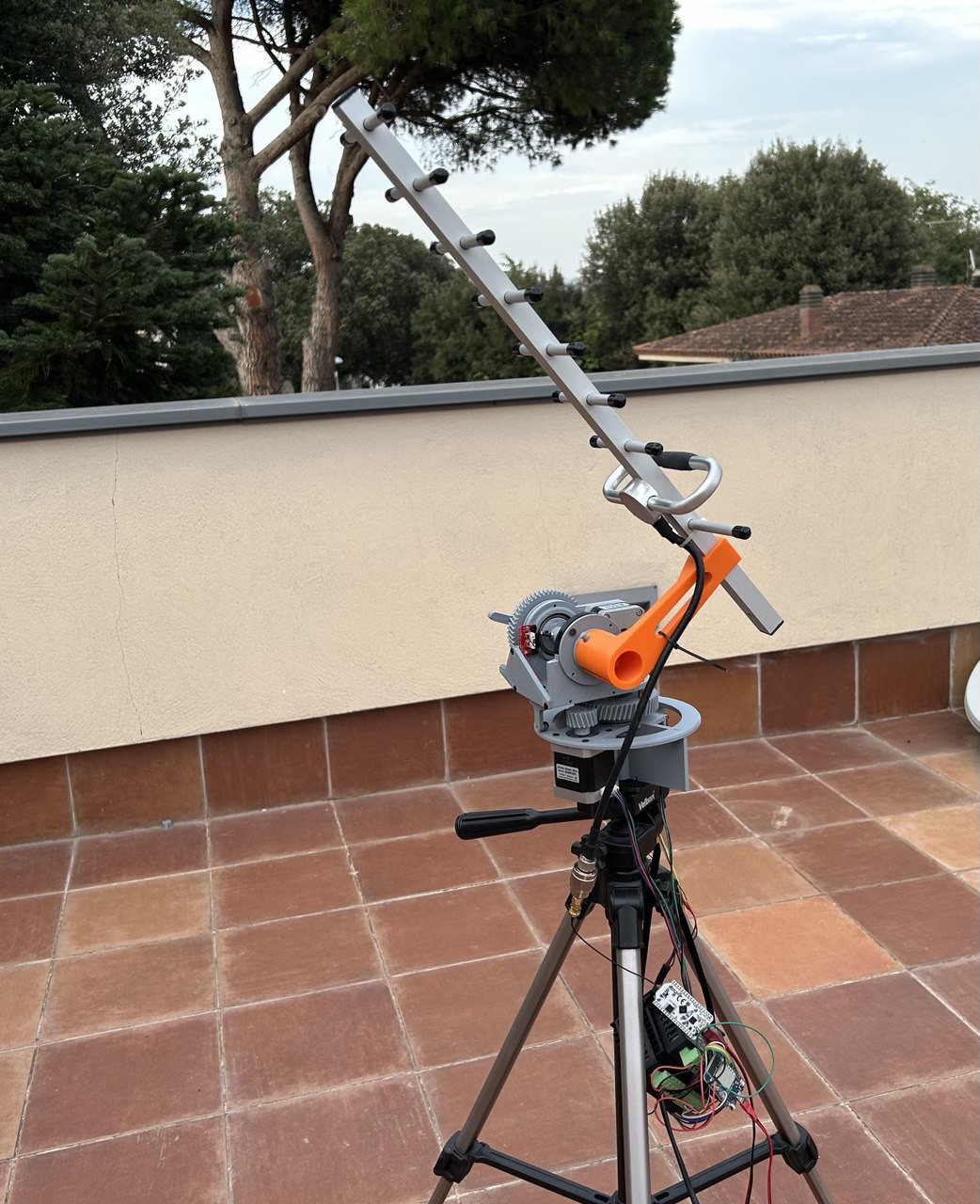
- S54LD mentioned also having a nine-element Yagi antenna for 868 MHz from Aliexpress. 🔗
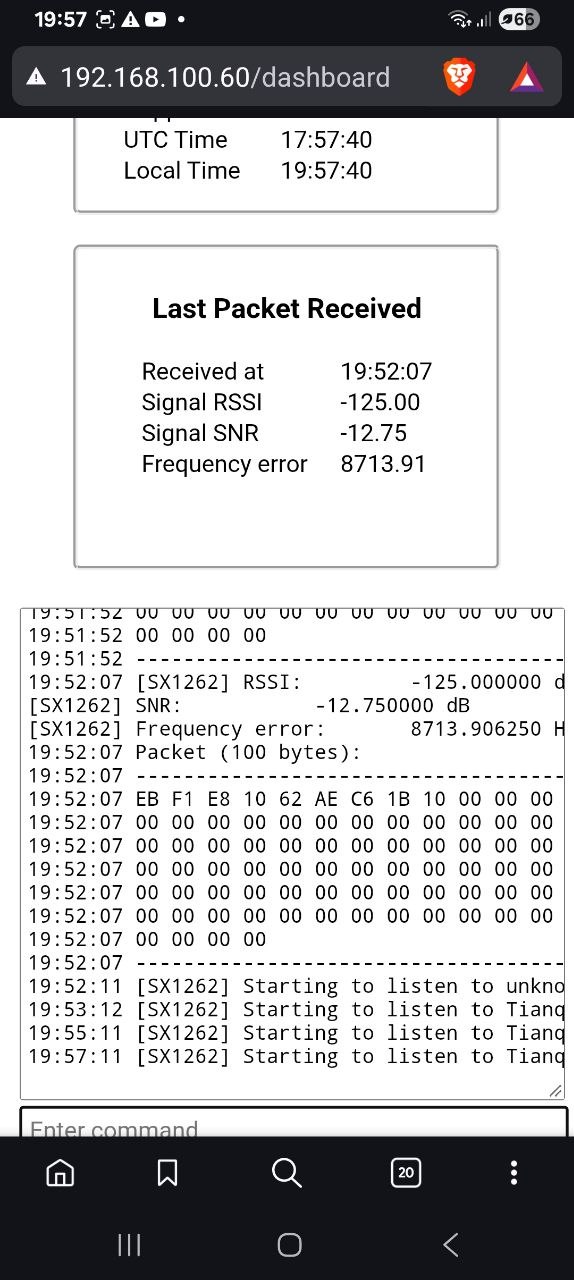
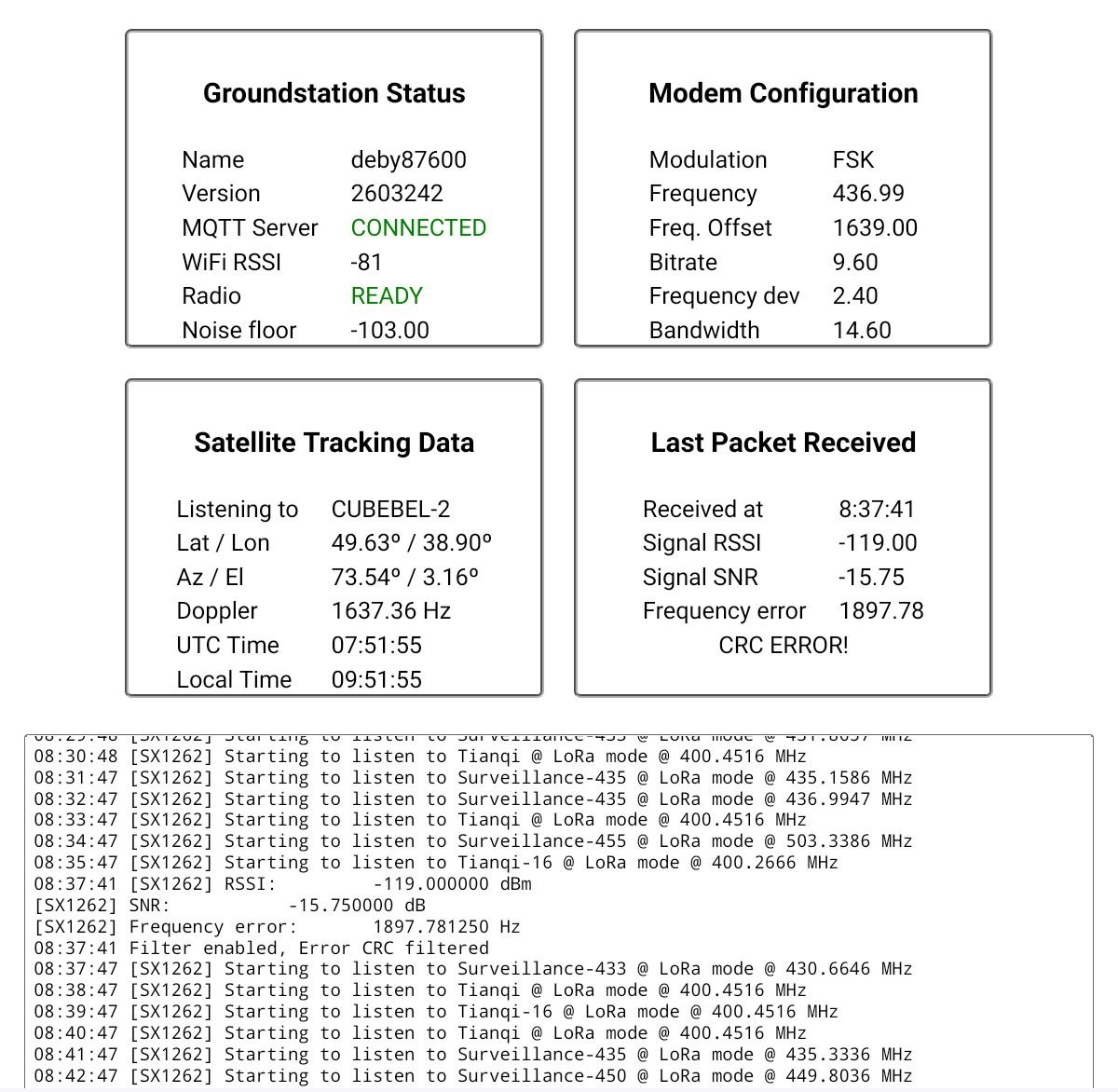
- megazaic reported the station dashboard being unavailable on mobile and local network, sharing related images. Szmarcin and Stefan/OE6ISP confirmed they were also experiencing issues with the station dashboard after the maintenance break. Helmi noted that the console for a single station was available, but not the overview of all stations. gmag11 acknowledged the issue and said they would check it. 🔗
General
- Helmi asked about the calculation of ‘Theoretical coverage’ and ‘Distance’ for Astrocast 0.1, specifically how the distance between the satellite and receiver is determined and what the theoretical coverage represents. 🔗
- G4lile0 provided clarification on the terms ‘Theoretical Coverage’ and ‘Distance.’ Theoretical Coverage refers to the diameter of the satellite’s footprint on Earth, calculated based on its orbital altitude, representing the maximum area it can ‘see.’ Distance is the real, straight-line distance between a station and the satellite at the moment of reception. 🔗
- PE2BZ suggested that the satellite names in the dashboard graphs should match the names used in the received packets, citing the discrepancy between ‘PICO-1B-9’ in the list and ‘PICO-02xxxx’ in the graph. 🔗
- G4lile0 thanked the community for feedback, confirming it made sense. 🔗
- C inquired about the benefits of amplification at the receiving end, considering LoRa’s ability to decode below the noise floor. They wondered if a 30dB LNA would improve reception, even with a poor SNR. Stefan/OE6ISP explained that LNAs worsen SNR and that signal loss between antenna and RX is irreversible. Stefan/OE6ISP provided a calculator for LNA configurations and offered assistance with its complexity. C mentioned a short cable run with 2.2dB loss and bias tees on the way. Stefan/OE6ISP humorously encouraged C to prove physics wrong. 🔗
https://moonbounce.dk/hamradio/simplecalc - ieddev asked about controlling an AZ-EL antenna rotor, mentioning the use of SkyRoof 1.20 beta. Stefan/OE6ISP described two methods: using Satpc32 for single satellite tracking and using TinyGS client AZ-EL info for autotune mode. ieddev then asked how to extract the TinyGS AZ-EL info, as they were new to TinyGS. 🔗
- Stefan/OE6ISP described a simple method for transmitting AZ-EL info from a station to a logfile via COM-port/USB, suggesting a short Python program on the PC to receive the info and send it to the rotator. He also referenced a previous discussion on the topic. 🔗
https://t.me/c/1448773154/78484/169573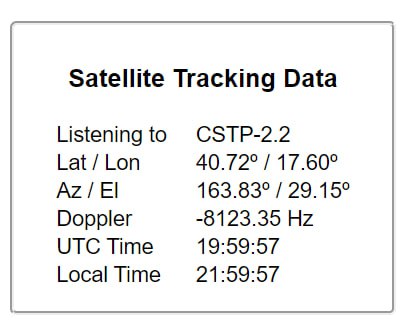
Where to buy
- Kevin introduced himself as a new user with ham radio experience and inquired about the best, most future-proofed board for building a TinyGS station, considering add-ons and future development. 🔗
- G4lile0 shared a link to a product, seemingly in response to a query about where to buy certain components. 🔗
https://t.me/c/1448773154/78486/173819 - megazaic shared a photo and humorously questioned the naming of a product, while confirming its functionality. Helmi then advised caution regarding the included antenna, suggesting building a custom one with a ground plane and selecting the correct frequency. 🔗
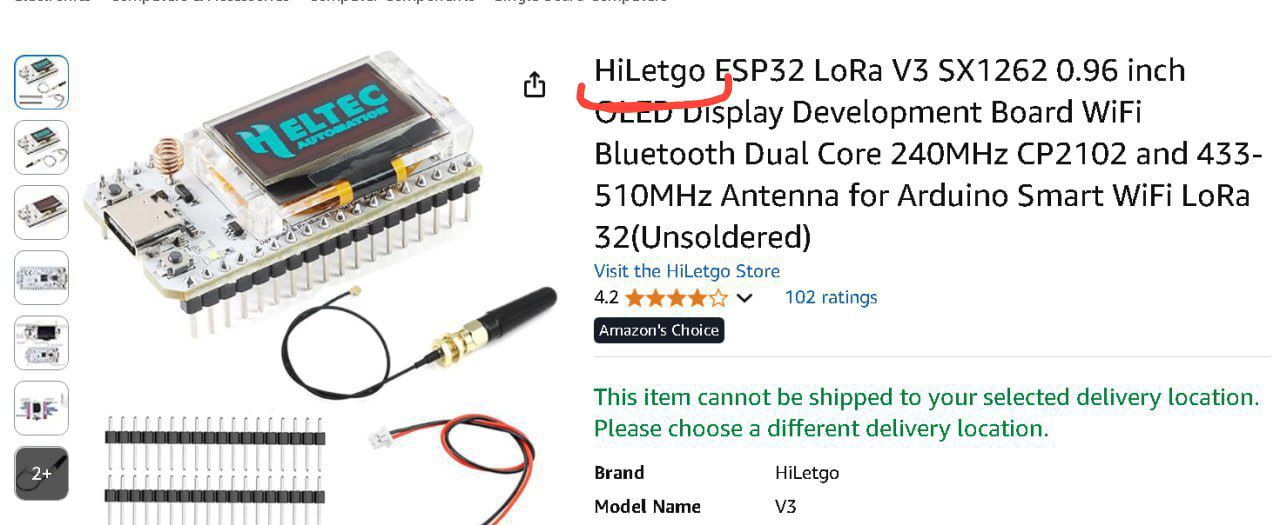
- Helmi advised caution regarding the included antenna, suggesting building a custom one with a ground plane and selecting the correct frequency. 🔗
- anas_z15 asked for a comparison between the Heltec LoRa32 v3 and the Lilygo T-Beam, noting the difference in antenna connectors. megazaic advised against the T-Beam due to its use of the SX1262 for 868-915 MHz and SX1268 for 433 MHz. Stefan/OE6ISP mentioned they no longer use T-Beams due to their high price and noise, preferring modified Heltec V3s with coax cables and considering Heltec WiFi Lite sticks for future projects. 🔗
Announcements
- gmag11 announced a maintenance period and later confirmed that the maintenance was finished, requesting reports of any network issues. 🔗
Featured Conversations
- The community shared the excitement of building and the rewarding ‘aha!’ moments experienced during the process.
- A user inquired about the calculation methods for ‘Theoretical coverage’ and ‘Distance’ in relation to satellite reception, prompting a detailed explanation.
- A user experienced a sudden failure of their new TinyGS board, leading to a discussion about potential causes, troubleshooting steps, and alternative board recommendations.
- Different antenna setups were shared and discussed, including Diamond X30, X50, X7000, and dipole configurations, with varying results depending on antenna characteristics and environmental factors like terrestrial noise.
- Guidance was provided on connecting a LoRa station to a rotator, detailing how to transmit AZ-EL data via COM-port/USB and process it with a Python program.
What’s next
Join the TinyGS Telegram channel to participate in these discussions and contribute to the project. Your experiences and insights can help others build and improve their stations!
Share: