tinyGS
· TinyGS Community · 9 min read
Weekly Newsletter - November 10, 2025
Welcome to the TinyGS weekly community newsletter. Here are the most relevant discussions and developments from this week.
Highlights
General
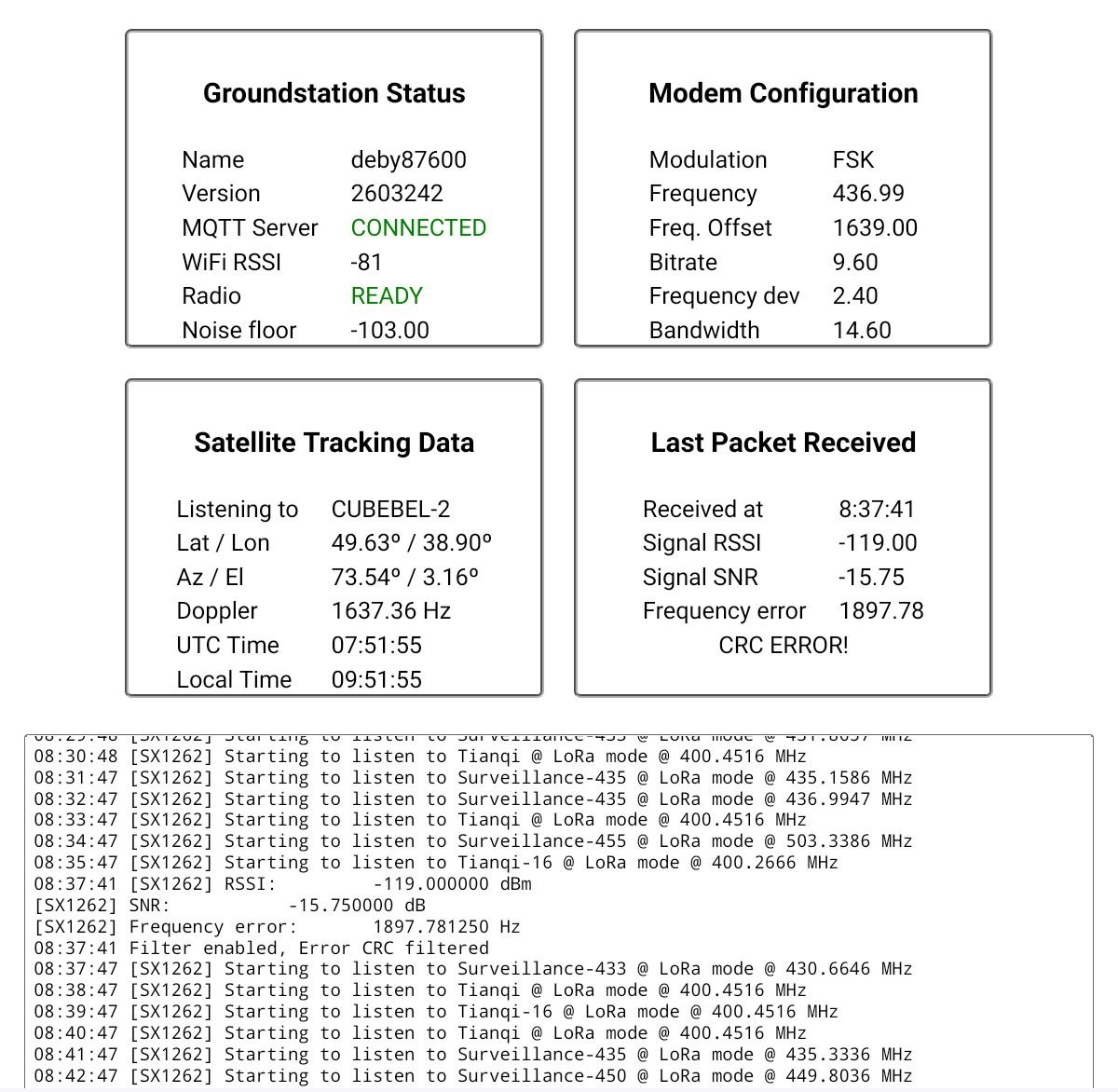
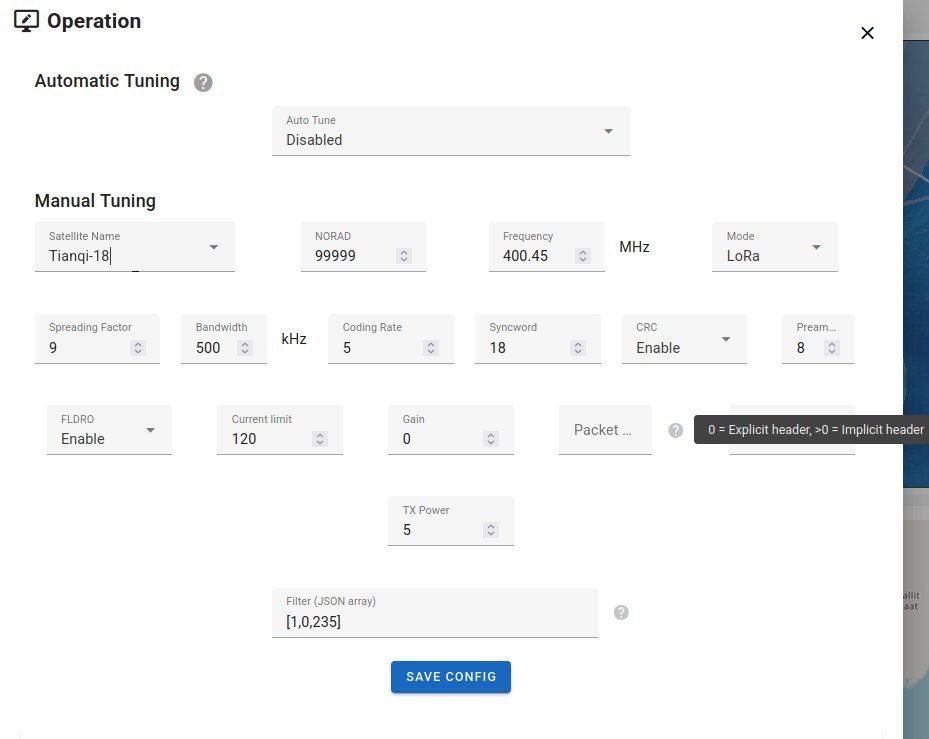
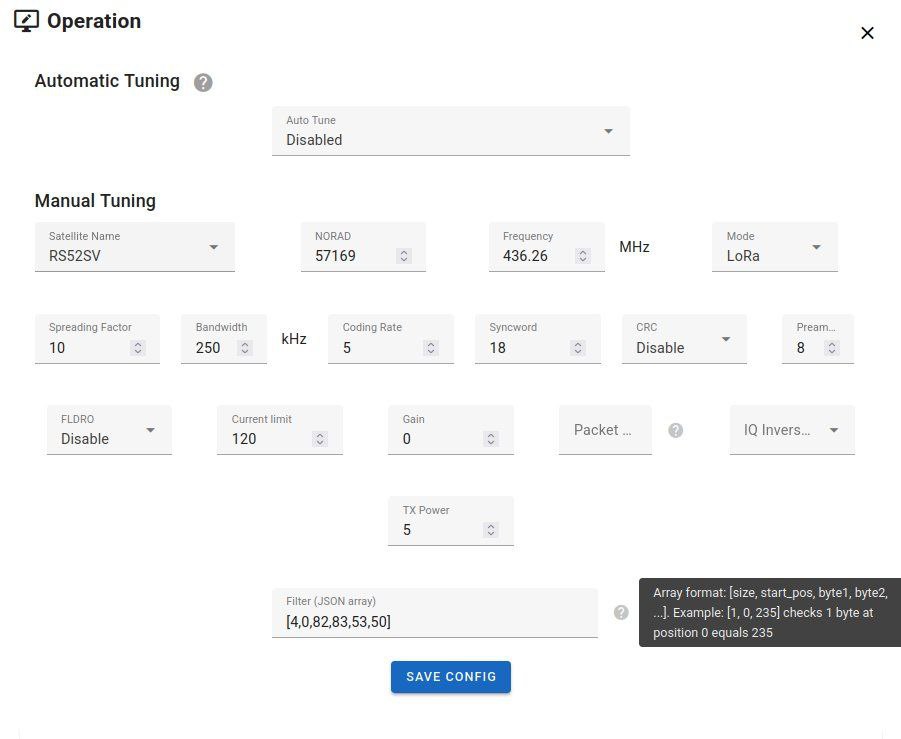
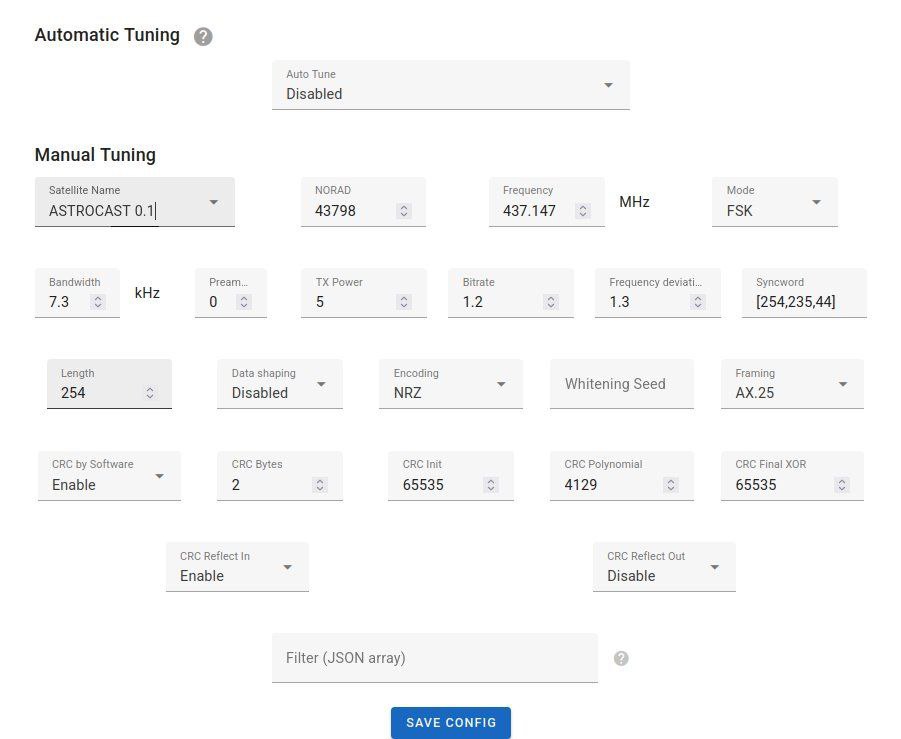
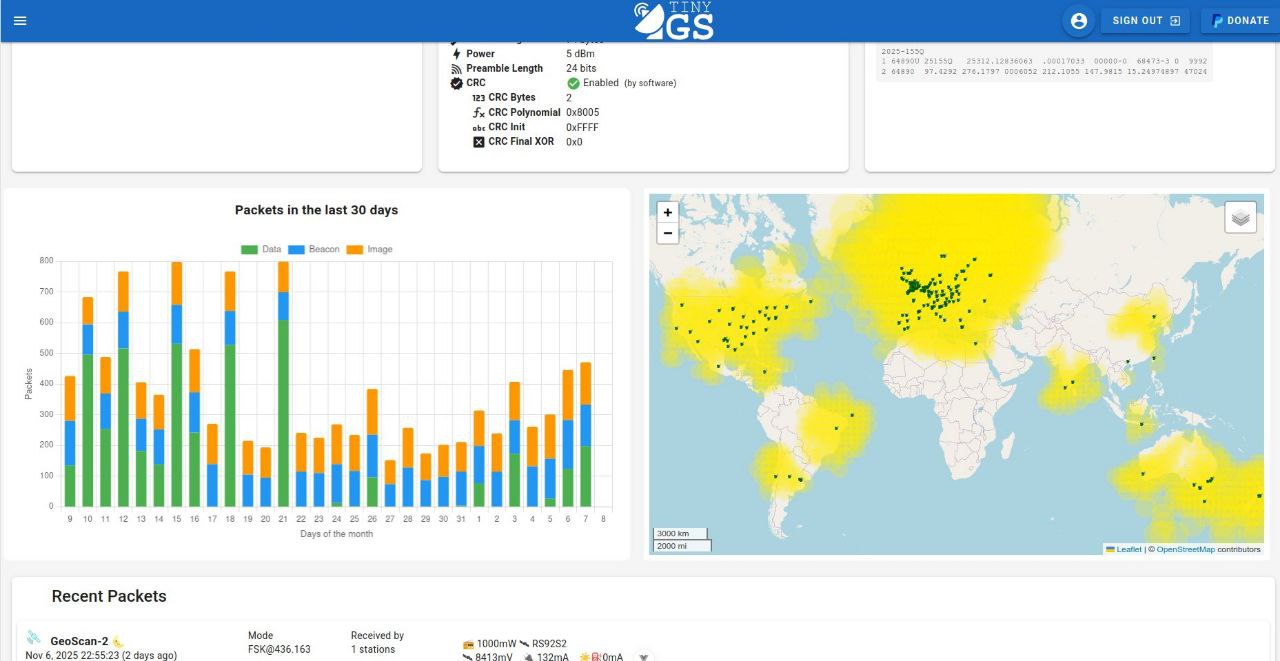
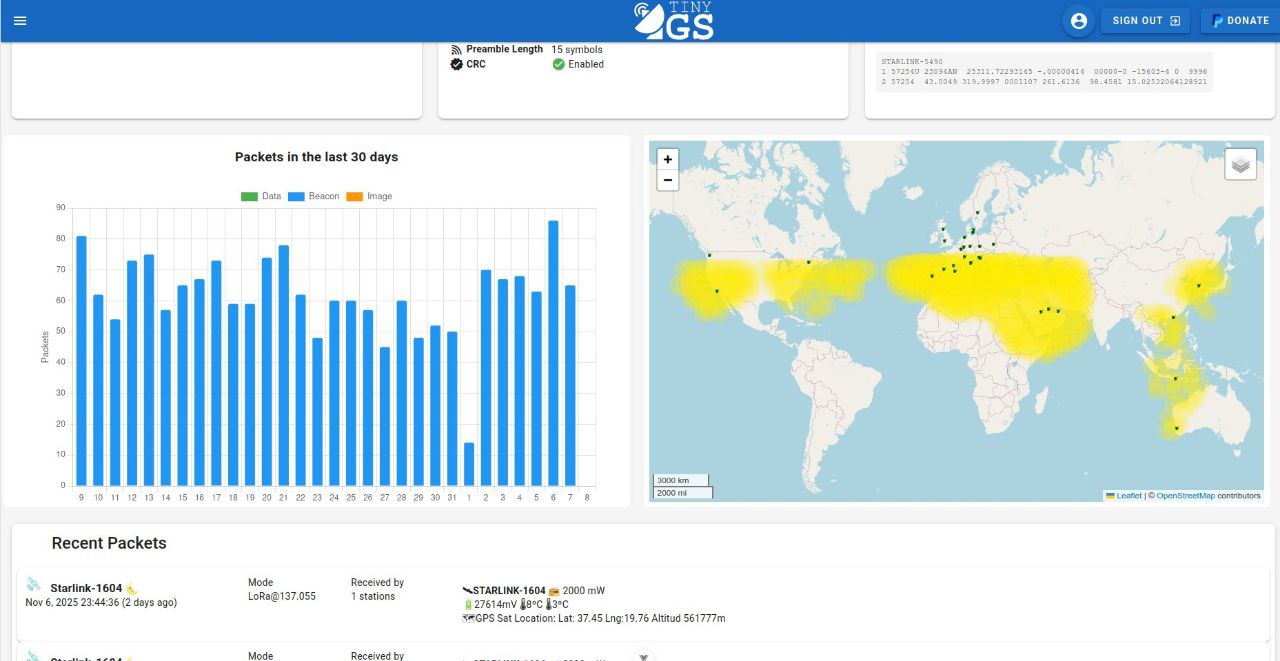
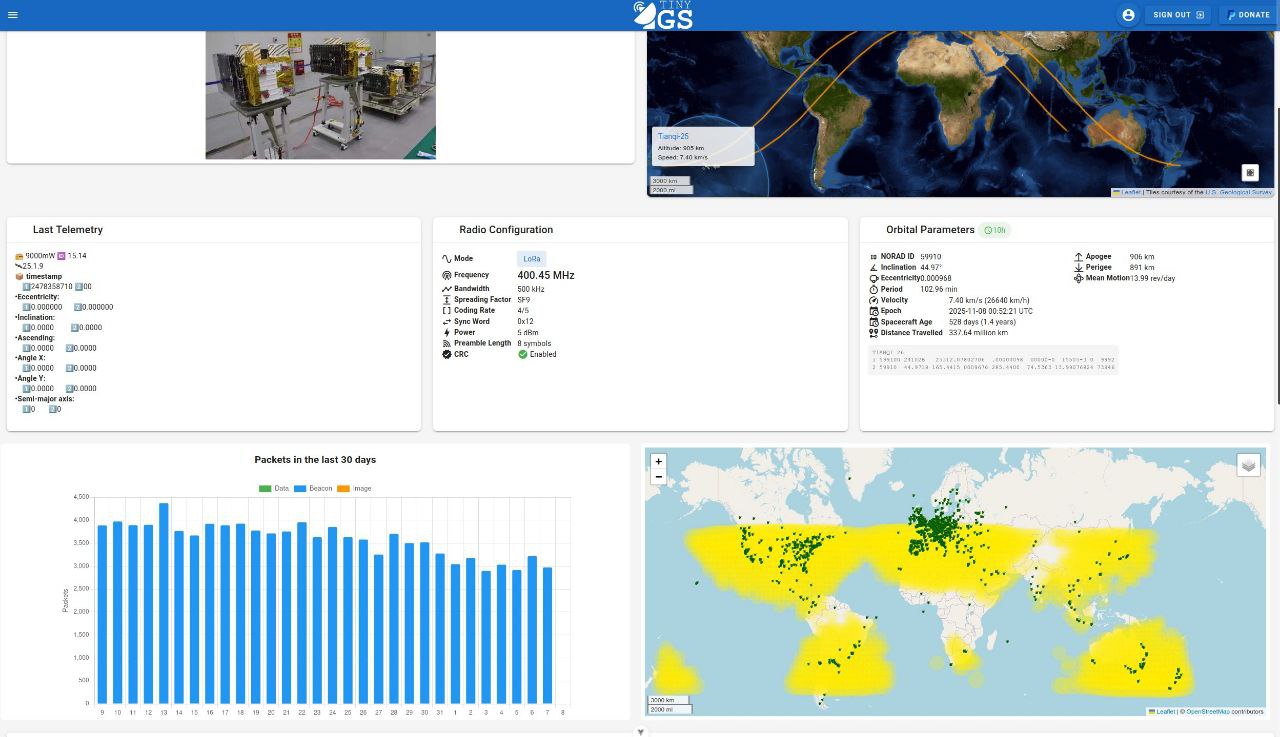
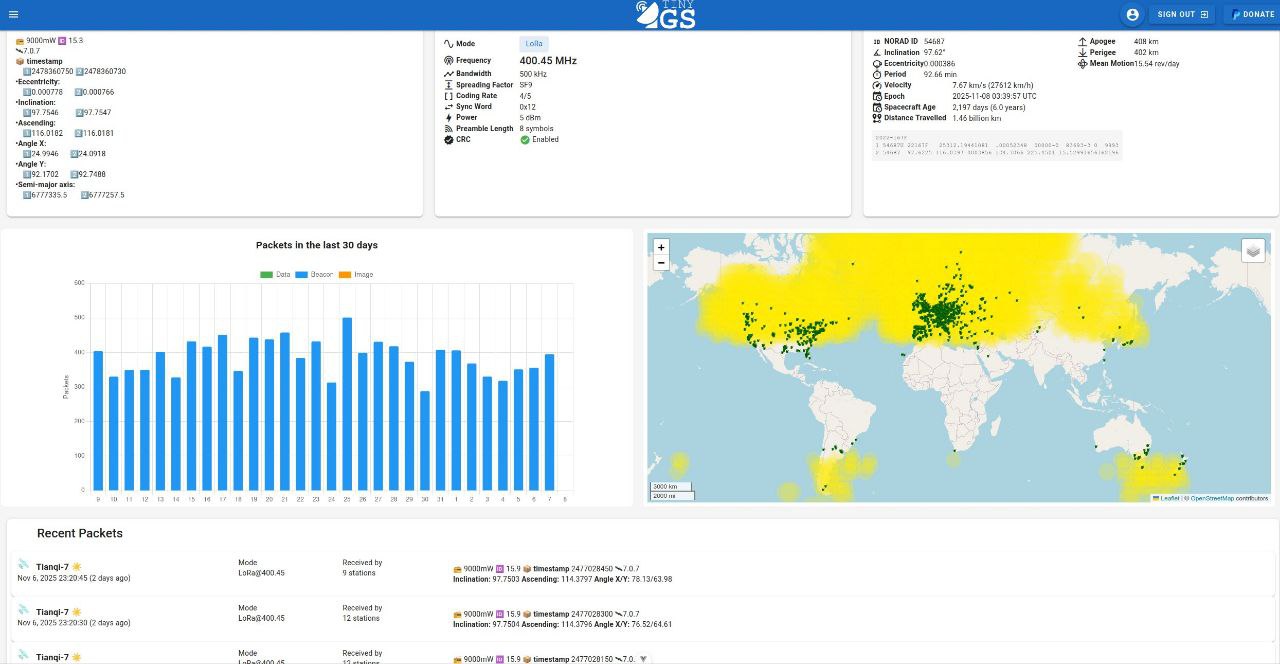
- G4lile0 shared a link to a TinyGS tweet and posted images of the new TinyGS operation console, inviting viewers to spot exciting new features. 🔗
https://x.com/tiny__GS/status/1985066136388448403?t=jN_kEoatytURa2FHT_QOEQ&s=19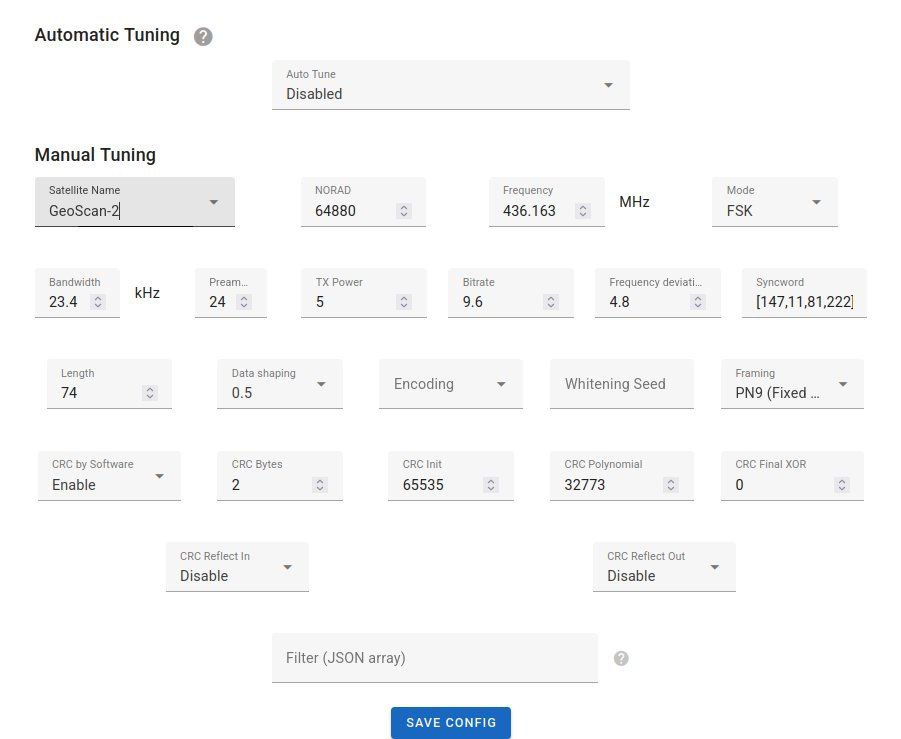
- Andre suggested adding an allowed azimuth range for satellite observation to the scheduler. he noted that his western hemisphere is blocked, leading to stations being commanded to switch to satellites that cannot be heard, even when another satellite is in the east. he acknowledged that this might be hard to realize as satellite choice is commanded from the server. 🔗
- Peter asked about configuring his station to ignore Tianqi satellites, noting that the web console’s ‘filter by satellite’ setting only controls the display. Stefan/OE6ISP mentioned patching the firmware to deny tuning to Tianqi satellites. Estbhan suggested satellite filtering, Doppler track adjustments, and TLE ingestion for satellites not yet in the system. 🔗
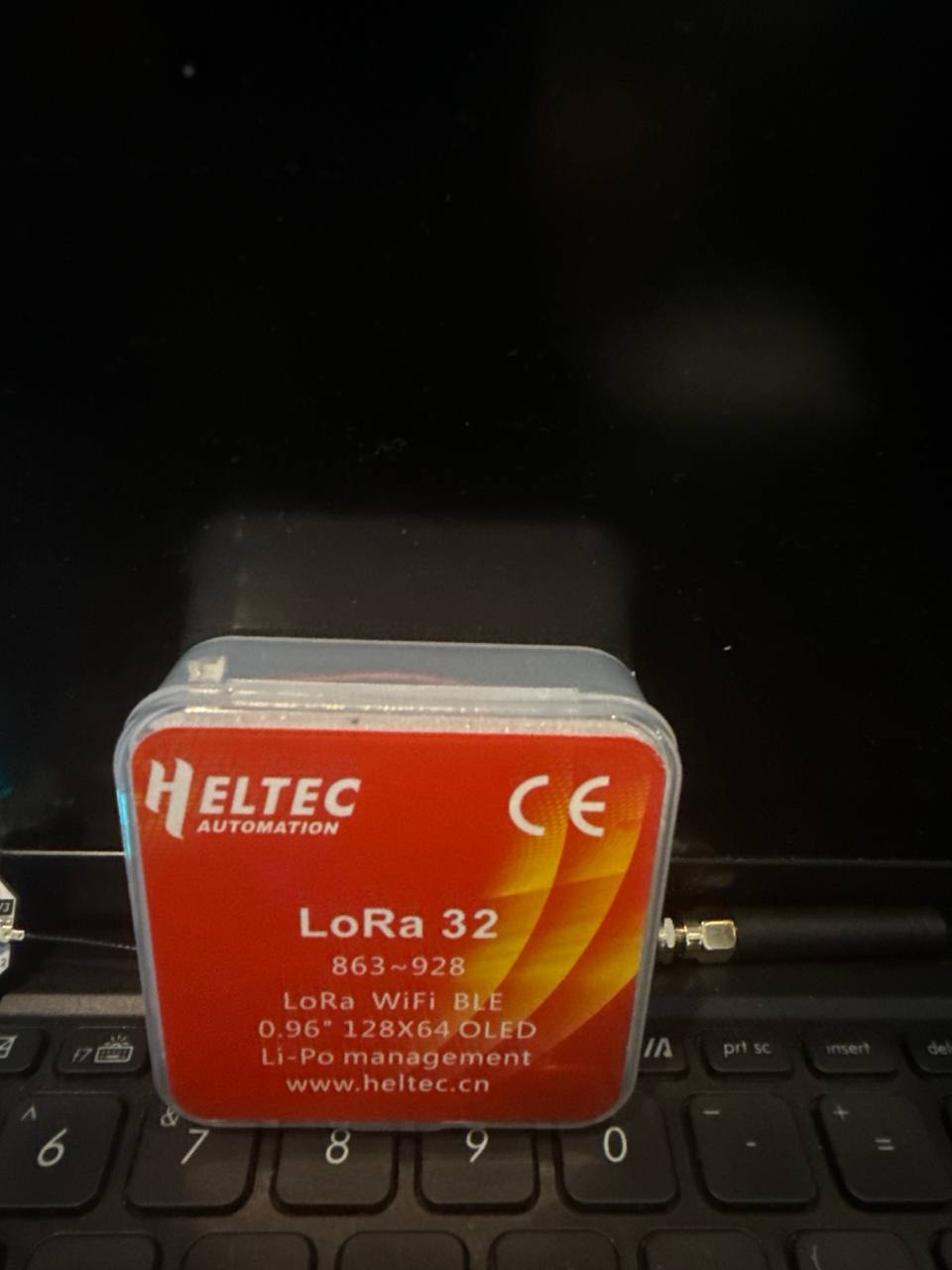
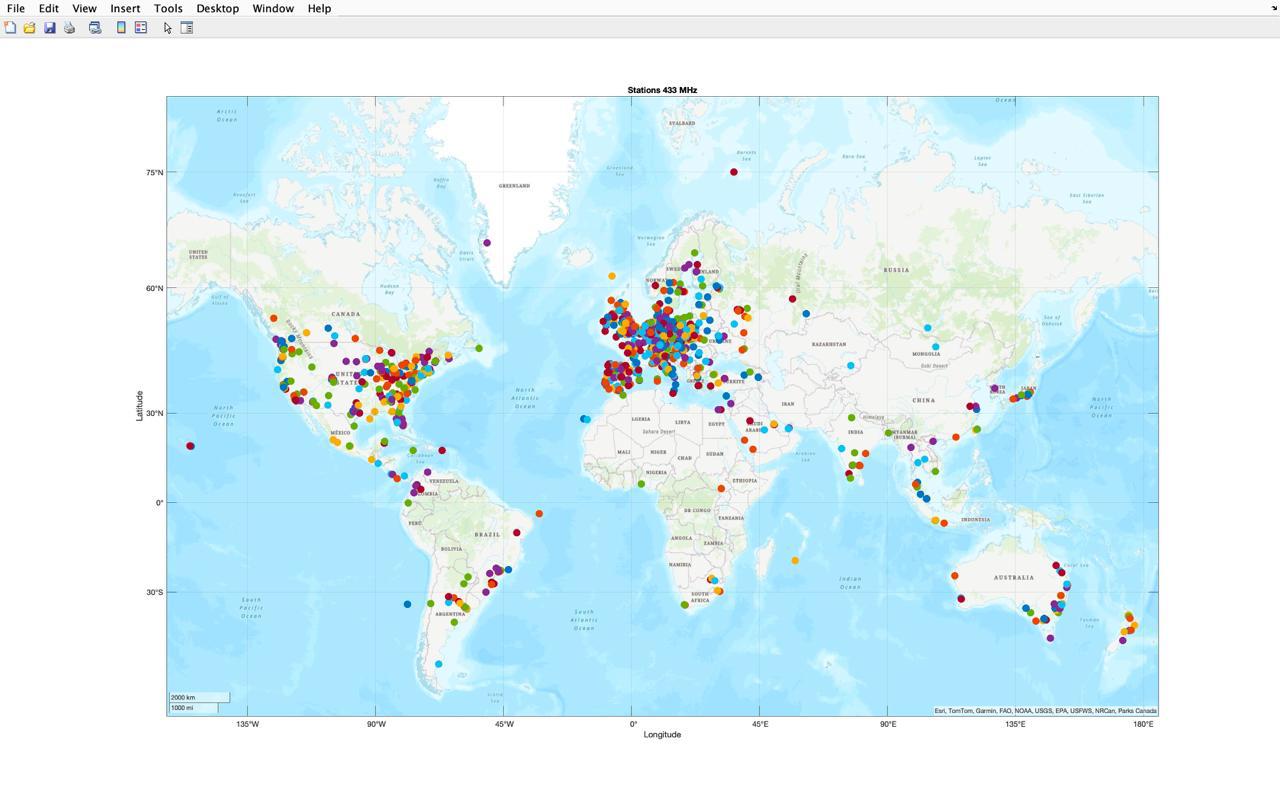
- Natalia asked about receiving data from satellites and shared a photo of their setup. K4KDR welcomed Daimon and explained how tinyGS obtains telemetry decode information, highlighting the value of 24/7 data collection for satellite missions. K4KDR also inquired about Natalia’s antenna setup, advising that a better antenna and clear sky view are needed for receiving weak satellite signals. Helmi pointed out that Natalia’s Heltec box is an 868MHz device, unsuitable for receiving 433MHz satellite data and recommended a 433MHz board and a better antenna. Natalia confirmed the antenna is located inside. Later, sincos364 shared images related to the 433MHz frequency. 🔗
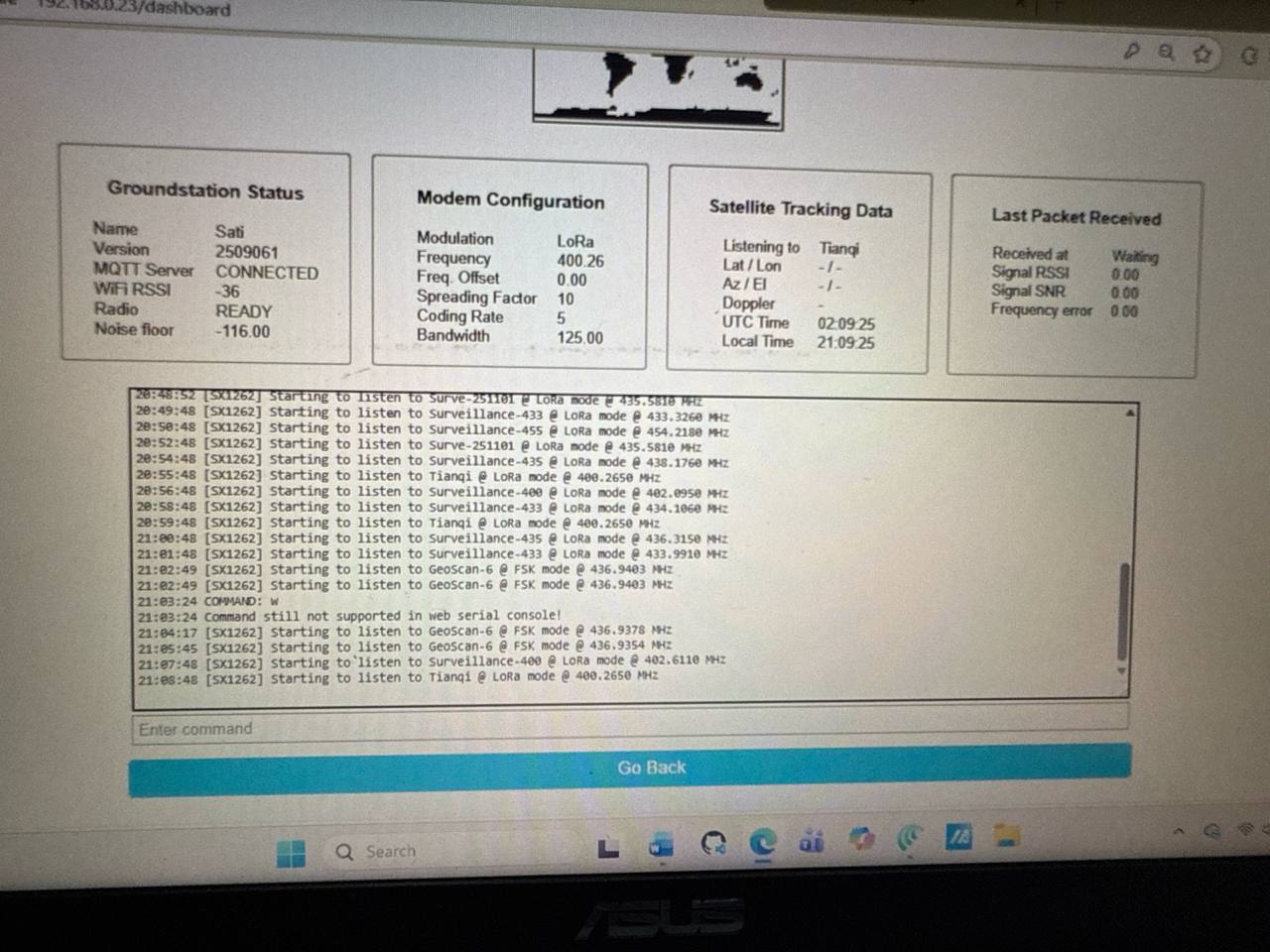
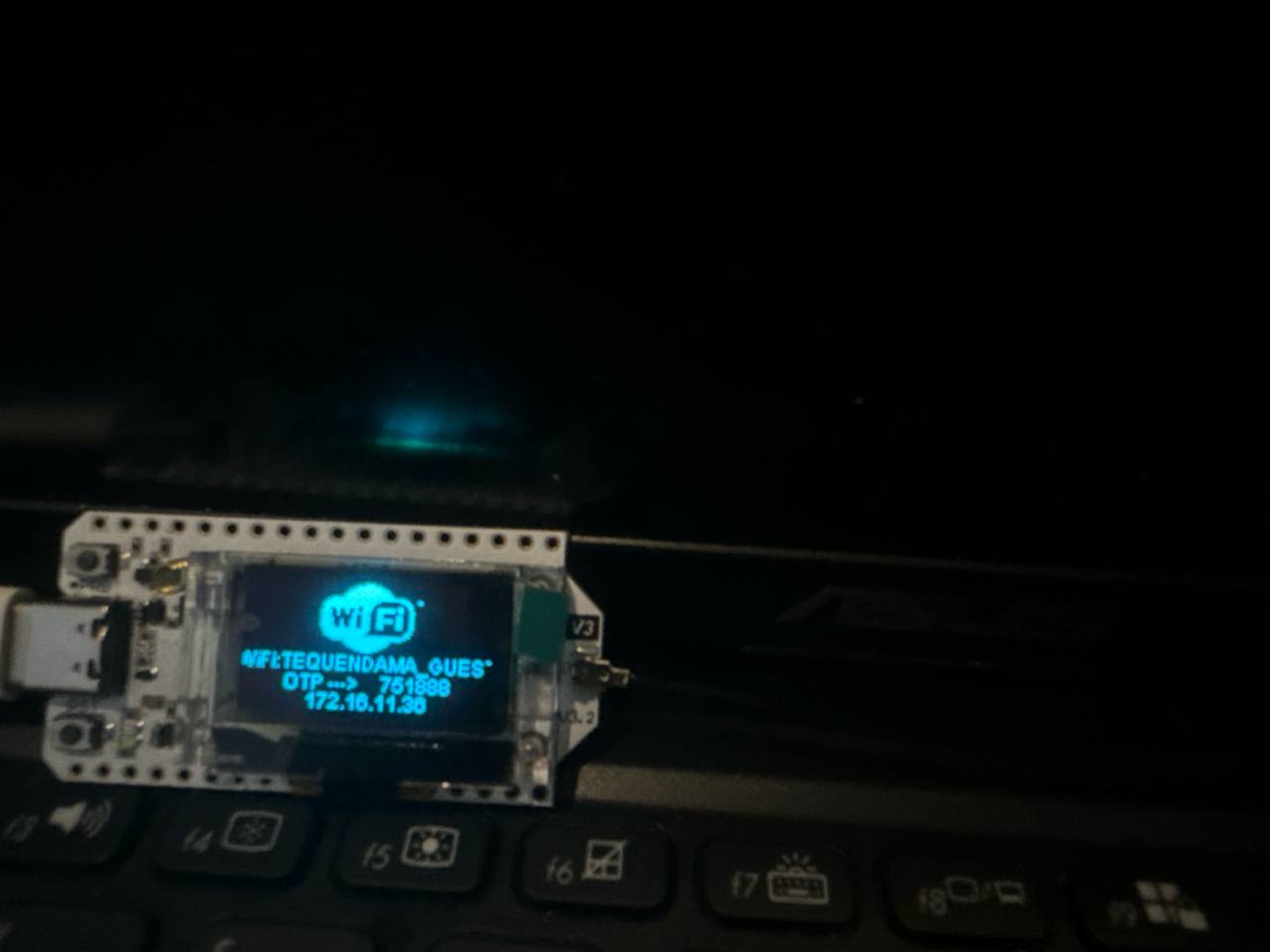
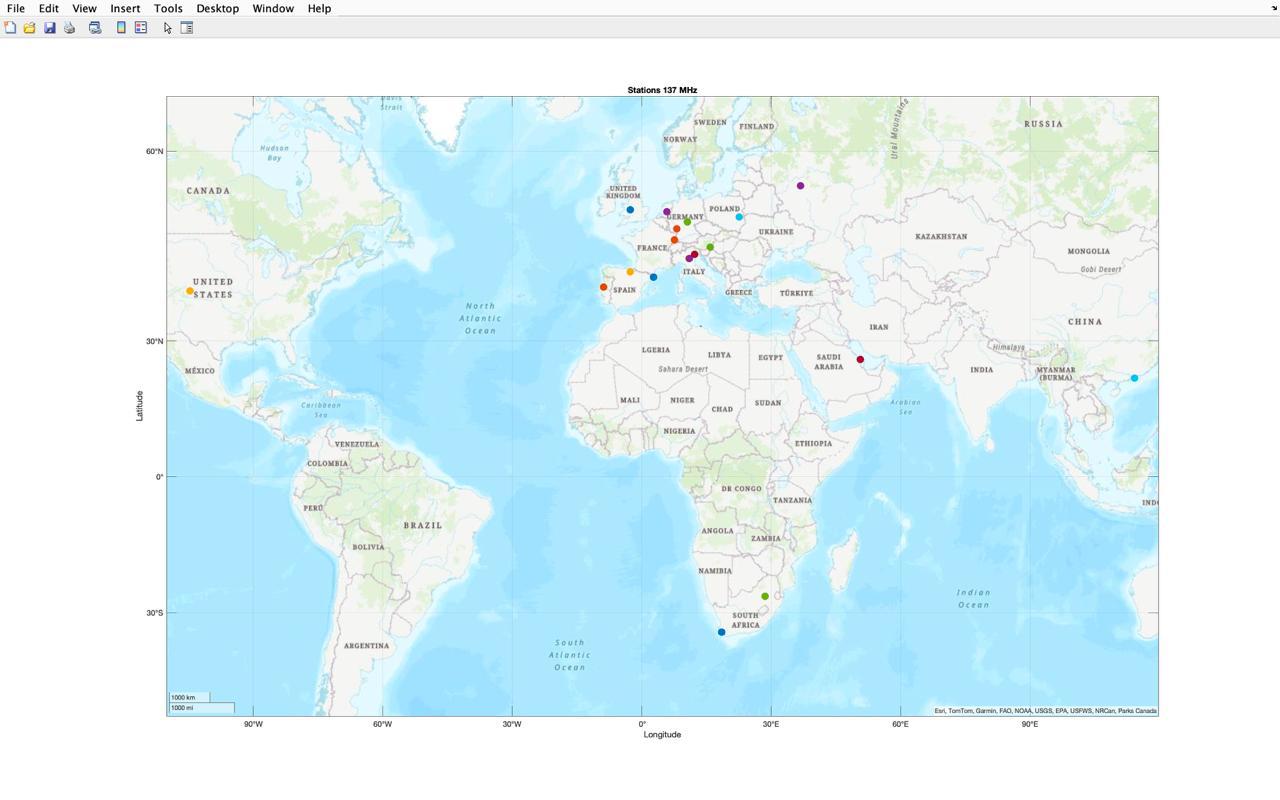
- Mark was looking for a way to get stats out of TinyGS into a personal MQTT broker without disrupting the main TinyGS broker. After initially not seeing any data, a command message appeared, suggesting that waiting longer might be the solution. Helmi confirmed that connecting to mqtt.tinygs.com is the best approach to receive all the data back. Mark also inquired about adding battery voltage measurements to the MQTT response and whether TinyGS accepts pull requests. Daimon acknowledged the information. 🔗
- G4lile0 shared a link to an X post. 🔗
https://x.com/G4lile0/status/1986891305385947343?s=20 - Marcos asked about setting the frequency offset, noting the parameter was not visible. Helmi responded that it’s calculated from the tGS server. G4lile0 added that the frequency offset is automatically calculated using a reference satellite and shared an image related to switching to a new reference satellite due to low packet reception from Norby. Marcos mentioned their offset is always ’—’, suspecting it’s causing low performance. Helmi suggested the issue might be antenna or cable related, while Stefan/OE6ISP clarified the offset updates after receiving packets from the reference satellite. Marcos explained their setup and its limitations, still questioning the ’—’ offset. Stefan/OE6ISP suggested CSTP2 and CSTP4 series as suitable references. Helmi agreed with Marcos, reporting the same situation in Germany, with Dennis reporting the same in Norfolk, UK. 🔗
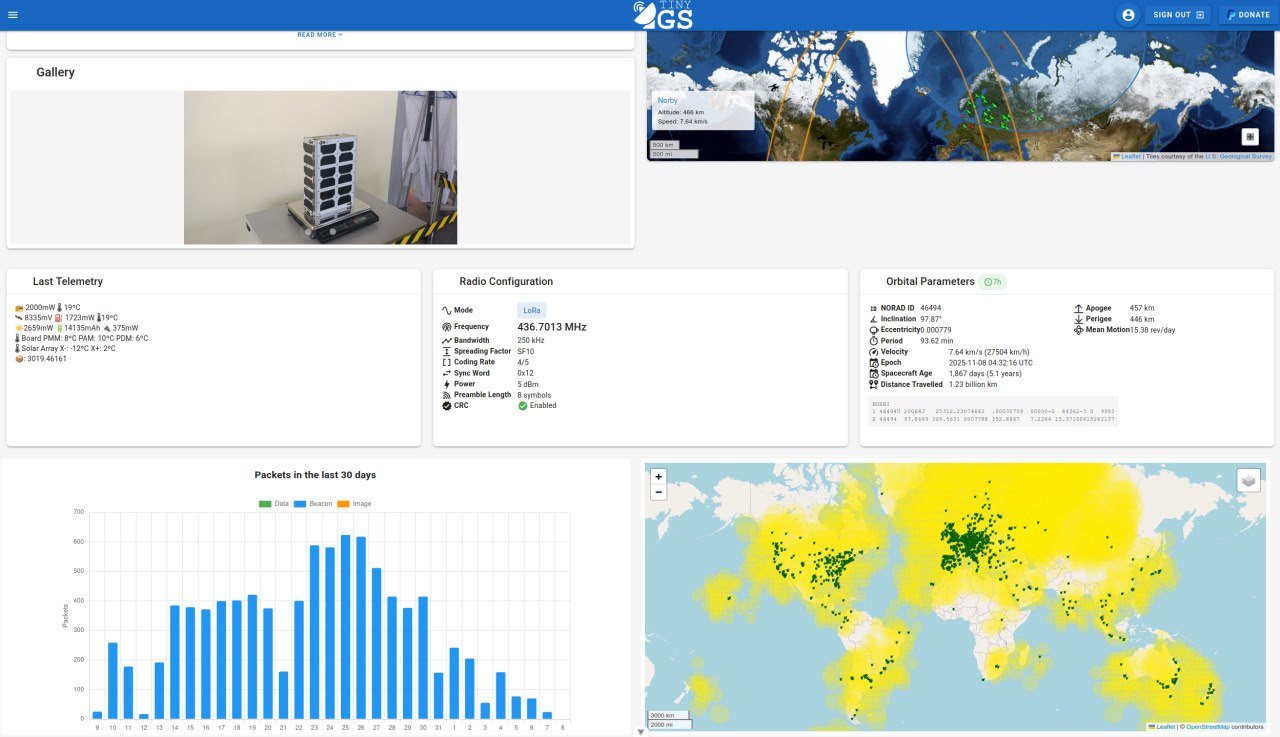
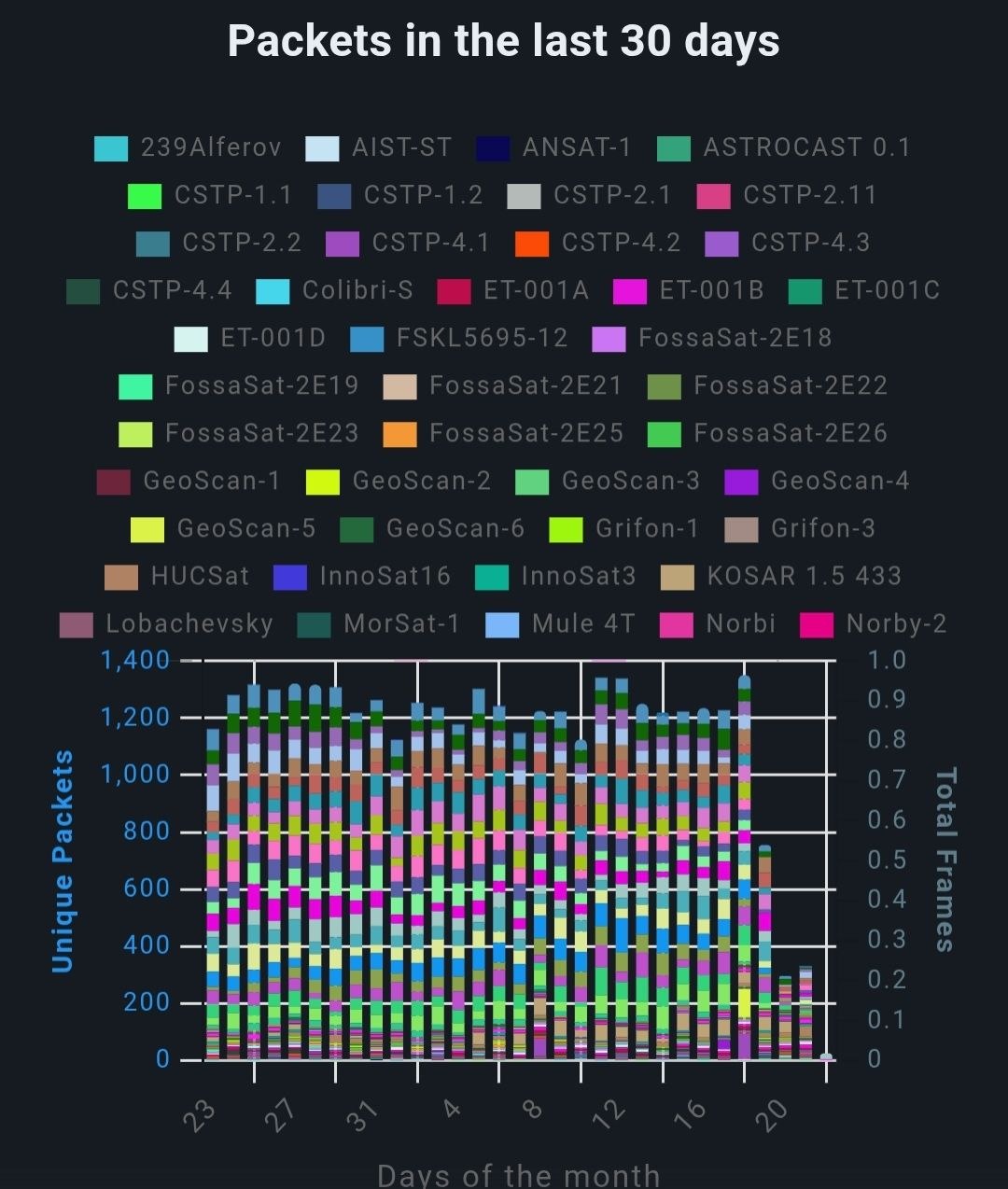
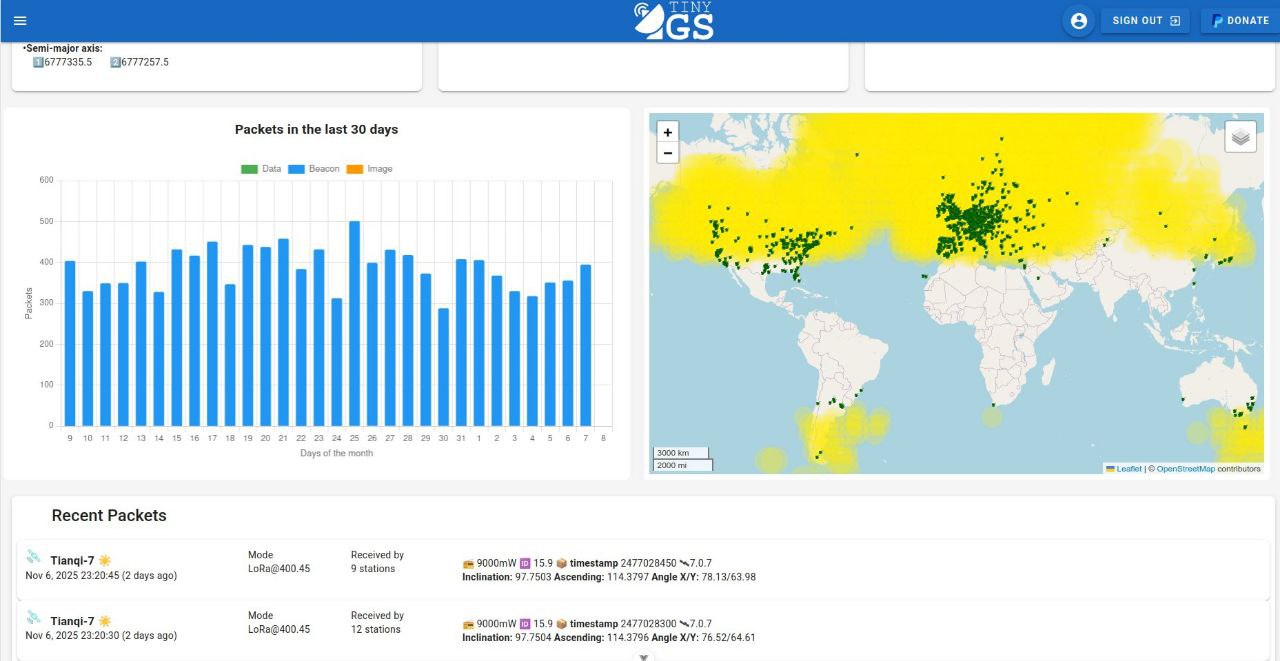
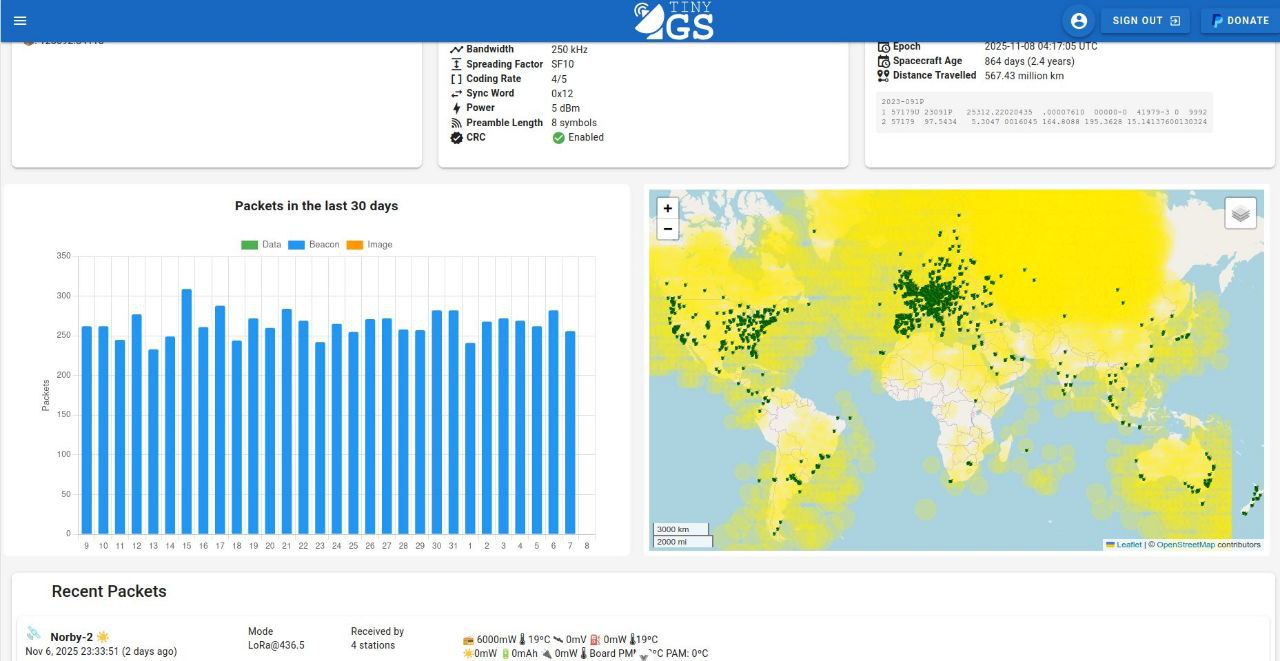
- G4lile0 was working on detailed statistics and a world coverage map for every satellite, spotting that Tianqui satellites appear to be implementing a form of geofencing over specific regions. the new statistics visualization also highlighted a massive issue on Norby, which only received 24 packets compared to the usual 400-600. 🔗
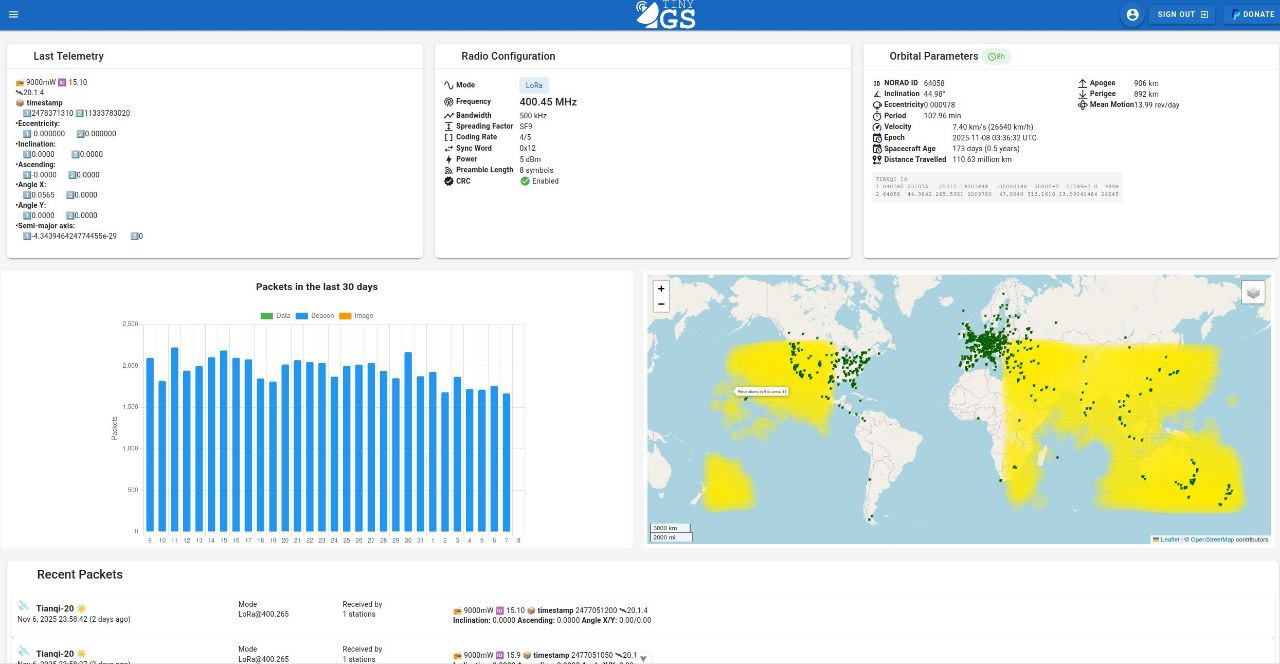
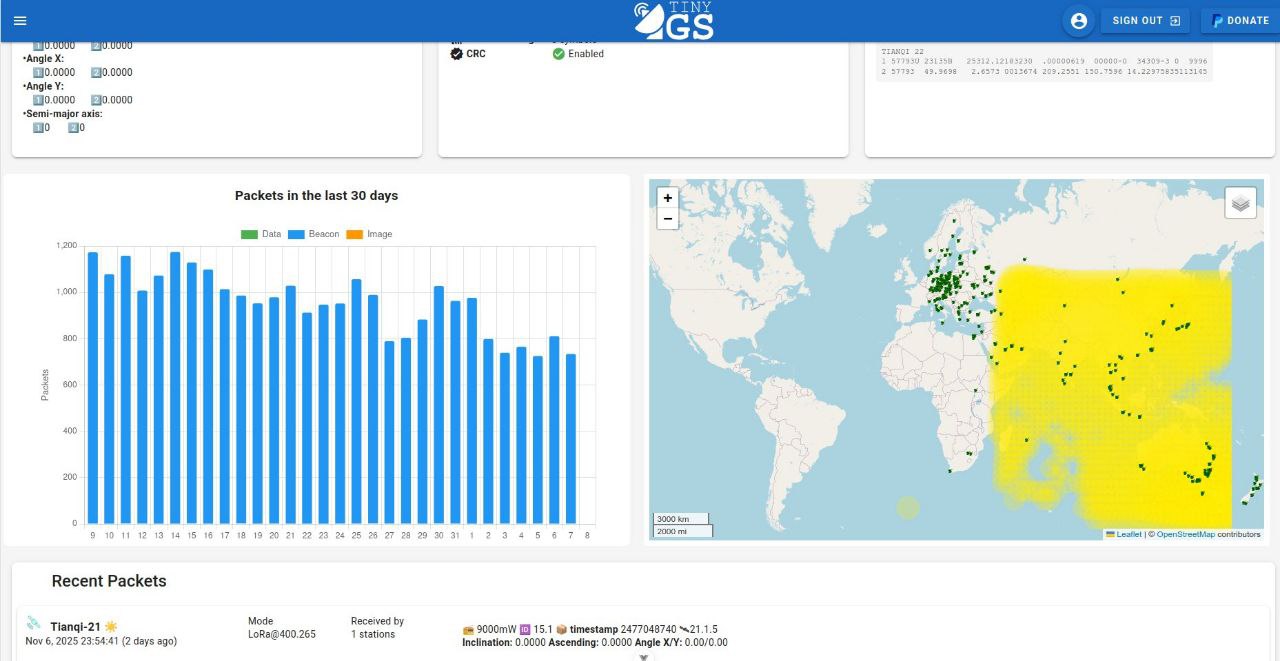
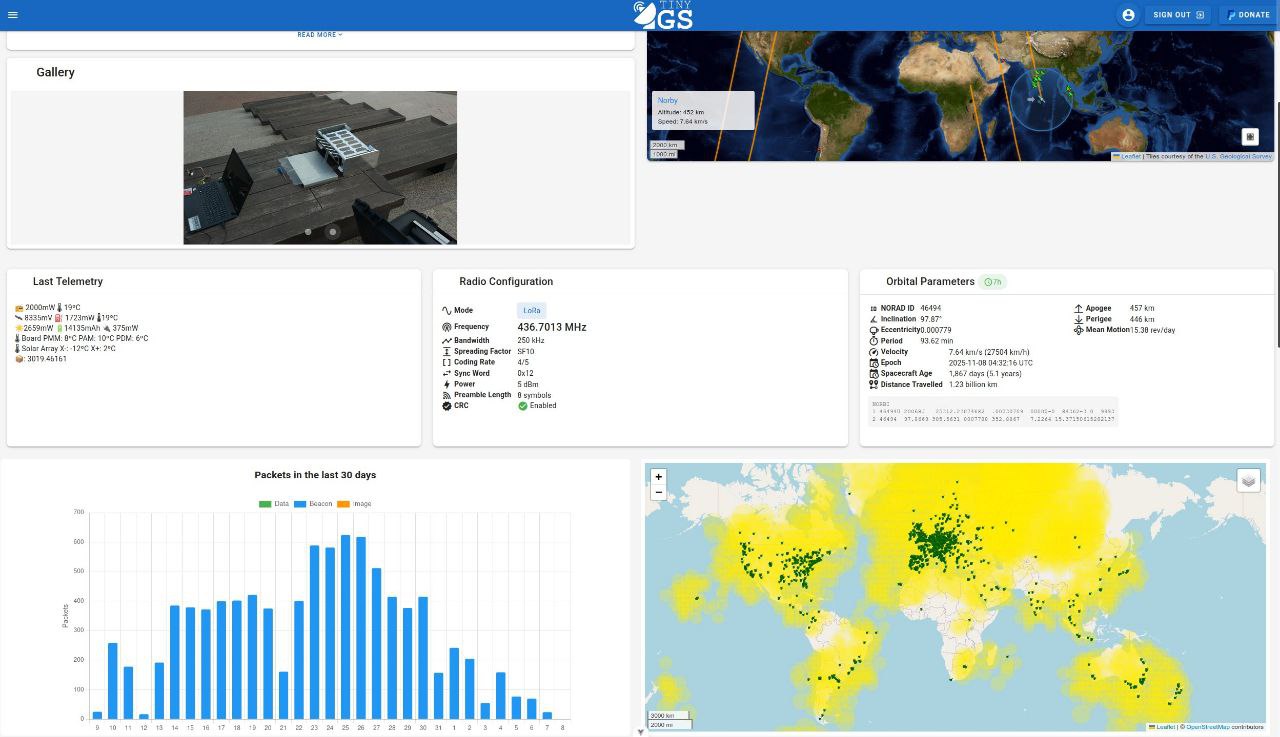
- Matthew identified a problem with the website related to a script loaded from eventp.tinygs.com, which was resolving to a non-routable address. Simon reported the website was down, and IPQ_T mentioned issues in South Italy. G4lile0 confirmed the issue was fixed, and Simon confirmed it was working. 🔗
https://eventp.tinygs.com/script.js
Antenna Building
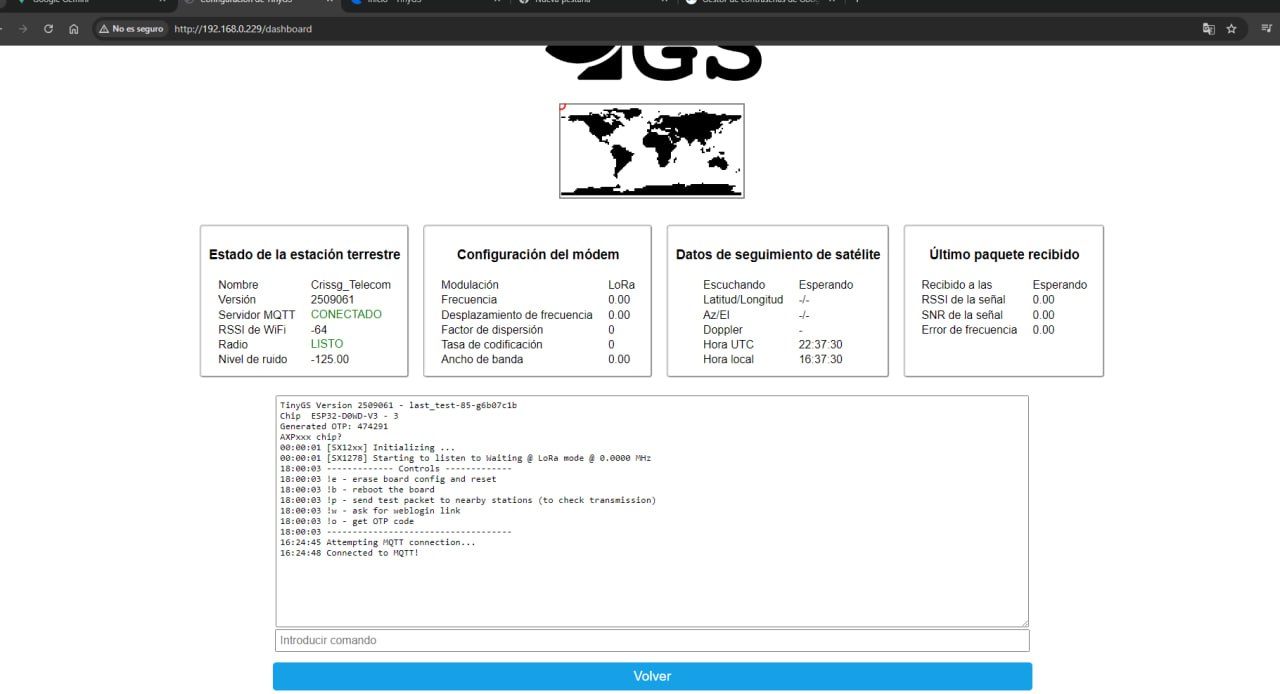
- crissg_08 asked if the RFM95W (915MHz) module is compatible with TinyGS, noting they are building a ground station for academic purposes and are encountering a LoRa frequency of 0.0. Stefan/OE6ISP suggested checking the autotune setting and clarified that the user has a sx1276, not a sx126x. crissg_08 shared images of their ground station and Stefan/OE6ISP advised building a groundplane antenna and autotuning for 800MHz. 🔗
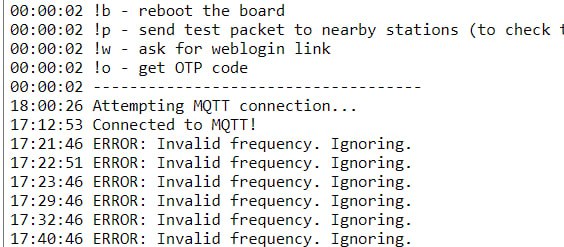
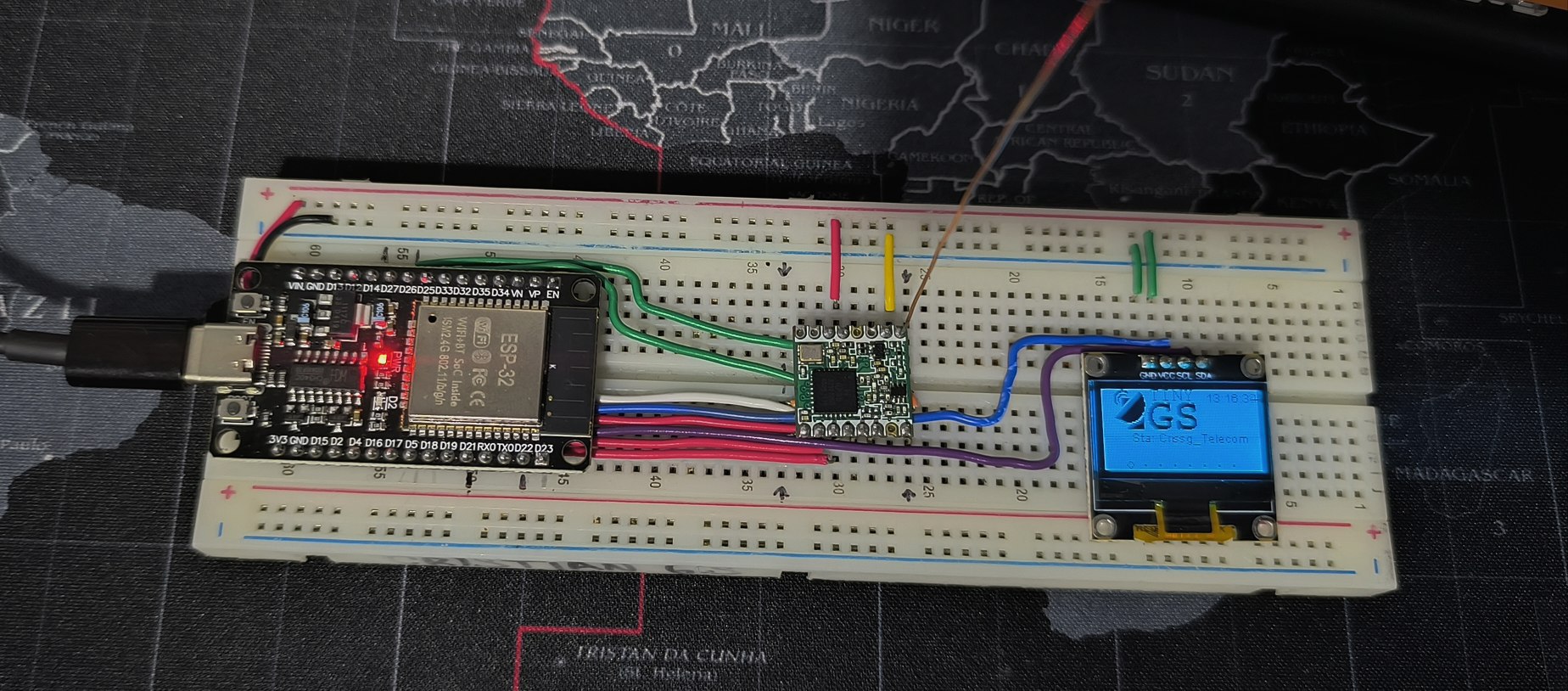
- anachox asked if a band-pass filter (BPF) is really needed for a satellite data reception project (NOAA/Meteor, etc.)[LEO orbit] to avoid interference. K4KDR responded that it depends on the location, being more essential in populated areas. Stefan/OE6ISP added that in a quiet area, a filter might not be needed without a preamp on 433 MHz, but with a preamp, a 2m/70cm diplexer as a highpass is a good solution. He also noted that filtering is essential on 137 MHz, using a 3-stage helical filter. 🔗
- Mark asked if it was okay to promote antenna kits from his company, offering an EggNOGS kit for building eggbeater antennas. Helmi inquired about the amplifier’s noise factor, and Mark specified it’s an SPF5043Z, providing a datasheet link and stating a 0.8dB noise figure plus any additional noise from the DC bias system. 🔗
https://electronics.halibut.com/eggnogs
https://www.mouser.com/datasheet/2/412/SPF5043Z_Data_Sheet-1500773.pdf
Technical Problems
- crissg_08 reported an issue on the OLED screen, displaying “This is new Ensure board selected matches your hardware”. Stefan/OE6ISP suggested checking the configuration against the hardware and shared an image related to the configuration manager. 🔗
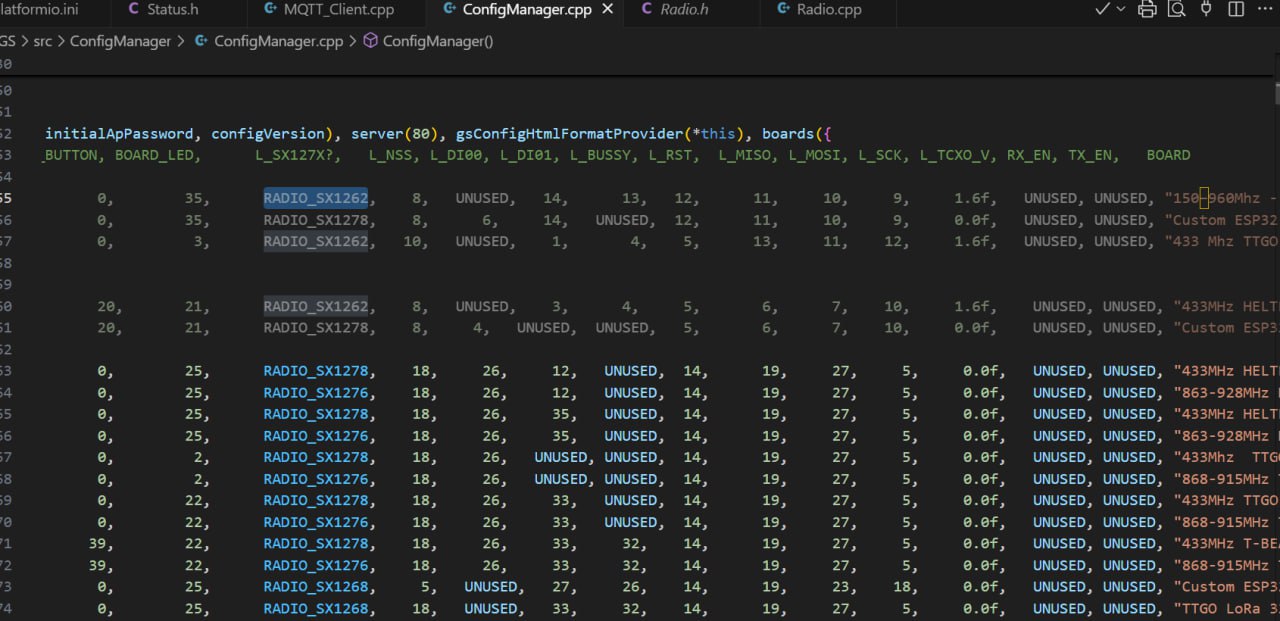
- Hugo HVS reported being unable to access the dashboard after setting a password on a flashed Heltec V3 Lora board. Notsure7 suggested pressing the user button for 8 seconds to bring up the config SSID again. 🔗
- Nikos asked if a non-working display on their LILYGO® TTGO MySondy GO LoRa32 V2.1_1.6.1 ESP32 LoRa was normal, linking to the product page. Helmi suggested it could be a defective display or incorrect configuration. Massimo suggested ensuring the correct device is selected in the web interface. 🔗
https://www.aliexpress.com/item/1005009178059360.html
Share your setup
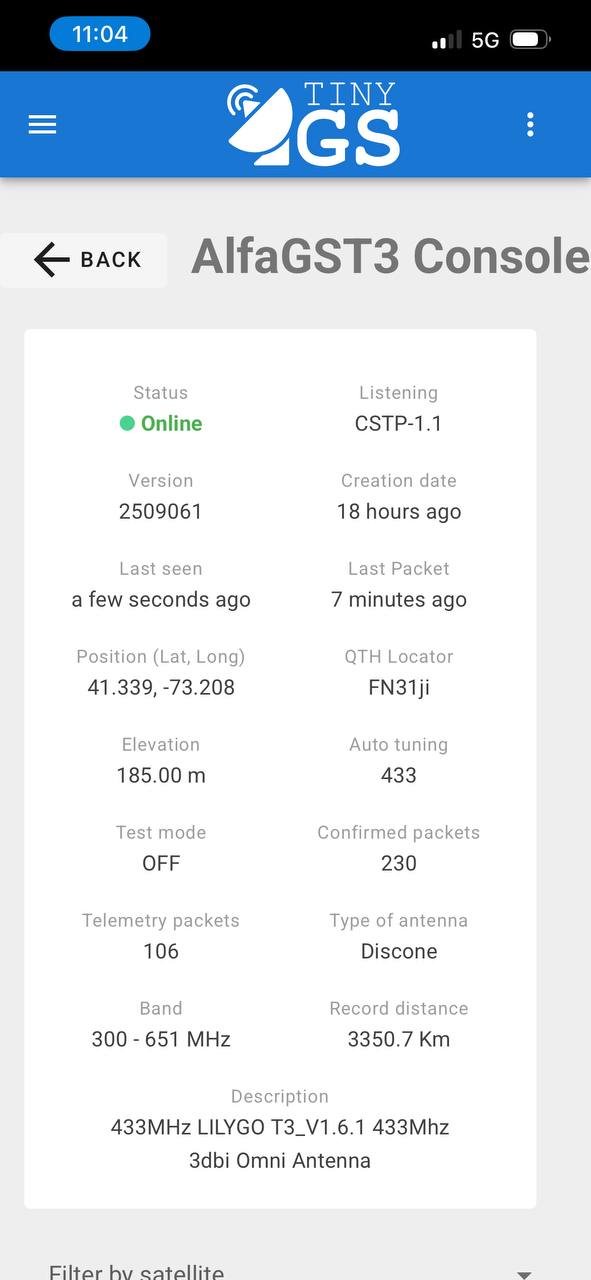
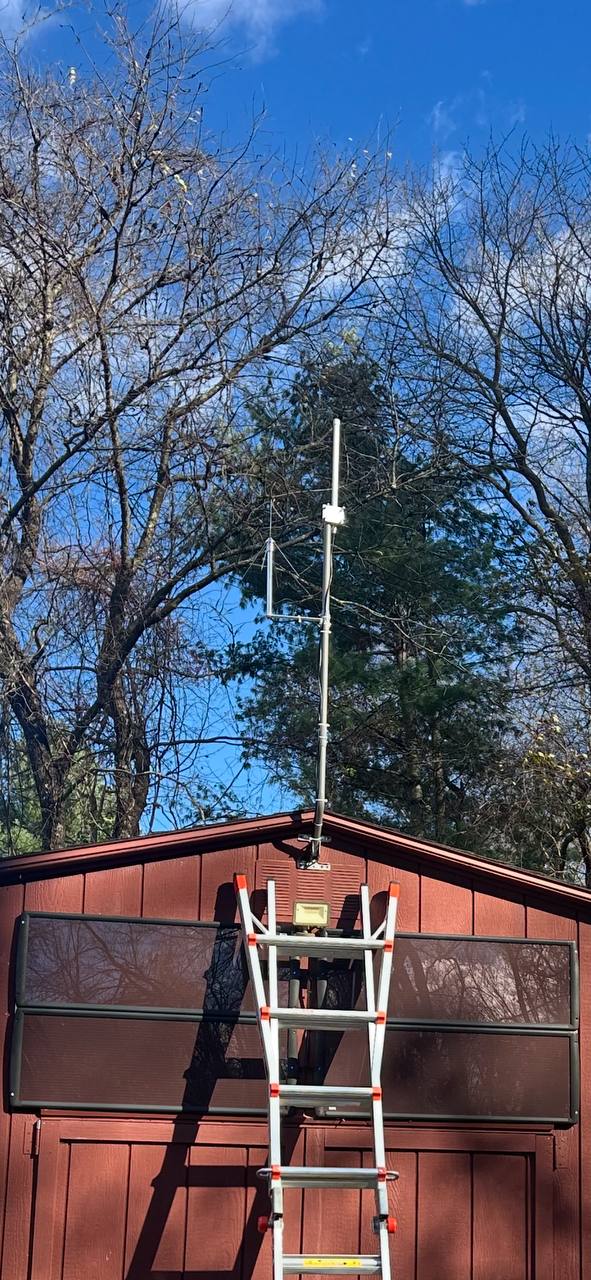
- Daimon shared that his station, featuring a Heltec v3.2 and a homemade 1/4 wave groundplane antenna mounted at about 4m agl on his garage, was permanently installed about 7 hours ago and had already seen 149 packets. 🔗
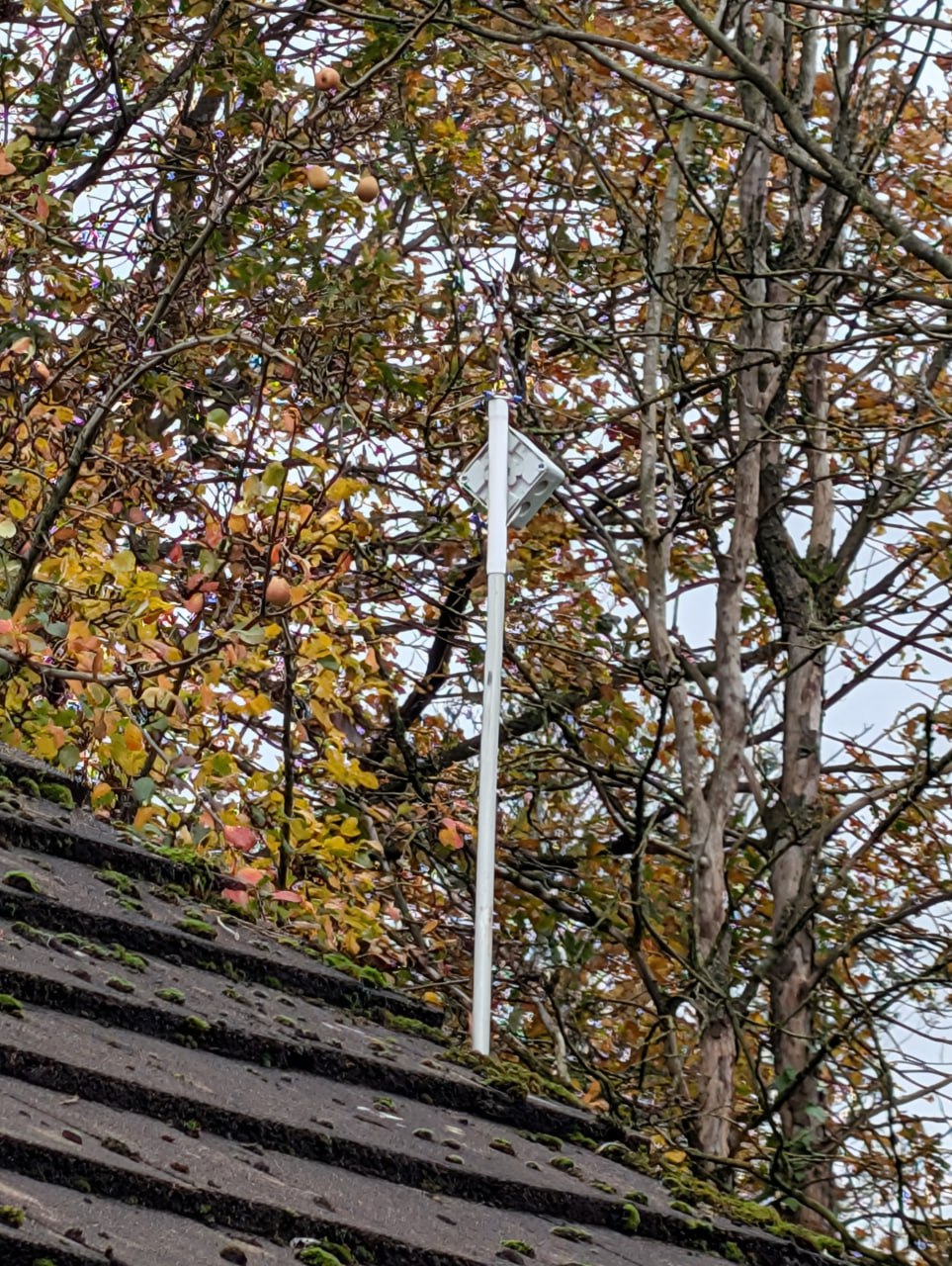
- Massimo shared that they are finally seeing packets after switching from a Haltec v3 to a Lilygo T3, and included pictures of the setup. 🔗
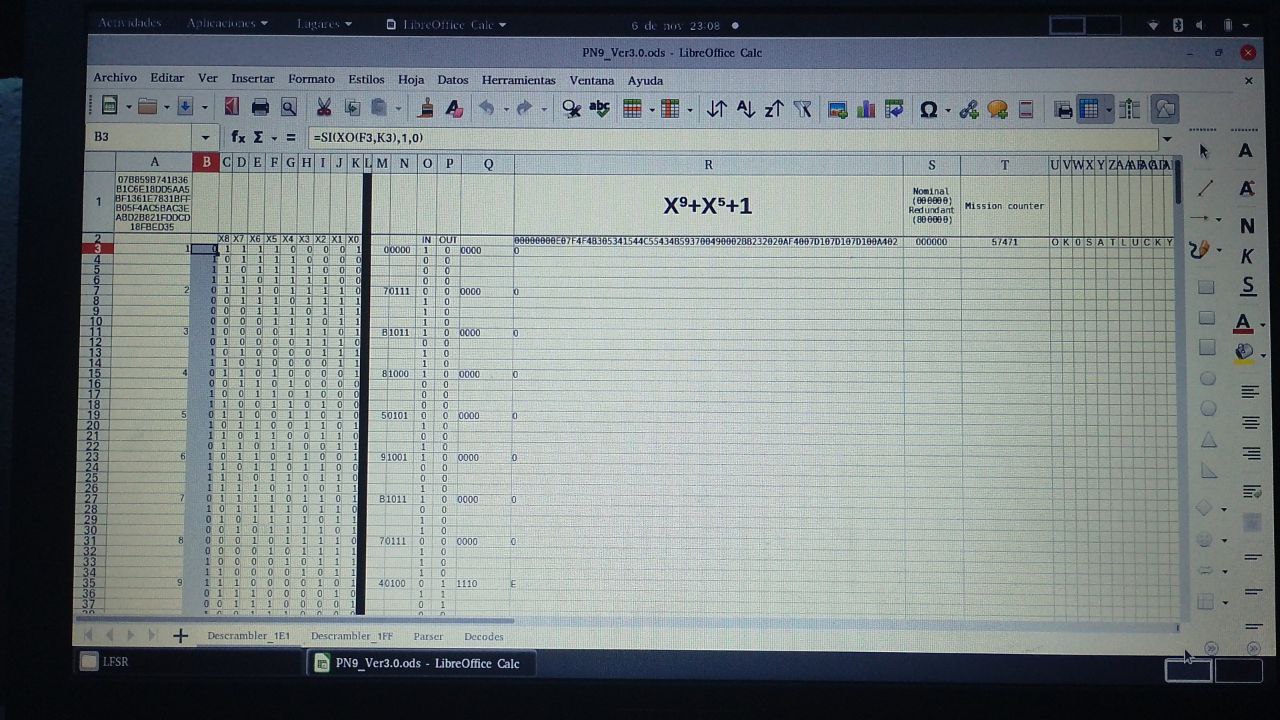
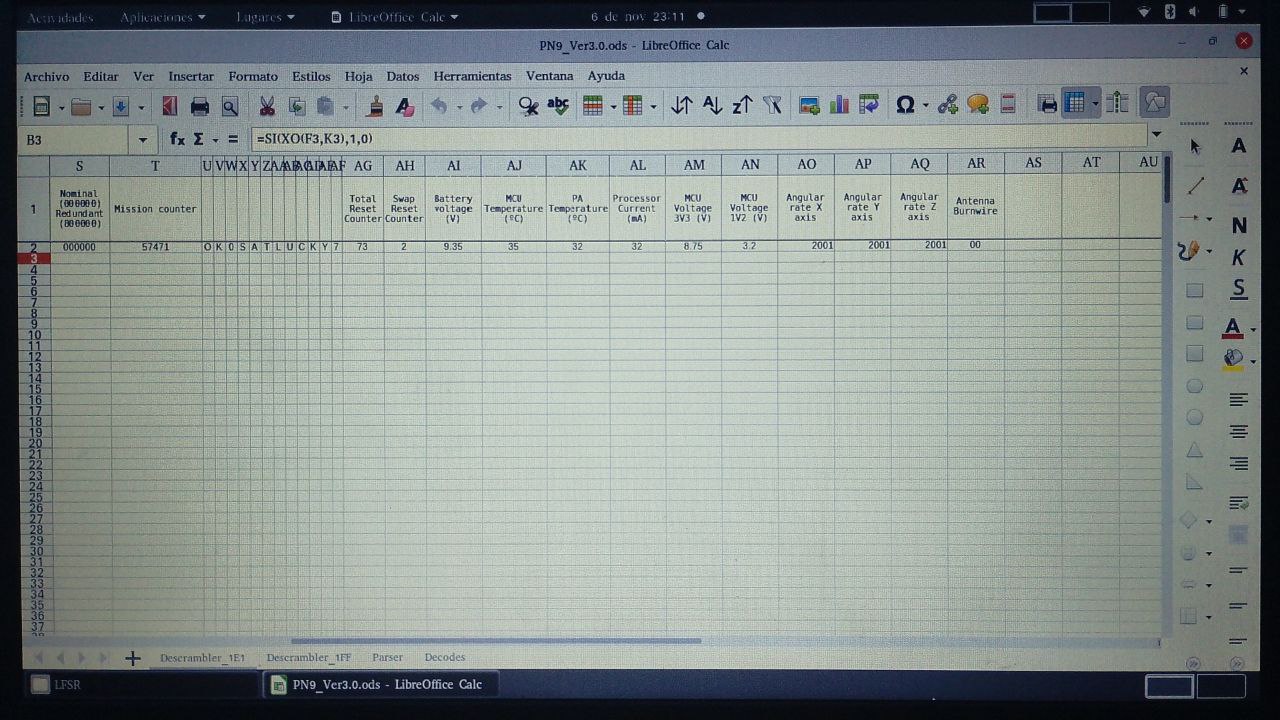
- Estbhan inquired about receiving FSK packets larger than 64 bytes with an SX1278, mentioning previous unsuccessful attempts to exceed this limit. He also noted that INSPIRESAT-1 and CUTE satellites require more than 255 bytes for proper packet reception and suggested increasing the reception size capability. Stefan/OE6ISP asked about STRATOSAT-TK1 in picture transmission mode, experiencing packet loss with the SX1262. Estbhan clarified the inquiry, referencing Geoscan satellites’ image transmission via packets and the need for further processing. Stefan/OE6ISP explained that the bird transmits a picture every morning in the same LoRa mode as the beacons, resulting in a fast stream that causes the SX1262 to stumble. Estbhan asked if ‘audios’ meant SSTV or Robot36. Stefan/OE6ISP clarified it’s SSDV (digital), a JPEG-stream, and shared an image of the signal. Estbhan considered the local buffered solution good. Stefan/OE6ISP confirmed it worked for PY4 and HYPE-data in Lora with packet-rates up to 8 packets a second. Estbhan asked for a partial image example. G4lile0 mentioned focusing on the tinygs.com site and backend, with JPEG streaming and direct mode on the to-do list. geniustor emphasized the need to bring innovations to the stations. Estbhan noted that direct mode will give many possibilities. Stefan/OE6ISP admitted that Estbhan is the master of scrambled bits. Estbhan explained his method of using spreadsheets for analysis before coding. Andre observed that even tinyGS can process some image transmission packets, but the stream is much faster than 1-2 packets per second, so SDR is the only way to receive pictures. Stefan/OE6ISP explained that some image-packets end up in TinyGS, and shared a decoder that worked for him with soundmodem + SDR. Andre shared another decoder that works fine for old Stratosat and as for the new ones, and Stefan/OE6ISP thanked him. Andre added that when creating a new instance, the protocol is the same - geoscan, only different thing is the soundmodem. 🔗
https://github.com/Foxiks/StratoSat_TK-1_Decoder
https://github.com/baskiton/SatsDecoder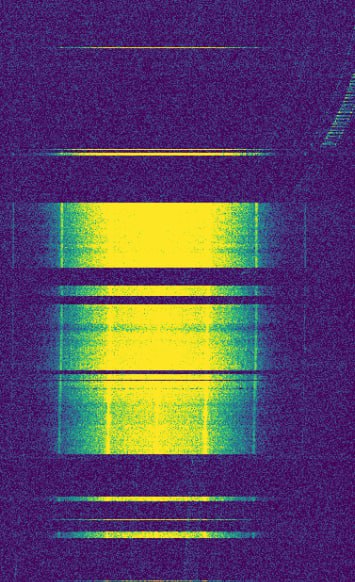
New Satellites
- G4lile0 shared information about future satellite launches, including the Transporter-15 Rideshare launch on November 25th featuring HUNITY (NMHH-1), SZESAT, and WISDOM A-B (OWL), and Cornell’s Alpha CubeSat Mission (LoRa) on December 1st. 🔗
- geniustor proposed creating an AI project using LoRa, leveraging existing satellite, infrastructure, and knowledge, and invited others to join, suggesting to text him privately. 🔗
Where to buy
- SV1RXI asked if a particular board was okay to buy, sharing an image. Stefan/OE6ISP responded that it was a great board but suggested buying it without the case and antenna to save money. Nikos asked about using a LILYGO® TTGO MySondy GO LoRa32 V2.1_1.6.1 ESP32 LoRa 433MHz board, and Helmi confirmed it could be used. 🔗
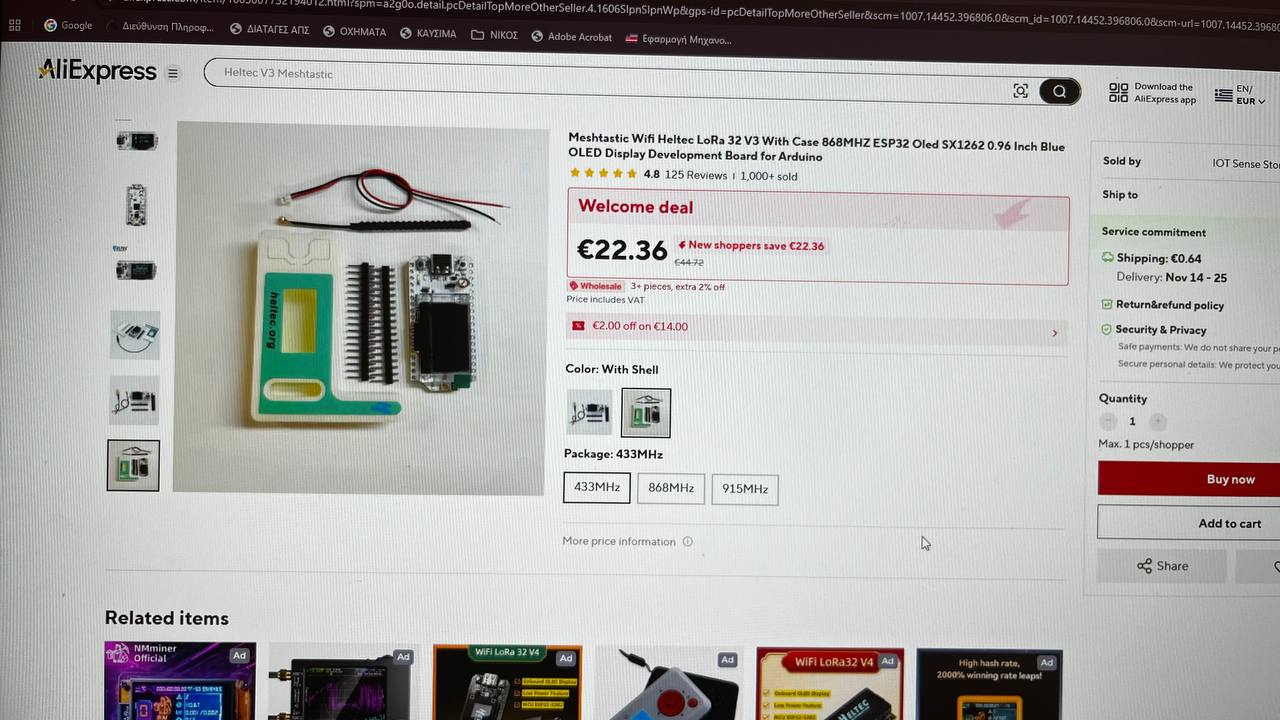
- Nikos asked about using a LILYGO® TTGO MySondy GO LoRa32 V2.1_1.6.1 ESP32 LoRa 433MHz board. Helmi confirmed it could be used and provided a corrected link. 🔗
https://www.aliexpress.com/item/1005009178059360.htm
Balloons
- Joshua asked G4lile0 to update a KSY file for a ChipSat due to a small error with uppercase characters causing it to register as “unknown.” 🔗
https://cornell.box.com/s/l01wn9u4ii9lpfz1lq16bgs8cxdesmrv
Announcements
- gmag11 announced a brief maintenance period and then confirmed the system was back online. 🔗
Beta Firmware Testing
- JMJHOX asked about plans to make the OLED display optional or refactoring the boards list in ConfigManager.cpp, offering to open a PR. Stefan/OE6ISP suggested removing the display or setting OLED-brightness to 0 to bypass display-related functions. 🔗
Featured Conversations
- The TinyGS community is actively exploring methods for extracting station statistics into personal MQTT brokers, aiming to enhance data accessibility without disrupting the main TinyGS infrastructure.
- Discussions revolved around the limitations of the SX1278 chip in receiving FSK packets exceeding 64 bytes, prompting exploration of potential solutions for handling larger packets from satellites like INSPIRESAT-1 and CUTE.
- Insights were shared on capturing images from satellites using TinyGS, including the challenges of packet loss with SX1262 and the use of SDR and soundmodems for decoding, demonstrating the community’s resourcefulness in overcoming technical hurdles.
- A new antenna kit, EggNOGS, designed to simplify the construction of eggbeater antennas, was introduced, bridging the gap between commercial and fully home-brewed solutions and fostering greater accessibility to advanced antenna designs.
- The community is planning to develop an AI project utilizing LoRa, leveraging existing satellite infrastructure and knowledge to advance the capabilities of TinyGS, showcasing the project’s commitment to innovation and exploration of emerging technologies.
What’s next
Join the TinyGS Telegram channel to participate in these discussions and contribute to the project. Your experiences and insights can help others build and improve their stations!
Share: