tinyGS
· TinyGS Community · 9 min read
Weekly Newsletter - November 16, 2025
Welcome to the TinyGS community weekly newsletter. Stay up-to-date with the latest discussions and developments within our collaborative network.
Highlights
General
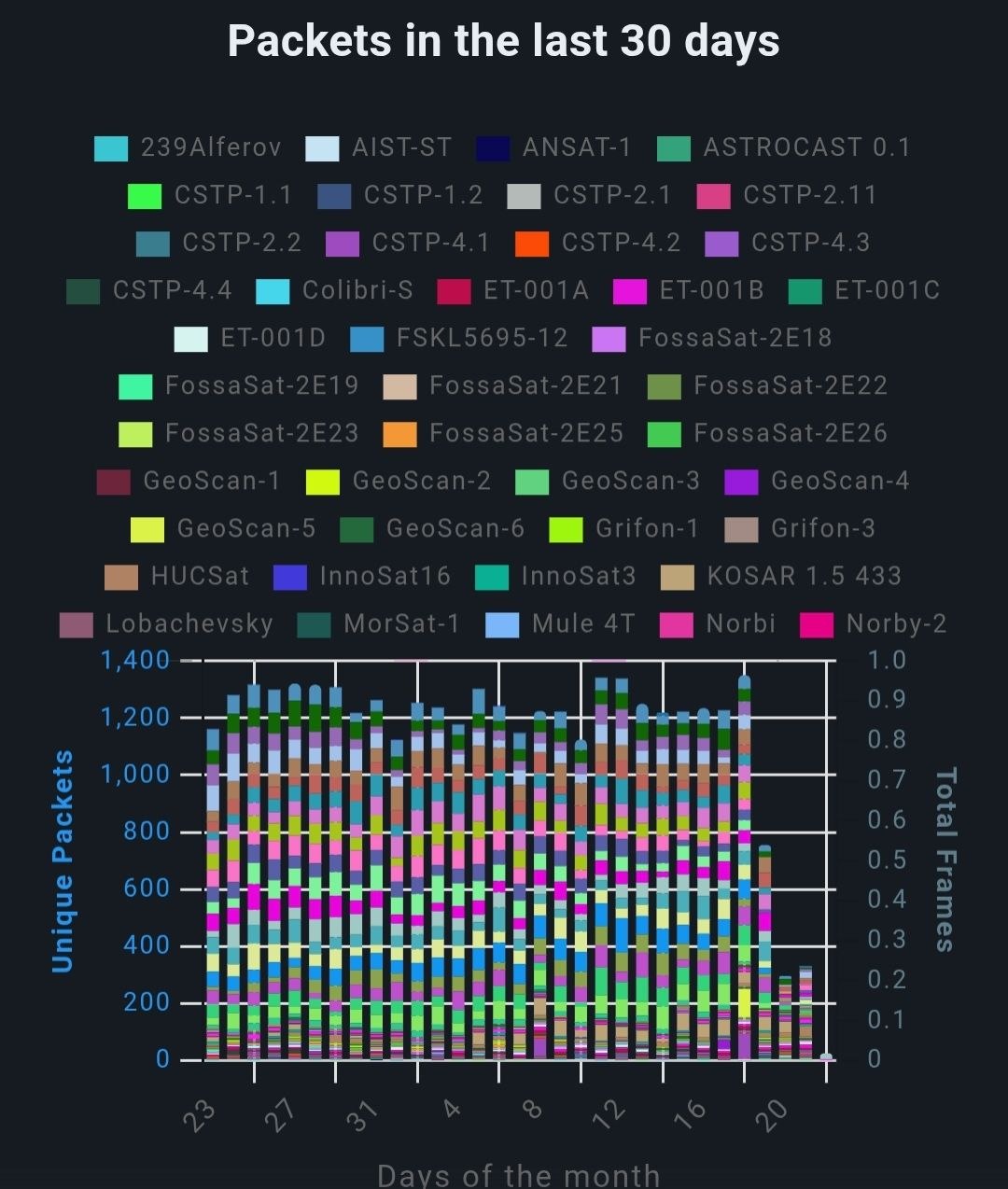
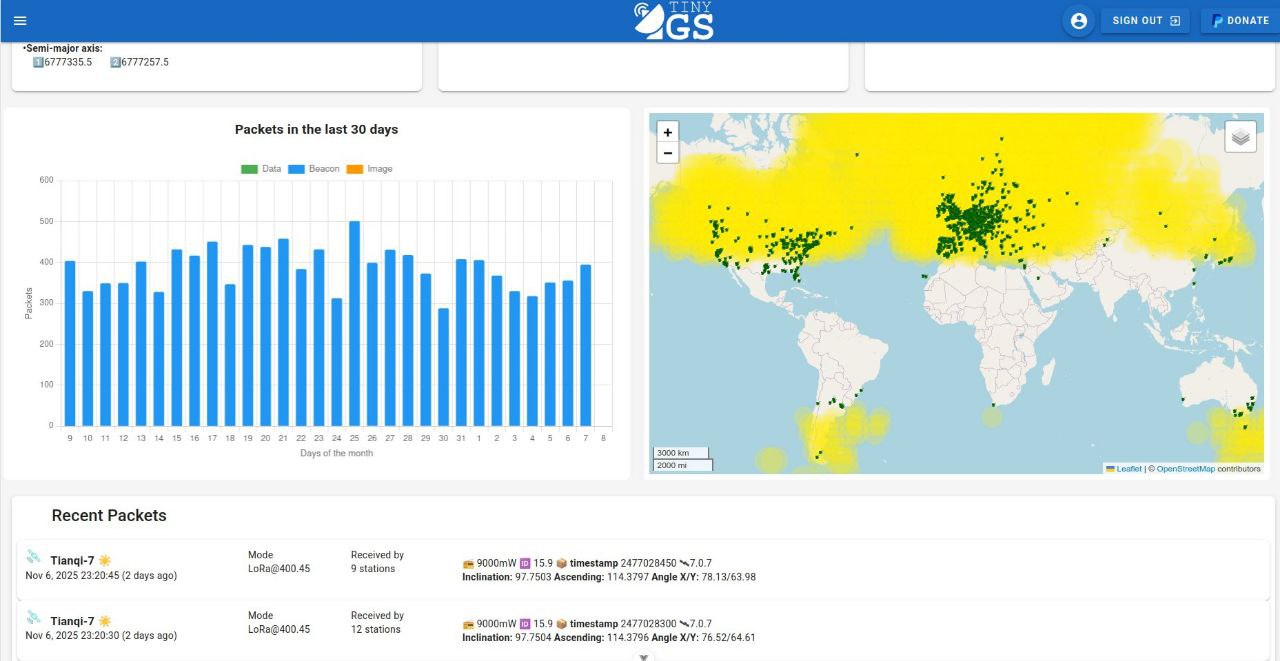
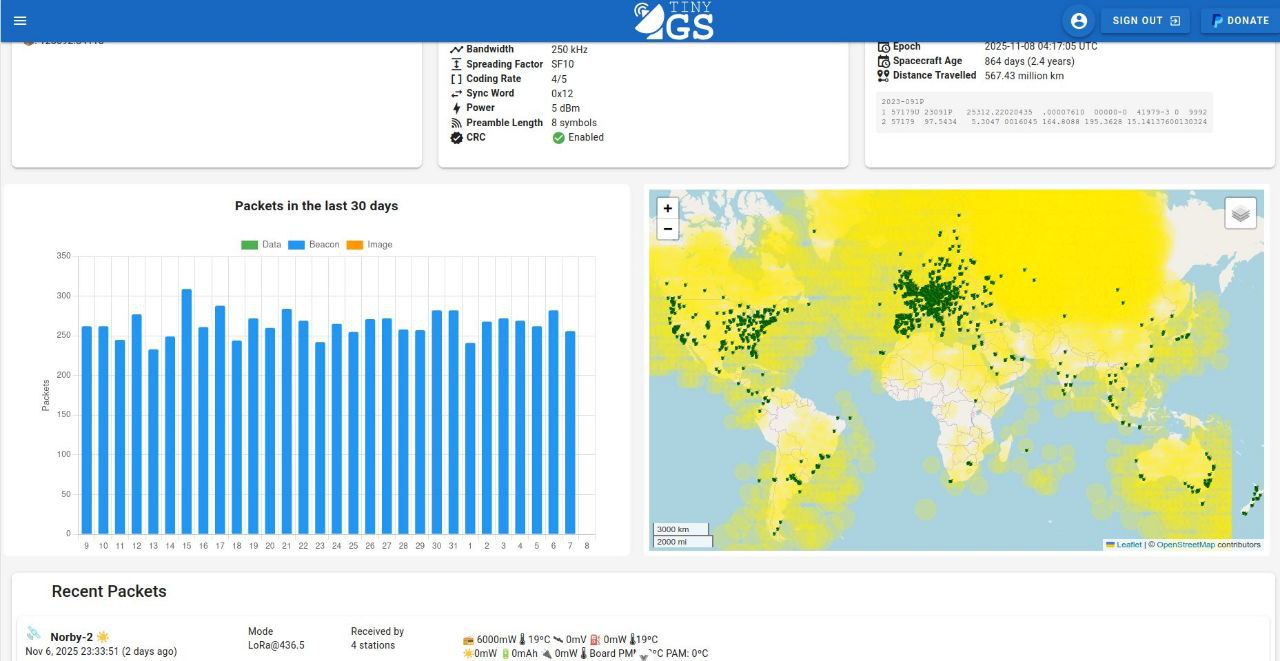
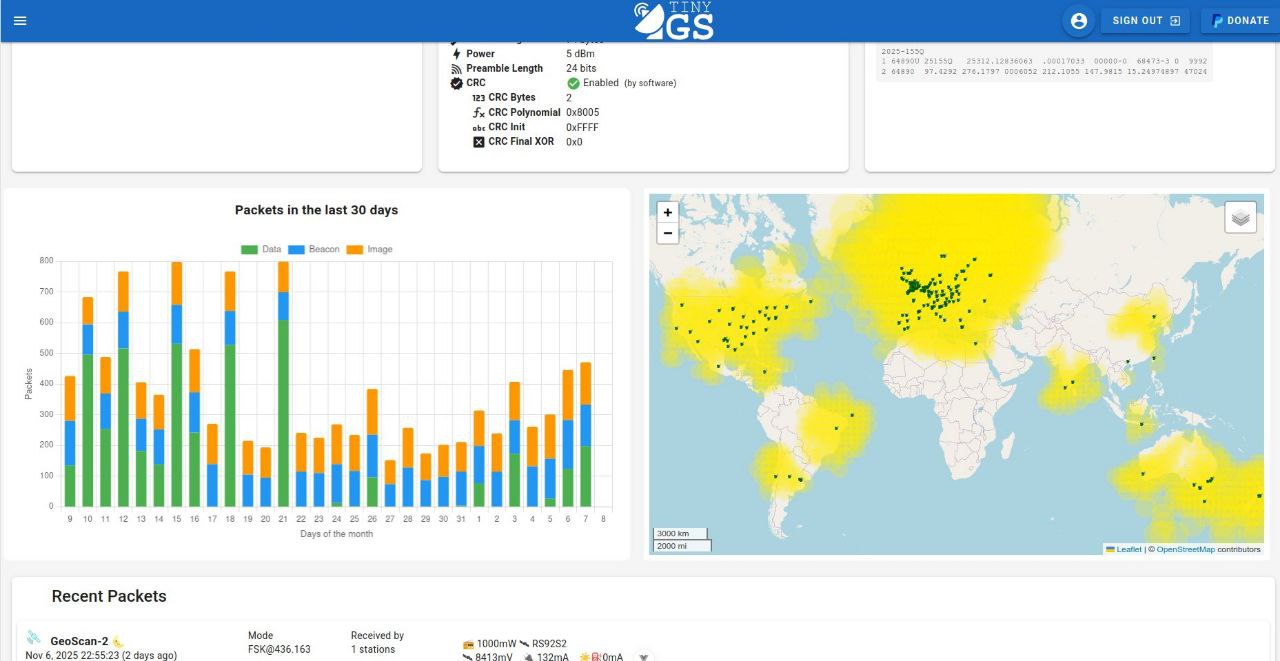
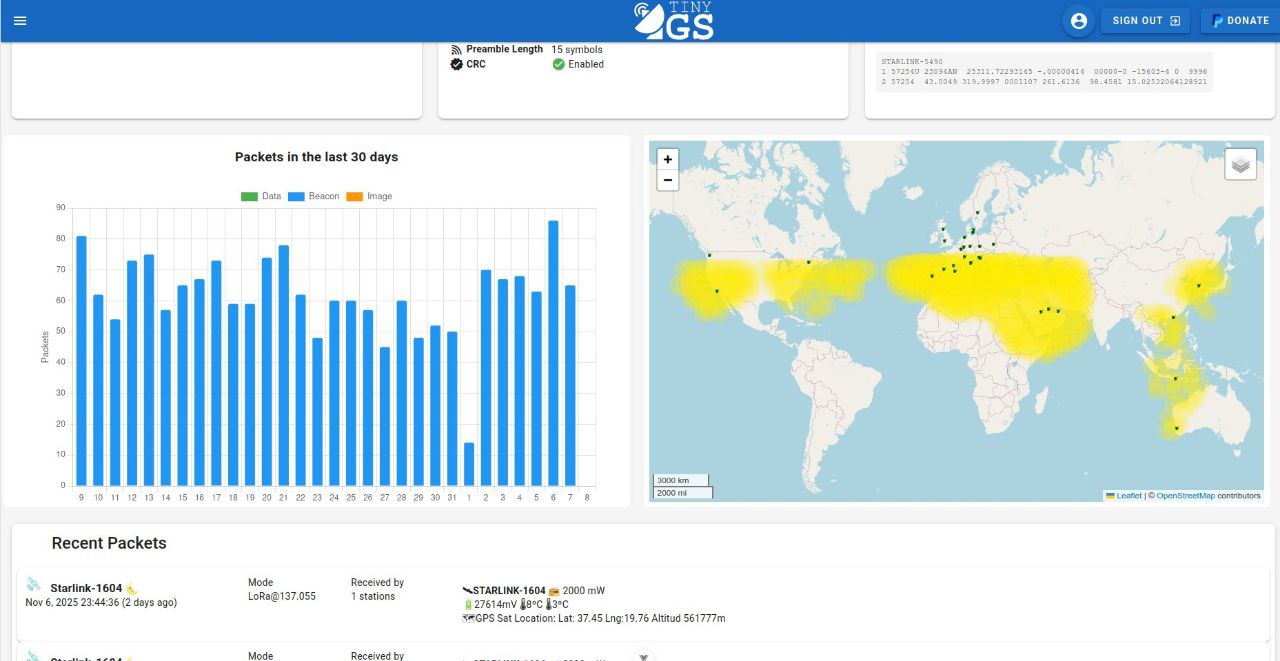
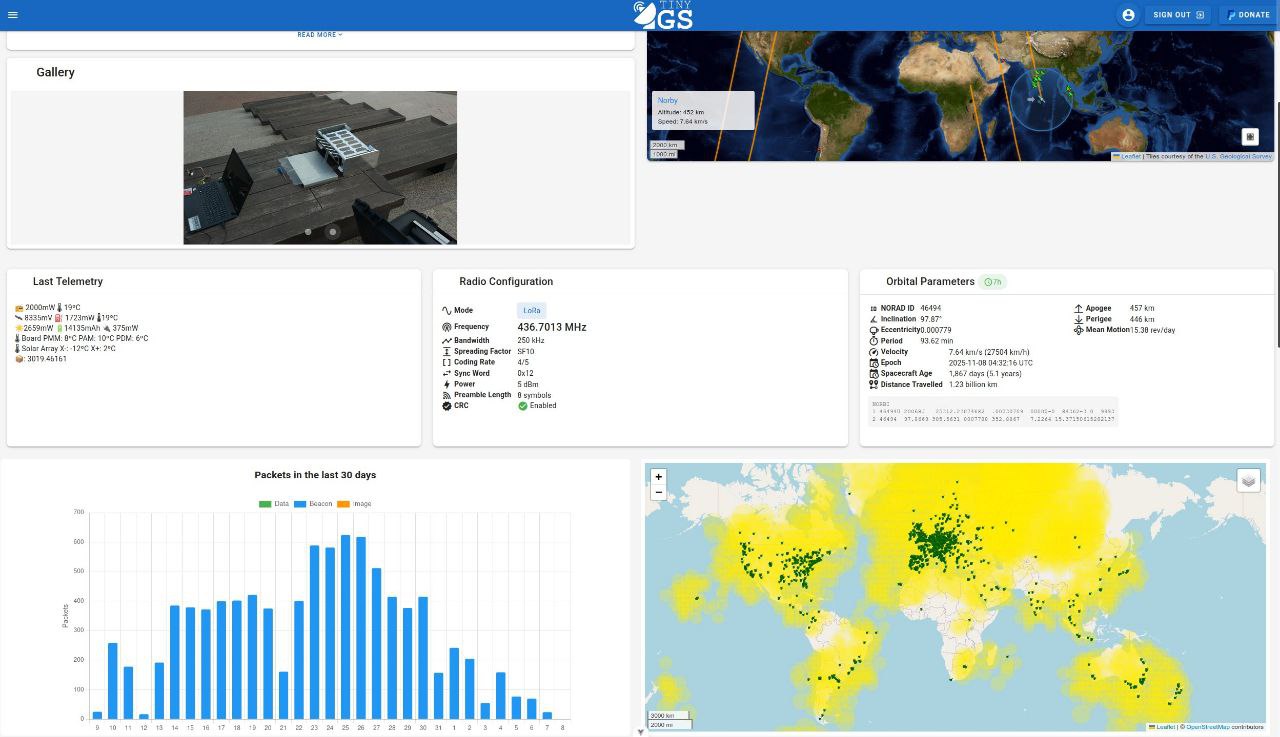
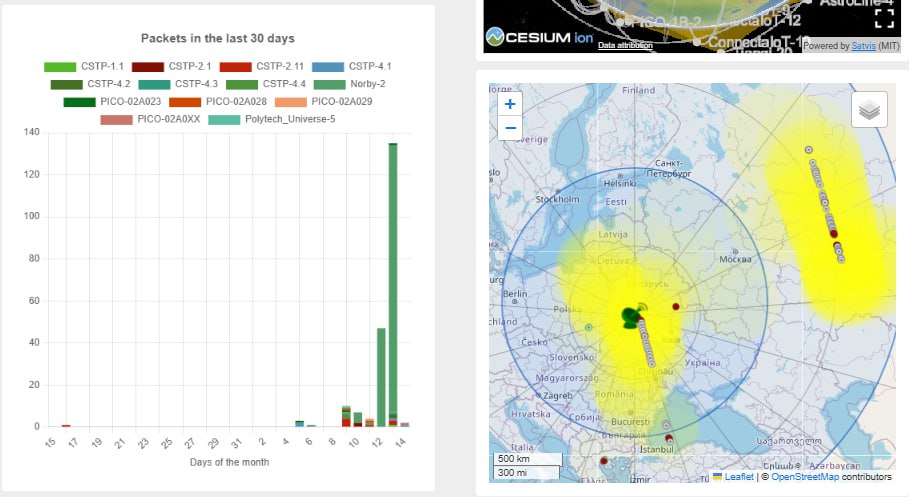
- G4lile0 was working on detailed statistics and a world coverage map for every satellite, spotting that Tianqui satellites appear to be implementing a form of geofencing over specific regions. The new statistics visualization also highlighted a massive issue on Norby, which only received 24 packets compared to the usual 400-600. 🔗
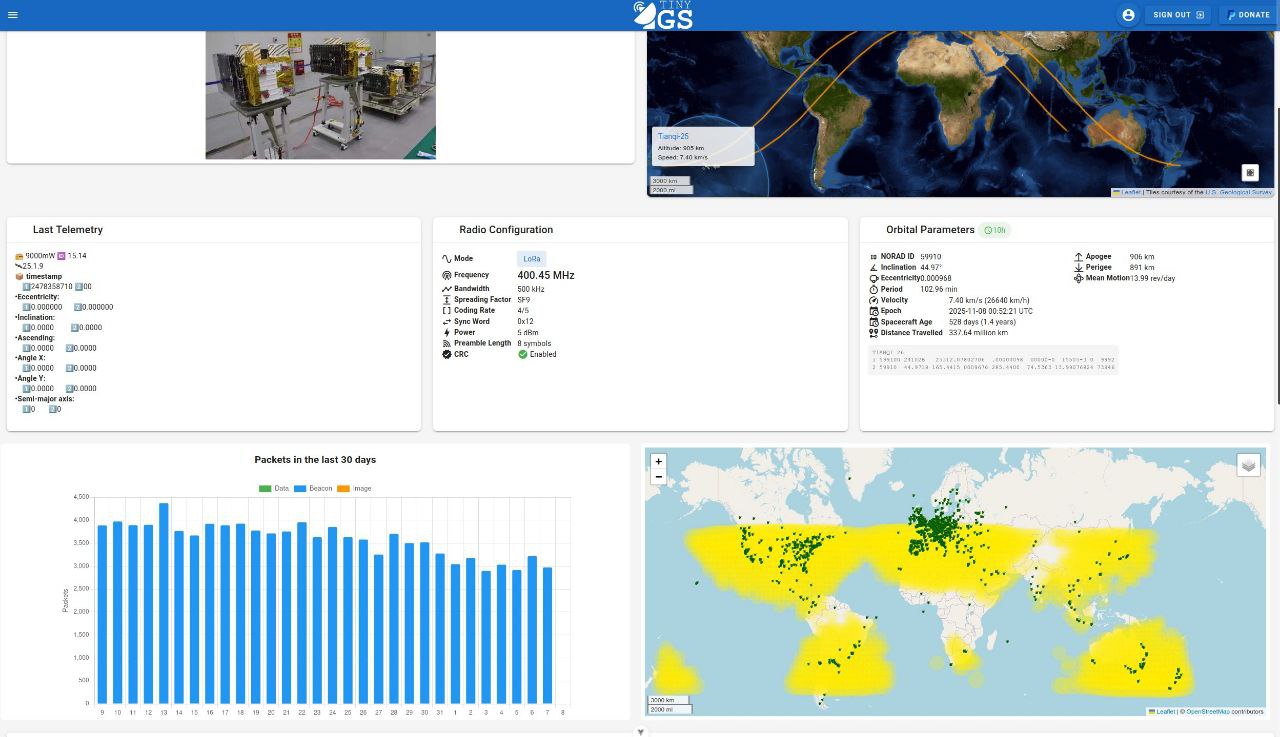
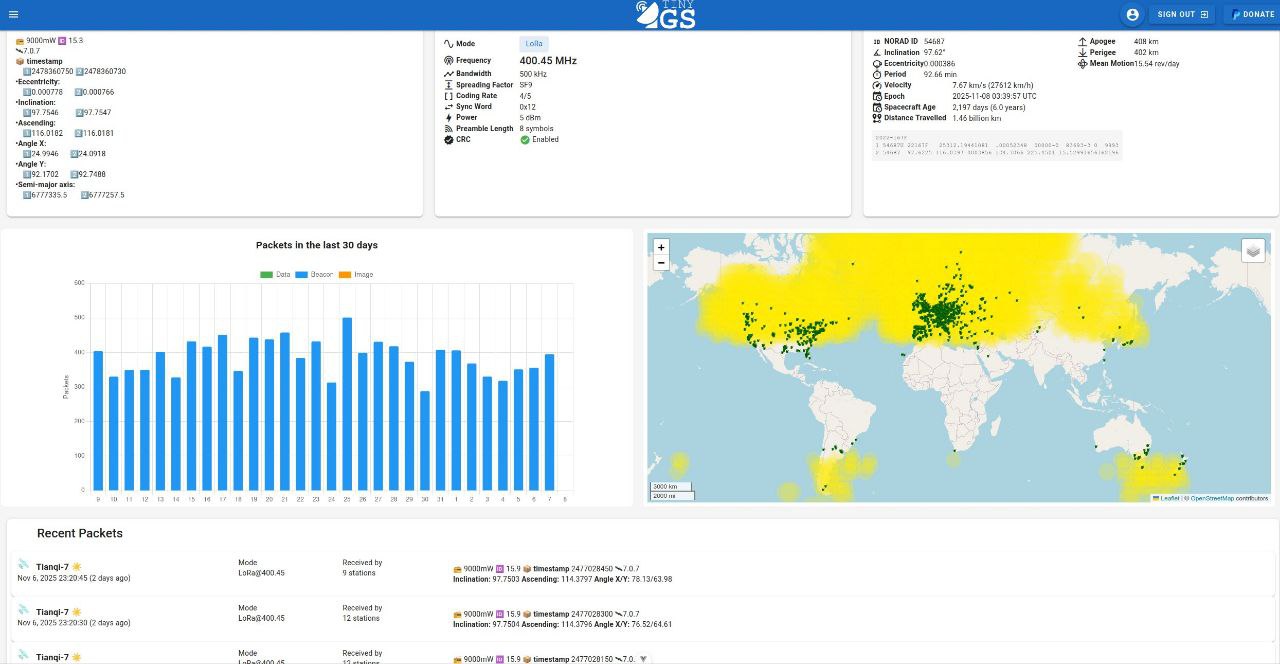
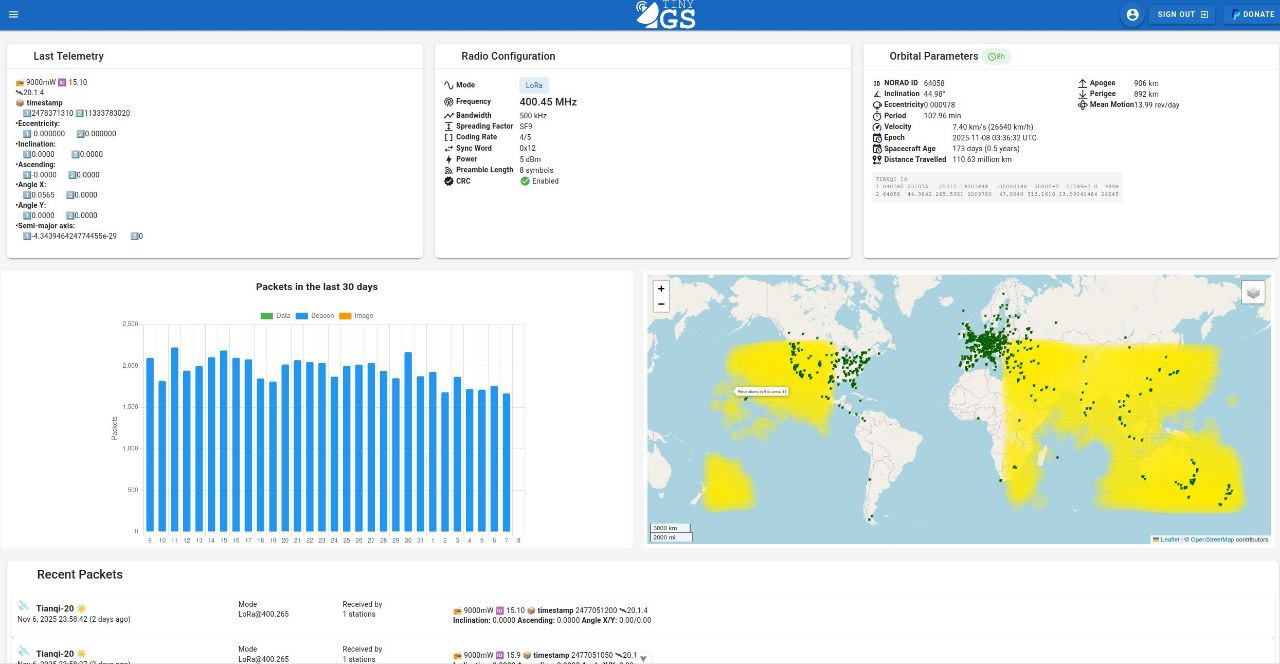
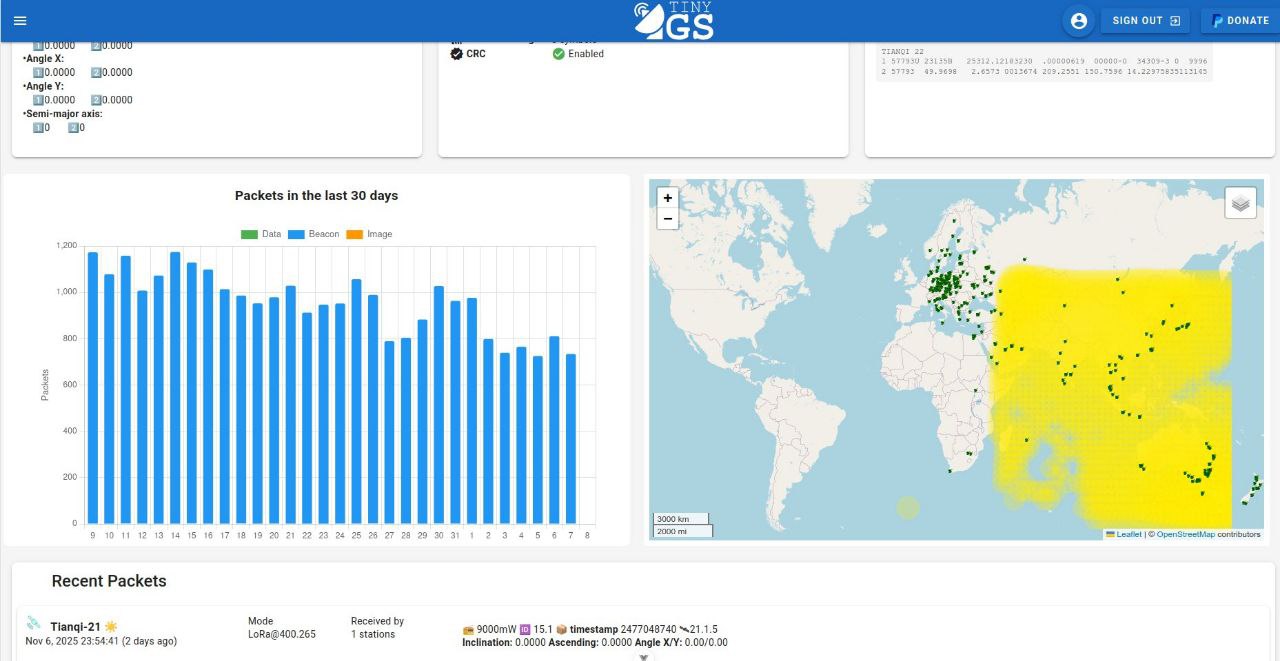
- Matthew identified a problem with the website related to a script loaded from eventp.tinygs.com, which was resolving to a non-routable address. Simon reported the website was down, and IPQ_T mentioned issues in South Italy. G4lile0 confirmed the issue was fixed, and Simon confirmed it was working. 🔗
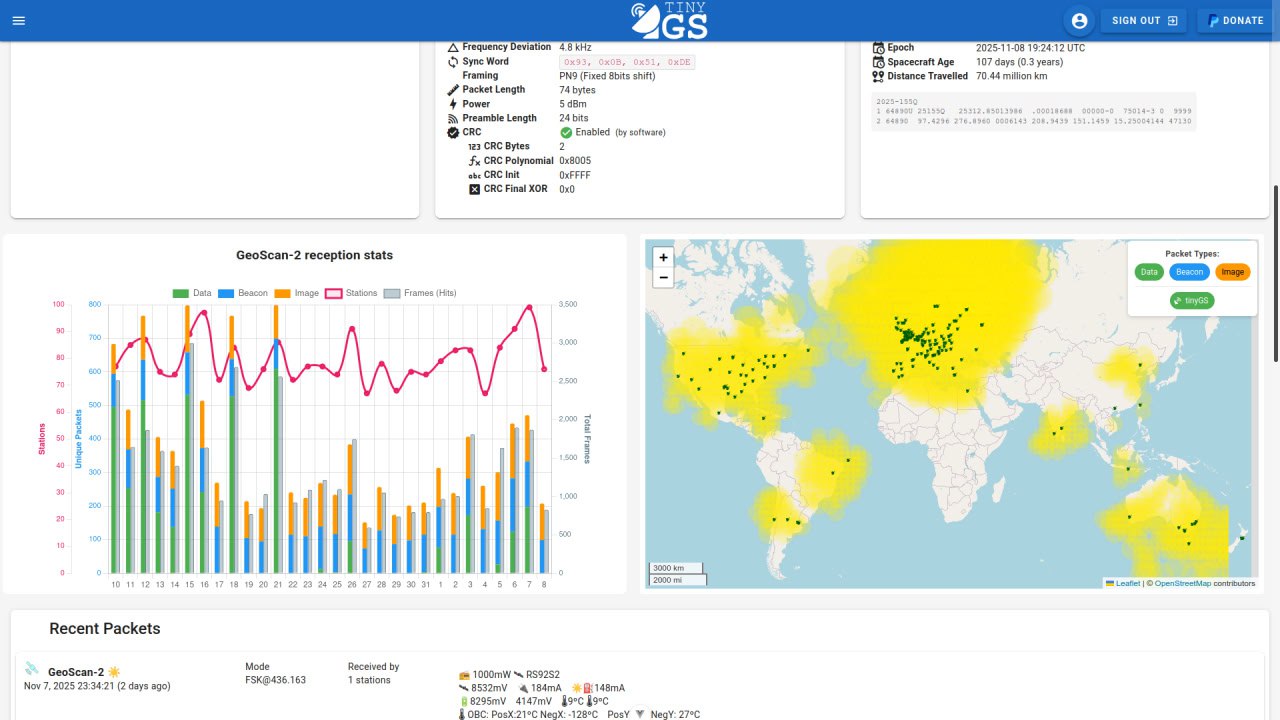
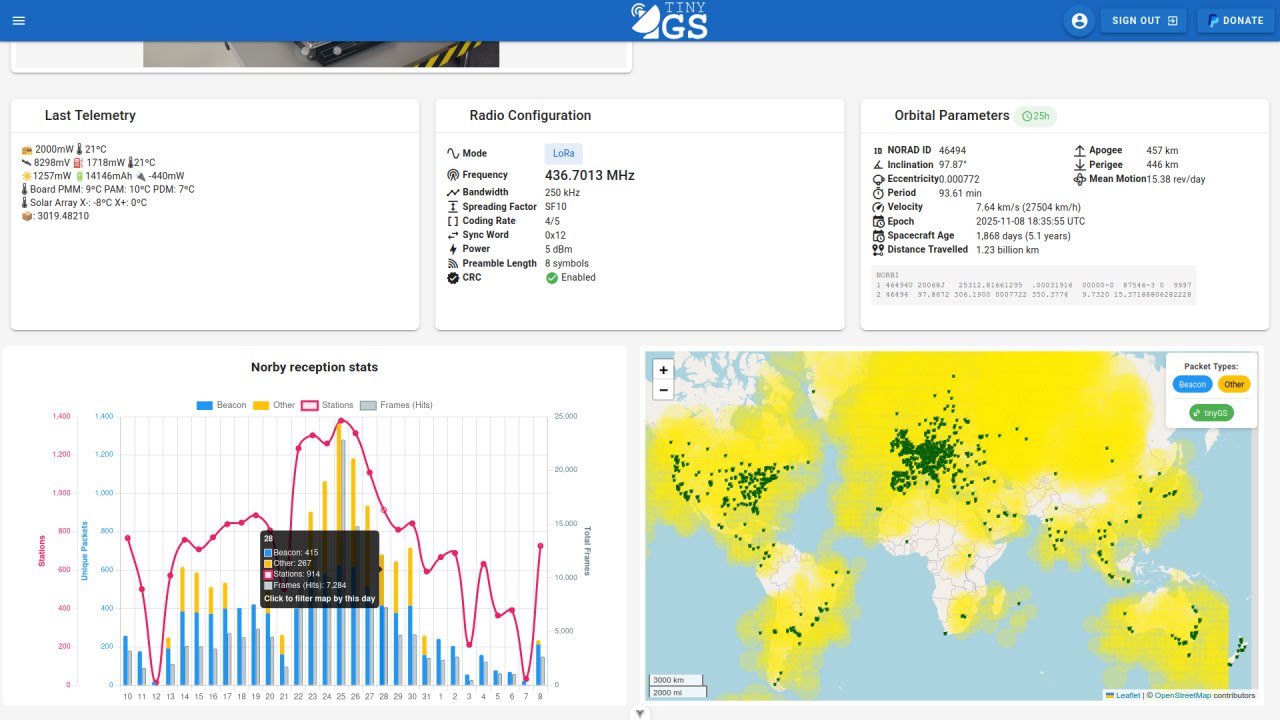
https://eventp.tinygs.com/script.js - G4lile0 announced the upcoming new TinyGS dashboard, highlighting its potential for data exploration, and shared some images of it. 🔗
- Манита introduced himself as Alexander from Odessa, Ukraine, expressing gratitude for the informative project. He mentioned connecting two devices with different antennas for testing and observation and inquired about receiving azimuth and altitude data directly from the board pins to MQTT for controlling servos with ESP32. 🔗
- Rob reported that his stations have been running for 5 years but he lost access to his old Telegram account due to inactivity, and is seeking a way to link his “old” stations to a new Telegram account and keep the stats. G4lile0 offered two options: transferring the packet count or recovering with web login, recommending users register their email for backup. Rob then inquired about requesting a web login in the local station UI, having already linked the new Telegram account with his email. 🔗
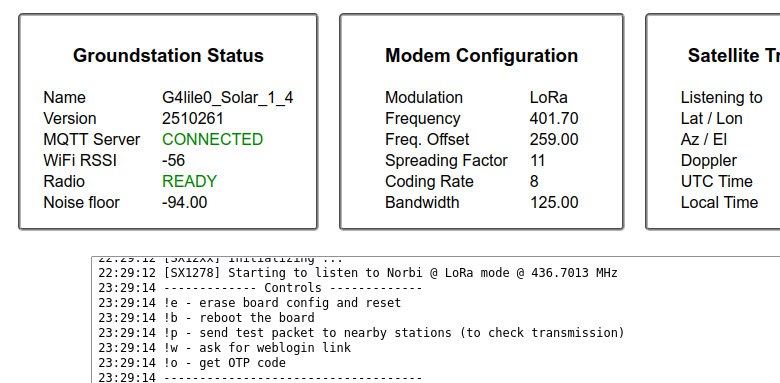
- G4lile0 mentioned that recent releases include the !W option to recover the web login directly from the local station dashboard and clarified that users need to change the email in their settings before registering it with old credentials, sharing an image related to the topic. 🔗
- Jan recommended their 3D design for a 70cm band QFE antenna, providing a link to Printables and mentioning they started an LHCP version, planning to switch to RHCP soon, also sharing a TinyGS station link. 🔗
https://www.printables.com/model/759022-qfa-qfh-antenna-70cm-band
https://app.tinygs.com/station/SA0PEJ_70cm@WK-gGWyPkzM_GJkE - PedroTFX was trying to configure a local MQTT to receive packets from Lilygo with TinyGS firmware but encountered a TLS error. Helmi suggested connecting to mqtt.tinygs.com:8883 with credentials and subscribing to #. PedroTFX wants to receive messages on their own MQTT server and relay to mqtt.tinygs.com to create a platform for registering balloons and satellites, aiming to improve the development of LoRa tracking. 🔗
- Martin was having trouble getting his Windows PC to communicate with his Heltec ESP32 for setup, encountering a ‘failed to execute open on serial port’ error. Helmi suggested ensuring a data cable is used instead of a charging cable and checking the device manager for the correct COM port. Martin identified a ‘cp2102 usb to uart bridge controller’ but couldn’t find the COM port. Helmi provided a screenshot of the device manager and suggested that Martin may be using a charging cable, so Martin decided to buy a new cable. 🔗
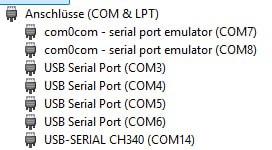
- hari21204 completed his TinyGS setup five months ago and is seeking guidance on how to better understand and properly use the station. 🔗
- Helmi stated that giving advice is difficult without knowing the user’s setup and knowledge. 🔗
Technical Problems
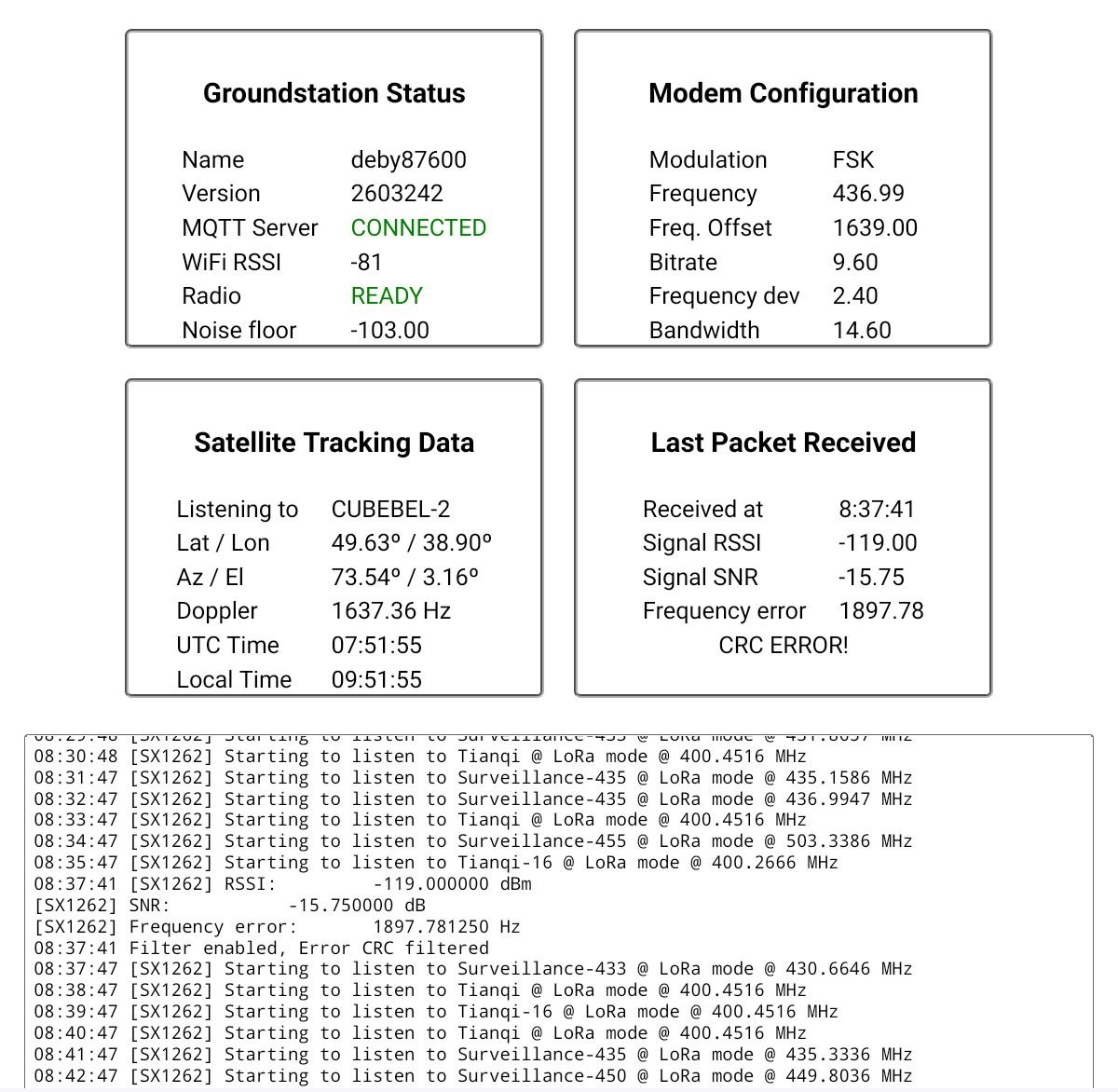
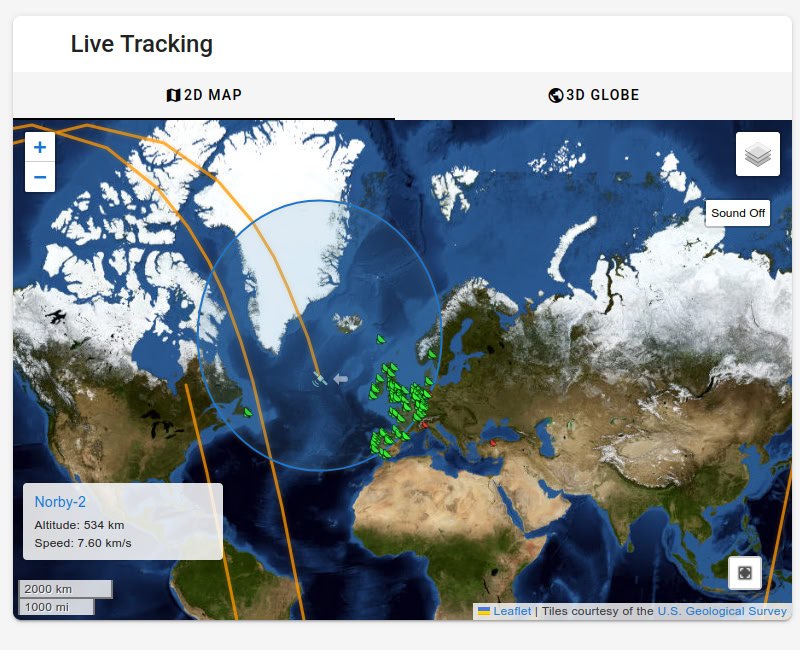
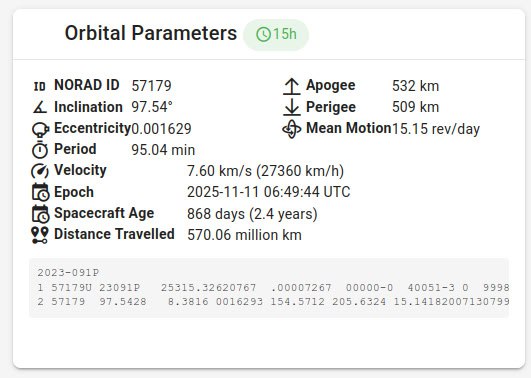
- Bogonek reported a significant drift in satellite positions compared to other sites’ maps, questioning if it was a problem with his setup or Cesium ion, sharing several images. Stefan/OE6ISP suggested that the Tianqi cluster might not be a good reference due to ambiguous assignments and recommended naming a single satellite that is not where expected, mentioning that TinyGS TLE information is updated regularly and is very reliable. Bogonek then asked how to correct location settings after setting up a station, and was advised to find the local IP of the device and go to Configure Parameters. He also noted that the autotuning mode seemed strongly connected to virtualization, potentially trying to connect to already passed satellites. Stefan/OE6ISP clarified that autotuning is based on regularly updated and accurate TLEs in TinyGS, with no noticeable difference compared to other trackers, suggesting Cesium might be based on different orbital data. 🔗
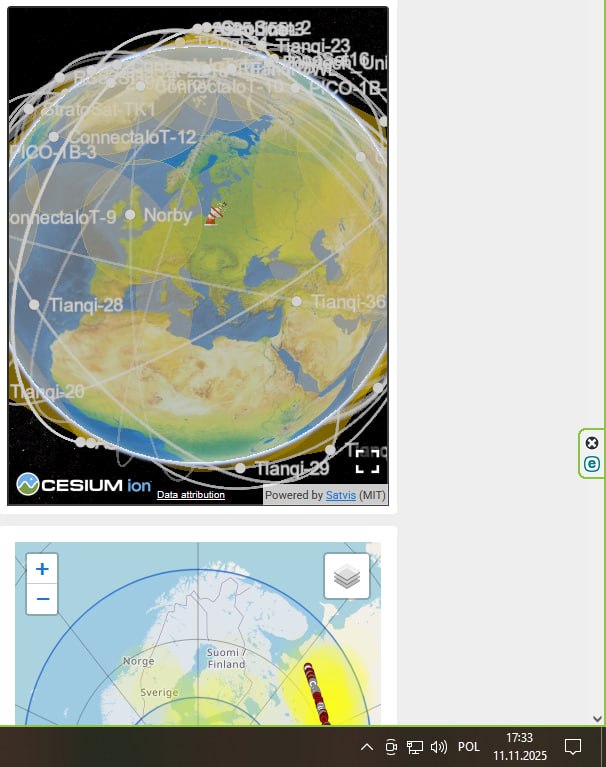
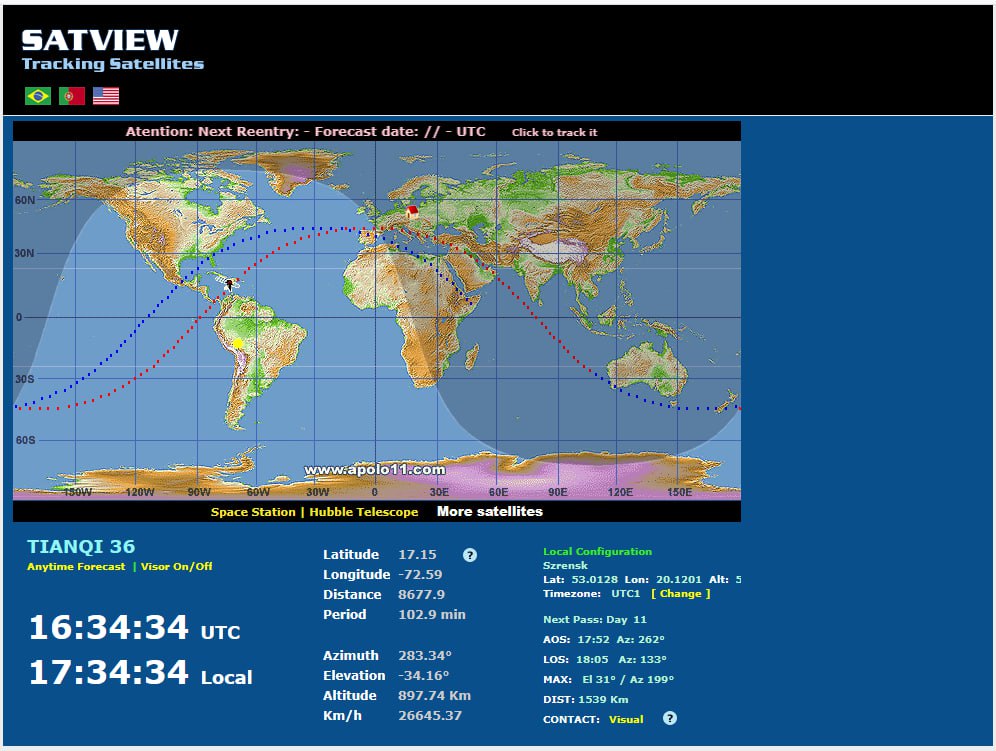
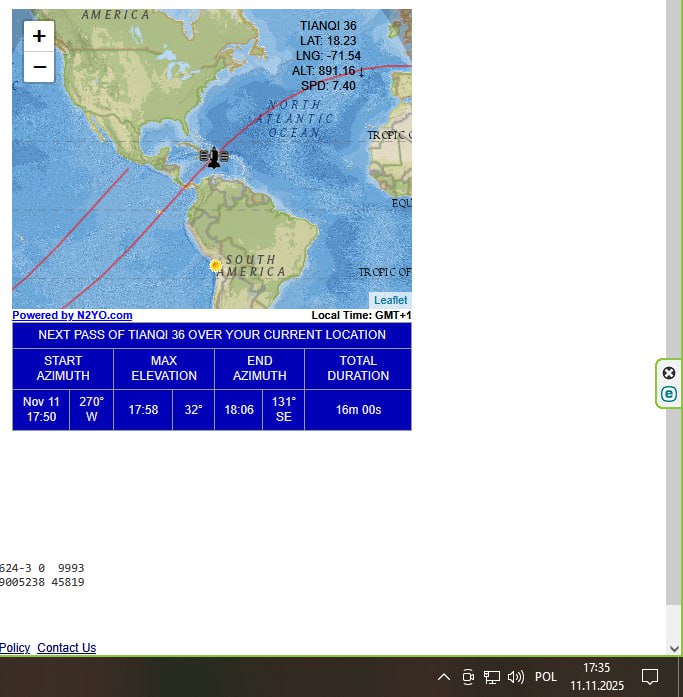
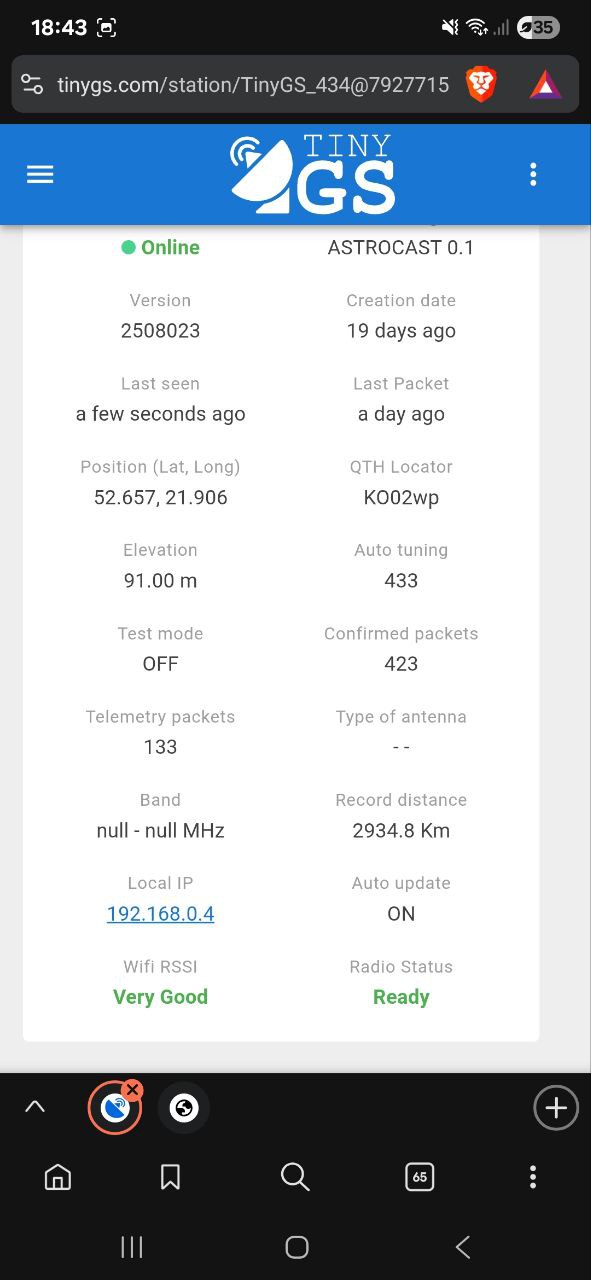
- G4lile0 explained that Cesium (3D) is purely for visualization and the 2D map will be more accurate in a future release. They also mentioned implementing a display for the TLE age from epoch, updating every 4 hours, and provided images related to the discussion. 🔗
- Gotfredsen reported an issue enabling 137MHz in “Operate” and receiving an error. G4lile0 suggested logging out and requesting a new weblogin to resolve the issue, which Gotfredsen confirmed worked. 🔗
- anachox is getting started with ground stations and needs help finding the pin layout for an ESP32 and SX1278 LoRa module, as the GitHub page only shows it for the Crystal SX126x. Helmi suggested checking the ConfigManager.cpp file in the GitHub source code for descriptions of various boards and using a configuration that matches the Lora module. 🔗
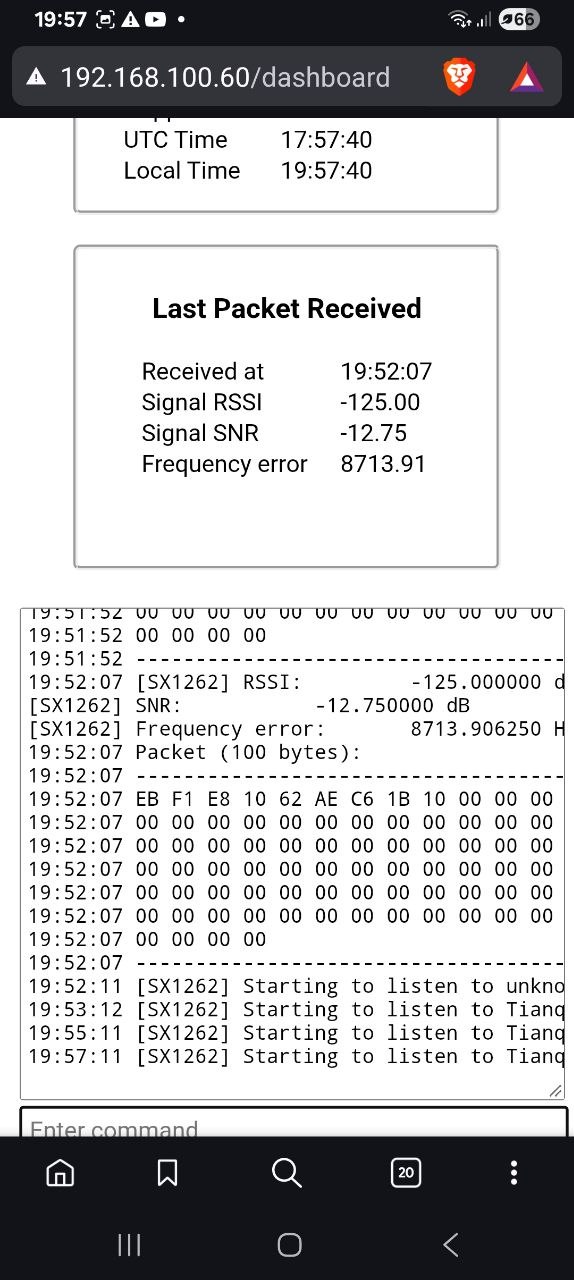
- JMJHOX reported receiving a ‘Damaged header! Data cannot be retrieved’ error with a low RSSI of -164 and SNR of 0 after installing a 433MHz antenna + Lora + ESP32. kreatif suggested improving the antenna or its positioning and checking for local interference. megazaic added that such issues often arise from non-standard or custom-assembled setups with assembly errors or incorrect configurations, leading to ‘false packets’. 🔗
New Satellites
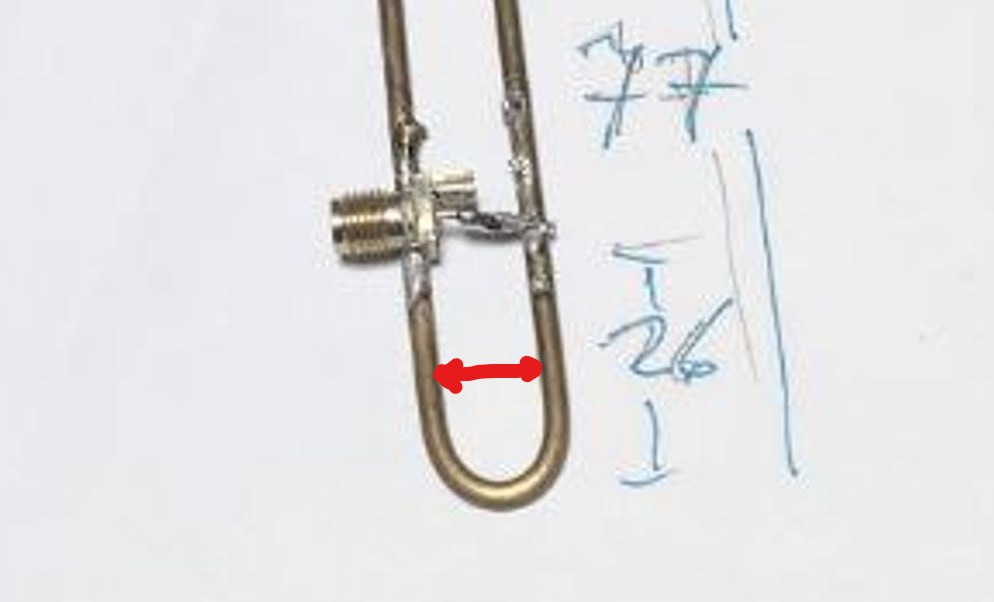
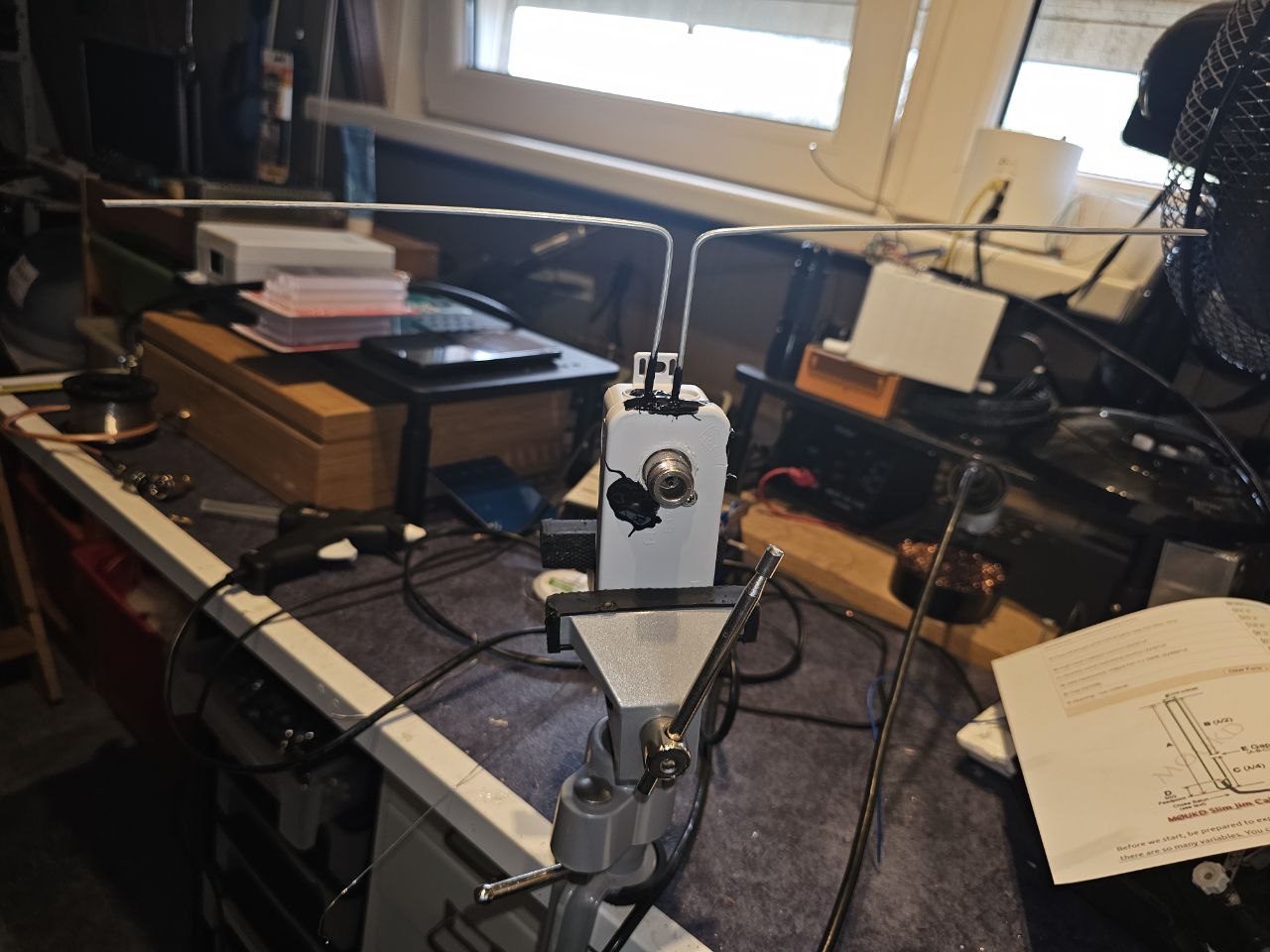
- PE2BZ asked about the dimensions for building something and Stefan/OE6ISP provided dimensions for 860 MHz, including details for the l/5 rods, matching line, and feedpoint. Stefan/OE6ISP also shared that they have been running an 800-6000 MHz logper PCB with some success. Further discussion covered tuning, materials (brass or copper), and adjusting the gap or feedpoint for fine-tuning. Stefan/OE6ISP noted the difficulty in simulating the antenna in EZNEC and mentioned using measurements from a 1090MHz ADS-B antenna scaled to 860MHz. PE2BZ mentioned trying to find a suitable tube and the challenges of soldering aluminum. Stefan/OE6ISP suggested using copper tubes from air conditioner workshops. PE2BZ considered using hydraulic brake copper tubes or installation wire. PE2BZ later confirmed the distance between elements was about 9mm and shared photos of the antenna after applying Plastidip. iw0rdv inquired about the antenna gain and whether dimensions referred to the wire’s center, to which Stefan/OE6ISP responded with details on gain (approximately 7dBi, 5dBd) and the importance of vertical mounting. PE2BZ shared a photo of the almost vertical antenna and Stefan/OE6ISP commented on the project’s quick completion. PE2BZ explained taking time off and planned to compare locations with an 868 TinyGS setup. Stefan/OE6ISP advised on the antenna’s proximity to buildings and inquired if PE2BZ had received anything. PE2BZ mentioned using a 30cm stand and Stefan/OE6ISP said it was time for a coffee. 🔗
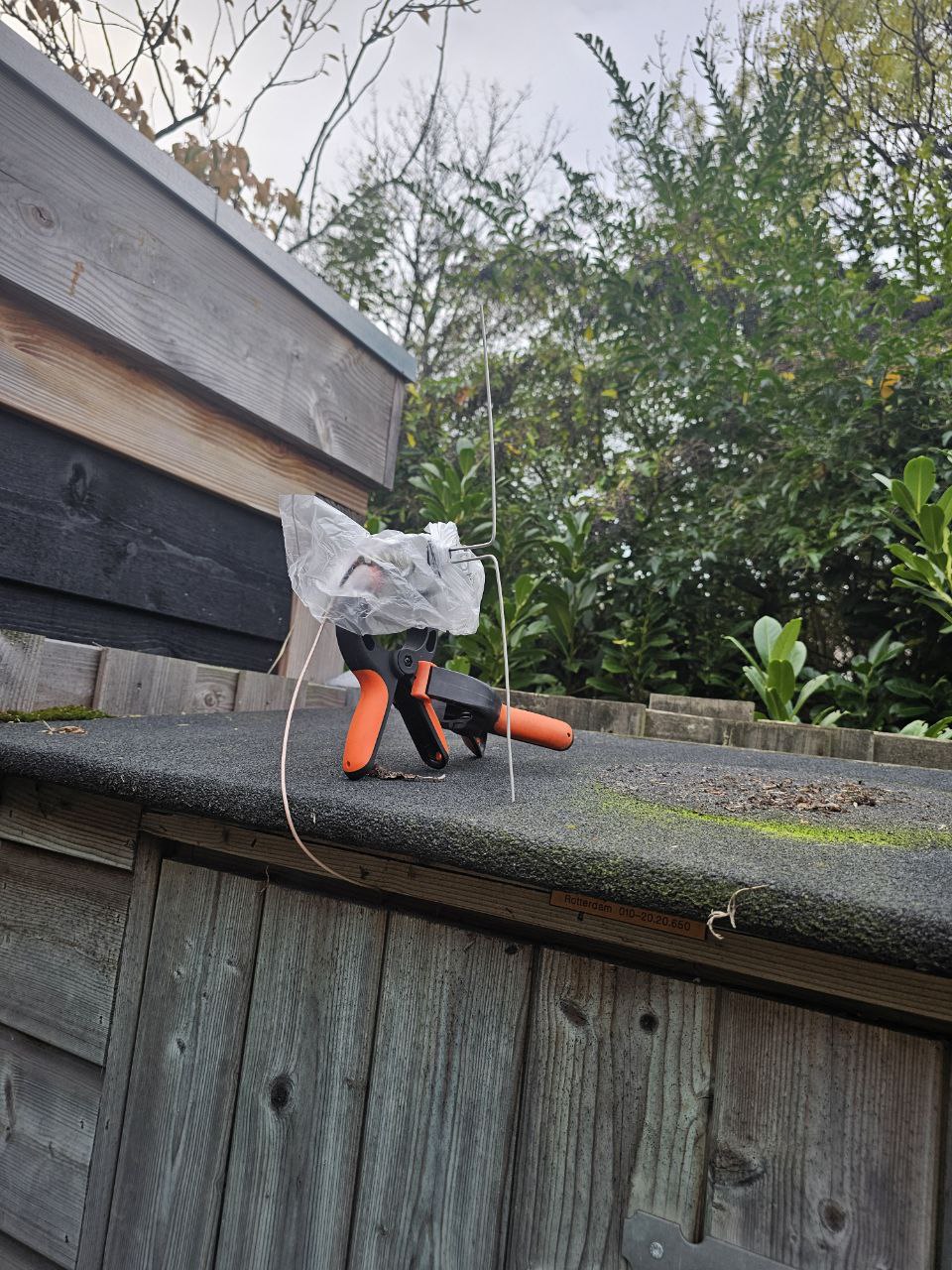
- PE2BZ shared photos of a setup with new cable. Stefan/OE6ISP asked which station it was, and PE2BZ specified it was PE2BZhigh. Stefan/OE6ISP noted the effect of the low radiation profile, resulting in very good SNR at low passes. 🔗
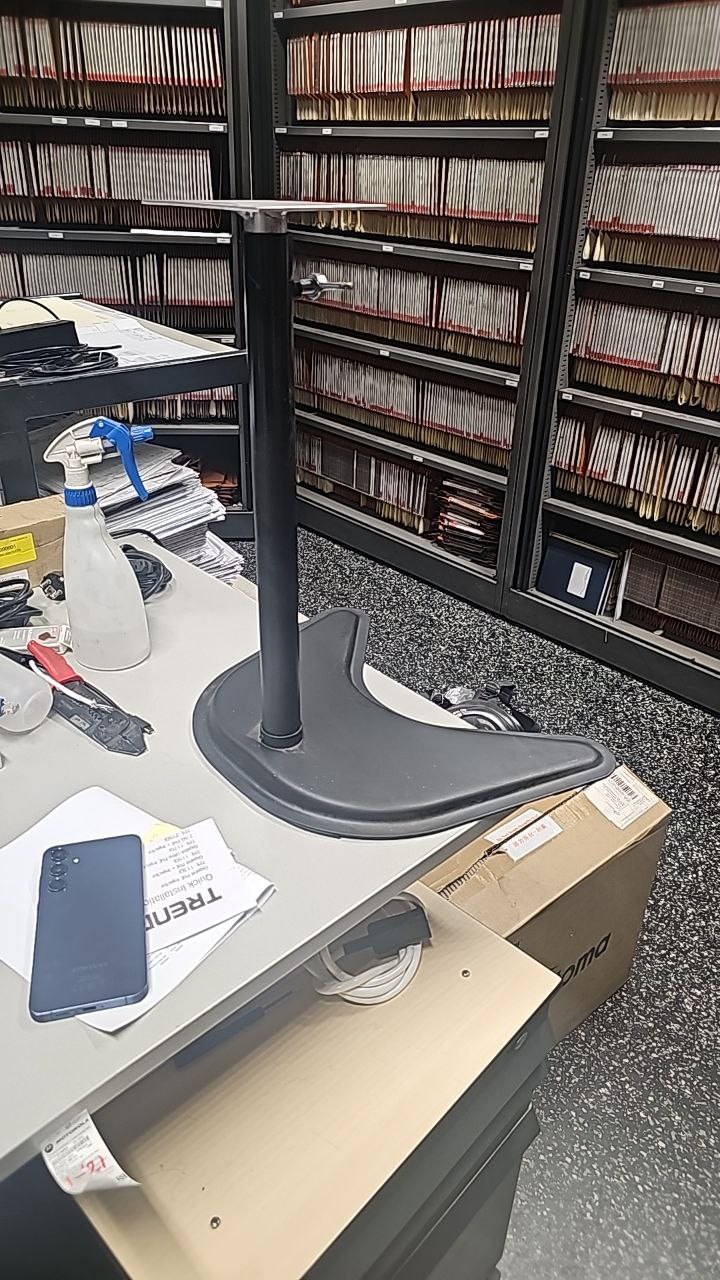
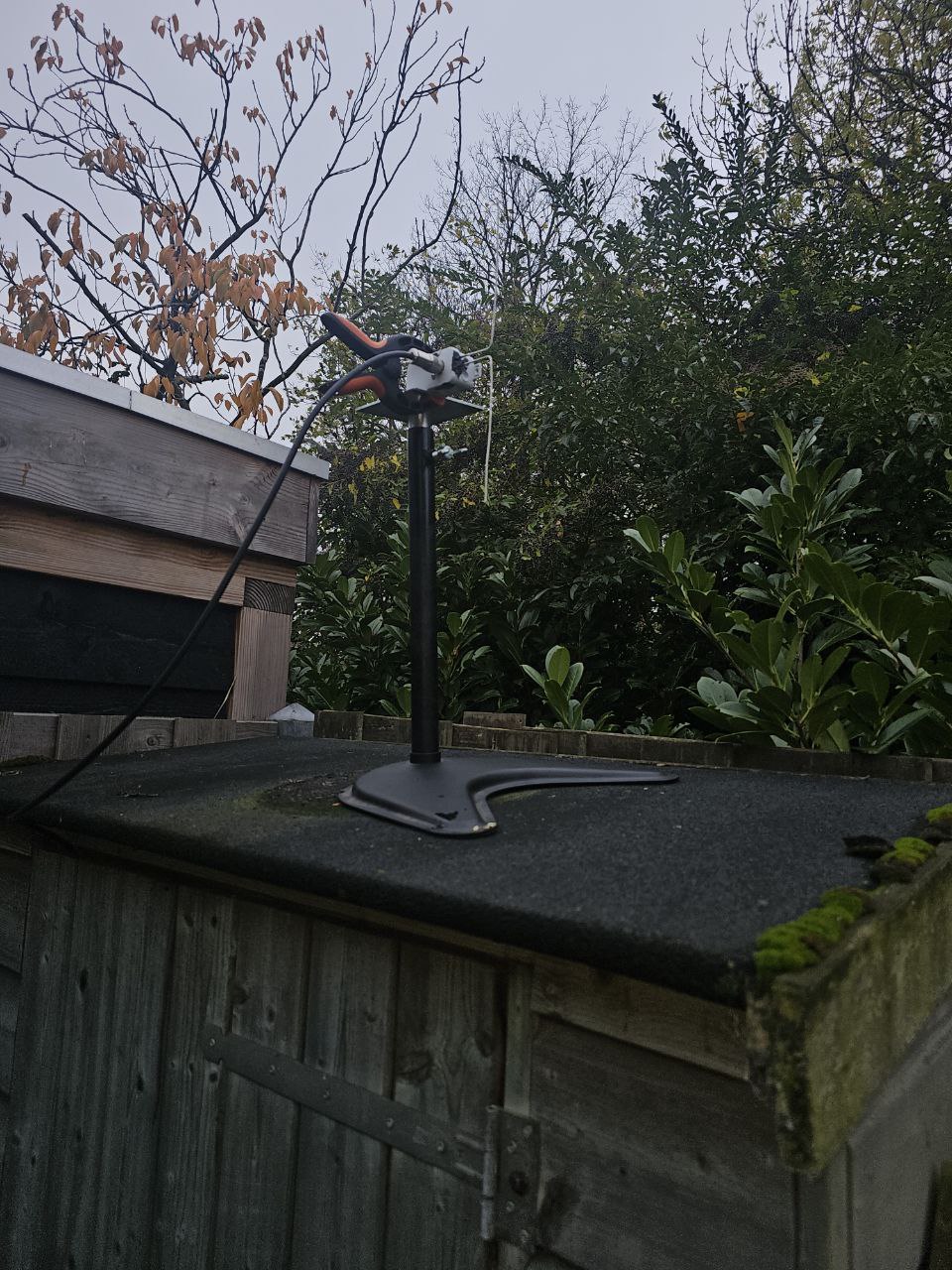
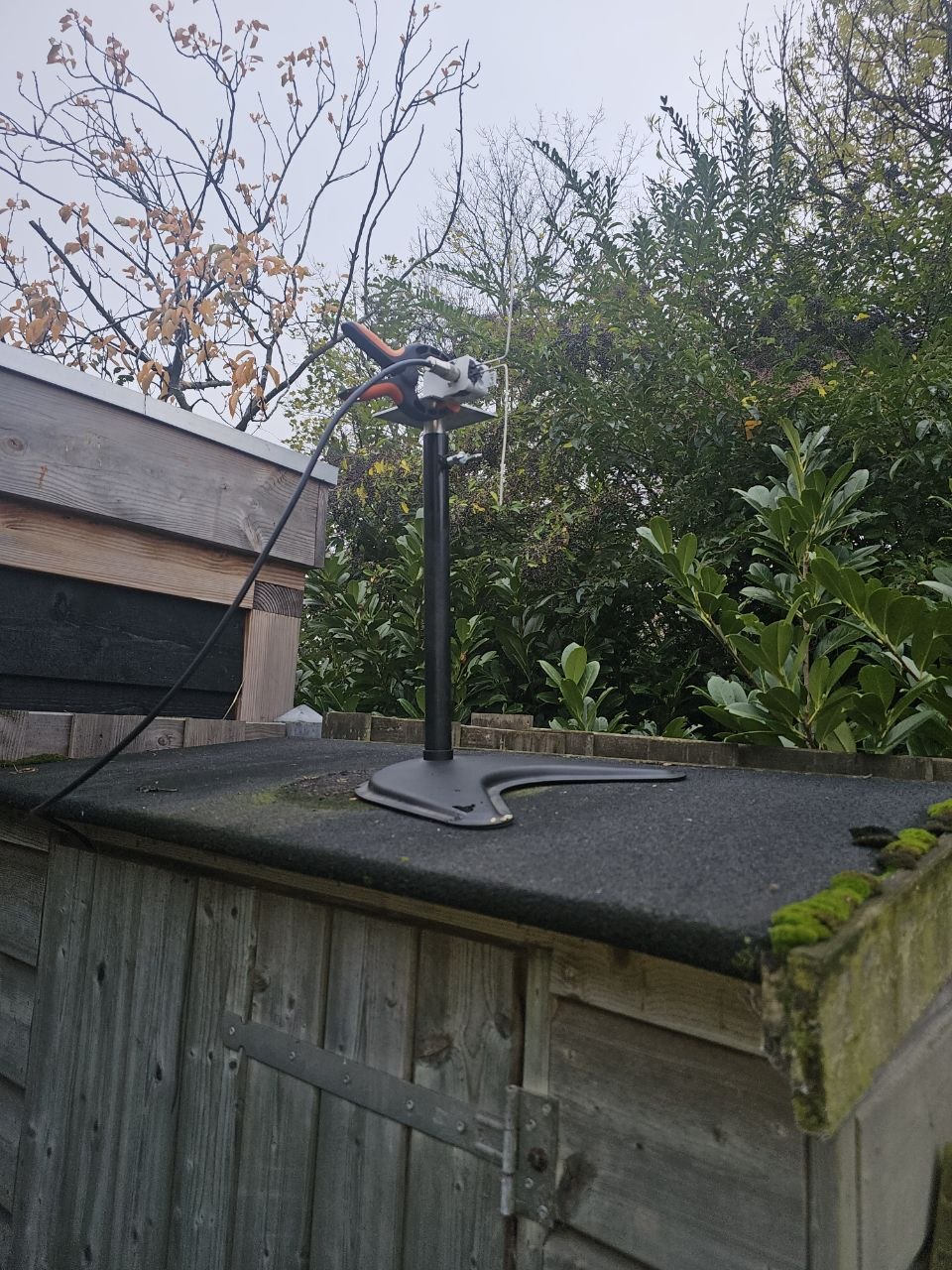

- PE2BZ shared a packet they captured and Stefan/OE6ISP explained that the low radiation profile and mounting of the antenna, combined with ground reflections, contributed to gain at elevations below 5-10°. PE2BZ plans to experiment with the antenna’s elevation. Stefan/OE6ISP agreed that tilting the antenna could help catch higher passes and mentioned a directivity idea. PE2BZ then asked about the leg lengths for a V dipole antenna, and Stefan/OE6ISP advised using slightly shorter 1/4 wave legs and simulating the design. 🔗
https://app.tinygs.com/packet/019a7d44-54f3-73ac-a9e3-7e066fad81ad
- Stefan/OE6ISP inquired about antenna orientation following reports of amazing performance on 800. PE2BZ responded, detailing their setup with a V dipole, 868 bandpass, and preamp, and another setup using Stefan’s antenna design in a vertical position, including a photo to confirm the orientation. 🔗
https://app.tinygs.com/station/PE2BZexp868@1462246360
https://app.tinygs.com/station/PE2BZexp868@1462246360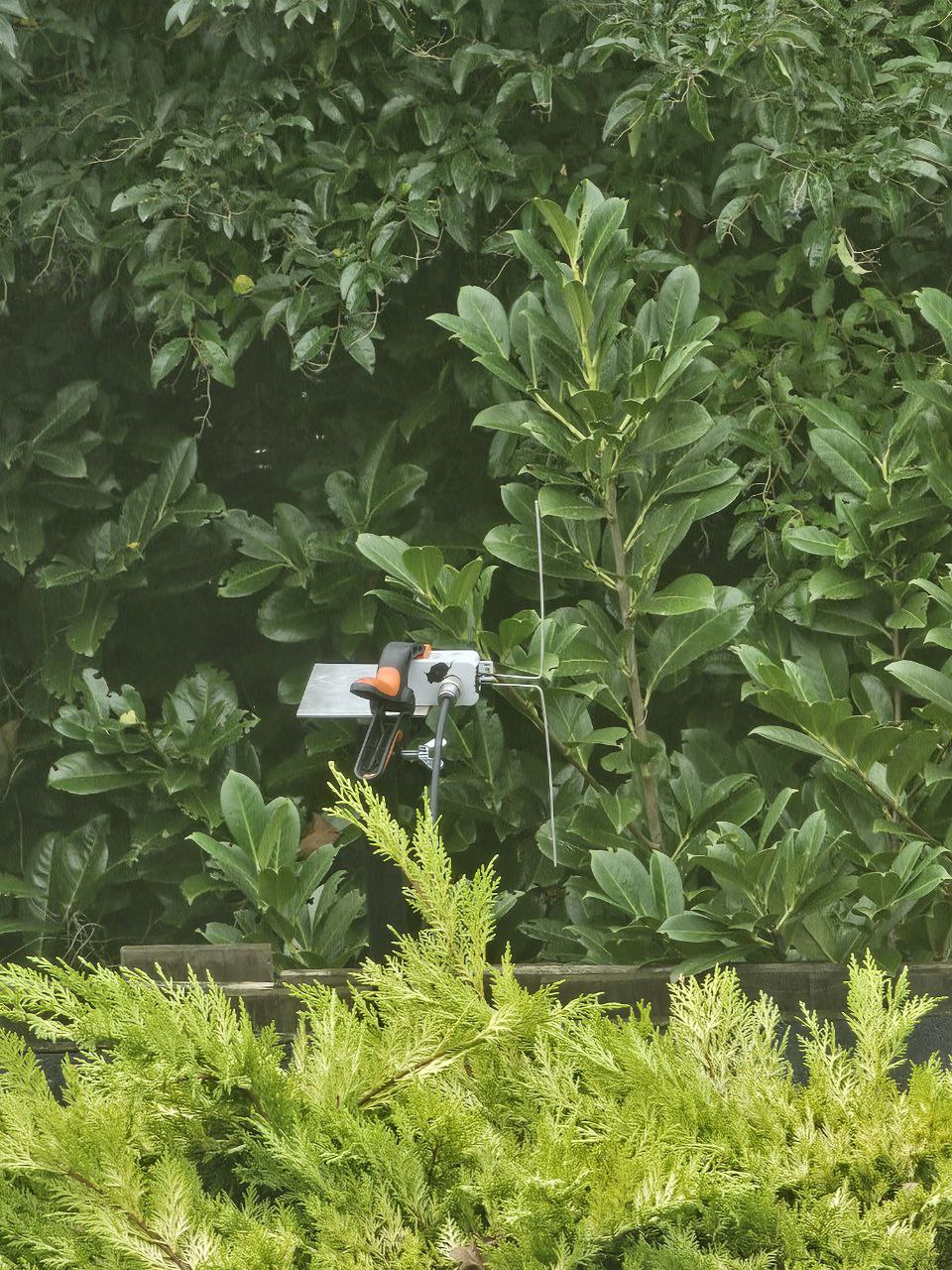
Antenna Building
- Jan shared a link to their QFE antenna design for 3D printing, highlighting its good performance and circular polarization due to its symmetric structure. 🔗
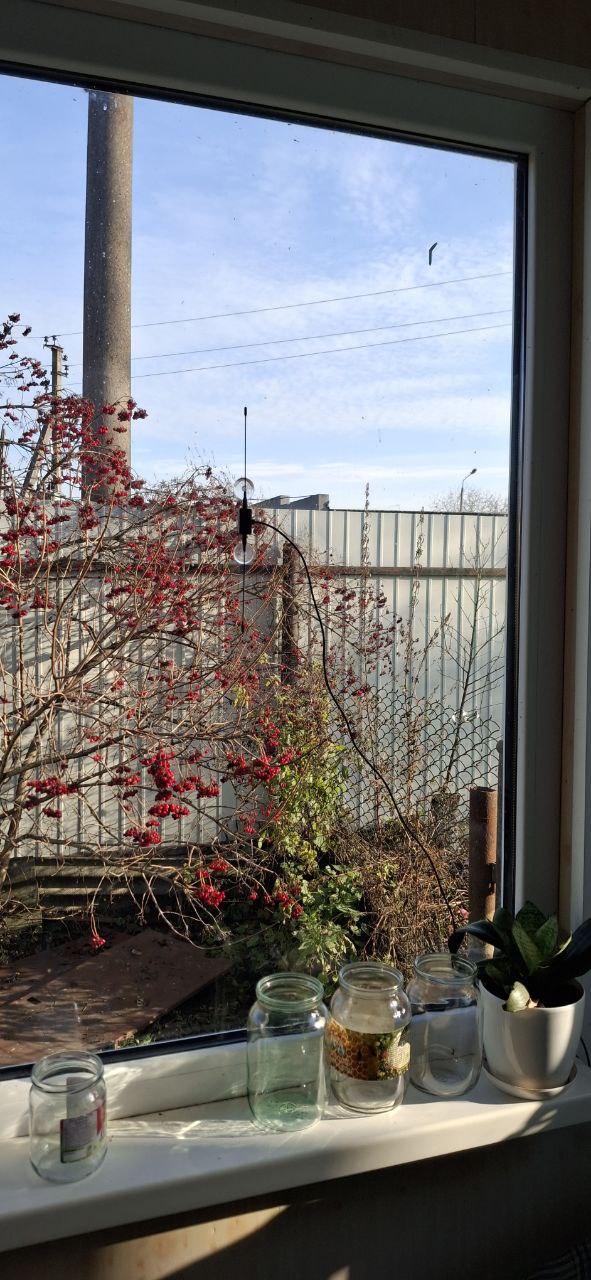
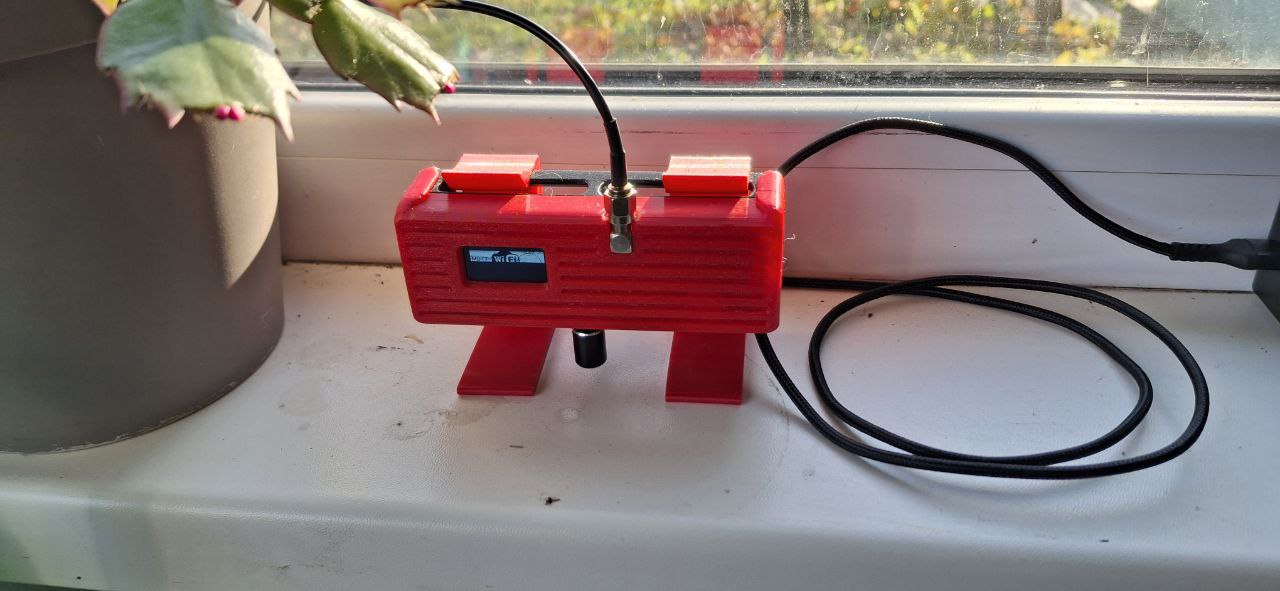
https://www.printables.com/model/759022-qfa-qfh-antenna-70cm-band - AntonioEQuesada shared photos of a recent antenna change from AliExpress to a window setup. He then wondered if the new position was better, noting a bulk data transfer from CSTP1.1. Helmi suggested potential reflections from a nearby concrete and steel tower. AntonioEQuesada confirmed the presence of a steel barrier but initially dismissed concerns about interference. Kristoff (ON1ARF) then shared a GNSS testing experience, explaining how reflected signals from buildings can create unexpected reception areas, mapping the sky to identify signal reflections. 🔗
Balloons
- Joshua reported an error in the accelerometer conversion, having mistakenly assumed m/s^2 instead of g’s, and shared an updated KSY file. Additionally, when testing, ChipSat packets were received as “Norbi,” so a request was made to update the KSY to “ChipSats”. 🔗
https://cornell.app.box.com/file/2030109187039?s=l01wn9u4ii9lpfz1lq16bgs8cxdesmrv - dmytrokhmara requested that the MySat stratospheric balloon project be added, noting that they had already sent a project description and received a packet, and that they just need to add a decode file. 🔗
- G4lile0 indicated that some tasks related to balloons are done and requested photos and descriptions. G4lile0 also confirmed another task was completed, and dmytrokhmara thanked him. 🔗
Beta Firmware Testing
- JMJHOX asked about plans to make the OLED display optional or refactoring the boards list in ConfigManager.cpp, offering to open a PR. Stefan/OE6ISP suggested removing the display or setting OLED-brightness to 0 to bypass display-related functions. 🔗
- JMJHOX suggested adding the clarification from a previous message to the wiki. 🔗
Featured Conversations
- The community eagerly anticipates the release of the new TinyGS dashboard, which promises enhanced data exploration capabilities.
- Discussions revolved around building antennas for 860 MHz, with detailed dimension specifications and advice on materials and tuning techniques shared.
- Members exchanged tips on overcoming challenges in antenna construction, such as soldering aluminum and simulating designs in software.
- The importance of proper antenna mounting for optimal performance was emphasized, particularly regarding vertical alignment for omnidirectional characteristics.
- Community members are actively assisting each other with technical issues, demonstrating the collaborative spirit of the TinyGS project.
What’s next
Join the TinyGS Telegram channel to participate in these discussions and contribute to the project. Your experiences and insights can help others build and improve their stations!
Share: