tinyGS
· TinyGS Community · 9 min read
Weekly Newsletter - November 23, 2025
Welcome to the TinyGS community weekly newsletter. Here are the most relevant discussions and developments from this week.
Highlights
Technical Problems
- Paul initially had trouble remembering the password for their ground station but then recalled it was the default ‘admin’ along with their password. 🔗
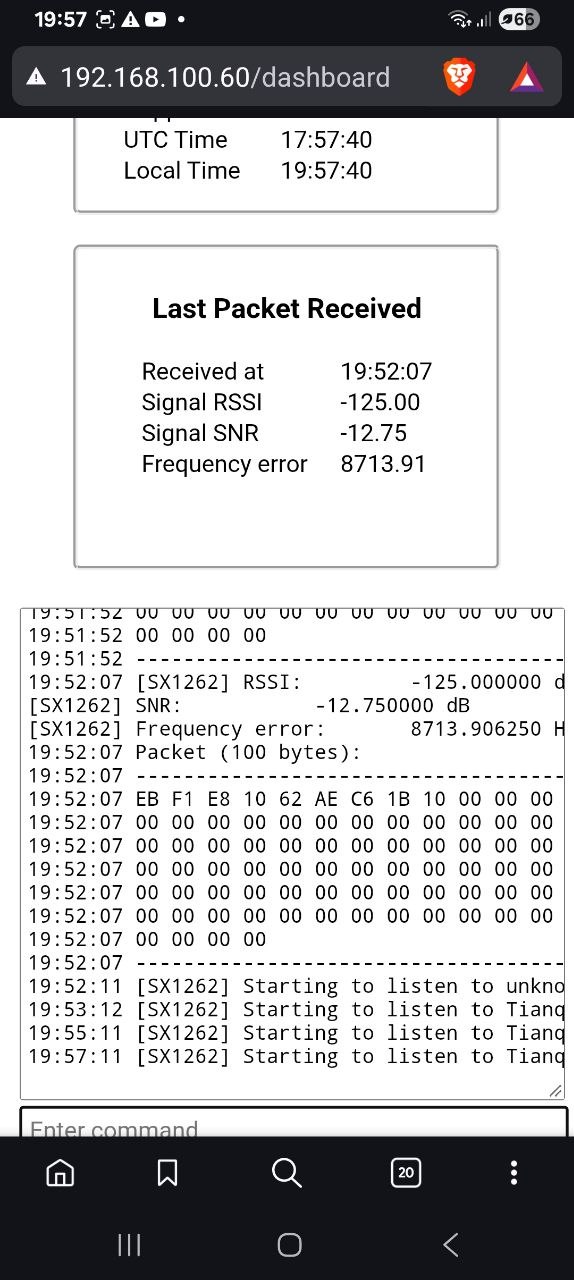
- JMJHOX reported receiving a ‘Damaged header! Data cannot be retrieved’ error with a low RSSI of -164 and SNR of 0 after installing a 433MHz antenna + Lora + ESP32. kreatif suggested improving the antenna or its positioning and checking for local interference. megazaic added that such issues often arise from non-standard or custom-assembled setups with assembly errors or incorrect configurations, leading to ‘false packets’. 🔗
- Marcos asked why FSK was excluded from SX1278 auto-tuning. Stefan/OE6ISP responded that SX1278 is unable to receive most FSK satellites due to buffer restrictions and frequency drift, recommending SX1262 instead. Marcos acknowledged the information. 🔗
- anas_z15 reported being unable to log in to TinyGS to set up a new station, noting that the TinyGS bot wasn’t responding and the web login page kept loading without success. 🔗
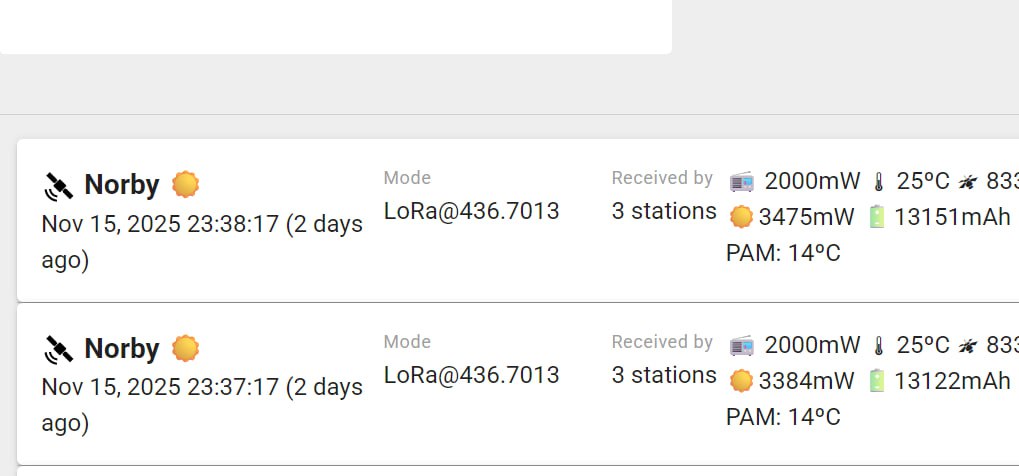
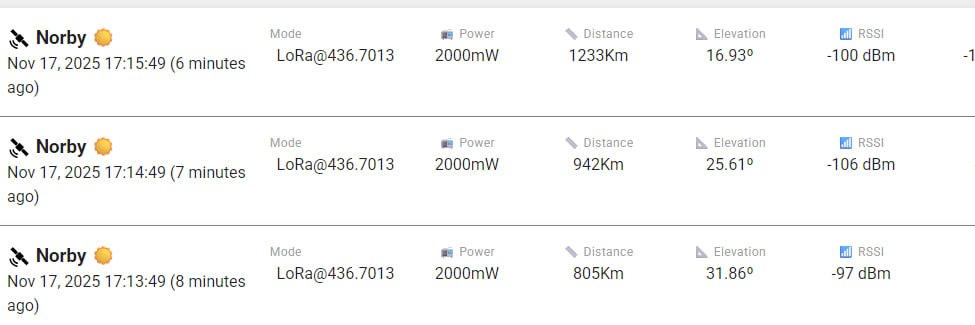
- Stefan/OE6ISP reported an inconsistency where recent Norbi packets were in the logs but not listed in the satellites section, showing the latest data was two days old. Stefan also shared screenshots. 🔗
- crissg_08 reported trouble logging into their account, experiencing errors with the /weblogin chatbot and the email verification page. They also shared a screenshot. 🔗
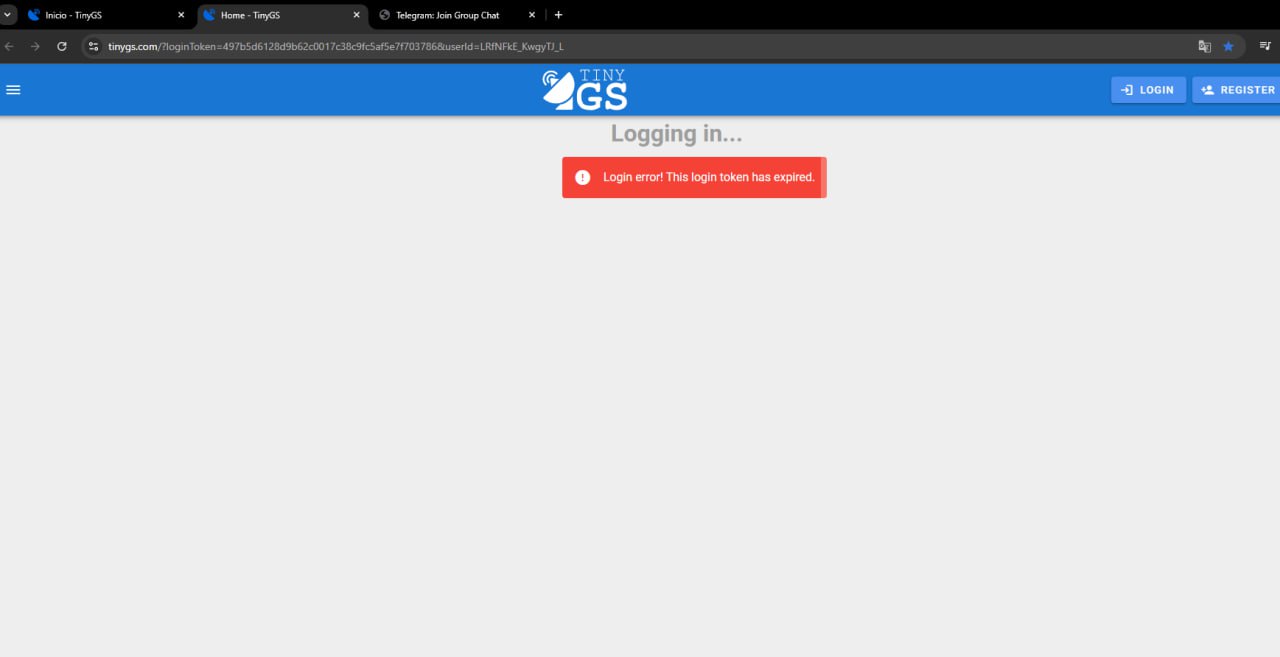
- G4lile0 confirmed that an account was disabled due to excessive test traffic, issuing a warning about a permanent ban if the behavior continues, and mentioned that weblogin links expire after a few minutes. 🔗
- Jonathan reported that their Python script, which pulls data from api.tinygs.com every 30 seconds for the Cornell ChipSat project, was blocked. Helmi suggested they might have been banned for querying the API too frequently and advised contacting @G4lile0. G4lile0 confirmed that scraping is not allowed and suggested using MQTT or a webhook. Jonathan then asked if a webhook could be set up, and G4lile0 agreed to set it up over the weekend. 🔗
- PE2BZ reported that station PE2BZexp868 is running an older firmware version (2403241) without the “enable automatic update” option and inquired about updating it without USB connection. 🔗
- Kev reported getting satellites but no telemetry and no upload to console. 🔗
- Krishna asked about the modulation technique used by TinyGS. Helmi responded that TinyGS can receive Lora and FSK signals and Krishna asked if it can run using QPSK or QAM or OFDM. Helmi provided a link to the repository. 🔗
https://github.com/G4lile0/tinyGS - Delmorgan reported an issue with the /weblogin command, where the link loads but displays an ‘invalid token’ error on first-time access. 🔗
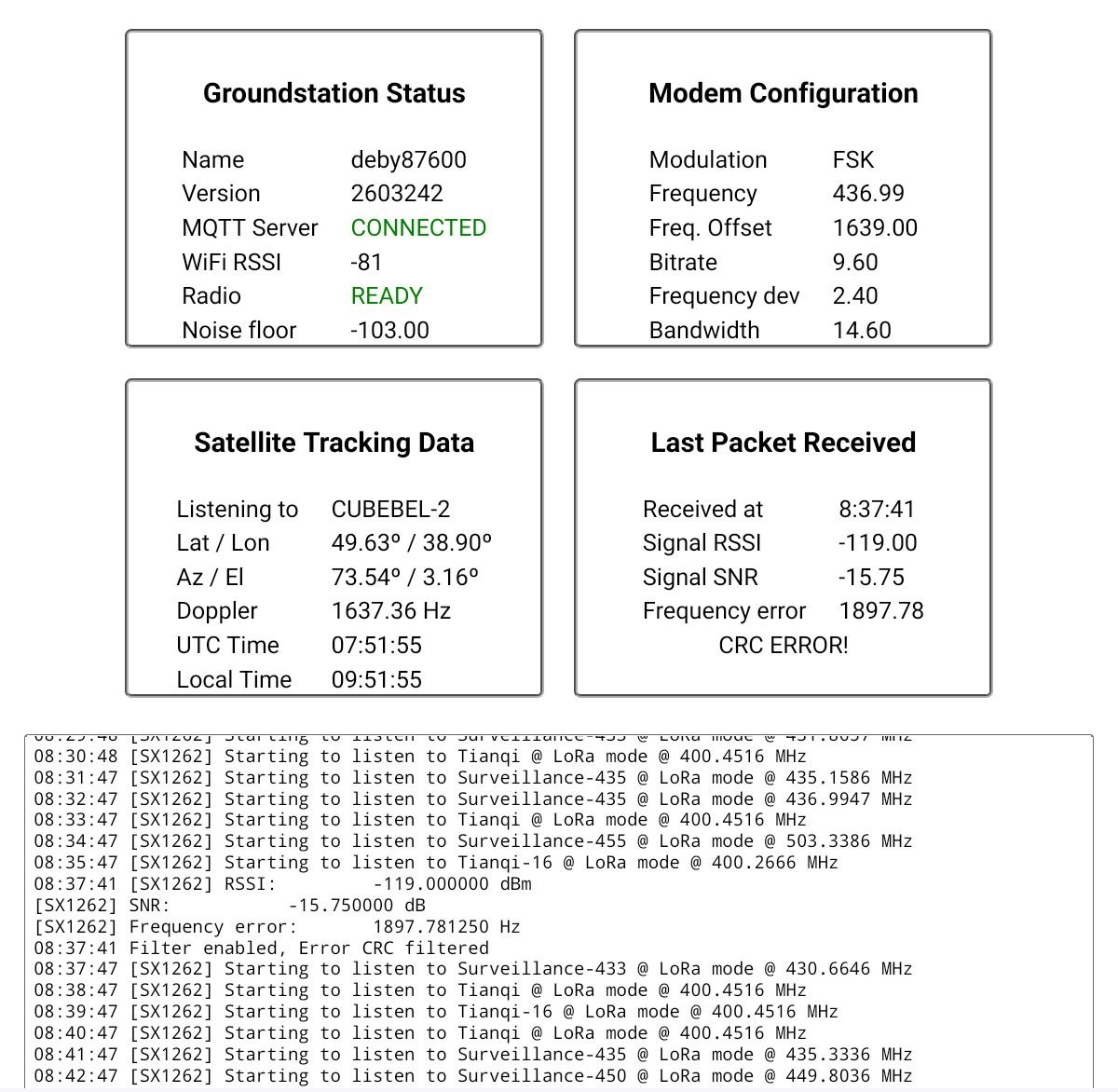
- Bryan described issues with receiving packets, encountering header or CRC errors and large frequency errors, receiving very few packets daily. Helmi suggested checking the antenna and cable, questioning the antenna type, cable type, and length. Bryan specified using a HYS 433Mhz 3dbi Omni Antenna with a 12” cable and mentioned the issue persists even with the board’s original antenna. Helmi deemed the cable length acceptable but advised ensuring the antenna is outside and away from disturbances, dismissing the piggyback antenna as ineffective. Bryan confirmed the antenna’s outdoor placement near an EcoFlow 2 power source. 🔗
https://www.amazon.com/dp/B086YV2QLS?ref=ppx_pop_mob_ap_share
New Satellites
- Stefan/OE6ISP inquired about antenna orientation following reports of amazing performance on 800. PE2BZ responded, detailing their setup with a V dipole, 868 bandpass, and preamp, and another setup using Stefan’s antenna design in a vertical position, including a photo to confirm the orientation. 🔗
https://app.tinygs.com/station/PE2BZexp868@1462246360
https://app.tinygs.com/station/PE2BZexp868@1462246360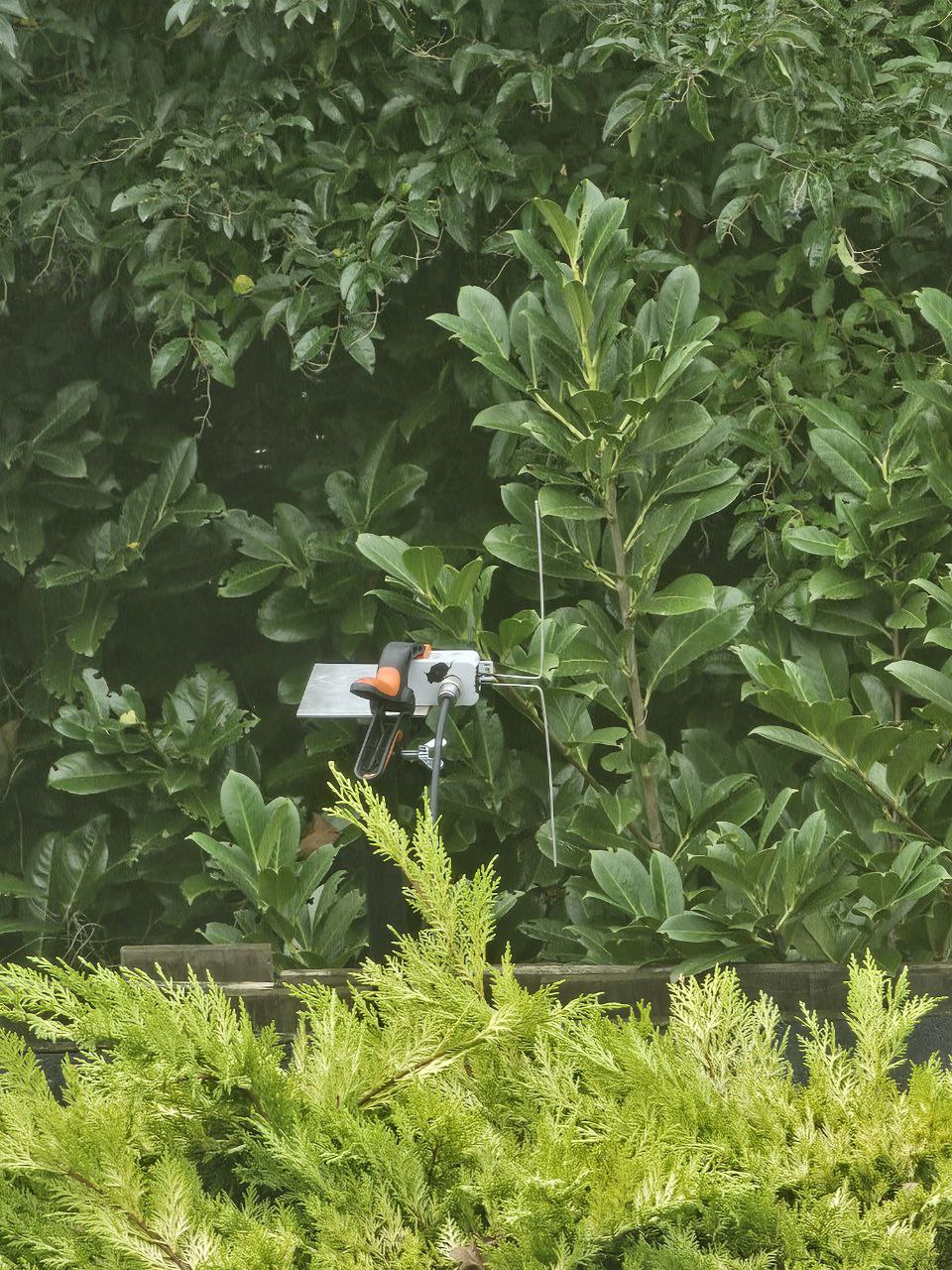
- G4lile0 shared information about future launches, including Transporter-15 Rideshare launch on 19-Nov-25 with HUNITY (NMHH-1), SZESAT, WISDOM A-B (OWL) and Cornell’s Alpha CubeSat Mission (LoRa) on 25-Dec-01. 🔗
- Stephen asked if TLEs for new satellites are automatically added to the TinyGS software. Helmi responded that there is nothing to do but wait and watch. Stephen thanked them and expressed excitement for the new satellites. 🔗
- G4lile0 announced that the launch had been delayed until tomorrow. 🔗
- Stephen provided an update that the launch has been delayed to NET Nov. 26. 🔗
General
- Helmi stated that giving advice is difficult without knowing the user’s setup and knowledge. 🔗
- Obed asked (in Spanish) where to find the steps to build a station. 🔗
- julietdelta_88 asked if a Heltec Wireless Tracker could be used for TinyGS. 🔗
- megazaic responded that theoretically it is possible to use the Heltec Wireless Tracker, but GPS won’t work and pointed out that the screen won’t work either, but there is a correct ready-made template, it corresponds to “150–960Mhz - HELTEC LORA32 V3 SX1262”. 🔗
- Helmi reported that Cloudflare London seemed to have a large problem affecting TinyGS and other sites. 🔗
- JaraLowell reported that Cloudflare was experiencing an internal service degradation, impacting some services intermittently and that they were focused on restoring service. 🔗
- r4 shared a link to the Cloudflare status page. 🔗
https://www.cloudflarestatus.com/ - andrew_morg reported that the OLED display on their LilyGo LoRa32 board was blank after installing the TinyGS firmware, despite the board otherwise functioning correctly for satellite tracking and data uploading, and asked if the firmware controls the OLED display. Helmi asked if the right board version was selected during configuration. 🔗
- Albert inquired about suitable satellites for reception with a 433 MHz QFH antenna, expressing interest as a newly licensed HAM operator (EA). mki9q suggested options depending on desired satellites and software, mentioning the HETEC LoRa32 for TinyGS receivers and dedicated transceivers for transmitting and receiving, also mentioning NOAA satellites and AMSAT for information on current amateur satellites. G4lile0 noted that message relaying is restricted to licensed HAM operators and provided a link to a previous discussion. Albert confirmed having a HAM license and asked about the utility of a 2m/70cm transceiver. mki9q clarified its use for HAM satellites and the ISS, and Stefan/OE6ISP clarified that the analog APT NOAA satellites were decommissioned in autumn 2025. Bryan mentioned setting up hardware but receiving zero packets with high frequency errors. G4lile0 pointed out how to obtain credentials or a login link using the TinyGS personal bot. G4lile0 also shared a link about “Orbital Summer” and “Orbital Winter”. 🔗
https://t.me/c/1448773154/1/49737
https://x.com/tiny__GS/status/1992672352417481075?s=20
Antenna Building
- AntonioEQuesada discussed how moving an antenna resulted in reflections from nearby structures, creating an extra reception path and explaining increased contacts from CSTP1.1. Stefan/OE6ISP added that minimal station movements can cause huge performance changes due to interference effects and ground reflections, suggesting that more reflected signals are received than expected. 🔗
- Jan shared a link to their station and mentioned that their balcony has obstacles limiting reception, and that they are running LHCP but believe RHCP will be better. 🔗
https://app.tinygs.com/station/SA0PEJ_70cm@WK-gGWyPkzM_GJkE - Stefan/OE6ISP responded to Jan, noting that QFH’s high radiation profile can be an advantage with obstacles, and that most satellites transmit linear polarization, except the Tianqui, which transmits telemetry in LHCP. They suggested that LHCP becomes RHCP when receiving many reflected packets and proposed a side-by-side comparison of RHCP and LHCP stations. 🔗
- Helmi mentioned a site used for calculation, noting that the design uses thin copper tape on an unknown dielectric base, which changes the resonant frequency significantly, and suggested an easier-to-build and adjust design from Libre.space. 🔗
https://community.libre.space/t/an-easy-3d-printed-quadrifilar-helix-antenna/1487 - Massimo asked about the best antenna design for setting up a ground station for 800/900 MHz. Stefan/OE6ISP pointed to a previous discussion and mentioned that a 2x5/8 collinear antenna performs well, as does a V-dipole + LNA. Stefan/OE6ISP’s station runs on a l/4 groundplane + LNA. Massimo then asked if they would pick up anything over the US - New York area, to which Stefan/OE6ISP replied negatively. 🔗
https://t.me/c/1448773154/78478/186991
https://app.tinygs.com/station/OE6ISP_868_1@1760298214 - G4lile0 mentioned the possibility of a global 868/915 and 2.4Ghz satellite in one or two months, prompting Massimo to express enthusiasm to get started. 🔗
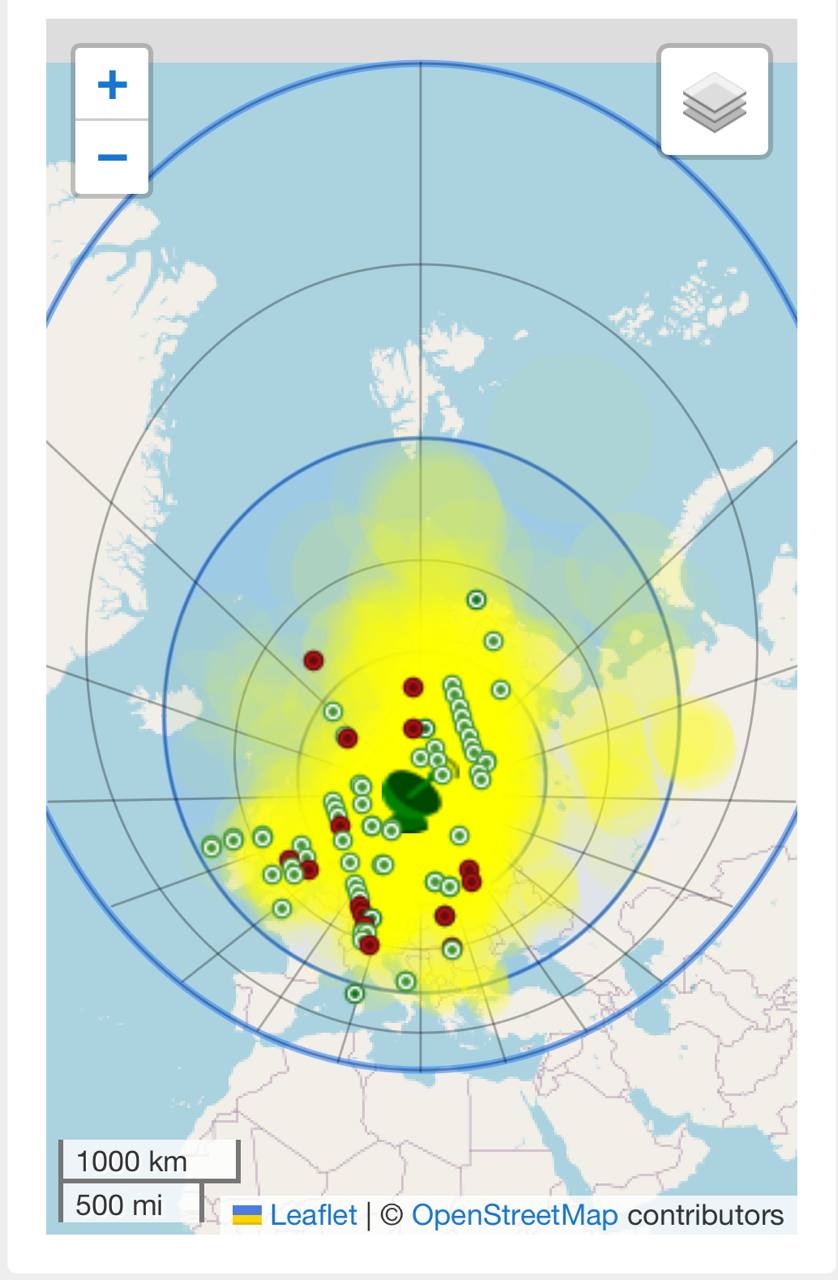
- Jan shared a photo of an LHCP setup achieving a record distance of 2321 km and mentioned switching from LHCP to RHCP to compare performance. 🔗
Balloons
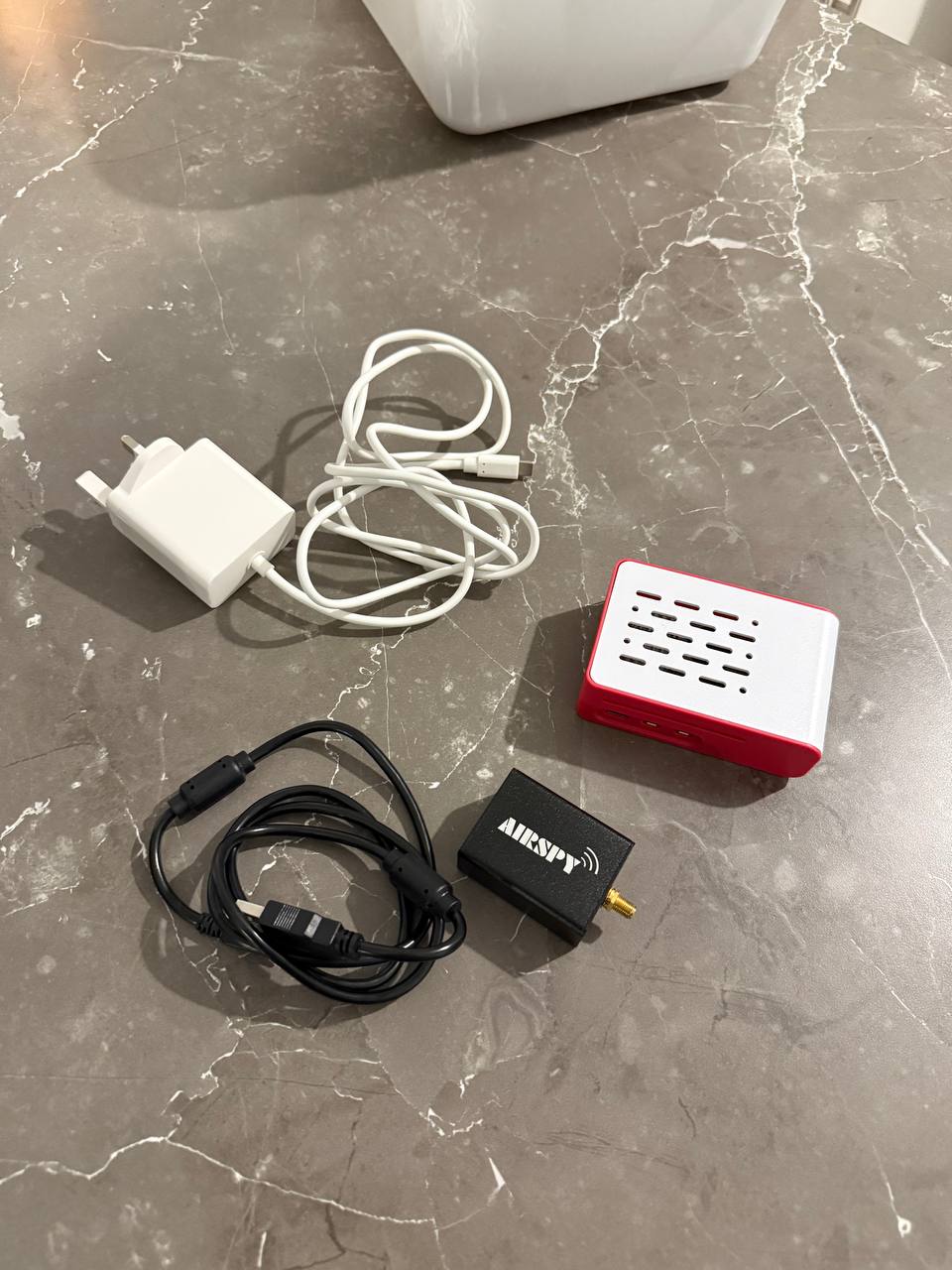
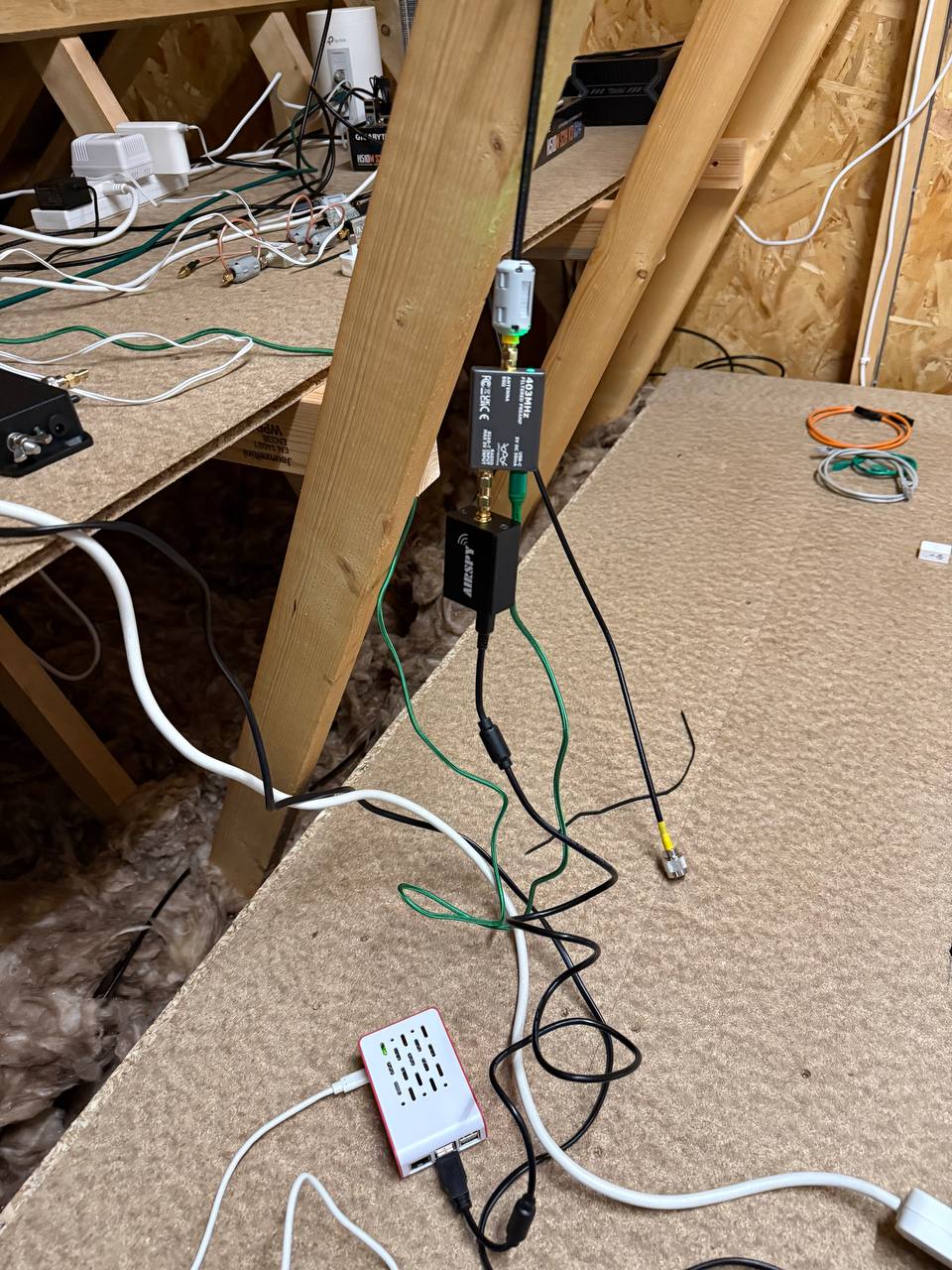
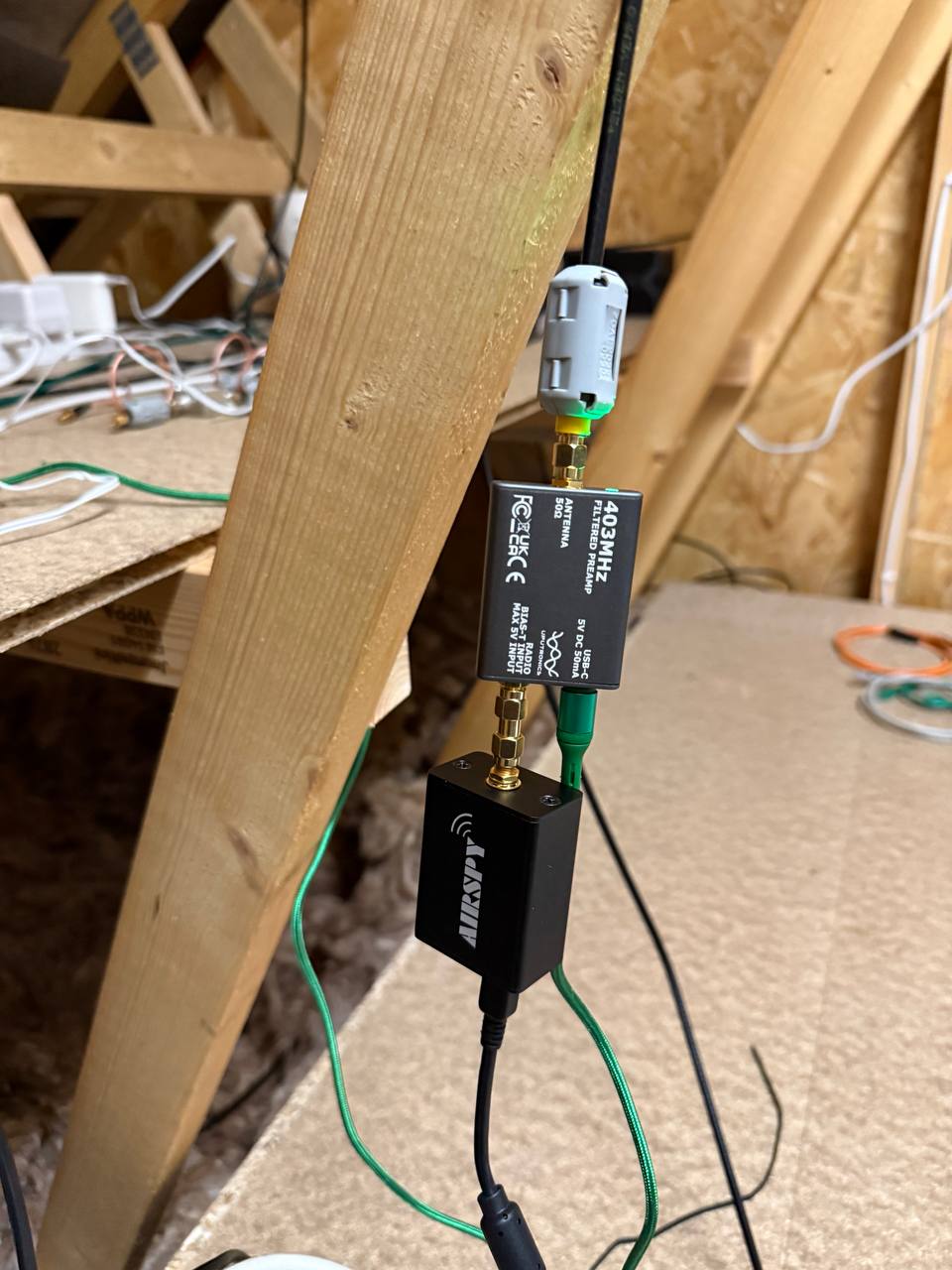
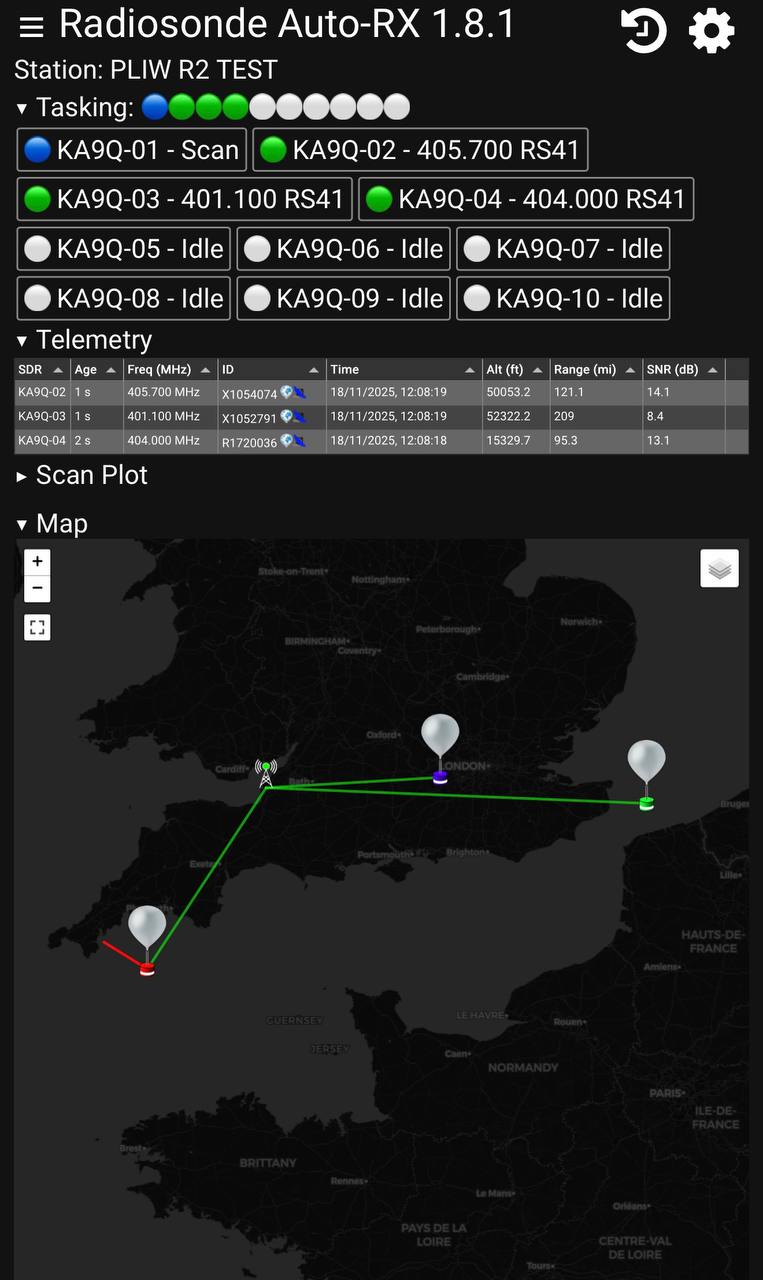
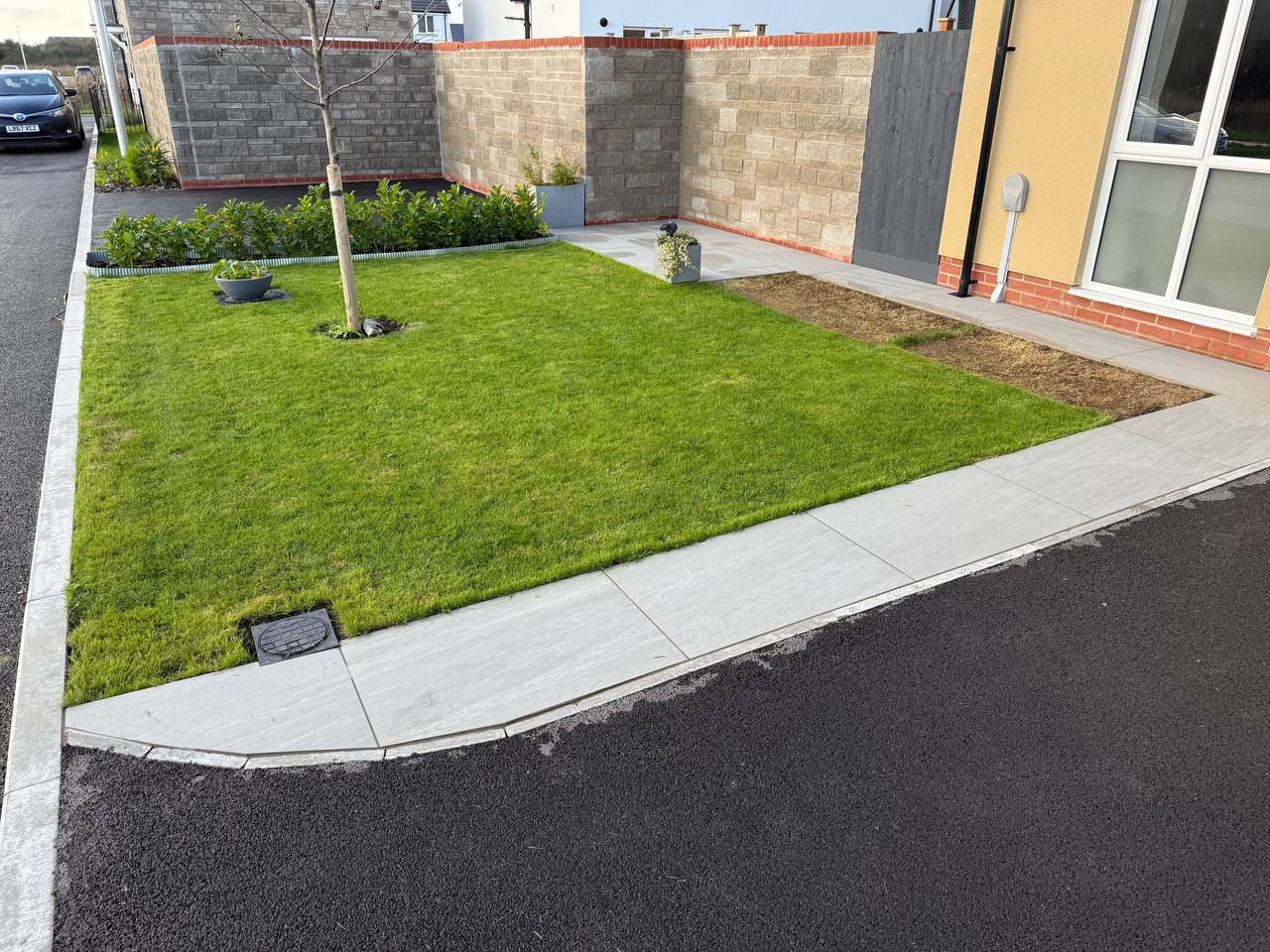
- Pete shared multiple photos related to balloon tracking and reported using a K9QA radio with an Airspy R2, successfully tracking three balloons simultaneously. 🔗

- Xinatra a meteorological research team working on a high-altitude balloon project requested to submit their balloon with specific LoRa configuration details (frequency: 437.25 MHz, bandwidth: 125 kHz, spreading factor: 10, coding rate: 4/6, preamble length: 16, sync word: 0x2A). G4lile0 offered assistance, asking about the launch plan and later setting up the balloon on TinyGS, requesting verification with a test packet due to the non-standard sync word. Xinatra confirmed the sync word’s functionality with their ground station. G4lile0 cautioned that non-standard sync words might behave differently across different modules. Later, Xinatra reported that the balloon blew up before launch and inquired about reactivating the setup for the next attempt. 🔗
https://app.tinygs.com/satellite/KCG-A8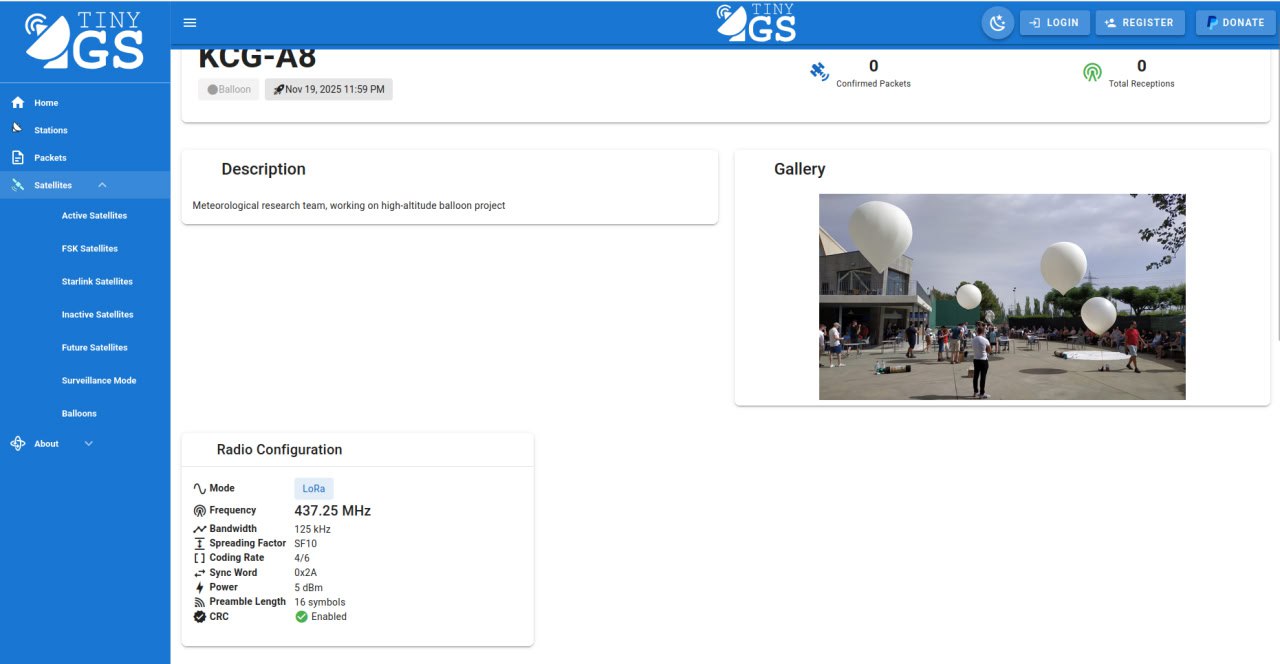
- Joshua asked for clarification on the LNA installation orientation, confirming that the ‘IN’ side connects to the receiver and the ‘OUT’ side to the antenna for amplifying received signals, which Stefan/OE6ISP confirmed. Helmi asked for a circuit diagram or a link and which LNA chip is included there. Stefan/OE6ISP said that he would need one, because he wants to repair a broken amp and the chip appears not to be a high end one with nf >1db, but it works pretty good anyway with the built-in hp filter. 🔗
Featured Conversations
- Users experienced login issues with the TinyGS platform, affecting station setup and access to existing accounts. The community is encouraged to share troubleshooting tips and solutions.
- The impact of antenna placement on signal reception was highlighted, noting that reflections from nearby structures and ground can significantly alter performance and create unexpected reception paths.
- A user’s account was temporarily disabled due to excessive test traffic, highlighting the importance of adhering to duty cycle guidelines to maintain platform stability.
- The community discussed the use of Heltec Wireless Trackers with TinyGS, clarifying compatibility and necessary configurations for successful integration.
- Experimentation with antenna polarization was showcased, with one user reporting a record distance using LHCP and then switching to RHCP to evaluate the impact on performance.
What’s next
Join the TinyGS Telegram channel to participate in these discussions and contribute to the project. Your experiences and insights can help others build and improve their stations!
Share: