tinyGS
· TinyGS Community · 6 min read
Weekly Newsletter - December 14, 2025
Welcome to the TinyGS weekly community newsletter. Here are the most relevant discussions and developments from this week, covering new satellite missions, technical troubleshooting, hardware recommendations, and community projects.
Highlights
New Satellites
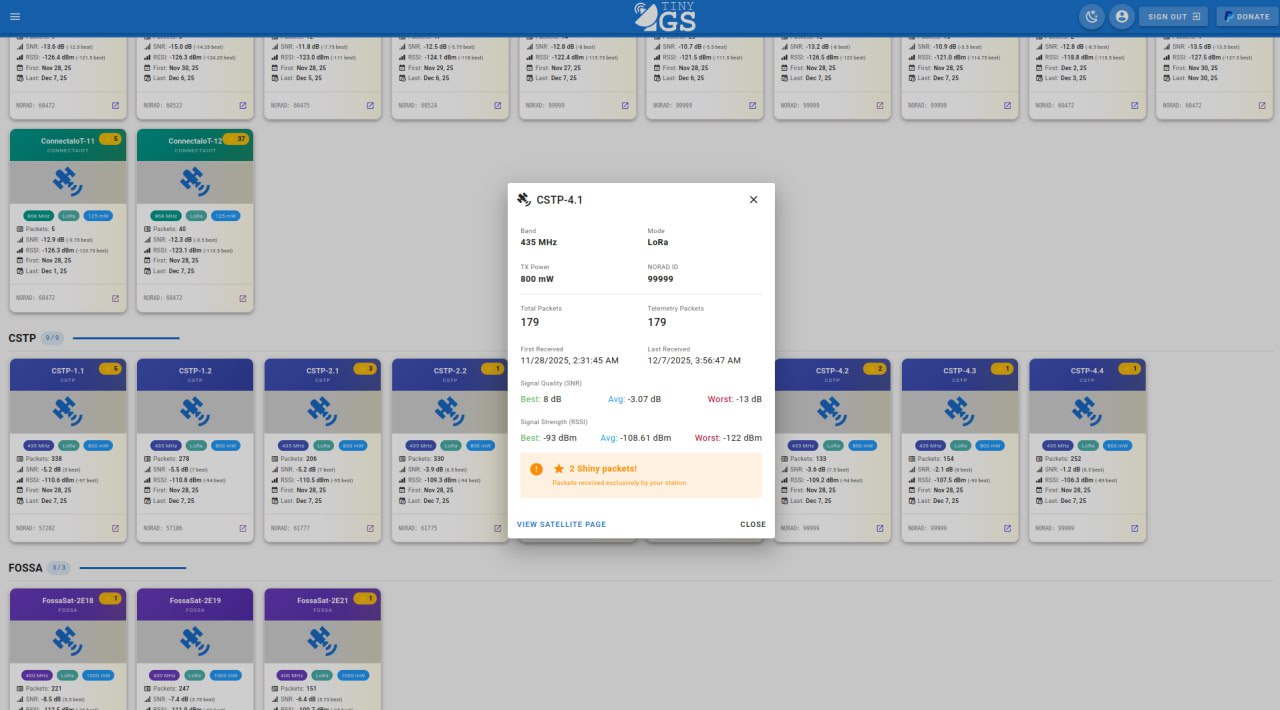
- G4lile0 shared future launch details, including the Aist-2T mission in December 2025, and listed possible compatible satellites such as Kowsar-1.5 and Lobachevsky 16U Geoscan 2. The community then engaged in a detailed investigation of signals from the Cornell LightSail (CU-ALPHA) mission. Joshua analyzed a CRC error packet from December 4th that potentially matched a confirmed Cornell LightSail packet, sharing a write-up with screenshots and estimated sail positions, and considered the impact of sail drag on its deorbit trajectory. Discussions revealed the TLE was a placeholder as the sail drifted from the ISS due to high atmospheric drag, with deorbit time being hard to predict. The team also identified a signal as originating from CSTP-4.1 rather than CU-Alpha. Later in the week, Julian Fernandez announced the deployment of FOSSASAT2E22, and members discussed preliminary TLEs and operational frequencies for newly launched satellites, noting regulatory limitations for 915 MHz beacons in the US. 🔗
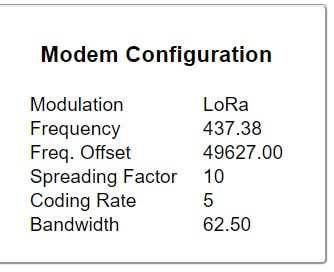
- Estbhan reported that Norby-2 is sending interleaved LoRa and FSK packets, sharing multiple packet links and images. He explained the difficulty in receiving FSK packets and described manually tuning his station, adjusting for Doppler shift for each burst time. The community followed this multi-modulating satellite with interest, as Estbhan pointed out that a packet from the previous day seemed to originate from a different satellite. 🔗
https://app.tinygs.com/packet/019b0541-db9d-73ae-8427-b369a5f74786
https://app.tinygs.com/packet/019b0542-ca9a-7298-8b76-e947c0c21243
https://app.tinygs.com/packet/019b0543-b4c3-714f-a218-7361f057be71
https://app.tinygs.com/packet/019b0544-a397-7256-b74c-1b61bdbaaef7
https://app.tinygs.com/packet/019b0545-8e92-775a-9c83-bd68cbede41c
https://t.me/c/1448773154/78478/191850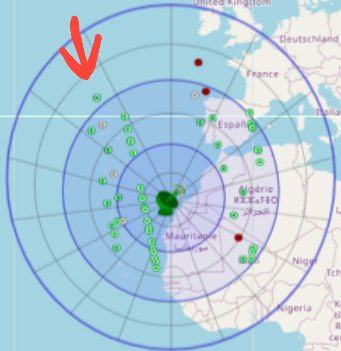
Technical Problems
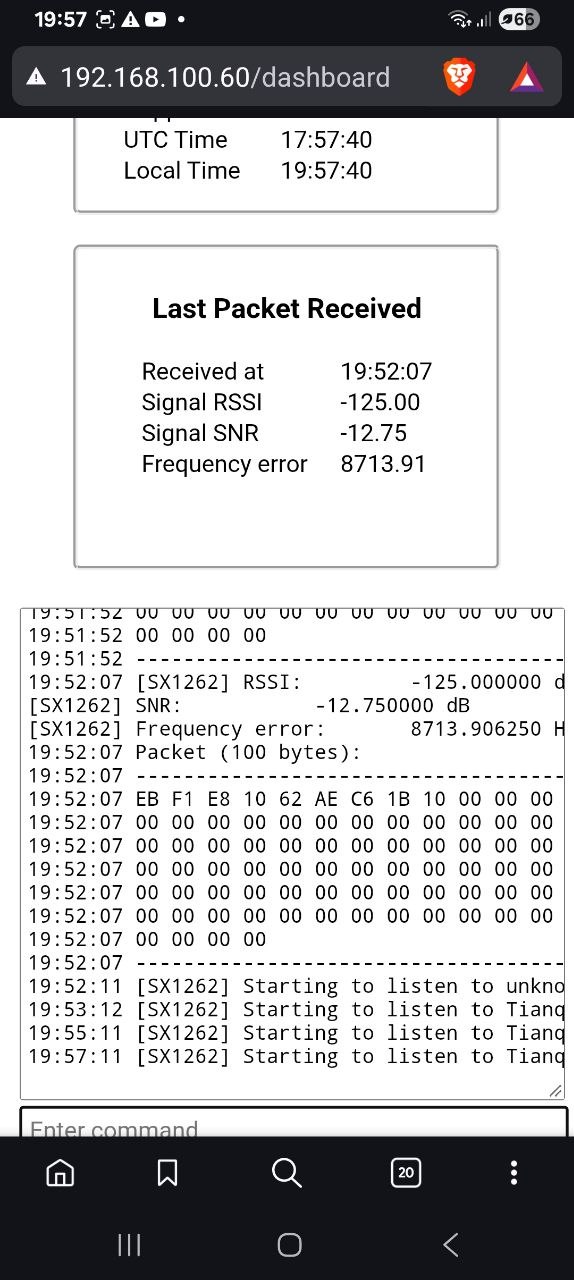
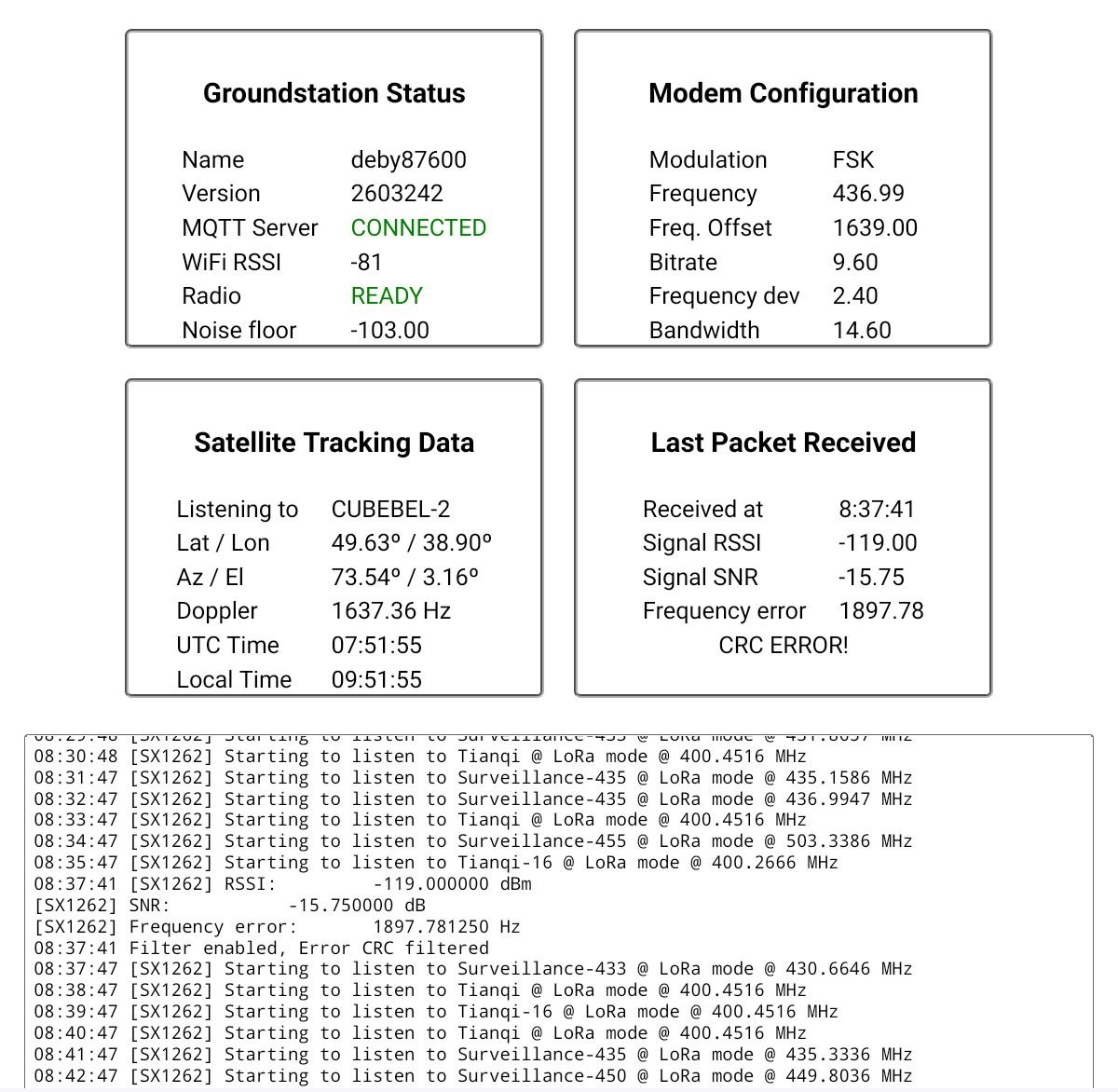
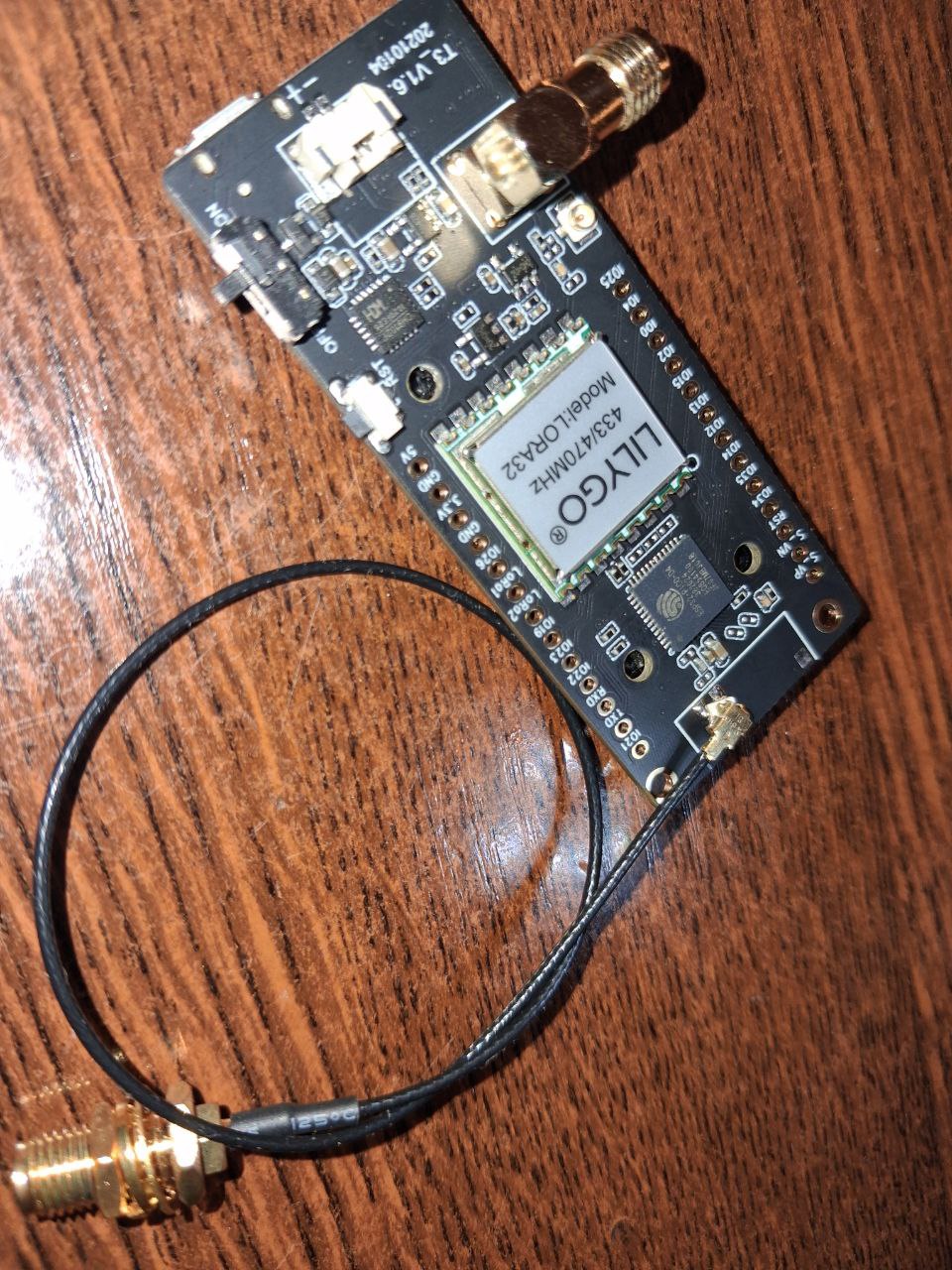
- Stefan/OE6ISP shared an image showing an odd frequency offset, prompting G4lile0 to implement a quick fix where only FSK satellites and LoRa transmissions above 800 MHz would receive Doppler compensation. This temporary change allowed focus on creating a new algorithm. Throughout the week, various hardware issues were troubleshooted. Yor reported problems with a new LILYGO receiver not decoding packets; Helmi suggested checking board configuration and antenna cable length. Rahul and nealdoxsee faced issues with displays after firmware flashes, which were often resolved by correcting auto-detected board types. xKemikkiran inquired about using an ESP32 S3 with specific LoRa modules, leading to a detailed discussion on SPI interfaces, module recommendations like the E22-400M30S, and firmware capabilities. 🔗
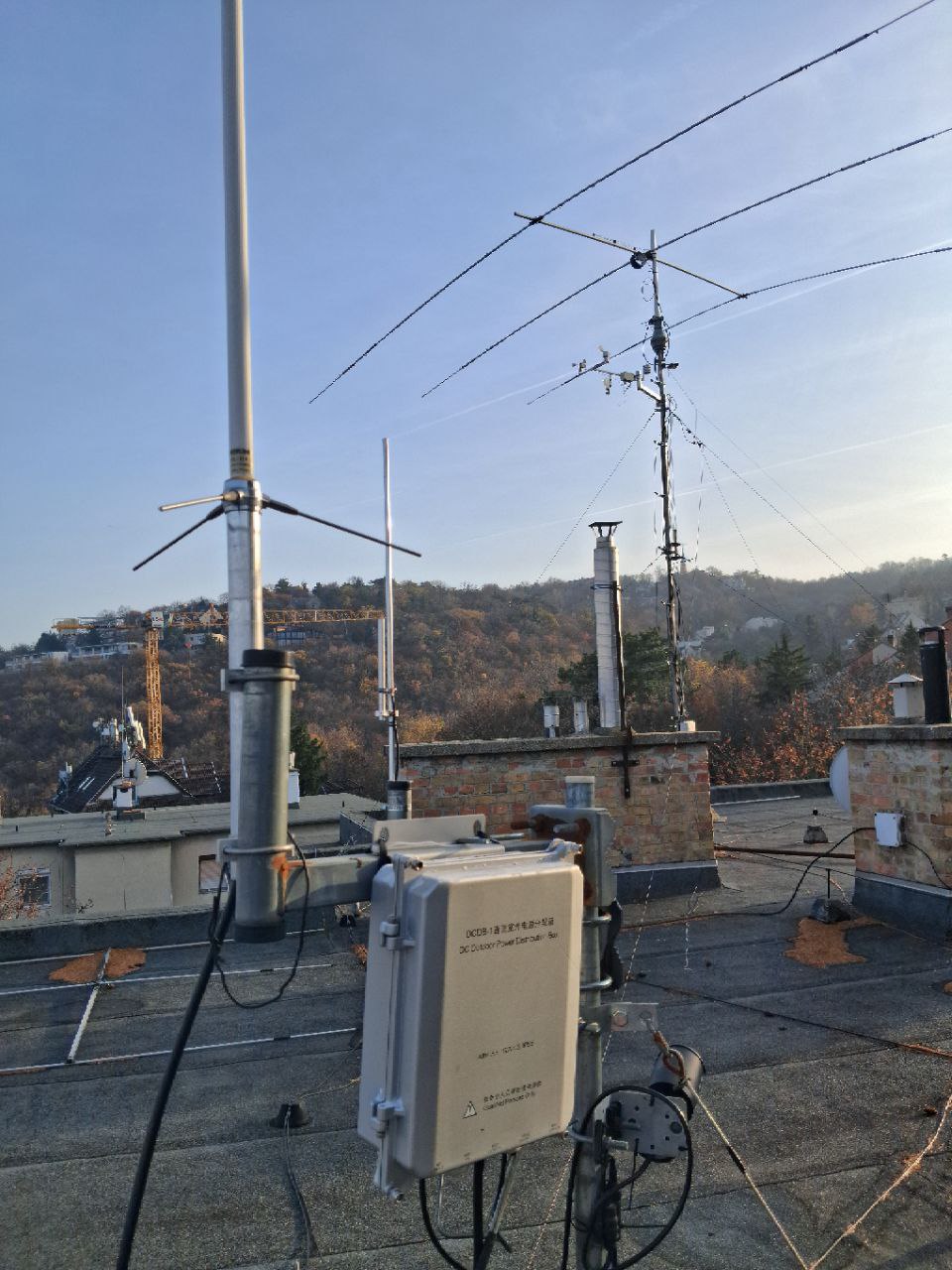
- ha5mi1 inquired about porting the firmware to use Ethernet instead of WiFi for a rooftop setup in a fully shielded metal box where WiFi signal was poor (-88dB). They shared photos of the setup and discussed the limitations of external WiFi antennas and concerns about being locked to a custom firmware release. Community members suggested alternatives like external WiFi antennas or using a small travel Wi-Fi device on the Ethernet cable as a workaround. 🔗
General
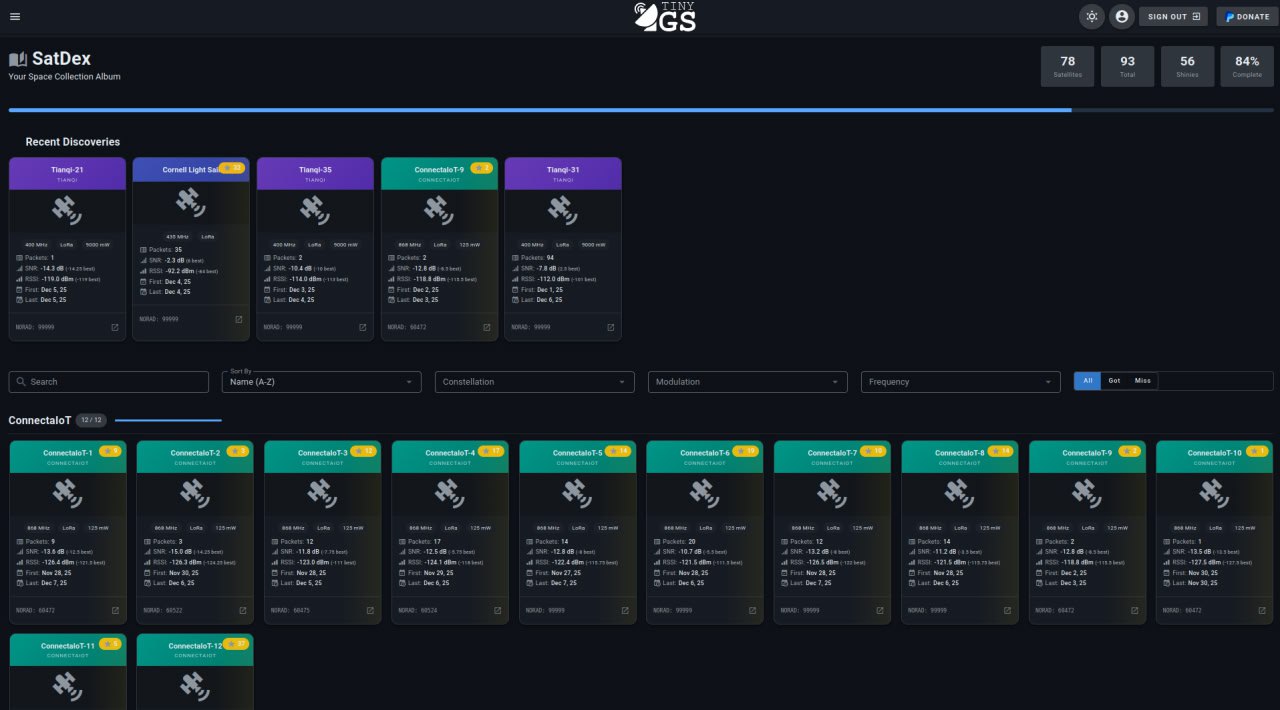
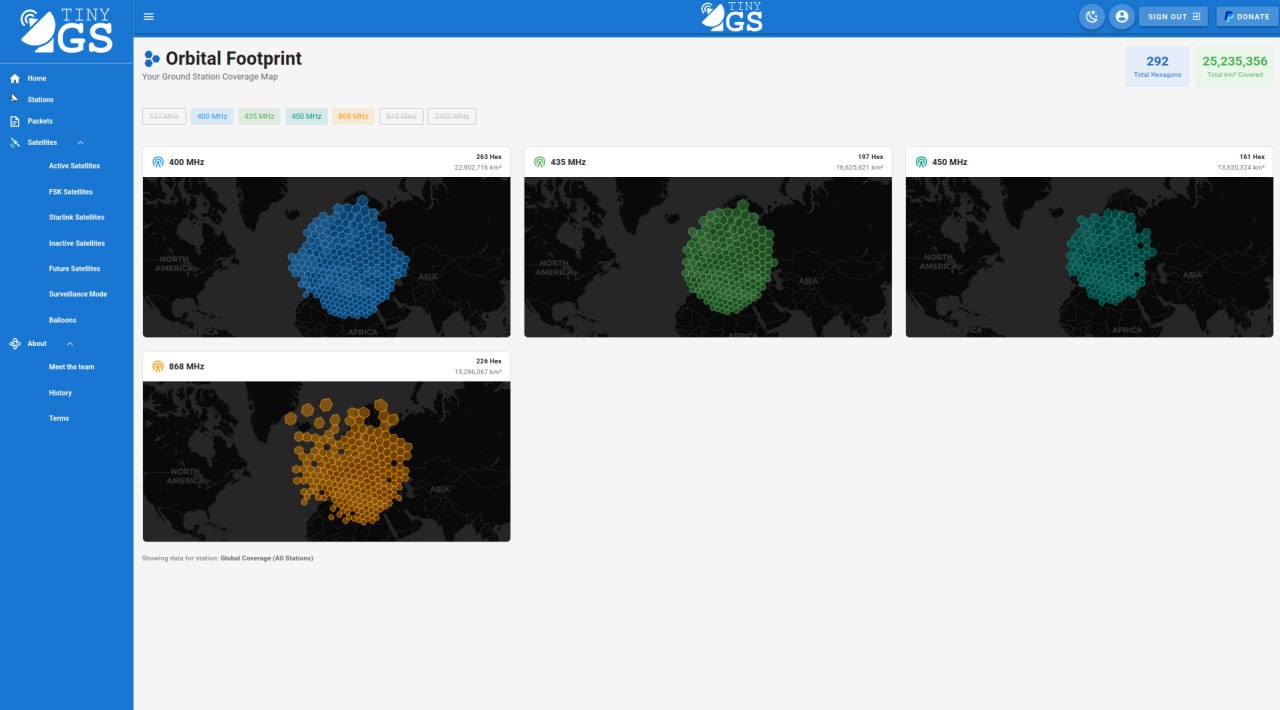
- G4lile0 announced new visualizations coming with the Xmas Release, sharing related images. He also informed users who lost their Telegram account that they could retrieve their weblogin by typing `!w` in their local console. The week also saw discussions on hardware compatibility. arbitraryuser asked about the Heltec WiFi Lora 32 v3 board, and G4lile0 confirmed it works well, especially the 433MHz version. Stefan/OE6ISP later explained that the Heltec V3 with SX1262 is the best choice for 433 MHz FSK and LoRa, recommending it for its plug-and-play performance and sharing a purchase link. 🔗
- agurkmix asked how to flip the OLED screen, finding that putting {“flipOled”:true} in advanced settings had no effect. G4lile0 provided information from the wiki, and agurkmix later confirmed that using ‘True’ with a capital ‘T’ resolved the issue. They also compared the receiving capabilities of Heltec and Lilygo boards and shared plans to hold a workshop after the new year to set up more stations in the Oslo region. 🔗
https://github.com/G4lile0/tinyGS/wiki/FAQ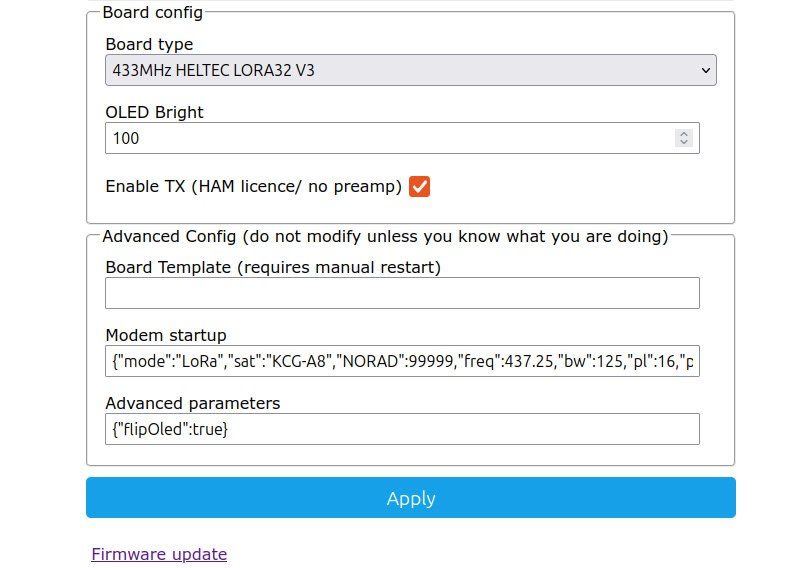
Antenna Building
- K4KDR recommended starting with a simple ground plane antenna for 137 MHz, using decent coax, keeping the cable short, and shared a link to an online calculator for determining element lengths. agurkmix shared a photo of a simple dipole antenna placed in a basement window, noting it successfully receives around 20 different satellites daily. Earlier in the week, Ben asked if an aluminum roof would block RF, and Helmi confirmed it would shield most signals if the antenna was inside. 🔗
https://m0ukd.com/calculators/quarter-wave-ground-plane-antenna-calculator/
Share your setup
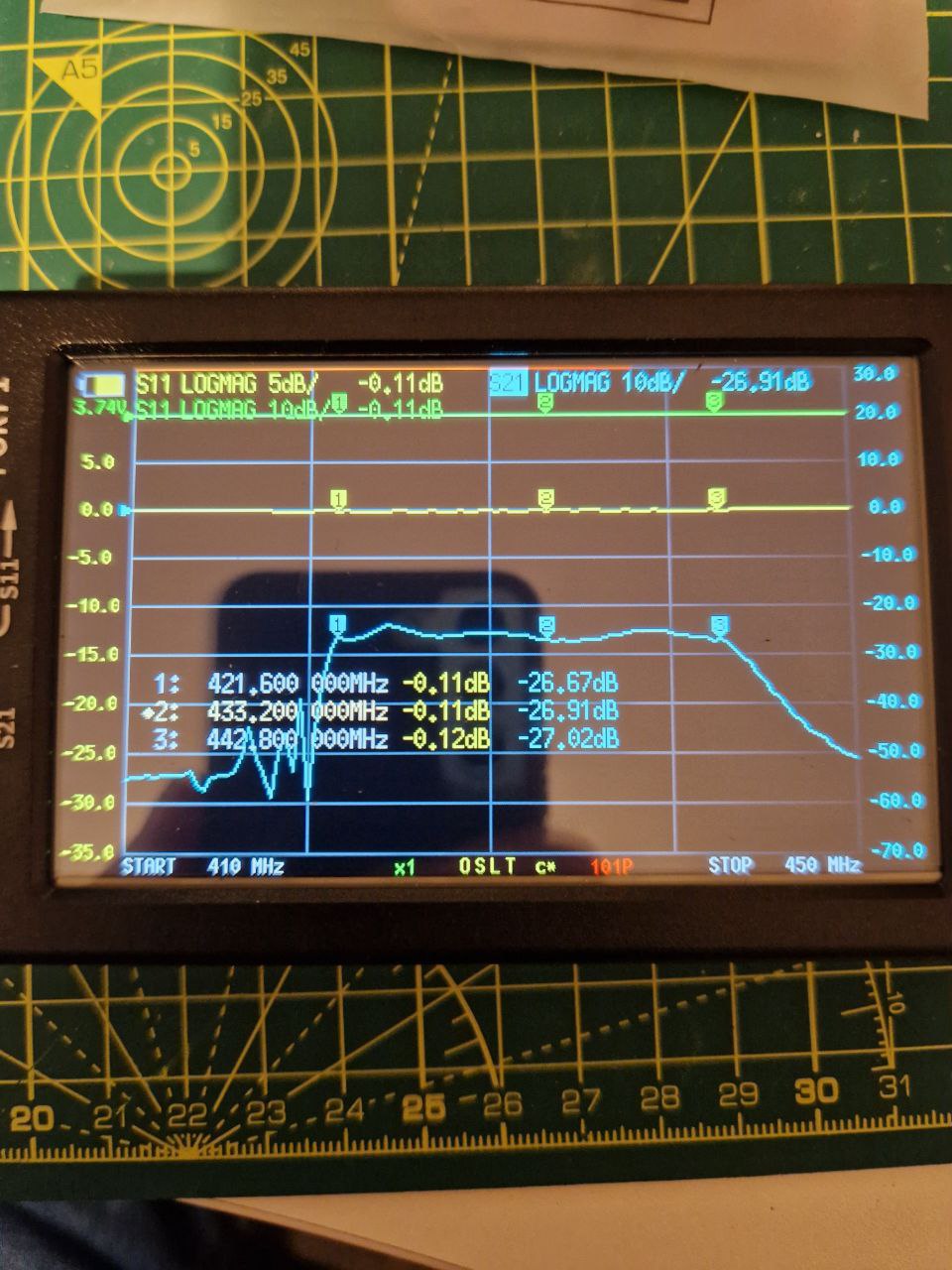
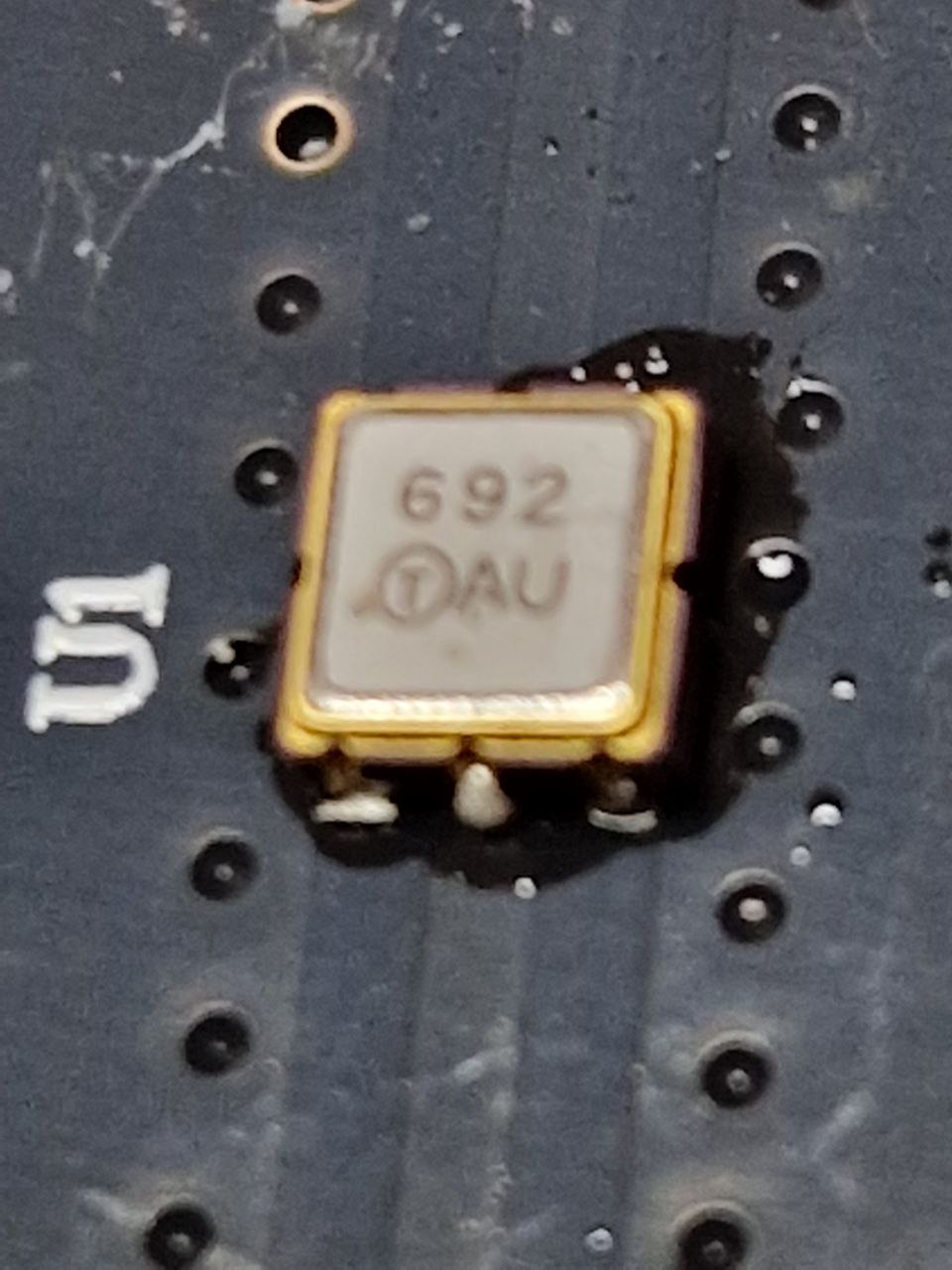
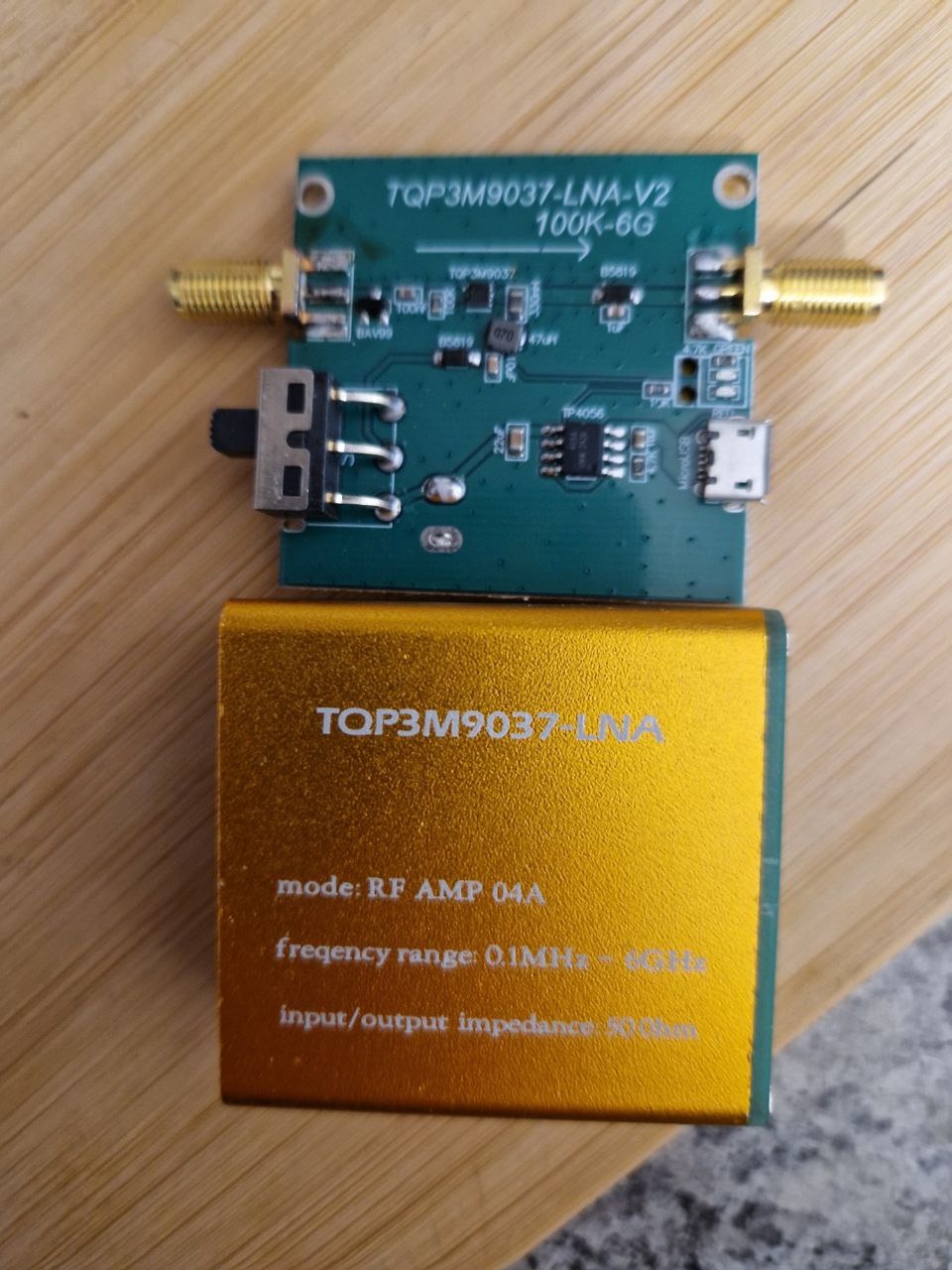
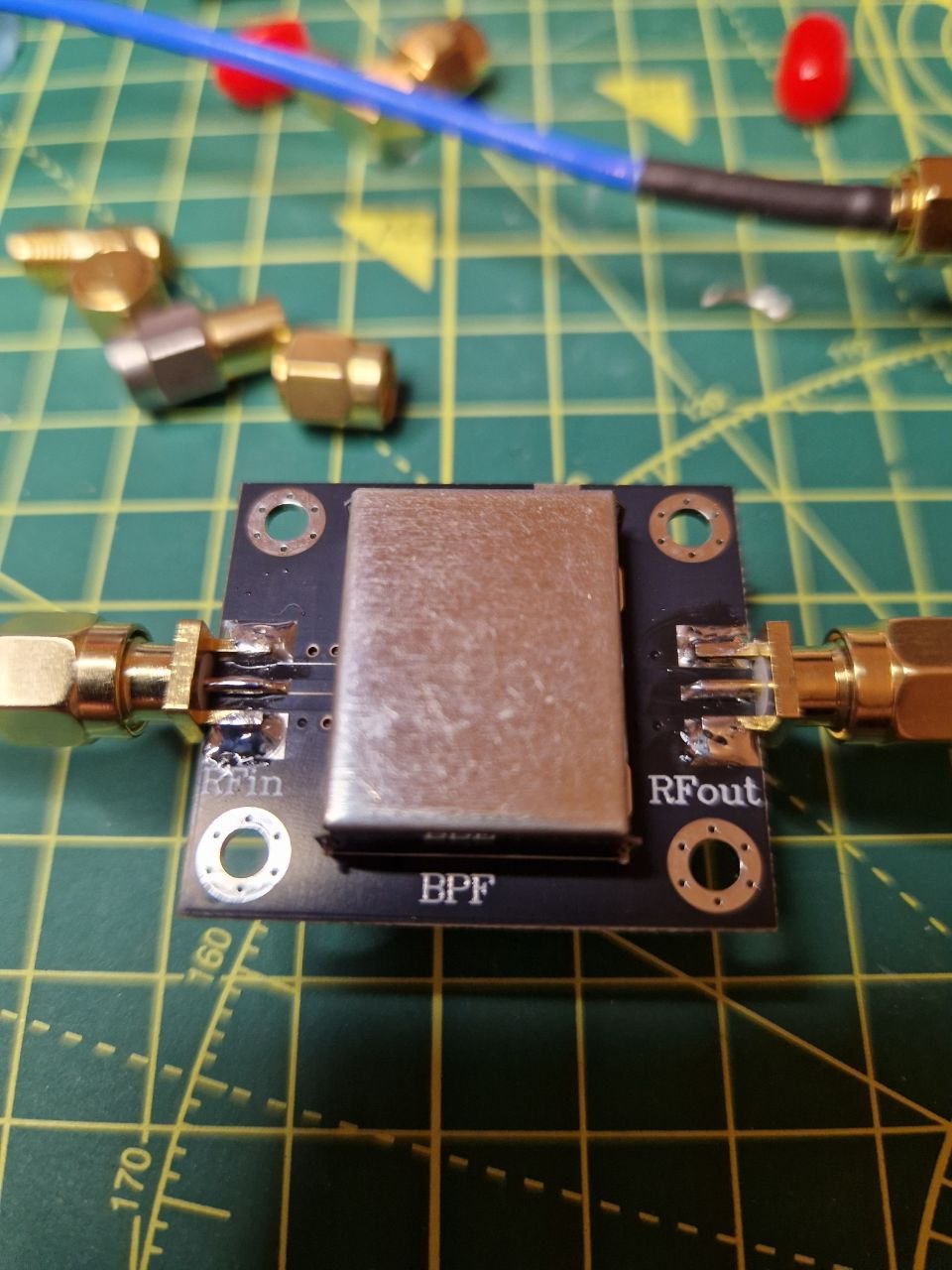
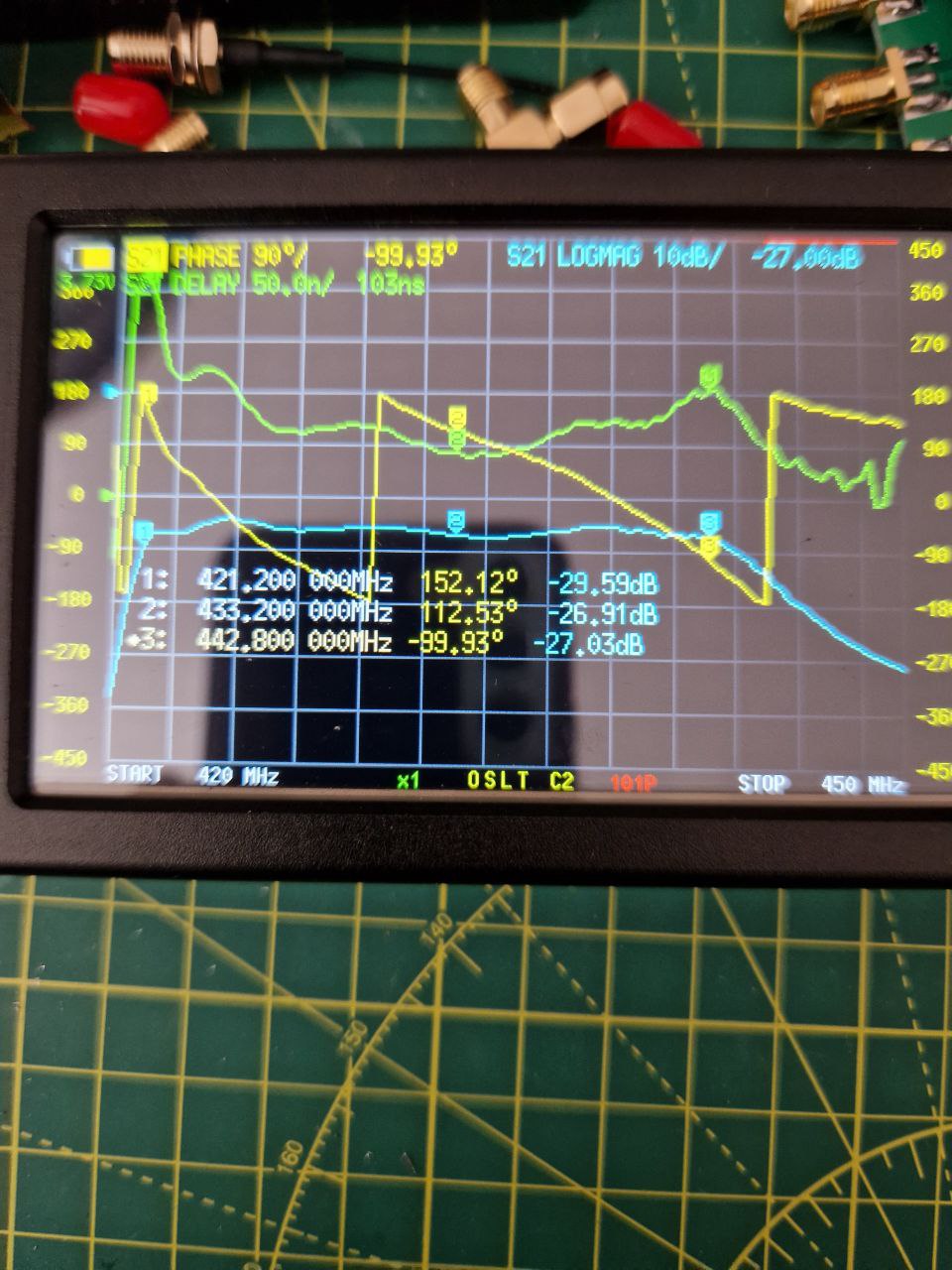
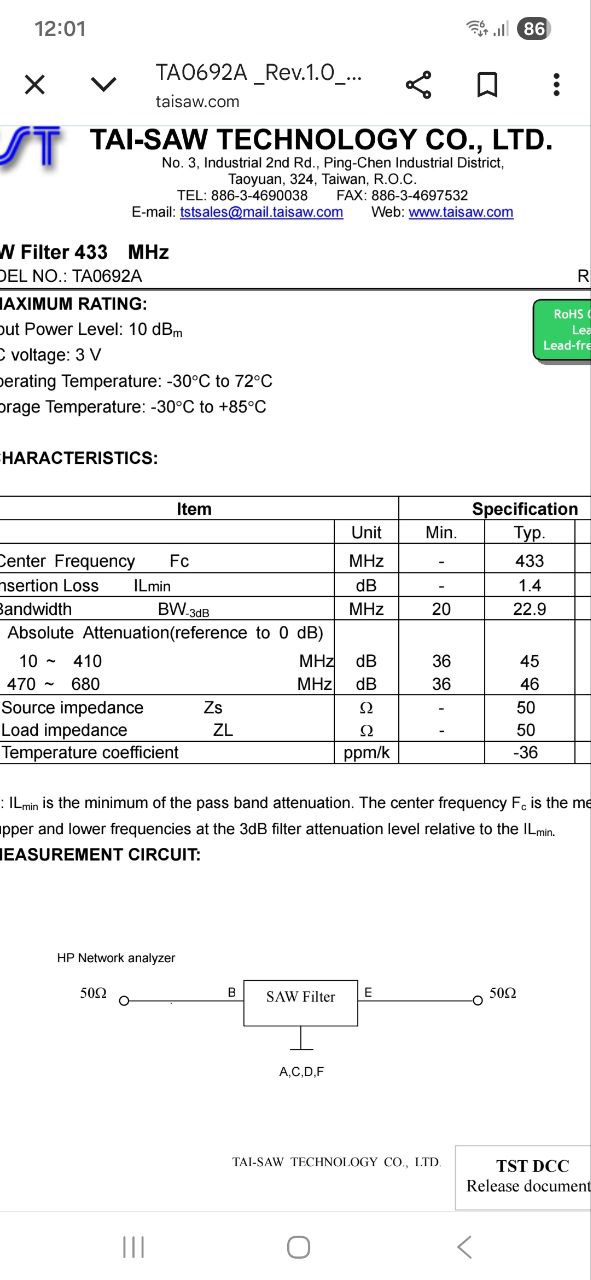
- Mike G0MKK shared his experience adding a bandpass filter and LNA from cheap eBay/Aliexpress components to his setup. He found the filter had a significant insertion loss of 27dB and suspected it was a SAW filter. He posted pictures of the filter and phase/delay measurements, noting it was very out of specification. Stefan/OE6ISP commented on the high loss, comparing it to his triple helix filter with only 0.2dB loss, and suggested checking phase response/group delay as cheap filters often disrupt the signal. 🔗
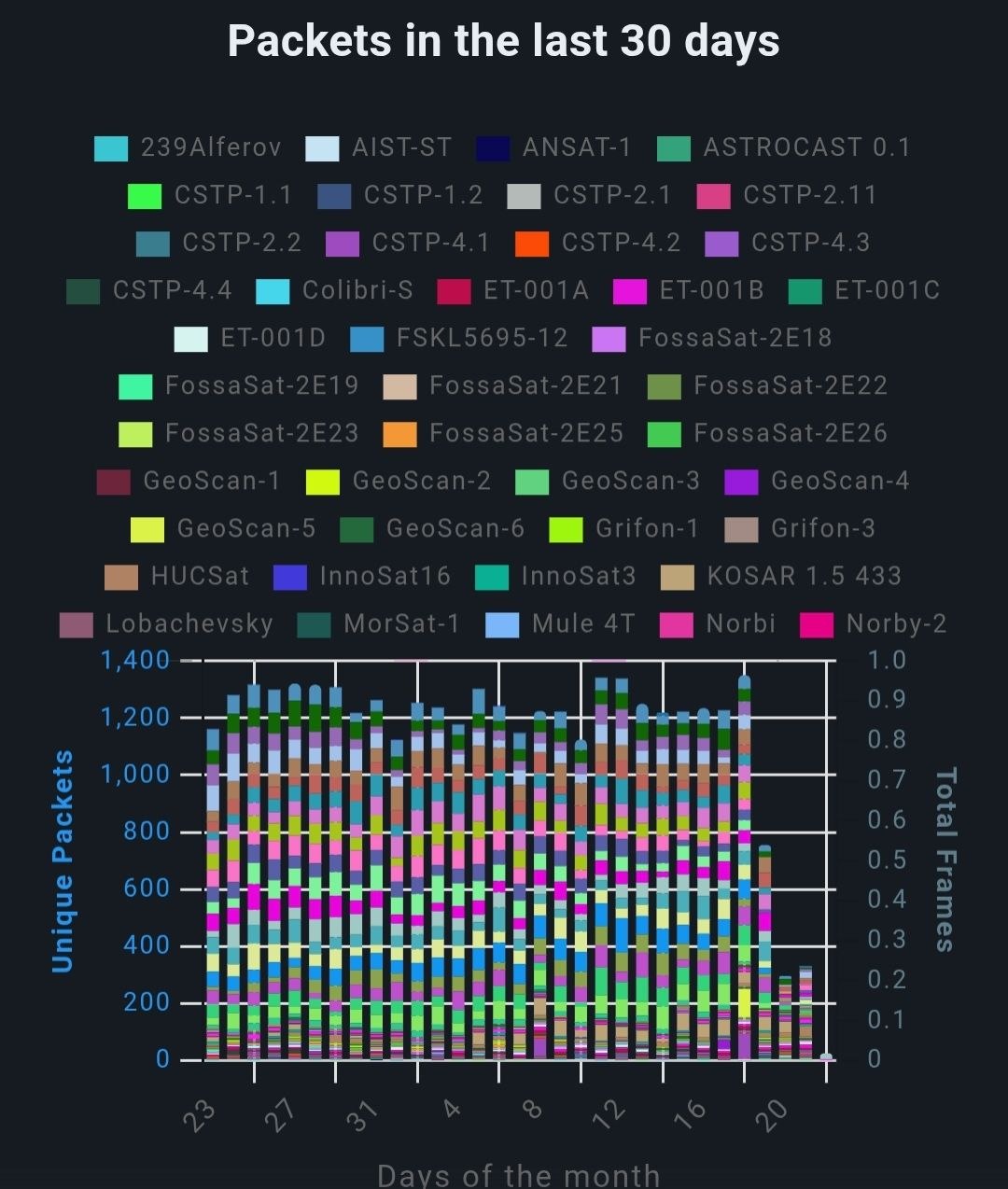
- Chris_DL7AG shared a project for a clearer display of TinyGS satellites received, including statistics, and provided a link to the website. 🔗
https://allsky.dl7ag.de/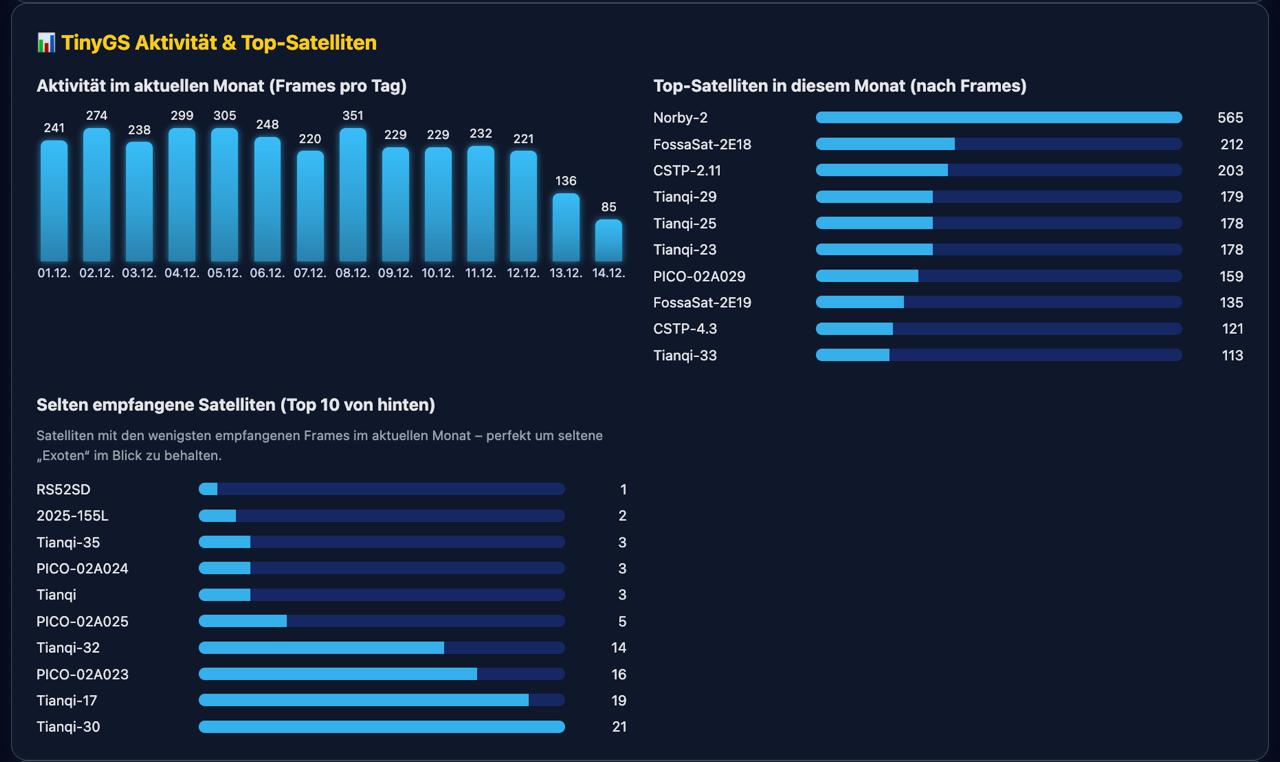
Beta Firmware Testing
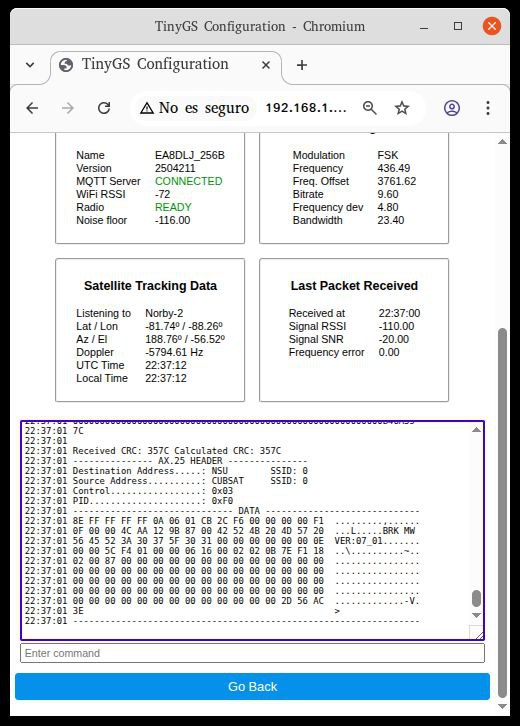
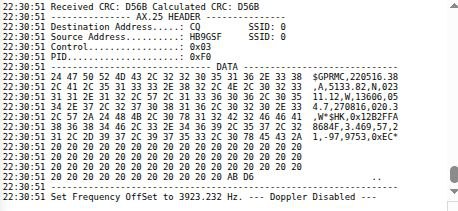
- Estbhan is working on a new feature to print AX.25 packets on screen for console lovers, sharing an image of the development. 🔗
Balloons
- Joshua announced that the Cornell team is developing next-generation ChipSats and plans to launch prototypes in a weather balloon on the east coast, transmitting on 915MHz. K4KDR noted that the APRS beacon was not visible on aprs.fi, suggesting a potential issue. 🔗
https://t.me/c/1448773154/78478/191978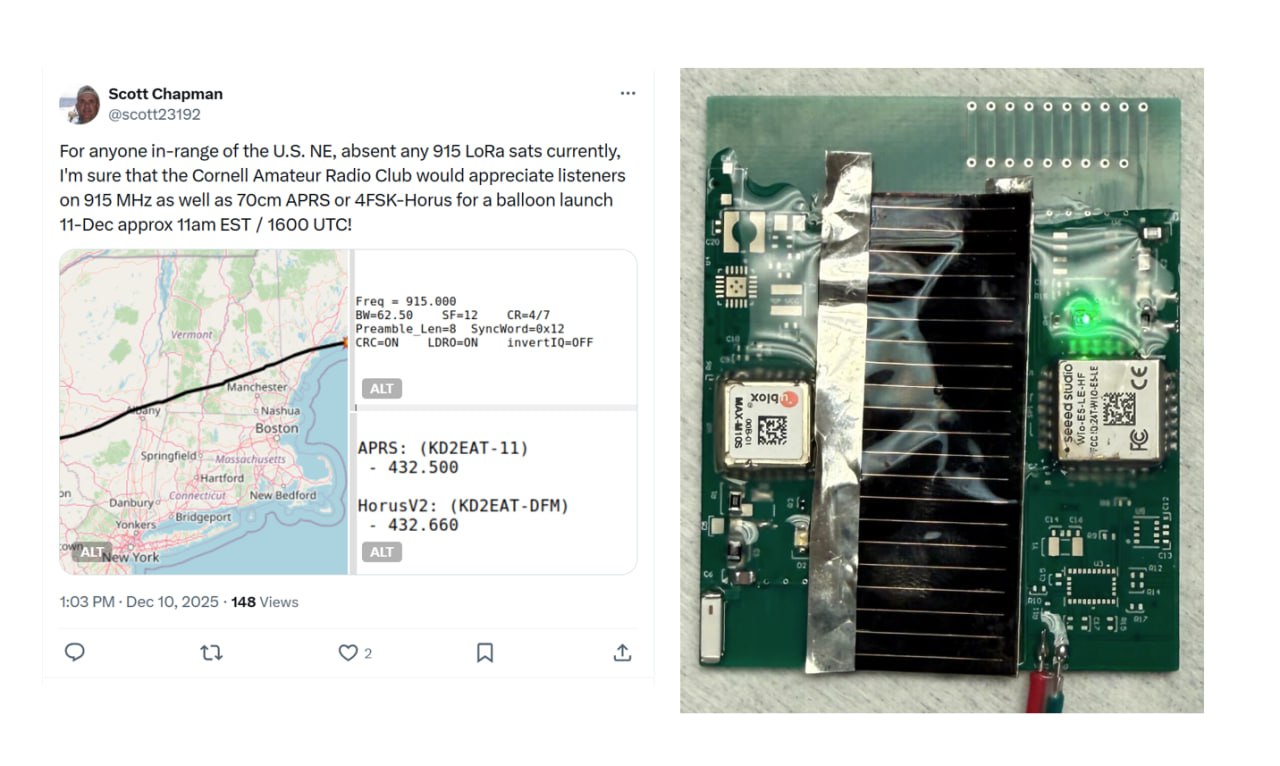
Events
- G4lile0 announced that TinyGS is the largest satellite tracking network in the world (made in Spain) and invited people to an event at Matadero Medialab on December 12th, sharing a promotional image. 🔗
https://www.meetup.com/es-es/the-things-network-madrid-community/events/312392604/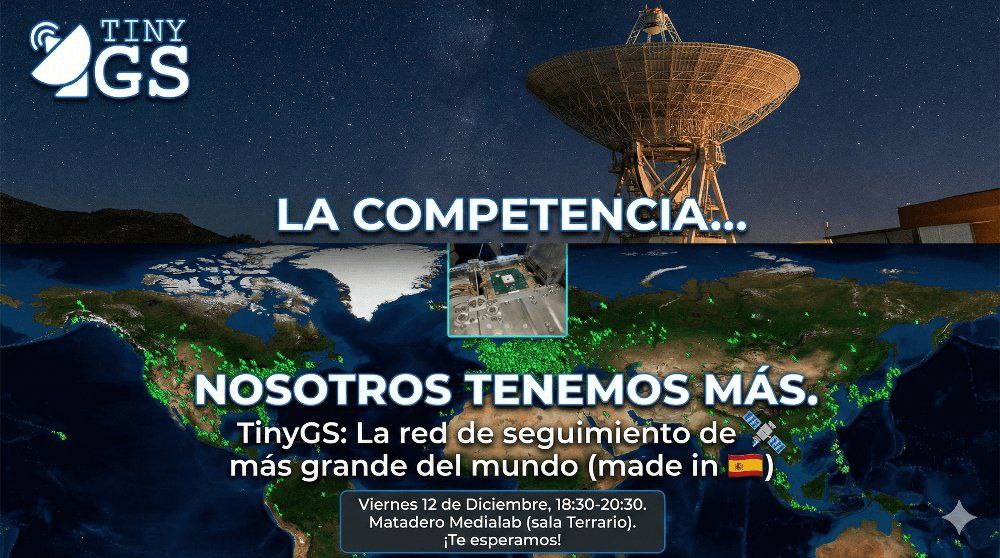
Featured Conversations
- The community closely followed the Cornell LightSail mission, analyzing potential signal packets and discussing the complex deorbit dynamics influenced by atmospheric drag and sail orientation. This investigation highlighted the challenges of tracking experimental satellites with unconventional trajectories.
- Members engaged in detailed troubleshooting of hardware and firmware, addressing issues like frequency offset algorithms, display problems after flashing, and the feasibility of Ethernet connectivity for stations in challenging RF environments, showcasing the collaborative problem-solving spirit.
- Recommendations for optimal hardware were consolidated, with the Heltec V3 (433 MHz) board being strongly endorsed for its superior performance in receiving both LoRa and FSK signals, providing clear guidance for new users setting up stations.
- Innovative community projects were shared, including a new feature to display AX.25 packets on console and an external website for visualizing station statistics, demonstrating ongoing development to enhance the user experience and data accessibility.
- Upcoming activities were announced, such as a weather balloon test for next-generation ChipSats and a community event in Madrid, reflecting the project’s growth in both technical experimentation and global community engagement.
What’s next
Join the TinyGS Telegram channel to participate in these discussions and contribute to the project. Your experiences and insights can help others build and improve their stations!
Share: