tinyGS
· TinyGS Community · 7 min read
Weekly Newsletter - December 21, 2025
Welcome to the TinyGS weekly community newsletter. Here are the most relevant discussions and developments from this week, covering hardware troubleshooting, antenna experiments, satellite tracking, and exciting news about upcoming launches.
Highlights
General
- iloveomsk noticed that the TUSUR GO satellite was only being received by 1-2 stations and questioned why the reception was so low, sharing a link to their station. They then inquired if their antenna was good, given the satellite’s listed 1W power. The discussion shifted to the challenges of receiving this specific satellite, with others noting that only about 5 to 10 European stations typically catch it due to factors like signal strength, antenna design, and frequency drift. They later asked about methods for rotating a 23-element Yagi antenna for satellite tracking. 🔗
https://app.tinygs.com/station/Budva@_7mzJWTdJRUGWDCq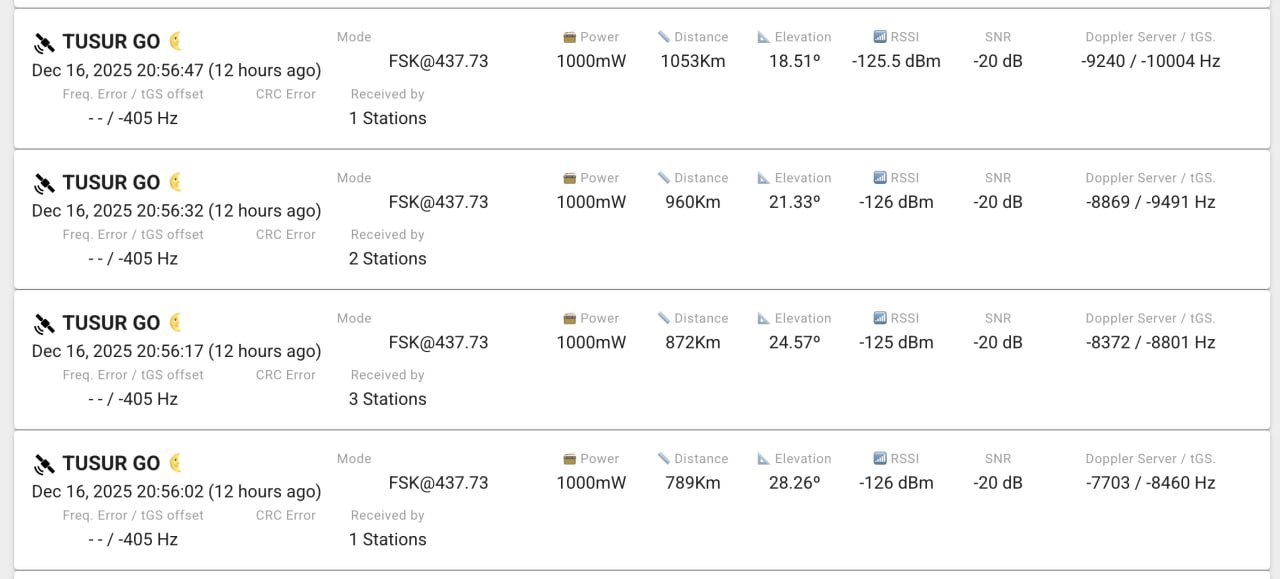
- Stefan/OE6ISP explained that the TUSUR GO satellite’s signal is not very strong despite its listed power, citing various factors like antenna and output stage. They shared a link to their own station to show typical reception levels. In response to a question about antenna rotation, they described using Satpc32 for tracking but also a simpler parked-antenna setup for TinyGS satellites, leveraging high gain and LNAs. They mentioned an easy solution for using TinyGS board data for tracking and provided a link to a previous post on the topic. They also cautioned about potential QRM (interference) from devices like servos and Arduinos when placing electronics near the antenna. 🔗
https://app.tinygs.com/station/OE6ISP_8@1760298214
https://t.me/c/1448773154/78484/169573 - Mike G0MKK asked if it would be possible to create a visualization similar to the existing heat map, but for satellite elevation data, noting the current heat map’s usefulness. This sparked a discussion where others clarified that the heat map already indicates proximity via elevation, but an elevation-specific map would be beneficial for visualizing antenna lobes and skyview, especially from locations with antenna restrictions. The non-linear nature of the elevation function was also noted. 🔗
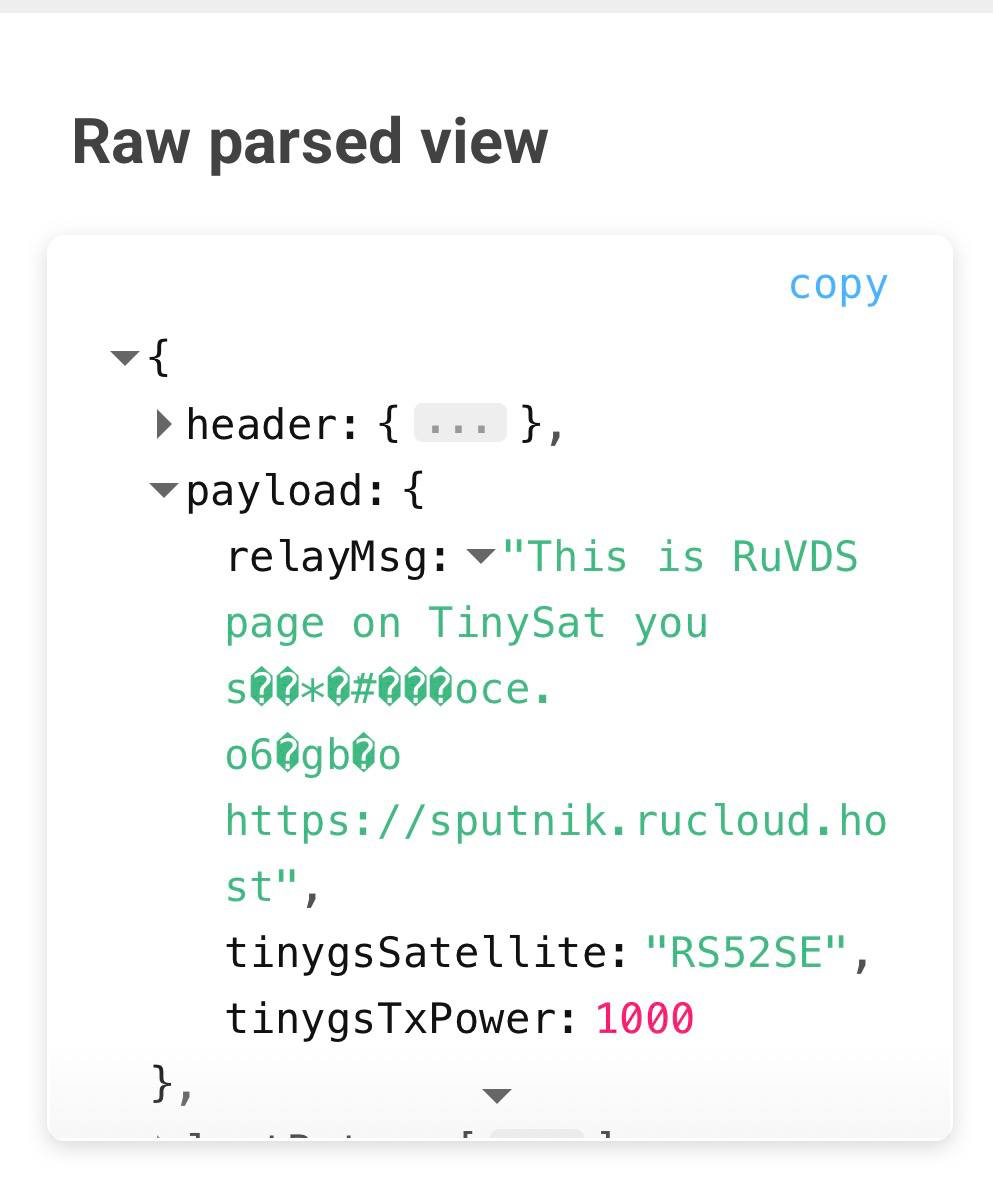
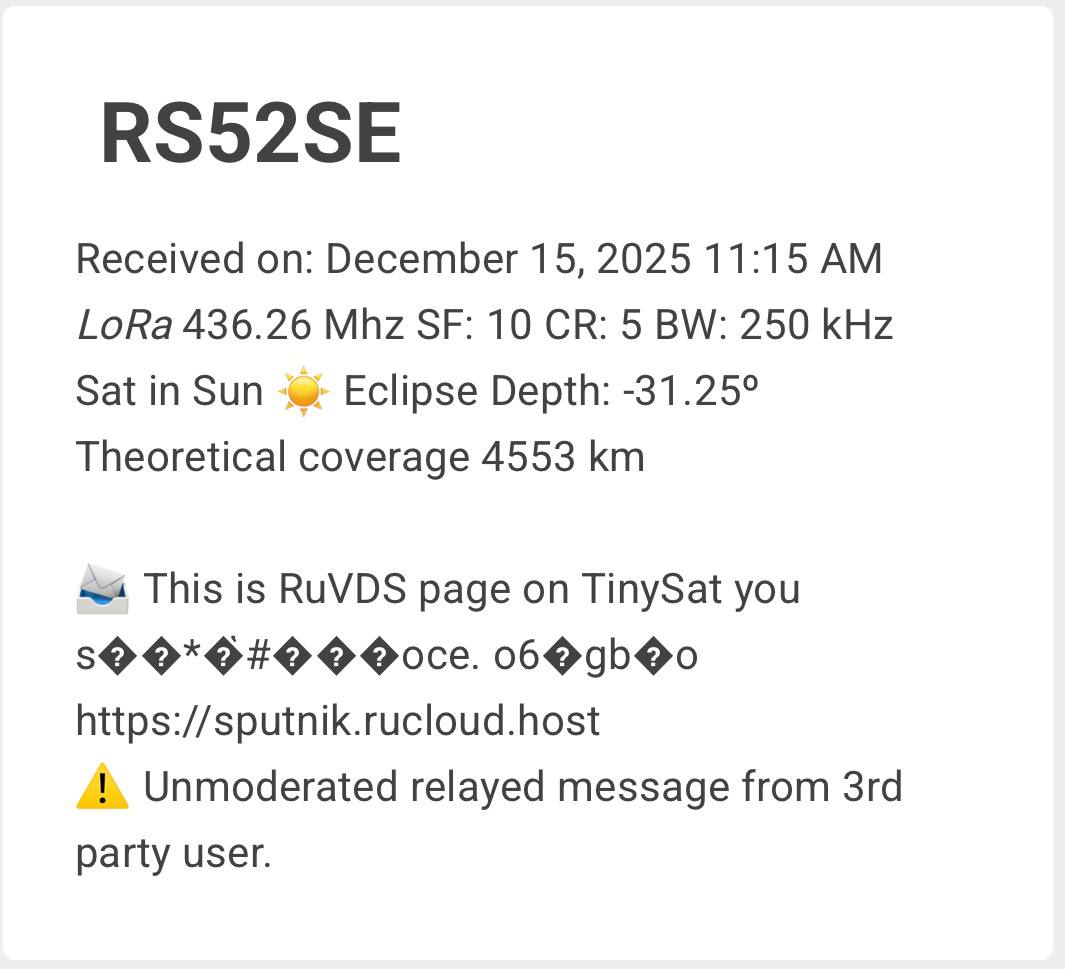
- agurkmix shared images of a received packet with unusual text, asking if it was an attempt at a cheeky message, as it was only received on their station. Helmi later explained it was a normal RS52SE packet with errors in the relayed message text, which isn’t checked by the decoder, and suggested checking other receptions from the same satellite. 🔗
Technical Problems
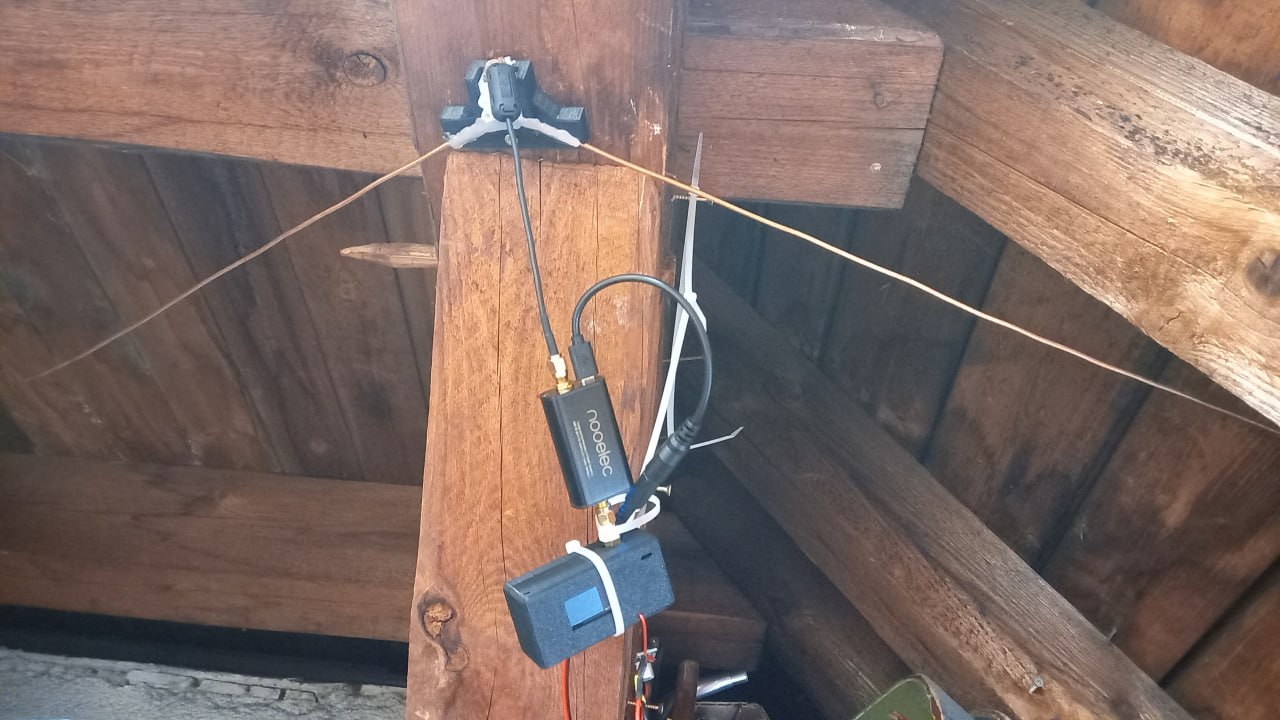
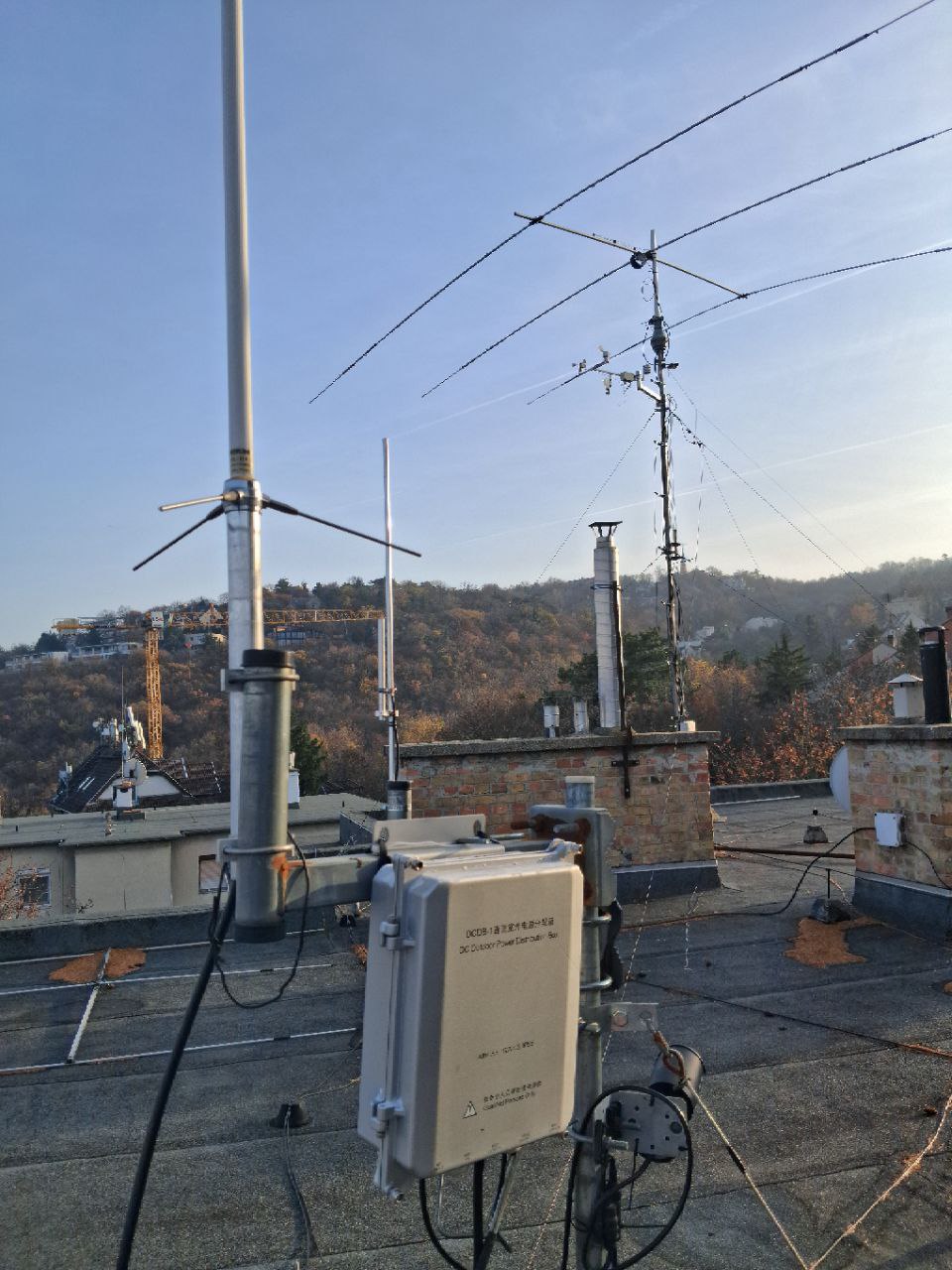
- ha5mi1 inquired about porting the firmware to use Ethernet instead of WiFi for a rooftop setup in a fully shielded metal box where WiFi signal was poor, showing photos of the setup and noting a signal level of around -88dB. They discussed the limitations of external WiFi antennas and expressed concerns about being locked to a specific firmware release if a custom wired solution was implemented, while also considering contributing back to the repository. Community members suggested alternatives like using an external WiFi antenna or a small travel Wi-Fi device on the Ethernet cable as a bridge. 🔗
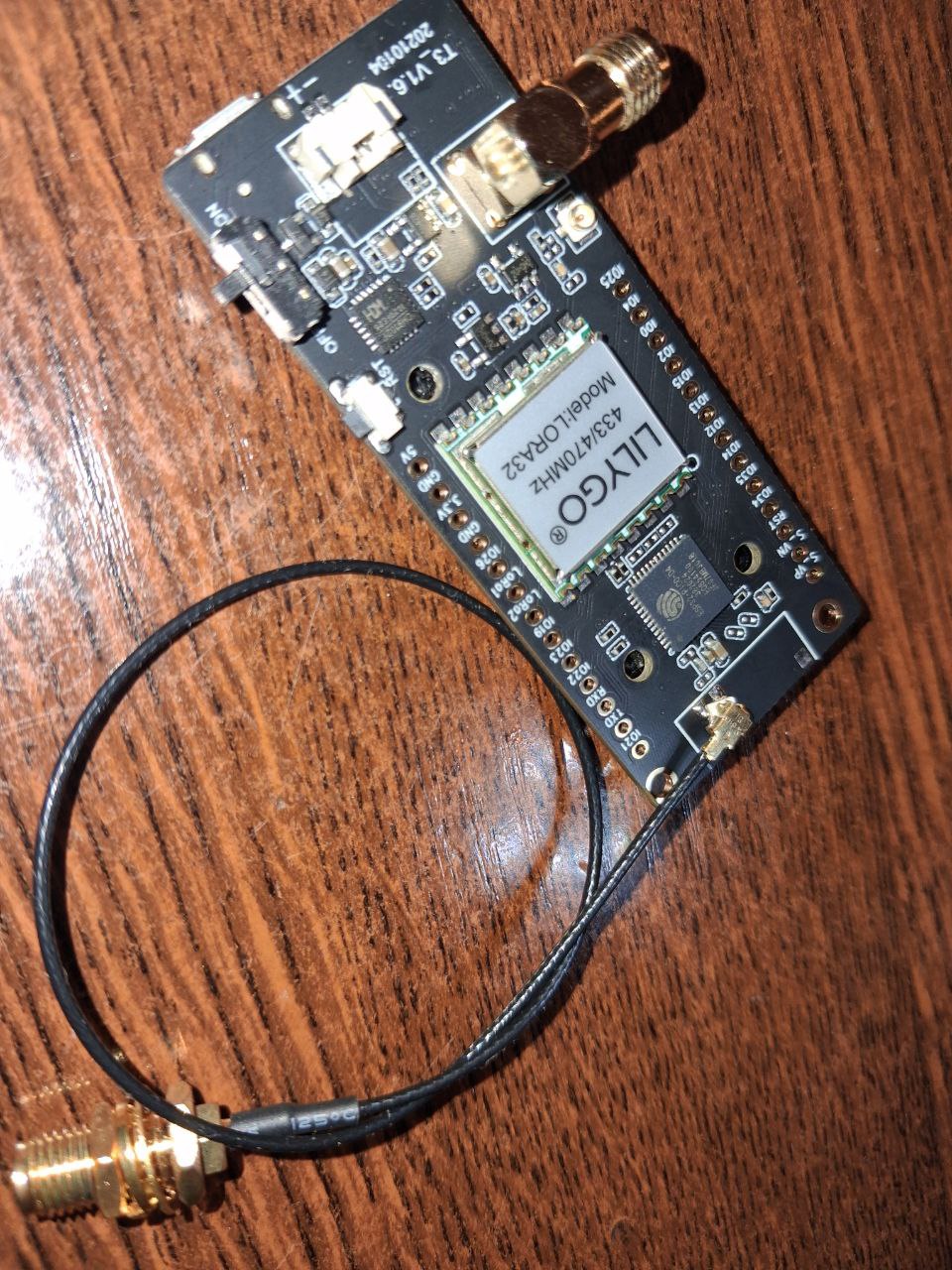
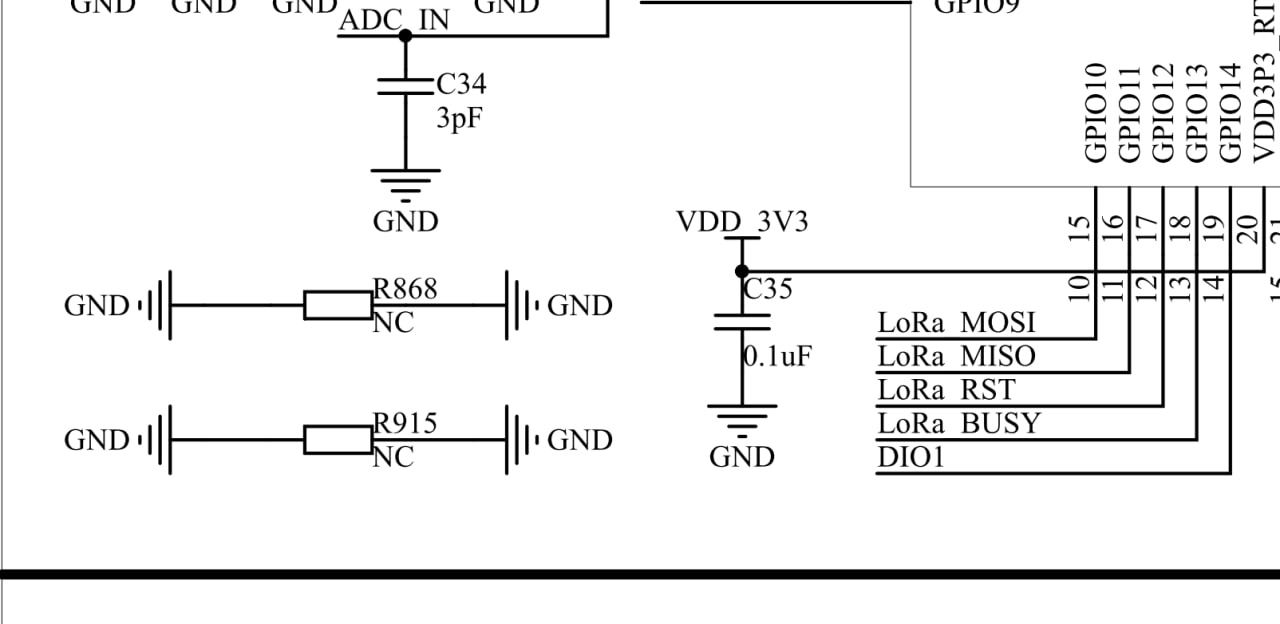
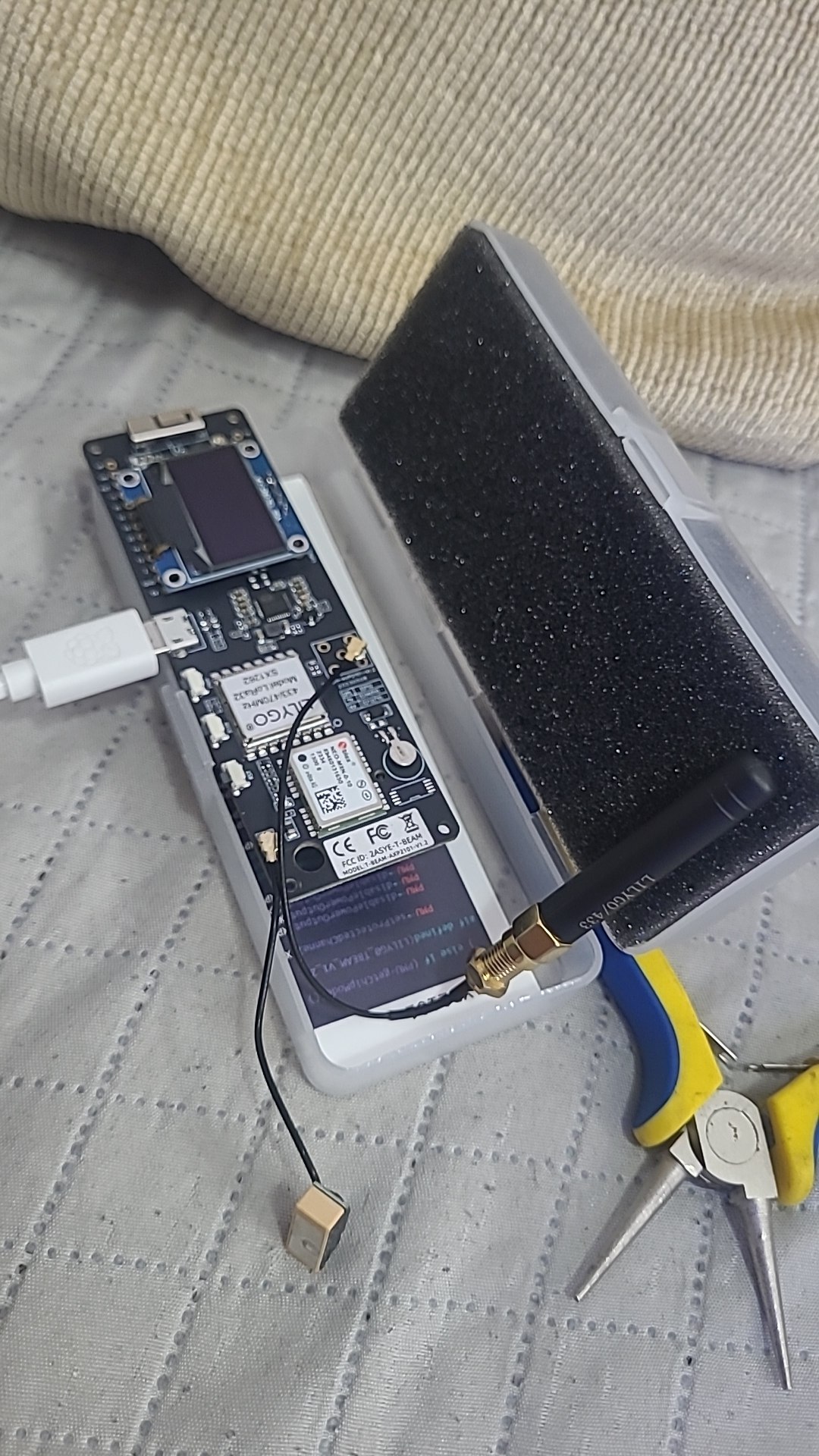
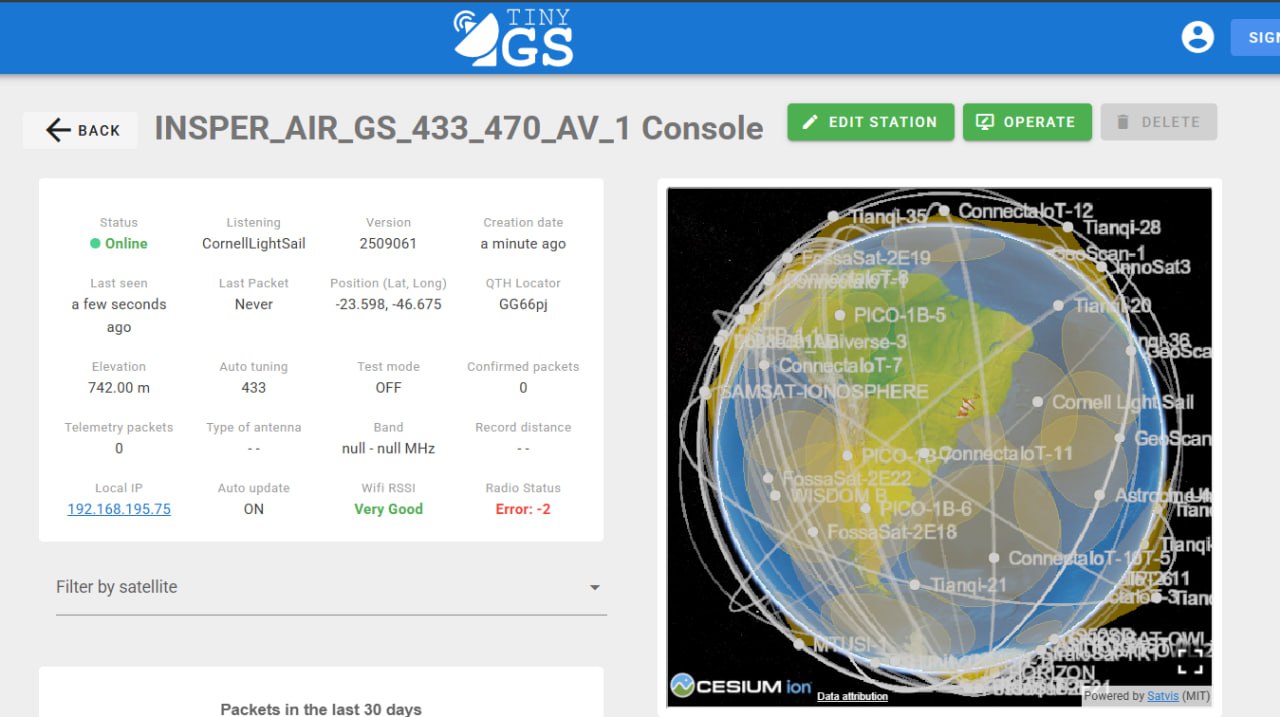
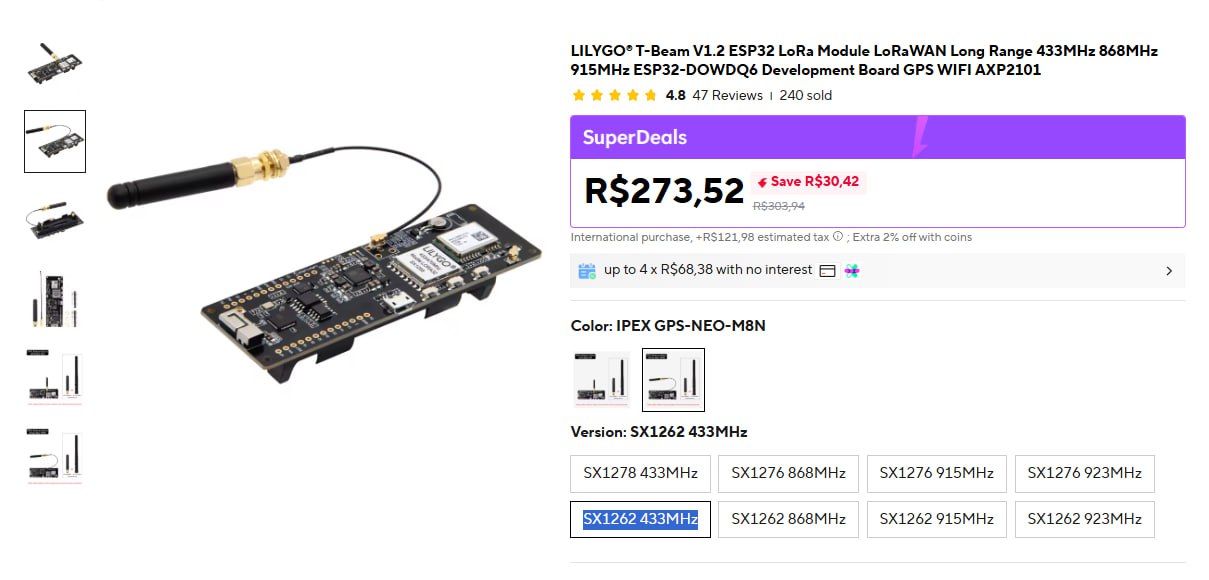
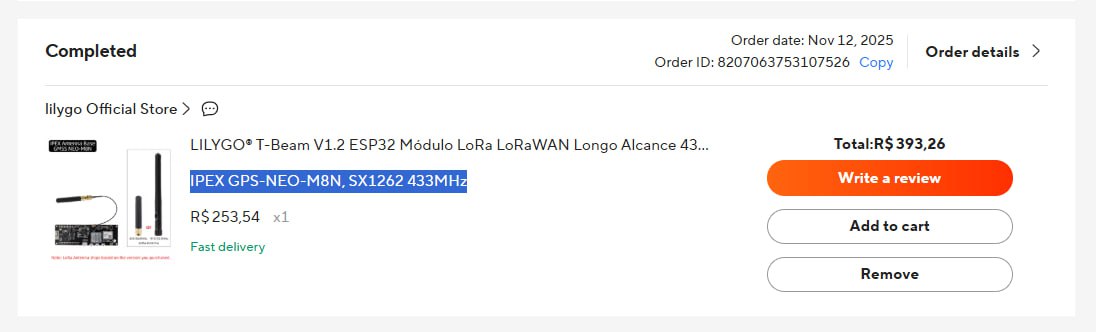
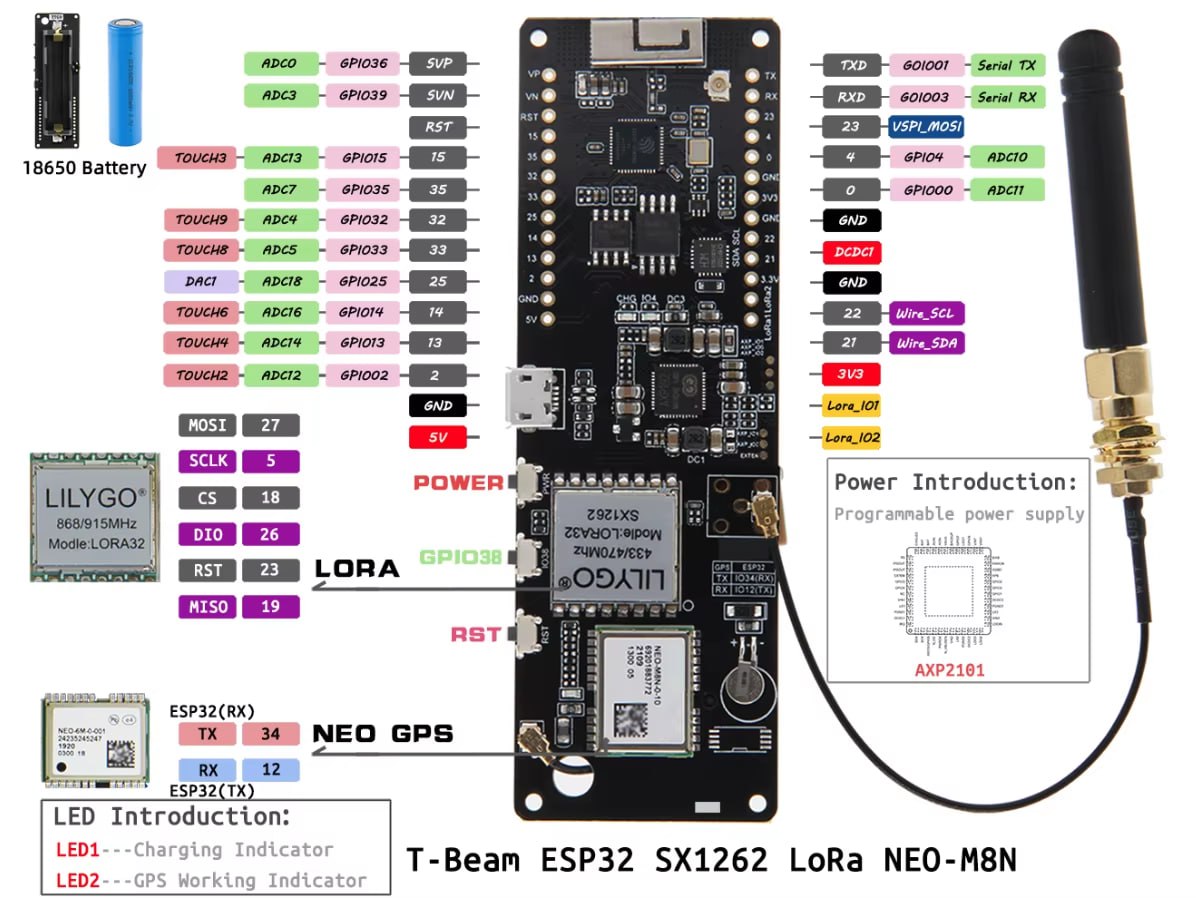
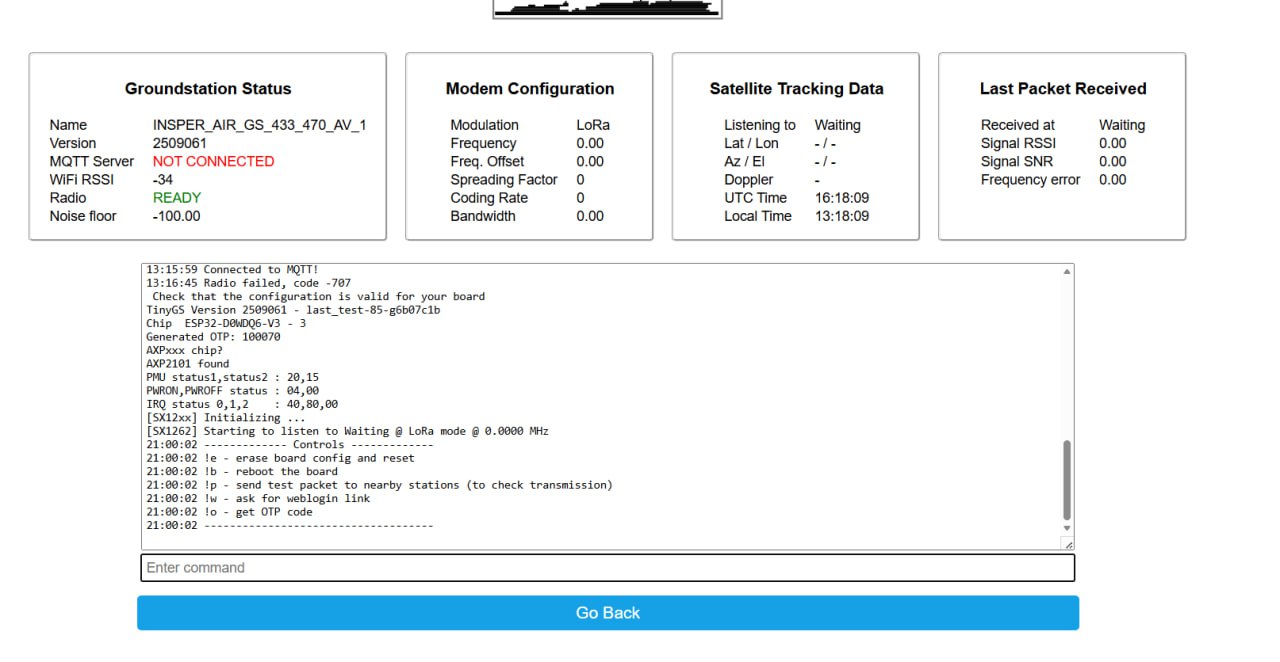
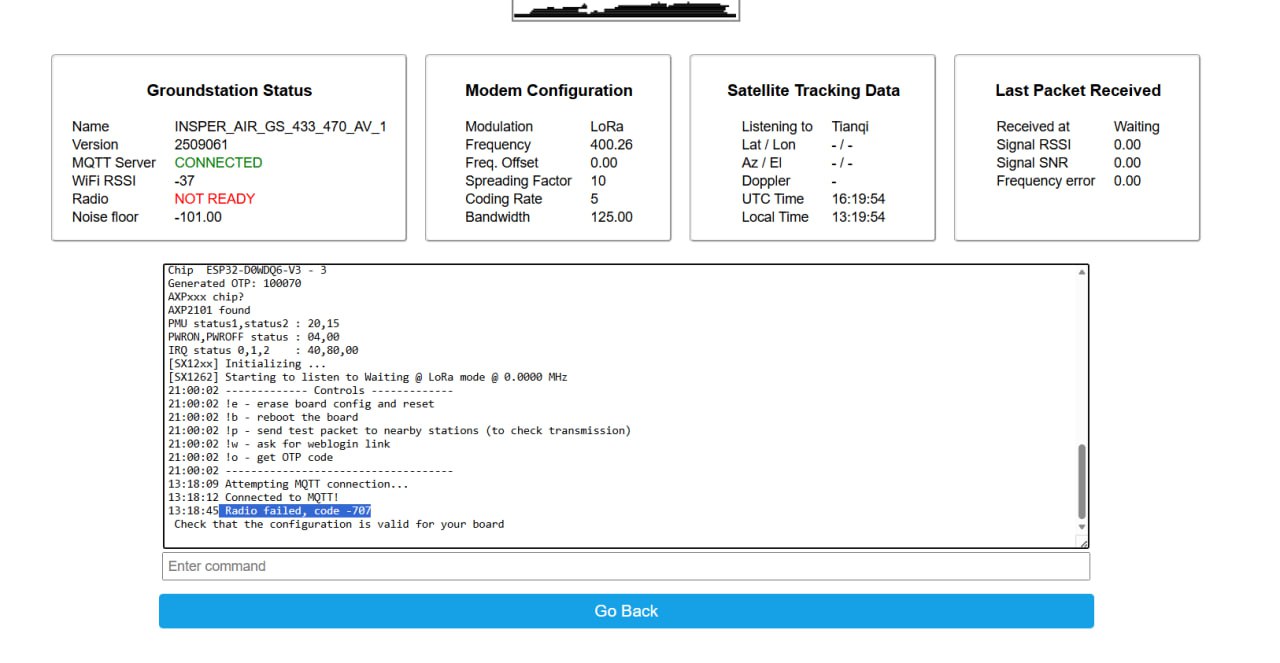
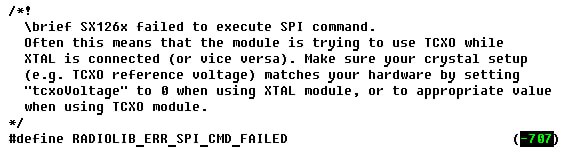
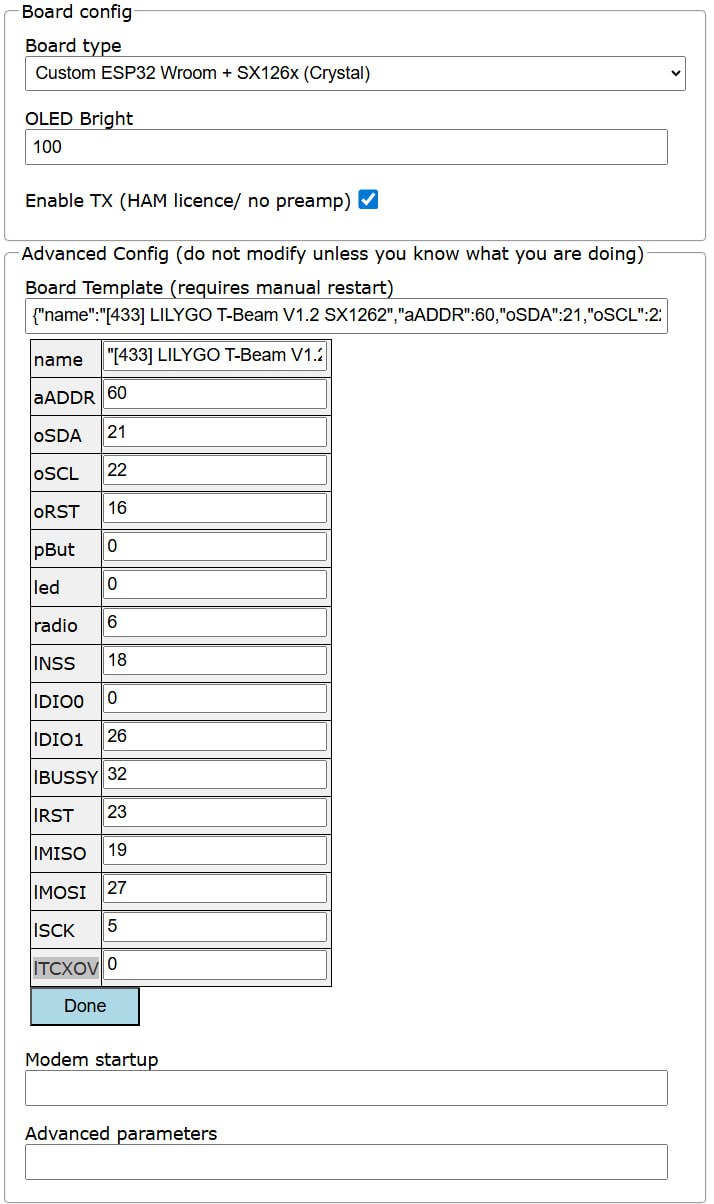
- A. Victor sought help setting up a LILYGO T-Beam board, encountering ‘Radio failed, code -2’ and later error -707. They shared their manual configuration and photos. With community assistance, they corrected the radio type to 6 for SX1262, resolving the first error, and then discussed correcting the TCXO voltage (lTCXOV) parameter from 0 to 1.6. After initial success, they later reported not receiving any data packets and shared screenshots for diagnosis, leading to discussions about antenna type, cable, and placement. 🔗
https://github.com/G4lile0/tinyGS/blob/beta/tinyGS/src/ConfigManager/ConfigManager.cpp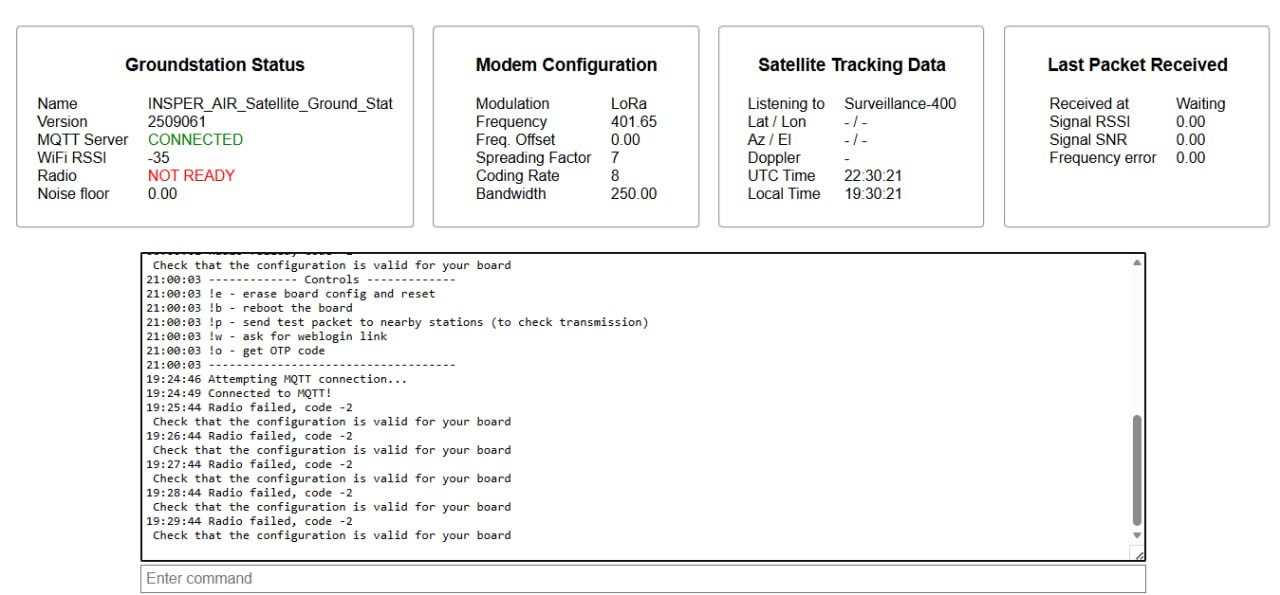
- Chris_DL7AG experienced a problem accessing the TinyGS web interface via Starlink for several days, while it worked on mobile data. After investigation and community help, it was determined their IP had been banned from the server, and the issue was resolved. This was part of a series of login and access issues discussed throughout the week, including token expiration errors and the importance of proper logout procedures. 🔗
- CT1DHM_CR5M reported an issue where their station name changed without intervention and was incorrectly tuning to the 900 MHz band. G4lile0 explained that system rules prevent duplicate station names, which can cause an automatic suffix to be added, and that the frequency band might be miscalculated by the algorithm. They advised logging into the web interface via /weblogin to manually correct the setting. 🔗
Share your setup
- Chris_DL7AG shared a project for a clearer display of TinyGS satellites received, including statistics, and provided a link to the website. They also mentioned they were renovating and expanding their station setup. 🔗
https://allsky.dl7ag.de/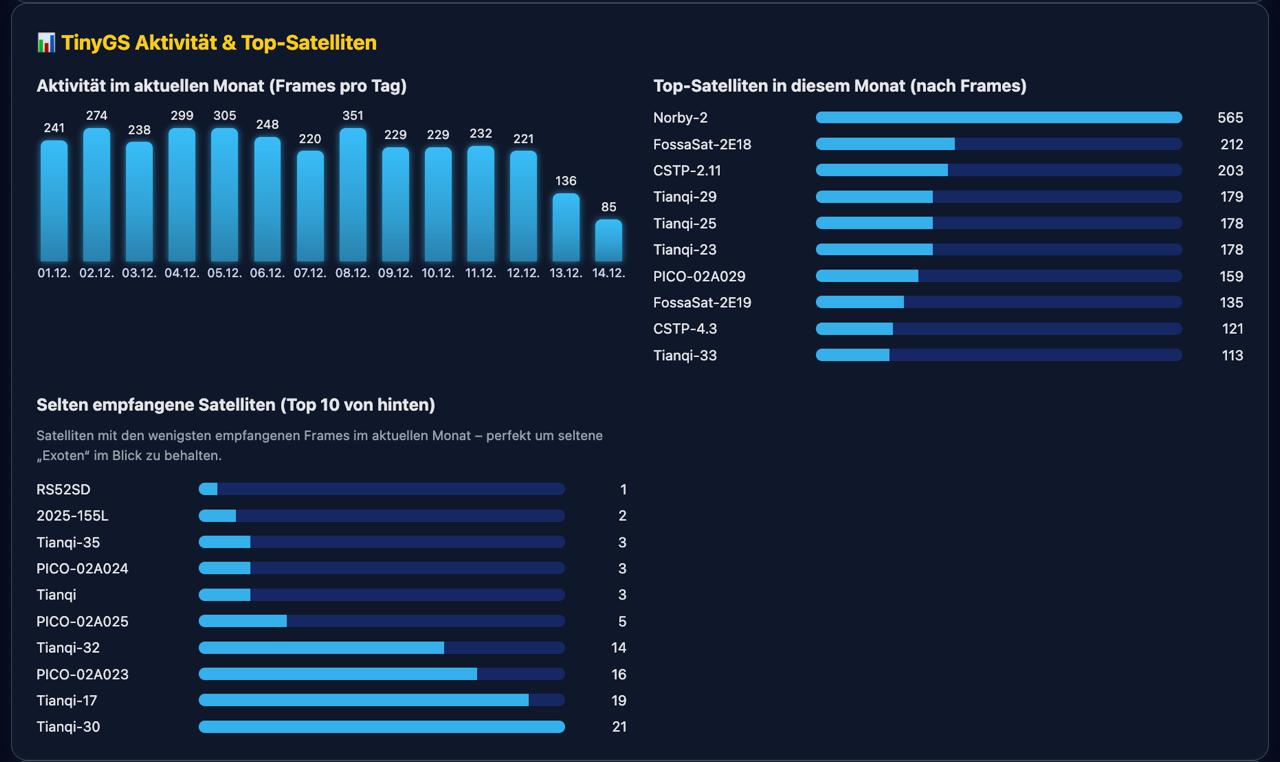
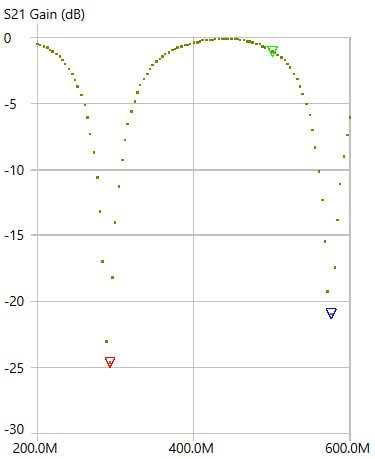
- Mike G0MKK tested a saw filter purchased from eBay and confirmed it was defective. shared a comparison with a homemade 1/4λ shorted stub filter, detailing its construction from approximately 36cm of RG316 cable trimmed to frequency, resulting in a Q of 2.16, a -3dB bandwidth of 196MHz, and a loss of 0.16 dB. 🔗
Balloons
- Joshua reported on a balloon launch where one popped due to high winds, but students successfully received ChipSat data beyond 100km. They discussed the next challenge of receiving from 100 ChipSats, considering strategies like using multiple frequencies and synchronized time to stagger transmissions. K4KDR suggested using the same downlink frequency and LoRa parameters for all chipsats to minimize collisions, or employing 4-5 non-overlapping frequencies with multiple ground stations per frequency. Stefan/OE6ISP added that simultaneous LoRa transmissions on the same frequency/bandwidth with different spreading factors are possible by design. 🔗
Beta Firmware Testing
- Alice asked if there was beta software for the Heltec Wireless Tracker board, specifically to get its LCD working. They clarified it was a nice-to-have feature for a board they had available. Helmi advised that if the correct board was selected during installation, the LCD should work, and to ensure brightness was set above 10. megazaic explained that standard TinyGS boards use an OLED SSD1306, but the Tracker board uses an ST7735 LCD which is not supported. 🔗
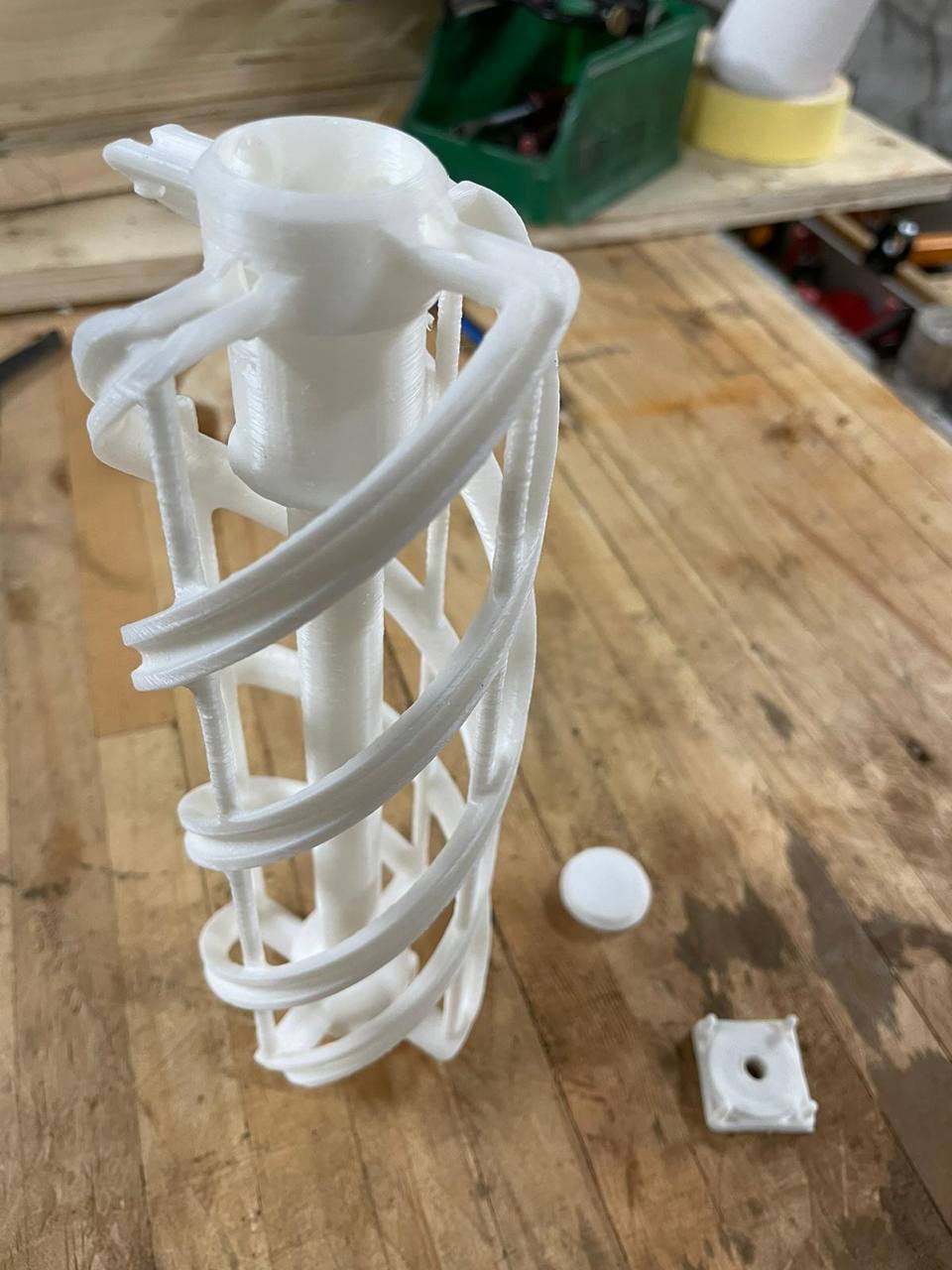
- Alice later inquired if support for a specific display and board was a work in progress, expressed willingness to beta test, and shared that they had just printed a related component. megazaic explained that while basic support could theoretically be added, it was not officially planned due to many requests for color and larger displays. Chris_DL7AG shared that they had also built the components, noting it required a significant amount of tinkering. 🔗
New Satellites
- G4lile0 shared updates on the upcoming launch of the HANBIT-Nano satellite, part of the ‘SPACEWARD’ mission, which will carry the new LoRa satellite Jussara-K. They posted a live stream link for the launch and later noted the countdown was at T-42 hours. 🔗
https://www.youtube.com/watch?v=RqGZ1mS5FC0
Where to buy
- Adei asked for recommendations for a good FSK-capable board to add to their setup after successfully receiving 433 MHz LoRa packets with an SX1278 board. They also inquired about a good and cheap wideband filter for the 400-450 MHz range, mentioning they had removed an old one to unblock signals from FOSSA. 🔗
- Stefan/OE6ISP recommended the Heltec V3/1262 as the best current choice for an FSK board, based on use in their OE6ISP-x stations. For a filter, they suggested using a Diamond Diplexer 2m/70cm as a low-pass filter, citing its low cost and very low loss (0.25dB), and provided a link to their station as an example. 🔗
https://app.tinygs.com/station/OE6ISP_2@1760298214
Featured Conversations
- The community explored solutions for challenging station installations, including discussions on porting firmware for Ethernet connectivity in shielded environments and troubleshooting specific hardware like the LILYGO T-Beam board, highlighting the collaborative problem-solving spirit.
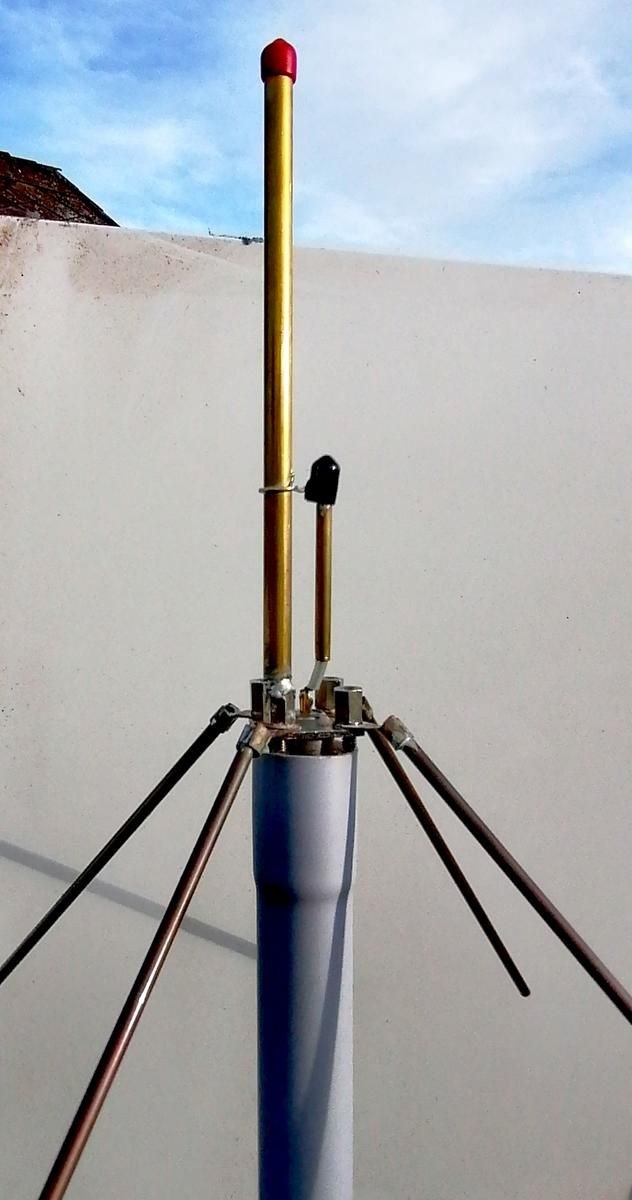
- Antenna performance and filtering were key topics, with members sharing experiences on building homemade coaxial stub filters, diagnosing reception issues with new antennas, and seeking advice on optimal hardware like FSK-capable receivers and wideband filters.
- Upcoming developments in the TinyGS ecosystem were shared, including a preview of a firmware feature for satellite prioritization and exciting news about the imminent launch of the HANBIT-Nano satellite carrying the new LoRa satellite Jussara-K.
- Discussions on satellite tracking tools evolved, with suggestions to enhance visualization by creating elevation-specific heat maps to better understand antenna coverage and skyview, building upon the existing useful azimuth heat map.
- The community analyzed specific satellite reception challenges, particularly for the TUSUR GO satellite, discussing factors like transmitter power, antenna design, and local interference that affect how many stations can successfully receive its signal.
What’s next
Join the TinyGS Telegram channel to participate in these discussions and contribute to the project. Your experiences and insights can help others build and improve their stations!
Share: