tinyGS
· TinyGS Community · 8 min read
Weekly Newsletter - August 2, 2026
In the week ending August 2, 2026, the TinyGS community untangled a hardware mystery behind 800/900 MHz reception problems, uncovered a subtle SX1262 sync-word difference for LoRaWAN satellites, and traded practical antenna wisdom from DC grounding to keeping antennas low. Station owners worked through decoding and configuration quirks, while antenna builders rescued the popular QFH calculator after the original site went offline.
Highlights
General
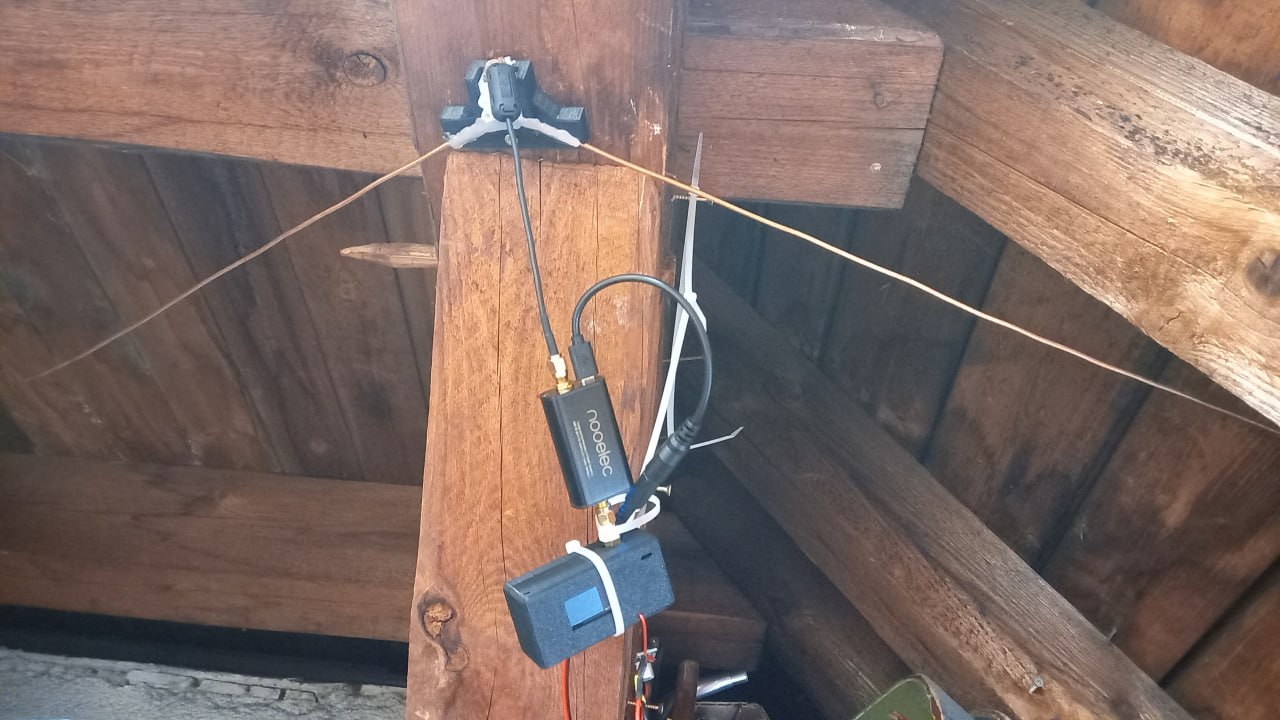
- Pascal asked about polarization and antenna clearance for receiving LoRa satellites on 137 MHz and for low-elevation passes such as TIANQI-35; the community replied that polarization effects are often overestimated, that vertical groundplanes or dipoles are a good choice, and that strong satellites like the Tianqi series can even be received with an indoor antenna tuned to 434 MHz; Matze shared his homemade V-dipole mounted under the roof, which routinely captures about 80 frames per day, and Stefan recommended a 3-10 dB attenuator between LNA and board for high-gain antenna setups. 🔗
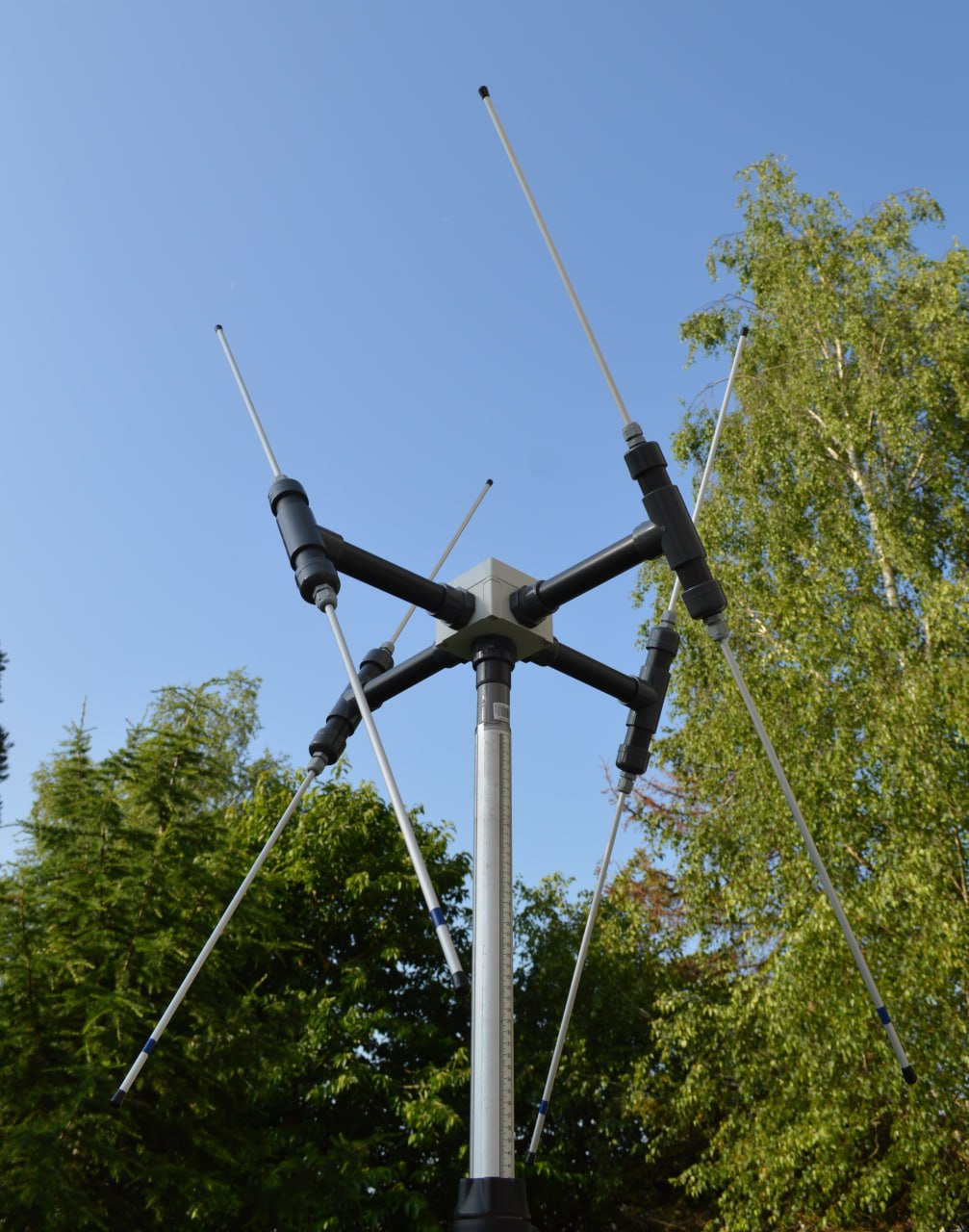
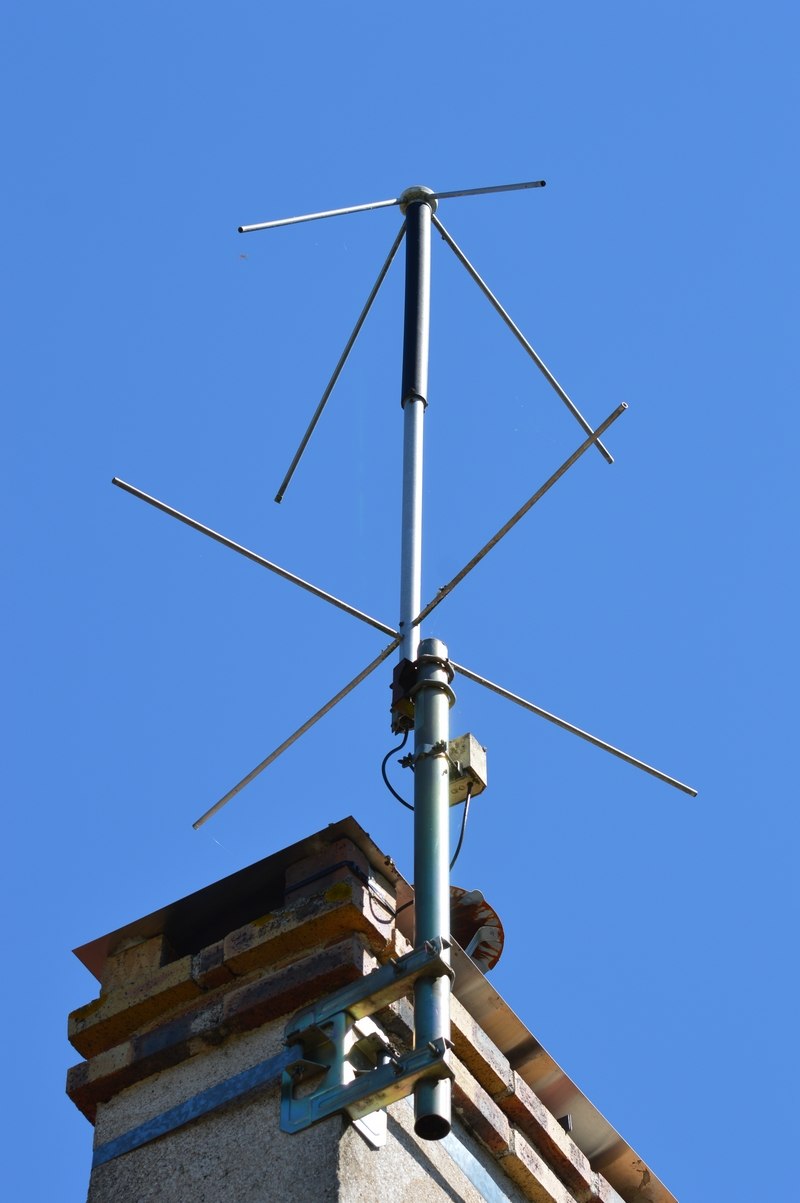
- Stefan/OE6ISP shared the practical tip that DC-grounded or shorted antennas protect LNAs from static charge, noting that normal groundplanes used to require annual LNA repairs while grounded radiators eliminated the problem; K4KDR added that antenna height above ground rarely helps for satellites and that lowering an antenna can often improve reception by reducing terrestrial interference. 🔗
- Pascal asked about the dashboard metrics ‘Doppler Srv/tGS’ and ‘Freq. Err/tGS offset’; Stefan explained that tGS is the Doppler shift applied by the ground station, Srv is the server’s recalculated Doppler, freq err shows how far off frequency the ground station was, and tGS offset is a hardware frequency error compensation calculated by the server using a reference satellite. 🔗
- A user the community compared thunderstorm-season protection practices, with suggestions to use antennas with intrinsic static safety, to disconnect equipment during severe weather, and to accept that even good grounding may not survive a direct lightning strike; one member recounted a past strike that destroyed electronics, while another decided to keep the station powered on. 🔗
Technical Problems
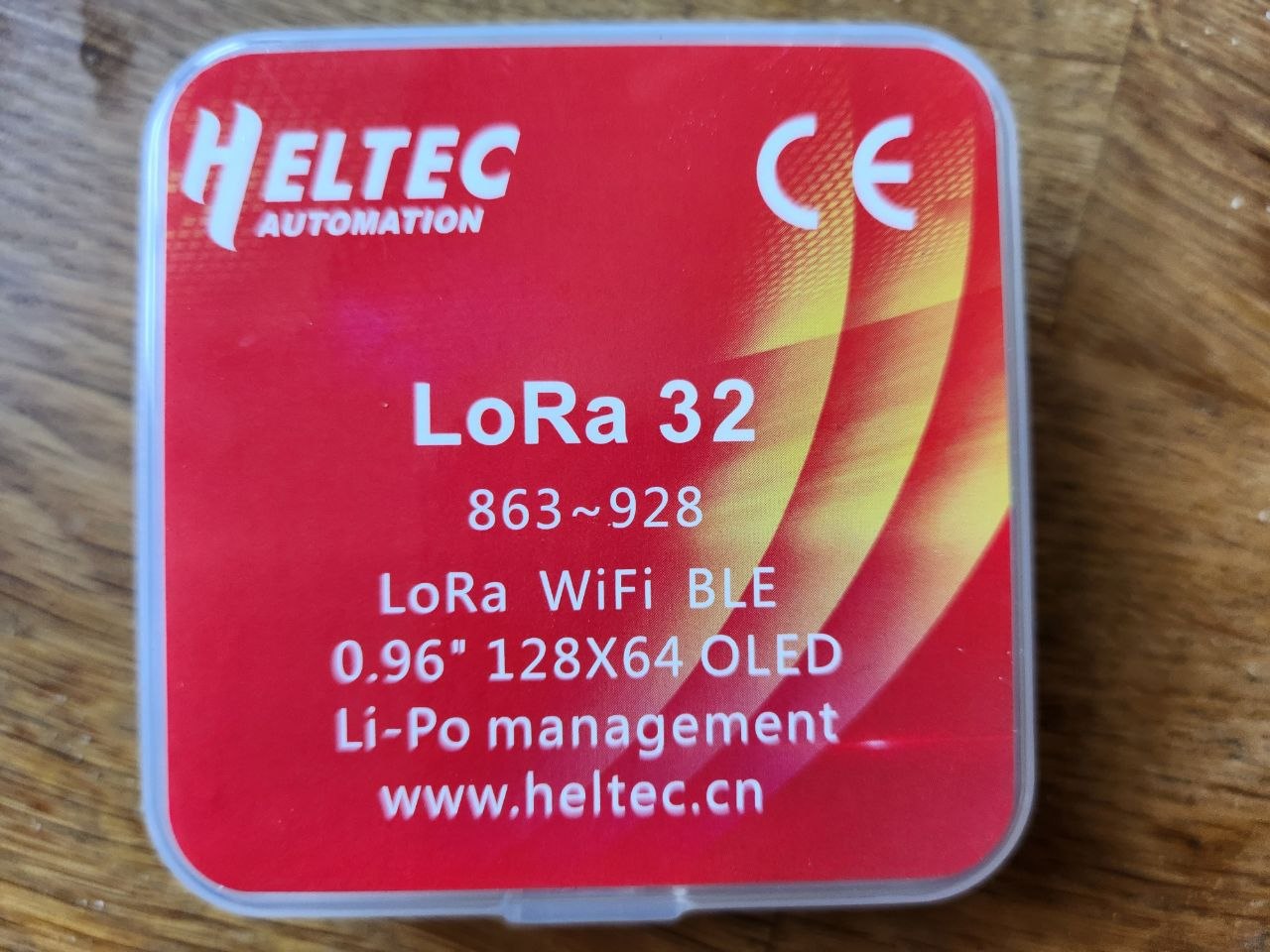
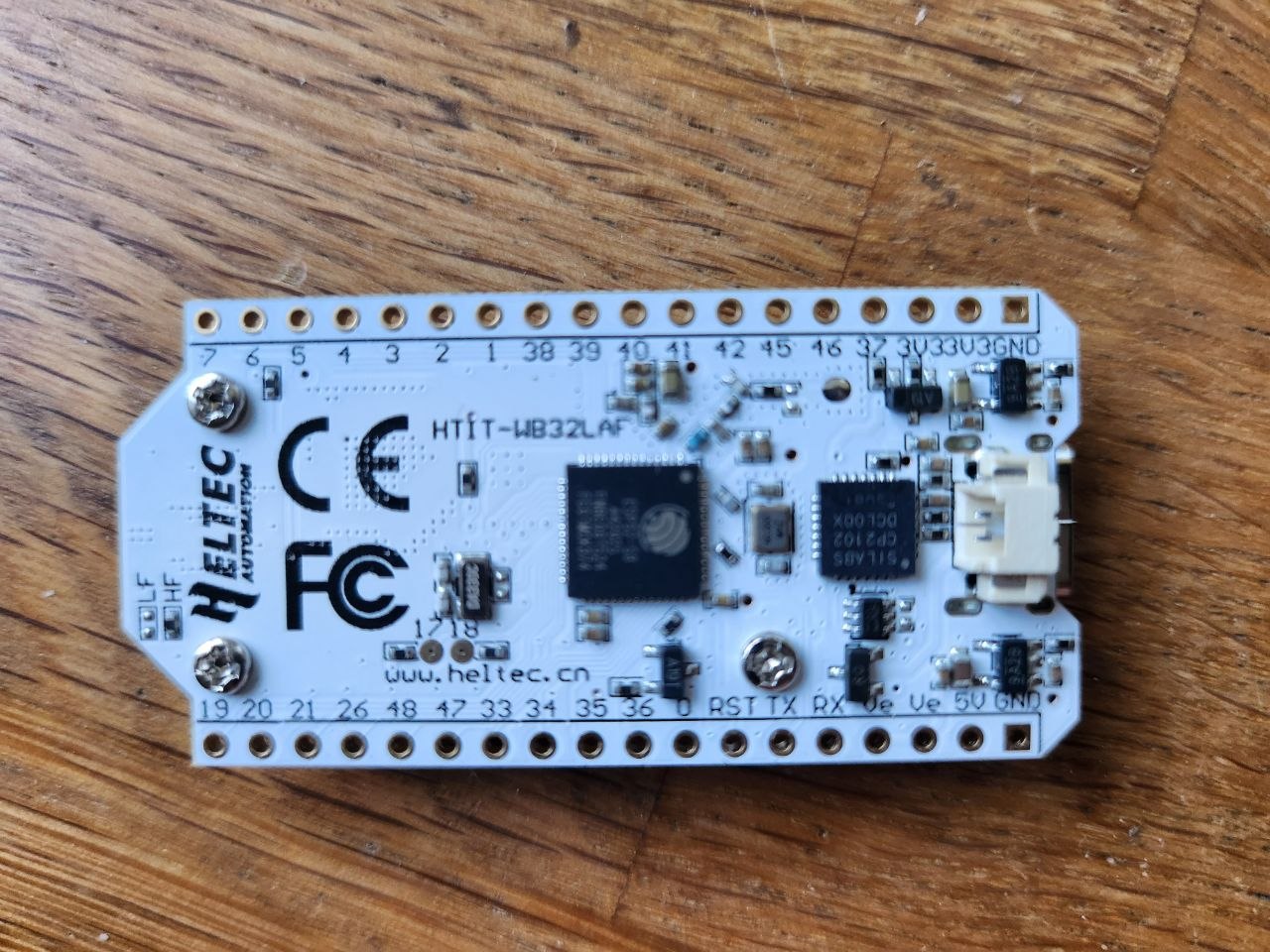
- Stefan/OE6ISP investigated the 800/900 MHz reception problems reported on Heltec boards and identified two distinct causes: some units labelled 863 MHz were actually shipped with 433 MHz modules (HTIT-WB32LAF instead of HTIT-WB32LA), and on the SX1262 the stricter two-byte sync-word handling appears to prevent decoding of LoRaWAN packets from ConnectaIoT satellites; he shared photos of the board variants and called for LoRaWAN expertise to find working settings. 🔗
- m0roj worked through a station that would not come back online after a temporary setup was deleted, and later saw damaged header log entries and a frequency error of about -4928 Hz while no packets were received; the community explained that damaged headers usually mean a too-weak signal and that LoRa satellites do not use Doppler correction, so large offsets at the receiver are expected during passes, and the focus shifted to antenna type, cable length, and noise floor to keep diagnosing the issue. 🔗
- VU3JXD reported a Heltec WiFi LoRa 32 V3 that received an initial batch of 14 confirmed packets but then stopped decoding, staying online with zero telemetry; the community suggested this pointed to a weak antenna signal and reminded that after a full erase the board must be reconfigured through its 192.168.4.1 access point so it can fetch MQTT credentials and function normally again. 🔗
- Ian asked about a damaged cable between a Heltec board and the antenna connector; the community identified the small connector on the board as a U.FL/IPEX type, warned that these connectors are only specified for about five connect-disconnect cycles and are easily damaged, and recommended replacement pigtails to SMA female while cautioning about SMA-RP variants. 🔗
Antenna Building
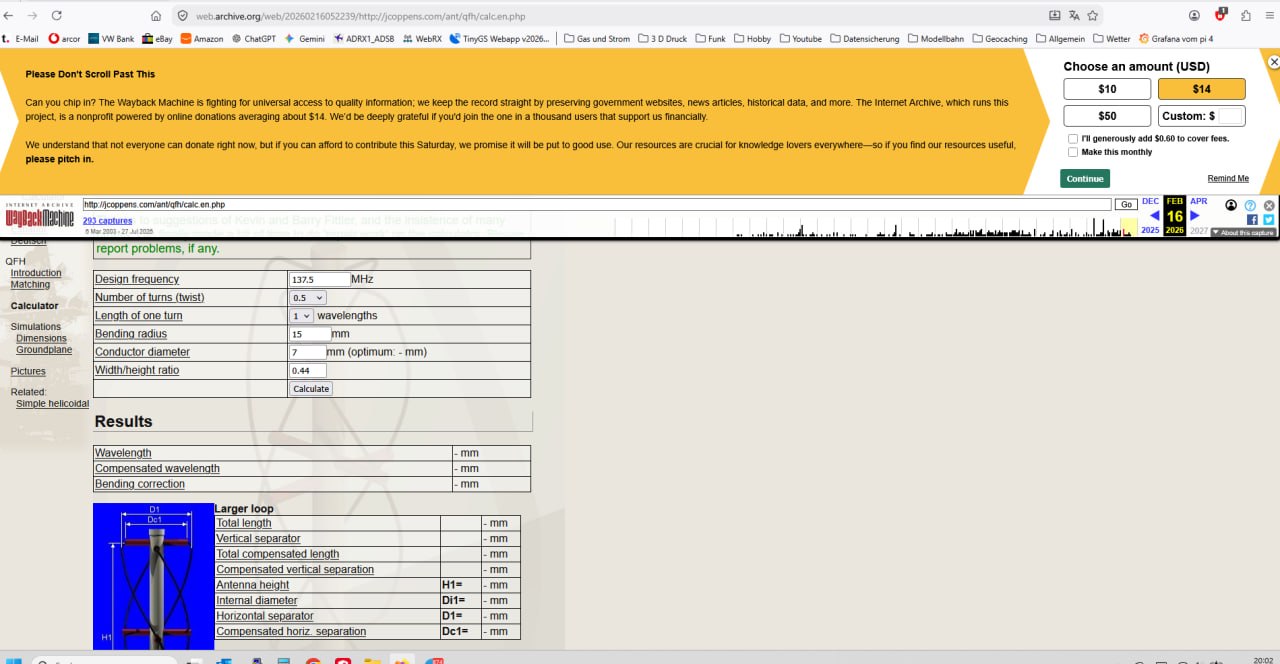
- Will noticed the jcoppens.com QFH antenna calculator had suddenly gone offline and shared a Wayback Machine snapshot, though the drilling template generator was missing; community members suspected a domain expiration, exchanged archived links and screenshots, and later confirmed the problem had been identified with hopes the site would be restored. 🔗
https://jcoppens.com/ant/qfh/calc.en.php
https://web.archive.org/web/20260216052239/http://jcoppens.com/ant/qfh/calc.en.php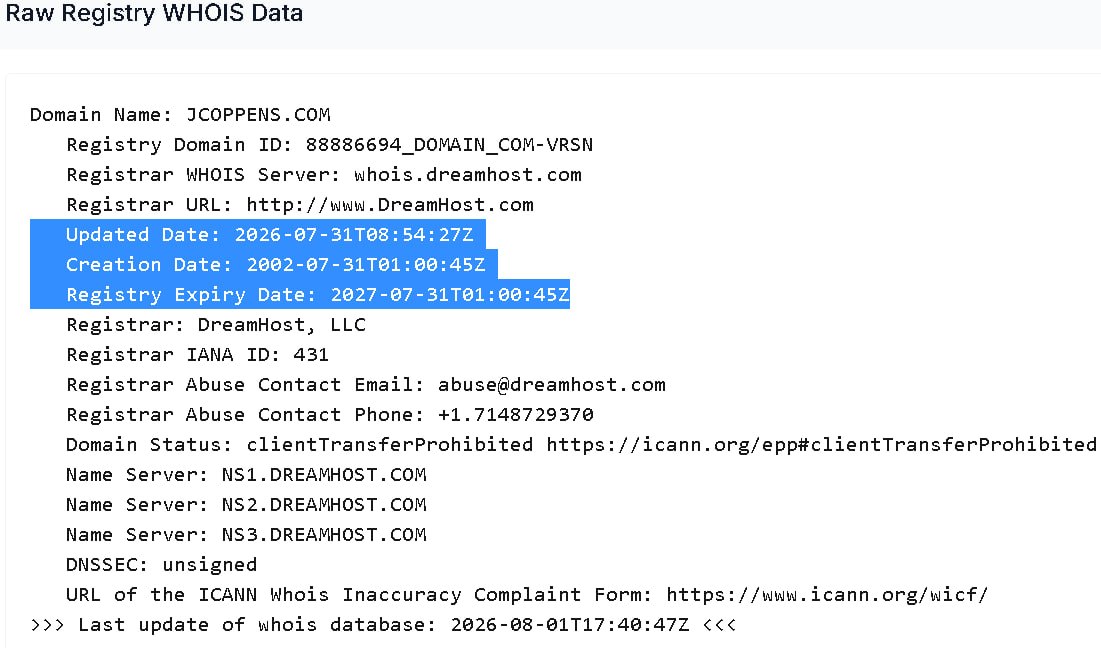
New Satellites
- maholli404 announced that the beacon rate for satellites ET-001A, ET-001B, ET-001C, and ET-001D is being gradually reduced, but reassured the community that the satellites remain healthy and encouraged everyone to keep receiving packets. 🔗
Featured Conversations
- A hardware mix-up in Heltec boards helped explain persistent 800/900 MHz reception issues: some units labelled as 863 MHz
Latest Cubesats News
Special SSTV event from the QMR-KWT-2 satellite. - PI4RAZ
Kuwaiti satellite QMR-KWT-2 will transmit special SSTV images for the fifth anniversary of the QMR-KWT-1 launch. QMR-KWT-2 builds on the success of the 2021 educational CubeSat mission. That earlier project gave students hands-on experience in satellite development and operations. Transmissions run from 6:30 UTC August 1 to 19:30 UTC August 2 on 436.950 MHz.
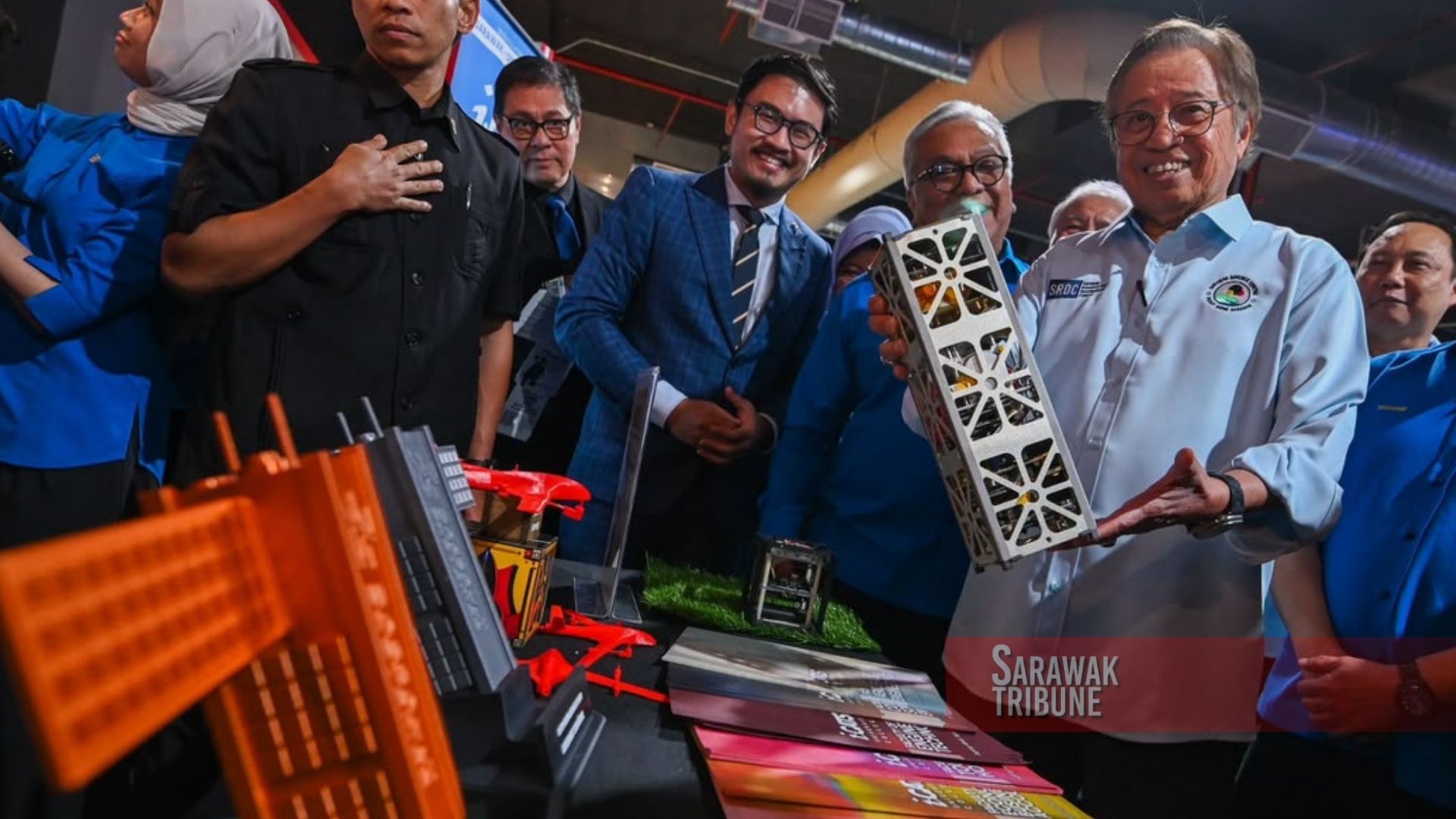
CubeSat To Propel Sarawak’s Scientific Future
Sarawak plans to launch its first CubeSat by 2030 to capture Earth observation data for scientific research and resource management. Premier Abang Johari stated the data will help identify strategic minerals like rare earth elements and support biodiversity studies. The nanosatellite is part of broader efforts to inspire young scientists in Sarawak, leveraging Borneo’s position as home to one of the world’s oldest rainforests. Once in low Earth orbit, the CubeSat will provide valuable information on natural resources and environmental changes.
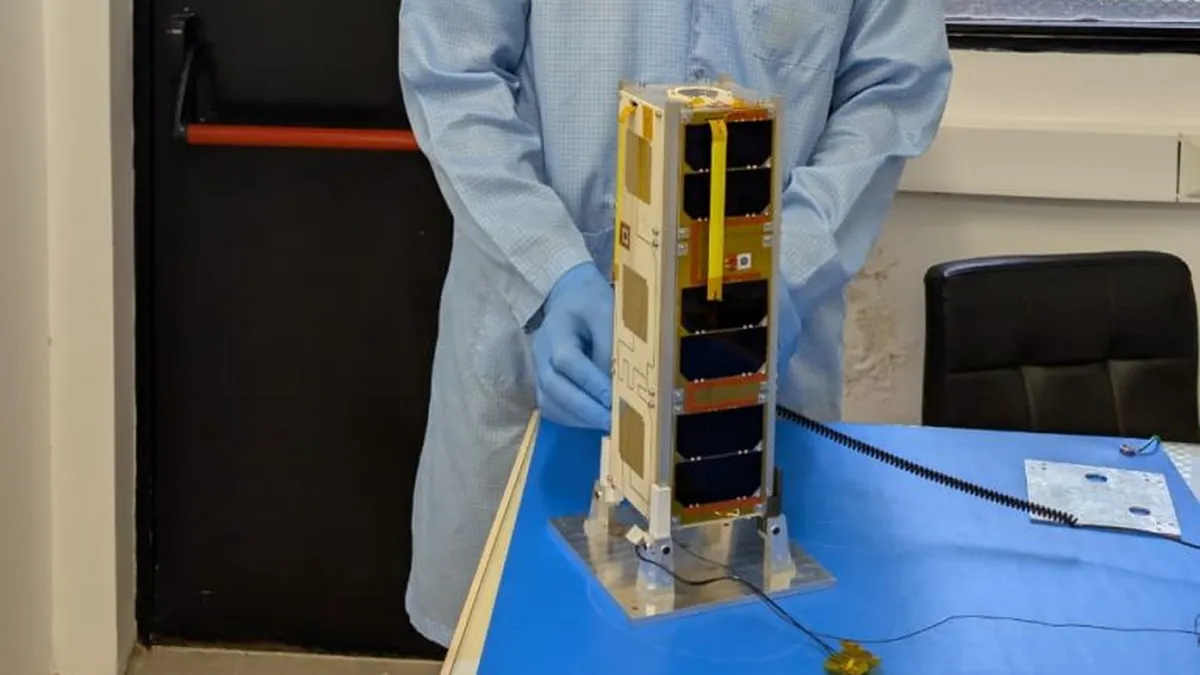
The nanosatellite created by UNLP engineers is ready to be launched in October
The USAT 1, Argentina’s first university-built 3U CubeSat, is in Spain awaiting transfer to the US for an October launch on a SpaceX rocket. Developed entirely by engineers and students at the National University of La Plata (UNLP), it serves as the technological basis for the ATENEA microsatellite selected for NASA’s Artemis II mission. Its primary mission is technology demonstration of GNSS-based techniques for Earth observation, measuring atmospheric and soil variables. The project cost only $70,000, a fraction of typical costs, and involved collaboration with CONAE, CNEA, and IAR, advancing Argentine space sovereignty.

CubeSat project propels students forward - ASU Engineering News
Arizona State University students designed, built, and deployed a CubeSat named Coconut from the International Space Station after two years of volunteer work. The satellite transmits health and status data detectable by amateur radio operators. Lessons from Coconut are directly improving their next spacecraft, SquidSat, which involves broader laboratory collaboration and faster iteration. The project gives students rare hands-on experience with real space missions, from concept to launch.

Andhra Pradesh girl selected for world’s first all-girls lunar CubeSat mission - The Hindu
Kandula Jessie, a class X student from Dhavaleswaram, Andhra Pradesh, has been selected for Mission ShaktiSat, the first all-girls global lunar CubeSat mission. She is the only student from Andhra Pradesh among 20 girls chosen from across India. Jessie developed an interest in space science through her school’s Atal Tinkering Lab and completed 550 sessions across 21 modules. HRD Minister Nara Lokesh met her, praised her achievement, and assured government support, while also unveiling the mission poster.
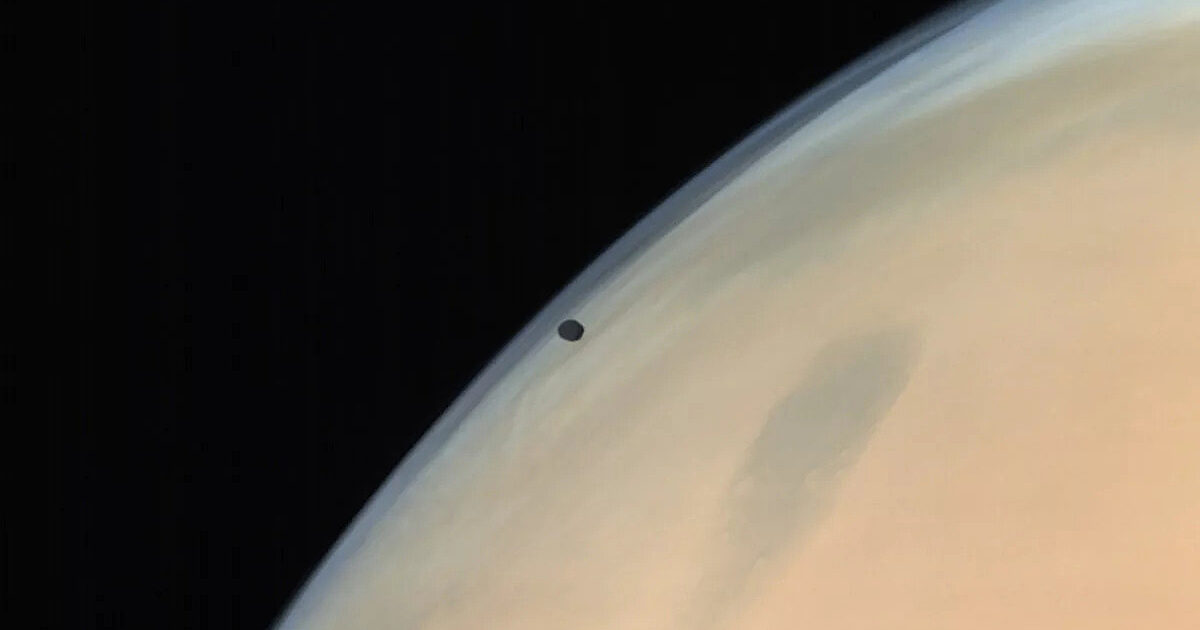
Little moons, megarocket, tiny CubeSat | The Planetary Society
Mars’ moon Phobos, targeted by Japan’s MMX sample-return mission, will eventually be torn apart by Mars’ gravity. SpaceX’s Starship completed a successful suborbital test flight, deploying Starlink satellites. Wildfires threatened a NASA Deep Space Network station in Spain, while the UK cut funding to several space projects. A student-built CubeSat will observe asteroid Apophis during its 2029 flyby, and NASA may test Perseverance engineering on the Moon.
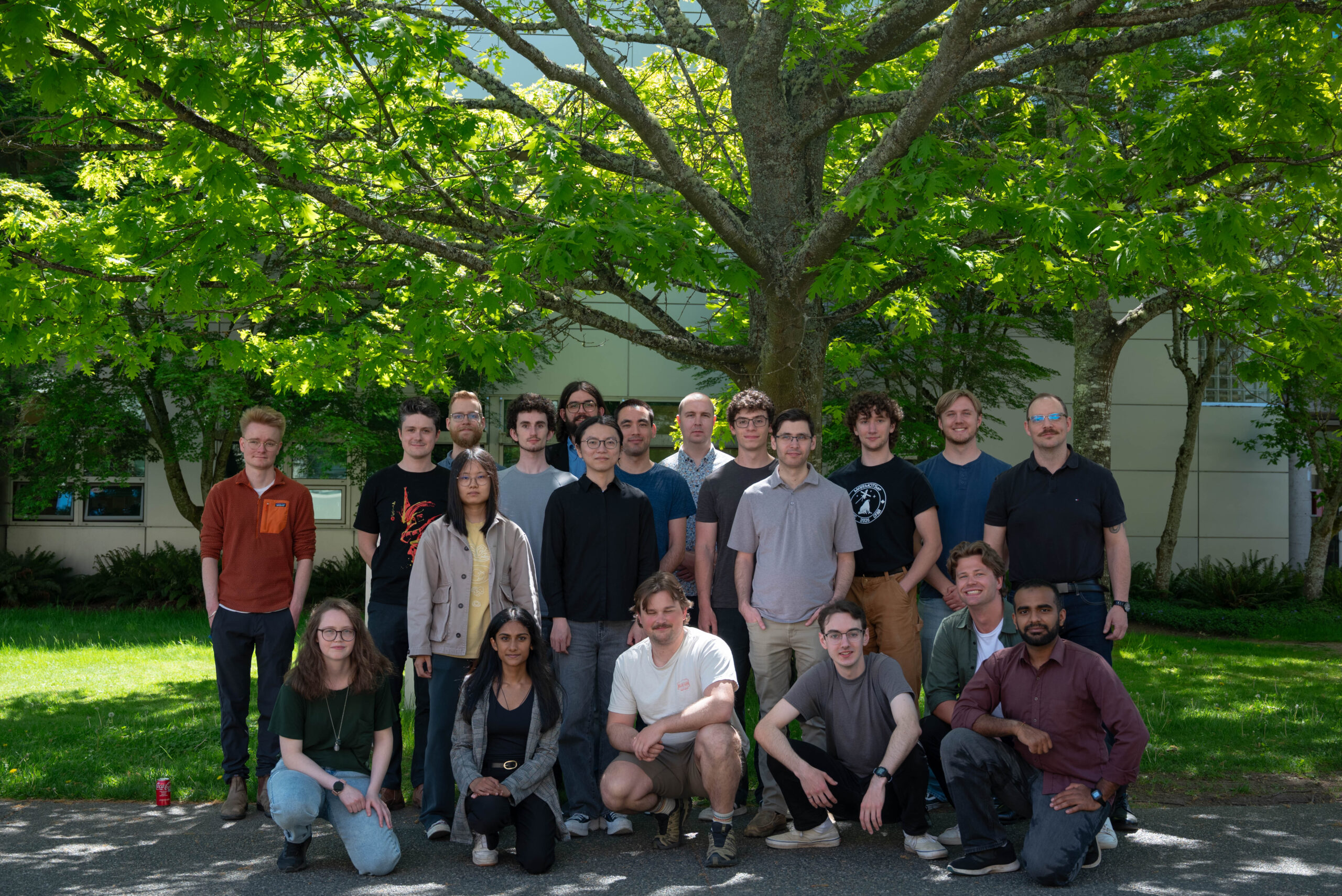
Centre for Aerospace Research launches second satellite built by UVic students - Martlet
UVic’s Centre for Aerospace Research launched MARMOTSat, a student-built CubeSat, on July 7 via SpaceX’s Transporter-17 mission. The satellite has two payloads: amateur radio outreach and studying climate change’s effects on the ionosphere. Nearly 60 people contributed to the project, which is funded by the Canadian Space Agency. MARMOTSat is expected to remain operational for up to 10 years, serving as a training platform for future space engineers.

Course to Orbit: DSU Schoolchildren Learned How Nanosatellites Are Changing Modern Space Exploration
Dagestan State University held a lecture on nanosatellites for schoolchildren as part of the “Caspian – Orbit” project, focusing on the upcoming “Manarov-1” educational satellite. The lecture explained CubeSat technology, with the 3U “Manarov-1” satellite weighing 4 kg and equipped with an AIS receiver and cameras for monitoring the Caspian Sea. Schoolchildren will learn to receive telemetry, decode signals, analyze space images, and create thematic maps using QGIS. Over 200 students from Dagestan will participate in the two-year project, gaining hands-on experience with real orbital data.
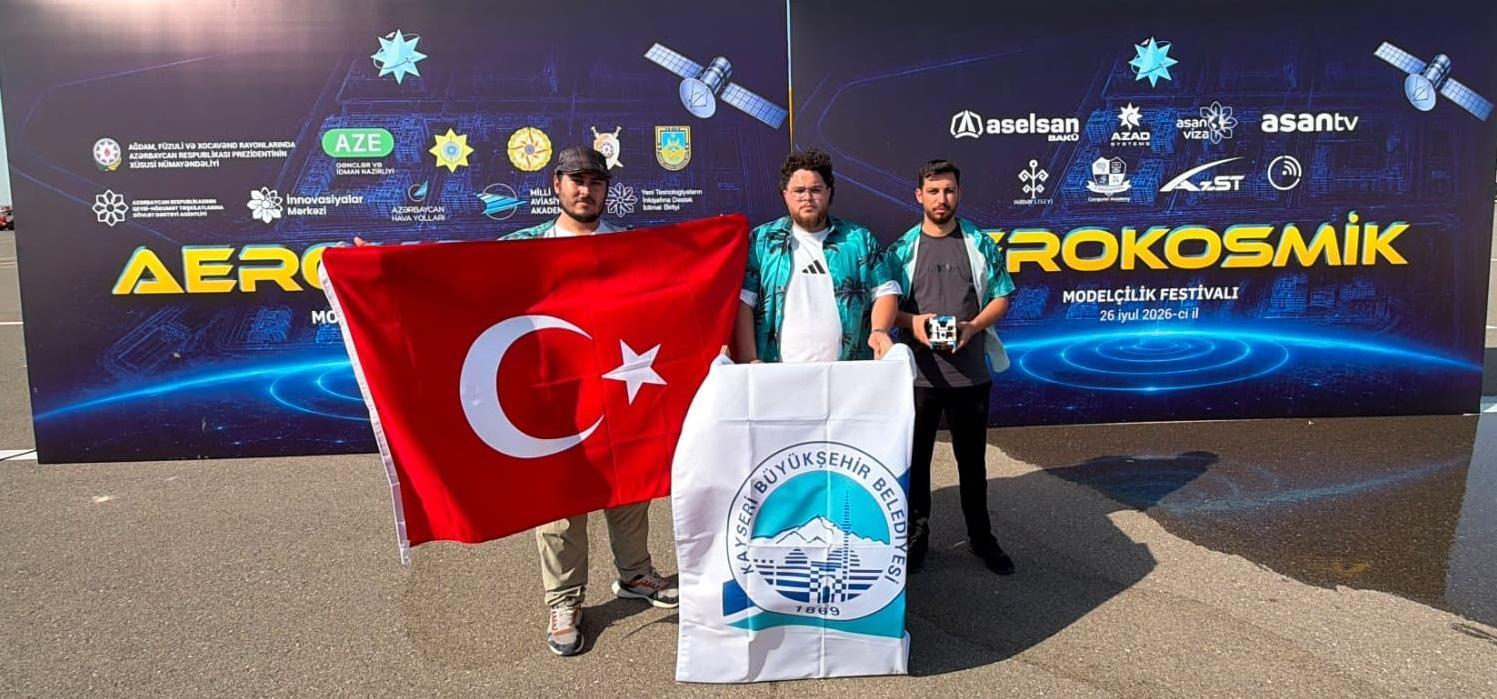
University students represent Turkey in Azerbaijan with model satellite system - DHA
Erciyes University’s Mergen Model Satellite Team successfully completed all tasks at the II. CubeSat Competition held in Azerbaijan’s Karabakh region as part of the 2026 Aerokosmik Modelçilik Festivali. The team’s CubeSat model executed critical functions including carrier system separation, real-time telemetry and video transmission, data storage, and onboard encryption of messages. Telemetry data such as pressure, altitude, landing speed, GPS position, battery voltage, and orientation were monitored and recorded throughout the mission. The team’s success was supported by Kayseri Metropolitan Municipality, with team captain Yunus Emre Özdemir thanking Mayor Memduh Büyükkılıç and the Smart City and IT Department for their contributions.
What’s next
Join the TinyGS Telegram channel to keep these conversations going—whether you need help diagnosing a stubborn station, want to share antenna-building resources, or have ideas for the next satellite tracking challenge, your participation makes the whole community stronger.