tinyGS
· TinyGS Community · 11 min read
Weekly Newsletter - August 24, 2026
This week the TinyGS community untangled a sneaky packet display bug, dug into the limits of TLE accuracy for low-flying satellites, and traded hard-won antenna wisdom from QFH pitfalls to ground-plane builds. The hunt for Connecta's custom sync word pushed members into SDR analysis, while a newly identified object and fresh beta firmware added new pieces to the tracking puzzle.
Highlights
General
- AC8MD asked if there is a tool that shows the satellites received and the radio horizon, then found the web login and noted that he had not received a packet yet. 🔗
- Pascal accidentally created a duplicate station during a hasty validation, which seemed to prevent the original station from updating to 433 MHz; with community help, the duplicate was removed via the personal bot, and further advice explained that changing a station name deletes its statistics and that the name in the system configuration page can be used to manage unwanted stations. 🔗
- Pascal asked about how the ‘monitoring’ mode works and how to activate it, referring to the mode indicated in packet exports on his console page; the question prompted clarification that it might refer to prioritizing a single satellite. 🔗
- TehMagilla shared a Home Assistant visualization of his ground station activity, including a view of what happens when no TLE data is available, and wondered why Celestrak had TLE data for the satellite while his setup did not fetch it. 🔗
Technical Problems
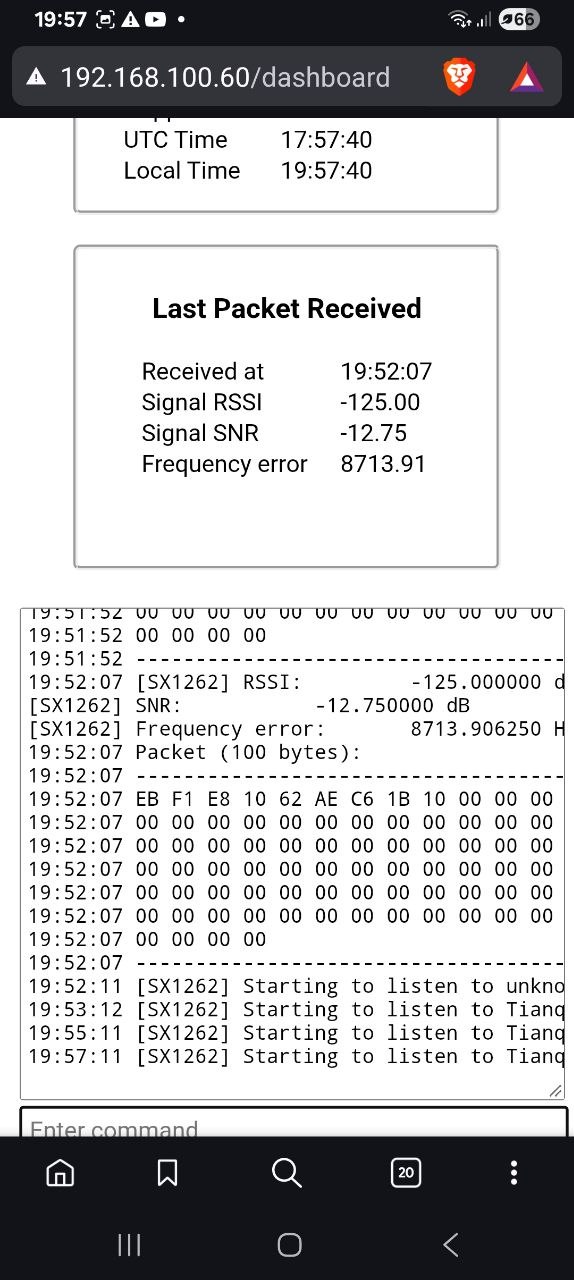
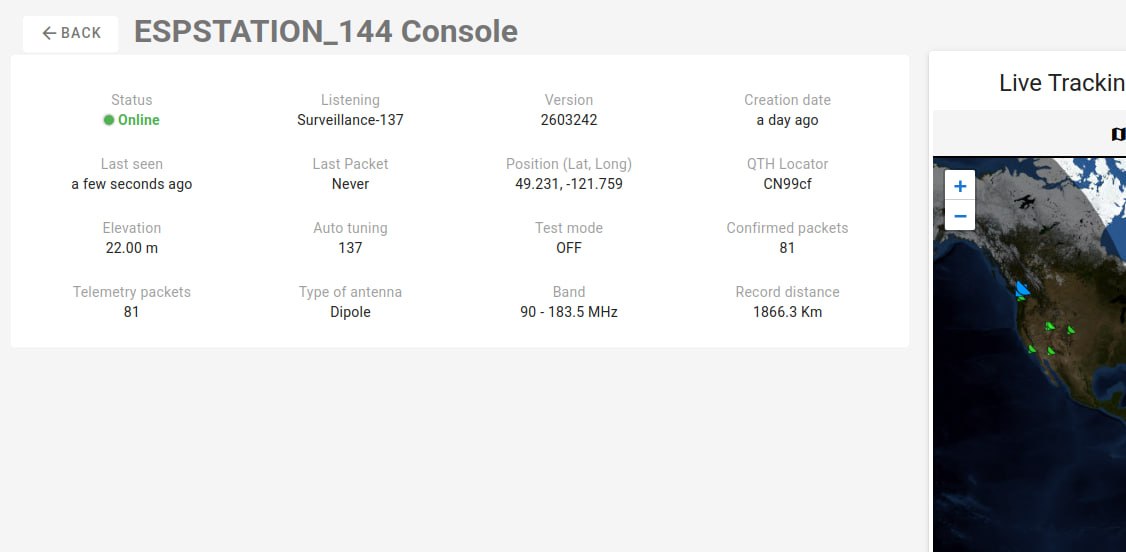
- G4lile0 fixed a puzzling issue where received packets were stored on the server but not displayed on the station page; the root cause was an autotune frequency set to 137 MHz while the band was still configured for 433 MHz, so the database query returned no packets. Once the band was switched to 137 MHz, the packets appeared and the station started working normally. 🔗
https://app.tinygs.com/packet/01a00894-e604-73b9-98ad-1f07902b8133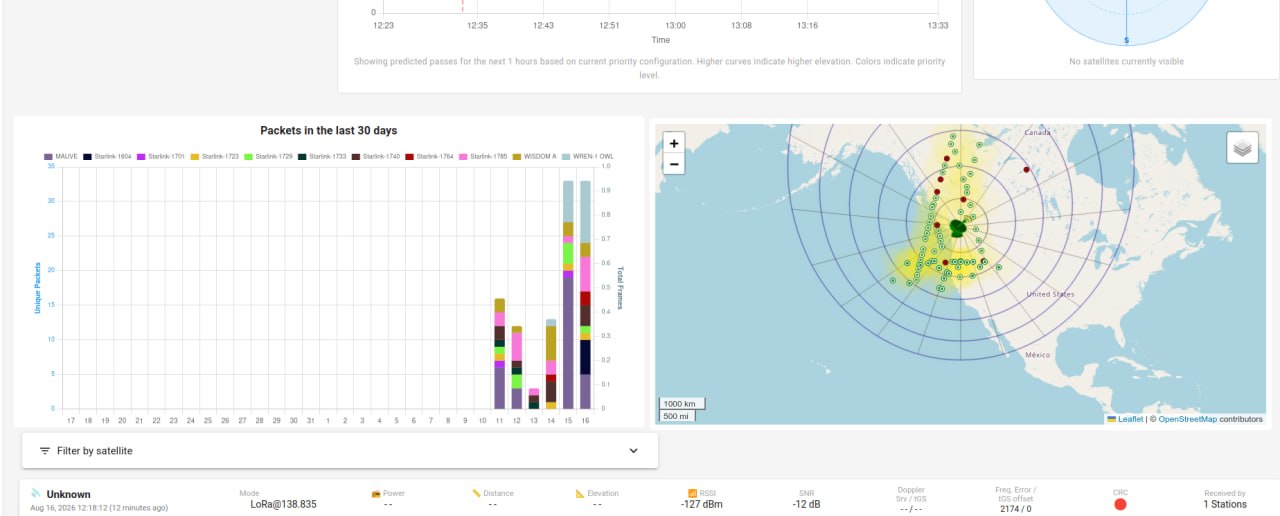
- TehMagilla questioned discrepancies between the TinyGS dashboard and n2yo.com for satellite positions, noting that his own tracking system agreed with n2yo while TinyGS sometimes pointed to the other side of the globe; the discussion revealed that outdated TLEs, especially for low-altitude satellites like CoRAL, caused the position errors, and the community shared the official TLE list and the STRF toolkit for matching TLEs using Doppler-shifted SDR signals. 🔗
https://api.tinygs.com/v1/tles.txt
https://github.com/cbassa/strf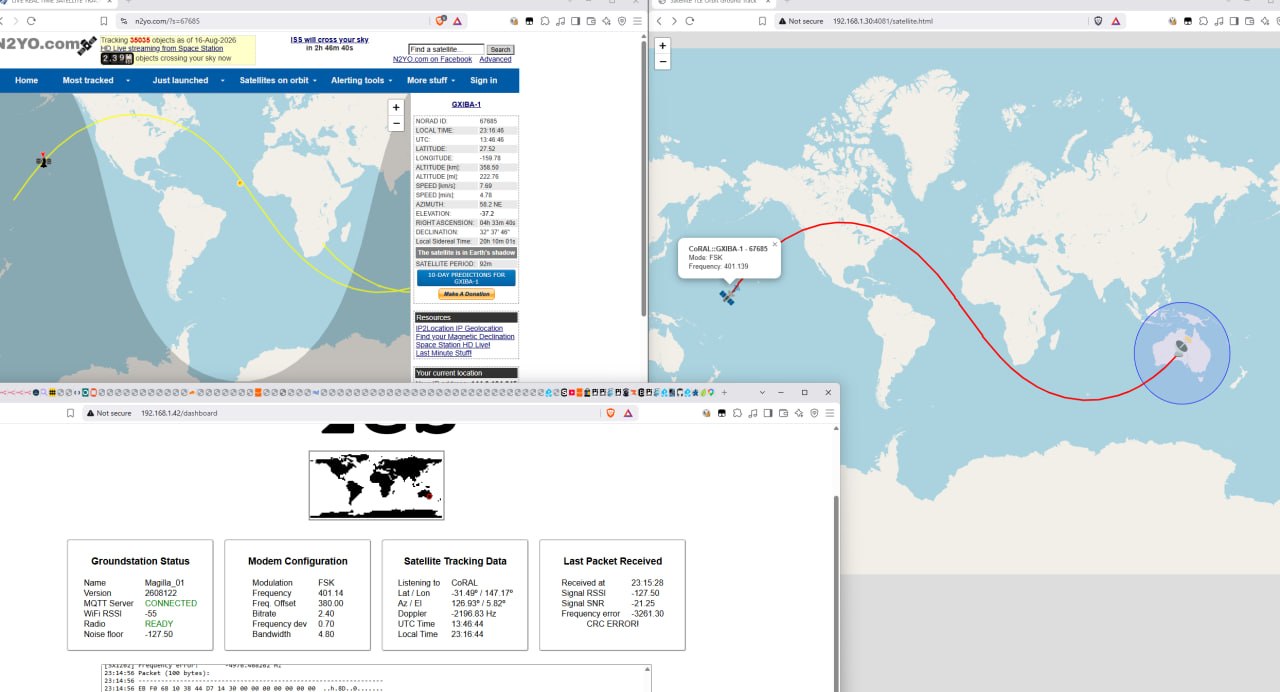
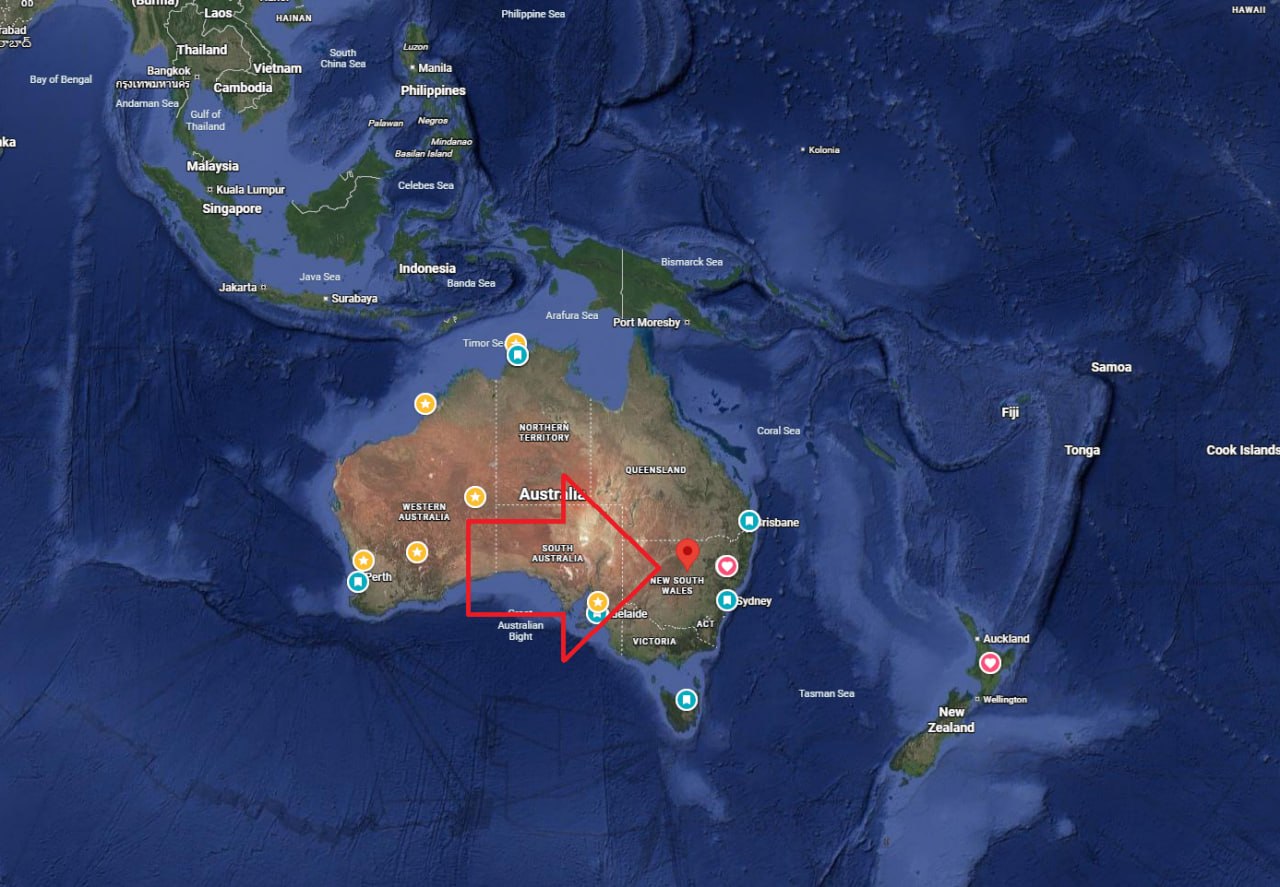
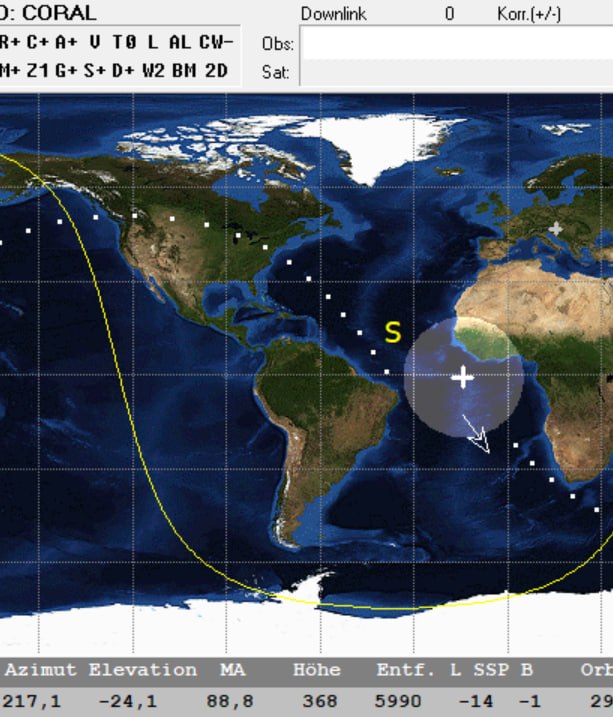
- Bogonek asked how to update the Elevation parameter after reflashing and reconfiguring his station; G4lile0 replied that he would amend it and noted that a difference of 9 m or even 100 m makes no practical difference for tracking. Another operator reported that his station elevation had been roughly double what it should be since setup and was reassured that the value is automatically derived from the station position and has negligible impact. 🔗
- G4lile0 announced that after recent updates, the Rx topic is now available to users as a subscription; a member later confirmed receiving the rx topic successfully after checking with MQTT Explorer, marking a successful setup verification. 🔗
- Ricardo EA3GKP asked for help with two stations that would not connect to MQTT; the community suggested checking WiFi connectivity, trying a mobile hotspot to rule out network blocking, verifying MQTT credentials, and using MQTT Explorer to test the username and password. 🔗
Antenna Building
- Daniel asked about a compact QFH antenna for a Heltec V3 433 MHz, wondering why he was not receiving anything from under his roof; experienced builders explained that QFH antennas are difficult to tune and not ideal for TinyGS, recommending a simple groundplane or j-pole instead, and noted that indoor reception is possible mainly for high-power Tianqi satellites. Another member warned against a specific QFH design, noting it resonated around 600 MHz and that balun mistakes can cause deep nulls in the radiation pattern. 🔗
https://www.printables.com/model/787650-fullwave-compact-qfh-antenna-for-433mhz-band/comments
https://www.qrz.com/db/OE6ISP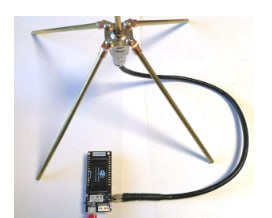
- Helmi shared his experience with two QFH antennas, explaining that plastic parts can detune the loops and add signal loss; he tuned each loop with a VNA before assembly and recommended a choke balun near the feed point. He also warned against printable QFH designs because plastic detunes the antenna and adds loss, and later corrected a previous statement, noting that grey PETG filament performed terribly compared to PLA in his antenna build. 🔗
https://community.libre.space/t/an-easy-3d-printed-quadrifilar-helix-antenna/1487 - Stefan/OE6ISP shared his positive experience with an eggbeater antenna as an alternative to QFH, highlighting its easier construction and tuning, correct phasing line requirements, and good performance for RHCP satellites, especially in hilly terrain; he noted it provides a nicely circular pattern and advantages for FSK satellites at higher elevations, while still keeping two QFH antennas for learning and research. 🔗
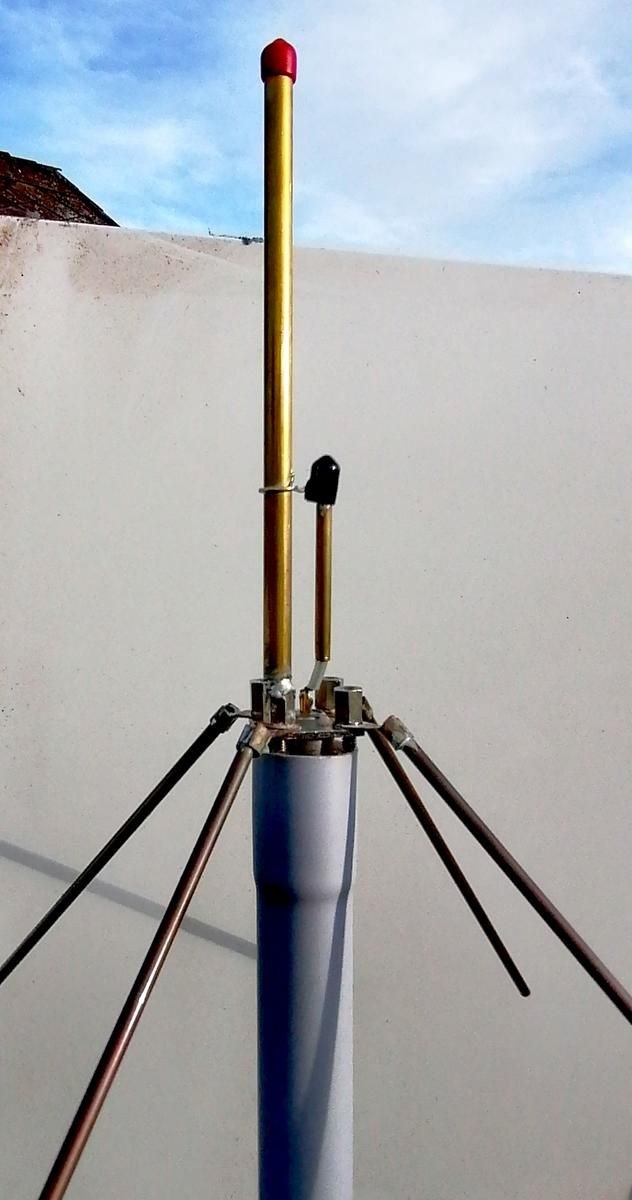
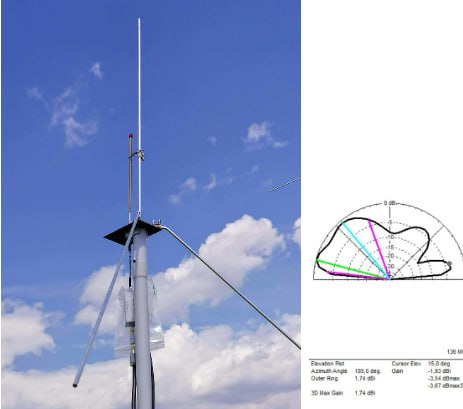
- Stefan/OE6ISP provided detailed build data for a ground-plane antenna shown in a photo, including radiator about 165 mm, radials about 170 mm, a 4 mm match-tube 48 mm long, radiator diameter 5–8 mm, and a 7 mm critical gap between rod and ground plane; he explained tuning by moving the ground plane tube to adjust capacitance until a pure real impedance is found, and also shared an alternative, more robust mechanical solution for an asymmetric 137 MHz antenna. 🔗
Share your setup
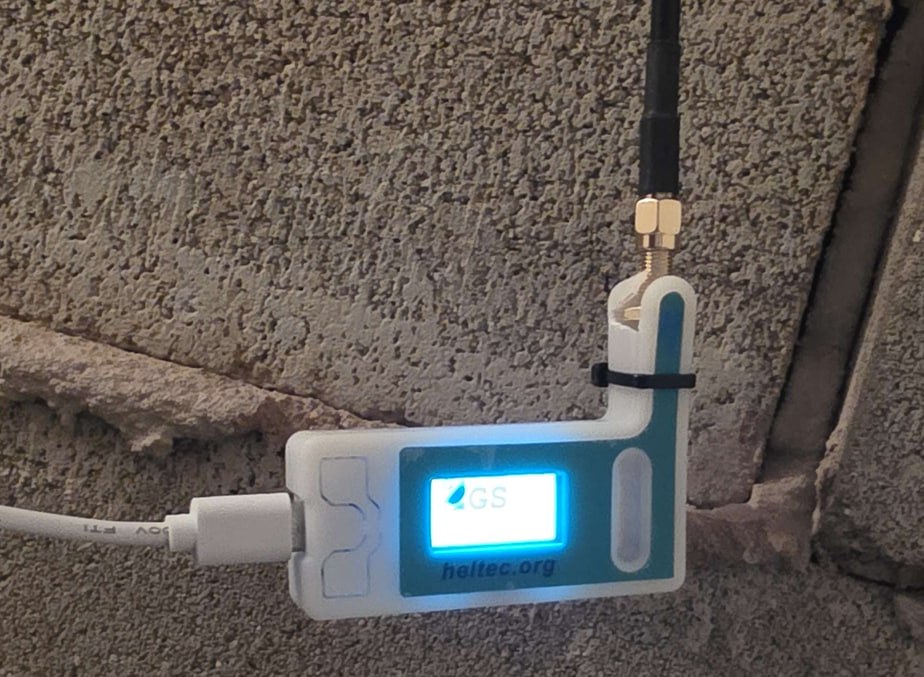
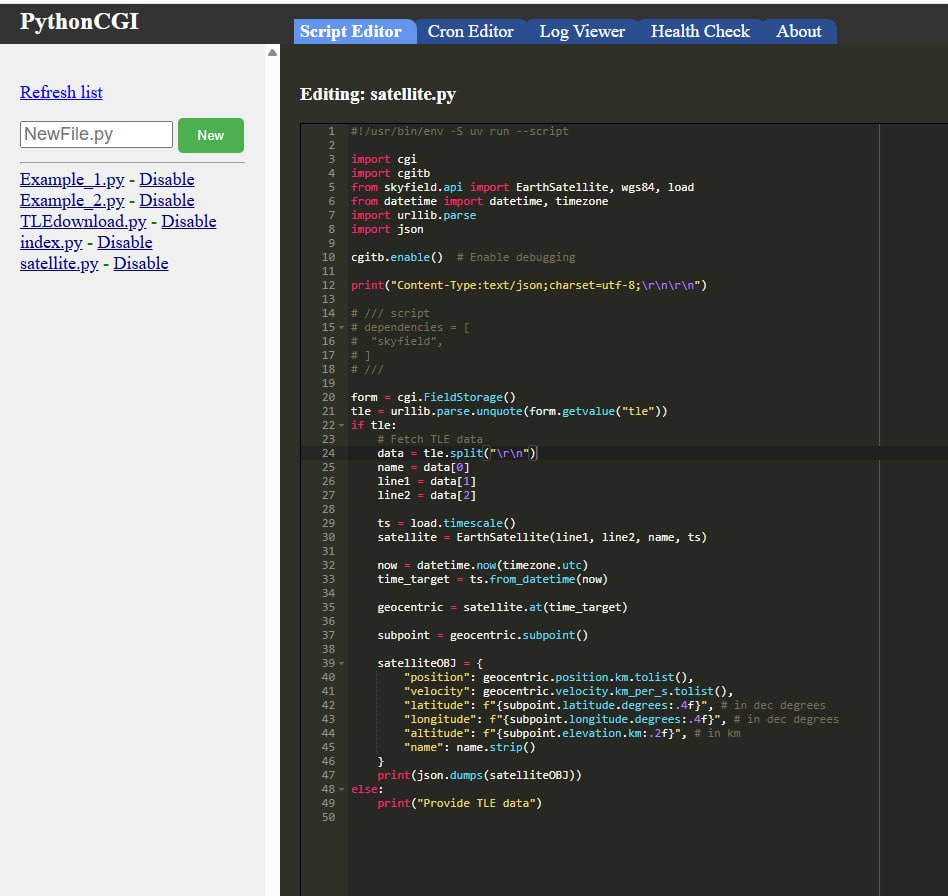
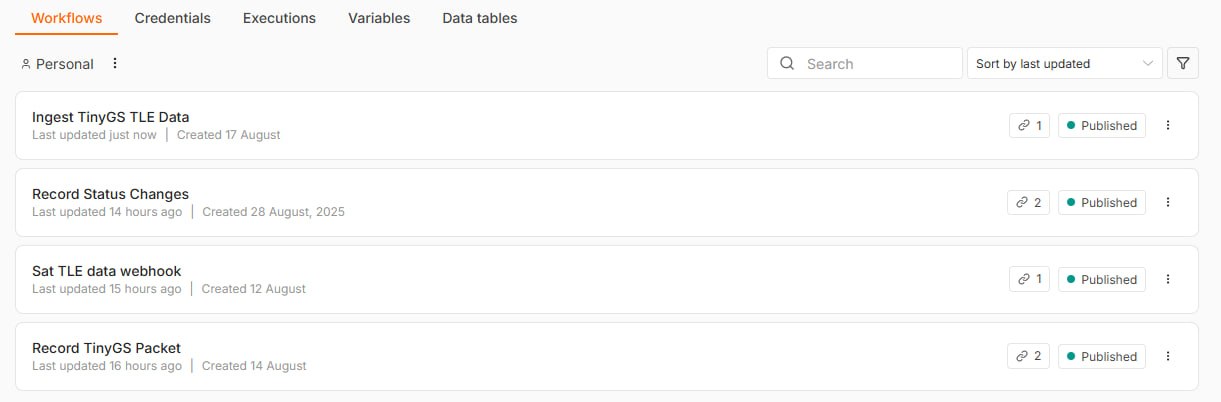
- TehMagilla shared a complete ground station setup built around a 1/4 wave 433 MHz antenna and a Heltec V3 in an official case with an SMA case mod; Aux_MQTT firmware pushes data to Home Assistant, with n8n workflows for TLE data wrangling, a MySQL database, Python scripts, and a webserver, resulting in a no-authentication dashboard visualization. 🔗
https://www.nwgw.xyz/satellite.html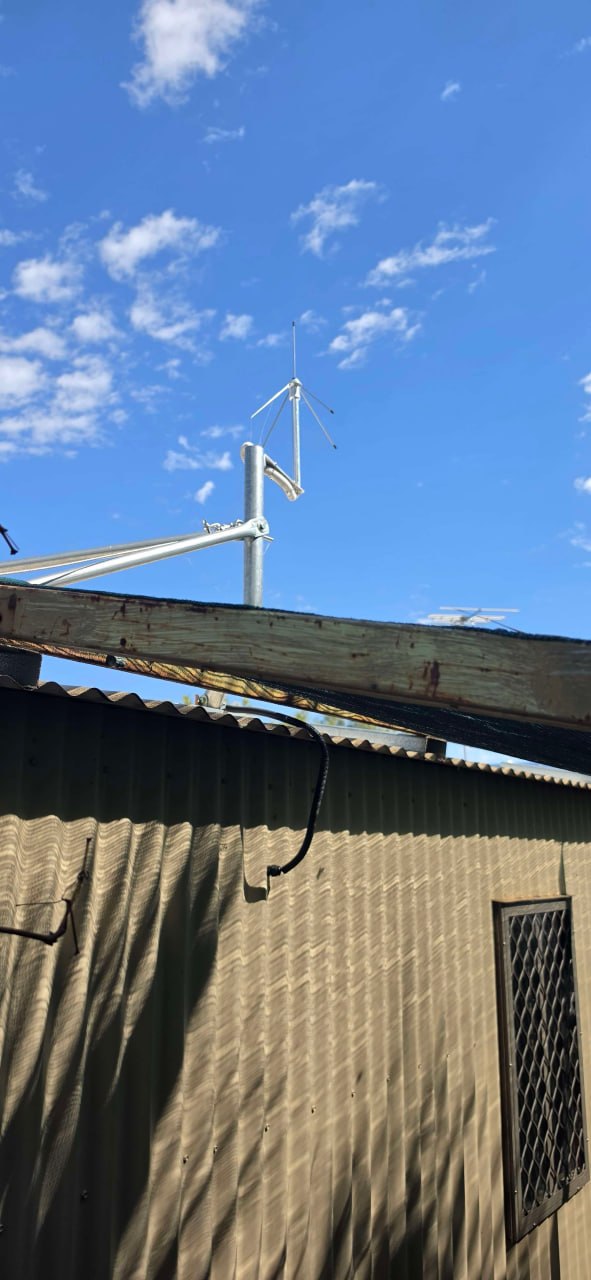
- Sergey asked about using a Heltec WiFi LoRa 32 V4-R8 to catch Connecta packets during a trip to Europe; Stefan explained that the SX1262-based board cannot decode Connecta transmissions because they use LoRaWAN with an unknown custom 2-byte sync word, and only SX1276-based TTGO boards can receive them via false triggers. The thread also covered RadioLib sync word mapping quirks and the need to write registers directly on the SX1262. 🔗
https://www.thethingsnetwork.org/forum/t/should-private-lorawan-networks-use-a-different-sync-word/34496
https://github.com/jgromes/RadioLib/discussions/1135 - Matze shared his experiences with Connectalos reception, comparing three stations side-by-side; stations using the SX1276 successfully received Connectalos signals, while a Heltec V3 with SX1262 only picked up terrestrial signals outside the 869.5 MHz range. He concluded that a Lilygo board is the best choice for Connectalos, unless someone figures out the sync words. Bernard later discussed the sync word issue with Heltec V4 and SX1262, offering to analyze an I/Q recording, and Stefan proposed a brute-force approach of trying all 2^16 syncs. Stefan also noted that the Connectas satellites had been silent for two days, preventing new recordings. 🔗
New Satellites
- SebasDX asked which satellites can be seen with a TinyGS station on 433 MHz, specifically inquiring about FSK and GFSK modes, and received a clarifying question about what they wanted to observe. 🔗
- TehMagilla asked Max for KSY files for some satellites to build an offline decoder at home; G4lile0 later confirmed that the KSY was uploaded after an email exchange, also resolving a similar request from another member. 🔗
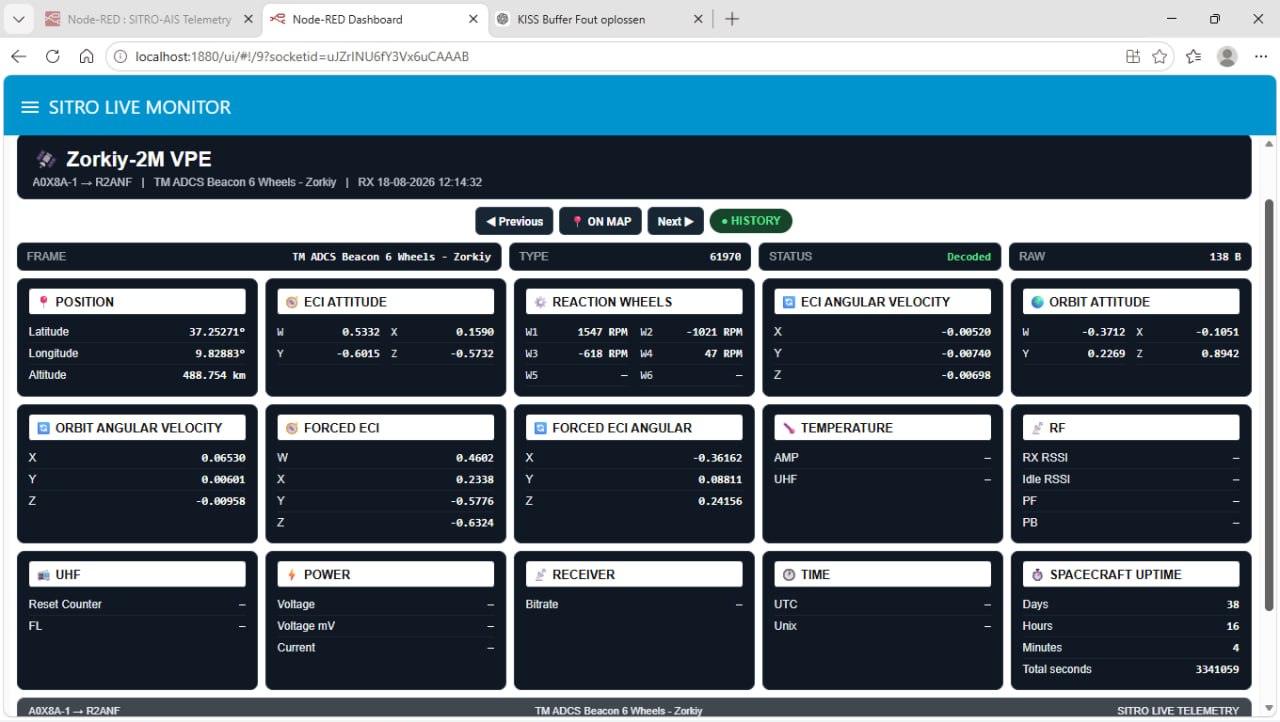
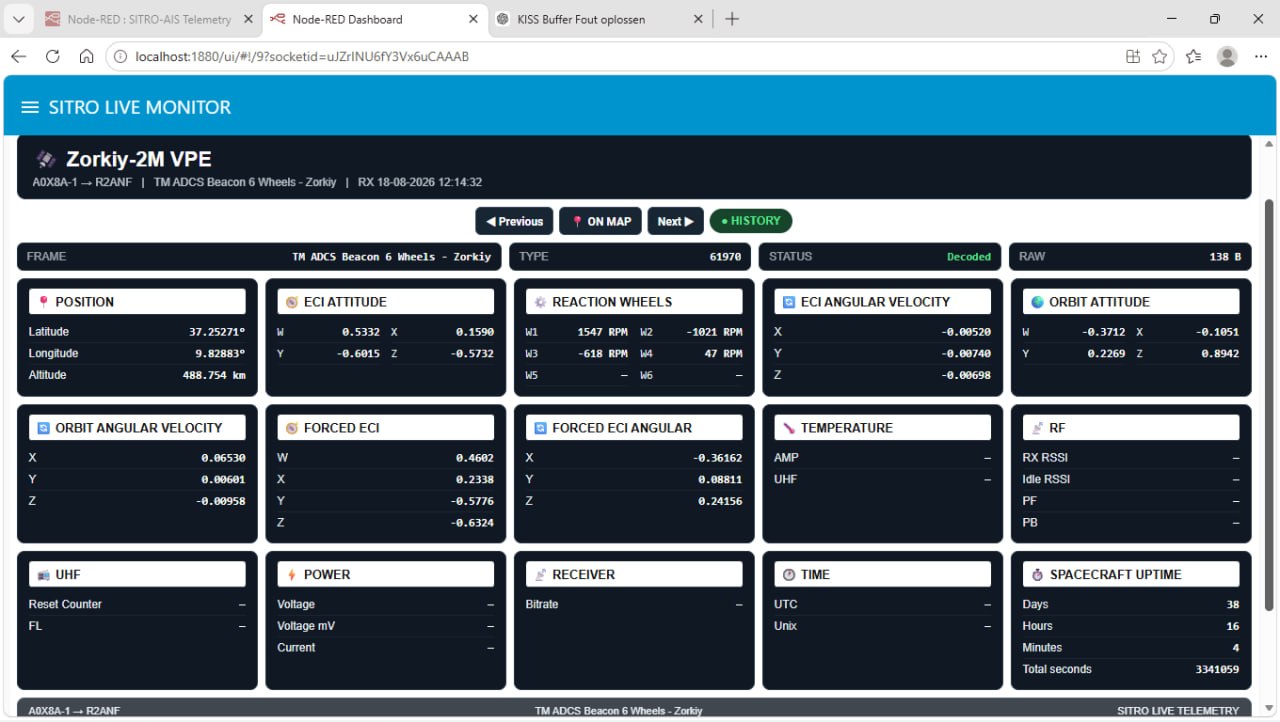
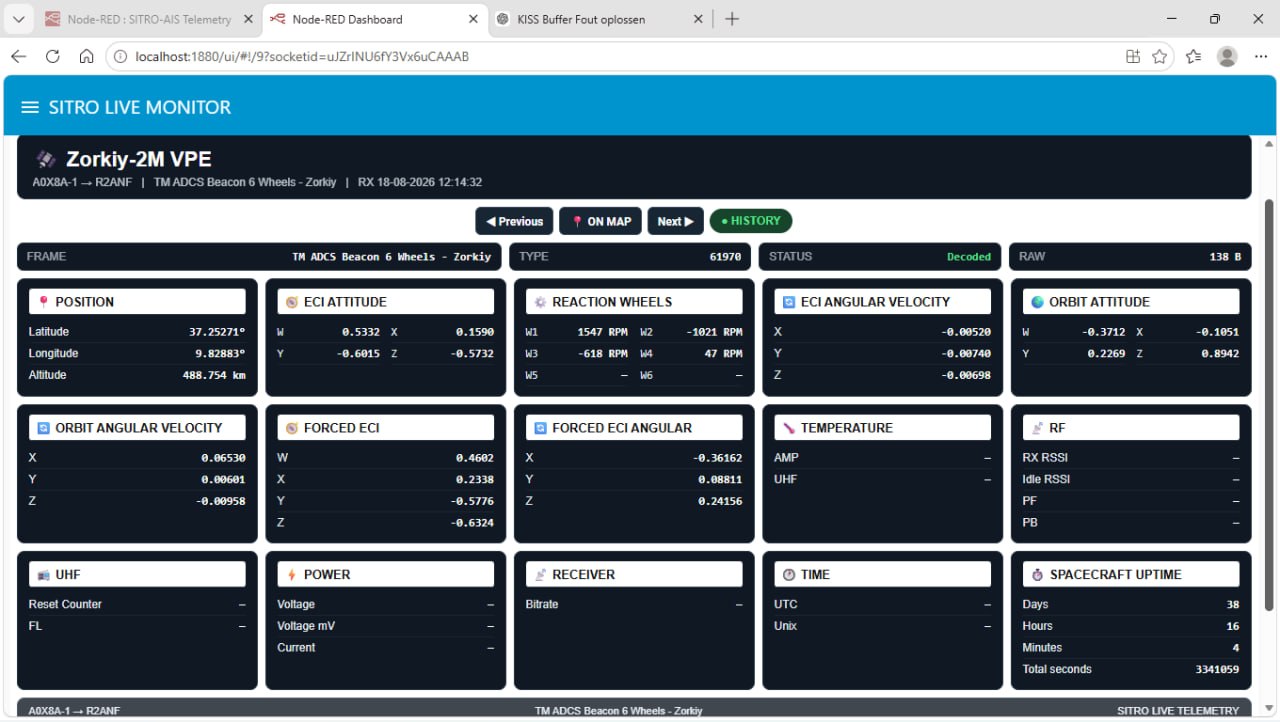
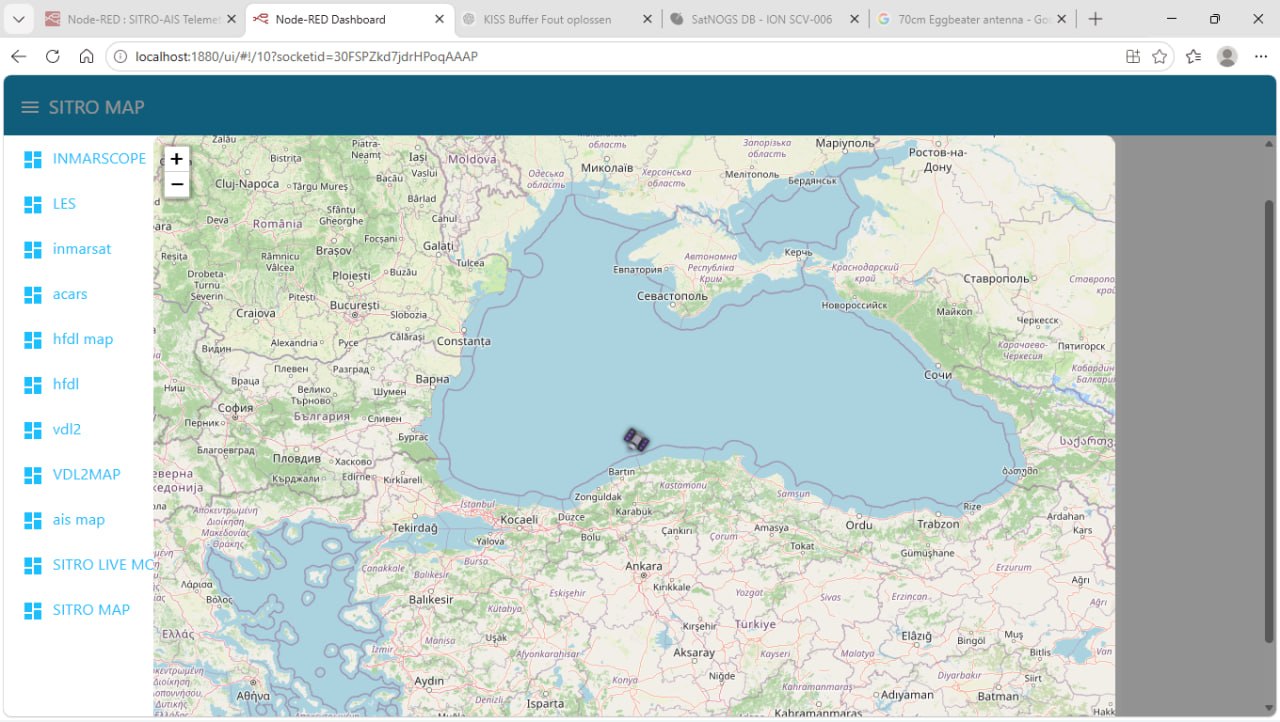
- Piet shared several screenshots of satellite positions and dashboards, including a position image, a SITRO dashboard, a general dashboard, and a live view, all showing tracking activity. 🔗
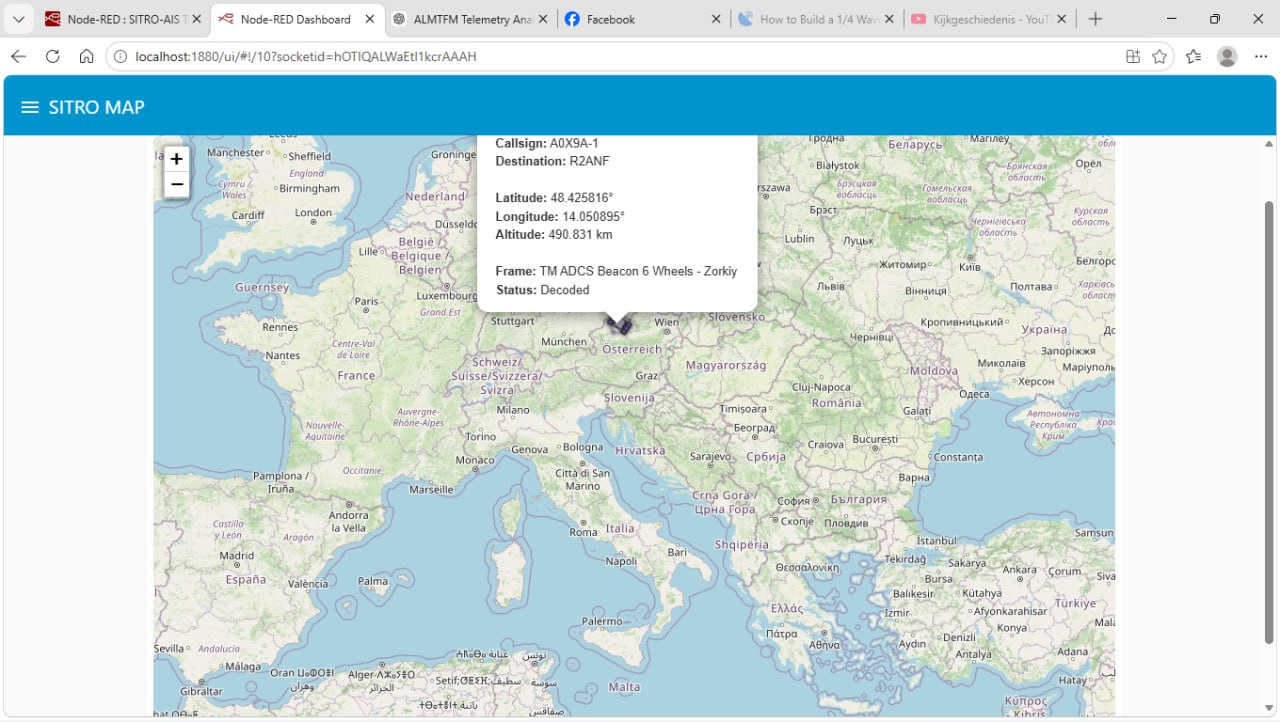
- David identified a tracked object as object YK (NORAD ID: 69795), explaining that his experimental licensed ground station in Borrego Springs, California received Electra’s telemetry packets from horizon to horizon while tracking that object, with 17 complete or near-complete packets at thirty-second intervals, and that reception continued after tracking began. 🔗
Learning Resources
- gmag11 shared two external posts, one on X and one on Instagram, as learning resources for the community. 🔗
https://x.com/i/status/2088244951670804609
https://www.instagram.com/reel/Db77tgEy9f3/
Beta Firmware Testing
- Stefan/OE6ISP announced that AX.100 + CRC-32C is now available in beta version 2608191, used for decoding packets from FrontierSat and CORal. 🔗
Featured Conversations
- Received packets were being stored on the server but not appearing on station pages, puzzling operators for days. The root cause turned out to be a mismatch between the autotune frequency and the configured band. Switching the band to match the autotune setting made the packets show up immediately. The episode underscored how small configuration details can silently break the data pipeline. It also gave the community a clear checklist for diagnosing similar display issues.
- Satellite position discrepancies between TinyGS and other trackers sparked a deep dive into TLE accuracy. Low-flying satellites like CoRAL drift quickly from outdated elements, explaining why some objects stop decoding. The community shared official TLE sources and tools like STRF for matching elements using Doppler-shifted SDR signals. Members learned to cross-check visualizations against authoritative lists before drawing conclusions. Keeping orbital data fresh emerged as a key practice for reliable satellite tracking.
- Antenna builders exchanged hard-won lessons on QFH, ground-plane, and eggbeater designs. QFH antennas were repeatedly described as deceptively difficult to tune, with plastic parts and balun mistakes causing detuning and nulls. A simple ground-plane was recommended for reliable TinyGS reception, and detailed build dimensions were shared. The eggbeater emerged as a more approachable alternative for RHCP satellites. Material choices for radomes also proved important, with PLA and PETG behaving very differently.
- The community took on the challenge of decoding Connecta satellites, which use a custom LoRaWAN sync word. SX1276-based boards could receive them, while SX1262-based boards could not. Members compared station performance, tested common sync words, and proposed brute-force approaches over I/Q recordings. A plan emerged to analyze the signal chirp-by-chirp in Matlab. The effort showcased the community’s collaborative approach to reverse engineering.
- A tracked object was identified as NORAD ID 69795 after a California station received 17 complete telemetry packets from Electra over a horizon-to-horizon pass. The reception provided strong evidence for the object’s identity and demonstrated the value of persistent tracking. Meanwhile, beta firmware added AX.100 + CRC-32C support, enabling decoding of FrontierSat and CoRAL packets. The update expanded the range of satellites the community can monitor. Together, these developments showed how ground stations and firmware evolve in tandem.
Latest Cubesats News
Colombian Pride: The Story of María de los Ángeles Izquierdo, a 15-Year-Old Who Won a Space Agency Contest and Will Travel to India
María de los Ángeles Izquierdo, a 15-year-old from Palmira, Valle del Cauca, won a contest organized by the Colombian Space Agency (AEC) and will travel to India to represent Colombia in a lunar satellite project. She began programming at age 12 and trained for a year and a half in aerospace engineering, competing against 100 Colombian girls. The AEC selected her for completing all modules, and she will join girls from 108 countries in an event attended by India’s prime minister. After the trip, she will receive support for university studies and STEM programs, with the agency aiming to inspire more young Colombian women.
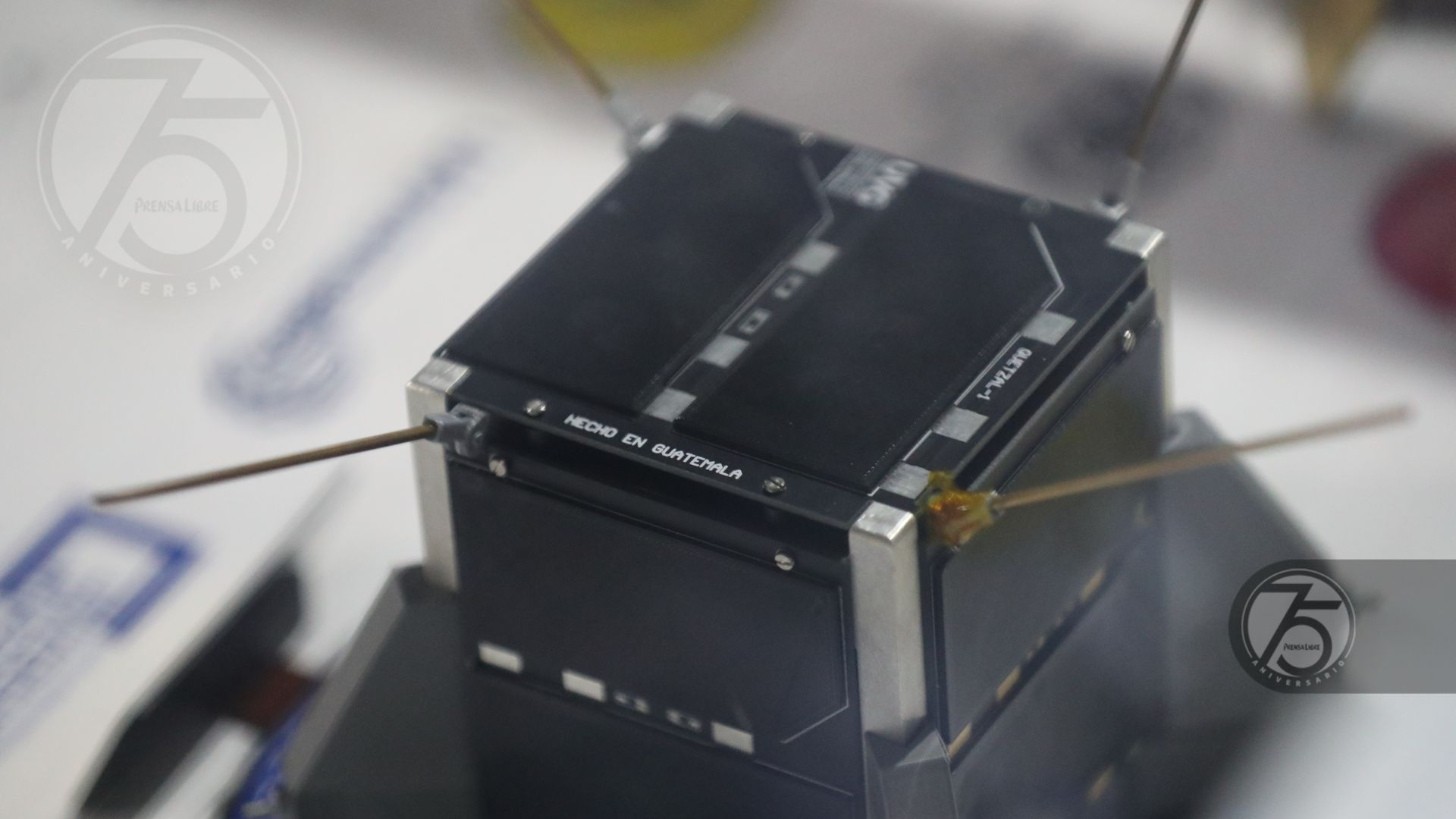
April 28, 2020: Quetzal-1, Guatemala’s first satellite launched into space
Guatemala’s first satellite, Quetzal-1, was released from the International Space Station’s Kibo module on April 28, 2020, after more than six years of development. Within 30 minutes it deployed its antennas and began transmitting status data to Earth. The first signal was received by the global Satnogs network at 10:00, followed by the control station at Universidad del Valle de Guatemala at 10:50, with a more stable signal by 12:30. The project involved over 200 Guatemalans and aims to inspire youth to pursue science and aerospace careers.

Scienteens Lab: Teens Build Satellites During School Holidays
During four days this week, teenagers aged 14 and older are designing small satellites at the University of Luxembourg’s Scienteens Lab as part of a school-holiday workshop. Held on the Belval and Kirchberg campuses, the course introduces fundamentals of computer science and space engineering. Participants build and test their own CubeSat-inspired model using a LEGO Education SPIKE kit, a Raspberry Pi board, and other electronic components. The English-language workshop combines hands-on activities, technical demonstrations, and discussions of real space missions.
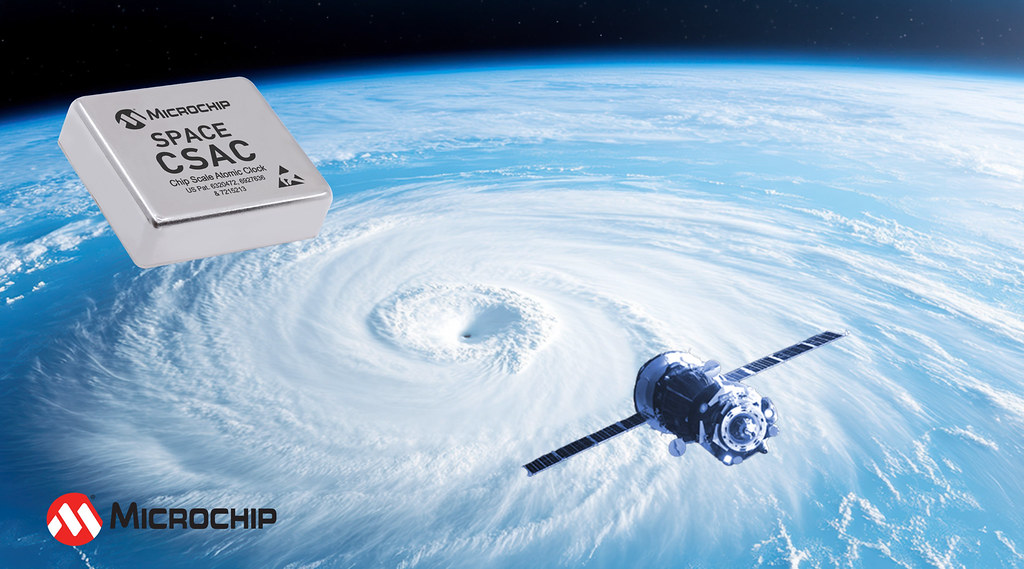
Microchip Debuts Radiation-Tolerant Chip-Scale Atomic Clock for Small Satellites
Microchip Technology introduced the Space CSAC-SA65, a radiation-tolerant chip-scale atomic clock for small satellites. It withstands 30 kRad, operates from -40°C to +80°C, and consumes under 120 mW. The device enables CubeSat-class missions to maintain atomic-clock timing without continuous GNSS reliance. It is available now for Low Earth Orbit applications, including satellite timing, navigation, and cross-linking.
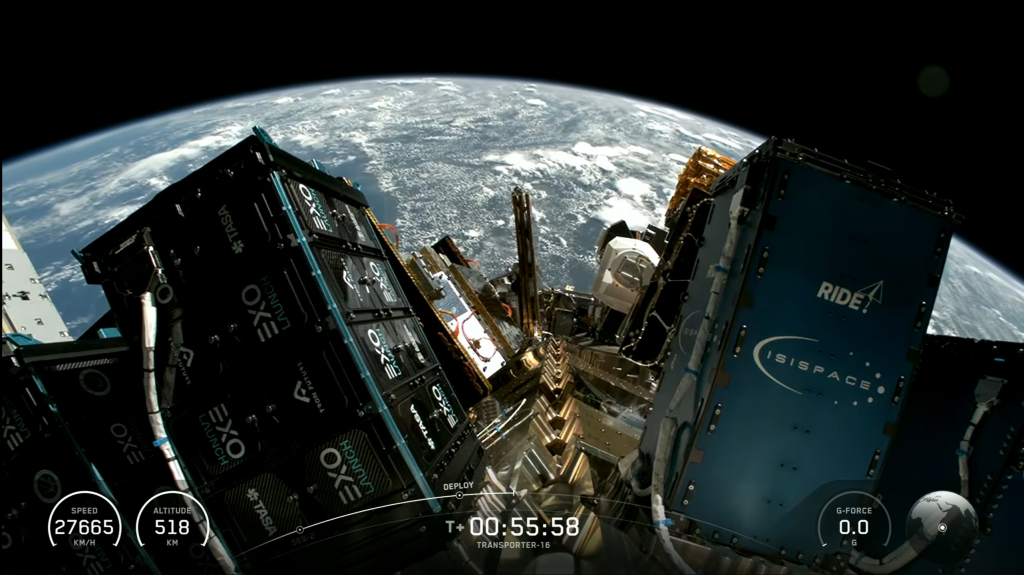
ESA launches 7 new missions to boost data transfer in space
On March 30, 2026, ESA supported the launch of eight CubeSats and a specialized payload aboard SpaceX’s Transporter-16 rideshare mission. The mission tests high-capacity laser communications, inter-satellite networking, and AI-based onboard data processing. Five CubeSats belong to the Greek Connectivity Programme (OptiSat, PeakSat, ERMIS-1/2/3), while three are Pioneer Partnership Projects (Mission Saas, VIREON, and an EDGX edge-computing unit). These demonstrators aim to overcome radiofrequency saturation and lay groundwork for a faster space internet, though orbital debris and light pollution remain challenges.
What’s next
Whether you are debugging a tricky station issue or just starting your first antenna build, the TinyGS Telegram channel is the place to share, learn, and collaborate. Come join the conversation and help the community keep pushing satellite tracking forward!