tinyGS
· TinyGS Community · 8 min read
Weekly Newsletter - August 9, 2026
This week the TinyGS community blended high-altitude ambition with workbench problem-solving: a new LoRa balloon mission is being prepared to chase the August 2026 total solar eclipse from Spain, while detailed hardware discussions dug into SX1262 sync behavior and board-level component variations. Meanwhile, a compact 2-in-1 station packed into an eggbeater antenna tube and the return of a popular QFH calculator gave builders plenty of inspiration.
Highlights
General
Jules had trouble seeing their TinyGS station page after nearly five years of tracking, and another community member pointed them to app.tinygs as a workaround, which resolved the issue. 🔗
Hamzah04 asked for IQ recordings from any LoRa satellite to test a Python LoRa decoder; Stefan/OE6ISP responded with a TriSat recording at 436.700 MHz and a sox command to convert the WAV into raw float format for further processing. 🔗
Technical Problems
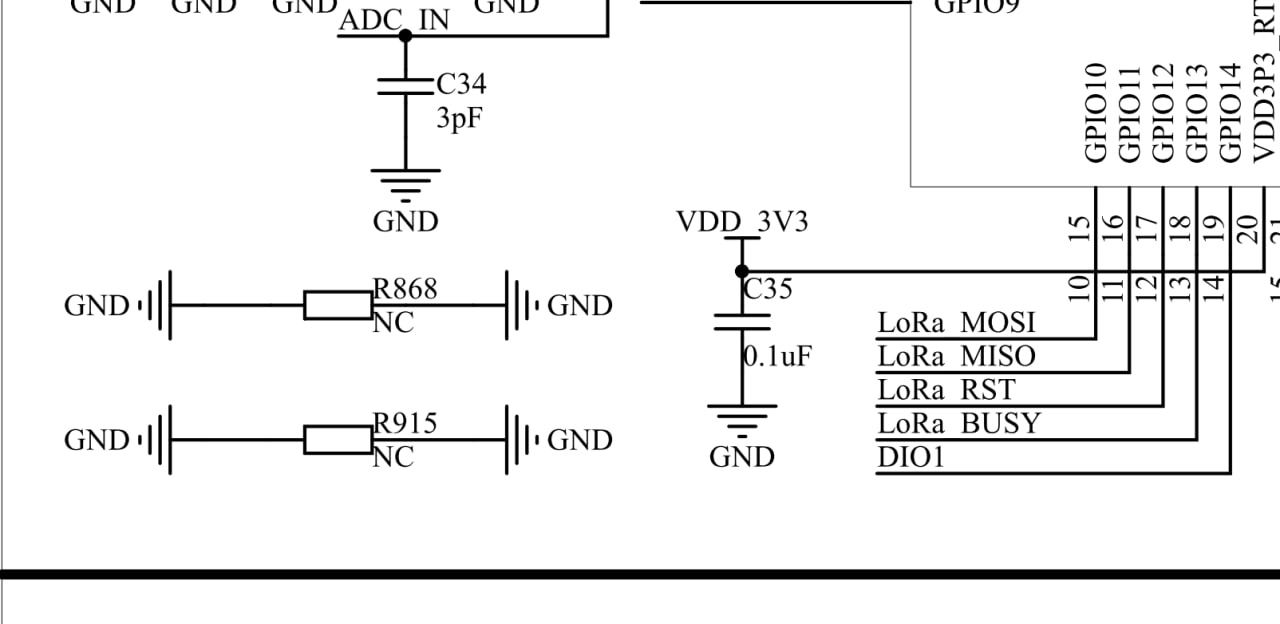
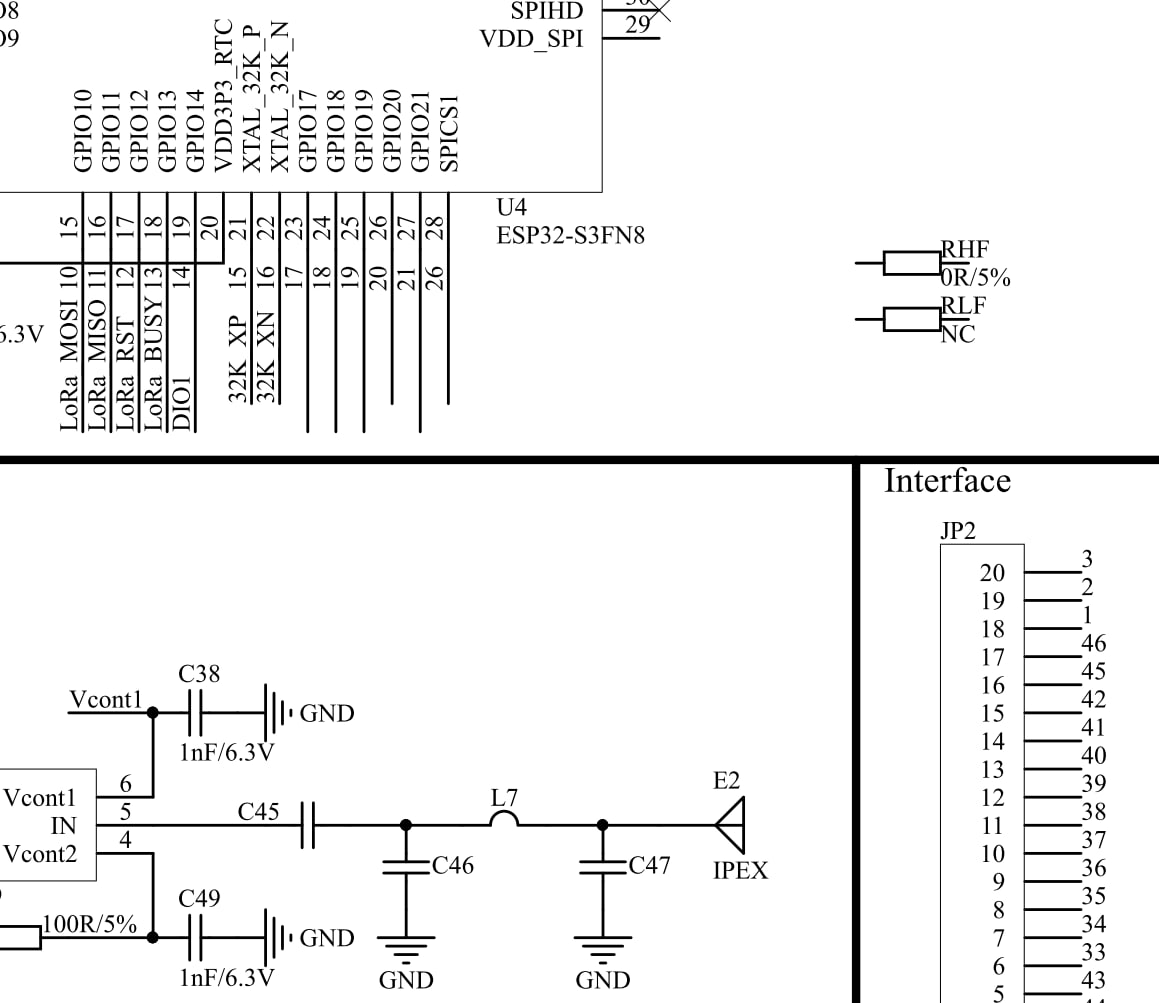
- Notsure7 analysed a TinyGS board schematic and noted that the same PCB supports two assembly options, with differences mainly in fitted resistors and likely filters; offered to measure the filters if someone in the EU could donate, sell, or lend a board, even a damaged one. Stefan/OE6ISP later shared that the resistor is electrically unconnected and only serves as a visual band indication, which megazaic confirmed with photos from the instructions. 🔗
- Matze reported that an 868 MHz HF board receives terrestrial signals but no ConnectaIoT, and asked whether anyone had successfully received those satellites with a Heltec V3 3.2; after flashing, only a 433 MHz Heltec V3 option appeared, so he tried Autoscan 900. Stefan/OE6ISP explained that the SX1262 sync mechanism is fundamentally different from the SX1276: while the SX1262 works well on 800/900 MHz, it cannot receive the private LoRaWAN Connecta satellites, and the SX1276’s reception is based on random false triggers from its fuzzy sync algorithm. 🔗
https://t.me/tinyGScom/78482/224663
Balloons
- Piotr introduced the new balloon mission STAN 2 Total Solar Eclipse 2026, set to launch from Spain on 12 August during the solar eclipse. The payload will carry a 360° camera to record the Moon’s shadow across the Earth’s surface and a LoRa beacon at 869.525 MHz with SF12, 125 kHz bandwidth, CR 4/8, 21 dBm, sync word 18, preamble length 8, forceLDRO and CRC enabled. Operators in Spain are asked to point directional antennas towards Rubielos de la Cérida on eclipse day, and the telemetry decoder will be shared in the coming days. 🔗
- Vera asked about using TinyGS for a superpressure balloon project with compressed digital images, considering 4800/9600 baud FSK/GFSK as a high-throughput downlink; queried how congested the network is and whether ground stations can switch to balloon frequencies without typical TLE tracking information. 🔗
Share your setup
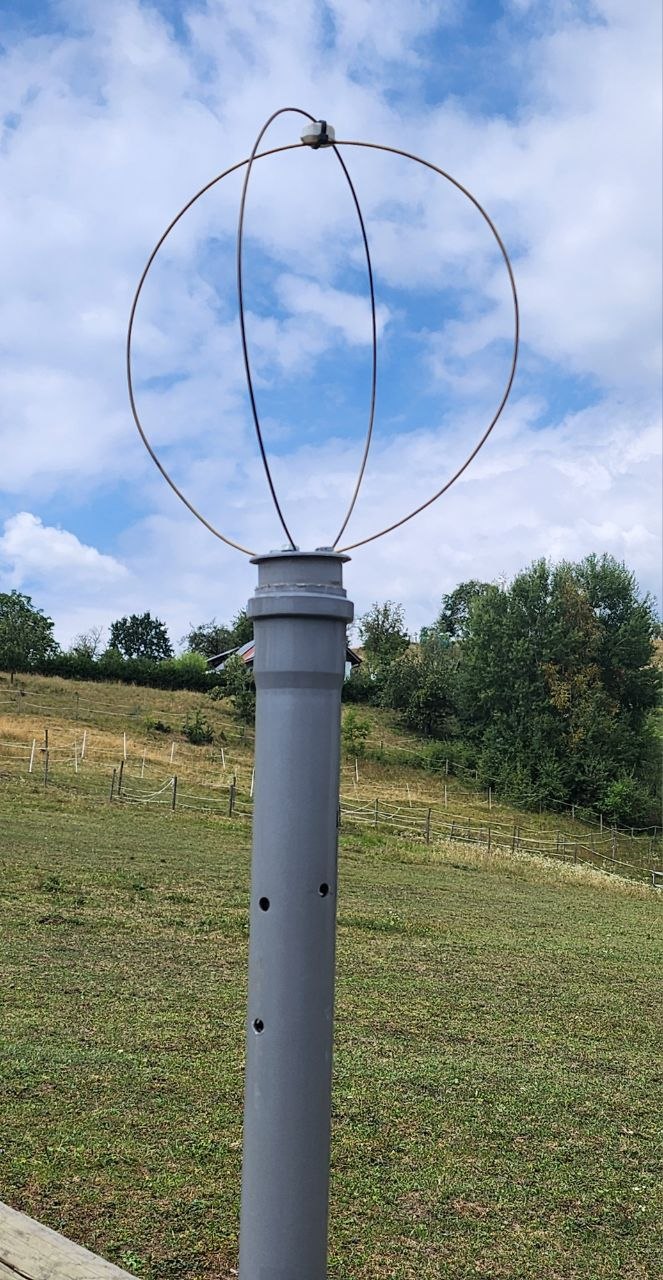
- Stefan/OE6ISP shared a 2-in-1 station packed into the tube of an eggbeater antenna, with preamp, filter, voltage regulators, a Heltec V3 board for TinyGS and an SDR stick for SatNOGS, plus links to the station page and SatNOGS observations. 🔗
https://app.tinygs.com/station/OE6ISP_1@1760298214
https://network.satnogs.org/observations/?station=3170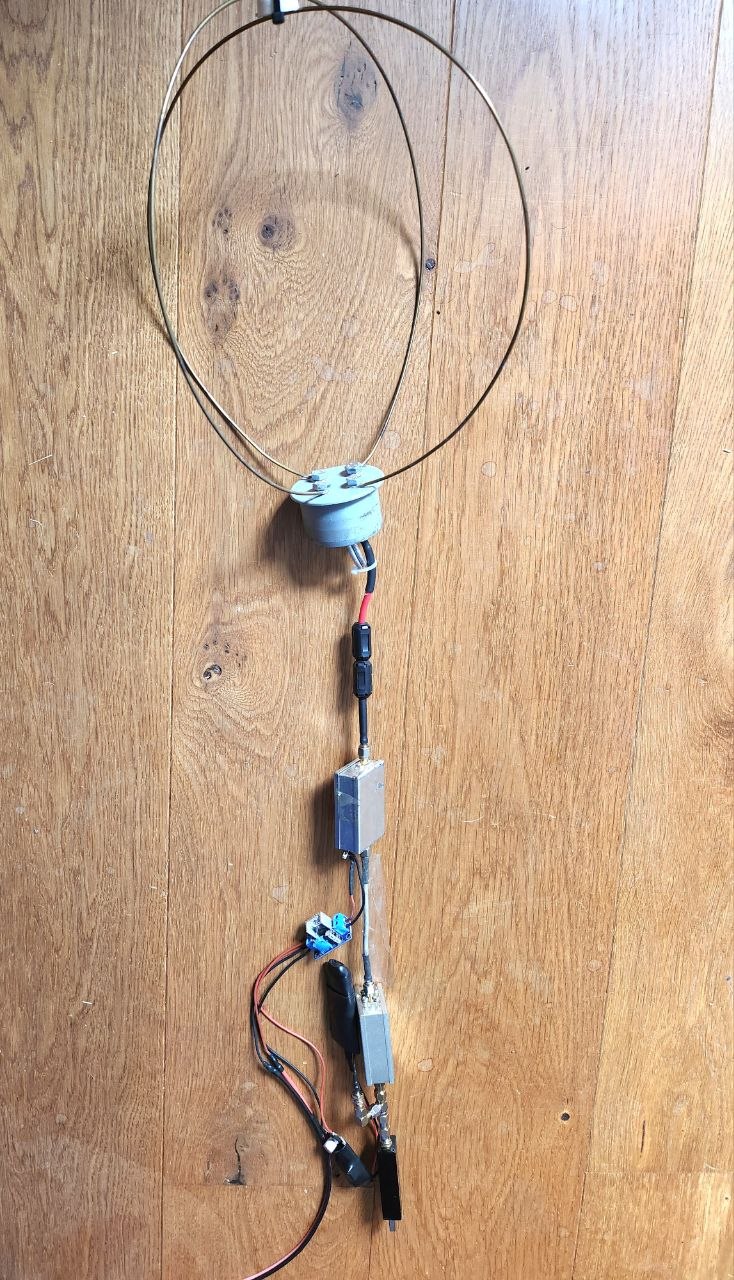
Antenna Building
- Will shared that the QFH antenna calculator website at jcoppens.com is working again, providing a useful resource for building QFH antennas. 🔗
https://jcoppens.com/ant/qfh/calc.en.php
Featured Conversations
- A new balloon mission, STAN 2 Total Solar Eclipse 2026, is set to launch from Spain during the August 2026 solar eclipse, carrying a 360° camera and a LoRa beacon on 869.525 MHz. Operators in Spain are being asked to point directional antennas toward Rubielos de la Cérida on eclipse day, with decoder details to follow.
- The community dug into receiver hardware differences, exploring why SX1262-based boards struggle to receive ConnectaIoT satellites while SX1276-based units may only pick them up through false-trigger detection. Board-schematic analysis also clarified which components are functional filters and which markings are purely visual.
- A compact 2-in-1 ground station was showcased inside an eggbeater antenna tube, combining TinyGS and SatNOGS receivers with a preamp, filter, voltage regulation, and a Heltec V3 board — a creative example of packing full receive capability into a small footprint.
- Useful tools and resources made the rounds, including the return of the QFH antenna calculator at jcoppens.com and shared IQ recordings for testing custom LoRa decoders, supporting the community’s hands-on approach to antenna building and signal processing.
Latest Cubesats News

KINEIS-5A: Satellite of the Day, 3 Aug 2026 - KeepTrack.space
KINEIS-5A is a French 16U CubeSat in the Kinéis IoT data-relay constellation, launched on 25 November 2024 from New Zealand aboard a Rocket Lab Electron. It carries IoT communications and AIS maritime-tracking payloads, operating in a sun-synchronous orbit at about 650 x 669 km with an 8-year design life. The constellation is designed to modernize the Argos system, cutting revisit times from 90 to roughly 15 minutes and enabling two-way messaging. Orbital tracking shows slight drag-induced decay and circularization over an 89-day window.

New Generation of Small Satellites Is Transforming the Space Industry
Small satellites, including CubeSats and NanoSats weighing under 500 kg, are revolutionizing the space industry with lower costs, faster production, and versatile applications. They cut launch expenses by up to 90% through shared launches and use AI to process data onboard, reducing bandwidth and improving response times. These satellites enable global internet coverage, climate and wildfire monitoring, defense surveillance, and health-related tracking in remote areas. Despite challenges such as short lifespans and technical/legal hurdles, integration with 5G/6G, blockchain, and micropropulsion promises a dynamic future for space innovation.

India’s Lunar CubeSat Mission
India’s lunar CubeSat mission is covered by the Indian Express in its Bengali edition. The article appears to be a promotional or subscription prompt rather than a detailed report. No specific mission facts or technical details are provided in the available text. Readers are encouraged to share the piece with friends for later reference.

Are Satellite Swarms the Future of Space Communications?
Satellite swarms—coordinated networks of thousands of small, intelligent satellites in shared orbits—promise near-global coverage, reduced data latency, and significantly lower launch and production costs compared to traditional large satellites. Companies like SpaceX’s Starlink and OneWeb are already deploying such systems for broadband and live-event coverage, with future applications including interplanetary communications for NASA and ESA missions. Major challenges remain, including space debris risks, outdated international regulations, and the need for precise frequency coordination. Advances in AI-based autonomous management and tracking are expected to mitigate these obstacles, making satellite swarms a viable and sustainable backbone for global connectivity.

Latest CubeSat Satellites Introduced - World News
New CubeSat models unveiled in early 2026 expand applications in internet coverage, environmental monitoring, and space medicine. CubeSat-X1 delivers broadband to remote areas using beamforming and dual solar panels. CubeSat-Eco 3U captures multispectral data with onboard edge computing for climate and storm forecasting. CubeSat-Medi 2U functions as a microgravity lab for biological and pharmaceutical research in space.

Neural Network Controls Small Satellite In Orbit
AFRL researchers used a neural network to autonomously control a CubeSat’s orientation in orbit within a single orbit and without human intervention. The AI agent was trained using reinforcement learning and marks a shift from managing payloads to directly commanding spacecraft functions. The mission also tested next-generation AI watchdog and guardrail runtime assurance systems in shadow mode for safety. AFRL now plans to expand the scope and complexity of autonomous operations for future flights.
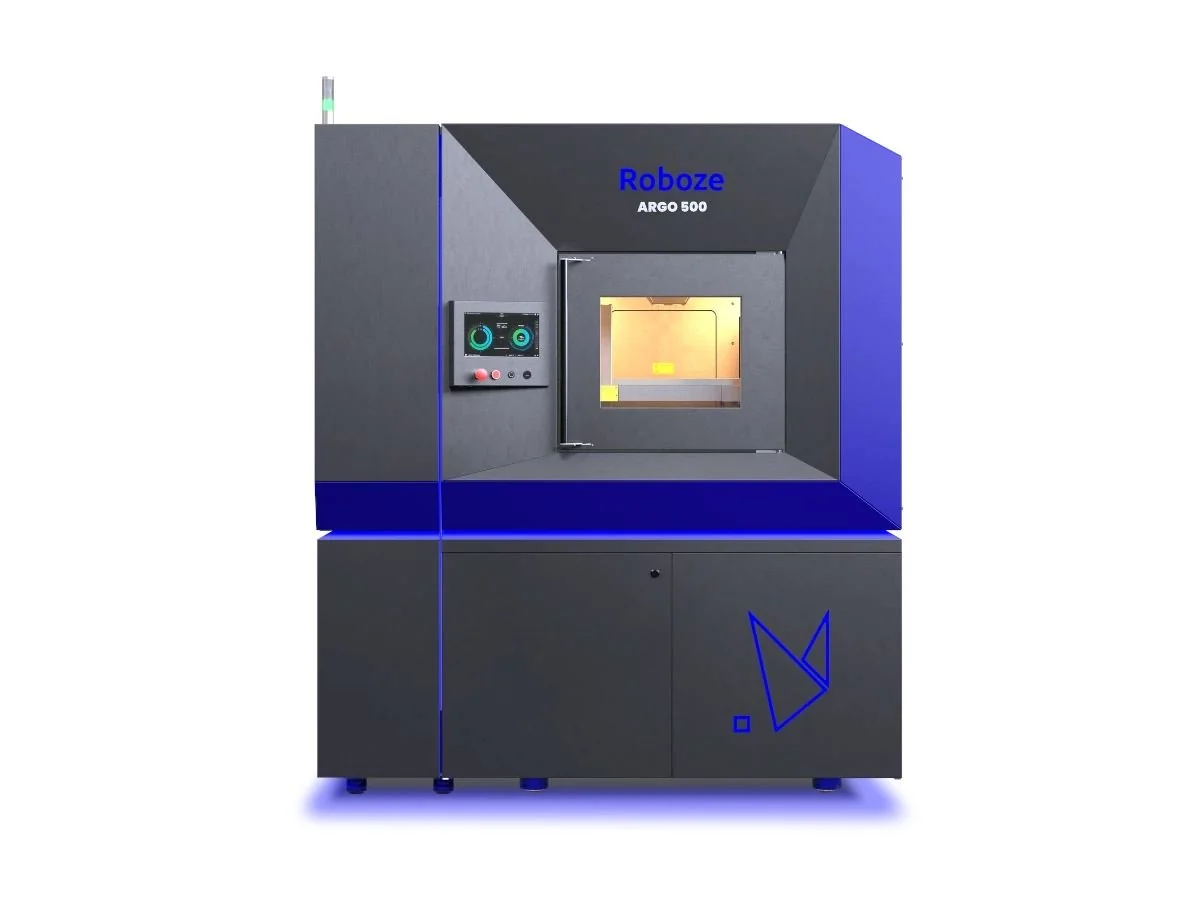
ROBOZE 3D printing technology used by NESST Srl to develop CubeSat 3U structure
NESST Srl designed, additively manufactured, and validated a CubeSat 3U structure using ROBOZE’s ARGO 500 platform and Carbon PEEK, as part of an Italian Space Agency and ESA-funded project. Testing showed FFF-processed polymers deliver mechanical performance comparable to aluminium alloys and meet ECSS-Q-ST-70-02C outgassing standards. The transition to 3D printing enables extreme geometrical customisation and cost-efficiency, with Phase 2 planned to integrate harnesses, electronics, and microfluidics directly into the structure. Separately, Airbus qualified ROBOZE’s ARGO 500 HYPERSPEED platform for secondary structural parts using ULTEM 9085.

EZIE-B: Satellite of the Day, 5 Aug 2026 - KeepTrack.space
EZIE-B is one of three 6U CubeSats in NASA’s Electrojet Zeeman Imaging Explorer mission, built by APL with JPL partnership and launched on March 15, 2025, aboard a SpaceX Falcon 9 into sun-synchronous orbit near 580 km altitude. The constellation measures auroral electrojets using Zeeman-splitting magnetographs that image magnetic fields in the mesosphere between 80 and 120 km altitude. EZIE-B’s current orbit is 570 x 592 km with a 97.68-degree inclination, showing a modest semi-major axis decay of 1.76 km over 88 days due to atmospheric drag. Photometric observations show a stable magnitude of 8.06 with no variability or detectable rotation, consistent with a thermally stable small CubeSat.

USC builds AI-capable satellites: MAVERIC as a training platform for spaceflight
USC Viterbi’s Space Engineering Research Center launched its 3U CubeSat MAVERIC on July 7 via a SpaceX Falcon-9 rideshare mission into low-Earth orbit. The satellite delivers real orbital data for ground-based reinforcement-learning training and tests magnetic attitude control using magnetometers and magnetorquers. Students gain hands-on experience across the entire engineering process, from design and flight hardware to formal design reviews with industry experts. The program also feeds a workforce pipeline, with 22 USC graduates hired by SpaceX from the Class of 2025, and informs future projects such as the Optical Reef telescope concept.

NASA Awards HEBI Robotics Contract to Develop Compact Robotics for Small Satellites
NASA has awarded HEBI Robotics a Phase I SBIR Ignite contract to develop compact robotic actuators for small satellites and space missions. The project focuses on miniaturized drives capable of high force output under limited space and weight, targeting CubeSats and similar platforms. The work, running through December 2026, aims to fill the gap between low-cost consumer servos and expensive custom space-grade robotics. The technology is also expected to benefit industrial and field robotics in harsh environments.
What’s next
Join the TinyGS Telegram channel to keep these conversations going — whether you’re planning an eclipse balloon chase, debugging a receiver, or building a compact ground station, your insights and questions help the whole community learn and improve.