tinyGS
· TinyGS Community · 12 min read
Weekly Newsletter - August 18, 2026
This week the community untangled a stubborn station display bug that turned out to be a band mismatch, while a custom firmware build opened up full telemetry streams for dashboard builders. Antenna builders traded high-pass filter designs and V-dipole tips, and satellite trackers dug into TLE accuracy for low-flying birds like CoRAL.
Highlights
General
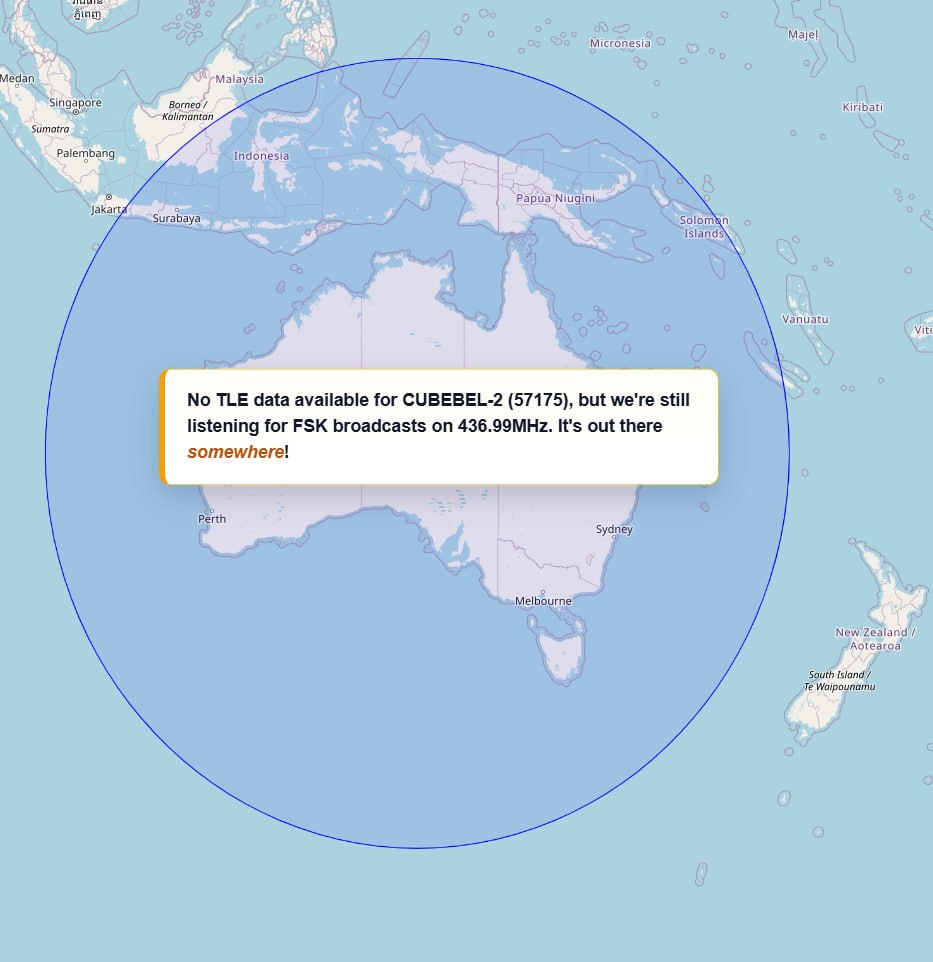
- TehMagilla asked about getting a personal feed of telemetry packets received by their own station, mentioning options such as adding a bot to the Telemetry channel, an RSS feed, or helping test the upcoming API for use in a dashboard; later shared a Home Assistant visualization of ground station activity, including a view of what happens when no TLE data is available, and asked about documentation for the different telemetry packets in TinyGS. 🔗
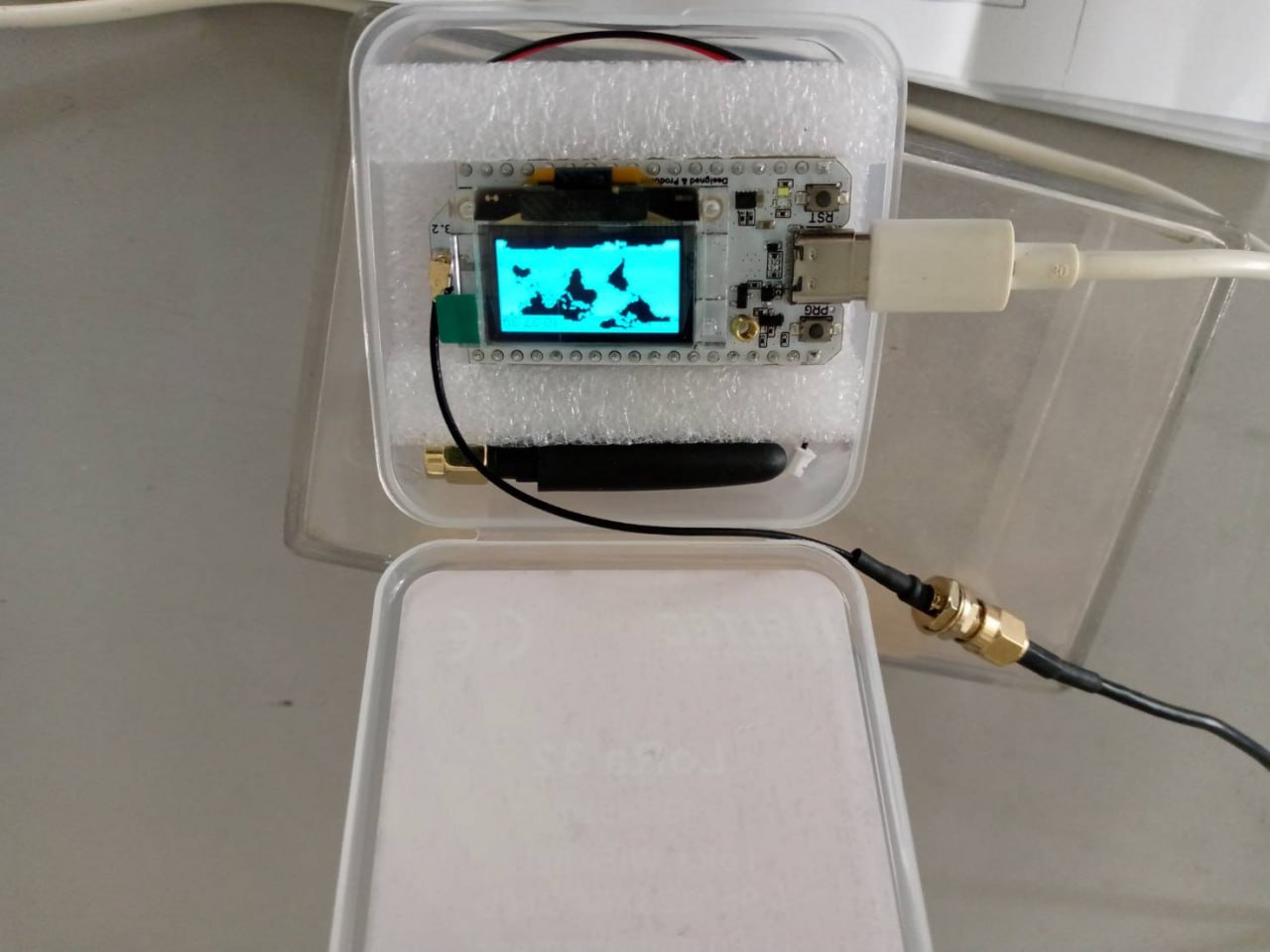
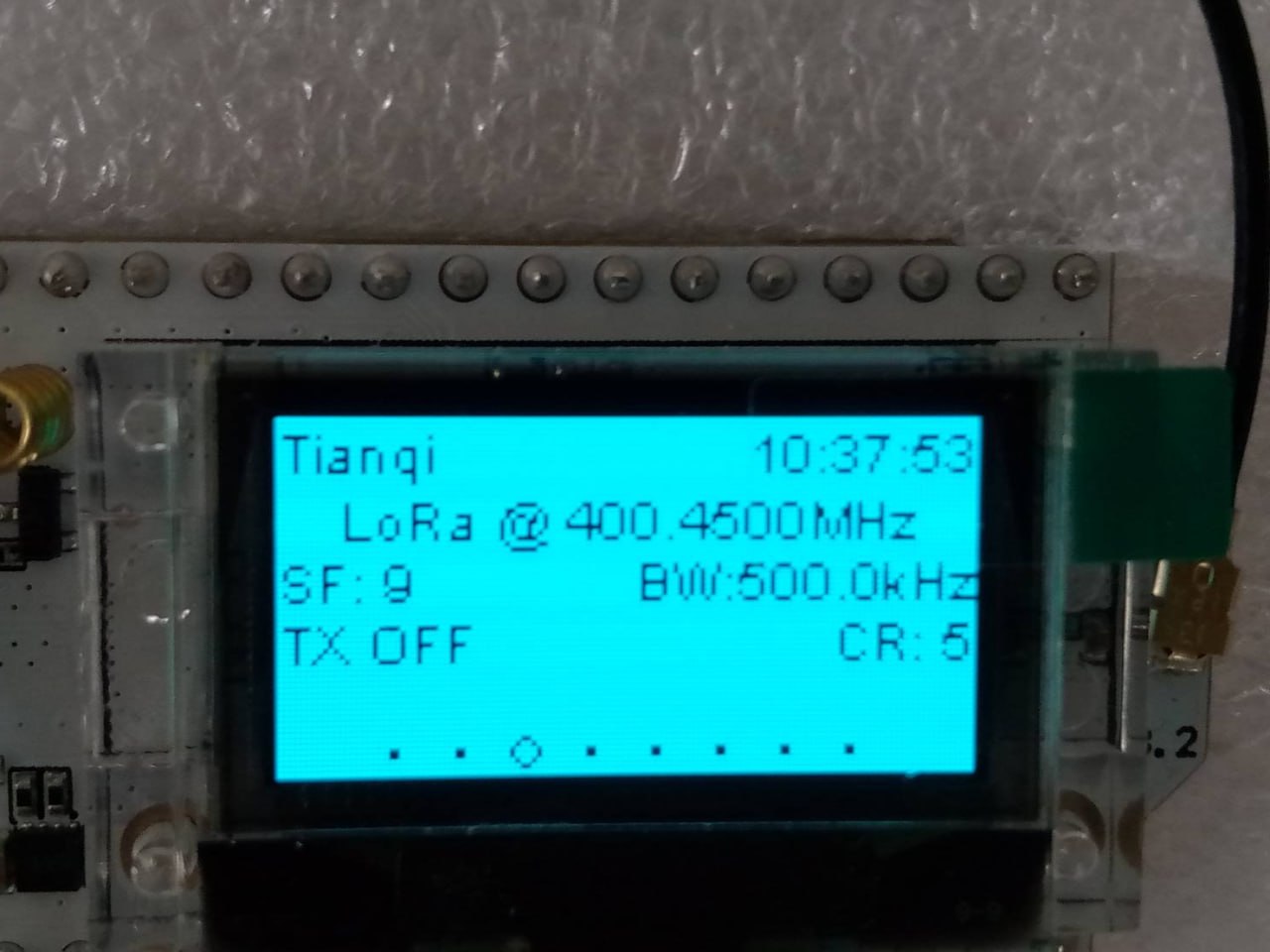
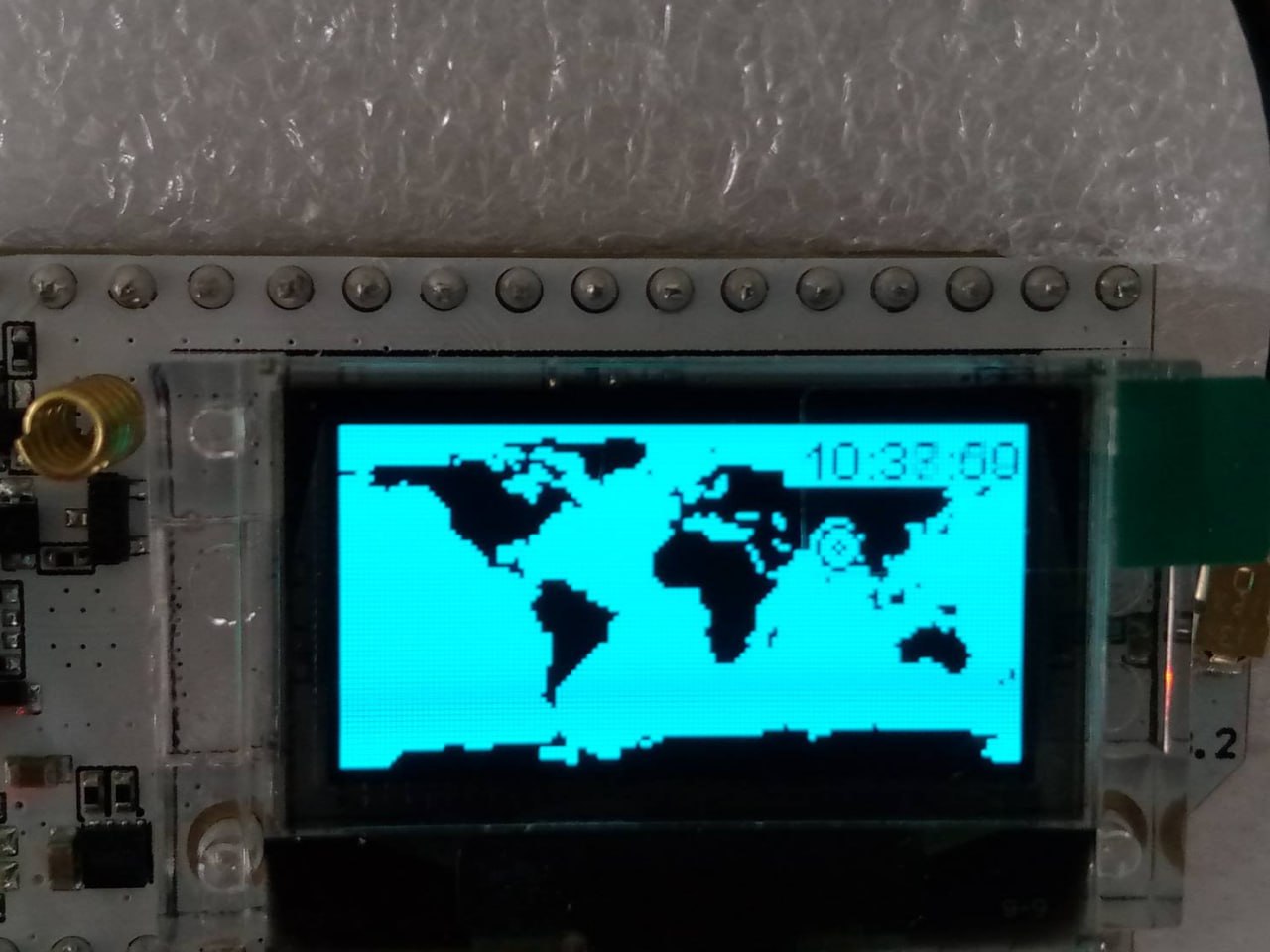
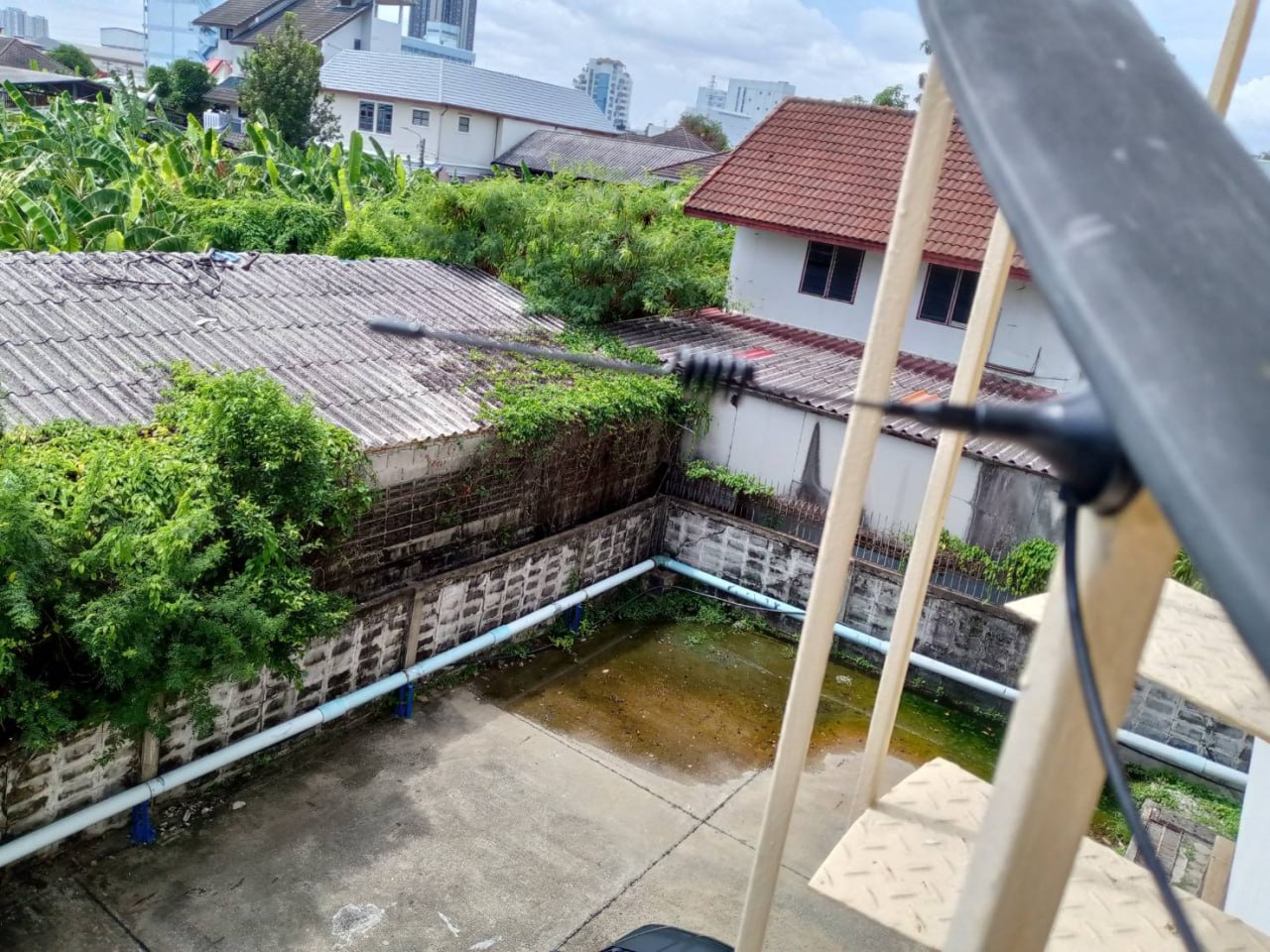
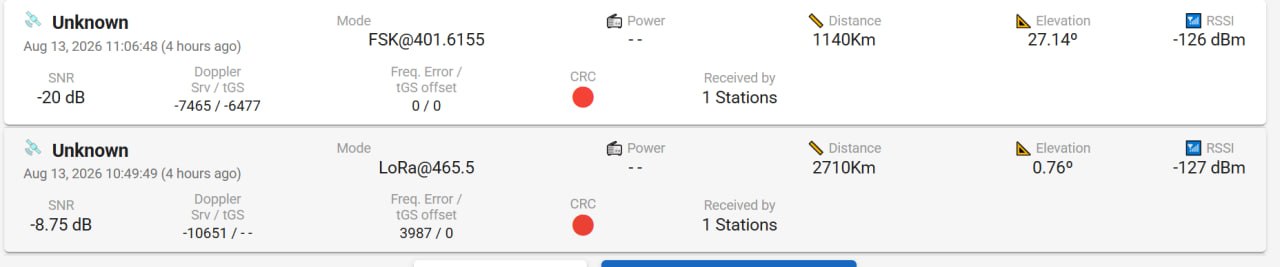
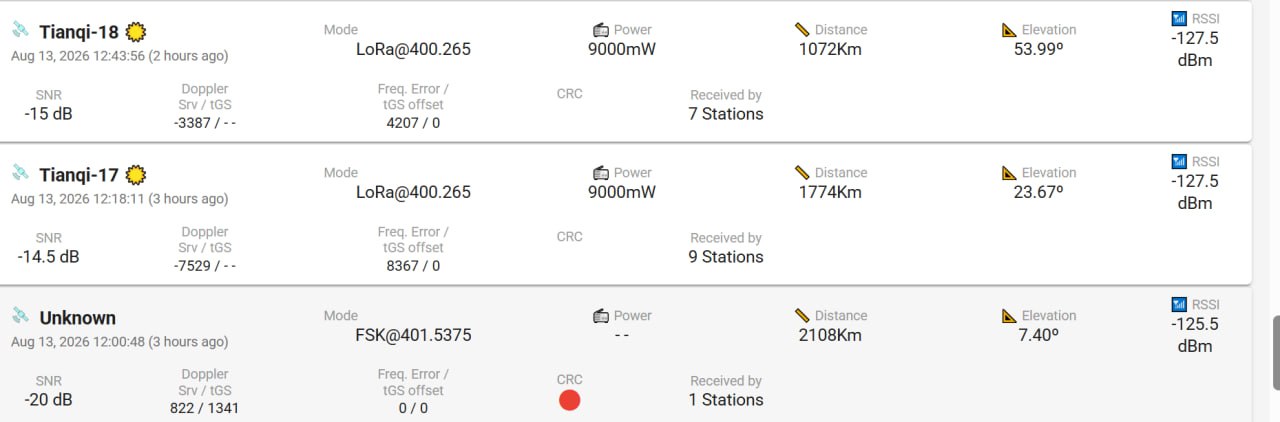
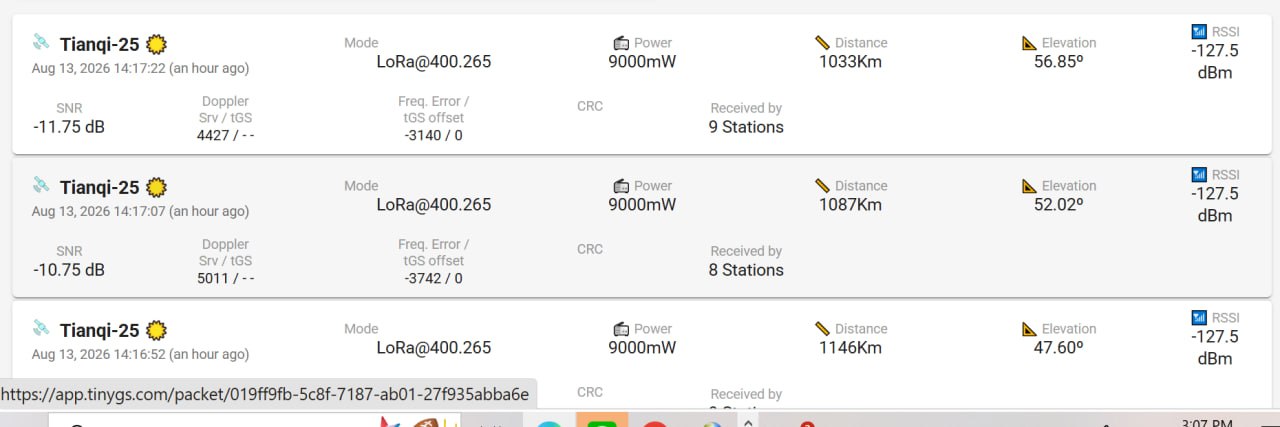
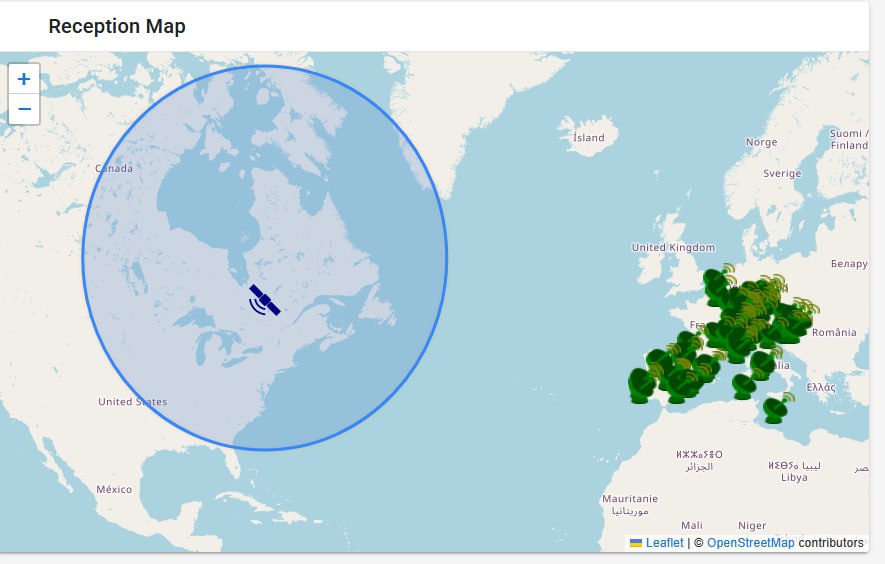
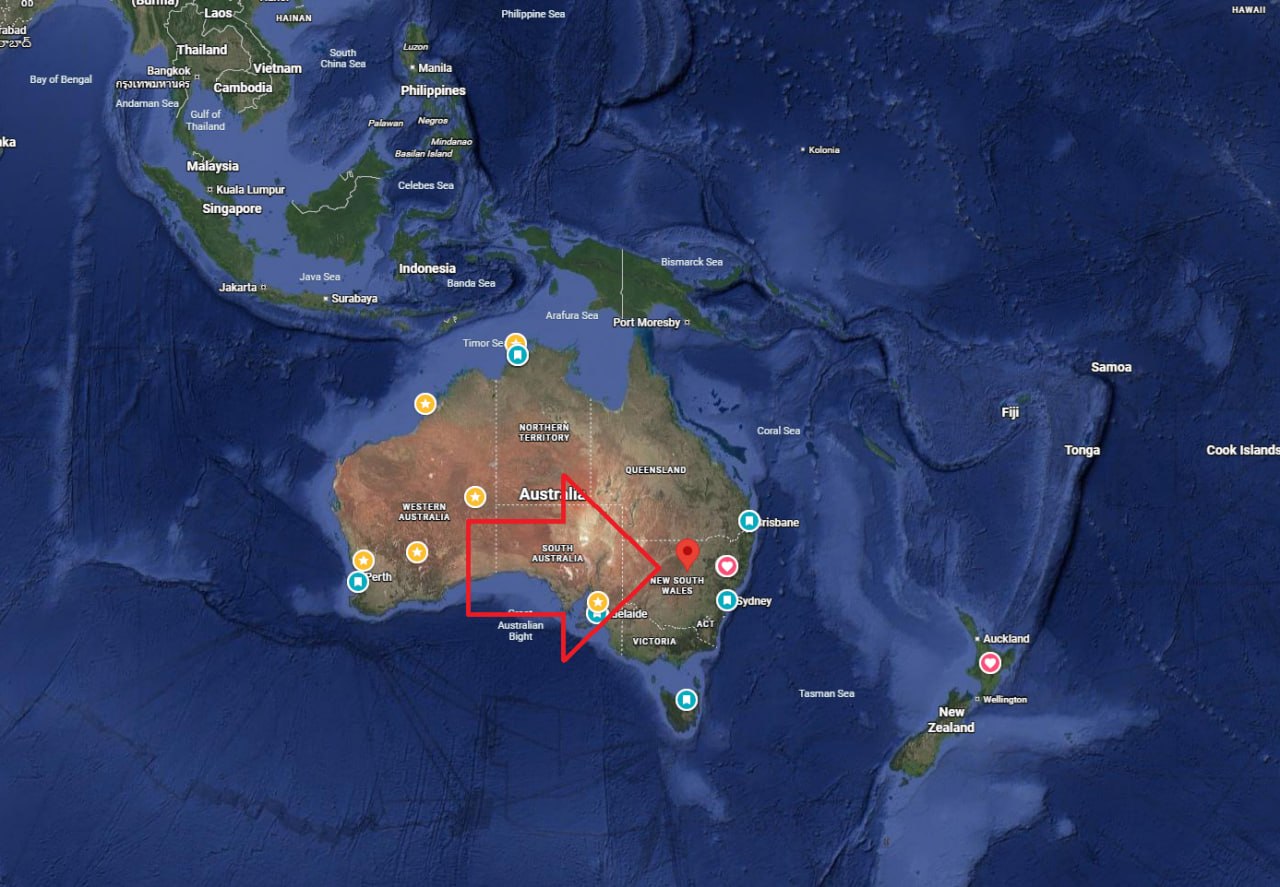
- Sony353 shared photos of a new station in Thailand and the first signals received; a community member recommended adding a metal sheet ground plane about 35 cm square, as the mobile antenna needs a counterweight, and suggested replacing the thin cable to reduce loss. The observation was that only high-power Tianqi satellites were being seen at first, so further antenna improvements could unlock more birds; another operator later reported hearing Tianqi satellites up to 3300 km away with a basic 1/4 wave groundplane at about 3 m above ground, sparking a conversation about record distances and autotune priorities. 🔗
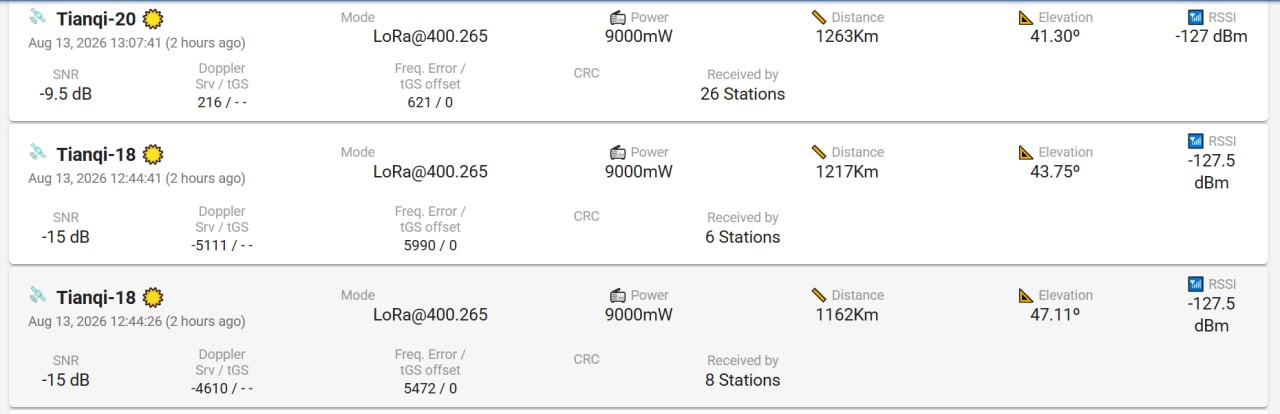
- Matze shared an image of PROVES_Electra, joking that a good antenna is needed, and another member commented that a bad TLE could also explain the observation. 🔗
- Pascal asked whether it was normal for Starlink satellites to be missing from the Reception Timeline Preview on the F4IKX-1 console even though packets appeared in the last 30 days; the answer was yes, since only Mauve, Wisdom, and Wren-1 OWL are shown in that preview. He later noted that he would follow Starlink satellite pass predictions using his favorite tracking software. 🔗
Technical Problems
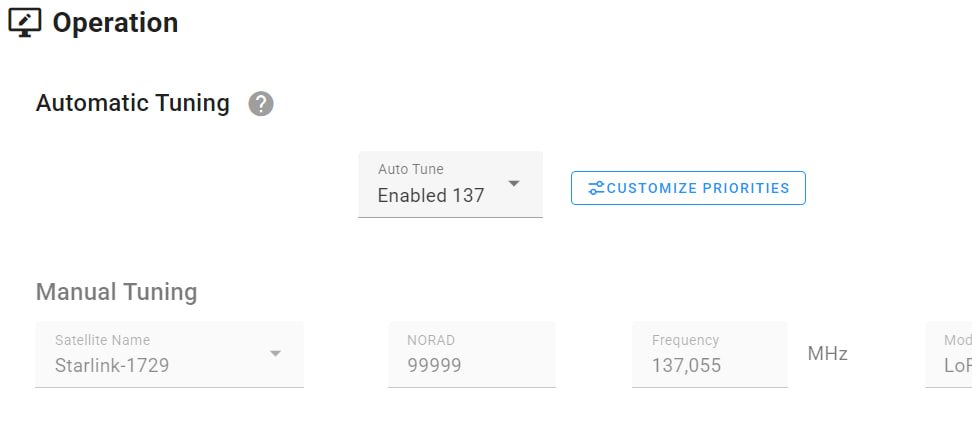
- G4lile0 fixed a puzzling issue where received packets were stored on the server but not displayed on the station page; community members had noticed the packets in the satellite log and some saw the data appear only after a few days. The root cause was an autotune frequency set to 137 MHz while the band was still configured for 433 MHz, so the database query returned no packets. Once the band was switched to 137 MHz, the packets appeared and the station started working normally. 🔗
https://app.tinygs.com/packet/01a00894-e604-73b9-98ad-1f07902b8133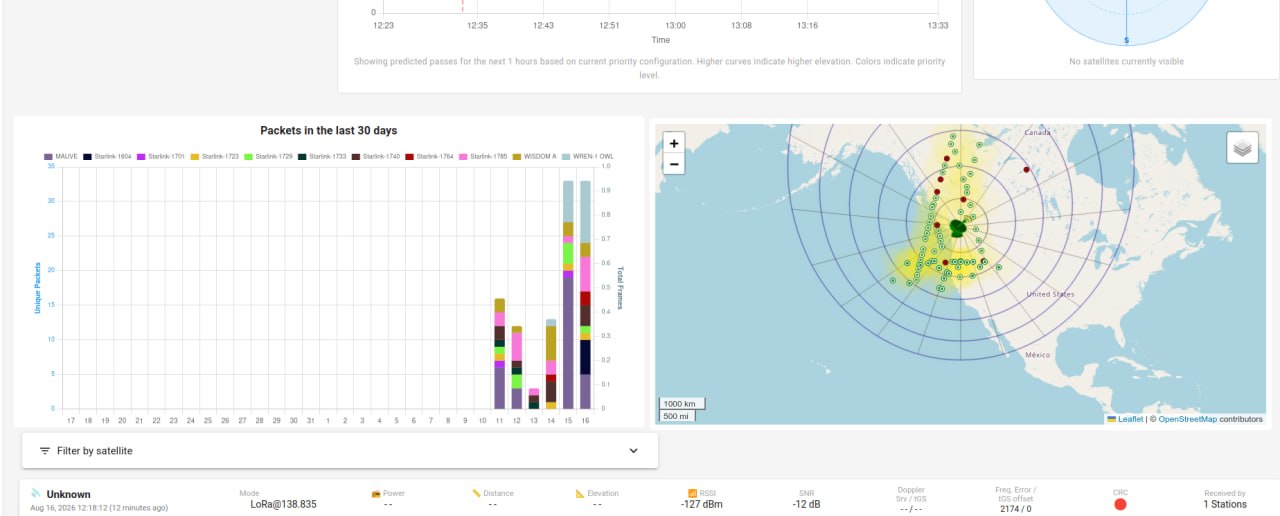
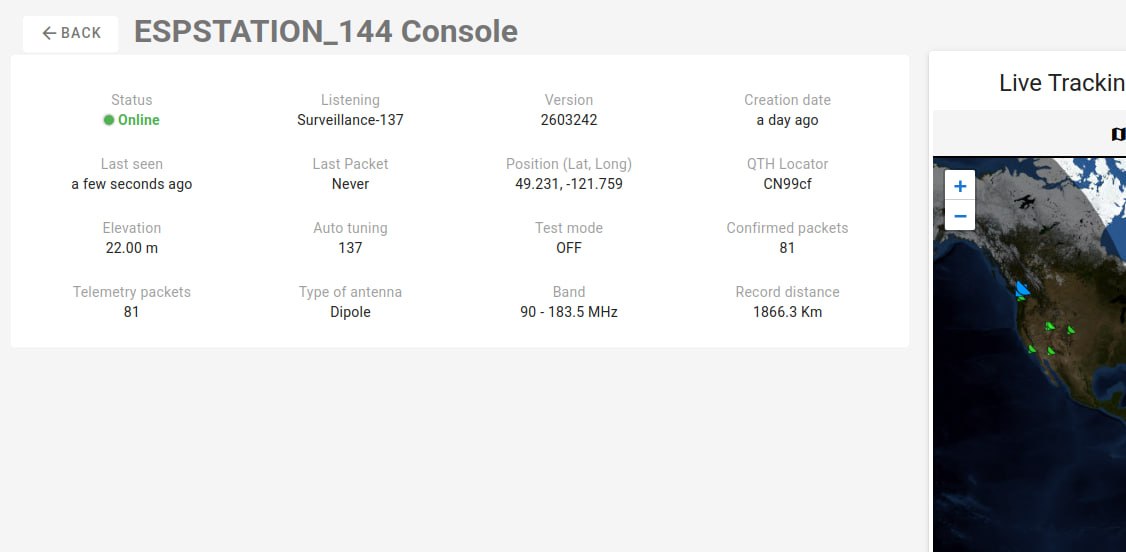
- Pascal asked how to change the auto-tuning frequency on a TTGO board and on the F4IKX-1 console, since it remained stuck on 433 MHz instead of the desired 137 MHz; another community member shared a screenshot to help locate the right setting, and Helmi explained that he needed to click on the station name and then press the green Operate button. Earlier, a TTGO LoRa 32 V2.1 board configured for 137 MHz showed a blank display after flashing until the correct board config was selected, and Pascal later confirmed everything was working and looked forward to upcoming 137 MHz passes. 🔗
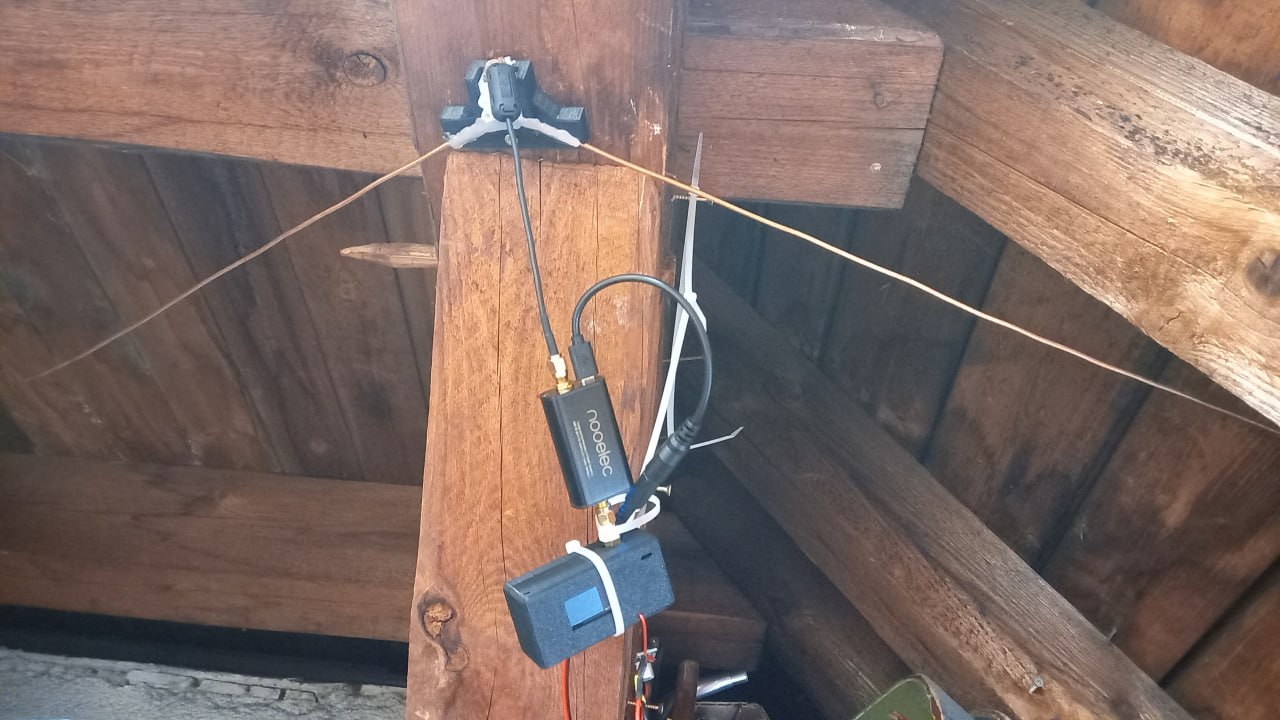
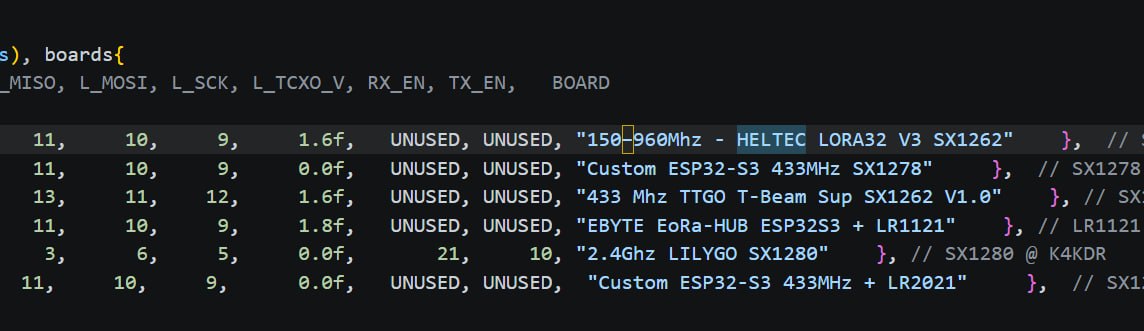
- Stefan/OE6ISP explained that 800/900 MHz are handled the same in software and that SX1262-equipped boards will not work for the currently available ConnectaIoT satellites, while SX1276 boards remain the dependable choice; a Heltec V2 with SX1276 showed a high noise floor and received no ConnectaIoT frames over two days, whereas the LilyGO T3 1.6.1 (869 MHz version) was the optimal choice for that band. For VHF reception, he advised building a V-dipole or rabbit-ear antenna with quarter-wave elements scaled by 0.95, adding ferrite chokes near the antenna, and noted that the 144 MHz version of the LilyGO board works well even without a preamp; one member reported 100–130 frames per day with an attic-mounted V-dipole and a Nooelec SAWbird NOAA preamp. 🔗
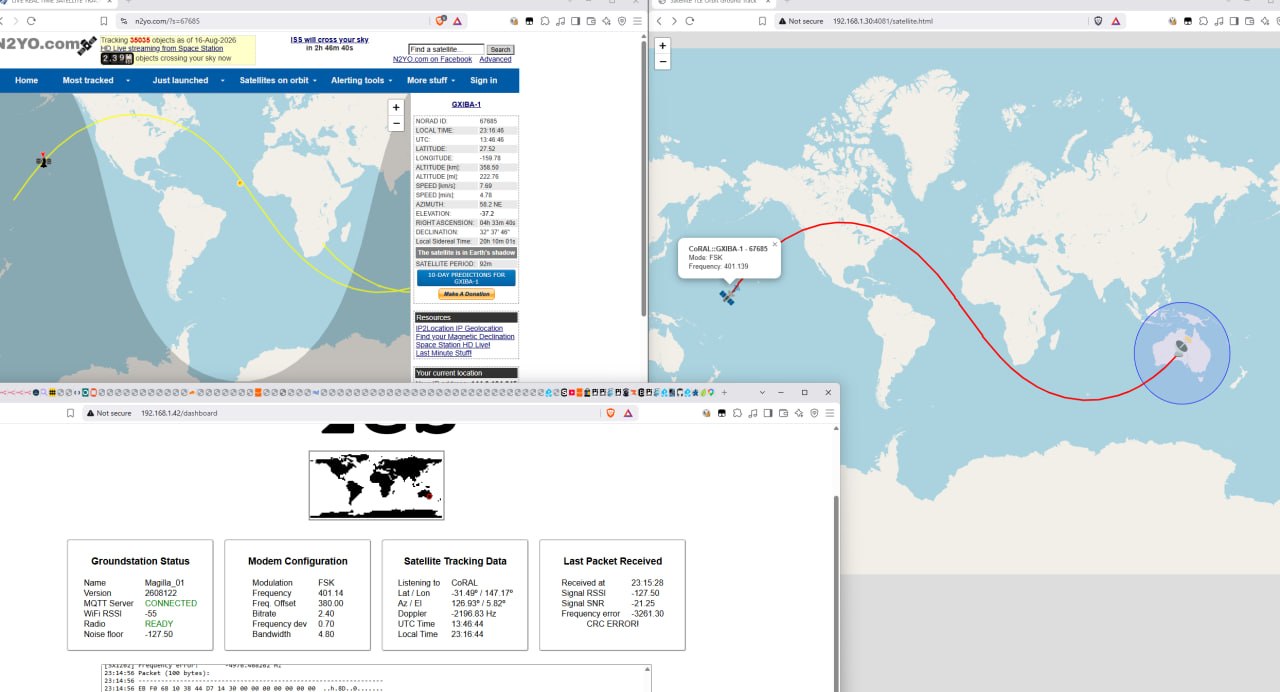
- TehMagilla asked about discrepancies between the TinyGS dashboard and n2yo.com for satellite positions, noting that his own tracking system agreed with n2yo while TinyGS sometimes pointed to locations on the other side of the globe; the discussion revealed that some TLEs, especially for low-altitude satellites like CoRAL, were outdated and caused position errors. Stefan/OE6ISP pointed to the official TLE list and the STRF toolkit for matching TLEs using Doppler-shifted SDR signals, and also noted that newly deployed satellite clusters can be chaotic. Separately, station elevation values were discussed, with G4lile0 noting that a difference of 9 m or even 100 m makes no practical difference for tracking. 🔗
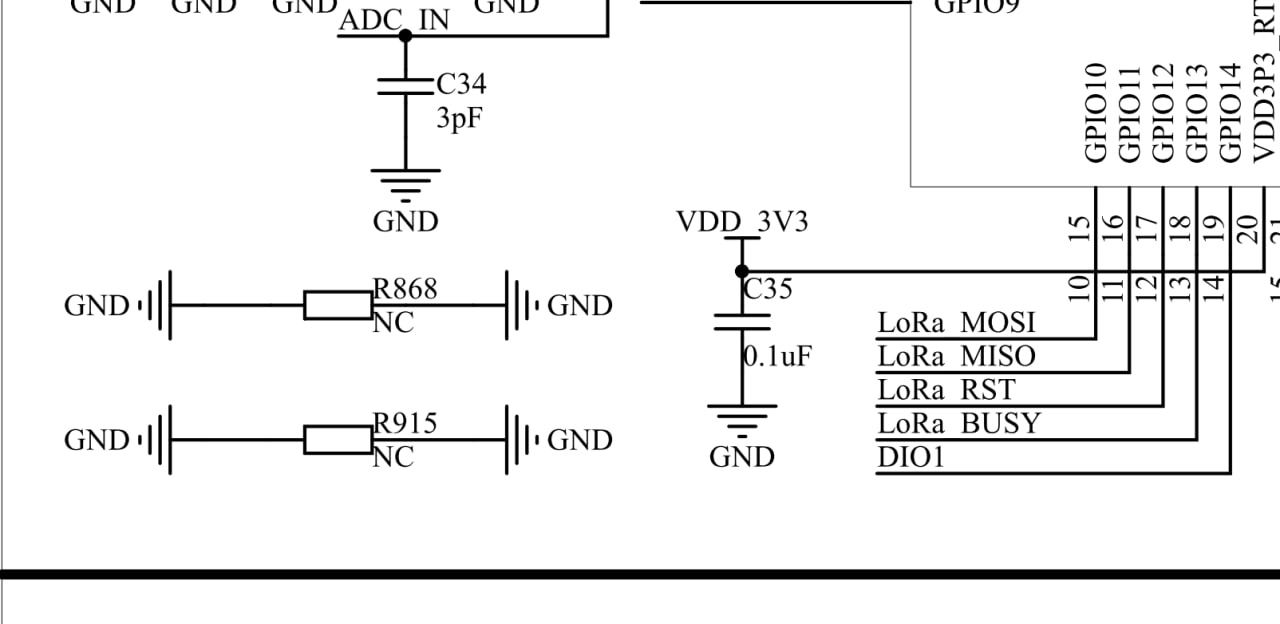
- David asked for help installing TinyGS on a LILYGO TTGO LoRa32 T3S3 V1.2: the display did not work and there was no 915 MHz option; after trying stable and beta firmware and the board template, shared a JSON board configuration for the KX4OP-915 lilygo LoRa V1.2. 🔗
Antenna Building
- LarsSM0TGU shared the results of adding a non-filtered TQP3M9037 LNA to a ground-plane antenna: received packets dropped to half, even though the same LNA improved a SatNOGS station using an Airspy Mini SDR. After testing with an attenuator at the board input with no difference, the plan was to remove the LNA from the feedpoint and optionally test a high-pass filter later. 🔗
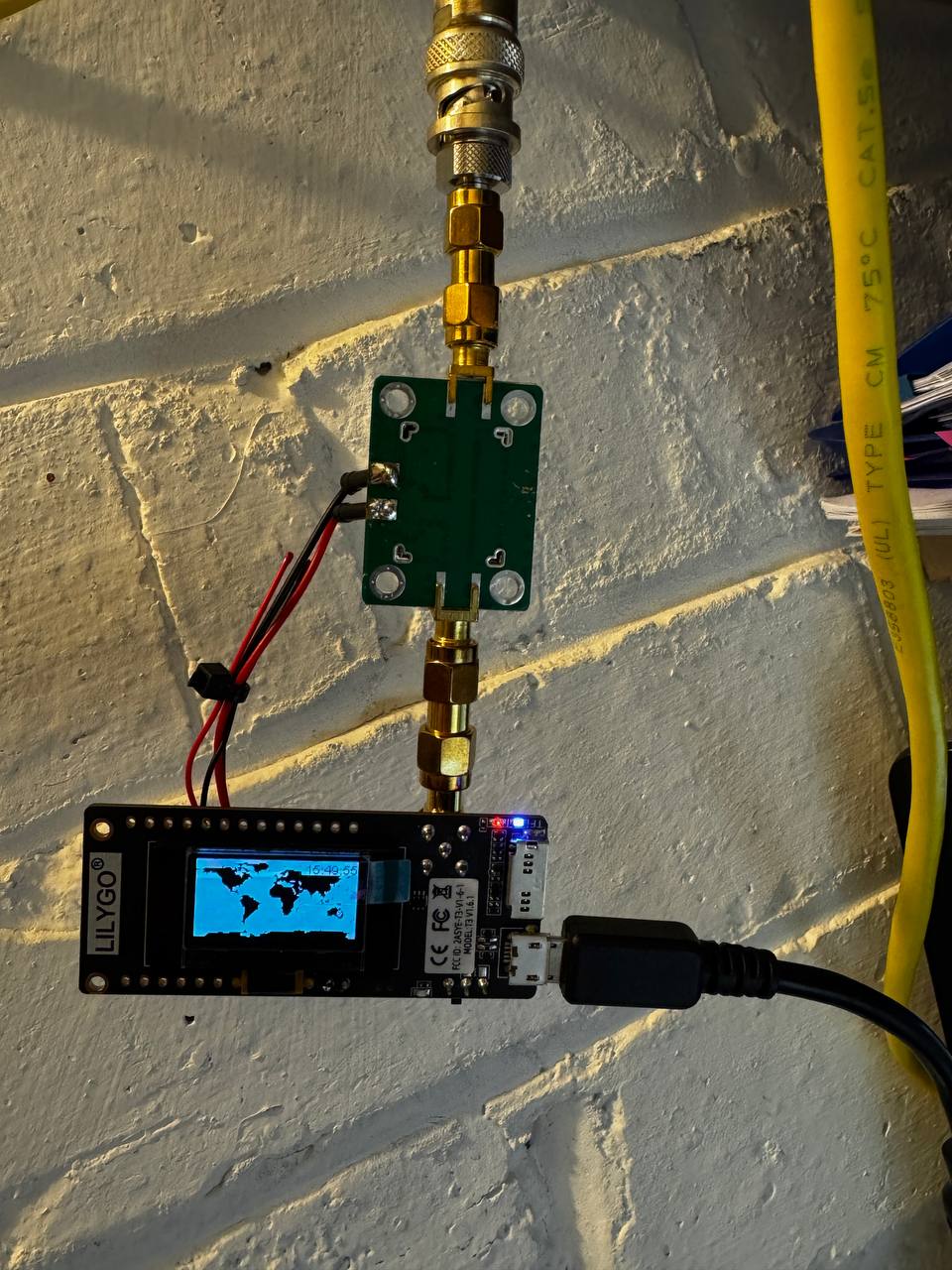
- Stefan/OE6ISP suggested building a 5th order Chebyshev high-pass filter for around a few euros, shared a photo of an example, pointed to ready-made filters for EME, provided a link for Chebyshev high-pass calculations, gave approximate component values for 400 MHz, and described the small tin boxes he uses, noting that holes should be punched rather than drilled. Helmi added tips for drilling holes in sheet-metal enclosures using special metal drills and advised reducing drill speed when working with plastic. Earlier, LarsSM0TGU had asked about affordable high-pass filters with a cutoff below 400 MHz and planned to test a Diamond diplexer found at home. 🔗
https://antennas-amplifiers.com/
https://www.changpuak.ch/electronics/chebyshev_highpass.php
https://www.schubert-gehaeuse.de/weissblechgehaeuse.html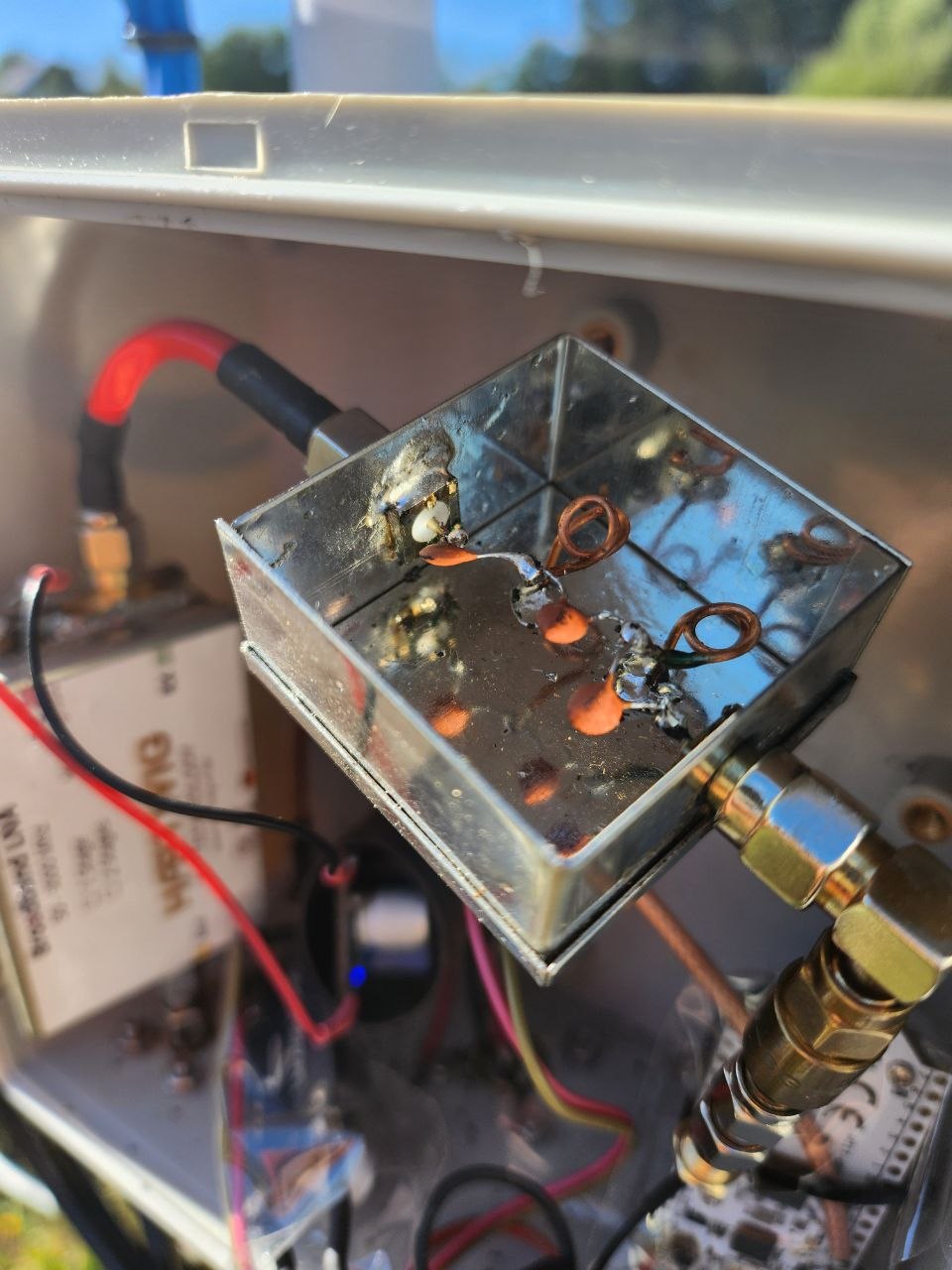
- Notsure7 wondered whether the internal page could expose an AGC register readout; Stefan/OE6ISP replied that many registers differ between 126x and 127x chips, are listed in the datasheets, and can be set with RadioLib, sometimes by replacing the MQTT-supplied AGC value with a constant. 🔗
Share your setup
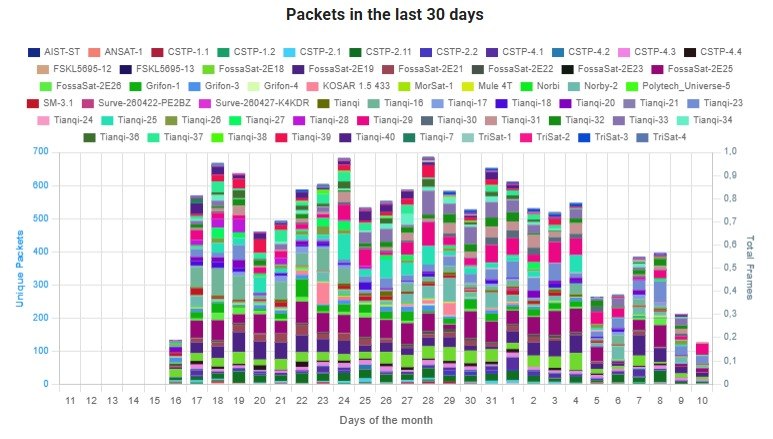
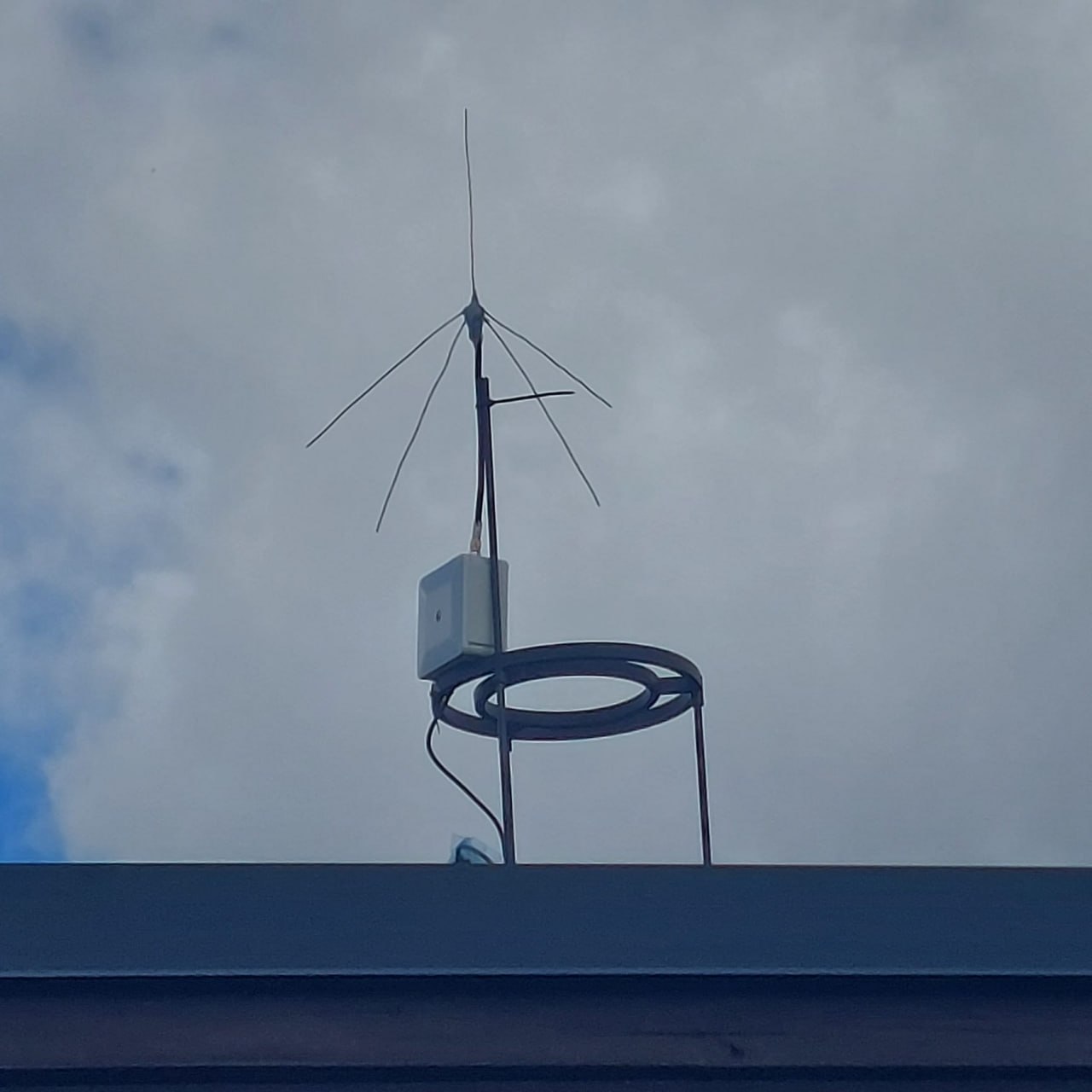
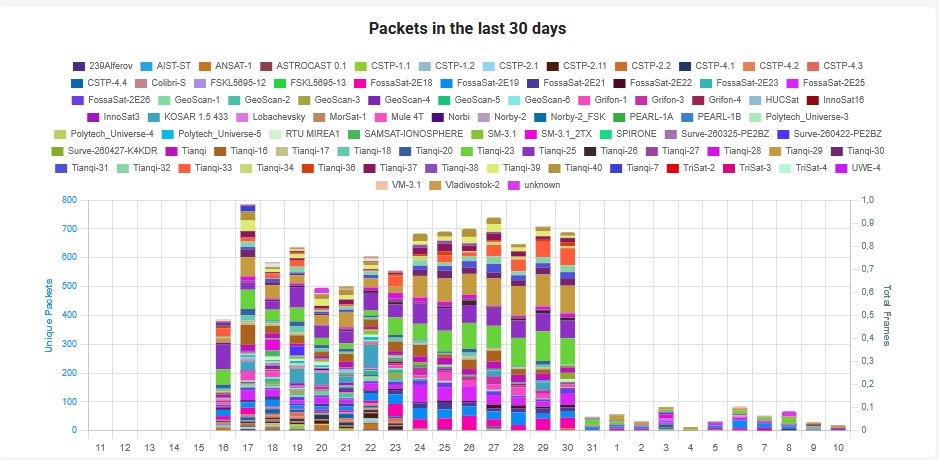
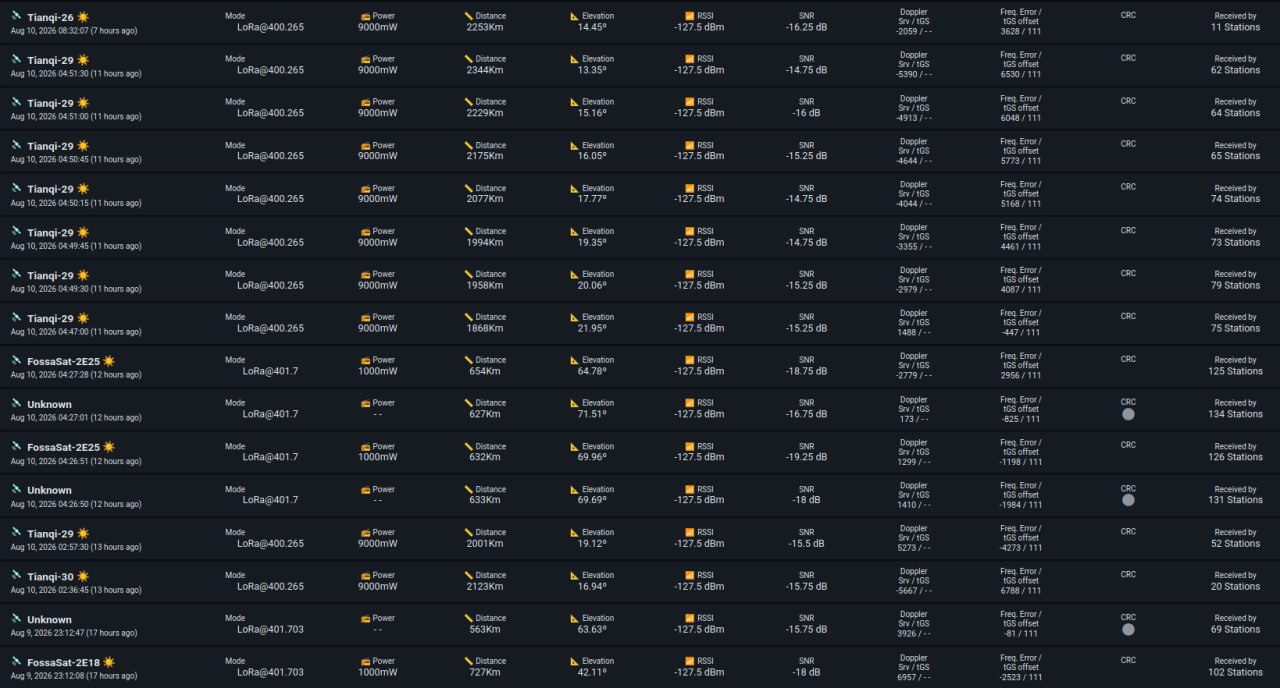
- Bernard shared a new 1/4λ ground-plane setup with a Heltec V3 433 MHz board, after the first board was likely damaged by static discharge during a nearby thunderstorm. Swapping antennas, cables, and boards pointed to the board itself; it now receives only a few packets per day, mostly Tianqi and some FossaSat frames with CRC errors. Stefan/OE6ISP suggested a protected ground-plane design with grounded rods and gamma-feed and offered exact dimensions. 🔗
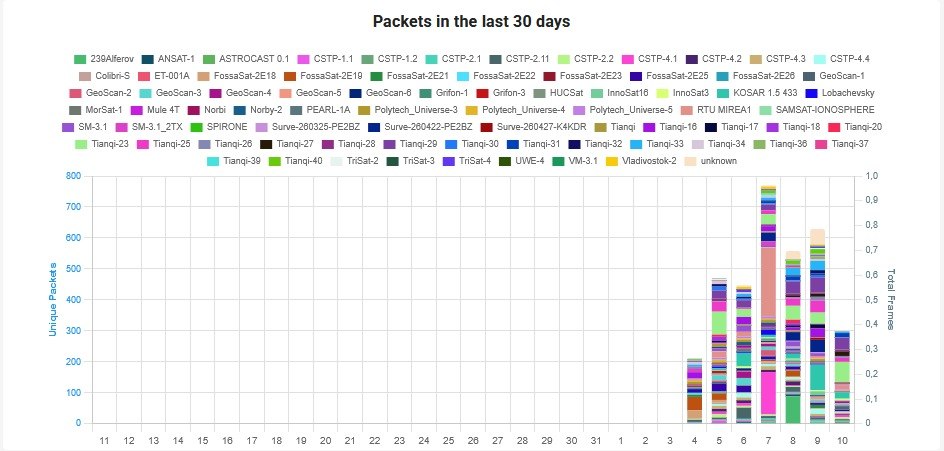
- SebasDX asked for help configuring a LilyGo LoRa 433 after installing the firmware, and received a working configuration suggestion from Stefan/OE6ISP. 🔗
New Satellites
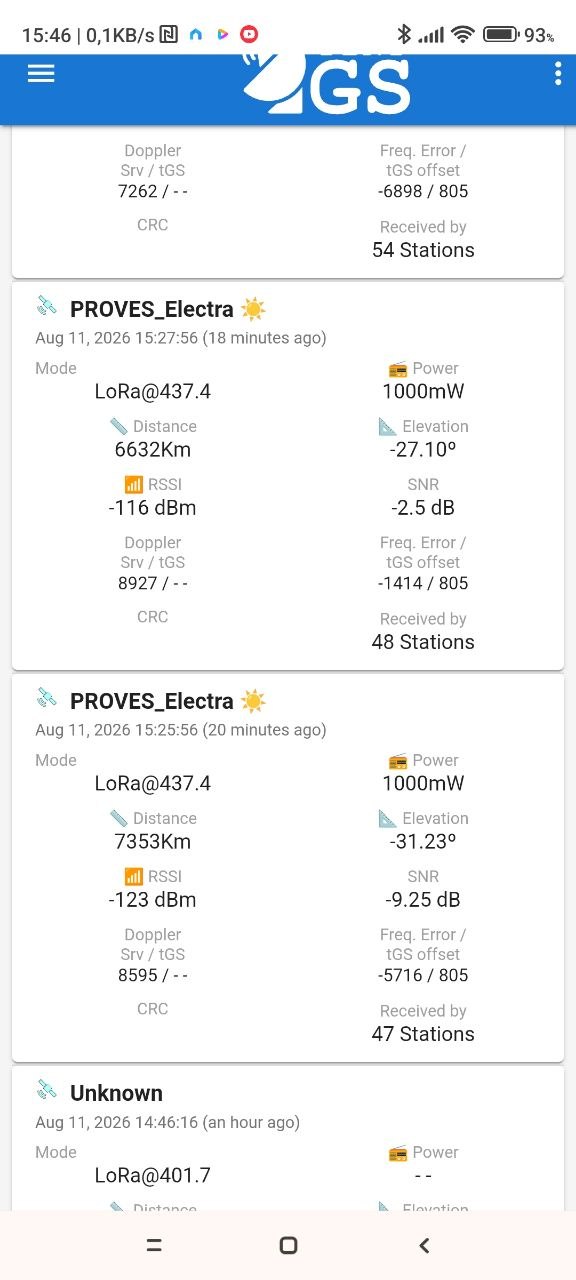
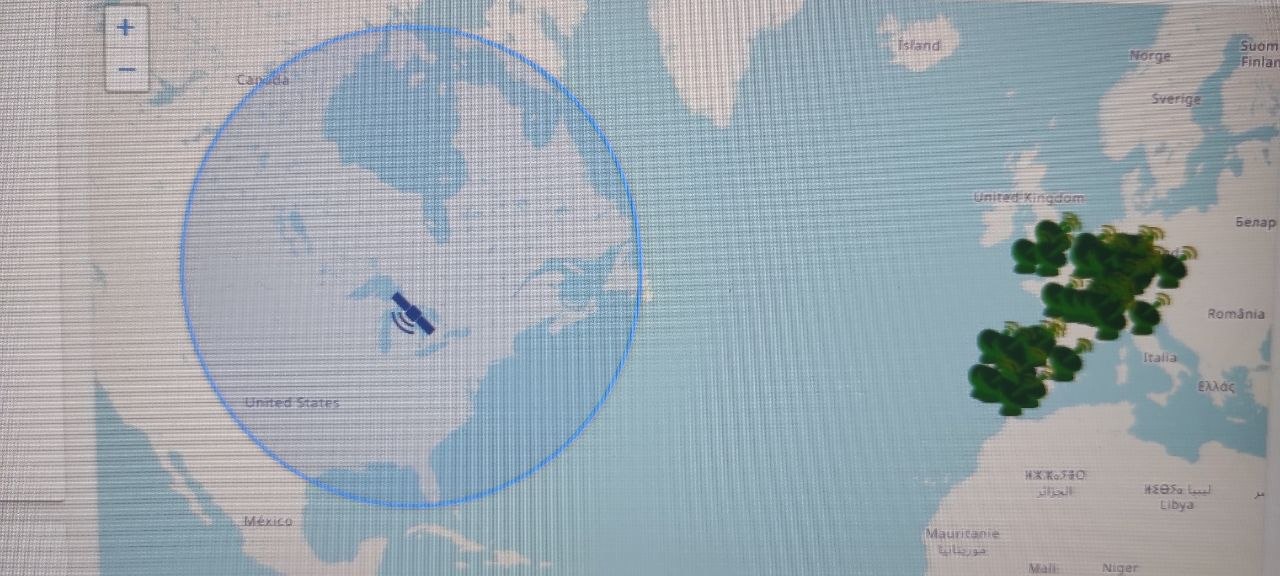
- Ik1sow reported a possible wrong TLE for the Electra satellite and shared two screenshots of the issue, prompting a development team member to confirm they were now testing with the designation 2098-067YL instead. 🔗
Balloons
- G4lile0 shared an update on STAN 2, linking to its satellite page and noting that a few stations on 868 MHz will attempt to receive it. He also announced that autotune is ready for STAN 2 and wished it a good flight. 🔗
https://app.tinygs.com/satellite/STAN%202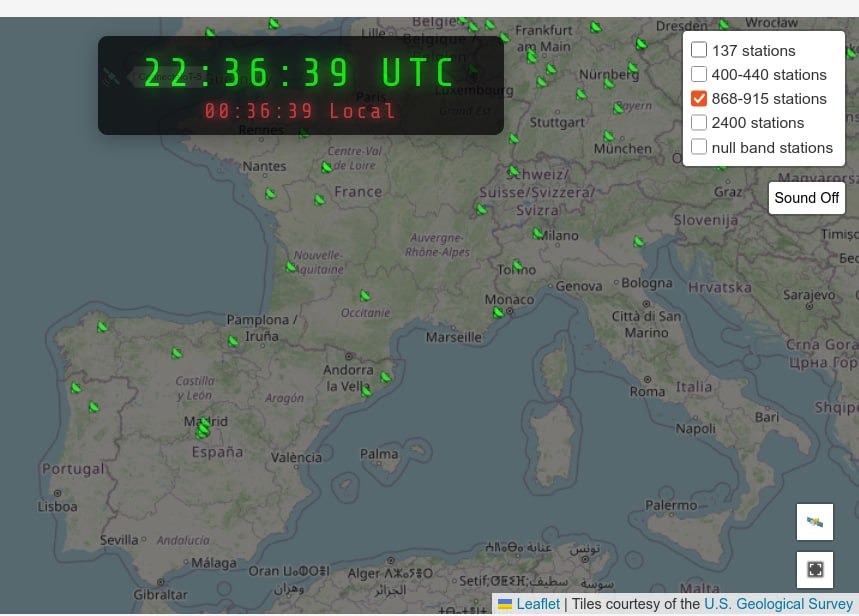
Beta Firmware Testing
- Toggle00 spent two days digging into TinyGS firmware and found that packets were being truncated; built a custom firmware that keeps the full packet and serves it through a parallel MQTT publisher via Mosquitto, allowing the use of COSMOS C3 or any MQTT client for dashboards while still participating in TinyGS and its auto-tuning. Tested on a HELTEC v3 and compiled for all hardware, and published the release as aux-mqtt-v0.1.0. 🔗
https://github.com/sundruid/tinyGS/releases/tag/aux-mqtt-v0.1.0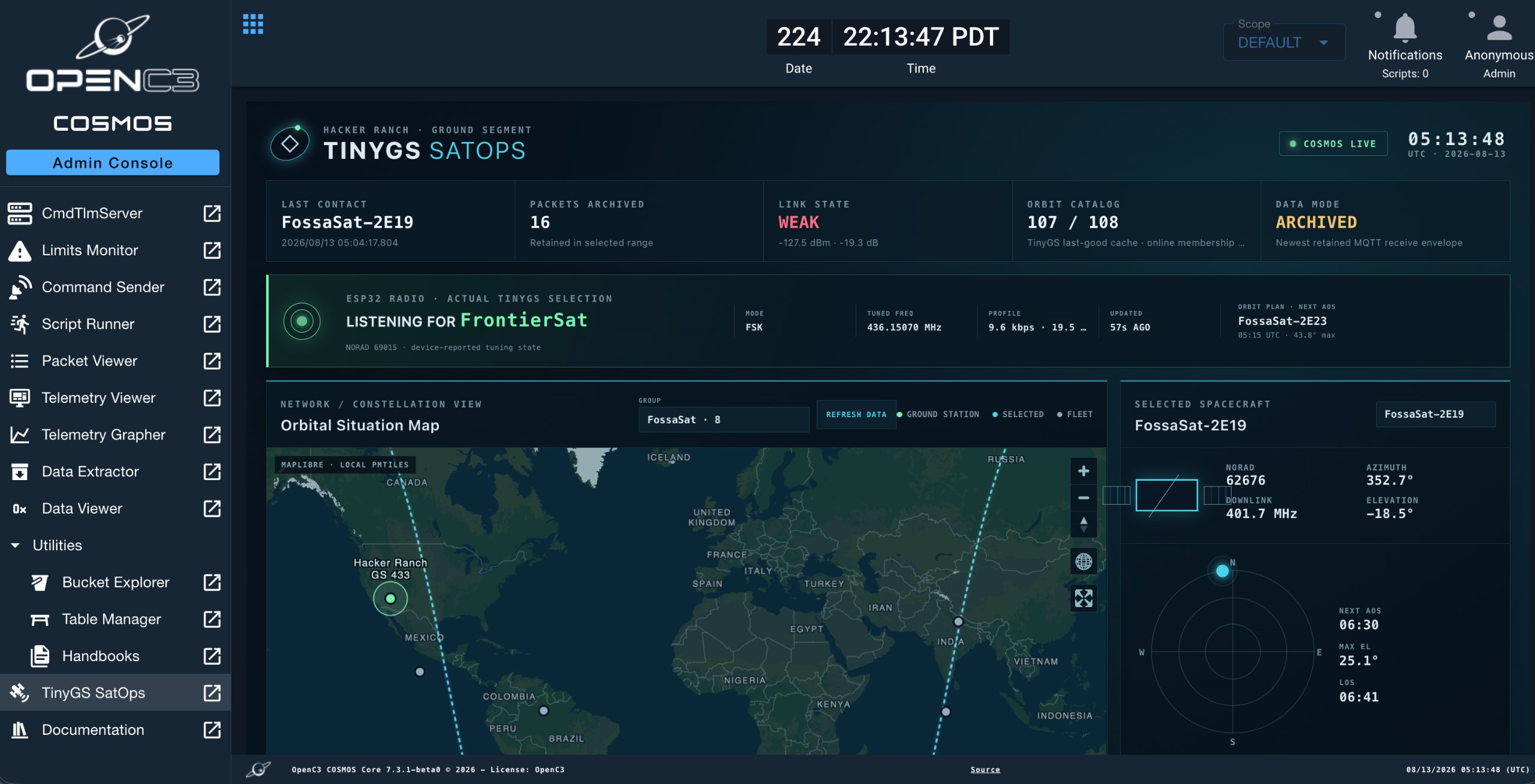
Learning Resources
- gmag11 shared two external posts, one on X and one on Instagram, as learning resources for the community. 🔗
https://x.com/i/status/2088244951670804609
https://www.instagram.com/reel/Db77tgEy9f3/
Featured Conversations
- The community traced a station display issue to a mismatch between the autotune frequency and the configured band: packets were received and stored on the server, but database queries returned nothing until the band was switched to match the autotune setting. Once corrected, the station began displaying packets normally, closing a multi-day debugging thread.
- A custom firmware fork was released that exposes the full, untruncated telemetry stream through a parallel MQTT publisher, allowing operators to build their own dashboards while still using TinyGS features like auto-tuning. The build was tested on a HELTEC v3 and compiled for all supported hardware.
- Antenna builders explored ways to clean up reception below 400 MHz, comparing commercial high-pass filters, ham radio diplexers, and a homebrew 5th order Chebyshev design with component values for 400 MHz. The discussion also covered practical enclosure tips, from punching holes in tin boxes to drilling sheet metal safely.
- Satellite trackers investigated why TinyGS positions sometimes disagreed with other tracking sources, finding that outdated TLEs for low-altitude satellites like CoRAL caused the errors. The group shared official TLE lists and the STRF toolkit for matching orbital elements using Doppler-shifted SDR signals.
- A new station in Thailand received its first signals, and the community recommended improving the ground plane and cabling to move beyond the high-power Tianqi satellites that dominated early captures. Meanwhile, another operator reported hearing Tianqi satellites up to 3300 km away with a simple 1/4 wave groundplane, sparking a conversation about record distances and antenna performance.
Latest Cubesats News
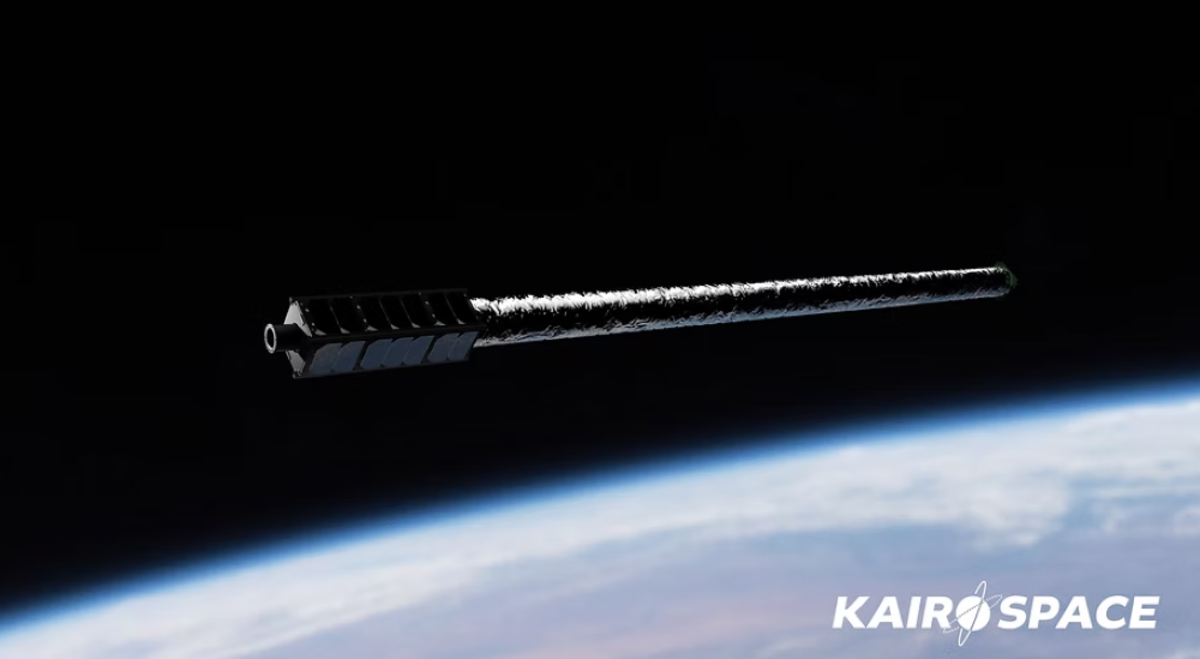
Korean Startup Validates Passive Deorbit Film: CubeSat Falls Twice as Fast Without Propellant
South Korean startup Kairospace validated its DORB passive deorbit film, more than doubling the orbital decay rate of its KSAT3U CubeSat in orbit. The deployed film caused the satellite to drop 80–150 km below same-launch peers while remaining fully operational. The demonstration offers a low-cost, propellant-free compliance path for FCC’s five-year deorbit rule amid rising space debris concerns. Kairospace plans European ground tests this year but has not disclosed pricing or a commercial launch date.

Sarawak to start CubeSat laboratory next year ahead of 2030 launch | DayakDaily
Sarawak will begin building a CubeSat nano-satellite laboratory next year, aiming to launch its own satellite into space by 2030. Premier Abang Johari met with aerospace experts to discuss the roadmap, noting the initiative will require engineers skilled in space technology and basic astronomy. The satellite would provide Earth data, including information about Sarawak’s natural resources, enabling value-added development. He encouraged young Sarawakians to boldly explore new frontiers and leverage data for innovative solutions.
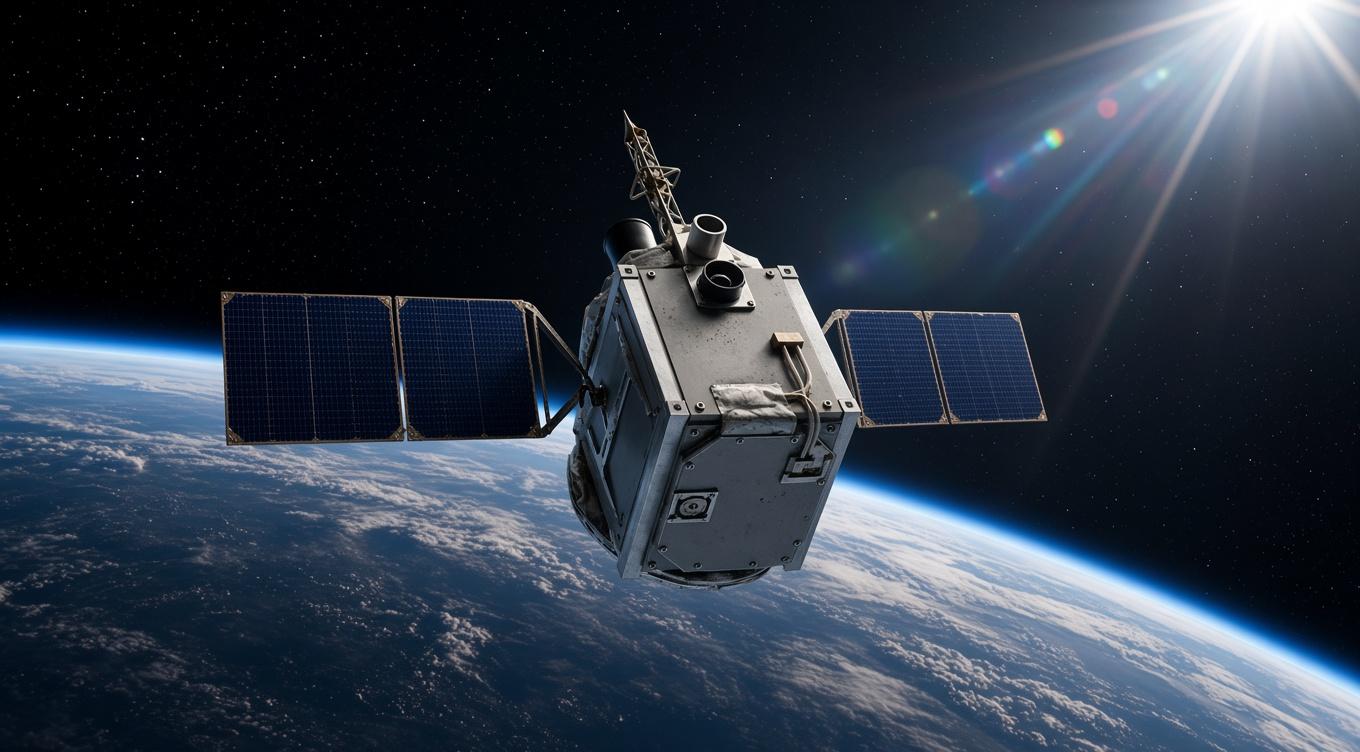
Russian InnoSat16 satellite tested for the first time by filming a solar eclipse
The Russian InnoSat16 CubeSat recorded a solar eclipse on August 12, testing its orientation and stabilization system via the Cyclops camera. The experiment confirmed the spacecraft’s ability to maintain solar-pointing throughout the eclipse, with Geoscan stating it has one of the most accurate systems in its class. This achievement marks a key milestone in the Aurora project, a joint effort with the Russian Academy of Sciences’ Space Research Institute. A CubeSat-based solar observatory, claimed as the world’s first, is planned for launch in 2027 to study the solar corona and activity without atmospheric limitations.
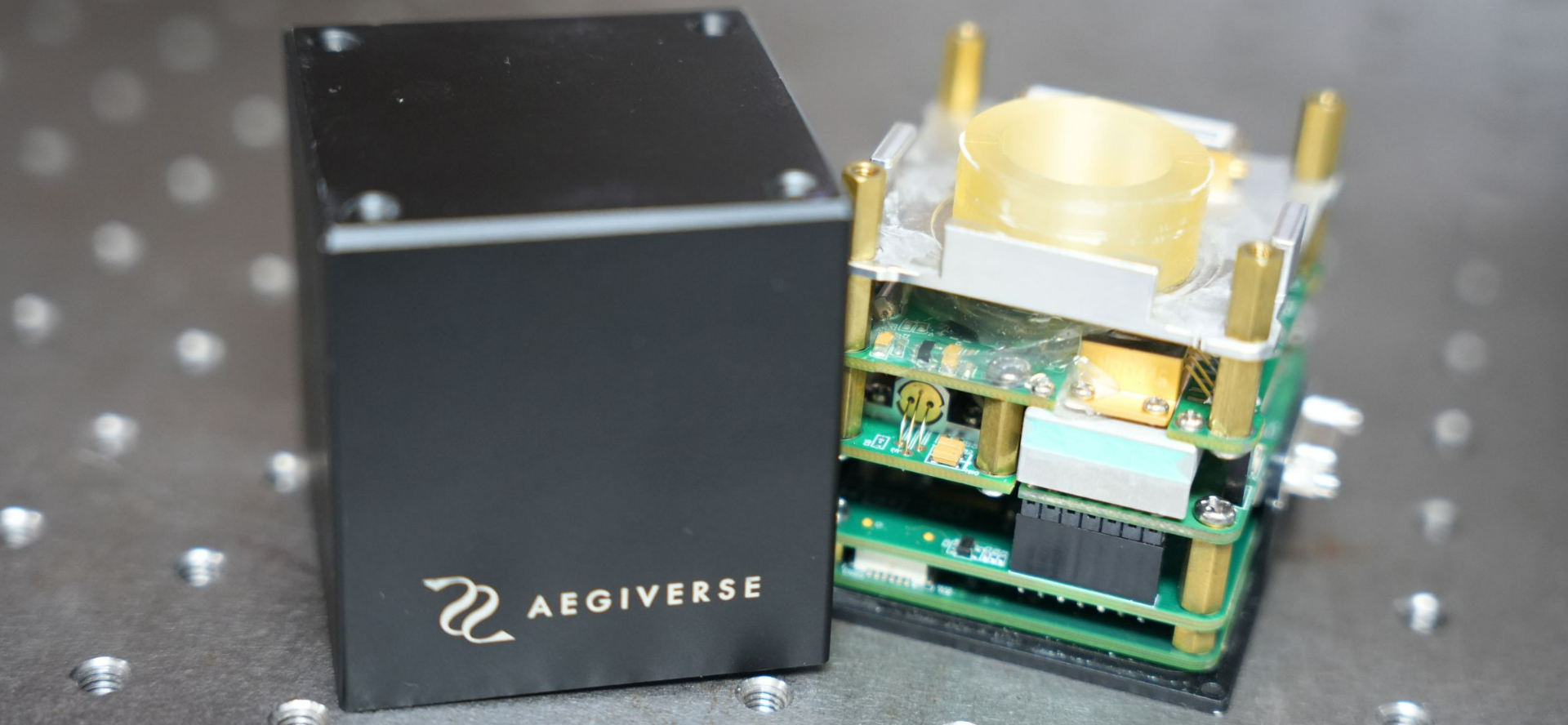
NCU Validates Taiwan Gyroscope in Space - QS GEN
A Taiwan-developed fiber-optic gyroscope completed its first in-orbit demonstration aboard the KOYO-1 CubeSat, confirming reliable operation in space. The mission was led by National Central University with Taiwanese startup Aegiverse and India’s HEX20. The gyroscope is the result of 16 years of research at NCU, including a 2009 start and a 2014 suborbital test. The 30-centimeter satellite, with over 50% Taiwanese technology, will also study ionospheric plasma disturbances for space weather research.
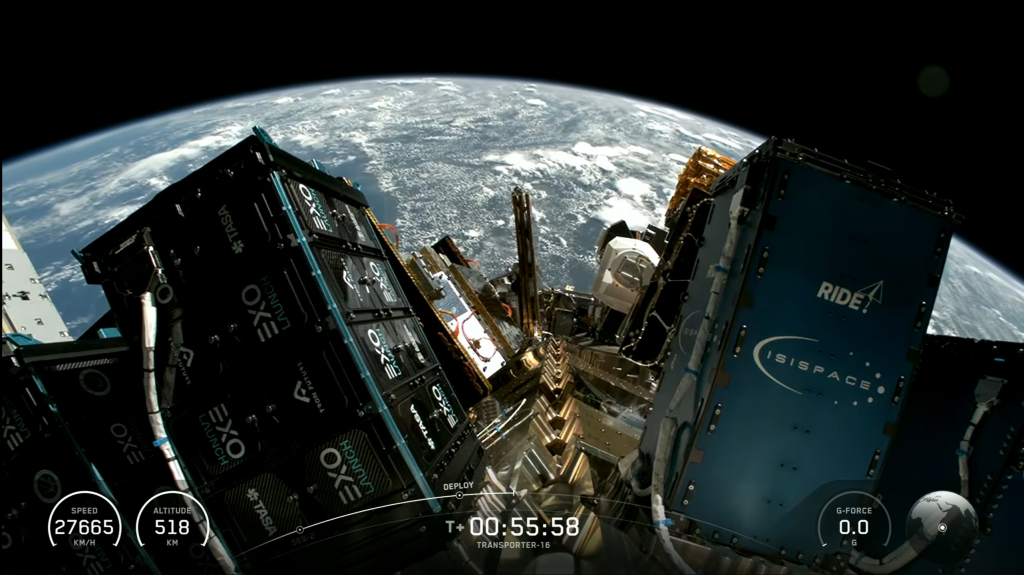
ESA launches 7 new missions to boost data transfer in space
On March 30, 2026, ESA supported the launch of eight CubeSats and a specialized payload aboard SpaceX’s Transporter-16 rideshare mission. The mission tests high-capacity laser communications, inter-satellite networking, and AI-based onboard data processing. Five CubeSats belong to the Greek Connectivity Programme (OptiSat, PeakSat, ERMIS-1/2/3), while three are Pioneer Partnership Projects (Mission Saas, VIREON, and an EDGX edge-computing unit). These demonstrators aim to overcome radiofrequency saturation and lay groundwork for a faster space internet, though orbital debris and light pollution remain challenges.
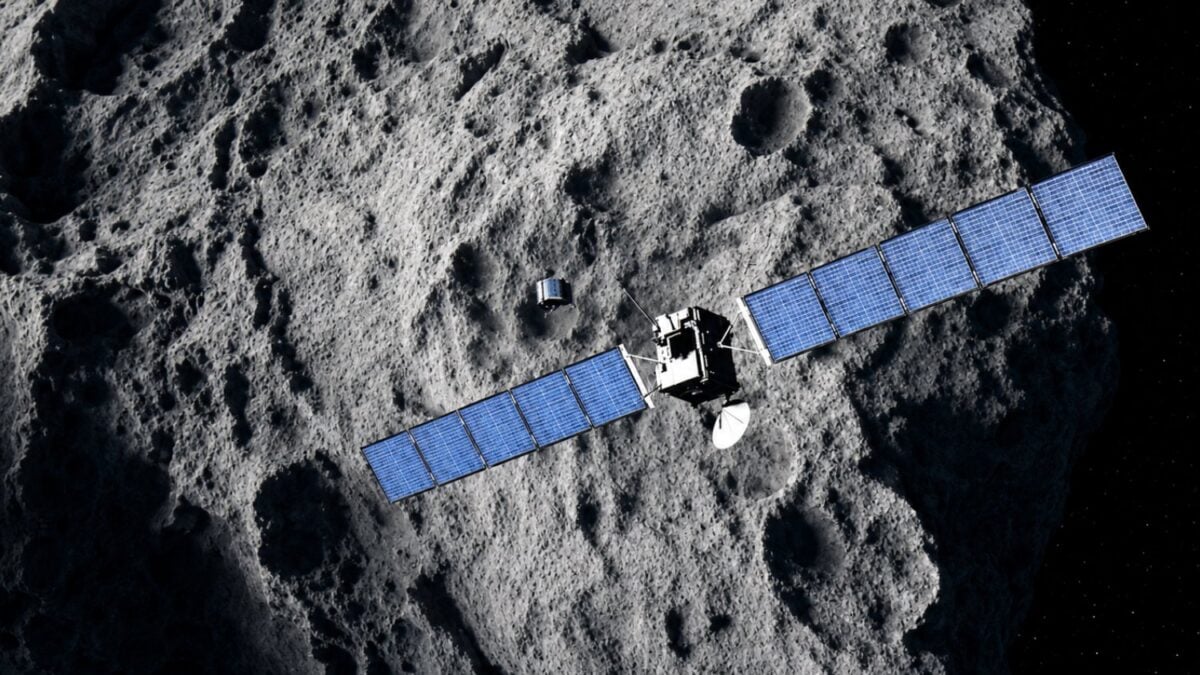
Spain Will Send a Shoe-Box-Sized Spacecraft to an Asteroid: It Will Land on Its Own…
In 2029, the asteroid Apophis will pass extremely close to Earth without impact risk, offering a unique observation opportunity. The European Space Agency’s Ramses mission, launching in 2028, will escort the asteroid and deploy Don Quijote, a Spanish CubeSat the size of a shoebox built by EMXYS. The small lander will autonomously descend onto Apophis using cameras and terrain recognition, carrying instruments to measure gravity, magnetic properties, and seismic activity. Its data could reveal how Earth’s gravity alters the asteroid and aid future planetary defense efforts.
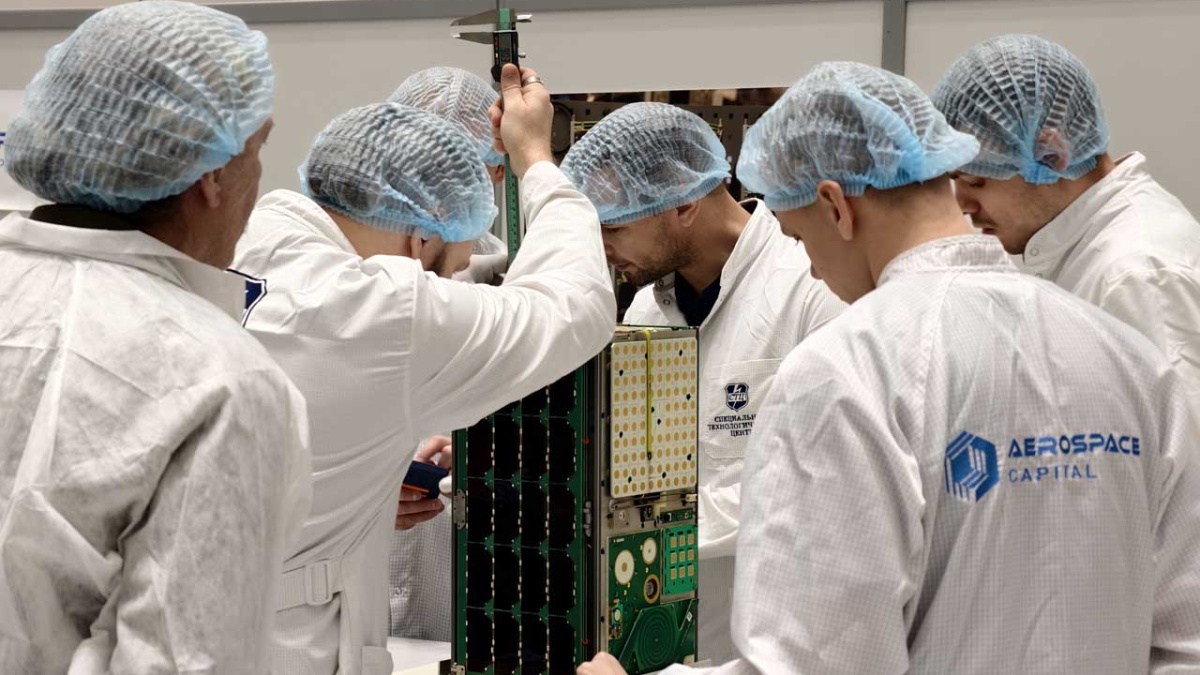
Russia tested the world’s smallest spy satellite. It has already photographed the USA
Russia’s 30-kg AIST-ST radar microsatellite, a 16U CubeSat developed by Samara University and STC, has returned first SAR images from orbit, including Edwards Air Force Base, Japan, and the Panama and Suez canals. It is the first imaging radar CubeSat, with up to 5-meter resolution, capable of day/night, all-weather surveillance. While not the smallest reconnaissance satellite overall, its significance lies in fitting a synthetic aperture radar into a tiny, cheap platform. Russian plans for a constellation of such satellites could provide near-continuous monitoring of key infrastructure, though no deployment timeline has been announced.
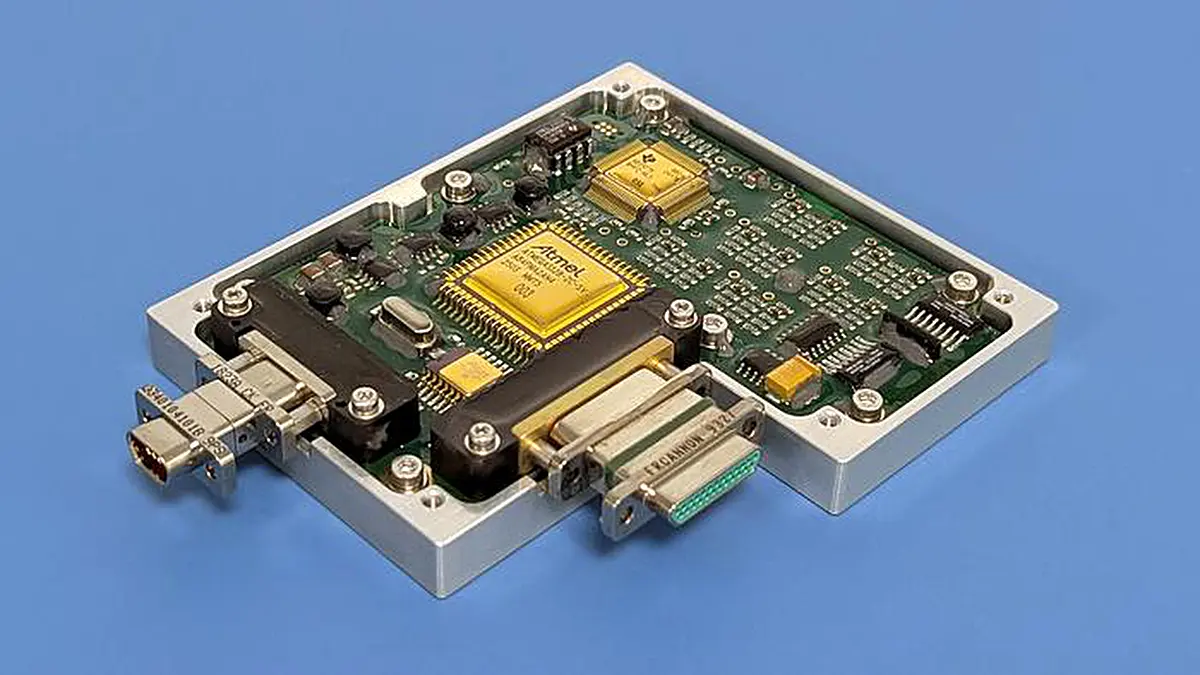
This instrument could significantly improve space weather forecasts
A UK-built miniature magnetometer called MAGIC will fly on ESA’s HENON CubeSat, launching in early 2027. It will measure the Sun’s magnetic field about 15 million kilometers upstream of Earth, ten times farther than current monitors at L1. This could extend warning time for severe solar storms from roughly 15 minutes to two or three hours. The mission aims to demonstrate whether earlier, more accurate space weather forecasts are possible, paving the way for the future operational SHIELD mission.
What’s next
Join the TinyGS Telegram channel to share your own experiments and setups — from custom firmware hacks to simple groundplanes that reach thousands of kilometers. Your questions and observations keep the whole community learning!