tinyGS
· TinyGS Community · 7 min read
Weekly Newsletter - January 4, 2026
Welcome to the TinyGS weekly community newsletter. Here are the most relevant discussions and developments from this week, covering technical troubleshooting, new satellite signals, antenna improvements, and community collaborations.
Highlights
Technical Problems
- Mike reported an issue with login tokens repeatedly expiring, despite receiving new ones via Telegram, and was troubleshooting the problem. They also asked two questions about their station status: first, about an unexplained ‘BLUE-ROVER-GFSK-741’ alias appearing at the top of their dashboard, and second, about a one-day lag in the packet graph date display, where current activity was shown under the previous day’s date. Mike G0MKK explained that the alias is a placeholder and can be changed in the setup menu under the alias section. 🔗
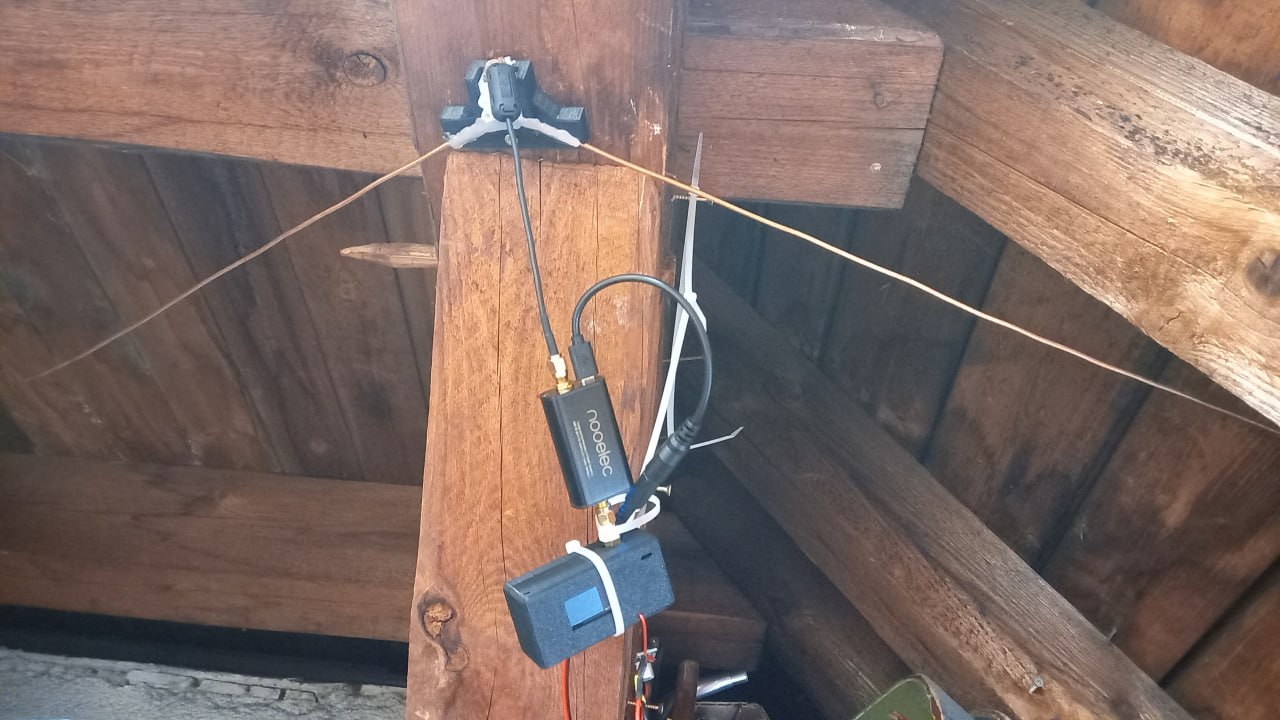
- TI2BSH asked about a potential reception issue, sharing an image of their station’s output. The community responded that weak signals or environmental noise causing undecoded packets are normal. They also inquired about the optimal distance between the antenna and the board for best reception, to which it was advised to keep the cable as short as possible, with 2-3 meters being acceptable with a low-loss cable. An image of a non-waterproof but effective setup was shared as an example. They later continued to seek help, showing a constant error and a noise floor reading of -124dB, which was identified as strange and indicative of a potential broken cable. They planned to replace their RG8 cable and test their rabbit ear antennas again. 🔗
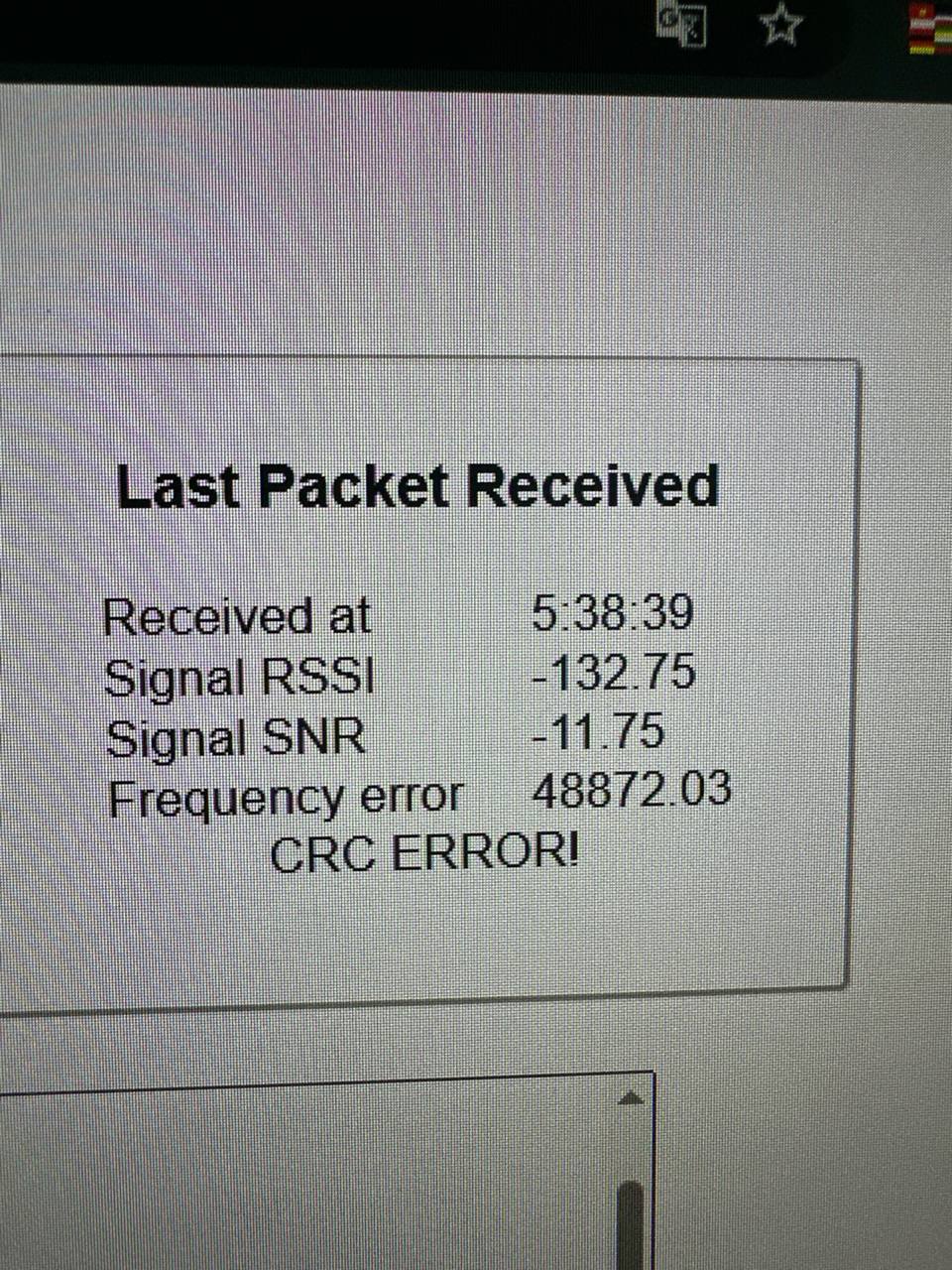
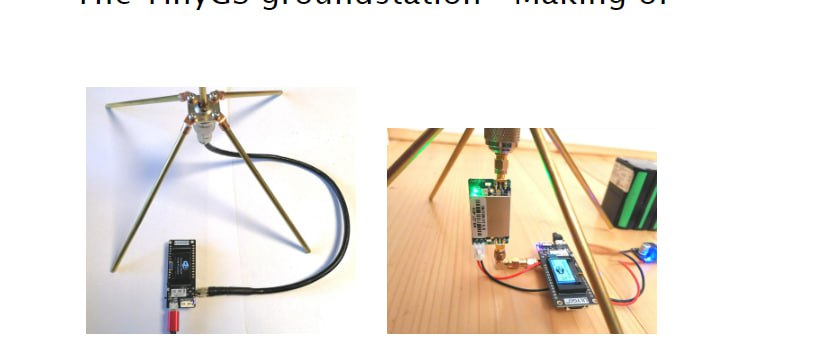
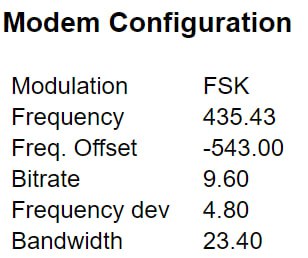
- Pat reported that their Heltec V3 station with an outdoor ground plane antenna suddenly stopped receiving packets after working perfectly for days. After checking that the frequency offset was normal, the community suggested the issue was likely a hardware problem, such as broken cables or connectors, and advised checking the signal path with a VNA if available. 🔗
- Stefan/OE6ISP reported being unable to set the Autoupdate or Beta options on their stations, as the buttons kept falling back to the OFF position. 🔗

General
- TI2BSH asked why they were not receiving any packets, questioning if the issue was related to station configuration, antenna, internet gateway, or simply bad luck, and shared a photo of their ‘rabbit ears’ antenna setup. K4KDR provided guidance on supported hardware by pointing to the GitHub repository and listed the satellites being tracked, noting that most operate in the 433 MHz range, so users should select their LoRa device and antenna accordingly. 🔗
https://github.com/G4lile0/tinyGS
https://app.tinygs.com/satellites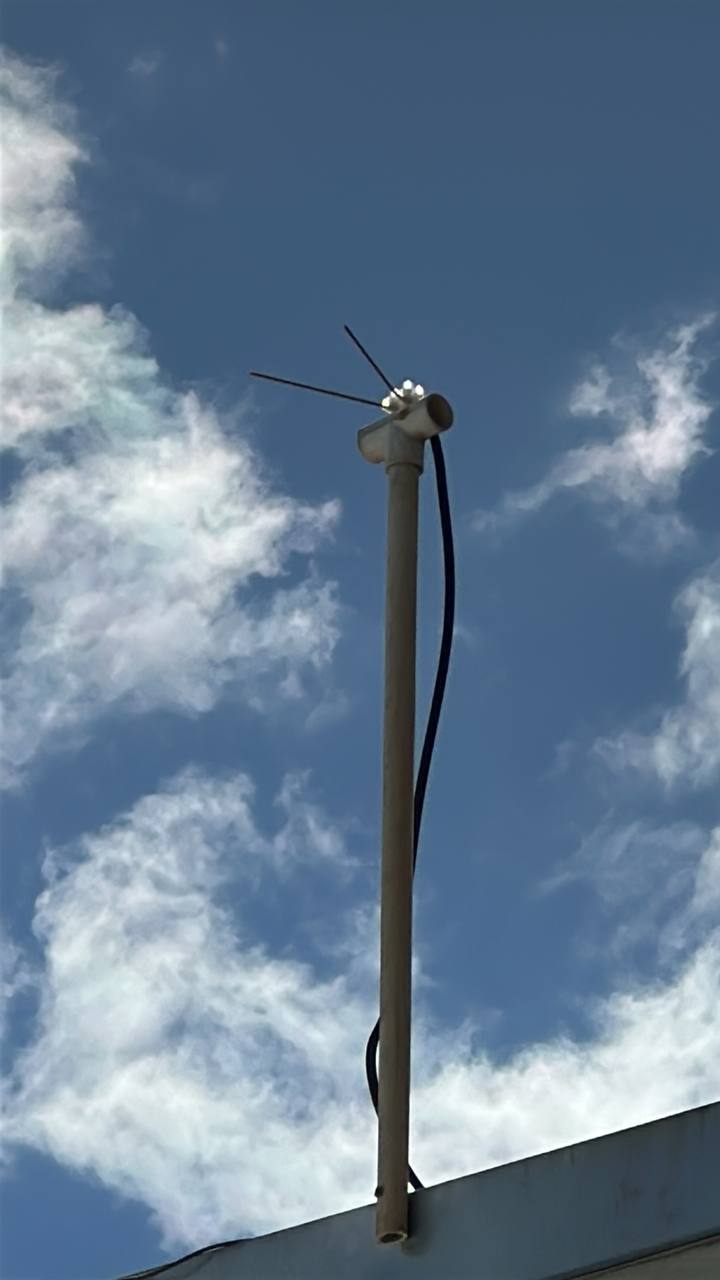
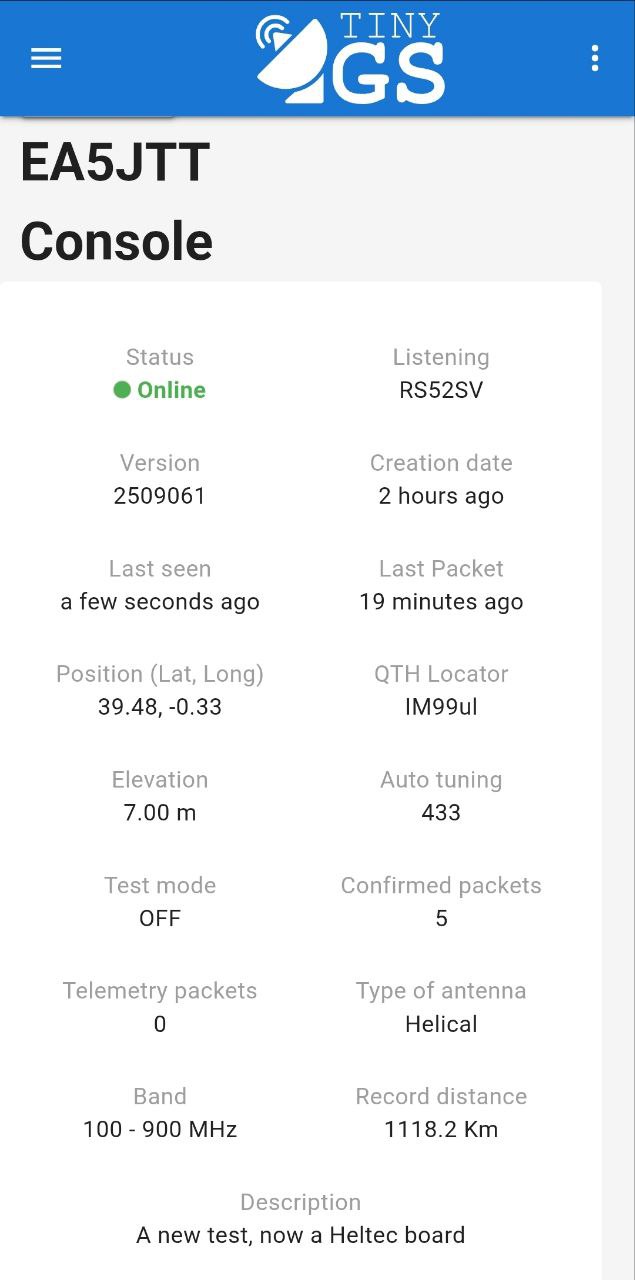
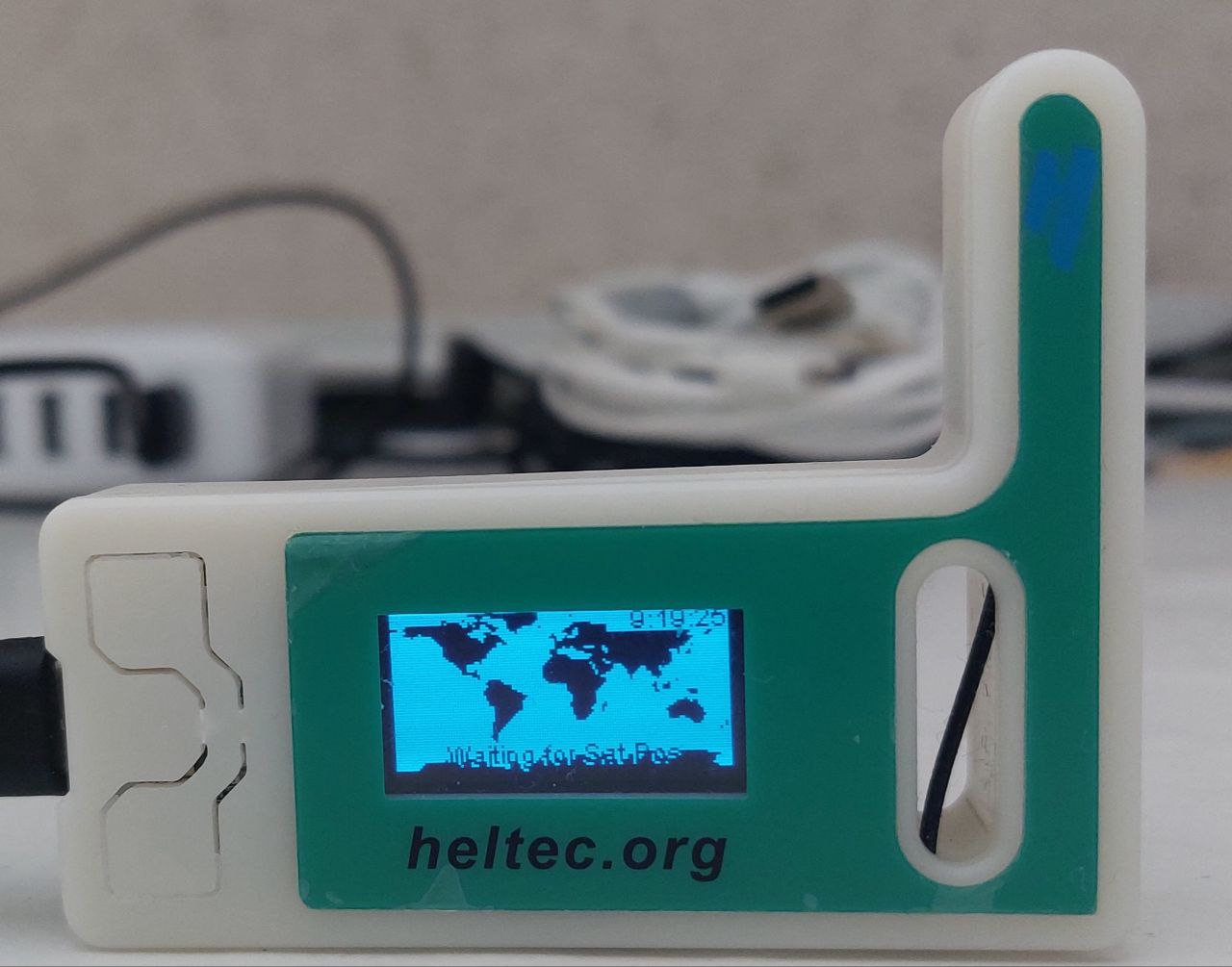
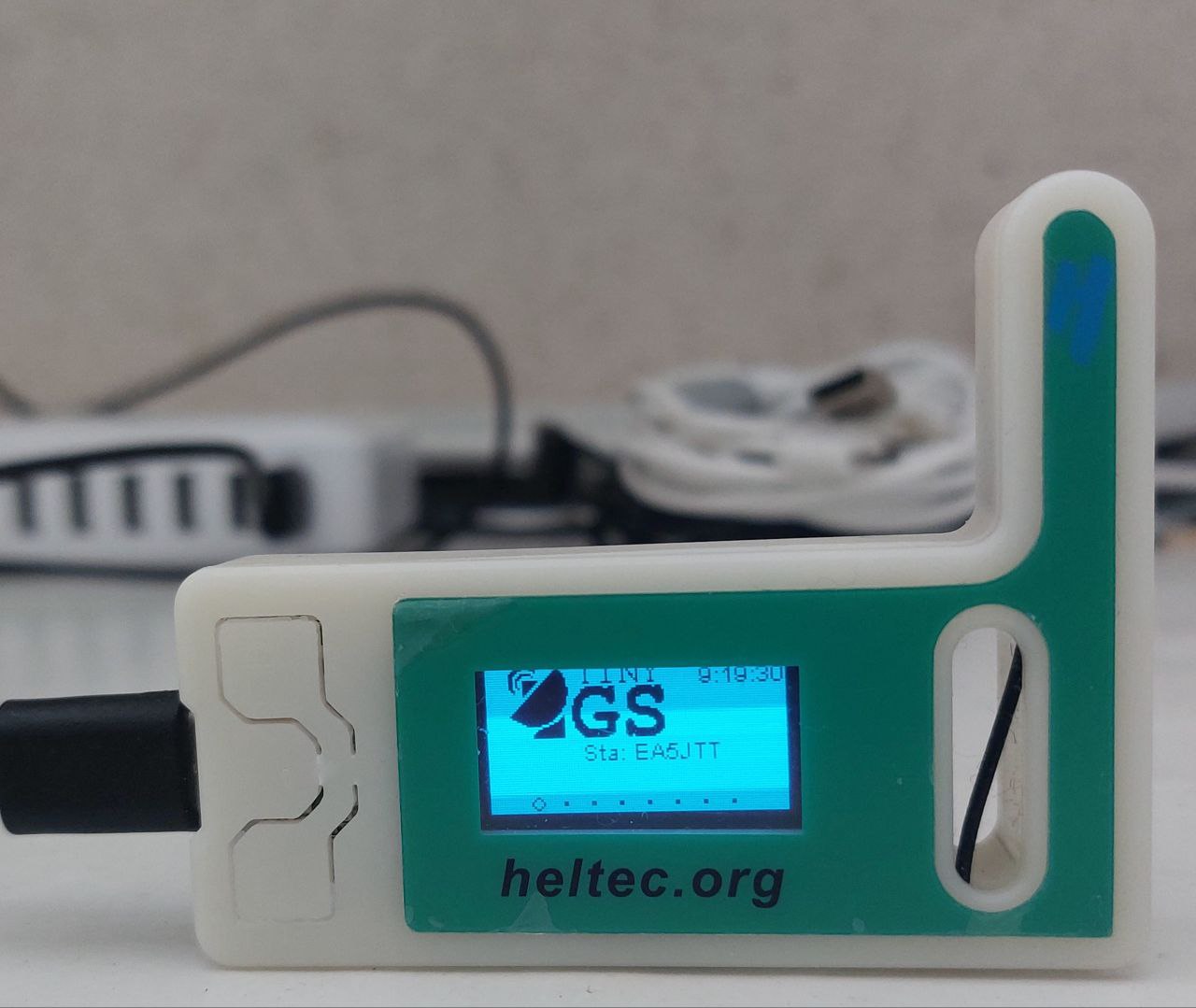
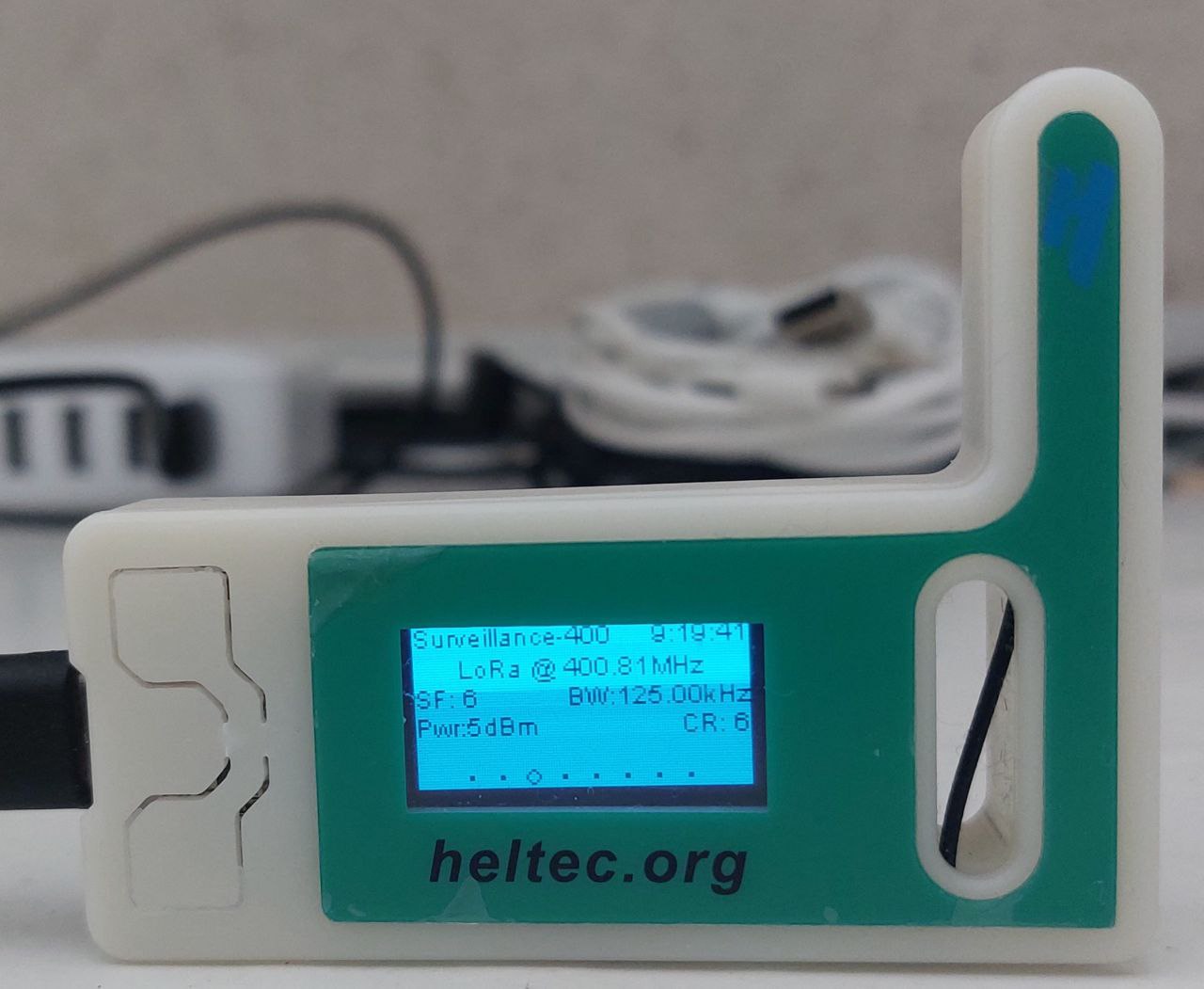
- Juan Pablo showcased a compact and cost-effective setup using a Heltec V3 LoRa ESP32 board with its built-in antenna, housed in a box. They highlighted its simplicity and functionality, sharing multiple images of the station. Later, they shared results from a test comparing a Heltec board to a Lilygo board, demonstrating that the Heltec was cheaper, more sensitive, and that an external antenna was not strictly necessary for a simple, introductory setup like one for primary school students. 🔗
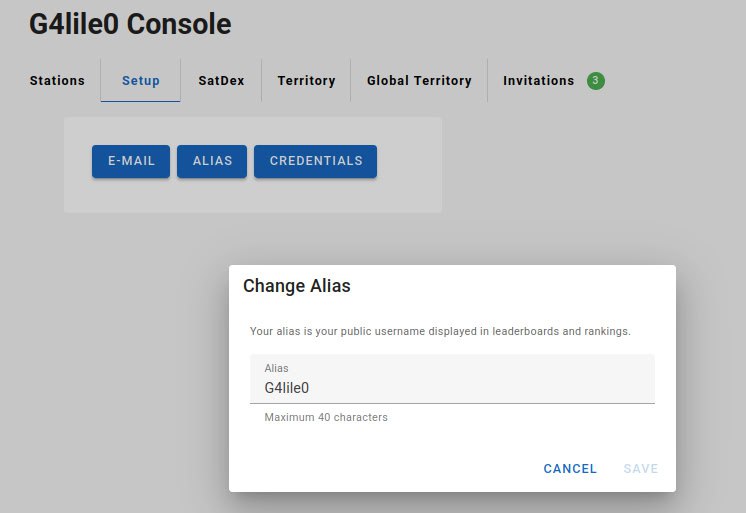
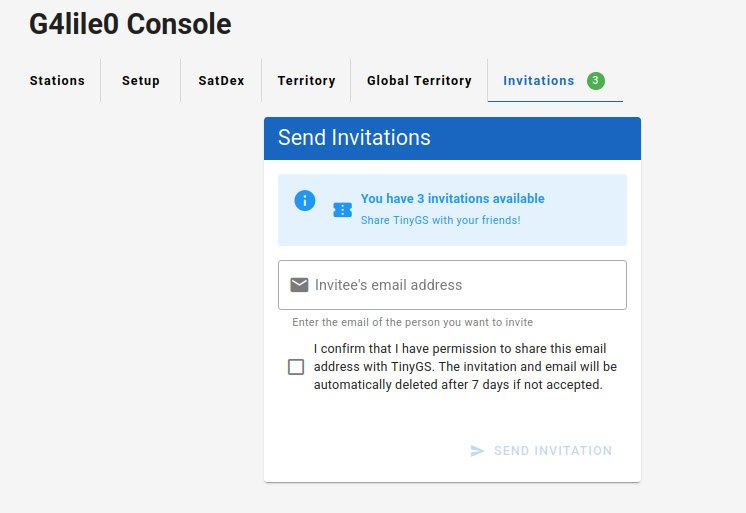
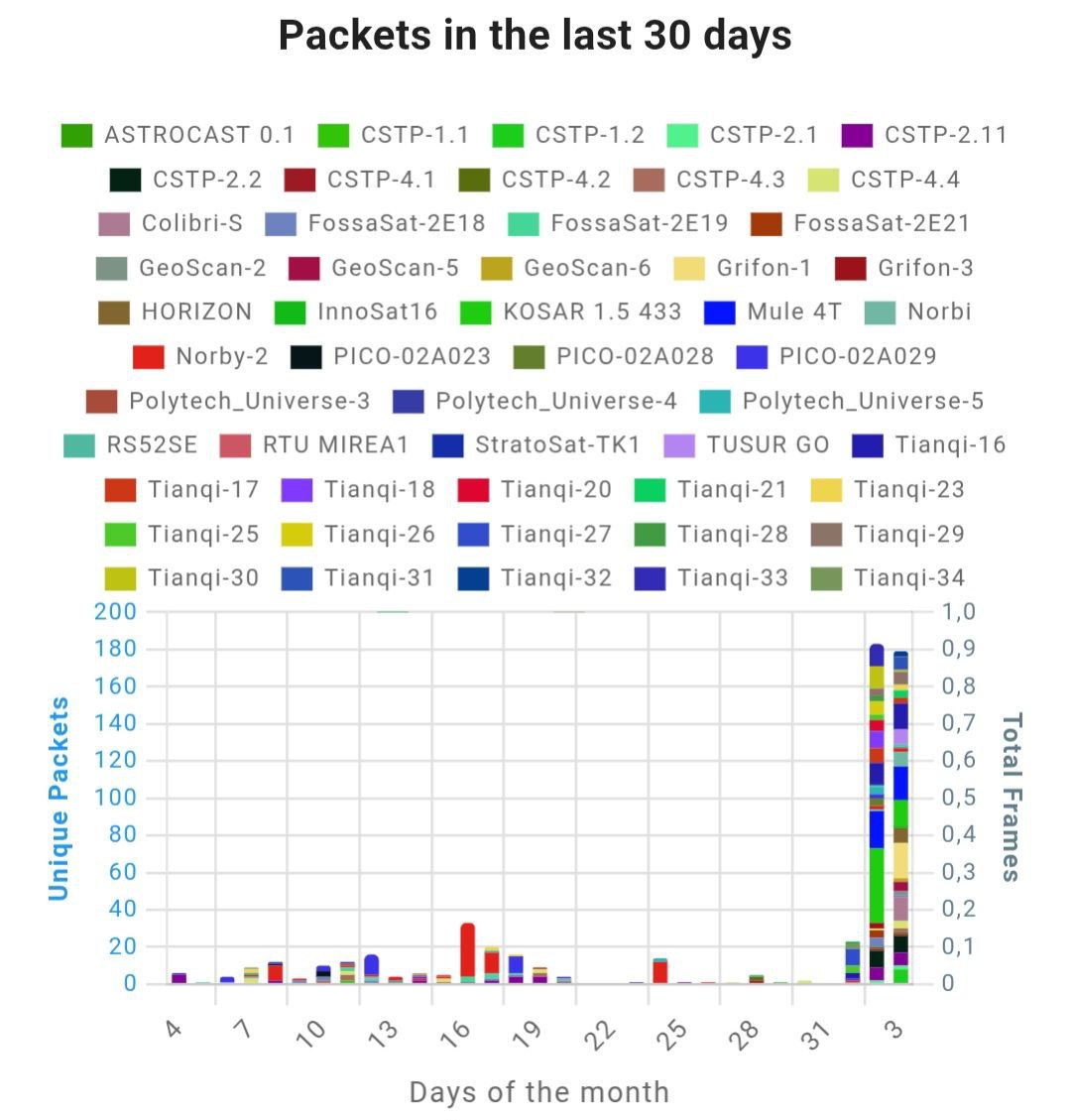
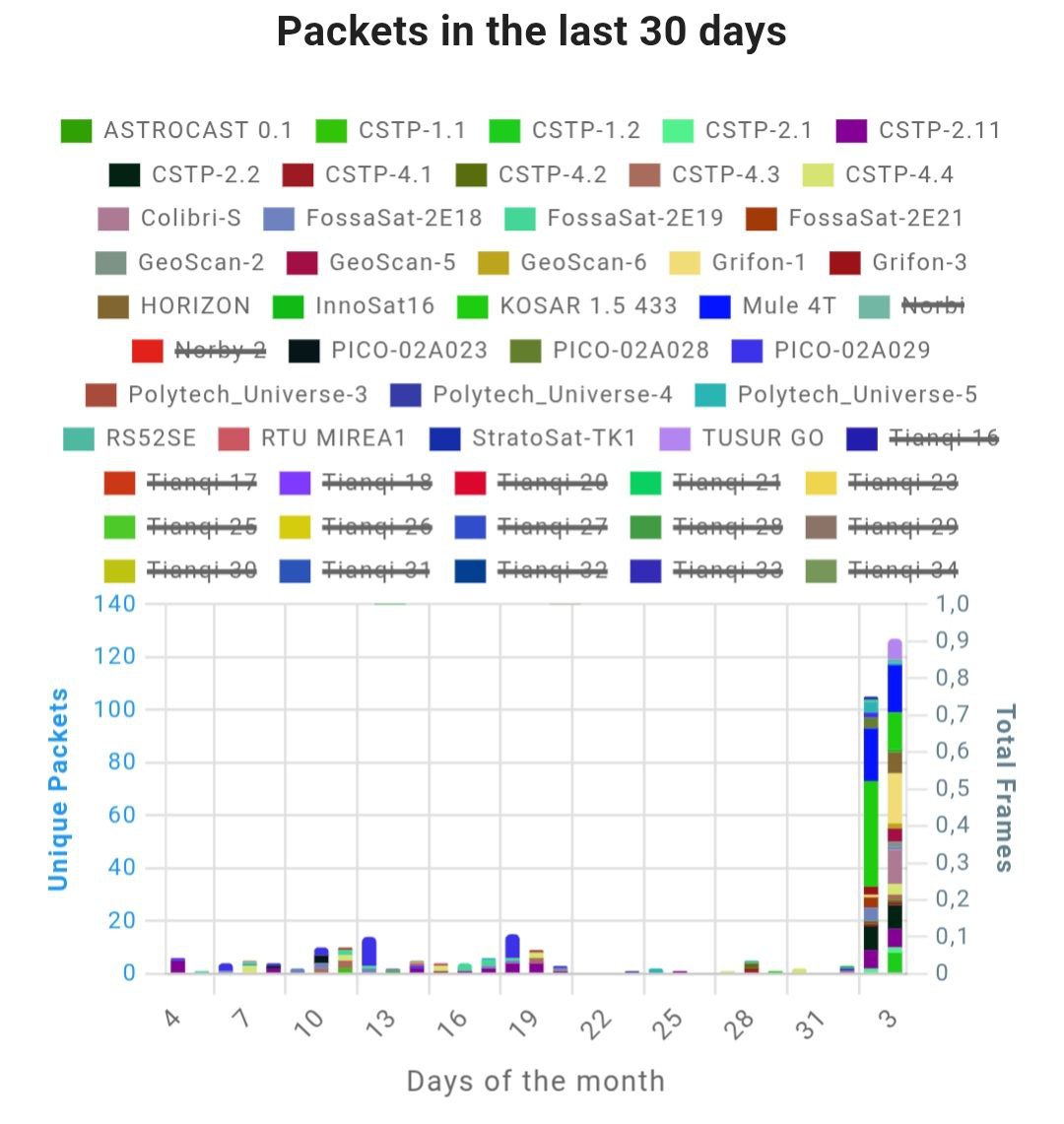
- G4lile0 announced the availability of email invitations in the user console. The invitations are intended for users without Telegram, and it was recommended to change one’s alias before sending and to obtain the recipient’s permission first. Later, they shared a post-release performance update, noting record-breaking activity with traffic up threefold. This surge pushed database limits, prompting performance improvements. The community reported significantly faster website loading times following these updates. 🔗
- Patrick shared a link to their GitHub repository detailing their setup of two autonomous TinyGS stations powered by solar panels. 🔗
https://github.com/patoffgrid/tiny-GS-autonomous-station
New Satellites
- G4lile0 shared a YouTube live stream link for a launch event and indicated it was T-3 minutes to launch. Later, they analyzed data from a new satellite, noting that the entropy indicated the packets were encrypted. They emphasized that encryption on amateur (HAM) bands is not permitted and requested the encryption be removed for the packets to be displayed on the site. They also experimented with decoder settings for satellite signals, changing CRC to ‘on’ and the coding rate, sharing images of the results. 🔗
https://www.youtube.com/live/lFOWEUSP9Vo?si=i5kb3ncIJp7f11ea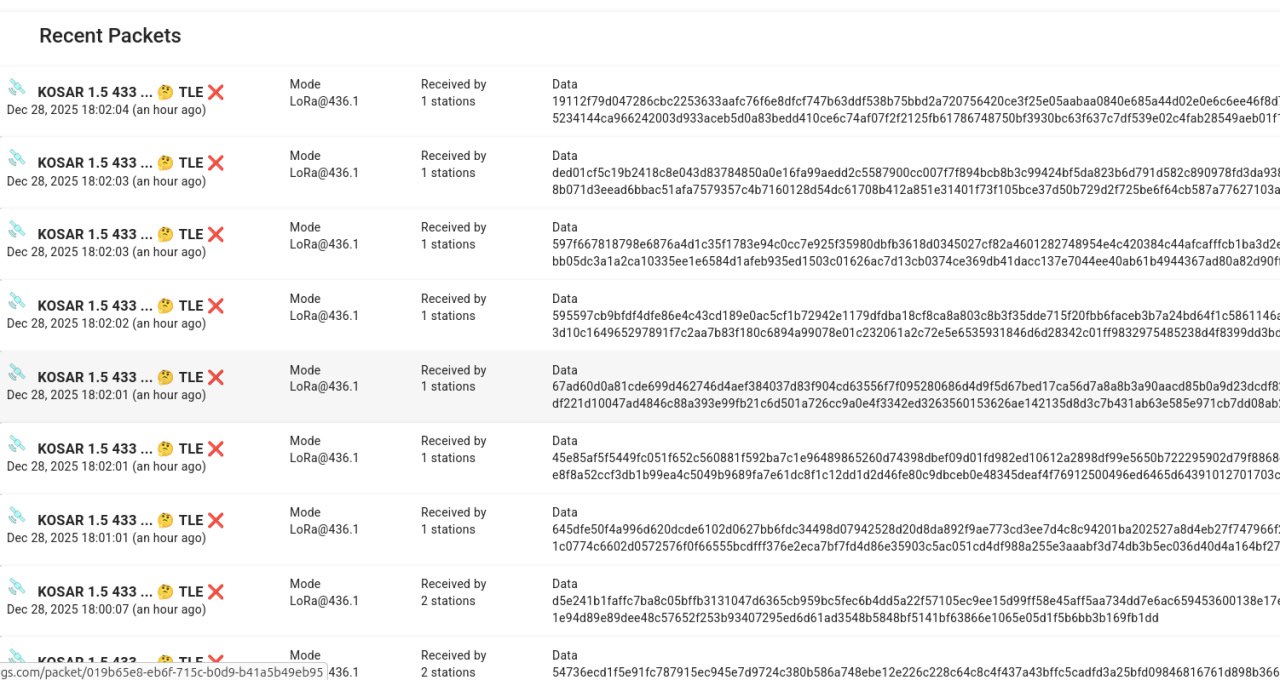
- Niyayesh_Khoramdel introduced themselves as part of the KOSAR satellite team, explaining they are in a Launch Early Operation Phase (LEOP) and need the data for satellite stabilization. They expressed gratitude for the monitoring support, stated intentions to broadcast decoded data in the future, and promised to share details on accessing meaningful data from their transmissions to prove peaceful intentions. James emphasized that under worldwide amateur radio regulations, encryption on ham frequencies is illegal and must be turned off for transmissions to be permissible. 🔗
- Stephen received packets from Grifon-3 but found no valid telemetry, prompting discussion on whether it was a beacon signal. The project maintainer acknowledged the need to work on the decoder. Later, they reported a ‘Template Error’ for KOSAR 1.5 packets. The maintainer explained that while some information was provided by the operator, creating a reliable decoder is challenging due to the satellite’s unstructured data format, but packet capture should continue. 🔗
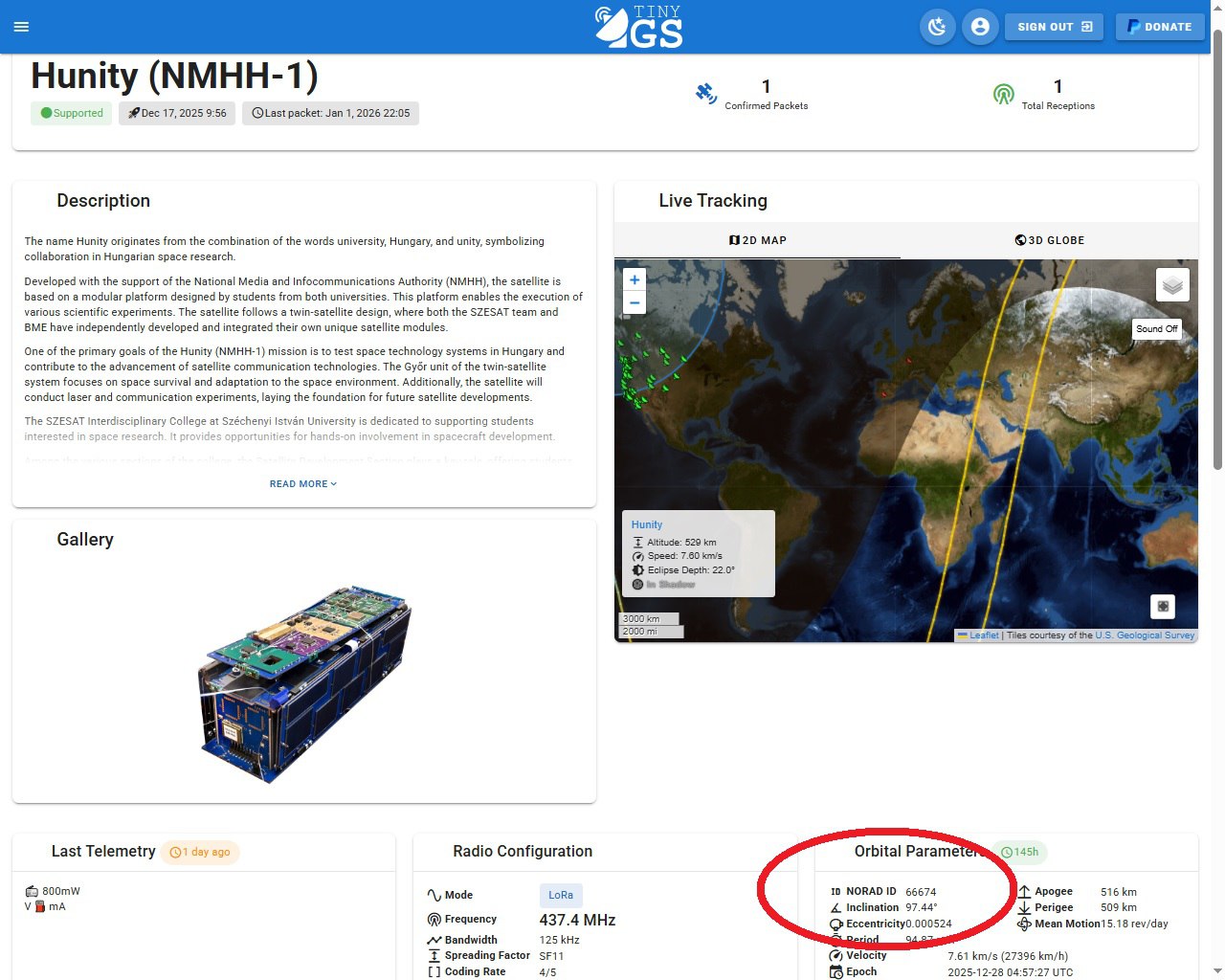
- Sanyi reported incorrect TLE data for the ‘Hunity (NMHH-1)’ satellite on the TinyGS page, providing the correct TLE from Celestrak. The issue was promptly acknowledged and updated by the maintainer. 🔗
Antenna Building
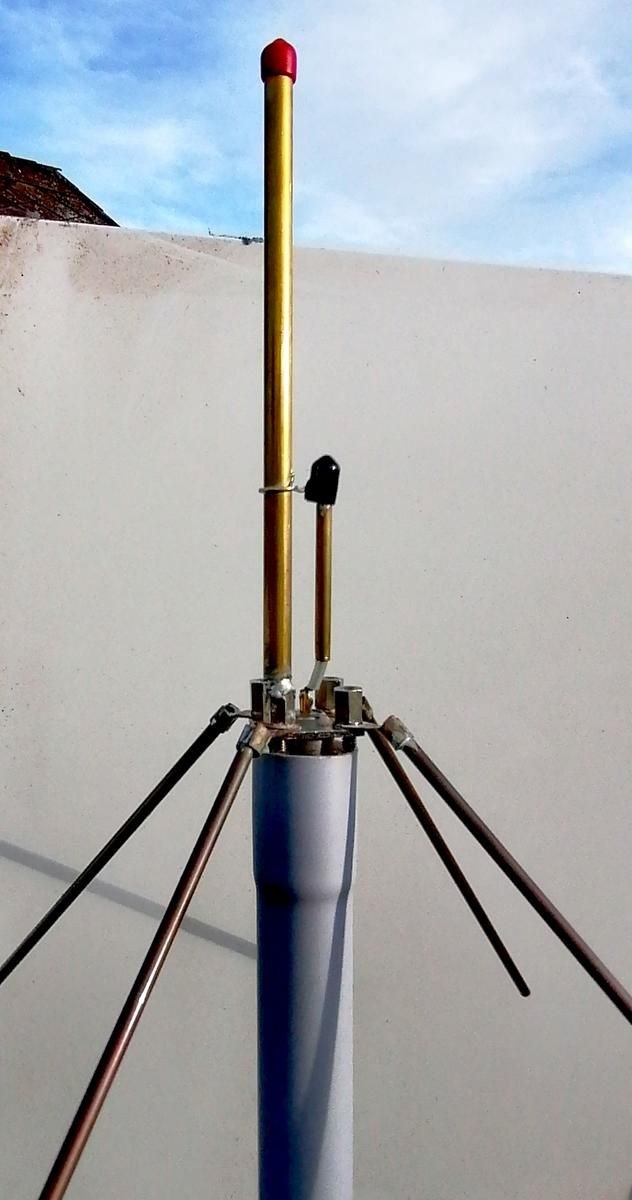
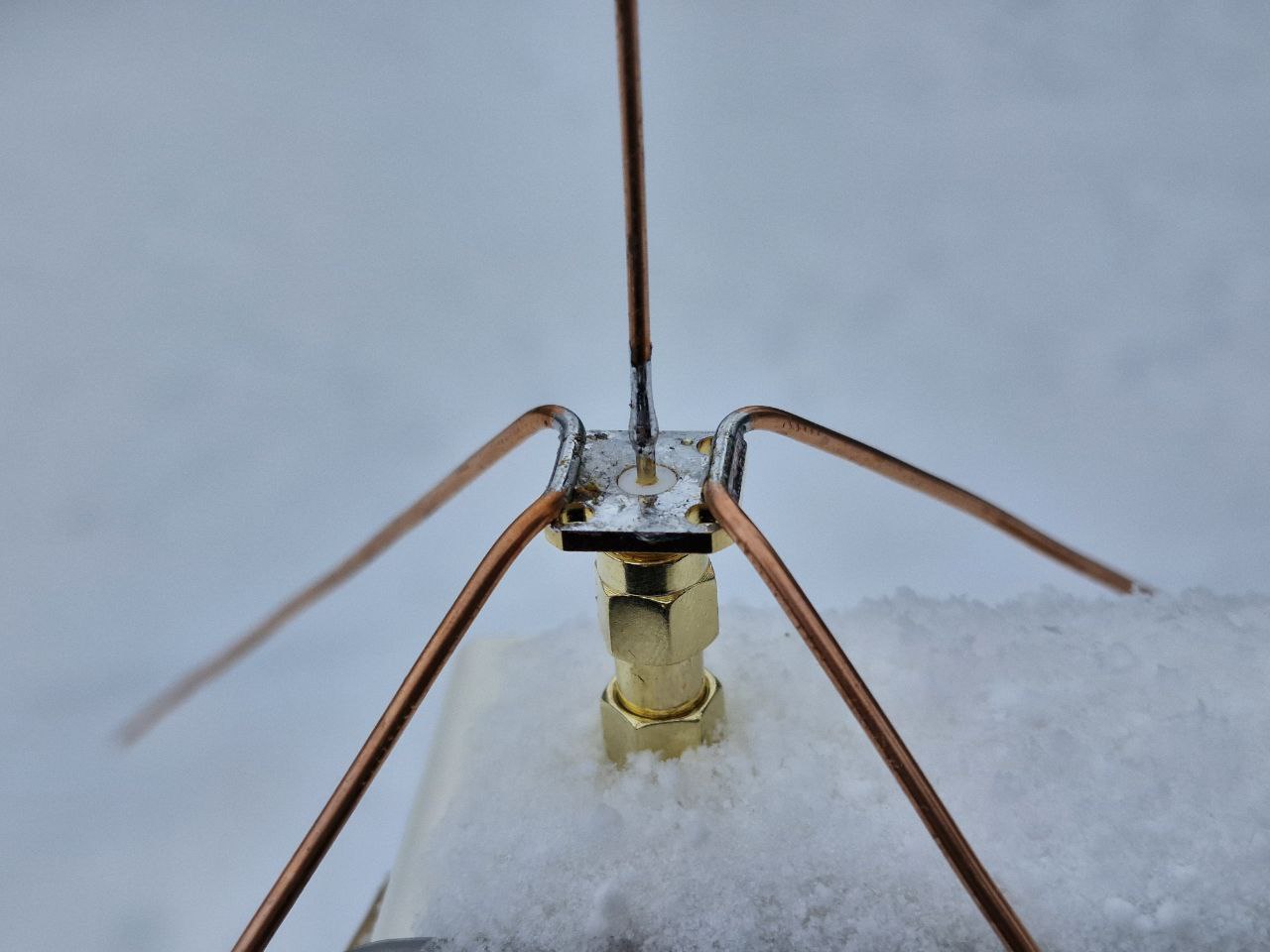
- Bogonek shared the first 12 hours of performance data from a new Ground Plane Antenna, indicating the results were clearly visible and promising. Later, they demonstrated the dramatic impact of antenna quality, sharing results of receiving over 100 packets per day after upgrading from a stock ‘stick-like’ antenna to a custom-built ground plane antenna designed with an online calculator. The setup uses a Heltec V3 receiver, and the community discussed weatherproofing the antenna with coatings like ‘liquid tape’ to prevent corrosion. They also shared photos of an antenna setup, stating it exceeded all expectations. 🔗
https://3g-aerial.biz/en/online-calculations/antenna-calculations/ground-plane-antenna-online-calculator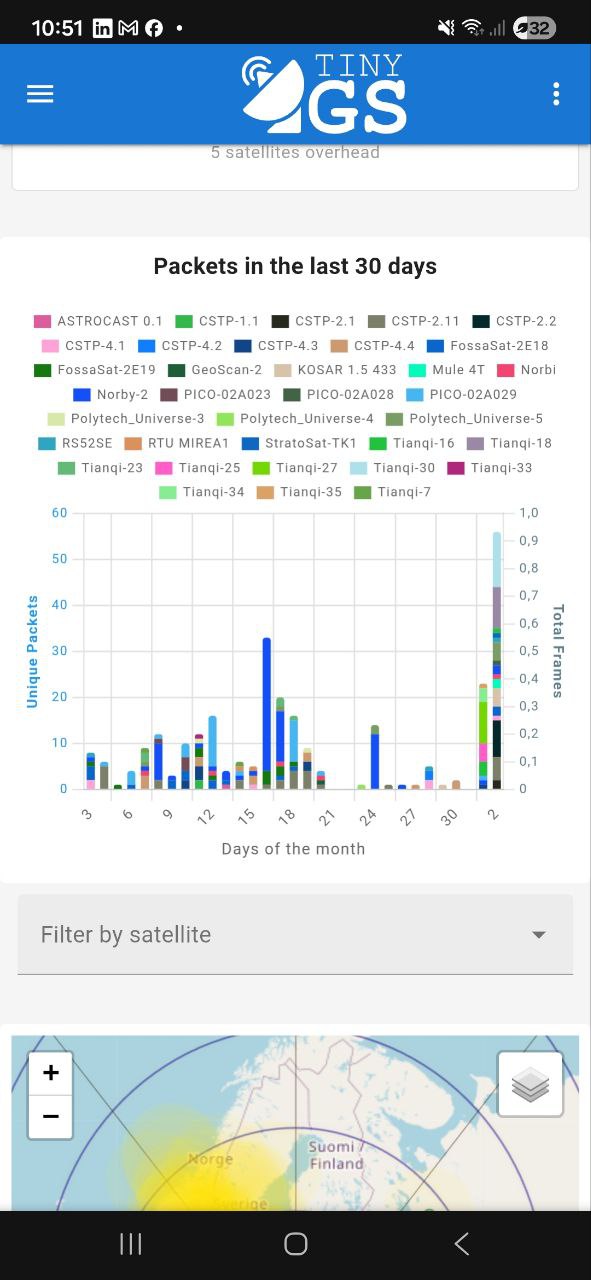
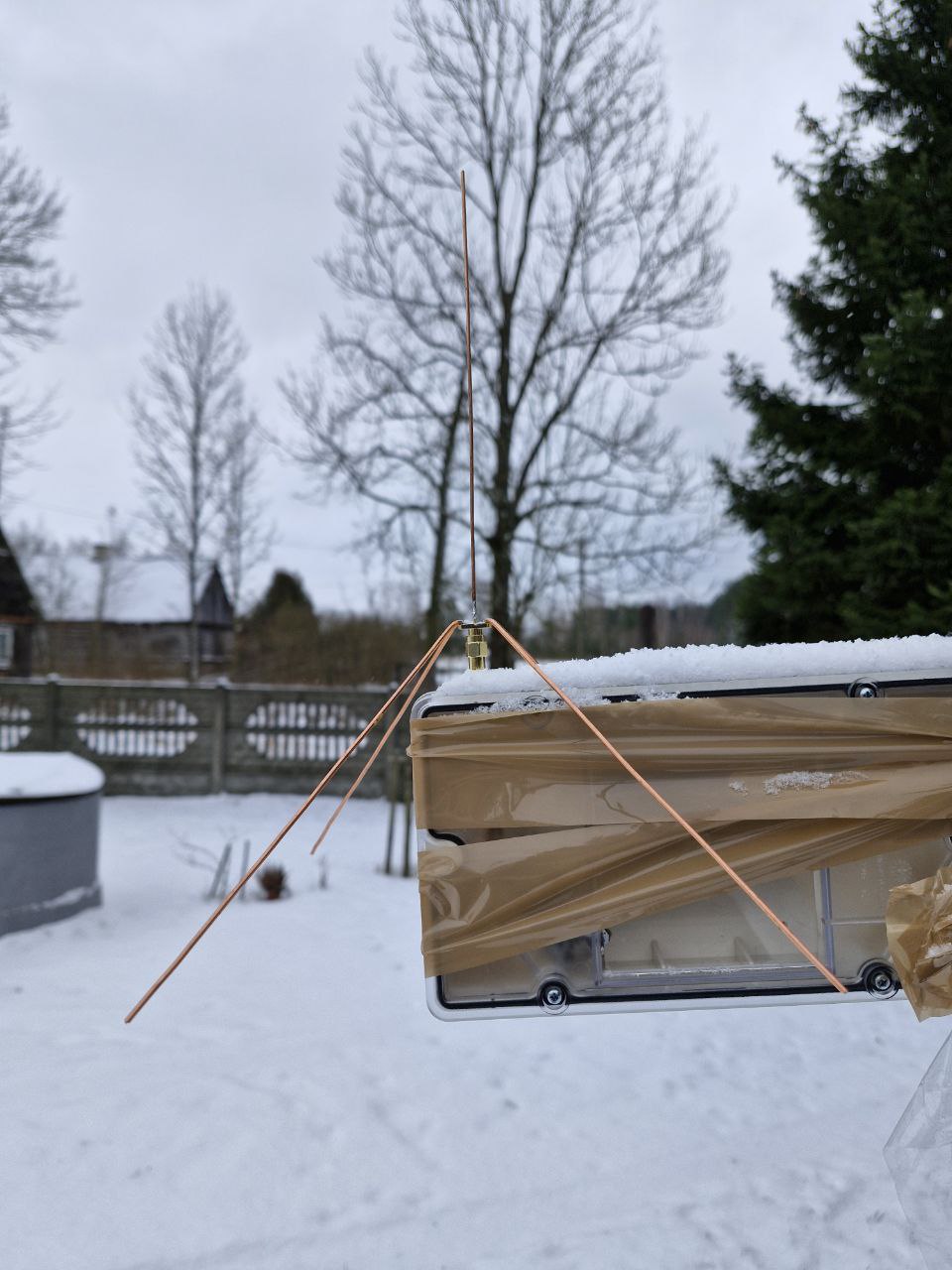
- iloveomsk asked the community to share experiments with antenna polarization, specifically for building an omni antenna. In response, detailed advice was given explaining that polarization from spacecraft is always imperfect due to atmospheric rotation, recommending the use of linear or RHCP antennas for most satellites, and noting that obstruction and noise are often more critical factors than polarization mismatch. 🔗
Share your setup
- Stefan/OE6ISP performed a monthly antenna check and calibration using sun-noise. The antenna, primarily used for receiving extremely weak satellite signals, also serves two TinyGS stations. Even in its parking position, the combined gain from the antenna and two LNAs (20dB + 12dB) is sufficient for satisfactory packet reception rates. 🔗
https://app.tinygs.com/station/OE6ISP_6@1760298214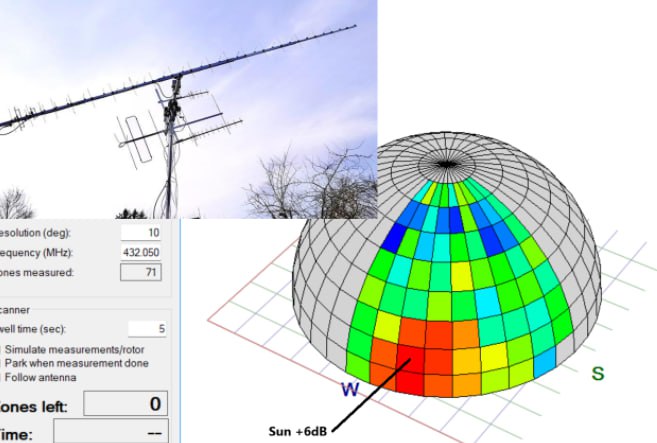
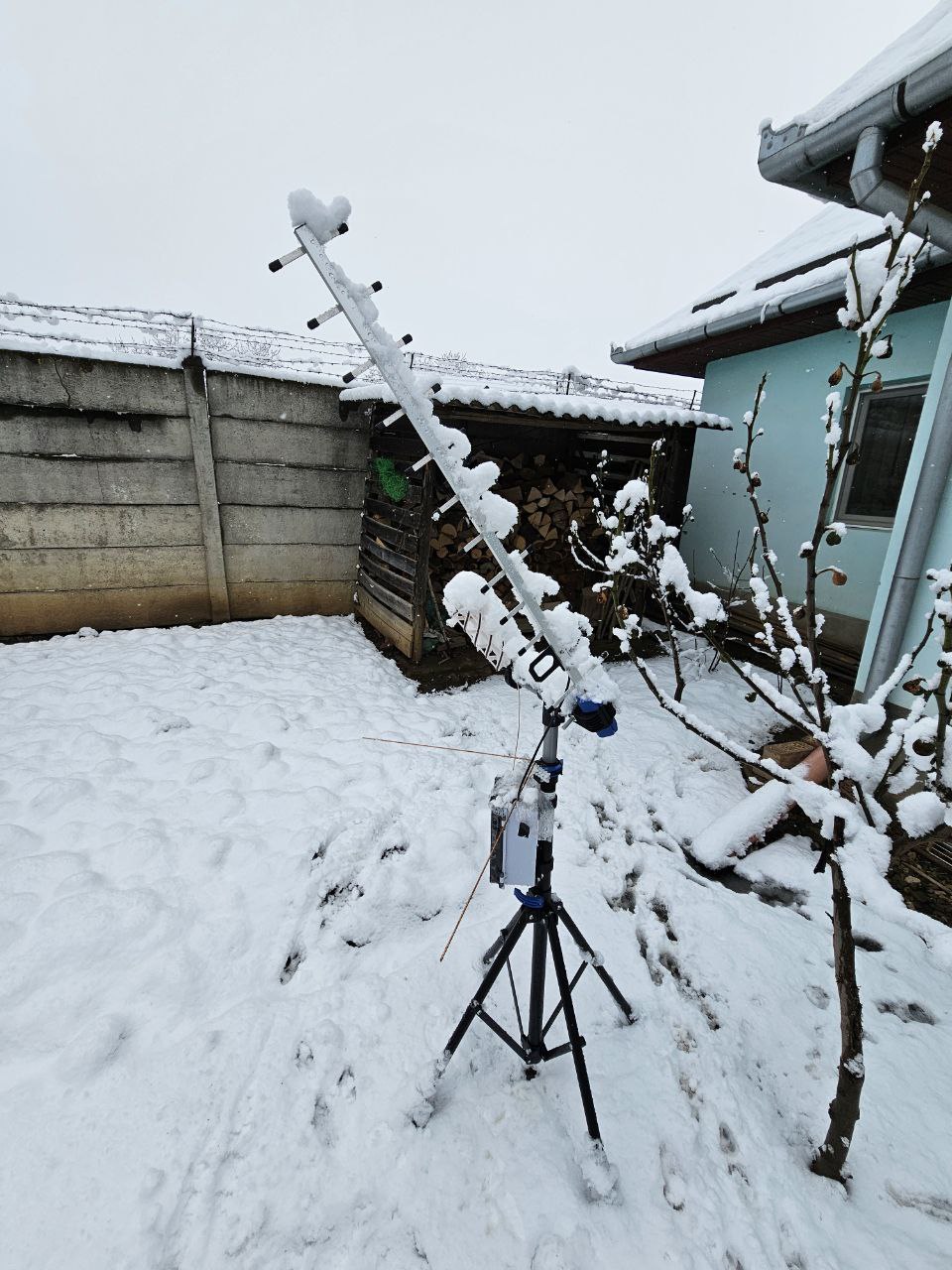
- DE1CTL shared a photo showing ice buildup on their antenna and later mentioned they couldn’t get any packets on 137MHz, suspecting a need for a balun. Another user responded that 137MHz reception is very different and likely requires a filter due to high noise, along with an LNA to compensate for losses in the 433MHz-matched antenna path. 🔗
Balloons
- PedroTFX inquired about tracking balloons with TinyGS and how to register one on the platform. Joshua confirmed tracking balloons is possible by coordinating with TinyGS admins, who have the ability to create new balloon and satellite pages on the site. 🔗
Featured Conversations
- The community actively troubleshooted a range of station issues, from login token expirations and dashboard display errors to sudden signal loss, with advice focusing on hardware checks, cable integrity, and optimal antenna placement to ensure reliable packet reception.
- Significant discussions revolved around new satellite signals, including the launch of new payloads, the analysis of encrypted transmissions on amateur bands, and the collaborative effort to correct TLE data and develop decoders for satellites with non-standard telemetry formats.
- Members demonstrated the profound impact of antenna upgrades, with one user achieving a tenfold increase in daily packet reception by switching from a basic antenna to a custom-built ground plane, highlighting antenna design as a critical factor for successful satellite tracking.
- Practical and cost-effective station setups were shared, including compact indoor stations and autonomous solar-powered systems, providing valuable examples for newcomers and those looking to deploy stations in remote or educational environments.
- The network’s capabilities and limits were explored, clarifying that while TinyGS excels at beacon reception for a global collaborative network, it is not designed for high-data-rate tasks like image downlinks, and that uplink functionality relies on licensed operators within the community.
What’s next
Join the TinyGS Telegram channel to participate in these discussions and contribute to the project. Your experiences and insights can help others build and improve their stations!
Share: