tinyGS
· TinyGS Community · 7 min read
Weekly Newsletter - January 11, 2026
Welcome to the TinyGS weekly community newsletter. Here are the most relevant discussions and developments from this week, covering antenna builds, technical troubleshooting, satellite updates, and collaborative problem-solving within our global network.
Highlights
General
- grzewik inquired about selecting a specific satellite for telemetry and the feasibility of downloading image data, leading to a clarification that TinyGS is designed for beacon reception and not for high-rate bulk data like image downlinks. The discussion later shifted to data access methods, with another user asking about programmatically fetching real-time data via MQTT or an API, receiving guidance on subscribing to the ’#’ topic for all data. 🔗
- Toggle00 reported a significant increase in packet detections and data completeness since late December, asking if a new firmware version was responsible. It was explained that the firmware was unchanged and the improvement was likely due to the autotune algorithm using ground station priorities that started on December 28th, or possibly reduced local interference. 🔗
- David inquired about integrating TinyGS data into Home Assistant to log satellites received by their stations. Community members suggested connecting to the MQTT server with their credentials and subscribing to the ’#’ topic to access information like satellite names and signal strength. 🔗
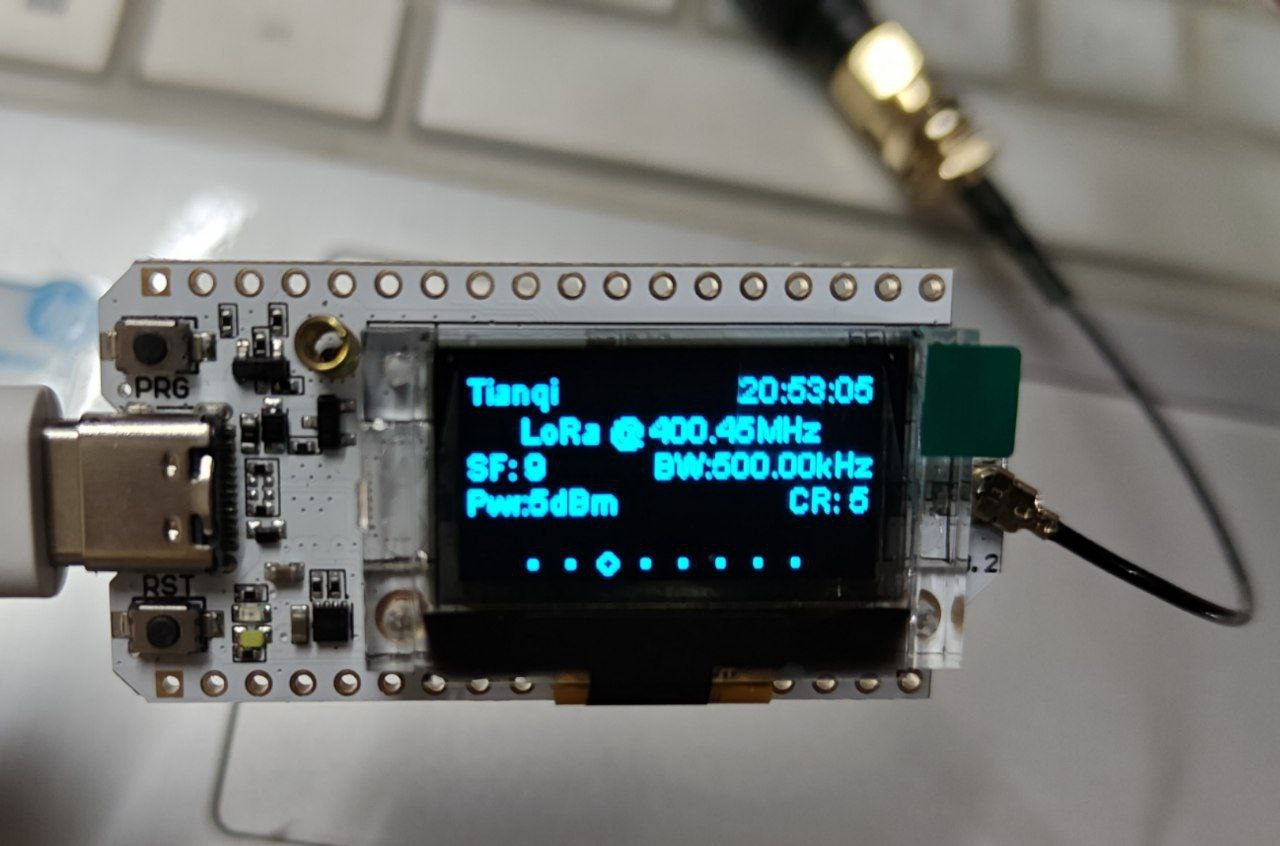
- abhi55abhi shared a photo of their Heltec LoRa 32 setup and inquired about putting the board into deep sleep or shutting it down to conserve battery power. A discussion followed about the lack of built-in battery monitoring in TinyGS for most boards, the minimal power savings from disabling the display, and the challenges of implementing a sleep mode while maintaining server communication. 🔗
Technical Problems
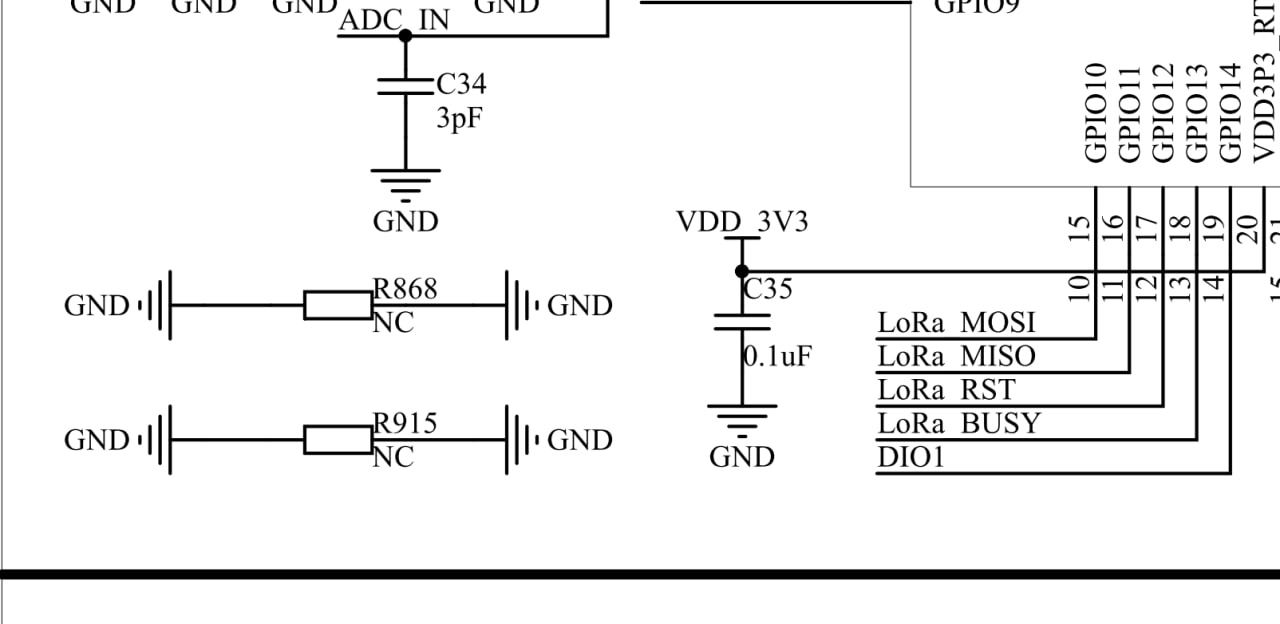
- K1NPT wrestled with a ‘Radio -2’ error after flashing a QRPLabs LightTracker module with an ESP32-S3 and E22-400M30 LoRa board, sharing a custom board template and seeking help with pin definitions. After receiving detailed assistance on correct pin mapping, power supply, and updating the TCX0V parameter, they later encountered ‘ERROR: Wrong frequency’ messages when using an external antenna. It was clarified that the SX1268 radio cannot work below 410 MHz, explaining errors for 430-440 MHz satellites, and turning off ‘Auto Tuning’ allowed immediate decoding of a packet. 🔗
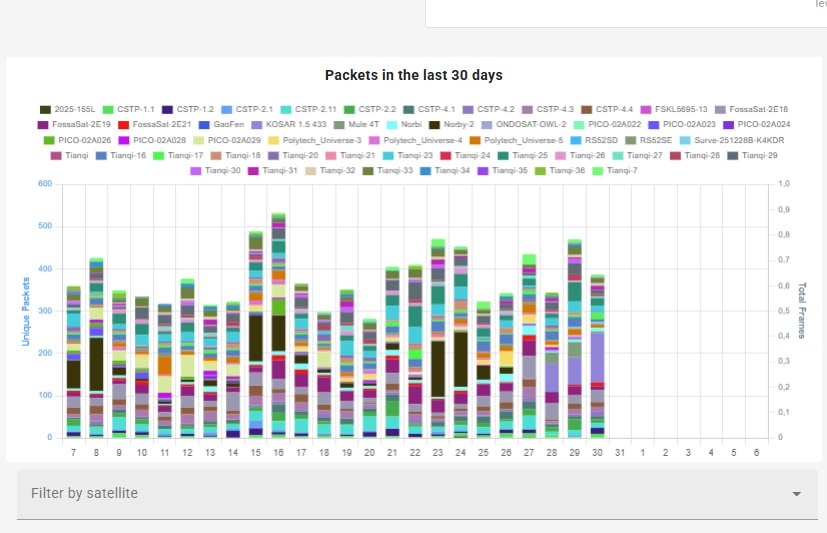
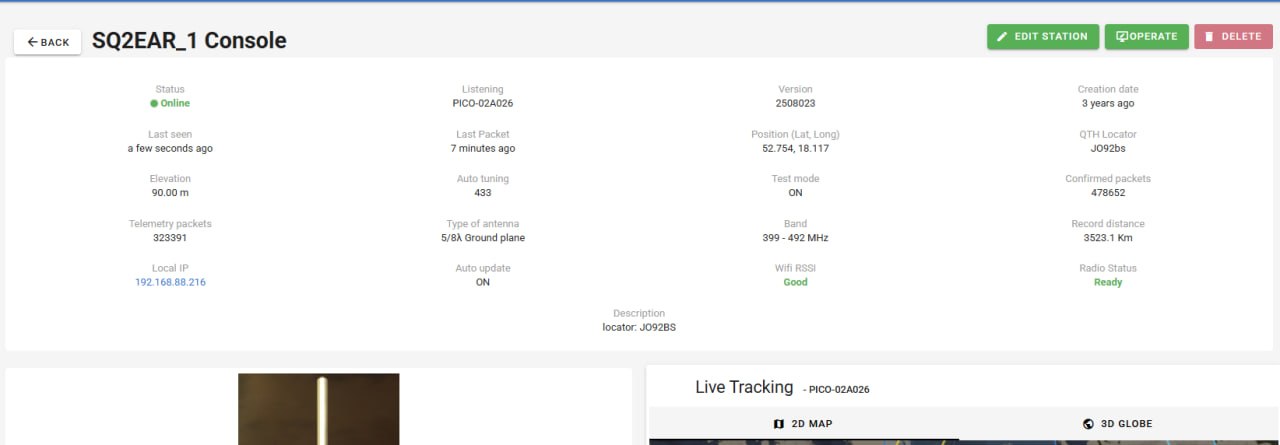
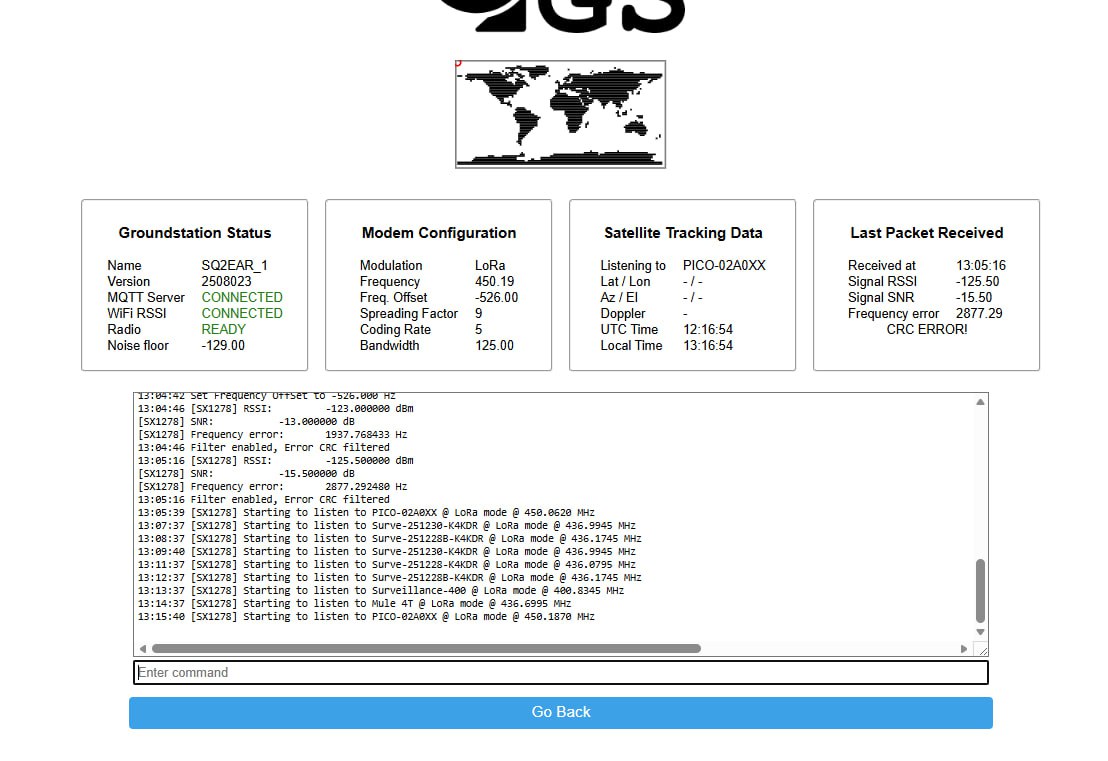
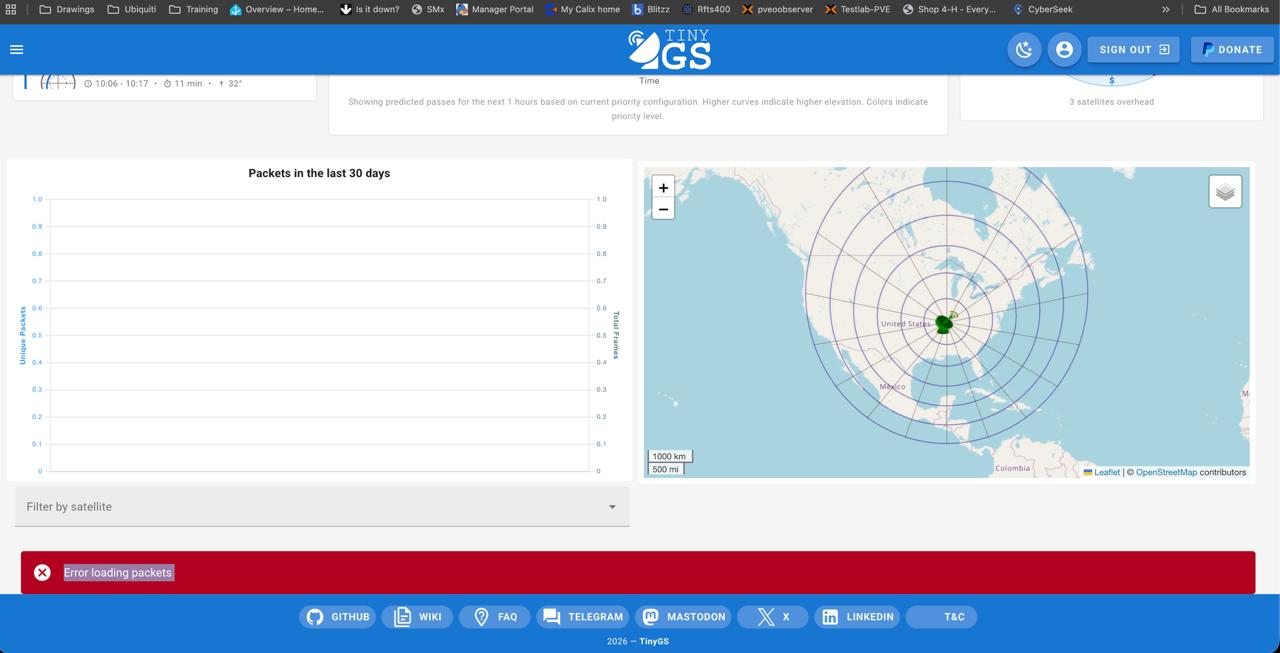
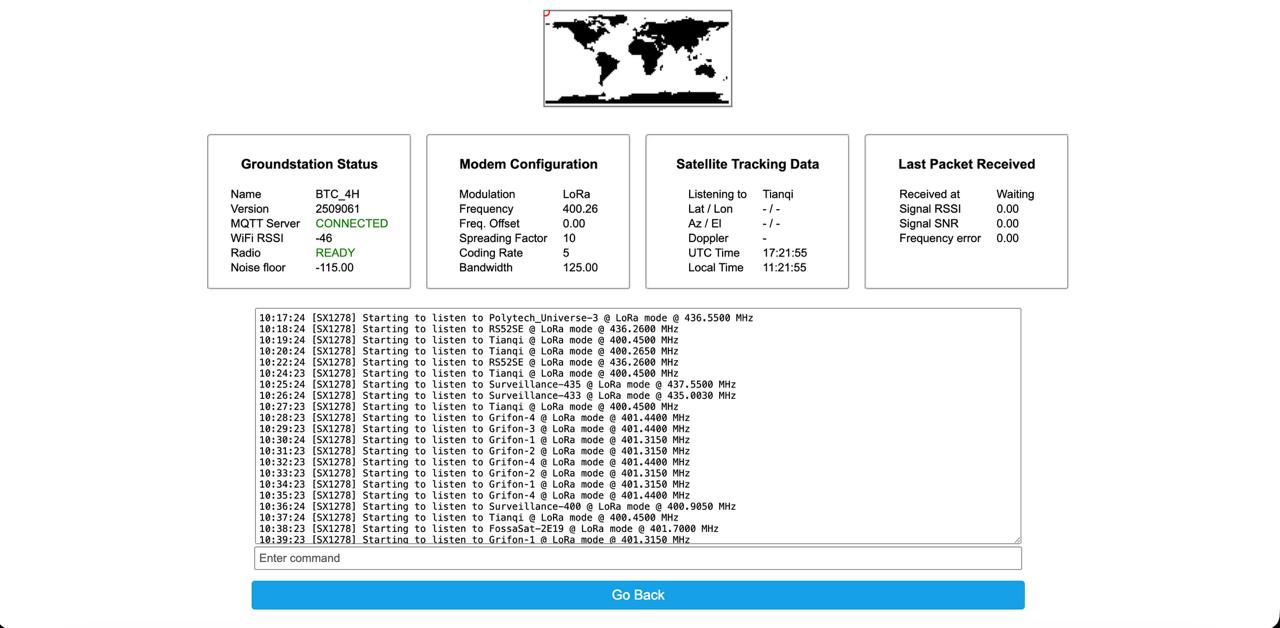
- SQ2EAR reported not receiving any packets and shared images of their station interface. The community noted the test mode was enabled and suggested checking the antenna, cable, and connectors due to a very low noise floor. After turning test mode off, the user confirmed the issue was resolved and shared a successful console screenshot. 🔗
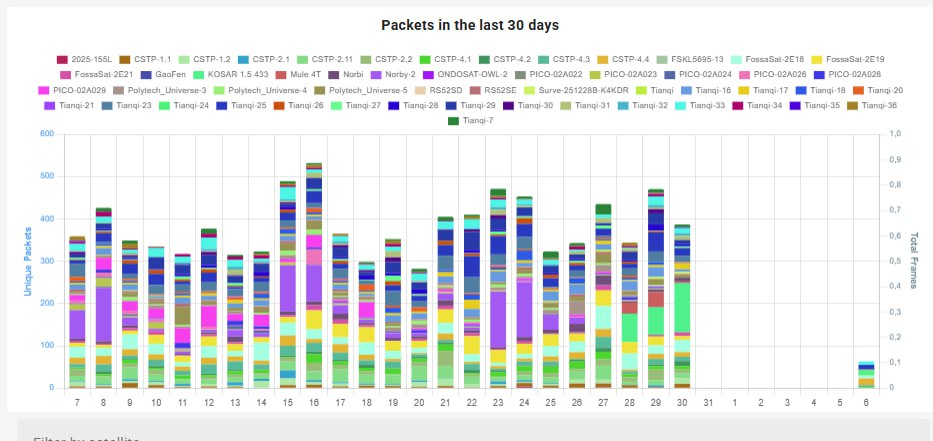
- PedroTFX had their account blocked after a local transmitter test setup sent a high volume of packets to the server, consuming significant resources. They apologized, clarified they thought it was safe when the dashboard showed MQTT disconnected, and changed the MQTT IP to a local address, after which the ban was lifted. They also inquired about using TinyGS for tracking weather balloons in Brazil as a replacement for RS41 systems, confirming it as a valid use case with ongoing feature development. 🔗
https://app.tinygs.com/user/6101170846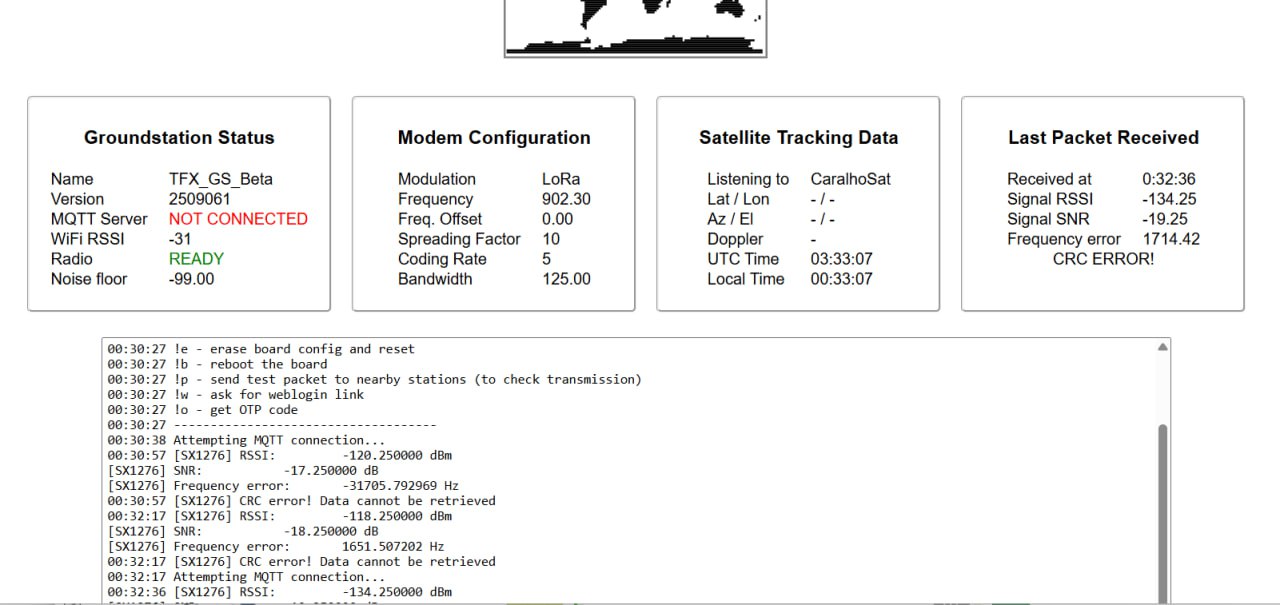
- Brock asked if reception errors were due to a cheap antenna or a configuration issue, sharing a photo of the error and describing a test setup with a LilyGo 433MHz module and a default stubby antenna. After advice, he swapped to a larger HT antenna and planned to connect to a base station antenna, thanking the community for the help. 🔗
Antenna Building
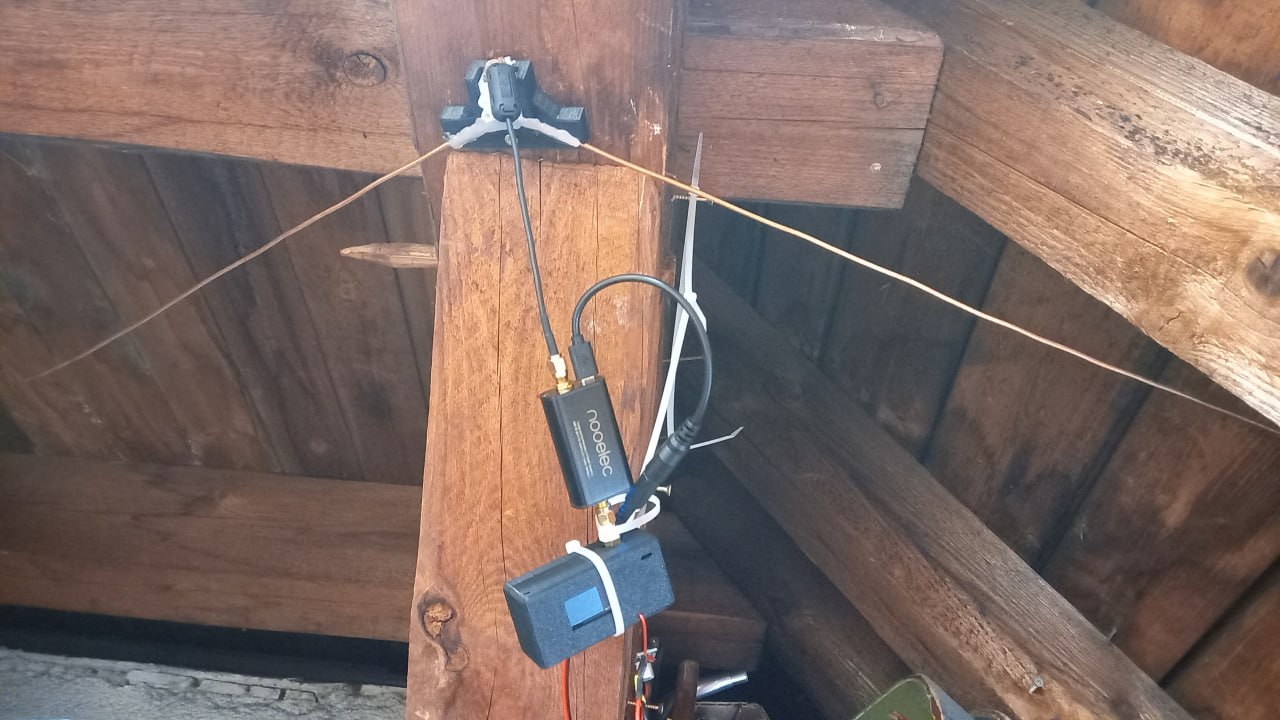
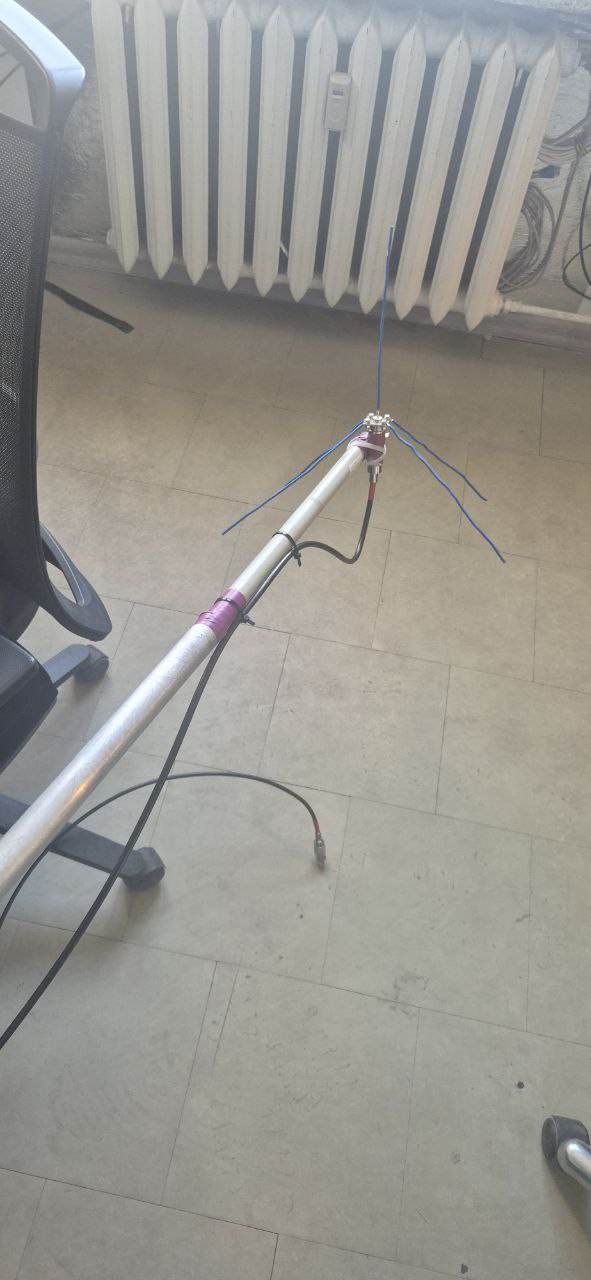
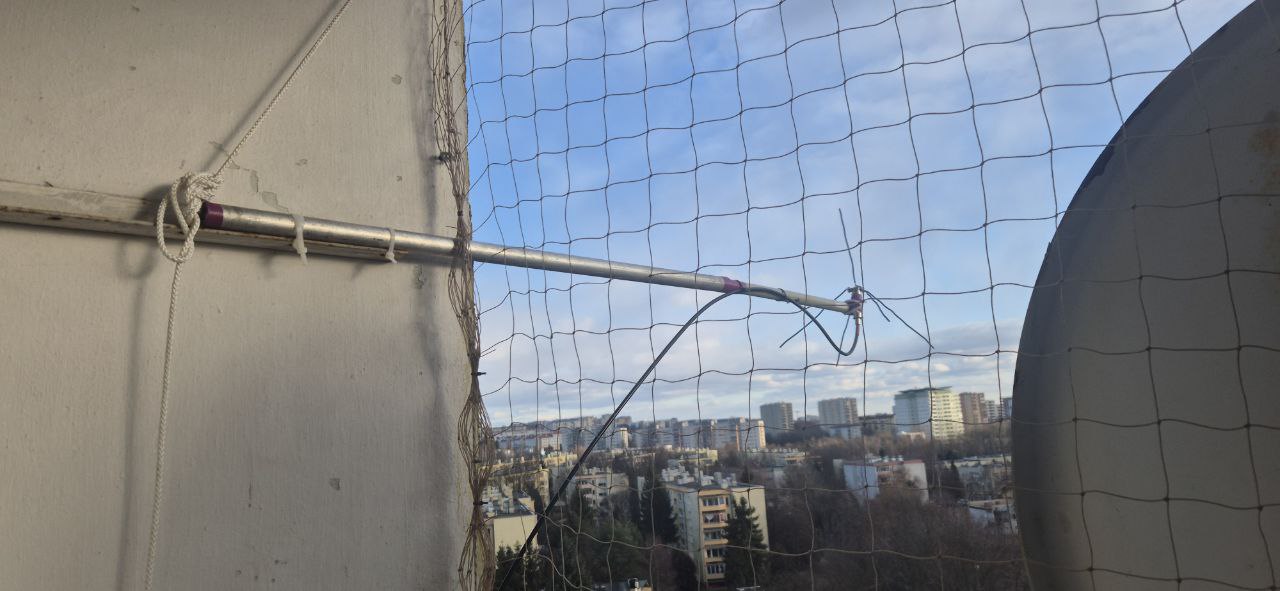
- grzewik announced the setup of a new station, OT12_PLK, and shared photos of the initial antenna, explaining the construction used PVC pipe closest to the antenna with the rest metal due to material constraints. Later in the week, they tested a new QFH antenna mounted above their roof on approximately the 12th floor, sharing a photo and noting it appears to work well even without a balun, though longer evaluation is needed. 🔗
- iloveomsk asked the community to share experiments with antenna polarization, specifically for building an omni antenna. In response, detailed advice was given explaining that polarization from spacecraft is always imperfect due to atmospheric rotation, recommending the use of linear or RHCP antennas for most satellites, and noting that obstruction and noise are often more critical factors than polarization mismatch. 🔗
- James discussed the trade-offs between expensive Az/El systems and simpler omnidirectional antennas for receiving amateur radio satellites, noting successful data reception down to 4 degrees elevation with a discone at 25 feet, and shared his progression from using a handheld Arrow antenna to a borrowed IC-910 with discones. 🔗
New Satellites
- G4lile0 shared an update from C3S LLC regarding a beacon mismatch: the beacon assigned to WISDOM A is actually for MAUVE 16U, and the current WISDOM B data is actually for WISDOM A, with the WISDOM B beacon inactive until the WISDOM AB unit separates into individual satellites. Later, they announced that Starlink-1652 is back online, transmitting its LoRa beacon again after being silent since 14 February 2025. 🔗
- K4KDR informed the community that the downlink beacon for KOSAR-1.5 on 868/915 MHz has changed to once every 10 minutes, which could explain why a working setup might not capture packets during a pass, and noted that the 436.100 MHz beacon transmits every 3 minutes and remains strong. They also reported receiving Grifon-3 signals clearly. 🔗
- jp_polito engaged in a detailed discussion about the upcoming PSLV launch carrying Brazilian satellites, confirming that decoder files had been provided, explaining that all satellites operate on the same frequency with only some bandwidth and spreading factor parameters changing, and listing the institutions behind the satellites (UFSJ, UFMA, IdeiaSpace, and private entities). He also confirmed that GalaxyExplorer and Edusat use LoRa. 🔗
Share your setup
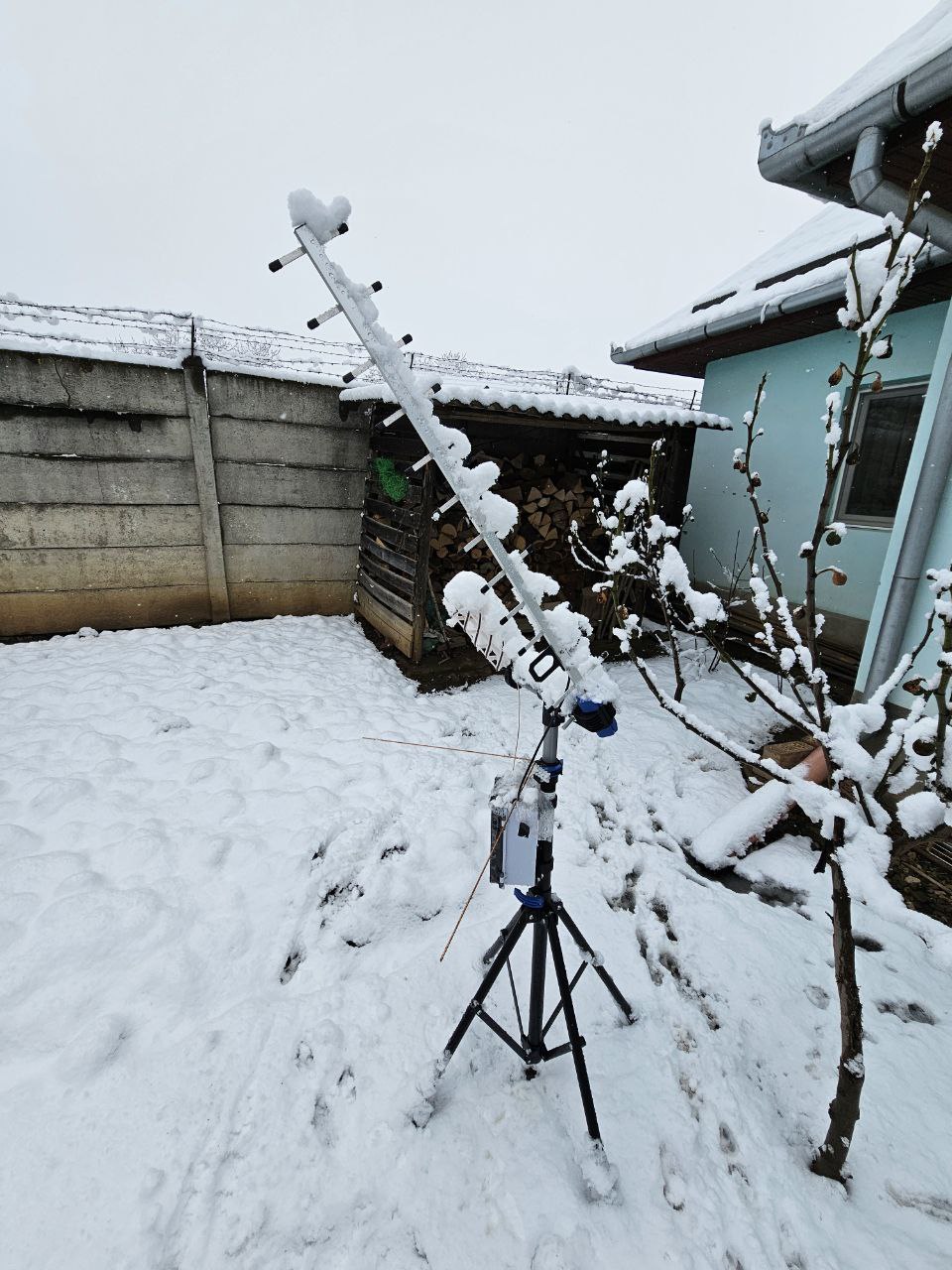
- DE1CTL shared a photo showing ice buildup on their antenna and later mentioned they couldn’t get any packets on 137MHz, suspecting a need for a balun. Another user responded that 137MHz reception is very different and likely requires a filter due to high noise, along with an LNA to compensate for losses in the 433MHz-matched antenna path. 🔗
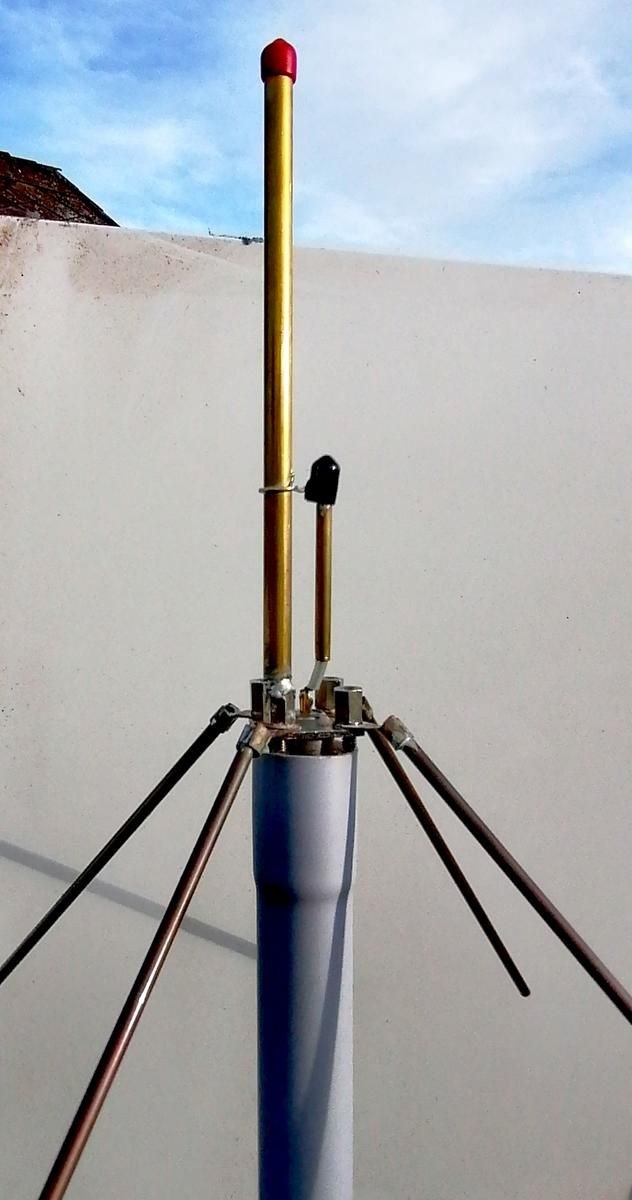
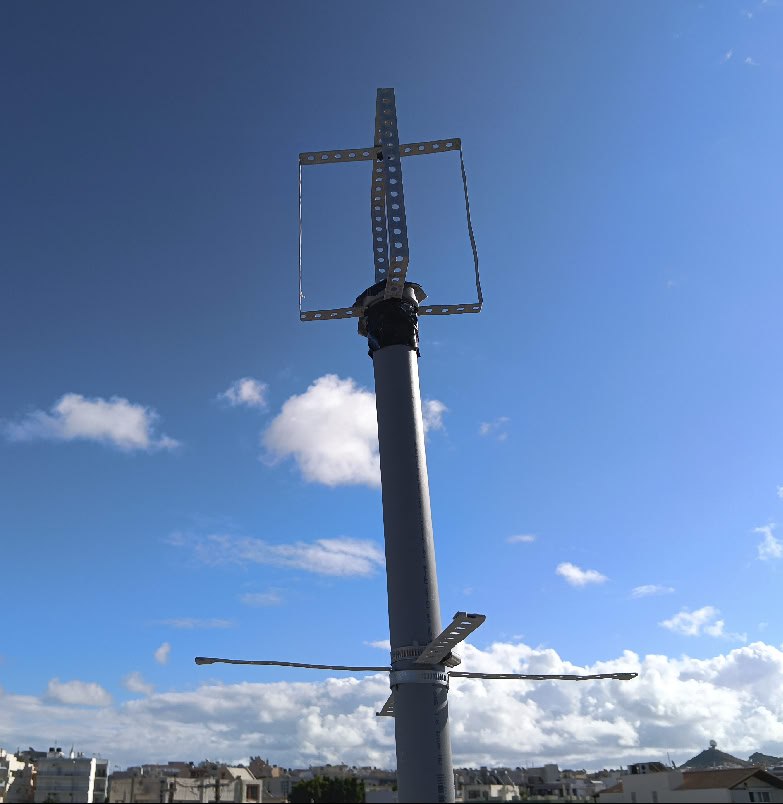
- Nikos shared a photo of his working Eggbeater 2 antenna, noting it functions well without a balun or LNA. 🔗
Beta Firmware Testing
- Ulrich asked where to find the newest firmware version and inquired if the installer was for an update or a new installation. Stefan/OE6ISP provided the installer URL and clarified that the process is always a full firmware installation, noting a special consideration regarding partition schemes that may require a one-time USB update for repartitioning if an older scheme is present. 🔗
https://installer.tinygs.com/
https://github.com/G4lile0/tinyGS
Featured Conversations
- The community explored the technical limits of the TinyGS network, confirming it is designed for beacon reception and not for high-rate bulk data like image downlinks, which would require a dedicated ground station. Discussions also covered data access methods, including using MQTT to subscribe to topics for real-time satellite packet data.
- Detailed support was provided for configuring custom hardware like the QRPLabs LightTracker, including correct pin mappings, power supply requirements, and references to specific circuit diagrams. This highlighted the collaborative troubleshooting efforts within the community.
- Antenna design and polarization were key topics, with advice emphasizing that signals from space are often altered by the atmosphere, making a perfect polarization match impossible. Members shared experiences with various antenna types, from QFH and discones to simple J-poles, discussing their effectiveness for satellite reception.
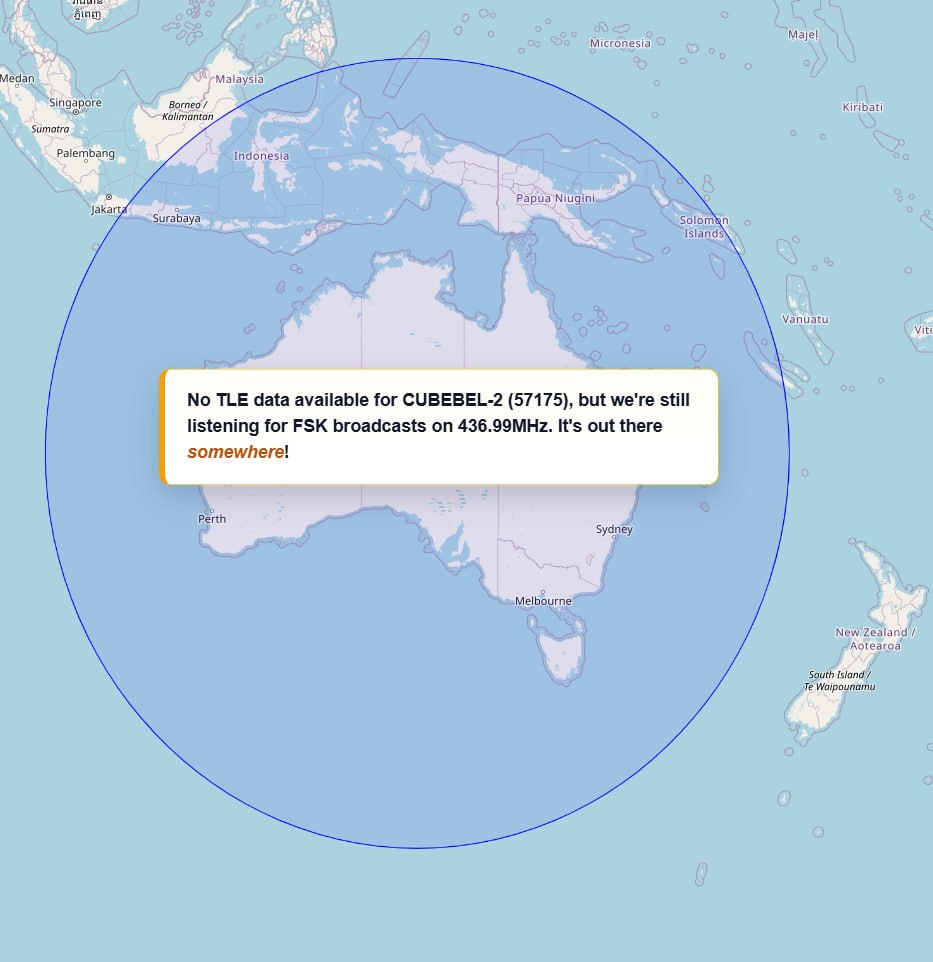
- Important updates were shared regarding satellite beacons, including corrections for beacon mismatches on the WISDOM satellites and the reactivation of Starlink-1652’s LoRa transmitter. The community also prepared for an upcoming launch of Brazilian satellites, all confirmed to use LoRa modulation.
- Power management for portable stations was discussed, with users seeking ways to conserve battery life on ESP32-based boards. The conversations revealed the limitations of deep sleep modes while maintaining server communication and the minimal savings from disabling peripheral components.
What’s next
Join the TinyGS Telegram channel to participate in these discussions and contribute to the project. Your experiences and insights can help others build and improve their stations!
Share: