tinyGS
· TinyGS Community · 9 min read
Weekly Newsletter - January 18, 2026
Welcome to the TinyGS weekly community newsletter. Here are the most relevant discussions and developments from this week, covering antenna projects, technical troubleshooting, satellite discoveries, and community initiatives.
Highlights
General
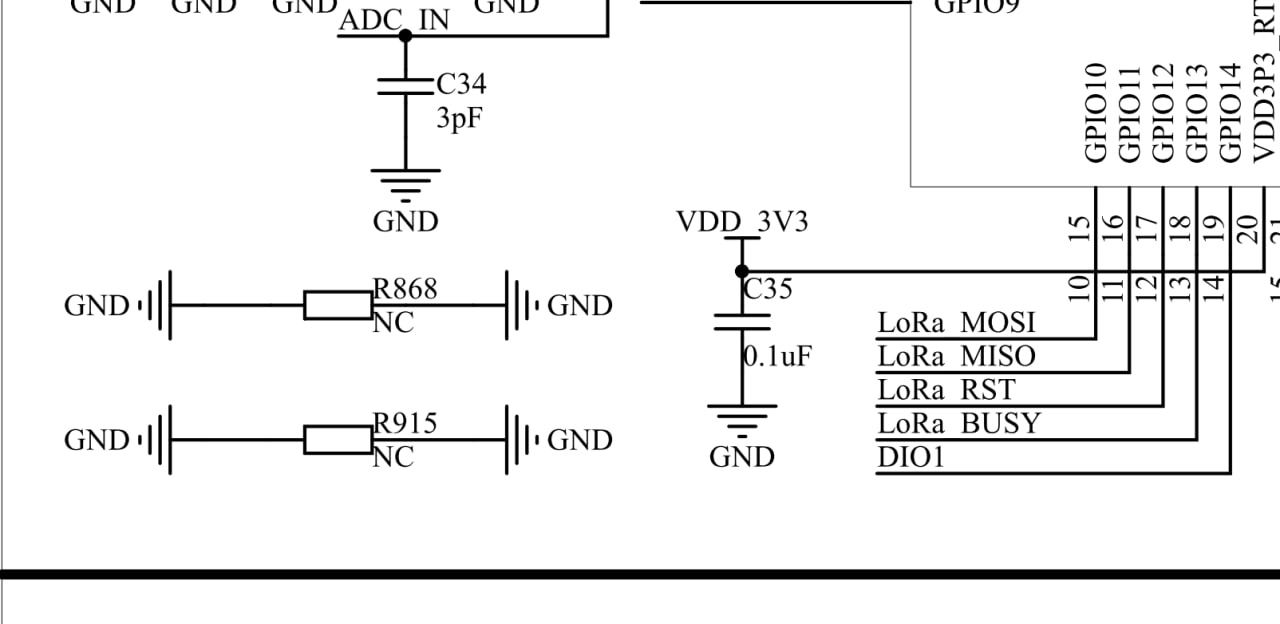
- megazaic shared detailed power consumption measurements for an ESP32-S3 board, noting a significant drop below 80 MHz due to the PLL for WiFi/BT being turned off. They also clarified that Heltec V3 boards for 433 MHz and 868/915 MHz are identical; users with the 868 version should select the ‘433’ template in software and then configure the correct frequency in the ‘auto-tune’ settings on the main website. This was followed by repke asking for guidance on configuring a Heltec v3 863-928MHz board, sharing an image of the board config screen. 🔗

- VA3ROM shared an observation that disabling the display on a LILYGO T3 LoRa board improved RSSI, noise floor, and total frames received, speculating it might be a 1-2 dB gain crucial for low-elevation satellite passes. Stefan/OE6ISP responded, sharing that the T-BEAM’s power manager is known for high noise emission, especially with an LNA, and that they typically keep displays off. They discussed power supply considerations, with VA3ROM using quiet battery packs and preferring rural, low-RFI sites for optimal reception. 🔗
- ubabematrix (Kristoff - ON1ARF) inquired about the new email-invitation feature for registering nodes, sharing their experience from a recent workshop in Oostende that resulted in three new nodes. They discussed the challenges of node setup for non-technical participants and their plan for a follow-up session to help users complete their configurations, potentially using a single account for the science center. 🔗
https://mastodon.social/@tinygs/115809583421893063 - E provided guidance to a user inquiring about agricultural applications, directing them towards commercial LoRaWAN vendors and research papers on Agriculture 4.0. They clarified that the TinyGS community focuses on receiving LoRa signals from LEO satellites, which is a different use case. 🔗
https://omniwot.com/iot-in-agricultre/top-5-applications-of-lorawan-in-agriculture/2446/
https://ieeexplore.ieee.org/document/10735371
Technical Problems
- nitincowireless reported that their console showed the station as online with the antenna okay, but no telemetry data or packets had been downloaded for the last five hours. When asked about their setup, they specified using an outdoor 1/4 wave GP antenna and also mentioned having trouble logging into the dashboard with the credentials provided by the bot. Helmi responded by first asking for details on the antenna type and placement, as well as the noise floor level shown on the dashboard, to help diagnose the lack of data reception. In a follow-up, they clarified that the dashboard login username is always ‘admin’ and the password is the one chosen during the initial setup, not the one provided by the bot for the MQTT server. 🔗
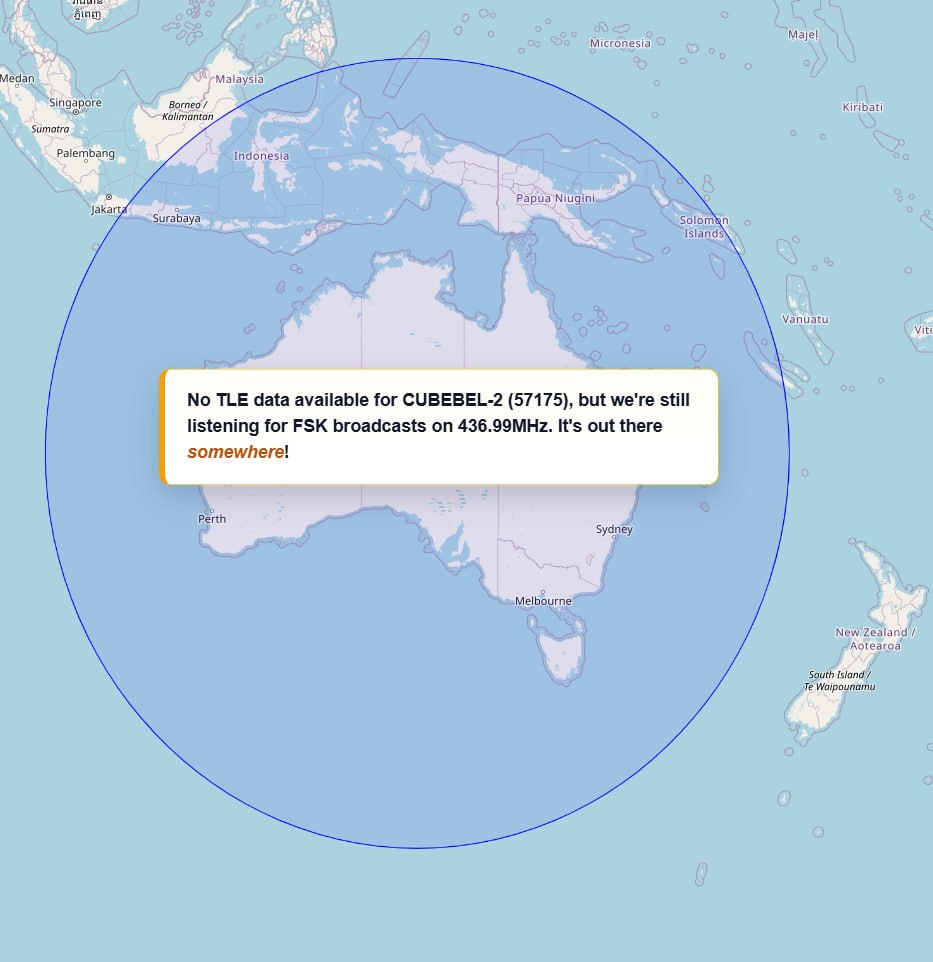
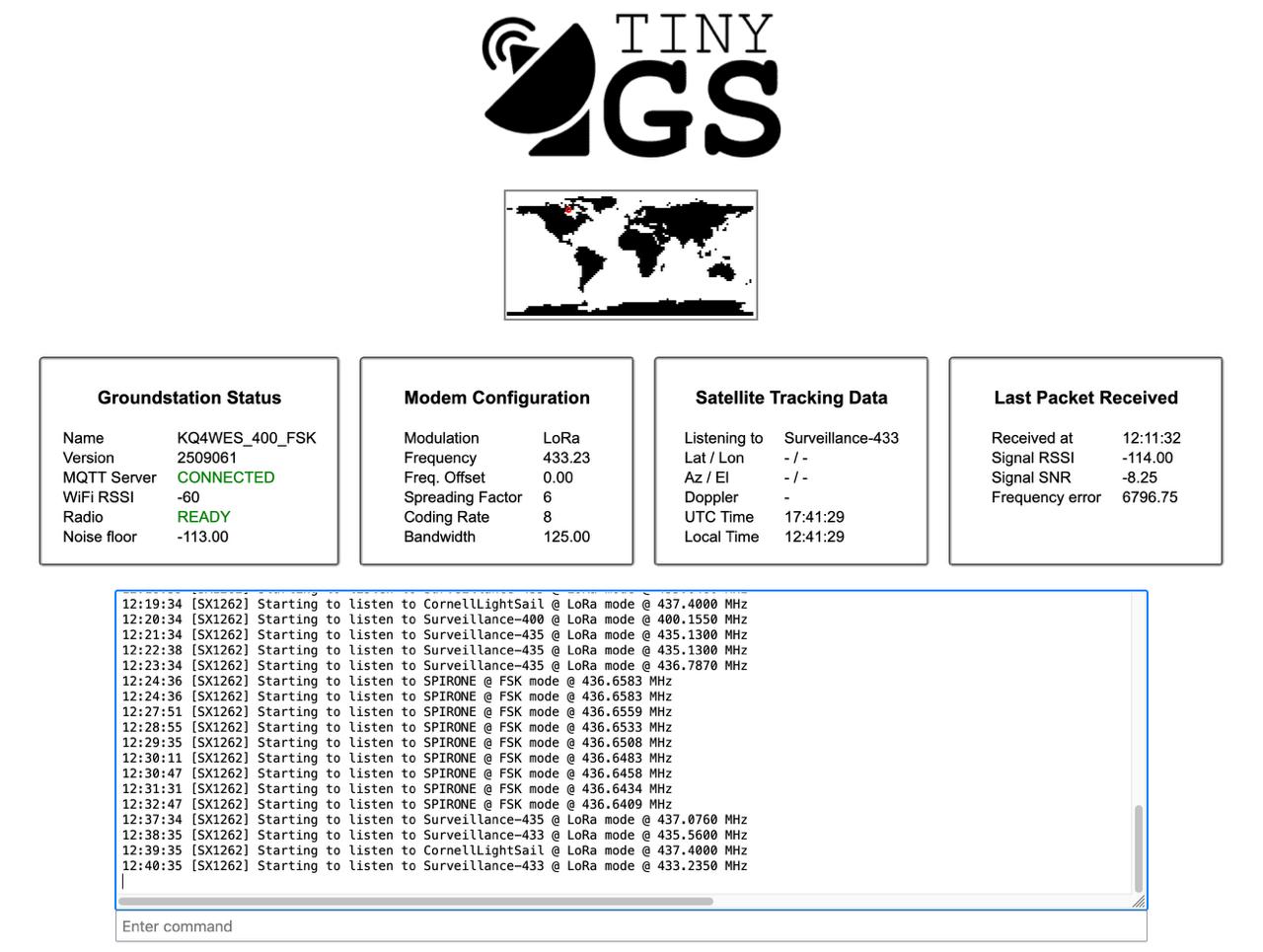
- Wes reported persistent difficulties receiving FSK-modulated satellites in the 433 MHz range, despite success with LoRa satellites. They built a dedicated node with a Heltec V3 433 and filters but encountered frequency and CRC errors without receiving a single packet. The community suggested potential hardware limitations of the SX1278 chip for FSK, high noise floor, and the need to check the station’s hardware clock frequency offset by temporarily re-enabling LoRa reception. Michael joined the discussion, sharing dashboard screenshots showing a high noise floor. They later switched from a Yagi to a simple whip antenna, which improved the noise floor reading to around -95 to -100 dBm. 🔗
- Bogonek asked if there is a receiver hardware version that supports a wired connection instead of WiFi. G4lile0 responded that it is on the roadmap for this year but not yet available. 🔗
Antenna Building
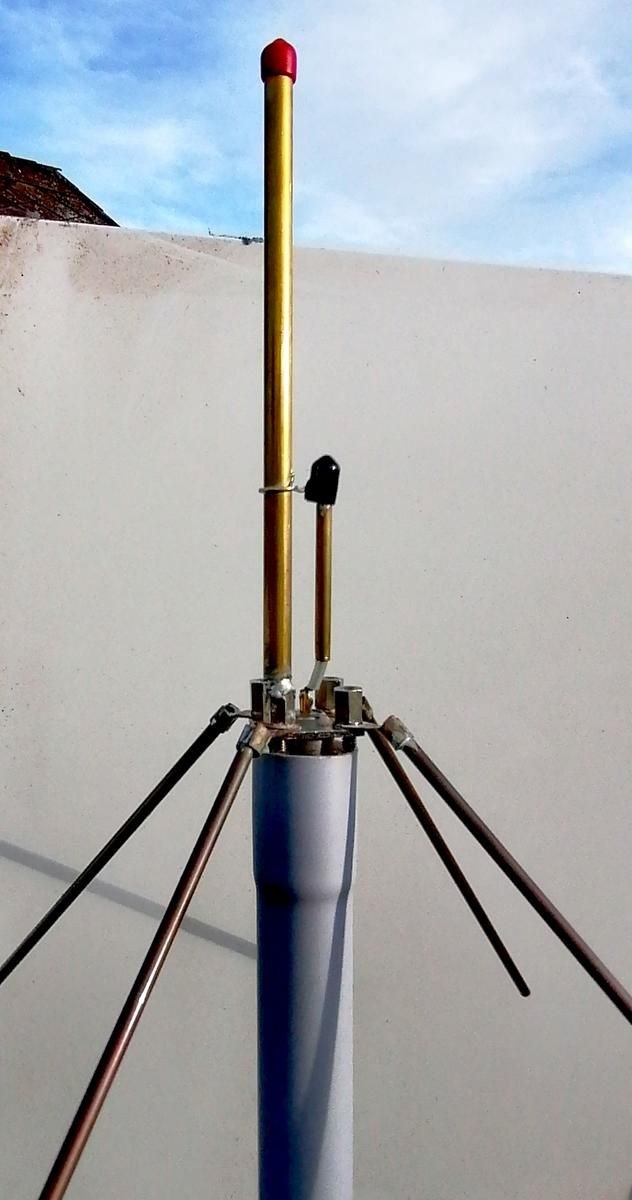
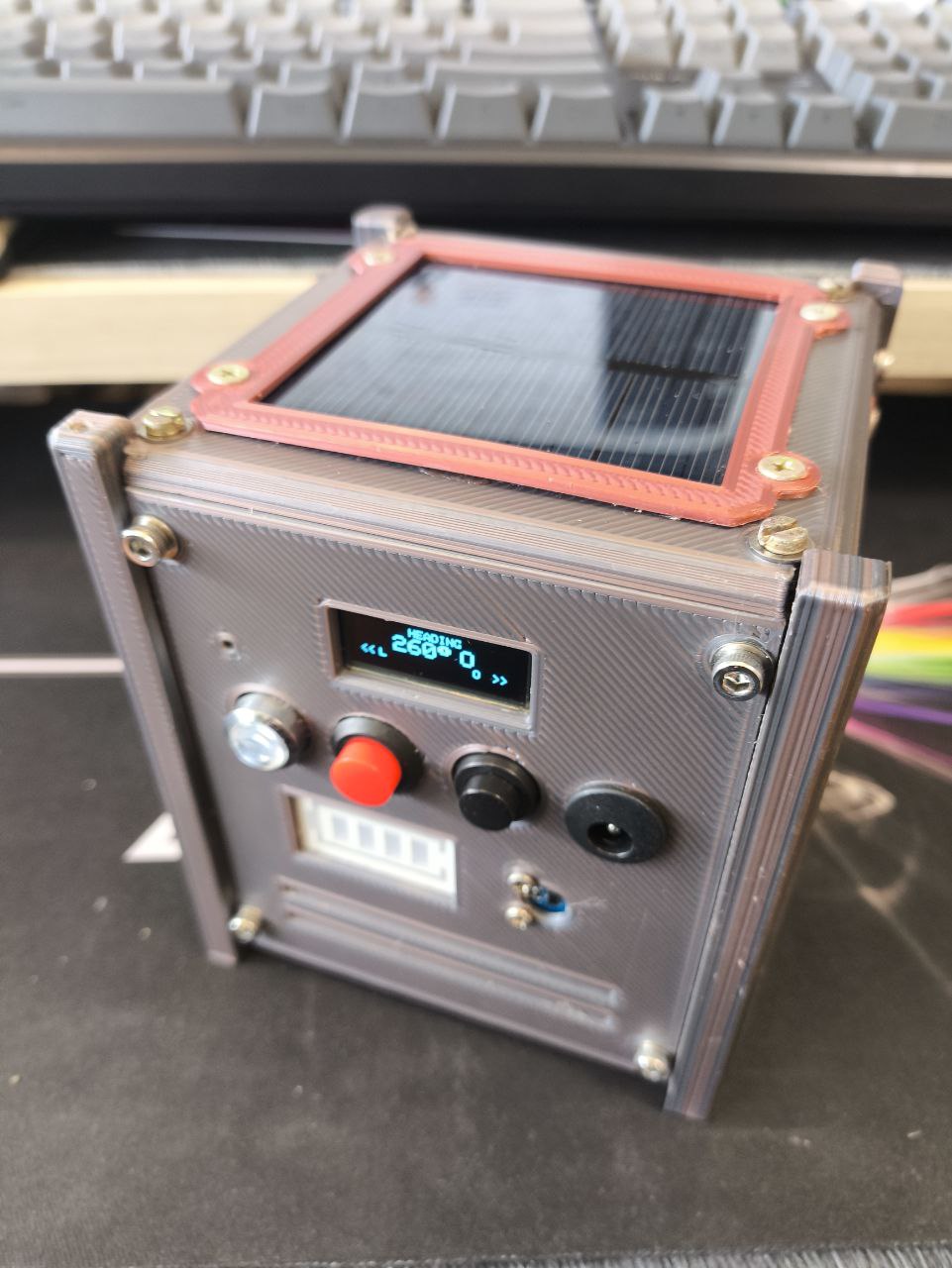
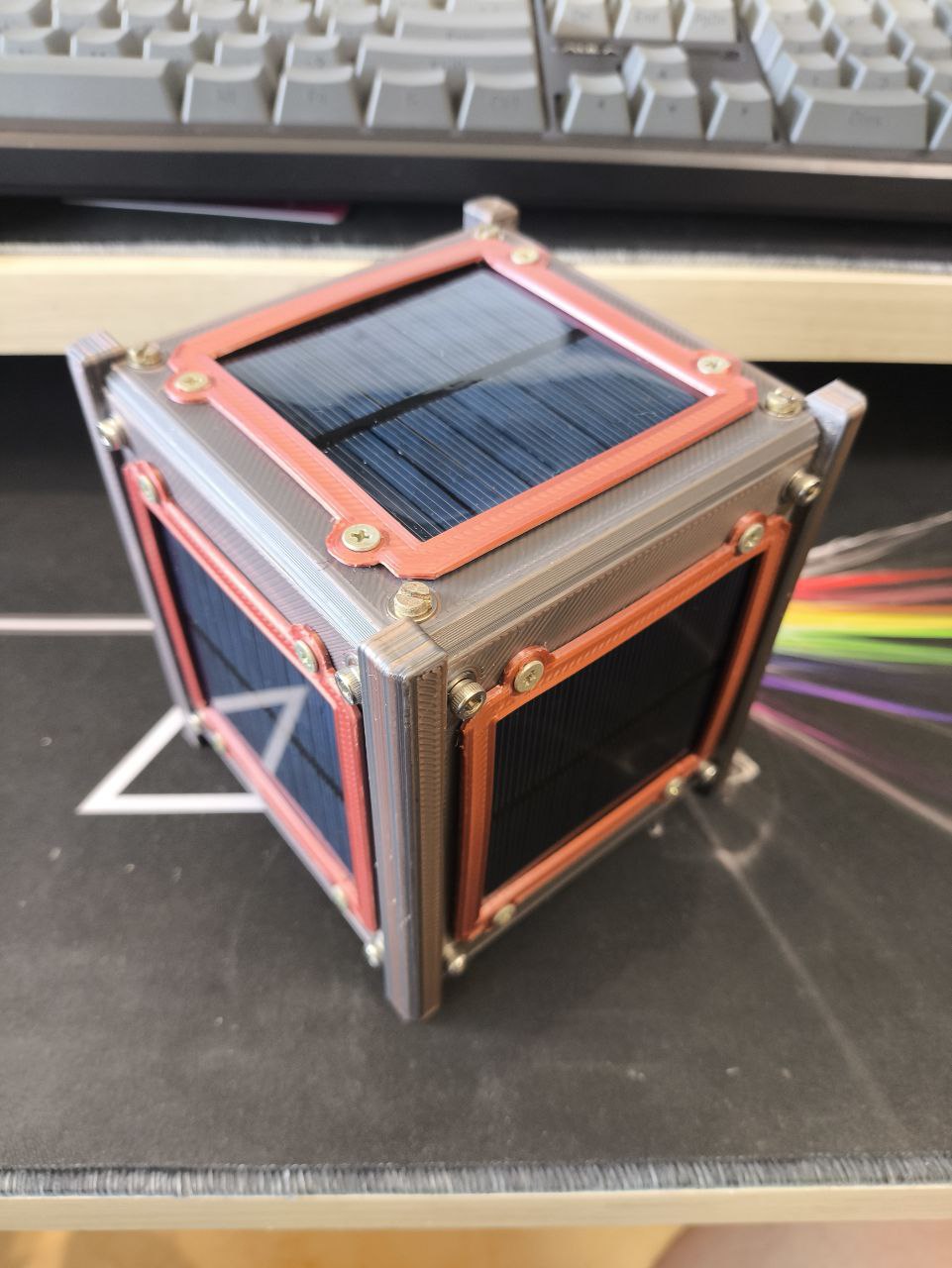
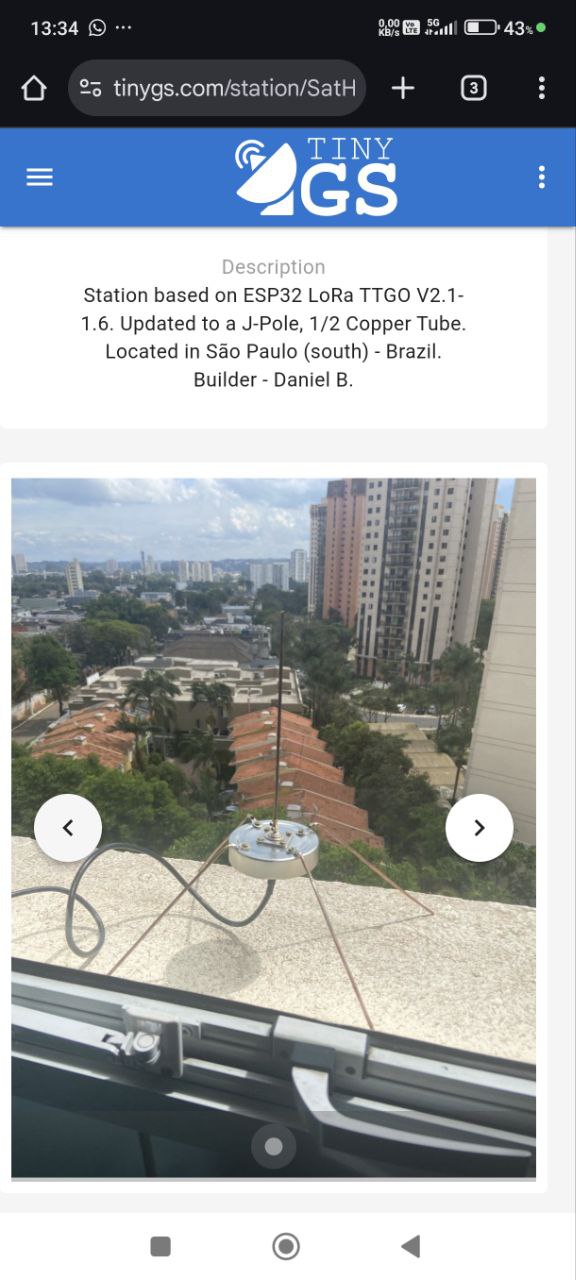
- dbrunod returned to setting up their station and announced a partnership with a local school to install a TinyGS station for students, aligned with an educational cubesat they built. They sought advice on the optimal center frequency for a ground plane antenna, considering 425 MHz given its SWR performance from 415 to 433.5 MHz. They shared photos of their setup and cubesat, and later discussed their experience switching from a ground plane to a J-pole antenna, noting differences in reception patterns. This sparked a broader discussion with PU4ELT sharing their positive experience with ground plane antennas, praising their cost-effectiveness and performance, and Stefan/OE6ISP providing detailed construction advice for ground plane antennas, recommending specific dimensions for the radiator and ground rods to optimize bandwidth and SWR. 🔗
- FabioFrara reported that their Asymmetric Turnstile Antenna (ATA) was performing well for TinyGS even without an LNA. They planned to test reception with a circular polarized 4-element Yagi antenna pointed north to compare performance. Later in the week, they described a custom 4-element cross Yagi antenna with a loop feed, centered around 436 MHz. The design is based on the ‘Texas potato masher’ but includes two additional elements for enhanced performance. 🔗
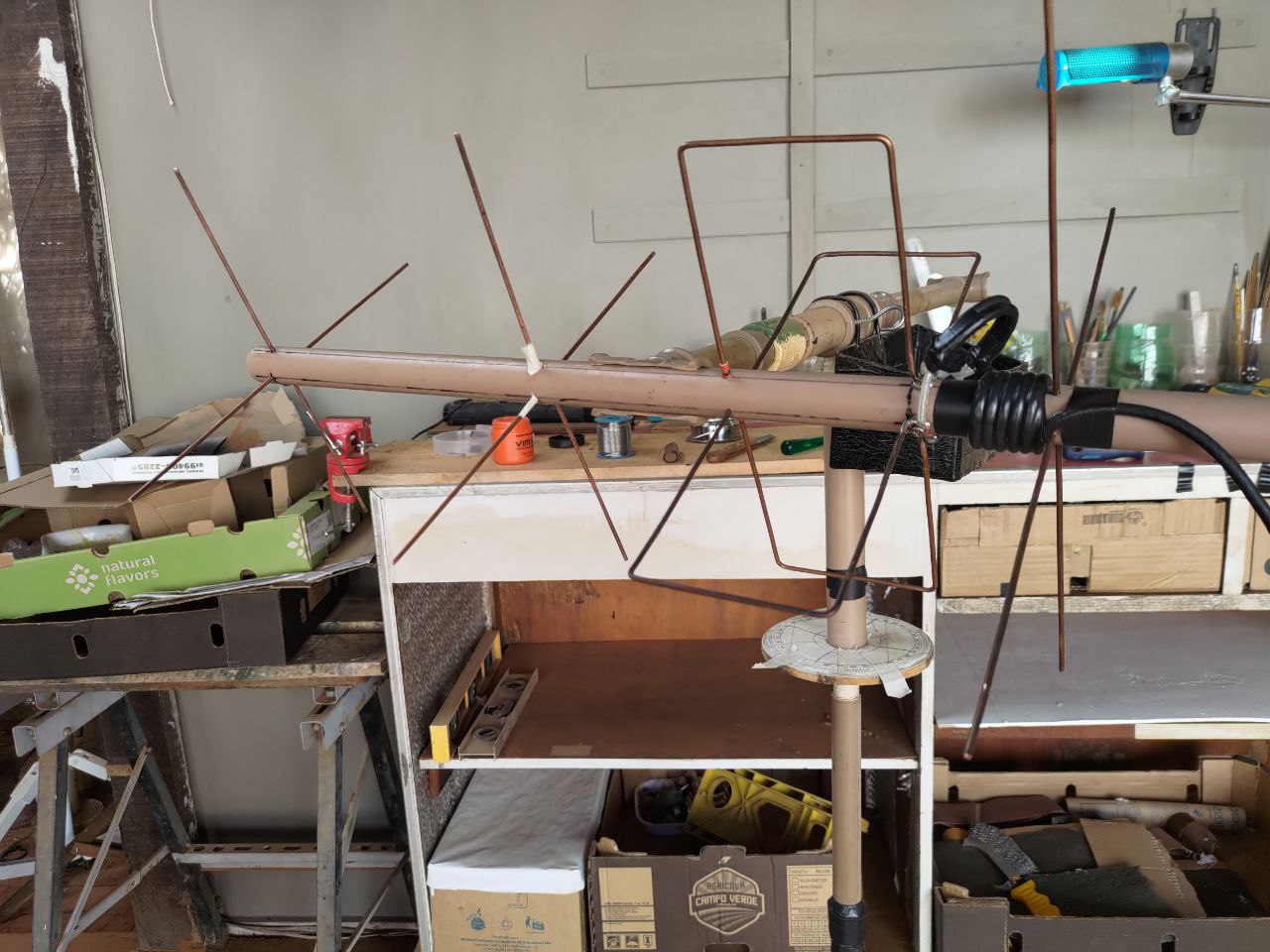
- Wes shared a video of an antenna they built for their TinyGS station, reporting that it has been performing very well. They also mentioned running a QFH antenna designed by the same person for a 137 MHz station, describing it as an easy build. 🔗
https://youtu.be/AMrPPIv-bcs?si=h1WJTewWbu2Wj8VD
https://youtu.be/EgY1MHaQ_us?si=9aeMGOhiFsCUt4Xe
Share your setup
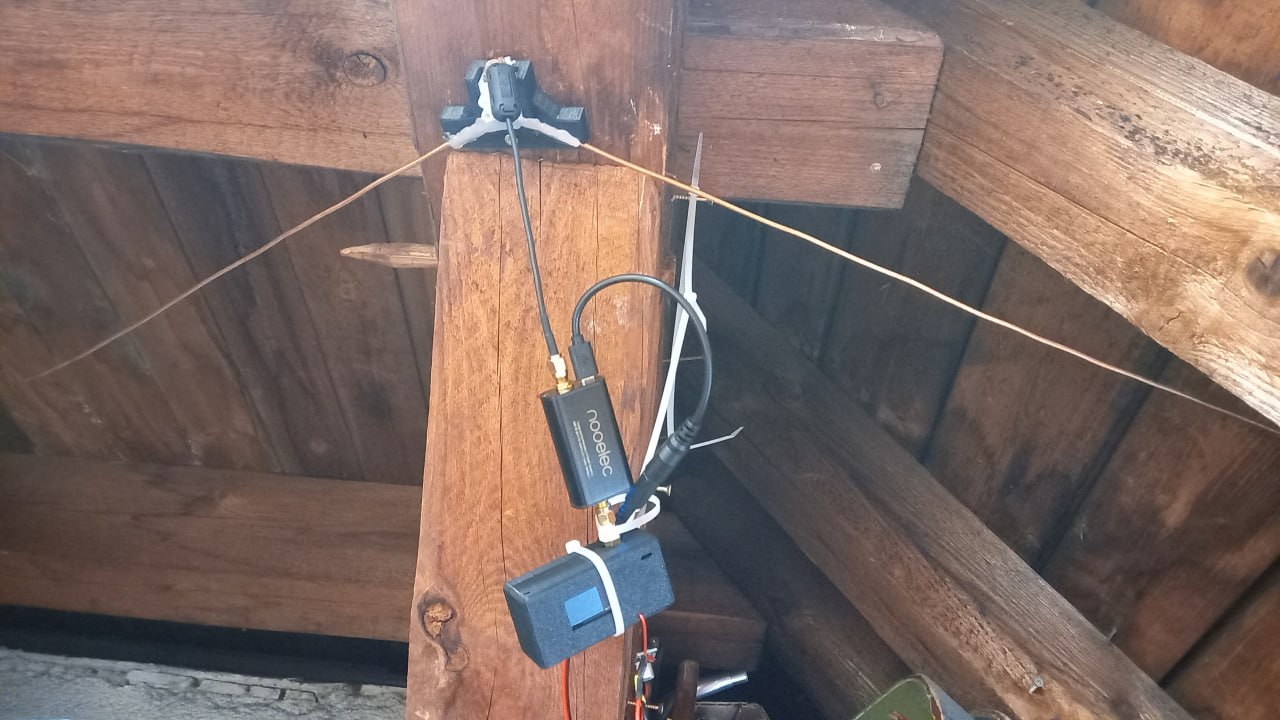
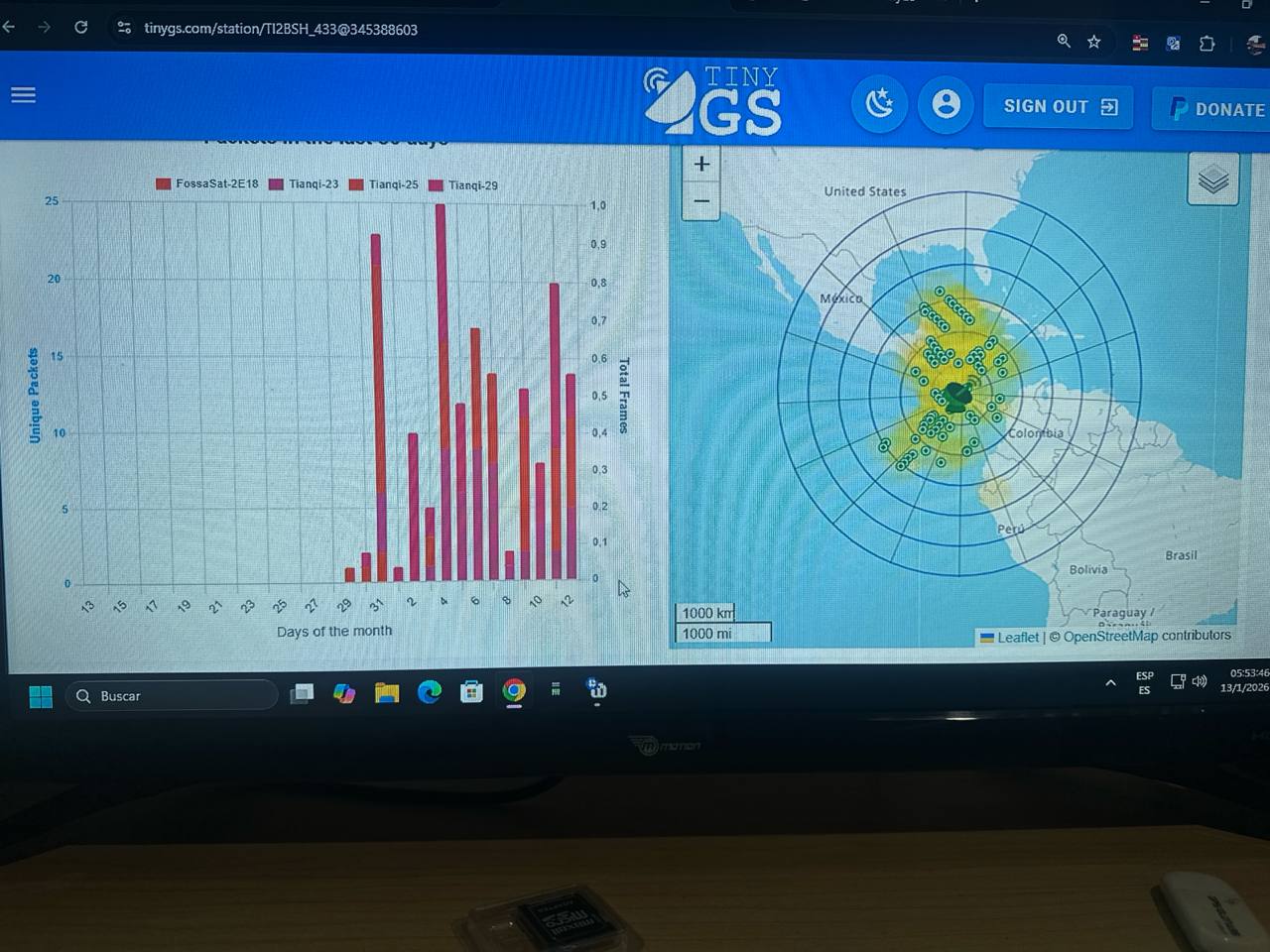
- TI2BSH shared a photo of their station setup inside a radio shack using a rubber duck antenna. They mentioned plans to build a ground plane antenna over the weekend to compare performance improvements and expressed gratitude for the project from Costa Rica. 🔗
New Satellites
- Helmi reported receiving many LoRa packets at 435.05MHz from object 2023-091AB and inquired about which satellites this could correspond to, seeking identification for the signals captured. 🔗
- G4lile0 reported a potential second transmission from the Polytech_Universe-3 satellite, sharing a link to its TinyGS page. 🔗
https://app.tinygs.com/satellite/unknown
Beta Firmware Testing
- Helmi asked for a direct download link for firmware version 2601122. G4lile0 explained the multi-step OTA upgrade path required for stations on older ESP32 firmware, starting with version 2506013, then 2508023, before reaching 2601122. Helmi confirmed they were on 2508023 and would wait, and G4lile0 noted the upgrade was being pushed to relevant stations. 🔗
Featured Conversations
- The community engaged in a detailed discussion on antenna optimization, with members sharing experiences on ground plane and J-pole designs, providing construction tips, and announcing educational partnerships to install stations in schools.
- Technical troubleshooting focused on resolving data reception issues, including clarifying dashboard login credentials and investigating challenges with receiving FSK-modulated satellite signals by analyzing noise floors and hardware limitations.
- Hardware performance improvements were explored, such as disabling onboard displays to reduce RF noise and discussing power consumption characteristics of ESP32 boards for more efficient station operation.
- New satellite signals were identified and reported, including requests for help in classifying unknown LoRa transmissions and noting potential new downlinks from existing satellites, showcasing active monitoring.
- Community onboarding and support were highlighted through discussions on the new email invitation feature for node registration and strategies for assisting non-technical users during workshops to expand the network.
Latest Cubesats News
Montenegro launches first satellite - PI4RAZ
Montenegro launched its first satellite, a 1U CubeSat named Luca, on December 28 aboard a Soyuz rocket. The satellite carries a high-resolution camera, solar panels, and sensors for a three-year mission in low Earth orbit. The Montenegrin amateur radio association received its first telemetry signals on December 31. The satellite is designed to collect and transmit data back to Earth.
InnoCube: Small University Satellite in Earth Orbit for One Year - Astronews
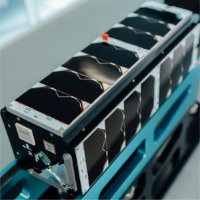
The InnoCube satellite from TU Berlin has successfully completed one year in orbit, performing over 5,400 Earth orbits. It tested key technologies like the wireless SKITH satellite bus and the novel Wall#E solid-state battery. The mission featured an amateur radio payload that transmitted Morse code signals, engaging a global community of enthusiasts. The project also served as a platform for testing an AI-based attitude control system in space.
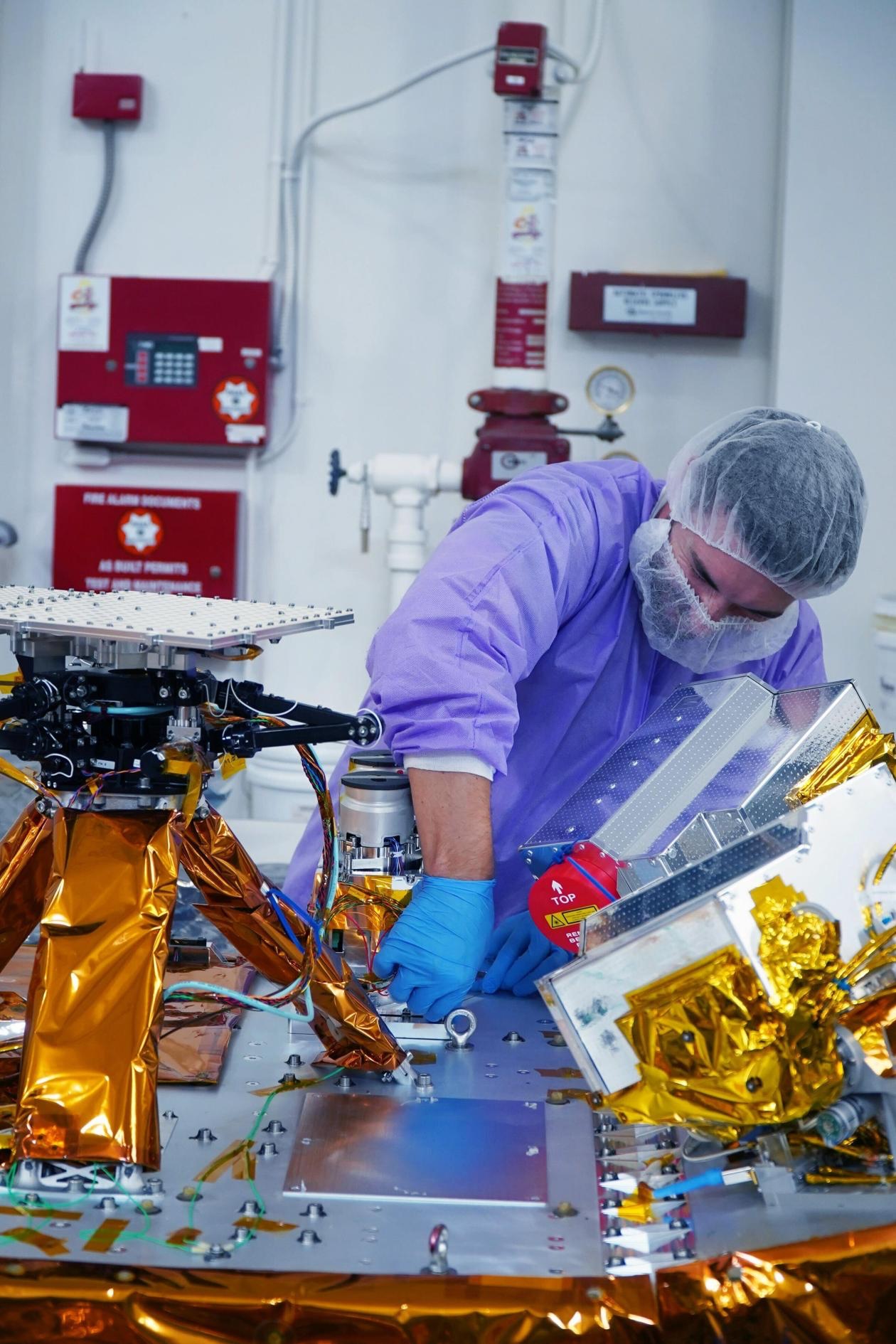
New OroraTech thermal sensors leverage Kepler lasers to bypass downlink delays for wildfires
OroraTech has integrated four SAFIRE Gen4 thermal sensors into Kepler Communications’ optical data relay satellites. These sensors use onboard edge computing to process thermal data and detect heat anomalies like wildfires directly in orbit. Data is transmitted via Kepler’s optical inter-satellite links, enabling near-real-time delivery within minutes. This system provides the first thermal livestream of Earth, significantly improving wildfire detection and management.
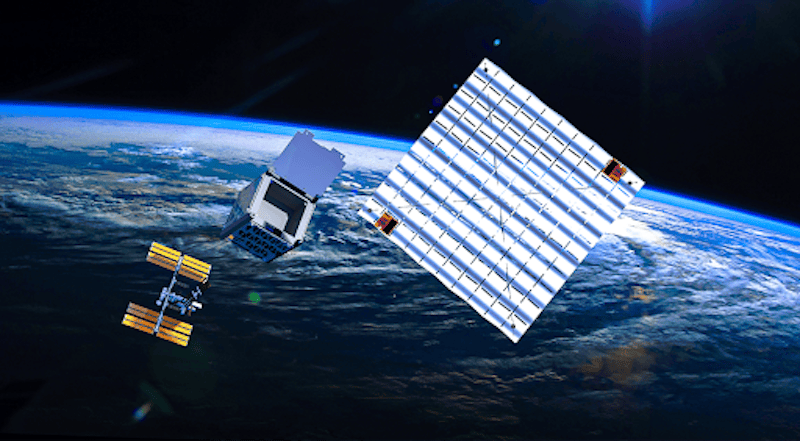
Cornell Students Deploy World’s First Free-Flying Light Sail
Cornell students successfully deployed the first free-flying light sail from a CubeSat in Earth orbit. The sail uses sunlight momentum for propulsion, detaching completely to become an independent spacecraft powered by tiny ChipSats. After initial communication issues, a ground station confirmed the sail’s deployment and data transmission. The mission demonstrates a low-cost method for future fleets of light sails to potentially reach the Moon or Mars.

MARI-SPACE - Assistant Professor of Space Propulsion and Micro-Propulsion for Satellites
The Morocco Aerospace Research Institute (MARI-SPACE) seeks an Assistant Professor to lead experimental research on propulsion systems for small satellites. The role focuses on chemical, electric, and green micro-propulsion technologies for applications like CubeSats. The position involves teaching propulsion theory and contributing to CubeSat mission development at Mohammed VI Polytechnic University. This initiative aims to advance aerospace technology and foster international collaboration in the field.

Scotland is building Europe’s most advanced space ecosystem. - BeeTekno.com
Scotland is rapidly developing a vertically integrated space ecosystem focused on CubeSat production, launch, and data analysis. Companies like AAC Clyde Space and launch providers Orbex and Skyrora are central, with the SaxaVord Spaceport aiming to be the UK’s first vertical launch site. The sector faces challenges from lower UK investment compared to other European nations like Germany. Experts call for increased government support and long-term contracts to ensure the industry’s stability and growth.

NASA Selects AtmOCube Mission to Study Orbital Wave Interference - SatNews
NASA has selected the AtmOCube CubeSat mission to study atmospheric gravity waves and their impact on satellite operations. The 16U satellite will use an optical interferometer to measure oxygen radiation for high-resolution temperature profiles. This data aims to improve predictions of satellite drag and GPS signal reliability affected by wave-induced density changes. The mission is led by German and U.S. institutions and is scheduled for launch in 2029.

ATENEA heading to the Moon: the Argentine microsatellite traveling with Artemis II
The Argentine microsatellite ATENEA, a 12U CubeSat, will be launched with NASA’s Artemis II mission to test deep-space technologies. It will be deployed before Orion’s lunar approach to measure radiation, evaluate electronic components, and validate long-range communication links. Developed primarily by the National University of La Plata, it represents a major milestone for Argentina’s space sector. The launch is scheduled for a window opening February 6, 2026, from Kennedy Space Center.

White to move and mate in two #770 - NASA Pandora, BlackCAT and SPARCS - Daily Kos
NASA launched three small telescopes to study exoplanet atmospheres. The Pandora mission will observe at least 20 exoplanets and their host stars to distinguish planetary signals from stellar interference. It will conduct 24-hour observations to analyze how stellar surface features affect atmospheric measurements. The article also includes a chess puzzle, unrelated to the space mission.
What’s next
Join the TinyGS Telegram channel to participate in these discussions and contribute to the project. Your experiences and insights can help others build and improve their stations!