tinyGS
· TinyGS Community · 9 min read
Weekly Newsletter - March 1, 2026
Welcome to the TinyGS weekly community newsletter. Here are the most relevant discussions and developments from this week, covering hardware compatibility, antenna building, station optimization, and exciting project updates from our global network of satellite trackers.
Highlights
General
- jtane_thomas proposed a new feature for the web app: an Advanced Hex Transmit tool to allow sending raw, byte-perfect hex payloads, addressing a current limitation where transmissions are treated as ASCII text. They shared a detailed README specification and an interactive JSFiddle prototype for community feedback and collaboration. This sparked a detailed response from G4lile0, who clarified that TinyGS handles packets via Base64 for byte-perfect integrity, not ASCII, and explained why transmission logic must remain centralized on the server to prevent signal collisions, ghost packets, and to ensure satellite safety through rate-limiting. 🔗
https://github.com/Tane10/tinyGS/blob/feat/radio_tx_handler/doc/Advanced_Tx/README_ADVANCED_TX.md
https://jsfiddle.net/8m6Lr3y1/11/ - Black inquired about the legality of using LoRa for a student cubesat project, specifically regarding WPC or ISM band rules for downlinking basic health data. The discussion shifted to regulatory advice, with community members providing information on licensing, duty cycles, IARU coordination for university satellites, and sharing a link to the CCSDS Blue Book for packet header standards. G4lile0 later explained the legal aspects of encryption on amateur radio bands, noting it is generally illegal except for satellite command and control, and stated that TinyGS does not share encrypted data, which led to further questions about ‘soft encryption’ and the project’s manifest. 🔗
https://ccsds.org/Pubs/133x0b2e2.pdf
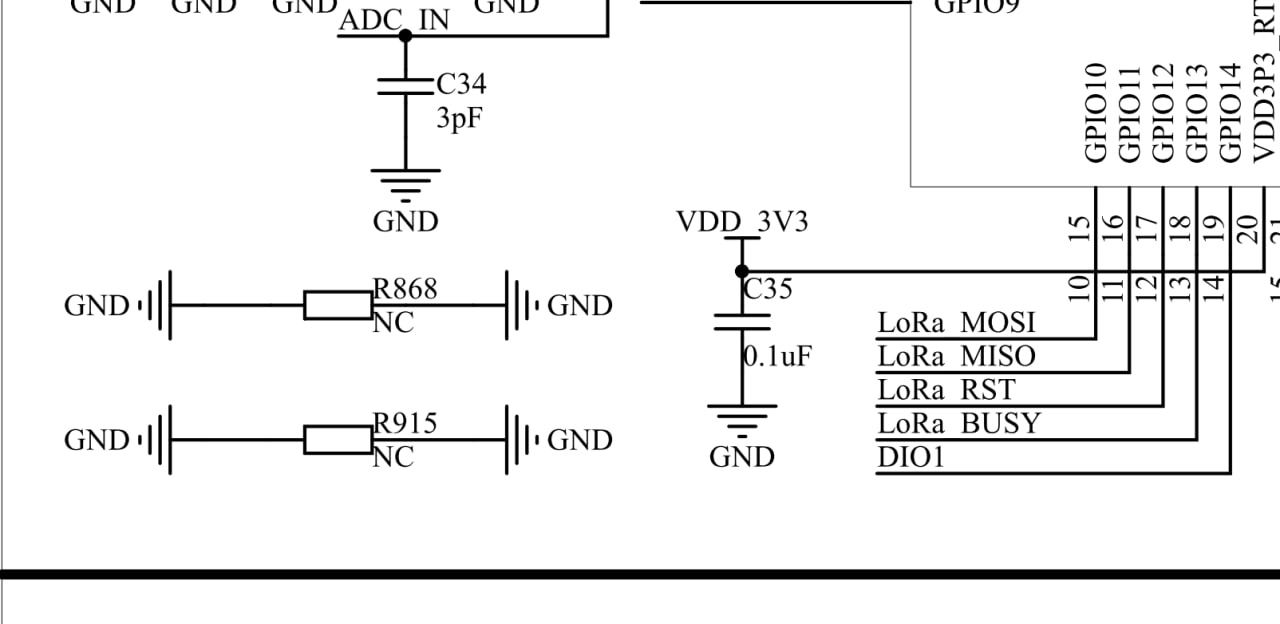
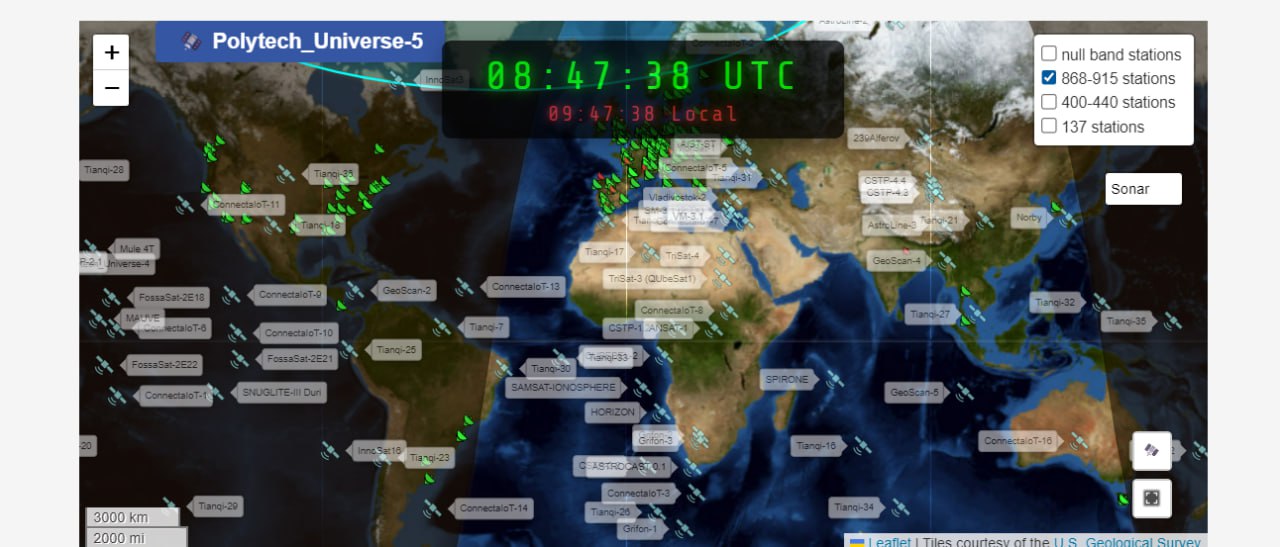
https://github.com/G4lile0/tinyGS/wiki/Manifest-Work-in-progress - Ravindra inquired about setting up a ground station using a Heltec V3 board for the 868-915 MHz band. The community responded that while possible, there are currently very few satellites (notably the ConnectaIoT constellation) transmitting in that band and only over Europe, making reception in India unlikely. Mire2022 then shared detailed test results comparing a T-Lora (SX1276) board with Heltec V3 (SX1262) boards on the same antenna setup at 868 MHz, reporting successful decodes with the SX1276 but none with the SX1262, despite the same signal and adjusted noise levels. This prompted suggestions to investigate potential hardware compatibility issues with the Heltec V3 SX1262 chip. 🔗
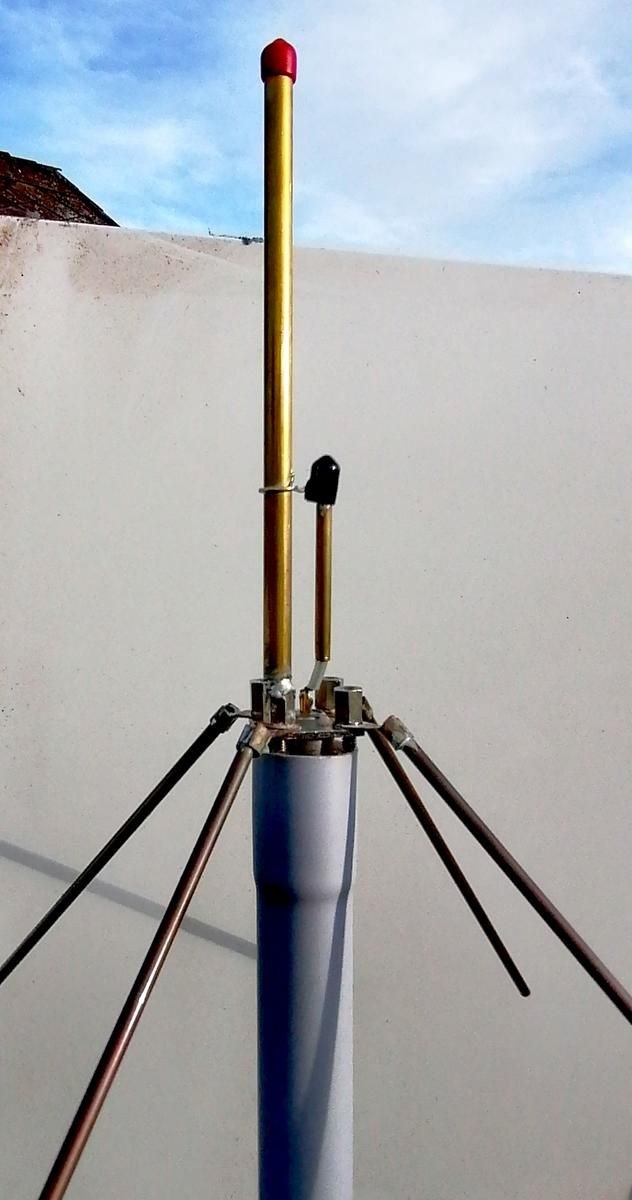
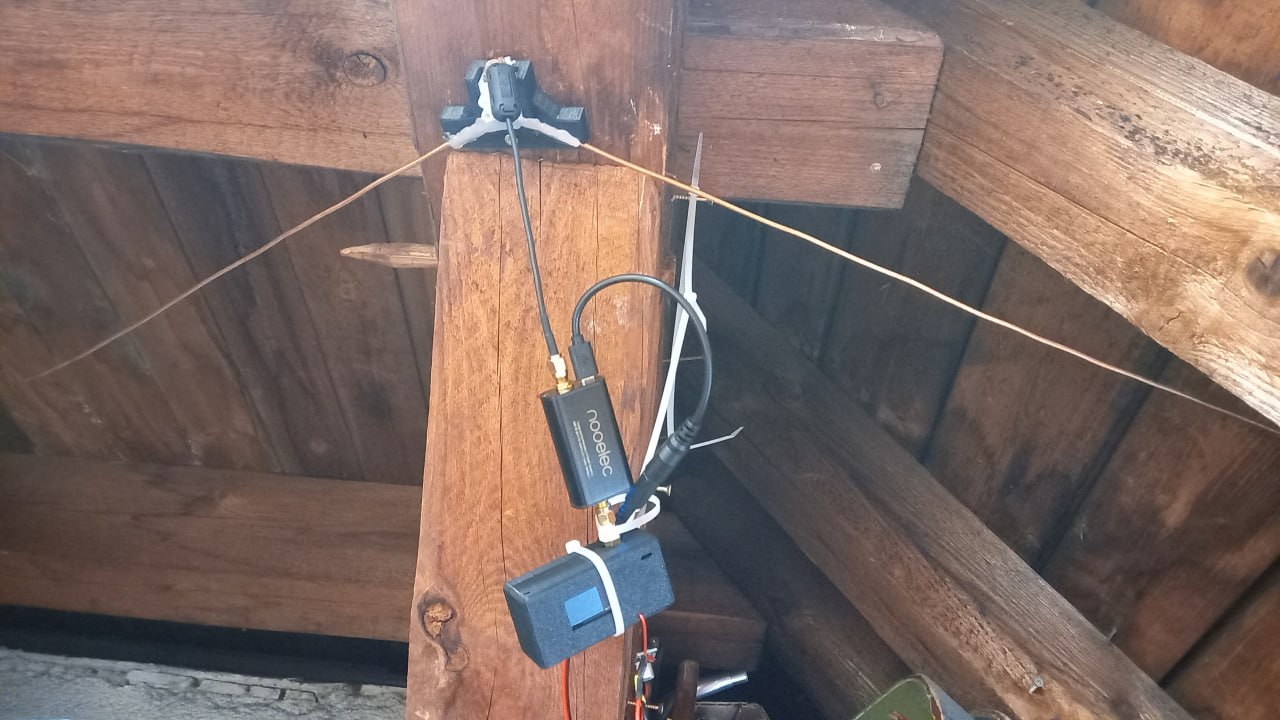
- arbitraryuser asked what would be considered a good, bad, or ugly 24-hour packet decode count for a station, reporting over 800 decodes with a hastily placed UHF dipole magmount on the roof. Helmi responded that 800 decodes per day looks good, especially in quiet rural surroundings. Stefan/OE6ISP provided a detailed analysis, stating that 800 is already very good and shared personal experience from a very quiet area, achieving up to 2500 decodes using a Heltec V3 SX1262 board, a homemade ground plane antenna, a low-noise preamp, and a diplexer. He emphasized the unpredictable nature of RF, where reflections and interferences significantly impact performance, and recommended optimizing by building two identical stations and experimenting with position, amplifiers, filters, cables, and antennas. 🔗
Technical Problems
- KE8AFF asked about setting up a second 433 MHz station specifically for FSK satellites and whether changing the auto-tune priorities to only FSK satellites was sufficient. Peter clarified that an SX1262 radio with a good antenna is needed for FSK, as FSK will not work with SX127x-based modules. Later in the week, Stefan/OE6ISP advised against completely blocking the ‘Norbi’ satellite, as it acts as a reference for compensating station frequency drift, especially important for FSK reception, noting that while the Heltec V3 with TCXO is stable, allowing low-priority reception of Norbi can help minimize potential signal losses. 🔗
- EODkaboom reported a failed attempt to flash new firmware via the online app and expressed concerns about the process deleting data or affecting the existing station. They received guidance to use the web installer, which does not erase previously collected data, and were advised that for a Heltec v3, the ESP32-S3 version is needed. They also asked about the procedure for adding a second station to their dashboard and were informed that setting up a new station with a different name but the same MQTT credentials will automatically add it. 🔗
https://installer.tinygs.com/
Antenna Building
- A user sought help to build a turnstile antenna for a cubesat, having found limited information online. They later shared an image and asked for clarification on whether the design should be a crossed dipole turnstile or four monopoles at the edges. Helmi responded by correcting the antenna name to ‘Turnstile’ and suggested searching for a ‘turnstile antenna calculator’ online. Stefan/OE6ISP shared a radiation diagram image and raised a technical question about the role of RHCP and LHCP in a double turnstile antenna’s radiation pattern. Peter explained that the turnstile antenna is not fully symmetric due to the phasing line, which introduces a quarter-wavelength shift that determines the clockwise or counter-clockwise wave propagation. jhedtmann offered seasoned advice on antenna building, emphasizing the ‘Keep It Stupid Simple’ (KISS) principle to minimize frustration and expense. 🔗
https://www.google.com/search?q=turnstile+antenna+calculator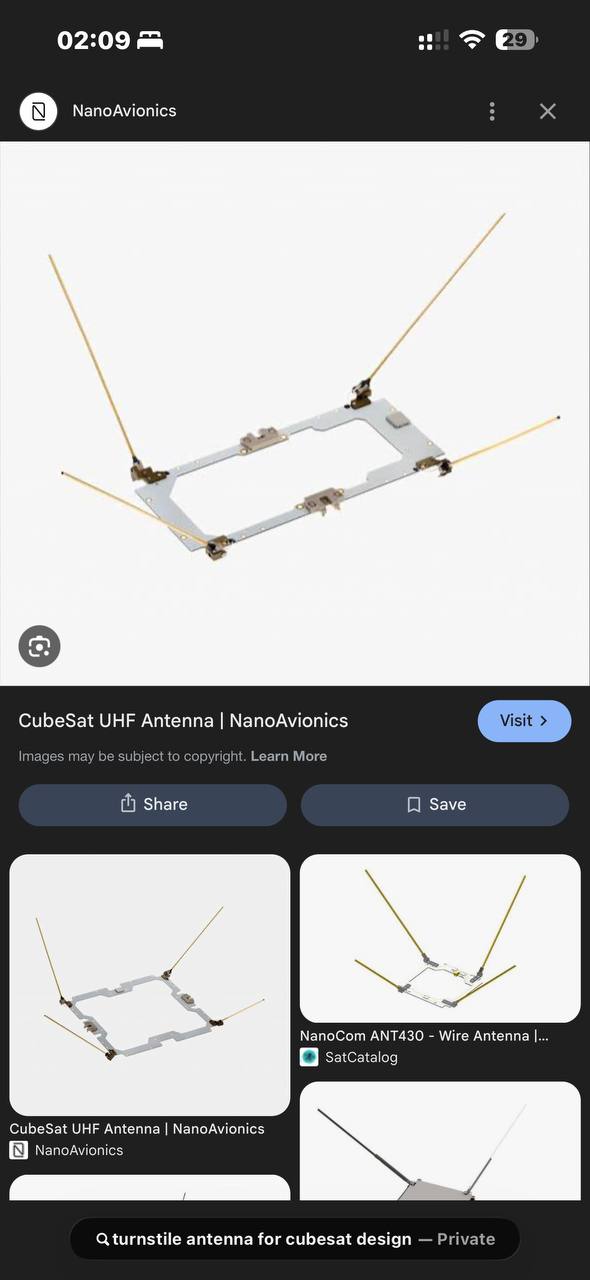
- Andre shared their experience with antenna types, noting that after building several QFH antennas, they found a turnstile antenna to perform much better. They mentioned that QFH antennas are very demanding in terms of geometry and tuning, and that their station also shares signals with a SatNOGS ground station. 🔗
Balloons
- K4KDR shared progress on a project to fly LoRa transmitters via balloon, having done extensive research and construction over the past year. Mentioned being ready but awaiting the right conditions for launches. Noted that the TinyGS admin helped select LoRa parameters and, after providing a KSY file with telemetry fields, a dedicated object was created in the TinyGS system (K4KDR-11). Expressed readiness with all hardware and software, waiting for circumstances to align for launches. 🔗
https://app.tinygs.com/satellite/K4KDR-11 - jtane_thomas sought advice on building and deploying a balloon for multiple launches planned after obtaining a UK radio license. They outlined a plan using a Raspberry Pi Pico for GPS, a Heltec v3 LoRa board for Tx/Rx, and a solar panel or small LiPo battery, and requested information on hardware, testing, cost, and deployment. They also sought clarification on the onboarding process for balloons, specifically regarding the need for a KSY file and the ability to send binary payloads from a local ground station dashboard for testing. 🔗
Where to buy
- Hans-Peter inquired about potential filter modifications for LilyGo boards to make them suitable for the 137 MHz band, noting they are designed for 430 MHz. Peter shared a successful setup using an unmodified 433 MHz LilyGo T3_V1.6.1 with an SX1278, an LNA, and a 137 MHz QFH antenna, later adding that a classic filter (not a SAW filter) was placed between the antenna and the LNA. 🔗
Featured Conversations
- The community engaged in a detailed conversation about the regulatory landscape for using LoRa in space, particularly for student-led cubesat projects. Topics included licensing requirements, duty cycle limitations, the role of IARU coordination for universities, and references to international standards for spacecraft data packet formatting.
- Discussions clarified the hardware requirements for receiving FSK satellite signals, emphasizing the need for an SX1262 radio module as FSK modulation is not supported by the older SX127x series. Advice was also given on using reference satellites to calibrate station frequency drift for optimal reception.
- A community member proposed a significant enhancement to the TinyGS platform: an Advanced Hex Transmit tool for the web dashboard. This feature aims to solve the current limitation by enabling users to send raw, byte-perfect hexadecimal payloads, which is crucial for satellite builders and testers who require precise binary command structures.
- Technical support conversations included troubleshooting display issues on station hardware, such as a missing blinking icon on receiver screens, and investigating satellite identification discrepancies using external databases to verify NORAD IDs and observation data.
- Progress was shared on a balloon-based LoRa transmitter project, with the user having completed hardware and software preparation and receiving support from the TinyGS admin to integrate their telemetry into the network, showcasing the platform’s support for experimental launches.
Latest Cubesats News
ATENEA, the Argentine Nanosatellite Chosen by NASA to Go to the Moon
The Argentine CubeSat ATENEA was selected by NASA as an international payload for the Artemis II mission. It will validate Argentine technology in deep space and provide key data for future missions. The nanosatellite will gather GPS data in deep space to improve navigation and orbital planning systems. Its inclusion positions Argentina among a select group of countries with technology integrated into crewed lunar missions.
A significant historical Achievement for Thailand: KMUTNB’s KNACKSAT-2 Satellite …
Thailand successfully received and decoded the first signals from its KNACKSAT-2 satellite, detected by the National Astronomical Research Institute of Thailand. The 3U CubeSat was deployed from the International Space Station and is now in orbit, transmitting data globally. This milestone confirms the satellite’s operational status and Thailand’s growing space technology capabilities. The project advances the nation’s space economy and engineering expertise.

CubeSat mission for 1,000 memorials targets low cost access to orbit - Interesting Engineering
Space Beyond, founded by former NASA and Blue Origin engineer Ryan Mitchell, plans to launch ashes of up to 1,000 people into orbit using a CubeSat on a SpaceX Falcon 9 rideshare mission in October 2027. The service reduces costs to as low as $249 per client by limiting mass per person and flying multiple memorials together. The ashes will be placed in a sun-synchronous orbit for up to five years before safely de-orbiting and vaporizing in Earth’s atmosphere. This approach aims to democratize space access, offering a symbolic, upward-looking memorial alternative to traditional methods.
The Good News: UNLP’s USAT-1 Satellite Prepares for Launch and Marks…
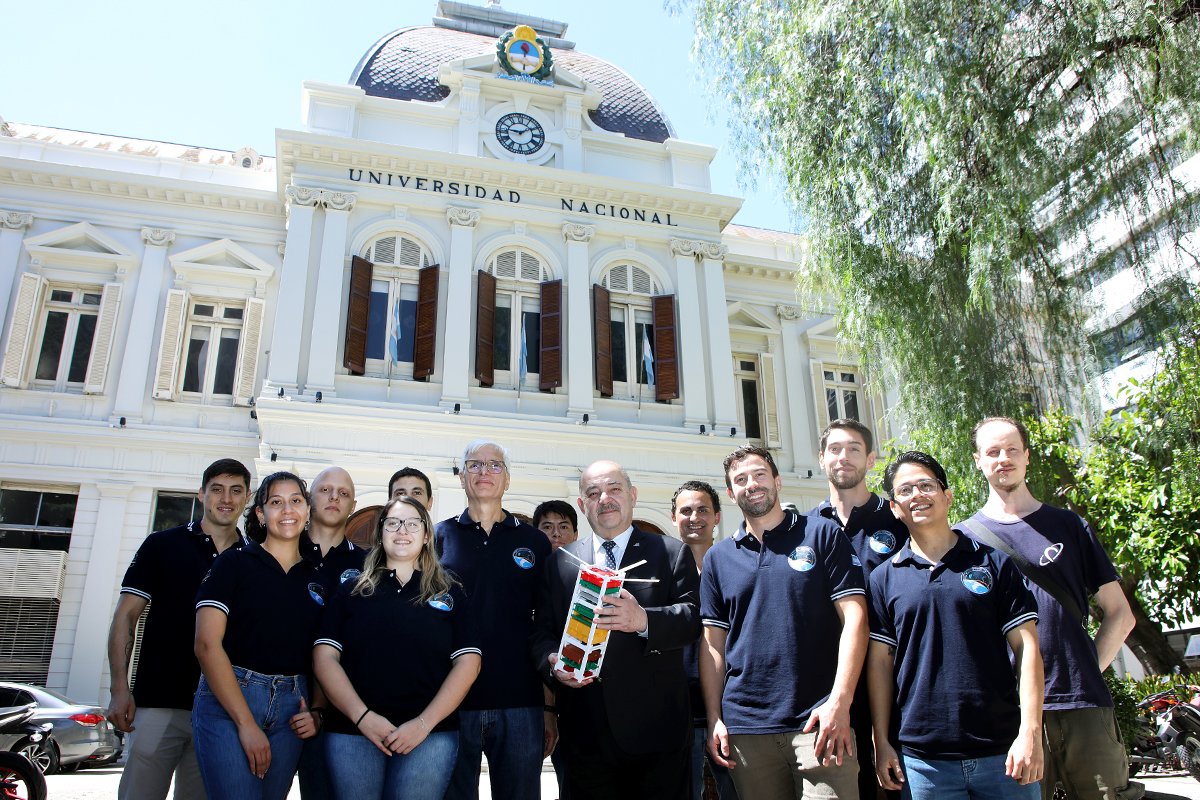
The USAT-1 is the first CubeSat entirely built within a public university in Argentina. It is currently in final testing and integration before transport to Spain for pre-launch technical checks. The satellite, measuring 10x10x34 cm and weighing about 4 kg, will be launched from the United States. Its mission is to demonstrate GNSS technology for Earth observation.
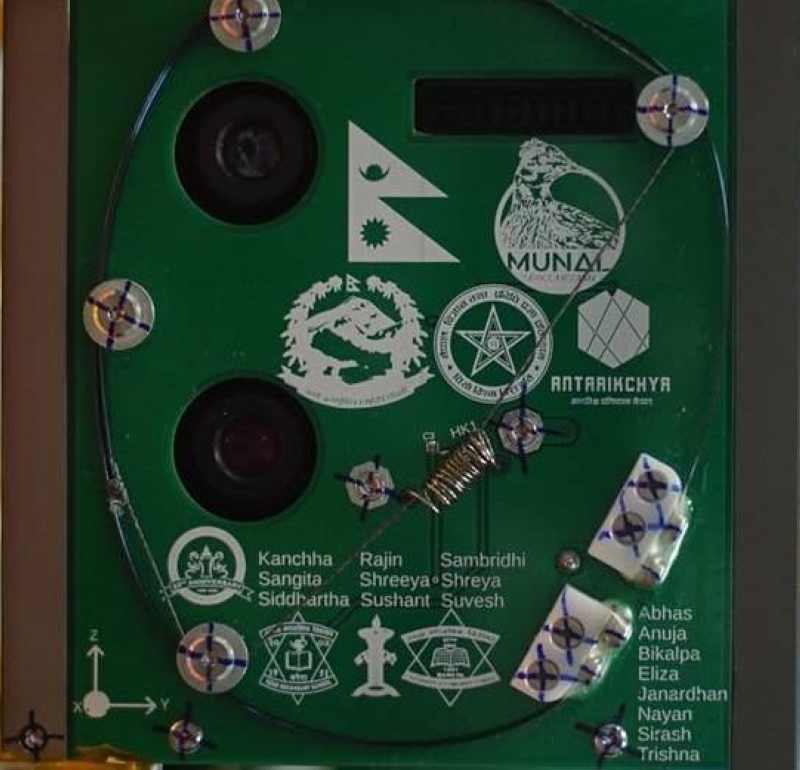
Nepal’s satellite achievements mask deeper issues - The Himalayan Times
Nepal’s student-built satellites, MUNAL and Slippers2Sat, both failed due to launch anomalies and non-operational domestic ground stations. The country lacks a coherent space policy, sustained funding, and functional infrastructure despite repeated satellite projects. Government investment in R&D remains critically low at 0.3% of GDP, hindering institutional support. These failures highlight a systemic neglect where student innovation outpaces the state’s ability to sustain it.

Simera Sense Revolutionizes Earth Observation with Hyperspectral Payloads
Simera Sense is expanding from compact CubeSat cameras to high-resolution optical payloads for larger Earth observation satellites, targeting sub-meter imagery. The company announced a partnership with Sidus Space to integrate AI software, enabling autonomous, real-time reconfiguration of spectral bands during a single orbit. This allows a single satellite to switch applications, like from desertification monitoring to agricultural analysis, without ground intervention. First deliveries of these advanced hyperspectral payloads are scheduled for 2028 to meet growing global demand.
What’s next
Join the TinyGS Telegram channel to participate in these discussions and contribute to the project. Your experiences, questions, and insights are invaluable for helping others build, improve their stations, and advance the community’s collective knowledge!