tinyGS
· TinyGS Community · 10 min read
Weekly Newsletter - March 29, 2026
Welcome to the TinyGS weekly community newsletter. Here are the most relevant discussions and developments from this week, covering technical problem-solving, new station builds, satellite design insights, and collaborative support within our global network.
Highlights
General
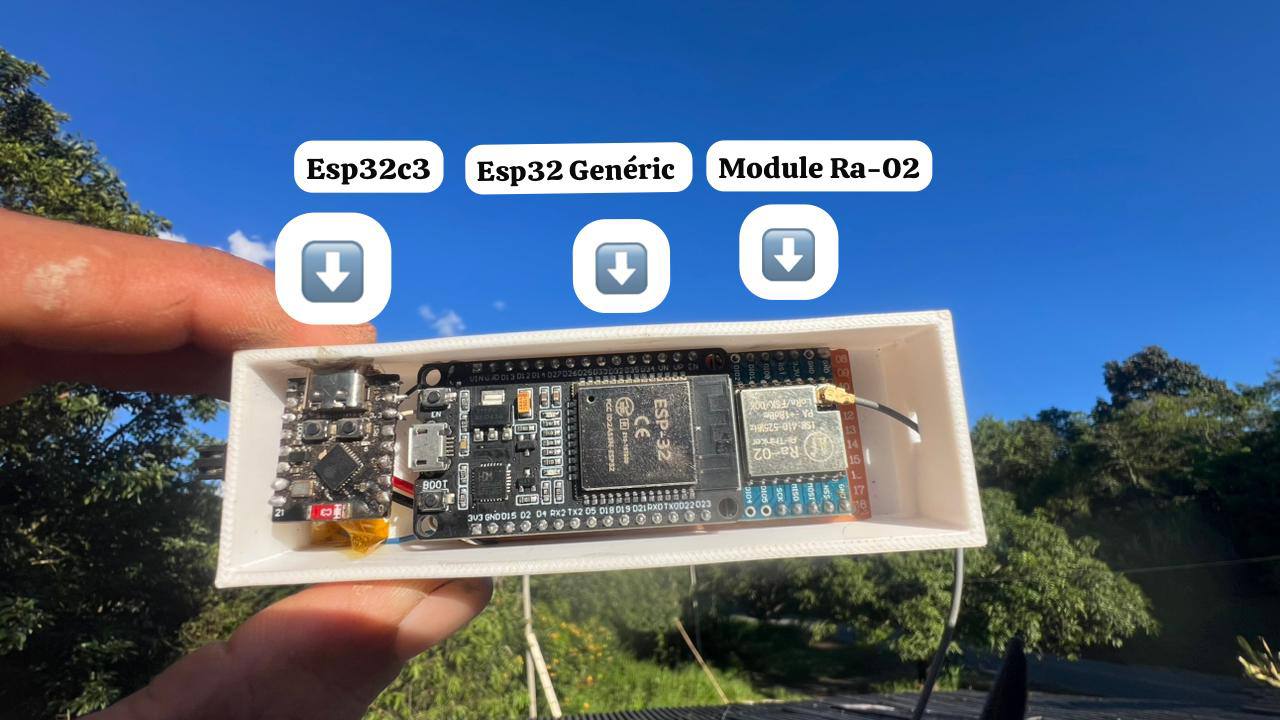
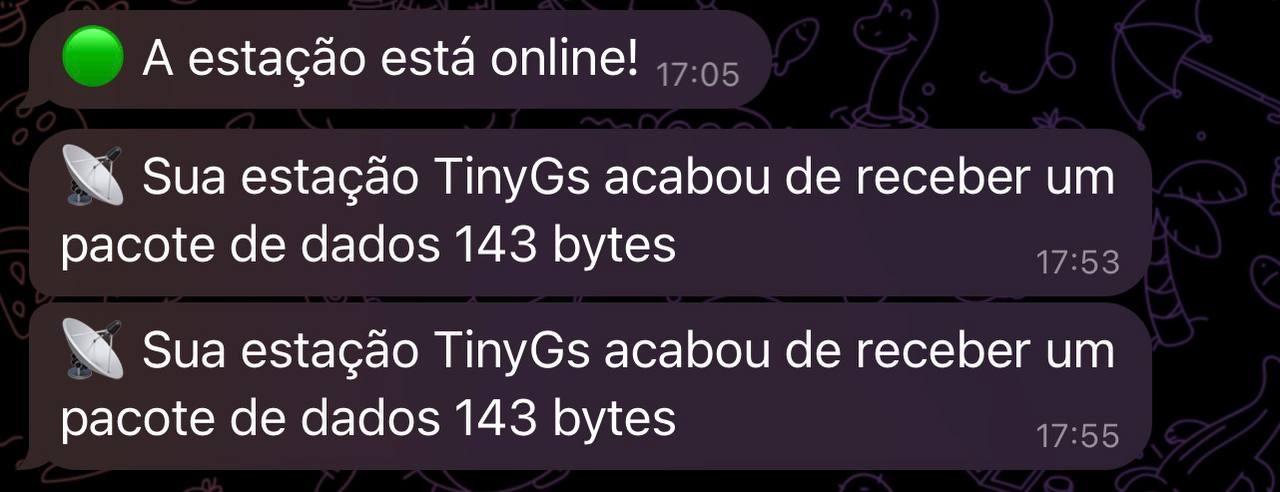
- KH1RU shared a custom automation system they built, where a workstation receives data via serial, filters it, and sends status notifications and satellite packets through a Telegram bot. They offered the source code to the community and provided detailed hardware guidance, including checking native TX/RX pins on the TinyGS board, creating a chatbot, and soldering connections for secondary boards like an ESP32C3. 🔗
- Joshua inquired about accessing historical data for the Cornell LightSail satellite to support a mission results paper, as packets were no longer appearing on the standard webpage. G4lile0 promptly provided an alternative link to a page containing all received packets, which was greatly appreciated. 🔗
https://app.tinygs.com/satellite/CornellLightSail
https://app.tinygs.com/satelliteIna/CornellLightSail - Hamzah04 was building an SDR-based ground station and asked if it was possible to publish to the MQTT server using Python code, and also if a station could be registered without flashing firmware onto a microcontroller. Later, they shared a GitHub link to the gr-lora_sdr project as a resource for LoRa signal decoding. 🔗
https://github.com/tapparelj/gr-lora_sdr - Mike contacted G4lile0 regarding a potential talk for his local ham club about TinyGS and station information. He proposed scheduling a Zoom meeting during the day to accommodate the time zone difference. 🔗
Technical Problems
- Richard reported an issue where their LILYGO map screen stopped showing the next satellite and instead displayed a persistent ‘waiting for sat pos’ message. G4lile0 responded, linking the issue to a previous discussion and explaining that since Beta firmware version 2603154 (March 15th), satellite position calculation has been handled locally. Richard later sought clarification on whether this firmware version would display position data on the map screen. 🔗
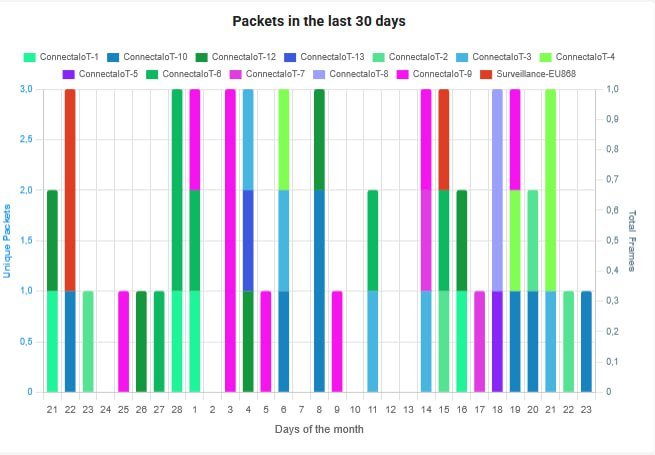
https://t.me/c/1448773154/78482/203274 - Helmi reported a discrepancy where the station’s page showed the last packet was 4 days ago, but the station’s console displayed many more recent packets, sharing screenshots to illustrate the issue. Stefan/OE6ISP confirmed observing a similar discrepancy. G4lile0 acknowledged a minor bug in the ‘last packet’ status logic, explaining the team’s focus is currently elsewhere but committed to investigating and fixing the issue when possible. 🔗

- Kg5gnq described a sudden and complete stop in packet reception, despite the receiver still tuning to satellites and showing changing RSSI values. They had reflashed the firmware and checked connections without success. The community suggested comprehensive diagnostics: Helmi advised checking the antenna cable and noise level, while Stefan/OE6ISP recommended measuring the entire antenna system with a VNA to check for hidden faults like a broken shield, noting that a good SWR reading alone is not definitive. Kg5gnq followed up, confirming the antenna system tested well but the issue persisted. 🔗
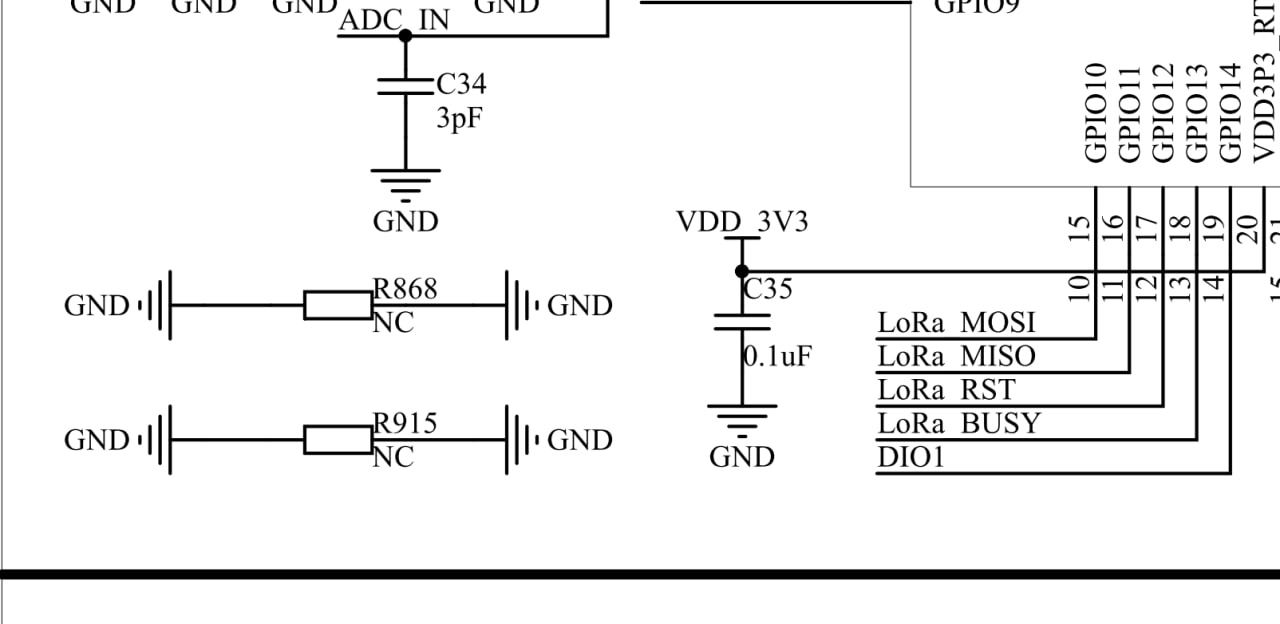
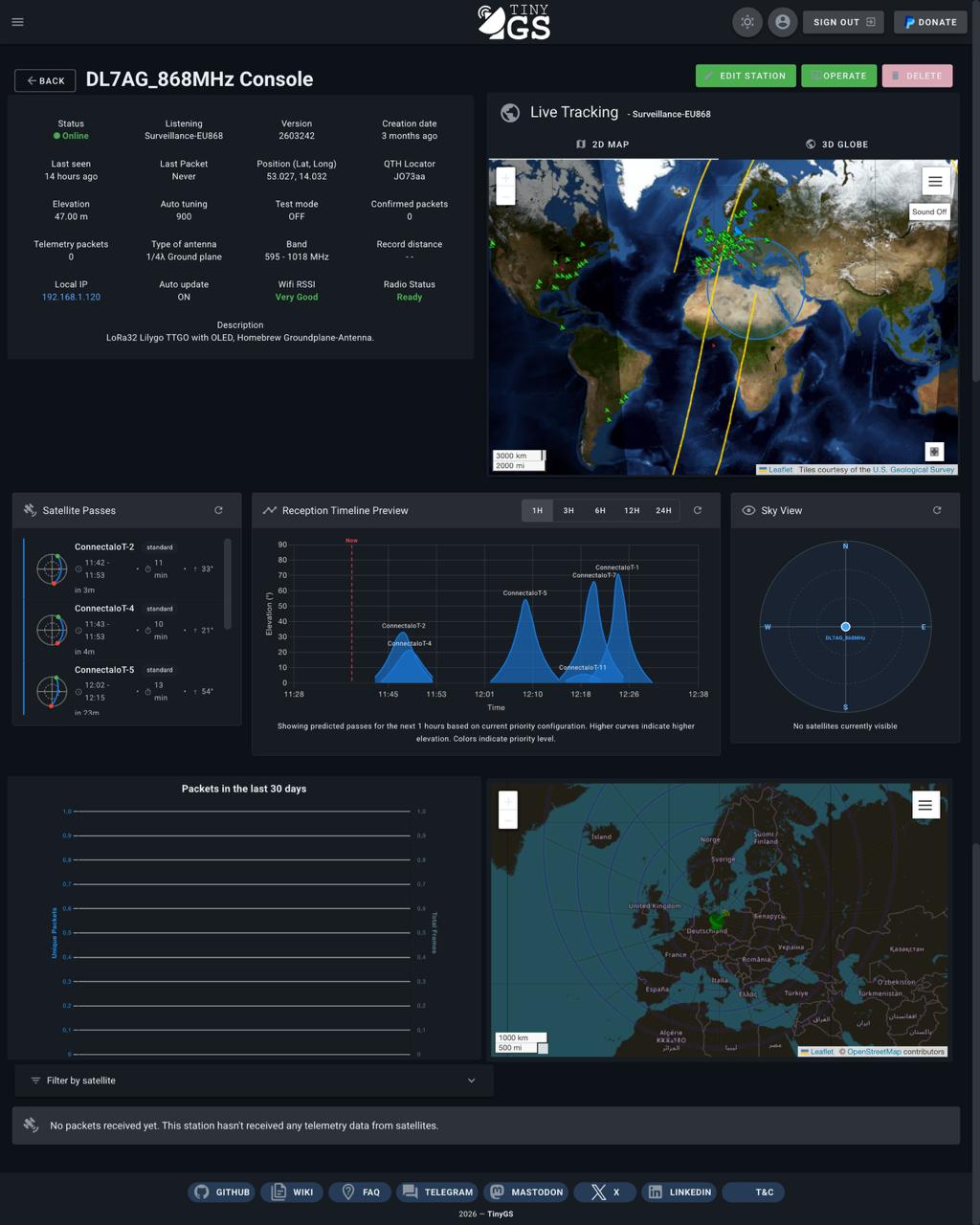
- Chris_DL7AG set up an 868 MHz station but was unable to receive or record any satellites during passes since setup. They shared an image of their setup, suspecting a configuration error, and specifically asked for help. 🔗
Share your setup
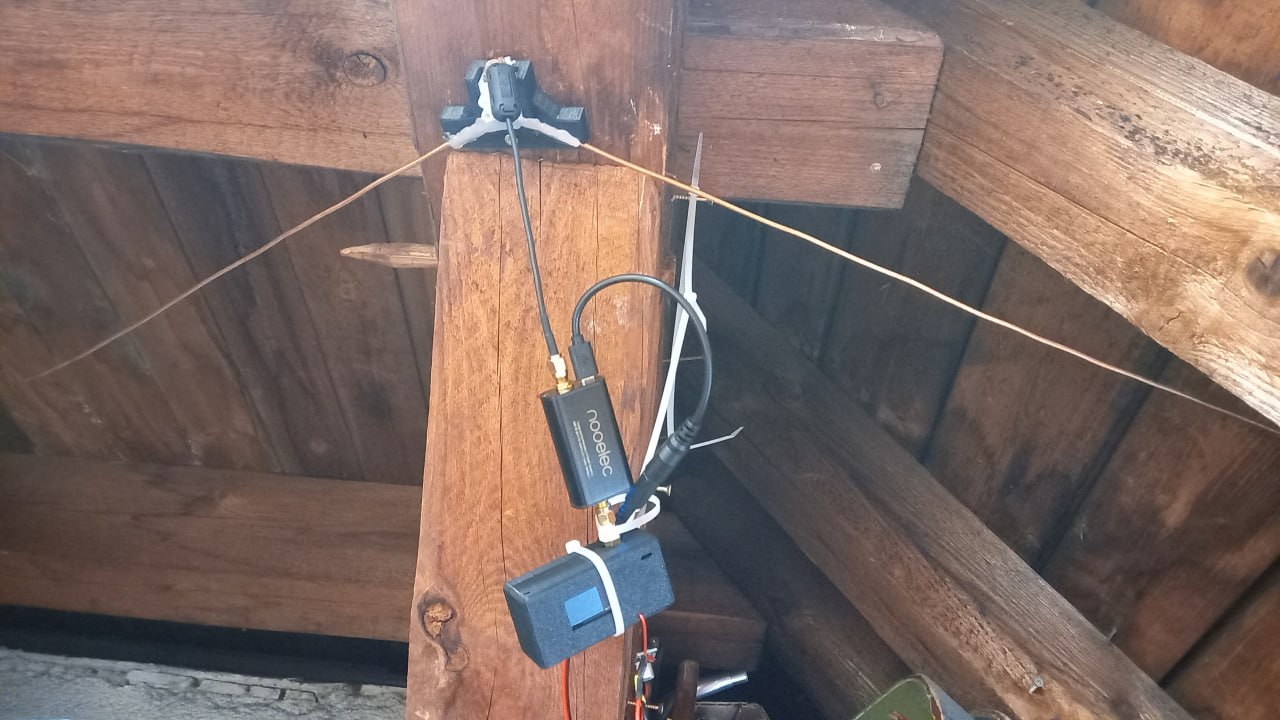
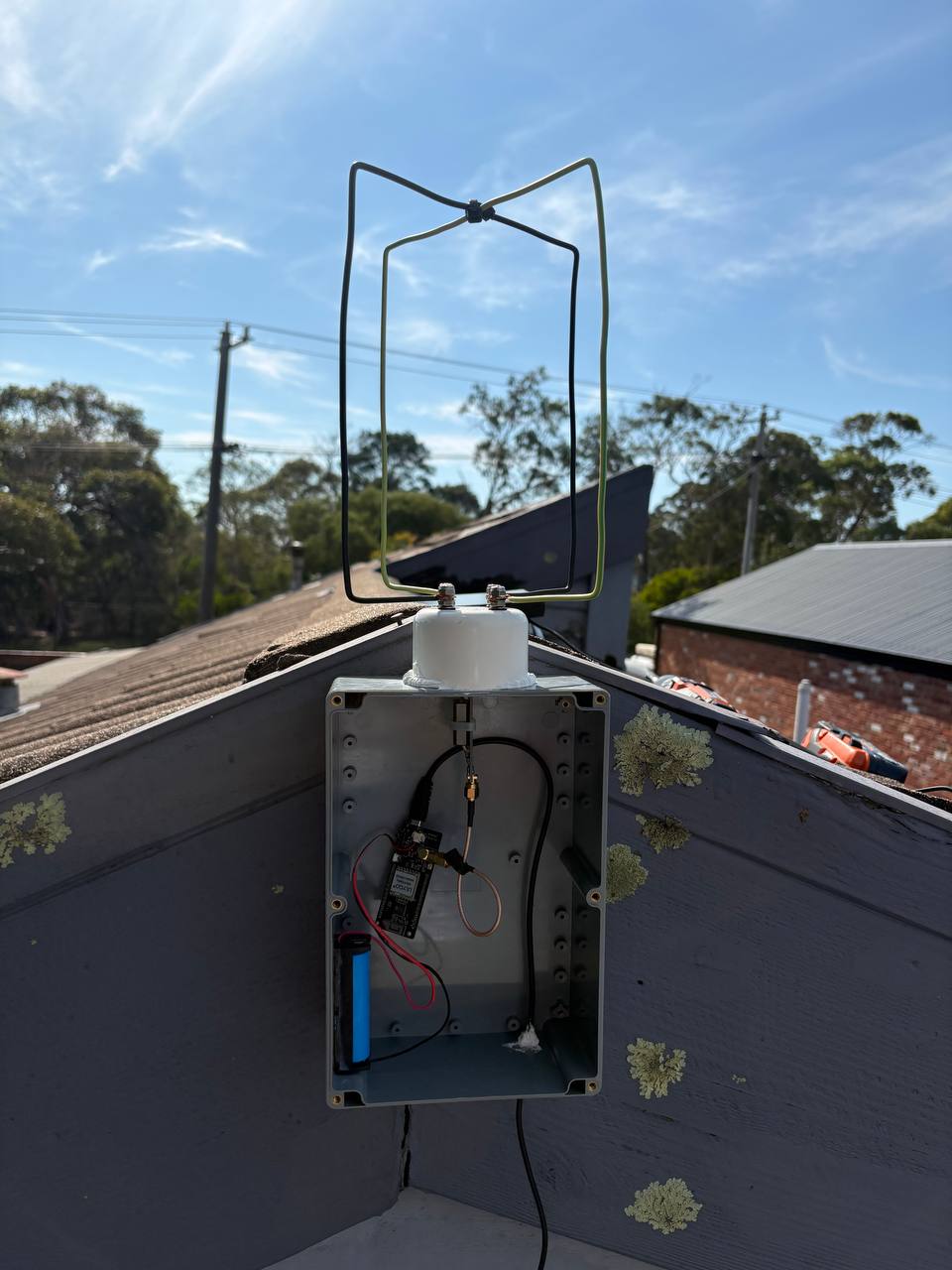
- Tristan shared a photo of their first completed 436MHz setup and expressed interest in building versions for 100MHz and 900MHz. 🔗
Antenna Building
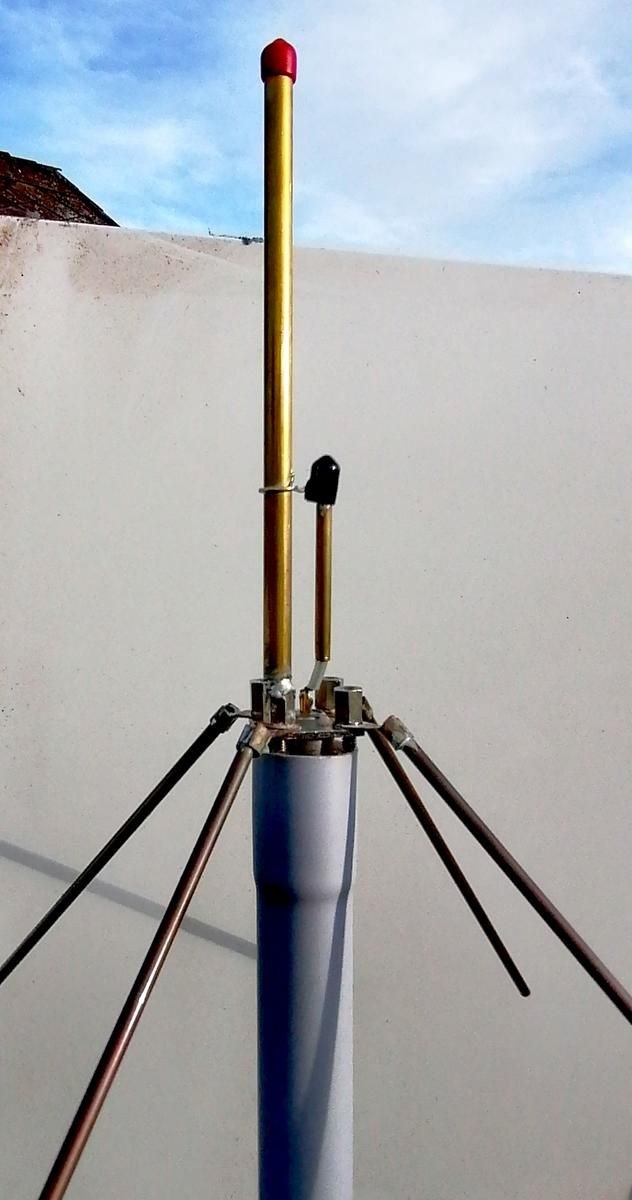
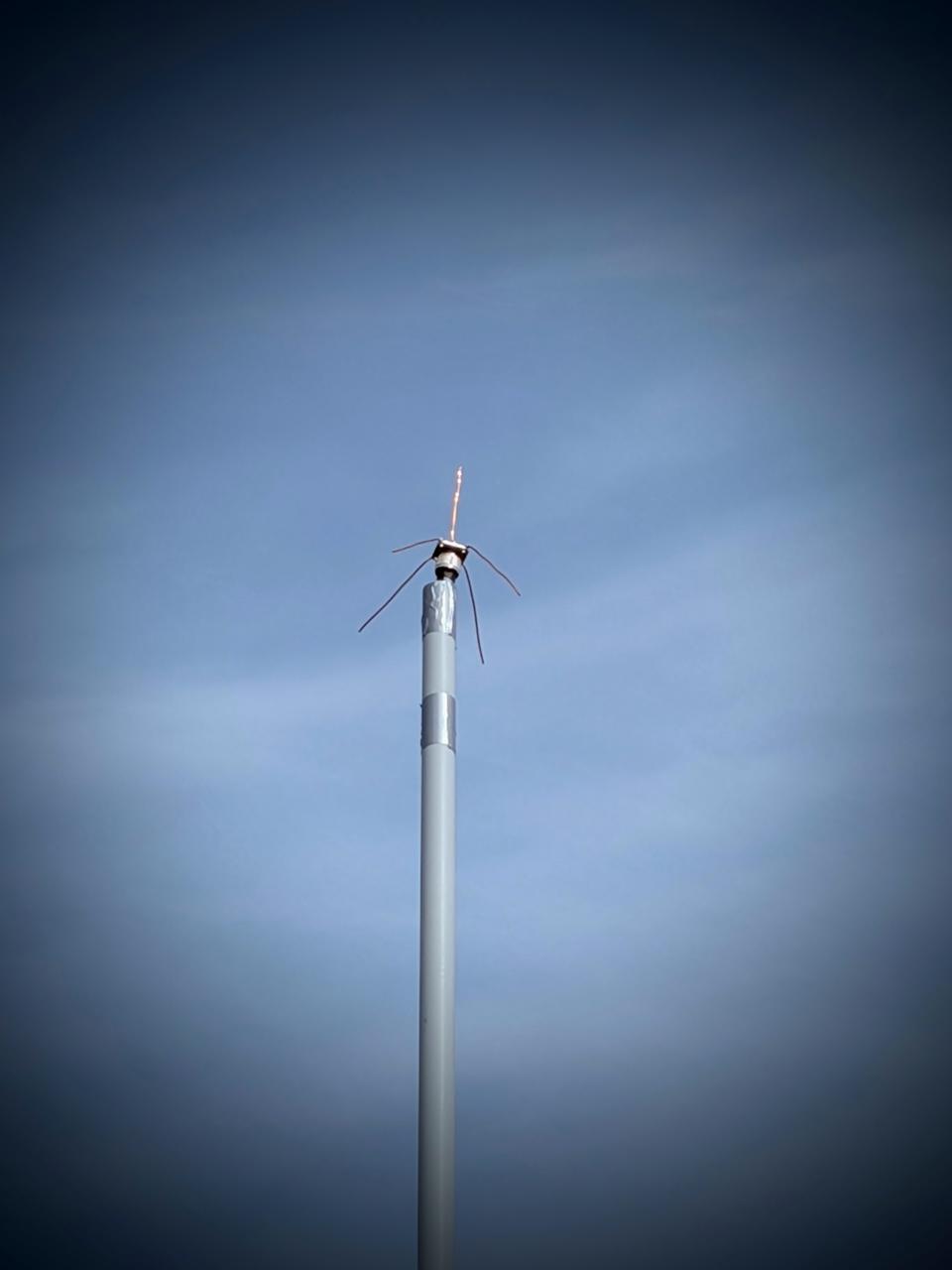
- Chris_DL7AG finally put together an 868 MHz ground plane antenna and mounted it on a small mast outside, sharing a photo of the setup and expressing curiosity about the results. Stefan/OE6ISP replied, confirming the setup should work and sharing his own experience with a similar preamp, receiving 5 to 10 packets daily. He recommended running with a fixed frequency instead of autotune to avoid a known issue with false Doppler tracking that can cause packet loss. 🔗
- Stefan/OE6ISP provided a detailed comparison of SDR options for antenna building, noting the ADALM-Pluto requires a low-noise GPSDO for its reference clock, while the LimeSDR offers high sensitivity and stable frequency without an external reference, though it is difficult to obtain and expensive. They also shared a link to their documented LimeSDR projects. 🔗
https://www.qrz.com/db/OE6ISP
New Satellites
- Stefan/OE6ISP provided a comprehensive guide on LoRa satellite link budget design, referencing missions like HYPE, FEES, and Cornell Lightsail. Discussed the influence of power, spreading factor, antenna type, and satellite attitude, and shared a link to a Semtech calculator tool. Later, also discussed typical packet sizes for beacons and data transfer. 🔗
https://www.semtech.com/design-support/lora-calculator - Henriquefchaves sought advice on typical LoRa configurations for a university 1U satellite project using a Semtech SX1262 radio without amplifiers. They asked about optimal packet size, spreading factor, and bandwidth for LEO orbits and later inquired about interpreting transmitted power parameters on the website. They later thanked the community for the detailed answer, mentioning their team’s work on a 433MHz crossed dipole antenna for a 1U CubeSat without attitude control. 🔗
Where to buy
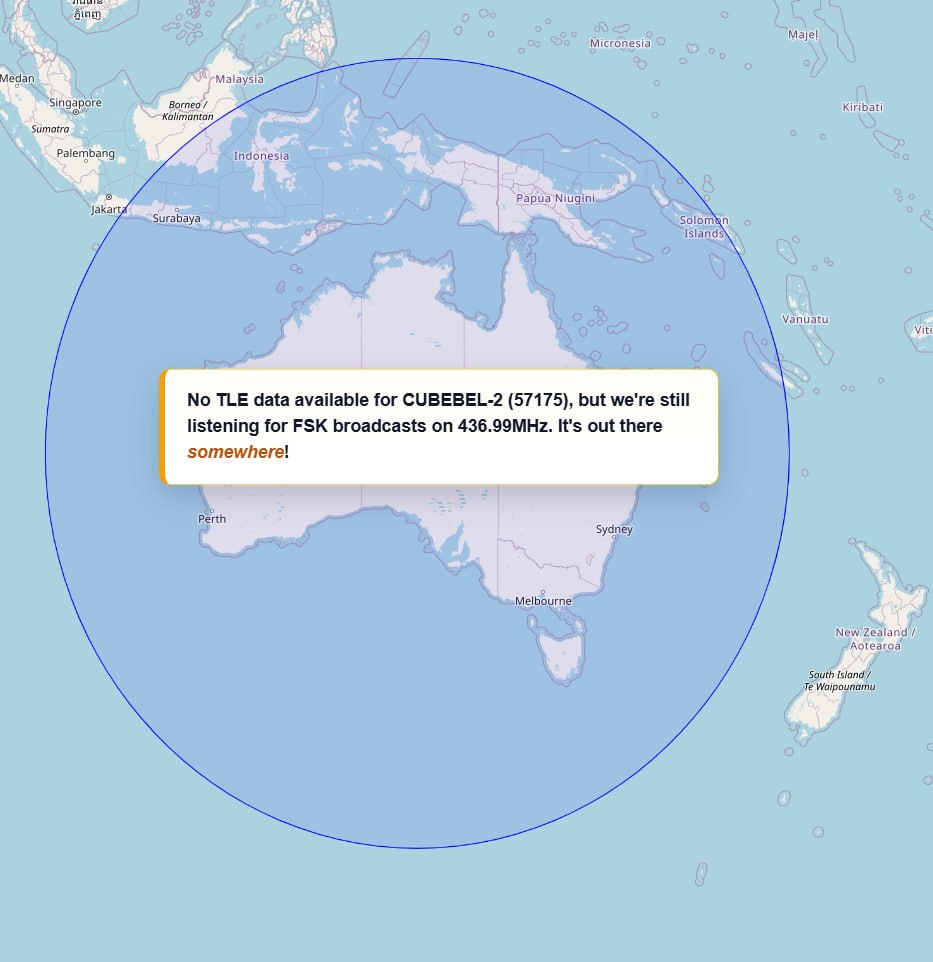
- Stefan/OE6ISP provided advice on hardware selection for building a station, comparing TTGO LoRa32 modules for different frequency bands. They noted that a 433 MHz Heltec V3 is the simplest setup for receiving the most packets in Australia, while also mentioning challenges with filtering and antenna gain for higher bands. 🔗
Featured Conversations
- A community member developed and shared a custom automation system that interfaces a TinyGS station with a Telegram bot, providing real-time notifications and filtered data. They offered the source code and detailed hardware integration guidance, showcasing the collaborative spirit of open-source development within the network.
- Technical support discussions identified a minor bug affecting the ‘last packet’ status display on station consoles, with developers acknowledging the issue. Meanwhile, detailed troubleshooting was provided for stations experiencing sudden packet loss, emphasizing comprehensive antenna system diagnostics beyond simple SWR measurements.
- Members shared their station setup experiences, including a successful 436MHz build and a new 868MHz ground plane antenna installation. Advice was given on optimal receiver configuration, such as using a fixed frequency over autotune to improve packet capture rates on specific bands.
- Detailed guidance was provided for university satellite projects, covering LoRa link budget design, optimal spreading factors, and antenna considerations for CubeSats without attitude control. Resources like the Semtech LoRa calculator were shared to aid in mission planning.
- The community demonstrated its role as a knowledge base, quickly providing alternative data sources for historical satellite packets to support academic research and offering hardware recommendations for building stations in different geographic regions and frequency bands.
Latest Cubesats News
“Fostering Cube Satellites”… Government Expands Small Satellite Ecosystem Linked to Nuri Rocket
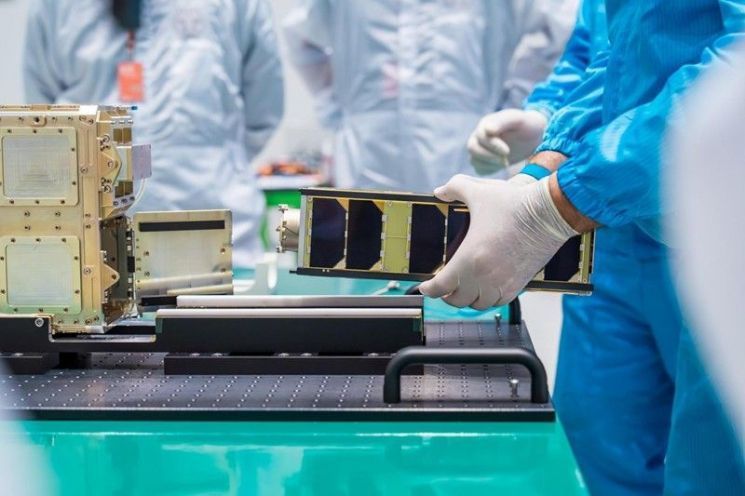
The government is accelerating the small satellite ecosystem by using the Nuri rocket to launch cube satellites. Twelve cubesats launched last November are verifying domestic components like Samsung memory and testing new space-based industries. Achievements include stable communications, Earth observation imagery, and experiments in protein growth and IoT services. This initiative aims to build industry-wide competitiveness through expanded launch opportunities and shared technological know-how.

Alén Space and GMV: The Bet on the European CubeSat – Key Analysis
Alén Space, a Galician startup, has been majority-acquired by GMV, a leading space technology multinational. This integration strengthens Spanish innovation and positions the company as a key player in small satellite development for European missions. Under the ESA’s Celeste IOD program, Alén Space built the CubeSat platforms for the Celeste IOD-1 satellite launch, funded by GMV to validate new navigation technologies in low Earth orbit. The collaboration showcases how strategic alliances between corporations and startups can accelerate disruptive innovation in the European aerospace sector.
What is launching on SpaceX Falcon 9 on March 30? NASA science and tech demos explained
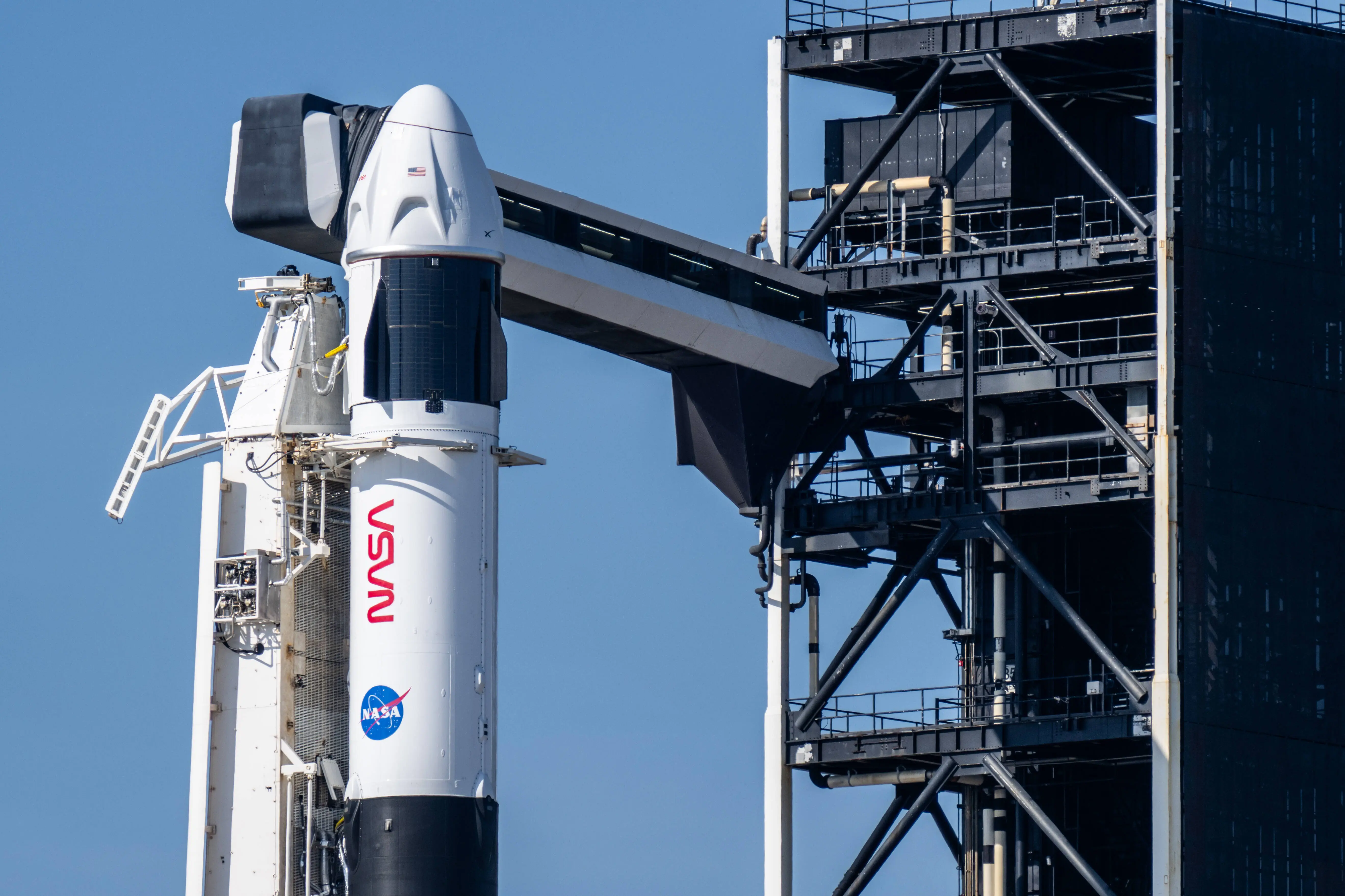
NASA will launch multiple science and tech demo missions to low Earth orbit on March 30, 2026, aboard a SpaceX Falcon 9 rocket. The payload includes CubeSats to study atmospheric energy transfer, measure Earth’s magnetic field, and test new spacecraft technologies. Other experiments will demonstrate high-efficiency power conversion and collect data during hypersonic atmospheric re-entry. The launch supports NASA’s research and innovation goals through its CubeSat Launch Initiative.
CleanCube: Zero Debris for CubeSat platforms SysNova Campaign
ESA’s OSIP campaign seeks system-level concepts to achieve Zero Debris for CubeSats by 2030. It addresses low compliance with debris mitigation, as nearly half of small satellites currently take no disposal action. The initiative will fund small studies to design CubeSat platforms capable of reliable, active deorbiting. Selected concepts may lead to an in-orbit demonstration mission proposed for funding in late 2025.
First Two Satellites of ESA’s Celeste Constellation Launched to Test…
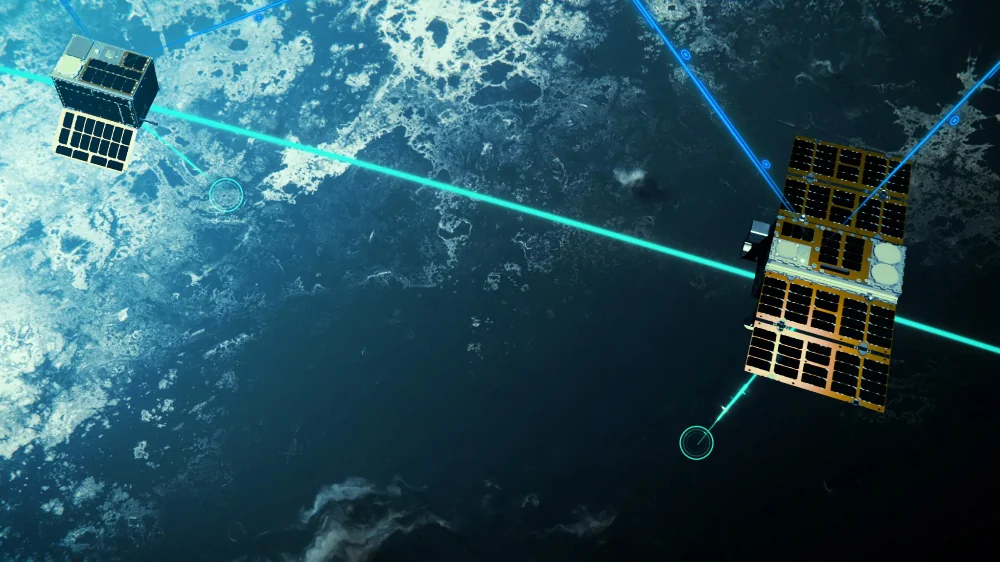
Rocket Lab’s Electron rocket launched the first two Celeste LEO-PNT satellites into a 510 km orbit. This ESA initiative aims to enhance European Galileo and EGNOS navigation systems using low Earth orbit satellites. The satellites will test communications equipment across L and S bands to provide improved signal resilience and centimeter-level positioning. Full constellation deployment is planned by 2027, with initial user services expected by 2030.

NASA Tech and Science Demonstrations Head to Low Earth Orbit Launch - National Today
NASA is launching technology and science experiments to low Earth orbit on SpaceX’s Transporter-16 rideshare mission. The demonstrations will test thermal protection systems, advance in-space communications, and study Earth’s atmosphere. Key payloads include CubeSats for atmospheric particle effects, magnetic field measurement, and formation flying techniques. The mission leverages small satellites and commercial rideshares to test new capabilities at lower cost.
The Hidden Side of the Moon Under Observation: The LUMIO CubeSat Arrives
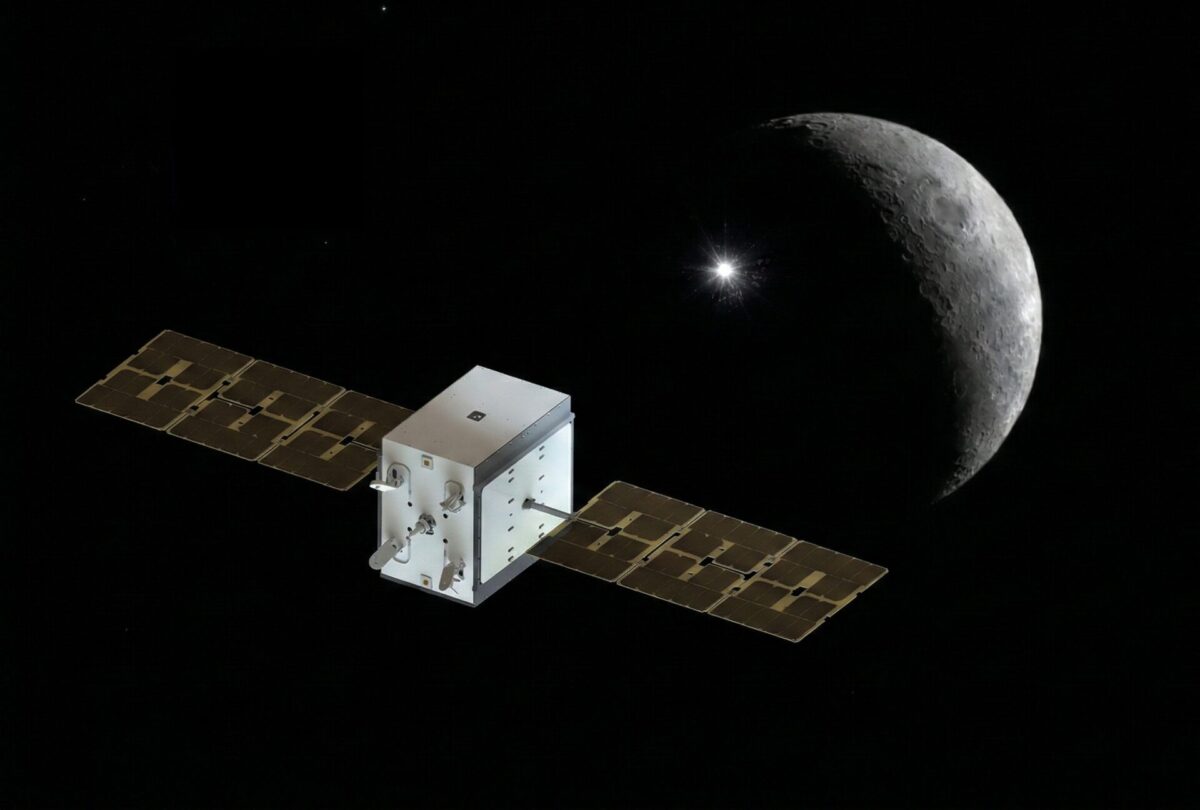
The European LUMIO CubeSat mission will continuously observe meteoroid impacts on the Moon’s far side from a halo orbit. Led by Politecnico di Milano, the 12U satellite carries the LUMIO-Cam instrument to detect impact flashes. Its data will complement Earth-based observations of the lunar near side to improve models of the cislunar meteoroid environment. The project, now in Phase C, involves a European consortium and is supported by the Italian Space Agency and other national agencies.
Calvin University Launches CubeSat Program, Giving Students Opportunity to Build and …
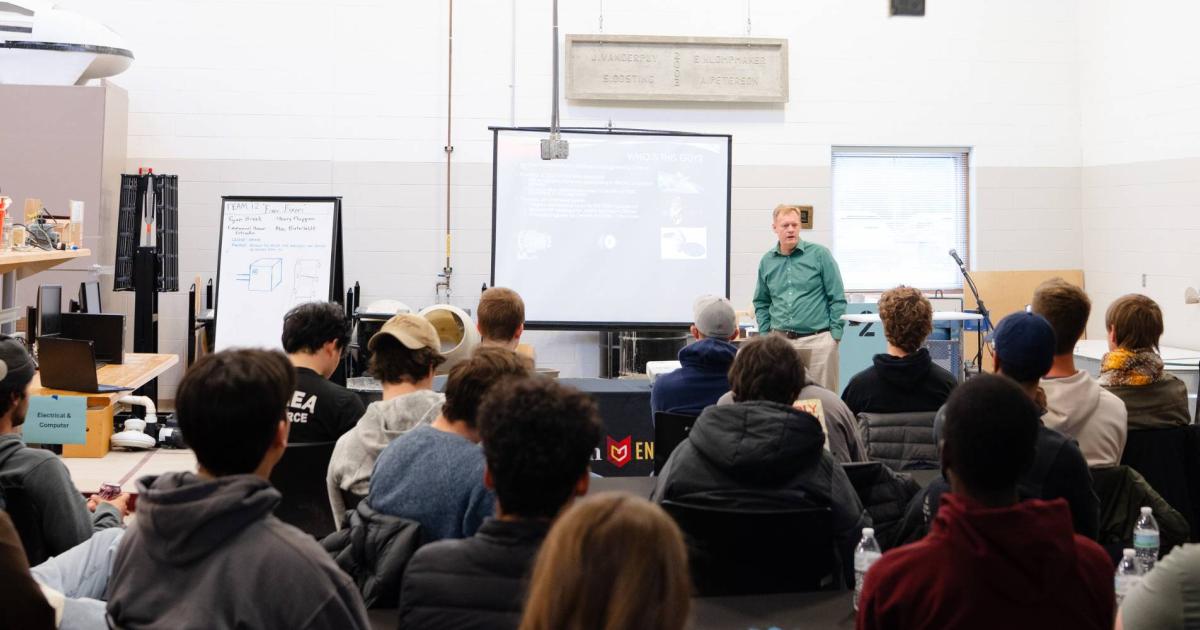
Calvin University is launching a CubeSat program, enabling students to design, build, and potentially launch a real satellite into orbit. Funded by alumni Michael and Wendi VanWoerkom, the program involves interdisciplinary teams developing a mission over two years. Students will handle all aspects, from hardware design to operating the satellite from a campus mission control center. This initiative provides hands-on aerospace experience rare for a small, faith-based institution and is planned as a long-term project.

KAI Equips CubeSat with AI for Autonomous Operation Demonstration in Space
KAI and Spacelintec will launch a CubeSat with an AI module to test autonomous anomaly diagnosis and response in orbit. The AI will analyze fault signals, determine causes, and generate solutions without ground control instructions. This demonstration aims to advance fully autonomous satellite technology, reducing communication costs and improving response times. The project utilizes a domestically developed neural processing unit and could lead to standardized AI systems in future KAI satellites.

SPARCS CubeSat ‘First Light’ Images - Technology Org
The SPARCS CubeSat captured its first simultaneous near- and far-ultraviolet images of stars on February 6, 2026. It will monitor flare and sunspot activity on low-mass stars, which host most of the galaxy’s rocky planets in habitable zones. The mission uses a camera with detector-integrated filters for exceptional sensitivity, developed at NASA’s Jet Propulsion Laboratory. SPARCS will observe about 20 stars over a one-year period to study ultraviolet radiation critical for understanding planetary habitability.
What’s next
Join the TinyGS Telegram channel to participate in these discussions and contribute to the project. Share your station builds, troubleshoot issues, and help advance our collective capabilities in satellite tracking. Your experiences and insights are invaluable to the community!