tinyGS
· TinyGS Community · 9 min read
Weekly Newsletter - April 26, 2026
Welcome to the TinyGS weekly community newsletter. This edition covers a week of technical discussions, new satellite discoveries, and collaborative problem-solving within our global satellite tracking network.
Highlights
General
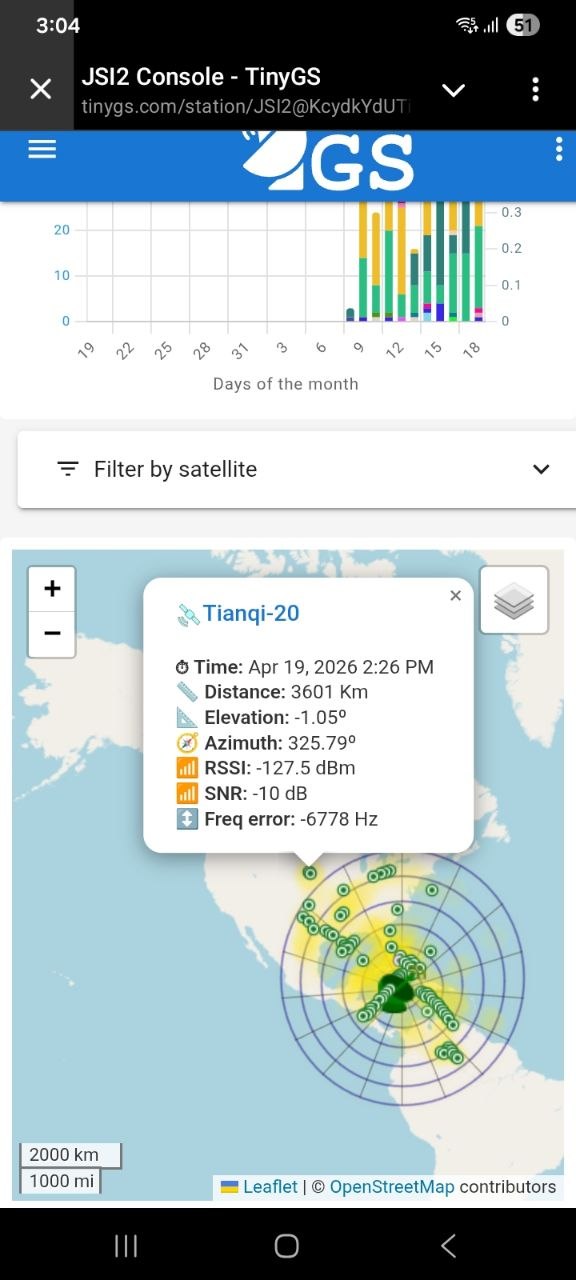
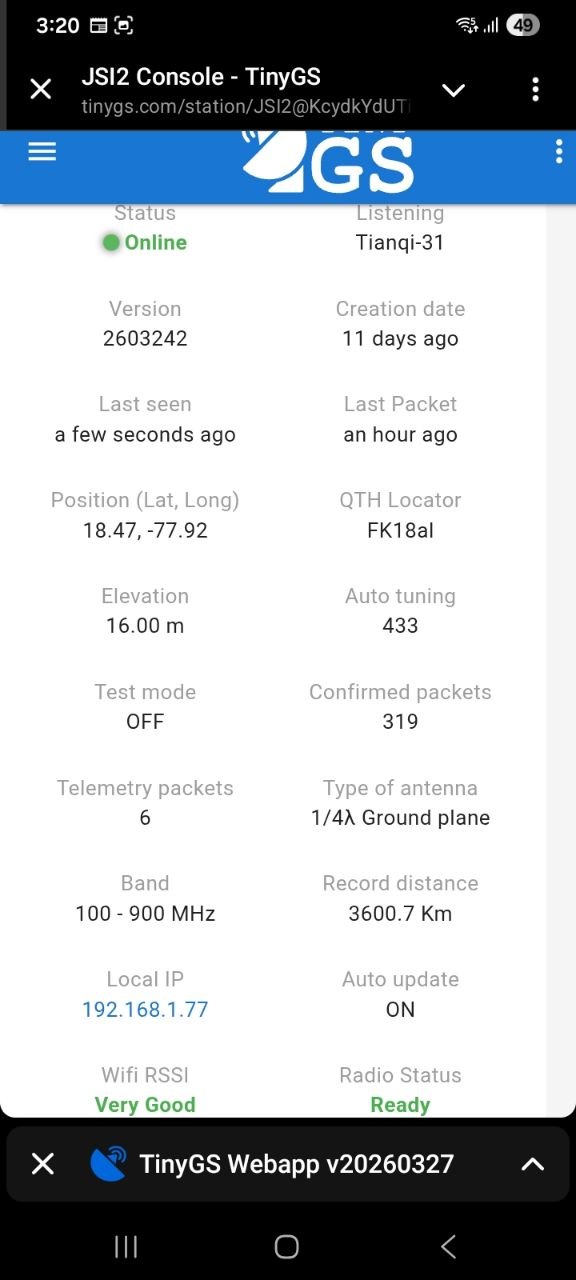
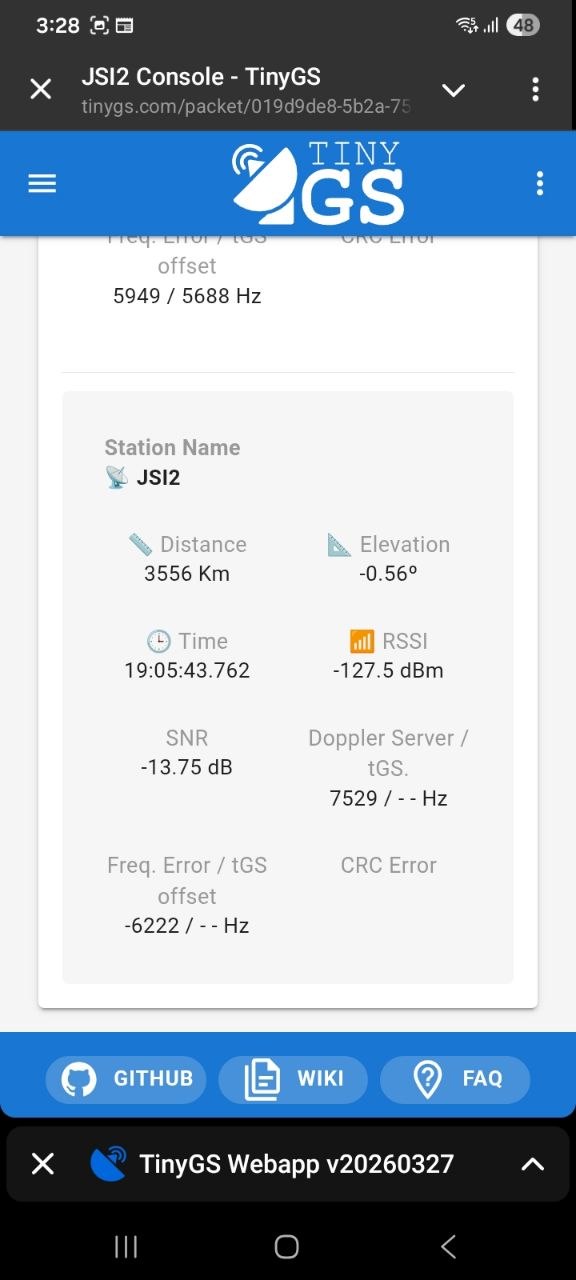
- Don-hugh raised questions about record-breaking satellite tracking distances, sharing screenshots of contacts exceeding 3600 km and sparking a detailed technical discussion. Stefan/OE6ISP explained that such extreme distances and negative elevation readings were likely due to outdated orbital data (TLEs), while commending the station’s sensitivity for capturing signals near the horizon. 🔗
- Sausage inquired about connecting with nearby station operators for social meetups, prompting a broader discussion on the value of running multiple receivers. Helmi described his setup of four stations in the 400-450 MHz band with different antennas and locations, enabling reception from various satellite positions and performance comparisons. Stefan/OE6ISP added that the new TinyGS autotune software minimizes overlap by intelligently assigning satellites to co-located stations. 🔗
- Bruce shared a GitHub repository for a TinyGS implementation on nRF52 boards, integrating with HomeAssistant via a Thread radio. G4lile0 commended the work and noted that a backend patch was required to handle the board’s memory limits. Eric expressed interest, mentioning he has several nRF52840 boards but not paired with an ESP32. 🔗
https://github.com/Bwooce/tinygs_nRF52 - Aadish introduced himself as part of a high school CubeSat team developing a 3U satellite for a November 2026 SSO LEO launch, expressing interest in using TinyGS and LoRa for communications. Vinayak added their interest in contributing a ground station, and K4KDR welcomed them, inviting specific questions. 🔗
Technical Problems
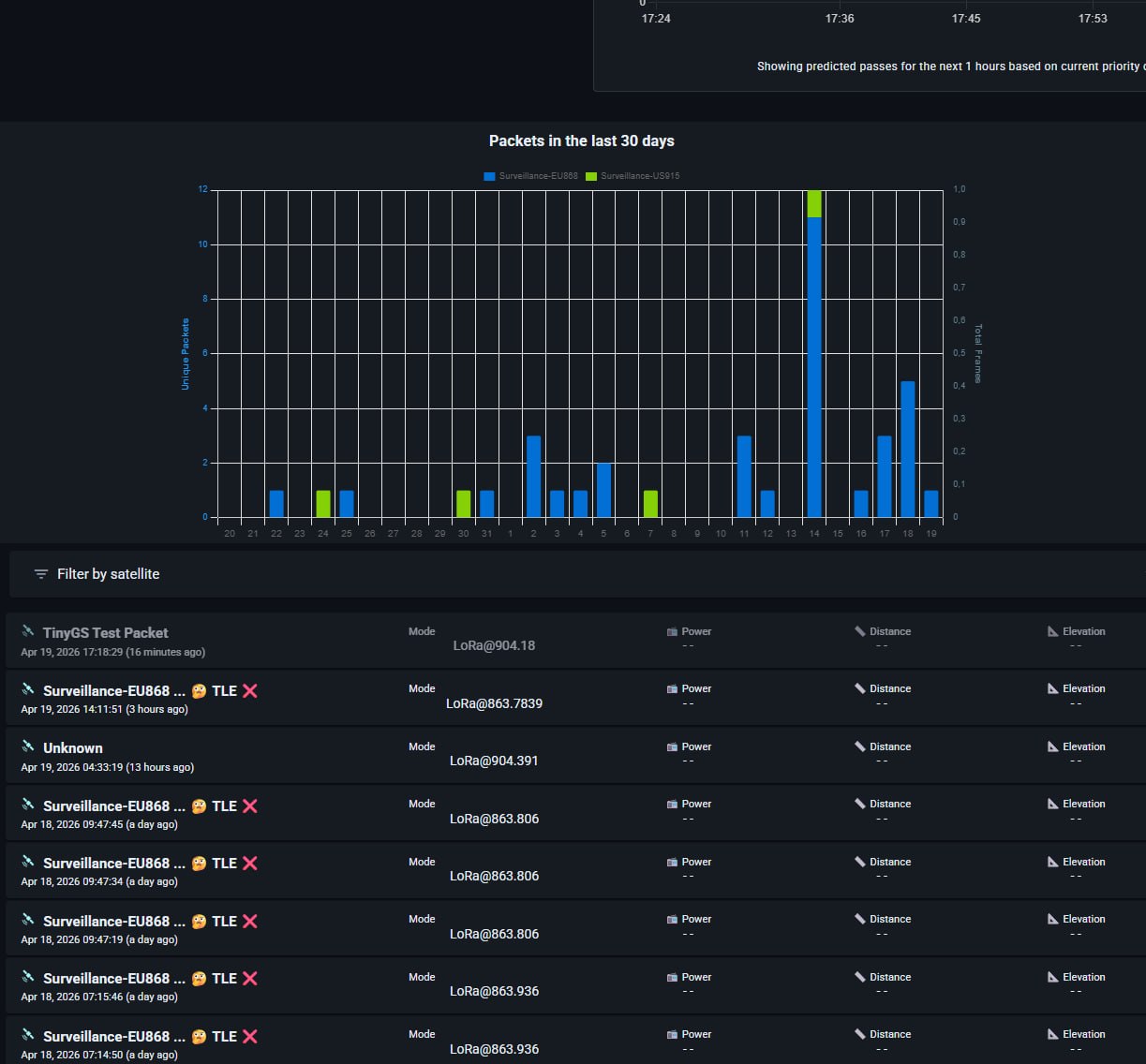
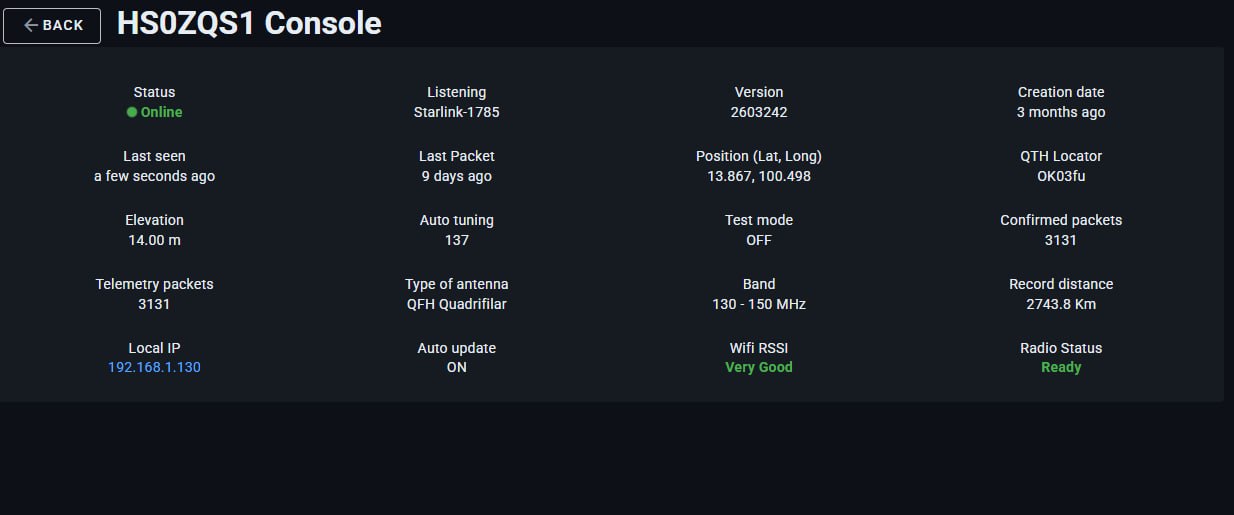
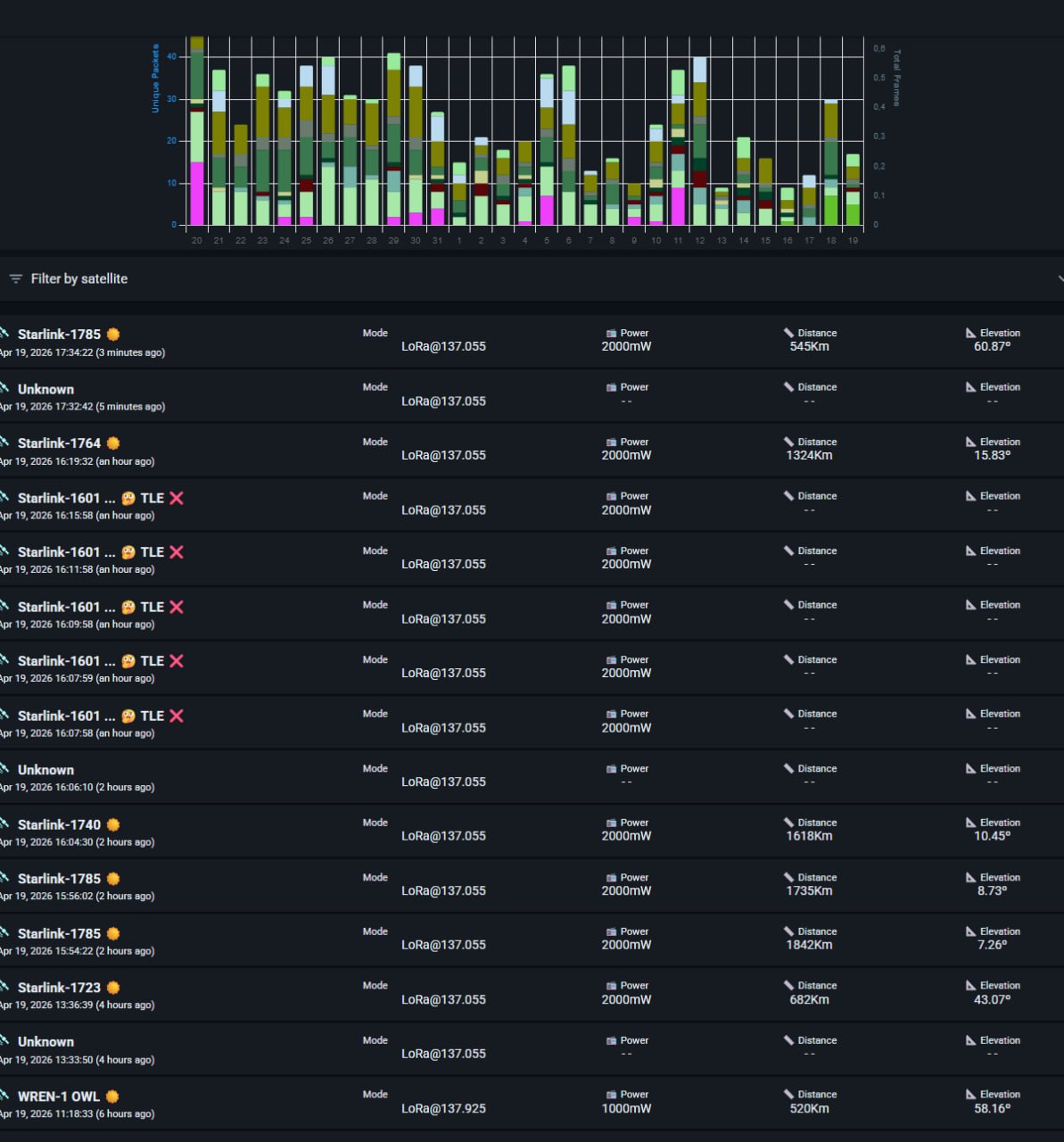
- Peter reported inconsistent behavior between his stations in Thailand, where packets were visible locally but not on the web console. Helmi explained this was likely due to no satellites transmitting on 868 MHz in that region, and clarified that test and surveillance packets are generally not shown on the web console. The discrepancy in the station’s last packet time was identified as a known bug scheduled for an upcoming fix. 🔗
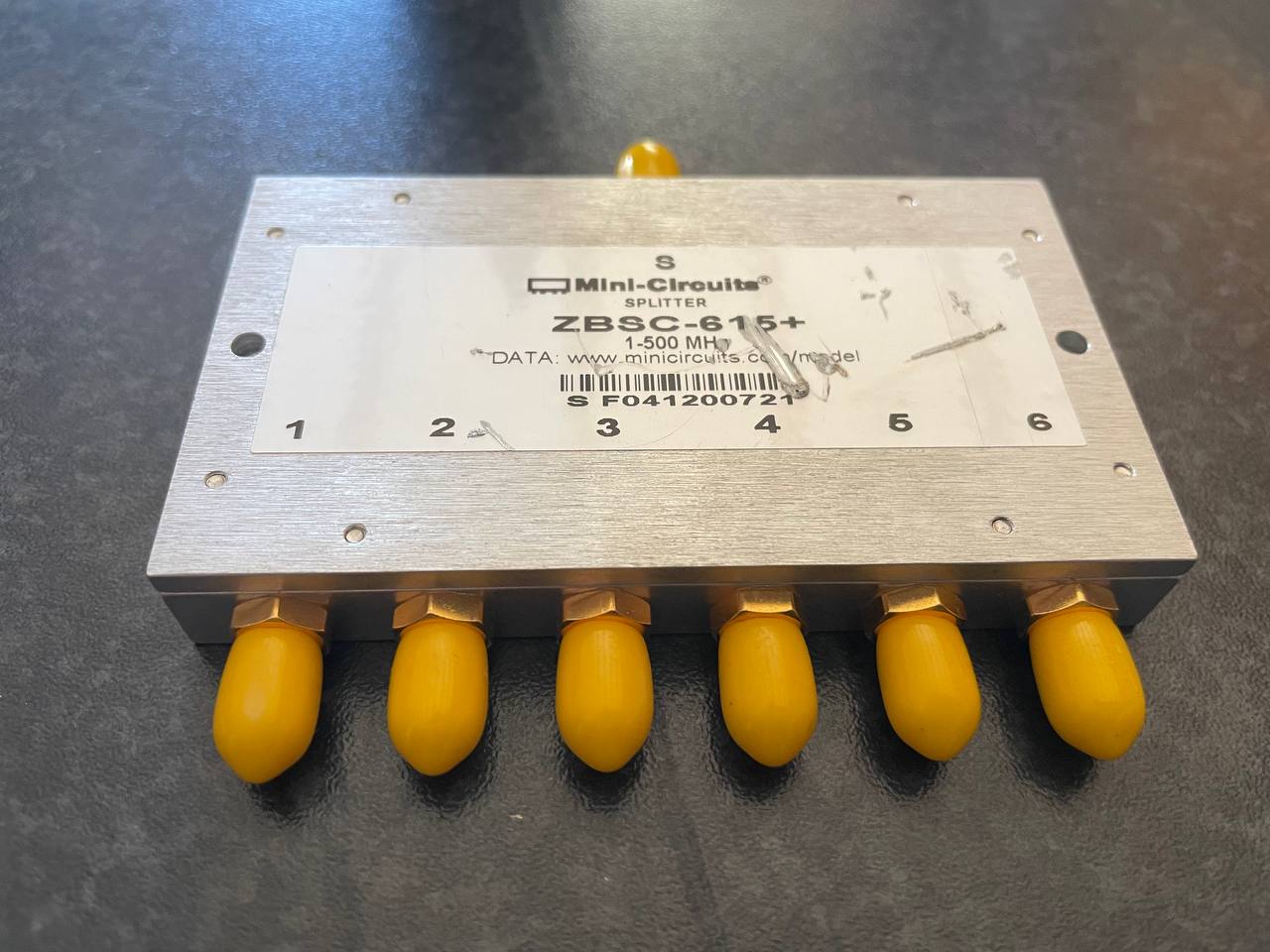
- David encountered issues flashing a new T3 board, initially suspecting the board or tools, but later discovered a faulty USB cable was the cause. After resolving this, he considered antenna setup options. Stefan/OE6ISP shared his positive experience building from source with Visual Studio Code and recommended Mini-Circuits splitters for multi-device setups. David later reported that using a splitter prevented reception on 137 MHz, with Stefan explaining that the board’s antenna network is optimized for 433 MHz, requiring an LNA or network adaptation for lower frequencies. 🔗
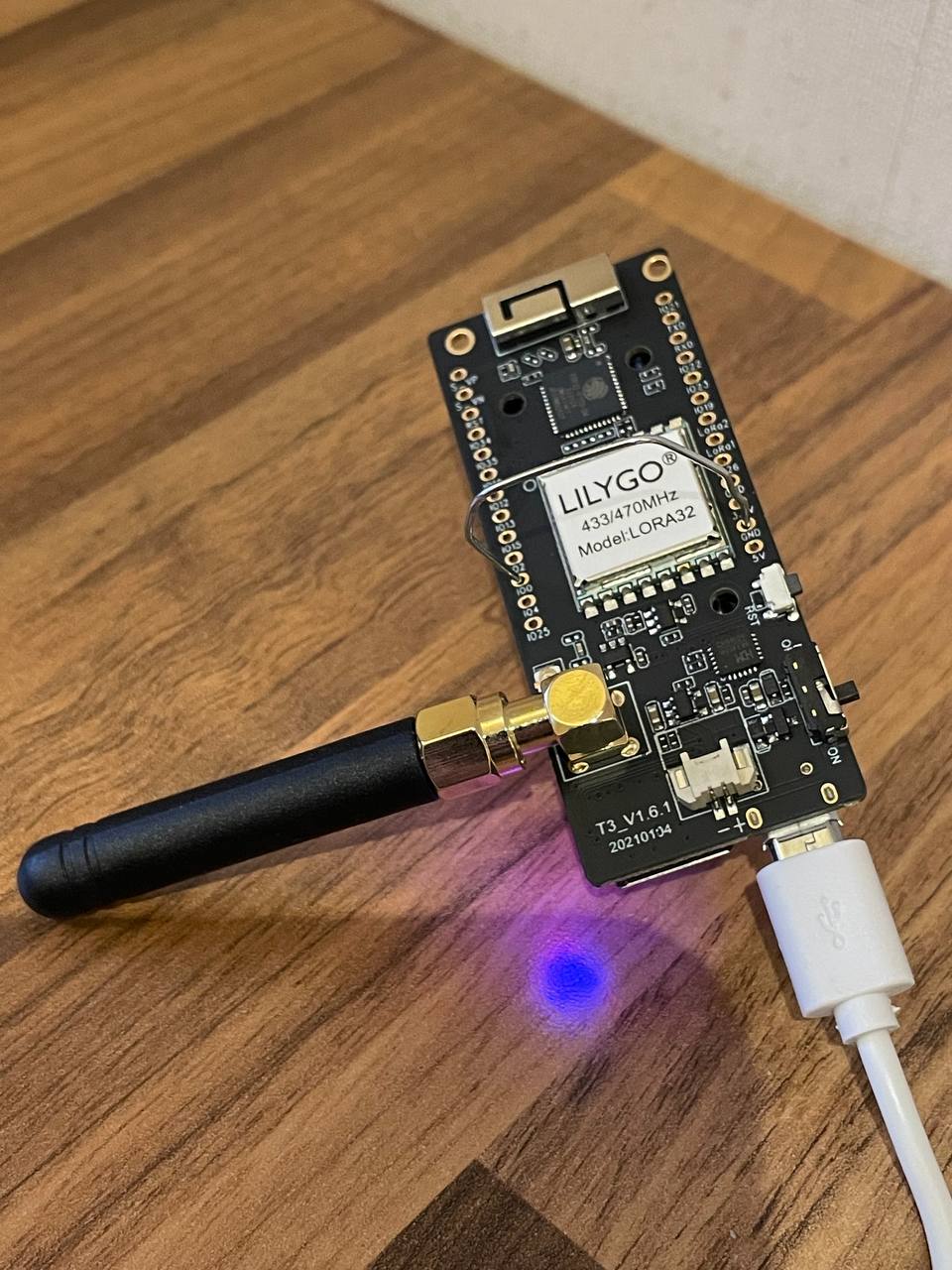
- Jad reported that his T3 board had died, with no display or online presence, and was unable to boot for reinstallation. He later shared a link for a group discount on Aliexpress for the ESP32 Lilygo T3 433 MHz board. 🔗
https://a.aliexpress.com/_mOyxW2H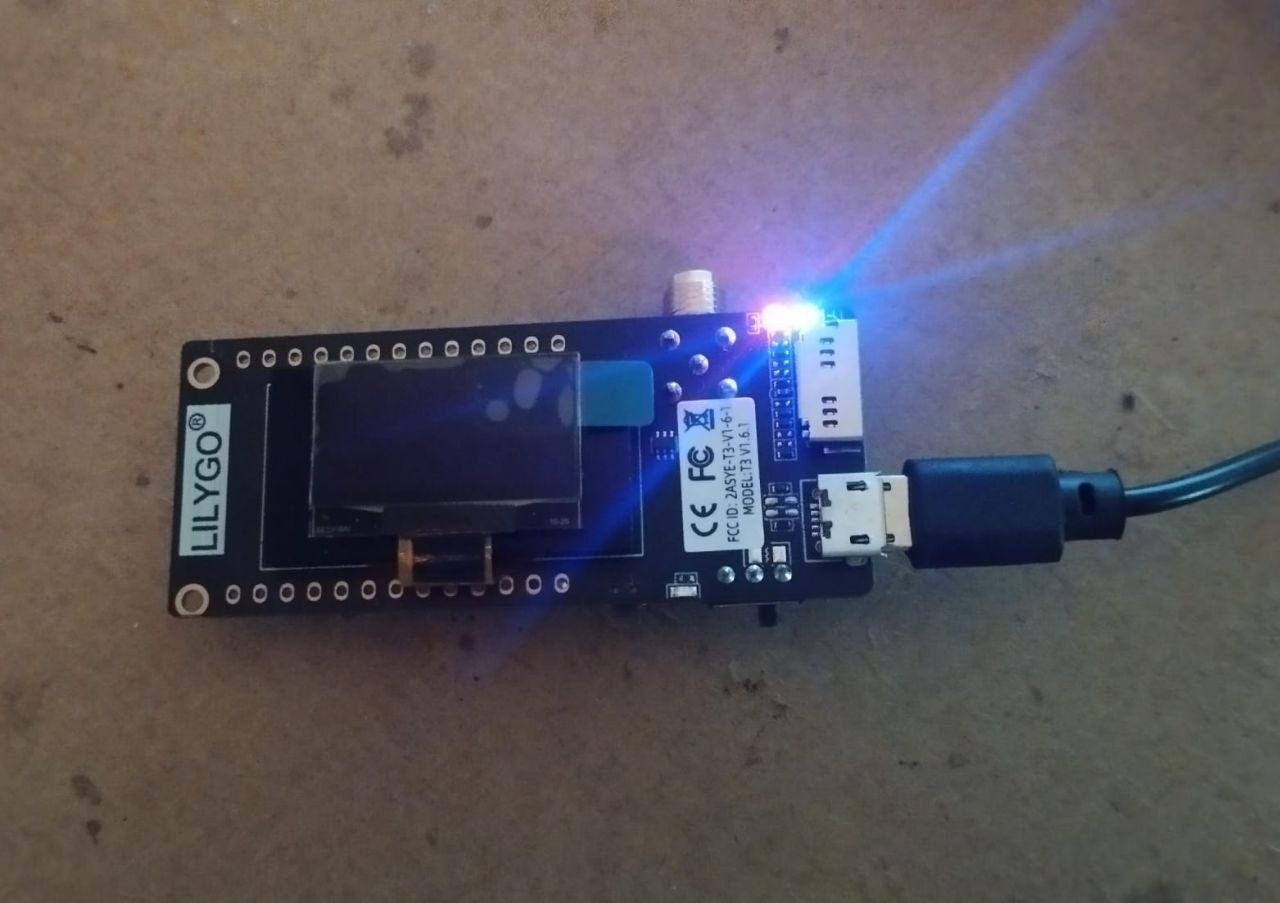
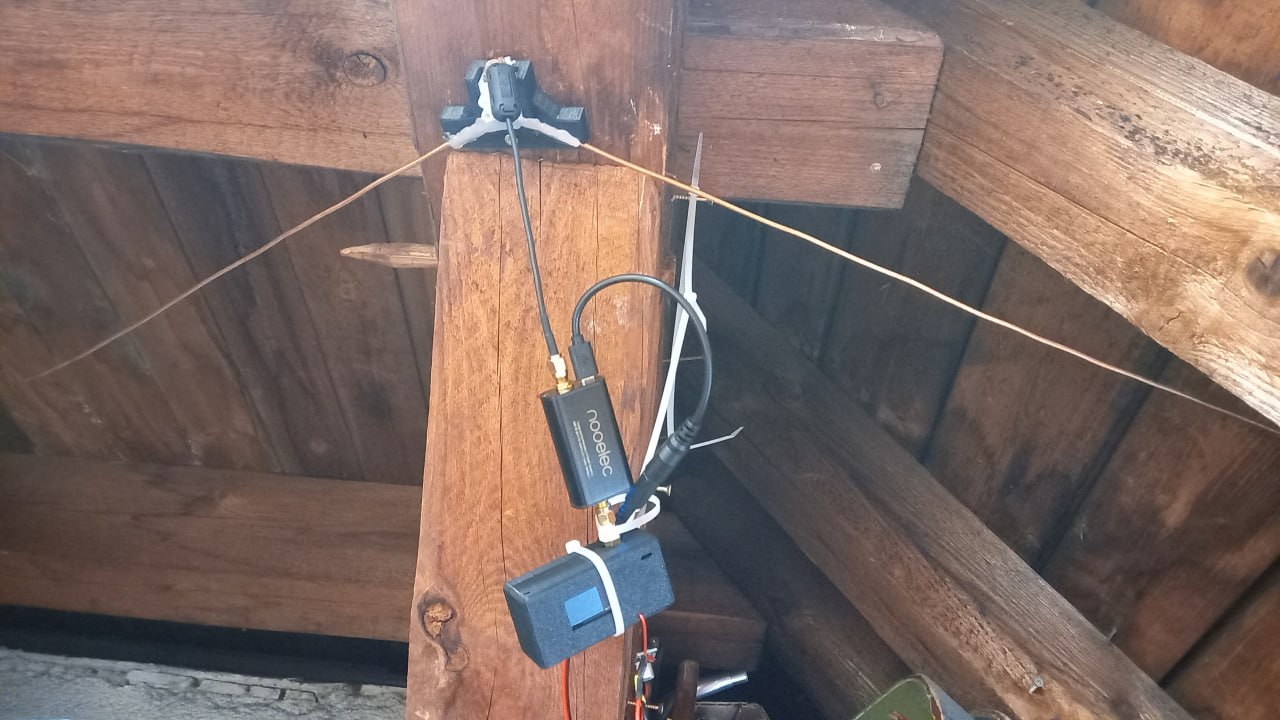
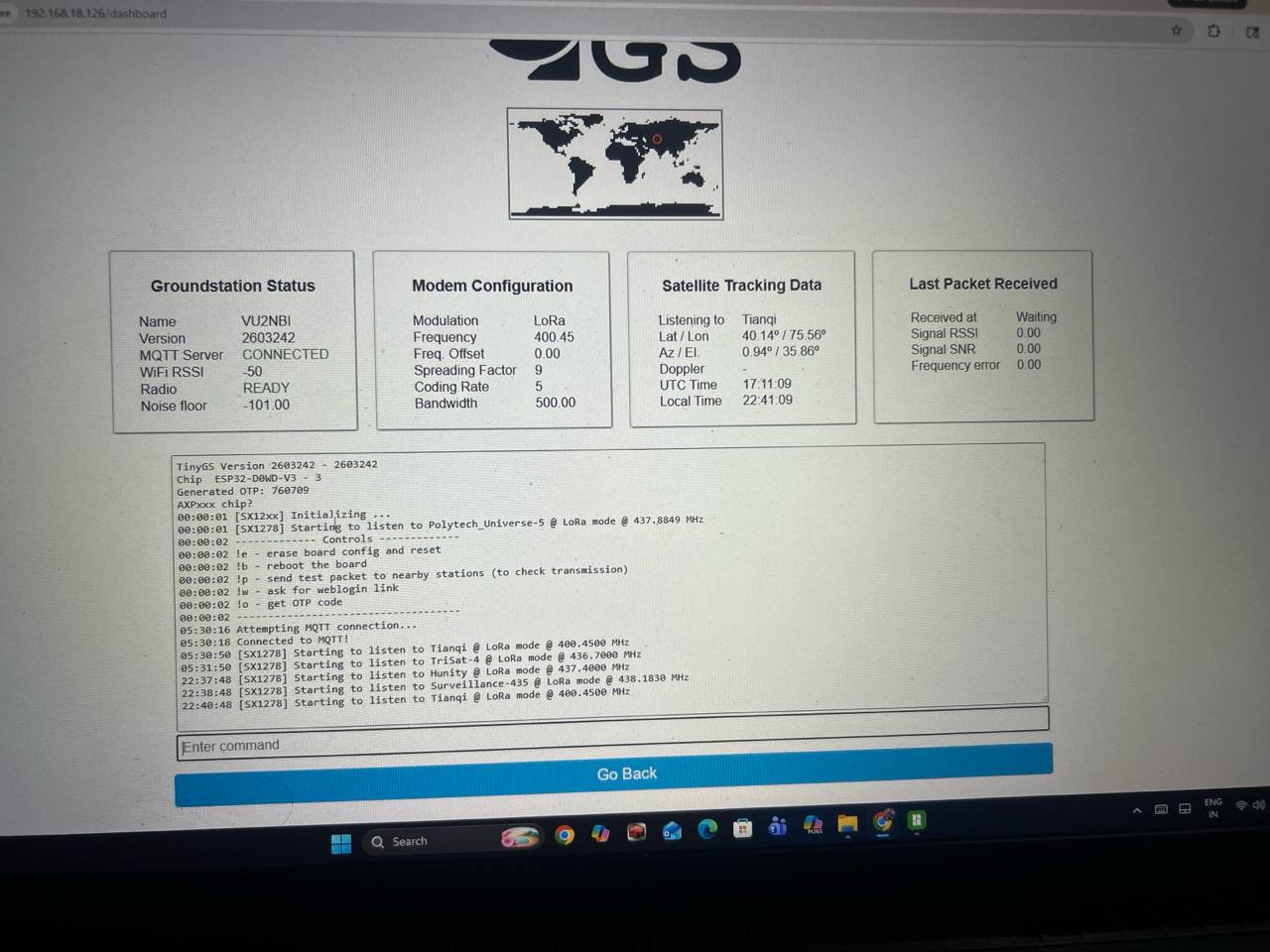
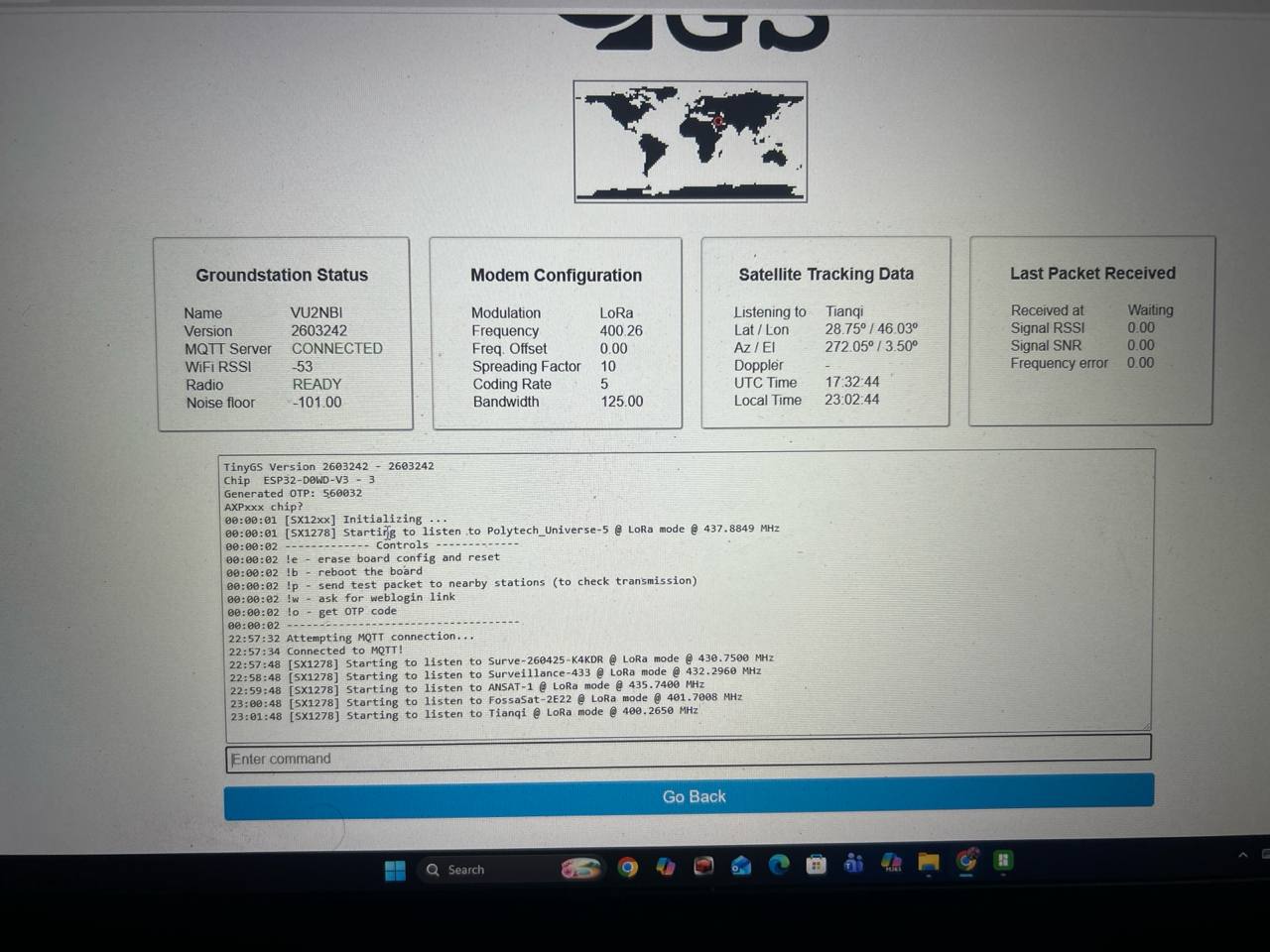
- Nick reported that his station VU2NBI was online with a V-dipole antenna but not receiving packets even on good passes. Stefan/OE6ISP noted a high noise floor and suggested checking for shorts, moving to a quieter location, or using a vertically mounted Yagi. IU1VDD_Tony also described issues with his 868 MHz station using a ground-plane antenna, receiving no packets despite satellite passes. Helmi advised checking with a VNA and using low-loss cable, while Stefan noted the 800 MHz band is challenging and an LNA may yield only 2-4 packets per day. 🔗
New Satellites
- K4KDR provided updates on multiple new satellites. He shared information about the NORBI-4 satellite, under construction with an expected 2027 launch, though LoRa parameters are not yet selected. He announced the discovery of a new LoRa satellite by ‘Ben Z’ (PE2BZ), which was added to TinyGS. Later, he shared that an additional LoRa satellite operating on 430.750 MHz was found while recording, and a third satellite (Surve-260425-K4KDR) was added following the Cosmos-2600 launch, linking to a Substack article for more details on ride-along satellites. 🔗
https://app.tinygs.com/satellite/Surve-260422-PE2BZ
https://x.com/scott23192/status/2046821213045940595
https://app.tinygs.com/satellite/Surve-260423-K4KDR
https://russianforces.substack.com/p/launch-of-multiple-military-satellites
https://app.tinygs.com/satellite/Surve-260425-K4KDR
Share your setup
- Pedro developed a Node-RED flow to retrieve, process, and store ground station performance statistics, using MQTT connection instead of the API. The first version was released with some bugs, inviting community feedback and collaboration. 🔗
https://github.com/pedrokappaa/tinygs-performance-monitor - Glenn shared that he purchased his TinyGS station at HamCon26 and, despite missing the workshop due to ARDF presentations, has it up and running. 🔗
Antenna Building
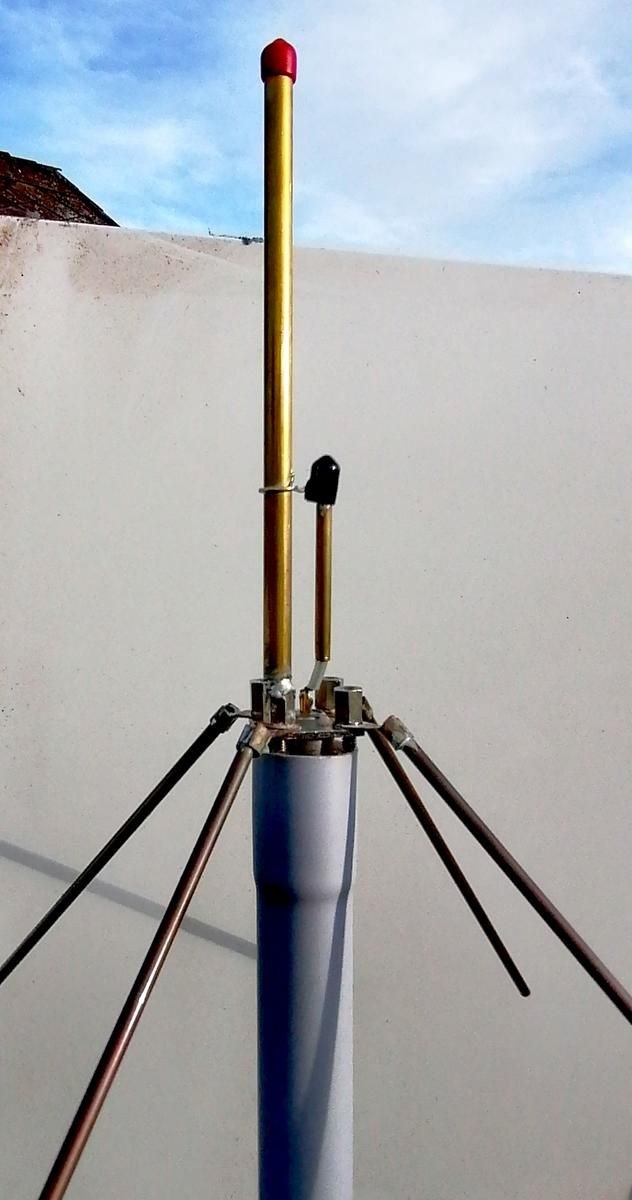
- Ancapcoon asked about satellite polarization, noting the Tianqi constellation is likely LHCP. Helmi explained that polarization matters only for circularly polarized satellites, with linear antennas able to receive both with little loss. Stefan/OE6ISP added that most cubesats use tape dipoles or turnstile-like antennas, and for unstabilized satellites, linear polarized antennas often provide better results. He mentioned switching his cross-yagi to linear mode for certain satellites and that advanced setups like the Camras radiotelescope use separate H and V antennas with independent receivers. 🔗
- SkySentinal sought help finding an IPX female to N-plug male cable for a new Heltec V3 ground station in Europe. Stefan/OE6ISP suggested using the stock IPX-to-SMA cable with an adapter, noting that while adapters can be lossy, they are sometimes unavoidable. SkySentinal later confirmed the second node was successfully running. 🔗
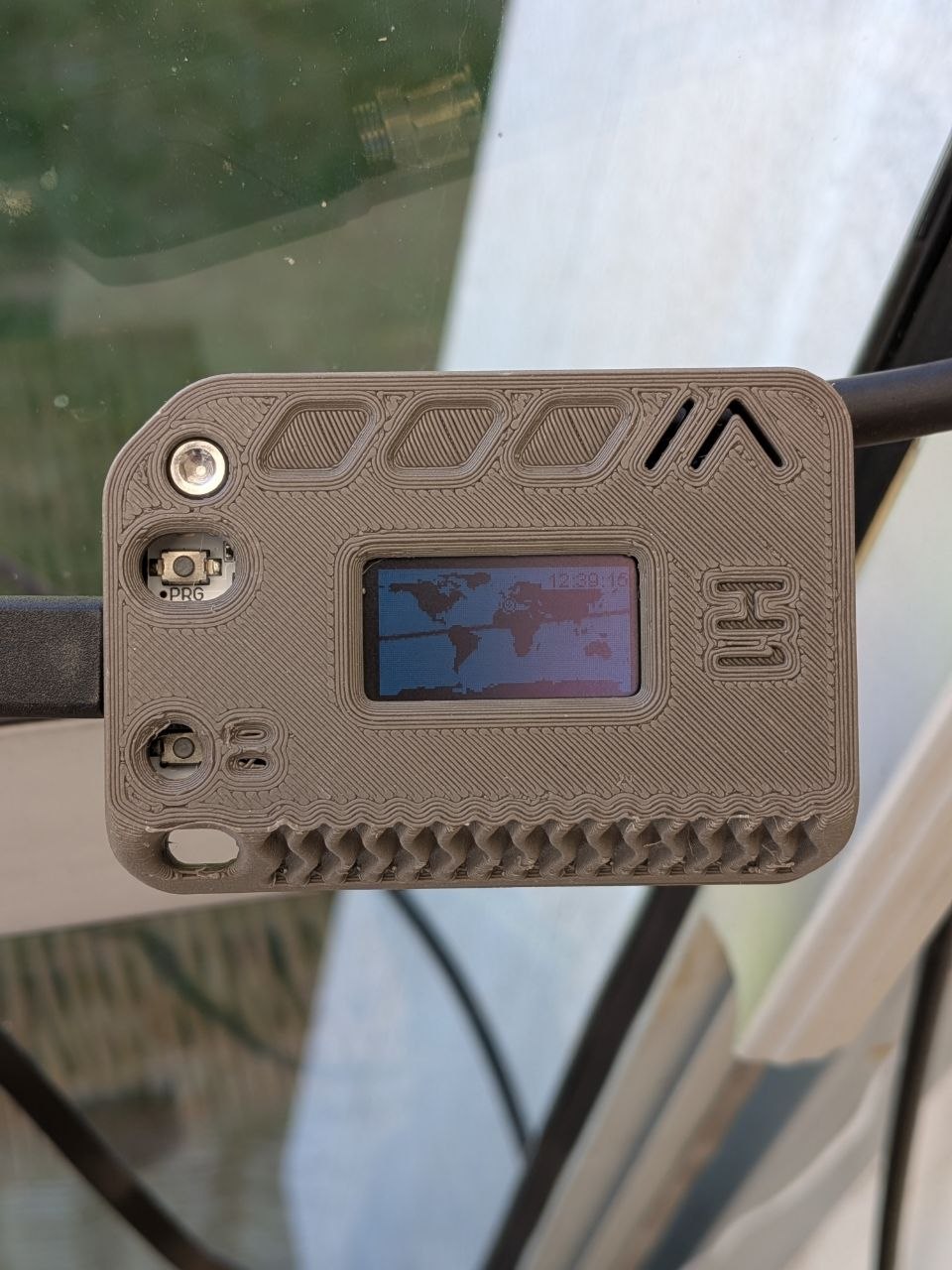
- David shared a photo of a Mini-Circuits power splitter he received, hoping to split signals between 137 and 433 MHz across two receivers plus a SatNOGS receiver. Stefan/OE6ISP commented on the 18 dB loss and recommended a broadband LNA from DK6JL, noting to terminate unused outputs. A technical discussion followed on splitter loss ratios, with Imants explaining 1:2 gives 3 dB, 1:4 gives 6 dB, and 1:8 gives 9 dB, while Jon clarified a 1:6 splitter theoretically has 7.8 dB loss per output. 🔗
https://dk6jl.de/wordpress/produkt/broadband-lna-very-low-noise-100-3000-mhz/
Featured Conversations
- The community engaged in a detailed discussion on satellite tracking distances, with a member reporting contacts over 3600 km. Technical analysis suggested outdated orbital data may explain extreme readings, while the station’s sensitivity near the horizon was praised.
- Multiple stations experienced reception issues across different bands, leading to extensive troubleshooting advice. Solutions included checking antennas with VNAs, using low-loss cables, addressing high noise floors, and employing LNAs for challenging frequencies like 137 MHz and 800/900 MHz.
- New satellite discoveries were a major focus, with three new LoRa satellites added to TinyGS: one discovered by PE2BZ, another operating on 430.750 MHz, and a third from the Cosmos-2600 launch. The NORBI-4 satellite was also noted as a future target for 2027.
- A high school CubeSat team introduced their upcoming 3U satellite mission, expressing interest in using TinyGS and LoRa for communications. The community welcomed them and offered support, highlighting the project’s educational outreach.
- Technical advancements included a new TinyGS firmware implementation for nRF52 boards, a Node-RED flow for station performance monitoring using MQTT, and discussions on optimizing multi-receiver setups with the new autotune software that intelligently assigns satellites to co-located stations.
Latest Cubesats News

JAXA launches 10cm CubeSat with origami-inspired antenna unfolding 25 times
JAXA launched a 10-centimeter CubeSat on April 23 from New Zealand. The satellite uses an origami-inspired antenna that unfolds to 25 times its original size. It supports earthquake detection, ocean monitoring, and multispectral imaging at lower costs. The global CubeSat industry is valued at $355 million.
École Polytechnique is stepping up its space ambitions with a new antenna
On April 15, 2026, École Polytechnique inaugurated SYLVIE, a new S-band antenna at the SIRTA site. The antenna enables data transmission and reception with satellites, serving as a hands-on educational tool for students in the Île-de-France Space Academy. It will be the primary communication link for the IonSat CubeSat mission, scheduled for launch in 2027. The inauguration included a live demonstration where SYLVIE transmitted signals via a geostationary satellite, reaching as far as Brazil.
Foldable origami-inspired antennas for CubeSat satellites - EurekAlert!
Researchers developed a 64-gram origami-inspired reflectarray antenna for the 3U CubeSat OrigamiSat-2. It folds compactly for launch and expands in space with a 265% storage ratio. The antenna achieved a high gain of 18.0 dBic in tests, enabling high data-rate transmission. This design enhances communication for small satellites, supporting future missions including lunar exploration.

QU’s nano-satellite project moving to advanced phase - Gulf Times
Qatar University’s CubeSat program is advancing from educational training to complex scientific research. Future satellites will be larger and carry hyperspectral imagers and sensors for experiments like plant growth in microgravity. The initiative will focus on environmental monitoring, space debris tracking, and developing integrated space-ground communication systems. The project aims to build long-term technical capacity and a qualified team for sustained space engineering development.
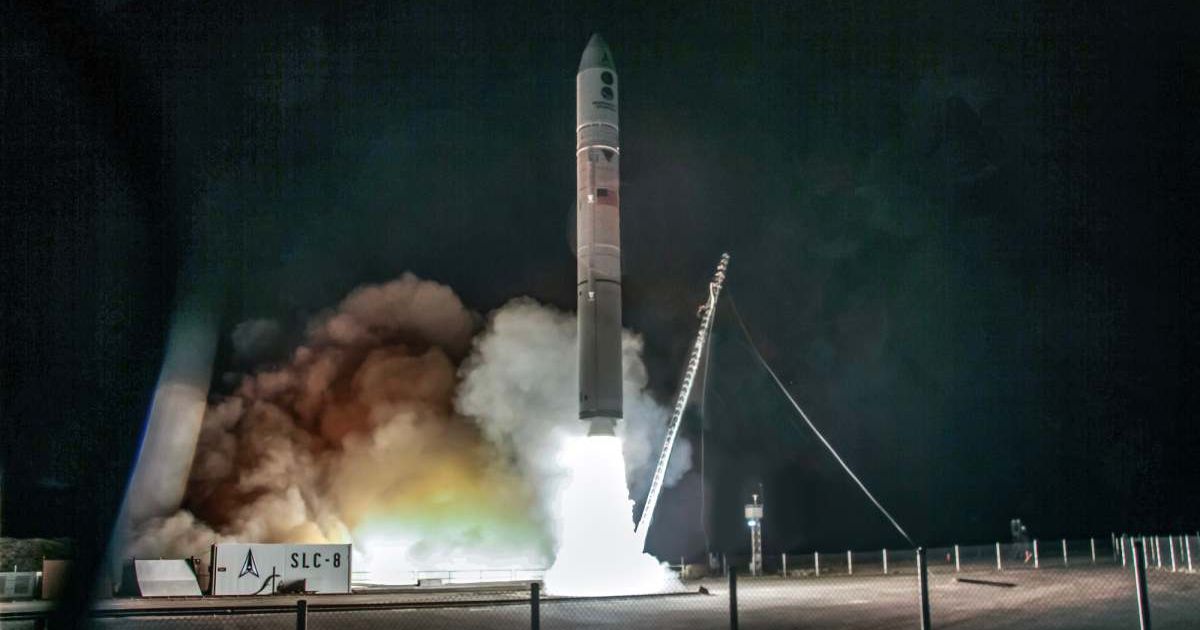
NASA launches CANVAS CubeSat to track lightning-born radio waves from Earth into space
NASA’s CANVAS CubeSat mission will study very low frequency radio waves generated by lightning as they travel from Earth into space. It uses precision instruments to measure the power and direction of these waves to understand their impact on the near-Earth environment. The data will help predict disruptions to satellites, GPS, and communications systems by connecting ground-based lightning activity with space weather effects. This research aims to improve the protection of spacecraft and enhance mission planning.

Stratospheric Mission from Slovakia Produces World-First Unique Ultraviolet Recording
A scientific team led by the J. Heyrovský Institute of Physical Chemistry of the Czech Academy of Sciences captured the world’s first high-quality ultraviolet spectrum of a meteor from the stratosphere. This technological milestone advances the development of Czech hyperspectral cameras for CubeSat satellite networks. The FREYA camera, tested during three MORANA stratospheric missions launched from Slovakia in 2024, recorded the UV spectrum of a Geminid fireball. This breakthrough enables more precise analysis of meteor composition and paves the way for future space missions to systematically observe atmospheric phenomena beyond ground-based limitations.

Data Centers in Orbit: What is Slowing Development + Artemis 2: CubeSat Tacheles…
The article discusses the challenges hindering the development of orbital data centers. It also provides a critical update on the CubeSat payloads for the Artemis 2 mission. Technical and regulatory hurdles are identified as key obstacles. The piece offers insights into the current state of these space projects.

Tech Start-up TakeMe2Space Raises $55 Million to Build …
TakeMe2Space raised $55 million to develop low Earth orbit data centers, led by Chiratae Ventures. The company plans to deploy a larger cubesat with an Nvidia Jetson module via a SpaceX Falcon flight this year. Its focus is on Earth observation workloads, performing AI data analysis directly on satellites to reduce bandwidth costs. Vertical integration and lower labor costs in India support its goal of building gigawatt-scale orbital data centers.
/https%3A%2F%2Fwww.tudelft.nl%2F_assets%2Ff6b877d73456607fbfa2de3e3c5fd420%2FImages%2FOpenGraph%2FTUDelft.jpg%3Fhash%3D9ac1b46830)
Colloquium: Dhrumil Patadia (ASM) - TU Delft
This work addresses thermal analysis challenges for CubeSats during early design by combining experimental material property testing with reduced-order thermal modeling. A database of thermo-optical and thermal properties for common CubeSat components was generated through laboratory tests. Simplified thermal models were created and validated against experimental results to capture dominant heat transfer with reduced complexity. The framework enables faster, more reliable preliminary thermal analysis to identify issues early and improve design confidence.
T-MICROSAT-1 2026 04 23 09 50 UTC - YouTube
Contenido no disponible (paywall o JavaScript requerido)
What’s next
Join the TinyGS Telegram channel to participate in these discussions and contribute to the project. Your experiences and insights can help others build and improve their stations!