tinyGS
· TinyGS Community · 12 min read
Weekly Newsletter - May 10, 2026
Welcome to the TinyGS weekly community newsletter. Here are the most relevant discussions and developments from this week, covering new satellite onboarding, antenna building tips, technical troubleshooting, and community insights.
Highlights
General
- Notsure7 shared a comparison of RSSI levels, noting a 20 dBm improvement over another station from an indoor setup, and mentioned plans to improve reception by moving a station to a roof-mounted X30N antenna. 🔗
https://app.tinygs.com/packet/019dead1-fdc0-731d-a2fc-51b8b0873ccc - DE1CTL asked about using a T-Beam to create a mobile station with automatic GPS location updates. The community explained that while theoretically possible, GPS is not used in the project due to practicality and server load considerations. 🔗
- Jim asked if 868 MHz telemetry can be received in North America. It was clarified that Connecta satellites transmit LoRaWAN data only over Europe, but their telemetry on 401.510 MHz (GMSK 4800) can be received worldwide. 🔗
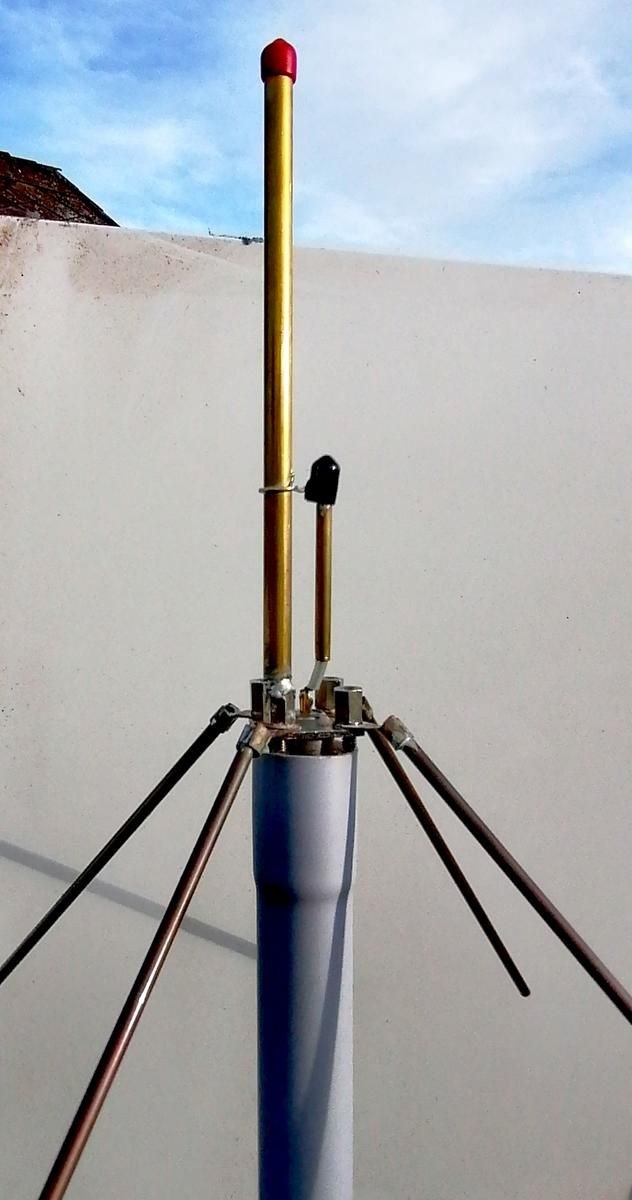
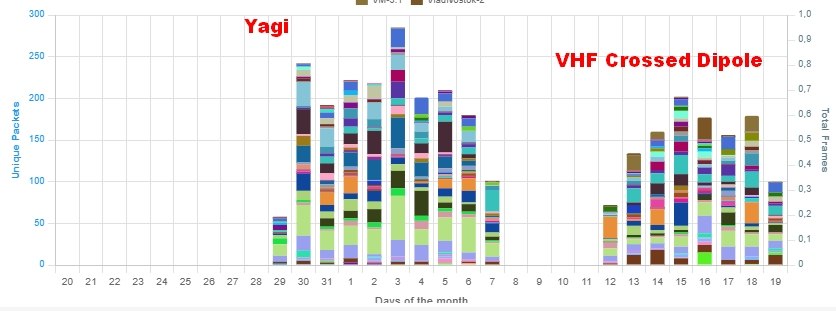
- Moonlight0551 shared their experience using a dipole antenna for a few years, noting that extending each leg by about 25 mm with brass threaded spacers is necessary to make it resonant. They received hundreds of packets with this setup but mentioned it is not weatherproof, so they housed it in a plumber’s gas pipe shaped like a ‘T’ with a junction box. They also noted the antenna is directional, receiving satellites at right angles to the two elements, and have since moved to a more omnidirectional antenna. 🔗
- Helmi explained that the original antenna elements are too short for the 400–450 MHz frequencies and recommended adding a 25 mm threaded brass spacer on both sides to achieve the proper length. They also noted that with a horizontal dipole oriented West-East, most satellites flying North-South are received well, and high-power Tianqis with West-East flight paths can also be captured effectively. 🔗
- Stefan/OE6ISP pointed out that when mounted vertically, the antenna becomes omnidirectional, similar to a groundplane, and added that a horizontal dipole offers the advantage of noise suppression on both sides. 🔗
- KG4DRP set up a 5/8 ground plane antenna with an LNA on a Heltec V3 board and was wondering if it takes time to start reporting to the network. After receiving advice to wait a day and noting that on 433 MHz reception should be immediate, while on 869 MHz it might not work, the user confirmed that they did capture a signal. 🔗
- Ik1sow configured their station location with GPS-verified coordinates (Lat 45.466, Long 7.871, 256m ASL), but the console shows an elevation of 0m. Community member Helmi explained that elevation is automatically taken from a database and cannot be set manually, and that it doesn’t affect satellite reception. After trying to set the position to match a nearby station with correct elevation, the issue persisted, and the user was advised to wait as the database might update at a specific time. 🔗
- Rakesh asked about the possibility of sending uplink commands to LoRa IoT satellites, inquiring about requirements such as a ham license and additional equipment beyond the ground station. Helmi explained that currently there are no satellites capable of receiving user transmissions (only from the control team), and noted that if such satellites become available in the future, a ham license and a tracking antenna with Az/El rotor would be necessary. 🔗
- morisabii asked about setting up a base station to send short messages from Iran. K4KDR explained that TinyGS is primarily a receive-only organization and currently no LoRa satellites monitored here are listening for uplink messages, wishing them well. 🔗
New Satellites
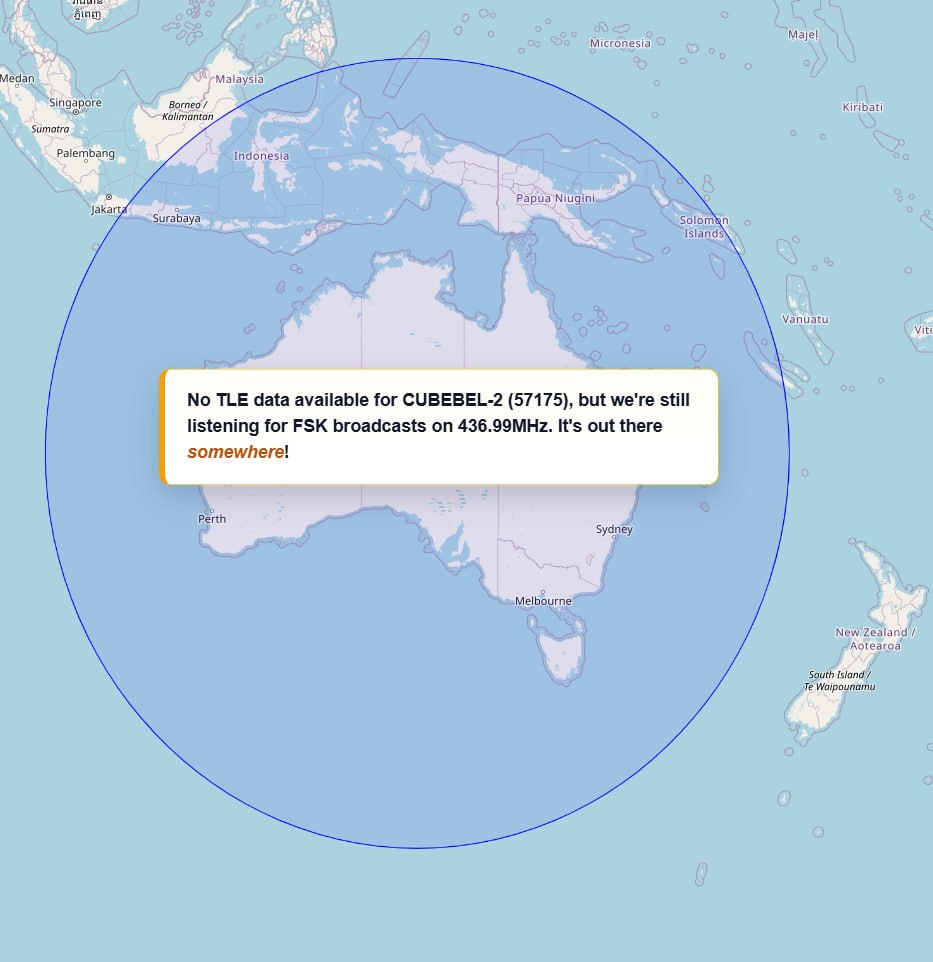
- anas_z15 requested assistance onboarding the NuLink-1 and NuLink-2 satellites, launched on the SpaceX CAS500-2 mission, and provided LoRa beacon parameters (401.0 MHz, SF10, BW 125 kHz). Despite low expected signal strength, community members attempted reception. Stefan/OE6ISP and megazaic reported no success during passes over Europe. G4lile0 added the satellite to the system, and the satellite page is now live. The community later discussed how to distinguish the two satellites, with anas_z15 explaining that both have identical modem configurations, so the only way to differentiate them is by decoding the data and reading the satellite name in ASCII (first 12 bytes of the beacon body), providing a Kaitai decoder reference. Stefan/OE6ISP reported hearing nothing during a 21:15z pass over Europe using a tracked 21-element V-pol Yagi. Further discussions revealed the LoRa beacon transmits at approximately 18 dBm, requiring high elevation passes for reception. K4KDR later thanked the community for information and reported receiving a 38k4 frame on S-Band, requesting a KSY file for parsing the S-Band downlink. anas_z15 confirmed that the KSY decoder is currently only available for the UHF beacon, and informed the community that the team has been notified about releasing a public decoder for the S-Band transmitter in the future. 🔗
https://www.spacex.com/launches/cas500-2
https://app.tinygs.com/satellite/NuLink-1
Technical Problems
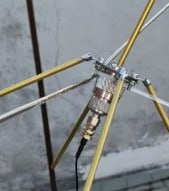
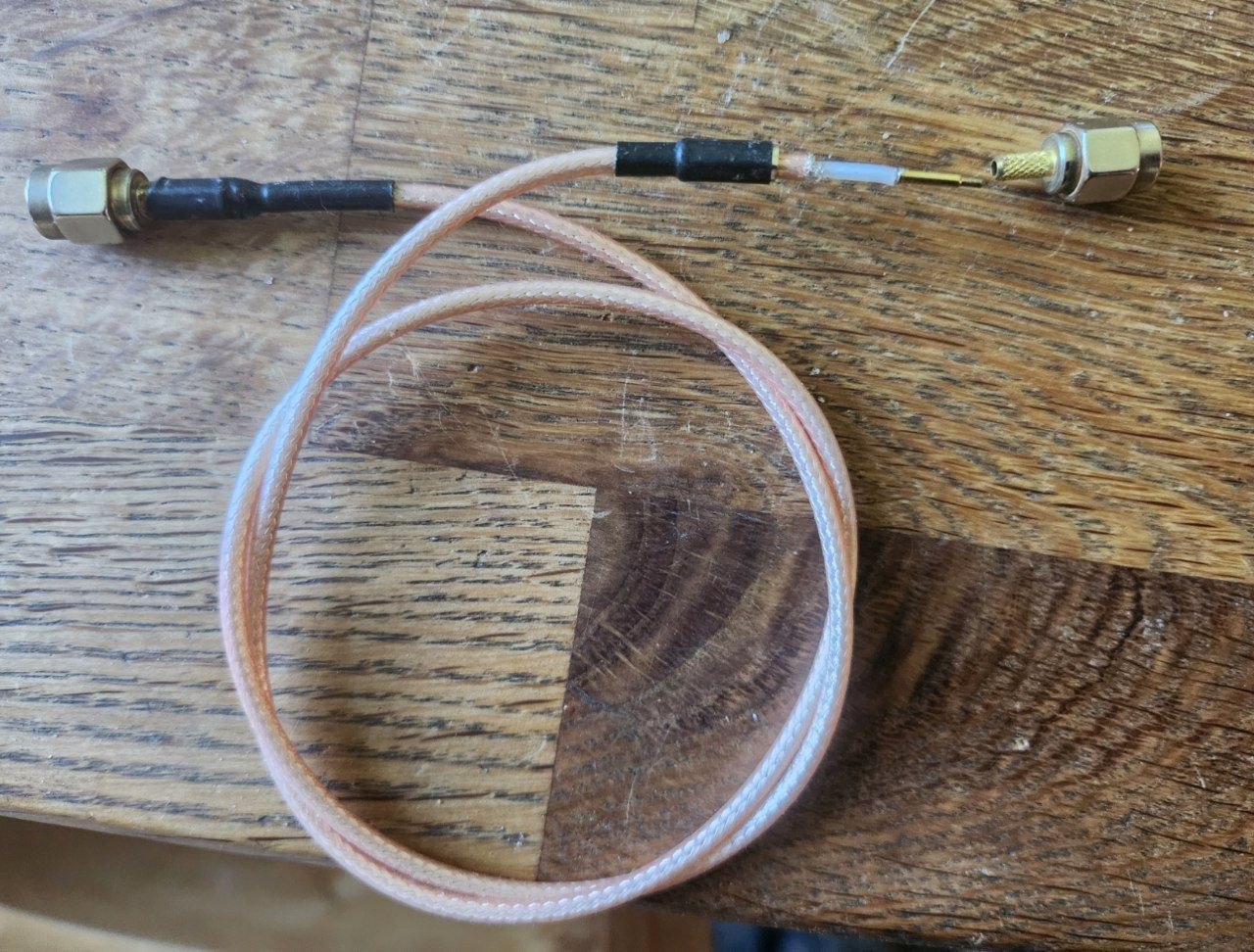
- SandroSartoni troubleshot a station with poor reception. After continuity tests and setting up a second board, the issue was narrowed down to possible cable length resonance, connector wear, or soldering problems. Re-soldering improved packet reception, though CRC errors persisted due to noise. Community members suggested checking cable length, mechanical stress on RF cables, and IPEX connector wear. 🔗
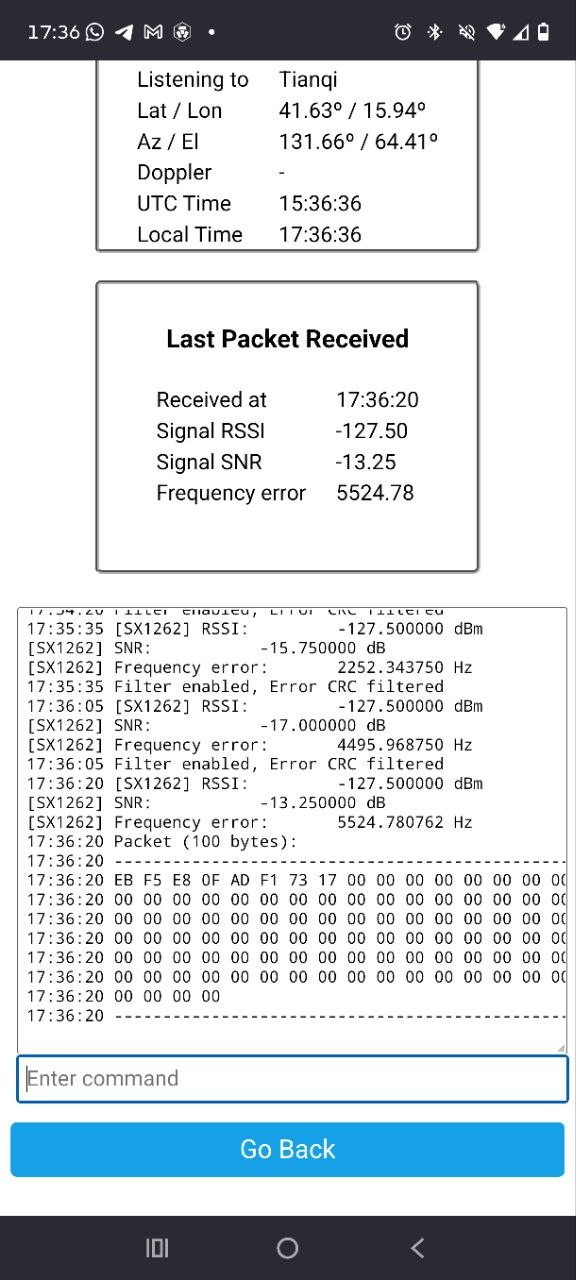
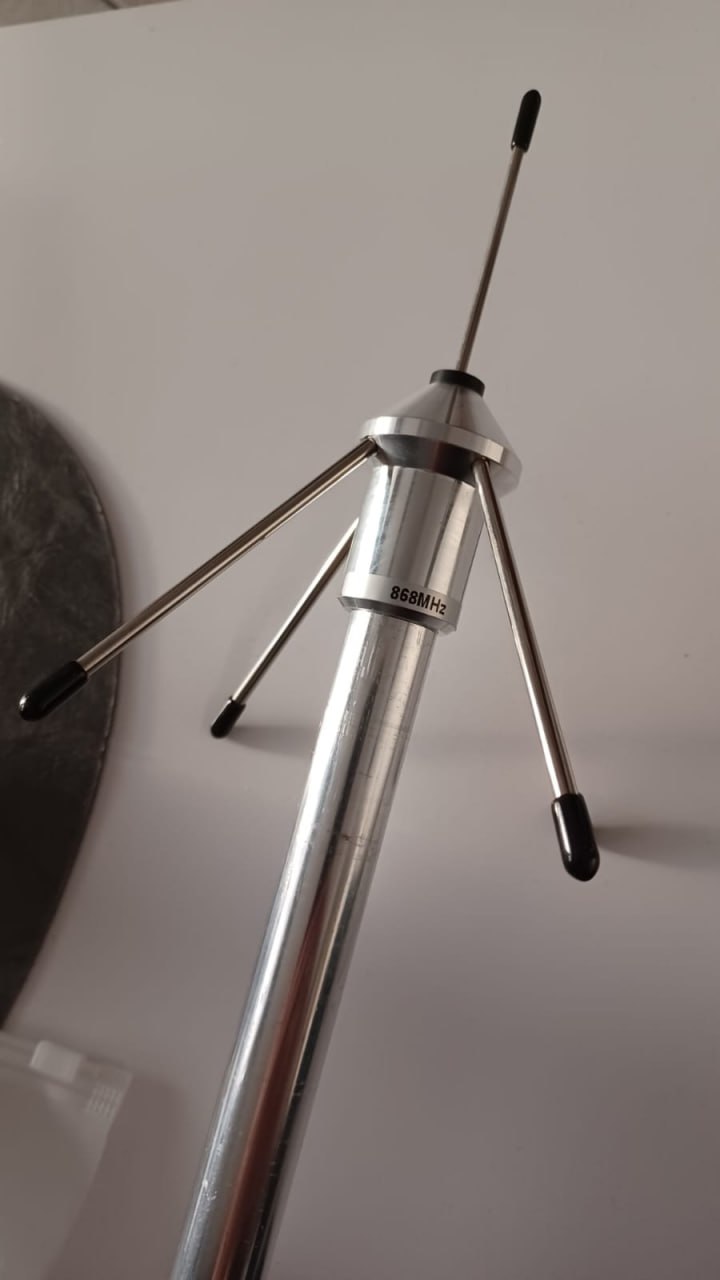
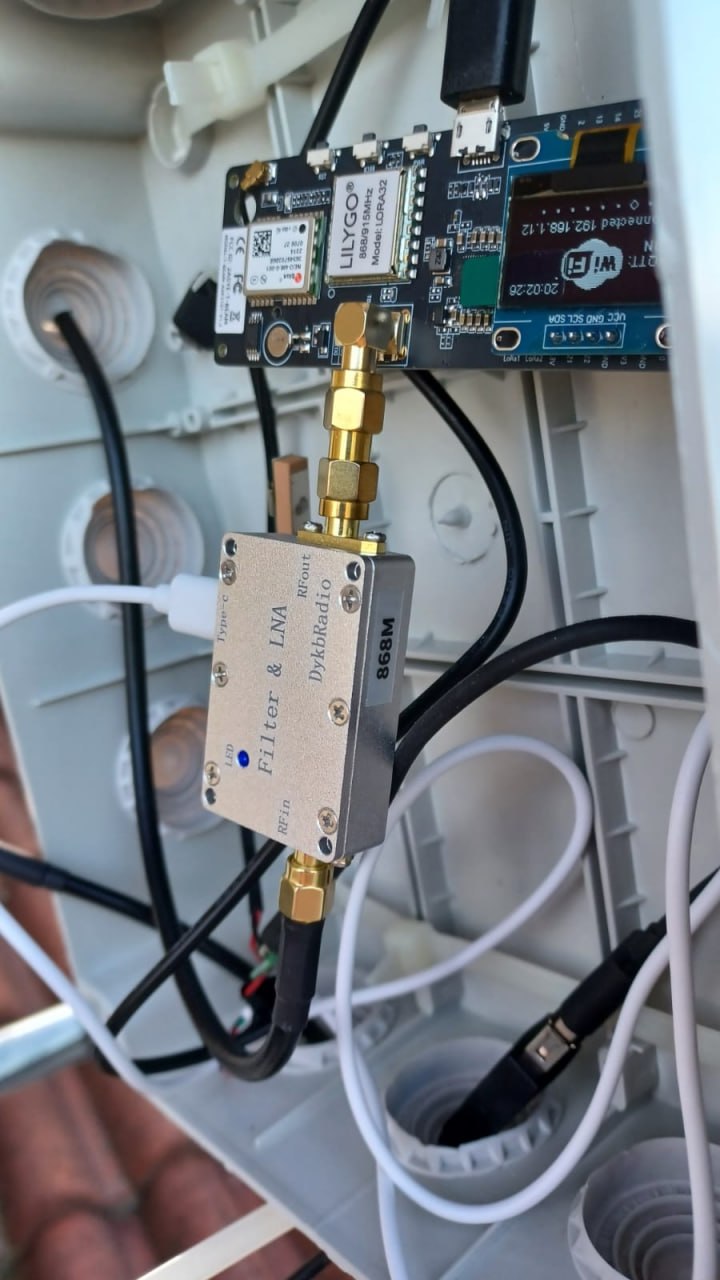
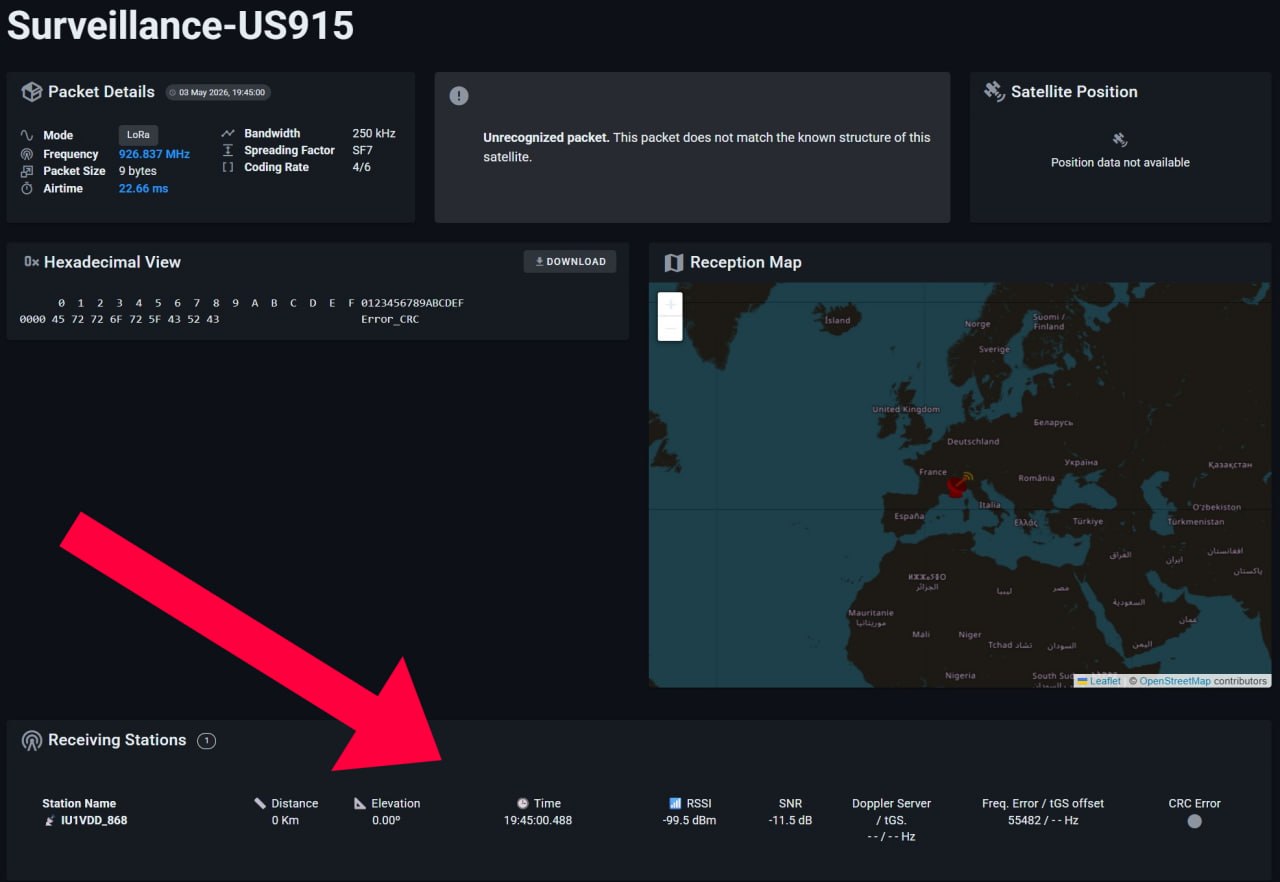
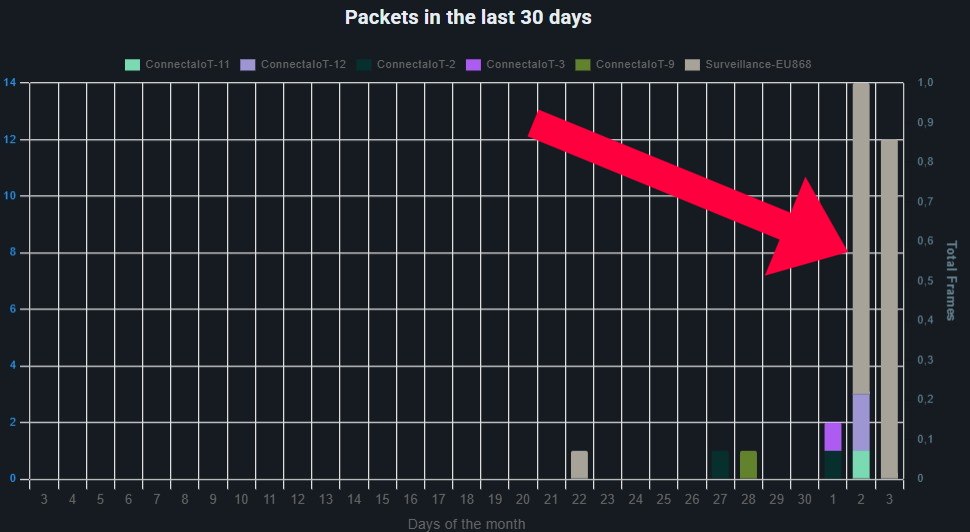
- IU1VDD_Tony asked about a station showing recent activity but no packets for 17 hours, receiving many unknown signals on 850/950 MHz. Stefan/OE6ISP explained these are terrestrial LoRaWAN signals or unknown satellites, and that Connecta data is encrypted. He also helped with filtering packets on the dashboard by timestamp. 🔗
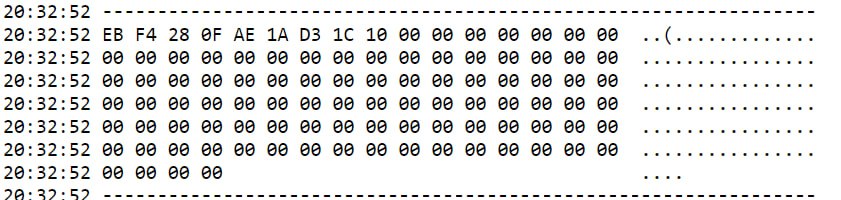
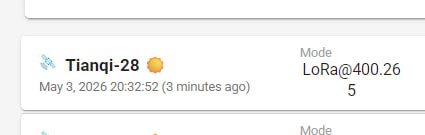
- abiankus described an issue with their OLED screen on a Nanosatellite TinyGS project, where the display keeps turning off after modification and requires a full reset to restart, seeking suggestions to wake it up. Stefan/OE6ISP suggested that the problem might be due to an incorrect board configuration and asked which board or config is being used. 🔗
Share your setup
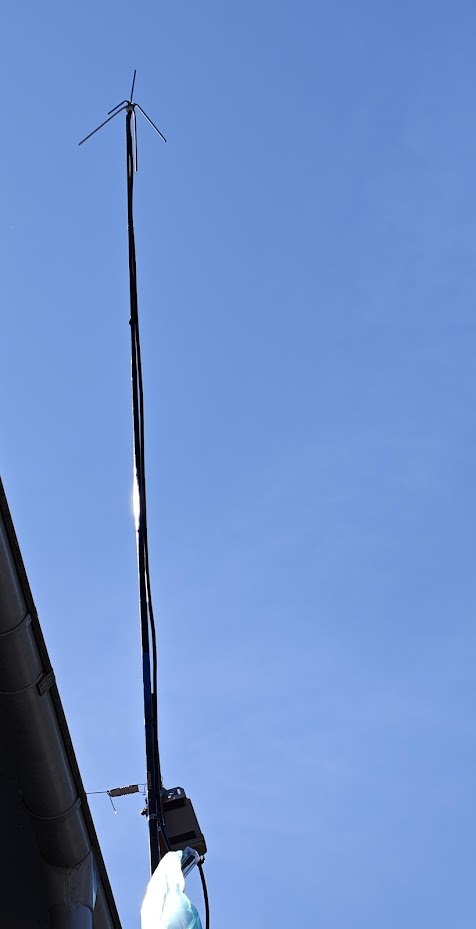
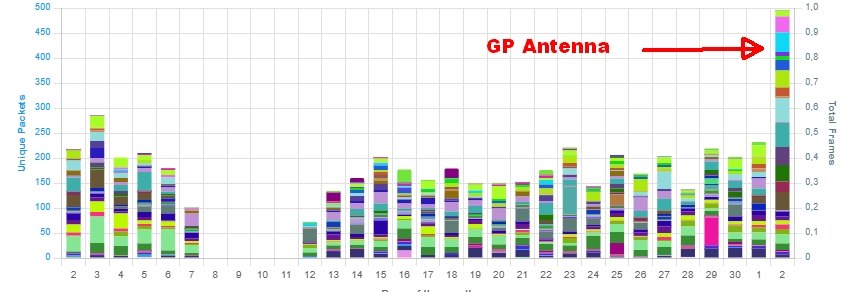
- LarsSM0TGU shared results of a simple DIY ground-plane antenna (center frequency 420 MHz) made with a fishing pole and 3 meters of RFC-400 coax, directly connected to a LilyGo without an LNA. The setup showed good performance compared to Yagi and turnstile antennas, highlighting the importance of a clean installation and good location. Stefan/OE6ISP commented on the GP antenna success, noting that omnidirectional solutions depend on environmental noise and that moving a station a few meters can cost 40% of packets. He shared experiences with local interference from TETRA (395 MHz) and ArgoNet (462 MHz). 🔗
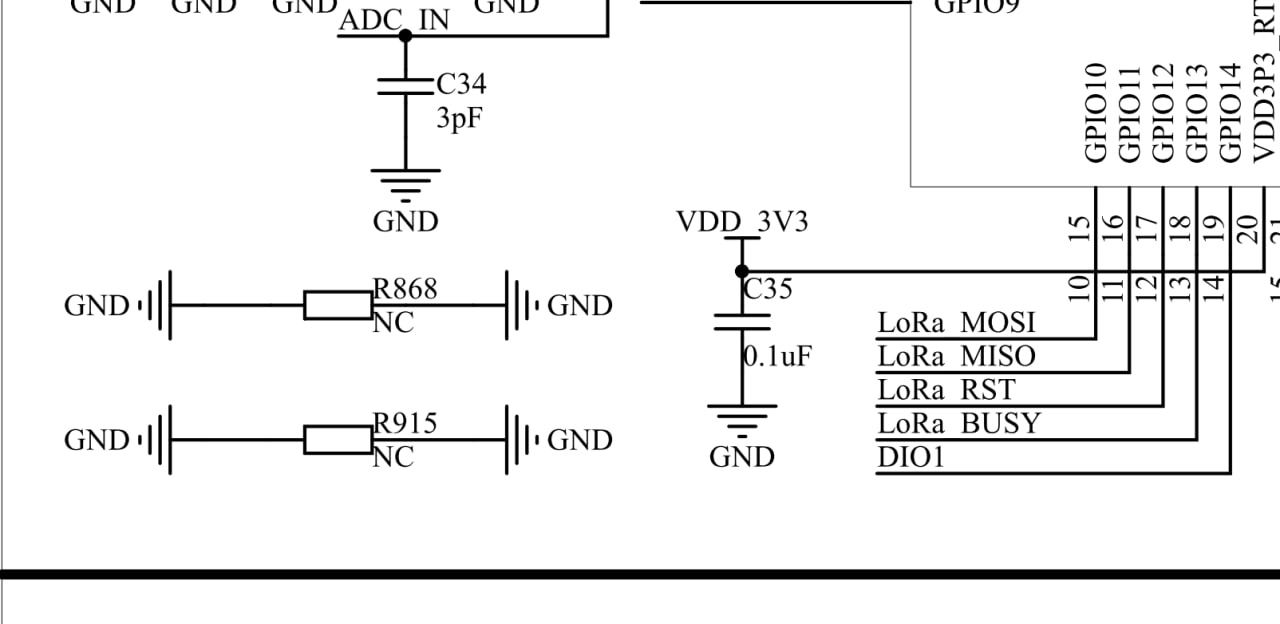
- abiankus shared a technical project summary for their TinyGS ground station, detailing an ESP32-S3-DevKitC-1 microcontroller with a LoRa Ra-01 (SX1278) module operating at 433 MHz, running on an HP EliteBook 840 G5 with Ubuntu Linux. 🔗
Antenna Building
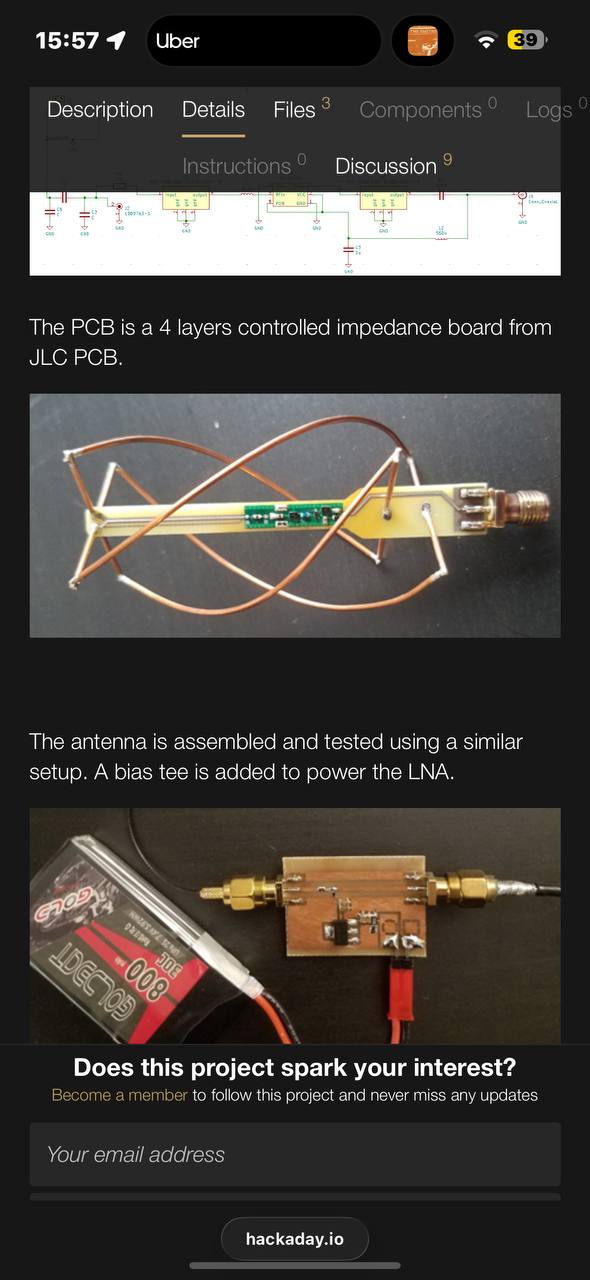
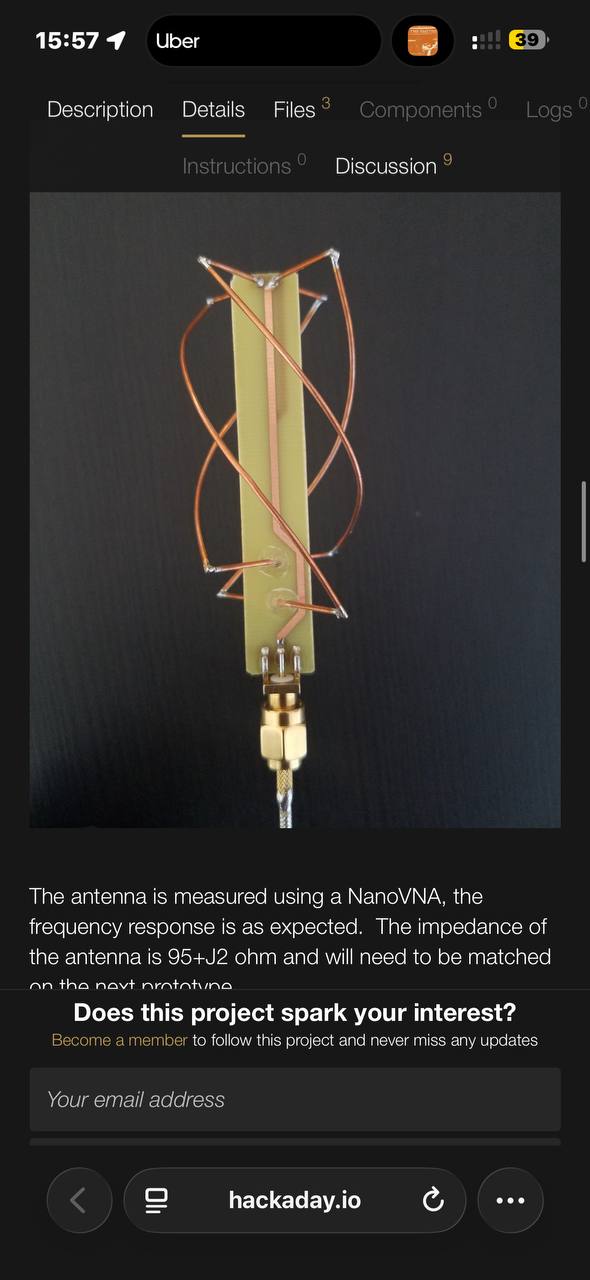
- secluck shared a Hackaday project for an active GNSS antenna and asked if it is replicable without a balun, as they cannot design and fabricate one. They also shared an image of the LNA they have. Helmi noted that bias tees are available from AliExpress and asked where the LNA ICs are sourced from. He also explained that for the specific LNA shown, a bias tee is not needed since it is powered via USB, and there is no choke at the output for coax supply. Peter pointed out that if the antenna is used in a rocket, the main challenge would not be satellite signal reception but the processing speed due to rapid position changes. Helmi added that normal GPS receivers may not work in rockets due to COCOM limits (1000 knots or 18000m height), which can prevent data output. 🔗
https://hackaday.io/project/176769-active-gnss-antenna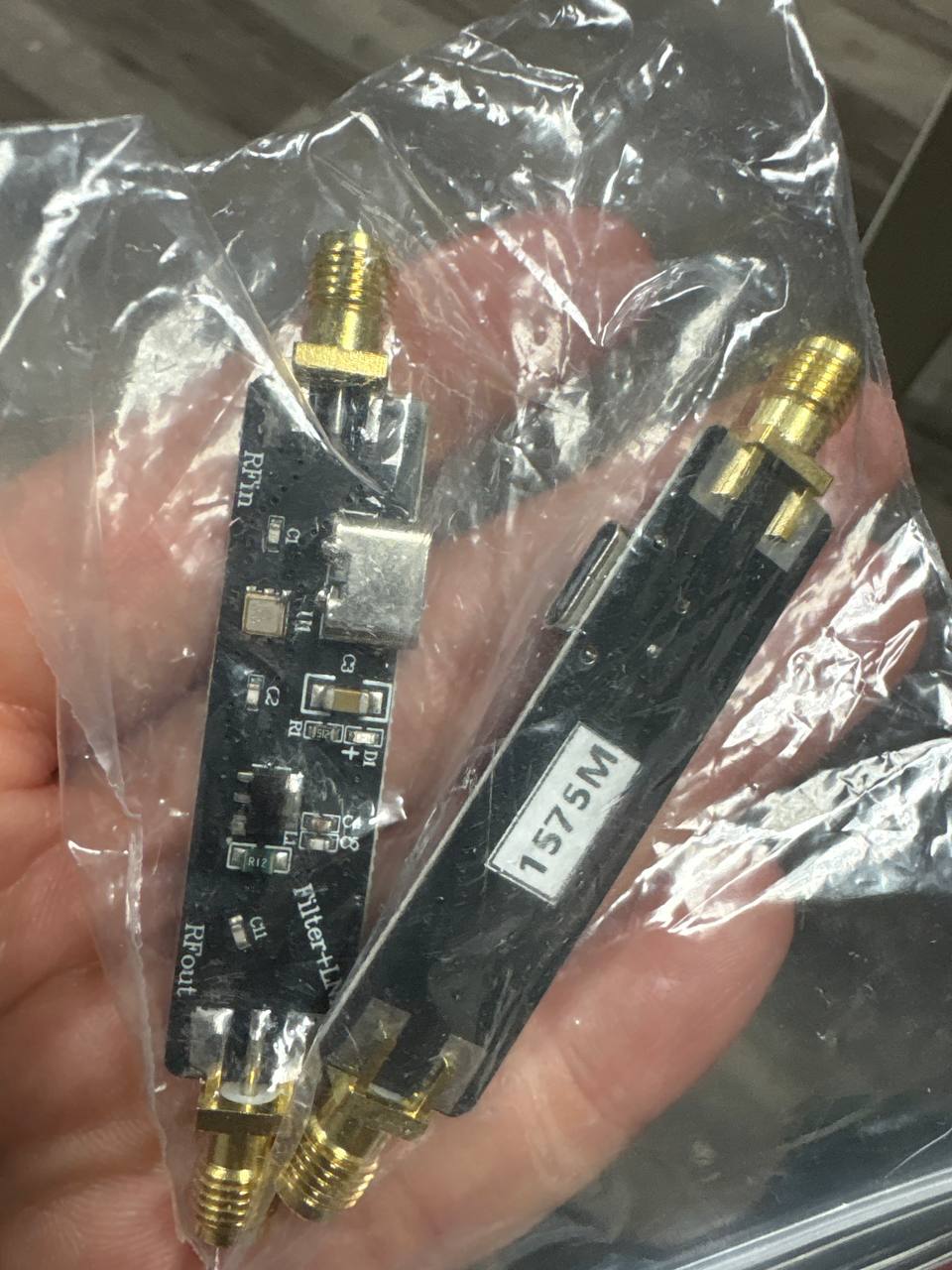
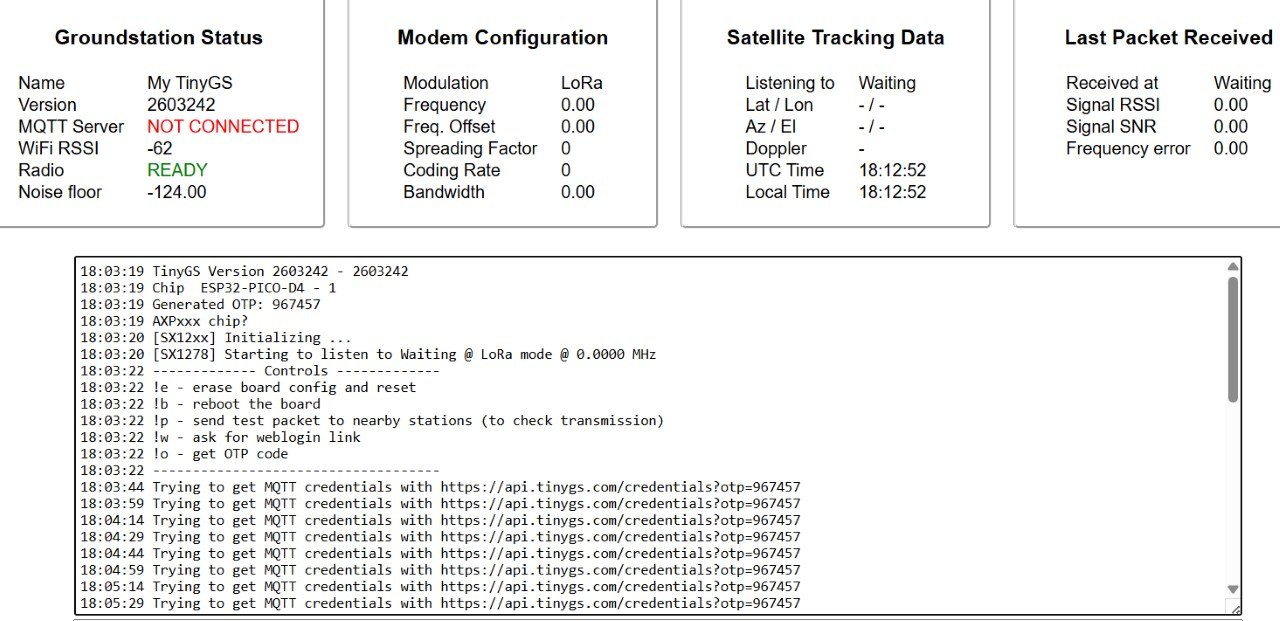
- costaBrava8 asked about MQTT_USER and MQTT_PASS configuration, and shared an image related to the setup. Stefan/OE6ISP suggested checking for typos or case sensitivity issues in the MQTT username and password as a potential solution. 🔗
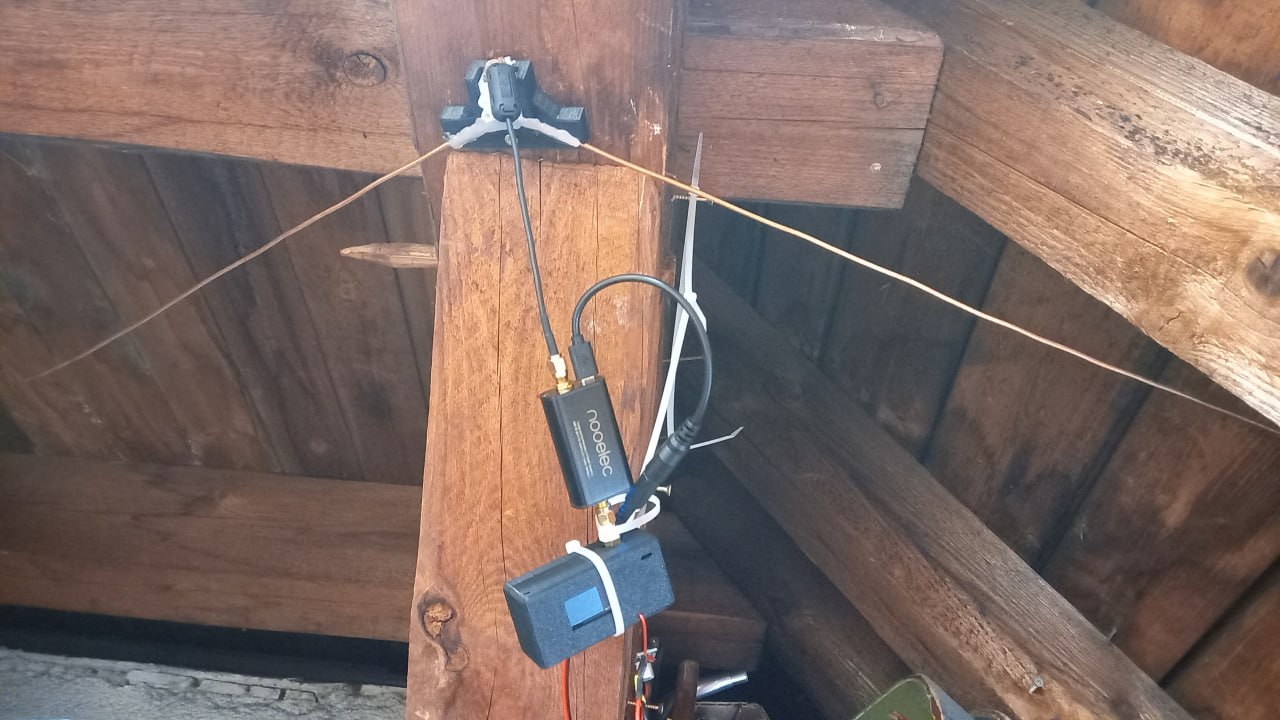
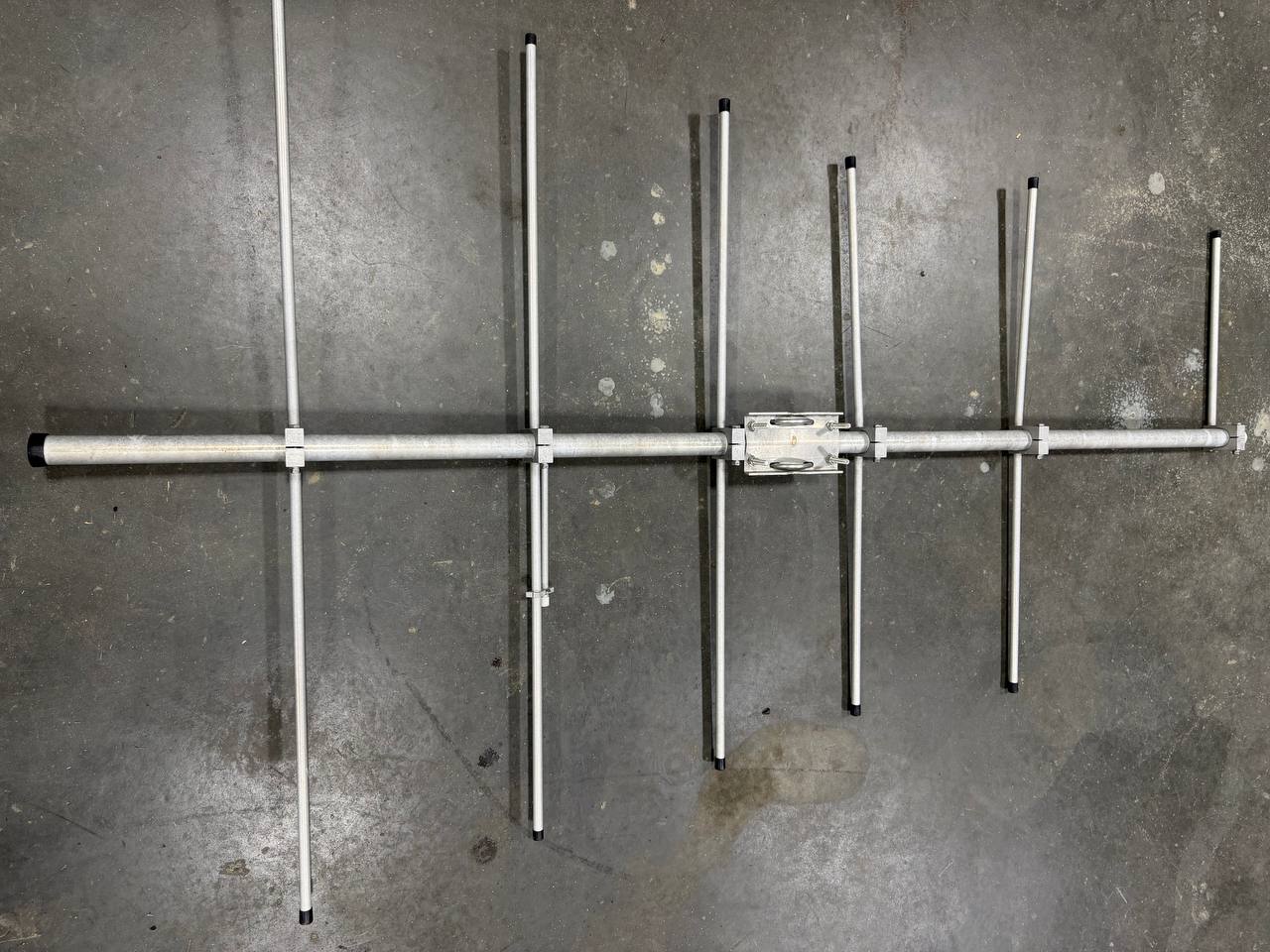
- Me asked for help identifying the band of an antenna. Helmi noted that dimensions are necessary to determine the frequency and suspected it might be a LogPer antenna, but the shortest element appeared broken. After providing measurements, Helmi estimated it could be for 137 MHz weather satellites or 145 MHz ham radio. 🔗
Beta Firmware Testing
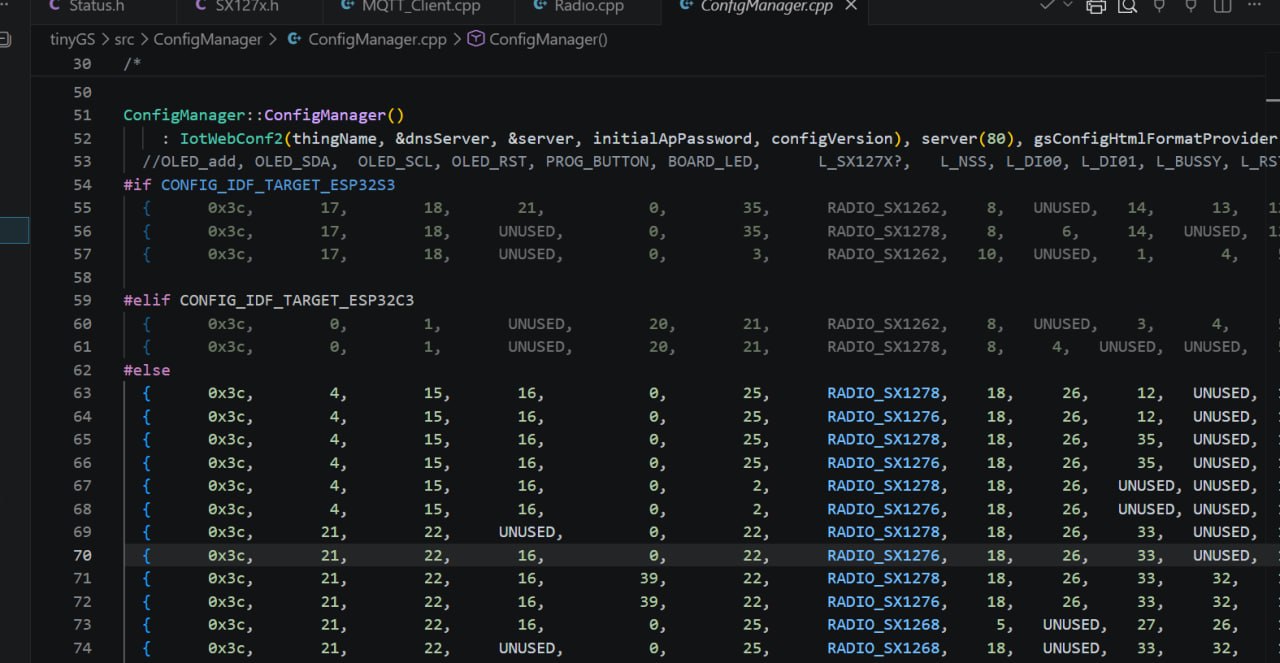
- CT7ARQ installed firmware version 2603242 on an ESP32 with an SX1278 module but couldn’t find the option for the LoRa board. Stefan/OE6ISP explained that the configuration depends on the hardware, suggesting to check the C++ source file for matching pin configurations or create a custom board template. CT7ARQ confirmed the board was homemade and decided to create a custom template. 🔗
Featured Conversations
- The community supported the onboarding of NuLink-1 and NuLink-2 satellites, sharing beacon parameters and attempting reception despite low expected signal strength. The satellites were added to the system, and discussions continued on how to distinguish them by decoding beacon data, with a member later receiving an S-Band frame and requesting a dedicated decoder.
- A detailed troubleshooting thread explored why a station with a ground-plane antenna was not receiving satellites. Potential causes included cable length resonance, mechanical stress on RF connectors, and IPEX connector wear, with re-soldering leading to partial improvement.
- A user shared a successful DIY ground-plane antenna setup using a fishing pole and direct coax connection, demonstrating that a simple, clean installation at a good location can outperform more complex antennas. The discussion emphasized the importance of environmental noise suppression.
- The community shared practical tips for modifying dipole antennas to achieve resonance in the 400–450 MHz range, including extending elements with brass spacers and adjusting orientation for optimal satellite reception. Users discussed the trade-offs between horizontal and vertical dipole mounting.
- A student working on a Nanosatellite TinyGS project encountered an issue with an OLED screen that turns off after modification, prompting community members to suggest checking the board configuration for a possible fix. Additionally, guidance was provided on configuring TinyGS firmware for homemade ESP32 boards with SX1278 modules.
Latest Cubesats News
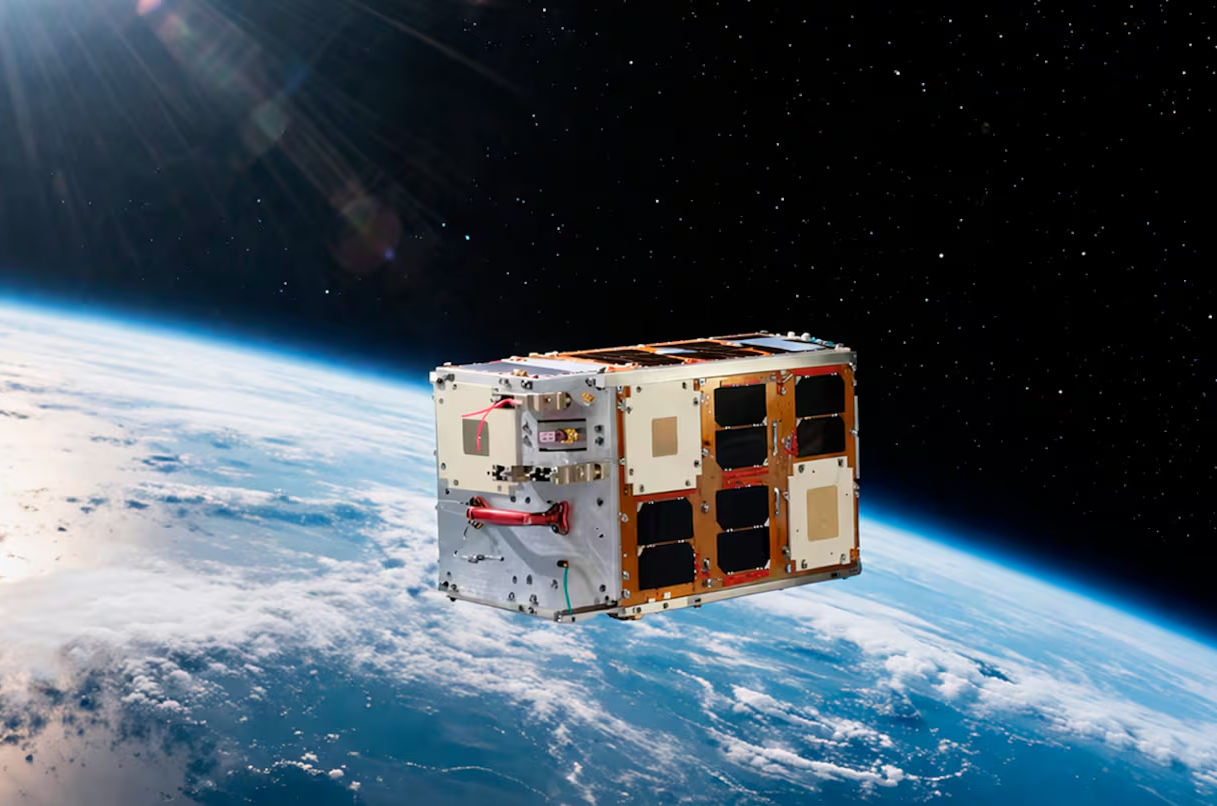
Argentine satellite ATENEA communicated from 70,000 kilometers away from Earth and made history
The Argentine microsatellite ATENEA, launched as part of the Artemis II mission, established communication from over 70,000 kilometers away, setting a national distance record. The first contact occurred at 00:58 on April 2, just seconds after release, with stable data transmission beginning earlier than expected. The satellite, a 12U CubeSat designed and built in Argentina, is validating deep-space communication capabilities using national infrastructure. Telemetry data including battery levels, temperatures, and orientation is being received and analyzed by CONAE stations in Córdoba and Tierra del Fuego.

The Sun Under the Lens of CubeSats: The First Distributed Space Observatory is Born
IKI RAN and Geoscan have unveiled the world’s first distributed space observatory composed entirely of small CubeSat satellites. The system will use platforms equipped with X-ray telescopes, spectrophotometers, and coronagraphs, operating in low Earth orbit and at Lagrange points. This mission aims to democratize solar research by providing open access to observation time and data for scientists, students, and schools. The modular design allows for cost-effective upgrades and rapid replacement of individual units, ensuring continuous solar monitoring.

Greece Launches Space-Based Wildfire Detection System: Hellenic Fire Constellation Begins
Greece has launched a constellation of four CubeSat satellites, the Hellenic Fire System, to detect and track wildfires from space. The system, developed by OroraTech with support from ESA and EU funding, provides thermal monitoring coverage across Greece. Each satellite is equipped with infrared cameras to detect active fires and thermal anomalies. The program aims to enhance national disaster response and will eventually expand to 13 satellites.

This student-built satellite is set to help us understand ghost particles better—here’s how
A student-built CubeSat named SNAPPY launched on May 3, 2026, to study solar neutrinos from low Earth orbit. The half-pound detector tests whether compact technology can distinguish neutrinos from background noise in space. Led by Wichita State University, the project aims to prove the feasibility of a larger detector closer to the Sun. Over 36 students contributed to the mission, which received NASA Innovative Advanced Concepts funding.

CubeSat Market Is Going to Boom | Planet Labs, Spire Global, PlanetIQ
The CubeSat market is experiencing significant growth. Key players include Planet Labs, Spire Global, and PlanetIQ. The market is projected to expand substantially in the coming years. This growth is driven by increasing demand for small satellite applications.

Finland Has Become a Space Power – How the Domestic Iceye Satellites Work
Finland’s defense forces have acquired three SAR reconnaissance satellites from the Finnish company Iceye. Iceye operates the world’s largest SAR satellite constellation, with 70 satellites currently in orbit and plans for 50 more by 2027. The satellites provide high-resolution radar imagery through clouds and darkness, with resolutions as fine as 16 centimeters. Iceye has secured major defense contracts with Finland, Germany, Sweden, and Poland, while also serving commercial clients for environmental monitoring and maritime surveillance.

A satellite the size of a coffee mug just unfolded like origami in orbit, and JAXA says the trick …
JAXA’s OrigamiSat-2 CubeSat deployed an origami-style antenna in orbit, expanding to 25 times its stowed size for higher data transmission. The April 2026 Rocket Lab mission also carried ocean observation, multispectral imaging, and AI-based ship detection payloads. Demonstrations included debris reduction technologies like drag sails and screw-free manufacturing to meet sustainability regulations. The launch supports JAXA’s strategy of proving new space technologies for commercial and security applications.

SUNBURSTS | Final Stretch
Cornell students are in the final stretch of the semester, filling study spots like the Mui Ho Fine Arts Library and Law Library. Sleep-deprived and fueled by caffeine, they are completing assignments and preparing for finals. Resources are available from the Learning Strategies Center, departments, and Student Agencies Tutoring. Positive messages from the administration are posted around campus to motivate students.

Inprentus awarded contract to make convex gratings for TASA CubeSat-based greenhouse …
Inprentus has been awarded a contract by TASA to produce curved diffraction gratings for a CubeSat-based mission. The company successfully completed a manufacturing test by ruling grating grooves into a convex surface. This contract follows a recent NASA award, underscoring Inprentus’ expanding role in space instrumentation. The gratings will be used in a greenhouse gas monitoring satellite.

Tanzania Satellite Development Procurement Has Been Completed - Orbital Today
Tanzania has completed procurement for its first satellite, TanSat-1, as announced by Minister Angeliah Kairuki. The 1.3kg CubeSat, developed under the KiboCUBE project with Japan and the UN, will be deployed from the ISS. It will support sustainable development goals, biodiversity conservation, and climate change mitigation. The satellite is part of Tanzania’s five-year space program strategy, “From Mount Kilimanjaro, the Peak of Africa, to Space.”
What’s next
Join the TinyGS Telegram channel to participate in these discussions and contribute to the project. Your experiences and insights can help others build and improve their stations!