tinyGS
· TinyGS Community · 7 min read
Weekly Newsletter - May 17, 2026
Welcome to the TinyGS weekly community newsletter. Here are the most relevant discussions and developments from this week, covering antenna setups, technical troubleshooting, and community hardware sharing.
Highlights
General
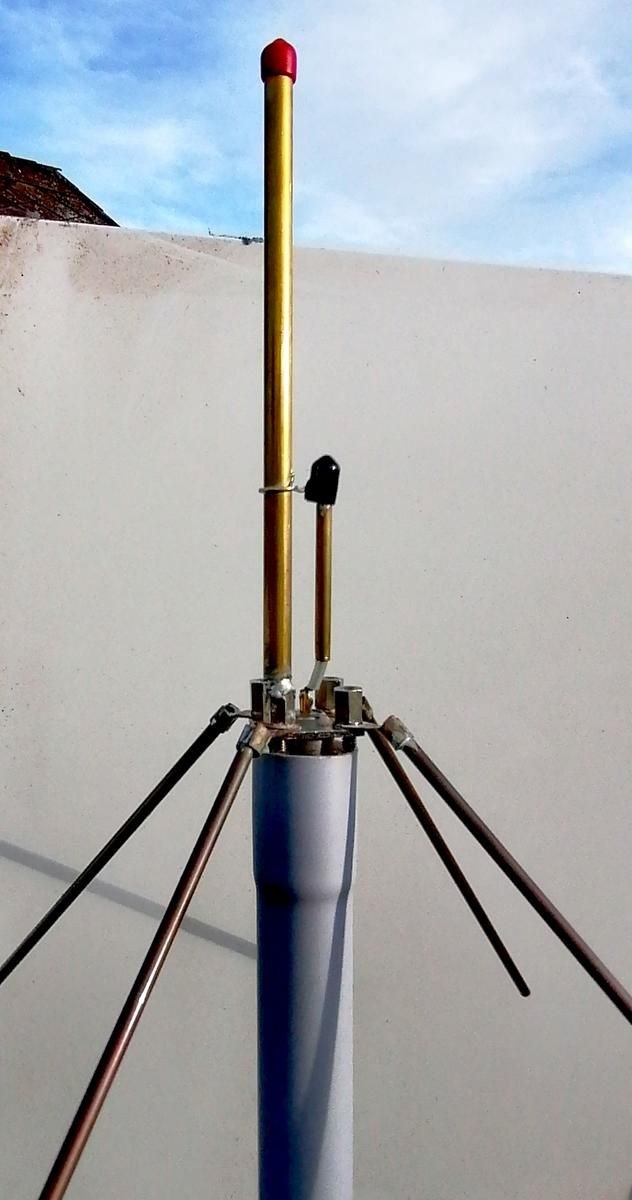
- KG4DRP set up a 5/8 ground plane antenna with an LNA on a Heltec V3 board and received advice that on 433 MHz reception should be immediate, while on 869 MHz it might not work. The user later confirmed capturing a signal. 🔗
- Ik1sow configured their station location with GPS-verified coordinates but the console showed an elevation of 0m. Community member Helmi explained that elevation is automatically taken from a database and does not affect satellite reception, advising patience for database updates. 🔗
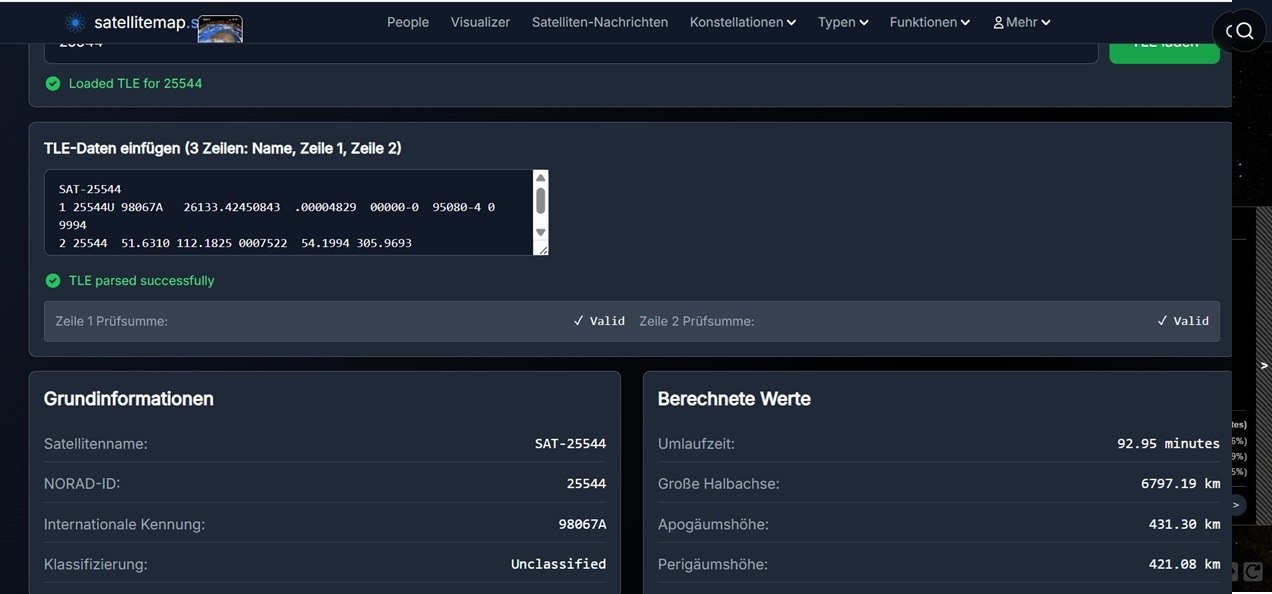
- Stefan/OE6ISP shared a useful tool called Satellite Map (satellitemap.space), which provides information about satellites, orbital data, and frequencies, along with related images. 🔗
https://satellitemap.space/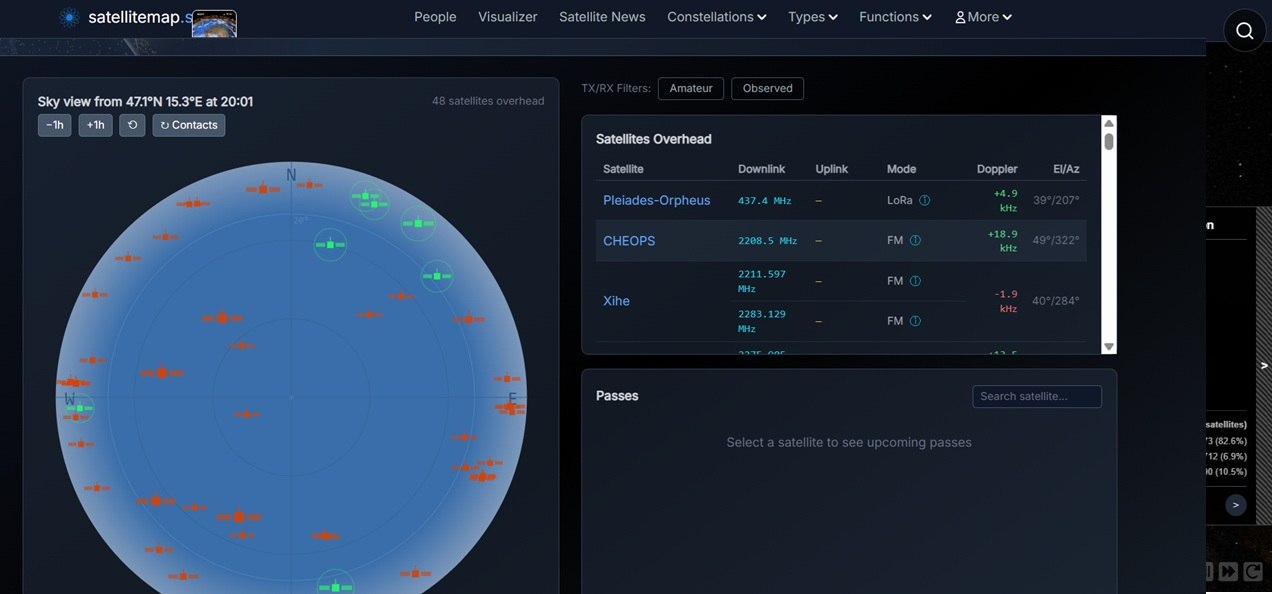
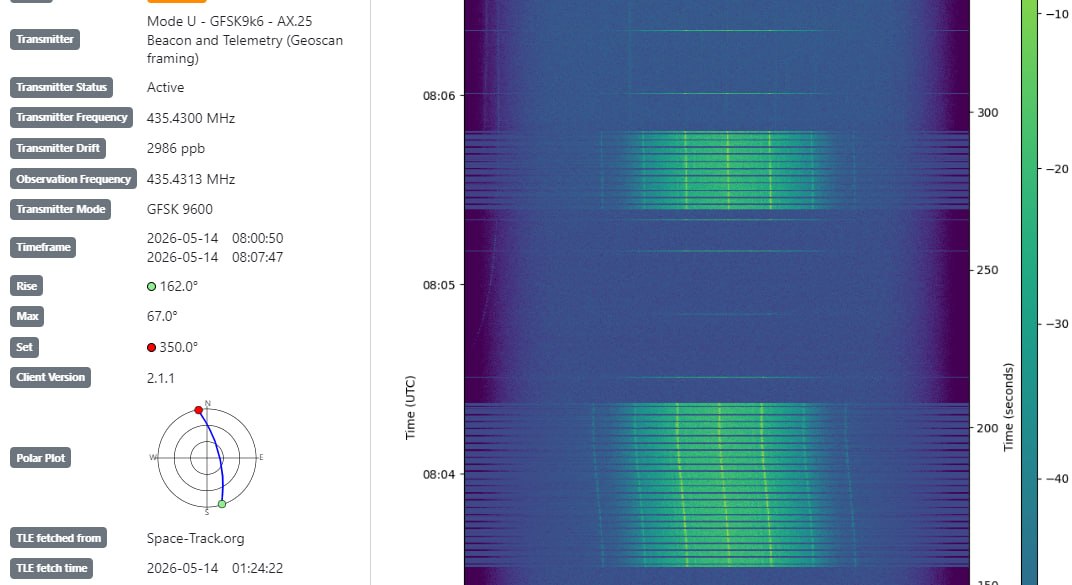
- Stefan/OE6ISP shared amazing images received from the decaying HORIZON satellite in FSK-mode, received by an SDR-stick in the SatNogs network, and mentioned trying to find a solution for the ESP-32 board to receive such data. 🔗
https://network.satnogs.org/observations/14066408/

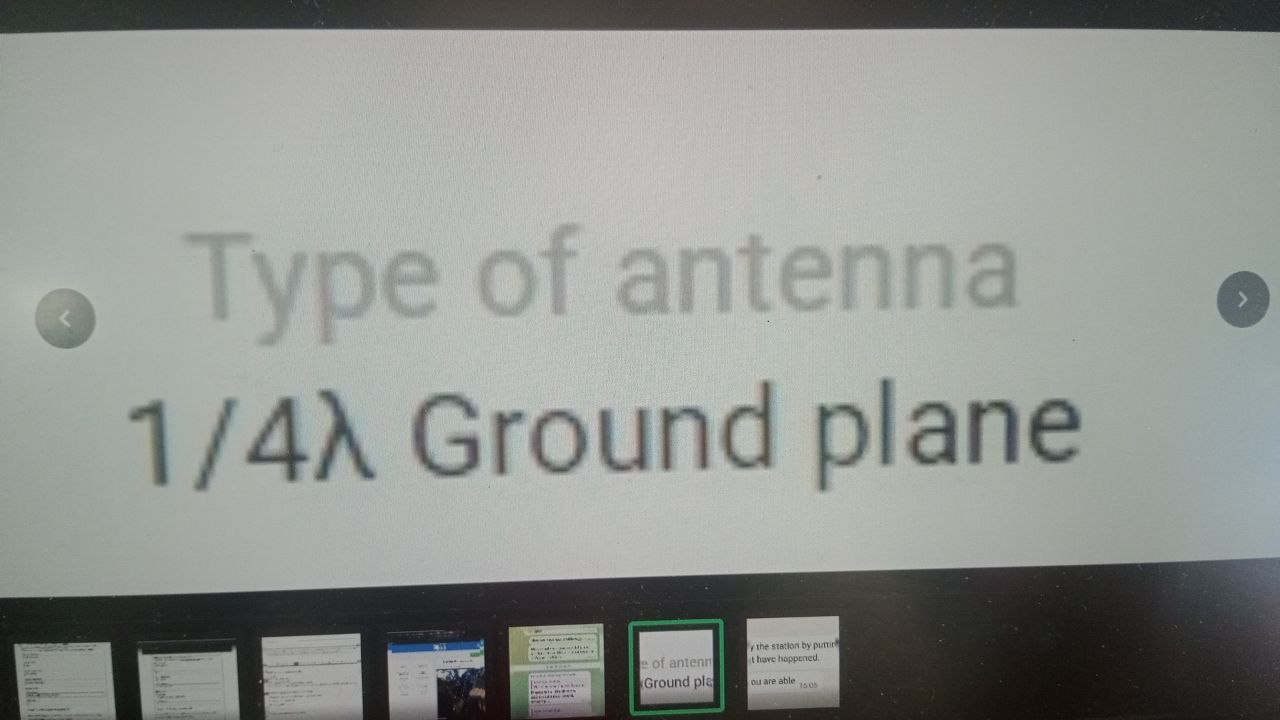
- KC1OCA asked about the performance of stock antennas on 433 MHz devices. Helmi strongly advised discarding the stock antenna and building a simple ground plane antenna, directing to the Antenna Building thread. KC1OCA agreed, noting the same applies to antennas in the 33 cm band. 🔗
Technical Problems
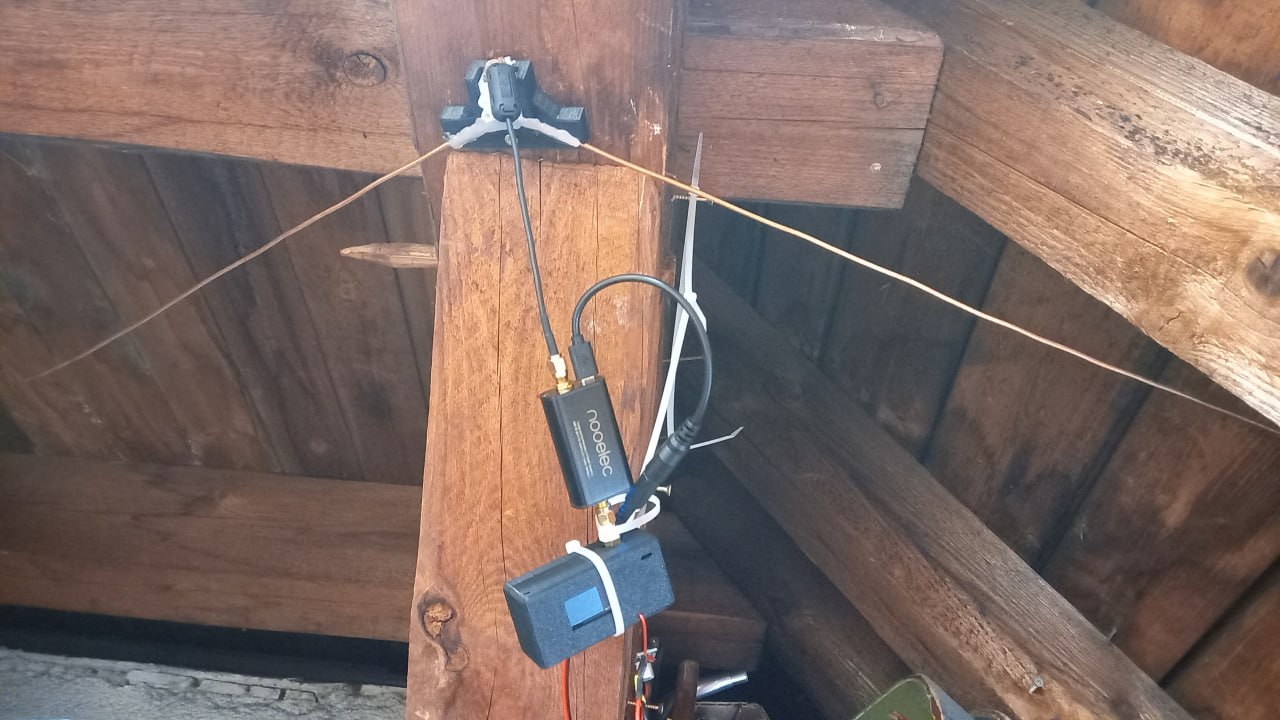
- Azra Görkem shared that their school-based system initially experienced MQTT server connection errors due to an unopened port. After resolving that, they faced no data reception. Community members Peter and Helmi provided troubleshooting advice, including checking antenna connections, cable length, using an LNA directly behind the antenna, and noting that the noise floor level on the local dashboard is a good indicator of antenna connection quality. Helmi also commented that -110 dB seems acceptable but asked about cable length and type, and noted that ‘MyTinyGS’ is not a good station name as it could be duplicated. 🔗
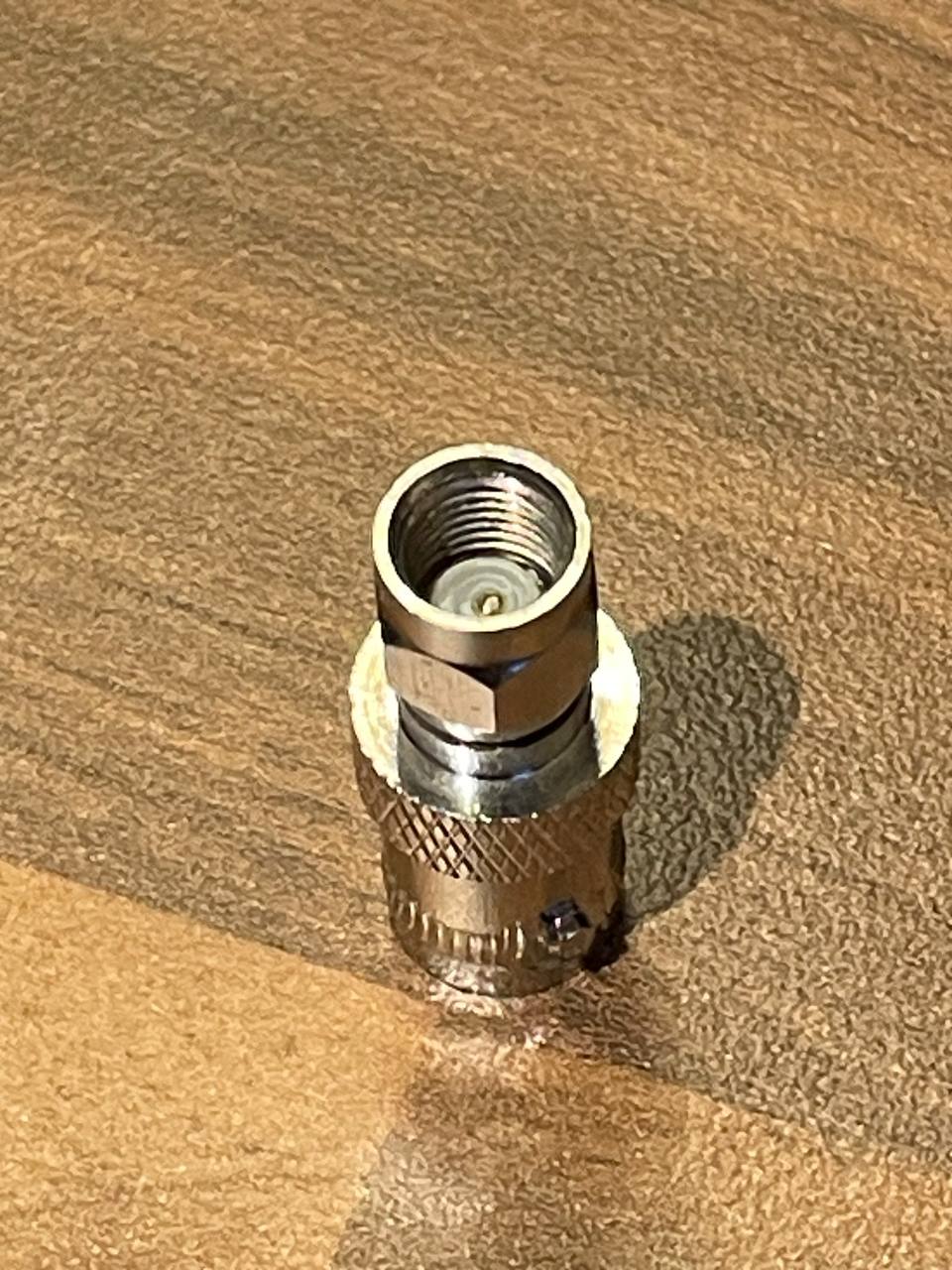
- David shared a photo revealing why they hadn’t received any signals for a few days, noting that amazingly, a very small amount of signal was still getting through despite the issue. Stefan/OE6ISP commented that it was a classic fail that ensures many days of troubleshooting. 🔗
Share your setup
- Richard asked for help setting up a second station on a different frequency. Helmi provided instructions on how to set up a second station by using the @tinyGS_personal_bot to get a weblogin link, then clicking the ’+ NEW STATION’ button in the console with a different name, noting that MQTT credentials remain the same. 🔗
- Stefan/OE6ISP shared a link to a coaxial stub filter designer and calculator for antenna measurements. 🔗
https://www.changpuak.ch/electronics/Coaxial_Stub_Filter_Designer.php
Where to buy
- Sergey offered a batch of leftover hardware for a symbolic 1 USD plus shipping within the continental US, including Heltec and LilyGO ESP32 LoRa modules, LNA modules, helical filters, and a power supply filter board, with local pickup available in San Jose, California. Jon expressed interest and Sergey confirmed the sale. 🔗
https://www.amazon.com/dp/B09JLNYMGV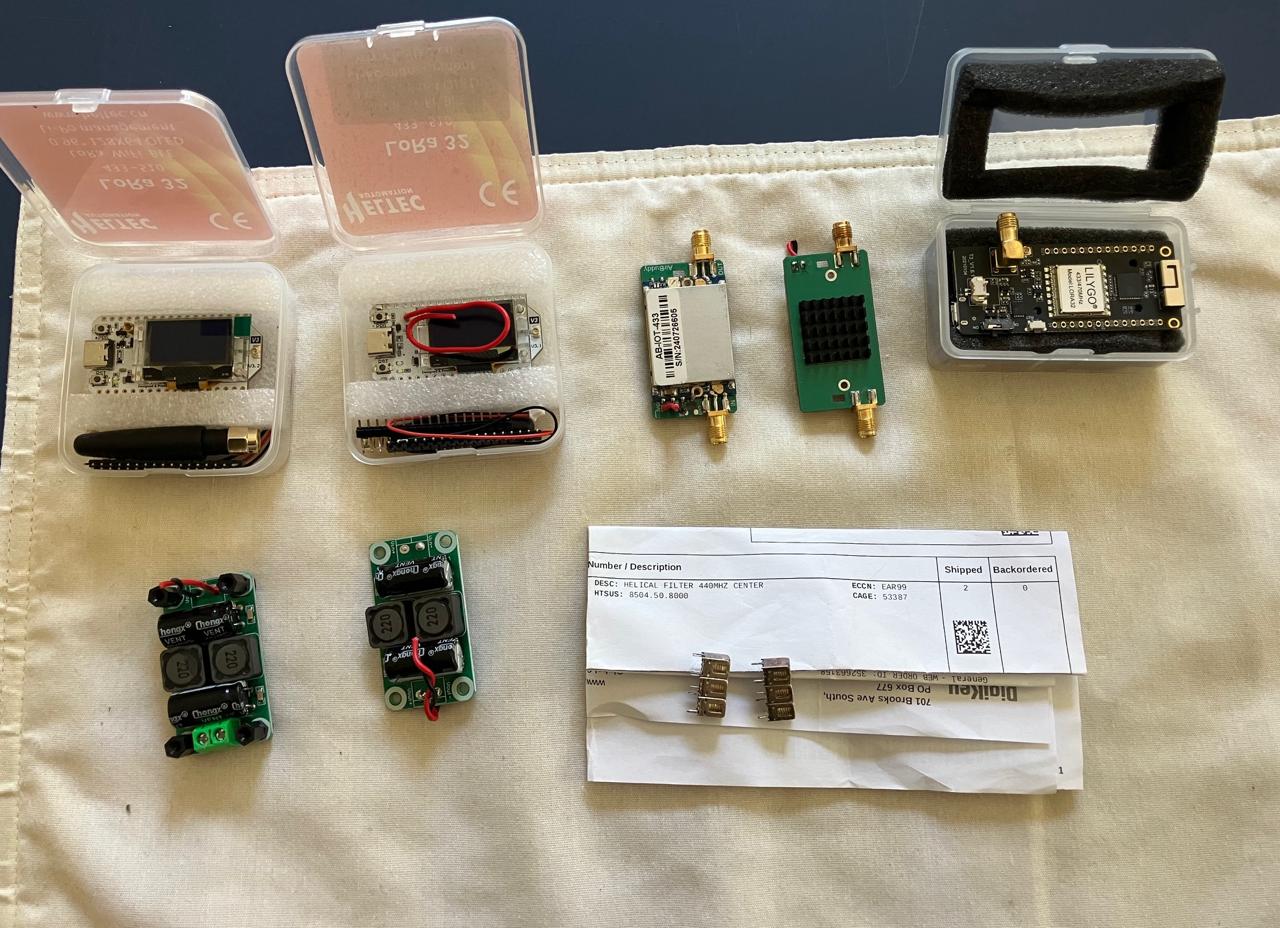
Featured Conversations
- The community discussed antenna setup challenges, including the importance of proper cable connections and ground plane radials for optimal 433 MHz reception, with experienced members providing detailed technical guidance on improving signal capture.
- A user shared impressive images received from the decaying HORIZON satellite via the SatNogs network, sparking interest in adapting ESP-32 boards for similar FSK-mode data reception.
- Members exchanged tips on setting up multiple stations for different frequencies, with step-by-step instructions provided for adding new stations through the TinyGS personal bot and console interface.
- A community member offered a batch of leftover hardware including Heltec and LilyGO ESP32 LoRa modules, LNA modules, and helical filters for a symbolic price, fostering hardware sharing within the community.
- Discussions on antenna performance highlighted that stock antennas on 433 MHz devices are often ineffective, with experienced members recommending building simple ground plane antennas for better results.
Latest Cubesats News
CW operators wanted to decode data from a Cubesat built in Tokyo - PI4RAZ
The Sakamoto Laboratory in Tokyo, Japan, is asking the amateur radio community to listen for CW signals from the ARICA-2 CubeSat. The 2U satellite, launched from New Zealand in late April, transmits CW data at 20 wpm on 436.830 MHz. GMSK transmissions at 4800 baud in AX25 format will also begin later. The satellite also has a non-amateur mission involving Earth imaging and gamma-ray burst detection.
Israel Space Agency Seeks Israeli Nano-Satellites and Payloads for Upcoming Artemis Missions
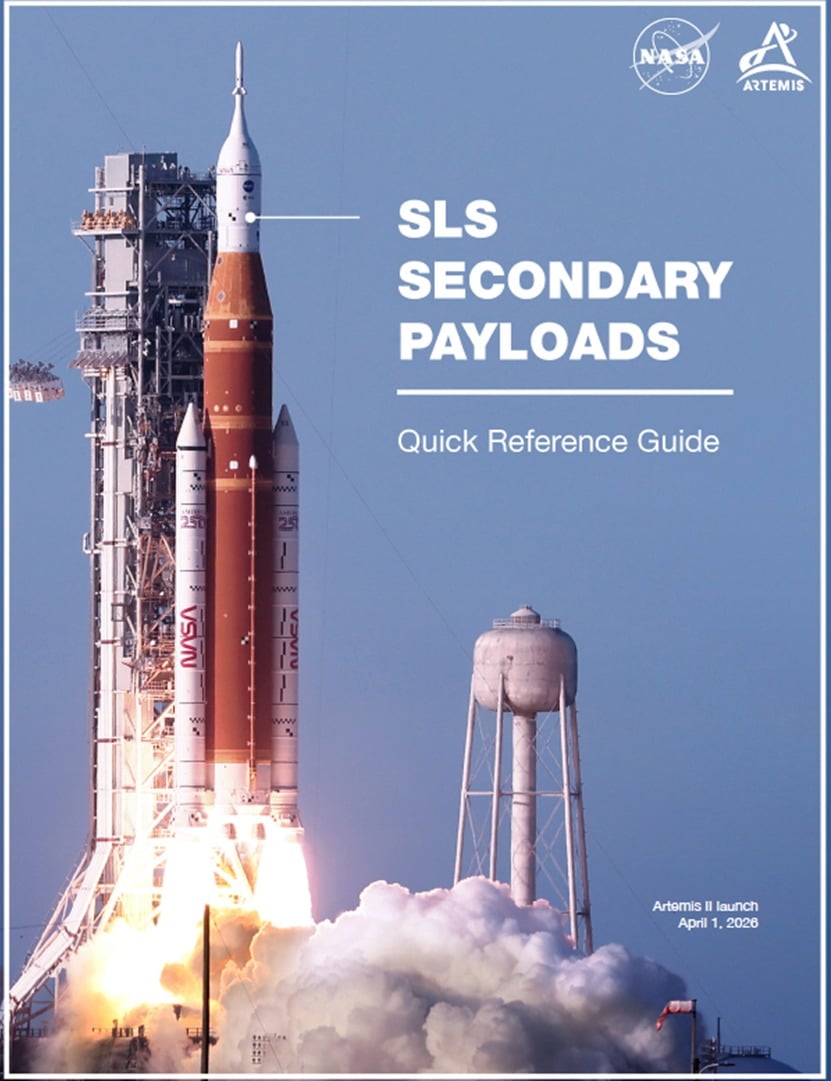
The Israel Space Agency has issued a call for proposals for CubeSat payloads and experiments for potential inclusion in NASA’s Artemis III–V missions. Proposals must be submitted by May 25, 2026, with selected ones forwarded to NASA by June 1, 2026. Eligible payloads include 6U or 12U nano-satellites to be deployed from the Orion spacecraft in Earth, lunar, or heliocentric orbits. This follows Israel’s participation in Artemis I and a strategic 10-year cooperation agreement signed with NASA in December 2025.

Kazakhstan, Türkiye, Uzbekistan and Azerbaijan to develop joint scientific CubeSat
Kazakhstan, Türkiye, Uzbekistan, and Azerbaijan are collaborating to develop a joint scientific CubeSat. The project aims to advance space technology and research among the four nations. The initiative was announced through official sources, including Akorda. This partnership highlights growing regional cooperation in space exploration.

Goodbye to bulky space antennas: Japan sends an origami CubeSat that expands 25 times
On April 23, 2026, Rocket Lab launched JAXA’s OrigamiSat-2, a 3U CubeSat that deploys a high-gain reflectarray antenna 25 times its stowed size. The 64-gram antenna targets 5.8 GHz links, enabling smaller satellites to transmit more data with less power. The mission is part of JAXA’s program to test new technologies for commercial and dual-use applications, including secure communications. Success could make large-aperture capabilities cheaper and more accessible for small satellite networks.
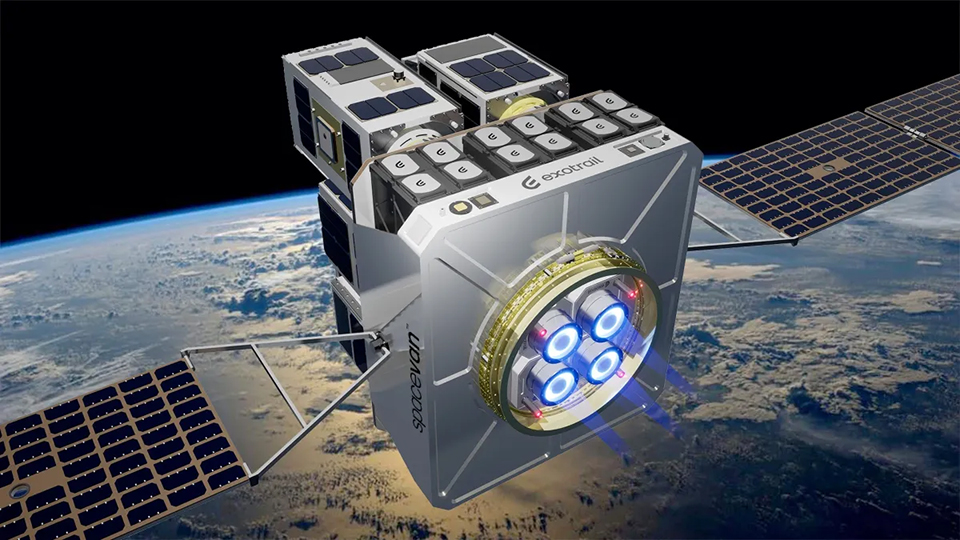
Exotrail Confirms Successful Deployment of NASA-Funded AEPEX CubeSat via Spacevan 002
Exotrail successfully deployed the NASA-funded AEPEX CubeSat using its spacevan 002 orbital transfer vehicle. The 6U satellite was placed into a precise 500 km orbit with over 70-degree inclination, a trajectory unattainable by standard rideshare launches. The mission also hosted payloads for international partners, demonstrating multi-user orbital delivery capabilities. Exotrail plans to scale to two LEO missions per year and debut a GEO spacevan variant by late 2026 or early 2027.

CubeSat Market Growth & Top Satellite Companies - SNS Insider
The CubeSat market was valued at $0.52 billion in 2025 and is projected to reach $2.80 billion by 2035, growing at an 18.34% CAGR. Growth is driven by low-cost satellite deployment, private investment, and demand for real-time data and global connectivity. Key players include Planet Labs, Spire Global, AAC Clyde Space, GomSpace, Blue Canyon Technologies, NanoAvionics, and Lockheed Martin. CubeSats are enabling cost-effective, flexible space missions for Earth observation, communication, and scientific research.

A shoebox-sized detector just rode SpaceX to orbit to test a wild idea in particle physics - Space Daily
A shoebox-sized CubeSat called SNAPPY, carrying gallium and tungsten crystals, launched on a SpaceX mission to test the first space-based neutrino detector. The two-year orbital test aims to validate technology that could eventually allow a smaller detector to study solar neutrinos from closer to the sun. Near the sun, the neutrino flux is nearly 1,000 times stronger than on Earth, potentially enabling a one-kilogram detector to perform like a 1,000-kilogram one on the ground. The mission focuses on surviving space conditions and distinguishing neutrino signals from background noise, paving the way for a future sunward mission.

NZ Backs Kiwi Space Activator programme with $1.48 Million Funding Boost - Devdiscourse
New Zealand’s Space Minister Chris Penk announced NZ$1.48 million in funding for three space projects under the Kiwi Space Activator programme. Dawn Aerospace and the University of Canterbury each received NZ$600,000, while the University of Auckland got NZ$283,827 for satellite and microgravity research. The programme aims to strengthen New Zealand’s space sector and reduce barriers to testing advanced technologies. Applications for a second funding round are open until May 25, 2026.
What’s next
Join the TinyGS Telegram channel to participate in these discussions and contribute to the project. Your experiences and insights can help others build and improve their stations!