tinyGS
· TinyGS Community · 12 min read
Weekly Newsletter - August 30, 2026
This week the TinyGS community compared antenna designs for 137 MHz reception, untangled a few frequency mysteries around ET-001D and the silent ConnectaIoT satellites, and followed a student balloon mission preparing to launch from Singapore. Antenna builders weighed the double-cross against Lindenblad and J-pole designs, while newcomers received hands-on advice for their first Heltec V3 stations. It was a week of practical troubleshooting, shared builds, and a good look at how the network keeps growing.
Highlights
General
- ericfrol noticed that his station appeared twice on the TinyGS map because of the “station_1” name and asked whether duplicate entries could be merged; another member later asked if anyone else was experiencing issues while registering a station, and a separate tip explained that incorrect PC time settings can prevent the TinyGS website from loading, with manual time sync resolving the issue. 🔗
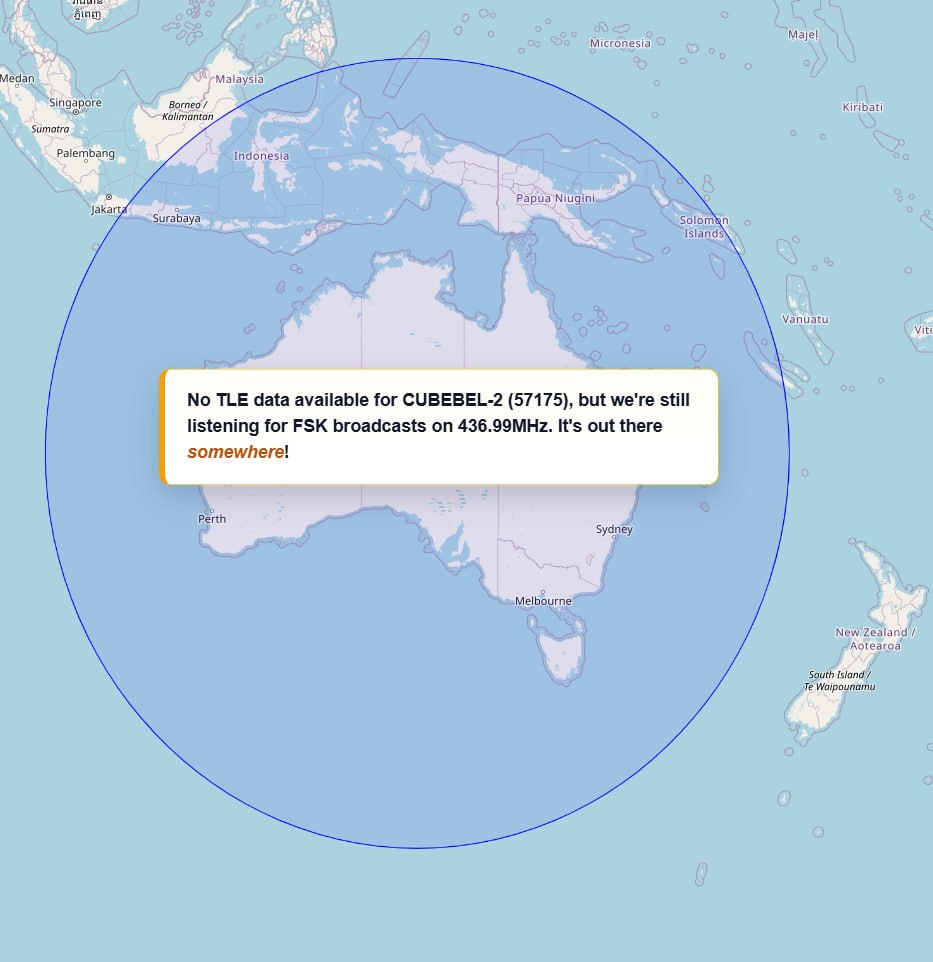
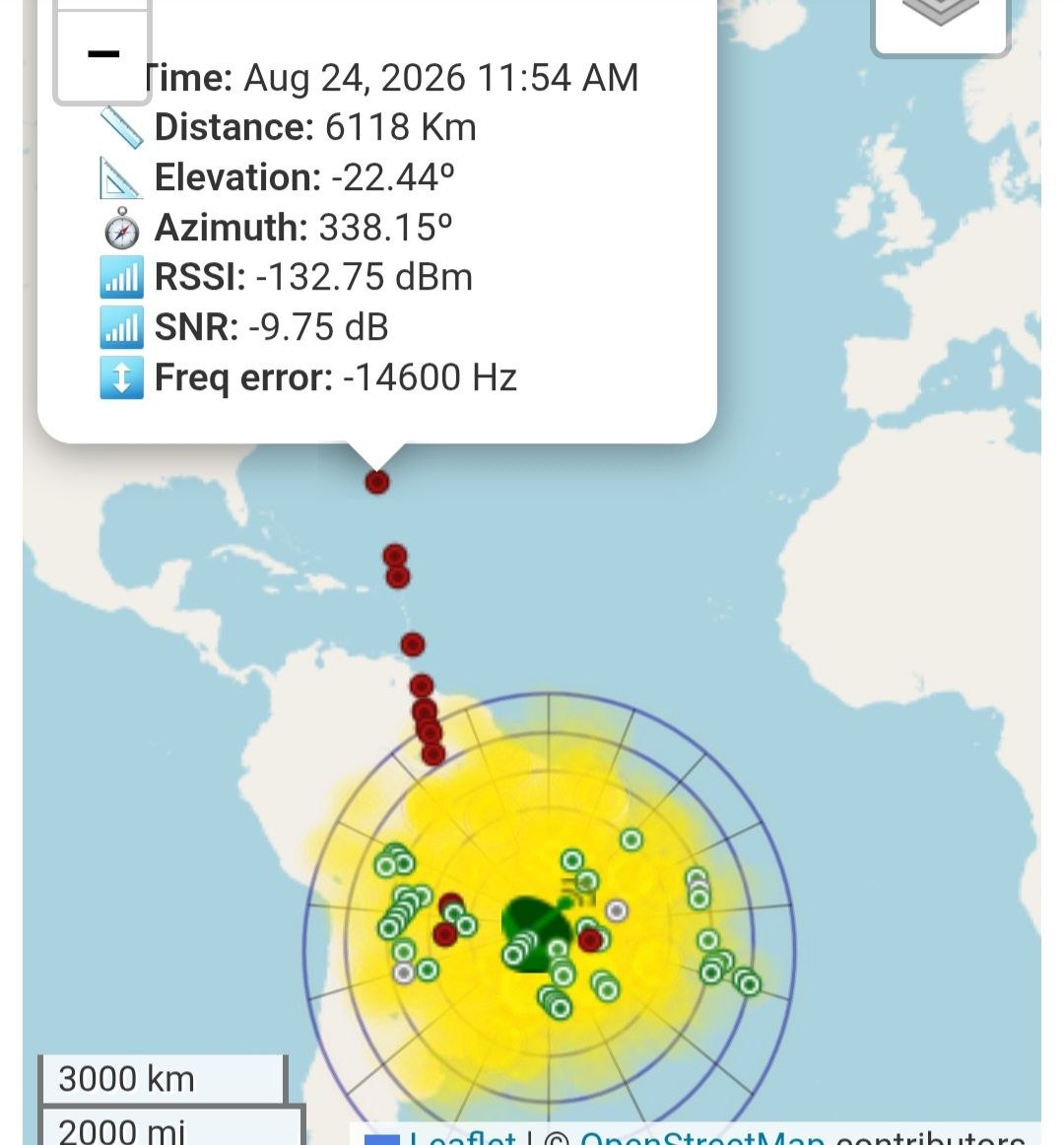
- YRISS reported receiving a signal from over 6,000 km away and wondered if propagation was the reason; the community suggested it was likely an outdated or wrong TLE rather than a firmware bug, noting TLE data for satellites can be chaotic and sometimes needs manual updating. 🔗
- F asked whether the TinyGS server and MQTT server are open source, and Helmi confirmed they are proprietary; in the same thread, a station owner received help recovering the F4IKX_1 station after a reset, with Stefan and Helmi explaining recovery mode, password reset, and board type selection, though a black screen kept login issues alive. 🔗
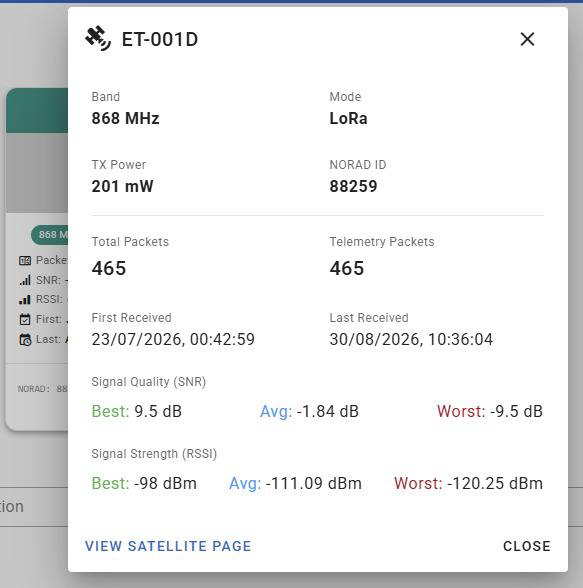
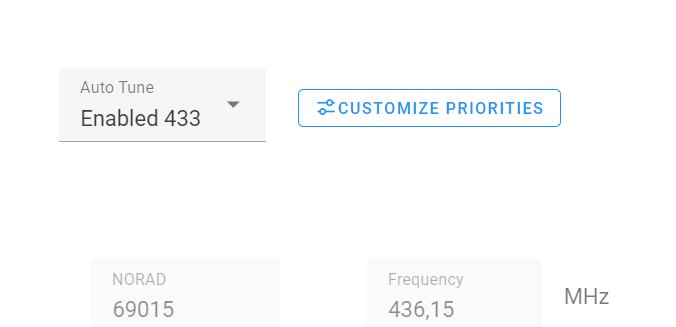
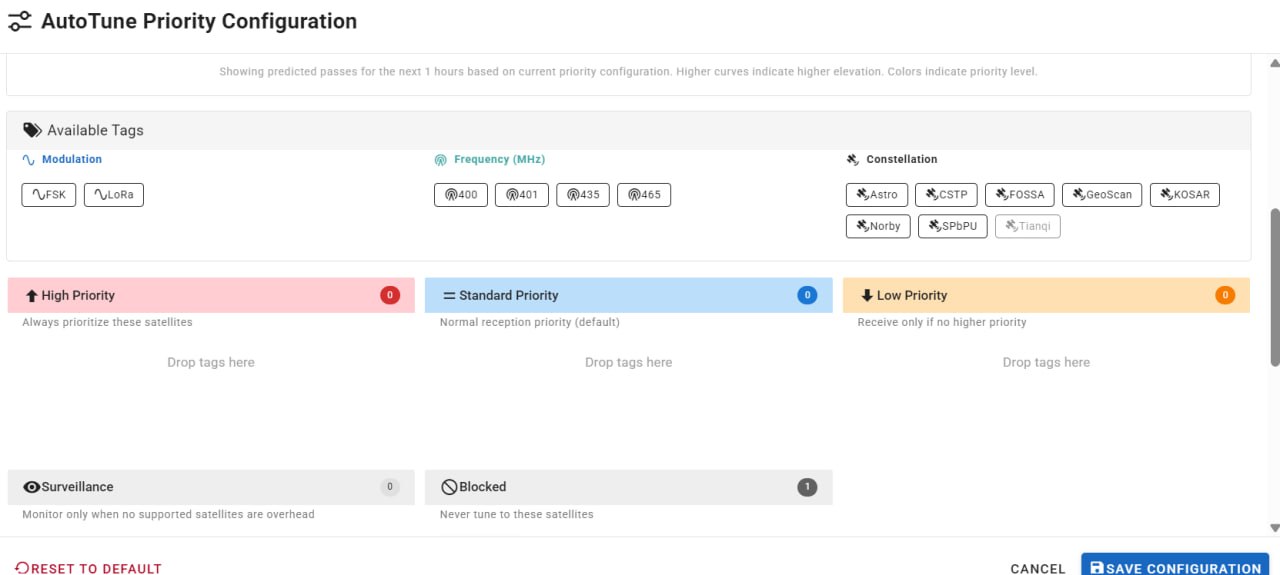
- David noticed the website reporting reception of ET-001D on 868 MHz despite running only 433 MHz devices and a 0-500 MHz LNA; after some back-and-forth it turned out the satdex entry was tagged with the wrong frequency while the satellite actually transmits on 465.5 MHz. He then asked about running two different boards (Heltec and Lilygo) on the same antenna and whether they could be set to listen for different satellites during overlaps; Helmi mentioned the autotune algorithm and Stefan pointed to the “customize priorities” page for setting satellite and protocol priorities. 🔗
- Carnbrea introduced himself as a newcomer planning to build a TinyGS station with his 11-year-old son, asking whether a Heltec V3 433 MHz board with a homemade antenna would see enough satellite traffic; Stefan recommended the Heltec V3 and a simple groundplane antenna, linking to his QRZ page with build instructions, while David added that an SMA adapter is needed and that the Heltec also supports FSK, comparing the Satdex to catching Pokémon. 🔗
https://www.qrz.com/db/OE6ISP
Antenna Building
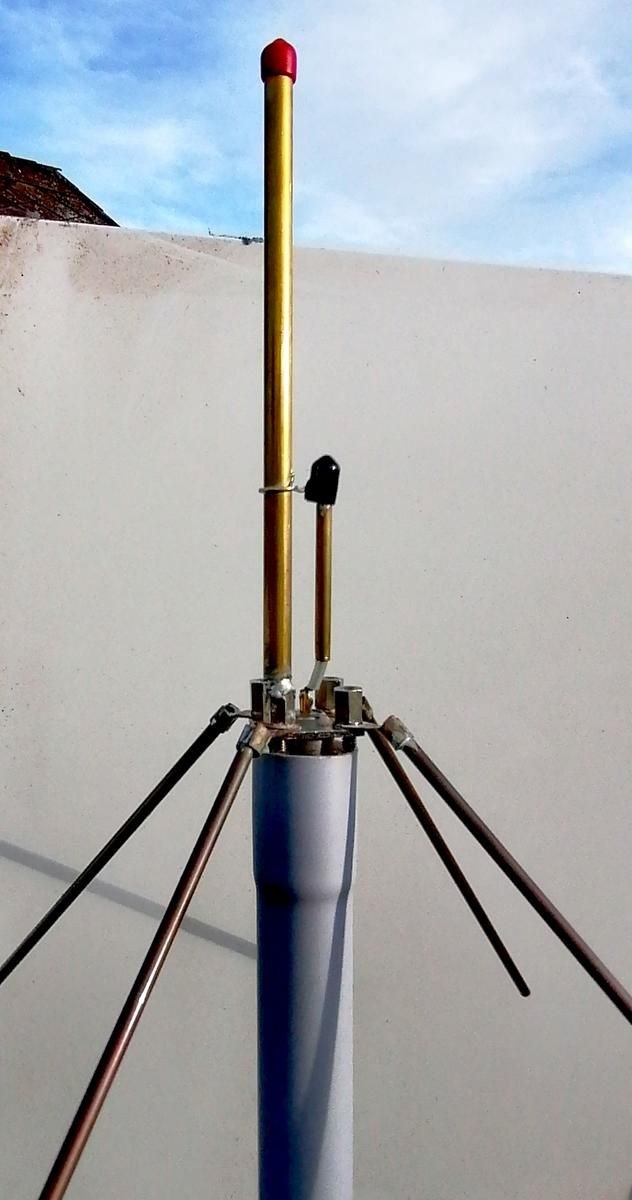
- Pascal asked about using a DCA (Double Cross Antenna) for 137 MHz LoRa satellites and shared a link to the project; Stefan/OE6ISP replied that it would work, noting the 3 dB loss from RHCP versus linear polarization and comparing an eggbeater to a J-pole, then after reviewing the instructions added that the horizontal dipoles provide good gain at low elevation, which is valuable for satellite passes. 🔗
https://drive.google.com/file/d/1lnZTceQjKG06eTGo7NX8dTte6IHbCst0/view?usp=sharing
https://app.tinygs.com/station/OE6ISP_1@1760298214
https://app.tinygs.com/station/OE6ISP_2@1760298214 - Helmi asked Pascal about the Lindenblad antenna, noting its dipoles are tilted about 30 degrees from the horizontal and sharing an AMSAT article; Stefan/OE6ISP explained the main difference between the double cross and the Lindenblad is the gain at 90 degrees elevation, with the Lindenblad dropping 10 dB while the double cross stays near 7 dB, matching free-space loss, and later added that the good J-pole performance can be explained by its low radiation profile and favorable ground reflections, and that the 3 dB polarization loss cannot be recovered by an LNA. Pascal acknowledged the 3 dB polarization difference, described his 137 MHz RHCP turnstile with a 25 dB LNA at the antenna base, shared a comparative document that led him to choose the DCA, and agreed that the lost 3 dB cannot be recovered. 🔗
http://www.amsat.org/amsat/articles/w6shp/lindy.html
http://www.qsl.net/py4zbz/4ant.htm
Technical Problems
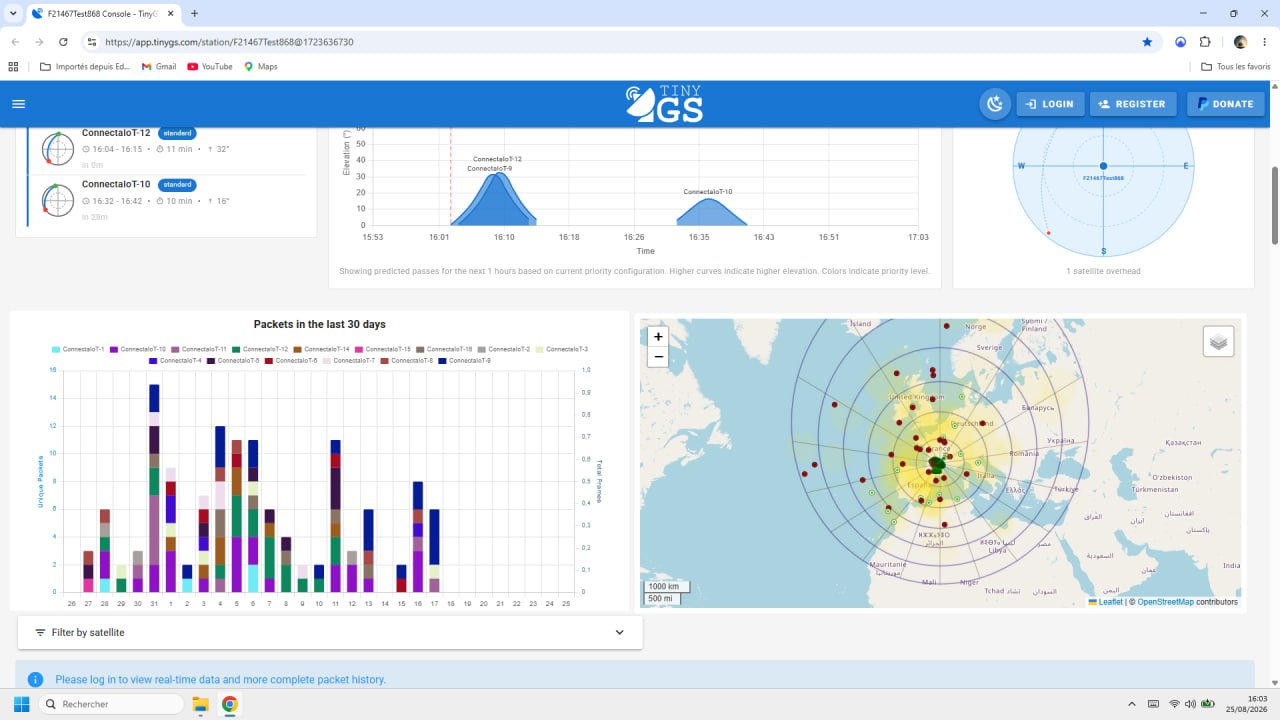
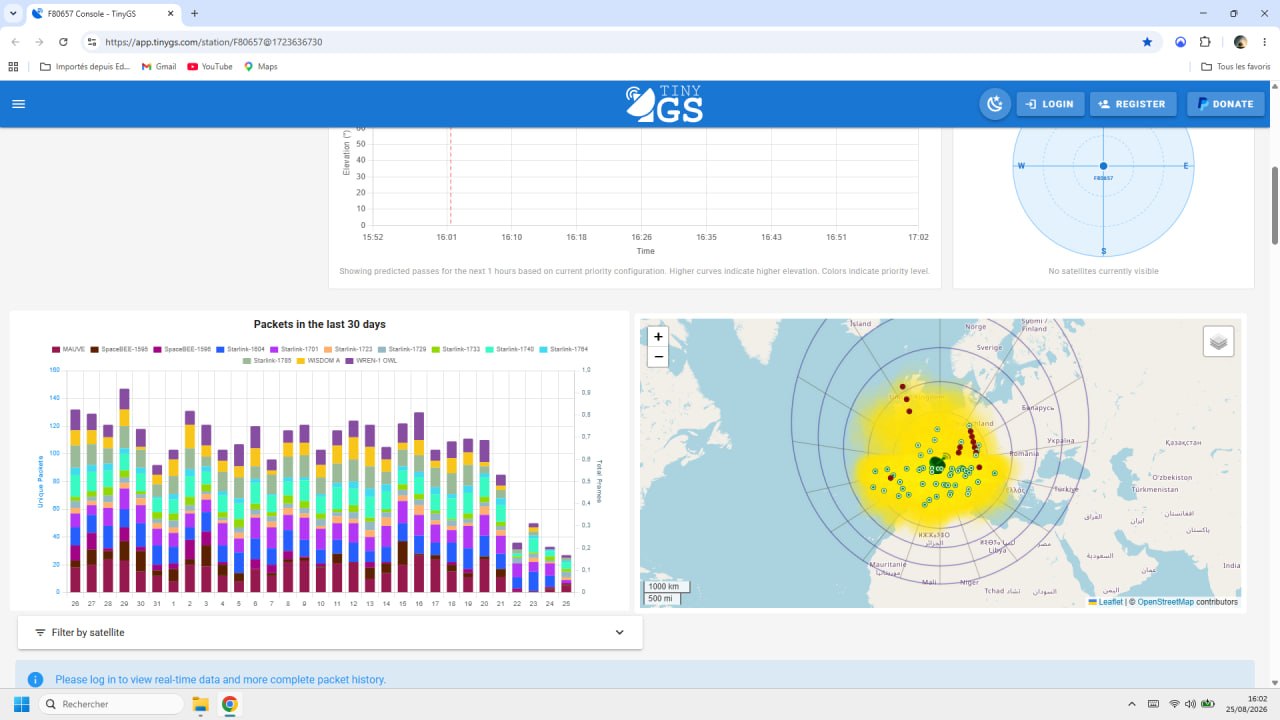
- F21467 shared photos of three station dashboards and reported thoroughly checked connections but couldn’t understand what was happening; Stefan/OE6ISP noted the first looked normal, the second was on 800 MHz where ConnectaIoT had stopped, and the 137 MHz setup might have water in cable or connector. He later confirmed the ConnectaIoT satellites have not been heard on 800 MHz since around 17–18 August, verified with two receivers and an SDR; found CEPT/ECC harmonization documents and ITU notifications for ConnectaIoT in 2025/2026 but no explanation for the silence, and noted ITU coordination only covers the 400 MHz channel. 🔗
https://www.itu.int/itu-r/space/apps/public/spaceexplorer/networks-explorer/space-stations/dashboard/non-plans/CONNECTA%20IOT/124545100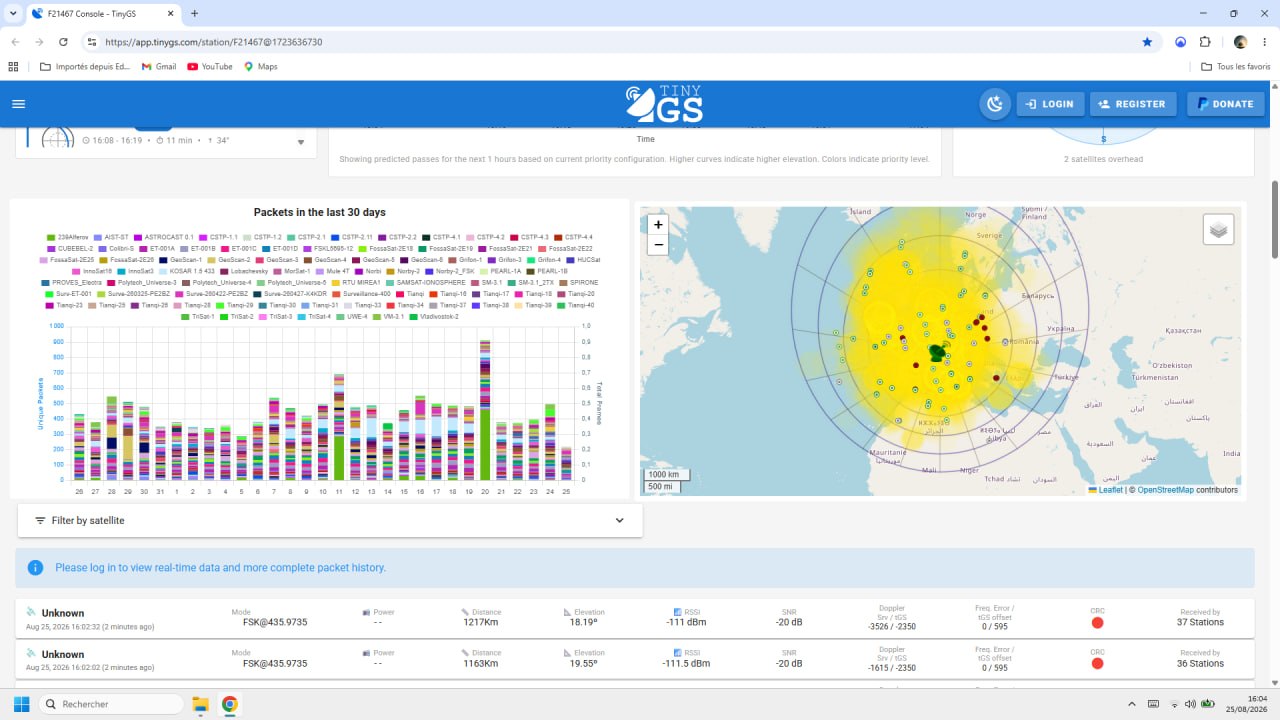
- Notsure7 speculated about the end of a European customer contract and the possibility that the high-speed link had been validated enough to relegate 868 MHz to backup/wakeup only, with Stefan/OE6ISP agreeing the hypothesis was plausible. 🔗
New Satellites
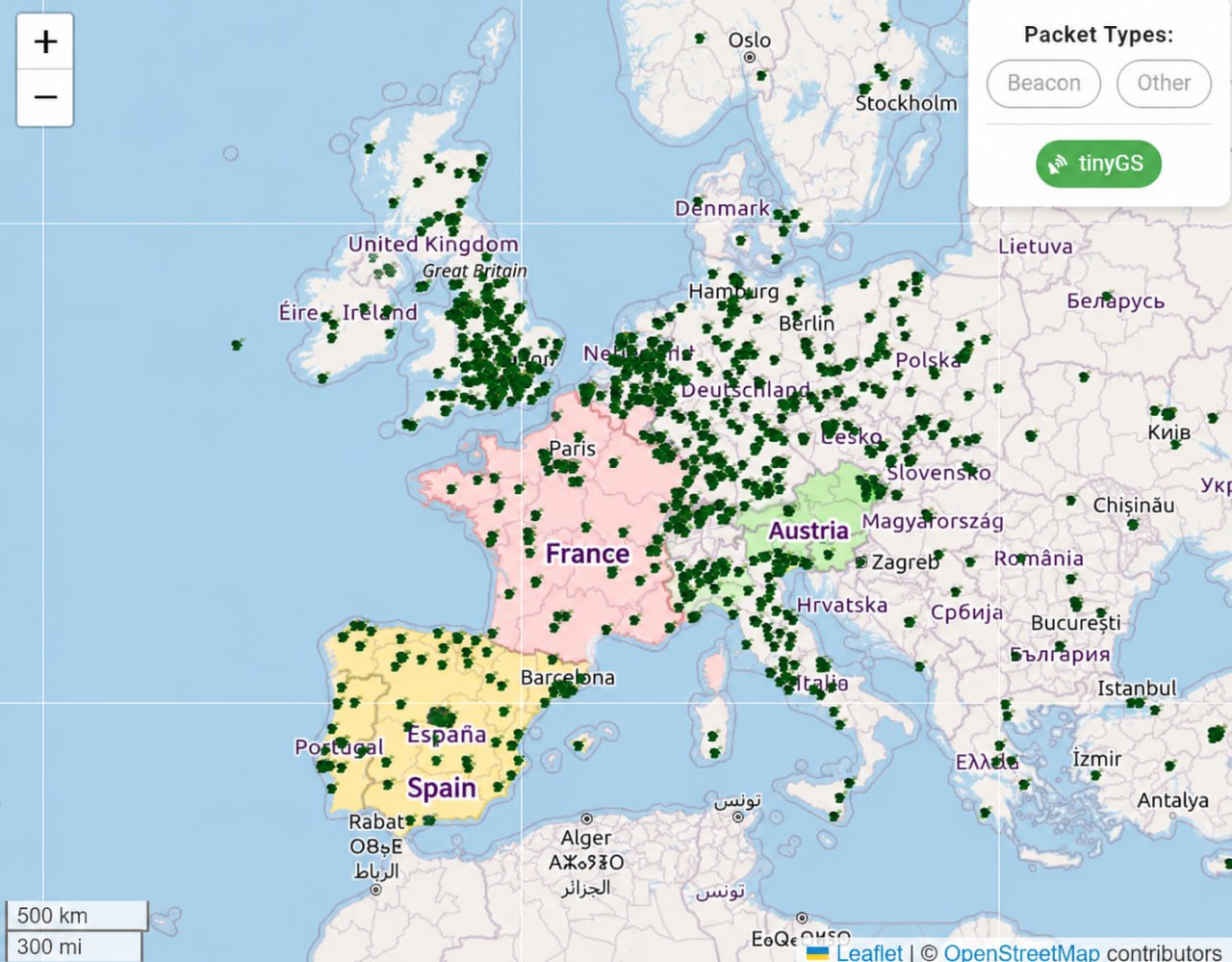
- Stefan/OE6ISP shared a map showing how received packets from the ET-001x satellites are distributed across Europe, pointing out that the satellite frequency is heavily occupied by terrestrial services in France, Spain, and Austria — in Austria, the Agonet mobile infrastructure service is about 20 dB stronger than the satellite signals. 🔗
- Stefan/OE6ISP found more information about the Connectas satellites, noting that batch 4 (#13 to #16) appears to introduce a new connection technology and is migrating to NB-IoT, a low-power wide-area network standard developed by 3GPP. 🔗
https://db.satnogs.org/satellite/XRIE-0236-5996-7855-8536
Balloons
- Piotr shared a recording from the STAN-2 balloon mission. 🔗
https://www.youtube.com/watch?v=9lpwzuWjYPw - anas_z15 announced the upcoming launch of the TEH HALIA-1 balloon payload on 30 August at 0700 Singapore time (29 August 2300 UTC), with a 436.2 MHz LoRa beacon using SF10, 125 kHz bandwidth, 4/7 coding rate, 30 dBm power, sync word 18, and CRC enabled; the beacon is sent as plaintext UTF-8 and requires no further decoding. He also shared the project background, explaining that TEH HALIA is a pilot initiative by the NUS Satellite Technology And Research (STAR) Centre that lets undergraduate engineering students design and fly atmospheric sensing and imaging payloads on weather balloons, and requested TinyGS operators in Singapore and Malaysia to manually tune their stations to receive the beacons. 🔗
https://app.tinygs.com/packet/01a04d3c-6b1e-701e-8916-1076847bf615
https://app.tinygs.com/packet/01a04d3a-741e-705c-8abf-93a3525c2022
Beta Firmware Testing
- Stefan/OE6ISP confirmed that the beta firmware works with SX1262-based boards, making the Heltec V3 compatible; it is an official beta but no release plan for a stable version is known, and enabling autoupdate with beta mode might deliver it automatically, though he manages firmware manually. 🔗
Share your setup
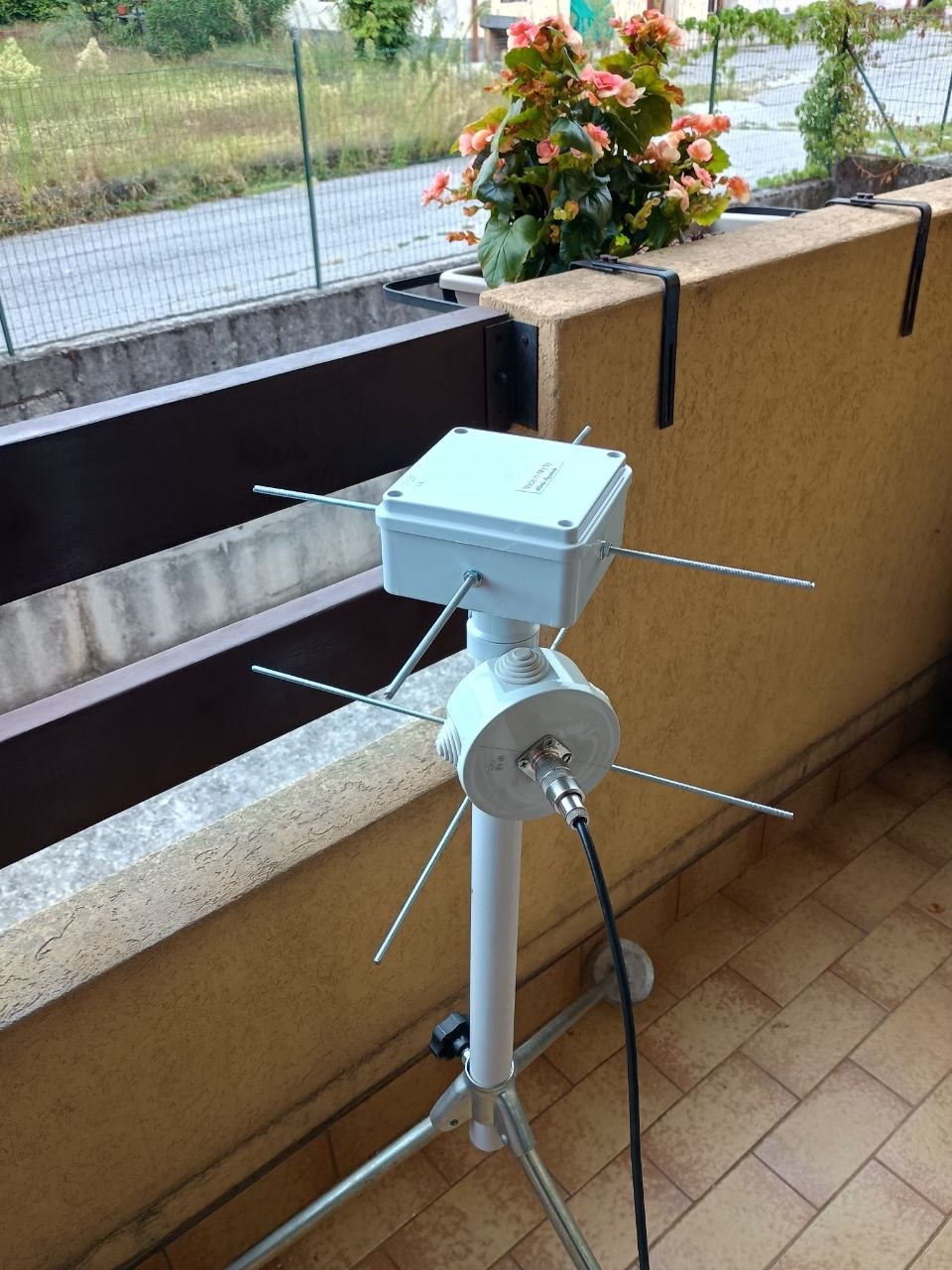
- Alberto shared a photo of his homemade antenna from northeastern Italy and confirmed his active ground station, IW3SKC_GS. 🔗
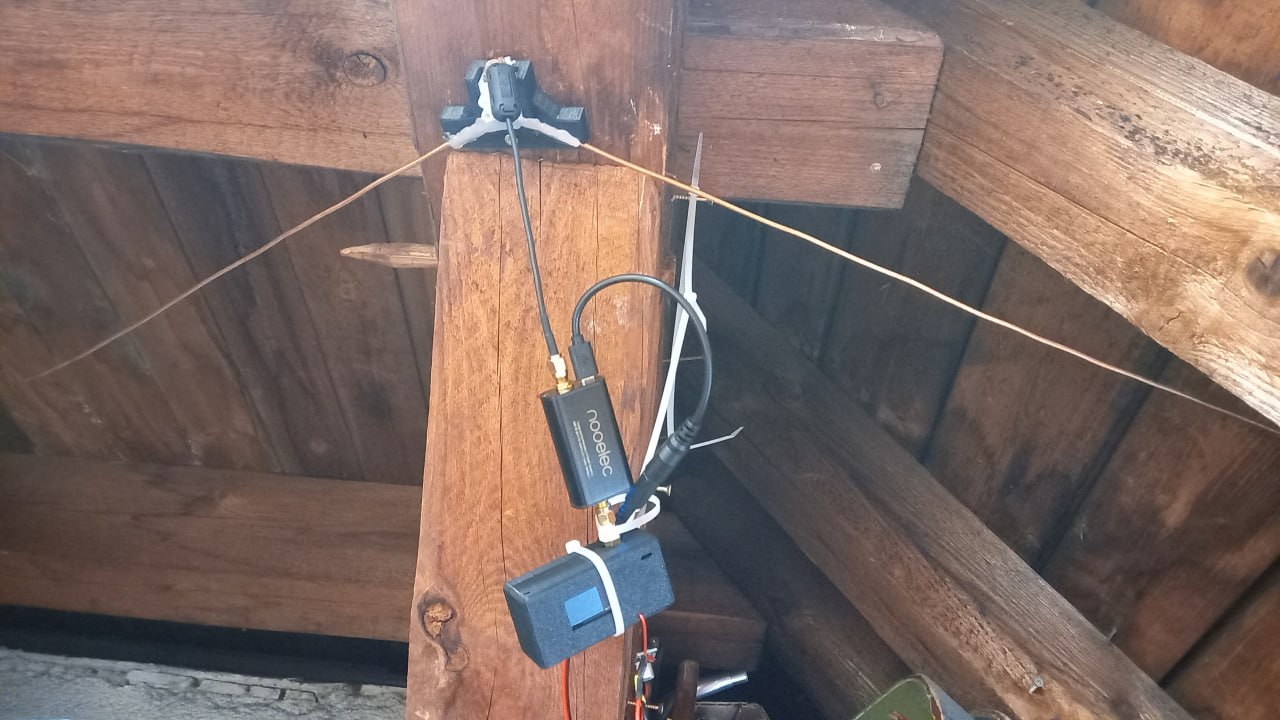
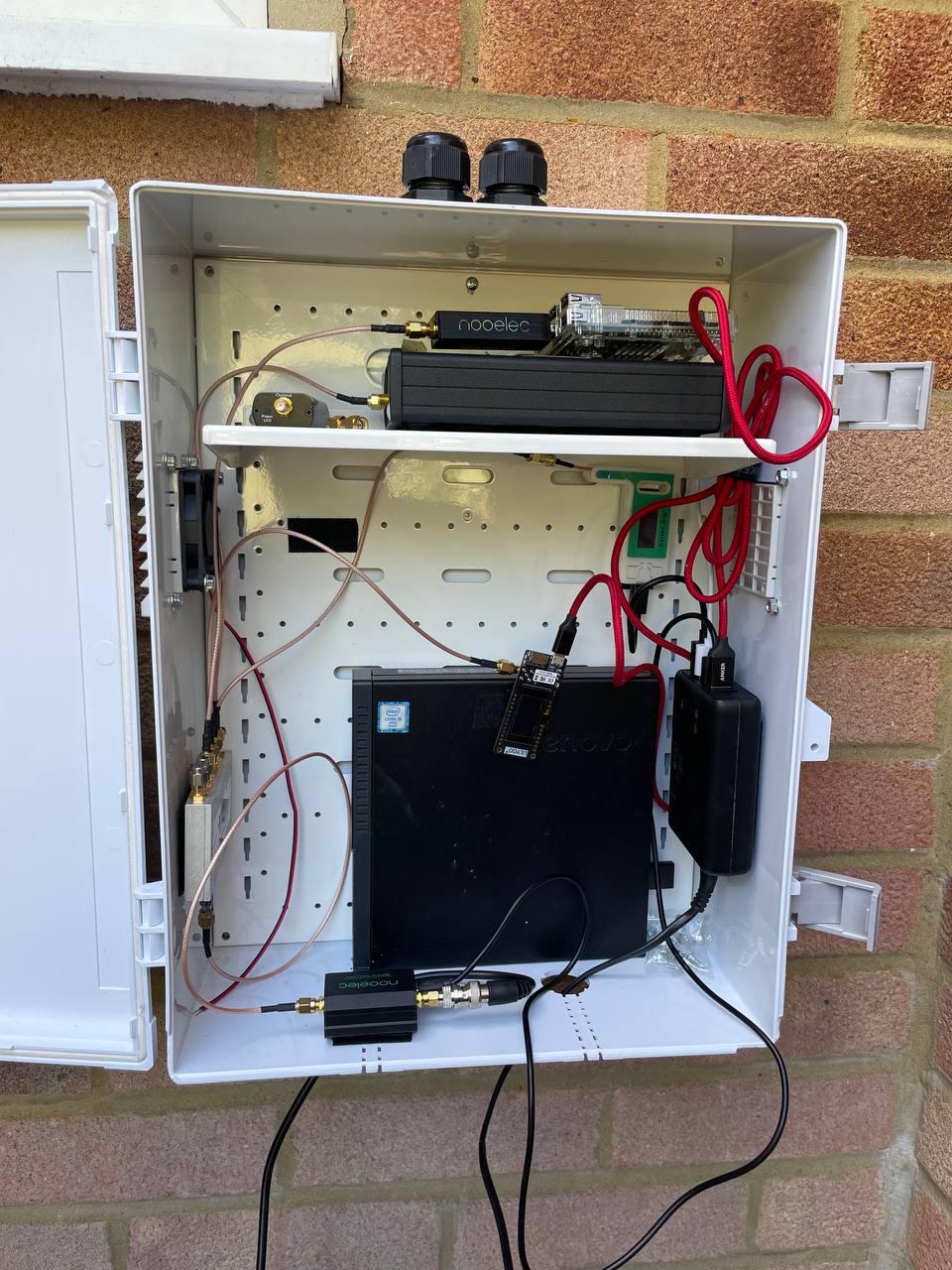
- David shared a photo of his newly boxed station, admitting there was still cable management to do; Stefan/OE6ISP complimented the setup but warned about SDR-stick heat in closed boxes, recommended adding a heatsink and fan, and asked where the enclosure came from (AliExpress). Stefan also suggested rg402 cable as a lower-loss alternative to rg316 and cautioned against lambda/4 cable lengths, recommending lambda/2 or lambda/4 + lambda/8 for short runs. 🔗
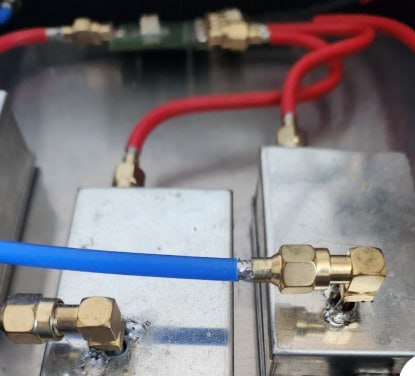
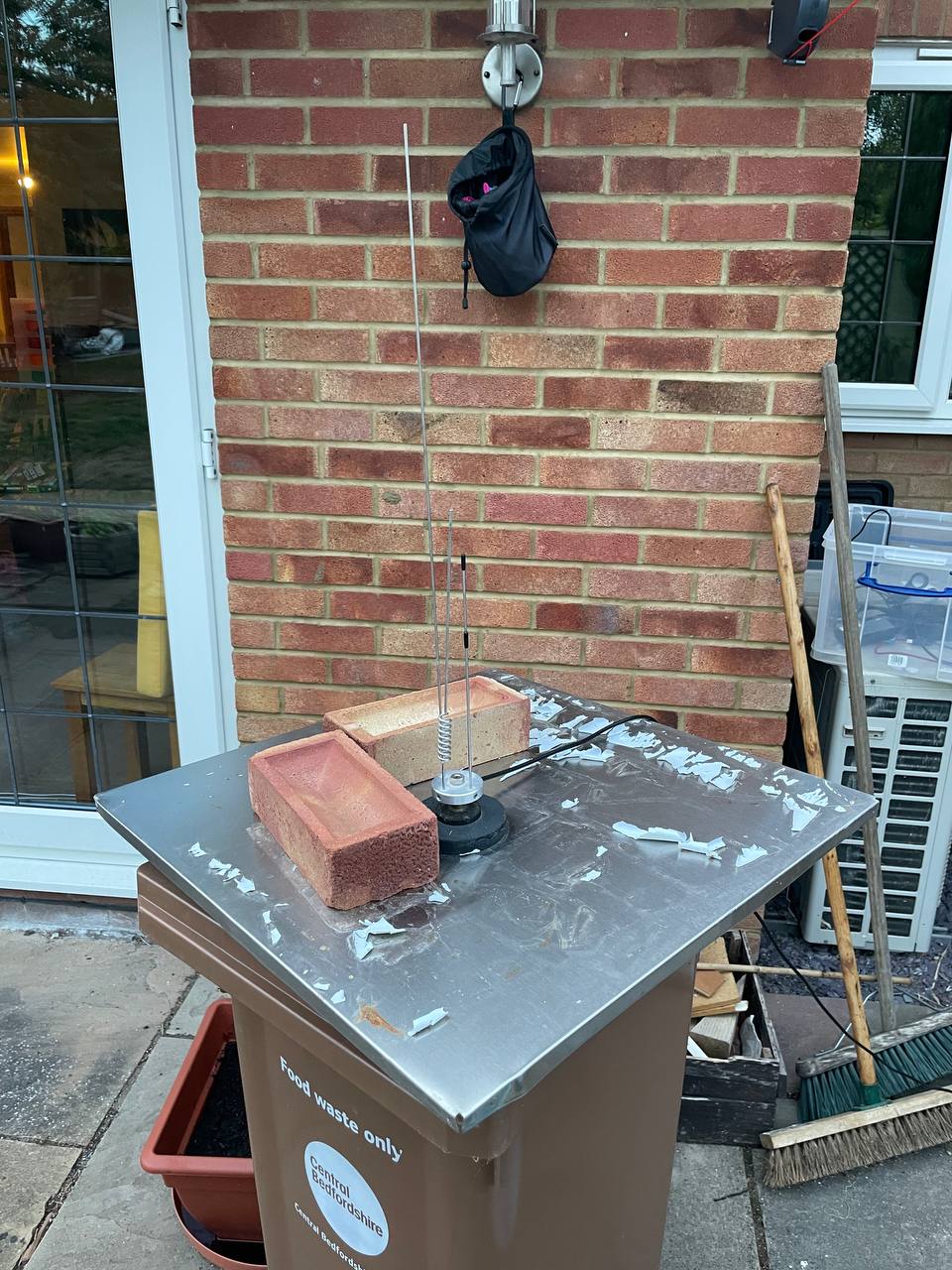
- David said he had ordered cheap cables to test a splitter and was planning to build two eggbeater antennas; Stefan/OE6ISP shared his experience running an eggbeater on OE6ISP_1 split between TinyGS and Satnogs, noting clear benefits for FSK but not so much for LoRa, plus good high-elevation coverage and a nearly circular radiation pattern. David calculated the size of a 133 MHz eggbeater for weather satellites, and the conversation turned to the surprising success of improvised low antennas, with Stefan recounting how a friend’s yagi worked well in a flower pot but failed after being moved to a “better” roof position. 🔗
Featured Conversations
- Antenna builders spent the week comparing double-cross, Lindenblad, eggbeater, and J-pole designs for LoRa satellite reception. The double-cross was praised for keeping gain near the zenith, while the Lindenblad was found to drop about 10 dB at high elevation. Polarization loss of roughly 3 dB was a recurring theme, with the group agreeing that no LNA can recover it. Low, improvised antennas also surprised everyone, with one yagi performing better in a flower pot than on a roof. The takeaway: antenna placement and radiation pattern often matter more than raw gain.
- Several frequency mysteries kept the technical channel busy this week. The ConnectaIoT satellites went silent on 800 MHz around mid-August, a fact verified with multiple receivers and an SDR. Research into CEPT/ECC and ITU documents did not explain the silence, leaving the community to keep investigating. A separate satdex entry showed ET-001D on 868 MHz when the satellite actually transmits on 465.5 MHz, confusing operators until the mismatch was spotted. There was also speculation that a satellite link may have moved away from 868 MHz after a high-speed link was validated.
- Reception maps for the ET-001x satellites revealed how heavily terrestrial services occupy their frequency in parts of Europe. In France, Spain, and Austria, local infrastructure can be far stronger than the satellite signal, with one service about 20 dB above the spacecraft. The Connectas constellation appears to be evolving too, with batch 4 units expected to migrate to NB-IoT. These developments show how the RF environment and satellite technology are both shifting under the TinyGS network, and operators may need to adapt their antennas and filters to keep capturing these birds.
- Balloon activity added a high-altitude flavor to the week. A recording from the STAN-2 mission was shared, giving members a taste of a recent flight. More exciting, a student-led payload from Singapore’s NUS STAR Centre was preparing to launch. TEH HALIA-1 planned to transmit a plaintext LoRa beacon at 436.2 MHz, and operators in Singapore and Malaysia were asked to tune in manually. The mission is part of a pilot program letting undergraduates design and fly atmospheric sensing payloads on weather balloons.
- The community also made room for newcomers and station builders. A father and son received advice on starting with a Heltec V3 and a simple groundplane antenna. Another operator got help recovering a station after a reset, walking through recovery mode and board configuration. Setup photos sparked tips on cooling SDR sticks in enclosed boxes and choosing lower-loss cable. Beta firmware news confirmed SX1262 support, opening the door for more boards to join the network.
Latest Cubesats News

VINK | The Welcome Cornell Won’t Give You
Cornell’s orientation fails to introduce incoming students to the ongoing student movement against the university’s investments in weapons manufacturers like Lockheed Martin and Elbit Systems, which supply arms used in Israel’s genocide in Gaza. Students for Justice in Palestine, YDSA, and Jewish Voice for Peace are renewing demands for divestment, severing ties with Technion, ending career collaborations with ICE and arms makers, and halting weapons research. The movement has already won a referendum, removed weapons manufacturers from campus, and occupied Day Hall despite university repression. The author invites the Class of 2030 to join the fight for a more just Cornell.
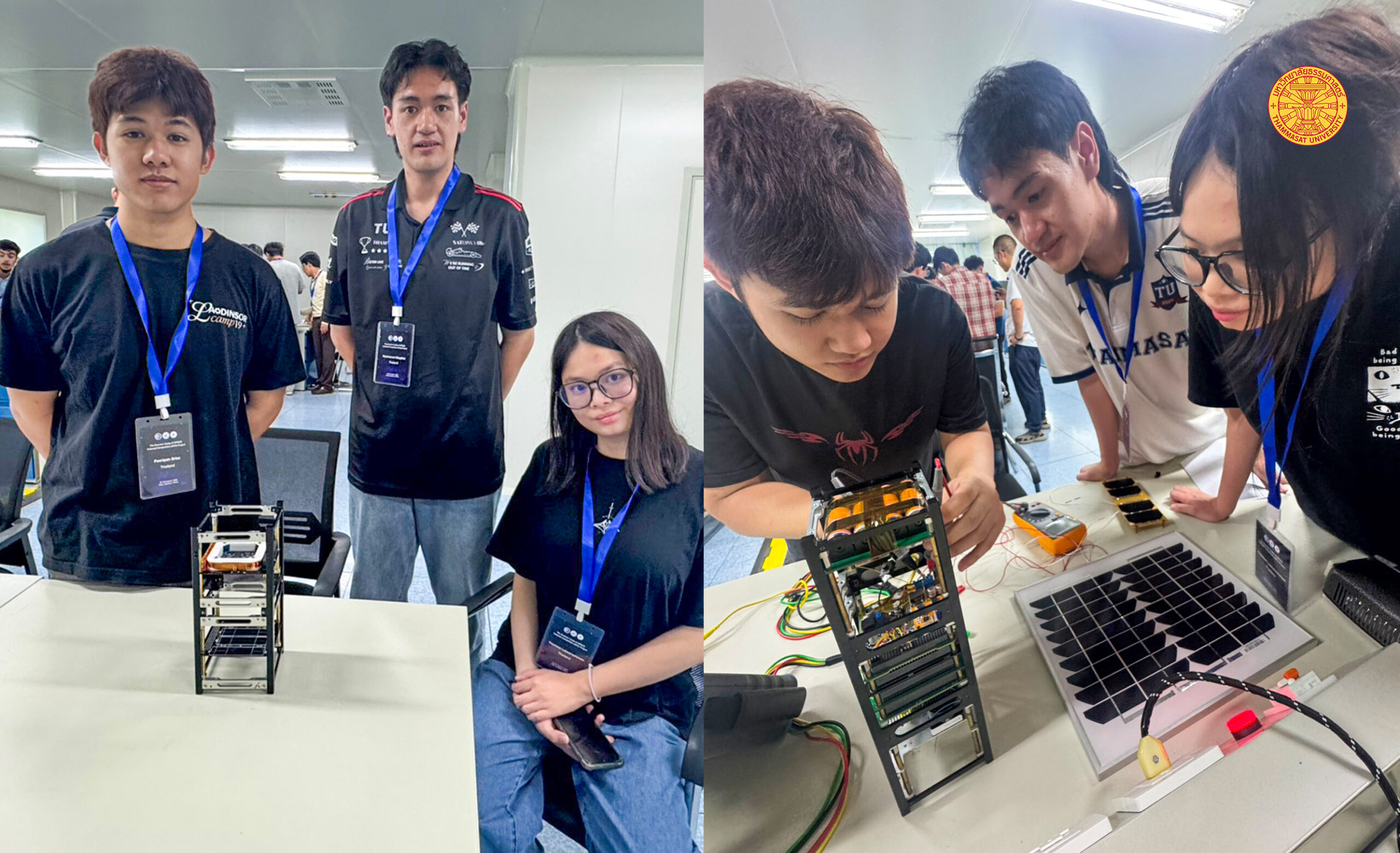
Thammasat Engineering Team Represents Thailand at APSCO International Space Forum to Develop CubeSat, Advancing Skills Toward…
Thammasat University’s Faculty of Engineering was selected as Thailand’s representative for the APSCO CubeSat Competition (ACC) Summer Camp, held August 12–25, 2026. The team, led by advisor Dr. Worinthorn Kiattikornthavayot Evans and three engineering students, focused on designing, building, and testing a 3U CubeSat engineering model over a three-year framework. Participants from APSCO’s eight member countries gained hands-on experience in satellite subsystems, space environment testing, and international standards, and attended an Interim Engineering Model Review. The Thammasat team will continue testing and evaluating the CubeSat next year to advance Thai students’ space technology expertise internationally.
Space Systems Command Launches EWS Cubesat Technical Demonstration
The Space Systems Command launched the EWS cubesat technical demonstration to test advanced missile warning technologies. The small satellite evaluates new infrared sensors for detecting missile launch heat signatures in a space environment. The demonstration aims to validate the integration of advanced sensors into smaller, lower-cost platforms and inform future designs. Success could lead to a constellation of cubesats and reshape space-based surveillance for national security.

Luča Makes History: Montenegro’s First Satellite Wins Prestigious Award in the USA - Antena M
Montenegro’s first satellite, Luča, won the “Rookie of the Year 2026” award from the American Institute of Aeronautics and Astronautics (AIAA) at the SmallSat Conference in Salt Lake City, Utah. The 1U CubeSat beat Bahrain’s Al-Munther and Australia’s ElaraSat MMS-1 in the final, following public voting. Montenegro Space Research hailed it as a historic achievement and a “David vs. Goliath” story, proving that big ideas can overcome big budgets. The award was accepted by Daniela Jović, with the team dedicating the victory to Montenegrin citizens and the diaspora who supported the satellite.

MSR: Vote for the first Montenegrin satellite Luča, which is in the finals of the AIAA “Rookie …
The first Montenegrin satellite Luča is a finalist for the AIAA “Rookie of the Year 2026” award. Montenegro Space Research (MSR) urges citizens, the diaspora, and friends of Montenegro to vote before August 26 at 7:59 a.m. Montenegrin time. Luča, a 1U CubeSat, competes against Bahrain’s Al-Munther and Australia’s ElaraSat MMS-1. The winner will be announced at the 40th Small Satellite Conference in Salt Lake City.

Argotec to Build NASA’s MiniCOR Satellite to Study Solar Eruptions
Argotec is building NASA’s MiniCOR satellite, a 12U CubeSat designed to observe the solar corona and track coronal mass ejections. The mission, part of NASA’s H-FORT program, recently passed its Critical Design Review and is now in production and testing. Weighing about 32 kg, MiniCOR will carry a compact Lyot coronagraph with a deployable arm to study the inner corona and solar wind over a six-month mission. The scientific payload is developed by Johns Hopkins APL and the Naval Research Laboratory.

Chinese private space firm delivers first complete satellite export to Southeast Asia - Ecns.cn
GalaxySpace completed the development, launch, and on-orbit delivery of a complete satellite to Thailand’s GISTDA, marking the first such export by a Chinese commercial space firm to Southeast Asia. The satellite, Lingzhi-09 Thailand CubeSat, was launched aboard a Long March-6C rocket from Taiyuan on Tuesday, along with six other satellites. It will collect remote sensing data for Thailand’s land, agriculture, and ecology, and support local aerospace education. GISTDA’s executive chairman hailed the partnership as a milestone in China-Thailand space cooperation, while GalaxySpace plans to expand its technology offerings to Belt and Road countries.

Aerospace reports first six months of DiskSat operations after Rocket Lab launch
The Aerospace Corporation’s four experimental DiskSats, launched on Rocket Lab’s Electron on Dec. 18, 2025, have completed early-orbit checkout and begun propulsion tests in a 550-km, 45-degree-inclination orbit. Each 17-kg flat spacecraft generates over 100 watts, stores up to 282 watt-hours, and uses a field-emission electric thruster with 300 micronewtons of thrust and up to 700 m/s delta-v. The mission includes lowering a DiskSat into very low Earth orbit and testing propulsion, communications, navigation, and attitude control. The platform offers more surface area and power than comparable CubeSats, with standardized interfaces and stacking for rideshare, though no end-to-end pricing has been published.
What’s next
Join the TinyGS Telegram channel to keep the conversation going — whether you are building antennas, testing firmware, chasing balloons, or just curious about LoRa satellites, your questions and experiences make the community stronger. See you there!